
Public Health Update
  • Home
  • Public Health Update
  • Nepal Health Jobs
    • Public Health Job Board
    • Organization List
  • Opportunities
    • Fellowships, Studentship & Scholarships
    • Grants and Funding Opportunities
    • Fully funded
    • Conference
  • Downloads
    • International Plan, Policy & Guidelines
    • National Plan, Policy & Guidelines
    • Reports
    • Public Health Notes
    • Syllabus
    • Form Formats
  • School of Public Health
    • PhD
    • Master’s Degree
    • Online Courses
  • Notice
  • Home
  • Public Health Update
  • Nepal Health Jobs
    • Public Health Job Board
    • Organization List
  • Opportunities
    • Fellowships, Studentship & Scholarships
    • Grants and Funding Opportunities
    • Fully funded
    • Conference
  • Downloads
    • International Plan, Policy & Guidelines
    • National Plan, Policy & Guidelines
    • Reports
    • Public Health Notes
    • Syllabus
    • Form Formats
  • School of Public Health
    • PhD
    • Master’s Degree
    • Online Courses
  • Notice
LOGIN / REGISTER
Public Health Update
SUBSCRIBE
Public Health Update
  • Home
  • Public Health Update
  • Nepal Health Jobs
    • Public Health Job Board
    • Organization List
  • Opportunities
    • Fellowships, Studentship & Scholarships
    • Grants and Funding Opportunities
    • Fully funded
    • Conference
  • Downloads
    • International Plan, Policy & Guidelines
    • National Plan, Policy & Guidelines
    • Reports
    • Public Health Notes
    • Syllabus
    • Form Formats
  • School of Public Health
    • PhD
    • Master’s Degree
    • Online Courses
  • Notice

All Right Reserved. Designed and Developed by PenciDesign

Diploma in Diagnostic Radiography Colleges in Nepal
CoursesSyllabus

Diploma in Diagnostic Radiography Colleges in Nepal

by Public Health Update August 3, 2022
written by Public Health Update

Course Overview

The Government of Nepal has called for the provision of basic health service to all by establishing a network of health services in all over Nepal. In this regard, the Council for Technical Education and Vocational Training (CTEVT) has been contributing towards the development of different level of health personnel. In the field of Radiography and imaging, CTEVT has been running a program to produce middle level radiography and imaging service providers. The Certificate in Diagnostic Radiography graduates will be able to perform routine works related to technology in different level of hospitals, health institutions and imaging centres.

This program is of three academic years’ duration. The first year course focuses on basic science and foundational subjects, the second year course focuses on basic radiography and imaging related subjects and the third year is given to the application of learned skills and knowledge within the comprehensive practical settings in hospitals, health institutions and imaging center recognized by the ministry of health and population or concerned authority.

The foundational subjects like English, Nepali, Physics, Chemistry and Mathematics are applicable for middle level health professional. The disciplinary subjects related to radiography field are included in second and third year. Along with the core radiography practice, the graduates will be capable of providing first aid, basic maternity care and basic public health care.

This curricular program also makes the provision of practical exposure as well as real work practices in the specific areas of radiography and imaging technology. The curriculum structure and the subject-wise content reflect the details of this curriculum. In brief, this curriculum will guide to its implementers to produce competent and highly employable middle level technical workforces in the field of radiography and imaging technology.

Aim:

  • This program aims to produce middle level technical personnel with sound academic knowledge equipped with perfect technical skills that can be faced in real life situation.

Program Objectives:

After the completion of this program, the graduates will be able to:

  • To perform all routine radiography/and assist in special x-ray examination.
  • To maintain photographic and x-ray equipment in good working order.
  • To possess knowledge on recent advances in imaging technology.
  • To protect the patients and staff from possible radiation hazards.
  • To maintain records of x-ray examinations, filing of radiographs & ordering of necessary radiographic supplies.
  • To provide care of the patients whilst in the x-ray department.
  • To prepare radiography set up required for routine and special investigations.
  • To practice quality control system in radiology department to deliver quality reports.
  • To familiarize middle level radiography management works, supervision of subordinates and preparation of reports.
  • To provide basic first aid Treatment.

Course Duration:

The total duration of this curricular program is three years. The program is based on yearly system. Moreover, one academic year consists of 39 academic weeks and one academic week consists up to 40 hours excluding evaluation period.

Diploma in Diagnostic Radiography Colleges in Nepal

  1. Amargadhi Polytechnic Institute
  2. Bageswori Health College pvt.
  3. Bheri Technical School, Banke.
  4. Birat Health College
  5. Chitwan School of Medical Science
  6. College of Medical Science
  7. Green Tara College of Health Science & Teaching
  8. Iwamura College of Health Science, Sallaghari.
  9. Kailpal Hospital & College Pvt.
  10. Kanchanjungha Institute of Health Science,
  11. Kantipur Academy of Health Science
  12. Karnali Technical School,Jumla.
  13. Kathmandu School of Medical Technology
  14. Lifeline Hospital Pvt.
  15. Mahakali Polytechnic Institute
  16. Manmohan Memorial Institute of Health Science
  17. National Multiple College, Jawalakhel
  18. Nepal Institute of Medical Science.
  19. Nepali Sena Swasthya Bigyan Sasthan.
  20. NIRMAL LAMA POLYTECHNIC INSTITUTE
  21. Nobel  Medical College
  22. Regional College of Health science& Technology
  23. SAHID KRISHNASEN ICHCHHUK POLYTECHNIC
  24. Sahid Smrak Janswastha Sahakari Sastha
  25. School of Health Science, Bhartpur
  26. Sunsari Technical School, Laxmi-sadak Dharan
  27. The Himal Institute of Health Science
  28. Yeti Swastha Bigyan Pratisthan,Maharajgunj.

TSLC and PCL Diploma Colleges in Nepal

  • TSLC programs ; Certificate level Health programs after SEE
  • Certificate in General Medicine (Health Assistant) Colleges in Nepal
  • Certificate in Ayurved General Science Colleges in Nepal
  • List of Diploma in Pharmacy Colleges in Nepal
  • List of Diploma in Ophthalmic Science Colleges in Nepal
  • Certificate in Dental Science Colleges in Nepal
  • Certificate in Medical Laboratory Technology Colleges in Nepal
  • List of Colleges for Proficiency Certificate Level in Nursing (PCL Nursing)

Colleges for Undergraduate and Graduate Courses in Nepal

  • BSc. Nursing, B. Midwifery and BN Colleges in Nepal
  • List of BPH Colleges and Available Seats in Nepal 
  • B.Optometry Colleges and Available Seats in Nepal
  • List of B.Pharm Colleges and Available Seats in Nepal
  • List of Colleges and Seat Distribution for MBBS Program in Nepal
  • Bachelor of Dental Surgery (BDS) Colleges and Available Seats in Nepal
  • Master in Nursing (MN), Master of Science (MSc) Nursing and Midwifery Colleges in Nepal
  • Master of Public Health (MPH) Colleges in Nepal
  • List of Registered Postgraduate Medical (Health Professionals) Programs in Nepal
  • M. Pharm, M.Optom, Clinical Psychology & MSc. MIT Colleges in Nepal
  • Medical Colleges & Academic Institutions in Nepal
  • Master in Nursing (MN), Master of Science (MSc) Nursing and Midwifery Colleges in Nepal
  • Master of Public Health (MPH) Colleges in Nepal
  • Bachelor of Public Health (BPH) Colleges in Nepal
  • Fee for Bachelor Level and Postgraduate Programs in Nepal
  • Bachelor in Public Health (BPH) Programme- IOM, Tribhuvan University
  • Medical Education Commission Act 2075 and Regulation (Revised)
  • Medical Education Commission Post Graduate Seats 2020
  • Medical Education Commission Matching Procedure 2078
  • Medical Education Commission (MEC) Eligibility Certificate
  • Medical Education Commission Act 2075 and Regulation (Revised)
  • Medical Education Commission Post Graduate Seats 2020
  • MEC ACT 2075 (DOWNLOAD)
  • Sample Questions for MEC Common Entrance Examination
  • Medical Education Commission (MEC)
  • Medical Education Commission (MEC) Eligibility Certificate
  • MEC Eligibility Guideline for Course in Foreign University/Institution 2077
  • Organogram and Reporting Mechanism of Nepalese Health System in Federal Context
  • Syllabus for Licensing Examination of Master of Public Health (MPH) 2021
  • Syllabus for Licensing Examination of Certificate in Medical Laboratory Technology 2021
  • Syllabus for Licensing Examination of PCL in Ophthalmic Science
  • Syllabus for Licensing Examination of Certificate Level in General Medicine 2021
  • Medical Education Commission Post Graduate Seats 2020
  • Medical Colleges & Academic Institutions in Nepal
  • Bachelor of Public Health (BPH) – Faculty of Medical and Allied Science, Purbanchal University
  • National Health Education, Information and Communication Centre (NHEICC)
  • Public Service Commission Syllabus Health Education Teaching Administrator
  • List of Registered Postgraduate Medical (Health Professionals) Programs in Nepal
  • Bachelor of Public Health (BPH) – Faculty of Medical and Allied Science, Purbanchal University
  • Sample Questions for MEC Common Entrance Examination
  • Syllabus for Licensing Examination of M.Sc. MLT/Medical/Clinical Biochemistry 2021
  • Syllabus for 5th Level Positions (Health)- Bagmati Province Public Service Commission
  • Document Required & Application Process for No Objection Certification
  • Public Service Commission Syllabus Health Assistant
  • Public Service Commission Syllabus for General Health Services 9th Level
  • List of application form & formats for Government Officials, Nepal

Related courses

  • Bachelor of Public Health Program- Karnali Academy of Health Sciences
  • Bachelor in Public Health (BPH) Programme- IOM, Tribhuvan University
  • Bachelor of Public Health (BPH) colleges in Nepal
  • Bachelor of Public Health (BPH) – Faculty of Medical and Allied Science, Purbanchal University
  • Bachelor of Public Health (BPH) Program, Pokhara University
Further readings
  • Master of Science In Public Health (Msc.PH Program), Kathmandu University
  • Central Department of Public Health (CDPH)
  • Master of Public Health (Public Health Service Management & Health Promotion and Education) –Pokhara University
  • Masters in Public Health (MPH) in BPKIHS
  • Syllabus for Postgraduate Integrated Entrance Examination
  • Syllabus for Bachelor in Public Health (BPH) Common Entrance Examination
  • Sample Questions for MEC Common Entrance Examination
  • Syllabus for Bachelor in Public Health (BPH) Common Entrance Examination
  • Sample Questions for MEC Common Entrance Examination
  • 100 MCQs for Master of Public Health
  • Primary Health Care & Nutrition MCQs, Master of Public Health
  • Sociology MCQs, Master of Public Health
  • Health Management and Health Economics MCQs, Master of Public Health
  • Health Education MCQs, Master of Public Health
  • Epidemiology MCQs, Master of Public Health
  • Environmental & Occupational Health MCQs, Master of Public Health
  • Demography MCQs, Master of Public Health
  • Research Methodology & Bio-stat MCQs, Master of Public Health
August 3, 2022 0 comments
0 FacebookTwitterPinterestLinkedinTumblrVKOdnoklassnikiRedditStumbleuponWhatsappTelegramLINEPocketSkypeViberEmail
Population Perspective Plan 2010-2031
Public HealthNational Plan, Policy & GuidelinesResearch & Publication

Population Perspective Plan 2010-2031

by Public Health Update August 1, 2022
written by Public Health Update

The Ministry of Health and Population (MoHP) has been implementing the Population Perspective Plan 2010-2031 which was endorsed in 2010. It consists of action plan for 2010-2031 alone with context analysis and thematic analysis.

National Population Policy, Nepal- 2071

  • Context of Population Perspective Plan
  • Objective of Population Perspective Plan
  • Scope of Population Perspective Plan
  • Thematic Analysis
  • Demographic Analysis
  • Reproductive Health
  • Poverty
  • Economic Dimension
  • Migration and Spatial Dimension (Migration, Urbanization, Population and Environment, Gender Mainstreaming)
  • Social Dimesion
  • Decentralization and Institutional Aspects
  • Action Plan for 2010-2031

Download PDF file

Download PDF file

August 1, 2022 0 comments
0 FacebookTwitterPinterestLinkedinTumblrVKOdnoklassnikiRedditStumbleuponWhatsappTelegramLINEPocketSkypeViberEmail
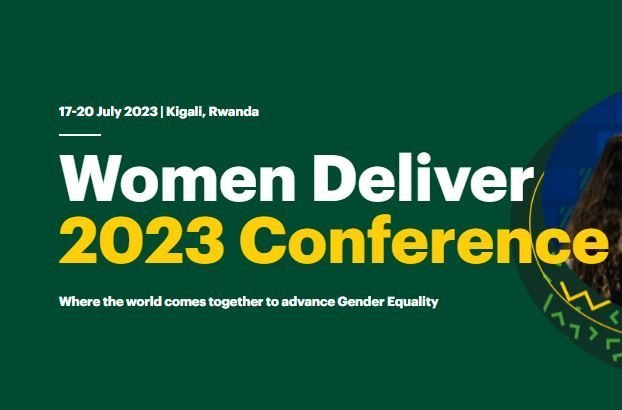
Women Deliver 2023 Conference
ConferenceFellowships, Studentship & ScholarshipsInternational Jobs & OpportunitiesPublic Health OpportunitiesPublic Health OpportunityTravel Grants

Women Deliver 2023 Conference Scholarship

by Public Health Update August 1, 2022
written by Public Health Update

The Women Deliver 2023 Conference (WD2023) will host participants both on-site in Kigali and virtually, from 17-20 July 2023. Official WD2023 Pre-Conferences will begin on 16 July 2023.

WD2023’S OBJECTIVES:

  • Catalyze Collective Action to Advance Gender Equality
  • Hold Leaders Accountable
  • Empower the Feminist Movement
  • Reframe Who Leads
  • Create Space

The Women Deliver 2023 Conference (WD2023) will be Women Deliver’s most inclusive, diverse, and accessible convening to date. Together with partners, we are committed to ensuring that people of all ages, spanning all geographies and backgrounds, can attend WD2023.

Delegates taking a selfie in front of Timothy Goodman’s mural in the Youth Zone at the Women Deliver 2019 Conference in Vancouver.

Scholarships

Our scholarship program, available both to those who wish to attend WD2023 in-person or online, provides financial assistance to individuals who would otherwise be unable to cover the cost of attending the Conference. Applications for on-site and virtual scholarships will be open through 1 October 2022, and will be accepted in English, French, and Spanish.

Applications for on-site and virtual sessions will be open through 1 October 2022, and will be accepted in English, French, and Spanish.

Eligibility

Scholarships are open to individuals of any age and background. Preference will be given to applicants from low- and middle-income countries and/or from populations disproportionally affected by discrimination, who are working to advance gender equality and the health, rights, and wellbeing of girls and women. Preference will be given to those who have not previously been awarded scholarship to attend a Women Deliver Conference.

Key dates

  • 19 July 2022: Scholarship applications open
  • 1 October 2022: Scholarship applications close
  • January 2023: Applicants are notified of outcomes

Scholarships include:

IN-PERSON*

  • All registration fees
  • Hotel accommodation (17-20 July 2023)
  • Economy airfare
  • Visa and related costs
  • Per diem for ground transportation and daily meals
  • Health insurance

*For persons with disabilities who travel with an assistant or minors under the age of 18 traveling with a chaperone, the scholarship will cover the needs of one additional person.

VIRTUAL

  • All registration fees
  • A technology/data stipend

How to apply

Please carefully read the questions below before filling out the WD2023 Scholarship application form.

  • What skills, knowledge, or experiences do you hope to gain by attending WD2023? (max. 150 words)
  • Can you provide 2-3 specific examples of the activities you have/ are currently carrying out to make a difference on issues affecting girls and women? (e.g., professional, academic, or volunteer projects) (max. 150 words)
  • How do you plan to meaningfully engage with your community and/or government after attending the Conference? How will you apply what you gain from attending WD2023 to your work? (max. 150 words)

Applications will be reviewed by the WD2023 Advisory Group and Women Deliver Staff. Women Deliver will notify selected scholarship recipients by January 2023.

Upon acceptance, scholarship recipients must commit to the following:

  • Actively participate during the full duration of the Conference.
  • Adhere to the Conference Code of Conduct.
  • Share knowledge gained at WD2023 and Global Dialogue with community members through a mechanism of choice (e.g., hosting an event, writing a blog, sharing social media posts, creating a video, etc.) and report back to Women Deliver by the end of 2023.

READ MORE AND APPLY


Do you have a website? Looking for the best hosting provider? Here’s a discount code.

Latest Public Health Jobs

Latest Posts

  • International Wellness Day: Promoting Global Wellness for All
  • Summit Declaration: The 12th National Summit of Health and Population Scientists in Nepal
  • Joint political declaration on the reform of the global health architecture
  • World Health Day 2026: Together for Health. Stand with Science.
  • World Water Day 2026 | Water & Gender Equality

Thanks for visiting us.
Disclaimer: The resources, documents, guidelines, and information on this blog have been collected from various sources and are intended for informational purposes only. Information published on or through this website and affiliated social media channels does not represent the intention, plan, or strategies of an organization that the initiator is associated with in a professional or personal capacity, unless explicitly indicated.
If you have any complaints, information, or suggestions about the content published on Public Health Update, please feel free to contact us at blog.publichealthupdate@gmail.com.
#StayUpdated

  • WordPress
  • Link
  • Facebook
  • Mail
  • Facebook
  • Twitter
  • Twitter
  • LinkedIn
  • Instagram
  • Facebook
August 1, 2022 0 comments
0 FacebookTwitterPinterestLinkedinTumblrVKOdnoklassnikiRedditStumbleuponWhatsappTelegramLINEPocketSkypeViberEmail
Certificate in Ayurved General Science Colleges in Nepal
CoursesSyllabus

Certificate in Ayurved General Science Colleges in Nepal

by Public Health Update July 31, 2022
written by Public Health Update

The Government of Nepal has called for the provision of basic health service to all by establishing a network of health services in remote and urban areas. In this regard, the Council for Technical Education and Vocational Training (CTEVT) has been contributing towards the development of different level of health personnel. In the field of Medical Science (Ayurveda). CTEVT has planned to produce middle level ayurveda health service providers in the form of Health Assistant (Ayurveda). The Council will award “Profeciency Certificate Level in Health Science (Ayurveda)” to those candidates who successfully complete the requirements as prescribed by this curriculum. The Certificate in Health Science (Ayurveda) graduates will be able to work as Health Assistant (Ayurveda) in the hospital and clinical settings and also will be able to serve in the community.

Explore Colleges for Health Science in Nepal

Development of competency based curriculum is the prerequisite for skilling people, employment creation, poverty reduction and achieving Sustainable Development Goal. This curriculum 3 years Diploma in Ayurveda health science is designed for producing skilled Ayurveda health personnel equipped with knowledge and skills of Ayurveda and general medicine with a view to provide curative, preventive and promotive health services to the community. It should be based on code of conduct of Nepal Ayurveda Medical Council.

This course is based on the job required to perform by a middle level (skilled) Ayurveda health personnel at different health institutions in Nepal. The Certificate in Medical Science on Ayurveda program extends over three years. The first year courses focus on the basic sciences and foundational subjects similar to all health PCL/diploma programs, the second year focus on the subjects of medical sciences, and the third year is given to the application of learned theory and skill development in comprehensive field practice in both hospital and community.

The foundational subjects like English, Nepali, Physics, Chemistry, and Mathematics (offered in diffusion model of curricular programme) are applicable in the medical field. The disciplinary subjects of medical field are included in all three years. This curricular programme also makes the provision of project works as well as real world of work practices in the specific medical areas. The curriculum structure and the subject wise content reflect the details of this curriculum. In brief, this curriculum will guide to its implementers to produce competent and highly employable middle level technical workforces in medical field.

Certificate in Ayurved General Science Colleges in Nepal

  1. Dhawantari Aayurbed Addhyyan Sasthan
  2. Gaushala Polytechnic Institute
  3. Nepal Aayurbed Academy
  4. Nobel Technical & Medical Science College, Kohalpur
  5. Unique College of Medical Science & Hospital Pvt
  6. Yogi Naraharinath Addhyan Tatha Anusandhan Pratisthan

Pre-Diploma in Ayurved Colleges in Nepal

  1. Ayurvedic Medical Institute Jankpurdham
  2. Banglamukhi Multiple technical Institute, Itahari
  3. Bardiya Medical Institute Guleriya
  4. Ilam Technical School
  5. Institute of Community health Dhangadhi Kailal
  6. Jagdamba Medical Institute, Rajbiraj.
  7. Modern Institute of Health Science.
  8. National Institute of science and Technology
  9. National technical School, Birendranagar.
  10. Saileja Aacharya Smriti Polytechnic.
  11. Shanker Technical Health Training center
  12. Triyuga National Academy
  13. White Park College, Amargadhi

TSLC and PCL Diploma Colleges in Nepal

  • TSLC programs ; Certificate level Health programs after SEE
  • Certificate in General Medicine (Health Assistant) Colleges in Nepal
  • Certificate in Ayurved General Science Colleges in Nepal
  • List of Diploma in Pharmacy Colleges in Nepal
  • List of Diploma in Ophthalmic Science Colleges in Nepal
  • Certificate in Dental Science Colleges in Nepal
  • Certificate in Medical Laboratory Technology Colleges in Nepal
  • List of Colleges for Proficiency Certificate Level in Nursing (PCL Nursing)

Colleges for Undergraduate and Graduate Courses in Nepal

  • BSc. Nursing, B. Midwifery and BN Colleges in Nepal
  • List of BPH Colleges and Available Seats in Nepal 
  • B.Optometry Colleges and Available Seats in Nepal
  • List of B.Pharm Colleges and Available Seats in Nepal
  • List of Colleges and Seat Distribution for MBBS Program in Nepal
  • Bachelor of Dental Surgery (BDS) Colleges and Available Seats in Nepal
  • Master in Nursing (MN), Master of Science (MSc) Nursing and Midwifery Colleges in Nepal
  • Master of Public Health (MPH) Colleges in Nepal
  • List of Registered Postgraduate Medical (Health Professionals) Programs in Nepal
  • M. Pharm, M.Optom, Clinical Psychology & MSc. MIT Colleges in Nepal
  • Medical Colleges & Academic Institutions in Nepal
  • Master in Nursing (MN), Master of Science (MSc) Nursing and Midwifery Colleges in Nepal
  • Master of Public Health (MPH) Colleges in Nepal
  • Bachelor of Public Health (BPH) Colleges in Nepal
  • Fee for Bachelor Level and Postgraduate Programs in Nepal
  • Bachelor in Public Health (BPH) Programme- IOM, Tribhuvan University
  • Medical Education Commission Act 2075 and Regulation (Revised)
  • Medical Education Commission Post Graduate Seats 2020
  • Medical Education Commission Matching Procedure 2078
  • Medical Education Commission (MEC) Eligibility Certificate
  • Medical Education Commission Act 2075 and Regulation (Revised)
  • Medical Education Commission Post Graduate Seats 2020
  • MEC ACT 2075 (DOWNLOAD)
  • Sample Questions for MEC Common Entrance Examination
  • Medical Education Commission (MEC)
  • Medical Education Commission (MEC) Eligibility Certificate
  • MEC Eligibility Guideline for Course in Foreign University/Institution 2077
  • Organogram and Reporting Mechanism of Nepalese Health System in Federal Context
  • Syllabus for Licensing Examination of Master of Public Health (MPH) 2021
  • Syllabus for Licensing Examination of Certificate in Medical Laboratory Technology 2021
  • Syllabus for Licensing Examination of PCL in Ophthalmic Science
  • Syllabus for Licensing Examination of Certificate Level in General Medicine 2021
  • Medical Education Commission Post Graduate Seats 2020
  • Medical Colleges & Academic Institutions in Nepal
  • Bachelor of Public Health (BPH) – Faculty of Medical and Allied Science, Purbanchal University
  • National Health Education, Information and Communication Centre (NHEICC)
  • Public Service Commission Syllabus Health Education Teaching Administrator
  • List of Registered Postgraduate Medical (Health Professionals) Programs in Nepal
  • Bachelor of Public Health (BPH) – Faculty of Medical and Allied Science, Purbanchal University
  • Sample Questions for MEC Common Entrance Examination
  • Syllabus for Licensing Examination of M.Sc. MLT/Medical/Clinical Biochemistry 2021
  • Syllabus for 5th Level Positions (Health)- Bagmati Province Public Service Commission
  • Document Required & Application Process for No Objection Certification
  • Public Service Commission Syllabus Health Assistant
  • Public Service Commission Syllabus for General Health Services 9th Level
  • List of application form & formats for Government Officials, Nepal

Related courses

  • Bachelor of Public Health Program- Karnali Academy of Health Sciences
  • Bachelor in Public Health (BPH) Programme- IOM, Tribhuvan University
  • Bachelor of Public Health (BPH) colleges in Nepal
  • Bachelor of Public Health (BPH) – Faculty of Medical and Allied Science, Purbanchal University
  • Bachelor of Public Health (BPH) Program, Pokhara University
Further readings
  • Master of Science In Public Health (Msc.PH Program), Kathmandu University
  • Central Department of Public Health (CDPH)
  • Master of Public Health (Public Health Service Management & Health Promotion and Education) –Pokhara University
  • Masters in Public Health (MPH) in BPKIHS
  • Syllabus for Postgraduate Integrated Entrance Examination
  • Syllabus for Bachelor in Public Health (BPH) Common Entrance Examination
  • Sample Questions for MEC Common Entrance Examination
  • Syllabus for Bachelor in Public Health (BPH) Common Entrance Examination
  • Sample Questions for MEC Common Entrance Examination
  • 100 MCQs for Master of Public Health
  • Primary Health Care & Nutrition MCQs, Master of Public Health
  • Sociology MCQs, Master of Public Health
  • Health Management and Health Economics MCQs, Master of Public Health
  • Health Education MCQs, Master of Public Health
  • Epidemiology MCQs, Master of Public Health
  • Environmental & Occupational Health MCQs, Master of Public Health
  • Demography MCQs, Master of Public Health
  • Research Methodology & Bio-stat MCQs, Master of Public Health
July 31, 2022 0 comments
0 FacebookTwitterPinterestLinkedinTumblrVKOdnoklassnikiRedditStumbleuponWhatsappTelegramLINEPocketSkypeViberEmail
Harvard University Free Online Courses for Health Professionals
Public HealthCoursesInternational Jobs & OpportunitiesOnline CoursesPublic Health OpportunitiesPublic Health OpportunitySummer and Winter CoursesSummer Courses

Harvard University Free Online Courses for Health Professionals

by Public Health Update July 30, 2022
written by Public Health Update

Universities for Doctor of Public Health (DrPH) IN USA

The Harvard University courses found below can be audited free or students can choose to receive a verified certificate for a small fee. Browse free online courses in a variety of subjects.

Certificate Program on Global Clinical Scholars Research Training

Select a course to learn more.

  1. Bioethics: The Law, Medicine, and Ethics of Reproductive Technologies and Genetics: An introduction to the study of bioethics and the application of legal and ethical reasoning.
  2. Data Science: Inference and Modeling: Learn inference and modeling: two of the most widely used statistical tools in data analysis.
  3. Data Science: R Basics: Build a foundation in R and learn how to wrangle, analyze, and visualize data.
  4. Data Science: Visualization: Learn basic data visualization principles and how to apply them using ggplot2.
  5. Humanitarian Response to Conflict and Disaster: Learn the principles guiding humanitarian response to modern emergencies, and the challenges faced in the field today.
  6. Improving Global Health: Focusing on Quality and Safety: Access to healthcare services is critical – but is it enough?
  7. Improving Your Business Through a Culture of Health: Learn how a Culture of Health can transform your business to improve the well-being of your employees and company
  8. Innovating in Health Care: Find innovation opportunities in health care technology, management, consulting, or investing by examining health care cost
  9. Lessons from Ebola: Preventing the Next Pandemic: Understanding the context for the Ebola outbreak: What went right, what went wrong, and how we can all do better.
  10. MalariaX: Defeating Malaria from the Genes to the Globe: How can we eradicate malaria? Explore cutting-edge science and technology, and examine policies needed, to control and eliminate
  11. Practical Improvement Science in Health Care: A Roadmap for Getting Results: Learn the skills and tools of improvement science to make positive changes in health, healthcare, and your daily life.
  12. PredictionX: John Snow and the Cholera Epidemic of 1854: An in-depth look at the 1854 London cholera epidemic in Soho and its importance for the field of epidemiology.
  13. Principles, Statistical and Computational Tools for Reproducible Data Science: Learn skills and tools that support data science and reproducible research, to ensure you can trust your own research results.
  14. Quantitative Methods for Biology: Learn introductory programming and data analysis in MATLAB, with applications to biology and medicine.
  15. Strengthening Community Health Worker Programs: Learn to deliver high-quality primary health care at scale through national community health worker programs.
  16. Systematic Approaches to Policy Design: This free online course from Harvard Kennedy School introduces approaches to analytical decision-making for policy design.
  17. The Health Effects of Climate Change: Learn how global warming impacts human health, and the ways we can diminish those impacts.
  18. United States Health Policy: Learn the essentials of U.S. health care policy from some of the nation’s top experts.

Certificate Program on Leadership in Medicine: Southeast Asia

Masters of Public Health (MPH) in USA (Universities & Specialization)


  • Universities for Doctor of Public Health (DrPH) IN USA
  • Masters of Public Health (MPH) in USA (Universities & Specialization)
  • OpenWHO Online Courses: Open to all anytime, from anywhere (265+ Free Courses)


Do you have a website? Looking for the best hosting provider? Here’s a discount code.

Latest Public Health Jobs

Latest Posts

  • International Wellness Day: Promoting Global Wellness for All
  • Summit Declaration: The 12th National Summit of Health and Population Scientists in Nepal
  • Joint political declaration on the reform of the global health architecture
  • World Health Day 2026: Together for Health. Stand with Science.
  • World Water Day 2026 | Water & Gender Equality

Thanks for visiting us.
Disclaimer: The resources, documents, guidelines, and information on this blog have been collected from various sources and are intended for informational purposes only. Information published on or through this website and affiliated social media channels does not represent the intention, plan, or strategies of an organization that the initiator is associated with in a professional or personal capacity, unless explicitly indicated.
If you have any complaints, information, or suggestions about the content published on Public Health Update, please feel free to contact us at blog.publichealthupdate@gmail.com.
#StayUpdated


  • WordPress
  • Link
  • Facebook
  • Mail
  • Facebook
  • Twitter
  • Twitter
  • LinkedIn
  • Instagram
  • Facebook
July 30, 2022 0 comments
0 FacebookTwitterPinterestLinkedinTumblrVKOdnoklassnikiRedditStumbleuponWhatsappTelegramLINEPocketSkypeViberEmail
Core Competencies for Public Health Professionals
Public Health NotesPublic HealthPublic Health UpdateTrick, Technique & Skills

Core Competencies for Public Health Professionals

by Public Health Update July 30, 2022
written by Public Health Update

The Core Competencies for Public Health Professionals (Core Competencies) are a consensus set of knowledge and skills for the broad practice of public health, as defined by the 10 Essential Public Health Services. Developed by the Council on Linkages Between Academia and Public Health Practice (Council on Linkages), the Core Competencies reflect foundational or crosscutting knowledge and skills for professionals engaging in the practice, education, and research of public health. These competencies provide a framework for workforce development planning and action. Organizations are encouraged to interpret and adapt the Core Competencies in ways that meet their specific organizational needs.

THE 10 ESSENTIAL PUBLIC HEALTH SERVICES (REVISED, 2020)

The Core Competencies support workforce development within public health and can serve as a starting point for public health professionals and organizations working to better understand and meet workforce development needs, improve performance, prepare for accreditation, and enhance the health of the communities they serve. The Core Competencies can be used in assessing workforce knowledge and skills, identifying training needs, developing workforce development and training plans, crafting job descriptions, and conducting performance evaluations. The Core Competencies have been integrated into curricula for education and training, provide a reference for developing public health courses, and serve as a base for sets of discipline-specific competencies.

Organization of the Core Competencies

The Core Competencies contain 56 competency statements that apply across the public health workforce for those engaged in the practice, education, and research of public health. These competency statements are organized into eight domains representing skill areas within public health. In addition, the Core Competencies include three tiers, which describe different types of responsibilities within public health organizations. The tiers are used to organize subcompetencies, which articulate more detailed knowledge and skills for individuals with responsibilities related to each tier.
Domains

  • Data Analytics and Assessment Skills
  • Policy Development and Program Planning Skills
  • Communication Skills
  • Health Equity Skills
  • Community Partnership Skills
  • Public Health Sciences Skills
  • Management and Finance Skills
  • Leadership and Systems Thinking Skills

Competency Statements

Domain 1: Data Analytics and Assessment Skills
1.1. Describes factors that affect the health of a community
1.2. Accesses existing quantitative and qualitative data
1.3. Collects quantitative and qualitative data
1.4. Analyzes quantitative and qualitative data
1.5. Manages quantitative and qualitative data
1.6. Uses quantitative and qualitative data
1.7. Applies public health informatics in using data, information, and knowledge
1.8. Assesses community health status

Domain 2: Policy Development and Program Planning Skills
2.1. Develops policies, programs, and services
2.2. Implements policies, programs, and services
2.3. Evaluates policies, programs, services, and organizational performance
2.4. Improves policies, programs, services, and organizational performance
2.5. Influences policies, programs, and services external to the organization
2.6. Engages in organizational strategic planning
2.7. Engages in community health improvement planning

Domain 3: Communication Skills
3.1. Determines communication strategies
3.2. Communicates with internal and external audiences
3.3. Responds to information, misinformation, and disinformation
3.4. Facilitates communication among individuals, groups, and organizations

Domain 4: Health Equity Skills
4.1. Applies principles of ethics, diversity, equity, inclusion, and justice
4.2. Engages in continuous self-reflection about one’s biases
4.3. Recognizes the diversity of individuals and populations
4.4. Reduces systemic and structural barriers that perpetuate health inequities
4.5. Implements organizational policies, programs, and services to achieve health equity and social and environmental justice
4.6. Contributes to achieving and sustaining a diverse, inclusive, and competent public health workforce
4.7. Advocates for health equity and social and environmental justice

Domain 5: Community Partnership Skills
5.1. Describes conditions, systems, and policies affecting community health and resilience
5.2. Establishes relationships to improve community health and resilience
5.3. Maintains relationships that improve community health and resilience
5.4. Collaborates with community members and organizations
5.5. Shares power and ownership with community members and others

Domain 6: Public Health Sciences Skills

6.1. Describes systems, policies, and events impacting public health
6.2. Applies public health sciences in delivering the 10 Essential Public Health Services
6.3. Uses evidence in developing, implementing, evaluating, and improving policies, programs, and services
6.4. Contributes to the evidence base for improving health

Domain 7: Management and Finance Skills
7.1. Describes factors that affect the health of an organization
7.2. Secures human resources
7.3. Manages human resources
7.4. Engages in professional development
7.5. Secures financial resources
7.6. Manages financial resources
7.7. Implements organizational policies, programs, and services to achieve diversity, equity, inclusion, and justice
7.8. Manages programs and services
7.9. Engages in contingency planning
7.10. Applies critical thinking in decision making
7.11. Engages individuals and teams to achieve program and organizational goals
7.12. Facilitates collaboration among individuals, groups, and organizations
7.13. Engages in performance management

Domain 8: Leadership and Systems Thinking Skills
8.1. Creates opportunities to achieve cross-sector alignment
8.2. Implements a vision for a healthy community
8.3. Addresses facilitators and barriers impacting delivery of the 10 Essential Public Health Services
8.4. Creates opportunities for creativity and innovation
8.5. Responds to emerging needs
8.6. Manages organizational change
8.7. Engages politicians, policymakers, and the public to support public health infrastructure
8.8. Advocates for public health

Official Link: Core Competencies for Public Health Professionals, Revisions Adopted: October 2021 (Read more information)


NEPHA’s Definition of Public Health, Public Health Professional & Public Health Expert


Do you have a website? Looking for the best hosting provider? Here’s a discount code.

Latest Public Health Jobs

Latest Posts

  • International Wellness Day: Promoting Global Wellness for All
  • Summit Declaration: The 12th National Summit of Health and Population Scientists in Nepal
  • Joint political declaration on the reform of the global health architecture
  • World Health Day 2026: Together for Health. Stand with Science.
  • World Water Day 2026 | Water & Gender Equality

Thanks for visiting us.
Disclaimer: The resources, documents, guidelines, and information on this blog have been collected from various sources and are intended for informational purposes only. Information published on or through this website and affiliated social media channels does not represent the intention, plan, or strategies of an organization that the initiator is associated with in a professional or personal capacity, unless explicitly indicated.
If you have any complaints, information, or suggestions about the content published on Public Health Update, please feel free to contact us at blog.publichealthupdate@gmail.com.
#StayUpdated


  • WordPress
  • Link
  • Facebook
  • Mail
  • Facebook
  • Twitter
  • Twitter
  • LinkedIn
  • Instagram
  • Facebook
July 30, 2022 0 comments
0 FacebookTwitterPinterestLinkedinTumblrVKOdnoklassnikiRedditStumbleuponWhatsappTelegramLINEPocketSkypeViberEmail
World Breastfeeding Week
PH Important DayPublic HealthPublic Health EventsPublic Health Update

World Breastfeeding Week (WBW) 2022! Step up for Breastfeeding: Educate and Support

by Public Health Update July 30, 2022
written by Public Health Update

World Breastfeeding Week (WBW) is a global campaign to raise awareness and galvanise action on themes related to breastfeeding. (Read More)

Every year, the World Alliance for Breastfeeding Action (WABA) coordinates the World Breastfeeding Week (WBW) a global campaign that aims to inform, anchor, engage and galvanise action on breastfeeding and related issues. Although progress has been achieved, the work to protect, promote and support breastfeeding became more of a challenge in the wake of the COVID-19 pandemic and geopolitical conflicts, which widened and deepened inequalities, tipping more people into food insecurity. In addition, limitations to the health system’s capacity led to deterioration of breastfeeding support, and targeted outreach by the breastmilk substitutes (BMS) industry continues to negatively influence parents’ infant feeding decisions.

Facts (WHO)

  • 3 in 5 not breastfed: Globally, 3 in 5 babies are not breastfed in the first hour of life.
  • 820 000 children could be saved: Over 820 000 children could be saved yearly if all children 0-23 months were optimally breastfed.
  • 41% of infants aged 0-6 months: Only 41% of infants under 6 months of age are exclusively breastfed.

Breastfeeding Fact Sheet: Nepal

Objectives of #WBW2022

World Breastfeeding Week 2022 (#WBW2022) focuses on strengthening the capacity of actors that have to protect, promote and support breastfeeding across different levels of society.

  • Inform: people about their role in strengthening the warm chain of support for breastfeeding
  • Engage: with individuals and organisations along the warm chain of support for breastfeeding
  • Anchor: breastfeeding as part of good nutrition, food security and reduction of inequalities
  • Galvanise: action on strengthening capacity of actors and systems for transformational change

Social media messages (WABA)

  • #Breastfeeding promotes bonding between mother & child and provides food security to infants from the very beginning of life contributing to food security for the whole family. This #WBW2022, let’s step up education & support for breastfeeding! @WABA.WBW @WorldHealthOrganization(WHO) @UNICEF
  • #Breastfeeding promotes bonding between mother & child and provides food security to infants from the very beginning of life contributing to food security for the whole family. @WABA.WBW @WorldHealthOrganization(WHO) @UNICEF
  • Women need support from the health service, workplace and community to optimally breastfeed, progressing from one level to the other. This is called the Warm Chain of Support for Breastfeeding. There is an urgent need for education to improve and increase the capacity of all the actors who work along the Warm Chain. @WABA.WBW @WorldHealthOrganization(WHO) @UNICEF
  • To PREPARE for #breastfeeding, parents need education & anticipatory breastfeeding counselling starting during the first trimester as part of routine antenatal care. @WABA.WBW @WorldHealthOrganization(WHO) @UNICEF
  • Let’s step up education and support for breastfeeding this #WBW2022! @WABA.WBW @WorldHealthOrganization(WHO) @UNICEF
  • To INITIATE breastfeeding, pregnant women need mother-friendly care during labour/delivery. Maternity units need evidence-based information covering appropriate management of labour/delivery care.  Let’s step up education and support for breastfeeding this #WBW2022! @WABA.WBW @WorldHealthOrganization(WHO) @UNICEF 
  • To ESTABLISH #breastfeeding in the early days, counselling and practical help with breastfeeding are needed in the maternity facility and when the mother is at home.  Let’s step up education and support for breastfeeding this #WBW2022! @WABA.WBW @WorldHealthOrganization(WHO) @UNICEF 
  • To MAINTAIN breastfeeding, families can be referred to appropriate health centres or clinics, and to breastfeeding counsellors and peer support groups.  Let’s step up education and support for breastfeeding this #WBW2022!
  • @WABA.WBW @WorldHealthOrganization(WHO) @UNICEF 
  • #Breastfeeding can save lives during emergencies and other special circumstances. In emergencies, the nutritional needs and care of both breastfed and non-breastfed infants and young children need attention. Let’s step up education and support for breastfeeding this #WBW2022! @WABA.WBW @WorldHealthOrganization(WHO) @UNICEF 

READ MORE: WABA


  • World Breastfeeding Week 2021: Protect Breastfeeding: A Shared Responsibility​
  • World Breastfeeding Week 2020 Message
  • World Breastfeeding Week 2020
  • World Breastfeeding Week: ”Empower Parents, Enable Breastfeeding”
  • Breastfeeding: Foundation of life! World Breastfeeding Week 2018
  • ”Sustaining Breastfeeding Together”-25th World Breastfeeding Week
  • Sustaining Breastfeeding Together: WABA | World Breastfeeding Week 2017
  • World Breastfeeding Week (1–7 August 2012)
  • Breastfeeding Fact Sheet: Nepal
  • Activities to protect, promote and support of breastfeeding
  • WHO and UNICEF issue new guidance to promote breastfeeding in health facilities globally
  • 10 facts on breastfeeding
  • Ten steps to successful breastfeeding (revised 2018)
  • Breastfeeding provides the strongest foundation for lifelong health and optimal nutrition
  • Ten Steps to Successful Breastfeeding
  • Breastfeeding: A smart investment
July 30, 2022 0 comments
0 FacebookTwitterPinterestLinkedinTumblrVKOdnoklassnikiRedditStumbleuponWhatsappTelegramLINEPocketSkypeViberEmail
Guidelines on long-acting injectable cabotegravir for HIV prevention
Communicable DiseasesGlobal Health NewsInternational Plan, Policy & GuidelinesPublic Health NewsPublic Health Update

WHO recommends long-acting cabotegravir for HIV prevention

by Public Health Update July 30, 2022
written by Public Health Update

New WHO guidelines advise countries to deliver long-acting cabotegravir as part of comprehensive approach to HIV prevention

28 July 2022  News release (WHO)

WHO today released new guidelines for the use of long-acting injectable cabotegravir (CAB-LA) as pre-exposure prophylaxis (PrEP) for HIV and called for countries to consider this safe and highly effective prevention option for people at substantial risk of HIV infection.

The guidelines, released ahead of the 24th International AIDS Conference (AIDS 2022), will support countries as they plan for CAB-LA introduction as part of a comprehensive approach to HIV prevention and will facilitate urgently needed operational research.

The guidelines are launched at a critical moment, as HIV prevention efforts have stalled with 1.5 million new HIV infections in 2021 – the same as 2020. There were 4000 new infections every day in 2021, with key populations (sex workers, men who have sex with men, people who inject drugs, people in prisons and transgender people) and their sexual partners accounting for 70% of HIV infections globally.

“Long-acting cabotegravir is a safe and highly effective HIV prevention tool, but isn’t yet available outside study settings,” said Dr Meg Doherty, Director of WHO’s Global HIV, Hepatitis and Sexually Transmitted Infections Programmes. “We hope these new guidelines will help accelerate country efforts to start to plan and deliver CAB-LA alongside other HIV prevention options, including oral PrEP and the dapivirine vaginal ring.”

CAB-LA is an intramuscular injectable, long-acting form of PrEP, with the first 2 injections administered 4 weeks apart, followed thereafter by an injection every 8 weeks. CAB-LA was shown to be safe and highly effective among cisgender women, cisgender men who have sex with men, and transgender women who have sex with men in 2 randomized controlled trials, HPTN 083 and HPTN 084. Together, these landmark studies found that use of CAB-LA resulted in a 79% relative reduction in HIV risk compared with oral PrEP, where adherence to taking daily oral medication was often a challenge. Long-acting injectable products have also been found to be acceptable and sometimes preferred in studies examining community PrEP preferences.

Today’s press conference also marks the launch of a new coalition to accelerate global access to CAB-LA. Convened by WHO, Unitaid, UNAIDS and The Global Fund, the coalition will identify market interventions needed to advance near- and long-term access to CAB-LA, establish financing and procurement for the drug, provide implementation support to global HIV prevention programs and issue policy guidance, among other activities.

“To achieve UN prevention goals, we must push for rapid, equitable access to all effective prevention tools, including long-acting PrEP,” said Rachel Baggaley, Lead of the Testing, Prevention and Populations Team at Global HIV, Hepatitis and STI Programmes at WHO. “That means overcoming critical barriers in low- and middle-income countries, including implementation challenges and costs.”

WHO will continue to support evidence-based strategies to increase PrEP access and uptake, including through the adoption of CAB-LA. Key actions include:

  • WHO will support countries and partners to include CAB-LA safely and effectively in HIV prevention programmes.
  • WHO is working with Unitaid and other partners to develop implementation science projects to answer outstanding safety issues, implementation challenges, and understand people’s preferences for CAB-LA among other HIV prevention choices.
  • WHO is working with countries, communities and donors including The Global Fund, PEPFAR, and the Bill & Melinda Gates Foundation to support the inclusion of CAB-LA in their programmes and to catalyze implementation science and monitoring of programmes so that CAB-LA can be implemented, safely and effectively, for greatest impact.
  • The WHO Global PrEP Network will host webinars this year on CAB-LA to provide up-to-date information for countries, communities and implementers and increase awareness.
  • In April 2022, CAB-LA was added to WHO’s list of Expressions of Interest for evaluation for prequalification, and WHO is working with countries on regulatory approval.

Both oral PrEP and CAB-LA are highly effective. WHO will continue to support prevention choices. CAB-LA increases the options available and should always be offered alongside oral PrEP. Some people may continue to choose oral PrEP and CAB-LA will likely be preferred by people who find it difficult to take tablets or do not want to do so. WHO has also released new guidance on Differentiated and simplified PrEP  at the AIDS 2022 conference to support easier access, including community delivery.  

Consistent with previous WHO guidelines, the new CAB-LA guidelines are based on a public health approach that considers effectiveness, acceptability, feasibility and resource needs across a variety of settings. The guidelines are designed to facilitate CAB-LA delivery and the operational research which is urgently needed to address implementation and safety issues. These will inform decisions on how to successfully provide and scale up CAB-LA. The guidelines highlight critical research gaps, including issues relating to HIV drug resistance, HIV testing, service delivery models, resource requirements, safety in pregnancy and breastfeeding, and provision of CAB-LA in geographies and for populations not included in the trials. 

The guidelines also note that young people and key populations often experience challenges in accessing current PrEP services. Communities must be involved in developing and delivering HIV prevention services that are effective, acceptable and support choice.

28 July 2022  News release (WHO)


DOWNLOAD: Guidelines on long-acting injectable cabotegravir for HIV prevention

  • Consolidated guidelines on HIV, viral hepatitis and STI prevention, diagnosis, treatment and care for key populations
  • National HIV Strategic Plan 2021-2026, Nepal
  • Interim Guidance for Continuing HIV Program Service Delivery During COVID-19 Pandemic
  • HIV Standard Service Package (SSP) For Key Populations
  • HIV Epidemic Update of Nepal (Fact sheet 2020)
  • UNAIDS calls on countries to step up global action and proposes bold new HIV targets for 2025
  • Sri Lanka has eliminated mother to child transmission of HIV and syphilis
  • WHO recommends dolutegravir as preferred HIV treatment (Mexico Update, IAS 2019)
  • The Joint United Nations Programme on HIV/AIDS (UNAIDS) Data 2019
  • Key facts on HIV: Country Snapshot 2019: Nepal
July 30, 2022 0 comments
0 FacebookTwitterPinterestLinkedinTumblrVKOdnoklassnikiRedditStumbleuponWhatsappTelegramLINEPocketSkypeViberEmail
access to clean and healthy environment a universal human right
Environmental Health & Climate ChangeGlobal Health NewsPublic Health News

UN General Assembly declares access to clean and healthy environment a universal human right

by Public Health Update July 30, 2022
written by Public Health Update

The UN General Assembly adopted a historic resolution on Thursday (July 28, 2022), declaring access to a clean, healthy and sustainable environment, a universal human right.

With 161 votes in favour and 8 abstentions, the General Assembly adopted a landmark resolution today recognizing the right to a clean, healthy and sustainable environment as a human right and calling for greater global efforts to ensure that principle is upheld.

Affirming that promoting that right requires the full implementation of the multilateral environmental agreements, the 193-member body called upon States, international organizations, business enterprises and other relevant stakeholders to adopt policies, enhance international cooperation, strengthen capacity-building and continue to share good practices in order to scale up efforts to ensure a clean, healthy and sustainable environment for all.

The resolution, based on a similar text adopted last year by the Human Rights Council, calls upon States, international organisations, and business enterprises to scale up efforts to ensure a healthy environment for all. 

The UN Secretary-General, António Guterres, welcomed the ‘historic’ decision and said the landmark development demonstrates that Member States can come together in the collective fight against the triple planetary crisis of climate change, biodiversity loss and pollution.

“The resolution will help reduce environmental injustices, close protection gaps and empower people, especially those that are in vulnerable situations, including environmental human rights defenders, children, youth, women and indigenous peoples”, he said in a statement released by his Spokesperson’s Office.

He added that the decision will also help States accelerate the implementation of their environmental and human rights obligations and commitments.

READ MORE STORY: THE UNITED NATIONS


Key component of Health included in Constitution of Nepal-2072


Do you have a website? Looking for the best hosting provider? Here’s a discount code.

Latest Public Health Jobs

Latest Posts

  • International Wellness Day: Promoting Global Wellness for All
  • Summit Declaration: The 12th National Summit of Health and Population Scientists in Nepal
  • Joint political declaration on the reform of the global health architecture
  • World Health Day 2026: Together for Health. Stand with Science.
  • World Water Day 2026 | Water & Gender Equality

Thanks for visiting us.
Disclaimer: The resources, documents, guidelines, and information on this blog have been collected from various sources and are intended for informational purposes only. Information published on or through this website and affiliated social media channels does not represent the intention, plan, or strategies of an organization that the initiator is associated with in a professional or personal capacity, unless explicitly indicated.
If you have any complaints, information, or suggestions about the content published on Public Health Update, please feel free to contact us at blog.publichealthupdate@gmail.com.
#StayUpdated


  • WordPress
  • Link
  • Facebook
  • Mail
  • Facebook
  • Twitter
  • Twitter
  • LinkedIn
  • Instagram
  • Facebook
July 30, 2022 0 comments
0 FacebookTwitterPinterestLinkedinTumblrVKOdnoklassnikiRedditStumbleuponWhatsappTelegramLINEPocketSkypeViberEmail
Consolidated guidelines on HIV, viral hepatitis and STI prevention, diagnosis, treatment and care for key populations
International Plan, Policy & GuidelinesCommunicable DiseasesResearch & Publication

Consolidated guidelines on HIV, viral hepatitis and STI prevention, diagnosis, treatment and care for key populations

by Public Health Update July 30, 2022
written by Public Health Update

Overview

The Consolidated guidelines on HIV, viral hepatitis and STI prevention, diagnosis, treatment and care for key populations outline a public health response for 5 key populations (men who have sex with men, trans and gender diverse people, sex workers, people who inject drugs and people in prisons and other closed settings). They present and discuss new recommendations and consolidate a range of recommendations and guidance from current WHO guidelines.

Particularly for key populations, social, legal, structural and other contextual factors both increase vulnerability to HIV, viral hepatitis and STIs and obstruct access to health and other essential services. These guidelines highlight the critical importance of addressing structural barriers in all settings as a priority.

In most countries, inadequate coverage and poor quality of services for key populations continue to undermine responses to HIV, viral hepatitis and STIs. All countries should prioritise reaching key populations and supporting key population communities to lead the response and provide equitable, accessible and acceptable services.

In most countries, inadequate coverage and poor quality of services for key populations continue to undermine responses to HIV, viral hepatitis and STIs. All countries should prioritise reaching these key populations and supporting key population communities to lead the response and provide equitable, accessible and acceptable services to these groups.

These guidelines focus on the above five groups, originally defined as “key” in the HIV response across the three infectious disease areas. This is for the following reasons.

  • The structural barriers which limit the five key populations’ access to HIV services also limit their access to viral hepatitis and STI services.
  • HIV risk behaviours such as condomless sex and unsafe injecting, which are in general more common in key populations, are also among those that increase the risk of acquiring viral hepatitis and STIs.
  • Many of the interventions recommended for HIV prevention also have an impact on transmission of viral hepatitis and STIs.
  • Particularly for key populations, social, legal, structural and other contextual factors both increase vulnerability to HIV, viral hepatitis and STIs and obstruct access to health and other essential services. These guidelines highlight the critical importance of addressing structural barriers in all settings as a priority.

Guidelines principles

These guidelines are developed with the following principles:

  • human rights;
  • gender equality;
  • equity and inclusion;
  • medical ethics;
  • universal health coverage;
  • evidence-based public health;
  • key population community-led response.

Summary of essential health and enabling recommendations

Essential for impact: enabling interventions

  • Removing punitive laws, policies and practices
  • Reducing stigma and discrimination
  • Community empowerment
  • Addressing violence

Essential for impact: health interventions
Prevention of HIV, viral hepatitis and STIs

  • Harm reduction (needle and syringe programmes (NSPs), opioid agonist maintenance therapy
  • (OAMT) and naloxone for overdose management)
  • Condoms and lubricant
  • Pre-exposure prophylaxis (PrEP) for HIV
  • Post-exposure prophylaxis (PEP) for HIV and STIs
  • Prevention of vertical transmission of HIV, syphilis and HBV
  • Hepatitis B vaccination
  • Addressing chemsex

Diagnosis

  • HIV testing services
  • STI testing
  • Hepatitis B and C testing

Treatment

  • HIV treatment
  • Screening, diagnosis, treatment and prevention of HIV-associated tuberculosis (TB)
  • STI treatment
  • Hepatitis B and hepatitis C treatment

Essential for broader health: health interventions

  • Anal health
  • Conception and pregnancy care
  • Contraception
  • Gender-affirming care
  • Mental health
  • Prevention, assessment and treatment of cervical cancer
  • Safe abortion
  • Screening and treatment for hazardous and harmful alcohol and other substance use
  • TB screening and prevention

Download: Consolidated guidelines on HIV, viral hepatitis and STI prevention, diagnosis, treatment and care for key populations


  • WHO convenes experts to review methods for estimating TB disease burden
  • World Health Statistics Report 2022
  • ‘Put people first’ – Lancet Global Health Commission sets out a new vision for investing more and better in primary health care
  • National Standards on WASH for Health Institutions 2078
July 30, 2022 0 comments
0 FacebookTwitterPinterestLinkedinTumblrVKOdnoklassnikiRedditStumbleuponWhatsappTelegramLINEPocketSkypeViberEmail
Newer Posts
Older Posts

Search

Follow Us

Facebook Twitter Instagram Pinterest Linkedin Youtube

Categories

  • Abstracts (25)
  • Activities (91)
  • Adolescent Sexual and Reproductive Health (ASRH) (25)
  • Advice & Tips (4)
  • African Region (5)
  • AI and Health (1)
  • Annual Meeting (6)
  • Antimicrobial Resistance (AMR) (21)
  • Award (19)
  • Awards (16)
  • Books (9)
  • Call for Proposal, EOI & RFP (103)
  • Call for Research Participants (8)
  • Clinical Doctor Jobs (6)
  • Communicable Diseases (107)
  • Competition (20)
  • Conference (129)
  • Consultant (1)
  • Courses (205)
  • Dashboard (2)
  • Digital Health & Health Informatics (10)
  • Drug and Medicine (18)
  • Eastern Mediterranean Region (3)
  • Education (15)
  • Environment (3)
  • Environmental Health & Climate Change (47)
  • European Region (42)
  • Exchange Program (1)
  • Fact Sheet (117)
  • FCHVs (1)
  • Fellowships, Studentship & Scholarships (168)
  • Financial Aid (13)
  • Form Formats (2)
  • Fully funded (22)
  • Global Health News (434)
  • Grants and Funding Opportunities (193)
  • Guest Post (44)
  • Health Assistant Jobs (1)
  • Health Equity (7)
  • Health Financing and Economics (24)
  • Health in Data (115)
  • Health Insurance (5)
  • Health Jobs (52)
  • Health Literacy, Health Education & Promotion (50)
  • Health Organization Profile (42)
  • Health Systems (83)
  • Human Resource for Health (33)
  • Humanitarian Health & Emergency Response (44)
  • Hypertension (5)
  • Implementation Research (48)
  • International Health (3)
  • International Jobs & Opportunities (373)
  • International Plan, Policy & Guidelines (210)
  • Internships (4)
  • Jobs Vacancies (56)
  • Journals (8)
  • Life Style & Public Health Nutrition (39)
  • Live (10)
  • Master's Degree (48)
  • Maternal, Newborn and Child Health (88)
  • Mentorship Program (2)
  • Miscellaneous (16)
  • National Health News (158)
  • National Plan, Policy & Guidelines (468)
  • Neglected Tropical Diseases (NTDs) (51)
  • Non- Communicable Diseases (NCDs) (121)
  • Notice (103)
  • Nursing Jobs (6)
  • Nutritionist Jobs (1)
  • One Health (18)
  • Online & Distance Learning (22)
  • Online Courses (90)
  • Op-Ed Article (3)
  • Opportunities by Region (83)
  • Outbreak News (213)
  • Partially funded (6)
  • PCL Health Science Jobs (3)
  • PH Important Day (534)
  • Pharmacist Jobs (3)
  • PhD (54)
  • Photos (5)
  • Planetary Health (4)
  • PostDoc (14)
  • Presentation Slides (26)
  • Primary Health Care (25)
  • Provincial Plan, Policies and Guidelines (14)
  • Public Health (1,283)
  • Public Health Epidemiology & Biostatistics (13)
  • Public Health Events (306)
  • Public Health Information (20)
  • Public Health Innovation (9)
  • Public Health Jobs (52)
  • Public Health News (554)
  • Public Health Notes (120)
  • Public Health Opportunities (507)
  • Public Health Opportunity (491)
  • Public Health Programs (108)
  • Public Health Seminar (2)
  • Public Health Tools (1)
  • Public Health Update (564)
  • Quality Improvement & Infection Prevention (20)
  • Region of America (8)
  • Reports (184)
  • Research & Project Grants (39)
  • Research & Project Grants (32)
  • Research & Publication (647)
  • Research Articles (10)
  • Road Traffic Accidents (RTA) (9)
  • School of Public Health (60)
  • Self funded (2)
  • South-East Asia Region (26)
  • Success Stories (17)
  • Summer and Winter Courses (40)
  • Summer Courses (28)
  • Sustainable Development Goals (SDGs) (14)
  • Syllabus (61)
  • Symposium (9)
  • Tobacco Control (35)
  • Training (40)
  • Travel Grants (15)
  • Trick, Technique & Skills (8)
  • Uncategorized (3)
  • Undergraduate Degree (7)
  • Universal Health Coverage (36)
  • Universities (29)
  • Universities & School of Public Health (58)
  • Vacancy Announcement (26)
  • Vaccine Preventable Diseases (40)
  • Vector-Borne Diseases(VBDs) (30)
  • Videos (3)
  • View Points (1)
  • Webinar (4)
  • Western Pacific Region (13)
  • Workshop (18)
  • World News (117)
Post New Jobs: Vacancy Announcement Service

Public Health Update (Sagun’s Blog) is a popular public health portal in Nepal. Thousands of health professionals are connected with Public Health Update to get up-to-date public health updates, search for jobs, and explore opportunities.
#1 Public Health Blog for sharing Job opportunities and updates in Nepal

”Public Health Information For All”
– – Sagun Paudel, Founder

  • HOT JOBS
    • Public Health Jobs
    • Medical Doctor Jobs
    • Nursing Jobs
    • Health Assistant Jobs
    • Pharmacist Jobs
    • NGOs Jobs
    • Government Jobs
  • Top Categories
    • National Plan, Policy & Guidelines Top
    • Public Health Calendar
    • Fellowships & Scholarships
    • Health Systems
    • Health Organization Profiles
    • International Jobs & Opportunities
    • Public Health Opportunity

PUBLIC HEALTH INITIATIVE

    • Submit your Vacancies New
    • Partnership Opportunities

Contact: blog.publichealthupdate@gmail.com

https://wa.me/+9779856036932

Public Health Initiative, A Registered Non-profit organization – All Right Reserved. 2011-2024. Contact us. 

Facebook Twitter Instagram Youtube Envelope
Public Health Update
  • Home
  • Public Health
    • Home 1
      • Adolescent Sexual and Reproductive Health (ASRH)
      • Antimicrobial Resistance (AMR)
      • Communicable Diseases
      • Digital Health & Health Informatics
      • Environmental Health & Climate Change
      • Health Financing and Economics
      • Health Equity
    • Home 2
      • Health Literacy, Health Education & Promotion
      • Human Resource for Health
      • Humanitarian Health & Emergency Response
      • Implementation Research
      • International Health
      • Life Style & Public Health Nutrition
      • Maternal, Newborn and Child Health
    • Home 3
      • Neglected Tropical Diseases (NTDs)
      • Non- Communicable Diseases (NCDs)
      • One Health
      • Planetary Health
      • Public Health Epidemiology & Biostatistics
      • Primary Health Care
      • Quality Improvement & Infection Prevention
    • Home 4
      • Road Traffic Accidents (RTA)
      • Sustainable Development Goals (SDGs)
      • Tobacco Control
      • Universal Health Coverage
      • Vaccine Preventable Diseases
      • Vector-Borne Diseases(VBDs)
      • Notices
  • Public Health Update
    • Home 1
      • Public Health News
      • Global Health News
      • Outbreak News
      • National Health News
      • COVID-19
    • Home 2
      • Fact Sheet
      • Health in Data
      • PH Important Day
      • Public Health Events
      • Public Health Programs
    • Home 3
      • Health Systems
      • Health Insurance
      • Health Organization Profile
      • Success Stories
      • Public Health Innovation
  • Public Health Opportunities
    • Fully funded
    • Travel Grants
    • Grants and Funding Opportunities
    • Opportunities by Region
    • International Jobs & Opportunities
    • Research & Project Grants
    • Fellowships, Studentship & Scholarships
    • Conference
  • Jobs
    • Home 1
      • Health Jobs
      • Public Health Jobs
      • Clinical doctor Jobs
      • Health Assistant Jobs
      • Nursing Jobs
      • PCL Health Science Jobs
    • Home 2
      • Dental Jobs
      • Pharmacist Jobs
      • TSLC (Health Jobs)
      • Laboratory Jobs
      • Nutritionist Jobs
  • Downloads
    • International Plan, Policy & Guidelines
    • National Plan, Policy & Guidelines
    • Reports
    • Books
    • Research Articles
  • School of Public Health
    • Home 1
      • Courses
      • Master’s Degree
      • Undergraduate Degree
      • PhD
    • Home 2
      • Universities
      • Syllabus
      • Public Health Notes
      • Mentorship Program
      • Startup Project
    • Home
      • Summer and Winter Courses
      • Summer Courses
      • Online Courses
      • Workshop
      • Training
Public Health Update
  • Home
  • Public Health
    • Home 1
      • Adolescent Sexual and Reproductive Health (ASRH)
      • Antimicrobial Resistance (AMR)
      • Communicable Diseases
      • Digital Health & Health Informatics
      • Environmental Health & Climate Change
      • Health Financing and Economics
      • Health Equity
    • Home 2
      • Health Literacy, Health Education & Promotion
      • Human Resource for Health
      • Humanitarian Health & Emergency Response
      • Implementation Research
      • International Health
      • Life Style & Public Health Nutrition
      • Maternal, Newborn and Child Health
    • Home 3
      • Neglected Tropical Diseases (NTDs)
      • Non- Communicable Diseases (NCDs)
      • One Health
      • Planetary Health
      • Public Health Epidemiology & Biostatistics
      • Primary Health Care
      • Quality Improvement & Infection Prevention
    • Home 4
      • Road Traffic Accidents (RTA)
      • Sustainable Development Goals (SDGs)
      • Tobacco Control
      • Universal Health Coverage
      • Vaccine Preventable Diseases
      • Vector-Borne Diseases(VBDs)
      • Notices
  • Public Health Update
    • Home 1
      • Public Health News
      • Global Health News
      • Outbreak News
      • National Health News
      • COVID-19
    • Home 2
      • Fact Sheet
      • Health in Data
      • PH Important Day
      • Public Health Events
      • Public Health Programs
    • Home 3
      • Health Systems
      • Health Insurance
      • Health Organization Profile
      • Success Stories
      • Public Health Innovation
  • Public Health Opportunities
    • Fully funded
    • Travel Grants
    • Grants and Funding Opportunities
    • Opportunities by Region
    • International Jobs & Opportunities
    • Research & Project Grants
    • Fellowships, Studentship & Scholarships
    • Conference
  • Jobs
    • Home 1
      • Health Jobs
      • Public Health Jobs
      • Clinical doctor Jobs
      • Health Assistant Jobs
      • Nursing Jobs
      • PCL Health Science Jobs
    • Home 2
      • Dental Jobs
      • Pharmacist Jobs
      • TSLC (Health Jobs)
      • Laboratory Jobs
      • Nutritionist Jobs
  • Downloads
    • International Plan, Policy & Guidelines
    • National Plan, Policy & Guidelines
    • Reports
    • Books
    • Research Articles
  • School of Public Health
    • Home 1
      • Courses
      • Master’s Degree
      • Undergraduate Degree
      • PhD
    • Home 2
      • Universities
      • Syllabus
      • Public Health Notes
      • Mentorship Program
      • Startup Project
    • Home
      • Summer and Winter Courses
      • Summer Courses
      • Online Courses
      • Workshop
      • Training
Public Health Initiative, A Registered Non-profit organization – All Right Reserved. 2011-2023