Public Health Update
  • Home
  • Public Health Update
  • Nepal Health Jobs
    • Public Health Job Board
    • Organization List
  • Opportunities
    • Fellowships, Studentship & Scholarships
    • Grants and Funding Opportunities
    • Fully funded
    • Conference
  • Downloads
    • International Plan, Policy & Guidelines
    • National Plan, Policy & Guidelines
    • Reports
    • Public Health Notes
    • Syllabus
    • Form Formats
  • School of Public Health
    • PhD
    • Master’s Degree
    • Online Courses
  • Notice
  • Home
  • Public Health Update
  • Nepal Health Jobs
    • Public Health Job Board
    • Organization List
  • Opportunities
    • Fellowships, Studentship & Scholarships
    • Grants and Funding Opportunities
    • Fully funded
    • Conference
  • Downloads
    • International Plan, Policy & Guidelines
    • National Plan, Policy & Guidelines
    • Reports
    • Public Health Notes
    • Syllabus
    • Form Formats
  • School of Public Health
    • PhD
    • Master’s Degree
    • Online Courses
  • Notice
LOGIN / REGISTER
Public Health Update
SUBSCRIBE
Public Health Update
  • Home
  • Public Health Update
  • Nepal Health Jobs
    • Public Health Job Board
    • Organization List
  • Opportunities
    • Fellowships, Studentship & Scholarships
    • Grants and Funding Opportunities
    • Fully funded
    • Conference
  • Downloads
    • International Plan, Policy & Guidelines
    • National Plan, Policy & Guidelines
    • Reports
    • Public Health Notes
    • Syllabus
    • Form Formats
  • School of Public Health
    • PhD
    • Master’s Degree
    • Online Courses
  • Notice

All Right Reserved. Designed and Developed by PenciDesign

Health inequities lead to early death in many persons with disabilities
Public Health UpdateReports

Health inequities lead to early death in many persons with disabilities

by Public Health Update December 4, 2022
written by Public Health Update

2 December 2022  News release Geneva

Overview

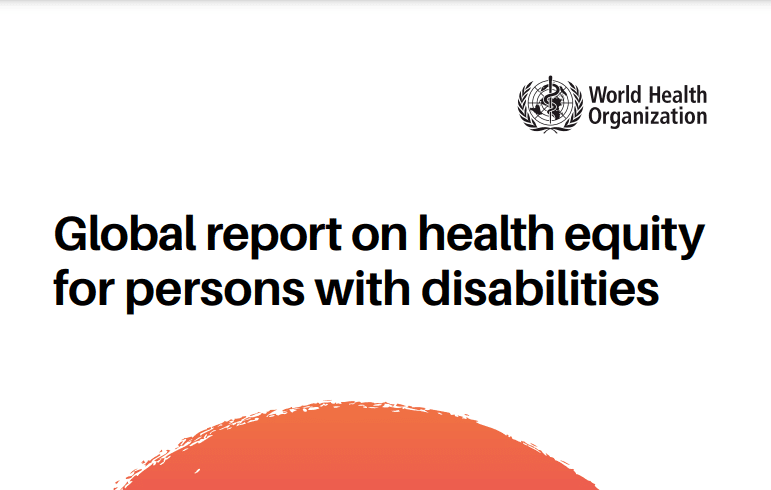
An estimated 1.3 billion people – or 16% of global population worldwide – experience a significant disability today. Persons with disabilities have the right to the highest attainable standard of health as those without disabilities. However, the  WHO Global report on health equity for persons with disabilities demonstrates that while some progress has been made in recent years, the world is still far from realizing this right for many persons with disabilities who continue to die earlier, have poorer health, and experience more limitations in everyday functioning than others. These poor health outcomes are due to unfair conditions faced by persons with disabilities in all facets of life, including in the health system itself. Countries have an obligation under international human rights law to address the health inequities faced by persons with disabilities. Furthermore, the Sustainable Development Goals and global health priorities will not progress without ensuring health for all.

A new report by the World Health Organization shows evidence of a higher risk of premature death and illness among many persons with disabilities compared to others in the society. 

The Global report on health equity for persons with disabilities published today shows that because of the systemic and persistent health inequities, many persons with disabilities face the risk of dying much earlier—even up to 20 years earlier—than persons without disabilities.

They have an increased risk of developing chronic conditions, with up to double the risk of asthma, depression, diabetes, obesity, oral diseases, and stroke.  Many of the differences in health outcomes cannot be explained by the underlying health condition or impairment, but by avoidable, unfair and unjust factors.

Launched ahead of the International Day of Persons with Disabilities, the report shows the number of people with significant disabilities worldwide has risen to 1.3 billion (or 1 in 6 people).  This number reinforces the importance of achieving full and effective participation of persons with disabilities in all aspects of society and embedding the principles of inclusion, accessibility and non-discrimination in the health sector.

Unfair factors: a key cause of disparities in health

The report stresses the need for urgent action to address the vast inequities in health caused by unjust and unfair factors within health systems. These factors—which account for many of the differences in health outcomes between persons with and without disabilities—could take the form of:

  • negative attitudes of healthcare providers,
  • health information in formats that cannot be understood, or
  • difficulties accessing a health centre due to the physical environment, lack of transport or financial barriers.

“Health systems should be alleviating the challenges that people with disabilities face, not adding to them,” said WHO Director-General, Dr Tedros Adhanom Ghebreyesus. “This report shines a light on the inequities that people with disabilities face in trying to access the care they need. WHO is committed to supporting countries with the guidance and tools they need to ensure all people with disabilities have access to quality health services.”

With an estimated 80% of persons with disabilities living in low- and middle-income countries where health services are limited, addressing health inequities could be challenging. Yet even with limited resources, much can be achieved.

Opportunities for a disability-inclusive health sector

Recognizing that everyone has the same right to the highest attainable standard of health, the report provides important economic analysis of adopting a disability-inclusive approach.  It shows investing in a disability-inclusive health sector is cost-effective.

WHO calculates that governments could expect a return of about US$ 10 for every US$ 1 invested on disability-inclusive noncommunicable disease prevention and care. In addition, family planning and vaccination are cost–effective when implemented in a disability-inclusive manner.

Targeted and comprehensive actions across the health sector

The report outlines 40 actions across the health sector for governments to take, drawing on the latest evidence from academic studies as well as consultations with countries and civil society, including organizations representing persons with disabilities. These actions vary by resource level and range from addressing physical infrastructure to training of health and care workers.

Ensuring health equity for persons with disabilities will also have wider benefits and can advance global health priorities in 3 ways:

  • health equity for all is critical towards achieving universal health coverage;
  • inclusive public health interventions that are administered equitably across different sectors can contribute to healthier populations; and
  • advancing health equity for persons with disabilities is a central component in all efforts to protect everyone in health emergencies.

Download: Global report on health equity for persons with disabilities


Do you have a website? Looking for the best hosting provider? Here’s a discount code.

Latest Public Health Jobs

Latest Posts

  • International Wellness Day: Promoting Global Wellness for All
  • Summit Declaration: The 12th National Summit of Health and Population Scientists in Nepal
  • Joint political declaration on the reform of the global health architecture
  • World Health Day 2026: Together for Health. Stand with Science.
  • World Water Day 2026 | Water & Gender Equality

Thanks for visiting us.
Disclaimer: The resources, documents, guidelines, and information on this blog have been collected from various sources and are intended for informational purposes only. Information published on or through this website and affiliated social media channels does not represent the intention, plan, or strategies of an organization that the initiator is associated with in a professional or personal capacity, unless explicitly indicated.
If you have any complaints, information, or suggestions about the content published on Public Health Update, please feel free to contact us at blog.publichealthupdate@gmail.com.
#StayUpdated


  • WordPress
  • Link
  • Facebook
  • Mail
  • Facebook
  • Twitter
  • Twitter
  • LinkedIn
  • Instagram
  • Facebook
December 4, 2022 1 comment
0 FacebookTwitterPinterestLinkedinTumblrVKOdnoklassnikiRedditStumbleuponWhatsappTelegramLINEPocketSkypeViberEmail
Ph.D. Medical Research - International Health
Fellowships, Studentship & ScholarshipsGrants and Funding OpportunitiesInternational Jobs & OpportunitiesPhDPublic HealthPublic Health OpportunitiesPublic Health OpportunitySchool of Public HealthUniversities & School of Public Health

LMU München Ph.D. Program Medical Research – International Health

by Public Health Update December 3, 2022
written by Public Health Update

The Ludwig-Maximilians-Universität (LMU) München Ph.D. Program Medical Research – International Health

The Ph.D. program Medical Research – International Health combines health-related research in the widest sense and development cooperation. Special focus lies in educating researchers who in turn become multipliers in low- and middle-income countries (LMICs) and thus the next generation of health professionals. Not only acquiring knowledge for one’s own interest, but importing and multiplying the knowledge to areas in need should be a guiding working motive while working as a Ph.D. student at CIHLMU . This motive is complying with global development strategies that have recognized the human resource crisis as a key factor in the deterioration of health systems in low- and middle-income countries.

From this stance arises a certain focus on candidates from LMICs to provide their home countries with competent and responsible researchers and health professionals. However, the Ph.D. program is open to all who share an interest in health-related issues in the field of development cooperation. Therefore, we encourage all professionals of any nationality to become part of the Ph.D. program, people working in health or health-related fields who are willing to improve the local research and health situation both through manpower and knowledge.

The Ph.D. program Medical Research – International Health is part of the Munich Medical Research School (MMRS), a central institution of the Ludwig-Maximilians-Universität München’s Medical Faculty. One of the main tasks of the MMRS is to establish Ph.D. core areas under the examination regulations for “Ph.D. Medical Research”, in order to promote the faculty’s internationalization. All doctoral students are automatically members of the MMRS upon admittance to the Ph.D. program Medical Research – International Health.

Duration and Attendance: 3 years full-time sandwich program

The doctoral project is supervised by both a local supervisor and two to three LMU supervisors. Doctoral candidates start their doctoral degree in Munich during Module Block I (Oct-Dec), but subsequently spend the research periods in their home country. After the first research period, Ph.D. candidates come to Munich for Module Block II (Jan-March) before completing the doctorate in their home country with the participation of the LMU supervisors
Total Credits: 180 ECTS
Qualification: Doctor of Philosophy (Ph.D.) in Medical Research – International Health
Awarding Institution: Ludwig-Maximilians-Universität München, Germany
Language of Instruction: English
Tuition Fees: There are no tuition fees. However, please note that you need to be able to finance your research and the stays in Munich. Please see more details under “Costs”.
Application Period: 01 December to 31 January, the registration portal is now open.
Study handbook: Ph.D. MR-IH study handbook contains important information about the course of study and the degree in a bundled format.

Further Information

  • Curriculum
  • Application requirements and selection process
  • Research projects
  • Costs
  • Supervision of your Ph.D.
  • Ph.D. Thesis Submission
  • Thesis evaluation and Oral Defense
  • Obtaining the degree
  • Scholarships


Do you have a website? Looking for the best hosting provider? Here’s a discount code.

Latest Public Health Jobs

Latest Posts

  • International Wellness Day: Promoting Global Wellness for All
  • Summit Declaration: The 12th National Summit of Health and Population Scientists in Nepal
  • Joint political declaration on the reform of the global health architecture
  • World Health Day 2026: Together for Health. Stand with Science.
  • World Water Day 2026 | Water & Gender Equality

Thanks for visiting us.
Disclaimer: The resources, documents, guidelines, and information on this blog have been collected from various sources and are intended for informational purposes only. Information published on or through this website and affiliated social media channels does not represent the intention, plan, or strategies of an organization that the initiator is associated with in a professional or personal capacity, unless explicitly indicated.
If you have any complaints, information, or suggestions about the content published on Public Health Update, please feel free to contact us at blog.publichealthupdate@gmail.com.
#StayUpdated


  • WordPress
  • Link
  • Facebook
  • Mail
  • Facebook
  • Twitter
  • Twitter
  • LinkedIn
  • Instagram
  • Facebook
December 3, 2022 0 comments
0 FacebookTwitterPinterestLinkedinTumblrVKOdnoklassnikiRedditStumbleuponWhatsappTelegramLINEPocketSkypeViberEmail
Youth in Policy and Governance(YPG) Fellowship Program Gandaki, 2022/23
Fellowships, Studentship & ScholarshipsPublic Health OpportunitiesPublic Health Opportunity

Youth in Policy and Governance(YPG) Fellowship Program Gandaki

by Public Health Update December 3, 2022
written by Public Health Update

Call for Applications! Youth in Policy and Governance(YPG) Fellowship Program Gandaki, 2022/23

Youth in Policy and Governance (YPG) is a year long unique fellowship program, where youths learn about lawmaking, public policy and governance through training, mentorship and one to on involvement/collaboration with members of provincial assembly as knowledge assistance. 

The  Youth in Policy and Governance (YPG) Gandaki is now accepting applications for 2022/23 cohort.  

The  application should be submitted no later than 11:59 PM, December 22,2022.                

If you find difficulty filling out the application, please reach out to us via: centre.pokhara@gmail.com or 061587111


Do you have a website? Looking for the best hosting provider? Here’s a discount code.

Latest Public Health Jobs

Latest Posts

  • International Wellness Day: Promoting Global Wellness for All
  • Summit Declaration: The 12th National Summit of Health and Population Scientists in Nepal
  • Joint political declaration on the reform of the global health architecture
  • World Health Day 2026: Together for Health. Stand with Science.
  • World Water Day 2026 | Water & Gender Equality

Thanks for visiting us.
Disclaimer: The resources, documents, guidelines, and information on this blog have been collected from various sources and are intended for informational purposes only. Information published on or through this website and affiliated social media channels does not represent the intention, plan, or strategies of an organization that the initiator is associated with in a professional or personal capacity, unless explicitly indicated.
If you have any complaints, information, or suggestions about the content published on Public Health Update, please feel free to contact us at blog.publichealthupdate@gmail.com.
#StayUpdated


  • WordPress
  • Link
  • Facebook
  • Mail
  • Facebook
  • Twitter
  • Twitter
  • LinkedIn
  • Instagram
  • Facebook
December 3, 2022 0 comments
0 FacebookTwitterPinterestLinkedinTumblrVKOdnoklassnikiRedditStumbleuponWhatsappTelegramLINEPocketSkypeViberEmail
National Joint Annual Review Meeting Presentation Slides
Presentation SlidesPublic HealthReports

National Joint Annual Review Meeting Presentation Slides

by Public Health Update December 2, 2022
written by Public Health Update

Progress of Health and Population Sector 2021/22 (2078/79 BS) [National Joint Annual Review Presentation Slides].

  • Academia
  • AIN
  • Bagmati
  • Consumer Association
  • Council
  • DDA
  • DoAA
  • DoHS
  • DUBEC
  • Federal Hospitals
  • Health Insurance Board
  • HSP_MoHP
  • HPDs
  • Karnali
  • Lumbini
  • Madhesh
  • Population sector_PMD_MoHP
  • Province 1
  • Sudurpashchim

December 2, 2022 0 comments
0 FacebookTwitterPinterestLinkedinTumblrVKOdnoklassnikiRedditStumbleuponWhatsappTelegramLINEPocketSkypeViberEmail
Republic of Korea achieves the highest WHO level for regulation of medicines and vaccines
Drug and MedicineGlobal Health NewsPublic Health News

Republic of Korea achieves the highest WHO level for regulation of medicines and vaccines

by Public Health Update December 1, 2022
written by Public Health Update

29 November 2022  Geneva/Manila/Seoul

The World Health Organization (WHO) announces that the Ministry of Food and Drug Safety, Republic of Korea, has achieved maturity level four (ML4), the highest level in WHO’s classification of regulatory authorities for medical products. WHO has formally assessed the medical product regulatory authorities of 33 countries, of which only the Republic of Korea is listed as attaining this level in regulation for both locally produced as well as imported medicines and vaccines.

This achievement represents an important milestone for the Republic of Korea and for the world, signifying that the Ministry of Food and Drug Safety (MFDS), the national regulatory authority for medicines and vaccines, is operating at an advanced level of performance with continuous improvement.

“This achievement by the Republic of Korea is great news for the broader Region and beyond. They are the first country in the world to be assessed by WHO and recognized as having achieved the highest level for both vaccines and medicines regulation,” said Dr Zsuzsanna Jakab, WHO Deputy Director-General and Officer-in-Charge of the Western Pacific Regional Office. “We highly appreciate the support already provided by the Republic of Korea to several other countries in strengthening their oversight of vaccines and medicines. Its role during the COVID-19 pandemic in supplying countries with quality assured vaccines and in vitro diagnostics has been well recognized.”

“It is a great honour to accept WHO’s confirmation that the Ministry of Food and Drug Safety is operating at maturity level four for vaccines and medicine regulation, based on WHO’s recent independent and objective assessment with the Global Benchmarking Tool,” said Dr Oh Yu-Kyoung, Minister, Ministry of Food and Drug Safety, Republic of Korea. “This achievement is a significant milestone for the Republic of Korea, as the first WHO Member State which has reached this highest maturity level for a regulatory system in both vaccines and medicines, to further contribute to the global public health. The Ministry of Food and Drug Safety will continue to strengthen close collaborations with the WHO in sharing its experience of establishing advanced level of regulatory system and supplying safe and high-quality medicines and vaccines.”

Only about 30% of the world’s regulatory authorities have the capacity to ensure medicines, vaccines and other health products are produced to required standards, work as intended and do not harm patients. WHO’s benchmarking efforts identify regulatory authorities that are operating at an advanced level so that they can act as a reference point for regulatory authorities that lack the resources to perform all necessary regulatory functions, or which have not yet reached higher maturity levels for medical product oversight. 

“This is a great testament for Republic of Korea’s commitment for ensuring safe and effective medicines and vaccines, and investing in building a strong regulatory system,” said Dr Mariângela Simão, Assistant Director-General, Access to Medicines and Health Products. “We hope the achievement will be sustained and also help promote confidence, trust and further reliance on national authorities attaining this high level”.

Republic of Korea achieved ML4 for medicines and vaccines following a WHO benchmarking conducted in the country in May 2022, and working closely with WHO to implement the recommendations made by the its team of international regulatory experts. 

WHO’s assessment of regulatory authorities is based on the “Global Benchmarking Tool” – an evaluation tool that checks regulatory functions against a set of more than 260 indicators. The indicators include review of core regulatory functions such as product authorization, testing of products, market surveillance and the ability to detect adverse effects in order to establish their level of maturity and functionality. 

In addition to the Republic of Korea, Singapore has attained ML4 in medicines regulation and 11 countries have attained ML3. Countries with ML3 and ML4 are eligible to become a WHO listed authority (WLA), following a further performance evaluation. The WLA is a new scheme for designating regulatory authorities that may be considered as a reference point by other regulatory authorities for reaching own decisions in approving medical products.

WHO News

  • Drug and Medicine Related Act, Rules, Regulations, Policies, Guidelines & Directives in Nepal
  • New Drug Registration Process & Format of Documents for Import in Nepal
  • Pharmacovigilance Network in Nepal
  • List of Narcotics and Psychotropic Substances identified for Import and Use in Nepal
  • WHO GMP Certified Pharmaceutical Companies in Nepal
  • List of Domestic Industries listed in DDA DAMS
  • Department of Drug Administration (DDA), Ministry of Health and Population
December 1, 2022 0 comments
0 FacebookTwitterPinterestLinkedinTumblrVKOdnoklassnikiRedditStumbleuponWhatsappTelegramLINEPocketSkypeViberEmail
World AIDS Day: Equalize to end the AIDS epidemic
Global Health NewsPH Important DayPublic HealthPublic Health News

World AIDS Day: Equalize to end the AIDS epidemic

by Public Health Update December 1, 2022
written by Public Health Update

30 November 2022  Statement SEARO

By Dr Poonam Khetrapal Singh, WHO Regional Director for South-East Asia

On World AIDS Day, WHO joins Member States and partners in the South-East Asia Region and across the world to highlight the urgent need for everyone, everywhere to be provided equitable access to quality HIV prevention, testing, treatment and care to end the AIDS epidemic as a public health threat by 2030.

Globally, an estimated 38.4 million people are living with HIV. In 2021, an estimated 1.5 million people acquired HIV and around 650 000 people died from AIDS-related causes. In the South-East Asia Region, an estimated 3.8 million people are living with HIV, accounting for around 10% of the global burden. In 2021, an estimated 82 000 people in the Region died of AIDS-related causes, accounting for more than 12% of the global burden.  

Amid the COVID-19 response and recovery, the Region continues to take targeted action to end HIV-related inequalities and expand service coverage, in line with its Flagship Priority on achieving universal health coverage (UHC) and the Region’s new Integrated Action Plan for viral hepatitis, HIV and sexually transmitted infections (I-RAP 2022–2026), launched in September 2022.

Between 2010 and 2021, new HIV infections in the Region declined by 42%, and HIV-related deaths reduced by 63%. Whereas in 2010, coverage of anti-retroviral therapy in the Region was just 17%, by 2020 it had increased 3.6 times, to 61%. In 2019, Maldives and Sri Lanka were certified to have eliminated mother-to-child transmission of HIV and congenital syphilis, which Thailand achieved in 2016 – the first country in Asia to do so.

By the end of 2020, 75% of people in the Region living with HIV knew their status, 61% were on anti-retroviral therapy, and 58% were virally suppressed, meaning that despite strong progress, the Region fell short of the 90-90-90 targets, which were also missed globally. In December 2020, both the Region and world committed to ensure that by 2025, 95% of all people living with HIV know their status, 95% of all people with diagnosed HIV infection receive sustained anti-retroviral therapy, and 95% of all people receiving anti-retroviral therapy have viral suppression.

We have people and populations to reach, and progress to achieve. Across the Region, almost 95% of new HIV infections are among key populations such as sex workers, people who inject drugs, men who have sex with men, and transgender people. Just 22% of young people have knowledge about HIV prevention, and coverage of testing for people who inject drugs has significant room for improvement. Access to game-changing innovations such as HIV self-testing and pre-exposure prophylaxis remains highly uneven, both within and between countries.

WHO is calling for action in several key areas. First, policy makers and programme managers should rapidly increase the availability, quality and sustainability of HIV services, ensuring that everyone – especially key populations – are well-served and actively included in service provision. Second, political leaders and other key influencers should immediately reform laws, policies and practices that facilitate both direct and indirect discrimination, stigma and exclusion. The human rights of key populations and affected groups must be respected, protected and fulfilled.

Third, policy makers and other national, international and global actors must accelerate access for all countries and communities to the best HIV science, technologies and tools, which should be accompanied by evidence-based information on how best to deliver them, including through increased South-South collaboration and learning. Fourth, programme managers and other health leaders should implement concrete actions to engage and empower communities, civil society and affected populations, whose experiences must inform both policy and service delivery, as well as ongoing progress monitoring.

The inequalities which keep the AIDS epidemic alive are not inevitable. Together, we must end each and every inequality and accelerate progress towards our targets and goals. On World AIDS Day, WHO reiterates its commitment to achieve a Region and world in which AIDS is no longer a public health threat, leaving no individual, community or population behind. 

Recommended readings

  • National Centre for AIDS and STD Control (NCASC)
  • National HIV Strategic Plan 2021-2026, Nepal
  • HIV Epidemic Update of Nepal (Fact sheet 2020)
  • Key facts on HIV: Country Snapshot 2019: Nepal
  • WHO recommends long-acting cabotegravir for HIV prevention
  • Interim Guidance for Continuing HIV Program Service Delivery During COVID-19 Pandemic
  • HIV Standard Service Package (SSP) For Key Populations
  • Standard Treatment Protocol (STP) For Basic Health Services (BHS) Package 2078
  • HIV Epidemic Update of Nepal (Fact sheet 2020)
  • Sri Lanka has eliminated mother to child transmission of HIV and syphilis
  • Key facts on HIV: Country Snapshot 2019: Nepal
  • Maldives eliminates mother-to-child transmission of HIV, Syphilis
  • Malaysia eliminates mother-to-child transmission of HIV and syphilis
  • International Condom Day 2022: ‘Condoms are always in fashion’
  • Nepal Health Facility Survey 2021 Preliminary Data Tables
  • Progress of the Health and Population Sector, 2020/21 (NJAR Report)
  • Tuberculosis Free Nepal Declaration Initiative Implementation Guideline
  • Consolidated guidelines on HIV, viral hepatitis and STI prevention, diagnosis, treatment and care for key populations
  • WHO recommends long-acting cabotegravir for HIV prevention
December 1, 2022 1 comment
0 FacebookTwitterPinterestLinkedinTumblrVKOdnoklassnikiRedditStumbleuponWhatsappTelegramLINEPocketSkypeViberEmail
National HIV Factsheet 202: HIV Epidemic Update of Nepal
Communicable DiseasesFact SheetHealth in DataPublic HealthPublic Health Update

National HIV Factsheet 202: HIV Epidemic Update of Nepal

by Public Health Update November 30, 2022
written by Public Health Update

Overview

Each year the annual estimates of key indicators among people living with HIV in Nepal are finalized by using AIDS Epidemic Model and Spectrum/AIM. Various survey and research data (key population size, Nepal Demographic Health Survey, trends of prevalence and behavioral data from integrated biological and behavioral surveillance surveys, behavioral information on condom use, sexual behavior, injecting practice, number of clients etc.) and program data like people on ART and PMTCT data are used as input in the analytical tools to prepare annual estimates of the status of the HIV epidemic in Nepal. The HIV epidemic in Nepal remains largely concentrated among key populations (people who inject drugs, sex workers and their clients, men who have sex with men and transgender people, male labour migrants and their wives and prison inmates).

  • First HIV case was detected in 1988 in Nepal.
  • Heterosexual transmission is dominant (72%).

HIV and AIDS Estimates in Nepal

S. NoPopulationNumber (min-max)
1Adults and children living with HIV30,000 (26000-32000)
2Adults aged 15 and over living with HIV29000 (26000-32000)
3Women aged 15 and over living with HIV13000 (12000-14000)
4Men aged 15 and over living with HIV16000 (14000-17000)
5Children aged 0 to 14 living with HIV1200 (1100-1400)
6Mothers needing elimination of vertical transmission services200 (160-240)
HIV and AIDS Estimates in Nepal

Key Indicators

S. No.Key indicatorsData as per 2021
1HIV Incidence per 10000.02%
2Percentage of women 15-49 living with HIV (of estimated adult PLHIV)53%
3New infant HIV infections33
4Total new infections among 0-14 years45
5AIDS mortality per 100 thousand2.13
6People have become infected with HIV since the start of the epidemic in 198861800
7People have died from AIDS-related illnesses since the start of the epidemic in 198826970
Key Indicators

DOWNLOAD: 2022 World AIDS Day Factsheet

Recommended readings

  • National Centre for AIDS and STD Control (NCASC)
  • National HIV Strategic Plan 2021-2026, Nepal
  • HIV Epidemic Update of Nepal (Fact sheet 2020)
  • Key facts on HIV: Country Snapshot 2019: Nepal
  • WHO recommends long-acting cabotegravir for HIV prevention
  • Interim Guidance for Continuing HIV Program Service Delivery During COVID-19 Pandemic
  • HIV Standard Service Package (SSP) For Key Populations
  • Standard Treatment Protocol (STP) For Basic Health Services (BHS) Package 2078
  • HIV Epidemic Update of Nepal (Fact sheet 2020)
  • Sri Lanka has eliminated mother to child transmission of HIV and syphilis
  • Key facts on HIV: Country Snapshot 2019: Nepal
  • Maldives eliminates mother-to-child transmission of HIV, Syphilis
  • Malaysia eliminates mother-to-child transmission of HIV and syphilis
  • International Condom Day 2022: ‘Condoms are always in fashion’
  • Nepal Health Facility Survey 2021 Preliminary Data Tables
  • Progress of the Health and Population Sector, 2020/21 (NJAR Report)
  • Tuberculosis Free Nepal Declaration Initiative Implementation Guideline
  • Consolidated guidelines on HIV, viral hepatitis and STI prevention, diagnosis, treatment and care for key populations
  • WHO recommends long-acting cabotegravir for HIV prevention
November 30, 2022 1 comment
0 FacebookTwitterPinterestLinkedinTumblrVKOdnoklassnikiRedditStumbleuponWhatsappTelegramLINEPocketSkypeViberEmail
WHO urges more effective prevention of injuries and violence causing 1 in 12 deaths worldwide 29 November 2022 News release Geneva, Switzerland Reading time: 1 min (381 words) Injuries and violence take the lives of some 12 000 people around the world each day. As reflected in a new World Health Organization report, Preventing injuries and violence: an overview, 3 of the top 5 causes of death among people aged 5–29 years are injury related, namely road traffic injuries, homicide and suicide. In addition to those, injury related killers are drowning, falls, burns and poisoning, among others. Of the 4.4 million annual injury related deaths, roughly 1 in 3 of these deaths result from road traffic crashes, 1 in 6 from suicide, 1 in 9 from homicide and 1 in 61 from war and conflict. “People living in poverty are significantly more likely to suffer an injury than the wealthy,” said Dr Tedros Adhanom Ghebreyesus, WHO Director-General. “The health sector has a major role in addressing these health inequities and in preventing injuries and violence, through collecting data, developing policies, providing services and programming for prevention and care, building capacities, and advocating for greater attention to underserved communities.” Many effective and low-cost interventions are available. For example, in Spain, setting the default speed limit for cities at 30 kilometres per hour is improving road safety; in Viet Nam, providing swimming training is preventing drowning; and in the Philippines, legislation to raise the age of sexual consent from 12 years to 16, in a bid to protect minors from sexual violence, is bringing positive change. However, in most countries, political will and investment are lacking as measures are not in place in sufficient levels. “Accelerated action is needed to avoid this unnecessary suffering of millions of families every year,” notes Dr Etienne Krug, Director of the Department for the Social Determinants of Health, WHO. “We know what needs to be done, and these effective measures must be brought to scale across countries and communities to save lives.” The WHO report is being released during the 14th World Conference on Injury Prevention and Safety Promotion, currently taking place in Adelaide, Australia. This event provides an opportunity for the world’s leading injury and violence prevention researchers and practitioners to continue to advocate for evidence-based measures to prevent injuries and violence. This report also highlighted the prevention measures and available WHO technical guidance that can support decisions for scaling up prevention efforts.
Global Health NewsPublic HealthPublic Health News

WHO urges more effective prevention of injuries and violence causing 1 in 12 deaths worldwide

by Public Health Update November 29, 2022
written by Public Health Update

29 November 2022 News release Geneva, Switzerland

Injuries and violence take the lives of some 12 000 people around the world each day. As reflected in a new World Health Organization report, Preventing injuries and violence: an overview, 3 of the top 5 causes of death among people aged 5–29 years are injury related, namely road traffic injuries, homicide and suicide.

In addition to those, injury related killers are drowning, falls, burns and poisoning, among others. Of the 4.4 million annual injury related deaths, roughly 1 in 3 of these deaths result from road traffic crashes, 1 in 6 from suicide, 1 in 9 from homicide and 1 in 61 from war and conflict.

“People living in poverty are significantly more likely to suffer an injury than the wealthy,” said Dr Tedros Adhanom Ghebreyesus, WHO Director-General. “The health sector has a major role in addressing these health inequities and in preventing injuries and violence, through collecting data, developing policies, providing services and programming for prevention and care, building capacities, and advocating for greater attention to underserved communities.”

Many effective and low-cost interventions are available. For example, in Spain, setting the default speed limit for cities at 30 kilometres per hour is improving road safety; in Viet Nam, providing swimming training is preventing drowning; and in the Philippines, legislation to raise the age of sexual consent from 12 years to 16, in a bid to protect minors from sexual violence, is bringing positive change. However, in most countries, political will and investment are lacking as measures are not in place in sufficient levels.

“Accelerated action is needed to avoid this unnecessary suffering of millions of families every year,” notes Dr Etienne Krug, Director of the Department for the Social Determinants of Health, WHO. “We know what needs to be done, and these effective measures must be brought to scale across countries and communities to save lives.”

The WHO report is being released during the 14th World Conference on Injury Prevention and Safety Promotion, currently taking place in Adelaide, Australia. This event provides an opportunity for the world’s leading injury and violence prevention researchers and practitioners to continue to advocate for evidence-based measures to prevent injuries and violence.

This report also highlighted the prevention measures and available WHO technical guidance that can support decisions for scaling up prevention efforts.

This brief advocacy document highlights the burden, risks and prevention of injuries and violence, which took the lives of 4.4 million people in 2019 and constitute 8% of all deaths. Among the injury-related causes of death include road traffic crashes, drowning, falls, burns, poisoning and violence against oneself or others. For people age 5-29 years, three of the top five causes of death are injury-related, including road traffic injuries, homicide, and suicide. Injuries and violence are not evenly distributed across or within countries – some people are more vulnerable than others depending on the conditions in which they are born, grow, work, live and age; in general, being young, male and of low socioeconomic status all increase the risk of injury. This document, aimed at public health professionals; injury prevention researchers, practitioners and advocates; and donors, draws attention to specific strategies based on sound scientific evidence that are effective and cost-effective at preventing injuries and violence; it is critical that these strategies are more widely implemented.

Download: Preventing injuries and violence: an overview

November 29, 2022 0 comments
0 FacebookTwitterPinterestLinkedinTumblrVKOdnoklassnikiRedditStumbleuponWhatsappTelegramLINEPocketSkypeViberEmail
WHO recommends new name for monkeypox disease "mpox"
Global Health NewsOutbreak NewsPublic Health NewsPublic Health Update

WHO recommends new name for monkeypox disease

by Public Health Update November 28, 2022
written by Public Health Update

28 November 2022  News release Geneva, Switzerland

Following a series of consultations with global experts, WHO will begin using a new preferred term “mpox” as a synonym for monkeypox. Both names will be used simultaneously for one year while “monkeypox” is phased out.

When the outbreak of monkeypox expanded earlier this year, racist and stigmatizing language online, in other settings and in some communities was observed and reported to WHO. In several meetings, public and private, a number of individuals and countries raised concerns and asked WHO to propose a way forward to change the name.

Assigning names to new and, very exceptionally, to existing diseases is the responsibility of WHO under the International Classification of Diseases (ICD) and the WHO Family of International Health Related Classifications through a consultative process which includes WHO Member States.

WHO, in accordance with the ICD update process, held consultations to gather views from a range of experts, as well as countries and the general public, who were invited to submit suggestions for new names. Based on these consultations, and further discussions with WHO’s Director-General Dr Tedros Adhanom Ghebreyesus, WHO recommends the following:

  • Adoption of the new synonym mpox in English for the disease.
  • Mpox will become a preferred term, replacing monkeypox, after a transition period of one year. This serves to mitigate the concerns raised by experts about confusion caused by a name change in the midst of a global outbreak. It also gives time to complete the ICD update process and to update WHO publications.  
  • The synonym mpox will be included in the ICD-10 online in the coming days. It will be a part of the official 2023 release of ICD-11, which is the current global standard for health data, clinical documentation and statistical aggregation.
  • The term “monkeypox” will remain a searchable term in ICD, to match historic information.

Considerations for the recommendations included rationale, scientific appropriateness, extent of current usage, pronounceability, usability in different languages, absence of geographical or zoological references, and the ease of retrieval of historical scientific information.

Usually, the ICD updating process can take up to several years. In this case, the process was accelerated, though following the standard steps.

Various advisory bodies were heard during the consultation process, including experts from the medical and scientific and classification and statistics advisory committees which constituted of representatives from government authorities of 45 different countries.

The issue of the use of the new name in different languages was extensively discussed.  The preferred term mpox can be used in other languages. If additional naming issues arise, these will be addressed via the same mechanism. Translations are usually discussed in formal collaboration with relevant government authorities and the related scientific societies.

WHO will adopt the term mpox in its communications, and encourages others to follow these recommendations, to minimize any ongoing negative impact of the current name and from adoption of the new name.

Naming the disease:

  • Human monkeypox was given its name in 1970 (after the virus that causes the disease was discovered in captive monkeys in 1958), before the publication of WHO best practices in naming diseases, published in 2015. According to these best practices, new disease names should be given with the aim to minimize unnecessary negative impact of names on trade, travel, tourism or animal welfare, and avoid causing offence to any cultural, social, national, regional, professional or ethnic groups.
  • Assigning new names to new and, very exceptionally, to existing diseases is the responsibility of WHO under the International Classification of Diseases and the WHO Family of International Health Related Classifications (WHO-FIC) through a consultative process which includes WHO Member States. ICD is part of the WHO Family of International Health Related Classifications (WHO-FIC).

Naming of viruses:
The naming of viruses is the responsibility of the International Committee on the Taxonomy of Viruses (ICTV). Prior to the 2022 global monkeypox outbreak, there was already a process underway to reconsider the naming of all orthopoxvirus species, including monkeypox virus. This will continue under ICTV leadership.

Naming monkeypox virus variants or clades:
In August, a group of global experts convened by WHO agreed on new names for monkeypox virus variants, as part of ongoing efforts to align the names of the monkeypox disease, virus and variants – or clades – with current best practices. Consensus was reached to refer to the former Congo Basin (Central African) clade as Clade one (I) and the former West African clade as Clade two (II). Additionally, it was agreed that the Clade II consists of two subclades, IIa and IIb. See WHO press release on naming of monkeypox clades.


Recommended readings

  • Public health advice for gatherings during the current monkeypox outbreak
  • World Health Organization (WHO) declares Monkeypox a public health emergency
  • Monkeypox Endemic News: What is monkeypox?, Symptoms and Preventive Measures
November 28, 2022 1 comment
0 FacebookTwitterPinterestLinkedinTumblrVKOdnoklassnikiRedditStumbleuponWhatsappTelegramLINEPocketSkypeViberEmail
Call for entries for short films on vision and eye care & ear and hearing care
Call for Proposal, EOI & RFPCompetitionPublic HealthPublic Health OpportunitiesPublic Health Opportunity

Call for entries for short films on vision and eye care & ear and hearing care

by Public Health Update November 25, 2022
written by Public Health Update

The call for submissions for the 4th Edition of the WHO Health for All Film Festival (HAFF) is now open until 31 January 2023!

The HAFF aims to celebrate the art of short films as a means of raising awareness and promoting global health issues. 

WHO invites all video artists and video creators from all over the world to submit their short documentaries, fiction or animation films of three to eight minutes for the categories of better health and well-being and Universal Health Coverage in the context of vision and eye care and/or ear and hearing care. This is a great opportunity for film and video innovators in both communities to champion and promote these important areas of health.

More information: https://www.who.int/initiatives/the-health-for-all-film-festival/social-media-assets


Do you have a website? Looking for the best hosting provider? Here’s a discount code.

Latest Public Health Jobs

Latest Posts

  • International Wellness Day: Promoting Global Wellness for All
  • Summit Declaration: The 12th National Summit of Health and Population Scientists in Nepal
  • Joint political declaration on the reform of the global health architecture
  • World Health Day 2026: Together for Health. Stand with Science.
  • World Water Day 2026 | Water & Gender Equality

Thanks for visiting us.
Disclaimer: The resources, documents, guidelines, and information on this blog have been collected from various sources and are intended for informational purposes only. Information published on or through this website and affiliated social media channels does not represent the intention, plan, or strategies of an organization that the initiator is associated with in a professional or personal capacity, unless explicitly indicated.
If you have any complaints, information, or suggestions about the content published on Public Health Update, please feel free to contact us at blog.publichealthupdate@gmail.com.
#StayUpdated


  • WordPress
  • Link
  • Facebook
  • Mail
  • Facebook
  • Twitter
  • Twitter
  • LinkedIn
  • Instagram
  • Facebook
November 25, 2022 1 comment
0 FacebookTwitterPinterestLinkedinTumblrVKOdnoklassnikiRedditStumbleuponWhatsappTelegramLINEPocketSkypeViberEmail
Newer Posts
Older Posts

Search

Follow Us

Facebook Twitter Instagram Pinterest Linkedin Youtube

Categories

  • Abstracts (25)
  • Activities (91)
  • Adolescent Sexual and Reproductive Health (ASRH) (25)
  • Advice & Tips (4)
  • African Region (5)
  • AI and Health (1)
  • Annual Meeting (6)
  • Antimicrobial Resistance (AMR) (21)
  • Award (19)
  • Awards (16)
  • Books (9)
  • Call for Proposal, EOI & RFP (103)
  • Call for Research Participants (8)
  • Clinical Doctor Jobs (6)
  • Communicable Diseases (107)
  • Competition (20)
  • Conference (129)
  • Consultant (1)
  • Courses (205)
  • Dashboard (2)
  • Digital Health & Health Informatics (10)
  • Drug and Medicine (18)
  • Eastern Mediterranean Region (3)
  • Education (15)
  • Environment (3)
  • Environmental Health & Climate Change (47)
  • European Region (42)
  • Exchange Program (1)
  • Fact Sheet (117)
  • FCHVs (1)
  • Fellowships, Studentship & Scholarships (168)
  • Financial Aid (13)
  • Form Formats (2)
  • Fully funded (22)
  • Global Health News (434)
  • Grants and Funding Opportunities (193)
  • Guest Post (44)
  • Health Assistant Jobs (1)
  • Health Equity (7)
  • Health Financing and Economics (24)
  • Health in Data (115)
  • Health Insurance (5)
  • Health Jobs (52)
  • Health Literacy, Health Education & Promotion (50)
  • Health Organization Profile (42)
  • Health Systems (83)
  • Human Resource for Health (33)
  • Humanitarian Health & Emergency Response (44)
  • Hypertension (5)
  • Implementation Research (48)
  • International Health (3)
  • International Jobs & Opportunities (373)
  • International Plan, Policy & Guidelines (210)
  • Internships (4)
  • Jobs Vacancies (56)
  • Journals (8)
  • Life Style & Public Health Nutrition (39)
  • Live (10)
  • Master's Degree (48)
  • Maternal, Newborn and Child Health (88)
  • Mentorship Program (2)
  • Miscellaneous (16)
  • National Health News (158)
  • National Plan, Policy & Guidelines (468)
  • Neglected Tropical Diseases (NTDs) (51)
  • Non- Communicable Diseases (NCDs) (121)
  • Notice (103)
  • Nursing Jobs (6)
  • Nutritionist Jobs (1)
  • One Health (18)
  • Online & Distance Learning (22)
  • Online Courses (90)
  • Op-Ed Article (3)
  • Opportunities by Region (83)
  • Outbreak News (213)
  • Partially funded (6)
  • PCL Health Science Jobs (3)
  • PH Important Day (534)
  • Pharmacist Jobs (3)
  • PhD (54)
  • Photos (5)
  • Planetary Health (4)
  • PostDoc (14)
  • Presentation Slides (26)
  • Primary Health Care (25)
  • Provincial Plan, Policies and Guidelines (14)
  • Public Health (1,283)
  • Public Health Epidemiology & Biostatistics (13)
  • Public Health Events (306)
  • Public Health Information (20)
  • Public Health Innovation (9)
  • Public Health Jobs (52)
  • Public Health News (554)
  • Public Health Notes (120)
  • Public Health Opportunities (507)
  • Public Health Opportunity (491)
  • Public Health Programs (108)
  • Public Health Seminar (2)
  • Public Health Tools (1)
  • Public Health Update (564)
  • Quality Improvement & Infection Prevention (20)
  • Region of America (8)
  • Reports (184)
  • Research & Project Grants (39)
  • Research & Project Grants (32)
  • Research & Publication (647)
  • Research Articles (10)
  • Road Traffic Accidents (RTA) (9)
  • School of Public Health (60)
  • Self funded (2)
  • South-East Asia Region (26)
  • Success Stories (17)
  • Summer and Winter Courses (40)
  • Summer Courses (28)
  • Sustainable Development Goals (SDGs) (14)
  • Syllabus (61)
  • Symposium (9)
  • Tobacco Control (35)
  • Training (40)
  • Travel Grants (15)
  • Trick, Technique & Skills (8)
  • Uncategorized (3)
  • Undergraduate Degree (7)
  • Universal Health Coverage (36)
  • Universities (29)
  • Universities & School of Public Health (58)
  • Vacancy Announcement (26)
  • Vaccine Preventable Diseases (40)
  • Vector-Borne Diseases(VBDs) (30)
  • Videos (3)
  • View Points (1)
  • Webinar (4)
  • Western Pacific Region (13)
  • Workshop (18)
  • World News (117)
Post New Jobs: Vacancy Announcement Service

Public Health Update (Sagun’s Blog) is a popular public health portal in Nepal. Thousands of health professionals are connected with Public Health Update to get up-to-date public health updates, search for jobs, and explore opportunities.
#1 Public Health Blog for sharing Job opportunities and updates in Nepal

”Public Health Information For All”
– – Sagun Paudel, Founder

  • HOT JOBS
    • Public Health Jobs
    • Medical Doctor Jobs
    • Nursing Jobs
    • Health Assistant Jobs
    • Pharmacist Jobs
    • NGOs Jobs
    • Government Jobs
  • Top Categories
    • National Plan, Policy & Guidelines Top
    • Public Health Calendar
    • Fellowships & Scholarships
    • Health Systems
    • Health Organization Profiles
    • International Jobs & Opportunities
    • Public Health Opportunity

PUBLIC HEALTH INITIATIVE

    • Submit your Vacancies New
    • Partnership Opportunities

Contact: blog.publichealthupdate@gmail.com

https://wa.me/+9779856036932

Public Health Initiative, A Registered Non-profit organization – All Right Reserved. 2011-2024. Contact us. 

Facebook Twitter Instagram Youtube Envelope
Public Health Update
  • Home
  • Public Health
    • Home 1
      • Adolescent Sexual and Reproductive Health (ASRH)
      • Antimicrobial Resistance (AMR)
      • Communicable Diseases
      • Digital Health & Health Informatics
      • Environmental Health & Climate Change
      • Health Financing and Economics
      • Health Equity
    • Home 2
      • Health Literacy, Health Education & Promotion
      • Human Resource for Health
      • Humanitarian Health & Emergency Response
      • Implementation Research
      • International Health
      • Life Style & Public Health Nutrition
      • Maternal, Newborn and Child Health
    • Home 3
      • Neglected Tropical Diseases (NTDs)
      • Non- Communicable Diseases (NCDs)
      • One Health
      • Planetary Health
      • Public Health Epidemiology & Biostatistics
      • Primary Health Care
      • Quality Improvement & Infection Prevention
    • Home 4
      • Road Traffic Accidents (RTA)
      • Sustainable Development Goals (SDGs)
      • Tobacco Control
      • Universal Health Coverage
      • Vaccine Preventable Diseases
      • Vector-Borne Diseases(VBDs)
      • Notices
  • Public Health Update
    • Home 1
      • Public Health News
      • Global Health News
      • Outbreak News
      • National Health News
      • COVID-19
    • Home 2
      • Fact Sheet
      • Health in Data
      • PH Important Day
      • Public Health Events
      • Public Health Programs
    • Home 3
      • Health Systems
      • Health Insurance
      • Health Organization Profile
      • Success Stories
      • Public Health Innovation
  • Public Health Opportunities
    • Fully funded
    • Travel Grants
    • Grants and Funding Opportunities
    • Opportunities by Region
    • International Jobs & Opportunities
    • Research & Project Grants
    • Fellowships, Studentship & Scholarships
    • Conference
  • Jobs
    • Home 1
      • Health Jobs
      • Public Health Jobs
      • Clinical doctor Jobs
      • Health Assistant Jobs
      • Nursing Jobs
      • PCL Health Science Jobs
    • Home 2
      • Dental Jobs
      • Pharmacist Jobs
      • TSLC (Health Jobs)
      • Laboratory Jobs
      • Nutritionist Jobs
  • Downloads
    • International Plan, Policy & Guidelines
    • National Plan, Policy & Guidelines
    • Reports
    • Books
    • Research Articles
  • School of Public Health
    • Home 1
      • Courses
      • Master’s Degree
      • Undergraduate Degree
      • PhD
    • Home 2
      • Universities
      • Syllabus
      • Public Health Notes
      • Mentorship Program
      • Startup Project
    • Home
      • Summer and Winter Courses
      • Summer Courses
      • Online Courses
      • Workshop
      • Training
Public Health Update
  • Home
  • Public Health
    • Home 1
      • Adolescent Sexual and Reproductive Health (ASRH)
      • Antimicrobial Resistance (AMR)
      • Communicable Diseases
      • Digital Health & Health Informatics
      • Environmental Health & Climate Change
      • Health Financing and Economics
      • Health Equity
    • Home 2
      • Health Literacy, Health Education & Promotion
      • Human Resource for Health
      • Humanitarian Health & Emergency Response
      • Implementation Research
      • International Health
      • Life Style & Public Health Nutrition
      • Maternal, Newborn and Child Health
    • Home 3
      • Neglected Tropical Diseases (NTDs)
      • Non- Communicable Diseases (NCDs)
      • One Health
      • Planetary Health
      • Public Health Epidemiology & Biostatistics
      • Primary Health Care
      • Quality Improvement & Infection Prevention
    • Home 4
      • Road Traffic Accidents (RTA)
      • Sustainable Development Goals (SDGs)
      • Tobacco Control
      • Universal Health Coverage
      • Vaccine Preventable Diseases
      • Vector-Borne Diseases(VBDs)
      • Notices
  • Public Health Update
    • Home 1
      • Public Health News
      • Global Health News
      • Outbreak News
      • National Health News
      • COVID-19
    • Home 2
      • Fact Sheet
      • Health in Data
      • PH Important Day
      • Public Health Events
      • Public Health Programs
    • Home 3
      • Health Systems
      • Health Insurance
      • Health Organization Profile
      • Success Stories
      • Public Health Innovation
  • Public Health Opportunities
    • Fully funded
    • Travel Grants
    • Grants and Funding Opportunities
    • Opportunities by Region
    • International Jobs & Opportunities
    • Research & Project Grants
    • Fellowships, Studentship & Scholarships
    • Conference
  • Jobs
    • Home 1
      • Health Jobs
      • Public Health Jobs
      • Clinical doctor Jobs
      • Health Assistant Jobs
      • Nursing Jobs
      • PCL Health Science Jobs
    • Home 2
      • Dental Jobs
      • Pharmacist Jobs
      • TSLC (Health Jobs)
      • Laboratory Jobs
      • Nutritionist Jobs
  • Downloads
    • International Plan, Policy & Guidelines
    • National Plan, Policy & Guidelines
    • Reports
    • Books
    • Research Articles
  • School of Public Health
    • Home 1
      • Courses
      • Master’s Degree
      • Undergraduate Degree
      • PhD
    • Home 2
      • Universities
      • Syllabus
      • Public Health Notes
      • Mentorship Program
      • Startup Project
    • Home
      • Summer and Winter Courses
      • Summer Courses
      • Online Courses
      • Workshop
      • Training
Public Health Initiative, A Registered Non-profit organization – All Right Reserved. 2011-2023