

Public Health Update
  • Home
  • Public Health Update
  • Nepal Health Jobs
    • Public Health Job Board
    • Organization List
  • Opportunities
    • Fellowships, Studentship & Scholarships
    • Grants and Funding Opportunities
    • Fully funded
    • Conference
  • Downloads
    • International Plan, Policy & Guidelines
    • National Plan, Policy & Guidelines
    • Reports
    • Public Health Notes
    • Syllabus
    • Form Formats
  • School of Public Health
    • PhD
    • Master’s Degree
    • Online Courses
  • Notice
  • Home
  • Public Health Update
  • Nepal Health Jobs
    • Public Health Job Board
    • Organization List
  • Opportunities
    • Fellowships, Studentship & Scholarships
    • Grants and Funding Opportunities
    • Fully funded
    • Conference
  • Downloads
    • International Plan, Policy & Guidelines
    • National Plan, Policy & Guidelines
    • Reports
    • Public Health Notes
    • Syllabus
    • Form Formats
  • School of Public Health
    • PhD
    • Master’s Degree
    • Online Courses
  • Notice
LOGIN / REGISTER
Public Health Update
SUBSCRIBE
Public Health Update
  • Home
  • Public Health Update
  • Nepal Health Jobs
    • Public Health Job Board
    • Organization List
  • Opportunities
    • Fellowships, Studentship & Scholarships
    • Grants and Funding Opportunities
    • Fully funded
    • Conference
  • Downloads
    • International Plan, Policy & Guidelines
    • National Plan, Policy & Guidelines
    • Reports
    • Public Health Notes
    • Syllabus
    • Form Formats
  • School of Public Health
    • PhD
    • Master’s Degree
    • Online Courses
  • Notice

All Right Reserved. Designed and Developed by PenciDesign

Pocket Book of Clinical Management of COVID-19 in Healthcare Setting:2nd Edition with Revision
Outbreak NewsNational Plan, Policy & GuidelinesResearch & Publication

Pocket Book of Clinical Management of COVID-19 in Healthcare Setting: 2nd Edition with Revision

by Public Health Update December 15, 2021
written by Public Health Update

Overview

This is the second edition of the Ministry of Health and Population‘s, Pocket book for Case Management of COVID19 in the Healthcare Setting.

The first edition was adapted from the Interim Guidance for Caring of Patients with COVID-19 in Healthcare settings, Nepal Medical Council (NMC) and aligned with Clinical management of COVID-19, Interim Guidance, WHO (May
27, 2020).

The rationale for this updated edition has been to expand the scope of the earlier guidance, bringing together recently updated recommendations from WHO’s Clinical Management: Living Guidance January 2021 and Therapeutics and COVID-19 (Living Guidelines, 24 September 2021), as well as the Clinical Care for Severe Acute Respiratory Infection: Toolkit-COVID-19 Adaptation: WHO 2020 and advice from subject matter experts.

This edition provides updated technical guidance in several case management clinical areas as follows:

  • Revision of the release from the COVID-19 clinical pathway criteria
  • Addition of Treatment of acute co-infections
  • Addition of prevention of complications, immunomodulators and other adjunct therapies
  • Revision of recommendations on use of antivirals and corticosteroids in COVID-19
  • Assessment of severity by National early Warning Score 2 (NEWS 2).

Purpose

The purpose of this pocketbook is to help physicians, and healthcare workers, to properly manage persons with suspected or confirmed COVID-19 and to standardize case management of COVID-19 cases throughout the country. It is not meant to replace clinical judgement or specialist consultation, but rather to strengthen frontline clinical management.

Target

The intended target audience are physicians, nurses, other healthcare personnel, involved in the clinical management of COVID-19 cases.

DOWNLOAD PDF FILE


Do you have a website? Looking for the best hosting provider? Here’s a discount code.

Latest Public Health Jobs

Latest Posts

  • International Wellness Day: Promoting Global Wellness for All
  • Summit Declaration: The 12th National Summit of Health and Population Scientists in Nepal
  • Joint political declaration on the reform of the global health architecture
  • World Health Day 2026: Together for Health. Stand with Science.
  • World Water Day 2026 | Water & Gender Equality

Thanks for visiting us.
Disclaimer: The resources, documents, guidelines, and information on this blog have been collected from various sources and are intended for informational purposes only. Information published on or through this website and affiliated social media channels does not represent the intention, plan, or strategies of an organization that the initiator is associated with in a professional or personal capacity, unless explicitly indicated.
If you have any complaints, information, or suggestions about the content published on Public Health Update, please feel free to contact us at blog.publichealthupdate@gmail.com.
#StayUpdated

  • WordPress
  • Link
  • Facebook
  • Mail
  • Facebook
  • Twitter
  • Twitter
  • LinkedIn
  • Instagram
  • Facebook
December 15, 2021 0 comments
0 FacebookTwitterPinterestLinkedinTumblrVKOdnoklassnikiRedditStumbleuponWhatsappTelegramLINEPocketSkypeViberEmail
ReportsHealth SystemsNational Plan, Policy & GuidelinesResearch & Publication

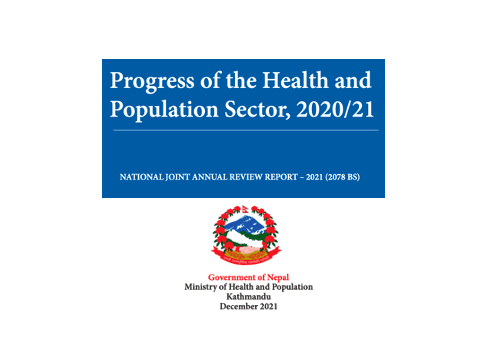
Progress of the Health and Population Sector, 2020/21 (NJAR Report)

by Public Health Update December 14, 2021
written by Public Health Update

NATIONAL JOINT ANNUAL REVIEW REPORT – 2021 (2078 BS)

The Ministry of Health and Population (MoHP) has published a progress report of the Health and Population Sector in 2020/21.

Major Achievements

While the COVID-19 pandemic demanded focused priority throughout the year, MoHP continued to implement the routine health programmes and provision of health services in FY 2020/21. The majority of activities carried out in 2020/21 were continuation of the programmes initiated in the past while focus was on the COVID-19 response management and vaccination in coordination with sectoral ministries, provincial and local levels and EDPs. Strengthening of the existing hospitals, establishing new health facilities at municipal level were also prioritised over the last year.

The major achievements in FY 2020/21 and highlights of 2021/22 are summarised below:

  • National Strategy on Human Resources for Health in Nepal 2020/21- 2029/30 has been developed and endorsed by the MoHP. This assesses the situation of the HRH in Nepal and sets roadmap for the management of the HRH for future.
  • The Health Institution Operation Standards (HIOS) has been developed and endorsed in 2021 as per the provision of Public Health Service Regulations 2020 (PHSR). Moreover, first amendment in the HIOS has been done incorporating provisions of Ayurveda and Alternative Medicines. These standards set the requirements that different types of the public and private health institutions have to fulfil to establish, operate and upgrade.
  • MoHP, in collaboration with the Central Bureau of Statistics is conducting the Maternal Mortality Study following the National Population and Housing Census (NPHC). This study is expected to provide the robust estimates of the maternal mortality ratio at national and sub-national level in Nepal and can be supportive to design necessary interventions to reduce such mortalities.
  • As per the reforms proposed in the policy and programme for 2020/21, draft legislations for establishing Centre of Disease Control (CDC), Food and Drug Administration (FDA), and the Health Accreditation Authority have been prepared. Moreover, consultation with provinces were conducted to collect feedback on the draft documents.
  • Health Emergency Operations Centres (HEOCs) are functional in each of the seven provinces, cluster coordination mechanisms activated, and different guidelines/SOPs developed which played a crucial role in the management of the COVID-19 response.
  • Although the number of the reported cases of COVID-19 is generally decreasing over the latest months, there remains the risk of resurgence of COVID-19 cases. Therefore, response actions are still being undertaken for the prevention of the transmission and other mitigation efforts against COVID-19. Remarkable progress has been made in vaccine coverage after vaccination campaign officially started on 27 January 2021.
  • MoHP conducted two rounds of national sero-prevalence survey to find out possible infection by COVID-19. Preliminary findings from the second survey, completed in August, 2021, showed that the sero-prevalence in general population was found to be 70 percent.
  • Documentation of health sector preparedness, response and lessons learnt on COVID-19 in Nepal is ongoing to inform the decision-making process ahead.
  • Continuity of essential health services including diseases specific priority programs such as HIV, TB and Malaria during the pandemic by developing tailored guidelines and protocols.
  • A draft of the Population Policy has been prepared and is in the consultation process.
  • Resource package and reference manual on population have been developed to support the provinces and local levels in developing population related plans and programme.
  • The policy of ‘one doctor, one health institution’ has been initiated in selected federal level hospitals.
  • A guideline has been drafted to facilitate the pre-departure health assessment targeting to those who are going for foreign employment to minimise their suffering in the foreign country.
  • As per the Government of Nepal’s (GoN) policy of ‘one municipality-one hospital’, establishment of hospital in 396 local levels (of 5-, 10- and 15-bed capacity) was initiated in 2020.
  • Standard treatment protocols for Basic Health Services (BHS) and for Emergency Health Services have been developed and endorsed by the MoHP.
  • The GoN has endorsed the Public Health Service Regulations 2020 (PHSR), the Safe Motherhood and Reproductive Health Rights Regulations 2020. The PHSR defines the package of basic health services along with other provisions for the operationalisation of the Public Health Services Act.
  • Draft Minimum Service Standards for Ayurvedic health institutions has been prepared which will be applicable for different level of health facilities.
  • The FMIP has been updated as the Nepal Health Sector Financial Management Strategic Framework, to guide financial management procedures. The framework was endorsed in 2020 and is being implemented.
  • The Internal Control System Guidelines have been developed as per the Financial Procedures and Fiscal Accountability Act, 2076 (2019) and Financial Comptroller General Office (FCGO) directives. This guideline was recently endorsed by the MoHP in September 2021
  • Technical Specification Bank is upgraded with additional features including a separate COVID-19 section with 117 coded technical specifications of COVID-19 medicines, supplies and equipment in 2020/21. During the same year, 24 new technical specifications of medical equipment and 3 specifications of pharmaceutical area are also added in the TSB
  • Construction and refurbishment of healthcare waste treatment centre and hospital laundry building including other support services have been completed at 12 COVID-19 designated hospitals.
  • Endorsement of learning resource package (LRP) for Integrated training on HCWM/ IPC, WASH and Environmental Health by NHTC in June 2021 in blended e-learning mode with Learning Management System (moodle platform).
  • Target of the disbursement linked indicators have been achieved making the progress in the sector and facilitating the release of the fund from the development partners.
  • Various regulations, standards and guidelines have come into effect for the standardisation and quality assurance of medical education in Nepal as per the National Medical Education Act 2075.
  • Despite the challenges posed by COVID-19, field work of the Health Facility Survey has been completed and data analysis and report writing works are ongoing.
  • National Health Financing Strategy that guides the overall financing architect for the health sector has been drafted and shared with line ministries/stakeholders for their review and input.
  • National Health Accounts capturing the health expenditure estimates of 2017/18 have been prepared.
  • The Integrated Health Information Management System (IHMIS) roadmap (2020-2030) has been drafted and is in the process of finalisation.
  • For effective management of COVID-19 related information linked to surveillance, specimen collection, testing, case management, logistics, and human capital, Information Management Unit (IMU) has been established and functional
  • Nepal made commitments to develop climate-resilient and low-carbon health systems in response to growing evidence of the impact of climate change on people’s health in UN Climate Change Conference in Glasgow (COP26) Health Programme in 2021.
  • Five district hospitals have been upgraded to 25-bed hospitals, while all remaining district hospitals have been upgraded to 50-bed hospitals. Provincial hospitals are being upgraded to have 200 beds and hospitals under the federal government are being upgraded to have 500 beds’ capacity.
  • Establishment of a 300-bed communicable diseases control hospital at federal level, and similar 50-bed hospitals in each province, has been initiated.
  • The Programme Implementation Guideline for FY 2020/21 (for the programme of provincial- and local-level activities) was prepared and made public through the MoHP website.
  • The Health Facility Registry has been updated. It is a master registry which keeps record of all health institutions in the country, both public and non-governmental.
  • The MoHP continues to expand the electronic reporting of service data from HFs. In FY 2019/20, 400 public HFs provided HMIS monthly reports electronically, which has increased to 1,871 HFs in FY 2020/21.
  • Roll-out of e-LMIS is completed in all provinces by December 2020 and was expanded at 138 additional sites including 9 LLG, 9 SDPs and 5 hospitals in 2021.
  • One of the national hospital, Bir Hospital, has started online appointment system for outpatient services by developing its own mobile application. The application ‘Bir Hospital Book Appointment’ allows users to book appointments with the doctors of their choice.
  • Health insurance scheme has been introduced in a total of 739 local levels of 75 districts. As of September 2021, 18.74% of total population in Nepal have been enrolled in the health insurance scheme.
  • Health Insurance Scheme’s database is connected with “Nagarik” (Citizens’) App making the tracking of services utilisation against the benefit ceiling easily accessible to the enrolled families.
  • Thirteen additional One-stop Crisis Management Centres (OCMCs) have been established which makes a total of 80 OCMC sites in 77 districts. The MoHP has plan to establish new OCMCs in 8 hospitals in FY 2021/22.
  • Seven Social Service Units (SSUs) were established in referral and district-level hospitals; the total number of SSUs has gone up to 44. The MoHP has plan to establish new SSUs in 14 hospitals in FY 2021/22.
  • Leave No One Behind (LNOB) Budget Marker Guideline for the health sector (2078), OneStop Crisis Management Centre (OCMC) Operational Guideline (2077), Social Service Unit (SSU) Operational Guideline (2078), Geriatric Inclusive Health Service Guideline (2077), have been developed/revised and approved.
  • Geriatric Health Service Strategy has been submitted for policy approval, and the draft Geriatric OPD Service Guidelines is close to completion.
  • Six-month long “Psychosocial Counselling Training Curricula” package (2077) developed and approved by MoHP.
  • Four additional geriatric wards established in different hospitals, making a total of 24 hospitals with geriatric wards. The MoHP has plan to establish new geriatric health services in 25 hospitals in FY 2021/22.

DOWNLOAD REPORT


  • Progress of the Health and Population Sector, 2019/20

Do you have a website? Looking for the best hosting provider? Here’s a discount code.

Latest Public Health Jobs

Latest Posts

  • International Wellness Day: Promoting Global Wellness for All
  • Summit Declaration: The 12th National Summit of Health and Population Scientists in Nepal
  • Joint political declaration on the reform of the global health architecture
  • World Health Day 2026: Together for Health. Stand with Science.
  • World Water Day 2026 | Water & Gender Equality

Thanks for visiting us.
Disclaimer: The resources, documents, guidelines, and information on this blog have been collected from various sources and are intended for informational purposes only. Information published on or through this website and affiliated social media channels does not represent the intention, plan, or strategies of an organization that the initiator is associated with in a professional or personal capacity, unless explicitly indicated.
If you have any complaints, information, or suggestions about the content published on Public Health Update, please feel free to contact us at blog.publichealthupdate@gmail.com.
#StayUpdated


  • WordPress
  • Link
  • Facebook
  • Mail
  • Facebook
  • Twitter
  • Twitter
  • LinkedIn
  • Instagram
  • Facebook
December 14, 2021 0 comments
0 FacebookTwitterPinterestLinkedinTumblrVKOdnoklassnikiRedditStumbleuponWhatsappTelegramLINEPocketSkypeViberEmail
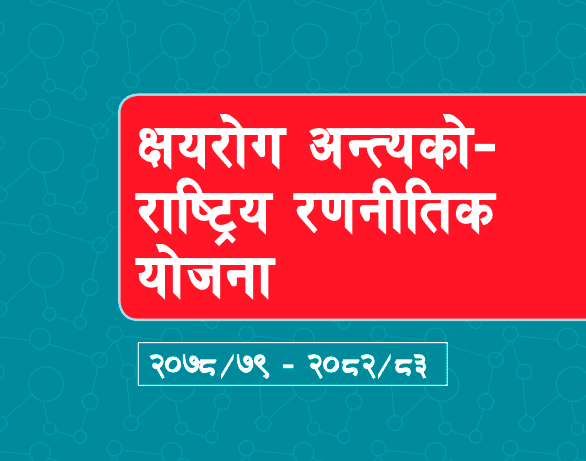
Tuberculosis Free Nepal Declaration Initiative Implementation Guideline
National Plan, Policy & GuidelinesCommunicable DiseasesResearch & Publication

Tuberculosis Free Nepal Declaration Initiative Implementation Guideline

by Public Health Update December 12, 2021
written by Public Health Update

Overview

TB Free Initiative is one of the innovative activities in the National Strategic Plan (2021/22-2025/26). Government of Nepal (GoN) plans to make the Local Governments accountable towards Tuberculosis management and ensure a conducive environment to tackle the foreseen challenges in order to achieve the END TB target by 2050 (<1 TB case/Million population).

‘TB Free’ means the condition of Zero TB or <1 TB case per million population.

Long-term vision: TB Free Nepal

Goal: End TB by FY 2091/92, eliminate TB by FY 2106/07 and Zero catastrophic cost.

Objectives:

  1. To provide quality TB services in a sustainable way by mobilizing local resources.
  2. To develop ownership and engagement with local partners and stakeholders by maintaining coordination and cooperation between the Federal, Provincial and Local Level Government to end TB.
  3. To increase political commitment to end TB along with develop and strengthen patient-friendly health system.

NATIONAL STRATEGIC PLAN TO END TUBERCULOSIS IN NEPAL

Strategies

  • Identify and analyze the existing problems in TB services, and make relevant action plans based on their prioritization for ensuring effective services in each ward of local level.
  • Secure commitment to implement activities as per the action plan for sustainability of the TB Free Declaration Initiative
  • Provide TB identification, diagnosis, prevention, treatment, referral and care and support services free of cost.
  • Develop a mechanism between Federation, Province and Local Level for effective implementation of the program.
  • Form committees at the local level by ensuring the participation of all stakeholders as required and assign responsibilities.
  • Make local level officials, health workers, volunteers, educational institutions, social organizations and government, private and non-governmental organizations responsible towards the program.
  • Federal, Provincial and Local Level governments ensure the resources as required for successfully implement the initiative.
  • Ensure the commitment from all levels of government for the successful implementation of the program.
  • Manage required human resources for quality TB services.
  • Keep records as prescribed and ensure regular reporting.

Basis of Declaration

  • The details of the population by conducting household survey are kept as per the need and updated from time to time.
  • At least one TB laboratory with a dedicated Lab personal operational at each local level for the diagnosis of TB.
  • All hospitals, primary health centres, health posts, basic health centres, NGOs and INGOs health clinic operating in the LL should have DOTS centre as per need.
  • Proper management is ensured at appropriate treatment center or sub-center for drug resistant TB patients. Referral mechanism is in place if such center and sub-center are not available in the nearest vicinity.
  • Every health facility has a TB Focal Person.
  • Necessary arrangements are made for infection control and waste management in the diagnostic and treatment centers and sub-centers.
  • The minimum physical infrastructure required for diagnosis and treatment centers and sub-centers are available as mentioned in Annex-1.
  • Micro-plan for TB-Free Initiative is formulated at each ward of all local levels as prescribed and implemented accordingly.
  • Public awareness programs are implemented in the community to eradicate discrimination towards TB disease.
  • Active Case Finding Program are conducted on regular basis among the risk group and risk-prone areas.
  • The residents of the local level who had gone outside the local level for foreign employment, seasonal employment and had stayed elsewhere for more than four months have undertaken TB test immediately upon return for ensuring TB transmission.
  • TB Prevention activities like ensuring 100% BCG vaccination, provision of identifying unvaccinated children and vaccinating them by developing plan by the concerned health facility, and Tuberculosis Preventive Therapy (TPT), are conducted for reducing TB transmission rate.
  • The sanctioned posts of human resources should be fulfilled.
  • Provision of sputum collection and its transportation have been effectively implemented.
  • Supply of medical equipment, reagent and other materials required for conducting the initiative is regular.
  • Each year, the local level (palika) identifies TB risk group from the total population and conducts four TB screening camps at the interval of at least three months.
  • From among the patients who have come to the healthy facility for receiving services, the risk groups such as PLHIV, malnourished children, people affected with diabetes and chronic diseases are enrolled in sputum test and their X-rays are taken as per the need.
  • The reporting and recording of the patients receiving TB services from government, private and non-government health services providers are reported in the prescribed reporting system.
  • The evaluation and verification of the TB Free Declaration Initiative is done in two phases.

Phase

Phase 1: The period from the commencement of the program until the end of the second year will be considered as Phase 1. In this phase, the activities of the initiative will be implemented by ensuring all the infrastructures of the Initiative. The activities will be monitored as per the indicators mentioned in Annex-2 attached herewith and
will be verified.

Phase 2: In Phase 2, a protocol describing necessary indicator for carrying out the impact assessment of the TB Free Declaration Initiative will be developed. A micro analysis will be carried out as per the protocol to ensure whether the indicators and standards for the declaration of TB Free status have met. The findings will be verified and the concerned body/agency will be recommended for making the declaration.

The indicators mentioned below will be the main basis for setting up the indicators of impact assessment.

  • The treatment success rate of both Drug Sensitive TB (DSTB) and Drug Resistance TB (DRTB) are at least 95% and 85% respectively at local level.
  • There is zero TB cases or is less than one active TB case per million population for five consecutive years since the commencement of TB Free Initiative.

DOWNLOAD NEPALI

DOWNLOAD ENGLISH


Recommended readings

  • NATIONAL STRATEGIC PLAN TO END TUBERCULOSIS IN NEPAL
  • GLOBAL TUBERCULOSIS REPORT 2021
  • Global Tuberculosis Report 2020
  • Global Tuberculosis Report 2019: Latest status of the tuberculosis epidemic
  • Global Tuberculosis Report 2018
  • WHO Global Tuberculosis report 2015
  • Global tuberculosis report 2014: Improved data reveals higher global burden of tuberculosis
  • National Tuberculosis Programme Annual Report 2018
  • National Tuberculosis Program Update in Nepal #WorldTBDay #EndTB
  • National TB Prevalence Survey, 2018-19 Key findings
  • World Tuberculosis Day 2020! It’s time to End TB!
  • National Guideline on Drug Resistant TB Management 2019, Nepal
  • National Tuberculosis Management Guideline 2019, Nepal
  • Global Tuberculosis Report 2019: Latest status of the tuberculosis epidemic
  • National TB Prevalence Survey, 2018-19 Key findings
  • New WHO recommendations to prevent tuberculosis aim to save millions of lives
  • World Health Organization (WHO) Information Note Tuberculosis and COVID-19
  • World Tuberculosis Day 2020! It’s time to End TB!
  • People-centred framework for tuberculosis programme planning and prioritization, User guide
  • Global Tuberculosis Report 2019: Latest status of the tuberculosis epidemic
  • Dissemination of Findings and Recommendations of Joint External Monitoring Mission(JEMM) of Nepal National Tuberculosis Program
  • National Tuberculosis Programme Annual Report 2018
  • National Strategic Plan for Tuberculosis Prevention, Care and Control 2016 – 2021
  • NTP, Nepal: New TB Treatment Algorithm & Regimen (Updated)
  • WHO announces landmark changes in MDR-TB treatment regimens
  • TB Vaccine results announce a promising step towards ending the emergency
  • 7 million people receive record levels of lifesaving TB treatment but 3 million still miss out
December 12, 2021 0 comments
0 FacebookTwitterPinterestLinkedinTumblrVKOdnoklassnikiRedditStumbleuponWhatsappTelegramLINEPocketSkypeViberEmail
Communicable DiseasesNational Plan, Policy & GuidelinesResearch & Publication

National Strategic Plan to End Tuberculosis in Nepal

by Public Health Update December 12, 2021
written by Public Health Update

National TB Program in Nepal

National TB Control Center (NTCC) is one of the centers within the organizational structure of the Ministry of Health and Population, and is the focal point of National Tuberculosis Programme (NTP). It is responsible for formulating policies, strategies and plans and carrying out monitoring, evaluation and quality assurance of NTP.

The NTP is fully integrated and being implemented within the health system of the Government of Nepal through 135 public hospitals, 2168 non-government organizations, 196 Primary Health Care Centers (PHCCs), 3806 health posts, and 51,420 Female Community Health Volunteers (FCHV) (Annual Report, 2018/19, DoHS).

Tuberculosis Free Nepal Declaration Initiative Implementation Guideline

Why TB National strategic plan (2021/22-2025/26)

Since 1994/95, National TB Program has been formulating short and long-term plans and has been implementing programs accordingly. The TB program has been under implementation in line with the global and national guidance. Since the prevailing strategic plan (2016/17-2020/21) ends in 2020/21, the NTP has formulated the National Strategic Plan to End Tuberculosis in Nepal (2021/22-2025/26) by addressing the topics mentioned below.

  • Implement NTP effectively as per the spirit of federalism
  • Fulfill the commitments made by the Government of Nepal at the global and regional levels towards meeting the End TB targets.
  • Until 2017/18, the number of TB incident cases were expected to be 42,000. However, the results of National Tuberculosis Prevalence Survey carried out in 2018/19 estimates 69,000 new cases of TB, which is 1.6 times higher than previously estimated. Therefore, it is of utmost importance to utilize more effective technology for the diagnosis of TB in order to end TB.
  • In the process of formulating this strategic plan, extensive country level dialogue and discussions have been conducted with the experts, different groups and policymakers from the local to the central level by forming Technical Advisory Committee and various other committees on different dates. This strategic plan has included the suggestions received from such in-depth discussions along with the recommendations received from the joint programme monitoring and evaluation carried out by national and international experts in 2018/2019.
  • This strategic plan has been developed to be used as a policy to guide the provincial and local level governments as well. The role and responsibilities of the federal, provincial and local levels are described in Section 5.

Vision

  • TB free Nepal

Goal

  • Nepal has set a goal to decrease incidence rate from 238 in 2020/21 to 81 patients per 100,000 population by 2025/26; decrease mortality rate from 58 in 2020/21 to 23 per 100,000 by 2020/21; end TB by 2035; prevent TB by 2050; and reduce the catastrophic cost to zero.

Objective

  1. To build and strengthen political commitment, sustainability and patient-friendly health system to end TB.
  2. To ensure the identification of TB, diagnosis, quality treatment and prevention.

Strategies

  • Improve the quality of TB services and strengthen the health system for universal access to TB services; effectuate the TB services and support by increasing the community engagement in TB management, and strengthen the digitalized case-based surveillance system in health care facilities.
  • Strengthen laboratory services to further improve the management of TB diagnosis and treatment.
  • Quality Improvement of the services for TB prevention, identification and Treatment.

DOWNLOAD: ENGLISH

DOWNLOAD: Nepali

Recommended readings

  • GLOBAL TUBERCULOSIS REPORT 2021
  • Global Tuberculosis Report 2020
  • Global Tuberculosis Report 2019: Latest status of the tuberculosis epidemic
  • Global Tuberculosis Report 2018
  • WHO Global Tuberculosis report 2015
  • Global tuberculosis report 2014: Improved data reveals higher global burden of tuberculosis
  • National Tuberculosis Programme Annual Report 2018
  • National Tuberculosis Program Update in Nepal #WorldTBDay #EndTB
  • National TB Prevalence Survey, 2018-19 Key findings
  • World Tuberculosis Day 2020! It’s time to End TB!
  • National Guideline on Drug Resistant TB Management 2019, Nepal
  • National Tuberculosis Management Guideline 2019, Nepal
  • Global Tuberculosis Report 2019: Latest status of the tuberculosis epidemic
  • National TB Prevalence Survey, 2018-19 Key findings
  • New WHO recommendations to prevent tuberculosis aim to save millions of lives
  • World Health Organization (WHO) Information Note Tuberculosis and COVID-19
  • World Tuberculosis Day 2020! It’s time to End TB!
  • People-centred framework for tuberculosis programme planning and prioritization, User guide
  • Global Tuberculosis Report 2019: Latest status of the tuberculosis epidemic
  • Dissemination of Findings and Recommendations of Joint External Monitoring Mission(JEMM) of Nepal National Tuberculosis Program
  • National Tuberculosis Programme Annual Report 2018
  • National Strategic Plan for Tuberculosis Prevention, Care and Control 2016 – 2021
  • NTP, Nepal: New TB Treatment Algorithm & Regimen (Updated)
  • WHO announces landmark changes in MDR-TB treatment regimens
  • TB Vaccine results announce a promising step towards ending the emergency
  • 7 million people receive record levels of lifesaving TB treatment but 3 million still miss out
December 12, 2021 1 comment
0 FacebookTwitterPinterestLinkedinTumblrVKOdnoklassnikiRedditStumbleuponWhatsappTelegramLINEPocketSkypeViberEmail
Public HealthNational Plan, Policy & GuidelinesReportsResearch & Publication

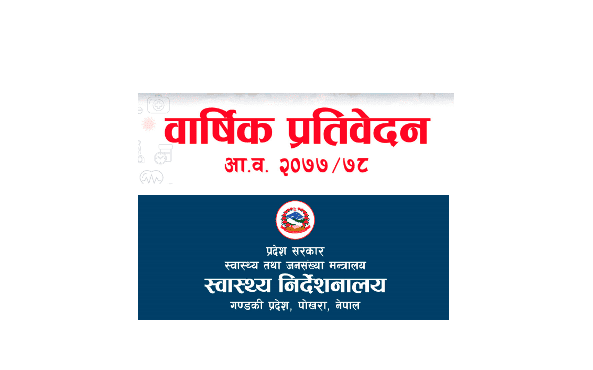
Annual Report 2077/78- Health Directorate, Gandaki Province

by Public Health Update December 8, 2021
written by Public Health Update

The Health Directorate, Gandaki Province has published its annual progress report for the fiscal year 2077/78.

DOWNLOAD PDF

DOWNLOAD PDF


Do you have a website? Looking for the best hosting provider? Here’s a discount code.

Latest Public Health Jobs

Latest Posts

  • International Wellness Day: Promoting Global Wellness for All
  • Summit Declaration: The 12th National Summit of Health and Population Scientists in Nepal
  • Joint political declaration on the reform of the global health architecture
  • World Health Day 2026: Together for Health. Stand with Science.
  • World Water Day 2026 | Water & Gender Equality

Thanks for visiting us.
Disclaimer: The resources, documents, guidelines, and information on this blog have been collected from various sources and are intended for informational purposes only. Information published on or through this website and affiliated social media channels does not represent the intention, plan, or strategies of an organization that the initiator is associated with in a professional or personal capacity, unless explicitly indicated.
If you have any complaints, information, or suggestions about the content published on Public Health Update, please feel free to contact us at blog.publichealthupdate@gmail.com.
#StayUpdated


  • WordPress
  • Link
  • Facebook
  • Mail
  • Facebook
  • Twitter
  • Twitter
  • LinkedIn
  • Instagram
  • Facebook
December 8, 2021 1 comment
0 FacebookTwitterPinterestLinkedinTumblrVKOdnoklassnikiRedditStumbleuponWhatsappTelegramLINEPocketSkypeViberEmail
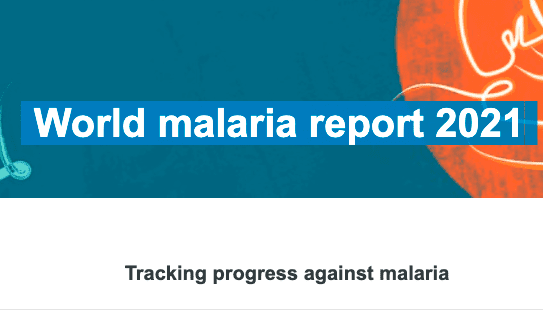
World malaria report 2021: Tracking progress against Malaria
ReportsCommunicable DiseasesInternational Plan, Policy & GuidelinesResearch & Publication

World Malaria Report 2021: Tracking progress against Malaria

by Public Health Update December 7, 2021
written by Public Health Update

Overview

Each year, WHO’s World malaria report provides a comprehensive and up-to-date assessment of trends in malaria control and elimination across the globe. It tracks investments in malaria programmes and research as well as progress across all intervention areas: prevention, diagnosis, treatment, elimination and surveillance. The 2021 report is based on information received from malaria-endemic countries in all WHO regions.

This year’s report at a glance

KEY EVENTS IN 2020–2021
Service disruptions

  • In April 2020, during the early months of the coronavirus disease (COVID-19) pandemic, analysis by the World Health Organization (WHO) and partners had projected a doubling of malaria deaths if the worst-case scenario of service disruptions occurred.
  • With support from global, regional and national partners, countries have mounted an impressive response to adapt and implement WHO guidance to maintain essential malaria services during the pandemic.
  • Overall, most malaria endemic countries experienced moderate levels of disruptions to the provision of malaria services.
  • Of the 31 countries that had planned insecticide-treated mosquito net (ITN) campaigns in 2020, 18 (58%) completed their campaigns by the end of that year; 72% (159 million) of the ITNs from the planned campaigns had been distributed by the end of 2020.
  • Thirteen of the 31 countries (42%) were left with 63 million ITNs that were initially planned for distribution in 2020 but spilled over to 2021. Among these 13 countries, six (46%) had distributed less than 50% of their ITNs by the end of 2020. By October 2021, only Kenya and South Sudan had not completed distribution of all spillover ITNs.
  • Seasonal malaria chemoprevention (SMC) was distributed as planned in 2020, and an additional 11.8 million children were protected with SMC in 2020 compared with 2019, mainly because of the expansion of SMC to new areas in Nigeria.
  • Planned indoor residual spraying (IRS) campaigns were also on target in most countries in 2020.
  • Overall, survey and routine data suggest that there were moderate levels of disruption in access to clinical services in most moderate and high malaria burden countries in 2020.
  • During the COVID-19 pandemic, up to 122 million people in 21 malaria endemic countries needed emergency relief due to other humanitarian emergencies unrelated to the pandemic.

Emergence of partial resistance to artemisinin in the WHO African Region

  • Recent evidence of the independent emergence of artemisinin partial resistance in the WHO African Region is of great global concern. Artemisinin-based combination therapies (ACTs) remain efficacious in countries in this region; thus, there should be no immediate impact for patients.
  • In the Greater Mekong subregion (GMS), artemisinin partial resistance is likely to have been involved in the spread of resistance to ACT partner drugs, and there are concerns that the same could happen in the WHO African Region.
  • WHO will work with countries to develop a regional plan for a coordinated response to this threat. An immediate priority is to improve therapeutic efficacy and genotypic surveillance, to better map the extent of the resistance.

WHO recommendation on the use of the RTS,S/AS01 malaria vaccine

  • In January 2016, WHO recommended further evaluation of RTS,S/AS01 (RTS,S) in a series of pilot implementations, to address several gaps in knowledge before considering wider country-level introduction.
  • As part of the Malaria Vaccine Implementation Programme, in January 2016, WHO recommended the RTS,S malaria vaccine for pilot introduction in selected areas of three African countries: Ghana, Kenya and Malawi.
  • Data from the pilot introductions have shown that the vaccine has a favourable safety profile; significantly reduces severe, life-threatening malaria; and can be delivered effectively in real-life childhood vaccination settings, even during a pandemic.
  • On 6 October 2021, WHO recommended that the RTS,S malaria vaccine be used for the prevention of P. falciparum malaria in children living in regions with moderate to high transmission.

TRENDS IN THE BURDEN OF MALARIA

Malaria cases

  • Globally, there were an estimated 241 million malaria cases in 2020 in 85 malaria endemic countries (including the territory of French Guiana), increasing from 227 million in 2019, with most of this increase coming from countries in the WHO African Region. At the Global technical strategy for malaria 2016–2030 (GTS) baseline of 2015, there were 224 million estimated malaria cases.
  • The proportion of cases due to Plasmodium vivax reduced from about 8% (18.5 million) in 2000 to 2% (4.5 million) in 2020.
  • Malaria case incidence (i.e. cases per 1000 population at risk) reduced from 81 in 2000 to 59 in 2015 and 56 in 2019, before increasing again to 59 in 2020. The increase in 2020 was associated with disruption to services during the COVID-19 pandemic.
  • Twenty-nine countries accounted for 96% of malaria cases globally, and six countries – Nigeria (27%), the Democratic Republic of the Congo (12%), Uganda (5%), Mozambique (4%), Angola (3.4%) and Burkina Faso (3.4%) – accounted for about 55% of all cases globally.
  • The WHO African Region, with an estimated 228 million cases in 2020, accounted for about 5% of cases.
  • Between 2000 and 2019, case incidence in the WHO African Region reduced from 368 to 222 per 1000 population at risk, but increased to 232 in 2020, mainly because of disruptions to services during the COVID-19 pandemic.
  • The WHO South-East Asia Region accounted for about 2% of the burden of malaria cases globally. Malaria cases reduced by 78%, from 23 million in 2000 to about 5 million in 2020. Malaria case incidence in this region reduced by 83%, from about 18 cases per 1000 population at risk in 2000 to about three cases in 2020.
  • India accounted for 83% of cases in the region. Sri Lanka was certified malaria free in 2016 and remains malaria free.
  • Malaria cases in the WHO Eastern Mediterranean Region reduced by 38%, from about 7 million cases in 2000 to about 4 million in 2015. Between 2016 and 2020, cases rose by 33% to 5.7 million.
  • Over the period 2000–2020, malaria case incidence in the WHO Eastern Mediterranean Region declined from 21 to 11 cases per 1000 population at risk. The Sudan is the leading contributor to malaria in this region, accounting for about 56% of cases. In 2020, the Islamic Republic of Iran had no indigenous malaria cases for 3 consecutive years.
  • The WHO Western Pacific Region had an estimated 1.7 million cases in 2020, a decrease of 39% from the 3 million cases in 2000. Over the same period, malaria case incidence reduced from four to two cases per 1000 population at risk. Papua New Guinea accounted for nearly 86% of all cases in this region in 2020. China was certified malaria free in 2021 and Malaysia had no cases of non-zoonotic malaria for 3 consecutive years.
  • In the WHO Region of the Americas, malaria cases reduced by 58% (from 1.5 million to 0.65 million) and case incidence by 67% (from 14 to 5) between 2000 and 2020. The region’s progress in recent years has suffered from the major increase in malaria in the Bolivarian Republic of Venezuela, which had about 35 500 cases in 2000 and more than 467000 cases by 2019. In 2020, cases reduced by more than half compared with 2019, to 232 000, owing to restrictions on movement during the COVID-19 pandemic and a shortage of fuel that affected the mining industry, which is the main contributor to the recent increase in malaria in the country. These restrictions may also have affected access to care, reducing cases reported from health facilities.
  • Countries that experienced substantial increases in the region in 2020 compared with 2019 were Haiti, Honduras, Nicaragua, Panama and the Plurinational State of Bolivia.
  • The Bolivarian Republic of Venezuela, Brazil and Colombia accounted for more than 77% of all cases in this region.
  • Argentina, El Salvador and Paraguay were certified as malaria free in 2019, 2021 and 2018, respectively. Belize reported zero indigenous malaria cases for the second consecutive year.
  • Since 2015, the WHO European Region has been free of malaria.

Malaria deaths

  • In 2019, WHO updated the distribution of mortality in children aged under 5 years by cause of death (CoD). This affected the malaria CoD fraction, raising the point estimate of malaria mortality from 2000; however, this change has had little effect on trends in malaria mortality.
  • Globally, malaria deaths reduced steadily over the period 2000–2019, from 896 000 in 2000 to 562 000 in 2015 and to 558 000 in 2019. In 2020, malaria deaths increased by 12% compared with 2019, to an estimated 627 000; an estimated 47 000 (68%) of the additional 69 000 deaths were due to service disruptions during the COVID-19 pandemic.
  • The percentage of total malaria deaths in children aged under 5 years reduced from 87% in 2000 to 77% in 2020.
  • Globally, the malaria mortality rate (i.e. deaths per 100 000 population at risk) halved from about 30 in 2000 to 15 in 2015 and then continued to decrease but at a slower rate, falling to 13 in 2019. In 2020, the mortality rate increased again, to 15.
  • About 96% of malaria deaths globally were in 29 countries. Six countries – Nigeria (27%), the Democratic Republic of the Congo (12%), Uganda (5%), Mozambique (4%), Angola (3%) and Burkina Faso (3%) – accounted for just over half of all malaria deaths globally in 2020.
  • Malaria deaths in the WHO African Region reduced by 36%, from 840 000 in 2000 to 534 000 in 2019, before increasing to 602 000 in 2020. The malaria mortality rate reduced by 63% between 2000 and 2019, from 150 to 56 per 100 000 population at risk, before rising to 62 in 2020.
  • Cabo Verde and Sao Tome and Principe have reported zero malaria deaths since 2018.
  • In the WHO South-East Asia Region, malaria deaths reduced by 75%, from about 35 000 in 2000 to 9000 in 2020.
  • India accounted for about 82% of all malaria deaths in the WHO South-East Asia Region.
  • In the WHO Eastern Mediterranean Region, malaria deaths reduced by 39%, from about 13 700 in 2000 to 8300 in 2015, and then increased by 49% between 2016 and 2020, to 12 300 deaths in 2020.
  • Most of the increase was observed in the Sudan, where more than 80% of cases are due to P. falciparum, which is associated with a higher case fatality rate than P. vivax cases.
  • In the WHO Eastern Mediterranean Region, the malaria mortality rate reduced by 50% between 2000 and 2020, from four to two deaths per 100 000 population at risk.
  • In the WHO Western Pacific Region, malaria deaths reduced by 47%, from about 6100 cases in 2000 to 3200 in 2020, and the mortality rate reduced by 55% over the same period, from 0.9 to 0.4 malaria deaths per 100 000 population at risk. Papua New Guinea accounted for more than 93% of malaria deaths in 2020.
  • In the WHO Region of the Americas, malaria deaths reduced by 56% (from 909 to 409) and the mortality rate by 66% (from 0.8 to 0.3). Most of the deaths in this region were in adults (77%).

Malaria cases and deaths averted

  • Globally, an estimated 1.7 billion malaria cases and 10.6 million malaria deaths were averted in the period 2000–2020.
  • Most of the cases (82%) and deaths (95%) averted were in the WHO African Region, followed by the WHO South-East Asia Region (cases 10% and deaths 2%).

MALARIA ELIMINATION AND PREVENTION OF RE-ESTABLISHMENT

  • Globally, the number of countries that were malaria endemic in 2000 and that reported fewer than 10 000 malaria cases increased from 26 in 2000 to 47 in 2020.
  • In the same period, the number of countries with fewer than 100 indigenous cases increased from six to 26.
  • In the period 2010–2020, total malaria cases in the 21 countries that were part of the “eliminating countries for 2020” (E 2020) initiative reduced by 84%.
  • The Comoros, Mexico, the Republic of Korea, Nepal, Eswatini and Costa Rica saw a reduction of cases in 2020 compared with 2019, with reductions of 13 053, 262, 129, 54, 6 and 5, respectively.
  • The following countries had more cases in 2020 than in 2019: South Africa (1367 additional cases), Botswana (715), Ecuador (131), Suriname (52), Saudi Arabia (45) and Bhutan (20).
  • The Islamic Republic of Iran and Malaysia reported zero indigenous malaria cases for the third consecutive year. Timor-Leste reported zero indigenous malaria cases in 2018 and 2019; however, in 2020, three indigenous cases were reported following a malaria outbreak in the country.
  • Azerbaijan and Tajikistan have officially made a formal request for malaria free certification.
  • Building on the achievements of the E-2020 initiative, the new E-2025 initiative was launched, identifying a set of 25 countries with the potential to halt malaria transmission by 2025. All E-2020 countries that have not yet requested malaria free certification by WHO have automatically been selected to participate in the E-2025 initiative, along with eight additional countries: the
  • Democratic People’s Republic of Korea, the Dominican Republic, Guatemala, Honduras, Panama, Sao Tome and Principe, Thailand and Vanuatu.
  • Between 2000 and 2020, in the six countries of the GMS – Cambodia, China (Yunnan Province), the
  • Lao People’s Democratic Republic, Myanmar, Thailand and Viet Nam – P. falciparum indigenous malaria cases fell by 93%, while all malaria indigenous cases fell by 78%. Of the 82 595 indigenous malaria cases reported in 2020, 19 386 were P. falciparum cases.
  • The rate of decline has been fastest since 2012, when the Mekong Malaria Elimination programme was launched. During this period, indigenous malaria cases reduced by 88%, while indigenous
  • P. falciparum cases reduced by 95%.
  • Overall, Myanmar (71%) and Cambodia (19%) accounted for most of the P. falciparum indigenous malaria cases in the GMS.
  • This accelerated decrease in P. falciparum is especially critical because of increasing drug resistance; in the GMS, P. falciparum parasites have developed partial resistance to artemisinin, the core compound of the best available antimalarial drugs.
  • Between 2000 and 2020, malaria transmission has not been re-established in any country that was certified malaria free.

READ MORE: DOWNLOAD REPORT


Recommended readings

  • National Malaria Laboratory Plan (2020-2025) and Malaria Laboratory Manual-2021
  • National Malaria Treatment Protocol 2019, Nepal – EDCD
  • National Malaria Surveillance Guidelines 2019, Nepal
  • Epidemiological Trend of Malaria in Nepal (2012/13-2017/18)
  • Malaria Micro Stratification Report 2018
  • Malaria Risk Areas Micro-stratification 2020
  • From 30 million cases to zero: China is certified malaria-free by WHO
  • Interim Guideline for Malaria Program During COVID-19 in Nepal (Updated)
  • WHO launches effort to stamp out malaria in 25 more countries by 2025
  • World Malaria Day 2021: Reaching the zero malaria target
  • El Salvador certified as malaria-free by WHO
  • WHO Guidelines for Malaria (Consolidated Guidelines for Malaria)
  • World Malaria Report 2020
  • World Malaria Day 2020: “Zero malaria starts with me”
  • WHO recommends groundbreaking malaria vaccine for children at risk
  • National Malaria Laboratory Plan (2020-2025) and Malaria Laboratory Manual-2021
  • Self-audit of the National Malaria Program using the Malaria Elimination Audit Tool


Do you have a website? Looking for the best hosting provider? Here’s a discount code.

Latest Public Health Jobs

Latest Posts

  • International Wellness Day: Promoting Global Wellness for All
  • Summit Declaration: The 12th National Summit of Health and Population Scientists in Nepal
  • Joint political declaration on the reform of the global health architecture
  • World Health Day 2026: Together for Health. Stand with Science.
  • World Water Day 2026 | Water & Gender Equality

Thanks for visiting us.
Disclaimer: The resources, documents, guidelines, and information on this blog have been collected from various sources and are intended for informational purposes only. Information published on or through this website and affiliated social media channels does not represent the intention, plan, or strategies of an organization that the initiator is associated with in a professional or personal capacity, unless explicitly indicated.
If you have any complaints, information, or suggestions about the content published on Public Health Update, please feel free to contact us at blog.publichealthupdate@gmail.com.
#StayUpdated


  • WordPress
  • Link
  • Facebook
  • Mail
  • Facebook
  • Twitter
  • Twitter
  • LinkedIn
  • Instagram
  • Facebook
December 7, 2021 0 comments
0 FacebookTwitterPinterestLinkedinTumblrVKOdnoklassnikiRedditStumbleuponWhatsappTelegramLINEPocketSkypeViberEmail
National Plan, Policy & GuidelinesHealth SystemsOnline & Distance LearningResearch & Publication

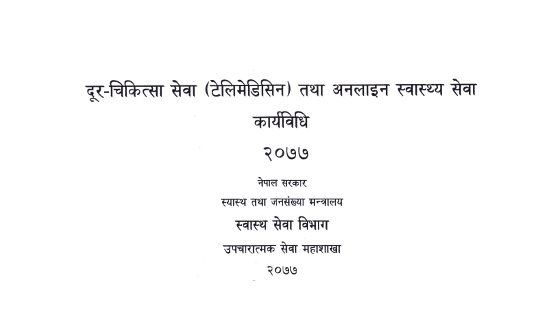
Guideline for Telemedicine and Online Health Services 2077

by Public Health Update December 3, 2021
written by Public Health Update

The Ministry of Health and Population released a new guideline for Telemedicine and Online Health Services in Nepal. This operation guideline will provide guidance for technical and administrative requirements for telemedicine services in Nepal.

DOWNLOAD PDF FILE

DOWNLOAD PDF FILE


Do you have a website? Looking for the best hosting provider? Here’s a discount code.

Latest Public Health Jobs

Latest Posts

  • International Wellness Day: Promoting Global Wellness for All
  • Summit Declaration: The 12th National Summit of Health and Population Scientists in Nepal
  • Joint political declaration on the reform of the global health architecture
  • World Health Day 2026: Together for Health. Stand with Science.
  • World Water Day 2026 | Water & Gender Equality

Thanks for visiting us.
Disclaimer: The resources, documents, guidelines, and information on this blog have been collected from various sources and are intended for informational purposes only. Information published on or through this website and affiliated social media channels does not represent the intention, plan, or strategies of an organization that the initiator is associated with in a professional or personal capacity, unless explicitly indicated.
If you have any complaints, information, or suggestions about the content published on Public Health Update, please feel free to contact us at blog.publichealthupdate@gmail.com.
#StayUpdated


  • WordPress
  • Link
  • Facebook
  • Mail
  • Facebook
  • Twitter
  • Twitter
  • LinkedIn
  • Instagram
  • Facebook
December 3, 2021 0 comments
0 FacebookTwitterPinterestLinkedinTumblrVKOdnoklassnikiRedditStumbleuponWhatsappTelegramLINEPocketSkypeViberEmail
HRH Strategy Nepal
Human Resource for HealthNational Plan, Policy & GuidelinesPublic HealthResearch & Publication

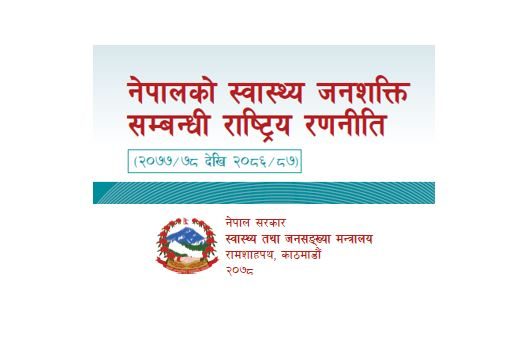
National Human Resources for Health (HRH) Strategy 2021-2030, Nepal

by Public Health Update November 28, 2021
written by Public Health Update

The Ministry of Health and Population (MoHP) released the National Human Resources for Health (HRH) Strategy 2021-2030, Nepal. HRH strategy envisions to ensure equitable distribution and availability of quality health workforce as per the country health service system to ensure universal health coverage. This strategy provides guidance to the government at all levels in the federal context to fulfill the constitutional right for the access to health services by each citizen through effective management of the health workforce.

HRH strategy Identified the four Strategic Pillars in relation to improving HRH Management- Production and Development, Distribution and Management, Leadership and Governance and Information System.

Download Strategy

Download Strategy


Do you have a website? Looking for the best hosting provider? Here’s a discount code.

Latest Public Health Jobs

Latest Posts

  • International Wellness Day: Promoting Global Wellness for All
  • Summit Declaration: The 12th National Summit of Health and Population Scientists in Nepal
  • Joint political declaration on the reform of the global health architecture
  • World Health Day 2026: Together for Health. Stand with Science.
  • World Water Day 2026 | Water & Gender Equality

Thanks for visiting us.
Disclaimer: The resources, documents, guidelines, and information on this blog have been collected from various sources and are intended for informational purposes only. Information published on or through this website and affiliated social media channels does not represent the intention, plan, or strategies of an organization that the initiator is associated with in a professional or personal capacity, unless explicitly indicated.
If you have any complaints, information, or suggestions about the content published on Public Health Update, please feel free to contact us at blog.publichealthupdate@gmail.com.
#StayUpdated


  • WordPress
  • Link
  • Facebook
  • Mail
  • Facebook
  • Twitter
  • Twitter
  • LinkedIn
  • Instagram
  • Facebook
November 28, 2021 0 comments
0 FacebookTwitterPinterestLinkedinTumblrVKOdnoklassnikiRedditStumbleuponWhatsappTelegramLINEPocketSkypeViberEmail
Second Round Seroprevalence Survey for SARS-COV-2
ReportsNational Health NewsOutbreak News

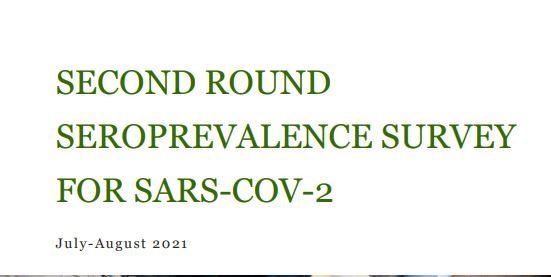
Second Round Seroprevalence Survey for SARS-COV-2

by Public Health Update November 21, 2021
written by Public Health Update

BACKGROUND

The second round of national seroprevalence survey for SARS- CoV-2 in Nepal was conducted from 5th July to 23rd August 2021 to determine the current seroprevalence level in the general population. The objective was to estimate and understand the population-level immunity against SARS-CoV-2 and its change over time which are keys for understanding the spread of disease across the country. First round of seroprevalence survey for SARS-CoV-2 in Nepal was conducted from 9th October to 22nd October 2020.

RESULTS

This analysis was based on data from 13,439 study participants. The non-response rate was 1%. The overall weighted seroprevalence at national level was 70.7% (95% CI, 69.6- 72.0)-Table 01.

SUMMARY

The second seroprevalence survey for COVID-19 was conducted during the period of 5th July to 23rd August 2021 using a sample size and sampling framework to estimate seroprevalence at provincial and national levels. Based on analysis of 13,439 samples collected, the estimated national seroprevalence at national level was 70.7%.

Province 2 showed the highest seroprevalence of 84.8% while the lowest seroprevalence of 62.9% was reported by Karnali province. The seroprevalence reported for male and female were comparable at 72.3% and 68.7% respectively. The age group 65-74 reported the highest seroprevalence of 79.4% while the 6-months to 4-year age group reported the lowest seroprevalence of 56.2%. The eco-regions terai, hills and mountains reported seroprevalences of 76.3%, 65.3%, and 60.5% respectively. All of which increased in comparison to the first serosurvey results. The seroprevalence reported for urban
and rural were comparable at 71.8% and 68.6% respectively. Fully vaccinated (including Janssen single dose) group showed the highest seroprevalence of 89.1% followed by the group that had one dose with seroprevalence of 82.0% and those who haven’t had vaccination with seroprevalence of 65.5%. The reported non-response rate was 1%.

Children had 35% less risk of getting seroconverted for SARS-CoV-2 compared to the working group. Males had a slightly higher and statistically significant risk of getting SARS-CoV-2infection with females. Acquiring SARS-CoV-2 was more likely in people who lived in terai and hill eco zones than mountain ecozones. The terai zone has approximately 2.5 times the risk than the mountain region. Living in an urban area also pose a 12% increased risk which is statistically significant compared to a rural area.

DOWNLOAD REPORT

Second Round Seroprevalence Survey for SARS-COV-2

Enhanced Surveillance on Sero-prevalence of SARS-COV-2 in General Population

The 2nd National Sero-prevalence Survey of Nepal for COVID-19

COVID-19: Micro Containment Plan, Nepal

November 21, 2021 0 comments
0 FacebookTwitterPinterestLinkedinTumblrVKOdnoklassnikiRedditStumbleuponWhatsappTelegramLINEPocketSkypeViberEmail
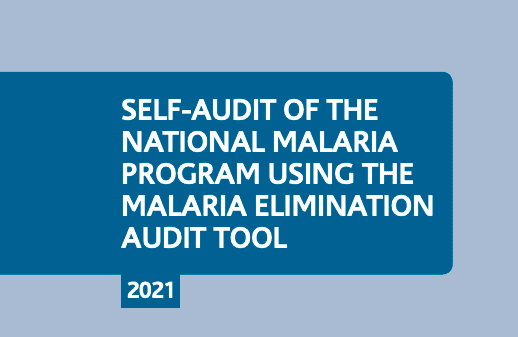
Self-audit of the National Malaria Program using the Malaria Elimination Audit Tool
Communicable DiseasesNational Plan, Policy & GuidelinesResearch & Publication

Self-audit of the National Malaria Program using the Malaria Elimination Audit Tool

by Public Health Update November 18, 2021
written by Public Health Update

Self-audit of the National Malaria Program using the Malaria Elimination Audit Tool

The objectives of the malaria self-audit are as follow:

  • To review progress towards achieving the goal and objectives of the current national malaria strategic plan and overall program coverage and outcomes using WHO Malaria Elimination Audit Tool (MEAT).
  • To make recommendations for strengthening implementation of the program.
  • To make recommendations to accelerate the malaria elimination.

MALARIA ELIMINATION PROGRAM AUDIT

The MEAT implementing scoring recommends evaluation of the malaria program using the ten domains. Within each domain are critical elements drawn from the Framework for malaria elimination. For each element, there are one or more milestones that indicate progress towards full implementation of that element.

The implementation status of each element is indicated by a score, which reflects the country’s level of advancement, its capacity to institutionalize technical strategies and to ensure that they are sustainable. Scoring is applicable to most elements; those elements that do not lend themselves to a score are indicated by a N/A and are grayed out.

The following scheme is used

  • Not yet implemented. None of the milestones of the element have been reached.
  • Limited implementation. Implementation has started with some milestones achieved and others begun.
  • Expanded implementation. Most but not all of the milestones have been reached, or there remain significant gaps in the implementation of several milestones, or there are significant concerns about the sustainability of activities.
  • Fully implemented. All milestones have been reached and activities are sustainable.

Download: Self-audit of the National Malaria Program using the Malaria Elimination Audit Tool


Recommended readings

  • National Malaria Laboratory Plan (2020-2025) and Malaria Laboratory Manual-2021
  • National Malaria Treatment Protocol 2019, Nepal – EDCD
  • National Malaria Surveillance Guidelines 2019, Nepal
  • Epidemiological Trend of Malaria in Nepal (2012/13-2017/18)
  • Malaria Micro Stratification Report 2018
  • Malaria Risk Areas Micro-stratification 2020
  • From 30 million cases to zero: China is certified malaria-free by WHO
  • Interim Guideline for Malaria Program During COVID-19 in Nepal (Updated)
  • WHO launches effort to stamp out malaria in 25 more countries by 2025
  • World Malaria Day 2021: Reaching the zero malaria target
  • El Salvador certified as malaria-free by WHO
  • WHO Guidelines for Malaria (Consolidated Guidelines for Malaria)
  • World Malaria Report 2020
  • World Malaria Day 2020: “Zero malaria starts with me”
November 18, 2021 0 comments
0 FacebookTwitterPinterestLinkedinTumblrVKOdnoklassnikiRedditStumbleuponWhatsappTelegramLINEPocketSkypeViberEmail
Newer Posts
Older Posts

Search

Follow Us

Facebook Twitter Instagram Pinterest Linkedin Youtube

Categories

  • Abstracts (25)
  • Activities (91)
  • Adolescent Sexual and Reproductive Health (ASRH) (25)
  • Advice & Tips (4)
  • African Region (5)
  • AI and Health (1)
  • Annual Meeting (6)
  • Antimicrobial Resistance (AMR) (21)
  • Award (19)
  • Awards (16)
  • Books (9)
  • Call for Proposal, EOI & RFP (103)
  • Call for Research Participants (8)
  • Clinical Doctor Jobs (6)
  • Communicable Diseases (107)
  • Competition (20)
  • Conference (129)
  • Consultant (1)
  • Courses (205)
  • Dashboard (2)
  • Digital Health & Health Informatics (10)
  • Drug and Medicine (18)
  • Eastern Mediterranean Region (3)
  • Education (15)
  • Environment (3)
  • Environmental Health & Climate Change (47)
  • European Region (42)
  • Exchange Program (1)
  • Fact Sheet (117)
  • FCHVs (1)
  • Fellowships, Studentship & Scholarships (168)
  • Financial Aid (13)
  • Form Formats (2)
  • Fully funded (22)
  • Global Health News (434)
  • Grants and Funding Opportunities (193)
  • Guest Post (44)
  • Health Assistant Jobs (1)
  • Health Equity (7)
  • Health Financing and Economics (24)
  • Health in Data (115)
  • Health Insurance (5)
  • Health Jobs (52)
  • Health Literacy, Health Education & Promotion (50)
  • Health Organization Profile (42)
  • Health Systems (83)
  • Human Resource for Health (33)
  • Humanitarian Health & Emergency Response (44)
  • Hypertension (5)
  • Implementation Research (48)
  • International Health (3)
  • International Jobs & Opportunities (373)
  • International Plan, Policy & Guidelines (210)
  • Internships (4)
  • Jobs Vacancies (56)
  • Journals (8)
  • Life Style & Public Health Nutrition (39)
  • Live (10)
  • Master's Degree (48)
  • Maternal, Newborn and Child Health (88)
  • Mentorship Program (2)
  • Miscellaneous (16)
  • National Health News (158)
  • National Plan, Policy & Guidelines (468)
  • Neglected Tropical Diseases (NTDs) (51)
  • Non- Communicable Diseases (NCDs) (121)
  • Notice (103)
  • Nursing Jobs (6)
  • Nutritionist Jobs (1)
  • One Health (18)
  • Online & Distance Learning (22)
  • Online Courses (90)
  • Op-Ed Article (3)
  • Opportunities by Region (83)
  • Outbreak News (213)
  • Partially funded (6)
  • PCL Health Science Jobs (3)
  • PH Important Day (534)
  • Pharmacist Jobs (3)
  • PhD (54)
  • Photos (5)
  • Planetary Health (4)
  • PostDoc (14)
  • Presentation Slides (26)
  • Primary Health Care (25)
  • Provincial Plan, Policies and Guidelines (14)
  • Public Health (1,283)
  • Public Health Epidemiology & Biostatistics (13)
  • Public Health Events (306)
  • Public Health Information (20)
  • Public Health Innovation (9)
  • Public Health Jobs (52)
  • Public Health News (554)
  • Public Health Notes (120)
  • Public Health Opportunities (507)
  • Public Health Opportunity (491)
  • Public Health Programs (108)
  • Public Health Seminar (2)
  • Public Health Tools (1)
  • Public Health Update (564)
  • Quality Improvement & Infection Prevention (20)
  • Region of America (8)
  • Reports (184)
  • Research & Project Grants (39)
  • Research & Project Grants (32)
  • Research & Publication (647)
  • Research Articles (10)
  • Road Traffic Accidents (RTA) (9)
  • School of Public Health (60)
  • Self funded (2)
  • South-East Asia Region (26)
  • Success Stories (17)
  • Summer and Winter Courses (40)
  • Summer Courses (28)
  • Sustainable Development Goals (SDGs) (14)
  • Syllabus (61)
  • Symposium (9)
  • Tobacco Control (35)
  • Training (40)
  • Travel Grants (15)
  • Trick, Technique & Skills (8)
  • Uncategorized (3)
  • Undergraduate Degree (7)
  • Universal Health Coverage (36)
  • Universities (29)
  • Universities & School of Public Health (58)
  • Vacancy Announcement (26)
  • Vaccine Preventable Diseases (40)
  • Vector-Borne Diseases(VBDs) (30)
  • Videos (3)
  • View Points (1)
  • Webinar (4)
  • Western Pacific Region (13)
  • Workshop (18)
  • World News (117)
Post New Jobs: Vacancy Announcement Service

Public Health Update (Sagun’s Blog) is a popular public health portal in Nepal. Thousands of health professionals are connected with Public Health Update to get up-to-date public health updates, search for jobs, and explore opportunities.
#1 Public Health Blog for sharing Job opportunities and updates in Nepal

”Public Health Information For All”
– – Sagun Paudel, Founder

  • HOT JOBS
    • Public Health Jobs
    • Medical Doctor Jobs
    • Nursing Jobs
    • Health Assistant Jobs
    • Pharmacist Jobs
    • NGOs Jobs
    • Government Jobs
  • Top Categories
    • National Plan, Policy & Guidelines Top
    • Public Health Calendar
    • Fellowships & Scholarships
    • Health Systems
    • Health Organization Profiles
    • International Jobs & Opportunities
    • Public Health Opportunity

PUBLIC HEALTH INITIATIVE

    • Submit your Vacancies New
    • Partnership Opportunities

Contact: blog.publichealthupdate@gmail.com

https://wa.me/+9779856036932

Public Health Initiative, A Registered Non-profit organization – All Right Reserved. 2011-2024. Contact us. 

Facebook Twitter Instagram Youtube Envelope
Public Health Update
  • Home
  • Public Health
    • Home 1
      • Adolescent Sexual and Reproductive Health (ASRH)
      • Antimicrobial Resistance (AMR)
      • Communicable Diseases
      • Digital Health & Health Informatics
      • Environmental Health & Climate Change
      • Health Financing and Economics
      • Health Equity
    • Home 2
      • Health Literacy, Health Education & Promotion
      • Human Resource for Health
      • Humanitarian Health & Emergency Response
      • Implementation Research
      • International Health
      • Life Style & Public Health Nutrition
      • Maternal, Newborn and Child Health
    • Home 3
      • Neglected Tropical Diseases (NTDs)
      • Non- Communicable Diseases (NCDs)
      • One Health
      • Planetary Health
      • Public Health Epidemiology & Biostatistics
      • Primary Health Care
      • Quality Improvement & Infection Prevention
    • Home 4
      • Road Traffic Accidents (RTA)
      • Sustainable Development Goals (SDGs)
      • Tobacco Control
      • Universal Health Coverage
      • Vaccine Preventable Diseases
      • Vector-Borne Diseases(VBDs)
      • Notices
  • Public Health Update
    • Home 1
      • Public Health News
      • Global Health News
      • Outbreak News
      • National Health News
      • COVID-19
    • Home 2
      • Fact Sheet
      • Health in Data
      • PH Important Day
      • Public Health Events
      • Public Health Programs
    • Home 3
      • Health Systems
      • Health Insurance
      • Health Organization Profile
      • Success Stories
      • Public Health Innovation
  • Public Health Opportunities
    • Fully funded
    • Travel Grants
    • Grants and Funding Opportunities
    • Opportunities by Region
    • International Jobs & Opportunities
    • Research & Project Grants
    • Fellowships, Studentship & Scholarships
    • Conference
  • Jobs
    • Home 1
      • Health Jobs
      • Public Health Jobs
      • Clinical doctor Jobs
      • Health Assistant Jobs
      • Nursing Jobs
      • PCL Health Science Jobs
    • Home 2
      • Dental Jobs
      • Pharmacist Jobs
      • TSLC (Health Jobs)
      • Laboratory Jobs
      • Nutritionist Jobs
  • Downloads
    • International Plan, Policy & Guidelines
    • National Plan, Policy & Guidelines
    • Reports
    • Books
    • Research Articles
  • School of Public Health
    • Home 1
      • Courses
      • Master’s Degree
      • Undergraduate Degree
      • PhD
    • Home 2
      • Universities
      • Syllabus
      • Public Health Notes
      • Mentorship Program
      • Startup Project
    • Home
      • Summer and Winter Courses
      • Summer Courses
      • Online Courses
      • Workshop
      • Training
Public Health Update
  • Home
  • Public Health
    • Home 1
      • Adolescent Sexual and Reproductive Health (ASRH)
      • Antimicrobial Resistance (AMR)
      • Communicable Diseases
      • Digital Health & Health Informatics
      • Environmental Health & Climate Change
      • Health Financing and Economics
      • Health Equity
    • Home 2
      • Health Literacy, Health Education & Promotion
      • Human Resource for Health
      • Humanitarian Health & Emergency Response
      • Implementation Research
      • International Health
      • Life Style & Public Health Nutrition
      • Maternal, Newborn and Child Health
    • Home 3
      • Neglected Tropical Diseases (NTDs)
      • Non- Communicable Diseases (NCDs)
      • One Health
      • Planetary Health
      • Public Health Epidemiology & Biostatistics
      • Primary Health Care
      • Quality Improvement & Infection Prevention
    • Home 4
      • Road Traffic Accidents (RTA)
      • Sustainable Development Goals (SDGs)
      • Tobacco Control
      • Universal Health Coverage
      • Vaccine Preventable Diseases
      • Vector-Borne Diseases(VBDs)
      • Notices
  • Public Health Update
    • Home 1
      • Public Health News
      • Global Health News
      • Outbreak News
      • National Health News
      • COVID-19
    • Home 2
      • Fact Sheet
      • Health in Data
      • PH Important Day
      • Public Health Events
      • Public Health Programs
    • Home 3
      • Health Systems
      • Health Insurance
      • Health Organization Profile
      • Success Stories
      • Public Health Innovation
  • Public Health Opportunities
    • Fully funded
    • Travel Grants
    • Grants and Funding Opportunities
    • Opportunities by Region
    • International Jobs & Opportunities
    • Research & Project Grants
    • Fellowships, Studentship & Scholarships
    • Conference
  • Jobs
    • Home 1
      • Health Jobs
      • Public Health Jobs
      • Clinical doctor Jobs
      • Health Assistant Jobs
      • Nursing Jobs
      • PCL Health Science Jobs
    • Home 2
      • Dental Jobs
      • Pharmacist Jobs
      • TSLC (Health Jobs)
      • Laboratory Jobs
      • Nutritionist Jobs
  • Downloads
    • International Plan, Policy & Guidelines
    • National Plan, Policy & Guidelines
    • Reports
    • Books
    • Research Articles
  • School of Public Health
    • Home 1
      • Courses
      • Master’s Degree
      • Undergraduate Degree
      • PhD
    • Home 2
      • Universities
      • Syllabus
      • Public Health Notes
      • Mentorship Program
      • Startup Project
    • Home
      • Summer and Winter Courses
      • Summer Courses
      • Online Courses
      • Workshop
      • Training
Public Health Initiative, A Registered Non-profit organization – All Right Reserved. 2011-2023