Public Health Update
  • Home
  • Public Health Update
  • Nepal Health Jobs
    • Public Health Job Board
    • Organization List
  • Opportunities
    • Fellowships, Studentship & Scholarships
    • Grants and Funding Opportunities
    • Fully funded
    • Conference
  • Downloads
    • International Plan, Policy & Guidelines
    • National Plan, Policy & Guidelines
    • Reports
    • Public Health Notes
    • Syllabus
    • Form Formats
  • School of Public Health
    • PhD
    • Master’s Degree
    • Online Courses
  • Notice
  • Home
  • Public Health Update
  • Nepal Health Jobs
    • Public Health Job Board
    • Organization List
  • Opportunities
    • Fellowships, Studentship & Scholarships
    • Grants and Funding Opportunities
    • Fully funded
    • Conference
  • Downloads
    • International Plan, Policy & Guidelines
    • National Plan, Policy & Guidelines
    • Reports
    • Public Health Notes
    • Syllabus
    • Form Formats
  • School of Public Health
    • PhD
    • Master’s Degree
    • Online Courses
  • Notice
LOGIN / REGISTER
Public Health Update
SUBSCRIBE
Public Health Update
  • Home
  • Public Health Update
  • Nepal Health Jobs
    • Public Health Job Board
    • Organization List
  • Opportunities
    • Fellowships, Studentship & Scholarships
    • Grants and Funding Opportunities
    • Fully funded
    • Conference
  • Downloads
    • International Plan, Policy & Guidelines
    • National Plan, Policy & Guidelines
    • Reports
    • Public Health Notes
    • Syllabus
    • Form Formats
  • School of Public Health
    • PhD
    • Master’s Degree
    • Online Courses
  • Notice

All Right Reserved. Designed and Developed by PenciDesign

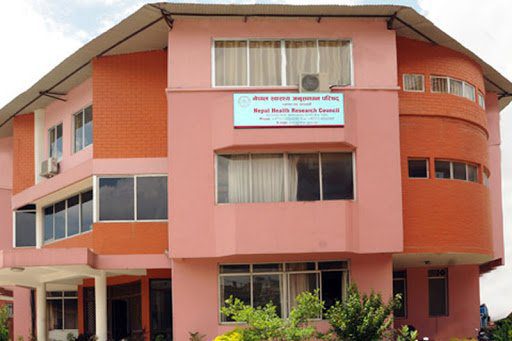
Nepal Health Research Council
TrainingPublic Health OpportunitiesPublic Health Opportunity

Training of Trainers on Qualitative Methods and Data Analysis Process in Health Research

by Public Health Update May 21, 2021
written by Public Health Update

The Nepal Health Research Council (NHRC) invites application from the eligible candidates for the upcoming training on Training of Trainers (ToT) on Qualitative Methods and Data Analysis Process in Health Research.

If you are interested to participate in the Virtual Training of Trainers on Qualitative Methods and Data Analysis Process in Health Research, please fill out this registration form.

APPLY NOW
ONLINE APPLICATION

Eligibility criteria for participation:

  • Applicants with a master’s degree or higher will be considered for this training.
  • Applicants who have previously attended training workshops on Health Research Proposal Development, Data Management and Analysis, and Scientific Writing organized by NHRC.

Please fill out this form by 25 May, 2021.

You will receive all the details (date of training, zoom meeting link, schedule, guidelines) via email after the registration process is completed.

If you have any queries mail us at training.nhrc@gmail.com.

APPLY NOW
ONLINE APPLICATION

Related readings

  • Nepal Health Research Council (NHRC)
  • List of Approved Institutional Review Committee (IRC), NHRC
  • NHRC CPD Guidelines for Providing Credit Hours to Participants
  • National Mental Health Survey, Nepal-2020 Fact Sheet
  • NepMed, Nepal MEDLINE (Medical Literature Analysis and Retrieval System Online)
  • Nepal Clinical Trial Registry
  • Nepal Journals OnLine (NepJOL)
  • Nepal STEPS Survey 2019- Province wise Fact Sheets


Do you have a website? Looking for the best hosting provider? Here’s a discount code.

Latest Public Health Jobs

Latest Posts

  • World Water Day 2026 | Water & Gender Equality
  • Nepal Antimicrobial Resistance (AMR) Bulletin FY 2081/82
  • Call for applications! Short Course on Qualitative Research Methods in Public Health, 2026
  • World Obesity Day 2026 | 8 Billion Reasons to Act on Obesity
  • Salim Yusuf Emerging Leaders Programme 2026

Thanks for visiting us.
Disclaimer: The resources, documents, guidelines, and information on this blog have been collected from various sources and are intended for informational purposes only. Information published on or through this website and affiliated social media channels does not represent the intention, plan, or strategies of an organization that the initiator is associated with in a professional or personal capacity, unless explicitly indicated.
If you have any complaints, information, or suggestions about the content published on Public Health Update, please feel free to contact us at blog.publichealthupdate@gmail.com.
#StayUpdated

  • WordPress
  • Link
  • Facebook
  • Mail
  • Facebook
  • Twitter
  • Twitter
  • LinkedIn
  • Instagram
  • Facebook
May 21, 2021 0 comments
0 FacebookTwitterPinterestLinkedinTumblrVKOdnoklassnikiRedditStumbleuponWhatsappTelegramLINEPocketSkypeViberEmail
Guest PostOutbreak NewsPublic Health

Impact of COVID-19 on Children and Youth

by Public Health Update May 18, 2021
written by Public Health Update

– Aahana Sapkota

Introduction on COVID-19

Corona virus disease 2019 (COVID-19) also known as the corona virus or COVID, is a contagious disease caused by severe acute respiratory syndrome corona virus 2 (SARS-CoV-2). The first known case was identified in Wuhan, China, in December 2019. The disease has since spread worldwide, leading to an ongoing pandemic.

 During the initial outbreak in Wuhan, China, the virus and disease were commonly referred to as “corona virus”, “Wuhan corona virus”, and “Wuhan pneumonia”. The official names COVID-19 and SARS-CoV-2 were issued by the WHO on 11 February 2020, explained as CO for corona, VI for virus, D for disease and 19 for when the outbreak was first identified (13 December 2019).

Impact of COVID-19 on Children and Youth

Medical literature shows that children are not the face of this pandemic, but they risk being among its biggest victims. Although the children are minimally susceptible to 2019-Coronavirus disease, the crisis is having a profound effect on their wellbeing. All children in all countries, are being affected by the socio-economic impacts, psychological impacts, and in some cases by mitigating measures that may have inadvertently do more harm than good. This is a universal crisis and for some children the impact will be lifelong.

There are different channels through which children and youth are affected by this crisis: infection with the virus itself; the immediate socio-economic impact; the potential long term effect of delayed implementation of the Sustainable Development Goals; and the psychological impact.

The first channel is through infection with the virus

Thankfully, children have been largely spared from the direct health effect of COVID-19 – at least to date. Much more common has been for children to tragically lose a parent, family member, or caregiver to COVID-19. Children are hit the hardest by psychological impact like being quarantined in homes and institutions, school closure, lack of outdoor activity and abnormal dietary and sleeping habits.

The second channel is through the socio-economic effects of virus

As large number of people is infected with COVID-19, health services become overwhelmed in caring for them due to which children and pregnant women are less able to access standard care. Children of frontline worker and living are overcrowded and marginalized areas are struggling extensively to access health services. Physical distancing and lockdown measures, restriction to movement and border closures are affecting children.

Different child based services like schooling, nutrition program, maternal and newborn care, immunization services, sexual and reproductive services have been partially suspended. The impact of the pandemic extends far beyond the circle of physical health. The pandemic is having profound effect on children’s and youth’s metal well being, their safety and privacy, their social and psychological development, their economic security. Although children are not the face of this pandemic, it has vulnerable impact of children.

The third channel is the risk that the virus poses to the longer-term efforts to achieve the Sustainable Development Goals

The longer and worse the current crisis is getting, the more dramatic and worse the impact on children and youth may occur. As economies struggle and government spending is restricted, it increases the push and pull factor for child recruitment, sexual exploitation and abduction. Incidence of domestic violence, child abuse, adulterated online contents are on the rise. Falling in poverty, exacerbating the learning crisis, threats to child survival and health, risk for child safety, are multiple effects of this pandemic in children and youth.

Psychological impact on Children and Youth

In children and youth the pandemic and lockdown have a greater impact on mental and emotional health. Children are likely to have symptoms of clinginess, the fear of family members being infected and experience inattention and increased irritability. Children are likely to felt uncertain, fearful and isolated during current situation and experience disturbed sleep, nightmares, poor appetite, and anxiety.

The home confinement of children and youth is attributed to disruption in their education, physical and social activities. Absence of structured setting of school for long period of time results in boredom, lack of innovative ideas, lack of engagement in extracurricular activities, make them become more clingy, attention seeking and dependent on their parents which can have a long term negative effect on their overall psychological wellbeing.

Due to extended confinement at home children with special needs may face difficulties in following instructions, understanding complexity of the pandemic, behavioral and emotional difficulties.  Lack of resource material, peer group interaction, and opportunities of learning and developing social behavior and skills may trigger outburst of tantrums, and conflict between parents and children as the parents lack professional expertise and therapists to help them out to handle the children.

The pandemic and lockdown has turn-down the global economic which has directly worsen the existing social inequality. The imposed lockdown forced the underprivileged children and youth face acute deprivation of nutrition and overall protection. Poor and street children have no source of income; make them a high risk population to face abuse, exploitation, violence and mental health issues. With the restriction of movement due to lockdown, there is increase in rate of children being victim of violence and abuse in their own homes. Children from marginalized communities are particularly susceptible to the infection and may suffer from extended ill-consequences like child labor, child trafficking, child marriage, sexual exploitation and death.

During lockdown an increasing number of poor families have no source of daily wages which lead to frustration and feeling of helplessness. The frustration and family conflict may manifest itself in the form of violence towards children which can make children more vulnerable to depression, anxiety and suicide. Worst of all, during lockdown when schools, legal and preventive services are no functioning, children are rare in a position to report violence, abuse and harm.

Roles to minimize impact of COVId-19 on Children and Youth

As the nation continues to battle COVID-19 in the months and years to come, identifying, responding and intervening to mental health needs is more important to mitigate harmful outcome for individuals, families, and communities. The following are the recommended principles to improve outcomes for children and youth:-

  • Immediate expansion of social assistance to families.
  • Urgent securing of food supply chains and local food markets.
  • Adaption of standard physical distancing and lockdown strategies.
  • Prioritizing the continuity of child centered services with focus on equity on access.
  • Ensuring children and youth have access to COVID-19 testing, treatment and vaccine.
  • Build supportive environment for youth.
  • Make evidence-based mental health care accessible to youth.
  • Take care of most vulnerable communities.
  • Ensure public information about COVID-19 is accurate and accessible.

Aahana Sapkota, Public health student,CiST College

fEEDBACK AND COMMENTS: sapkotaaahana01@gmail.com

Read more articles

  • LET’S TALK ABOUT-RAPE!– Aahana Sapkota
  • Depression and Suicide: The Hidden Crisis– Aahana Sapkota

Recommended readings

  • POCKET BOOK FOR INFECTION PREVENTION AND CONTROL MEASURES FOR COVID-19 IN THE HEALTHCARE SETTING
  • LIST OF LABORATORIES FOR COVID-19 TESTING IN NEPAL
  • LIST OF LABORATORIES FOR SARS COV-2 RAPID ANTIGEN TEST
  • LIST OF LABORATORIES FOR COVID19 TESTING IN NEPAL
  • HEALTH SECTOR EMERGENCY RESPONSE PLAN, MOHP NEPAL
  • COVID-19 CONTINUES TO DISRUPT ESSENTIAL HEALTH SERVICES IN 90% OF COUNTRIES
  • ENHANCED SURVEILLANCE ON SERO-PREVALENCE OF SARS-COV-2 IN GENERAL POPULATION
  • COVID-19 VACCINE FAQS (NEPALI)
  • COVAX ADVANCE MARKET COMMITMENT (AMC)-ELIGIBLE ECONOMIES
  • GUIDELINE FOR COVID19 FACILITATION GROUP MOBILIZATION
  • GUIDELINE FOR ISOLATION KIT DISTRIBUTION
  • GUIDELINE FOR OPERATION OF COVID-19 TEMPORARY HOSPITALS 2077
  • INFECTIOUS DISEASE ACT NEPAL, 2020(1964)
  • COVID-19 CASES ISOLATION MANAGEMENT GUIDELINES
  • INTERIM GUIDANCE FOR RMNCH SERVICES IN COVID 19 PANDEMIC


Do you have a website? Looking for the best hosting provider? Here’s a discount code.

Latest Public Health Jobs

Latest Posts

  • World Water Day 2026 | Water & Gender Equality
  • Nepal Antimicrobial Resistance (AMR) Bulletin FY 2081/82
  • Call for applications! Short Course on Qualitative Research Methods in Public Health, 2026
  • World Obesity Day 2026 | 8 Billion Reasons to Act on Obesity
  • Salim Yusuf Emerging Leaders Programme 2026

Thanks for visiting us.
Disclaimer: The resources, documents, guidelines, and information on this blog have been collected from various sources and are intended for informational purposes only. Information published on or through this website and affiliated social media channels does not represent the intention, plan, or strategies of an organization that the initiator is associated with in a professional or personal capacity, unless explicitly indicated.
If you have any complaints, information, or suggestions about the content published on Public Health Update, please feel free to contact us at blog.publichealthupdate@gmail.com.
#StayUpdated


  • WordPress
  • Link
  • Facebook
  • Mail
  • Facebook
  • Twitter
  • Twitter
  • LinkedIn
  • Instagram
  • Facebook
May 18, 2021 0 comments
0 FacebookTwitterPinterestLinkedinTumblrVKOdnoklassnikiRedditStumbleuponWhatsappTelegramLINEPocketSkypeViberEmail
World Hypertension Day: Measure your blood pressure, control it, live longer!
PH Important DayHypertensionNon- Communicable Diseases (NCDs)Public Health Events

World Hypertension Day: Measure your blood pressure, control it, live longer!

by Public Health Update May 17, 2021
written by Public Health Update

Overview

The World Hypertension day is celebrated on May 17 every year. It is observed annually to raise awareness about hypertension.World Hypertension day was initiated by the World Hypertension League (WHL).

Objective

The purpose of the WHD is to promote public awareness of hypertension and to encourage citizens of all countries to  prevent and control this silent killer, the modern epidemic.

Theme 2021

The theme forWorld Hypertension day 2021 is Measure Your Blood Pressure Accurately, Control It, Live Longer, focusing on combatting low awareness rates worldwide, especially in low to middle income areas, and accurate blood pressure measurement methods. 

Key facts

  • Hypertension – or elevated blood pressure – is a serious medical condition that significantly increases the risks of heart, brain, kidney and other diseases.
  • An estimated 1.13 billion people worldwide have hypertension, most (two-thirds) living in low- and middle-income countries.
  • In 2015, 1 in 4 men and 1 in 5 women had hypertension.  
  • Fewer than 1 in 5 people with hypertension have the problem under control. 
  • Hypertension is a major cause of premature death worldwide.
  • One of the global targets for noncommunicable diseases is to reduce the prevalence of hypertension by 25% by 2025 (baseline 2010).
Risk factors 
  • Modifiable risk factors include unhealthy diets (excessive salt consumption, a diet high in saturated fat and trans fats, low intake of fruits and vegetables), physical inactivity, consumption of tobacco and alcohol, and being overweight or obese.
  • Non-modifiable risk factors include a family history of hypertension, age over 65 years and co-existing diseases such as diabetes or kidney disease.
Prevention is KEY! 
  • Eat healthily and reduce salt consumption
  • Eat more fruit and vegetables Limit alcohol intake
  • Don’t smoke Be physically active
  • Maintain a healthy body weight

READ MORE

Virtual Course on accurate automated blood pressure measurement

Recommended readings

  • RECOMMENDED ONLINE COURSES ON HYPERTENSION
  • Know Your Numbers!!! World Hypertension Day 2017 | Public Health …
  • WORLD HYPERTENSION DAY 2020: MEASURE YOUR BLOOD PRESSURE, CONTROL IT, LIVE LONGER #KNOWYOURNUMBER
  • Virtual Course on accurate automated blood pressure measurement
  • Hypertension kills nearly 1.5 million people each year in the WHO SEAR
  • Know Your Numbers!!! World Hypertension Day 2017
  • World Hypertension Day 17 May 2016: Time to Drop the Pressure


Do you have a website? Looking for the best hosting provider? Here’s a discount code.

Latest Public Health Jobs

Latest Posts

  • World Water Day 2026 | Water & Gender Equality
  • Nepal Antimicrobial Resistance (AMR) Bulletin FY 2081/82
  • Call for applications! Short Course on Qualitative Research Methods in Public Health, 2026
  • World Obesity Day 2026 | 8 Billion Reasons to Act on Obesity
  • Salim Yusuf Emerging Leaders Programme 2026

Thanks for visiting us.
Disclaimer: The resources, documents, guidelines, and information on this blog have been collected from various sources and are intended for informational purposes only. Information published on or through this website and affiliated social media channels does not represent the intention, plan, or strategies of an organization that the initiator is associated with in a professional or personal capacity, unless explicitly indicated.
If you have any complaints, information, or suggestions about the content published on Public Health Update, please feel free to contact us at blog.publichealthupdate@gmail.com.
#StayUpdated


  • WordPress
  • Link
  • Facebook
  • Mail
  • Facebook
  • Twitter
  • Twitter
  • LinkedIn
  • Instagram
  • Facebook
May 17, 2021 0 comments
0 FacebookTwitterPinterestLinkedinTumblrVKOdnoklassnikiRedditStumbleuponWhatsappTelegramLINEPocketSkypeViberEmail
Virtual Course on accurate automated blood pressure measurement
CoursesHypertensionOnline CoursesSchool of Public Health

Virtual Course on accurate automated blood pressure measurement

by Public Health Update May 17, 2021
written by Public Health Update

About the course

The course on accurate automated blood pressure measurement is an initiative of the Pan American Health Organization joined by the World Hypertension League, the Lancet Commission on Hypertension Group and Hypertension Canada, and Resolve to Save Lives, academically developed by a group of highly qualified experts recognized worldwide.

It is structured in an interactive way with a narrated video that illustrates step by step how to properly measure blood pressure, as well as the factors that can alter the measurement and give misleading records.

It consists of an interactive module with an illustrated video, an illustrated guide, and a narrative evaluation. At the end of the modules, the student will be able to download the certificate issued by the Virtual Campus for Public Health (VCPH) of PAHO/WHO and validated by World Hypertension League, Resolve to Save Lives initiative, and The Lancet Commission on Hypertension Group and Hypertension Canada.

Online course on ”Health Cluster Coordination”- OpenWHO

Course purpose

Training members of the health care team who are in charge of blood pressure measurement to do it correctly, step by step, so that they can make an appropriate diagnosis and start the indicated treatment according to the blood pressure record.

Objectives

To develop an efficient mechanism for patients and health care professionals to update knowledge on proper blood pressure assessment, pass a knowledge test and provide a certificate of recognition.

Audience

Primary health care teams including doctors, nurses, physicians and nurse assistants, technical personnel, pharmacists, and specialists such as internal medicine doctors and other specialists in charge of blood pressure measurement. Patients and non-health care professionals who are knowledgeable about hypertension may also find this course useful.

Duration / Workload

The course is open and available in the VCPH. As it is a self-learning course, participants can regulate their times and moments of dedication. When including the estimated time to review the course contents and the Final Test, the course is assigned a total of one hour.

This course provides a certificate valid for 6 months starting from the day that it is issued. Afterwards, participants are welcome to retake the course.

ENROLL NOW
COURSE WEBSITE


Do you have a website? Looking for the best hosting provider? Here’s a discount code.

Latest Public Health Jobs

Latest Posts

  • World Water Day 2026 | Water & Gender Equality
  • Nepal Antimicrobial Resistance (AMR) Bulletin FY 2081/82
  • Call for applications! Short Course on Qualitative Research Methods in Public Health, 2026
  • World Obesity Day 2026 | 8 Billion Reasons to Act on Obesity
  • Salim Yusuf Emerging Leaders Programme 2026

Thanks for visiting us.
Disclaimer: The resources, documents, guidelines, and information on this blog have been collected from various sources and are intended for informational purposes only. Information published on or through this website and affiliated social media channels does not represent the intention, plan, or strategies of an organization that the initiator is associated with in a professional or personal capacity, unless explicitly indicated.
If you have any complaints, information, or suggestions about the content published on Public Health Update, please feel free to contact us at blog.publichealthupdate@gmail.com.
#StayUpdated


  • WordPress
  • Link
  • Facebook
  • Mail
  • Facebook
  • Twitter
  • Twitter
  • LinkedIn
  • Instagram
  • Facebook
May 17, 2021 0 comments
0 FacebookTwitterPinterestLinkedinTumblrVKOdnoklassnikiRedditStumbleuponWhatsappTelegramLINEPocketSkypeViberEmail
1st International Paediatric HIV Symposium in Africa
SymposiumAfrican RegionInternational Jobs & OpportunitiesPublic Health OpportunitiesPublic Health Opportunity

1st International Paediatric HIV Symposium in Africa

by Public Health Update May 17, 2021
written by Public Health Update

The International Paediatric HIV and AIDS Symposium in Africa (IPHASA) will convene for the first time in 2021 by means of a virtual meeting. The Ministry of Health of Uganda leads the IPHASA Organizing Committee, in partnership with the Collaborative Initiative for Paediatric HIV Education and Research (CIPHER) of IAS – the International AIDS Society – and several ministries of health and top organizations working collaboratively under the theme: Leaving no child with HIV behind: Efficiencies, innovation and stakeholder engagement in service delivery.

IPHASA aims to enable discussion of the latest science and build the capacity of healthcare workers and policy makers in implementing evidence-based approaches in the paediatric response to HIV across Africa. The overall objective is to facilitate the translation of evidence and good practices in the paediatric HIV response for implementation and adaptation across the African continent.

Why attend?

IPHASA will share paediatric HIV evidence and good practices to help support in-country implementation and adaptation across the African continent. Symposium participants will include healthcare workers, policy makers, programme implementers, representatives of ministries of health and researchers working on paediatric HIV.

By attending the symposium, you will:

  • Hear the latest global and regional updates in paediatric HIV prevention, care and treatment
  • Learn from country experiences and best practices in implementing paediatric HIV programmes
  • Equip yourself with new knowledge and skills in implementation science.

Virtual Symposium: 17–18 November 2021

MORE INFO
CONFERENCE WEBSITE


Do you have a website? Looking for the best hosting provider? Here’s a discount code.

Latest Public Health Jobs

Latest Posts

  • World Water Day 2026 | Water & Gender Equality
  • Nepal Antimicrobial Resistance (AMR) Bulletin FY 2081/82
  • Call for applications! Short Course on Qualitative Research Methods in Public Health, 2026
  • World Obesity Day 2026 | 8 Billion Reasons to Act on Obesity
  • Salim Yusuf Emerging Leaders Programme 2026

Thanks for visiting us.
Disclaimer: The resources, documents, guidelines, and information on this blog have been collected from various sources and are intended for informational purposes only. Information published on or through this website and affiliated social media channels does not represent the intention, plan, or strategies of an organization that the initiator is associated with in a professional or personal capacity, unless explicitly indicated.
If you have any complaints, information, or suggestions about the content published on Public Health Update, please feel free to contact us at blog.publichealthupdate@gmail.com.
#StayUpdated


  • WordPress
  • Link
  • Facebook
  • Mail
  • Facebook
  • Twitter
  • Twitter
  • LinkedIn
  • Instagram
  • Facebook

May 17, 2021 0 comments
0 FacebookTwitterPinterestLinkedinTumblrVKOdnoklassnikiRedditStumbleuponWhatsappTelegramLINEPocketSkypeViberEmail
Infectious Disease and Climate Change Forum 2021
ConferenceInternational Jobs & OpportunitiesOpportunities by RegionPublic Health EventsPublic Health OpportunitiesPublic Health Opportunity

Infectious Disease and Climate Change Forum 2021

by Public Health Update May 17, 2021
written by Public Health Update

Overview

The Infectious Disease & Climate Change Forum will be held virtually 5 October 2021. The Forum is a key knowledge exchange event for public health and allied health professionals, researchers, policy-makers, academics, students and trainees committed to sharing their research, best practices and policies to deal with the impacts of climate change on infectious disease in Canada.

The virtual event will deliver a scientific program featuring plenary and panel sessions on Tuesday 5 October from 11:00–16:30 (EST). Accepted submission will be presented in a dedicated stream of Public Health 2021 on Wednesday 6 October.

Objectives

The Infectious Disease & Climate Change Forum will provide participants the opportunity to:

  • engage public health leaders and other partners and local organizations from within and outside the health sector;
  • highlight local, regional, provincial and national level projects; and
  • provide a platform for professionals and providers to discuss gaps and opportunities.

Call for Submission

The Infectious Disease & Climate Change Forum invites submissions that address topics related to the impacts of climate change on infectious diseases. Topics of particular interest include:

  • Surveillance and modelling
  • Impact on health inequities
  • Multi-sectoral projects
  • Preparing the healthcare system

Submissions are invited for oral presentation, symposiums and workshops. Accepted submission will be presented in a dedicated stream of Public Health 2021 on Wednesday 6 October.  

Proposals may be submitted in either English or French and will be peer-reviewed according to the language of submission. Simultaneous interpretation will not be provided and French submitters must be comfortable presenting in English. 

SUBMISSION ACCEPTANCE

  • Each submission is reviewed and scored by at least two independent peer reviewers. 
  • Final acceptance will be determined by the Steering Committee.
  • Symposium and Workshop submitters will be notified of the results of the peer review on or before Tuesday 20 July.
  • Oral abstract submitters will be notified of the results of the peer review on or before Friday 23 July.
  • All accepted presenters will be notified of the date and time of their presentation on or before Thursday 5 August.
  • All presenters must register for at least one day of the conference to be included in the program. Daily presenter rates will be available. 
  • Pre-recorded presentations and session recordings will be available registered participants for one year post-conference. Presenters may request that the presentation/recording not be posted.

IMPORTANT DATES 

  • Registration opens: Thursday 20 May  
  • Call for submission deadline: Thursday 3 June
  • Notification of results: Wednesday 30 June  
  • Forum Preliminary Program: Tuesday 20 July
  • Infectious Disease & Climate Change Forum: Tuesday 5 October 2021
  • Public Health 2021 dedicated IDCC Stream: Wednesday 6 October 2021


Do you have a website? Looking for the best hosting provider? Here’s a discount code.

Latest Public Health Jobs

Latest Posts

  • World Water Day 2026 | Water & Gender Equality
  • Nepal Antimicrobial Resistance (AMR) Bulletin FY 2081/82
  • Call for applications! Short Course on Qualitative Research Methods in Public Health, 2026
  • World Obesity Day 2026 | 8 Billion Reasons to Act on Obesity
  • Salim Yusuf Emerging Leaders Programme 2026

Thanks for visiting us.
Disclaimer: The resources, documents, guidelines, and information on this blog have been collected from various sources and are intended for informational purposes only. Information published on or through this website and affiliated social media channels does not represent the intention, plan, or strategies of an organization that the initiator is associated with in a professional or personal capacity, unless explicitly indicated.
If you have any complaints, information, or suggestions about the content published on Public Health Update, please feel free to contact us at blog.publichealthupdate@gmail.com.
#StayUpdated


  • WordPress
  • Link
  • Facebook
  • Mail
  • Facebook
  • Twitter
  • Twitter
  • LinkedIn
  • Instagram
  • Facebook
May 17, 2021 0 comments
0 FacebookTwitterPinterestLinkedinTumblrVKOdnoklassnikiRedditStumbleuponWhatsappTelegramLINEPocketSkypeViberEmail
International AIDS Candlelight Memorial Day 2021
Public HealthActivitiesPH Important DayPublic Health Events

International AIDS Candlelight Memorial Day 2021

by Public Health Update May 16, 2021
written by Public Health Update

The International AIDS Candlelight Memorial, held on the third Sunday of May every year.

The International AIDS Candlelight Memorial is a time for all of us to remember the many lives lost to AIDS. It is an opportunity to honour those who dedicated their lives to helping people living with and affected by HIV and continue to mobilise our communities in solidarity.

People living with HIV started the International AIDS Candlelight Memorial in 1983 and since then there have been thousands of events organized across the world by community-based organisations, from motorbike rallies by women living with HIV to uplifting ceremonies in places of worship and workplaces. Such events have helped raise awareness about HIV and more importantly have helped break down stigma within our communities.

The International AIDS Candlelight Memorial is also a campaign to mobilise communities and raise social consciousness about HIV and AIDS. With almost 38 million people living with HIV today, the International AIDS Candlelight Memorial serves as an important platform for global solidarity, breaking down barriers of stigma and discrimination, and giving hope to new generations.


Recommended readings

  • Ending AIDS Together !! International AIDS Candlelight Memorial 2017
  • Candlelight Memorial 2019: Intensifying the fight for Health and Rights!
  • Candlelight Memorial 2016: Engage, Educate, Empower! (Event of the Week)
  • National Centre for AIDS and STD Control (NCASC)
  • UNAIDS calls on countries to step up global action and proposes bold new HIV targets for 2025
  • UNAIDS calls on countries to step up global action and proposes bold new HIV targets for 2025
  • HIV Standard Service Package (SSP) For Key Populations
  • HIV Epidemic Update of Nepal (Fact sheet 2020)
  • UNAIDS calls on countries to step up global action and proposes bold new HIV targets for 2025
  • The Joint United Nations Programme on HIV/AIDS (UNAIDS) Data 2019
  • Interim Guidance for Continuing HIV Program Service Delivery During COVID-19 Pandemic
  • Interim Guideline for Malaria Program During COVID-19 in Nepal (Updated)


Do you have a website? Looking for the best hosting provider? Here’s a discount code.

Latest Public Health Jobs

Latest Posts

  • World Water Day 2026 | Water & Gender Equality
  • Nepal Antimicrobial Resistance (AMR) Bulletin FY 2081/82
  • Call for applications! Short Course on Qualitative Research Methods in Public Health, 2026
  • World Obesity Day 2026 | 8 Billion Reasons to Act on Obesity
  • Salim Yusuf Emerging Leaders Programme 2026

Thanks for visiting us.
Disclaimer: The resources, documents, guidelines, and information on this blog have been collected from various sources and are intended for informational purposes only. Information published on or through this website and affiliated social media channels does not represent the intention, plan, or strategies of an organization that the initiator is associated with in a professional or personal capacity, unless explicitly indicated.
If you have any complaints, information, or suggestions about the content published on Public Health Update, please feel free to contact us at blog.publichealthupdate@gmail.com.
#StayUpdated



  • WordPress
  • Link
  • Facebook
  • Mail
  • Facebook
  • Twitter
  • Twitter
  • LinkedIn
  • Instagram
  • Facebook
May 16, 2021 0 comments
0 FacebookTwitterPinterestLinkedinTumblrVKOdnoklassnikiRedditStumbleuponWhatsappTelegramLINEPocketSkypeViberEmail
Interim Guidance for Continuing HIV Program Service Delivery During COVID-19 Pandemic
National Plan, Policy & GuidelinesCommunicable DiseasesResearch & Publication

Interim Guidance for Continuing HIV Program Service Delivery During COVID-19 Pandemic

by Public Health Update May 16, 2021
written by Public Health Update

Overview

The National Center for National Centre for AIDS and STD Control (NCASC) has updated it’s guideline on Interim Guidance for Continuing HIV Program Service Delivery During COVID-19 Pandemic.

The main objective of this document is to prevent community workers, healthcare workers and beneficiaries from COVID-19 infection while serving/ giving services and able to combat HIV transmission, retain on treatment and achieve the national goal during this pandemic. 

DOWNLOAD
GUIDELINE (NCASC)

Inside this;

  • Situation of HIV epidemic in Nepal
  • General information on COVID-19
  • How to prevent from COVID-19 infection?
  • COVID-19 and HIV service delivery continuity
  • Information for front line workers working in Prevention, Diagnosis, Treatment, Care and Support for HIV program
  • Hand hygiene and respiratory hygiene are key to COVID-19 prevention measures in addition to physical distancing
  • HIV Prevention Program Diagnosis of HIV
  • 8 Differentiated HIV testing services (HTS) in COVID-19 Context ART center
  • VL Sample Collection and Testing
  • Community providers services for PLHIV
  • Guidance for management of Harm reduction program for PWID
  • Opioid Substitution Therapy (OST)
  • Needle Syringe Program (NSP)
  • Communication during Covid-19 response

IMPACT OF COVID-19 ON HIV

During initial days of COVID pandemic, HIV infection was not considered as a risk factor for COVID-19 or more severe disease. However, recent studies conducted in larger samples suggest that PLHIV (particularly with low CD4 counts or not under ART) if infected with COVID are more likely to have severe clinical course in comparison to HIV negatives (Ambrosioni et al 2021).

Moreover, the COVID-19 pandemic has hugely disrupted HIV prevention and treatment services globally and created challenges to continue the essential service delivery. A recent modelling study suggests that in sub-Saharan Africa a 6-month interruption of ART would result in an excess of 500 000 adult deaths from HIV infection during a 4-year period and an up to twofold increase in mother-to-child transmission of HIV.

To maintain an effective HIV response during the COVID-19 pandemic, it is important to continue essential services such as providing early testing, implementing preventive measures among KPs, including harm reduction, and ensuring continuity of ART. WHO has enlisted HIV programs as an essential health service to be continued during COVID pandemic.

How to prevent from COVID-19 infection?

To prevent from acquiring COVID-19, everyone including PLHIV, Key Population, Community workers and health care workers providing services to these population should routinely follow practices mentioned below:

  1. Immunization against COVID-19, whenever possible (The currently available vaccines are safe for all including PLHIV)
  2. Avoid overcrowding and maintain social distancing (at least 2 metres)
  3. Do not touch eyes, nose and mouth with unclean hands
  4. Wash hands regularly with soap and water properly for at least 20 seconds. If the soap and water is not available, use sanitizers (alcohol based) instead. Hand washing and use of sanitizers should be done as frequently as possible.
  5. Clean the high touch surface area of the house and working area (such as table tops, door knobs etc.) with disinfectants
  6. When sneezing and coughing cover the mouth and nose with elbow and if tissue is used to cover the mouth and nose, immediately dispose the tissue paper in proper place such as closed bins
  7. Do not spit in the open place.
  8. Visit to health facilities should be minimized or avoided unless absolutely necessary
  9. In case of severe health conditions like shortness of breath, and other critical conditions, clients should be taken immediately to the health facility
  10. Everyone must follow the national public health standard for COVID-19 (SMS); Social distancing, use of mask (cloth mask or medical mask) and Sanitizer.

COVID-19 and HIV service delivery continuity

As Nepal, like many other countries in the world is tackling the COVID-19 pandemic, it is equally important to ensure that HIV essential services are not interrupted, and HIV prevention is maintained while battling with COVID-19 response and all PLHIV are retained on treatment. The NCASC has developed and updated this interim guidance to assist the National HIV programme, health personal and PLHIV for continuity of services during this Pandemic situation. All possible measures should be implemented to ensure that HIV key populations and PLHIV get continued services under safe conditions applying core human rights principles.

Read more: DOWNLOAD
GUIDELINE (NCASC)

Recommended readings

  • Ending AIDS Together !! International AIDS Candlelight Memorial 2017
  • Candlelight Memorial 2019: Intensifying the fight for Health and Rights!
  • Candlelight Memorial 2016: Engage, Educate, Empower! (Event of the Week)
  • National Centre for AIDS and STD Control (NCASC)
  • UNAIDS calls on countries to step up global action and proposes bold new HIV targets for 2025
  • UNAIDS calls on countries to step up global action and proposes bold new HIV targets for 2025
  • HIV Standard Service Package (SSP) For Key Populations
  • HIV Epidemic Update of Nepal (Fact sheet 2020)
  • UNAIDS calls on countries to step up global action and proposes bold new HIV targets for 2025
  • The Joint United Nations Programme on HIV/AIDS (UNAIDS) Data 2019
  • Interim Guidance for Continuing HIV Program Service Delivery During COVID-19 Pandemic
  • Interim Guideline for Malaria Program During COVID-19 in Nepal (Updated)


Do you have a website? Looking for the best hosting provider? Here’s a discount code.

Latest Public Health Jobs

Latest Posts

  • World Water Day 2026 | Water & Gender Equality
  • Nepal Antimicrobial Resistance (AMR) Bulletin FY 2081/82
  • Call for applications! Short Course on Qualitative Research Methods in Public Health, 2026
  • World Obesity Day 2026 | 8 Billion Reasons to Act on Obesity
  • Salim Yusuf Emerging Leaders Programme 2026

Thanks for visiting us.
Disclaimer: The resources, documents, guidelines, and information on this blog have been collected from various sources and are intended for informational purposes only. Information published on or through this website and affiliated social media channels does not represent the intention, plan, or strategies of an organization that the initiator is associated with in a professional or personal capacity, unless explicitly indicated.
If you have any complaints, information, or suggestions about the content published on Public Health Update, please feel free to contact us at blog.publichealthupdate@gmail.com.
#StayUpdated


  • WordPress
  • Link
  • Facebook
  • Mail
  • Facebook
  • Twitter
  • Twitter
  • LinkedIn
  • Instagram
  • Facebook

May 16, 2021 0 comments
0 FacebookTwitterPinterestLinkedinTumblrVKOdnoklassnikiRedditStumbleuponWhatsappTelegramLINEPocketSkypeViberEmail
Public Health Opportunity! Explore world's trending global health opportunities! Visit us for latest public health opportunities.
Public Health OpportunityInternational Jobs & OpportunitiesOpportunities by RegionPublic Health OpportunitiesTrainingWorkshop

Call for Application: Conducting National Feminist Legal Theory and Practice Training in 2021

by Public Health Update May 14, 2021
written by Public Health Update

Call for Applications for National Partners to conduct the National Feminist Legal Theory and Practice (National FLTP) Trainings in 2021

APWLD is seeking expressions of interest from national or local organisations in Asia and the Pacific to partner with us to conduct the Feminist Legal Theory and Practice Training at the national level (National FLTPs). The collaborative work will include developing a national specific module, translation of materials and hosting the national FLTP training programme, conducting collaborative evaluation and becoming a member of the growing FLTP community of practice.

How To Apply?

Please fill out the on-line application form or download the form here.  Submit the completed application form, letter of interest (addressing the selection criteria and scope of work), and indicative budget for the training using the template provided. (Important note: costs related to institutional support, rent of office, payment for bills, purchasing of assets and equipment are not covered.) 

For applications sent via email please send to:

Sadia Afrin Khan

Programme Officer, Feminist Law & Practice, APWLD

sadia@apwld.org

Please indicate in the subject line: “Expression of Interest of National FLTP Partner 2021”

DEADLINE OF APPLICATIONS IS ON 31st MAY 2021

For more information on the National FLTPs 2021, please refer to the concept note. 

National FLTPs 2021

This year the Feminist Law and Practice Programme plans to pursue the potential of National FLTPs to help strengthen capacities in feminist practice and legal strategising that is responsive to the context, issues and needs of movements at the local and national level. 

APWLD will provide a small sub-grant support (US$8,000-10,000 per organisation) to 4-5 organisations to carry out the national FLTP training.  Each partner organisation is expected to organise a national FLTP training in the period of July – November 2021, and collectively share the learnings and new strategies in December 2021.  APWLD will provide a module for designing the national FLTP training and help national partners reach out to the FLTP trainers as well. 

The national-level FLTP Trainings have the following objectives:  

  • To build the capacity to identify, analyse and scrutinise the discriminatory national laws and policies from a feminist and human rights perspectives;
  • To develop feminist legal knowledge tools and strategies to support women’s human rights defenders at the national level;  
  • To conduct advocacy and national campaigns to challenge discriminatory laws and policies; and advance women’s human rights and Development Justice in the country; 
  • To build a strong supportive network and movement of feminist legal practitioners and activists within the country.

Who Can Apply

Selection Criteria 

APWLD is seeking to work with like-minded national partners from different countries within the Asia and the Pacific region with the following background: 

  • Work for the realisation of women’s human rights at community and national levels;  
  • Have a strong commitment to the promotion of women’s human rights, particularly young, rural, indigenous, migrant, urban poor women and/or women in other marginalised or minority groups;
  • Have strong networks and affiliations with feminist lawyers, activists, judiciary and the legal community in their countries;
  • Have experience in launching creative and participatory training and workshops in the areas of feminism, women’s human rights or women and the law; and 
  • Have necessary organisational resources to coordinate and conduct the National FLTPs with support from the APWLD Secretariat.

Expected Roles and Responsibilities of National Partners

National Partners lead in conducting the FLTPs in their countries with the support of the APWLD secretariat in the period of July – November 2021 and submit the final narrative report and financial report along with all necessary annexes by the end of November 2021. All national partners are expected to attend and contribute to collaborative monitoring, evaluation and learning meeting organised by APWLD in December 2021. 


Do you have a website? Looking for the best hosting provider? Here’s a discount code.

Latest Public Health Jobs

Latest Posts

  • World Water Day 2026 | Water & Gender Equality
  • Nepal Antimicrobial Resistance (AMR) Bulletin FY 2081/82
  • Call for applications! Short Course on Qualitative Research Methods in Public Health, 2026
  • World Obesity Day 2026 | 8 Billion Reasons to Act on Obesity
  • Salim Yusuf Emerging Leaders Programme 2026

Thanks for visiting us.
Disclaimer: The resources, documents, guidelines, and information on this blog have been collected from various sources and are intended for informational purposes only. Information published on or through this website and affiliated social media channels does not represent the intention, plan, or strategies of an organization that the initiator is associated with in a professional or personal capacity, unless explicitly indicated.
If you have any complaints, information, or suggestions about the content published on Public Health Update, please feel free to contact us at blog.publichealthupdate@gmail.com.
#StayUpdated


  • WordPress
  • Link
  • Facebook
  • Mail
  • Facebook
  • Twitter
  • Twitter
  • LinkedIn
  • Instagram
  • Facebook
May 14, 2021 0 comments
0 FacebookTwitterPinterestLinkedinTumblrVKOdnoklassnikiRedditStumbleuponWhatsappTelegramLINEPocketSkypeViberEmail
Call For Application: Womanifesto 2021-2023
Public Health OpportunityInternational Jobs & OpportunitiesOpportunities by RegionPublic Health OpportunitiesTrainingWorkshop

Call For Application: Womanifesto 2021-2023

by Public Health Update May 14, 2021
written by Public Health Update

Womanifesto: Combat Authoritarianism and Advance Participatory Democracy

Why Womanifesto?

Women’s participation and leadership in decision making at all levels, starting in the domestic sphere and extending to the highest levels of government, is a fundamental prerequisite for a just and equitable world and for participatory, accountable democracies. At present, not only are women under-represented in legislatures across the world, and particularly in Asia and the Pacific region, the socio-economic and cultural barriers make it difficult for women to fully exercise their democratic rights and political power. 

Since the early 2000, Asia Pacific Forum on Women, Law and Development (APWLD) has worked to build women’s capacity to increase women’s representation and transformative leadership in political and policy building processes. In 2018, based on the critical reflection of the state of women’s political participation and leadership, APWLD decided to adopt a new strategy called ‘Womanifesto’.  Womanifesto–women’s agenda for change–has long been used for by women’s movements to ensure elections are fought around policies demanding just, equitable and transformative changes that shift power relations and uphold women’s human rights. In APWLD, the Womanifesto is envisioned as a critical organising tool for women to influence the electoral process, hold elected leaders accountable to their promises in advancing women’s human rights, equality and Development Justice, and advance feminist participatory democracy. 

For details of the Womanifesto, please read the concept note.

Overall Objective

To advance women’s democratic rights and civic engagement in Asia and the Pacific by increasing women’s capacity to author and claim Womanifestos.

Specific Objectives

  • Develop the capacity of women, their organisations and communities to elaborate women’s political agenda (or womanifesto) and thereby, engage in broader political processes and policy debates at local and national levels;
  • Foster knowledge and resources on women’s human rights, particularly democracy methods and community organising tools;
  • Establish electoral advocacy plans to share and support women’s political manifestos;
  • Strengthen institutional development of partner organisations through leadership development and solidarity movement building.

Participants

Womanifesto will accommodate 8-10 partners of national and grassroot organisations led by women in all their diversities from marginalised communities, including women with disability, LBTIQ+, ethnic and religious minorities, indigenous communities. Each partner shall identify one grassroot woman organiser and one woman mentor. At least one of them should come from the community/constituent and be committed to community organising and feminist movement building. APWLD will provide the selected organisations with a small grant to employ a young woman community organiser and carry out the research including salary and on-costs with the approximate amount of US$ 13,000.

Deadline and Submission Information

To apply, download the application form, fill it in according to the instructions and send to Madhura at madhura@apwld.org by 14 June 2021. For any further queries please reach out to Madhura at the given email address.

Womanifesto Timeline

TimelineActivitiesDescription
May 2021Call for Application and Selection of ParticipantsOnly selected participants will be intimated by June
August 20211st Regional Training on Women’s Human Rights and Democracy MethodsThe first training will orient participants towards a better understanding of gender and politics through a human rights based approach. The training will also refine the participants’ skills in organising and bringing together women from their community using Feminist Participatory Action Research methodology
January 20222nd Regional Training on Drafting Womanifestos and Introducing Advocacy SkillsThe second training will prepare participants to go back and start drafting the Womanifestos through participatory approach with the community. It will also help them formulate advocacy plans of how to engage with the political leadership and elected representatives of the government with the Womanifestos
July 20223rd Regional Training on Advocating with the Womanifesto and the Way ForwardWe will take cognizance of the Womanifesto journey so far.Then we will move on to expand our advocacy skills further and plan for an advocacy phase
November 2022 – May 2023Advocacy PhaseThe partner organisations going ahead with further advocacy will enter into contracts and execute the advocacy phase for six months.
July 20234th Regional Monitoring, Evaluation and Learning MeetingAll the trainers and participants come together and reflect on the journey so far and the learnings from the successes and failures and evaluate the Womanifesto cycle
        SUBMISSION DEADLINE: 14 JUNE 2021


Do you have a website? Looking for the best hosting provider? Here’s a discount code.

Latest Public Health Jobs

Latest Posts

  • World Water Day 2026 | Water & Gender Equality
  • Nepal Antimicrobial Resistance (AMR) Bulletin FY 2081/82
  • Call for applications! Short Course on Qualitative Research Methods in Public Health, 2026
  • World Obesity Day 2026 | 8 Billion Reasons to Act on Obesity
  • Salim Yusuf Emerging Leaders Programme 2026

Thanks for visiting us.
Disclaimer: The resources, documents, guidelines, and information on this blog have been collected from various sources and are intended for informational purposes only. Information published on or through this website and affiliated social media channels does not represent the intention, plan, or strategies of an organization that the initiator is associated with in a professional or personal capacity, unless explicitly indicated.
If you have any complaints, information, or suggestions about the content published on Public Health Update, please feel free to contact us at blog.publichealthupdate@gmail.com.
#StayUpdated


  • WordPress
  • Link
  • Facebook
  • Mail
  • Facebook
  • Twitter
  • Twitter
  • LinkedIn
  • Instagram
  • Facebook
May 14, 2021 0 comments
0 FacebookTwitterPinterestLinkedinTumblrVKOdnoklassnikiRedditStumbleuponWhatsappTelegramLINEPocketSkypeViberEmail
Newer Posts
Older Posts

Search

Follow Us

Facebook Twitter Instagram Pinterest Linkedin Youtube

Categories

  • Abstracts (25)
  • Activities (91)
  • Adolescent Sexual and Reproductive Health (ASRH) (25)
  • Advice & Tips (3)
  • African Region (5)
  • AI and Health (1)
  • Annual Meeting (6)
  • Antimicrobial Resistance (AMR) (21)
  • Award (19)
  • Awards (16)
  • Books (9)
  • Call for Proposal, EOI & RFP (103)
  • Call for Research Participants (8)
  • Clinical Doctor Jobs (6)
  • Communicable Diseases (107)
  • Competition (20)
  • Conference (128)
  • Consultant (1)
  • Courses (205)
  • Dashboard (2)
  • Digital Health & Health Informatics (10)
  • Drug and Medicine (18)
  • Eastern Mediterranean Region (3)
  • Education (15)
  • Environment (3)
  • Environmental Health & Climate Change (47)
  • European Region (42)
  • Exchange Program (1)
  • Fact Sheet (117)
  • FCHVs (1)
  • Fellowships, Studentship & Scholarships (168)
  • Financial Aid (13)
  • Form Formats (2)
  • Fully funded (22)
  • Global Health News (433)
  • Grants and Funding Opportunities (193)
  • Guest Post (44)
  • Health Assistant Jobs (1)
  • Health Equity (7)
  • Health Financing and Economics (24)
  • Health in Data (115)
  • Health Insurance (5)
  • Health Jobs (52)
  • Health Literacy, Health Education & Promotion (49)
  • Health Organization Profile (42)
  • Health Systems (83)
  • Human Resource for Health (33)
  • Humanitarian Health & Emergency Response (44)
  • Hypertension (5)
  • Implementation Research (48)
  • International Health (3)
  • International Jobs & Opportunities (373)
  • International Plan, Policy & Guidelines (210)
  • Internships (4)
  • Jobs Vacancies (56)
  • Journals (8)
  • Life Style & Public Health Nutrition (39)
  • Live (10)
  • Master's Degree (48)
  • Maternal, Newborn and Child Health (88)
  • Mentorship Program (2)
  • Miscellaneous (16)
  • National Health News (157)
  • National Plan, Policy & Guidelines (468)
  • Neglected Tropical Diseases (NTDs) (51)
  • Non- Communicable Diseases (NCDs) (120)
  • Notice (103)
  • Nursing Jobs (6)
  • Nutritionist Jobs (1)
  • One Health (17)
  • Online & Distance Learning (22)
  • Online Courses (90)
  • Op-Ed Article (3)
  • Opportunities by Region (83)
  • Outbreak News (213)
  • Partially funded (6)
  • PCL Health Science Jobs (3)
  • PH Important Day (533)
  • Pharmacist Jobs (3)
  • PhD (54)
  • Photos (5)
  • Planetary Health (4)
  • PostDoc (14)
  • Presentation Slides (26)
  • Primary Health Care (25)
  • Provincial Plan, Policies and Guidelines (14)
  • Public Health (1,281)
  • Public Health Epidemiology & Biostatistics (13)
  • Public Health Events (306)
  • Public Health Information (20)
  • Public Health Innovation (9)
  • Public Health Jobs (52)
  • Public Health News (552)
  • Public Health Notes (120)
  • Public Health Opportunities (507)
  • Public Health Opportunity (491)
  • Public Health Programs (108)
  • Public Health Seminar (2)
  • Public Health Tools (1)
  • Public Health Update (561)
  • Quality Improvement & Infection Prevention (20)
  • Region of America (8)
  • Reports (184)
  • Research & Project Grants (39)
  • Research & Project Grants (32)
  • Research & Publication (647)
  • Research Articles (10)
  • Road Traffic Accidents (RTA) (9)
  • School of Public Health (60)
  • Self funded (2)
  • South-East Asia Region (26)
  • Success Stories (17)
  • Summer and Winter Courses (40)
  • Summer Courses (28)
  • Sustainable Development Goals (SDGs) (14)
  • Syllabus (61)
  • Symposium (9)
  • Tobacco Control (35)
  • Training (40)
  • Travel Grants (15)
  • Trick, Technique & Skills (8)
  • Uncategorized (3)
  • Undergraduate Degree (7)
  • Universal Health Coverage (36)
  • Universities (29)
  • Universities & School of Public Health (58)
  • Vacancy Announcement (26)
  • Vaccine Preventable Diseases (40)
  • Vector-Borne Diseases(VBDs) (30)
  • Videos (3)
  • View Points (1)
  • Webinar (4)
  • Western Pacific Region (13)
  • Workshop (18)
  • World News (116)
Post New Jobs: Vacancy Announcement Service

Public Health Update (Sagun’s Blog) is a popular public health portal in Nepal. Thousands of health professionals are connected with Public Health Update to get up-to-date public health updates, search for jobs, and explore opportunities.
#1 Public Health Blog for sharing Job opportunities and updates in Nepal

”Public Health Information For All”
– – Sagun Paudel, Founder

  • HOT JOBS
    • Public Health Jobs
    • Medical Doctor Jobs
    • Nursing Jobs
    • Health Assistant Jobs
    • Pharmacist Jobs
    • NGOs Jobs
    • Government Jobs
  • Top Categories
    • National Plan, Policy & Guidelines Top
    • Public Health Calendar
    • Fellowships & Scholarships
    • Health Systems
    • Health Organization Profiles
    • International Jobs & Opportunities
    • Public Health Opportunity

PUBLIC HEALTH INITIATIVE

    • Submit your Vacancies New
    • Partnership Opportunities

Contact: blog.publichealthupdate@gmail.com

https://wa.me/+9779856036932

Public Health Initiative, A Registered Non-profit organization – All Right Reserved. 2011-2024. Contact us. 

Facebook Twitter Instagram Youtube Envelope
Public Health Update
  • Home
  • Public Health
    • Home 1
      • Adolescent Sexual and Reproductive Health (ASRH)
      • Antimicrobial Resistance (AMR)
      • Communicable Diseases
      • Digital Health & Health Informatics
      • Environmental Health & Climate Change
      • Health Financing and Economics
      • Health Equity
    • Home 2
      • Health Literacy, Health Education & Promotion
      • Human Resource for Health
      • Humanitarian Health & Emergency Response
      • Implementation Research
      • International Health
      • Life Style & Public Health Nutrition
      • Maternal, Newborn and Child Health
    • Home 3
      • Neglected Tropical Diseases (NTDs)
      • Non- Communicable Diseases (NCDs)
      • One Health
      • Planetary Health
      • Public Health Epidemiology & Biostatistics
      • Primary Health Care
      • Quality Improvement & Infection Prevention
    • Home 4
      • Road Traffic Accidents (RTA)
      • Sustainable Development Goals (SDGs)
      • Tobacco Control
      • Universal Health Coverage
      • Vaccine Preventable Diseases
      • Vector-Borne Diseases(VBDs)
      • Notices
  • Public Health Update
    • Home 1
      • Public Health News
      • Global Health News
      • Outbreak News
      • National Health News
      • COVID-19
    • Home 2
      • Fact Sheet
      • Health in Data
      • PH Important Day
      • Public Health Events
      • Public Health Programs
    • Home 3
      • Health Systems
      • Health Insurance
      • Health Organization Profile
      • Success Stories
      • Public Health Innovation
  • Public Health Opportunities
    • Fully funded
    • Travel Grants
    • Grants and Funding Opportunities
    • Opportunities by Region
    • International Jobs & Opportunities
    • Research & Project Grants
    • Fellowships, Studentship & Scholarships
    • Conference
  • Jobs
    • Home 1
      • Health Jobs
      • Public Health Jobs
      • Clinical doctor Jobs
      • Health Assistant Jobs
      • Nursing Jobs
      • PCL Health Science Jobs
    • Home 2
      • Dental Jobs
      • Pharmacist Jobs
      • TSLC (Health Jobs)
      • Laboratory Jobs
      • Nutritionist Jobs
  • Downloads
    • International Plan, Policy & Guidelines
    • National Plan, Policy & Guidelines
    • Reports
    • Books
    • Research Articles
  • School of Public Health
    • Home 1
      • Courses
      • Master’s Degree
      • Undergraduate Degree
      • PhD
    • Home 2
      • Universities
      • Syllabus
      • Public Health Notes
      • Mentorship Program
      • Startup Project
    • Home
      • Summer and Winter Courses
      • Summer Courses
      • Online Courses
      • Workshop
      • Training
Public Health Update
  • Home
  • Public Health
    • Home 1
      • Adolescent Sexual and Reproductive Health (ASRH)
      • Antimicrobial Resistance (AMR)
      • Communicable Diseases
      • Digital Health & Health Informatics
      • Environmental Health & Climate Change
      • Health Financing and Economics
      • Health Equity
    • Home 2
      • Health Literacy, Health Education & Promotion
      • Human Resource for Health
      • Humanitarian Health & Emergency Response
      • Implementation Research
      • International Health
      • Life Style & Public Health Nutrition
      • Maternal, Newborn and Child Health
    • Home 3
      • Neglected Tropical Diseases (NTDs)
      • Non- Communicable Diseases (NCDs)
      • One Health
      • Planetary Health
      • Public Health Epidemiology & Biostatistics
      • Primary Health Care
      • Quality Improvement & Infection Prevention
    • Home 4
      • Road Traffic Accidents (RTA)
      • Sustainable Development Goals (SDGs)
      • Tobacco Control
      • Universal Health Coverage
      • Vaccine Preventable Diseases
      • Vector-Borne Diseases(VBDs)
      • Notices
  • Public Health Update
    • Home 1
      • Public Health News
      • Global Health News
      • Outbreak News
      • National Health News
      • COVID-19
    • Home 2
      • Fact Sheet
      • Health in Data
      • PH Important Day
      • Public Health Events
      • Public Health Programs
    • Home 3
      • Health Systems
      • Health Insurance
      • Health Organization Profile
      • Success Stories
      • Public Health Innovation
  • Public Health Opportunities
    • Fully funded
    • Travel Grants
    • Grants and Funding Opportunities
    • Opportunities by Region
    • International Jobs & Opportunities
    • Research & Project Grants
    • Fellowships, Studentship & Scholarships
    • Conference
  • Jobs
    • Home 1
      • Health Jobs
      • Public Health Jobs
      • Clinical doctor Jobs
      • Health Assistant Jobs
      • Nursing Jobs
      • PCL Health Science Jobs
    • Home 2
      • Dental Jobs
      • Pharmacist Jobs
      • TSLC (Health Jobs)
      • Laboratory Jobs
      • Nutritionist Jobs
  • Downloads
    • International Plan, Policy & Guidelines
    • National Plan, Policy & Guidelines
    • Reports
    • Books
    • Research Articles
  • School of Public Health
    • Home 1
      • Courses
      • Master’s Degree
      • Undergraduate Degree
      • PhD
    • Home 2
      • Universities
      • Syllabus
      • Public Health Notes
      • Mentorship Program
      • Startup Project
    • Home
      • Summer and Winter Courses
      • Summer Courses
      • Online Courses
      • Workshop
      • Training
Public Health Initiative, A Registered Non-profit organization – All Right Reserved. 2011-2023