
Public Health Update
  • Home
  • Public Health Update
  • Nepal Health Jobs
    • Public Health Job Board
    • Organization List
  • Opportunities
    • Fellowships, Studentship & Scholarships
    • Grants and Funding Opportunities
    • Fully funded
    • Conference
  • Downloads
    • International Plan, Policy & Guidelines
    • National Plan, Policy & Guidelines
    • Reports
    • Public Health Notes
    • Syllabus
    • Form Formats
  • School of Public Health
    • PhD
    • Master’s Degree
    • Online Courses
  • Notice
  • Home
  • Public Health Update
  • Nepal Health Jobs
    • Public Health Job Board
    • Organization List
  • Opportunities
    • Fellowships, Studentship & Scholarships
    • Grants and Funding Opportunities
    • Fully funded
    • Conference
  • Downloads
    • International Plan, Policy & Guidelines
    • National Plan, Policy & Guidelines
    • Reports
    • Public Health Notes
    • Syllabus
    • Form Formats
  • School of Public Health
    • PhD
    • Master’s Degree
    • Online Courses
  • Notice
LOGIN / REGISTER
Public Health Update
SUBSCRIBE
Public Health Update
  • Home
  • Public Health Update
  • Nepal Health Jobs
    • Public Health Job Board
    • Organization List
  • Opportunities
    • Fellowships, Studentship & Scholarships
    • Grants and Funding Opportunities
    • Fully funded
    • Conference
  • Downloads
    • International Plan, Policy & Guidelines
    • National Plan, Policy & Guidelines
    • Reports
    • Public Health Notes
    • Syllabus
    • Form Formats
  • School of Public Health
    • PhD
    • Master’s Degree
    • Online Courses
  • Notice

All Right Reserved. Designed and Developed by PenciDesign

Lactation Management Centre Guideline 2079
Public HealthMaternal, Newborn and Child HealthNational Plan, Policy & GuidelinesResearch & Publication

Lactation Management Centre Guideline 2079

by Public Health Update September 8, 2022
written by Public Health Update

Overview

The Family Welfare Division has released a guideline for Lactation Management Centre. This guideline aims to provide a technical requirements and guidance for the establishment and operation of the Lactation Management Centers in Nepal.

Purpose of the guideline

  1. Ensuring timely initiation of breastfeeding and promoting breastfeeding practices.
  2. Providing guidance to establish:
  3. Comprehensive Lactation Management Centres (CLMCs) for donor human milk collection, storage, processing and dispensing for babies admitted in health facilities.
  4. Lactation Management Units (LMUs) for collecting, storing and dispensing of mother’s breast milk, expressed and stored for consumption by her own baby.
  5. Lactation Support Units (LSUs) for providing lactation support to mothers at all delivery points.

Operationalizing evidence based and standardised technical protocols for donor screening and collection, processing, storage and dispensation of human milk.

Ensuring the quality and safety of donor human milk (DHM) is the ultimate aim of these guidelines and recommendations have been made to minimise the risk of DHM to recipients.

Key definitions

Comprehensive Lactation Management Centre (CLMC): is a centre at a health facility for the purpose of providing comprehensive lactation support and management for all mothers within the hospital. Facilities for collection, screening, processing, storage and dispensing of donated human milk for babies without access to their own mother’s milk and expression and storage of mother’s own breast milk for consumption of her baby are available in CLMC.

Lactation Management Centre (LMC): is a centre established in the health facility for the purpose of providing lactation support to all mothers within the health facility for collection, storage and dispensing of mother’s own breast milk for consumption by her baby.

Donor: A lactating woman who voluntarily donates milk after screening and approval. A donor shall not receive remuneration for the donation of human milk.

Principles of donation: Donation should be done freely and voluntarily without any monetary benefits to the donor and with an understanding that the donated milk may be used to feed the baby of another mother admitted in the hospital free of any cost.

Donor Human milk: Donor Human Milk is milk expressed and voluntarily donated by lactating women other than the biological mother of the recipient. This donor human milk is pasteurized using the Holder Pasteurization Method and dispensed for use of the recipient.
Mother’s own milk: Human milk expressed for consumption by the mother’s own baby. Preterm milk: Human milk expressed within the first 4 weeks’ post-partum by a mother who delivered at or before 37 weeks of gestation.

Term milk: Human milk expressed by a mother giving birth after 37 weeks, or before 37 weeks but after 4 weeks postpartum.

Fresh raw milk: Human milk expressed within 24hrs and stored at temperature at or below +40C (+2 to + 4oC). Frozen raw milk: Human milk that has been frozen after expression and stored at –20oC.

Donor human milk-contact surfaces: All surfaces that contact donor human milk during normal course of operations. This includes utensils and food-contact surfaces of equipment, such as flasks, bottles and caps.

Collection: The act of expression and obtaining human milk.

Processing: The use of evidence based methodologies and criteria required to prepare and identify human milk for use for the recipient.

Pasteurized donor human milk: Donor human milk which has undergone process of pasteurization in a defined apparatus as per these technical guidelines.

Pasteurization: It is a process where the milk in a sealed container is heated up to 62.5oC and held at this temperature for 30 minutes followed by rapid cooling in a definite apparatus.

Thawing: To change from a frozen solid to a liquid by gradual warming ideally by transferring from the deep freezer (–20oC) to a refrigerator (+2°C to +8°C) over a period of 24 hours.

Equipment clean: Equipment that is cleaned and maintained according to manufacturer’s instructions.

Sanitize: To adequately treat donor milk and contact surfaces by a process that is effective in reducing or destroying pathogens but without adversely affecting the product or its safety for consumption.

Refrigerator: An instrument to maintain temperature from +2°C to +8°C. Deep freezer: An instrument to maintain temperature at or below –20°C.


Download Guideline: ENGLISH NEPALI


September 8, 2022 0 comments
0 FacebookTwitterPinterestLinkedinTumblrVKOdnoklassnikiRedditStumbleuponWhatsappTelegramLINEPocketSkypeViberEmail
National Guideline on Prevention,  Management and Control of Dengue in Nepal
Public HealthNational Plan, Policy & GuidelinesPublic Health UpdateVector-Borne Diseases(VBDs)

Step wise approach for Dengue Case Management

by Public Health Update September 8, 2022
written by Public Health Update

National Guideline on Prevention, Management and Control of Dengue in Nepal

Overview

Dengue infection is a systemic and dynamic disease and has a wide clinical spectrum that includes both severe and non severe clinical manifestations. For a disease that is complex in its manifestations, management is relatively simple, inexpensive and very effective in saving lives so long as correct and timely interventions are instituted. The key is early recognition and understanding of the clinical problems during the different phases of the disease, leading to a rational approach to case management and a good clinical outcome.

Early notification of dengue cases seen in primary and secondary care is crucial for identifying outbreaks and initiating an early response.

Step wise approach for case management

Step 1: Overall Assessment
Step 2: Diagnosis, Assessment of Disease Phase and Severity
Step 3: Clinical Management

1.1 History, including symptoms, past medical and family history
1.2 Physical examination, including full physical and mental assessment
1.3 Investigation, including routine laboratory tests and dengue-specific laboratory tests
2 Clinicians will diagnose whether the disease is dengue and assess its phase and severity
3.1 Disease notification
3.2 Management decisions
Depending on the clinical manifestations and other circumstances, patients may
– be sent home (Group A)
– be referred for hospital management (Group B)
– require emergency treatment and urgent referral (Group C)


Step 1 Overall Assessment
History
– date of onset of fever/illness
– quantity of oral fluid intake
– diarrhea
– urine output (frequency, volume and time of last voiding)
– assessment of warning signs
– change in mental state/seizure/dizziness
– other important relevant history, such as family or neighborhood dengue, travel to dengueendemic areas, co-existing medical conditions.

Physical examination
– assessment of mental state
– assessment of hydration status
– assessment of hemodynamic status
– checking for quiet tachypnoea/acidotic breathing/pleural effusion
– checking for abdominal tenderness/hepatomegaly/ascites
– examination for rash and bleeding manifestations
– tourniquet test (repeat if previously negative or if there is no bleeding manifestation)

Investigation
Details on investigation is provided in chapter 3
– CBC: A complete blood count should be done at the first visit (it may be normal), CBC should be repeated daily until the critical phase is over. Decreasing white blood cell and platelet counts make the diagnosis of dengue very likely.
– Hematocrit: The hematocrit in the early febrile phase could be used as the patient’s own baseline.


Note
– Leukopenia usually precedes the onset of the critical phase and has been associated with severe disease.
– A rapid decrease in platelet count, concomitant with a rising hematocrit compared to the baseline, is suggestive of progress to the plasma leakage/critical phase of the disease. These changes are usually preceded by leukopenia (≤ 4000 cells/mm3).
– In the absence of the patient’s baseline, age-specific population hematocrit levels could be used as a surrogate during the critical phase.
– Dengue-specific laboratory tests can be performed to confirm the diagnosis. However, it is not necessary for the acute management of patients, except in cases with unusual manifestations.
– Additional tests should be considered in patients with co-morbidities and severe disease as indicated.
These may include tests of liver function, glucose, serum electrolytes, urea and creatinine, bicarbonate or lactate, cardiac enzymes, electrocardiogram (ECG) and urine specific gravity.


Step 2
Diagnosis, assessment of disease phase and severity
On the basis of evaluations of the overall assessment as described above, clinicians should determine whether the disease is dengue, which phase it is in (febrile, critical or recovery), whether there are warning signs, the hydration and hemodynamic state of the patient, and whether the patient requires admission or not.


Step 3
Disease notification and management decision
Disease notification
In dengue-endemic countries like Nepal, cases of suspected, probable/highly suggestive and confirmed dengue should be notified early so that appropriate public-health measures can be initiated. Laboratory confirmation is not necessary before notification, but if available should be reported. Notification of dengue is mandatory in Nepal. It is also a part of early warning and reporting system (EWARS) and should be reported accordingly.

Management decisions
Depending on the clinical manifestations and other circumstances, patients may either
– be sent home (Group A)
– be referred for in-hospital management (Group B) or
– require emergency treatment and urgent referral (Group C)


dengue case management 04
Step wise approach for Dengue Case Management (National Guideline on Prevention, Management and Control of Dengue in Nepal)

dengue case management 05
Step wise approach for Dengue Case Management (National Guideline on Prevention, Management and Control of Dengue in Nepal)

dengue case management 06
Step wise approach for Dengue Case Management (National Guideline on Prevention, Management and Control of Dengue in Nepal)

dengue case management 07
Step wise approach for Dengue Case Management (National Guideline on Prevention, Management and Control of Dengue in Nepal)

dengue case management 08
Step wise approach for Dengue Case Management (National Guideline on Prevention, Management and Control of Dengue in Nepal)

dengue case management 09
Step wise approach for Dengue Case Management (National Guideline on Prevention, Management and Control of Dengue in Nepal)

dengue case management 10
Step wise approach for Dengue Case Management (National Guideline on Prevention, Management and Control of Dengue in Nepal)

dengue case management 11
Step wise approach for Dengue Case Management (National Guideline on Prevention, Management and Control of Dengue in Nepal)

dengue case management 12
Step wise approach for Dengue Case Management (National Guideline on Prevention, Management and Control of Dengue in Nepal)

dengue case management 13
Step wise approach for Dengue Case Management (National Guideline on Prevention, Management and Control of Dengue in Nepal)

Please refer Step wise approach for National Guideline on Prevention, Management and Control of Dengue in Nepal

September 8, 2022 0 comments
0 FacebookTwitterPinterestLinkedinTumblrVKOdnoklassnikiRedditStumbleuponWhatsappTelegramLINEPocketSkypeViberEmail
Seventy-fifth Session of Regional Committee for WHO South-East Asia begins
Humanitarian Health & Emergency ResponseGlobal Health NewsPublic Health NewsPublic Health Update

WHO South-East Asia Region roadmap to strengthen emergency preparedness and response

by Public Health Update September 8, 2022
written by Public Health Update

8 September 2022  News release Paro, Bhutan | 8 September 2022 (WHO)

To strengthen preparedness and response capacities for public health emergencies with multidimensional impact, a regional roadmap built on the lessons learnt from the ongoing COVID-19 pandemic is set to be rolled out in the WHO South-East Asia Region.

The COVID-19 pandemic has demonstrated that the impact of health emergencies is not just limited to health. Economies and social welfare have been majorly impacted. Globally, risks from natural and man-made hazards are also likely to result in major and frequent health emergencies given the weakened systems that the pandemic would leave, and the looming threats from climate change. 

“The roadmap aims to protect the vulnerable and economies from the impact of public health emergencies by strengthening national and regional health security and health system resilience,” said Dr Poonam Khetrapal Singh, Regional Director, WHO South-East Asia, at the ongoing Seventy-fifth Regional Committee Session here.

The Regional Strategy Roadmap on Health Security and Health System Resilience for Emergencies 2023-2027 has been formulated after detailed consultations with Member countries and experts, and incorporates global and regional priorities and recommendations.  It seeks to boost capacities to anticipate, prevent and manage health emergencies while maintaining essential health services through enhanced governance and collaboration within and across countries in the Region.

Dr Khetrapal Singh said that a Regional Health Emergency Council (RHEC) comprising of Heads of Member countries of the WHO South-East Asia Region, is being planned in line with WHO Director-General Dr Tedros’ proposal of Global Health Emergency Council. It will ensure engagement and commitment of the highest-level political leadership for preparedness and response to health emergencies in the Region to save lives and livelihood. The detailed terms of reference and operational modalities of the RHEC will be worked out in consultation with the Member States in due course.

The Region is also rolling out ‘WHO South-East Asia Regional Roadmap for Diagnostic Preparedness, Integrated Laboratory Networking and Genomic Surveillance 2023-2027’, developed to provide Member countries a range of policy options to develop sustainable strategies to improve their national laboratories and prepare their laboratory systems to improve surveillance and respond more effectively to emerging and re-emerging diseases, and other potential public health emergencies.

These roadmaps would help Member countries develop or update their National Action Plans on Health Security and strengthen whole-of-government and whole-of-society approach to enable more effective public health emergency preparedness, readiness, and response.

The Regional Strategy Roadmap on Health Security and Health System Resilience for Emergencies seeks to strengthen health security systems to reduce risks, detect early, prevent, and respond to public health emergencies as well as recover from its impact. It also seeks to strengthen governance, financing and enabling functions for emergency preparedness and surge response.

Importantly, the roadmap aims at strengthening regional alert, preparedness, and response systems, through improved regional collaboration.

The roadmap is expected to assist countries prevent or mitigate the multidimensional impact of emergencies on people and providers, protect the vulnerable, while ensuring that resilient health systems are capable of rapid recovery not just to “normalcy” but to be “built back better” post-emergency.

“A robust health system with well-developed building blocks leading to service provision with universal coverage, is not only foundational for health security but also critical for fulfilling the surge in service demand, continuity of essential services during emergencies, and for the system to bounce back to normalcy rapidly following an emergency – the three key characteristics of a resilient health system,” said Dr Khetrapal Singh.

8 September 2022  News release Paro, Bhutan | 8 September 2022 (WHO)

September 8, 2022 0 comments
0 FacebookTwitterPinterestLinkedinTumblrVKOdnoklassnikiRedditStumbleuponWhatsappTelegramLINEPocketSkypeViberEmail
Dengue Control Strategy and Intervention in Nepal
WebinarPublic Health EventsPublic Health Opportunity

NEPHA Webinar: Dengue Control Strategy and Intervention in Nepal

by Public Health Update September 7, 2022
written by Public Health Update

Nepal Public Health Association is inviting you to a scheduled Zoom meeting to discuss on the current status of dengue in Nepal.

Topic: Dengue Control Strategy and Intervention in Nepal

Time: September 9, 2022 6:00 to 7:30 PM (Friday) Kathmandu

Presenter: Dr. Gokarna Dahal, Sr. Health Administrator, Epidemiology and Disease Control Division

Commentator: Dr. Baburam Marasini, Public Health Expert, Former Director of MoHP

Moderator: Ms. Anjana Khadka, NEPHA Executive Member

Please click the link below to join our WEBINAR
Join Zoom Meeting
https://zoom.us/j/98220505504
Meeting ID: 982 2050 5504
Passcode: 857227

304010342 2070332213152414 9064866575604614022 n
September 7, 2022 0 comments
0 FacebookTwitterPinterestLinkedinTumblrVKOdnoklassnikiRedditStumbleuponWhatsappTelegramLINEPocketSkypeViberEmail
#ActOnNCDs! Keep the Momentum. Go the Extra Mile!
Public HealthGlobal Health NewsNon- Communicable Diseases (NCDs)Public Health NewsPublic Health Update

WHO South-East Asia Region to accelerate progress for NCD prevention and control

by Public Health Update September 7, 2022
written by Public Health Update

7 September 2022 News release Paro, Bhutan | 7 September 2022 

The Member countries of WHO South-East Asia Region today resolved to accelerate progress for prevention and control of non-communicable diseases, including oral and eye care.

“The Region must build on the progress made in the prevention and control of noncommunicable diseases. Though trends are in the right direction, we need to accelerate efforts to achieve global, regional, and national goals,” said Dr Poonam Khetrapal Singh, Regional Director, WHO South-East Asia Region.

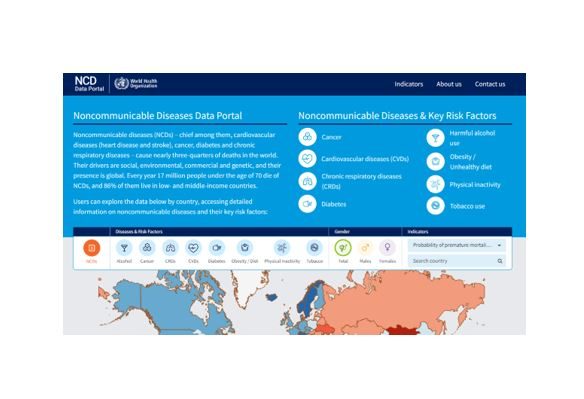
Noncommunicable diseases, including cardiovascular diseases, cancers, chronic respiratory disease and diabetes, account for almost two-thirds of all deaths in the WHO South-East Asian Region. Nearly half of these deaths occurred prematurely between the ages of 30 and 69 years in 2021. The meeting noted the continuing high burden of disease and death due to cardiovascular diseases, cancer, diabetes and chronic respiratory diseases, large number of untreated cases of dental caries and oral health conditions, and challenges in the provision of comprehensive eye care.

The Member countries endorsed the Implementation Roadmap for the prevention and control of noncommunicable diseases in South-East Asia 2022–2030, and two action plans – for oral health in South-East Asia 2022–2030 and the Action Plan for integrated people-centered eye care in South-East Asia 2022–2030 during the ongoing Seventy-fifth Regional Committee Session of WHO South-East Asia.

The regional NCD Implementation Roadmap 2022–2030 provides strategic directions to accelerate the national NCD response through the primary health care and universal health coverage routes to improve access, coverage and quality of NCD prevention and control interventions for the achievement of the 2025 and 2030 NCD targets.

Oral diseases are among the most common NCDs in the South-East Asian Region, with cases of untreated dental caries, severe periodontal diseases and edentulism estimated to be more than 900 million in 2019. The South-East Asia Region has the highest oral cancer incidence and mortality rates among all WHO regions. The disease burden also shows strong inequalities with higher prevalence and severity in poor and disadvantaged populations. The Action Plan for Oral Health in South-East Asia 2022–2030 provides guidance to Member countries to develop impactful national actions to improve oral health through aligned approaches within the ambit of universal health coverage.

The Regional Action Plan for integrated people-centered eye care in South-East Asia 2022–2030 aims to provide ‘equitable access to high-quality, comprehensive eye health services to achieve universal eye health by 2030’ and accelerate progress towards achieving the global targets of refractive error and cataract surgery and two Regional targets for diabetic retinopathy and trachoma elimination. 
 
The resolution calls for strengthening policy and legislative frameworks for this purpose, as well as advancing primary health care, universal health coverage, human resources, accountability and quality of national health information systems, and the crucial role of data and information systems at all levels to promote accountability.

“Decisive leadership and political commitment can provide the policy and legislative frameworks needed to integrate high-quality, comprehensive oral health and eye health services in primary health care to achieve the targets,” Dr Singh said.

The countries committed to accelerate progress against NCDs within the ambit of universal health coverage, adopting and implementing the guidance and tools from the Implementation Roadmap for the prevention and control of noncommunicable diseases in South-East Asia 2022–2030.

WHO committed to provide adequate technical support to Member countries in the implementation of the three plans including strengthening of the related monitoring and evaluation systems, and collaborate with partners and all stakeholders for aligned and effective implementation of the Strategic Action Plans.

7 September 2022 News release Paro, Bhutan | 7 September 2022

September 7, 2022 0 comments
0 FacebookTwitterPinterestLinkedinTumblrVKOdnoklassnikiRedditStumbleuponWhatsappTelegramLINEPocketSkypeViberEmail
Seventy-fifth Session of Regional Committee for WHO South-East Asia begins
Public Health UpdateGlobal Health NewsNon- Communicable Diseases (NCDs)Public Health News

WHO South-East Asia Region commits to universal access to people-centered mental health care and services

by Public Health Update September 6, 2022
written by Public Health Update

6 September 2022 News release Paro, Bhutan | 6 September 2022 

To promote mental health in the Region, Member countries of WHO South-East Asia Region today adopted the Paro Declaration committing to Universal Access to People-centered Mental Health Care and Services.

“There is no health without mental health. Increasing investments in mental health, including for preventive and promotive services at the primary care level, reduces treatment costs and increases productivity, employment and quality of life,” said Dr Poonam Khetrapal Singh, Regional Director, WHO South-East Asia Region.

The Paro Declaration was adopted at the Ministerial Roundtable on addressing mental health through primary care and community engagement on day two of the ongoing Seventy-Fifth Session of the WHO South-East Asia Regional Committee Session.

“The Declaration urges Member countries to develop and implement multisectoral policies across the life-course to address mental health risks and reduce treatment gaps exacerbated by the COVID-19 pandemic to ensure that mental health services reach all those in need, close to where they live, without financial hardship,” the Regional Director said.

As part of the Declaration, Member countries agreed to develop country-specific targets to achieve universal primary care-oriented mental health services and mainstream mental health in policy planning, implementation, and evaluation.

The Paro Declaration also calls for increased funding for community-based mental health networks and continuous supply of medicines and rehabilitation, including occupational therapy for everyone who needed them, and strengthening of data gathering and reporting, implementation research and performance monitoring, to ensure context-sensitive improvement of mental health systems.

Around 1 in 7 people live with a mental health condition in the South-East Asia Region. The personal and economic distress and disruptions caused by the COVID-19 pandemic have widened the gaps in addressing mental health challenges, which include scarcity of human resources, low investment, stigma, inadequate prevention and promotion programmes, paucity of data, and lack of services in primary care settings.

The Declaration calls for ensuring an effective and comprehensive response to the mental health needs by establishing evidence-based and rights-oriented community mental health networks, and systematically planning for the deinstitutionalization of care for people with severe mental disorders.

Member countries committed to prioritizing fiscal space for health and universal health coverage, secure adequate investment for mental health services at the primary and secondary level, and mobilizing required additional resources in partnership with local and international stakeholders.

Strengthening capacity of primary health care system is the foundation for provision of mental health services and progress towards UHC, the health-related Sustainable Development Goals and the targets of WHO Comprehensive Mental Health Action Plan 2013–2030. Member countries committed to expanding specialized and non-specialized mental health workforce by identifying new cadres of health-care personnel who are especially trained, equipped and skilled for the delivery of mental health services at the primary care level and work as part of  multidisciplinary teams within  the health sector.

Community empowerment and active engagement of people with lived experience helps reduce stigma and discrimination against people with mental disorders, family members and caregivers.

Strengthening national and subnational level prevention and promotion programmes helps achieve the well-being of all by addressing suicide and self-harm, substance use, consumption of harmful digital entertainment, bullying and parenting issues. Member countries committed to lead the multisectoral mental health response by guiding and harmonizing the social, education, development and economic sectors to address determinants of mental health, such as poverty, lack of education, social isolation, emergencies and impact of climate change and set country-specific targets to achieve universal primary care-oriented mental health services.

Several Member countries in the Region have already taken action to strengthen policies, plans, laws and services to improve the mental health of populations. Replicating and scaling up successful models and innovative interventions, harnessing digital technologies and telemedicine to improve access to services and capacity-building of health-care workers, and using evidence and data for programme improvement will help make the Region withstand future mental health impacts exacerbated by humanitarian emergencies, climate change and economic downturns.

WHO Regional Committee for South-East Asia has promulgated several important resolutions related to mental health. These include alcohol consumption control – policy options; noncommunicable diseases, mental health and neurological disorders; comprehensive and coordinated efforts for the management of autism spectrum disorders and developmental disabilities; and SEA Regional Action Plan to implement the Global Strategy to reduce harmful use of alcohol.

WHO will continue to support in strengthening countries in reorienting primary care for mental health through task-sharing; capacity-building for mental health and psychosocial support during emergencies, and establishing a regional knowledge and training hub for coordinating evidence and data generation, prioritizing areas of research and facilitating exchange of experiences, based on identified needs.

6 September 2022 News release Paro, Bhutan | 6 September 2022 

September 6, 2022 0 comments
0 FacebookTwitterPinterestLinkedinTumblrVKOdnoklassnikiRedditStumbleuponWhatsappTelegramLINEPocketSkypeViberEmail
World Suicide Prevention Day
Public HealthActivitiesPH Important DayPublic Health EventsPublic Health Update

World Suicide Prevention Day 2022: “Creating hope Through Action”

by Public Health Update September 6, 2022
written by Public Health Update

Overview

World Suicide Prevention Day (WSPD) was established by the International Association for Suicide Prevention (IASP) in 2003 in conjunction with the World Health Organisation (WHO) and is a significant advocacy and communication based event aimed at reaching national organisations, governments and the general public, giving a singular message that suicide can be prevented.

The 10th of September each year focuses attention on the issue, reduces stigma and raises awareness among organizations, government, and the public, giving a singular message that suicide can be prevented.

By creating hope through action, we can signal to people experiencing suicidal thoughts that there is hope and that we care and want to support them. It also suggests that our actions, no matter how big or small, may provide hope to those who are struggling. Lastly, it highlights the importance of setting suicide prevention as a priority public health agenda by countries, particularly where access to mental health services and availability of evidence-based interventions are already low. Building on this theme and spreading this message over the three years, a world can be envisioned where suicides are not so prevalent.

Campaign Slogan

“Creating hope through action” is the triennial theme for the World Suicide Prevention Day from 2021 – 2023. This theme is a reminder that there is an alternative to suicide and aims to inspire confidence and light in all of us.

  • Creating Hope through Action

Facts

  • One in every 100 deaths worldwide is the result of suicide. It can affect every one of us.
  • Each and every suicide is devastating and has a profound impact on those around them.
  • World Suicide Prevention Day is an opportunity to raise awareness of suicide and to promote action through proven means that will reduce the number of suicides and suicide attempts globally.
  • More than 700 000 people die due to suicide every year.
  • For every suicide there are many more people who attempt suicide. A prior suicide attempt is the single most important risk factor for suicide in the general population.
  • Suicide is the fourth leading cause of death among 15-19 year-olds.
  • 77% of global suicides occur in low- and middle-income countries.
  • Ingestion of pesticide, hanging and firearms are among the most common methods of suicide globally.

Source of info: WHO & International Association for Suicide Prevention (IASP).


Recommended readings
  • World Suicide Prevention Day
  • World Suicide Prevention Day 2021: ‘Creating Hope Through Action’
  • Depression and Suicide: The Hidden Crisis
  • World Suicide Prevention Day 2020
  • Develop and implement strategies to prevent suicide and promote mental health
  • World Suicide Prevention Day 2019: Working Together to Prevent Suicide!
  • ”Working Together to Prevent Suicide” World Suicide Prevention Day 2018
  • ”Take a minute, change a life”- World Suicide Prevention Day 2017
  • World Suicide Prevention Day – 10 September, 2016
  • “Preventing suicide: a global imperative”- WHO
  • Preventing Suicide: Reaching Out and Saving Lives #World_Suicide_Prevention_Day
  • World Suicide Prevention Day -2014; Suicide Prevention: One World Connected.’
  • Nepal Mental Health Website Launched
  • WHO highlights urgent need to transform mental health and mental health care
  • The Mental Health Atlas 2020
[MEC id=”77143″]
September 6, 2022 0 comments
0 FacebookTwitterPinterestLinkedinTumblrVKOdnoklassnikiRedditStumbleuponWhatsappTelegramLINEPocketSkypeViberEmail
Standards for Health Care Waste Management
Public HealthEnvironmental Health & Climate ChangeNational Plan, Policy & GuidelinesProvincial Plan, Policies and Guidelines

Standards for Health Care Waste Management, Drinking Water and WASH and Hygiene

by Public Health Update September 5, 2022
written by Public Health Update

The Ministry of Health and Population (MoHP), Gandaki Province has endorsed a new standards on Health Care Waste Management, Drinking Water and WASH and Hygiene to provide a technical guideline on proper management of the healthcare waste, drinking water and WASH and Hygience related activities at health facilities.

Download PDF file

Recommended: National Health Care Waste Management: Standards and Operating Procedures 2020

  • Waste Management Baseline Survey of Nepal 2020
  • International Conference on Solid Waste Management (ICSWM)
  • Health Care Waste Management in the Context of COVID-19 Emergency (Interim Guidance)
  • 1st National Workshop on Integrated Healthcare Waste Management and WASH in Healthcare Facilities
  • Health Care Waste Management Guideline- 2014
  • Management Division, Department of Health Services
September 5, 2022 0 comments
0 FacebookTwitterPinterestLinkedinTumblrVKOdnoklassnikiRedditStumbleuponWhatsappTelegramLINEPocketSkypeViberEmail
"Equity"​ missing from the jargon "Vaccine Equity"​
Public HealthHealth EquityOp-Ed ArticleView Points

“Equity”​ missing from the jargon “Vaccine Equity”​

by Public Health Update September 5, 2022
written by Public Health Update

Sanjeev Neupane

In October 2021, the World Health Organization recommended the widespread use of long awaited malaria vaccine (RTS,S) among children in sub-Saharan Africa and in other regions with moderate to high P. falciparum malaria transmission. The medical and public health fraternity around the world rejoiced the news from WHO. “Enormous step”, “Landmark achievement”, “Groundbreaking victory” or “Historical gain” whatever phrase you use it’s not enough to express in words about one of the greatest conquests in the field of medicine and public health.

But as a public health enthusiast I was haunted by some potent questions rather than being excited about the news: “Why did it take so many years for development of vaccine for a century old disease?” “Why WHO took so many years for its approval?” “Why does one disease which is just 2 years old like COVID-19 has 12 vaccine candidates and another disease (eg Malaria) that is centuries old has only one vaccine?” “Would the situation be same if malaria was occurring only in America & Europe and COVID-19 was occurring only in Asia and Africa?” “What actually drives the development of vaccine?”

Of course as a science student the most common and ubiquitous answer for all questions above would be “it all depends on the biology of the organism. The more complex the life-cycle (or the biology) of the parasite, more difficult it would be to develop the vaccine and more simple the life-cycle of the organism easier to develop the vaccine”. Technically it’s true and on superficial thinking it sounds convincing. But it’s not what it looks like. If we delve more and dissect the sociopolitical and economical dimensions of vaccine development we find different picture.

Let’s compare COVID-19 and Malaria. The first cases of COVID-19 was confirmed by WHO in China on Dec 2019. Currently there are 12 vaccine candidates against COVID-19 that have already been granted Emergency Use Listing by WHO . Similarly there are 171 vaccines in clinical development stage and 198 vaccines in pre-clinical development stage against COVID-19. When was the first Malaria case recorded in the World? ….It was in 1880. A French army doctor named Alphonse Laveran described the malarial parasite and proposed that it causes malaria in 1880. And what do we have against malaria in all these years? Only one vaccine candidate. Is there any logical answer to describe this discrepancy? Should we simply believe that “oh it’s very difficult to develop malaria vaccine because of the complex life cycle of the parasite”. Or do we simply believe in notion that malaria is endemic in some parts of the world and COVID-19 is pandemic. So we have only one candidate against malaria and many against COVID-19. If that is the case then “isn’t it time to change the old school definitions of endemic and pandemic?.”

When we talk about COVID-19, we love saying “No one is safe until everyone is safe”. But doesn’t this apply to malaria and many other neglected tropical disease?. “Vaccine equity” why does this apply only to the COVID-19 vaccine? Has anyone ever talked about vaccine equity by relating it with the malaria vaccine?

We have always been taught that developing and approving a vaccine for mass usage takes many years as it has to go through a rigorous scientific process, it has to go through many stages and evaluations. But does this apply only to the diseases that affect poor people or does it apply to all diseases. In COVID-19 the first vaccine candidate was available for use even less than a year since the appearance of first case. Why so? Because COVID-19 vaccine was on the top of every country’s wish list. The developed country were ready to pay any price to provide jab to its citizen. For pharmaceutical industry it was the most profitable business. But what about malaria vaccine? The developed country won’t buy it, the people who need it won’t have enough money to pay for these vaccines out of their pocket and the government of those countries that need to provide this vaccine to its citizens won’t bother buying these vaccines because they have many other issues to settle. So the end result is it’s not a profitable business for Pharma industry. To put in a simple way it’s nothing but a profitable business based on the basic economic principle of demand and supply. But we are compelled to ignore this basic fact and fooled by adding the epidemiological jargons and relating this with complex life cycle of parasite, long process and stages of clinical trials etc.

The COVID-19 pandemic has given chance to reflect on many aspects including the health systems around the country. Everyone in the public health field these days seems to be obsessed with the lofty terminologies like “Resilience”, “Equity”, “Equality”, “Endemic”, “Pandemic”, “Clinical Trials”, “People’s vaccine” “Vaccine Equity” etc  and seems to be using them blatantly. The COVID-19 pandemic has revealed that many of the terminologies that we were taught in the public health schools are not valid these days. Time to revive the whole epidemiology text books and change these definitions or use them correctly.

Sanjeev Neupane


More Articles from Author

  • Involvement of people living with diseases in the NCD response
  • Nepal in the pathway of reaching the first 90 of the 90-90-90 goal through task shifting.
  • Road Traffic Accident (RTA) or Massacre?
  • Bringing Antiretroviral Therapy (ART) services one step closer to people’s door
September 5, 2022 0 comments
0 FacebookTwitterPinterestLinkedinTumblrVKOdnoklassnikiRedditStumbleuponWhatsappTelegramLINEPocketSkypeViberEmail
Seventy-fifth Session of Regional Committee for WHO South-East Asia begins
Public HealthGlobal Health NewsPublic Health News

Seventy-fifth Session of Regional Committee for WHO South-East Asia begins

by Public Health Update September 5, 2022
written by Public Health Update

5 September 2022 | News release

Paro, Bhutan | 5 September 2022 

The Seventy-fifth Session of the Regional Committee for WHO South-East Asia commenced today with health leaders emphasizing on continued efforts and sustainable recovery from the ongoing COVID-19 pandemic.

“There are enough lessons for us to know that we cannot do without investing more in health hereafter. Our health system must be more resilient, accessible and there should be collective actions. While health sector itself is bound for reform, the health of our people is a critical ingredient to make all the reform initiatives a success.  Which is why the Regional Committee meeting geared towards improving healthcare services means a lot to us,” said Dr Lotay Tshering, Prime Minister of Royal Government of Bhutan, at the inaugural session.
 
The Prime Minister said, His Majesty has repeatedly reminded us to use the pandemic to reset ourselves so that the post pandemic path is literally new for us. Therefore, Bhutan is undergoing historic reform in all public sectors.

Ms Dechen Wangmo, Minister of Health, Royal Government of Bhutan, said, “The pandemic has made it clear that health is central to development. The Regional Committee presents us with a unique opportunity to rethink, redesign and rewrite strategies and interventions to accelerate and enhance equitable quality health services and systems for the Region.”

In a virtual address, WHO Director-General, Dr Tedros Adhanom Ghebreyesus, said “The pandemic is not yet over. The virus is still circulating, and still changing… If the pandemic has taught us nothing else, it has taught us that health is the most precious commodity on earth. A commodity that must be cherished, prized and fought for every day. Not as a luxury for the privileged, but as a fundamental human right.”

Dr Poonam Khetrapal Singh, Regional Director, WHO South-East Asia, said, “How we as a Region choose to recover from the COVID-19 crisis will determine how we protect our many public health achievements, from maintaining our polio-free status, to continuing to eliminate NTDs and other diseases on the verge of elimination, be it lymphatic filariasis, kala-azar, trachoma or malaria. So much is at stake and so much depends on the decisions we make now, and in the weeks and months ahead.”

The Regional Director commended the Member countries for their resilience and solidarity during the COVID-19 response, “which must continue to define how we as a Region prepare for, prevent, respond to, and recover from acute public health events”.

The Regional Committee is meeting in-person for the first time since the start of the COVID-19 pandemic. In addition to strengthening preparedness and response to public health emergency, the session will deliberate and review other priority health issues, many of them impacted or accentuated by the COVID-19 pandemic.

During the five-day session, a ministerial roundtable will discuss on addressing mental health through primary care and community engagement in the Region.

Also on the agenda are monitoring progress and acceleration plan for NCDs, including oral health and integrated eye care; accelerating elimination of cervical cancer; and reviewing progress towards achieving the 2025 end-TB targets.

The high-level deliberations will include achieving Universal Health Coverage, Sustainable Development Goals and health security in the Region through stronger and more comprehensive primary health services, strengthened health workforce education and training, and increasing national capacity and ownership in health information systems and knowledge- and experience-sharing to enhance efficiencies and strengthen people-centred comprehensive primary health care.

The Regional Committee will also review renewed efforts around the eight regional flagship priorities – to eliminate measles and rubella by 2023; address NCDs through multisectoral policies and plans; accelerate reduction of maternal, neonatal and under-five mortality; advance universal health coverage; reverse antimicrobial resistance; scale-up emergency risk management capacities; and eliminate neglected tropical diseases and TB.

5 September 2022 | News release (WHO)


  • The Pema Centre has been set up to create awareness on #mentalhealth and consolidate all interventions on mental health using the whole-of-society and whole-of-government approach. – Pemba Wangchuk, The Officiating Secretary, Ministry of Health, #Bhutan??
  • #Indonesia?? is moving forward with its #health system transformation initiatives in primary care, secondary care, health system resilience, health financing, human resource and health technology. – Dr Oscar Primadi, Chief of Policy Analyst, Ministry of Health, Indonesia
  • We are strengthening health security for resilience against future emergencies through surveillance, building human capital & lab capacity, and critical and emergency services. – Dr Odete Maria Freitas Belo, Minister of Health, #TimorLeste??
  • #Thailand?? commits to continue to extend universal health care and provide primary healthcare facilities in urban areas. – Sathit Pitutecha, Deputy Minister of Public Health, Thailand
  • UHC and financial protection are a priority. We need to act quickly to secure our health. – On behalf of Keheliya Rambukwella, Minister of Health, #SriLanka??
  • The #pandemic has taught us many lessons – to strengthen and make our health systems resilient and to increase investment in #health. – Hira Chandra KC, State Minister of Health and Population, #Nepal??
  • #Maldives?? has initiated a number of programmes for #health systems strengthening and for bringing people centered quality health services closer to the communities. – Ahmed Naseem, Minister of Health, Maldives.
  • #India?? adopted a people-centric approach against the #pandemic in the area of therapeutics, diagnostics and vaccines ensuring accessibility, affordability & continuity of care besides utilizing digital health solutions. – Dr Bharati Pravin Pawar, MoS, Ministry of Health and Family Welfare, Government of India
  • #Bangladesh?? is committed to universal health coverage and quality health care for all. – Zahid Maleque, Minister of Health, Bangladesh.
September 5, 2022 0 comments
0 FacebookTwitterPinterestLinkedinTumblrVKOdnoklassnikiRedditStumbleuponWhatsappTelegramLINEPocketSkypeViberEmail
Newer Posts
Older Posts

Search

Follow Us

Facebook Twitter Instagram Pinterest Linkedin Youtube

Categories

  • Abstracts (25)
  • Activities (91)
  • Adolescent Sexual and Reproductive Health (ASRH) (25)
  • Advice & Tips (3)
  • African Region (5)
  • AI and Health (1)
  • Annual Meeting (6)
  • Antimicrobial Resistance (AMR) (21)
  • Award (19)
  • Awards (16)
  • Books (9)
  • Call for Proposal, EOI & RFP (103)
  • Call for Research Participants (8)
  • Clinical Doctor Jobs (6)
  • Communicable Diseases (107)
  • Competition (20)
  • Conference (128)
  • Consultant (1)
  • Courses (205)
  • Dashboard (2)
  • Digital Health & Health Informatics (10)
  • Drug and Medicine (18)
  • Eastern Mediterranean Region (3)
  • Education (15)
  • Environment (3)
  • Environmental Health & Climate Change (47)
  • European Region (42)
  • Exchange Program (1)
  • Fact Sheet (117)
  • FCHVs (1)
  • Fellowships, Studentship & Scholarships (168)
  • Financial Aid (13)
  • Form Formats (2)
  • Fully funded (22)
  • Global Health News (433)
  • Grants and Funding Opportunities (193)
  • Guest Post (44)
  • Health Assistant Jobs (1)
  • Health Equity (7)
  • Health Financing and Economics (24)
  • Health in Data (115)
  • Health Insurance (5)
  • Health Jobs (52)
  • Health Literacy, Health Education & Promotion (49)
  • Health Organization Profile (42)
  • Health Systems (83)
  • Human Resource for Health (33)
  • Humanitarian Health & Emergency Response (44)
  • Hypertension (5)
  • Implementation Research (48)
  • International Health (3)
  • International Jobs & Opportunities (373)
  • International Plan, Policy & Guidelines (210)
  • Internships (4)
  • Jobs Vacancies (56)
  • Journals (8)
  • Life Style & Public Health Nutrition (39)
  • Live (10)
  • Master's Degree (48)
  • Maternal, Newborn and Child Health (88)
  • Mentorship Program (2)
  • Miscellaneous (16)
  • National Health News (157)
  • National Plan, Policy & Guidelines (468)
  • Neglected Tropical Diseases (NTDs) (51)
  • Non- Communicable Diseases (NCDs) (120)
  • Notice (103)
  • Nursing Jobs (6)
  • Nutritionist Jobs (1)
  • One Health (17)
  • Online & Distance Learning (22)
  • Online Courses (90)
  • Op-Ed Article (3)
  • Opportunities by Region (83)
  • Outbreak News (213)
  • Partially funded (6)
  • PCL Health Science Jobs (3)
  • PH Important Day (533)
  • Pharmacist Jobs (3)
  • PhD (54)
  • Photos (5)
  • Planetary Health (4)
  • PostDoc (14)
  • Presentation Slides (26)
  • Primary Health Care (25)
  • Provincial Plan, Policies and Guidelines (14)
  • Public Health (1,281)
  • Public Health Epidemiology & Biostatistics (13)
  • Public Health Events (306)
  • Public Health Information (20)
  • Public Health Innovation (9)
  • Public Health Jobs (52)
  • Public Health News (552)
  • Public Health Notes (120)
  • Public Health Opportunities (507)
  • Public Health Opportunity (491)
  • Public Health Programs (108)
  • Public Health Seminar (2)
  • Public Health Tools (1)
  • Public Health Update (561)
  • Quality Improvement & Infection Prevention (20)
  • Region of America (8)
  • Reports (184)
  • Research & Project Grants (39)
  • Research & Project Grants (32)
  • Research & Publication (647)
  • Research Articles (10)
  • Road Traffic Accidents (RTA) (9)
  • School of Public Health (60)
  • Self funded (2)
  • South-East Asia Region (26)
  • Success Stories (17)
  • Summer and Winter Courses (40)
  • Summer Courses (28)
  • Sustainable Development Goals (SDGs) (14)
  • Syllabus (61)
  • Symposium (9)
  • Tobacco Control (35)
  • Training (40)
  • Travel Grants (15)
  • Trick, Technique & Skills (8)
  • Uncategorized (3)
  • Undergraduate Degree (7)
  • Universal Health Coverage (36)
  • Universities (29)
  • Universities & School of Public Health (58)
  • Vacancy Announcement (26)
  • Vaccine Preventable Diseases (40)
  • Vector-Borne Diseases(VBDs) (30)
  • Videos (3)
  • View Points (1)
  • Webinar (4)
  • Western Pacific Region (13)
  • Workshop (18)
  • World News (116)
Post New Jobs: Vacancy Announcement Service

Public Health Update (Sagun’s Blog) is a popular public health portal in Nepal. Thousands of health professionals are connected with Public Health Update to get up-to-date public health updates, search for jobs, and explore opportunities.
#1 Public Health Blog for sharing Job opportunities and updates in Nepal

”Public Health Information For All”
– – Sagun Paudel, Founder

  • HOT JOBS
    • Public Health Jobs
    • Medical Doctor Jobs
    • Nursing Jobs
    • Health Assistant Jobs
    • Pharmacist Jobs
    • NGOs Jobs
    • Government Jobs
  • Top Categories
    • National Plan, Policy & Guidelines Top
    • Public Health Calendar
    • Fellowships & Scholarships
    • Health Systems
    • Health Organization Profiles
    • International Jobs & Opportunities
    • Public Health Opportunity

PUBLIC HEALTH INITIATIVE

    • Submit your Vacancies New
    • Partnership Opportunities

Contact: blog.publichealthupdate@gmail.com

https://wa.me/+9779856036932

Public Health Initiative, A Registered Non-profit organization – All Right Reserved. 2011-2024. Contact us. 

Facebook Twitter Instagram Youtube Envelope
Public Health Update
  • Home
  • Public Health
    • Home 1
      • Adolescent Sexual and Reproductive Health (ASRH)
      • Antimicrobial Resistance (AMR)
      • Communicable Diseases
      • Digital Health & Health Informatics
      • Environmental Health & Climate Change
      • Health Financing and Economics
      • Health Equity
    • Home 2
      • Health Literacy, Health Education & Promotion
      • Human Resource for Health
      • Humanitarian Health & Emergency Response
      • Implementation Research
      • International Health
      • Life Style & Public Health Nutrition
      • Maternal, Newborn and Child Health
    • Home 3
      • Neglected Tropical Diseases (NTDs)
      • Non- Communicable Diseases (NCDs)
      • One Health
      • Planetary Health
      • Public Health Epidemiology & Biostatistics
      • Primary Health Care
      • Quality Improvement & Infection Prevention
    • Home 4
      • Road Traffic Accidents (RTA)
      • Sustainable Development Goals (SDGs)
      • Tobacco Control
      • Universal Health Coverage
      • Vaccine Preventable Diseases
      • Vector-Borne Diseases(VBDs)
      • Notices
  • Public Health Update
    • Home 1
      • Public Health News
      • Global Health News
      • Outbreak News
      • National Health News
      • COVID-19
    • Home 2
      • Fact Sheet
      • Health in Data
      • PH Important Day
      • Public Health Events
      • Public Health Programs
    • Home 3
      • Health Systems
      • Health Insurance
      • Health Organization Profile
      • Success Stories
      • Public Health Innovation
  • Public Health Opportunities
    • Fully funded
    • Travel Grants
    • Grants and Funding Opportunities
    • Opportunities by Region
    • International Jobs & Opportunities
    • Research & Project Grants
    • Fellowships, Studentship & Scholarships
    • Conference
  • Jobs
    • Home 1
      • Health Jobs
      • Public Health Jobs
      • Clinical doctor Jobs
      • Health Assistant Jobs
      • Nursing Jobs
      • PCL Health Science Jobs
    • Home 2
      • Dental Jobs
      • Pharmacist Jobs
      • TSLC (Health Jobs)
      • Laboratory Jobs
      • Nutritionist Jobs
  • Downloads
    • International Plan, Policy & Guidelines
    • National Plan, Policy & Guidelines
    • Reports
    • Books
    • Research Articles
  • School of Public Health
    • Home 1
      • Courses
      • Master’s Degree
      • Undergraduate Degree
      • PhD
    • Home 2
      • Universities
      • Syllabus
      • Public Health Notes
      • Mentorship Program
      • Startup Project
    • Home
      • Summer and Winter Courses
      • Summer Courses
      • Online Courses
      • Workshop
      • Training
Public Health Update
  • Home
  • Public Health
    • Home 1
      • Adolescent Sexual and Reproductive Health (ASRH)
      • Antimicrobial Resistance (AMR)
      • Communicable Diseases
      • Digital Health & Health Informatics
      • Environmental Health & Climate Change
      • Health Financing and Economics
      • Health Equity
    • Home 2
      • Health Literacy, Health Education & Promotion
      • Human Resource for Health
      • Humanitarian Health & Emergency Response
      • Implementation Research
      • International Health
      • Life Style & Public Health Nutrition
      • Maternal, Newborn and Child Health
    • Home 3
      • Neglected Tropical Diseases (NTDs)
      • Non- Communicable Diseases (NCDs)
      • One Health
      • Planetary Health
      • Public Health Epidemiology & Biostatistics
      • Primary Health Care
      • Quality Improvement & Infection Prevention
    • Home 4
      • Road Traffic Accidents (RTA)
      • Sustainable Development Goals (SDGs)
      • Tobacco Control
      • Universal Health Coverage
      • Vaccine Preventable Diseases
      • Vector-Borne Diseases(VBDs)
      • Notices
  • Public Health Update
    • Home 1
      • Public Health News
      • Global Health News
      • Outbreak News
      • National Health News
      • COVID-19
    • Home 2
      • Fact Sheet
      • Health in Data
      • PH Important Day
      • Public Health Events
      • Public Health Programs
    • Home 3
      • Health Systems
      • Health Insurance
      • Health Organization Profile
      • Success Stories
      • Public Health Innovation
  • Public Health Opportunities
    • Fully funded
    • Travel Grants
    • Grants and Funding Opportunities
    • Opportunities by Region
    • International Jobs & Opportunities
    • Research & Project Grants
    • Fellowships, Studentship & Scholarships
    • Conference
  • Jobs
    • Home 1
      • Health Jobs
      • Public Health Jobs
      • Clinical doctor Jobs
      • Health Assistant Jobs
      • Nursing Jobs
      • PCL Health Science Jobs
    • Home 2
      • Dental Jobs
      • Pharmacist Jobs
      • TSLC (Health Jobs)
      • Laboratory Jobs
      • Nutritionist Jobs
  • Downloads
    • International Plan, Policy & Guidelines
    • National Plan, Policy & Guidelines
    • Reports
    • Books
    • Research Articles
  • School of Public Health
    • Home 1
      • Courses
      • Master’s Degree
      • Undergraduate Degree
      • PhD
    • Home 2
      • Universities
      • Syllabus
      • Public Health Notes
      • Mentorship Program
      • Startup Project
    • Home
      • Summer and Winter Courses
      • Summer Courses
      • Online Courses
      • Workshop
      • Training
Public Health Initiative, A Registered Non-profit organization – All Right Reserved. 2011-2023