Public Health Update
  • Home
  • Public Health Update
  • Nepal Health Jobs
    • Public Health Job Board
    • Organization List
  • Opportunities
    • Fellowships, Studentship & Scholarships
    • Grants and Funding Opportunities
    • Fully funded
    • Conference
  • Downloads
    • International Plan, Policy & Guidelines
    • National Plan, Policy & Guidelines
    • Reports
    • Public Health Notes
    • Syllabus
    • Form Formats
  • School of Public Health
    • PhD
    • Master’s Degree
    • Online Courses
  • Notice
  • Home
  • Public Health Update
  • Nepal Health Jobs
    • Public Health Job Board
    • Organization List
  • Opportunities
    • Fellowships, Studentship & Scholarships
    • Grants and Funding Opportunities
    • Fully funded
    • Conference
  • Downloads
    • International Plan, Policy & Guidelines
    • National Plan, Policy & Guidelines
    • Reports
    • Public Health Notes
    • Syllabus
    • Form Formats
  • School of Public Health
    • PhD
    • Master’s Degree
    • Online Courses
  • Notice
LOGIN / REGISTER
Public Health Update
SUBSCRIBE
Public Health Update
  • Home
  • Public Health Update
  • Nepal Health Jobs
    • Public Health Job Board
    • Organization List
  • Opportunities
    • Fellowships, Studentship & Scholarships
    • Grants and Funding Opportunities
    • Fully funded
    • Conference
  • Downloads
    • International Plan, Policy & Guidelines
    • National Plan, Policy & Guidelines
    • Reports
    • Public Health Notes
    • Syllabus
    • Form Formats
  • School of Public Health
    • PhD
    • Master’s Degree
    • Online Courses
  • Notice

All Right Reserved. Designed and Developed by PenciDesign

Toolkit for establishing laws to eliminate lead paint
International Plan, Policy & GuidelinesPublic Health UpdateResearch & Publication

Toolkit for establishing laws to eliminate lead paint

by Public Health Update October 23, 2021
written by Public Health Update

Overview

This toolkit was developed by a group of partners of the Global Alliance to Eliminate Lead Paint (Lead Paint Alliance), including industry, intergovernmental and nongovernmental organizations and government representatives. It is designed to provide information to government officials who are interested in establishing legal limits for lead in paints in their countries. However, all interested stakeholders wishing to understand the issue and galvanize action are welcome to use the information as well.

Lead poisoning from lead in paint is preventable and there are cost-effective, technically feasible alternatives to lead in paint. This toolkit, through the modules below, will provide information on why lead is a public health and environmental concern, explain current testing methods and describe the existing market. It will also give insight into what other countries have done regarding restrictions on lead use in paint.

Take Action

Raising Awareness: Raising and maintaining awareness about the hazards of lead is important to stimulate action by governments, enterprises and others. It also informs individuals about how to protect themselves and their families from lead exposure. This module provides information about the International Lead Poisoning Prevention Week of Action and how any organization can plan and organize a lead-awareness campaign. It also provides examples of lead poisoning prevention campaign materials and activities.

Establishing Lead Paint Laws

Once your government is ready to take action use this module, (provided by the UN Environmental Programme, Division of Law and Conventions) as a framework for establishing legal limits on lead in paint. It discusses (placeholder).

Toolkit for establishing laws to eliminate lead paint (UNEP)


Recommended readings

  • International Lead Poisoning Prevention Week 2021
  • Eighth International Lead Poisoning Prevention Week 2020
  • International Lead Poisoning Prevention Week 2019
  • The International Lead Poisoning Prevention Week (22 to 28 October 2017)
  • International lead Poisoning Prevention week of action – Ban lead paint !!
  • Lead content in paint colour detrimental for health
  • The dangers of lead
  • Lead exposure affecting schoolchildren’s growth
October 23, 2021 1 comment
0 FacebookTwitterPinterestLinkedinTumblrVKOdnoklassnikiRedditStumbleuponWhatsappTelegramLINEPocketSkypeViberEmail
International Lead Poisoning Prevention Week 2021
PH Important DayPublic HealthPublic Health EventsPublic Health Update

International Lead Poisoning Prevention Week 2021

by Public Health Update October 23, 2021
written by Public Health Update

Overview

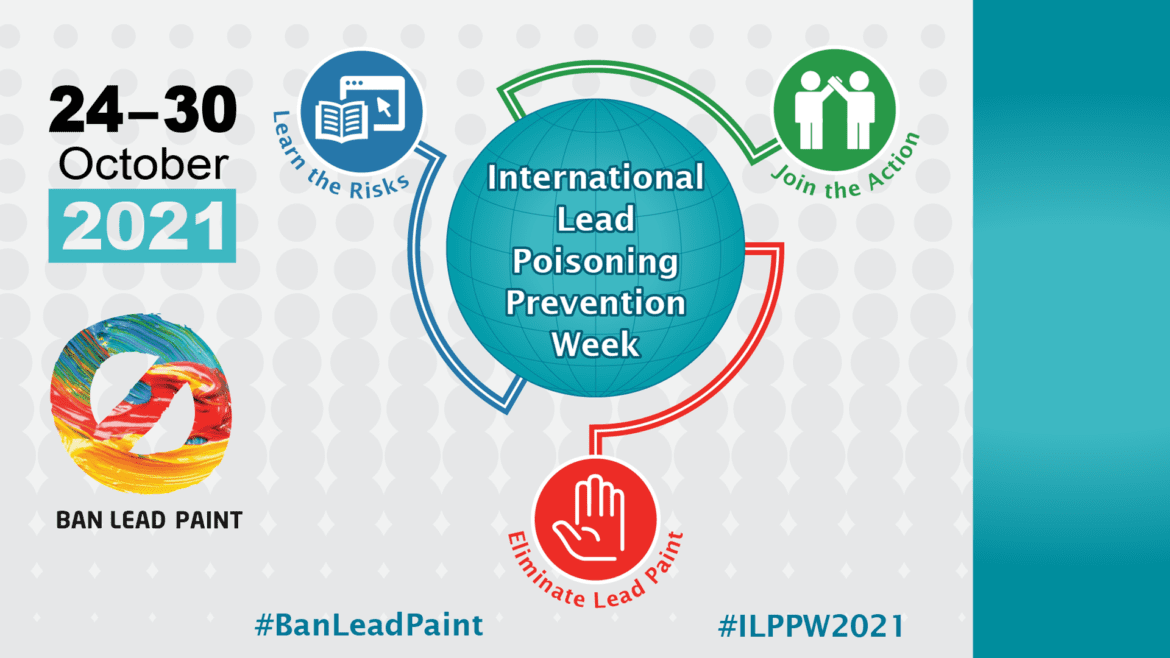
Each year 24 -30 October 2021 is observed as the International Lead Poisoning Prevention Week. The aim of International Lead Poisoning Prevention Week is to draw attention to the health impacts of lead exposure, highlight efforts by countries and partners to prevent childhood lead exposure, and accelerate efforts to phase out the use of lead in paint. Even though there is wide recognition of the harmful effects of lead and many countries have taken action, exposure to lead, particularly in childhood, remains of key concern to healthcare providers and public health officials worldwide.

Toolkit for establishing laws to eliminate lead paint

Objective

  • To raise awareness about health effects of lead exposure;
  • To highlight the efforts of countries and partners to prevent lead exposure, particularly in children; and
  • To urge further action to eliminate lead paint through regulatory action at country level.

International Lead Poisoning Prevention Week 2021: Working together for a world without lead paint

The Ninth International Lead Poisoning Prevention Week (ILPPW) takes place on 24–30 October 2021. This week of action is an initiative of the Global Alliance to Eliminate Lead Paint (the Lead Paint Alliance), which is jointly led by the UN Environment Programme and WHO. The manufacture and sale of lead paint is still permitted in over 55% of countries, presenting a continuing and future source of lead exposure for children and workers. The focus of this year’s week of action is on the need to accelerate progress towards the global phase out of lead paint through regulatory and legal measures. 

Call for action 

Lead exposure from paint is entirely preventable. Paints for a range of uses can be manufactured without the addition of lead compounds. WHO calls on all countries that have not yet done so to establish the necessary legally binding measures to stop the use of lead in paint.

Source of info: WHO

Recommended readings

  • Eighth International Lead Poisoning Prevention Week 2020
  • International Lead Poisoning Prevention Week 2019
  • The International Lead Poisoning Prevention Week (22 to 28 October 2017)
  • International lead Poisoning Prevention week of action – Ban lead paint !!
  • Lead content in paint colour detrimental for health
  • The dangers of lead
  • Lead exposure affecting schoolchildren’s growth
  • Toolkit for establishing laws to eliminate lead paint


Do you have a website? Looking for the best hosting provider? Here’s a discount code.

Latest Public Health Jobs

Latest Posts

  • International Wellness Day: Promoting Global Wellness for All
  • Summit Declaration: The 12th National Summit of Health and Population Scientists in Nepal
  • Joint political declaration on the reform of the global health architecture
  • World Health Day 2026: Together for Health. Stand with Science.
  • World Water Day 2026 | Water & Gender Equality

Thanks for visiting us.
Disclaimer: The resources, documents, guidelines, and information on this blog have been collected from various sources and are intended for informational purposes only. Information published on or through this website and affiliated social media channels does not represent the intention, plan, or strategies of an organization that the initiator is associated with in a professional or personal capacity, unless explicitly indicated.
If you have any complaints, information, or suggestions about the content published on Public Health Update, please feel free to contact us at blog.publichealthupdate@gmail.com.
#StayUpdated


  • WordPress
  • Link
  • Facebook
  • Mail
  • Facebook
  • Twitter
  • Twitter
  • LinkedIn
  • Instagram
  • Facebook

October 23, 2021 0 comments
0 FacebookTwitterPinterestLinkedinTumblrVKOdnoklassnikiRedditStumbleuponWhatsappTelegramLINEPocketSkypeViberEmail
Hong Kong PhD Fellowship Scheme (HKPFS) 2021
Fellowships, Studentship & ScholarshipsPhDPublic Health OpportunitiesWestern Pacific Region

Hong Kong PhD Fellowship Scheme (HKPFS) 2021

by Public Health Update October 21, 2021
written by Public Health Update

Background

Established by the Research Grants Council (RGC) of Hong Kong in 2009, the Hong Kong PhD Fellowship Scheme (HKPFS) aims at attracting the best and brightest students in the world to pursue their PhD studies in Hong Kong’s universities.

Eligibility

Candidates who are seeking admission as new full time PhD students in the following eight universities, irrespective of their country of origin, prior work experience and ethnic background, should be eligible to apply.

  • City University of Hong Kong
  • Hong Kong Baptist University
  • Lingnan University
  • The Chinese University of Hong Kong
  • The Education University of Hong Kong
  • The Hong Kong Polytechnic University
  • The Hong Kong University of Science and Technology
  • The University of Hong Kong

Applicants should demonstrate outstanding qualities of academic performance, research ability / potential, communication and interpersonal skills, and leadership abilities.

Fellowship Award

The Fellowship provides an annual stipend of HK$322,800 (approximately US$41,400) and a conference and research-related travel allowance of HK$13,500 (approximately US$1,730) per year for each awardee for a period up to three years. 300 PhD Fellowships will be awarded in the 2022/23 academic year*. For awardees who need more than three years to complete the PhD degree, additional support may be provided by the chosen universities. For details, please contact the universities concerned directly.

* Universities in Hong Kong normally start their academic year in September.

Selection Panel

Shortlisted applications, subject to their areas of studies, will be reviewed by one of the following two Selection Panels comprising experts in the relevant board areas:

  • Sciences, Medicine, Engineering and Technology
  • Humanities, Social Sciences and Business Studies

Selection Criteria

While candidates’ academic excellence is of primary consideration, the Selection Panels will take into account factors as follows:

  • Academic excellence;
  • Research ability and potential;
  • Communication and interpersonal skills; and
  • Leadership abilities.

How to Apply

Eligible candidates should first make an Initial Application online through the Hong Kong PhD Fellowship Scheme Electronic System (HKPFSES) to obtain an HKPFS Reference Number by 1 December 2021 at Hong Kong Time 12:00:00 before submitting applications for PhD admission to their desired universities.

Applicants may choose up to two programmes / departments at one or two universities for PhD study under HKPFS 2022/23. They should comply with the admission requirements of their selected universities and programmes.

As the deadlines for applications to some of the universities may immediately follow that of the Initial Application, candidates should submit initial applications as early as possible to ensure that they have sufficient time to submit applications to universities.

Step 1: Submit Initial Application to Research Grants Council

Step 2: Submit Full Applications to Proposed Universities

October 21, 2021 0 comments
0 FacebookTwitterPinterestLinkedinTumblrVKOdnoklassnikiRedditStumbleuponWhatsappTelegramLINEPocketSkypeViberEmail
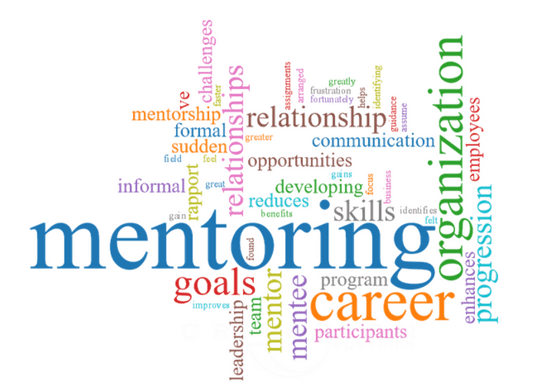
Leadership Mentoring Programme 2021
Public Health OpportunitiesPublic Health EventsPublic Health Opportunity

Application Open! Leadership Mentoring Programme 2021

by Public Health Update October 20, 2021
written by Public Health Update

The British Embassy in Kathmandu invites young women to apply to join a mentoring programme from women-led organisations by 16 November 2021.

The British Embassy in Kathmandu believes that building and promoting supportive relationships is key to empowering women and girls. So, on this International Day of the Girl Child 2021, we are calling all young women in Nepal to apply to be a part of a year-long mentoring programme run by a group of embassies and development agencies led by women.

Successful candidates will have the opportunity to be mentored by female ambassadors and heads of agencies in Kathmandu, to help enhance your leadership skills.

What we are offering

The successful applicants will be mentored by one of the following mentors:

  • British Ambassador to Nepal, Her Excellency Nicola Pollitt
  • Australian Ambassador to Nepal, Her Excellency Felicity Volk
  • EU Ambassador to Nepal, Her Excellency Nona Duprez
  • Swiss Ambassador to Nepal, Her Excellency Elisabeth von Capeller
  • Head of USAID, Sepideh Keyvanshad
  • Country Director of British Council Nepal, Shahida MacDougall
  • United Nations Resident Coordinator, Sara Beysolow Nyanti
  • UNICEF Representative for Nepal, Elke Wisch
  • Resident Representative of UNDP, Ayshanie Medagangoda-Labe

For the successful candidates, the programme will include:

  1. Six personalised mentoring sessions with your mentor focused on skills that are essential for development of leadership and career growth. You will be encouraged to talk about your priorities, including setting career goals, planning, networking, communications, and your personal brand.
  2. Opportunities for networking. You will be invited to join relevant events and meetings hosted by one or more of the embassies taking part, to enable you to participate in discussions on pertinent issues and build a useful network.
  3. A day of ‘job-shadowing’ with senior officials from the embassies and agencies. If conditions permit, you will have the opportunity to shadow senior officials, including the ambassador/head of agency, to observe their daily work routines. We will plan a full day’s schedule for you.
  4. Events that bring together all of you with all the mentors on or around International Women’s Day to celebrate women’s leadership.

All events, sessions and shadowing opportunities will be subject to COVID-19 conditions and may take place virtually or in small groups, depending on conditions at the time.

How to participate

Please apply by sending us a 1-minute video (maximum) of yourself by uploading it to WeTransfer, YouTube or on Google Drive and send the link to kathmandu.reception@fcdo.gov.uk explaining why you want to participate in this leadership mentoring programme and what you think the other countries and development agencies can do to empower youth in Nepal.

Please shoot the video in landscape or horizontal mode. Avoid having a busy background when recording and too much ambient noise. The video should be well lit and clearly show the participant. We encourage you to be creative with format and style of recording. Avoid sharing large files.

A selection committee of staff from the embassies, led by one or more ambassadors or heads, will review applications and select the best to take part in the scheme. We will be looking for:

  • enthusiasm
  • creativity
  • an understanding of how you will benefit from this opportunity
  • a clear idea of how you will use what you learn

What you need to know

If successful, you will be part of the first ever mentee cohort of 2021 to 2022. We will prepare a whole year’s schedule for you. But mentoring needs candidates to be proactive if it’s to succeed. You will have to make time for planning and reflecting, to take part in discussion sessions that will focus on agreed themes every 2 months, and for networking opportunities.

We particularly welcome applications from girls belonging to minority or marginalised communities.

Rules of the contest

  1. The video, up to 60 seconds length, should be submitted as a link, such as via WeTransfer, YouTube or Google Drive and emailed to kathmandu.reception@fcdo.gov.uk with the subject line ‘Application: Leadership Mentoring Programme 2021’. The deadline for submissions is Tuesday 16 November 2021 23:59 NPT.
  2. If you have any queries, contact us at kathmandu.reception@fcdo.gov.uk with the subject line ‘Query: Leadership Mentoring Programme 2021’.
  3. The video can be either in Nepali or in English.
  4. When submitting your video, include your full name, age, place of residence and contact number(s) in a covering email.
  5. Participation in the contest is open to women aged 18 to 30 residing in Nepal for the duration of the contest. Family members of staff at any of the embassies or organisations are regrettably not eligible to apply for this opportunity.
  6. Submissions, including the personal data of those not selected, will be removed after the announcement of the winners.
  7. The winners, to be selected by a special selection committee of staff from participating embassies/organisations, led by the British Ambassador Nicola Pollitt, will be announced by Tuesday 7 December 2021.
  8. With agreement from applicants, winning videos may be shared on the social media channels of the British Embassy Kathmandu or on those of other participating organisations.
  9. The work of the selection committee will remain confidential, and the decision may not be appealed.
  10. Submissions shall be disqualified if they are found to be plagiarised or been submitted by those not eligible. Appropriate credit should be given to any other sources of the content.
  11. The winners will be contacted by the organisers with logistic details and arrangements. The programme of sessions, events and opportunities will be determined by the organisers and shared with the successful mentees.
  12. If the winners (and a chaperone, if required) need to travel from outside of Kathmandu to participate in the scheme, the organisers will cover reasonable travel expenses.
  13. You should be prepared to bring a valid ID card displaying your photo and age/date of birth, on your arrival at any events.

OFFICIAL LINK

October 20, 2021 0 comments
0 FacebookTwitterPinterestLinkedinTumblrVKOdnoklassnikiRedditStumbleuponWhatsappTelegramLINEPocketSkypeViberEmail
WHO’s 7 policy recommendations on building resilient health systems
Public Health NewsGlobal Health NewsInternational Plan, Policy & GuidelinesPrimary Health CareUniversal Health Coverage

WHO’s 7 policy recommendations on building resilient health systems

by Public Health Update October 20, 2021
written by Public Health Update

Overview

WHO has released a position paper on building health systems resilience towards UHC and health security during COVID-19 and beyond to reinforce the urgent need for renewed and heightened national and global commitment to make countries better prepared and health systems resilient against all forms of public health threats for sustained progress towards both UHC and health security. This requires an integrated approach to building and rebuilding health systems that serve the needs of the population, before, during and after public health emergencies. It encompasses capacities for

  • essential public health functions that improve, promote, protect and restore the health of all people;
  • building strong primary health care as a foundation for bringing health services closer to communities;
  • all-hazards emergency risk management that strengthens the ability of countries to prevent and tackle health emergencies, and can surge to meet the additional health security demands imposed by health emergencies;
  • engaging the whole-of-society so that all sectors work together towards a common goal of health for all.

These efforts will also help bolster the implementation of the International Health Regulations (2005) and accelerate the achievement of the health-related Sustainable Development Goals.

The WHO position paper comes at a crucial time to provide leaders and policymakers with recommendations on positioning health within the wider discussions on socioeconomic recovery and transformation.

WHO’s 7 policy recommendations on building resilient health systems based on primary health care

  1. Leverage the current response to strengthen both pandemic preparedness and health systems
  2. Invest in essential public health functions including those needed for all-hazards emergency risk management
  3. Build a strong primary health care foundation
  4. Invest in institutionalized mechanisms for whole-of-society engagement
  5. Create and promote enabling environments for research, innovation and learning
  6. Increase domestic and global investment in health system foundations and all-hazards emergency risk management
  7. Address pre-existing inequities and the disproportionate impact of COVID-19 on marginalized and vulnerable populations

Read more: Official website (WHO)


Do you have a website? Looking for the best hosting provider? Here’s a discount code.

Latest Public Health Jobs

Latest Posts

  • International Wellness Day: Promoting Global Wellness for All
  • Summit Declaration: The 12th National Summit of Health and Population Scientists in Nepal
  • Joint political declaration on the reform of the global health architecture
  • World Health Day 2026: Together for Health. Stand with Science.
  • World Water Day 2026 | Water & Gender Equality

Thanks for visiting us.
Disclaimer: The resources, documents, guidelines, and information on this blog have been collected from various sources and are intended for informational purposes only. Information published on or through this website and affiliated social media channels does not represent the intention, plan, or strategies of an organization that the initiator is associated with in a professional or personal capacity, unless explicitly indicated.
If you have any complaints, information, or suggestions about the content published on Public Health Update, please feel free to contact us at blog.publichealthupdate@gmail.com.
#StayUpdated


  • WordPress
  • Link
  • Facebook
  • Mail
  • Facebook
  • Twitter
  • Twitter
  • LinkedIn
  • Instagram
  • Facebook
October 20, 2021 0 comments
0 FacebookTwitterPinterestLinkedinTumblrVKOdnoklassnikiRedditStumbleuponWhatsappTelegramLINEPocketSkypeViberEmail
Public Health

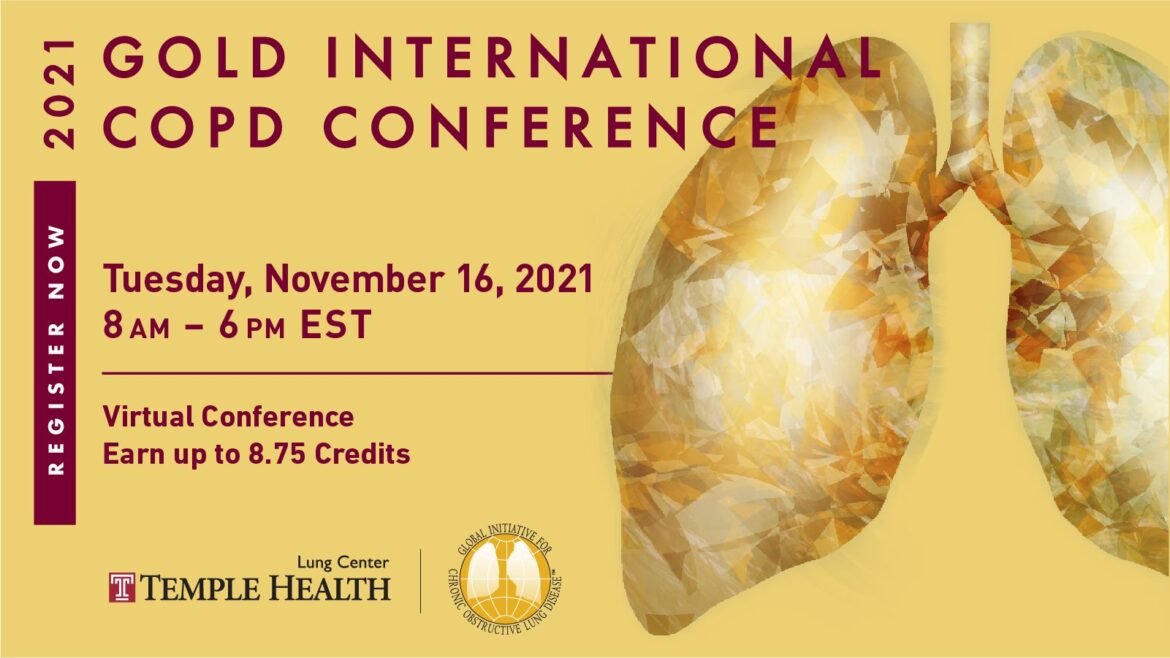
GOLD International COPD Conference 2021

by Public Health Update October 18, 2021
written by Public Health Update

Overview

The 2021 International COPD Conference is hosted by Temple Lung Center (TLC) in conjunction with the Global Initiative for Chronic Obstructive Lung Disease (GOLD). This one-day virtual conference will feature the most recent GOLD strategies in the diagnosis, management, and treatment of patients with COPD. Full-day attendance makes for the best educational experience.

Accredited educational material will be presented in an interactive format applicable to all healthcare providers involved in the care of patients burdened by COPD.

The conference will feature a virtual exhibit hall to provide attendees with the opportunity to absorb critical information from healthcare professionals themselves. An on-demand conference will follow the live virtual event. An archive of all conference presentations and the virtual exhibit floor will be available to participants and new registrants for a period of 1 year.

Event date

Tuesday, November 16, 8:00 AM – 6:00 PM EST
Healthy Lungs: Never More Important

Target Audience

This activity addresses the needs of physician assistants, nurses, nurse practitioners, respiratory therapists, pharmacists, and other healthcare professionals involved with the diagnosis and treatment of patients with COPD.

Upon completion of this educational activity, participants will be able to:

  • Define a COPD exacerbation and its characteristic presentation in clinical practice
  • Describe physiologic changes and blood biomarkers that may signal the onset of a COPD exacerbation
  • List mimickers of COPD exacerbations and their impact on COPD patient outcomes
  • Define risk factors for COPD development and progression beyond smoke exposure
  • Describe the interaction of disappearing airways and vanishing vessels in patients with COPD
  • Outline how to utilize strategies that attenuate COPD progression with current therapies
  • Describe gaps in care of COPD in LMICs
  • List strategies to overcome inconsistent utilization of guidelines and low access to therapeutic treatments for COPD in LMICs
  • Explain the status of COPD research in LMICs
  • Describe how to evaluate telehealth devices and methods that are potentially applicable to COPD care
  • Identify telehealth strategies that may aid in detection of early exacerbations
  • Convert knowledge of telehealth devices and methods to strategies that aid in at home care of COPD and rehabilitation
  • Describe pathogenic and mechanistic links in the development of lung cancer and COPD
  • Discuss how to correlate COPD presence and its severity with risk for lung cancer
  • List strategies that combines lung cancer screening with COPD and other comorbid condition detection
  • Discuss the impact of COPD on treatments for lung cancer.

Conference registration and more info: Official website


Do you have a website? Looking for the best hosting provider? Here’s a discount code.

Latest Public Health Jobs

Latest Posts

  • International Wellness Day: Promoting Global Wellness for All
  • Summit Declaration: The 12th National Summit of Health and Population Scientists in Nepal
  • Joint political declaration on the reform of the global health architecture
  • World Health Day 2026: Together for Health. Stand with Science.
  • World Water Day 2026 | Water & Gender Equality

Thanks for visiting us.
Disclaimer: The resources, documents, guidelines, and information on this blog have been collected from various sources and are intended for informational purposes only. Information published on or through this website and affiliated social media channels does not represent the intention, plan, or strategies of an organization that the initiator is associated with in a professional or personal capacity, unless explicitly indicated.
If you have any complaints, information, or suggestions about the content published on Public Health Update, please feel free to contact us at blog.publichealthupdate@gmail.com.
#StayUpdated


  • WordPress
  • Link
  • Facebook
  • Mail
  • Facebook
  • Twitter
  • Twitter
  • LinkedIn
  • Instagram
  • Facebook
October 18, 2021 0 comments
0 FacebookTwitterPinterestLinkedinTumblrVKOdnoklassnikiRedditStumbleuponWhatsappTelegramLINEPocketSkypeViberEmail
World Evidence-Based Healthcare Day
PH Important DayPublic HealthPublic Health EventsPublic Health Update

World Evidence-Based Healthcare Day: ‘The Role of Evidence in an Infodemic’

by Public Health Update October 18, 2021
written by Public Health Update

#WorldEBHCday | #EvidenceFirst

Overview

The World Evidence-Based Healthcare (EBHC) Day is observed each year on 20 October each. World Evidence-Based Healthcare Day was launched in 2020 with a view to raising awareness of the need for better evidence to inform healthcare policy, practice and decision making to improve health outcomes globally.

  • World Evidence-Based Healthcare Day
World Evidence-Based Healthcare Day

EBHC Day is an opportunity to participate in debate about global trends and challenges, but also to celebrate the impact of individuals and organisations worldwide, recognising the work of dedicated researchers, policymakers and health professionals in improving health outcomes.

  • educate a broad audience about the importance of evidence-based healthcare and the need for better evidence to inform health policy and practice
  • be bold in our thinking, encouraging debate and discussion amongst the global evidence community on advancements in evidence-based healthcare
  • highlight the successes, challenges and experiences of the global evidence community in furthering the science and practice of evidence-based healthcare
  • celebrate impact, of researchers, academics, students, clinicians, consumers, patients and other agents of change who are driving improvements in the quality and outcomes of healthcare globally.

World Evidence-Based Healthcare Day 2021: ‘The Role of Evidence in an Infodemic’

Building on the collective wisdom of using evidence to generate impact in 2020, the campaign for World EBHC Day 2021 explores the role of evidence in an infodemic, in particular promoting access to trustworthy, evidence-informed health information. The COVID-19 pandemic has highlighted the importance of developing rapid evidence-informed responses; streamlining global efforts in producing trustworthy, pragmatic evidence; and ensuring the best-available evidence is accessible, transparent and understood. The rapid response of the global evidence community has been important and necessary. However, it has been accompanied by a plethora of mis/disinformation which has contributed to a global ‘infodemic’, making it hard for people to find evidence-based, trustworthy guidance when they need it.

Building on the collective wisdom of using evidence to generate impact in 2020, the campaign for World EBHC Day explores ‘the role of evidence in an infodemic’, in particular promoting access to trustworthy, evidence-informed health information.

https://worldebhcday.org/

What can we do?

FACILITATING ACCURATE KNOWLEDGE TRANSLATION DURING AN INFODEMIC

  • Fostering meaningful partnerships between evidence producers and users to enhance the use of the best available evidence for COVID-19
  • Creating and tailoring strategies for communication of evidence for key stakeholders 
  • Patients, healthcare consumers and the community as partners in amplifying the role of trustworthy information
  • Convening meaningful dialogue and engagement to advance evidence-informed decision making for COVID-19
  • Funding knowledge translation activities for COVID-19

KNOWLEDGE REFINEMENT, FILTERING & FACT-CHECKING

  • Utilising evolving evidence synthesis methods to rapidly & efficiently appraise and summarise evidence to inform policy, guidelines and practice (i.e. rapid reviews/role of AI/pre-print/global coordination)
  • Harnessing multiple initiatives and avoiding duplication of effort
  • Employing strategies to actively combat misinformation (myth-busting)
  • Patients, healthcare consumers and the community as partners in fighting mis/disinformation
  • Actively blocking dangerous sources of misinformation (i.e. Facebook/ Twitter)

BUILDING EHEALTH LITERACY & SCIENCE LITERACY CAPACITY

  • Employing strategies to amplify the important role of trustworthy evidence
  • Educating and preparing key stakeholders with the skills to identify and use the best available evidence (i.e. strategies/programs/partnerships between primary healthcare practitioners and patients, healthcare consumers and the community; targeted public health campaigns)
  • Establishing new partnerships (i.e. Academia-media, allopathic practitioners -traditional healers) to enhance science literacy
  • Funding projects and programs aimed at enhancing science literacy

MONITORING, INFODEMIOLOGY, INFOVEILLANCE & SOCIAL LISTENING

  • Ensuring available evidence is up to date and trustworthy
  • Determining the knowledge needs of decision makers, end users, patients, healthcare consumers  and community members in an infodemic
  • Promoting/ensuring access to trustworthy evidence over mis/disinformation (i.e. the role of librarians/synthesists/living systematic reviews/social network analysis/social listening etc)
  • Funding platforms for enhanced monitoring and infoveillance

Read more: World Evidence-Based Healthcare Day (https://worldebhcday.org)


WORLD EVIDENCE-BASED HEALTHCARE (EBHC) DAY #EVIDENCETOIMPACT


Do you have a website? Looking for the best hosting provider? Here’s a discount code.

Latest Public Health Jobs

Latest Posts

  • International Wellness Day: Promoting Global Wellness for All
  • Summit Declaration: The 12th National Summit of Health and Population Scientists in Nepal
  • Joint political declaration on the reform of the global health architecture
  • World Health Day 2026: Together for Health. Stand with Science.
  • World Water Day 2026 | Water & Gender Equality

Thanks for visiting us.
Disclaimer: The resources, documents, guidelines, and information on this blog have been collected from various sources and are intended for informational purposes only. Information published on or through this website and affiliated social media channels does not represent the intention, plan, or strategies of an organization that the initiator is associated with in a professional or personal capacity, unless explicitly indicated.
If you have any complaints, information, or suggestions about the content published on Public Health Update, please feel free to contact us at blog.publichealthupdate@gmail.com.
#StayUpdated


  • WordPress
  • Link
  • Facebook
  • Mail
  • Facebook
  • Twitter
  • Twitter
  • LinkedIn
  • Instagram
  • Facebook
October 18, 2021 0 comments
0 FacebookTwitterPinterestLinkedinTumblrVKOdnoklassnikiRedditStumbleuponWhatsappTelegramLINEPocketSkypeViberEmail
World Food Day 2021
PH Important DayLife Style & Public Health NutritionPublic HealthPublic Health Update

World Food Day 2021: Our actions are our future!

by Public Health Update October 16, 2021
written by Public Health Update

Overview

World Food Day is observed each year on 16th October to promote worldwide awareness and action for those who suffer from hunger and for the need to ensure healthy diets for all. Collective action across 150 countries is what makes World Food Day one of the most celebrated days of the United Nations’ calendar. Hundreds of events and outreach activities bring together governments, businesses, nongovernmental organizations (NGOs), the media, and general public. World Food Day 2021 will be marked a second time while countries around the world deal with the widespread effects of the global COVID-19 pandemic. It’s a time to look into the future we need to build together.

Facts

  • More than 3 billion people (almost 40 percent of the world’s population) cannot afford a healthy diet.
  • Almost 2 billion people are overweight or obese due to a poor diet and sedentary lifestyle. Related health-care costs could exceed USD 1.3 trillion per year by 2030.
  • Smallholder farmers produce more than 33 percent of the world’s food, despite challenges, including poverty and a lack of access to resources including finance, training and technology.
  • 14 percent of the world’s food is lost due to inadequate harvesting, handling, storage and transit and 17 percent is wasted at consumer level.
  • Globally, 20 percent more women than men aged 25–34 live in extreme poverty, and more than 18 percent of indigenous women live on less than USD 1.90 a day.
  • 55 percent of the world’s population resides in cities and this will rise to 68 percent by 2050.
  • The world’s agri-food systems currently employ 1 billion people, more than any other sector.
  • The world’s food systems are currently responsible for more than 33 percent of global anthropogenic greenhouse gas emissions.
  • 10 percent of people are affected by unsafe food supplies contaminated by bacteria, viruses, parasites or chemical substances.

World Food Day 2021 

World Food Day 2021 will be marked a second time while countries around the world deal with the widespread effects of the global Covid-19 pandemic. It’s a time to look into the future we need to build together.

Our actions are our future

Governments, the private sector, civil society, international organizations and academia will need our help too. We need to influence what is produced by increasing our demand for sustainably produced nutritious foods, and at the same time be more sustainable in our daily actions, first and foremost by reducing food loss and waste. We also have the responsibility to spread the word, building awareness about the importance of a healthy and sustainable lifestyle. Efforts to mitigate climate change, environmental degradation, and our wellbeing, all depend on it. We need to activate a food movement that advocates for ambitious change. 

What can countries do?

  • Ensure that all people everywhere have access to enough affordable, nutritious and safe food by moving towards more efficient, inclusive, resilient and sustainable agri-food systems.
  • Adopt an evidence-based approach to policy-making, which considers diverse areas impacting food systems– agriculture, health, education, environment, water, sanitation, gender, social protection, trade, employment and finance.
  • Acknowledge the importance of innovation, indigenous knowledge and the role of women and youth in transforming food systems.
  • Help smallholder farmers to improve their livelihoods by increasing access to training, finance, digital technologies, extension services, social protection, early warning systems, and crop varieties or animal breeds that are resistant to climate change.
  • Increase nutritional awareness and encourage the private sector to produce more nutritious and sustainably produced foods, manage food waste more responsibly and limit the marketing of unhealthy foods.
  • Invest in infrastructure, affordable technologies and training to minimize post-harvest food loss.
  • Promote food safety by developing and enforcing international standards and control systems and implementing a ‘One Health Approach’ to tackling health threats to animals, humans, plants and the environment.

What can farmers do?

  • Engage in dialogue, participate in extension services, farmers’ organizations, cooperatives or farmer field schools and learn about nutrition, biodiversity, digital technologies and farming techniques to build resilience.
  • Adopt sustainable agricultural practices that respect biodiversity, are more environment-friendly and use natural resources more efficiently.
  • Consider climate-smart agriculture approaches that use natural resources in a sustainable way and use seed varieties or livestock breeds that are more resistant to drought and disease.
  • Minimize losses by harvesting at the right time, improving storage facilities, and learning about best practices and technologies.

What can the private sector do?

  • Limit levels of saturated fats, trans-fats, sugars and salt in products and ensure clear labelling, while improving food safety and quality.
  • Provide decent working conditions and ensure that staff have access to nutritious foods in the workplace.
  • Choose packaging that offers a longer shelf-life and increased food safety, while including biodegradable or recyclable materials.
  • The financial sector should put credit and savings tools in the hands of marginalized communities, including women and youth.

What can academia do?

  • Generate evidence-based knowledge to demonstrate climate change strategies for sustainable food systems, and share this with governments.
  • Universities, schools, technical and vocational education and training centres should provide nutrition education for students.

What can civil society do?

  • Garner support for change by launching campaigns and advocate for healthy and sustainable food choices.
  • Give a voice to the world’s poor, smallholder farmers, indigenous peoples, women and youth, since agri-food systems can only be transformed if everyone is involved.

What can we all do?

  • Choose diverse nutritious foods over highly processed ones, building demand for healthy foods.
  • 2021 marks the International Year of Fruits and Vegetables reminding us to eat more fresh produce and learn about indigenous varieties.
  • Add plant-based protein such as nuts and legumes to our diets, which are cheaper than animal proteins and kinder on our planet.
  • Plan and organize our shopping and food preparation, to avoid spoilage and food waste.
  • Look out for FAO-supported and other labels that attest to sustainable production conditions for producers and the planet.
  • Be an advocate for sustainable healthy diets! Speak up in your community and make sure healthy food is available at schools, care facilities and other public settings.

Source of info: FAO official World Food Day Website


Recommended readings
  • World Food Day! Grow, Nourish, Sustain. Together. Our actions are our future
  • World Food Day 2019! Our actions are our future
  • World Food Safety Day 2020
  • The first UN World Food Safety Day: Food safety is everyone’s business
  • World Health Day 2015: Food safety
  • More than 3 billion people protected from harmful trans fat in their food
  • COVID-19 and Health Facts: Immunity boosting foods and right eating pattern
  • WHO plan to eliminate industrially-produced trans-fatty acids from global food supply
  • Global Food and Security Strategy launched in Nepal

Do you have a website? Looking for the best hosting provider? Here’s a discount code.

Latest Public Health Jobs

Latest Posts

  • International Wellness Day: Promoting Global Wellness for All
  • Summit Declaration: The 12th National Summit of Health and Population Scientists in Nepal
  • Joint political declaration on the reform of the global health architecture
  • World Health Day 2026: Together for Health. Stand with Science.
  • World Water Day 2026 | Water & Gender Equality

Thanks for visiting us.
Disclaimer: The resources, documents, guidelines, and information on this blog have been collected from various sources and are intended for informational purposes only. Information published on or through this website and affiliated social media channels does not represent the intention, plan, or strategies of an organization that the initiator is associated with in a professional or personal capacity, unless explicitly indicated.
If you have any complaints, information, or suggestions about the content published on Public Health Update, please feel free to contact us at blog.publichealthupdate@gmail.com.
#StayUpdated


  • WordPress
  • Link
  • Facebook
  • Mail
  • Facebook
  • Twitter
  • Twitter
  • LinkedIn
  • Instagram
  • Facebook
October 16, 2021 0 comments
0 FacebookTwitterPinterestLinkedinTumblrVKOdnoklassnikiRedditStumbleuponWhatsappTelegramLINEPocketSkypeViberEmail
Global Plan for the Decade of Action for Road Safety 2021-2030
Road Traffic Accidents (RTA)International Plan, Policy & GuidelinesResearch & Publication

Global Plan for the Decade of Action for Road Safety 2021-2030

by Public Health Update October 16, 2021
written by Public Health Update

Overview

This Global Plan has been developed by the World Health Organization and the United Nations Regional Commissions, in cooperation with partners in the United Nations Road Safety Collaboration and other stakeholders, as a guiding document to support the implementation of the Decade of Action 2021–2030 and its objectives.

The Global Plan describes what is needed to achieve that target, and calls on governments & partners to implement an integrated SAFE SYSTEM APPROACH.

Who this Global Plan is for

This plan aims to inspire national and local government, as well other stakeholders who can influence road safety (including civil society, academia, the private sector, donors, community and youth leaders, and other stakeholders) as they develop national and local action plans and targets for the Decade of Action.

Building on the Safe System approach

The Safe System approach – a core feature of the Decade of Action – recognizes that road transport is a complex system and places safety at its core. It also recognizes that humans, vehicles and the road infrastructure must interact in a way that ensures a high level of safety. A Safe System therefore:

  • anticipates and accommodates human errors;
  • incorporates road and vehicle designs that limit crash forces to levels that are within human tolerance to prevent death or serious injury;
  • motivates those who design and maintain the roads, manufacture vehicles, and administer safety programmes to share responsibility for safety with road users, so that when a crash occurs, remedies are sought throughout the system, rather than solely blaming the driver or other road users;
  • pursues a commitment to proactive and continuous improvement of roads and vehicles so that the entire system is made safe rather than just locations or situations where crashes last occurred; and
  • adheres to the underlying premise that the transport system should produce zero deaths or serious injuries and that safety should not be compromised for the sake of other factors such as cost or the desire for faster transport times.

Recommended actions

Multimodal transport and land-use planning

  • Implement policies that promote compact urban design.
  • Implement policies that lower speeds, and prioritize the needs of pedestrians, cyclists, and public transport users.
  • Promote transit-oriented development to concentrate urban and commercial developments around mass transit nodes.
  • Strategically locate – where feasible – public, subsidized, and workforce housing to provide convenient access to high-capacity transit services.
  • Discourage the use of private vehicles in high density urban areas by putting restrictions on motor vehicle users, vehicles, and road infrastructure, and provide alternatives that are accessible, safe, and easy to use, such as walking, cycling, buses and trams.
  • Provide intermodal connectivity between transit and bike share schemes at major transit stops and create transport connections for bicycle and pedestrian travel that reduce total travel time.
  • Construct (or reconstruct existing) transport networks to ensure that non-motorized modes of travel are as safe as motorized ones, and most importantly serve the travel needs of all ages and abilities.
  • Promote positive marketing and use of incentives such as employer cost-sharing of public transport subscriptions.

Safe road infrastructure

  • Develop functional classifications and desired safety performance standards for each road user group at the geographic land-use and road corridor level.
  • Review and update legislation and local design standards that consider road function and the needs of all road users, and for specific zones.
  • Specify a technical standard and star rating target for all designs linked to each road user, and the desired safety performance standard at that location.
  • Implement infrastructure treatments that ensure logical and intuitive compliance with the desired speed environment (e.g. 30 km/h urban centres; ≤ 80 km/h undivided rural roads; 100 km/h expressways).
  • Undertake road safety audits on all sections of new roads (pre-feasibility through to detailed design) and complete assessments using independent and accredited experts to ensure a minimum standard of three stars or better for all road users.
  • Undertake crash-risk mapping (where crash data are reliable) and proactive safety assessments and inspections on the target network with a focus on relevant road user needs as appropriate.
  • Set a performance target for each road user based on the inspection results with clear measurable metrics at the road-attribute level (e.g. sidewalk provision).

Vehicle safety

  • Require high-quality harmonized safety standards for new and used motor vehicles, safety belts, child-restraint systems and motorcycle helmets.
  • Ensure that high-quality, harmonized safety standards are kept throughout the full lifecycle of the vehicle.

Safe road use

  • Enact and enforce road safety legislation
  • Establish traffic rules and licensing requirements
  • Ensure road infrastructure takes account of the needs of all road users and is designed to facilitate safe behaviours
  • Make use of vehicle safety features and technologies to support safe behaviours

Post-crash response

  • Provide a system to activate post-crash response
  • Build response capacity among lay responders (non-medical professionals)
  • Strengthen professional medical care
  • Establish requirements multidisciplinary, post-crash investigation
  • Provide social, judicial and, where appropriate, financial support to bereaved families and survivors.

READ MORE DETAILS: DOWNLOAD PDF (WHO)

Recommended readings

  • The World Day of Remembrance for Road Traffic Victims 2020
  • Stockholm Declaration on Road Safety: Achieving Global Goals 2030
  • The World Day of Remembrance for Road Traffic Victims 2019
  • The Fifth United Nations Global Road Safety Week #SpeakUp to SaveLIVES
  • Global status report on road safety 2018
  • Road Traffic Accident (RTA) or Massacre?
  • Countries in WHO South-East Asia Region to accelerate road safety measures


Do you have a website? Looking for the best hosting provider? Here’s a discount code.

Latest Public Health Jobs

Latest Posts

  • International Wellness Day: Promoting Global Wellness for All
  • Summit Declaration: The 12th National Summit of Health and Population Scientists in Nepal
  • Joint political declaration on the reform of the global health architecture
  • World Health Day 2026: Together for Health. Stand with Science.
  • World Water Day 2026 | Water & Gender Equality

Thanks for visiting us.
Disclaimer: The resources, documents, guidelines, and information on this blog have been collected from various sources and are intended for informational purposes only. Information published on or through this website and affiliated social media channels does not represent the intention, plan, or strategies of an organization that the initiator is associated with in a professional or personal capacity, unless explicitly indicated.
If you have any complaints, information, or suggestions about the content published on Public Health Update, please feel free to contact us at blog.publichealthupdate@gmail.com.
#StayUpdated


  • WordPress
  • Link
  • Facebook
  • Mail
  • Facebook
  • Twitter
  • Twitter
  • LinkedIn
  • Instagram
  • Facebook
October 16, 2021 0 comments
0 FacebookTwitterPinterestLinkedinTumblrVKOdnoklassnikiRedditStumbleuponWhatsappTelegramLINEPocketSkypeViberEmail
Global Tuberculosis Report 2021
Communicable DiseasesInternational Plan, Policy & GuidelinesReports

Global Tuberculosis Report 2021

by Public Health Update October 15, 2021
written by Public Health Update

Overview

Each year, the WHO Global TB Report provides a comprehensive and up-to-date assessment of the TB epidemic, and of progress in prevention, diagnosis and treatment of the disease, at global, regional and country levels. This is done in the context of global TB commitments, strategies and targets.

Tuberculosis deaths rise for the first time in more than a decade due to the COVID-19 pandemic

The 2021 edition of the report has been produced in a new and more web-centric format. This is designed to make the content available in smaller (more “bite-sized”) chunks that are easier to read, digest, navigate and use. There is a short and slim report PDF with 30 pages of main content plus six short annexes. This is accompanied by expanded and more detailed digital content on web pages. The total amount of content remains similar to that of previous years.

Fact sheet

TB SITUATION AND RESPONSE

  • Tuberculosis (TB) is contagious and airborne.
  • TB is the second leading infectious killer after COVID-19 and the 13th leading cause of death worldwide. It was also the leading killer of people with HIV and a major cause of deaths related to antimicrobial resistance.

THE BURDEN

  • In 2020, an estimated 9.9 million (8.9-10.9 million) people fell ill with TB worldwide, of which 5.5 million were men, 3.3 million were women and 1.1 million were children. People living with HIV accounted for 8% of the total.
  • Eight countries accounted for two-thirds of the global total: India, China, Indonesia, the Philippines, Pakistan, Nigeria, Bangladesh and South Africa.
  • In 2020, 1.5 million people died from TB, including 214 000 people with HIV. This is a reduction from 2.4 million in 2000.
  • Globally, the TB incidence rate fell by 11% between 2015 to 2020 (from 142 to 127 new cases per 100 000 population), including a reduction of 1.9% compared with 2019.

TB CARE AND PREVENTION

  • TB treatment saved 66 million lives globally between 2000 and 2020.
  • Globally, the number of people newly diagnosed with TB and those reported to national governments dropped from 7.1 million in 2019 to 5.8 million in 2020. The combined total for 2018–2020 (20 million) was 50% of the way towards the 5 year target of 40 million for 2018-2022.
  • There is still a large global gap between the estimated number of people who fell ill with TB and the number of people newly diagnosed, with 4.1 million people not diagnosed with the disease, or not officially reported to national authorities in 2020, up from 2.9 million in 2019.
  • The countries that contributed most to the global reduction in TB notifications between 2019 and 2020 were India (41%), Indonesia (14%), the Philippines (12%) and China (8%). These and 12 other countries accounted for 93% of the total global drop in notifications. Provisional data up to June 2021 show ongoing shortfalls.

DRUG-RESISTANT TB

  • The number of people treated for drug-resistant TB fell by 15%, from 177 000 in 2019 to 150 000 in 2020, equivalent to only about 1 in 3 of those in need.
  • The treatment success rate for drug-resistant TB, at 59% globally, remains low.

ADDRESSING THE CO-EPIDEMICS OF TB AND HIV

  • In 2020, 376 000 people living with HIV were diagnosed with TB; 88% were on antiretroviral therapy.
  • The burden of HIV-associated TB is highest in the WHO African Region.

TB PREVENTIVE TREATMENT

  • WHO recommends TB preventive treatment for people living with HIV, household contacts of those with bacteriologically confirmed pulmonary TB, and clinical risk groups (e.g. those receiving dialysis). Globally in 2020, TB preventive treatment was provided to only 2.8 million people, a 21% reduction since 2019.
  • Most of those provided with TB preventive treatment were people living with HIV: 7.2 million were treated from 2018-2020, the global subtarget of providing TB preventive treatment to 6 million people living with HIV between 2018 and 2022 was achieved well ahead of schedule.
  • The cumulative number of contacts initiated on TB preventive treatment in the 3-year period 2018–2020, at 1.5 million, is only 6.2% of the 5-year target of 24 million for the period 2018–2022.
  • Between 2018 and 2020, only 8.7 million people were provided TB preventive treatment. This is 29% of the target of 30 million for 2018-2022.

UPTAKE OF DIAGNOSTICS, NEW DRUGS AND REGIMENS

  • The use of rapid tests remains far too limited. A WHO-recommended rapid molecular test was used as the initial diagnostic test for only 1.9 million (33%) of the 5.8 million people newly diagnosed with TB in 2020.
  • Globally, 1.9 million people with TB (new and relapse) were identified by a WHO-recommended rapid diagnostic test in 2020, equivalent to only 33% of those newly diagnosed with TB in 2020.
  • By the end of 2020, 65 countries, mostly in Africa and Asia, reported having used shorter MDR-TB regimens, and 90 countries had used all-oral longer MDR-TB regimens. By the end of 2020, 109 countries reported having imported or started using bedaquiline.

RESEARCH AND INNOVATION

  • The diagnostic pipeline remains robust in terms of the number of tests, products or methods in development. These include newer skin tests for TB infection that have better performance than tuberculin skin tests; next-generation lateralflow lipoarabinomannan (LF-LAM) assays that perform better than currently marketed assays; amplification- based targeted next-generation sequencing assays for detecting drug-resistant TB directly from sputum specimens; and an expanding pipeline of new interferon gamma release assays to test for TB infection.
  • Fourteen vaccine candidates are in clinical trials: two in Phase I, eight in Phase II and four in Phase III. They include candidates to prevent TB infection and TB disease, and candidates to help improve the outcomes of treatment for TB disease.
  • There are 25 drugs and several combination treatment regimens in clinical trials.
  • Progress in the development of new TB diagnostics, drugs and vaccines, is constrained by the overall level of
  • investment, which at US$ 0.9 billion in 2019 falls far short of the global target of US$ 2 billion per year.

UNIVERSAL HEALTH COVERAGE, SOCIAL DETERMINANTS AND MULTISECTORAL ACTION

  • Progress on service coverage expansion and catastrophic health spending reduction is required for high TB burden countries to achieve Universal Health Coverage. The COVID-19 pandemic is very likely to have caused progress towards UHC to stall or reverse in 2020 and 2021 in many countries.
  • Major efforts are required to achieve the End TB target on catastrophic costs due to TB. 47% (33-61%) of people with TB and their households face catastrophic costs according to latest survey evidence.Addressing broader determinants of the TB epidemic requires multisectoral accountability. WHO has been working with countries to adapt and use the WHO multisectoral accountability framework to end TB (MAF-TB). Baseline assessments show that progress is being made; however, engagement of all relevant sectors including civil society requires strengthening, as do mechanisms for high-level review.
  • The Global TB Report features a TB-SDG monitoring framework that focuses attention on 14 indicators that are associated with TB incidence. Monitoring of these indicators can be used to identify key influences on the TB epidemic at national level and inform the multisectoral actions required to end it.
  • Many new cases of TB are attributable to undernourishment, HIV infection, smoking, diabetes and alcohol use disorders.

TB FINANCING

  • By 2022, US$ 13 billion is needed annually for TB prevention, diagnosis, treatment and care to achieve the global target agreed at the UN high level-meeting on TB in 2018.
  • Funding in low- and middle-income countries (LMICs) that account for 98% of reported TB cases falls far short of what is needed.
  • There was an 8.7% decline in spending between 2019 and 2020 (from US$ 5.8 billion to US$ 5.3 billion), with TB funding in 2020 back to the level of 2016.
  • Of the US$5.3 billion funding for tuberculosis in 2020, 81% was from domestic sources, with the BRICS countries (Brazil, Russian Federation, India, China and South Africa) accounting for US$2.8 billion (65% of total domestic funding).
  • The largest bilateral donor is the Government of the United States of America. The biggest international donor is the Global Fund to Fight AIDS, Tuberculosis and Malaria, although the share of resources allocated for TB is currently fixed at 18 per cent.
  • For research and development, at least an extra US$ 1.1 billion per year is needed to accelerate the development of new tools.

THE COVID-19 PANDEMIC AND TB – IMPACT AND IMPLICATIONS

  • The COVID-19 pandemic has reversed years of global progress in tackling tuberculosis. In 2020, more people died from TB, far fewer people were diagnosed and treated or provided with TB preventive treatment compared with 2019, and overall spending on essential TB services fell.
  • The major challenge is disruption in access to TB services and a reduction in resources. In many countries, human, financial and other resources have been reallocated from tackling TB to the COVID-19 response, limiting the availability of essential services.
  • WHO is working in close coordination with partners and civil society to support countries in maintaining the continuity of essential health services, including those for TB.

DOWNLOAD FULL REPORT

Recommended readings

  • Global Tuberculosis Report 2020
  • Global Tuberculosis Report 2019: Latest status of the tuberculosis epidemic
  • Global Tuberculosis Report 2018
  • WHO Global Tuberculosis report 2015
  • Global tuberculosis report 2014: Improved data reveals higher global burden of tuberculosis
  • National Tuberculosis Programme Annual Report 2018
  • National Tuberculosis Program Update in Nepal #WorldTBDay #EndTB
  • National TB Prevalence Survey, 2018-19 Key findings
  • World Tuberculosis Day 2020! It’s time to End TB!
  • National Guideline on Drug Resistant TB Management 2019, Nepal
  • National Tuberculosis Management Guideline 2019, Nepal
  • Global Tuberculosis Report 2019: Latest status of the tuberculosis epidemic
  • National TB Prevalence Survey, 2018-19 Key findings
  • New WHO recommendations to prevent tuberculosis aim to save millions of lives
  • World Health Organization (WHO) Information Note Tuberculosis and COVID-19
  • World Tuberculosis Day 2020! It’s time to End TB!
  • People-centred framework for tuberculosis programme planning and prioritization, User guide
  • Global Tuberculosis Report 2019: Latest status of the tuberculosis epidemic
  • Dissemination of Findings and Recommendations of Joint External Monitoring Mission(JEMM) of Nepal National Tuberculosis Program
  • National Tuberculosis Programme Annual Report 2018
  • National Strategic Plan for Tuberculosis Prevention, Care and Control 2016 – 2021
  • NTP, Nepal: New TB Treatment Algorithm & Regimen (Updated)
  • WHO announces landmark changes in MDR-TB treatment regimens
  • TB Vaccine results announce a promising step towards ending the emergency
  • 7 million people receive record levels of lifesaving TB treatment but 3 million still miss out

Do you have a website? Looking for the best hosting provider? Here’s a discount code.

Latest Public Health Jobs

Latest Posts

  • International Wellness Day: Promoting Global Wellness for All
  • Summit Declaration: The 12th National Summit of Health and Population Scientists in Nepal
  • Joint political declaration on the reform of the global health architecture
  • World Health Day 2026: Together for Health. Stand with Science.
  • World Water Day 2026 | Water & Gender Equality

Thanks for visiting us.
Disclaimer: The resources, documents, guidelines, and information on this blog have been collected from various sources and are intended for informational purposes only. Information published on or through this website and affiliated social media channels does not represent the intention, plan, or strategies of an organization that the initiator is associated with in a professional or personal capacity, unless explicitly indicated.
If you have any complaints, information, or suggestions about the content published on Public Health Update, please feel free to contact us at blog.publichealthupdate@gmail.com.
#StayUpdated


  • WordPress
  • Link
  • Facebook
  • Mail
  • Facebook
  • Twitter
  • Twitter
  • LinkedIn
  • Instagram
  • Facebook
October 15, 2021 0 comments
0 FacebookTwitterPinterestLinkedinTumblrVKOdnoklassnikiRedditStumbleuponWhatsappTelegramLINEPocketSkypeViberEmail
Newer Posts
Older Posts

Search

Follow Us

Facebook Twitter Instagram Pinterest Linkedin Youtube

Categories

  • Abstracts (25)
  • Activities (91)
  • Adolescent Sexual and Reproductive Health (ASRH) (25)
  • Advice & Tips (4)
  • African Region (5)
  • AI and Health (1)
  • Annual Meeting (6)
  • Antimicrobial Resistance (AMR) (21)
  • Award (19)
  • Awards (16)
  • Books (9)
  • Call for Proposal, EOI & RFP (103)
  • Call for Research Participants (8)
  • Clinical Doctor Jobs (6)
  • Communicable Diseases (107)
  • Competition (20)
  • Conference (129)
  • Consultant (1)
  • Courses (205)
  • Dashboard (2)
  • Digital Health & Health Informatics (10)
  • Drug and Medicine (18)
  • Eastern Mediterranean Region (3)
  • Education (15)
  • Environment (3)
  • Environmental Health & Climate Change (47)
  • European Region (42)
  • Exchange Program (1)
  • Fact Sheet (117)
  • FCHVs (1)
  • Fellowships, Studentship & Scholarships (168)
  • Financial Aid (13)
  • Form Formats (2)
  • Fully funded (22)
  • Global Health News (434)
  • Grants and Funding Opportunities (193)
  • Guest Post (44)
  • Health Assistant Jobs (1)
  • Health Equity (7)
  • Health Financing and Economics (24)
  • Health in Data (115)
  • Health Insurance (5)
  • Health Jobs (52)
  • Health Literacy, Health Education & Promotion (50)
  • Health Organization Profile (42)
  • Health Systems (83)
  • Human Resource for Health (33)
  • Humanitarian Health & Emergency Response (44)
  • Hypertension (5)
  • Implementation Research (48)
  • International Health (3)
  • International Jobs & Opportunities (373)
  • International Plan, Policy & Guidelines (210)
  • Internships (4)
  • Jobs Vacancies (56)
  • Journals (8)
  • Life Style & Public Health Nutrition (39)
  • Live (10)
  • Master's Degree (48)
  • Maternal, Newborn and Child Health (88)
  • Mentorship Program (2)
  • Miscellaneous (16)
  • National Health News (158)
  • National Plan, Policy & Guidelines (468)
  • Neglected Tropical Diseases (NTDs) (51)
  • Non- Communicable Diseases (NCDs) (121)
  • Notice (103)
  • Nursing Jobs (6)
  • Nutritionist Jobs (1)
  • One Health (18)
  • Online & Distance Learning (22)
  • Online Courses (90)
  • Op-Ed Article (3)
  • Opportunities by Region (83)
  • Outbreak News (213)
  • Partially funded (6)
  • PCL Health Science Jobs (3)
  • PH Important Day (534)
  • Pharmacist Jobs (3)
  • PhD (54)
  • Photos (5)
  • Planetary Health (4)
  • PostDoc (14)
  • Presentation Slides (26)
  • Primary Health Care (25)
  • Provincial Plan, Policies and Guidelines (14)
  • Public Health (1,283)
  • Public Health Epidemiology & Biostatistics (13)
  • Public Health Events (306)
  • Public Health Information (20)
  • Public Health Innovation (9)
  • Public Health Jobs (52)
  • Public Health News (554)
  • Public Health Notes (120)
  • Public Health Opportunities (507)
  • Public Health Opportunity (491)
  • Public Health Programs (108)
  • Public Health Seminar (2)
  • Public Health Tools (1)
  • Public Health Update (564)
  • Quality Improvement & Infection Prevention (20)
  • Region of America (8)
  • Reports (184)
  • Research & Project Grants (39)
  • Research & Project Grants (32)
  • Research & Publication (647)
  • Research Articles (10)
  • Road Traffic Accidents (RTA) (9)
  • School of Public Health (60)
  • Self funded (2)
  • South-East Asia Region (26)
  • Success Stories (17)
  • Summer and Winter Courses (40)
  • Summer Courses (28)
  • Sustainable Development Goals (SDGs) (14)
  • Syllabus (61)
  • Symposium (9)
  • Tobacco Control (35)
  • Training (40)
  • Travel Grants (15)
  • Trick, Technique & Skills (8)
  • Uncategorized (3)
  • Undergraduate Degree (7)
  • Universal Health Coverage (36)
  • Universities (29)
  • Universities & School of Public Health (58)
  • Vacancy Announcement (26)
  • Vaccine Preventable Diseases (40)
  • Vector-Borne Diseases(VBDs) (30)
  • Videos (3)
  • View Points (1)
  • Webinar (4)
  • Western Pacific Region (13)
  • Workshop (18)
  • World News (117)
Post New Jobs: Vacancy Announcement Service

Public Health Update (Sagun’s Blog) is a popular public health portal in Nepal. Thousands of health professionals are connected with Public Health Update to get up-to-date public health updates, search for jobs, and explore opportunities.
#1 Public Health Blog for sharing Job opportunities and updates in Nepal

”Public Health Information For All”
– – Sagun Paudel, Founder

  • HOT JOBS
    • Public Health Jobs
    • Medical Doctor Jobs
    • Nursing Jobs
    • Health Assistant Jobs
    • Pharmacist Jobs
    • NGOs Jobs
    • Government Jobs
  • Top Categories
    • National Plan, Policy & Guidelines Top
    • Public Health Calendar
    • Fellowships & Scholarships
    • Health Systems
    • Health Organization Profiles
    • International Jobs & Opportunities
    • Public Health Opportunity

PUBLIC HEALTH INITIATIVE

    • Submit your Vacancies New
    • Partnership Opportunities

Contact: blog.publichealthupdate@gmail.com

https://wa.me/+9779856036932

Public Health Initiative, A Registered Non-profit organization – All Right Reserved. 2011-2024. Contact us. 

Facebook Twitter Instagram Youtube Envelope
Public Health Update
  • Home
  • Public Health
    • Home 1
      • Adolescent Sexual and Reproductive Health (ASRH)
      • Antimicrobial Resistance (AMR)
      • Communicable Diseases
      • Digital Health & Health Informatics
      • Environmental Health & Climate Change
      • Health Financing and Economics
      • Health Equity
    • Home 2
      • Health Literacy, Health Education & Promotion
      • Human Resource for Health
      • Humanitarian Health & Emergency Response
      • Implementation Research
      • International Health
      • Life Style & Public Health Nutrition
      • Maternal, Newborn and Child Health
    • Home 3
      • Neglected Tropical Diseases (NTDs)
      • Non- Communicable Diseases (NCDs)
      • One Health
      • Planetary Health
      • Public Health Epidemiology & Biostatistics
      • Primary Health Care
      • Quality Improvement & Infection Prevention
    • Home 4
      • Road Traffic Accidents (RTA)
      • Sustainable Development Goals (SDGs)
      • Tobacco Control
      • Universal Health Coverage
      • Vaccine Preventable Diseases
      • Vector-Borne Diseases(VBDs)
      • Notices
  • Public Health Update
    • Home 1
      • Public Health News
      • Global Health News
      • Outbreak News
      • National Health News
      • COVID-19
    • Home 2
      • Fact Sheet
      • Health in Data
      • PH Important Day
      • Public Health Events
      • Public Health Programs
    • Home 3
      • Health Systems
      • Health Insurance
      • Health Organization Profile
      • Success Stories
      • Public Health Innovation
  • Public Health Opportunities
    • Fully funded
    • Travel Grants
    • Grants and Funding Opportunities
    • Opportunities by Region
    • International Jobs & Opportunities
    • Research & Project Grants
    • Fellowships, Studentship & Scholarships
    • Conference
  • Jobs
    • Home 1
      • Health Jobs
      • Public Health Jobs
      • Clinical doctor Jobs
      • Health Assistant Jobs
      • Nursing Jobs
      • PCL Health Science Jobs
    • Home 2
      • Dental Jobs
      • Pharmacist Jobs
      • TSLC (Health Jobs)
      • Laboratory Jobs
      • Nutritionist Jobs
  • Downloads
    • International Plan, Policy & Guidelines
    • National Plan, Policy & Guidelines
    • Reports
    • Books
    • Research Articles
  • School of Public Health
    • Home 1
      • Courses
      • Master’s Degree
      • Undergraduate Degree
      • PhD
    • Home 2
      • Universities
      • Syllabus
      • Public Health Notes
      • Mentorship Program
      • Startup Project
    • Home
      • Summer and Winter Courses
      • Summer Courses
      • Online Courses
      • Workshop
      • Training
Public Health Update
  • Home
  • Public Health
    • Home 1
      • Adolescent Sexual and Reproductive Health (ASRH)
      • Antimicrobial Resistance (AMR)
      • Communicable Diseases
      • Digital Health & Health Informatics
      • Environmental Health & Climate Change
      • Health Financing and Economics
      • Health Equity
    • Home 2
      • Health Literacy, Health Education & Promotion
      • Human Resource for Health
      • Humanitarian Health & Emergency Response
      • Implementation Research
      • International Health
      • Life Style & Public Health Nutrition
      • Maternal, Newborn and Child Health
    • Home 3
      • Neglected Tropical Diseases (NTDs)
      • Non- Communicable Diseases (NCDs)
      • One Health
      • Planetary Health
      • Public Health Epidemiology & Biostatistics
      • Primary Health Care
      • Quality Improvement & Infection Prevention
    • Home 4
      • Road Traffic Accidents (RTA)
      • Sustainable Development Goals (SDGs)
      • Tobacco Control
      • Universal Health Coverage
      • Vaccine Preventable Diseases
      • Vector-Borne Diseases(VBDs)
      • Notices
  • Public Health Update
    • Home 1
      • Public Health News
      • Global Health News
      • Outbreak News
      • National Health News
      • COVID-19
    • Home 2
      • Fact Sheet
      • Health in Data
      • PH Important Day
      • Public Health Events
      • Public Health Programs
    • Home 3
      • Health Systems
      • Health Insurance
      • Health Organization Profile
      • Success Stories
      • Public Health Innovation
  • Public Health Opportunities
    • Fully funded
    • Travel Grants
    • Grants and Funding Opportunities
    • Opportunities by Region
    • International Jobs & Opportunities
    • Research & Project Grants
    • Fellowships, Studentship & Scholarships
    • Conference
  • Jobs
    • Home 1
      • Health Jobs
      • Public Health Jobs
      • Clinical doctor Jobs
      • Health Assistant Jobs
      • Nursing Jobs
      • PCL Health Science Jobs
    • Home 2
      • Dental Jobs
      • Pharmacist Jobs
      • TSLC (Health Jobs)
      • Laboratory Jobs
      • Nutritionist Jobs
  • Downloads
    • International Plan, Policy & Guidelines
    • National Plan, Policy & Guidelines
    • Reports
    • Books
    • Research Articles
  • School of Public Health
    • Home 1
      • Courses
      • Master’s Degree
      • Undergraduate Degree
      • PhD
    • Home 2
      • Universities
      • Syllabus
      • Public Health Notes
      • Mentorship Program
      • Startup Project
    • Home
      • Summer and Winter Courses
      • Summer Courses
      • Online Courses
      • Workshop
      • Training
Public Health Initiative, A Registered Non-profit organization – All Right Reserved. 2011-2023