Public Health Update
  • Home
  • Public Health Update
  • Nepal Health Jobs
    • Public Health Job Board
    • Organization List
  • Opportunities
    • Fellowships, Studentship & Scholarships
    • Grants and Funding Opportunities
    • Fully funded
    • Conference
  • Downloads
    • International Plan, Policy & Guidelines
    • National Plan, Policy & Guidelines
    • Reports
    • Public Health Notes
    • Syllabus
    • Form Formats
  • School of Public Health
    • PhD
    • Master’s Degree
    • Online Courses
  • Notice
  • Home
  • Public Health Update
  • Nepal Health Jobs
    • Public Health Job Board
    • Organization List
  • Opportunities
    • Fellowships, Studentship & Scholarships
    • Grants and Funding Opportunities
    • Fully funded
    • Conference
  • Downloads
    • International Plan, Policy & Guidelines
    • National Plan, Policy & Guidelines
    • Reports
    • Public Health Notes
    • Syllabus
    • Form Formats
  • School of Public Health
    • PhD
    • Master’s Degree
    • Online Courses
  • Notice
LOGIN / REGISTER
Public Health Update
SUBSCRIBE
Public Health Update
  • Home
  • Public Health Update
  • Nepal Health Jobs
    • Public Health Job Board
    • Organization List
  • Opportunities
    • Fellowships, Studentship & Scholarships
    • Grants and Funding Opportunities
    • Fully funded
    • Conference
  • Downloads
    • International Plan, Policy & Guidelines
    • National Plan, Policy & Guidelines
    • Reports
    • Public Health Notes
    • Syllabus
    • Form Formats
  • School of Public Health
    • PhD
    • Master’s Degree
    • Online Courses
  • Notice

All Right Reserved. Designed and Developed by PenciDesign

Masters of Public Health (MPH) in USA (Universities & Specialization)
Public HealthCoursesOnline CoursesSchool of Public HealthUniversitiesUniversities & School of Public Health

Masters of Public Health (MPH) in USA (Universities & Specialization)

by Public Health Update October 30, 2021
written by Public Health Update

Here is the list of Universities and School of Public Health with available Masters of Public Health (MPH) courses in USA with specialization.

A.T. Still University College of Graduate Health Studies

Kirksville, Missouri

  • MPH – Dental Emphasis
  • MPH – Public Health

Related: Master of Public Health (MPH) Colleges in Nepal

Recommended: List of Universities for Master of Public Health in Australia

American University of Beirut – Faculty of Health Sciences, Graduate Public Health Program

Beirut, Lebanon

  • MPH – Epidemiology and Biostatistics
  • MPH – Health Management and Policy
  • MPH – Health Promotion and Community Health

Arcadia University College of Health Sciences MPH Program

Glenside, Pennsylvania

  • MPH – Public Health
  • MPH/DPT – Dual Public Health and Physical Therapy Degree
  • MPH/MMS – Dual Public Health and Physician Assistant Degree

Next Page: 1 2 3 4 5 6 7 8 9 10 11 12 13 14 15

Related: Syllabus for Licensing Examination of Master of Public Health (MPH) 2021

Baylor University Public Health Program

Waco, Texas

  • MPH – Community Health
  • MPH – Environmental Health Science
  • MPH – Epidemiology

Boston University School of Public Health

Boston, Massachusetts

  • BA/MPH – BU CAS 4+1 Program
  • BS/MPH – BU Sargent 4+1 Program
  • DrPH – Leadership, Management, and Policy
  • MPH – Chronic & Non-Communicable Diseases
  • MPH – Community Assessment, Program Design, Implementation and Evaluation
  • MPH – Environmental Health
  • MPH – Epidemiology and Biostatistics
  • MPH – Global Health
  • MPH – Global Health Program Design, Monitoring and Evaluation
  • MPH – Health Communication & Promotion
  • MPH – Health Policy and Law
  • MPH – Healthcare Management (CAHME)
  • MPH – Human Rights and Social Justice
  • MPH – Infectious Disease
  • MPH – Maternal and Child Health
  • MPH – Mental Health and Substance Use
  • MPH – Online Executive MPH Program
  • MPH – Pharmaceutical Development, Delivery and Access
  • MPH – Program Management
  • MPH – Schoolwide – Undecided
  • MPH – Sex, Sexuality, and Gender
  • MPH/JD – Law and Public Health
  • MPH/MBA – Management and Public Health
  • MPH/MD – Medicine and Public Health
  • MPH/MS – MS Genetic Counseling/Master of Public Health
  • MPH/MSW – Master of Public Health and Social Work
  • MPH/MSW – Public Health Social Work
  • MS/MPH – MS Medical Sciences/Master of Public Health

Brown University School of Public Health

Providence, Rhode Island

  • MD/MPH – MD/MPH Program
  • MPH – Brown-Tougaloo Undergrad/MPH
  • MPH – Master of Public Health
  • MPH/MPA – Public Health and Public Affairs
  • UG/MPH – UG/MPH Program

Case Western Reserve University MPH Program

Cleveland, Ohio

  • MPH – Master of Public Health

Chamberlain University MPH Program

Chicago, Illinois

  • MPH – Public Health

Charles R. Drew University of Medicine and Science MPH Program in Urban Public Health

Los Angeles, California

  • MPH – Urban Health Disparities

Claremont Graduate University Master of Public Health Program

Claremont, California

  • MPH – Applied Biostatistics and Epidemiology
  • MPH – Health Promotion, Education and Evaluation
  • MPH – Leadership and Management
  • MPH/MBA – Public Health/Business Administration

Colorado School of Public Health: University of Colorado | Colorado State University | University of Northern Colorado

Aurora, Colorado

  • BA-BS/MPH – 5 Year BA-BS/MPH
  • BS/MPH – Bachelor of Science and MPH Accelerated Program
  • MPH – Animals, People and the Environment
  • MPH – Community and Behavioral Health
  • MPH – Community Health Education
  • MPH – Environmental and Occupational Health
  • MPH – Epidemiology
  • MPH – Global Health and Health Disparities
  • MPH – Health Communication
  • MPH – Health Systems, Management & Policy
  • MPH – Maternal and Child Health
  • MPH – Physical Activity and Healthy Lifestyles
  • MPH – Preventive Medicine Residency
  • MPH – Public Health Nutrition
  • MPH/DDS – Public Health and Dental Medicine
  • MPH/DNP – Public Health and Nursing Practice
  • MPH/DVM – Public Health and Veterinary Medicine
  • MPH/MD – Public Health and Medicine
  • MPH/MPA – Public Health and Public Affairs
  • MPH/MSW – Public Health and Social Work
  • MPH/MURP – Public Health and Urban and Regional Planning
  • MPH/PharmD – Public Health and Pharmacy

Pages: 1 2 3 4 5 6 7 8 9 10 11 12 13

October 30, 2021 4 comments
0 FacebookTwitterPinterestLinkedinTumblrVKOdnoklassnikiRedditStumbleuponWhatsappTelegramLINEPocketSkypeViberEmail
Rockefeller Foundation-Acumen Food Systems Fellowship
Public Health OpportunitiesFellowships, Studentship & ScholarshipsInternational Jobs & OpportunitiesPublic Health Opportunity

Rockefeller Foundation-Acumen Food Systems Fellowship

by Public Health Update October 30, 2021
written by Public Health Update

The Rockefeller Foundation-Acumen Food Systems Fellowship is an intensive, one-year leadership development program offered through Acumen Academy, the world’s school for social change. The inaugural Food Systems Fellowship will introduce moral leadership concepts to a globally diverse cohort of 20 food systems leaders who are creating more inclusive, nourishing and regenerative food systems. With leading food systems facilitators, Fellows will participate in a blend of immersive seminars, workshops, and self-directed leadership experiments. The program will combine in-person and virtual learning over the course of the Fellowship year.

After Year 1 of the Fellowship, Food Systems Fellows will join Acumen’s global community of social innovators building a world without poverty and injustice.

Year 1: Fellowship year

  • Join a globally diverse cohort of experienced food systems leaders in a rigorous year-long experience
  • Improve your capacity to innovate and drive change within food systems by practicing essential systems leadership skills
  • Learn via a mix of immersive seminars, workshops, and self-directed leadership experiments with the support of trained facilitators and world class experts
  • Part-time — you stay in your job while participating in the program
  • All program-related costs are covered by the Fellowship
  • Bring examples from your work into the program to guide your learning, then take learnings from the program back to guide your work and create or increase impact

Beyond Year 1: What happens after the program

  • Join a lifelong alumni community of over 1000 social innovators around the world — we call this community ‘The Foundry.’
  • Access the resources and relationships to amplify your important work in architecting a just, inclusive, and sustainable world. This includes access to social innovators, funders, and mentors.

What makes a Fellow?

Fellows are extraordinary emerging systems leaders who dare to embrace the difficult journey of social change in food systems. You will be joining a cohort composed of individuals who will typically be on one of the following trajectories:

  • Social Entrepreneurs: Founding or leading a for-profit or non-profit organization that provides critical goods or services to underserved populations within food systems.
  • Social Intrapreneurs: Creating innovative solutions to tackle food systems challenges from within an existing institution by shifting its culture and/or strategy, and building new collaborations.
  • Organizational Builders: Supporting the growth of an organization focused on alleviating food systems challenges by building the internal structures, and processes that enable the organization to pursue its purpose.
  • Public Sector Leaders: Reimagining public policy and leveraging the government services to drive change within food systems.
  • Bridge Builders: Finding and connecting organizations and leaders to discover commonalities and activate a shared vision for food systems transformation.

Fellowship Roadmap

Our three-stage online selection process is designed to understand your capacity, willingness and potential to grow as leaders who will be at the forefront of systems change within food systems.

  1. Apply — tell us about your journey in food systems work so far and your vision moving forward. 14 Oct – 1 Dec 2021
  2. Complete Assignments — show us your capacity for leadership and the impact of your work. 3-17 Jan 2022
  3. Attend the Selection Conference — connect with food systems finalists across the world and explore why this is the right time for you to be a Fellow. 12-13 Mar 2022
  4. The Rockefeller Foundation – Acumen Food Systems Fellows 2022 Cohort Announcement — Apr 2022
  5. Immerse Yourself in the Food Systems Fellowship — Apr-Oct 2022

Read more and apply


Do you have a website? Looking for the best hosting provider? Here’s a discount code.

Latest Public Health Jobs

Latest Posts

  • International Wellness Day: Promoting Global Wellness for All
  • Summit Declaration: The 12th National Summit of Health and Population Scientists in Nepal
  • Joint political declaration on the reform of the global health architecture
  • World Health Day 2026: Together for Health. Stand with Science.
  • World Water Day 2026 | Water & Gender Equality

Thanks for visiting us.
Disclaimer: The resources, documents, guidelines, and information on this blog have been collected from various sources and are intended for informational purposes only. Information published on or through this website and affiliated social media channels does not represent the intention, plan, or strategies of an organization that the initiator is associated with in a professional or personal capacity, unless explicitly indicated.
If you have any complaints, information, or suggestions about the content published on Public Health Update, please feel free to contact us at blog.publichealthupdate@gmail.com.
#StayUpdated


  • WordPress
  • Link
  • Facebook
  • Mail
  • Facebook
  • Twitter
  • Twitter
  • LinkedIn
  • Instagram
  • Facebook
October 30, 2021 0 comments
0 FacebookTwitterPinterestLinkedinTumblrVKOdnoklassnikiRedditStumbleuponWhatsappTelegramLINEPocketSkypeViberEmail
Public Health EventsPublic HealthPublic Health Update

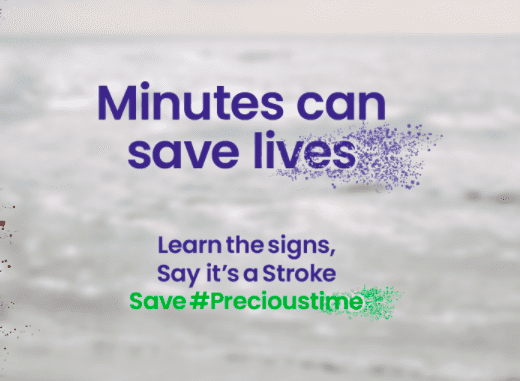
World Stroke Day 2021: Minutes can Save Lives!

by Public Health Update October 28, 2021
written by Public Health Update

Overview

World Stroke Day is held on 29th October each year. The annual event was started in 2006 by World Stroke Organization. World Stroke Day is an opportunity to raise awareness of the serious nature and high rates of stroke, talk about prevention and treatment, and ensure better care and support for survivors.

World Stroke Day is an opportunity to raise awareness of the serious nature and high rates of stroke and talk about ways in which we can reduce the burden of stroke through better public awareness of the risk factors and signs of stroke. It is also an opportunity to advocate for action by decision makers at global, regional and national levels that are essential to improve stroke prevention, access to acute treatment and support for survivors and caregivers. 

World Stroke Day 2021: Minutes can Save Lives!

For 2021 and 2022, campaign will be focused on raising awareness of the signs of stroke and the need for timely access to quality stroke treatment. 

Facts and Figures about Stroke

  • Stroke is a condition where the blood supply to the brain is disrupted, resulting in oxygen starvation, brain damage and loss of function.
  • It is most frequently caused by a clot in an artery supplying blood to the brain, a situation known as ischemia. It can also be caused by hemorrhage when a burst vessel causes blood to leak into the brain.
  • Stroke can cause permanent damage, including partial paralysis and impairment in speech, comprehension and memory. The extent and location of the damage determines the severity of the stroke, which can range from minimal to catastrophic.
  • Globally 1 in 4 adults over the age of 25 will have a stroke in their lifetime.
  • 13.7 million people worldwide will have their first stroke this year and five and a half million will die as a result.
  • Current trends suggest that the number of annual deaths will climb to 6.7 million annually without appropriate action.
  • Stroke is leading cause of death and disability globally with 116m years of healthy life lost each year to the disease.
  • Stroke disproportionately affects individuals living in resource-poor countries. From 2000 to 2008, the overall stroke incidence rates in low- to middle-income countries exceeded that of incidence rates seen in high-income countries by 20%.
  • Today, two out of every three people who suffer from a stroke live in low- and middle-income countries.
  • The incidence of stroke increases significantly with age. 
  • There are many other risk factors, including tobacco use, physical inactivity, unhealthy diet, harmful use of alcohol, hypertension, atrial fibrillation, raised blood lipid levels, obesity, male gender, genetic disposition and psychological factors.

Source of info: World Stroke Organization


Recommended readings

  • World Stroke Day 2020! Know your risk and prevent a stroke!
  • Stroke is treatable – World Stroke Day 2016
  • Scale up prevention of heart attack and stroke- World Heart Day 2017 
  • World Heart Day 2021: Use ❤️ To Connect Every ❤️
  • International days, weeks and years of Public Health Concern
  • World Heart Day: #UseHeart to beat cardiovascular disease


Do you have a website? Looking for the best hosting provider? Here’s a discount code.

Latest Public Health Jobs

Latest Posts

  • International Wellness Day: Promoting Global Wellness for All
  • Summit Declaration: The 12th National Summit of Health and Population Scientists in Nepal
  • Joint political declaration on the reform of the global health architecture
  • World Health Day 2026: Together for Health. Stand with Science.
  • World Water Day 2026 | Water & Gender Equality

Thanks for visiting us.
Disclaimer: The resources, documents, guidelines, and information on this blog have been collected from various sources and are intended for informational purposes only. Information published on or through this website and affiliated social media channels does not represent the intention, plan, or strategies of an organization that the initiator is associated with in a professional or personal capacity, unless explicitly indicated.
If you have any complaints, information, or suggestions about the content published on Public Health Update, please feel free to contact us at blog.publichealthupdate@gmail.com.
#StayUpdated


  • WordPress
  • Link
  • Facebook
  • Mail
  • Facebook
  • Twitter
  • Twitter
  • LinkedIn
  • Instagram
  • Facebook
October 28, 2021 0 comments
0 FacebookTwitterPinterestLinkedinTumblrVKOdnoklassnikiRedditStumbleuponWhatsappTelegramLINEPocketSkypeViberEmail
University of Copenhagen
European RegionFellowships, Studentship & ScholarshipsPhDPublic Health OpportunitiesPublic Health Opportunity

PhD fellowship in Disaster Risk Management at The Department of Public Health

by Public Health Update October 27, 2021
written by Public Health Update

Faculty of Health and Medical Sciences, University of Copenhagen

University of Copenhagen, Faculty of Health and Medical Sciences is offering a PhD fellowship in Disaster Risk Management commencing 15 February 2022 or as soon as possible hereafter.

Our group and research
The PhD position will be part of the Global Health Section and the Copenhagen Centre for Disaster Research (COPE) at the Department of Public Health.

Project description
The PhD scholar will work on a collaborative research project funded by International Research Fund, Denmark (DFF) on urban resettlements and disaster risk in India.

In an ever changing global and urbanizing world and with high numbers of people living in slums/informal settlements, there has been a call by many governments to resettle urban slums. Many of these places are constantly affected by extreme weather events and disasters such as urban floods. However, relocation and resettlement processes post-disasters been proven unsuccessful in many places in the past as post-disaster resettlements have shown that resettled communities continue to be affected by flooding and other disasters. In this context, this project will investigate how resettlement of urban slums might create new disaster risks and have impacts on various aspects of life such as livelihoods, education, social networks etc. This project will contribute with new knowledge on how disaster risk is created in urban resettlement and push the field of disaster studies in a new direction theoretically highlighting the contours of disaster risk creation. The PhD student will engage with some of the following questions- How do established social and institutional resettlement processes contribute to creation of new risk or exacerbate existing risk to disasters? What factors influence decision making of resettlement in urban areas? What forms of citizen participation emerge in these decision-making processes? What are the different social interfaces that emerge between the state and the community in the process of resettlement?

This project is built around a synergistic partnership between University of Copenhagen, Roskilde University in Denmark and the Tata Institute of Social Sciences in India.

Principal supervisor is Associate Prof. Emmanuel Raju, Global Health Section and Director of COPE. Email. eraju@sund.ku.dk

Start:                  15 February 2022 or soon hereafter

Duration:          3 years as a PhD student

Job description
Your key tasks as a PhD fellow at SUND are:

  • Carry through an independent research project under supervision
  • Fieldwork will be carried out in India (Mumbai and Chennai) 
  • Complete PhD courses or other equivalent education corresponding to approx. 30 ECTS points
  • Participate in active research environments including a stay at another research institution
  • Participate in teaching and supervision on the Global Health and Disaster Management education
  • Obtain experience with teaching or other types of dissemination related to your PhD project
  • Write a PhD thesis on the grounds of your project

Key criteria for the assessment of applicants
Applicants must have qualifications corresponding to an MA/MSc degree related to the subject area of the project e.g. disaster risk management; climate change adaptation; global health (with a disaster risk management track); development studies, sociology, anthropology, human geography. The master’s degree must be equivalent to a Danish master’s degree. The ideal candidate possesses relevant training and/or experience in the practical use of both qualitative (e.g. qualitative in-depth interviews, focus groups etc.) and quantitative research methods. Knowledge of GIS; research experience in a low and middle-income country context is considered a strong added advantage. Field experience in India is an added advantage. Knowledge of using data analysis software is considered an advantage. Previous experience of working with scientific publications is considered an advantage.

Place of employment
The place of employment is at Global Health Section, Department of Public Health, Faculty of Health and Medical Sciences, University of Copenhagen. We offer creative and stimulating working conditions in dynamic and international research environment.

Terms of employment
The employment as PhD fellow is full time and for 3 years and is to commence on 15 February 2022.

It is conditioned upon the applicant’s success­ful enrolment as a PhD student at the Graduate School at the Faculty of Health and Medical Sciences, University of Copenhagen. This requires submission and acceptance of an application for the specific project formulated by the applicant.

The PhD study must be completed in accordance with The Ministerial Order on the PhD programme (2013) and the Faculty’s rules on achieving the degree. Salary, pension and terms of employment are in accordance with the agree­ment between the Ministry of Finance and The Danish Confederation of Professional Associations on Academics in the State. Depending on seniority, the monthly salary begins around 27,800 DKK /approx. 3,730 EUR (October 2021-level) plus pension.

Questions
For specific information about the PhD fellowship, please contact the principal supervisor.

General information about PhD study at the Faculty of Health and Medical Sciences is available at the Graduate School’s website: https://healthsciences.ku.dk/phd/guidelines/

Application procedure
Your application must be submitted electronically by clicking ‘Apply now’ below. The application must include the following documents in PDF format: 

  1. Motivated letter of application (max. one page)
  2. CV incl. education, experience, language skills and other skills relevant for the position
  3. Certified copy of original Master of Science diploma and transcript of records in the original language, including an authorized English translation if issued in other language than English or Danish. If not completed, a certified/signed copy of a recent transcript of records or a written statement from the institution or supervisor is accepted.
    As a prerequisite for a PhD fellowship employment, your master’s degree must be equivalent to a Danish master’s degree.
    We encourage you to read more in the assessment database: https://ufm.dk/en/education/recognition-and-transparency/find-assessments/assessment-database.
    Please note that we might ask you to obtain an assessment of your education performed by the Ministry of Higher Education and Science”
  4. Publication list (if possible) OR a writing sample (e.g Master Thesis chapter)
  5. A brief project description on the topic area of how you plan to conduct the PhD study (max 3 pages)

Application deadline:  3 November 2021, 23.59pm CET

We reserve the right not to consider material received after the deadline, and not to consider applications that do not live up to the abovementioned requirements.

The further process
After the expiry of the deadline for applications, the authorized recruitment manager selects applicants for assessment on the advice of the hiring committee. All applicants are then immediately notified whether their application has been passed for assessment by an unbiased assessor.

The assessor makes a non-prioritized assessment of the academic qualifications and experience with respect to the above-mentioned area of research, techniques, skills and other requirements listed in the advertisement.

Once the assessment work has been completed each applicant has the opportunity to comment on the part of the assessment that relates to the applicant him/herself.

You can read about the recruitment process at https://employment.ku.dk/faculty/recruitment-process/.

The applicant will be assessed according to the Ministerial Order no. 242 of 13 March 2012 on the Appointment of Academic Staff at Universities.

The Faculty of Health and Medical Sciences comprises approximately 8000 students, 1790 PhD students and 5100 employees. The Faculty advances the field of health sciences through its core activities: research, teaching, knowledge sharing and communication. With basic research fields ranging from molecular studies to studies of society, the Faculty contributes to a healthy future through its graduates, research findings and inventions benefitting patients and the community. The University of Copenhagen wishes to reflect the surrounding community and invites all regardless of personal background to apply for the position. APPLY NOW

Part of the International Alliance of Research Universities (IARU), and among Europe’s top-ranking universities, the University of Copenhagen promotes research and teaching of the highest international standard. Rich in tradition and modern in outlook, the University gives students and staff the opportunity to cultivate their talent in an ambitious and informal environment. An effective organisation – with good working conditions and a collaborative work culture – creates the ideal framework for a successful academic career.

Contact

Emmanuel RajuE-mail: eraju@sund.ku.dk

Info

Application deadline: 03-11-2021
Employment start: 15-02-2022
Working hours: Full time
Department/Location: Department of Public Health

Official announcement

October 27, 2021 0 comments
0 FacebookTwitterPinterestLinkedinTumblrVKOdnoklassnikiRedditStumbleuponWhatsappTelegramLINEPocketSkypeViberEmail
Top economists call for radical redirection of the economy to put Health for All at the centre in the run-up to G20
Health Financing and EconomicsGlobal Health NewsPublic HealthPublic Health NewsPublic Health Update

Top economists call for radical redirection of the economy to put Health for All at the centre in the run-up to G20

by Public Health Update October 26, 2021
written by Public Health Update

26 October 2021 News release (WHO)

The COVID-19 Pandemic has brought into focus the stark reality of the large and growing inequities across the globe in access to health care and health products: for every 100 people in high-income countries, 133 doses of COVID-19 vaccine have been administered, while in low-income countries, only 4 doses per 100 people have been administered.

Yet, to date, the world continues to follow the same economic paradigm that doesn’t change the underlying finance structure and applies outdated thinking on economic development, which stands in the way of Health For All. As the G20 Summit approaches in Rome from 29-31 October, where, first, health and finance ministers, and then heads of state and government, come together, there is a window of opportunity for a radical redirection from health for the economy to the economy for health for all. The critical challenge is both to increase the magnitude of the finance available for health and to govern it in a more directed and effective manner. 

The World Health Organization (WHO) Council on the Economics of Health For All (WHO Council on the Economics of Health For All) calls now, more than ever, for clear, ambitious goals to mobilize and focus investments towards health, considering financing for health as a long-term investment and not a short-term cost. The Council’s new brief on Financing Health for All prioritizes two key dimensions: more finance and better finance and lays out the way forward through three pathways to action:

  1. Creating fiscal space by easing artificial constraints imposed by outdated economic assumptions and reversing the harmful effects of reforms that lead to big health cuts, allowing spending and investments towards Health For All to increase significantly;
  2. Directing investments to ensure Health for All becomes the central purpose of economic activities, and increase public leadership and dynamic state capabilities to create a conducive regulatory, tax, industrial policy and investment environment; and
  3. Governing public and private finance by regulating the functioning and financing of private health markets through measures that crowd in and direct private finance towards improving health outcomes globally and equitably.

The Council believes that a new paradigm must be pursued that avoids macroeconomic policies and assumptions that move us away from Health For All. This means designing policies to reach health for all now and in the long-term and realigning finance from all sectors and sources through conditionalities that fuel symbiotic gains in the public interest. Not only more financing of the health sector, but better-quality finance is crucial to deliver Health For All, which must be equitable and ensure a sustainable impact on peoples’ lives.

The challenge is to change mindsets within countries that impose internal constraints on spending and to transform externally-imposed conditionalities that hinder spending on what matters for health and promote Health For All. Changing the rules of the game is a fundamental priority of any strategy to deliver Health For All, and policymakers have the ability to rethink finance now.

“The COVID-19 pandemic has demonstrated that the financing of health systems needs to change radically to protect and promote the health of all people,” said Dr Tedros Adhanom Ghebreyesus, Director-General of WHO. “The latest report by the Council on the Economics of Health For All makes a clear and compelling argument for the need for sustained financing to be directed to achieving health for all people, and for investments to be understood as long-term gains for national and global development.”

“While health systems are under-resourced, more finance is not the only solution. The work of the Council stresses the need to reform and redirect finance in radical ways so that the objective is Health For All is designed into the financial structures, the conditionalities and the partnerships between business and the state,” said Professor Mariana Mazzucato, Chair of the Council.

By way of background, the WHO Council on the Economics of Health For All was established in November 2020 by WHO Director-General Dr Tedros Adhanom Ghebreyesus. The Council’s core mission is to rethink how value in health and wellbeing is measured, produced, and distributed across the economy. It will recommend a new way to shape the economy with the objective of building healthy societies that are just, inclusive, equitable, and sustainable. Made up of ten of the world’s most eminent economists and health experts, the Council works on four areas on how to rethink measurement of economic development, financing, capacity, and innovation with the aim of achieving Health for All. Briefs in each of these areas, and a comprehensive final report to be produced in 2023, will be used to build momentum amongst finance ministers, heads of state/government, as well as other decision makers such as other financial authorities and international development authorities, towards changing the structure of economic activity in favor of Health For All.

The members of the Council are Professor Mariana Mazzucato (Chair), Professor Senait Fisseha, Professor Jayati Ghosh, Vanessa Huang, Professor Stephanie Kelton, Professor Ilona Kickbusch, Zelia Maria Profeta da Luz, Kate Raworth, Dr Vera Songwe and Dame Marilyn Waring (see bottom of page: WHO Council on the Economics of Health For All).

26 October 2021 News release (WHO)


Do you have a website? Looking for the best hosting provider? Here’s a discount code.

Latest Public Health Jobs

Latest Posts

  • International Wellness Day: Promoting Global Wellness for All
  • Summit Declaration: The 12th National Summit of Health and Population Scientists in Nepal
  • Joint political declaration on the reform of the global health architecture
  • World Health Day 2026: Together for Health. Stand with Science.
  • World Water Day 2026 | Water & Gender Equality

Thanks for visiting us.
Disclaimer: The resources, documents, guidelines, and information on this blog have been collected from various sources and are intended for informational purposes only. Information published on or through this website and affiliated social media channels does not represent the intention, plan, or strategies of an organization that the initiator is associated with in a professional or personal capacity, unless explicitly indicated.
If you have any complaints, information, or suggestions about the content published on Public Health Update, please feel free to contact us at blog.publichealthupdate@gmail.com.
#StayUpdated


  • WordPress
  • Link
  • Facebook
  • Mail
  • Facebook
  • Twitter
  • Twitter
  • LinkedIn
  • Instagram
  • Facebook
October 26, 2021 0 comments
0 FacebookTwitterPinterestLinkedinTumblrVKOdnoklassnikiRedditStumbleuponWhatsappTelegramLINEPocketSkypeViberEmail
M8 Alliance Declaration: From Words to Action World Health Summit 2021
Public HealthPublic Health EventsPublic Health Update

M8 Alliance Declaration: From Words to Action World Health Summit 2021

by Public Health Update October 26, 2021
written by Public Health Update

The COVID-19 pandemic is far from over and we have to explore and implement innovative and effective measures to defeat this virus and to prepare for future threats.

The World Health Summit joins the voices that call for a new multilateralism and a new social contract.

Determination, cooperation and good leadership are required. Leaders need to act with determination to fight the pandemic nationally and globally. Societies and their representatives must also engage with foresight, in order to put into place a coherent ecosystem that will significantly improve pandemic preparedness and response. Jointly they must address flaws in the local and international governance mechanisms that proved to be inadequate during the crises.

There must be an end to the cycles of panic and neglect.
A new approach is needed, not only for pandemic threats but also for other risks such as climate change, chronic diseases and food security – any preparedness and response strategies must move beyond silos and beyond a predominantly national focus. Risks are global and political priorities must reflect this. No one is safe until everyone is safe.

The World Health Summit and its partners together with the M8 Alliance call for determined action to:

  • achieve vaccine equity by overcoming vaccine nationalism and vaccine hesitancy by sharing vaccines, increasing production in the global south, and supporting a TRIPS waiver;
  • strengthening the efforts of partners from the Global South with the aim of developing more contextualized and effective approaches to global health challenges;
  • strengthen global health architecture in the face of a fragmentation and decoupling of global health decision making; and
  • support all countries to invest in Primary Health Care as the foundation of health systems and pandemic preparedness and end the underinvestment in public health, and recognize the contribution of women.

But that is not enough.

Political leaders must confront the underlying geopolitical tensions, social vulnerabilities and structural inequalities in their societies and between countries – it is the most vulnerable that are paying the price with their health and lives in this pandemic.

The World Health Summit stresses the fact that health is a human right and health security will only be achieved together with social and human security. Mechanisms driving and perpetuating inequity must be addressed.

The World Health Summit proposes 7 priority areas for action by political leaders to give global health structural and operational strength which corresponds to its impact on quality of life of people worldwide :

  1. To ensure a global health governance approach that is backed and supported by all countries, and that values equity in health for all.
  2. To move from an ad hoc, charity-based model of development assistance to a sustainable and predictable financing model that allows reliable pandemic preparedness and response mechanisms – the G20 proposals must lay the basis for such an approach in 2021 and beyond.
  3. To strengthen the constitutional mandate of the World Health Organisation politically and financially, through a significant increase in the assessed contributions by member states.
  4. To increase cooperation between health and other sectors, such as finance and education, to achieve a common understanding of the domestic and global investments required to achieve better health, and to build a new economics of health for all that supports Primary Health Care and invests in a stronger health workforce.
  5. To establish a multilateral health architecture built on trust, mutual accountability, information sharing and transparency, including data solidarity.
  6. To increase the support of integrated preparedness approaches such as ONEHEALTH, planetary health and integration of key global health issues like women’s health, mental health and NCDs in health systems.
  7. To provide a strong binding political agreement and overarching umbrella on pandemic preparedness and response through negotiating a global Pandemic Treaty.

We call on the French and Czech Presidencies of the European Union to maintain strong support for multilateralism, and to lead the way for a new global social contract for pandemic preparedness. We call on the G7/G20 Presidencies 2022 of Germany and Indonesia to drive forward the vaccine equity agenda, and support the urgent governance and financing measures required to make it happen.


Do you have a website? Looking for the best hosting provider? Here’s a discount code.

Latest Public Health Jobs

Latest Posts

  • International Wellness Day: Promoting Global Wellness for All
  • Summit Declaration: The 12th National Summit of Health and Population Scientists in Nepal
  • Joint political declaration on the reform of the global health architecture
  • World Health Day 2026: Together for Health. Stand with Science.
  • World Water Day 2026 | Water & Gender Equality

Thanks for visiting us.
Disclaimer: The resources, documents, guidelines, and information on this blog have been collected from various sources and are intended for informational purposes only. Information published on or through this website and affiliated social media channels does not represent the intention, plan, or strategies of an organization that the initiator is associated with in a professional or personal capacity, unless explicitly indicated.
If you have any complaints, information, or suggestions about the content published on Public Health Update, please feel free to contact us at blog.publichealthupdate@gmail.com.
#StayUpdated


  • WordPress
  • Link
  • Facebook
  • Mail
  • Facebook
  • Twitter
  • Twitter
  • LinkedIn
  • Instagram
  • Facebook
October 26, 2021 0 comments
0 FacebookTwitterPinterestLinkedinTumblrVKOdnoklassnikiRedditStumbleuponWhatsappTelegramLINEPocketSkypeViberEmail
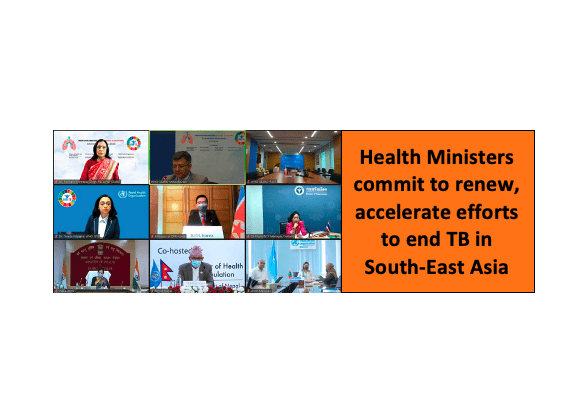
Health Ministers commit to renew, accelerate efforts to end TB in South-East Asia
Global Health NewsCommunicable DiseasesNational Health NewsPublic HealthPublic Health News

Health Ministers commit to renew, accelerate efforts to end TB in South-East Asia

by Public Health Update October 26, 2021
written by Public Health Update

Press release 1770 (WHO SEARO)

New Delhi, 26 October 2021 – The Ministers of Health of countries in WHO South-East Asia Region today committed to renew and accelerate efforts to end tuberculosis, in view of the pandemic disrupting services and leading to increase in TB cases in the already high-burden Region.

“Despite being a preventable and treatable, TB kills more than a million people every year, almost half of them in the WHO South East-Asia Region. We must intensify effort towards ending TB,” said Dr Tedros Adhanom, Director-General, WHO, addressing a High-Level Meeting for Renewed TB Response.

GLOBAL TUBERCULOSIS REPORT 2021


Inaugurating the meeting, Dr Poonam Khetrapal Singh, Regional Director, WHO South-East Asia Region, said, “Immediate steps are needed to scale-up preventive, diagnostic and treatment services for TB, and significantly bolster social protection measures while specifically addressing undernutrition among the vulnerable populations.”

At the day-long meeting held virtually, the Ministers of Health signed on a ‘Ministerial Statement of Commitment’ unanimously committing to actualize and intensify essential interventions. The meeting was organized by ministries of health of India, Indonesia, and Nepal and WHO South-East Asia Regional Office.

The Ministers committed to multi-sectoral and whole of society approach to end TB with national programs led by the highest possible political level, and closely monitored for targets.

They agreed to increase budgetary and human resource allocations including upfront investments required to catch-up on lost ground during the COVID-19 pandemic. It is estimated that US$ 3 billion may be needed annually to implement comprehensive set of interventions required to end TB in the Region.

The Ministerial statement called for ensuring the highest attainable standards of rights-based, stigma-free, quality-assured and people-centric services. It emphasized that preventive, diagnostic, treatment, rehabilitative and palliative care, should be accessible to all including migrants, prisoners, children, the aged and other high-risk populations such as people with TB/HIV co-infections.

The statement called for increasing outreach of care by strengthening services at all possible health centers and use of innovative care and delivery approaches such as digital health and efficient use of technology to reach the unreached.

The Ministers of Health committed to mainstream social and financial protection along with TB care services. Poverty and undernutrition are among the biggest contributor to TB disease. Systematic provision of socioeconomic support, adapted to country context, to the patient and family are essential and more relevant in the COVID-19 era, the statement said.

It called for social support to TB patients and their families from the time of development of symptoms, to diagnosis till the successful treatment completion and in some case beyond treatment to address the sequelae, to achieve the goal of eliminating catastrophic financial losses.

The Ministerial statement emphasized on empowerment and engagement of community and civil society representatives in planning, monitoring, organizing and providing for such support to ensure a people-centered response.

The Regional Director said, “While we continue to work together to mobilize political and financial commitment, we will also continue to provide rapid and relevant guidance and technical assistance to all countries in the Region.”

“Together, let us renew and reinvigorate our commitment to End TB, for a fairer, healthier, more health-secure and sustainable Region and world for all,” Dr Khetrapal Singh said.

Representatives of partner agencies – Global Fund, Stop TB Partnership, JICA, ADB, World Bank, US Embassy, among others, participated in the meeting.

TB and WHO South-East Asia Region

Despite being a preventable and curable disease, TB is the world’s top infectious killer.

The WHO South-East Asia Region, home to a quarter of the world’s population, bears 43% of the global TB burden and one third of the global burden of drug resistant TB.

Hence, in 2017 Regional Director Dr Poonam Khetrapal Singh  announced ‘Accelerated efforts to end TB’ as a regional flagship. At a high-level meeting, Ministers of Health and WHO adopted a ‘Call to Action’ committing to more resources and action to end the disease.

In 2018, the Region renewed its commitment to further intensify efforts and ensure rapid and concrete progress to end TB by 2030.

With concerted efforts and highest-level commitment, progress was being made to trace and treat the affected to curtail the TB epidemic. Notification of TB cases increased to ~3.6 million cases in 2019 from ~2.6 million cases in 2015. As a result, the total treatment coverage increased by about 30%.  The treatment success rate among new drug-sensitive TB (DS-TB) patients increased from 79% among the 2014 cohort to 84% for the 2018 cohort.  Bangladesh, Myanmar and Thailand were on track to achieve the 2020 End TB milestones for reduction in mortality while Myanmar was also on track to reach the milestone for reduction in incidence rate.

However, the pandemic reversed the progress by disrupting access to health services and exacerbating social factors like poverty and undernutrition. Over 4.3 million TB cases are estimated to have emerged in 2020 with the region accounting for 43% of all new TB cases globally.

Press release 1770 (WHO SEARO)


Recommended readings

  • Global Tuberculosis Report 2020
  • Global Tuberculosis Report 2019: Latest status of the tuberculosis epidemic
  • Global Tuberculosis Report 2018
  • WHO Global Tuberculosis report 2015
  • Global tuberculosis report 2014: Improved data reveals higher global burden of tuberculosis
  • National Tuberculosis Programme Annual Report 2018
  • National Tuberculosis Program Update in Nepal #WorldTBDay #EndTB
  • National TB Prevalence Survey, 2018-19 Key findings
  • World Tuberculosis Day 2020! It’s time to End TB!
  • National Guideline on Drug Resistant TB Management 2019, Nepal
  • National Tuberculosis Management Guideline 2019, Nepal
  • Global Tuberculosis Report 2019: Latest status of the tuberculosis epidemic
  • National TB Prevalence Survey, 2018-19 Key findings
  • New WHO recommendations to prevent tuberculosis aim to save millions of lives
  • World Health Organization (WHO) Information Note Tuberculosis and COVID-19
  • World Tuberculosis Day 2020! It’s time to End TB!
  • People-centred framework for tuberculosis programme planning and prioritization, User guide
  • Global Tuberculosis Report 2019: Latest status of the tuberculosis epidemic
  • Dissemination of Findings and Recommendations of Joint External Monitoring Mission(JEMM) of Nepal National Tuberculosis Program
  • National Tuberculosis Programme Annual Report 2018
  • National Strategic Plan for Tuberculosis Prevention, Care and Control 2016 – 2021
  • NTP, Nepal: New TB Treatment Algorithm & Regimen (Updated)
  • WHO announces landmark changes in MDR-TB treatment regimens
  • TB Vaccine results announce a promising step towards ending the emergency
  • 7 million people receive record levels of lifesaving TB treatment but 3 million still miss out
October 26, 2021 0 comments
0 FacebookTwitterPinterestLinkedinTumblrVKOdnoklassnikiRedditStumbleuponWhatsappTelegramLINEPocketSkypeViberEmail
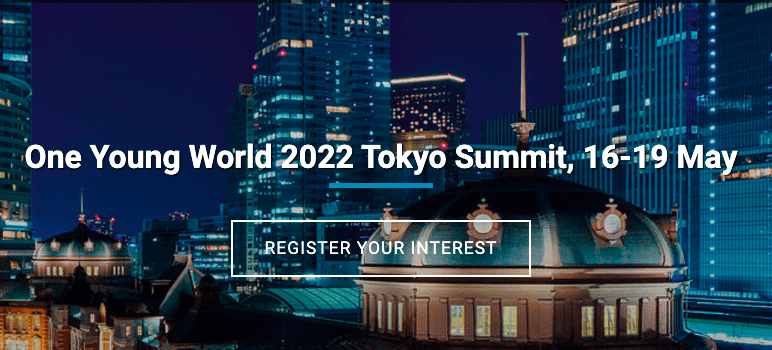
One Young World 2022 Tokyo Summit, 16-19 May
ConferenceInternational Jobs & OpportunitiesPublic Health OpportunitiesPublic Health Opportunity

One Young World 2022 Tokyo Summit, 16-19 May

by Public Health Update October 24, 2021
written by Public Health Update

Overview

One Young World is the global forum for young leaders. One Young World identifies, promotes and connects the world’s most impactful young leaders to create a better world, with more responsible, more effective leadership.

The annual One Young World Summit convenes the brightest young talent from every country and sector, working to accelerate social impact. Delegates from 190+ countries are counselled by influential political, business and humanitarian leaders such as Justin Trudeau, Paul Polman and Meghan Markle.

Delegates return to their communities and organisations with the means and motivation to make a difference, accessing the global network of 12,000+ young leaders.

Delegates participate in four transformative days of speeches, panels, networking and workshops. All Delegates have the opportunity to apply to give keynote speeches, sharing a platform with world leaders with the world’s media in attendance. As well as listening to keynote speakers, Delegates have the opportunity to challenge world leaders, interact and be mentored by influencers. Delegates make lasting connections throughout the Summit, celebrating their participation at social events and the unforgettable Opening and Closing Ceremonies.

The One Young World 2022

The One Young World 2022 Tokyo Summit will take place from in May 2022 with over 2,000 young leaders from 190+ countries using the Summit as a platform to demonstrate the increasing importance of young leaders and the value they create in the world today. One Young World’s arrival in Tokyo presents Japan and its Asian neighbours with a unique and timely opportunity; a chance for young leaders to truly deliver the actions necessary to create the sustainable future that we all demand, where everyone has a role to play and no one is left behind.

You are eligible for a scholarship if you: 

  • Are between the ages of 18 – 30 at the time of the Summit
  • Have an evidenced commitment to delivering positive change
  • Demonstrate capacity for leadership
  • Are addressing key local and/or global issues in your work
  • Have a track record of generating impactful and innovative ideas

Please note that scholarship places are very competitive; last year we received 50,000+ applications for just 440 places.

Register your interest: HERE


Do you have a website? Looking for the best hosting provider? Here’s a discount code.

Latest Public Health Jobs

Latest Posts

  • International Wellness Day: Promoting Global Wellness for All
  • Summit Declaration: The 12th National Summit of Health and Population Scientists in Nepal
  • Joint political declaration on the reform of the global health architecture
  • World Health Day 2026: Together for Health. Stand with Science.
  • World Water Day 2026 | Water & Gender Equality

Thanks for visiting us.
Disclaimer: The resources, documents, guidelines, and information on this blog have been collected from various sources and are intended for informational purposes only. Information published on or through this website and affiliated social media channels does not represent the intention, plan, or strategies of an organization that the initiator is associated with in a professional or personal capacity, unless explicitly indicated.
If you have any complaints, information, or suggestions about the content published on Public Health Update, please feel free to contact us at blog.publichealthupdate@gmail.com.
#StayUpdated


  • WordPress
  • Link
  • Facebook
  • Mail
  • Facebook
  • Twitter
  • Twitter
  • LinkedIn
  • Instagram
  • Facebook
October 24, 2021 0 comments
0 FacebookTwitterPinterestLinkedinTumblrVKOdnoklassnikiRedditStumbleuponWhatsappTelegramLINEPocketSkypeViberEmail
ReportsInternational Plan, Policy & GuidelinesPublic Health UpdateResearch & Publication

State of The World’s Hand Hygiene 2021

by Public Health Update October 23, 2021
written by Public Health Update

Investing $1 per person per year in hand hygiene could save hundreds of thousands of lives

Overview

The 2021 State of The World’s Hand Hygiene report launched on Global Handwashing Day by WHO and UNICEF, highlights that an annual cost to governments of promoting handwashing with soap at home comes to just 2.5 per cent of the average government health expenditure in these countries — making it a highly cost-effective investment, providing outsized health benefits for relatively little cost.

This report is the first of its kind. It brings together various data sets to present the current status of hand hygiene, highlight lagging progress, and call governments and supporting agencies to action, offering numerous inspiring examples of change.

State of The World’s Hand Hygiene 2021

The State of the World’s Hand Hygiene report draws on a recent study by WHO and UNICEF that estimated that achieving hand hygiene for all households by 2030 in 46 of the least-developed countries of the world would cost a total of US$11 billion. This is equivalent to 25 US dollar cents per capita per year on promotion efforts, and 66 US dollar cents per capita per year on handwashing facilities. Promotion costs, usually borne by governments, would be equivalent to 2.5% of median government health expenditure in the 46 least developed countries. The costs of facilities, most often borne by households, would equal 25 dollars per year for each unserved household. The study also highlights that with an additional 20 cents per person one-to-one hygiene promotion would be possible, shown to be highly effective.

The costs of achieving hand hygiene can be estimated by examining the many possible interventions to support it, grouped under facilities to practice hand hygiene on the one hand and the promotion of behaviours required on the other. There are both capital, one-off costs and recurring maintenance costs associated with hand hygiene.

The report brings together dispersed data sets on hand hygiene access and underlying national policies and investments to highlight lagging progress; and calls member states and supporting agencies to action, offering numerous inspiring examples of change.  

Hand hygiene, one of the first lines of defence against the spread of infectious diseases, remains out of reach for billions of people who still lack hand hygiene facilities at home, school, or health care facilities.

Globally, 3 in 10 people, or 2.3 billion, lack a handwashing facility with water and soap at home; 818 million children lack a handwashing facility with soap and water at school in 2020, and health workers in 1 in 3 healthcare facilities lack hand hygiene facilities at the points at which they provide care — placing them all at preventable risk of disease even at the best of times. Almost 2 billion people depend on health care facilities that don’t even have basic water services.

5 key actions

To speed up progress, governments should prioritize 5 key actions:

  • Good governance through leadership, effective coordination and regulation, including clear policies on handwashing services and behaviours in all settings.
  • Smart public finance to ensure maximum impact and stimulate investments from households and the private sector.
  • Assessment of current capacity with respect to their hand hygiene policy and strategies, identification of gaps and development of capacity-building strategies based on the rigorous application of best practice.
  • Governments should address the need for consistent data on hand hygiene in order to inform decision-making and make investments strategic.
  • Governments and supporting agencies should encourage innovation, particularly on the part of the private sector, in order to roll out hand hygiene in all settings.

Download: State of the world’s hand hygiene


Recommended

  • World Hand Hygiene Day 2021! Seconds save lives–clean your hands!
  • Global Handwashing Day 2020: Hand Hygiene for All
  • Hand Hygiene Day! Nurses and midwives, clean care is in your hands!
  • World Hand Hygiene Day!! SAVE LIVES: Clean Your Hands 5 May 2017 : ‘Fight antibiotic resistance – it’s in your hands’
  • 5 moments for hand hygiene
  • Global Handwashing Day 2021: Our Future is at Hand – Let’s Move Forward Together.
  • Global Handwashing Day 2019: ”Clean Hands for All”
  • Clean Your Hands ! ”Clean care for all – it’s in your hands”
  • Global Handwashing Day 2018: Clean hands- a recipe for health
  • ‘Our Hands, Our Future’ – Global Handwashing Day 2017

Do you have a website? Looking for the best hosting provider? Here’s a discount code.

Latest Public Health Jobs

Latest Posts

  • International Wellness Day: Promoting Global Wellness for All
  • Summit Declaration: The 12th National Summit of Health and Population Scientists in Nepal
  • Joint political declaration on the reform of the global health architecture
  • World Health Day 2026: Together for Health. Stand with Science.
  • World Water Day 2026 | Water & Gender Equality

Thanks for visiting us.
Disclaimer: The resources, documents, guidelines, and information on this blog have been collected from various sources and are intended for informational purposes only. Information published on or through this website and affiliated social media channels does not represent the intention, plan, or strategies of an organization that the initiator is associated with in a professional or personal capacity, unless explicitly indicated.
If you have any complaints, information, or suggestions about the content published on Public Health Update, please feel free to contact us at blog.publichealthupdate@gmail.com.
#StayUpdated


  • WordPress
  • Link
  • Facebook
  • Mail
  • Facebook
  • Twitter
  • Twitter
  • LinkedIn
  • Instagram
  • Facebook
October 23, 2021 0 comments
0 FacebookTwitterPinterestLinkedinTumblrVKOdnoklassnikiRedditStumbleuponWhatsappTelegramLINEPocketSkypeViberEmail
Public Health OpportunitiesFellowships, Studentship & ScholarshipsPostDocPublic Health Opportunity

PostDoctoral Fellowship in Global Tobacco Research

by Public Health Update October 23, 2021
written by Public Health Update

Overview

A formal training program for postdoctoral fellows who can contribute to tobacco control research and build the tobacco control workforce in low- and middle-income countries.

Fellows will spend 15-18 months in the United States (Atlanta, GA) and the last 6-9 months at a host institution in their home country.

The primary goal of this program is to provide training in tobacco control science and policy.

Fellows will spend 15-18 months in the United States (Atlanta, GA) and the last 6-9 months at a host institution in their home country.

The primary goal of this program is to provide training in tobacco control science and policy.

Program Overview

As smoking rates decline in developed countries, it is natural for tobacco control efforts to refocus on low- and middle-income countries that are often short on resources and formally trained tobacco control personnel. The Postdoctoral Fellowship in Global Tobacco Research is offered by Georgia State University’s School of Public Health and the CDC Foundation to provide formal training for postdoctoral fellows who can contribute to tobacco control research and build the tobacco control workforce in low- and middle-income countries.

Over the next three years, four postdoctoral fellows will be trained from low- and middle-income countries. The primary goal of this program is to provide training in tobacco control science and policy so that the candidates can return to their native countries and be leaders in their country’s tobacco control efforts, including expanding tobacco control workforce capacity. In the two-year training program, fellows will spend 15-18 months in the United States (Atlanta, GA) and the last 6-9 months at a host institution in their home country.

Program Location

The School of Public Health at Georgia State University is an ideal place to train future global tobacco control leaders. As a premier urban Doctoral/Research Extensive University, Georgia State University has been consistently ranked for the past several years in the top three for innovation and commitment to undergraduate teaching among US schools. Georgia State also is a minority-serving institution that is first nationwide among non-profit institutions for graduating African American students.

The School of Public Health has been exceptionally successful in training international professionals, having hosted over eighty-five Fulbright students since 2006 and training ten postdoctoral fellows (six international) in tobacco research since 2015. The School of Public Health has also managed professional exchange programs with China, having hosted visiting fellows from the Chengdu CDC and Qingdao Health Department.

The School of Public Health has seven faculty who have or are currently serving in leadership roles in tobacco control with the CDC, WHO, FDA, non-profit organizations, and local governments. All of them are PIs on NIH, CDC, and foundation tobacco control research grants, which will provide research opportunities for the fellows. All of the faculty have extensive mentorship experience, including training postdoctoral fellows.

During the Postdoctoral Training Program, Georgia State University and the CDC Foundation will work together to prioritize and name various tracks of tobacco control research that are considered priorities of the CDC Foundation, in line with the faculty expertise at Georgia State, of interest to the postdoctoral candidates, and meet a tobacco control need in each fellow’s home country.


PROPOSED TRACKS INCLUDE:

  • Economics and taxation
  • Nicotine and emerging tobacco products
  • Tobacco regulatory science
  • Leveraging technology to promote cessation
  • Novel methods and data science for tobacco control (i.e. novel surveillance, artificial intelligence, modeling, data interpretation)

Program Application

HOW TO APPLY

Candidates should submit the following documents to the Postdoctoral Fellowship in Global Tobacco Research Submission Portal.

  • Cover letter (including synopsis of achievements, research interests, career objectives, and reasons for applying to this program)
  • Curriculum vitae
  • Transcripts: All graduate or professional school transcripts. Unofficial transcripts are acceptable at the time of the submission; official transcripts will be required prior to starting the position. Transcripts in other languages should be translated into English (unofficial translation is acceptable).
  • Three (3) letters of recommendation should be submitted directly by the referees via the Reference Submission Portal.

ELIGIBILITY

  • A completed Doctorate/Equivalent Degree (PhD, DrPH, MD, DDS, JD) by the start of the program
  • Being a citizen of low- or middle-income country
  • Prior tobacco control experience is desired, but not required. Prior training may be in public health, epidemiology, communication, economics, social sciences, or other disciplines.
  • Fellows are selected on the basis of scholastic record, recommendations, and commitment to pursuing a career in tobacco research in their home countries.

TRAINING

The training program will combine rigorous didactic coursework and mentored research in the US that will enable the trainees to develop skills and knowledge in tobacco control, policy, research methods, and grant writing, ultimately allowing them to obtain high-impact academic, governmental, or civil society positions. The trainee will be working with a primary mentor (one of Georgia State seven faculty who have or are currently serving in leadership roles in tobacco control with the CDC, WHO, FDA, non-profit organizations, and local governments) and will receive additional mentorship from the collaborators at the CDC Foundation, the CDC, and other organizations. For the home country portion of the training, the fellows will be placed in a local university, governmental, or civil society organization in their home country. Each fellow with work with their mentors to develop an Individual Development Plan in the area of their interest and in a track that meets a tobacco control need in their home country. Some example tracks are:

  • Economics and taxation
  • Nicotine and emerging tobacco products
  • Tobacco regulatory science
  • Global tobacco surveillance
  • Leveraging technology to promote cessation
  • Novel methods and data science for tobacco control (i.e. novel surveillance, artificial intelligence, modeling, data interpretation)

BENEFITS

The fellows will receive an annual stipend ($53,000-$58,000, commensurate with experience) throughout the full duration of the program, with full benefits including health, dental, and other insurance options. The program will cover relocation expenses for the fellow from and to their home country, travel funds to attend research conferences, and research funds to purchase computers, software, and to cover additional research expenses, as a well as a honorarium to a home country mentor.

APPLICATION DEADLINES

Applications will be reviewed on a rolling basis with the priority given to those submitted by November 15, 2021. Applications submitted after this date will be reviewed if the job has not been filled yet. Start date is January 1, 2022 (with some flexibility). The appointment is for two years contingent on performance.

Official Link


Do you have a website? Looking for the best hosting provider? Here’s a discount code.

Latest Public Health Jobs

Latest Posts

  • International Wellness Day: Promoting Global Wellness for All
  • Summit Declaration: The 12th National Summit of Health and Population Scientists in Nepal
  • Joint political declaration on the reform of the global health architecture
  • World Health Day 2026: Together for Health. Stand with Science.
  • World Water Day 2026 | Water & Gender Equality

Thanks for visiting us.
Disclaimer: The resources, documents, guidelines, and information on this blog have been collected from various sources and are intended for informational purposes only. Information published on or through this website and affiliated social media channels does not represent the intention, plan, or strategies of an organization that the initiator is associated with in a professional or personal capacity, unless explicitly indicated.
If you have any complaints, information, or suggestions about the content published on Public Health Update, please feel free to contact us at blog.publichealthupdate@gmail.com.
#StayUpdated


  • WordPress
  • Link
  • Facebook
  • Mail
  • Facebook
  • Twitter
  • Twitter
  • LinkedIn
  • Instagram
  • Facebook
October 23, 2021 0 comments
0 FacebookTwitterPinterestLinkedinTumblrVKOdnoklassnikiRedditStumbleuponWhatsappTelegramLINEPocketSkypeViberEmail
Newer Posts
Older Posts

Search

Follow Us

Facebook Twitter Instagram Pinterest Linkedin Youtube

Categories

  • Abstracts (25)
  • Activities (91)
  • Adolescent Sexual and Reproductive Health (ASRH) (25)
  • Advice & Tips (4)
  • African Region (5)
  • AI and Health (1)
  • Annual Meeting (6)
  • Antimicrobial Resistance (AMR) (21)
  • Award (19)
  • Awards (16)
  • Books (9)
  • Call for Proposal, EOI & RFP (103)
  • Call for Research Participants (8)
  • Clinical Doctor Jobs (6)
  • Communicable Diseases (107)
  • Competition (20)
  • Conference (129)
  • Consultant (1)
  • Courses (205)
  • Dashboard (2)
  • Digital Health & Health Informatics (10)
  • Drug and Medicine (18)
  • Eastern Mediterranean Region (3)
  • Education (15)
  • Environment (3)
  • Environmental Health & Climate Change (47)
  • European Region (42)
  • Exchange Program (1)
  • Fact Sheet (117)
  • FCHVs (1)
  • Fellowships, Studentship & Scholarships (168)
  • Financial Aid (13)
  • Form Formats (2)
  • Fully funded (22)
  • Global Health News (434)
  • Grants and Funding Opportunities (193)
  • Guest Post (44)
  • Health Assistant Jobs (1)
  • Health Equity (7)
  • Health Financing and Economics (24)
  • Health in Data (115)
  • Health Insurance (5)
  • Health Jobs (52)
  • Health Literacy, Health Education & Promotion (50)
  • Health Organization Profile (42)
  • Health Systems (83)
  • Human Resource for Health (33)
  • Humanitarian Health & Emergency Response (44)
  • Hypertension (5)
  • Implementation Research (48)
  • International Health (3)
  • International Jobs & Opportunities (373)
  • International Plan, Policy & Guidelines (210)
  • Internships (4)
  • Jobs Vacancies (56)
  • Journals (8)
  • Life Style & Public Health Nutrition (39)
  • Live (10)
  • Master's Degree (48)
  • Maternal, Newborn and Child Health (88)
  • Mentorship Program (2)
  • Miscellaneous (16)
  • National Health News (158)
  • National Plan, Policy & Guidelines (468)
  • Neglected Tropical Diseases (NTDs) (51)
  • Non- Communicable Diseases (NCDs) (121)
  • Notice (103)
  • Nursing Jobs (6)
  • Nutritionist Jobs (1)
  • One Health (18)
  • Online & Distance Learning (22)
  • Online Courses (90)
  • Op-Ed Article (3)
  • Opportunities by Region (83)
  • Outbreak News (213)
  • Partially funded (6)
  • PCL Health Science Jobs (3)
  • PH Important Day (534)
  • Pharmacist Jobs (3)
  • PhD (54)
  • Photos (5)
  • Planetary Health (4)
  • PostDoc (14)
  • Presentation Slides (26)
  • Primary Health Care (25)
  • Provincial Plan, Policies and Guidelines (14)
  • Public Health (1,283)
  • Public Health Epidemiology & Biostatistics (13)
  • Public Health Events (306)
  • Public Health Information (20)
  • Public Health Innovation (9)
  • Public Health Jobs (52)
  • Public Health News (554)
  • Public Health Notes (120)
  • Public Health Opportunities (507)
  • Public Health Opportunity (491)
  • Public Health Programs (108)
  • Public Health Seminar (2)
  • Public Health Tools (1)
  • Public Health Update (564)
  • Quality Improvement & Infection Prevention (20)
  • Region of America (8)
  • Reports (184)
  • Research & Project Grants (39)
  • Research & Project Grants (32)
  • Research & Publication (647)
  • Research Articles (10)
  • Road Traffic Accidents (RTA) (9)
  • School of Public Health (60)
  • Self funded (2)
  • South-East Asia Region (26)
  • Success Stories (17)
  • Summer and Winter Courses (40)
  • Summer Courses (28)
  • Sustainable Development Goals (SDGs) (14)
  • Syllabus (61)
  • Symposium (9)
  • Tobacco Control (35)
  • Training (40)
  • Travel Grants (15)
  • Trick, Technique & Skills (8)
  • Uncategorized (3)
  • Undergraduate Degree (7)
  • Universal Health Coverage (36)
  • Universities (29)
  • Universities & School of Public Health (58)
  • Vacancy Announcement (26)
  • Vaccine Preventable Diseases (40)
  • Vector-Borne Diseases(VBDs) (30)
  • Videos (3)
  • View Points (1)
  • Webinar (4)
  • Western Pacific Region (13)
  • Workshop (18)
  • World News (117)
Post New Jobs: Vacancy Announcement Service

Public Health Update (Sagun’s Blog) is a popular public health portal in Nepal. Thousands of health professionals are connected with Public Health Update to get up-to-date public health updates, search for jobs, and explore opportunities.
#1 Public Health Blog for sharing Job opportunities and updates in Nepal

”Public Health Information For All”
– – Sagun Paudel, Founder

  • HOT JOBS
    • Public Health Jobs
    • Medical Doctor Jobs
    • Nursing Jobs
    • Health Assistant Jobs
    • Pharmacist Jobs
    • NGOs Jobs
    • Government Jobs
  • Top Categories
    • National Plan, Policy & Guidelines Top
    • Public Health Calendar
    • Fellowships & Scholarships
    • Health Systems
    • Health Organization Profiles
    • International Jobs & Opportunities
    • Public Health Opportunity

PUBLIC HEALTH INITIATIVE

    • Submit your Vacancies New
    • Partnership Opportunities

Contact: blog.publichealthupdate@gmail.com

https://wa.me/+9779856036932

Public Health Initiative, A Registered Non-profit organization – All Right Reserved. 2011-2024. Contact us. 

Facebook Twitter Instagram Youtube Envelope
Public Health Update
  • Home
  • Public Health
    • Home 1
      • Adolescent Sexual and Reproductive Health (ASRH)
      • Antimicrobial Resistance (AMR)
      • Communicable Diseases
      • Digital Health & Health Informatics
      • Environmental Health & Climate Change
      • Health Financing and Economics
      • Health Equity
    • Home 2
      • Health Literacy, Health Education & Promotion
      • Human Resource for Health
      • Humanitarian Health & Emergency Response
      • Implementation Research
      • International Health
      • Life Style & Public Health Nutrition
      • Maternal, Newborn and Child Health
    • Home 3
      • Neglected Tropical Diseases (NTDs)
      • Non- Communicable Diseases (NCDs)
      • One Health
      • Planetary Health
      • Public Health Epidemiology & Biostatistics
      • Primary Health Care
      • Quality Improvement & Infection Prevention
    • Home 4
      • Road Traffic Accidents (RTA)
      • Sustainable Development Goals (SDGs)
      • Tobacco Control
      • Universal Health Coverage
      • Vaccine Preventable Diseases
      • Vector-Borne Diseases(VBDs)
      • Notices
  • Public Health Update
    • Home 1
      • Public Health News
      • Global Health News
      • Outbreak News
      • National Health News
      • COVID-19
    • Home 2
      • Fact Sheet
      • Health in Data
      • PH Important Day
      • Public Health Events
      • Public Health Programs
    • Home 3
      • Health Systems
      • Health Insurance
      • Health Organization Profile
      • Success Stories
      • Public Health Innovation
  • Public Health Opportunities
    • Fully funded
    • Travel Grants
    • Grants and Funding Opportunities
    • Opportunities by Region
    • International Jobs & Opportunities
    • Research & Project Grants
    • Fellowships, Studentship & Scholarships
    • Conference
  • Jobs
    • Home 1
      • Health Jobs
      • Public Health Jobs
      • Clinical doctor Jobs
      • Health Assistant Jobs
      • Nursing Jobs
      • PCL Health Science Jobs
    • Home 2
      • Dental Jobs
      • Pharmacist Jobs
      • TSLC (Health Jobs)
      • Laboratory Jobs
      • Nutritionist Jobs
  • Downloads
    • International Plan, Policy & Guidelines
    • National Plan, Policy & Guidelines
    • Reports
    • Books
    • Research Articles
  • School of Public Health
    • Home 1
      • Courses
      • Master’s Degree
      • Undergraduate Degree
      • PhD
    • Home 2
      • Universities
      • Syllabus
      • Public Health Notes
      • Mentorship Program
      • Startup Project
    • Home
      • Summer and Winter Courses
      • Summer Courses
      • Online Courses
      • Workshop
      • Training
Public Health Update
  • Home
  • Public Health
    • Home 1
      • Adolescent Sexual and Reproductive Health (ASRH)
      • Antimicrobial Resistance (AMR)
      • Communicable Diseases
      • Digital Health & Health Informatics
      • Environmental Health & Climate Change
      • Health Financing and Economics
      • Health Equity
    • Home 2
      • Health Literacy, Health Education & Promotion
      • Human Resource for Health
      • Humanitarian Health & Emergency Response
      • Implementation Research
      • International Health
      • Life Style & Public Health Nutrition
      • Maternal, Newborn and Child Health
    • Home 3
      • Neglected Tropical Diseases (NTDs)
      • Non- Communicable Diseases (NCDs)
      • One Health
      • Planetary Health
      • Public Health Epidemiology & Biostatistics
      • Primary Health Care
      • Quality Improvement & Infection Prevention
    • Home 4
      • Road Traffic Accidents (RTA)
      • Sustainable Development Goals (SDGs)
      • Tobacco Control
      • Universal Health Coverage
      • Vaccine Preventable Diseases
      • Vector-Borne Diseases(VBDs)
      • Notices
  • Public Health Update
    • Home 1
      • Public Health News
      • Global Health News
      • Outbreak News
      • National Health News
      • COVID-19
    • Home 2
      • Fact Sheet
      • Health in Data
      • PH Important Day
      • Public Health Events
      • Public Health Programs
    • Home 3
      • Health Systems
      • Health Insurance
      • Health Organization Profile
      • Success Stories
      • Public Health Innovation
  • Public Health Opportunities
    • Fully funded
    • Travel Grants
    • Grants and Funding Opportunities
    • Opportunities by Region
    • International Jobs & Opportunities
    • Research & Project Grants
    • Fellowships, Studentship & Scholarships
    • Conference
  • Jobs
    • Home 1
      • Health Jobs
      • Public Health Jobs
      • Clinical doctor Jobs
      • Health Assistant Jobs
      • Nursing Jobs
      • PCL Health Science Jobs
    • Home 2
      • Dental Jobs
      • Pharmacist Jobs
      • TSLC (Health Jobs)
      • Laboratory Jobs
      • Nutritionist Jobs
  • Downloads
    • International Plan, Policy & Guidelines
    • National Plan, Policy & Guidelines
    • Reports
    • Books
    • Research Articles
  • School of Public Health
    • Home 1
      • Courses
      • Master’s Degree
      • Undergraduate Degree
      • PhD
    • Home 2
      • Universities
      • Syllabus
      • Public Health Notes
      • Mentorship Program
      • Startup Project
    • Home
      • Summer and Winter Courses
      • Summer Courses
      • Online Courses
      • Workshop
      • Training
Public Health Initiative, A Registered Non-profit organization – All Right Reserved. 2011-2023