Public Health Update
  • Home
  • Public Health Update
  • Nepal Health Jobs
    • Public Health Job Board
    • Organization List
  • Opportunities
    • Fellowships, Studentship & Scholarships
    • Grants and Funding Opportunities
    • Fully funded
    • Conference
  • Downloads
    • International Plan, Policy & Guidelines
    • National Plan, Policy & Guidelines
    • Reports
    • Public Health Notes
    • Syllabus
    • Form Formats
  • School of Public Health
    • PhD
    • Master’s Degree
    • Online Courses
  • Notice
  • Home
  • Public Health Update
  • Nepal Health Jobs
    • Public Health Job Board
    • Organization List
  • Opportunities
    • Fellowships, Studentship & Scholarships
    • Grants and Funding Opportunities
    • Fully funded
    • Conference
  • Downloads
    • International Plan, Policy & Guidelines
    • National Plan, Policy & Guidelines
    • Reports
    • Public Health Notes
    • Syllabus
    • Form Formats
  • School of Public Health
    • PhD
    • Master’s Degree
    • Online Courses
  • Notice
LOGIN / REGISTER
Public Health Update
SUBSCRIBE
Public Health Update
  • Home
  • Public Health Update
  • Nepal Health Jobs
    • Public Health Job Board
    • Organization List
  • Opportunities
    • Fellowships, Studentship & Scholarships
    • Grants and Funding Opportunities
    • Fully funded
    • Conference
  • Downloads
    • International Plan, Policy & Guidelines
    • National Plan, Policy & Guidelines
    • Reports
    • Public Health Notes
    • Syllabus
    • Form Formats
  • School of Public Health
    • PhD
    • Master’s Degree
    • Online Courses
  • Notice

All Right Reserved. Designed and Developed by PenciDesign

Global Tuberculosis Report 2025
Communicable DiseasesFact SheetHealth in DataPublic HealthPublic Health Update

Global Tuberculosis Report 2025

by Public Health Update November 12, 2025
written by Public Health Update

Overview

The World Health Organization (WHO) has released its Global Tuberculosis Report 2025, revealing that tuberculosis (TB) continues to be one of the leading infectious causes of death worldwide. In the past year alone, the disease claimed more than 1.2 million lives and affected approximately 10.7 million people. While progress has been made in areas such as diagnosis, treatment, and innovation, ongoing gaps in funding and unequal access to care risk undermining the achievements made in the global effort to end TB.

Key facts

Global progress and success stories

  • Between 2023 and 2024, the global rate of people falling ill with TB declined by nearly 2%, while deaths from TB fell by 3%. These reductions signal a continued recovery of essential health services following disruptions caused by the COVID-19 pandemic.
  • Some regions and countries show sustained progress, demonstrating that strong political commitment and investment address this ancient disease. Between 2015 and 2024, the WHO African Region achieved a 28% reduction in the TB incidence rate (number of people falling ill with TB per 100 000 population per year) and a 46% reduction in deaths. The European Region saw even greater declines, with a 39% drop in incidence and a 49% reduction in deaths.
  • During the same period, over 100 countries achieved at least a 20% reduction in TB incidence rates, and 65 countries achieved reductions of 35% or more in TB-related deaths. These countries have attained the first milestones of the WHO End TB Strategy.
  • However, ending TB globally will require accelerated progress in countries with the highest burden. In 2024, 87% of the global number of people who developed TB disease was concentrated in 30 countries. Just eight of them accounted for 67% of the global total: India (25%), Indonesia (10%), the Philippines (6.8%), China (6.5%), Pakistan (6.3%), Nigeria (4.8%), the Democratic Republic of the Congo (3.9%) and Bangladesh (3.6%).

Major advances in TB diagnosis and treatment

Timely treatment for TB has saved an estimated 83 million lives since 2000. Between 2023 and 2024, progress continued in TB diagnosis, prevention, and treatment, reflecting the impact of sustained efforts and innovation in countries. Key achievements include: 

  • In 2024, 8.3 million people were newly diagnosed with TB and accessed treatment, representing about 78% of the people who fell ill with the disease during that year;
  • The coverage of rapid testing for TB diagnosis increased from 48% in 2023 to 54% in 2024;
  • Treatment for drug-susceptible TB remained highly effective, with a success rate of 88%;
  • The number of people developing drug-resistant TB each year has been declining with over    164,000 people receiving treatment in 2024. The latest data show an improvement in the treatment success rate, to 71%, up from 68% the previous year;
  • In 2024, 5.3 million people at high risk of TB received preventive treatment, up from 4.7 million in 2023.

Social protection and multisectoral action key to address the drivers of the epidemic

For the first time, WHO has reported on progress toward the social protection target established at the second UN High-Level Meeting on TB in 2023, using data compiled by the International Labour Organization (ILO). Among the 30 high TB burden countries, social protection coverage remains highly unequal, ranging from 3.1% in Uganda to 94% in Mongolia. Notably, 19 countries report coverage rates below 50%.

The report also highlights data on the major risk factors driving the epidemic such as undernutrition, HIV infection, diabetes, smoking, and alcohol use remain. Confronting these drivers, alongside structural determinants such as poverty, requires coordinated multisectoral action.

Funding gaps endanger progress and research

Despite many gains, global progress levels remain far from meeting the End TB Strategy targets. A major obstacle is global funding for TB, which has stagnated since 2020. In 2024, only US$5.9 billion was available for prevention, diagnosis, and treatment-just over a quarter of the US$22 billion annual target set for 2027.

Cuts to international donor funding from 2025 onward pose a serious challenge. Modelling studies have already warned that long-term cuts to international donor funding could result in up to 2 million additional deaths and 10 million people falling ill with TB between 2025 and 2035.

Further readings:

  • GLOBAL TUBERCULOSIS REPORT 2025
  • DIGITAL VERSION
  • FACTSHEET
  • INFOGRAPHICS

Related posts

  • Global Tuberculosis Report 2024
  • Global tuberculosis report 2023
  • Global Tuberculosis Report 2022
  • Global Tuberculosis Report 2021
  • Global Tuberculosis Report 2020
  • Global Tuberculosis Report 2019: Latest status of the tuberculosis epidemic

Related posts

  • World Tuberculosis Day 2025: ‘Yes! We Can End TB: Commit, Invest, Deliver’
    Date
    February 25, 2025
  • National TB Preventive Treatment Protocol 2024
    Date
    March 9, 2025
  • Training Manual for Medical Doctors – Drug Resistant (DR) TB 2024
    Date
    March 12, 2025
November 12, 2025 0 comments
0 FacebookTwitterPinterestLinkedinTumblrVKOdnoklassnikiRedditStumbleuponWhatsappTelegramLINEPocketSkypeViberEmail
Postdoctoral Fellowship
Implementation ResearchInternational Jobs & OpportunitiesPostDocPublic Health OpportunitiesPublic Health Opportunity

Postdoctoral Fellowship

by Public Health Update November 4, 2025
written by Public Health Update

The Institute for Implementation Science and Health seeks energetic, confident, hardworking, and committed candidates to work on an implementation research project that aims to enhance maternal health outcomes by integrating mobile technology for the monitoring and management of non-communicable diseases during pregnancy in Nepal. Interested candidates who meet the requirements listed below must email their application, CV, and other related documents to career.iish@gmail.com by November 30, 2025.

Postdoctoral Fellowship: Full-time contract

Position available: One

Position Summary: The Postdoctoral Research Fellow will contribute to an implementation research evaluating an mHealth intervention to manage non-communicable disease during pregnancy. The Fellow will engage in rigorous, policy-relevant research with an international, multidisciplinary team spanning public health, clinical medicine, information technology, and health systems research. This is a two-year position, based in Kathmandu, with travel requirements to eastern Nepal. 

Key Responsibilities:

  1. Program evaluation Lead or support implementation evaluation using RE-AIM and complementary frameworks
  2. Coordination and oversight of data collection across study sites in Nepal.
  3. Conduct quantitative analysis of clinical outcomes (blood pressure, blood glucose, perinatal indicators) and qualitative analysis of implementation data (interviews, focus groups).
  4. Lead mixed-methods integration, synthesizing clinical, process, and contextual data to generate comprehensive insights.
  5. Contribute to ongoing development, refinement, and evaluation of the MOM-HD mobile platform.
  6. Prepare manuscripts for peer-reviewed journals and present findings at international conferences.
  7. Support capacity building of Nepali research staff and students in implementation science and mHealth evaluation methods.
  8. Assist in preparing grant reports, policy briefs, and future funding proposals.

Required Qualifications:

  • Ph.D. or equivalent doctoral degree in Public Health, Global Health, Implementation Science, Epidemiology, Health Systems, or related field.
  • Strong skills in quantitative and/or qualitative methods, with working knowledge of mixed-methods approaches.
  • Proficiency in statistical or qualitative analysis software (e.g., Stata, R, NVivo, Dedoose).
  • Evidence of scientific writing ability through peer-reviewed publications.

Preferred Qualifications:

  • Prior experience with implementation science frameworks (RE-AIM, CFIR) or economic evaluation methods.
  • Experience conducting research in low- and middle-income countries (LMICs).
  • Familiarity with digital health systems, data management platforms (e.g., REDCap, DHIS2, ODK), and user-centered design.
  • Excellent teamwork, leadership, and cross-cultural communication skills.

Professional Development Opportunities:

Mentorship in Implementation Science, mHealth evaluation, and Maternal-Child Health research from senior investigators in Nepal and collaborating international institutions.

Opportunities to lead manuscripts, grant proposals, and contribute to policy and implementation toolkits.

Networking and training opportunities through global health consortia and implementation research networks.

Application Requirements:

Interested candidates should submit:

  • Statement of purpose (maximum 2 pages) highlighting relevant experience in implementation science, mHealth, and maternal health.
  • Current Curriculum vitae (CV).
  • PhD and Masters Certificates
  • Contact information of three professional references.
  • Candidate’s first author publications (minimum 1)

Equal Opportunity Statement: The project and host institutions are committed to diversity, equity, and inclusion.

Qualified candidates from all backgrounds, including underrepresented groups in global health research, are strongly encouraged to apply.

OFFICIAL ANNOUNCEMENT-IISH


Related posts

  • Postdoctoral Opportunity in Public Health/Global Health
    Date
    October 18, 2023
  • Government of Ireland Postdoctoral Fellowship Programme
    Date
    October 17, 2020
  • PostDoctoral Fellowship in Global Tobacco Research
    Date
    October 23, 2021
  • World Water Day 2026 | Water & Gender Equality
  • Nepal Antimicrobial Resistance (AMR) Bulletin FY 2081/82
  • Call for applications! Short Course on Qualitative Research Methods in Public Health, 2026
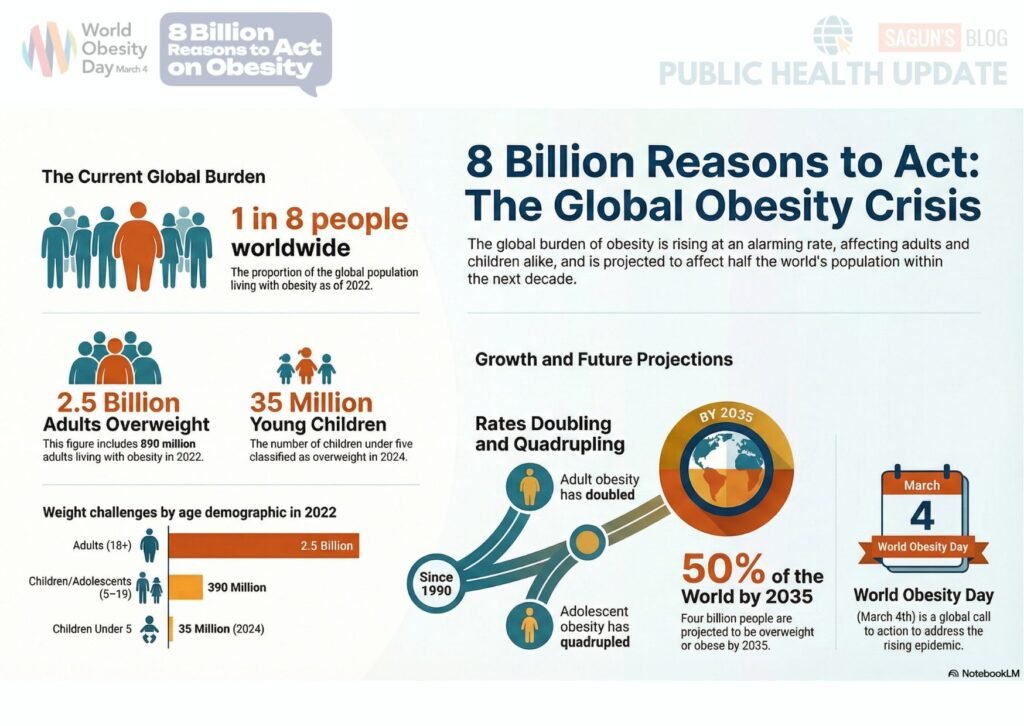
  • World Obesity Day 2026 | 8 Billion Reasons to Act on Obesity
  • Salim Yusuf Emerging Leaders Programme 2026
November 4, 2025 0 comments
0 FacebookTwitterPinterestLinkedinTumblrVKOdnoklassnikiRedditStumbleuponWhatsappTelegramLINEPocketSkypeViberEmail
WHO issues guidance to address drastic global health financing cuts
Global Health NewsHealth Financing and EconomicsPublic HealthPublic Health NewsPublic Health UpdateWorld News

Responding to the health financing emergency: Immediate response and longer-term shifts

by Public Health Update November 3, 2025
written by Public Health Update

Overview

The World Health Organization (WHO) today released new guidance for countries on ways to counter the immediate and long-term effects of sudden and severe cuts to external funding, which are disrupting the delivery of essential health services in many countries.

The new guidance, called “Responding to the health financing emergency: immediate measures and longer-term shifts”, provides a suite of policy options for countries to cope with the sudden financing shocks, and bolster efforts to mobilize and implement sufficient and sustainable financing for national health systems.

Key policy actions for Immediate health financing measures

  • Increase and protect budget allocations to respond to urgent health needs
  • Protect priority population groups and services
  • Accelerate options to enhance domestic sources of funding
  • Address inefficiencies resulting from parallel and uncoordinated funding flows

Rapid analytics to support policy actions

  • Map external funding volume, channels and use as a basis for reprogramming
  • Evaluate fiscal and budgetary context to align with reprioritized funding needs
  • Rapidly review covered services and provider payment systems and methods as a basis for aligning to new financing realities and service delivery models
  • Review PFM rules and processes to identify improvements that maximize budget execution and align existing budget allocations with reprioritized services and functions

Key policy directions for Medium- to longer-term health financing shifts

Fiscal capacity and revenue raising

  • Augment domestic fiscal capacity to ensure sustained reliance on domestic public funding for health
  • Ensure budget prioritization for health within public spending
  • Refine terms and conditions for external funding

PFM, funding flows and accountability

  • Update budget allocation mechanisms and align budget structure to reprioritized service needs
  • Improve expenditure management processes to make health spending more agile and responsive to the needs of service providers
  • Support the incorporation of off-budget external funding flows into domestic PFM processes
  • Enhance expenditure tracking and accountability with the help of digital tools

Pooling arrangements

  • Reduce fragmentation, or mitigate its consequences, through more coherent funding flows across health programmes and coverage schemes
  • Increase resource pooling among separate health coverage schemes to improve system efficiency and equitable resource distribution across different population groups and territories

Strategic purchasing

  • Strengthen provider payment systems
  • Align contracting, benefit design and the governance of purchasing with policy objectives
  • Strengthen purchasing arrangements using digital technologies
  • Regulate and support alignment of the role of private sector providers and private sector capital

Priority setting and benefit design

  • Review and align the benefit package and benefit entitlement to health services
  • Build capacity for and institutionalize evidence-informed priority setting and health technology assessment (HTA) to maintain sectoral efficiency and equity

Supportive analytics and capacity-building

  • Expenditure tracking and analysis
  • Evidenceinformed deliberative priority setting and HTA
  • Fiscal analysis
  • Investment appraisal and evaluation
  • PFM performance review
  • Technical efficiency assessment
  • Strategic purchasing
  • Equity analyses
  • Financial protection
  • Effects of digital technologies on health financing functions

Download: Responding to the health financing emergency: immediate measures and longer-term shifts

WHO
Related posts
  • Guiding Principles for Financing Climate and Health Solutions
    Date
    December 2, 2023
  • MPOX is No longer a Public Health Emergency
    Date
    May 11, 2023
  • High-Performance Health-Financing for UHC: Driving Sustainable, Inclusive Growth in the 21st Century
    Date
    July 6, 2019

  • World Water Day 2026 | Water & Gender Equality
  • Nepal Antimicrobial Resistance (AMR) Bulletin FY 2081/82
  • Call for applications! Short Course on Qualitative Research Methods in Public Health, 2026
  • World Obesity Day 2026 | 8 Billion Reasons to Act on Obesity
  • Salim Yusuf Emerging Leaders Programme 2026
November 3, 2025 0 comments
0 FacebookTwitterPinterestLinkedinTumblrVKOdnoklassnikiRedditStumbleuponWhatsappTelegramLINEPocketSkypeViberEmail
Nepal: Information sheet on climate change, air pollution, and health
Environmental Health & Climate ChangeFact SheetGlobal Health NewsHealth in DataNational Health NewsPublic HealthPublic Health NewsPublic Health Update

Nepal: Information sheet on climate change, air pollution, and health

by Public Health Update November 1, 2025
written by Public Health Update

Overview

The 2025 Report of the Lancet Countdown on Health and Climate Change has been published, revealing that the health impacts of climate change have reached unprecedented and alarming levels. The annual report, produced by a global collaboration of experts, tracks progress on the relationship between climate change and public health.

The report further stresses that the health impacts of climate change and opportunities for climate action must be understood at the country level to protect health, reduce inequities, and maximise associated health co-benefits. Country information sheets developed in collaboration with UNDP, and supported by WHO and GCHA, focus on the health and climate impacts of air pollution and aim to support national policy engagement through key data and insights.

Nepal: Information sheet on climate change, air pollution, and health: Key findings

  • Ambient air pollution from human activities was responsible for more than 35,000 deaths from particulate air pollution (PM2.5) in Nepal in 2021. Of these deaths, 27 percent came from fossil fuel burning, with 12 percent from coal burning alone, and a staggering 47 percent from biomass burning.
  • The estimated economic value of these premature deaths was US$3.5 billion. The World Health Organization (WHO) reports for Sustainable Development Goal Indicator 3.9.1 (Mortality from air pollution) that deaths attributable to ambient air pollution in Nepal represent 21 percent of chronic obstructive pulmonary disease, 19 percent of Ischemic stroke, 27 percent of ischemic heart disease, 31 percent of lower respiratory infections, and 15 percent of lung cancer deaths.
  • Most of these deaths can be prevented by shifting to renewable energy sources that avoid the combustion of fossil fuels and biomass, while reducing GHG emissions.
  • Air pollution from the use of fossil fuels in the transport sector was responsible for 4,300 deaths in 2021, 12 percent of all air pollution-related deaths
  • Nepal has the opportunity to prevent each year over 16,000 deaths caused by exposure to household-derived outdoor air pollution, by promoting the transition to clean renewable energies in the household sector.

Data source: Nepal Information Sheet

Download: NEPAL INFORMATION SHEET

https://lancetcountdown.org/2025-report/

Related posts

  • COP28 UAE Climate and Health Declaration: Putting Health at the Heart of the Climate Agenda
    Date
    December 2, 2023
  • Country Climate and Development Report for Nepal
    Date
    September 16, 2022
  • WHO’s 10 calls for climate action to assure sustained recovery from COVID-19
    Date
    October 12, 2021
  • World Water Day 2026 | Water & Gender Equality
  • Nepal Antimicrobial Resistance (AMR) Bulletin FY 2081/82
  • Call for applications! Short Course on Qualitative Research Methods in Public Health, 2026
  • World Obesity Day 2026 | 8 Billion Reasons to Act on Obesity
  • Salim Yusuf Emerging Leaders Programme 2026
November 1, 2025 0 comments
0 FacebookTwitterPinterestLinkedinTumblrVKOdnoklassnikiRedditStumbleuponWhatsappTelegramLINEPocketSkypeViberEmail
Taking a strategic approach to urban health: a guide for decision-makers
EnvironmentEnvironmental Health & Climate ChangePublic HealthPublic Health NewsPublic Health ProgramsPublic Health UpdateResearch & Publication

Taking a strategic approach to urban health: a guide for decision-makers

by Public Health Update October 31, 2025
written by Public Health Update

Overview

The World Health Organization (WHO) launched a new guide for decision-makers titled Taking a Strategic Approach to Urban Health, offering practical strategies to advance a new phase of urban health action. This guide responds to the growing need for integrated approaches that address health challenges while promoting overall well-being in urban contexts. It represents the first comprehensive framework to support governments in strategically planning urban health, ensuring that evidence effectively informs policy and practice.

The guide was released on World Cities Day. Currently, more than 4.4 billion people—over half of the global population—live in urban settings, and this figure is projected to reach nearly 70% by 2050. Cities are where health, inequality, environmental, and economic factors intersect, creating both significant challenges and opportunities for progress. However, the most serious health burdens are often concentrated in slums and informal settlements, where residents experience unsafe housing, poor sanitation, food insecurity, and increasing exposure to floods and extreme heat. At present, around 1.1 billion people live in such conditions, a number expected to triple by 2050. (WHO)

Purpose and scope of the Guide

This Guide has five objectives:

  • to provide conceptual clarity, defining urban health and its scope
  • to make a compelling case for strategic action
  • to offer broad practical recommendations for those looking to take a strategic approach
  • to suggest a roadmap for implementing this guidance
  • to illustrate strategic action through concrete examples.

The Guide targets public-sector policy-makers and practitioners at national and subnational scales – but its insights are relevant to all urban health stakeholders. Building on prior WHO work, it profiles the political and policy context for urban health, explicitly emphasizes complexity science, highlights enabling frameworks for sectoral action, and proposes unified urban health strategies.

A strategic approach to urban health: Recommendations

The Guide presents three overarching ways that governments can act more strategically for urban health.

1) Recognizing and managing complexity

    • Train urban health practitioners and policy-makers at all levels to understand and manage the impacts of complexity on urban health.
    • Extend monitoring and evaluation processes to capture unanticipated results of urban health policy and practice.
    • Anticipate intended and unintended results using scenario-based modelling.
    • Design decision-making and implementation processes to operate more effectively in the face of complexity.
    • Adopt adaptive governance and build adaptation into interventions, policies and strategies.


    2) Leveraging entry points

    • Build and maintain awareness of the landscape of political, policy and public opinion at city, national and global scales.
    • Document and track local cross-cutting initiatives relevant to urban health at project, programme and policy scales.
    • Prepare for the emergence of entry points by scoping and planning urban health strategy in anticipation of opportunities for implementation.
    • Ensure that entry points are a stepping stone for broader action.

    3) Strengthening the means of implementation
    Governance
    :

    • Establish a whole-of-government political mandate for urban health.
    • Define urban health responsibilities clearly and create accountability.
    • Establish or strengthen coordination mechanisms.

    Financing

    • Expand assessment of the costs and benefits of urban health action.
    • Restructure financial mechanisms to support strategic urban health policy and practice.
    • Increase the scope, resilience and sustainability of urban health financing.

    Human, institutional and systemic capacity

    • Conduct iterative assessment of capacities and capacity needs.
    • Integrate capacity development as a standard component of urban health practice.
    • Account for capacity assets, deficits and needs in designing urban health policy and practice.


    Data generation and management

    • Strengthen urban health data systems by expanding data coverage, types and sources.
    • Adopt best practices for managing urban health data.
    • Adopt a high-value set of urban health indicators.

    Evidence-based decision support

    • Institutionalize evidence-based policy and practice in urban health.
    • Support the application of interdisciplinary and transdisciplinary insights to decisionmaking.
    • Increase local capacity and external links for evidence-based decision-making.
    • Implement a robust monitoring and evaluation system.

    Related: Urban Health Promotion Center Establishment & Operation Guideline 2074

    Innovation

    • Cultivate an innovation ecosystem for urban health.
    • Create dedicated spaces for urban health experimentation.
    • Develop processes to identify and scale up promising novel solutions.

    Partnerships

    • Where appropriate, adopt a partnership model to deliver urban health needs.
    • Foster an environment that encourages collaboration.
    • Provide resources to support effective urban health partnerships.

    Participation

    • Institutionalize participation as a key value and component of public-sector action for urban health.
    • Improve communication around urban health.
    • Encourage nongovernmental actors to participate in urban health.

    Developing comprehensive strategies: The culmination of the strategic approach is a comprehensive strategy that elevates urban health as a societal goal and provides the authorities, mechanisms and resources needed to attain and sustain it.

    Read more: WHO

    Related posts

    • New WHO report to bolster efforts to tackle leading causes of urban deaths
      Date
      October 31, 2019
    • World Cities Day 2020: Better City, Better Life!
      Date
      October 31, 2020
    • Mayors urge local action to strengthen air quality data monitoring
      Date
      December 7, 2023
    • World Water Day 2026 | Water & Gender Equality
    • Nepal Antimicrobial Resistance (AMR) Bulletin FY 2081/82
    • Call for applications! Short Course on Qualitative Research Methods in Public Health, 2026
    • World Obesity Day 2026 | 8 Billion Reasons to Act on Obesity
    • Salim Yusuf Emerging Leaders Programme 2026
    October 31, 2025 0 comments
    0 FacebookTwitterPinterestLinkedinTumblrVKOdnoklassnikiRedditStumbleuponWhatsappTelegramLINEPocketSkypeViberEmail
    Fact SheetHealth in DataNeglected Tropical Diseases (NTDs)Public Health UpdateReportsResearch & Publication

    Global Report on Neglected Tropical Diseases (NTDs) 2025

    by Public Health Update October 28, 2025
    written by Public Health Update

    Overview

    World Health Organization (WHO) releases the third global report tracking progress toward the 2030 targets outlined in Ending the Neglect to Attain the Sustainable Development Goals: A Road Map for Neglected Tropical Diseases 2021–2030. The report highlights a broad spectrum of activities, achievements, and challenges related to neglected tropical diseases (NTDs) across all six WHO regions.

    It presents epidemiological and programmatic data mainly from 2023, collected and analyzed in 2024. Where available, data from 2024 have also been included; in instances where 2023 data were not accessible, earlier information is used. The report further summarizes major developments from 2024 and features key events from the early months of 2025.

    Progress update

    • In 2023, an estimated 1.495 billion people required interventions against NTDs, 122 million fewer than in 2022 and a 32% decrease from the 2010 baseline.
    • Between 2015 and 2021, the disease burden dropped from 17.2 million to 14.1 million DALYs, while NTD-related deaths decreased from an estimated 139 000 to 119 000. The number of people affected by NTDs declined from 1.9 billion in 1990 to just over 1 billion in 2021.
    • In 2023, 867.1 million people were treated for at least one NTD, 99% of whom received preventive chemotherapy. 
    • By the end of 2024, eight countries (Argentina, Brazil, Chile, Colombia, Paraguay, Peru, Plurinational State of Bolivia and Uruguay) had interrupted domiciliary vector transmission of Chagas disease in their entire national territory or in defined areas.
    • Improvements were observed across several cross-cutting areas, including enhanced integration in the implementation of preventive chemotherapy, the broader adoption of integrated strategies for skin-NTDs, the increased inclusion of NTDs in national health strategies, plans and essential service packages, and the wider adoption of guidelines for management of NTD-related disabilities.
    • Nevertheless, progress slowed or stagnated in several key areas: in reducing deaths from vector-borne diseases, in expanding access to water, sanitation and hygiene (WASH), in protecting population from catastrophic out-of-pocket expenditures, in ensuring complete reporting on all NTDs and in collecting gender-disaggregated data.

    Read more: Global Report on Neglected Tropical Diseases (NTDs) 2025

    WHO
    • World NTD Day
    • World NTD Day: A new day in the fight against NTDs
    • World NTD Day 2023: Act Now. Act together. Invest in NTDs Day
    • World Neglected Tropical Diseases (NTD) Day: Beat NTDs: For Good. For All.

    Related posts

    • World Neglected Tropical Diseases (NTDs) Day 2025: Unite. Act. Eliminate.
      Date
      January 29, 2025
    • World NTD Day 2023: Act Now. Act together. Invest in NTDs Day
      Date
      January 28, 2023
    • World NTDs Day: Act Now. Act Together. Invest in Neglected Tropical Diseases
      Date
      February 1, 2023
    October 28, 2025 0 comments
    0 FacebookTwitterPinterestLinkedinTumblrVKOdnoklassnikiRedditStumbleuponWhatsappTelegramLINEPocketSkypeViberEmail
    Monitoring progress on UHC and the health-related SDGs in the South-East Asia Region: 2025 update
    Global Health NewsHealth in DataPublic Health UpdateSustainable Development Goals (SDGs)Universal Health Coverage

    Monitoring progress on UHC and the health-related SDGs in the South-East Asia Region: 2025 update

    by Public Health Update October 18, 2025
    written by Public Health Update

    Overview

    The World Health Organization South-East Asia Regional Office (WHO SEARO) has released its tenth annual report, Monitoring Progress on Universal Health Coverage and the Health-Related Sustainable Development Goals in the South-East Asia Region – 2025 Update. The report offers an in-depth analysis of regional and country-level progress on health-related SDG indicators, along with five additional indicators from WHO’s Thirteenth General Programme of Work (GPW13).

    Covering all 10 Member States, the report compares achievements against global targets using the latest available data. It highlights areas of significant advancement as well as critical gaps that demand accelerated action to achieve Universal Health Coverage (UHC) and the health-related SDGs by 2030.

    This year’s thematic focus is “Progress on the decade for strengthening the role of the health sector for improving civil registration and vital statistics (CRVS) in the South-East Asia Region (2015–2024)”. The report details how countries have enhanced the completeness of birth and death registration, improved cause-of-death reporting, and reinforced health sector linkages with CRVS systems through the Regional Action Framework on CRVS in Asia and the Pacific.

    A notable feature of the 2025 report is the enhanced set of country profiles, offering evidence-based insights on UHC, SDG progress, and CRVS system development. These profiles serve as valuable tools for policymakers, helping Member States track outcomes, identify persistent challenges, and prioritize actions to accelerate progress toward the 2030 Agenda.

    — WHO South-East Asia Regional Office (SEARO)

    Download: Monitoring progress on UHC and the health-related SDGs in the South-East Asia Region: 2025 update

    • 2019 Monitoring Report: Primary Health Care on the Road to Universal Health Coverage
    • Monitoring health for the SDGs
    • Air Quality Monitoring Stations in Nepal

    Related posts

    • International Universal Health Coverage Day 2023: Health for All – Now More than Ever
      Date
      December 11, 2023
    • Quality primary care key to advancing universal health coverage: WHO
      Date
      April 6, 2019
    • WHO South-East Asia Region commits to prioritizing and investing more in primary health care
      Date
      November 5, 2023

    Do you have a website? Looking for the best hosting provider? Here’s a discount code.

    Latest Public Health Jobs

    Latest Posts

    • World Water Day 2026 | Water & Gender Equality
    • Nepal Antimicrobial Resistance (AMR) Bulletin FY 2081/82
    • Call for applications! Short Course on Qualitative Research Methods in Public Health, 2026
    • World Obesity Day 2026 | 8 Billion Reasons to Act on Obesity
    • Salim Yusuf Emerging Leaders Programme 2026

    Thanks for visiting us.
    Disclaimer: The resources, documents, guidelines, and information on this blog have been collected from various sources and are intended for informational purposes only. Information published on or through this website and affiliated social media channels does not represent the intention, plan, or strategies of an organization that the initiator is associated with in a professional or personal capacity, unless explicitly indicated.
    If you have any complaints, information, or suggestions about the content published on Public Health Update, please feel free to contact us at blog.publichealthupdate@gmail.com.
    #StayUpdated


    • WordPress
    • Link
    • Facebook
    • Mail
    • Facebook
    • Twitter
    • Twitter
    • LinkedIn
    • Instagram
    • Facebook
    October 18, 2025 0 comments
    0 FacebookTwitterPinterestLinkedinTumblrVKOdnoklassnikiRedditStumbleuponWhatsappTelegramLINEPocketSkypeViberEmail
    Resolutions and Decisions of the WHO South-East Asia Regional Committee
    Global Health NewsPublic HealthPublic Health NewsPublic Health UpdateWorld News

    Resolutions and Decisions of the WHO South-East Asia Regional Committee

    by Public Health Update October 15, 2025
    written by Public Health Update

    The Seventy-eighth session of the WHO South-East Asia Regional Committee concluded with Member States deliberating on and adopting resolutions and decisions addressing key public health challenges to accelerate health for all.

    The following decisions and resolutions were adopted:

    1. The Colombo Declaration on Healthy Ageing through Strengthened Primary Health Care – Adopted at a ministerial roundtable, this declaration aims to promote the health and well-being of the ageing population, which is expected to double in the Region by 2050.
    2. Strengthening National Health Sector and AMR Response – Member States adopted a resolution to enhance national health sector and multisectoral collaboration, ownership, and oversight of the Antimicrobial Resistance (AMR) response at the highest levels of government, along with other key initiatives to combat AMR.
    3. Emergency Preparedness, Response, and Recovery – A resolution was adopted to strengthen multisectoral coordination and collaboration for emergency preparedness, response, and recovery, ensuring alignment of national efforts with regional and global frameworks. Member States agreed to prioritize investments in preparedness, resilience, and timely emergency medical care through initiatives such as Emergency Medical Teams.
    4. South-East Asia Regional Health Emergency Fund (SEARHEF 2.0) – The Regional Committee agreed on updated policies and business rules for SEARHEF 2.0 for the 2026–2027 biennium. Member States were urged to consider contributing to and advocating for resource mobilization to ensure the fund’s sustainability, including engaging partners and donors.
    5. Combatting Smokeless Tobacco, Novel Nicotine Products, and Areca Nut – Member States endorsed the Regional Strategic Framework, which focuses on strengthening national legislation, regulatory frameworks, and enforcement mechanisms. This includes comprehensive bans on manufacture, sale, advertising, promotion, and sponsorship of these products. The framework emphasizes policies to restrict availability, integrate cessation and counselling services, enhance surveillance, and strengthen multisectoral coordination across health, education, finance, customs, trade, law enforcement, youth, and communication sectors to ensure coherent national implementation.
    6. Health and Climate Action – Member States agreed to put health at the heart of climate action by utilizing evidence-informed tools tailored to local contexts to identify and address vulnerabilities, ensuring equitable access to quality health services, particularly for the most vulnerable populations.
    7. Migrant-Sensitive Health Approaches – Member States agreed to integrate migrant-sensitive approaches, as appropriate, within Universal Health Coverage policies and health system strengthening to ensure equitable access to quality health services without financial hardship for migrants, in consultation with relevant stakeholders.
    8. Civil Registration and Vital Statistics (CRVS) Systems – #RC78 adopted a resolution recognizing the critical role of CRVS systems in advancing universal health coverage and evidence-based governance.
    9. Health Humanities in Education – Member States agreed to introduce health humanities into health professional education, training, and health service delivery.
    10. Health-Promoting Schools – #RC78 adopted a resolution for the implementation of global standards and the regional roadmap on health-promoting schools in the South-East Asia Region.
    11. SEAHEARTS Initiative – The Regional Committee decided to extend and expand, until 2030, the regional milestones of SEAHEARTS, an initiative aimed at reducing the cardiovascular disease burden in the Region.
    12. Public health achievements: At a side event to recognize public health achievements in the Region, WHO Director-General Dr Tedros Adhanom Ghebreyesus and Officer-In-Charge for WHO South-East Asia, Dr Catharina Boehme, felicitated Maldives for achieving Triple Elimination of mother-to-child transmission of Hepatitis B, HIV and Syphilis, the first country to achieve this feat globally.  Nepal was recognized by eliminating rubella and Timor-Leste for malaria elimination.
    13. Public Health Champions Awards: Dr Boehme felicitated winners of Public Health Champions Awards – the Female Community Health Volunteers (FCHVs) programme of Nepal for its transformative role; the LEPRA Society for its exceptional contribution in the area of Neglected Tropical Diseases and disability and Dr Satendra Singh, Director-Professor of Physiology from Delhi, or championing disability Inclusion in health systems and medical education.
    14. Regional Youth Council: On the eve of the governing body meeting, the Ministry of Health, Sri Lanka, and WHO South-East Asia launched the Regional Youth Council, to make youth engagement in health and well-being both tangible and meaningful.

    Read more: WHOSEARO


    Related posts

    • WHO South-East Asia Region sets new target for measles and rubella elimination
      Date
      October 10, 2024
    • WHO South-East Asia Region commits to universal access to people-centered mental health care and services
      Date
      September 6, 2022
    • Delhi Declaration on Emergency Preparedness in the South-East Asia Region
      Date
      October 13, 2019
    • World Water Day 2026 | Water & Gender Equality
    • Nepal Antimicrobial Resistance (AMR) Bulletin FY 2081/82
    • Call for applications! Short Course on Qualitative Research Methods in Public Health, 2026
    • World Obesity Day 2026 | 8 Billion Reasons to Act on Obesity
    • Salim Yusuf Emerging Leaders Programme 2026
    October 15, 2025 0 comments
    0 FacebookTwitterPinterestLinkedinTumblrVKOdnoklassnikiRedditStumbleuponWhatsappTelegramLINEPocketSkypeViberEmail
    Guidelines on Hand Hygiene in Community Settings
    Environmental Health & Climate ChangeGlobal Health NewsNeglected Tropical Diseases (NTDs)Research & Publication

    Guidelines on Hand Hygiene in Community Settings

    by Public Health Update October 15, 2025
    written by Public Health Update

    Overview

    On Global Handwashing Day, WHO and UNICEF have released the first-ever global Guidelines on Hand Hygiene in Community Settings to support governments and practitioners in promoting effective hand hygiene outside health care – across households, public spaces and institutions.These Guidelines are concerned with the practice of hand hygiene to protect community health outcomes, in particular, the reduction of diarrhoeal diseases and acute respiratory infections. The focus is on hand hygiene in non-health care settings, collectively referred to as community settings. Community settings are defined as those where health care is not routinely delivered. They include three broad domains: domestic (households), public and institutional settings (WHO).

    Facts

    • Hand hygiene is one of the simplest yet most powerful tools in our public health arsenal.
    • Hand hygiene remains one of the most cost-effective health investments, reducing diarrhoea by 30% and acute respiratory infections by 17%, with large, measurable gains for population health.
    • Around 1.7 billion people still lack basic hygiene services. Of these, 611 million people have no handwashing facilities at all–neither soap nor water are available at home.

    Guideline recommendations

    • Hand hygiene in community settings is an important public health measure; governments should promote it by removing barriers and enabling sustained behaviour change. This includes clear roles, financing and monitoring at national and local levels, consistent with international health obligations.
    • Hand hygiene should be practiced using plain soap and water long enough to fully cover and rub both hands; when hands are not visibly dirty, alcohol-based hand rub (≥60% alcohol) is an effective alternative.

    Five key times are emphasized

    1. Before preparing food
    2. Before eating or feeding/breastfeeding others;
    3. After using the toilet or handling faeces;
    4. After coughing/sneezing/nose-blowing; and
    5. When hands are visibly dirty.

    Core requirements include:

    • Minimum materials on premises – reliable water plus soap or alcohol-based hand rub (ABHR) – with safe grey water disposal;
    • Clear information on why, when, how and where to clean hands; and
    • A conducive physical and social environment so facilities are convenient, accessible and easy to use, and norms support regular practice.

    Seven cross-cutting principles for implementation

    The Guidelines also set out seven cross-cutting principles for implementation:

    • Prioritize meeting minimum material needs
    • Understand drivers/barriers to behaviour
    • Engage communities
    • Ensure gender responsiveness
    • Commit to progressive improvement
    • Strengthen systems; and
    • Monitor, evaluate and improve.

    Download: Guidelines on Hand Hygiene in Community Settings

    who
    • World Water Day 2026 | Water & Gender Equality
    • Nepal Antimicrobial Resistance (AMR) Bulletin FY 2081/82
    • Call for applications! Short Course on Qualitative Research Methods in Public Health, 2026
    • World Obesity Day 2026 | 8 Billion Reasons to Act on Obesity
    • Salim Yusuf Emerging Leaders Programme 2026
    Related posts
    • SAVE LIVES: Clean Your Hands 5 May 2016
      Date
      May 7, 2016
    • World Hand Hygiene Day 2025: It might be gloves. It’s always hand hygiene.
      Date
      May 5, 2025
    • World Hand Hygiene Day 2022: Unite for safety: clean your hands
      Date
      May 5, 2022
    October 15, 2025 0 comments
    0 FacebookTwitterPinterestLinkedinTumblrVKOdnoklassnikiRedditStumbleuponWhatsappTelegramLINEPocketSkypeViberEmail
    Global Antibiotic Resistance Surveillance Report 2025
    Antimicrobial Resistance (AMR)Fact SheetGlobal Health NewsPublic HealthPublic Health UpdateReports

    Global Antibiotic Resistance Surveillance Report 2025

    by Public Health Update October 13, 2025
    written by Public Health Update

    Overview

    The World Health Organization (WHO) has released a new report, the Global Antibiotic Resistance Surveillance Report 2025. Report reveals that one in six laboratory-confirmed bacterial infections causing common infections in people worldwide in 2023 were resistant to antibiotic treatments. Between 2018 and 2023, antibiotic resistance rose in over 40% of the pathogen-antibiotic combinations monitored, with an average annual increase of 5–15%.  Data reported to the WHO Global Antimicrobial Resistance and Use Surveillance System (GLASS) from over 100 countries cautions that increasing resistance to essential antibiotics poses a growing threat to global health. 

    The new report presents, for the first time, resistance prevalence estimates across 22 antibiotics used to treat infections of the urinary and gastrointestinal tracts, the bloodstream and those used to treat gonorrhoea. The report covers 8 common bacterial pathogens – Acinetobacter spp., Escherichia coli, Klebsiella pneumoniae, Neisseria gonorrhoeae, non-typhoidal Salmonella spp., Shigella spp., Staphylococcus aureus and Streptococcus pneumoniae – each linked to one or more of these infections.

    Key findings

    • Country participation in GLASS has increased four-fold since 2016, but regional gaps persist: Since 2016, 110 countries, including three territories and areas, have submitted AMR data to GLASS. In 2023, 104 countries reported data, an increase of over 300% compared to the 25 countries that reported in 2016, the first year of data collection.
    • Global resistance is extensive, with wide regional variations: In 2023, approximately one in six laboratory-confirmed bacterial infections worldwide were caused by bacteria resistant to antibiotics. Median resistance was most common in urinary tract infections (approximately 1 in 3) and bloodstream infections (1 in 6) and less so in gastrointestinal (1 in 15) and urogenital gonorrhoeal infections (1 in 125). Resistance was most frequent in the South-East Asia and Eastern Mediterranean regions (almost 1 in 3 infections), followed by the African Region (1 in 5), all above the global median (Fig. 2). Resistance was less frequent in the European Region (1 in 10) and least frequent in the Western Pacific Region (1 in 11), indicating wide regional disparity.
    • Trends in AMR indicate an increasing threat from Gram-negative bacterial pathogens: AMR has increased in 40% of the pathogenantibiotic combinations monitored for global temporal trends between 2018 and 2023, with annual relative increases ranging from 5% to 15%, depending on the combination.
    • Settings with lower AMR surveillance coverage report higher levels of AMR: The frequency of AMR is highest in countries with low surveillance coverage. In fact, there is a strong inverse correlation between a country’s AMR surveillance coverage and its reported median AMR.
    • Antibiotic resistance disproportionately affects LMICs and fragile health systems, forming a syndemic: Socioeconomic factors and the strength of health systems are key determinants of the AMR burden, with the frequency of AMR increasing when health systems are weaker. In fact, there was a strong inverse correlation between the universal health coverage (UHC) service coverage index.

    Priorities for action

    • Countries should overcome structural and operational barriers to data collection, improve the coverage and representativeness of their national AMR surveillance system, use the data for decision-making, and ensure timely sharing of national AMR data to GLASS by 2030, in line with the commitments made in the 2024 United Nations General Assembly political declaration on AMR.
    • Countries should implement integrated intervention packages that include infection prevention and control, water, sanitation and hygiene, vaccination, antimicrobial stewardship, and strengthening of laboratory services aligned with WHO’s people-centred approach.
    • Countries must improve their capacity to conduct AMR surveillance, including enhancing representativeness and strengthening laboratories and data systems.
    • Countries should reduce use of AWaRe “Watch” antibiotics and increase use of “Access” antibiotics to at least 70% by 2030, to meet the target set in the 2024 political declaration on AMR. At the same time, they should also organize the next recourse to treatment by extending access – while ensuring prudent use, of “Reserve” antibiotics in settings with documented multidrug resistance.
    • Countries should address AMR through broader strategies that strengthen health systems, enhance resilience, and expand social protection, such as UHC and multisectoral initiatives, with equity and access at the core.

    Download: Global antibiotic resistance surveillance report 2025

    Download: Summary report

    Related reports

    • Antibiotics: Handle with care – World Antibiotic Awareness Week 2016 (14-20 November 2016)
      Date
      November 14, 2016
    • High levels of antibiotic resistance found worldwide, new data shows
      Date
      January 29, 2018
    • Think Twice. Seek Advice: World Antibiotic Awareness Week, 13-19 November 2017
      Date
      November 13, 2017

    • World Water Day 2026 | Water & Gender Equality
    • Nepal Antimicrobial Resistance (AMR) Bulletin FY 2081/82
    • Call for applications! Short Course on Qualitative Research Methods in Public Health, 2026
    • World Obesity Day 2026 | 8 Billion Reasons to Act on Obesity
    • Salim Yusuf Emerging Leaders Programme 2026
    October 13, 2025 0 comments
    0 FacebookTwitterPinterestLinkedinTumblrVKOdnoklassnikiRedditStumbleuponWhatsappTelegramLINEPocketSkypeViberEmail
    Newer Posts
    Older Posts

    Search

    Follow Us

    Facebook Twitter Instagram Pinterest Linkedin Youtube

    Categories

    • Abstracts (25)
    • Activities (91)
    • Adolescent Sexual and Reproductive Health (ASRH) (25)
    • Advice & Tips (3)
    • African Region (5)
    • AI and Health (1)
    • Annual Meeting (6)
    • Antimicrobial Resistance (AMR) (21)
    • Award (19)
    • Awards (16)
    • Books (9)
    • Call for Proposal, EOI & RFP (103)
    • Call for Research Participants (8)
    • Clinical Doctor Jobs (6)
    • Communicable Diseases (107)
    • Competition (20)
    • Conference (128)
    • Consultant (1)
    • Courses (205)
    • Dashboard (2)
    • Digital Health & Health Informatics (10)
    • Drug and Medicine (18)
    • Eastern Mediterranean Region (3)
    • Education (15)
    • Environment (3)
    • Environmental Health & Climate Change (47)
    • European Region (42)
    • Exchange Program (1)
    • Fact Sheet (117)
    • FCHVs (1)
    • Fellowships, Studentship & Scholarships (168)
    • Financial Aid (13)
    • Form Formats (2)
    • Fully funded (22)
    • Global Health News (433)
    • Grants and Funding Opportunities (193)
    • Guest Post (44)
    • Health Assistant Jobs (1)
    • Health Equity (7)
    • Health Financing and Economics (24)
    • Health in Data (115)
    • Health Insurance (5)
    • Health Jobs (52)
    • Health Literacy, Health Education & Promotion (49)
    • Health Organization Profile (42)
    • Health Systems (83)
    • Human Resource for Health (33)
    • Humanitarian Health & Emergency Response (44)
    • Hypertension (5)
    • Implementation Research (48)
    • International Health (3)
    • International Jobs & Opportunities (373)
    • International Plan, Policy & Guidelines (210)
    • Internships (4)
    • Jobs Vacancies (56)
    • Journals (8)
    • Life Style & Public Health Nutrition (39)
    • Live (10)
    • Master's Degree (48)
    • Maternal, Newborn and Child Health (88)
    • Mentorship Program (2)
    • Miscellaneous (16)
    • National Health News (157)
    • National Plan, Policy & Guidelines (468)
    • Neglected Tropical Diseases (NTDs) (51)
    • Non- Communicable Diseases (NCDs) (120)
    • Notice (103)
    • Nursing Jobs (6)
    • Nutritionist Jobs (1)
    • One Health (17)
    • Online & Distance Learning (22)
    • Online Courses (90)
    • Op-Ed Article (3)
    • Opportunities by Region (83)
    • Outbreak News (213)
    • Partially funded (6)
    • PCL Health Science Jobs (3)
    • PH Important Day (533)
    • Pharmacist Jobs (3)
    • PhD (54)
    • Photos (5)
    • Planetary Health (4)
    • PostDoc (14)
    • Presentation Slides (26)
    • Primary Health Care (25)
    • Provincial Plan, Policies and Guidelines (14)
    • Public Health (1,281)
    • Public Health Epidemiology & Biostatistics (13)
    • Public Health Events (306)
    • Public Health Information (20)
    • Public Health Innovation (9)
    • Public Health Jobs (52)
    • Public Health News (552)
    • Public Health Notes (120)
    • Public Health Opportunities (507)
    • Public Health Opportunity (491)
    • Public Health Programs (108)
    • Public Health Seminar (2)
    • Public Health Tools (1)
    • Public Health Update (561)
    • Quality Improvement & Infection Prevention (20)
    • Region of America (8)
    • Reports (184)
    • Research & Project Grants (39)
    • Research & Project Grants (32)
    • Research & Publication (647)
    • Research Articles (10)
    • Road Traffic Accidents (RTA) (9)
    • School of Public Health (60)
    • Self funded (2)
    • South-East Asia Region (26)
    • Success Stories (17)
    • Summer and Winter Courses (40)
    • Summer Courses (28)
    • Sustainable Development Goals (SDGs) (14)
    • Syllabus (61)
    • Symposium (9)
    • Tobacco Control (35)
    • Training (40)
    • Travel Grants (15)
    • Trick, Technique & Skills (8)
    • Uncategorized (3)
    • Undergraduate Degree (7)
    • Universal Health Coverage (36)
    • Universities (29)
    • Universities & School of Public Health (58)
    • Vacancy Announcement (26)
    • Vaccine Preventable Diseases (40)
    • Vector-Borne Diseases(VBDs) (30)
    • Videos (3)
    • View Points (1)
    • Webinar (4)
    • Western Pacific Region (13)
    • Workshop (18)
    • World News (116)
    Post New Jobs: Vacancy Announcement Service
    Post New Jobs: Vacancy Announcement Service

    Public Health Update (Sagun’s Blog) is a popular public health portal in Nepal. Thousands of health professionals are connected with Public Health Update to get up-to-date public health updates, search for jobs, and explore opportunities.
    #1 Public Health Blog for sharing Job opportunities and updates in Nepal

    ”Public Health Information For All”
    – – Sagun Paudel, Founder

    • HOT JOBS
      • Public Health Jobs
      • Medical Doctor Jobs
      • Nursing Jobs
      • Health Assistant Jobs
      • Pharmacist Jobs
      • NGOs Jobs
      • Government Jobs
    • Top Categories
      • National Plan, Policy & Guidelines Top
      • Public Health Calendar
      • Fellowships & Scholarships
      • Health Systems
      • Health Organization Profiles
      • International Jobs & Opportunities
      • Public Health Opportunity

    PUBLIC HEALTH INITIATIVE

      • Submit your Vacancies New
      • Partnership Opportunities

    Contact: blog.publichealthupdate@gmail.com

    https://wa.me/+9779856036932

    Public Health Initiative, A Registered Non-profit organization – All Right Reserved. 2011-2024. Contact us. 

    Facebook Twitter Instagram Youtube Envelope
    Public Health Update
    • Home
    • Public Health
      • Home 1
        • Adolescent Sexual and Reproductive Health (ASRH)
        • Antimicrobial Resistance (AMR)
        • Communicable Diseases
        • Digital Health & Health Informatics
        • Environmental Health & Climate Change
        • Health Financing and Economics
        • Health Equity
      • Home 2
        • Health Literacy, Health Education & Promotion
        • Human Resource for Health
        • Humanitarian Health & Emergency Response
        • Implementation Research
        • International Health
        • Life Style & Public Health Nutrition
        • Maternal, Newborn and Child Health
      • Home 3
        • Neglected Tropical Diseases (NTDs)
        • Non- Communicable Diseases (NCDs)
        • One Health
        • Planetary Health
        • Public Health Epidemiology & Biostatistics
        • Primary Health Care
        • Quality Improvement & Infection Prevention
      • Home 4
        • Road Traffic Accidents (RTA)
        • Sustainable Development Goals (SDGs)
        • Tobacco Control
        • Universal Health Coverage
        • Vaccine Preventable Diseases
        • Vector-Borne Diseases(VBDs)
        • Notices
    • Public Health Update
      • Home 1
        • Public Health News
        • Global Health News
        • Outbreak News
        • National Health News
        • COVID-19
      • Home 2
        • Fact Sheet
        • Health in Data
        • PH Important Day
        • Public Health Events
        • Public Health Programs
      • Home 3
        • Health Systems
        • Health Insurance
        • Health Organization Profile
        • Success Stories
        • Public Health Innovation
    • Public Health Opportunities
      • Fully funded
      • Travel Grants
      • Grants and Funding Opportunities
      • Opportunities by Region
      • International Jobs & Opportunities
      • Research & Project Grants
      • Fellowships, Studentship & Scholarships
      • Conference
    • Jobs
      • Home 1
        • Health Jobs
        • Public Health Jobs
        • Clinical doctor Jobs
        • Health Assistant Jobs
        • Nursing Jobs
        • PCL Health Science Jobs
      • Home 2
        • Dental Jobs
        • Pharmacist Jobs
        • TSLC (Health Jobs)
        • Laboratory Jobs
        • Nutritionist Jobs
    • Downloads
      • International Plan, Policy & Guidelines
      • National Plan, Policy & Guidelines
      • Reports
      • Books
      • Research Articles
    • School of Public Health
      • Home 1
        • Courses
        • Master’s Degree
        • Undergraduate Degree
        • PhD
      • Home 2
        • Universities
        • Syllabus
        • Public Health Notes
        • Mentorship Program
        • Startup Project
      • Home
        • Summer and Winter Courses
        • Summer Courses
        • Online Courses
        • Workshop
        • Training
    Public Health Update
    • Home
    • Public Health
      • Home 1
        • Adolescent Sexual and Reproductive Health (ASRH)
        • Antimicrobial Resistance (AMR)
        • Communicable Diseases
        • Digital Health & Health Informatics
        • Environmental Health & Climate Change
        • Health Financing and Economics
        • Health Equity
      • Home 2
        • Health Literacy, Health Education & Promotion
        • Human Resource for Health
        • Humanitarian Health & Emergency Response
        • Implementation Research
        • International Health
        • Life Style & Public Health Nutrition
        • Maternal, Newborn and Child Health
      • Home 3
        • Neglected Tropical Diseases (NTDs)
        • Non- Communicable Diseases (NCDs)
        • One Health
        • Planetary Health
        • Public Health Epidemiology & Biostatistics
        • Primary Health Care
        • Quality Improvement & Infection Prevention
      • Home 4
        • Road Traffic Accidents (RTA)
        • Sustainable Development Goals (SDGs)
        • Tobacco Control
        • Universal Health Coverage
        • Vaccine Preventable Diseases
        • Vector-Borne Diseases(VBDs)
        • Notices
    • Public Health Update
      • Home 1
        • Public Health News
        • Global Health News
        • Outbreak News
        • National Health News
        • COVID-19
      • Home 2
        • Fact Sheet
        • Health in Data
        • PH Important Day
        • Public Health Events
        • Public Health Programs
      • Home 3
        • Health Systems
        • Health Insurance
        • Health Organization Profile
        • Success Stories
        • Public Health Innovation
    • Public Health Opportunities
      • Fully funded
      • Travel Grants
      • Grants and Funding Opportunities
      • Opportunities by Region
      • International Jobs & Opportunities
      • Research & Project Grants
      • Fellowships, Studentship & Scholarships
      • Conference
    • Jobs
      • Home 1
        • Health Jobs
        • Public Health Jobs
        • Clinical doctor Jobs
        • Health Assistant Jobs
        • Nursing Jobs
        • PCL Health Science Jobs
      • Home 2
        • Dental Jobs
        • Pharmacist Jobs
        • TSLC (Health Jobs)
        • Laboratory Jobs
        • Nutritionist Jobs
    • Downloads
      • International Plan, Policy & Guidelines
      • National Plan, Policy & Guidelines
      • Reports
      • Books
      • Research Articles
    • School of Public Health
      • Home 1
        • Courses
        • Master’s Degree
        • Undergraduate Degree
        • PhD
      • Home 2
        • Universities
        • Syllabus
        • Public Health Notes
        • Mentorship Program
        • Startup Project
      • Home
        • Summer and Winter Courses
        • Summer Courses
        • Online Courses
        • Workshop
        • Training
    Public Health Initiative, A Registered Non-profit organization – All Right Reserved. 2011-2023