Public Health Update
  • Home
  • Public Health Update
  • Nepal Health Jobs
    • Public Health Job Board
    • Organization List
  • Opportunities
    • Fellowships, Studentship & Scholarships
    • Grants and Funding Opportunities
    • Fully funded
    • Conference
  • Downloads
    • International Plan, Policy & Guidelines
    • National Plan, Policy & Guidelines
    • Reports
    • Public Health Notes
    • Syllabus
    • Form Formats
  • School of Public Health
    • PhD
    • Master’s Degree
    • Online Courses
  • Notice
  • Home
  • Public Health Update
  • Nepal Health Jobs
    • Public Health Job Board
    • Organization List
  • Opportunities
    • Fellowships, Studentship & Scholarships
    • Grants and Funding Opportunities
    • Fully funded
    • Conference
  • Downloads
    • International Plan, Policy & Guidelines
    • National Plan, Policy & Guidelines
    • Reports
    • Public Health Notes
    • Syllabus
    • Form Formats
  • School of Public Health
    • PhD
    • Master’s Degree
    • Online Courses
  • Notice
LOGIN / REGISTER
Public Health Update
SUBSCRIBE
Public Health Update
  • Home
  • Public Health Update
  • Nepal Health Jobs
    • Public Health Job Board
    • Organization List
  • Opportunities
    • Fellowships, Studentship & Scholarships
    • Grants and Funding Opportunities
    • Fully funded
    • Conference
  • Downloads
    • International Plan, Policy & Guidelines
    • National Plan, Policy & Guidelines
    • Reports
    • Public Health Notes
    • Syllabus
    • Form Formats
  • School of Public Health
    • PhD
    • Master’s Degree
    • Online Courses
  • Notice

All Right Reserved. Designed and Developed by PenciDesign

World Malaria Day 2021: Reaching the zero malaria target
PH Important DayActivitiesPublic Health EventsPublic Health News

World Malaria Day 2021: Reaching the zero malaria target

by Public Health Update April 17, 2021
written by Public Health Update

25th April is celebrated as World Malaria Day. The World Malaria Day is an occasion to highlight the need for continued investment and sustained political commitment for malaria prevention and control. World Malaria Day was instituted by WHO Member States during the World Health Assembly of 2007.

World Malaria Day 2021

This year, WHO and partners will mark World Malaria Day by celebrating the achievements of countries that are approaching – and achieving – malaria elimination.

They provide inspiration for all nations that are working to stamp out this deadly disease and improve the health and livelihoods of their populations.

Key messages

  • ACCELERATING WITH URGENCY: In the face of COVID, we must do more to protect everyone at risk of malaria. We can’t focus on beating COVID at the expense of accelerating progress against malaria, a preventable and treatable disease.
  • REALIZING SUCCESS IN ELIMINATION: Malaria elimination is possible and critical to fighting current and future diseases.
  • SECURING GLOBAL HEALTH: Ending endemic diseases like malaria is the pathway to beating pandemics like COVID. Further investments in ending malaria reduces the burden on health systems and increases capacity to prevent, detect and respond to pandemics.
  • ENGAGING YOUTH: Today’s youth are the generation that will end malaria.

World Malaria Report

Call to action

This World Malaria Day, we must protect and accelerate gains against malaria and leverage malaria investments to fight COVID and emerging disease by:

  • Surging investments in malaria programmes and building on the effective community health systems established for the malaria fight.
  • Continuing to invest in collaboration and innovations including in real-time data and scaling up delivery of proven interventions and the research & development of new interventions that help us stay ahead of the parasite and mosquito.
  • Promoting and facilitating safe and timely treatment of fever and increasing PPE supply for health workers.
  • Empowering the next generation to hold leaders accountable for stepped up action to end malaria, a preventable and treatable disease that steals futures and kills a child every two minutes.

Source of info: WHO & End Malaria.ORG

Related readings

  • National Malaria Treatment Protocol 2019, Nepal – EDCD
  • National Malaria Surveillance Guidelines 2019, Nepal
  • Epidemiological Trend of Malaria in Nepal (2012/13-2017/18)
  • El Salvador certified as malaria-free by WHO
  • WHO Guidelines for Malaria (Consolidated Guidelines for Malaria)
  • Malaria Risk Areas Micro-stratification 2020
  • World Malaria Report 2020
  • Tailoring malaria interventions in the COVID-19 response
  • World Malaria Day 2020: “Zero malaria starts with me”
  • WHO urges countries to ensure the continuity of malaria services in the context of the COVID-19 pandemic
  • World Health Organization’s World malaria report 2019
  • Malaria eradication within a generation: ambitious, achievable, and necessary
  • Algeria and Argentina certified malaria-free by WHO
  • Malaria vaccine pilot launched in Malawi
  • Malaria Micro Stratification Report 2018
  • The World Malaria Report 2018


Do you have a website? Looking for the best hosting provider? Here’s a discount code.

Latest Public Health Jobs

Latest Posts

  • International Wellness Day: Promoting Global Wellness for All
  • Summit Declaration: The 12th National Summit of Health and Population Scientists in Nepal
  • Joint political declaration on the reform of the global health architecture
  • World Health Day 2026: Together for Health. Stand with Science.
  • World Water Day 2026 | Water & Gender Equality

Thanks for visiting us.
Disclaimer: The resources, documents, guidelines, and information on this blog have been collected from various sources and are intended for informational purposes only. Information published on or through this website and affiliated social media channels does not represent the intention, plan, or strategies of an organization that the initiator is associated with in a professional or personal capacity, unless explicitly indicated.
If you have any complaints, information, or suggestions about the content published on Public Health Update, please feel free to contact us at blog.publichealthupdate@gmail.com.
#StayUpdated

  • WordPress
  • Link
  • Facebook
  • Mail
  • Facebook
  • Twitter
  • Twitter
  • LinkedIn
  • Instagram
  • Facebook
April 17, 2021 0 comments
0 FacebookTwitterPinterestLinkedinTumblrVKOdnoklassnikiRedditStumbleuponWhatsappTelegramLINEPocketSkypeViberEmail
World Immunization Week 2021 - Vaccines bring us closer
Public Health UpdateGlobal Health NewsPH Important DayPublic Health NewsVaccine Preventable Diseases

World Immunization Week 2021 – Vaccines bring us closer

by Public Health Update April 17, 2021
written by Public Health Update

The World Immunization Week observed each year in the last week of April. It aims to promote the use of vaccines to protect people of all ages against disease.

World Immunization Week 2021

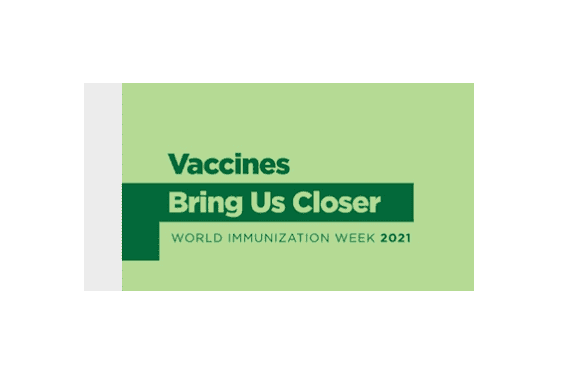
The World Immunization Week (WIW) 2021 (April 24th-30th) will show how vaccination connects us to the people, goals and moments that matter to us most, helping improve the health of everyone, everywhere throughout life. The theme of 2021 WIW is ‘Vaccines bring us closer’.

World Immunization Week 2021 will aim to:

  • Reframe the global vaccine conversation to focus on the importance of vaccines
  • Highlight the many ways in which vaccines enable us to live healthy, productive lives by preventing the spread of vaccine-preventable diseases
  • Demonstrate social proof that the broader public already values and trust vaccines
  • This year’s campaign looks to build solidarity and trust in vaccination as a public good that saves lives and protects health. To this end, we will be seeking more partners to join us, bringing people together in support of a lifesaving cause.

Vaccines have brought us closer, and will bring us closer again

For over 200 years, vaccines have protected us against diseases that threaten lives and prohibit our development. With their help, we can progress without the burden of diseases like smallpox and polio, which cost humanity hundreds of millions of lives

Whilst vaccines aren’t a silver bullet, they will help us progress on a path to a world where we can be together again.  

Vaccines themselves continue to advance, bringing us closer to a world free from the likes of TB and cervical cancer, and ending suffering from childhood diseases like measles.

Investment and new research is enabling groundbreaking approaches to vaccine development, which are changing the science of immunization forever, bringing us closer still to a healthier future.

Key Messages

Message 1: Vaccines bring us closer to doing what we love with those we love.

  • We have sacrificed so much to keep our loved ones and community safe from COVID-19: family reunions, hugs from loved ones, meals with friends and colleagues;
  • Now, vaccines offer us the clearest path back to normal. Along with other measures like mask-wearing and physical distancing, equitably protecting people with safe and effective vaccines will help end the pandemic and bring us closer again;
  • Thanks to decades of research and advances in vaccine science and technology during the pandemic, we will also be better prepared to handle diseases past, present and future.  

Message 2: Vaccines bring us closer to a world where no one suffers or dies from a vaccine-preventable disease.

  • Vaccines are one of the greatest scientific innovations of all time. In the past century, they have brought us closer to ending polio and helped us eradicate smallpox. Thanks to vaccines, today billions of people live healthy lives protected from vaccine-preventable diseases like measles and whooping cough;
  • In just the last 30 years, child deaths have decreased by over 50%, thanks in large part to vaccines. Vaccines now help protect against more than 20 diseases, from pneumonia to cervical cancer and Ebola;
  • Still, millions of children miss out on basic childhood vaccines every year. Increasing access to vaccines everywhere is the best way to give every child a healthy start to life and protect against preventable diseases from birth into old age.

Message 3: Vaccines bring us closer to a healthier, more prosperous world.

  • In today’s interconnected world, an outbreak anywhere is a threat everywhere. Vaccines are one of the best tools we have to improve health and wellbeing around the world;
  • Immunization helps children grow into healthy adults. Vaccinated, healthy children can attend school and reap the benefits of education, and their parents are able to participate in the workforce, putting communities on the path to greater economic prosperity;
  • Immunization also reaches more people than any other health service, connecting families with health care systems and ensuring everyone has access to the care they need.
READ MORE
WHO

Related readings

  • Call to Action: Vaccine Equity Declaration
  • National Immunization Schedule, Nepal (Revised)
  • World Immunization Week 2020 #VaccinesWork for All
  • World Immunization Week- Protected Together: #VaccinesWork!
  • Microplanning for immunization service delivery using the Reaching Every District (RED) strategy
  • Gaps Remain in Countries Readiness to Deploy COVID-19 Vaccines
  • International days, weeks and years of Public Health Concern
  • Marking a decade since last polio case: WHO SEAR countries gear up for massive vaccination campaign – this time for COVID-19 virus
  • COVID-19 Vaccine FAQs (Nepali)
  • Principles for sharing COVID-19 Vaccine doses with COVAX
  • Vaccines development process & Clinical trials
  • TB Vaccine results announce a promising step towards ending the emergency
  • Malaria vaccine pilot launched in Malawi

Do you have a website? Looking for the best hosting provider? Here’s a discount code.

Latest Public Health Jobs

Latest Posts

  • International Wellness Day: Promoting Global Wellness for All
  • Summit Declaration: The 12th National Summit of Health and Population Scientists in Nepal
  • Joint political declaration on the reform of the global health architecture
  • World Health Day 2026: Together for Health. Stand with Science.
  • World Water Day 2026 | Water & Gender Equality

Thanks for visiting us.
Disclaimer: The resources, documents, guidelines, and information on this blog have been collected from various sources and are intended for informational purposes only. Information published on or through this website and affiliated social media channels does not represent the intention, plan, or strategies of an organization that the initiator is associated with in a professional or personal capacity, unless explicitly indicated.
If you have any complaints, information, or suggestions about the content published on Public Health Update, please feel free to contact us at blog.publichealthupdate@gmail.com.
#StayUpdated


  • WordPress
  • Link
  • Facebook
  • Mail
  • Facebook
  • Twitter
  • Twitter
  • LinkedIn
  • Instagram
  • Facebook

April 17, 2021 0 comments
0 FacebookTwitterPinterestLinkedinTumblrVKOdnoklassnikiRedditStumbleuponWhatsappTelegramLINEPocketSkypeViberEmail
Neglected Tropical Diseases (NTDs)PH Important DayPublic Health EventsPublic Health Update

World Chagas Disease Day: Comprehensive, equitable health care services for all people affected by Chagas Disease

by Public Health Update April 14, 2021
written by Public Health Update

Comprehensive, equitable health care services for all people affected by Chagas Disease

Overview

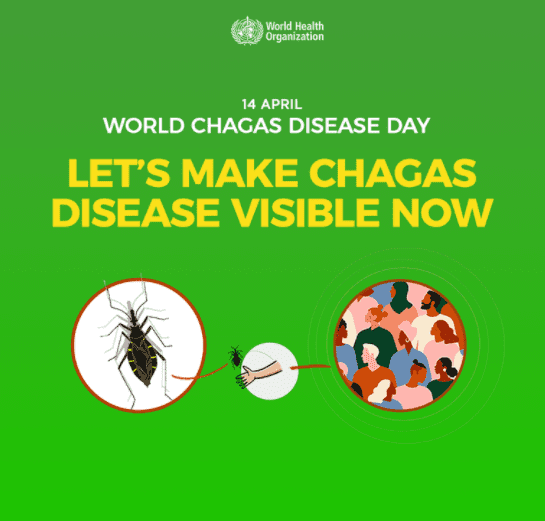
The first  World Chagas Disease Day was observed on 14 April 2020. The aim of this day is to raise the visibility and public awareness of people with Chagas Disease and the resources needed for the prevention, control or elimination of the disease.The World Chagas Disease Day was initiated by the International Federation of Associations of People Affected by Chagas Disease. On 24 May 2019, the World Health Assembly – WHO’s decision-making body – endorsed the proposal, which  was supported by several health institutions, universities, research centres, national or international nongovernmental platforms, organizations and foundations.

Did you know?

  • Chagas disease is prevalent mainly among poor populations of continental Latin America and affects 6–7 million people.
  • 6–7 million infected, worldwide 
  • Approximately 10,000 disease-related deaths, every year
  • 75 million people risk acquiring the disease
  • During the past decades, it has been increasingly detected in the United States of America and Canada and in many European and some Western Pacific countries.
  • The disease can be transmitted by vectorial transmission (T. cruzi parasites are mainly transmitted by contact with faeces/urine of infected blood-sucking triatomine bugs. These bugs, vectors that carry the parasites, typically live in the wall or roof cracks of poorly-constructed homes in rural or suburban areas. Normally they hide during the day and become active at night when they feed on human blood. They usually bite an exposed area of skin such as the face, and the bug defecates close to the bite. The parasites enter the body when the person instinctively smears the bug faeces or urine into the bite, the eyes, the mouth, or into any skin break) contaminated food, transfusion of blood or blood products, passage from an infected mother to her newborn, and organ transplantation and even laboratory accidents.
  • Without treatment, Chagas disease can lead to severe cardiac and digestive alterations and become fatal.

Call for action

  • Chagas disease is often not diagnosed or diagnosed at a late stage. If you live in or have travelled to an area at risk of Chagas disease transmission, or if you have any symptom, see your doctor. 
  • To prevent infection, protect yourself and your home from the insects known as kissing bugs, among many other local names, or Triatomine bugs.
  • Be considerate and kind towards the people who are infected. 

Health workers and health partners

  • Chagas disease patients need equal access to diagnosis, safe treatment and care.
  • Increased global efforts to raise awareness of the consequences, suffering, disability and death associated with Chagas disease.

 Call for action

  • Early diagnosis and treatment can save lives.
  • Chagas disease patients comprise risk groups that can present severe forms of COVID-19 and should be prioritized for vaccination
  • Effective control measures can eliminate domiciliary vector-borne, oral, transfusional, organ transplantation and congenital transmissions.

Decision makers and donors

  • It is estimated that over 10 000 people die every year from clinical manifestations of Chagas disease, and about 75 million people are at risk of acquiring the disease. Chagas disease results in a heavy and long burden for families, communities, health systems, economy, etc. To beat Chagas disease, it is crucial to achieve universal health coverage. 

 Call for action

  • Countries should increase capacity and resources to invest in diagnosis, control, prevention, surveillance, treatment and clinical care.
  • Chagas disease patients should be prioritized for the COVID-19 vaccination.

 Academia and researchers

Call for action

  • More research is needed for effective prevention measures and cost–effective interventions, including screening (blood, newborns and children, etc.), early case detection, prompt, accessible treatment of cases, vector control, hygiene and food safety.
MORE INFO
WHO

Do you have a website? Looking for the best hosting provider? Here’s a discount code.

Latest Public Health Jobs

Latest Posts

  • International Wellness Day: Promoting Global Wellness for All
  • Summit Declaration: The 12th National Summit of Health and Population Scientists in Nepal
  • Joint political declaration on the reform of the global health architecture
  • World Health Day 2026: Together for Health. Stand with Science.
  • World Water Day 2026 | Water & Gender Equality

Thanks for visiting us.
Disclaimer: The resources, documents, guidelines, and information on this blog have been collected from various sources and are intended for informational purposes only. Information published on or through this website and affiliated social media channels does not represent the intention, plan, or strategies of an organization that the initiator is associated with in a professional or personal capacity, unless explicitly indicated.
If you have any complaints, information, or suggestions about the content published on Public Health Update, please feel free to contact us at blog.publichealthupdate@gmail.com.
#StayUpdated


  • WordPress
  • Link
  • Facebook
  • Mail
  • Facebook
  • Twitter
  • Twitter
  • LinkedIn
  • Instagram
  • Facebook
April 14, 2021 0 comments
0 FacebookTwitterPinterestLinkedinTumblrVKOdnoklassnikiRedditStumbleuponWhatsappTelegramLINEPocketSkypeViberEmail
Fellowships, Studentship & ScholarshipsInternational Jobs & OpportunitiesPrimary Health CarePublic Health OpportunitiesPublic Health Opportunity

Imperial College London Quality Governance Joint Fellowship

by Public Health Update April 14, 2021
written by Public Health Update

Overview

WHO Collaborating Centre for Public Health Education and Training together with the Royal College of Physicians, Edinburgh have created a joint Fellowship programme with and inspiring approach to governance topic. 
The programme is suited to all professional groups across healthcare. Ten modules spread over the period of twelve months will be taught by extended Royal College of Physicians Edinburgh Quality Governance Collaborative expert faculty.  The WHO Collaborating Centre for Public Health Education and Training was formally designated in 2007, and since 2008 has been located here at Imperial College London.

This jointly run professional fellowship is an inspiring approach to governance education and training for multi professional groups across healthcare, including, clinicians, managers, public health professionals, nurses, AHPs, scientists and board lay representatives. The programme has a focus on healthcare governance and quality and is open to all with a demonstrable interest in, and requirement for, greater insight and experience in governance.

Application Form

Applications for the inaugural cohort are open now and are due 2 July 2021. Please use this application form and submit it via email to governance@rcpe.ac.uk

For any queries please contact Professor Michael Deighan FRCP Edin, Director of RCPE Quality Governance Collaborative,at: governance@rcpe.ac.uk

Applications for the inaugural cohort will open April 2021 and are due 2 July 2021.

For any queries please contact Professor Michael Deighan FRCP Edin, Director of RCPE Quality Governance Collaborative, at: governance@rcpe.ac.uk

READ MORE
OFFICIAL LINK


Do you have a website? Looking for the best hosting provider? Here’s a discount code.

Latest Public Health Jobs

Latest Posts

  • International Wellness Day: Promoting Global Wellness for All
  • Summit Declaration: The 12th National Summit of Health and Population Scientists in Nepal
  • Joint political declaration on the reform of the global health architecture
  • World Health Day 2026: Together for Health. Stand with Science.
  • World Water Day 2026 | Water & Gender Equality

Thanks for visiting us.
Disclaimer: The resources, documents, guidelines, and information on this blog have been collected from various sources and are intended for informational purposes only. Information published on or through this website and affiliated social media channels does not represent the intention, plan, or strategies of an organization that the initiator is associated with in a professional or personal capacity, unless explicitly indicated.
If you have any complaints, information, or suggestions about the content published on Public Health Update, please feel free to contact us at blog.publichealthupdate@gmail.com.
#StayUpdated


  • WordPress
  • Link
  • Facebook
  • Mail
  • Facebook
  • Twitter
  • Twitter
  • LinkedIn
  • Instagram
  • Facebook
April 14, 2021 0 comments
0 FacebookTwitterPinterestLinkedinTumblrVKOdnoklassnikiRedditStumbleuponWhatsappTelegramLINEPocketSkypeViberEmail
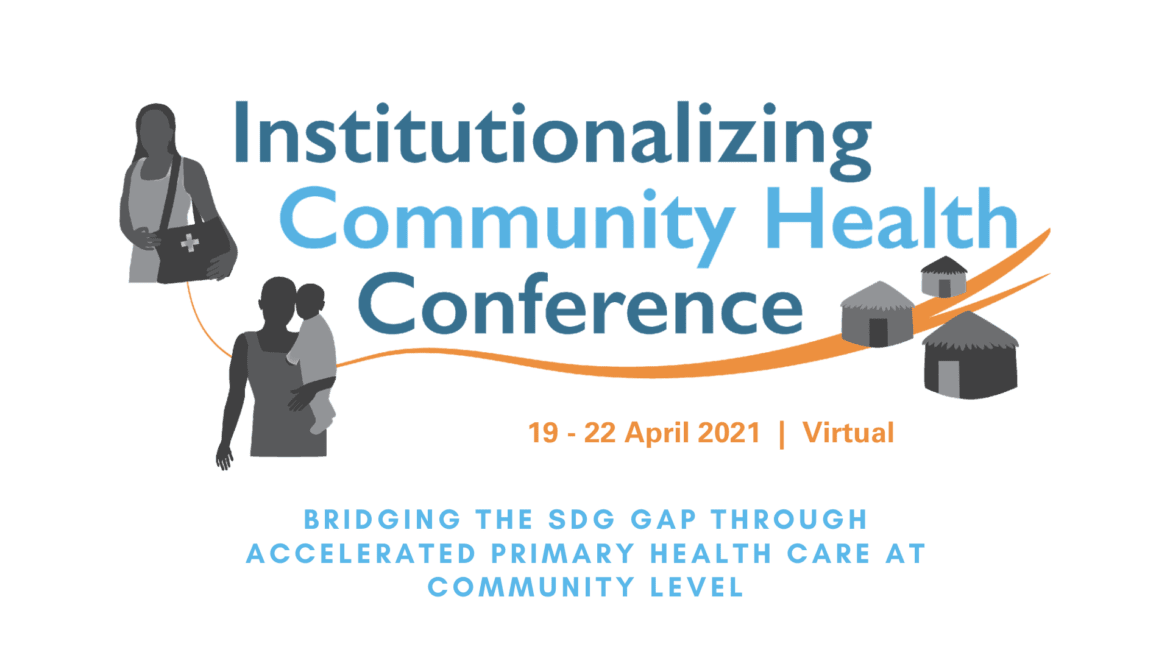
Institutionalizing Community Health Conference 2021
Public Health EventsActivitiesConference

Institutionalizing Community Health Conference 2021

by Public Health Update April 14, 2021
written by Public Health Update

Overview

The ICHC 2021 Marketplace takes place on Wednesday 21 April 2021 during the second Institutionalizing Community Health Conference (ICHC 2021). The Marketplace will feature a virtual poster hall style forum for Ministries of Health, Country Roadmap partners to submit and showcase technical guidance materials, technical tools or resources, peer-reviewed research, new and emerging evidence, and innovation. The aim of the marketplace is to create a space for country dialogue, networking and exchanging knowledge and ideas.

The vision for Primary Health Care (PHC) in the 21st Century encourages countries to (re)commit and reinforce their efforts to orient health systems around PHC. Transforming commitments into action will accelerate progress towards Universal Health Coverage (UHC) and create a pathway for achieving the health related SDGs. Actions at the community level are a cornerstone to achieving progress in PHC. When the health system is strengthened and high impact, high quality interventions are delivered to the last mile in an equitable, cost-effective manner by government remunerated and institutionalized community health workers, the full benefits of the health related SDGs can be realized. 

Over the past 30 years, significant progress has been realized, across various contexts, to accelerate PHC inclusive of community health. The measurable gains in reducing childhood morbidity and mortality are a testament to this progress. Despite these achievements, there continue to be bottlenecks that impede progress. With less than a decade to attain the SDGs, the time is now to double down on collective action- at all levels- to fully translate commitments into actions and achievements.

UNICEF in collaboration with USAID, Bill & Melinda Gates Foundation, the Community Health Roadmap and the Community Health Community of Practice (CH-CoP) will convene a second Institutionalizing Community Health Conference (ICHC) to take stock of and build on experiences and knowledge since ICHC 2017. ICHC 2021 will leverage learning and harness lessons that are emerging from implementation of key initiatives and partnerships, such as the Integrating Community Health Collaboration and the Intelligent Community Health Systems. Learning, actions and recommendations from major assemblies and conferences in recent years (Global Conference on PHC, High Level Meeting on Universal Health Care, Institutionalizing iCCM, Global Pneumonia Forum, and the World Health Assembly’s resolution on CHWs) will also be embedded throughout ICHC 2021. 

ICHC 2021 aims at renewing global commitments to a decade of accelerating PHC through community health to achieve the SDGs, drawing from the opportunities and lessons learned from the COVID-19 response. This whilst taking stock of country progress in institutionalizing community health within broader health systems to galvanize increased coordinated investments and joint actions. The conference is an opportunity to share progress, reforms and facilitate country action on urgent priorities for PHC at community level. 

ICHC 2021 Objectives: 

  • Distill and elevate country specific progress made towards institutionalizing community health within broader health systems
  • Accelerate political momentum through a country-led call to action for accelerating PHC by leveraging community health to address child survival to close the gap to the SDGs
  • Leverage partnerships and coordinate actions at country level to galvanize joint efforts and increase domestic and external investments
  • Strengthen linkages to the PHC Global Action Plan accelerator and to the ongoing child health re- design agenda expanding beyond survive to thrive, to optimizing service delivery platforms and modalities

The conference will foster rich dialogue and facilitate cross country learning by convening country delegations inclusive of Ministries of Health and other relevant ministries, cross-programmatic country teams, and civil society. Donors and implementing partners are invited to participate and contribute technical input to thematic and plenary sessions alongside high-level panel participation by country delegations.

READ MORE
REGISTRATION


Do you have a website? Looking for the best hosting provider? Here’s a discount code.

Latest Public Health Jobs

Latest Posts

  • International Wellness Day: Promoting Global Wellness for All
  • Summit Declaration: The 12th National Summit of Health and Population Scientists in Nepal
  • Joint political declaration on the reform of the global health architecture
  • World Health Day 2026: Together for Health. Stand with Science.
  • World Water Day 2026 | Water & Gender Equality

Thanks for visiting us.
Disclaimer: The resources, documents, guidelines, and information on this blog have been collected from various sources and are intended for informational purposes only. Information published on or through this website and affiliated social media channels does not represent the intention, plan, or strategies of an organization that the initiator is associated with in a professional or personal capacity, unless explicitly indicated.
If you have any complaints, information, or suggestions about the content published on Public Health Update, please feel free to contact us at blog.publichealthupdate@gmail.com.
#StayUpdated


  • WordPress
  • Link
  • Facebook
  • Mail
  • Facebook
  • Twitter
  • Twitter
  • LinkedIn
  • Instagram
  • Facebook

April 14, 2021 0 comments
0 FacebookTwitterPinterestLinkedinTumblrVKOdnoklassnikiRedditStumbleuponWhatsappTelegramLINEPocketSkypeViberEmail
Joint Call for Experts - One Health High-Level Expert Panel (OHHLEP)
Public Health OpportunitiesCall for Proposal, EOI & RFPInternational Jobs & OpportunitiesOne HealthPublic Health Opportunity

Joint Call for Experts – One Health High-Level Expert Panel (OHHLEP)

by Public Health Update April 14, 2021
written by Public Health Update

The Food and Agriculture Organization (FAO), the World Organisation for Animal Health (OIE), the United Nations Environment Programme (UNEP) and the World Health Organization (WHO) (collectively, the “Partners”) are seeking individuals to serve as experts on the One Health High-Level Expert Panel (OHHLEP).

Recognizing the complex and multidisciplinary issues raised by the interface of human, animal and ecosystem health (“One Health”) that require enhanced coordination and collaboration among sectors and agencies, nationally and internationally, the Partners have agreed to establish the OHHLEP to assist them in their support to Governments in the framework of the Partners’ One Health collaboration. The functions of the OHHLEP are set out in its Terms of Reference.   

The OHHLEP will be multidisciplinary, with experts who have a range of technical knowledge, skills and experience relevant to One Health. The working language of the OHHLEP will be English.

Criteria

The Partners welcome expressions of interest from experts representing the broad range of disciplines relevant to One Health, and in science and policy-related sectors and disciplines relevant to the tasks of the OHHLEP, i.e.:

  • emerging infectious diseases and zoonoses;
  • viral diversity, surveillance and risk assessment for emerging pandemic threats;
  • infectious disease epidemiology, prevention and control;
  • biodiversity, wildlife and ecosystems health;
  • health systems policy and practice and pandemic preparedness;
  • food systems and their interlinkages with health;
  • social, economic and behavioural sciences relating to One Health;
  • disciplines in informatics, modelling, prediction and foresight relevant to assessing impacts of environmental and other changes on emerging diseases and health;
  • climate and environment. 

Process for selection of experts

The curriculum vitae and expression of interest of applicants will be reviewed by a panel composed of officials from the Partners. In addition to scientific and technical excellence, the selection will take in consideration adequate distribution of technical expertise, geographical representation and gender balance. The Partners shall not in any way be obliged to reveal, or discuss with any applicant, how an expression of interest was assessed, or to provide any other information relating to the evaluation/selection process or to state the reasons for not choosing a candidate.

Selected experts will be appointed jointly by the respective Heads of the Partners.

Conditions of appointment

  • OHHLEP Experts must respect the impartiality and independence required by the Partners. They will be required to be free of any real, potential or apparent conflicts of interest. OHHLEP Experts will have an ongoing obligation to disclose any interests, real or perceived, that may give rise to a real, potential or apparent conflict of interest.
  • OHHELP Experts will serve in their individual expert capacity and shall not represent any governments, any commercial industries or entities, any research, academic or civil society organizations, or any other bodies, entities, institutions or organizations.
  • OHHLEP Experts will not be employees or agents of the Partners and shall not speak on behalf of, or represent, the Partners, individually or collectively, to any third party. OHHLEP Experts may not issue any publications on behalf of the OHHLEP and/or the Partners.
  • OHHLEP Experts shall be appointed for a period of two years and shall be eligible for reappointment.
  • OHHLEP Experts will not be remunerated for their services in relation to the OHHELP or otherwise. However, the Partners will cover any expenses related to the experts’ participation in in-person meetings of the OHHLEP. 

Application

To register your interest in being considered for the OHHLEP, please submit the following documents by 16 April 24:00h (midnight) CET  to 1Health@who.int cc: cvo@fao.org,  ohhlep@oie.int,  unep-info@un.org using the subject line “Expression of interest for the OHHLEP”:

  • A cover letter, indicating your motivation to apply and how you satisfy the selection criteria (maximum 500 words). Please note that, if selected, you are required to serve the OHHLEP in a personal capacity.
  • Your curriculum vitae (maximum 500 words); and
  • A signed and completed Declaration of Interests (DOI) form, available at https://www.who.int/about/ethics/declarations-of-interest.

If you have any questions about this Call For Experts, please write to 1Health@who.int, well before the applicable deadline. Applications received after the deadline will not be considered.

Links to this announcement in the other partner websites

OIE – https://www.oie.int/en/for-the-media/onehealth/call-for-experts 

WHO – https://www.who.int/news-room/articles-detail/call-for-experts-one-health-high-level-expert-panel-(ohhlep)

FAO – http://www.fao.org/3/cb4068en/cb4068en.pdf


Do you have a website? Looking for the best hosting provider? Here’s a discount code.

Latest Public Health Jobs

Latest Posts

  • International Wellness Day: Promoting Global Wellness for All
  • Summit Declaration: The 12th National Summit of Health and Population Scientists in Nepal
  • Joint political declaration on the reform of the global health architecture
  • World Health Day 2026: Together for Health. Stand with Science.
  • World Water Day 2026 | Water & Gender Equality

Thanks for visiting us.
Disclaimer: The resources, documents, guidelines, and information on this blog have been collected from various sources and are intended for informational purposes only. Information published on or through this website and affiliated social media channels does not represent the intention, plan, or strategies of an organization that the initiator is associated with in a professional or personal capacity, unless explicitly indicated.
If you have any complaints, information, or suggestions about the content published on Public Health Update, please feel free to contact us at blog.publichealthupdate@gmail.com.
#StayUpdated


  • WordPress
  • Link
  • Facebook
  • Mail
  • Facebook
  • Twitter
  • Twitter
  • LinkedIn
  • Instagram
  • Facebook
April 14, 2021 0 comments
0 FacebookTwitterPinterestLinkedinTumblrVKOdnoklassnikiRedditStumbleuponWhatsappTelegramLINEPocketSkypeViberEmail
AwardAwardsInternational Jobs & OpportunitiesNon- Communicable Diseases (NCDs)Public Health OpportunitiesPublic Health Opportunity

Call for nominations! 2021 UN Task force Award

by Public Health Update April 14, 2021
written by Public Health Update

The United Nations Inter-Agency Task Force on the Prevention and Control of NCDs has launched a call for nominations for the 2021 UNIATF Awards to recognize achievements during 2020 on multisectoral action in the prevention and control of NCDs, mental health and the wider NCD-related Sustainable Development Goals (SDGs).

The United Nations Inter-Agency Task Force on the Prevention and Control of Non-communicable Diseases is calling for nominations for the 2021 Awards to recognize achievements during 2020 on multisectoral action in the prevention and control of NCDs, mental health and the wider NCD-related Sustainable Development Goals (SDGs).

Awards will be made in four categories:

1.    Ministries of health and government health agencies
2.    Ministries and government agencies outside health
3.    UN country teams
4.    Non-governmental organizations, academia and foundations. 

Please note that nominations for individuals are not permissible.

Those being nominated should demonstrate an outstanding contribution to multisectoral action in the prevention and control of NCDs, mental health or other NCD-related SDGs at a local, national, regional or international level.

The application should describe how the institution, agency or organization being nominated has demonstrated the ability to:

  • Create new and innovative approaches and activities;
  • Lead the agenda and work with partners;
  • Mobilize resources, knowledge and expertise;
  • Meet challenges and overcome significant obstacles;
  • Act as an exemplar to others.

How to submit a nomination

The nomination form can be accessed here. Nominations should be written in English. Should you experience any issues accessing the nomination form please send an email to unncdtaskforce@gmail.com.

Information required

  • The name and address of the institution, agency or organization being nominated;
  • The name and email address of a focal point in the institution, agency or organization that is being nominated;
  • The name and email address of the nominator along with the organization the nominator is working for as well as the relationship to the institution, agency or organization that is being nominated;
  • Reasons for the nomination. It is important that outcomes are fully described. Links to relevant publication on the internet are encouraged to enhance information available to the selection committee (maximum 4500 characters);
  • For non-governmental organizations, academia and foundations. (The nominator must complete the WHO standard form for declaration of interests. The organization being nominated must complete the arms and tobacco disclosure statement. Both forms must be submitted to unncdtaskforce@gmail.com).

How the winners are selected

Winners will be selected by a panel that consists of members of the United Nations Inter-Agency Task Force on the Prevention and Control of Non-communicable Diseases.

Closing date: 17 April 2021

Announcement of awards: Awards will be announced in the latter half of 2021.

Official Info
READ MORE


Do you have a website? Looking for the best hosting provider? Here’s a discount code.

Latest Public Health Jobs

Latest Posts

  • International Wellness Day: Promoting Global Wellness for All
  • Summit Declaration: The 12th National Summit of Health and Population Scientists in Nepal
  • Joint political declaration on the reform of the global health architecture
  • World Health Day 2026: Together for Health. Stand with Science.
  • World Water Day 2026 | Water & Gender Equality

Thanks for visiting us.
Disclaimer: The resources, documents, guidelines, and information on this blog have been collected from various sources and are intended for informational purposes only. Information published on or through this website and affiliated social media channels does not represent the intention, plan, or strategies of an organization that the initiator is associated with in a professional or personal capacity, unless explicitly indicated.
If you have any complaints, information, or suggestions about the content published on Public Health Update, please feel free to contact us at blog.publichealthupdate@gmail.com.
#StayUpdated



  • WordPress
  • Link
  • Facebook
  • Mail
  • Facebook
  • Twitter
  • Twitter
  • LinkedIn
  • Instagram
  • Facebook
April 14, 2021 0 comments
0 FacebookTwitterPinterestLinkedinTumblrVKOdnoklassnikiRedditStumbleuponWhatsappTelegramLINEPocketSkypeViberEmail
Hanoi Medical University
Public HealthCoursesFellowships, Studentship & ScholarshipsInternational Jobs & OpportunitiesMaster's DegreeUniversitiesUniversities & School of Public Health

Call for Applications! Master of Public Health- The Hanoi Medical University

by Public Health Update April 10, 2021
written by Public Health Update

The Hanoi Medical University announced the enrollment of Master of Public Health in English, and instructed the admission of Master of Epidemiology in English.

The full-time International Master of Public Health program at Hanoi Medical University is designed to train a new generation of competent public health researchers and practitioners. The specialized tracks are combined inter-disciplines to establish advantageous conditions for professional developments in both national and global environments.Deadline for application: 31 May 2021Deadline for confirmation of acceptance by the candidate: End of August 2021.

For more information on the International Master of Public Health at Hanoi Medical University, please visit official link below;

Download now
Official Link


Do you have a website? Looking for the best hosting provider? Here’s a discount code.

Latest Public Health Jobs

Latest Posts

  • International Wellness Day: Promoting Global Wellness for All
  • Summit Declaration: The 12th National Summit of Health and Population Scientists in Nepal
  • Joint political declaration on the reform of the global health architecture
  • World Health Day 2026: Together for Health. Stand with Science.
  • World Water Day 2026 | Water & Gender Equality

Thanks for visiting us.
Disclaimer: The resources, documents, guidelines, and information on this blog have been collected from various sources and are intended for informational purposes only. Information published on or through this website and affiliated social media channels does not represent the intention, plan, or strategies of an organization that the initiator is associated with in a professional or personal capacity, unless explicitly indicated.
If you have any complaints, information, or suggestions about the content published on Public Health Update, please feel free to contact us at blog.publichealthupdate@gmail.com.
#StayUpdated


  • WordPress
  • Link
  • Facebook
  • Mail
  • Facebook
  • Twitter
  • Twitter
  • LinkedIn
  • Instagram
  • Facebook
April 10, 2021 0 comments
0 FacebookTwitterPinterestLinkedinTumblrVKOdnoklassnikiRedditStumbleuponWhatsappTelegramLINEPocketSkypeViberEmail
ConferenceInternational Jobs & OpportunitiesPublic Health EventsPublic Health OpportunitiesPublic Health Opportunity

APRU Population Aging Conference 2021

by Public Health Update April 9, 2021
written by Public Health Update

Overview

The 11th APRU Aging Population Virtual Conference seeks to encourage research on a number of broad themes that not only survive with diminished functions related to aging but new ways to help the elderly develop and overcome limitations and are associated with transitions that change the view of aging from “survive” to “develop”.

One of the themes is “Successful Aging”; what behaviours, activities and choices made throughout the life cycle produce a healthier and more active elderly population. This approach requires life and related developed into “life extension”. Then we can understand the biology of aging and how gene therapy or drugs can be carried out in creating a growing centenarian cohort. Research on telomeres in length, intestinal bacteria, and “aging clock”.

Hosted by the Faculty of Public Health, University of Indonesia, the theme of this year’s conference is Challenges and Resilience Related to Aging: Surviving and Thriving toward Successful Aging.

Sub-themes include

  1. Economic and Aging Society
  2. Technology and Health Care for Aging
  3. Dementia and Alzheimer
  4. Reproductive Health in Aging Population
  5. Nutrition and Aging
  6. Metabolic Syndrome
  7. Psychosocial Issue in Aging
  8. Others

 The Conference is aimed

  • To provide a platform to engage with government and enterprise, and to support capacity building to improve the capacity of nations to deal with this aging challenge.
  • To raise awareness about the demographic shifts towards older populations
  • To address the challenges and reap the opportunities of population aging.
  • To provide policy makers with the evidentiary base for policy making, ensuring aging issues and the transition to an aged society does not hamper economic growth and overall quality of life of people in the region.
Important dates
  • Abstract Submission: 1 November 2020 – 20 February 2021
  • Abstract Acceptance Notification: 6 March 2021
  • Full Paper Submission (Voluntarily): 21 February – 21 March 2021
  • Virtual Conference: 7 – 8 April 2021

Contact us

Contact apruaging2021@gmail.com if you have any further questions.

CONFERENCE
WEBSITE


Do you have a website? Looking for the best hosting provider? Here’s a discount code.

Latest Public Health Jobs

Latest Posts

  • International Wellness Day: Promoting Global Wellness for All
  • Summit Declaration: The 12th National Summit of Health and Population Scientists in Nepal
  • Joint political declaration on the reform of the global health architecture
  • World Health Day 2026: Together for Health. Stand with Science.
  • World Water Day 2026 | Water & Gender Equality

Thanks for visiting us.
Disclaimer: The resources, documents, guidelines, and information on this blog have been collected from various sources and are intended for informational purposes only. Information published on or through this website and affiliated social media channels does not represent the intention, plan, or strategies of an organization that the initiator is associated with in a professional or personal capacity, unless explicitly indicated.
If you have any complaints, information, or suggestions about the content published on Public Health Update, please feel free to contact us at blog.publichealthupdate@gmail.com.
#StayUpdated


  • WordPress
  • Link
  • Facebook
  • Mail
  • Facebook
  • Twitter
  • Twitter
  • LinkedIn
  • Instagram
  • Facebook
April 9, 2021 0 comments
0 FacebookTwitterPinterestLinkedinTumblrVKOdnoklassnikiRedditStumbleuponWhatsappTelegramLINEPocketSkypeViberEmail
World Health Day 2021
Global Health NewsOutbreak NewsPublic Health NewsPublic Health Update

WHO urges countries to build a fairer, healthier world post-COVID-19

by Public Health Update April 7, 2021
written by Public Health Update

World Health Day 2021

COVID-19 has unfairly impacted some people more harshly than others, exacerbating existing inequities in health and welfare within and between countries. For World Health Day, 7 April 2021, WHO is therefore issuing five calls for urgent action to improve health for all people.

Within countries, illness and death from COVID-19 have been higher among groups who face discrimination, poverty, social exclusion, and adverse daily living and working conditions – including humanitarian crises. The pandemic is estimated to have driven between 119 and 124 million more people into extreme poverty last year. And there is convincing evidence that it has widened gender gaps in employment, with women exiting the labour force in greater numbers than men over the past 12 months.

These inequities in people’s living conditions, health services, and access to power, money and resources are long-standing. The result: under-5 mortality rates among children from the poorest households are double that of children from the richest households. Life expectancy for people in low-income countries is 16 years lower than for people in high-income countries. For example, 9 out of 10 deaths globally from cervical cancer occur in low- and middle-income countries.

But as countries continue to fight the pandemic, a unique opportunity emerges to build back better for a fairer, healthier world by implementing existing commitments, resolutions, and agreements while also making new and bold commitments.

“The COVID-19 pandemic has thrived amid the inequalities in our societies and the gaps in our health systems,” says Dr Tedros Adhanom Ghebreyesus, WHO Director-General. “It is vital for all governments to invest in strengthening their health services and to remove the barriers that prevent so many people from using them, so more people have the chance to live healthy lives.”

WHO is therefore issuing five calls for action:

Accelerate equitable access to COVID-19 technologies between and within countries

Safe and effective vaccines have been developed and approved at record speed. The challenge now is to ensure that they are available to everyone who needs them. Key here will be additional support to COVAX, the vaccine pillar in the ACT-Accelerator, which hopes to have reached 100 countries and economies in the coming days.

But vaccines alone will not overcome COVID-19. Commodities such as medical oxygen and personal protective equipment (PPE), as well as reliable diagnostic tests and medicines are also vital. So are strong mechanisms to fairly distribute all these products within national borders. The ACT-Accelerator aims to establish testing and treatments for hundreds of millions of people in low and middle-income countries who would otherwise miss out. But it still requires USD22.1 billion to deliver these vital tools where they are so desperately needed.

Invest in primary health care

At least half of the world’s population still lacks access to essential health services; more than 800 million people spend at least 10% of their household income on health care, and out of pocket expenses drive almost 100 million people into poverty each year. 

As countries move forward post-COVID-19, it will be vital to avoid cuts in public spending on health and other social sectors. Such cuts are likely to increase hardship among already disadvantaged groups, weaken health system performance, increase health risks, add to fiscal pressure in the future and undermine development gains. 

Instead, governments should meet WHO’s recommended target of spending an additional 1% of GDP on primary health care (PHC). Evidence reveals that PHC-oriented health systems have consistently produced better health outcomes, enhanced equity, and improved efficiency. Scaling up PHC interventions across low- and middle-income countries could save 60 million lives and increase average life expectancy by 3.7 years by 2030.

Governments must also reduce the global shortfall of 18 million health workers needed to achieve universal health coverage (UHC) by 2030. This includes creating at least 10 million additional full-time jobs globally and strengthening gender equality efforts. Women deliver most of the world’s health and social care, representing up to 70% of all health and care workers, but they are denied equal opportunities to lead it. Key solutions include equal pay to reduce the gender pay gap and recognizing unpaid health care work by women.

Prioritize health and social protection 

In many countries, the socio-economic impacts of COVID-19, through loss of jobs, increases in poverty, disruptions to education, and threats to nutrition, have exceeded the public health impact of the virus. Some countries have already put in place expanded social protection schemes to mitigate these negative impacts of wider social hardship and started a dialogue on how to continue providing support to the communities and people in the future. But many face challenges in finding the resources for concrete action. It will be vital to ensure that these precious investments have the biggest impact on those in greatest need, and that disadvantaged communities are engaged in planning and implementing programmes.

Build safe, healthy and inclusive neighbourhoods

City leaders have often been powerful champions for improving health – for example, by improving transport systems and water and sanitation facilities. But too often, the lack of basic social services for some communities traps them in a spiral of sickness and insecurity. Access to healthy housing, in safe neighbourhoods, with adequate educational and recreational amenities, is key to achieving health for all.

Meanwhile, 80 per cent of the world’s population living in extreme poverty are in rural areas. Today, 8 out of 10 people who lack basic drinking water services live in rural areas, as do 7 out of 10 people who lack basic sanitation services. It will be important to intensify efforts to reach rural communities with health and other basic social services (including water and sanitation). These communities also urgently need increased economic investment in sustainable livelihoods and better access to digital technologies.

Strengthen data and health information systems

Increasing the availability of timely, high-quality data that is disaggregated by sex, wealth, education, ethnicity, race, gender and place of residence is key to working out where inequities exist, and addressing them. Health inequality monitoring should be an integral part of all national health information systems.

A recent WHO global assessment shows that only 51% of countries have included data disaggregation in their published national health statistics reports. The health status of these diverse groups is often masked when national averages are used. Moreover, it is often those who are made vulnerable, poor or discriminated against, who are the most likely to be missing from the data entirely.

“Now is the time to invest in health as a motor of development,” said Dr Tedros. “We do not need to choose between improving public health, building sustainable societies, ensuring food security and adequate nutrition, tacking climate change and having thriving local economies. All these vital outcomes go hand in hand.”

6 April 2021 News release Geneva, Switzerland Reading time: 4 min (1118 words)العربية中文FrançaisРусскийEspañol World Health Organization


Do you have a website? Looking for the best hosting provider? Here’s a discount code.

Latest Public Health Jobs

Latest Posts

  • International Wellness Day: Promoting Global Wellness for All
  • Summit Declaration: The 12th National Summit of Health and Population Scientists in Nepal
  • Joint political declaration on the reform of the global health architecture
  • World Health Day 2026: Together for Health. Stand with Science.
  • World Water Day 2026 | Water & Gender Equality

Thanks for visiting us.
Disclaimer: The resources, documents, guidelines, and information on this blog have been collected from various sources and are intended for informational purposes only. Information published on or through this website and affiliated social media channels does not represent the intention, plan, or strategies of an organization that the initiator is associated with in a professional or personal capacity, unless explicitly indicated.
If you have any complaints, information, or suggestions about the content published on Public Health Update, please feel free to contact us at blog.publichealthupdate@gmail.com.
#StayUpdated


  • WordPress
  • Link
  • Facebook
  • Mail
  • Facebook
  • Twitter
  • Twitter
  • LinkedIn
  • Instagram
  • Facebook
April 7, 2021 0 comments
0 FacebookTwitterPinterestLinkedinTumblrVKOdnoklassnikiRedditStumbleuponWhatsappTelegramLINEPocketSkypeViberEmail
Newer Posts
Older Posts

Search

Follow Us

Facebook Twitter Instagram Pinterest Linkedin Youtube

Categories

  • Abstracts (25)
  • Activities (91)
  • Adolescent Sexual and Reproductive Health (ASRH) (25)
  • Advice & Tips (4)
  • African Region (5)
  • AI and Health (1)
  • Annual Meeting (6)
  • Antimicrobial Resistance (AMR) (21)
  • Award (19)
  • Awards (16)
  • Books (9)
  • Call for Proposal, EOI & RFP (103)
  • Call for Research Participants (8)
  • Clinical Doctor Jobs (6)
  • Communicable Diseases (107)
  • Competition (20)
  • Conference (129)
  • Consultant (1)
  • Courses (205)
  • Dashboard (2)
  • Digital Health & Health Informatics (10)
  • Drug and Medicine (18)
  • Eastern Mediterranean Region (3)
  • Education (15)
  • Environment (3)
  • Environmental Health & Climate Change (47)
  • European Region (42)
  • Exchange Program (1)
  • Fact Sheet (117)
  • FCHVs (1)
  • Fellowships, Studentship & Scholarships (168)
  • Financial Aid (13)
  • Form Formats (2)
  • Fully funded (22)
  • Global Health News (434)
  • Grants and Funding Opportunities (193)
  • Guest Post (44)
  • Health Assistant Jobs (1)
  • Health Equity (7)
  • Health Financing and Economics (24)
  • Health in Data (115)
  • Health Insurance (5)
  • Health Jobs (52)
  • Health Literacy, Health Education & Promotion (50)
  • Health Organization Profile (42)
  • Health Systems (83)
  • Human Resource for Health (33)
  • Humanitarian Health & Emergency Response (44)
  • Hypertension (5)
  • Implementation Research (48)
  • International Health (3)
  • International Jobs & Opportunities (373)
  • International Plan, Policy & Guidelines (210)
  • Internships (4)
  • Jobs Vacancies (56)
  • Journals (8)
  • Life Style & Public Health Nutrition (39)
  • Live (10)
  • Master's Degree (48)
  • Maternal, Newborn and Child Health (88)
  • Mentorship Program (2)
  • Miscellaneous (16)
  • National Health News (158)
  • National Plan, Policy & Guidelines (468)
  • Neglected Tropical Diseases (NTDs) (51)
  • Non- Communicable Diseases (NCDs) (121)
  • Notice (103)
  • Nursing Jobs (6)
  • Nutritionist Jobs (1)
  • One Health (18)
  • Online & Distance Learning (22)
  • Online Courses (90)
  • Op-Ed Article (3)
  • Opportunities by Region (83)
  • Outbreak News (213)
  • Partially funded (6)
  • PCL Health Science Jobs (3)
  • PH Important Day (534)
  • Pharmacist Jobs (3)
  • PhD (54)
  • Photos (5)
  • Planetary Health (4)
  • PostDoc (14)
  • Presentation Slides (26)
  • Primary Health Care (25)
  • Provincial Plan, Policies and Guidelines (14)
  • Public Health (1,283)
  • Public Health Epidemiology & Biostatistics (13)
  • Public Health Events (306)
  • Public Health Information (20)
  • Public Health Innovation (9)
  • Public Health Jobs (52)
  • Public Health News (554)
  • Public Health Notes (120)
  • Public Health Opportunities (507)
  • Public Health Opportunity (491)
  • Public Health Programs (108)
  • Public Health Seminar (2)
  • Public Health Tools (1)
  • Public Health Update (564)
  • Quality Improvement & Infection Prevention (20)
  • Region of America (8)
  • Reports (184)
  • Research & Project Grants (39)
  • Research & Project Grants (32)
  • Research & Publication (647)
  • Research Articles (10)
  • Road Traffic Accidents (RTA) (9)
  • School of Public Health (60)
  • Self funded (2)
  • South-East Asia Region (26)
  • Success Stories (17)
  • Summer and Winter Courses (40)
  • Summer Courses (28)
  • Sustainable Development Goals (SDGs) (14)
  • Syllabus (61)
  • Symposium (9)
  • Tobacco Control (35)
  • Training (40)
  • Travel Grants (15)
  • Trick, Technique & Skills (8)
  • Uncategorized (3)
  • Undergraduate Degree (7)
  • Universal Health Coverage (36)
  • Universities (29)
  • Universities & School of Public Health (58)
  • Vacancy Announcement (26)
  • Vaccine Preventable Diseases (40)
  • Vector-Borne Diseases(VBDs) (30)
  • Videos (3)
  • View Points (1)
  • Webinar (4)
  • Western Pacific Region (13)
  • Workshop (18)
  • World News (117)
Post New Jobs: Vacancy Announcement Service

Public Health Update (Sagun’s Blog) is a popular public health portal in Nepal. Thousands of health professionals are connected with Public Health Update to get up-to-date public health updates, search for jobs, and explore opportunities.
#1 Public Health Blog for sharing Job opportunities and updates in Nepal

”Public Health Information For All”
– – Sagun Paudel, Founder

  • HOT JOBS
    • Public Health Jobs
    • Medical Doctor Jobs
    • Nursing Jobs
    • Health Assistant Jobs
    • Pharmacist Jobs
    • NGOs Jobs
    • Government Jobs
  • Top Categories
    • National Plan, Policy & Guidelines Top
    • Public Health Calendar
    • Fellowships & Scholarships
    • Health Systems
    • Health Organization Profiles
    • International Jobs & Opportunities
    • Public Health Opportunity

PUBLIC HEALTH INITIATIVE

    • Submit your Vacancies New
    • Partnership Opportunities

Contact: blog.publichealthupdate@gmail.com

https://wa.me/+9779856036932

Public Health Initiative, A Registered Non-profit organization – All Right Reserved. 2011-2024. Contact us. 

Facebook Twitter Instagram Youtube Envelope
Public Health Update
  • Home
  • Public Health
    • Home 1
      • Adolescent Sexual and Reproductive Health (ASRH)
      • Antimicrobial Resistance (AMR)
      • Communicable Diseases
      • Digital Health & Health Informatics
      • Environmental Health & Climate Change
      • Health Financing and Economics
      • Health Equity
    • Home 2
      • Health Literacy, Health Education & Promotion
      • Human Resource for Health
      • Humanitarian Health & Emergency Response
      • Implementation Research
      • International Health
      • Life Style & Public Health Nutrition
      • Maternal, Newborn and Child Health
    • Home 3
      • Neglected Tropical Diseases (NTDs)
      • Non- Communicable Diseases (NCDs)
      • One Health
      • Planetary Health
      • Public Health Epidemiology & Biostatistics
      • Primary Health Care
      • Quality Improvement & Infection Prevention
    • Home 4
      • Road Traffic Accidents (RTA)
      • Sustainable Development Goals (SDGs)
      • Tobacco Control
      • Universal Health Coverage
      • Vaccine Preventable Diseases
      • Vector-Borne Diseases(VBDs)
      • Notices
  • Public Health Update
    • Home 1
      • Public Health News
      • Global Health News
      • Outbreak News
      • National Health News
      • COVID-19
    • Home 2
      • Fact Sheet
      • Health in Data
      • PH Important Day
      • Public Health Events
      • Public Health Programs
    • Home 3
      • Health Systems
      • Health Insurance
      • Health Organization Profile
      • Success Stories
      • Public Health Innovation
  • Public Health Opportunities
    • Fully funded
    • Travel Grants
    • Grants and Funding Opportunities
    • Opportunities by Region
    • International Jobs & Opportunities
    • Research & Project Grants
    • Fellowships, Studentship & Scholarships
    • Conference
  • Jobs
    • Home 1
      • Health Jobs
      • Public Health Jobs
      • Clinical doctor Jobs
      • Health Assistant Jobs
      • Nursing Jobs
      • PCL Health Science Jobs
    • Home 2
      • Dental Jobs
      • Pharmacist Jobs
      • TSLC (Health Jobs)
      • Laboratory Jobs
      • Nutritionist Jobs
  • Downloads
    • International Plan, Policy & Guidelines
    • National Plan, Policy & Guidelines
    • Reports
    • Books
    • Research Articles
  • School of Public Health
    • Home 1
      • Courses
      • Master’s Degree
      • Undergraduate Degree
      • PhD
    • Home 2
      • Universities
      • Syllabus
      • Public Health Notes
      • Mentorship Program
      • Startup Project
    • Home
      • Summer and Winter Courses
      • Summer Courses
      • Online Courses
      • Workshop
      • Training
Public Health Update
  • Home
  • Public Health
    • Home 1
      • Adolescent Sexual and Reproductive Health (ASRH)
      • Antimicrobial Resistance (AMR)
      • Communicable Diseases
      • Digital Health & Health Informatics
      • Environmental Health & Climate Change
      • Health Financing and Economics
      • Health Equity
    • Home 2
      • Health Literacy, Health Education & Promotion
      • Human Resource for Health
      • Humanitarian Health & Emergency Response
      • Implementation Research
      • International Health
      • Life Style & Public Health Nutrition
      • Maternal, Newborn and Child Health
    • Home 3
      • Neglected Tropical Diseases (NTDs)
      • Non- Communicable Diseases (NCDs)
      • One Health
      • Planetary Health
      • Public Health Epidemiology & Biostatistics
      • Primary Health Care
      • Quality Improvement & Infection Prevention
    • Home 4
      • Road Traffic Accidents (RTA)
      • Sustainable Development Goals (SDGs)
      • Tobacco Control
      • Universal Health Coverage
      • Vaccine Preventable Diseases
      • Vector-Borne Diseases(VBDs)
      • Notices
  • Public Health Update
    • Home 1
      • Public Health News
      • Global Health News
      • Outbreak News
      • National Health News
      • COVID-19
    • Home 2
      • Fact Sheet
      • Health in Data
      • PH Important Day
      • Public Health Events
      • Public Health Programs
    • Home 3
      • Health Systems
      • Health Insurance
      • Health Organization Profile
      • Success Stories
      • Public Health Innovation
  • Public Health Opportunities
    • Fully funded
    • Travel Grants
    • Grants and Funding Opportunities
    • Opportunities by Region
    • International Jobs & Opportunities
    • Research & Project Grants
    • Fellowships, Studentship & Scholarships
    • Conference
  • Jobs
    • Home 1
      • Health Jobs
      • Public Health Jobs
      • Clinical doctor Jobs
      • Health Assistant Jobs
      • Nursing Jobs
      • PCL Health Science Jobs
    • Home 2
      • Dental Jobs
      • Pharmacist Jobs
      • TSLC (Health Jobs)
      • Laboratory Jobs
      • Nutritionist Jobs
  • Downloads
    • International Plan, Policy & Guidelines
    • National Plan, Policy & Guidelines
    • Reports
    • Books
    • Research Articles
  • School of Public Health
    • Home 1
      • Courses
      • Master’s Degree
      • Undergraduate Degree
      • PhD
    • Home 2
      • Universities
      • Syllabus
      • Public Health Notes
      • Mentorship Program
      • Startup Project
    • Home
      • Summer and Winter Courses
      • Summer Courses
      • Online Courses
      • Workshop
      • Training
Public Health Initiative, A Registered Non-profit organization – All Right Reserved. 2011-2023