Public Health Update
  • Home
  • Public Health Update
  • Nepal Health Jobs
    • Public Health Job Board
    • Organization List
  • Opportunities
    • Fellowships, Studentship & Scholarships
    • Grants and Funding Opportunities
    • Fully funded
    • Conference
  • Downloads
    • International Plan, Policy & Guidelines
    • National Plan, Policy & Guidelines
    • Reports
    • Public Health Notes
    • Syllabus
    • Form Formats
  • School of Public Health
    • PhD
    • Master’s Degree
    • Online Courses
  • Notice
  • Home
  • Public Health Update
  • Nepal Health Jobs
    • Public Health Job Board
    • Organization List
  • Opportunities
    • Fellowships, Studentship & Scholarships
    • Grants and Funding Opportunities
    • Fully funded
    • Conference
  • Downloads
    • International Plan, Policy & Guidelines
    • National Plan, Policy & Guidelines
    • Reports
    • Public Health Notes
    • Syllabus
    • Form Formats
  • School of Public Health
    • PhD
    • Master’s Degree
    • Online Courses
  • Notice
LOGIN / REGISTER
Public Health Update
SUBSCRIBE
Public Health Update
  • Home
  • Public Health Update
  • Nepal Health Jobs
    • Public Health Job Board
    • Organization List
  • Opportunities
    • Fellowships, Studentship & Scholarships
    • Grants and Funding Opportunities
    • Fully funded
    • Conference
  • Downloads
    • International Plan, Policy & Guidelines
    • National Plan, Policy & Guidelines
    • Reports
    • Public Health Notes
    • Syllabus
    • Form Formats
  • School of Public Health
    • PhD
    • Master’s Degree
    • Online Courses
  • Notice

All Right Reserved. Designed and Developed by PenciDesign

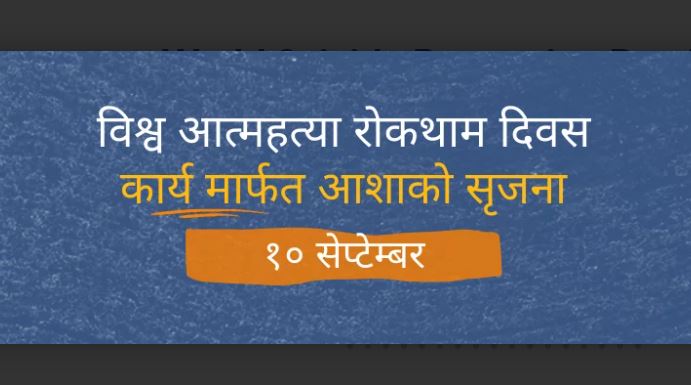
World Suicide Prevention Day
Public HealthActivitiesPH Important DayPublic Health EventsPublic Health Update

World Suicide Prevention Day 2022: “Creating hope Through Action”

by Public Health Update September 6, 2022
written by Public Health Update

Overview

World Suicide Prevention Day (WSPD) was established by the International Association for Suicide Prevention (IASP) in 2003 in conjunction with the World Health Organisation (WHO) and is a significant advocacy and communication based event aimed at reaching national organisations, governments and the general public, giving a singular message that suicide can be prevented.

The 10th of September each year focuses attention on the issue, reduces stigma and raises awareness among organizations, government, and the public, giving a singular message that suicide can be prevented.

By creating hope through action, we can signal to people experiencing suicidal thoughts that there is hope and that we care and want to support them. It also suggests that our actions, no matter how big or small, may provide hope to those who are struggling. Lastly, it highlights the importance of setting suicide prevention as a priority public health agenda by countries, particularly where access to mental health services and availability of evidence-based interventions are already low. Building on this theme and spreading this message over the three years, a world can be envisioned where suicides are not so prevalent.

Campaign Slogan

“Creating hope through action” is the triennial theme for the World Suicide Prevention Day from 2021 – 2023. This theme is a reminder that there is an alternative to suicide and aims to inspire confidence and light in all of us.

  • Creating Hope through Action

Facts

  • One in every 100 deaths worldwide is the result of suicide. It can affect every one of us.
  • Each and every suicide is devastating and has a profound impact on those around them.
  • World Suicide Prevention Day is an opportunity to raise awareness of suicide and to promote action through proven means that will reduce the number of suicides and suicide attempts globally.
  • More than 700 000 people die due to suicide every year.
  • For every suicide there are many more people who attempt suicide. A prior suicide attempt is the single most important risk factor for suicide in the general population.
  • Suicide is the fourth leading cause of death among 15-19 year-olds.
  • 77% of global suicides occur in low- and middle-income countries.
  • Ingestion of pesticide, hanging and firearms are among the most common methods of suicide globally.

Source of info: WHO & International Association for Suicide Prevention (IASP).


Recommended readings
  • World Suicide Prevention Day
  • World Suicide Prevention Day 2021: ‘Creating Hope Through Action’
  • Depression and Suicide: The Hidden Crisis
  • World Suicide Prevention Day 2020
  • Develop and implement strategies to prevent suicide and promote mental health
  • World Suicide Prevention Day 2019: Working Together to Prevent Suicide!
  • ”Working Together to Prevent Suicide” World Suicide Prevention Day 2018
  • ”Take a minute, change a life”- World Suicide Prevention Day 2017
  • World Suicide Prevention Day – 10 September, 2016
  • “Preventing suicide: a global imperative”- WHO
  • Preventing Suicide: Reaching Out and Saving Lives #World_Suicide_Prevention_Day
  • World Suicide Prevention Day -2014; Suicide Prevention: One World Connected.’
  • Nepal Mental Health Website Launched
  • WHO highlights urgent need to transform mental health and mental health care
  • The Mental Health Atlas 2020
[MEC id=”77143″]
September 6, 2022 0 comments
0 FacebookTwitterPinterestLinkedinTumblrVKOdnoklassnikiRedditStumbleuponWhatsappTelegramLINEPocketSkypeViberEmail
Standards for Health Care Waste Management
Public HealthEnvironmental Health & Climate ChangeNational Plan, Policy & GuidelinesProvincial Plan, Policies and Guidelines

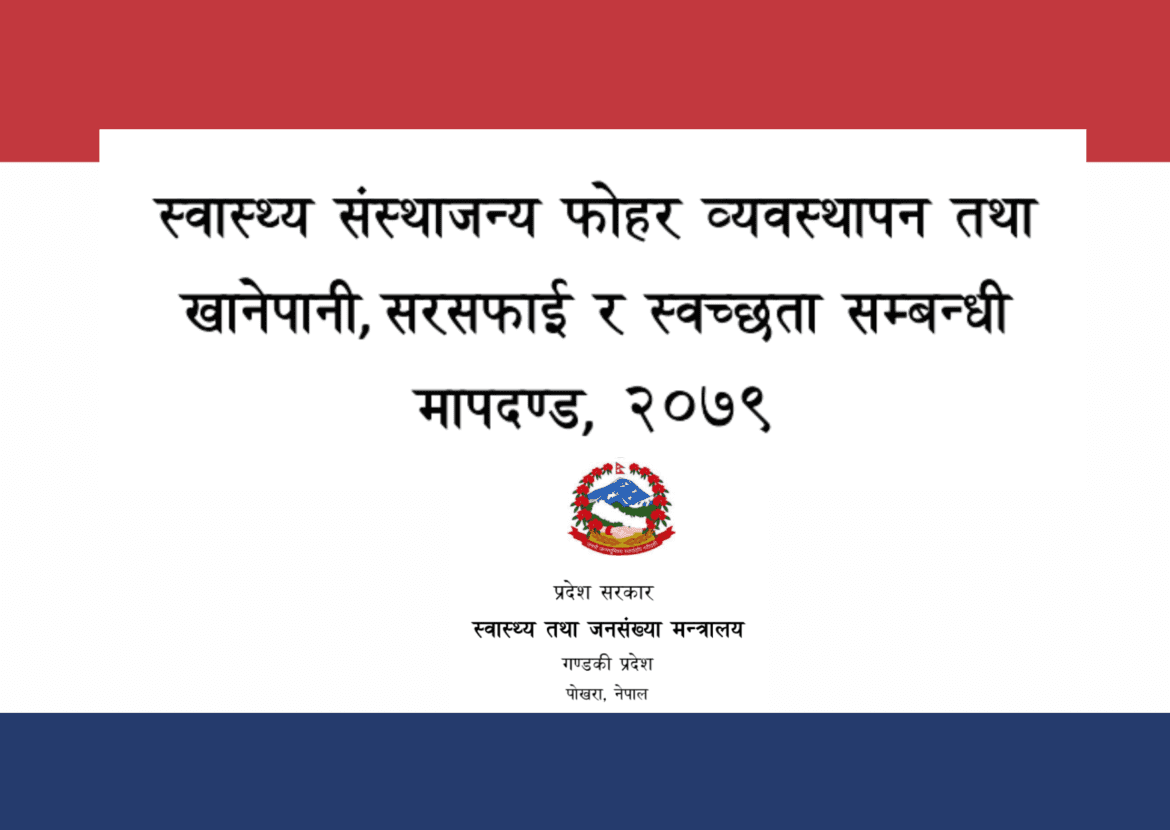
Standards for Health Care Waste Management, Drinking Water and WASH and Hygiene

by Public Health Update September 5, 2022
written by Public Health Update

The Ministry of Health and Population (MoHP), Gandaki Province has endorsed a new standards on Health Care Waste Management, Drinking Water and WASH and Hygiene to provide a technical guideline on proper management of the healthcare waste, drinking water and WASH and Hygience related activities at health facilities.

Download PDF file

Recommended: National Health Care Waste Management: Standards and Operating Procedures 2020

  • Waste Management Baseline Survey of Nepal 2020
  • International Conference on Solid Waste Management (ICSWM)
  • Health Care Waste Management in the Context of COVID-19 Emergency (Interim Guidance)
  • 1st National Workshop on Integrated Healthcare Waste Management and WASH in Healthcare Facilities
  • Health Care Waste Management Guideline- 2014
  • Management Division, Department of Health Services
September 5, 2022 0 comments
0 FacebookTwitterPinterestLinkedinTumblrVKOdnoklassnikiRedditStumbleuponWhatsappTelegramLINEPocketSkypeViberEmail
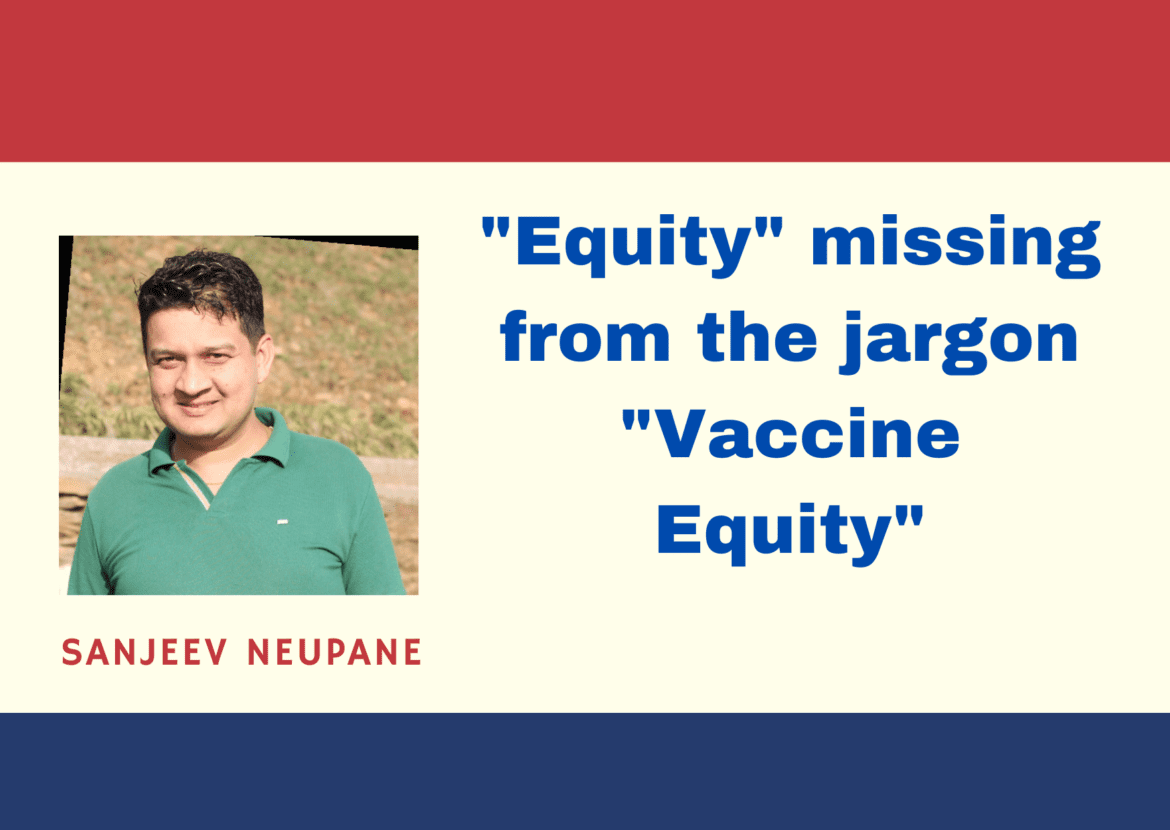
"Equity"​ missing from the jargon "Vaccine Equity"​
Public HealthHealth EquityOp-Ed ArticleView Points

“Equity”​ missing from the jargon “Vaccine Equity”​

by Public Health Update September 5, 2022
written by Public Health Update

Sanjeev Neupane

In October 2021, the World Health Organization recommended the widespread use of long awaited malaria vaccine (RTS,S) among children in sub-Saharan Africa and in other regions with moderate to high P. falciparum malaria transmission. The medical and public health fraternity around the world rejoiced the news from WHO. “Enormous step”, “Landmark achievement”, “Groundbreaking victory” or “Historical gain” whatever phrase you use it’s not enough to express in words about one of the greatest conquests in the field of medicine and public health.

But as a public health enthusiast I was haunted by some potent questions rather than being excited about the news: “Why did it take so many years for development of vaccine for a century old disease?” “Why WHO took so many years for its approval?” “Why does one disease which is just 2 years old like COVID-19 has 12 vaccine candidates and another disease (eg Malaria) that is centuries old has only one vaccine?” “Would the situation be same if malaria was occurring only in America & Europe and COVID-19 was occurring only in Asia and Africa?” “What actually drives the development of vaccine?”

Of course as a science student the most common and ubiquitous answer for all questions above would be “it all depends on the biology of the organism. The more complex the life-cycle (or the biology) of the parasite, more difficult it would be to develop the vaccine and more simple the life-cycle of the organism easier to develop the vaccine”. Technically it’s true and on superficial thinking it sounds convincing. But it’s not what it looks like. If we delve more and dissect the sociopolitical and economical dimensions of vaccine development we find different picture.

Let’s compare COVID-19 and Malaria. The first cases of COVID-19 was confirmed by WHO in China on Dec 2019. Currently there are 12 vaccine candidates against COVID-19 that have already been granted Emergency Use Listing by WHO . Similarly there are 171 vaccines in clinical development stage and 198 vaccines in pre-clinical development stage against COVID-19. When was the first Malaria case recorded in the World? ….It was in 1880. A French army doctor named Alphonse Laveran described the malarial parasite and proposed that it causes malaria in 1880. And what do we have against malaria in all these years? Only one vaccine candidate. Is there any logical answer to describe this discrepancy? Should we simply believe that “oh it’s very difficult to develop malaria vaccine because of the complex life cycle of the parasite”. Or do we simply believe in notion that malaria is endemic in some parts of the world and COVID-19 is pandemic. So we have only one candidate against malaria and many against COVID-19. If that is the case then “isn’t it time to change the old school definitions of endemic and pandemic?.”

When we talk about COVID-19, we love saying “No one is safe until everyone is safe”. But doesn’t this apply to malaria and many other neglected tropical disease?. “Vaccine equity” why does this apply only to the COVID-19 vaccine? Has anyone ever talked about vaccine equity by relating it with the malaria vaccine?

We have always been taught that developing and approving a vaccine for mass usage takes many years as it has to go through a rigorous scientific process, it has to go through many stages and evaluations. But does this apply only to the diseases that affect poor people or does it apply to all diseases. In COVID-19 the first vaccine candidate was available for use even less than a year since the appearance of first case. Why so? Because COVID-19 vaccine was on the top of every country’s wish list. The developed country were ready to pay any price to provide jab to its citizen. For pharmaceutical industry it was the most profitable business. But what about malaria vaccine? The developed country won’t buy it, the people who need it won’t have enough money to pay for these vaccines out of their pocket and the government of those countries that need to provide this vaccine to its citizens won’t bother buying these vaccines because they have many other issues to settle. So the end result is it’s not a profitable business for Pharma industry. To put in a simple way it’s nothing but a profitable business based on the basic economic principle of demand and supply. But we are compelled to ignore this basic fact and fooled by adding the epidemiological jargons and relating this with complex life cycle of parasite, long process and stages of clinical trials etc.

The COVID-19 pandemic has given chance to reflect on many aspects including the health systems around the country. Everyone in the public health field these days seems to be obsessed with the lofty terminologies like “Resilience”, “Equity”, “Equality”, “Endemic”, “Pandemic”, “Clinical Trials”, “People’s vaccine” “Vaccine Equity” etc  and seems to be using them blatantly. The COVID-19 pandemic has revealed that many of the terminologies that we were taught in the public health schools are not valid these days. Time to revive the whole epidemiology text books and change these definitions or use them correctly.

Sanjeev Neupane


More Articles from Author

  • Involvement of people living with diseases in the NCD response
  • Nepal in the pathway of reaching the first 90 of the 90-90-90 goal through task shifting.
  • Road Traffic Accident (RTA) or Massacre?
  • Bringing Antiretroviral Therapy (ART) services one step closer to people’s door
September 5, 2022 0 comments
0 FacebookTwitterPinterestLinkedinTumblrVKOdnoklassnikiRedditStumbleuponWhatsappTelegramLINEPocketSkypeViberEmail
Seventy-fifth Session of Regional Committee for WHO South-East Asia begins
Public HealthGlobal Health NewsPublic Health News

Seventy-fifth Session of Regional Committee for WHO South-East Asia begins

by Public Health Update September 5, 2022
written by Public Health Update

5 September 2022 | News release

Paro, Bhutan | 5 September 2022 

The Seventy-fifth Session of the Regional Committee for WHO South-East Asia commenced today with health leaders emphasizing on continued efforts and sustainable recovery from the ongoing COVID-19 pandemic.

“There are enough lessons for us to know that we cannot do without investing more in health hereafter. Our health system must be more resilient, accessible and there should be collective actions. While health sector itself is bound for reform, the health of our people is a critical ingredient to make all the reform initiatives a success.  Which is why the Regional Committee meeting geared towards improving healthcare services means a lot to us,” said Dr Lotay Tshering, Prime Minister of Royal Government of Bhutan, at the inaugural session.
 
The Prime Minister said, His Majesty has repeatedly reminded us to use the pandemic to reset ourselves so that the post pandemic path is literally new for us. Therefore, Bhutan is undergoing historic reform in all public sectors.

Ms Dechen Wangmo, Minister of Health, Royal Government of Bhutan, said, “The pandemic has made it clear that health is central to development. The Regional Committee presents us with a unique opportunity to rethink, redesign and rewrite strategies and interventions to accelerate and enhance equitable quality health services and systems for the Region.”

In a virtual address, WHO Director-General, Dr Tedros Adhanom Ghebreyesus, said “The pandemic is not yet over. The virus is still circulating, and still changing… If the pandemic has taught us nothing else, it has taught us that health is the most precious commodity on earth. A commodity that must be cherished, prized and fought for every day. Not as a luxury for the privileged, but as a fundamental human right.”

Dr Poonam Khetrapal Singh, Regional Director, WHO South-East Asia, said, “How we as a Region choose to recover from the COVID-19 crisis will determine how we protect our many public health achievements, from maintaining our polio-free status, to continuing to eliminate NTDs and other diseases on the verge of elimination, be it lymphatic filariasis, kala-azar, trachoma or malaria. So much is at stake and so much depends on the decisions we make now, and in the weeks and months ahead.”

The Regional Director commended the Member countries for their resilience and solidarity during the COVID-19 response, “which must continue to define how we as a Region prepare for, prevent, respond to, and recover from acute public health events”.

The Regional Committee is meeting in-person for the first time since the start of the COVID-19 pandemic. In addition to strengthening preparedness and response to public health emergency, the session will deliberate and review other priority health issues, many of them impacted or accentuated by the COVID-19 pandemic.

During the five-day session, a ministerial roundtable will discuss on addressing mental health through primary care and community engagement in the Region.

Also on the agenda are monitoring progress and acceleration plan for NCDs, including oral health and integrated eye care; accelerating elimination of cervical cancer; and reviewing progress towards achieving the 2025 end-TB targets.

The high-level deliberations will include achieving Universal Health Coverage, Sustainable Development Goals and health security in the Region through stronger and more comprehensive primary health services, strengthened health workforce education and training, and increasing national capacity and ownership in health information systems and knowledge- and experience-sharing to enhance efficiencies and strengthen people-centred comprehensive primary health care.

The Regional Committee will also review renewed efforts around the eight regional flagship priorities – to eliminate measles and rubella by 2023; address NCDs through multisectoral policies and plans; accelerate reduction of maternal, neonatal and under-five mortality; advance universal health coverage; reverse antimicrobial resistance; scale-up emergency risk management capacities; and eliminate neglected tropical diseases and TB.

5 September 2022 | News release (WHO)


  • The Pema Centre has been set up to create awareness on #mentalhealth and consolidate all interventions on mental health using the whole-of-society and whole-of-government approach. – Pemba Wangchuk, The Officiating Secretary, Ministry of Health, #Bhutan??
  • #Indonesia?? is moving forward with its #health system transformation initiatives in primary care, secondary care, health system resilience, health financing, human resource and health technology. – Dr Oscar Primadi, Chief of Policy Analyst, Ministry of Health, Indonesia
  • We are strengthening health security for resilience against future emergencies through surveillance, building human capital & lab capacity, and critical and emergency services. – Dr Odete Maria Freitas Belo, Minister of Health, #TimorLeste??
  • #Thailand?? commits to continue to extend universal health care and provide primary healthcare facilities in urban areas. – Sathit Pitutecha, Deputy Minister of Public Health, Thailand
  • UHC and financial protection are a priority. We need to act quickly to secure our health. – On behalf of Keheliya Rambukwella, Minister of Health, #SriLanka??
  • The #pandemic has taught us many lessons – to strengthen and make our health systems resilient and to increase investment in #health. – Hira Chandra KC, State Minister of Health and Population, #Nepal??
  • #Maldives?? has initiated a number of programmes for #health systems strengthening and for bringing people centered quality health services closer to the communities. – Ahmed Naseem, Minister of Health, Maldives.
  • #India?? adopted a people-centric approach against the #pandemic in the area of therapeutics, diagnostics and vaccines ensuring accessibility, affordability & continuity of care besides utilizing digital health solutions. – Dr Bharati Pravin Pawar, MoS, Ministry of Health and Family Welfare, Government of India
  • #Bangladesh?? is committed to universal health coverage and quality health care for all. – Zahid Maleque, Minister of Health, Bangladesh.

September 5, 2022 0 comments
0 FacebookTwitterPinterestLinkedinTumblrVKOdnoklassnikiRedditStumbleuponWhatsappTelegramLINEPocketSkypeViberEmail
Half of health care facilities globally lack basic hygiene services – WHO, UNICEF
Public HealthPublic Health UpdateQuality Improvement & Infection PreventionReportsResearch & Publication

Half of health care facilities globally lack basic hygiene services – WHO, UNICEF

by Public Health Update September 4, 2022
written by Public Health Update

Newly established global estimate on hygiene reveals the risk of disease spread and infections to patients and health care providers

30 August 2022  Joint News Release Geneva, New York

Half of health care facilities worldwide lack basic hygiene services with water and soap or alcohol-based hand rub where patients receive care and at toilets in these facilities, according to the latest Joint Monitoring Programme (JMP) report by WHO and UNICEF. Around 3.85 billion people use these facilities, putting them at greater risk of infection, including 688 million people who receive care at facilities with no hygiene services at all.

“Hygiene facilities and practices in health care settings are non-negotiable. Their improvement is essential to pandemic recovery, prevention and preparedness. Hygiene in health care facilities cannot be secured without increasing investments in basic measures, which include safe water, clean toilets, and safely managed health care waste,” said Dr Maria Neira, WHO Director, Department of Environment, Climate Change and Health. “I encourage Member States to step up their efforts to implement their 2019 World Health Assembly commitment to strengthen water, sanitation and hygiene (WASH) services in health care facilities, and to monitor these efforts.” 

The latest report, “Progress on WASH in health care facilities 2000–2021: special focus on WASH and infection prevention and control”, has for the first time established this global baseline on hygiene services – which assessed access at points of care as well as toilets – as more countries than ever report on critical elements of WASH services in their hospitals and other health centres. For hygiene, data are now available for 40 countries, representing 35% of the world’s population, up from 21 countries in 2020 and 14 in 2019.

The newly established global estimate reveals a clearer and more alarming picture of the state of hygiene in health care facilities. Though 68% of health care facilities had hygiene facilities at points of care, and 65% had handwashing facilities with water and soap at toilets, only 51% had both and therefore met the criteria for basic hygiene services. Furthermore, 1 in 11 (9%) of health care facilities globally have neither.

“If health care providers don’t have access to a hygiene service, patients don’t have a health care facility,” said Kelly Ann Naylor, UNICEF Director of WASH and Climate, Environment, Energy, and Disaster Risk Reduction (CEED). “Hospitals and clinics without safe water and basic hygiene and sanitation services are a potential death trap for pregnant mothers, newborns, and children. Every year, around 670 000 newborns lose their lives to sepsis. This is a travesty – even more so as their deaths are preventable.”The report notes that contaminated hands and environments play a significant role in pathogen transmission in health care facilities and the spread of antimicrobial resistance. Interventions to increase access to handwashing with water and soap and environmental cleaning form the cornerstone of infection prevention and control programmes and are crucial to providing quality care, particularly for safe childbirth.

Coverage of WASH facilities is still uneven across different regions and income groupings:

  • Facilities in sub-Saharan Africa are lagging on hygiene services. While three-quarters (73%) of health care facilities in the region overall have alcohol-based hand rub or water and soap at points of care, only one-third (37%) have handwashing facilities with water and soap at toilets. The vast majority (87%) of hospitals have hand hygiene facilities at points of care, compared to 68% of other healthcare facilities.
  • In the Least Developed Countries, only 53% of health care facilities have access on-premises to a protected water source. To compare, the global figure is 78% with hospitals (88%) doing better than smaller health care facilities (77%), and the figure for eastern and south-eastern Asia is 90%. Globally, around 3% of health care facilities in urban areas and 11% in rural areas had no water service.
  • Of the countries with available data, 1 in 10 health care facilities globally had no sanitation service. The proportion of health care facilities with no sanitation services ranged from 3% in Latin America and the Caribbean and in eastern and south-eastern Asia to 22% in sub-Saharan Africa. In the Least Developed Countries, just 1 in 5 (21%) had basic sanitation services in health care facilities.
  • The data further reveals that many health care facilities lack basic environmental cleaning and safe segregation and disposal of health care waste.

The report is being launched at World Water Week taking place in Stockholm, Sweden. The annual conference, which runs from 23 August to 1 September, explores new ways to tackle humanity’s greatest challenges: from food security and health to agriculture, technology, biodiversity and climate. 


30 August 2022  Joint News Release Geneva, New York

Progress on WASH in health care facilities 2000-2021: Special focus on WASH and infection prevention and control (IPC)

September 4, 2022 0 comments
0 FacebookTwitterPinterestLinkedinTumblrVKOdnoklassnikiRedditStumbleuponWhatsappTelegramLINEPocketSkypeViberEmail
NMA National Health Summit 2022
Public Health EventsConference

NMA National Health Summit 2022

by Public Health Update September 3, 2022
written by Public Health Update

Overview

The National Health Summit is a key event for all stakeholders of Nepal’s health ecosystem to bring together major stakeholders in our public health sector to discuss important issues regarding Nepal’s healthcare system, share knowledge and experience, as well as find collective solutions to current problems. The first NMA National Health Summit was conducted on 17th & 18th September 2021 on “Pandemic Preparedness in Nepal.”

2NDNMA NATIONAL HEALTH SUMMIT 2022: Post Pandemic Achievements, Challenges and Opportunities, 18TH – 19TH SEPTEMBER 2022, KARKI BANQUET HALL, MAITIGHAR, KATHMANDU, NEPAL

Topics

  • Achievements of the PT NMA NATIONAL HEALTH SUMMIT on Pandemic Preparedness in Nepal
  • Post Pandemic Challenges and Opportunities in Health Care
  • Proper Provision, Storage and Transparent Distribution of Vaccines, Medicines and Equipments
  • Way Forward to Medical Tourism in Nepal
  • Motivation and Retention of Medical Fraternity in The Country
  • Impact Of Tobacco on Health and Health System in Nepal
  • Challenges And Opportunities on Medical Education Due to The Pandemic.

Registration

Fill up the registration form along with payment deposit voucher

  • Registration fee structure:
  • NMA Member (Medical Doctor/Resident Doctor) = NRs 500/-
  • NMA Member (Consultant Doctor) = NRs 1000/-
  • Non Member = NRs 1500/-

Bank Details : Machhapuchchhre Bank Ltd., Putalisadak Branch, Bank Name : Nepal Medical Association, Account Number : 0060096439100161.

Online form: Registration link

Contact

P.O. Box 189, Exhibition Road Kathmandu Nepal.
Phone: +977 1 4225860, +977 1 4231825
Fax: +977 1 4225300
Email : nma@nma.org.np

Official Website


September 3, 2022 0 comments
0 FacebookTwitterPinterestLinkedinTumblrVKOdnoklassnikiRedditStumbleuponWhatsappTelegramLINEPocketSkypeViberEmail
Bhutan will host the 75th Regional Committee Meeting (RCM-75)
Public HealthActivitiesPublic Health NewsPublic Health Update

Health Ministers of WHO South-East Asia Region to deliberate on priority issues next week

by Public Health Update September 3, 2022
written by Public Health Update

2 September 2022 News release SEARO

Paro, Bhutan | 2 September 2022 

Addressing mental health through primary care and community engagement, strengthening health emergency preparedness and response in view of the ongoing COVID-19 pandemic and emerging threats, and achieving universal health coverage and health security through stronger primary health care, are among key issues that ministers of health, senior officials, and health partners will deliberate on during a week-long meeting starting Monday.

The Seventy Fifth Regional Committee Session of WHO South-East Asia, the annual governing body meeting of WHO in the Region, being hosted by Bhutan this year, will be held here from 5 to 9 September.  

The Regional Director for WHO South-East Asia, Dr Poonam Khetrapal Singh, officials from WHO headquarters, senior officials from health ministries of Member countries, representatives of UN Agencies, partners, donors, and civil society, will be participating in the meeting.

Monitoring progress and accelerated plan for noncommunicable diseases, progress towards meeting the End TB goal, accelerating elimination of cervical cancer; and strengthening health workforce education and training are among other key issues to be taken up at the Regional Committee Session, the highest decision making body of WHO in the Region.

The progress made on the resolutions adopted at previous Regional Committee sessions will be reviewed, including regional plan of action for healthy environments for healthier populations; strategic plan to address the double burden of malnutrition; ending preventable maternal, newborn and child mortality; elimination of measles and rubella by 2023; and strengthening emergency medical teams.

Home to one-fourth of the global population, the Region has been focusing efforts around eight regional flagship priorities since 2014 – to eliminate measles and rubella by 2023; address noncommunicable diseases through multisectoral policies and plans; accelerate reduction of maternal, neonatal and under-five mortality; advance universal health coverage; reverse antimicrobial resistance; scale-up emergency risk management capacities; eliminate neglected tropical diseases; and End TB. The Regional priorities are in sync with Sustainable Development Goals for Health.

Over the years, Member countries have been driving substantive gains in health and wellbeing in line with the flagships. The Region eradicated polio in 2014 and eliminated maternal and neonatal tetanus in 2016. Maldives and Sri Lanka have eliminated both measles and rubella, while Bhutan, DPR Korea and Timor-Leste have achieved measles elimination. Maldives, Sri Lanka and Thailand have eliminated lymphatic filariasis. Nepal and Myanmar have eliminated trachoma. India is yaws-free. Sri Lanka and Maldives have eliminated malaria.  Thailand, Sri Lanka and Maldives have eliminated mother-to-child transmission of HIV and Syphilis. Bangladesh, Bhutan, Nepal and Thailand have controlled Hepatitis B.

Since the start of the COVID-19 pandemic, this is the first time that the Regional Committee session is being held in person. The last two annual meetings – hosted by Nepal in 2021, and Thailand in 2020 – were virtual.


Do you have a website? Looking for the best hosting provider? Here’s a discount code.

Latest Public Health Jobs

Latest Posts

  • International Wellness Day: Promoting Global Wellness for All
  • Summit Declaration: The 12th National Summit of Health and Population Scientists in Nepal
  • Joint political declaration on the reform of the global health architecture
  • World Health Day 2026: Together for Health. Stand with Science.
  • World Water Day 2026 | Water & Gender Equality

Thanks for visiting us.
Disclaimer: The resources, documents, guidelines, and information on this blog have been collected from various sources and are intended for informational purposes only. Information published on or through this website and affiliated social media channels does not represent the intention, plan, or strategies of an organization that the initiator is associated with in a professional or personal capacity, unless explicitly indicated.
If you have any complaints, information, or suggestions about the content published on Public Health Update, please feel free to contact us at blog.publichealthupdate@gmail.com.
#StayUpdated


  • WordPress
  • Link
  • Facebook
  • Mail
  • Facebook
  • Twitter
  • Twitter
  • LinkedIn
  • Instagram
  • Facebook
September 3, 2022 0 comments
0 FacebookTwitterPinterestLinkedinTumblrVKOdnoklassnikiRedditStumbleuponWhatsappTelegramLINEPocketSkypeViberEmail
Bhutan will host the 75th Regional Committee Meeting (RCM-75)
Public HealthGlobal Health NewsNational Health NewsPublic Health News

Bhutan will host the WHO SEARO 75th Regional Committee Meeting (RCM-75)

by Public Health Update September 3, 2022
written by Public Health Update

????? ????? ???????

?????? ???? ???? ??? ???????-????? ???????? ????????? ??????? ?? ??? ????? ?? ????, ???? ? – ? ????????? ????.

???????, ? ????????? ????: The South-East Asia Region of WHO is home to a quarter of the world’s population. The Regional Committee meeting is the highest governing body for health in the Region. The Regional Committee meeting will be attended by Health Ministers and senior health officials of the Member States of the Region, UN Agencies, partners, donors, and civil society representatives.

The main agenda for the Ministerial Roundtable will be on mental health to strengthen collective efforts in addressing mental health issues in the South-East Asia region through primary care and community engagement.

The Regional Committee will discuss policy and technical matters such as Universal Health Coverage (UHC), noncommunicable diseases (NCDs), health emergency preparedness, Tuberculosis (TB), disease elimination and control efforts, and progress towards achieving health-related sustainable development goals (SDGs).

The convening will also discuss on selected Regional Committee resolutions on Health, Environment and Climate Change; the Male Declaration on Building Health Systems Resilience to Climate Change; reduction of the double burden of malnutrition in South East Asia; the South East Asia Regional Health Emergency Fund; strengthening emergency medical teams in the region; reducing maternal, newborn, and child mortality; polio eradication; measles and rubella elimination; and enhancing health workforce education in the Region.

Her Excellency Dasho Dechen Wangmo, Bhutan’s Minister of Health, said: “It is an exciting moment for the Bhutanese health fraternity to host this important regional health forum in the country as many critical health issues will be tabled and discussed. Most importantly, the thematic area for this year’s Ministerial Roundtable which is mental health is expected to yield major policy and programmatic outcomes for our region that aligns very well with the ongoing national efforts to address mental health issues, especially with the initiation of “The Pema, an apex agency for mental health ” under the benevolent and selfless patronage of Her Majesty the Gyaltsuen. Under the patronage of Her Majesty, we shall strive to champion the mental agenda”.

Dr Rui Paulo de Jesus, WHO Representative to Bhutan, said: “The Regional Committee meeting is a high-level diplomatic event, and it is my privilege to support the Bhutanese government in hosting the event. The Regional Committee is the highest governing body in the South-East Asia Region, and the decisions it takes will guide WHO offices in the region for the next year. This year’s meeting takes place as the region starts coming out of COVID-19 restrictions, and the meeting will be a good opportunity to discuss future health emergencies. The meeting will also address several key issues such as mental health, climate change, and Universal Health Coverage (UHC).”


Do you have a website? Looking for the best hosting provider? Here’s a discount code.

Latest Public Health Jobs

Latest Posts

  • International Wellness Day: Promoting Global Wellness for All
  • Summit Declaration: The 12th National Summit of Health and Population Scientists in Nepal
  • Joint political declaration on the reform of the global health architecture
  • World Health Day 2026: Together for Health. Stand with Science.
  • World Water Day 2026 | Water & Gender Equality

Thanks for visiting us.
Disclaimer: The resources, documents, guidelines, and information on this blog have been collected from various sources and are intended for informational purposes only. Information published on or through this website and affiliated social media channels does not represent the intention, plan, or strategies of an organization that the initiator is associated with in a professional or personal capacity, unless explicitly indicated.
If you have any complaints, information, or suggestions about the content published on Public Health Update, please feel free to contact us at blog.publichealthupdate@gmail.com.
#StayUpdated


  • WordPress
  • Link
  • Facebook
  • Mail
  • Facebook
  • Twitter
  • Twitter
  • LinkedIn
  • Instagram
  • Facebook
September 3, 2022 0 comments
0 FacebookTwitterPinterestLinkedinTumblrVKOdnoklassnikiRedditStumbleuponWhatsappTelegramLINEPocketSkypeViberEmail
Cancer Incidence and Mortality Rate in Selected Districts of Nepal in 2019
Non- Communicable Diseases (NCDs)Public HealthReportsResearch & Publication

Cancer Incidence and Mortality Rate in Selected Districts of Nepal in 2019

by Public Health Update August 27, 2022
written by Public Health Update

Nepal Health Research Council (NHRC) has published a new report on Cancer Incidence and Mortality Rate in Selected Districts of Nepal in 2019 (Kathmandu, Lalitpur, Bhaktapur, Siraha, Saptari, Dhanusha, Mahottari, Rukum East and Rukum West Districts).

Executive summary

Background
Nepal Health Research Council (NHRC) is a national apical body of Government of Nepal (GoN) established for the promoting scientific studies and quality health research in the country. NHRC has Started Population-based Cancer Registry (PBCR) since January 2018. The registry sites were divided into urban, semi-urban and rural regions respectively to understand the cancer burden. The registry sites were Kathmandu valley registry, Siraha, Saptari, Dhanusha and Mahottari registry (SSDM) and Rukum registry (East Rukum and West Rukum). The registry covers 21% of the total estimated population of Nepal where estimation done on the basis of population growth rate from 2001 to 2011 census period. Kathmandu valley cancer registry situated in Bagmati province covers the population of Kathmandu, Bhaktapur and Lalitpur districts. Similarly, SSDM covers Siraha, Saptari, Dhanusha and Mahottari districts of Madhesh province and Rukum Registry includes Rukum East and Rukum West district of Lumbini province and Karnali province respectively. The objective of PBCR is to generate evidence on cancer incidence, mortality, patterns and trends of cancer burden in the selected geographical regions of the country. Furthermore, the registry has been working to enhance Nepal’s national capacity for strengthening sustainable PBCRs in Nepal. The NHRC has collaborated with the Ministry of Health and Population (MoHP), WHO, Nepal and International Agency for Research on Cancer (IARC) for promoting the quality of registry in Nepal. To retrieve the data related to cancer cases, the council has worked in collaboration with health facilities related to diagnosis and treatment of the same.

Population Covered
According to Central Bureau of Statistics (CBS) Nepal; the total estimated population of Nepal for the year 2019 was 29,704,501. The PBCR covers 21% of the total population which is approximately 6,249,770. The Kathmandu valley registry had covered an estimated population of 3,151,205. Similarly, registries in SSDM (including four districts) and Rukum (Rukum East and Rukum West) had covered a population of over 2,872,760 and 225,805 respectively.

Registration Methodology
The registrations were done through community and health-facility based approach involving direct and indirect methods of data collection. In Kathmandu valley, PBCR focused mostly on health-facilities based approach (hospitals, diagnostic facilities, pathology laboratories, Ayurveda and other alternative treatment centers, and social security section) for data collection through direct and indirect methods.

The PBCRs in SSDM and Rukum primarily collected data through direct method where identification of the case was done with the help of the doctor in charge, health co- coordinators, female community health volunteers (FCHVs), ward chairpersons and community leaders. After identifying the cases, detailed information was taken either from the patient or his/her family. The same approach was followed in urban areas with low incidence for better data coverage. Quality control was done once data was collected from numerous sources. CanReg5 software was used for data analysis after data entry.

Findings
In 2019, PBCR had studied altogether 12,336 cancer cases. Out of them, the number of new cases and death cases registered in the year 2019 were 3,295 and 1,427 respectively. The Kathmandu valley registry registered 2,019 new cases (937 males and 1,082 females). The crude incidence rate (CR) and age adjusted incidence rate (AAR) for males was 57.5 and 86.7 per 100,000 population, for females it was, 71.0 and 90.8 per 100,000 population, respectively. Similarly, Kathmandu valley registry registered a total of 847 death cases (445 were males and 402 females). The crude mortality rate and age adjusted mortality rates in the Kathmandu Valley among males was 27.3 and 42.2 per 100,000 population, and in females, It was 26.4 and 34.3 per 100,000 population, respectively. The Bhaktapur district recorded the highest incidence (109.2 and 105.7 per 100,000) and mortality rate (58 per 100,000 and 42.1 per 100,000 population) for both males and females in Nepal among all registry sites.

The SSDM registry recorded 1,188 new cancers (579 males and 609 females) and 533 deaths (291 males and 242 females). The crude incidence rate and age adjusted incidence rate was found 41.9 and 47.8 per 100,000 population, for males, and in females, it was 40.8 and 49 per 100,000 population, respectively. Similarly, the crude mortality rate and age adjusted mortality rate in SSDM (combined) for males was 21.1 and 24 per 100,000 population, and in females, it was 16.2 and 19.9 per 100,000 population, respectively. The highest cancer incidence was noticed in Saptari district (54 per 100,000 population for males) and Siraha District (53.1 per 100,000 population for females).

The Rukum registry which represents the rural population, recorded 88 new cancer cases (43 males and 45 females) and 47 deaths (23 males and 24 females). The crude incidence rate and age adjusted incidence rates (AAR) was 42.7 and 52.5 per 100,000 population for males and in females, it was 35.93 and 47.3 per 100,000 population respectively.

The crude mortality rate and age adjusted mortality rate in Rukum registry was 22.9 and 27.6 per 100,000 population in males, whereas in females, it was 19.2 and 25.5 per 100,000 population, respectively. West Rukum recorded the highest age adjusted incidence rate (Males- 58.1 per 100,000 population, Females- 50.5 per 100,000 population).

As compared to 2018 there was slight reduction in the percentage of unknown primary cases (Males from 4.5% to 3.2%, Females- 3.2% to 2.6%). The highest number of unknown primary cases (7.42% males and 5.74% females) was recorded in SSDM registry, this could be attributed to the fact that data collection mostly relied on verbal information (31.5%) during community visits.

The quality of data depends more on availability of clinical and pathological information of tumors which can be represented as the registered % of cases with microscopic verification. In Kathmandu valley 91.7% cases registered with microscopic verification, however in SSDM and Rukum registry, it was found 51.6% and 60.2% respectively.

DOWNLOAD FULL REPORT: Dhimal M.; Dahal U., Khadka K., Dahal S., Dhakal M., Bista B., Marasini B., Dikshit R., Budukh A, Gyanwali P. Cancer Incidence and Mortality in Selected Districts of Nepal in Nepal Health Research Council, 2022


August 27, 2022 0 comments
0 FacebookTwitterPinterestLinkedinTumblrVKOdnoklassnikiRedditStumbleuponWhatsappTelegramLINEPocketSkypeViberEmail
Ebola
Global Health NewsPublic HealthPublic Health NewsPublic Health Update

WHO makes new recommendations for Ebola treatments, calls for improved access

by Public Health Update August 21, 2022
written by Public Health Update

19 August 2022 News release Geneva

The World Health Organization (WHO) has published its first guideline for Ebola virus disease therapeutics, with new strong recommendations for the use of two monoclonal antibodies.  WHO calls on the global community to increase access to these lifesaving medicines.

Ebola is a severe and too often fatal illness caused by the Ebola virus. Previous Ebola outbreaks and responses have shown that early diagnosis and treatment with optimized supportive care —with fluid and electrolyte repletion and treatment of symptoms—significantly improve survival. Now, following a systematic review and meta-analysis of randomized clinical trials of therapeutics for the disease, WHO has made strong recommendations for two monoclonal antibody treatments: mAb114 (Ansuvimab; Ebanga) and REGN-EB3 (Inmazeb).

Developed according to WHO standards and methods for guidelines, and published simultaneously in English and French, the guidelines will support health care providers caring for patients with Ebola, and policymakers involved in outbreak preparedness and response. The clinical trials were conducted during Ebola outbreaks, with the largest trial conducted in the Democratic Republic of the Congo, demonstrating that the highest level of scientific rigour can be applied even during Ebola outbreaks in difficult contexts.

The new guidance complements clinical care guidance that outlines the optimized supportive care Ebola patients should receive, from the relevant tests to administer, to managing pain, nutrition and co-infections, and other approaches that put the patient on the best path to recovery.

“This therapeutic guide is a critical tool to fight Ebola,” said Dr Richard Kojan, co-chair of the Guideline Development Group of experts selected by WHO and President of ALIMA, The Alliance for International Medical Action. “It will help reassure the communities, health care workers and patients, that this life-threatening disease can be treated thanks to effective drugs. From now on, people infected with the Ebola virus will have a greater chance of recovering if they seek care as early as possible. As with other infectious diseases, timeliness is key, and people should not hesitate to consult health workers as quickly as possible to ensure they receive the best care possible.”

The two recommended therapeutics have demonstrated clear benefits and therefore can be used for all patients confirmed positive for Ebola virus disease, including older people, pregnant and breastfeeding women, children and newborns born to mothers with confirmed Ebola within the first seven days after birth. Patients should receive recommended neutralizing monoclonal antibodies as soon as possible after laboratory confirmation of diagnosis.

There is also a recommendation on therapeutics that should not be used to treat patients: these include ZMapp and remdesivir.

All these recommendations only apply to Ebola virus disease caused by Ebola virus (EBOV; Zaire ebolavirus).

“Advances in supportive care and therapeutics over the past decade have revolutionized the treatment of Ebola. Ebola virus disease used to be perceived as a near certain killer. However, that is no longer the case,” said Dr Robert Fowler, University of Toronto, Canada and co-chair of the guideline development group. “Provision of best supportive medical care to patients, combined with monoclonal antibody treatment—MAb114 or REGN-EB3—now leads to recovery for the vast majority of people.”

Access to both these treatments remains challenging, especially in resource-poor areas. These drugs should be where patients need them the most: where there is an active Ebola outbreak, or where the threat of outbreaks is high or very likely. WHO is ready to support countries, manufacturers and partners to improve access to these treatments, and to support national and global efforts to increase affordability of biotherapeutics and their corresponding similar biotherapeutic products, WHO published the first invitation to manufacturers of therapeutics against Ebola virus disease to share their drugs for evaluation by the WHO Prequalification Unit, a crucial step to improve drug access for communities and countries affected by Ebola.

“We have seen incredible advances in both the quality and safety of clinical care during Ebola outbreaks,” said Dr Janet Diaz, lead of the clinical management unit in WHO’s Health Emergencies programme. “Doing the basics well, including early diagnosis, providing optimized supportive care with the evaluation of new therapeutics under clinical trials, has transformed what is possible during Ebola outbreaks. This is what has led to development of a new standard of care for patients. However, timely access to these lifesaving interventions has to be a priority.”

Although WHO was able to make strong recommendations for the use of two therapeutics, there is a need for further research and evaluation of clinical interventions, as many uncertainties remain. Further improvements could be made in supportive care, and in our understanding and characterization of Ebola virus disease and its longer-term consequences, and to ensure continued inclusion of vulnerable populations (pregnant women, newborns, children and older people) in future research.

WHO Official Link

August 21, 2022 0 comments
0 FacebookTwitterPinterestLinkedinTumblrVKOdnoklassnikiRedditStumbleuponWhatsappTelegramLINEPocketSkypeViberEmail
Newer Posts
Older Posts

Search

Follow Us

Facebook Twitter Instagram Pinterest Linkedin Youtube

Categories

  • Abstracts (25)
  • Activities (91)
  • Adolescent Sexual and Reproductive Health (ASRH) (25)
  • Advice & Tips (4)
  • African Region (5)
  • AI and Health (1)
  • Annual Meeting (6)
  • Antimicrobial Resistance (AMR) (21)
  • Award (19)
  • Awards (16)
  • Books (9)
  • Call for Proposal, EOI & RFP (103)
  • Call for Research Participants (8)
  • Clinical Doctor Jobs (6)
  • Communicable Diseases (107)
  • Competition (20)
  • Conference (129)
  • Consultant (1)
  • Courses (205)
  • Dashboard (2)
  • Digital Health & Health Informatics (10)
  • Drug and Medicine (18)
  • Eastern Mediterranean Region (3)
  • Education (15)
  • Environment (3)
  • Environmental Health & Climate Change (47)
  • European Region (42)
  • Exchange Program (1)
  • Fact Sheet (117)
  • FCHVs (1)
  • Fellowships, Studentship & Scholarships (168)
  • Financial Aid (13)
  • Form Formats (2)
  • Fully funded (22)
  • Global Health News (434)
  • Grants and Funding Opportunities (193)
  • Guest Post (44)
  • Health Assistant Jobs (1)
  • Health Equity (7)
  • Health Financing and Economics (24)
  • Health in Data (115)
  • Health Insurance (5)
  • Health Jobs (52)
  • Health Literacy, Health Education & Promotion (50)
  • Health Organization Profile (42)
  • Health Systems (83)
  • Human Resource for Health (33)
  • Humanitarian Health & Emergency Response (44)
  • Hypertension (5)
  • Implementation Research (48)
  • International Health (3)
  • International Jobs & Opportunities (373)
  • International Plan, Policy & Guidelines (210)
  • Internships (4)
  • Jobs Vacancies (56)
  • Journals (8)
  • Life Style & Public Health Nutrition (39)
  • Live (10)
  • Master's Degree (48)
  • Maternal, Newborn and Child Health (88)
  • Mentorship Program (2)
  • Miscellaneous (16)
  • National Health News (158)
  • National Plan, Policy & Guidelines (468)
  • Neglected Tropical Diseases (NTDs) (51)
  • Non- Communicable Diseases (NCDs) (121)
  • Notice (103)
  • Nursing Jobs (6)
  • Nutritionist Jobs (1)
  • One Health (18)
  • Online & Distance Learning (22)
  • Online Courses (90)
  • Op-Ed Article (3)
  • Opportunities by Region (83)
  • Outbreak News (213)
  • Partially funded (6)
  • PCL Health Science Jobs (3)
  • PH Important Day (534)
  • Pharmacist Jobs (3)
  • PhD (54)
  • Photos (5)
  • Planetary Health (4)
  • PostDoc (14)
  • Presentation Slides (26)
  • Primary Health Care (25)
  • Provincial Plan, Policies and Guidelines (14)
  • Public Health (1,283)
  • Public Health Epidemiology & Biostatistics (13)
  • Public Health Events (306)
  • Public Health Information (20)
  • Public Health Innovation (9)
  • Public Health Jobs (52)
  • Public Health News (554)
  • Public Health Notes (120)
  • Public Health Opportunities (507)
  • Public Health Opportunity (491)
  • Public Health Programs (108)
  • Public Health Seminar (2)
  • Public Health Tools (1)
  • Public Health Update (564)
  • Quality Improvement & Infection Prevention (20)
  • Region of America (8)
  • Reports (184)
  • Research & Project Grants (39)
  • Research & Project Grants (32)
  • Research & Publication (647)
  • Research Articles (10)
  • Road Traffic Accidents (RTA) (9)
  • School of Public Health (60)
  • Self funded (2)
  • South-East Asia Region (26)
  • Success Stories (17)
  • Summer and Winter Courses (40)
  • Summer Courses (28)
  • Sustainable Development Goals (SDGs) (14)
  • Syllabus (61)
  • Symposium (9)
  • Tobacco Control (35)
  • Training (40)
  • Travel Grants (15)
  • Trick, Technique & Skills (8)
  • Uncategorized (3)
  • Undergraduate Degree (7)
  • Universal Health Coverage (36)
  • Universities (29)
  • Universities & School of Public Health (58)
  • Vacancy Announcement (26)
  • Vaccine Preventable Diseases (40)
  • Vector-Borne Diseases(VBDs) (30)
  • Videos (3)
  • View Points (1)
  • Webinar (4)
  • Western Pacific Region (13)
  • Workshop (18)
  • World News (117)
Post New Jobs: Vacancy Announcement Service

Public Health Update (Sagun’s Blog) is a popular public health portal in Nepal. Thousands of health professionals are connected with Public Health Update to get up-to-date public health updates, search for jobs, and explore opportunities.
#1 Public Health Blog for sharing Job opportunities and updates in Nepal

”Public Health Information For All”
– – Sagun Paudel, Founder

  • HOT JOBS
    • Public Health Jobs
    • Medical Doctor Jobs
    • Nursing Jobs
    • Health Assistant Jobs
    • Pharmacist Jobs
    • NGOs Jobs
    • Government Jobs
  • Top Categories
    • National Plan, Policy & Guidelines Top
    • Public Health Calendar
    • Fellowships & Scholarships
    • Health Systems
    • Health Organization Profiles
    • International Jobs & Opportunities
    • Public Health Opportunity

PUBLIC HEALTH INITIATIVE

    • Submit your Vacancies New
    • Partnership Opportunities

Contact: blog.publichealthupdate@gmail.com

https://wa.me/+9779856036932

Public Health Initiative, A Registered Non-profit organization – All Right Reserved. 2011-2024. Contact us. 

Facebook Twitter Instagram Youtube Envelope
Public Health Update
  • Home
  • Public Health
    • Home 1
      • Adolescent Sexual and Reproductive Health (ASRH)
      • Antimicrobial Resistance (AMR)
      • Communicable Diseases
      • Digital Health & Health Informatics
      • Environmental Health & Climate Change
      • Health Financing and Economics
      • Health Equity
    • Home 2
      • Health Literacy, Health Education & Promotion
      • Human Resource for Health
      • Humanitarian Health & Emergency Response
      • Implementation Research
      • International Health
      • Life Style & Public Health Nutrition
      • Maternal, Newborn and Child Health
    • Home 3
      • Neglected Tropical Diseases (NTDs)
      • Non- Communicable Diseases (NCDs)
      • One Health
      • Planetary Health
      • Public Health Epidemiology & Biostatistics
      • Primary Health Care
      • Quality Improvement & Infection Prevention
    • Home 4
      • Road Traffic Accidents (RTA)
      • Sustainable Development Goals (SDGs)
      • Tobacco Control
      • Universal Health Coverage
      • Vaccine Preventable Diseases
      • Vector-Borne Diseases(VBDs)
      • Notices
  • Public Health Update
    • Home 1
      • Public Health News
      • Global Health News
      • Outbreak News
      • National Health News
      • COVID-19
    • Home 2
      • Fact Sheet
      • Health in Data
      • PH Important Day
      • Public Health Events
      • Public Health Programs
    • Home 3
      • Health Systems
      • Health Insurance
      • Health Organization Profile
      • Success Stories
      • Public Health Innovation
  • Public Health Opportunities
    • Fully funded
    • Travel Grants
    • Grants and Funding Opportunities
    • Opportunities by Region
    • International Jobs & Opportunities
    • Research & Project Grants
    • Fellowships, Studentship & Scholarships
    • Conference
  • Jobs
    • Home 1
      • Health Jobs
      • Public Health Jobs
      • Clinical doctor Jobs
      • Health Assistant Jobs
      • Nursing Jobs
      • PCL Health Science Jobs
    • Home 2
      • Dental Jobs
      • Pharmacist Jobs
      • TSLC (Health Jobs)
      • Laboratory Jobs
      • Nutritionist Jobs
  • Downloads
    • International Plan, Policy & Guidelines
    • National Plan, Policy & Guidelines
    • Reports
    • Books
    • Research Articles
  • School of Public Health
    • Home 1
      • Courses
      • Master’s Degree
      • Undergraduate Degree
      • PhD
    • Home 2
      • Universities
      • Syllabus
      • Public Health Notes
      • Mentorship Program
      • Startup Project
    • Home
      • Summer and Winter Courses
      • Summer Courses
      • Online Courses
      • Workshop
      • Training
Public Health Update
  • Home
  • Public Health
    • Home 1
      • Adolescent Sexual and Reproductive Health (ASRH)
      • Antimicrobial Resistance (AMR)
      • Communicable Diseases
      • Digital Health & Health Informatics
      • Environmental Health & Climate Change
      • Health Financing and Economics
      • Health Equity
    • Home 2
      • Health Literacy, Health Education & Promotion
      • Human Resource for Health
      • Humanitarian Health & Emergency Response
      • Implementation Research
      • International Health
      • Life Style & Public Health Nutrition
      • Maternal, Newborn and Child Health
    • Home 3
      • Neglected Tropical Diseases (NTDs)
      • Non- Communicable Diseases (NCDs)
      • One Health
      • Planetary Health
      • Public Health Epidemiology & Biostatistics
      • Primary Health Care
      • Quality Improvement & Infection Prevention
    • Home 4
      • Road Traffic Accidents (RTA)
      • Sustainable Development Goals (SDGs)
      • Tobacco Control
      • Universal Health Coverage
      • Vaccine Preventable Diseases
      • Vector-Borne Diseases(VBDs)
      • Notices
  • Public Health Update
    • Home 1
      • Public Health News
      • Global Health News
      • Outbreak News
      • National Health News
      • COVID-19
    • Home 2
      • Fact Sheet
      • Health in Data
      • PH Important Day
      • Public Health Events
      • Public Health Programs
    • Home 3
      • Health Systems
      • Health Insurance
      • Health Organization Profile
      • Success Stories
      • Public Health Innovation
  • Public Health Opportunities
    • Fully funded
    • Travel Grants
    • Grants and Funding Opportunities
    • Opportunities by Region
    • International Jobs & Opportunities
    • Research & Project Grants
    • Fellowships, Studentship & Scholarships
    • Conference
  • Jobs
    • Home 1
      • Health Jobs
      • Public Health Jobs
      • Clinical doctor Jobs
      • Health Assistant Jobs
      • Nursing Jobs
      • PCL Health Science Jobs
    • Home 2
      • Dental Jobs
      • Pharmacist Jobs
      • TSLC (Health Jobs)
      • Laboratory Jobs
      • Nutritionist Jobs
  • Downloads
    • International Plan, Policy & Guidelines
    • National Plan, Policy & Guidelines
    • Reports
    • Books
    • Research Articles
  • School of Public Health
    • Home 1
      • Courses
      • Master’s Degree
      • Undergraduate Degree
      • PhD
    • Home 2
      • Universities
      • Syllabus
      • Public Health Notes
      • Mentorship Program
      • Startup Project
    • Home
      • Summer and Winter Courses
      • Summer Courses
      • Online Courses
      • Workshop
      • Training
Public Health Initiative, A Registered Non-profit organization – All Right Reserved. 2011-2023