Public Health Update
  • Home
  • Public Health Update
  • Nepal Health Jobs
    • Public Health Job Board
    • Organization List
  • Opportunities
    • Fellowships, Studentship & Scholarships
    • Grants and Funding Opportunities
    • Fully funded
    • Conference
  • Downloads
    • International Plan, Policy & Guidelines
    • National Plan, Policy & Guidelines
    • Reports
    • Public Health Notes
    • Syllabus
    • Form Formats
  • School of Public Health
    • PhD
    • Master’s Degree
    • Online Courses
  • Notice
  • Home
  • Public Health Update
  • Nepal Health Jobs
    • Public Health Job Board
    • Organization List
  • Opportunities
    • Fellowships, Studentship & Scholarships
    • Grants and Funding Opportunities
    • Fully funded
    • Conference
  • Downloads
    • International Plan, Policy & Guidelines
    • National Plan, Policy & Guidelines
    • Reports
    • Public Health Notes
    • Syllabus
    • Form Formats
  • School of Public Health
    • PhD
    • Master’s Degree
    • Online Courses
  • Notice
LOGIN / REGISTER
Public Health Update
SUBSCRIBE
Public Health Update
  • Home
  • Public Health Update
  • Nepal Health Jobs
    • Public Health Job Board
    • Organization List
  • Opportunities
    • Fellowships, Studentship & Scholarships
    • Grants and Funding Opportunities
    • Fully funded
    • Conference
  • Downloads
    • International Plan, Policy & Guidelines
    • National Plan, Policy & Guidelines
    • Reports
    • Public Health Notes
    • Syllabus
    • Form Formats
  • School of Public Health
    • PhD
    • Master’s Degree
    • Online Courses
  • Notice

All Right Reserved. Designed and Developed by PenciDesign

World Blood Donor Day
PH Important DayPublic Health NewsPublic Health UpdateWorld News

World Blood Donor Day: Give blood, give plasma, share life, share often

by Public Health Update June 13, 2023
written by Public Health Update

World Blood Donor Day: By Dr Poonam Khetrapal Singh, WHO Regional Director for South-East Asia

Blood is the very source of existence for all humans. Globally, blood transfusions save millions of lives annually and enhance the life expectancy and quality of life of patients with life-threatening conditions, some of whom require regular transfusions for the rest of their lives.  Blood is the most precious gift that anyone can give to another person – the gift of life. A decision to donate blood can save a life, or even several if blood is separated into its components – red cells, platelets and plasma – which can be used individually for patients with specific conditions. Blood and blood products are required for the treatment of blood dyscrasias, surgeries, obstetric complications, and as a treatment supplement for various diseases.

Availability of quality-assured, safe blood and blood products in a sustainable way is therefore essential for a resilient health system. This sustained availability of safe and quality blood can be ensured through unpaid voluntary blood donation.

In 2005, the World Health Assembly designated June 14 as World Blood Donor Day. Since then, every year countries around the world have observed this day to thank blood donors for their noble acts and to create awareness to promote voluntary, safe, and non-remunerated blood donations to ensure sufficient safe blood supplies.

In the South-East Asia (SEA) Region, around 19.4 million units of blood are collected, which constitutes around 0.94% of the region’s population donating blood. Ideally, any country’s requirement for safe blood can be met easily if 1 to 3 percent of the total population donates regularly. Of the eleven member states, only three have achieved 100% voluntary non remunerated donations (VNRDs) while the rest of the member states are striving to achieve 100% VNRDs (average of 82% VNRDs in SEA Region). 100% of donated blood is tested for transfusion-transmitted diseases.

Blood component separation maximizes the utility of  whole blood unit. Presently, more than half of SEA Region member states segregate red blood cells and platelets from whole blood. A great volume of plasma is discarded due to the absence of uniformly good-quality plasma and the lack of plasma fractionation facilities. In SEAR, only a few countries produce plasma-derived medicinal products (PDMPs). The rest of the countries import PDMPs. WHO is supporting member states in establishing the capacity for plasma fractionation and stopping the wastage of plasma. To support this initiative, WHO has published “Guidance on Increasing Supply of PDMPs in LMICs Through Fractionation of Domestic Plasma”.

The slogan for 2023 World Blood Donor Day campaign is “Give blood, give plasma, share life, share often.” It highlights the importance of giving blood or plasma regularly to create a safe and sustainable supply of blood and blood products that can be always available, all over the world, so that all patients in need can receive timely life saving treatment. The criteria for donor selection varies from country to country, but blood can be donated by most people who are healthy and do not have an infection that can be transmitted through their blood. Blood donation does not cause weakness. As per published literature, Blood volume( plasma) is replenished within 24-48 hrs. Red blood cells are replenished in 3-4 weeks in healthy adults after donation.

Promotion of voluntary donation is sought to ensure supply of quality & safe blood, while promoting community solidarity. To encourage regular VNRD, it is essential for policymakers to adequately fund public outreach initiatives for blood services to reach new donors for recruitment and encourage regular donations. It will be desirable to organize blood donation camps in Universities. In addition, national blood policy must focus on donor health and the quality of donor care as critical factors in building donor commitment and a willingness to donate regularly.

A potent message for society and community leaders: blood donation is a life-saving act of solidarity that every healthy adult individual in line with national  donor recruitment criteria can  perform. Promoting donation of  blood as a civic duty is a good approach for health leaders to promote community buy-in for extensive voluntary blood donation and the required grassroots engagement. It is unacceptable for any community to lack access to secure blood products and services, regardless of location.

This year’s slogan also passes on a message to health care workers to use this very precious resource rationally. By separating blood into its numerous components (e.g., plasma, red blood cells, platelets, etc.), a single unit of blood can benefit multiple patients, and each patient receives only that blood component that they need.

World Blood Donor Day is commemorated to thank the altruistic acts of selflessness of voluntary blood donors and  celebrate life and humanity. This also sets an example for potential new donors.

In this philanthropic act, every stakeholder at the sub-national, national, regional, and global levels must come together to invest in, strengthen, and sustain national blood programmes and ensure the availability of safe blood and blood products to all who need it.

World Blood Donor Day


⚡ Looking for expert analysis, policy briefs, and high-level reviews on Nepal's health sector?

We are now offering premium subscription services to deliver timely, evidence-backed policy briefs, comprehensive technical reviews, and strategic analysis straight to your inbox. Tap into specialized consultant expertise and stay ahead on Nepal's emerging health strategies.

👉 [Contact Us]

Do you have a website? Looking for the best hosting provider? Here’s a discount code.

Latest Public Health Jobs

Latest Posts

  • World Atopic Eczema Day 2026: Breaking the Invisible Burden
  • DEVASTATING FLOODS IN NEPAL: PUBLIC HEALTH IMPACT AND A CALL FOR HUMANITARIAN SUPPORT
  • PEN-Plus Orientation Manual for Mid-Level Health Care Workers
  • National Health Training Strategy 2082
  • Simulation Accreditation Manual for Clinical Training Sites

Thanks for visiting us.
Disclaimer: The resources, documents, guidelines, and information on this blog have been collected from various sources and are intended for informational purposes only. Information published on or through this website and affiliated social media channels does not represent the intention, plan, or strategies of an organization that the initiator is associated with in a professional or personal capacity, unless explicitly indicated.
If you have any complaints, information, or suggestions about the content published on Public Health Update, please feel free to contact us at blog.publichealthupdate@gmail.com.
#StayUpdated
  • WordPress
  • Link
  • Facebook
  • Mail
  • Facebook
  • Twitter
  • Twitter
  • LinkedIn
  • Instagram
  • Facebook
June 13, 2023 0 comments
0 FacebookTwitterPinterestLinkedinTumblrVKOdnoklassnikiRedditStumbleuponWhatsappTelegramLINEPocketSkypeViberEmail
Health Sector Budget
Health Financing and EconomicsHealth SystemsNational Plan, Policy & GuidelinesProvincial Plan, Policies and GuidelinesPublic HealthPublic Health Programs

Health Sector Budget for Fiscal Year 2023/24 (Red book)

by Public Health Update June 12, 2023
written by Public Health Update

The Government of Nepal has released a Red Book with a detailed budget for the fiscal year 2080–81 (2023–24). Here is the program-wise distribution of the allocated budget for the health sector.

Sustainable Development Goals (SDGs) wise distribution of budget (%)

SDGs%
GOAL 1: No Poverty7.56
GOAL 2: Zero Hunger4.29
GOAL 3: Good Health and Well-being4.95
GOAL 4: Quality Education11.37
GOAL 5: Gender Equality0.06
GOAL 6: Clean Water and Sanitation1.4
GOAL 7: Affordable and Clean Energy3.35
GOAL 8: Decent Work and Economic Growth3.08
GOAL 9: Industry, Innovation and Infrastructure9.59
GOAL 10: Reduced Inequality6.45
GOAL 11: Sustainable Cities and Communities6.5
GOAL 12: Responsible Consumption and Production–
GOAL 13: Climate Action0.66
GOAL 14: Life Below Water–
GOAL 15: Life on Land0.67
GOAL 16: Peace and Justice Strong Institutions8.23
GOAL 17: Partnerships to achieve the Goal0.52
Other: Uncategorized31.32
Total100
SDGs
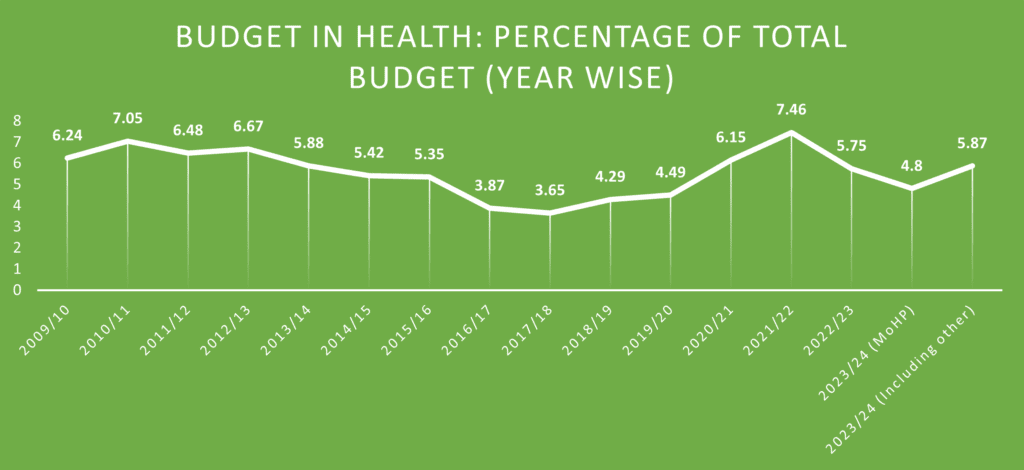
Picture11
Infographic: Budget in Health: Percentage of total budget (year wise)

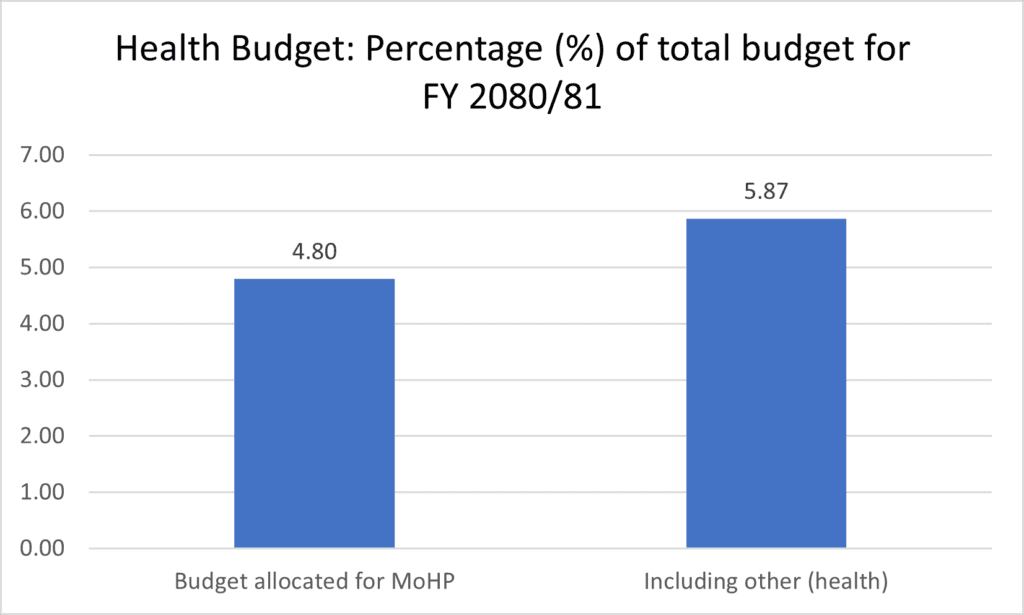
Picture10
Infographic: Health Budget: Percentage of total budget FY 2080/81

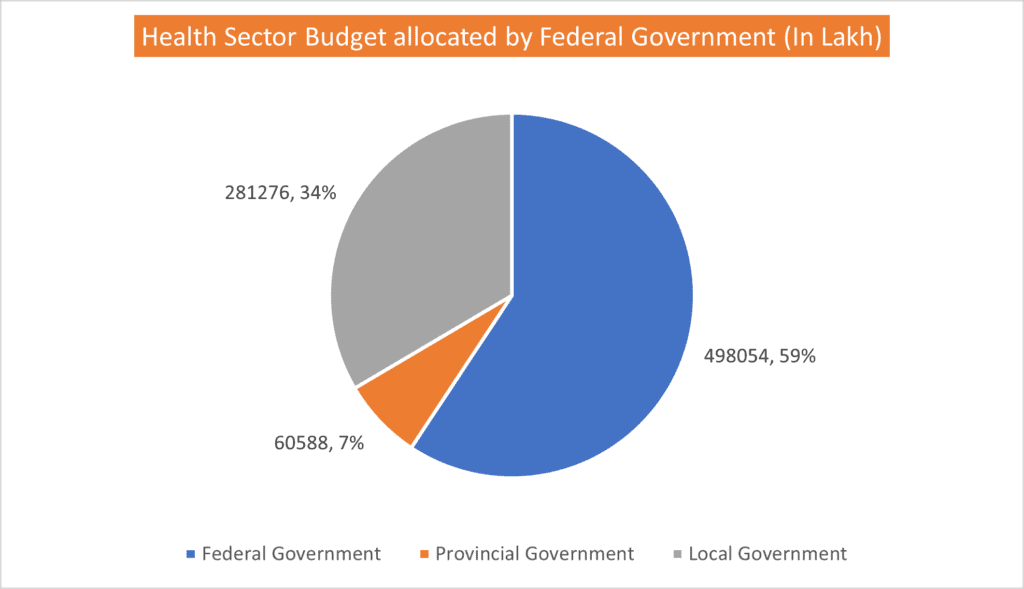
Budget in Health Sector for FY 2080/81 (In Lakh)

3 levels
Infographic: Budget allocated in health by Federal Government (In Lakh)

Federal Level Health Budget (Government authority/program wise)

S. NoOrganization/ programmeAllocated budget for Fiscal year (FY) 2080/81
Budget (in Lakh)SourceBudget (in Lakh)
Government of NepalAssistance
 Ministry of Health and Population- MoHP (Total)498054351825146229498054
1MoHP1887230381583418872
2Pashupati Homoeopathic Hospital2252250225
3Kanti Children’s Hospital2847284702847
4Nepal Eye Hospital3523520352
5BP Koirala Memorial Cancer Hospital6066060606
6Manmohan Cardiothoracic Vascular and Transplant Center1470147001470
7Shahid Gangalal National Heart Centre4505450504505
8TUTH (Including Suresh Wagle Memorial Cancer Center)1512151201512
9Health Tax Fund4000400004000
10Central Ayurveda Hospital, Naradevi8798790879
11SinghaDurbar Vaidyakhana1621620162
12B.P. Koirala Lions Center for Ophthalmic Studies6006000600
13Nepal Netra Jyoti Sangh4.644.64 4.64
14Health Sector Strengthening Program8746486422104287464
15Human Organ Transplant Centre2875287502875
16Integrated Health Infrastructure Program74764288004596474764
17COVID-19 Prevention and Control5329123665092553291
18Department of Health Services (DoHS)89393571793221489393
18.1National Tuberculosis Control Centre (NTC) (Tuberculosis Control)115257731379411525
18.2National Centre for AIDS and STD Control (NCASC) (AIDS and STI Control)5218361816005218
18.3Family Welfare Division (Family Welfare Program)35229129392229035229
18.4Epidemiology and Diseases Control Division (EDCD) Epidemiology Control Program2982169112912982
18.5Management Division (Health Management Program)223465115832234
18.6National Health Education, Information and Communication Centre (NHEICC)12376965411237
18.7National Health Training Centre (NHTC)678312366678
18.8Vector Borne Disease Research and Training Center (VBDRTC)0000
18.9National Public Health Laboratory (NPHL)2127021272127
18.1Curative Service Division298114184298
18.11Nursing and Social Security Division257052514056525705
      
19Department of Drug Administration (DDA)13831284991383
20Department of Ayurveda and Alternative Medicine (DoAA)4454450445
21Health Insurance Board7500075000075000
22Nepal Health Research Council9209200920
23Central Hospitals and Academy4472744727044727
23.1National Academy for Medical Sciences(NAMS) (Bir Hospital)7301730107301
23.2B.P. Koirala Institute of Health Sciences1477147701477
23.3Karnali Academy of Health Sciences (KAHS)2847284702847
23.4Patan Academy of Health Sciences (PAHS)1814181401814
23.5Rapti Academy of Health Sciences (RAHS)4684468404684
23.6Pokhara Academy of Health Sciences4023402304023
Health Sector Budget (Federal) for Fiscal Year 2023/24 (Red book)– Raw Data

Download Red Book (PDF File)

MOF (2023)

June 12, 2023 0 comments
0 FacebookTwitterPinterestLinkedinTumblrVKOdnoklassnikiRedditStumbleuponWhatsappTelegramLINEPocketSkypeViberEmail
Scale-up routine immunization along with COVID-19 vaccination: WHO
Global Health NewsPublic Health NewsPublic Health UpdateVaccine Preventable Diseases

Focus on unvaccinated children, strengthen routine immunization capacities: WHO

by Public Health Update June 12, 2023
written by Public Health Update

New Delhi | June 12, 2023: The World Health Organization today called for focused efforts to provide lifesaving childhood vaccines to the nearly 4.6 million children reported as unvaccinated or zero dose in 2021, as countries intensify efforts to equal or surpass pre-COVID-19 pandemic vaccination coverage levels.

“The number of unvaccinated children more than doubled from 2 million in 2019 to 4.6 million in the Region by 2021 despite efforts by countries to maintain or restore routine childhood immunization. We need to urgently address gaps and challenges aggravated by the COVID-19 pandemic,” said Dr Poonam Khetrapal Singh, Regional Director WHO South-East Asia.

The Regional Director was addressing representatives of ministries of health, national immunization advisory groups and partner agencies participating in a four-day regional workshop to strengthen routine immunization capacities post COVID-19 pandemic.

“We need to accurately identify high-risk areas with high numbers of zero-dose children, and rapidly improve access and uptake of routine immunization,” Dr Khetrapal Singh said.

The catch-up immunization activities and special campaigns being rolled out by countries must be reviewed and measures like increasing age limit of target populations adopted, where needed, for filling the immunity gaps.

The behavioral and social drivers of immunization should be identified to guide focused interventions and strategies to engage communities to accelerate demand for vaccination, she said.

The Regional Director emphasized on periodic mapping of at-risk populations and for developing actionable plans to address gaps in immunization.

Noting that routine immunization coverage in the Region has been highly variable, the Regional Director said while several countries have maintained high childhood vaccination coverage even during the COVID-19 pandemic and are now accelerating progress, some others where coverage declined in 2020 but stabilized in 2021 and 2022 can now reach pre-pandemic levels. However, there are also countries where coverage continues to be sub-optimal.

The Regional Director commended Timor-Leste for introducing pneumococcal vaccine in catch-up campaigns, and Nepal for becoming the fourth country globally in 2022 to introduce typhoid conjugate vaccine.

Dr Khetrapal Singh complimented Bangladesh for restoring immunization services to pre-COVID-19 levels by June 2020; India for launching the intensified vaccination drive – Mission Indradhanush; and Indonesia for completing the readiness requirements for use of the novel oral polio vaccine type 2 within a record time of two weeks from the notification of type 2 circulating vaccine-derived polio outbreak in November 2022.

Bhutan, DPR Korea, Maldives, Sri Lanka and Timor-Leste maintained their measles elimination status throughout the COVID-19 response while Sri Lanka and Maldives were certified for eliminating rubella in 2020.

The WHO South-East Asia Region continues to be free of wild poliovirus and sustains its maternal and neonatal tetanus elimination status.

With persistent effort over the years, routine immunization coverage in the Region had crossed 90% in 2019. The number of zero dose children declined from over 5 million in 2010 to 2 million in 2019. However, during the COVID-19 pandemic the coverage of DPT3 (third dose of vaccine to protect against diphtheria, pertussis and tetanus), which is the standard indicator to measure vaccination coverage, declined from 91% in 2019 to 85% in 2020 and fell further to 82% in 2021, sharply increasing the number of unvaccinated and under vaccinated children in a Region which has the biggest birth cohort.

In addition to identifying challenges and bottlenecks, the workshop aims at identifying gaps in capacities to enable countries design training plans for health workers to further intensify routine immunization, to advocate sustainable support and coordinate across health and other relevant sectors for service delivery within the primary health care.

New Delhi | June 12, 2023


⚡ Looking for expert analysis, policy briefs, and high-level reviews on Nepal's health sector?

We are now offering premium subscription services to deliver timely, evidence-backed policy briefs, comprehensive technical reviews, and strategic analysis straight to your inbox. Tap into specialized consultant expertise and stay ahead on Nepal's emerging health strategies.

👉 [Contact Us]

Do you have a website? Looking for the best hosting provider? Here’s a discount code.

Latest Public Health Jobs

Latest Posts

  • World Atopic Eczema Day 2026: Breaking the Invisible Burden
  • DEVASTATING FLOODS IN NEPAL: PUBLIC HEALTH IMPACT AND A CALL FOR HUMANITARIAN SUPPORT
  • PEN-Plus Orientation Manual for Mid-Level Health Care Workers
  • National Health Training Strategy 2082
  • Simulation Accreditation Manual for Clinical Training Sites

Thanks for visiting us.
Disclaimer: The resources, documents, guidelines, and information on this blog have been collected from various sources and are intended for informational purposes only. Information published on or through this website and affiliated social media channels does not represent the intention, plan, or strategies of an organization that the initiator is associated with in a professional or personal capacity, unless explicitly indicated.
If you have any complaints, information, or suggestions about the content published on Public Health Update, please feel free to contact us at blog.publichealthupdate@gmail.com.
#StayUpdated


  • WordPress
  • Link
  • Facebook
  • Mail
  • Facebook
  • Twitter
  • Twitter
  • LinkedIn
  • Instagram
  • Facebook
June 12, 2023 0 comments
0 FacebookTwitterPinterestLinkedinTumblrVKOdnoklassnikiRedditStumbleuponWhatsappTelegramLINEPocketSkypeViberEmail
Nepal Health Sector Strategic Plan 2023-2030
Health SystemsNational Plan, Policy & GuidelinesPublic HealthPublic Health UpdateResearch & Publication

Nepal Health Sector Strategic Plan 2023-2030

by Public Health Update June 5, 2023
written by Public Health Update

The Government of Nepal has endorsed the Nepal Health Sector Strategic Plan 2023-2030 (2079/80–2087/88). Here is the official version of the approved document.

Vision, Mission and Goal of Nepal Health Sector Strategic Plan 2023-2030

Vision: Healthy, productive, responsible and happy citizens

Mission: Ensure fundamental health rights of the citizens

Goal: Improved health status of every citizen

Guiding principles

This strategic plan adopts following guiding principles aligning with the National Health Policy 2019:

  • Universal access and social protection in health
  • Aligned and coordinated health systems
  • Multi-sectoral collaboration and health in all policies
  • Targeted approach to reach marginalised and vulnerable population
  • Public investments and governance
  • Professionalism and ethical practice
Strategic objectives, outcomes, outputs and interventions

This strategic plan has adopted five strategic objectives, fourteen outcomes, and 29 outputs to be achieved during the period of 2022-2030.

  1. Strategic objective 1. Enhance efficiency and responsiveness of health system
  2. Strategic objective 2. Address wider determinants of health
  3. Strategic objective 3. Promote sustainable financing and social protection in health
  4. Strategic objective 4. Promote equitable access to quality health services
  5. Strategic objective 5. Manage population and migration
Outcomes
  1. OC 1.1. Skill-mixed human resources for health produced and mobilized
  2. OC 1.2. Evidence- and equity-based planning
  3. OC 1.3. Safe and people friendly health infrastructures
  4. OC1.4. Ensured uninterrupted availability of quality medicine and supplies
  5. OC1.5. Improved governance, leadership, and accountability
  6. OC1.6. Public health emergencies managed effectively
  7. OC2.1. Reduced adverse effects of wider determinants on health
  8. OC2.2. Citizens responsible for their own, family and community health
  9. OC3.1. Improved public investment in health sector
  10. OC3.2. Improved social protection in health
  11. OC4.1. Improved quality of health services
  12. OC4.2. Reduced inequity in health services
  13. OC5.1. Maximized demographic dividend and managed demographic transitions
  14. OC5.2. Systematic migration and planned settlement practiced

DOWNLOAD PDF FILE

DOWNLOAD PDF FILE


  • Department of Health Services (DoHS)Annual Health Report 2080/81 (2023/24)
    Date
    May 18, 2025
  • Nepal Government’s Health Sector Policies and Programmes for Fiscal Year 2025–26
    Date
    May 4, 2025
  • Multisectoral Action Plan for the Prevention and Control of NCDs, 2026-2030 (Draft)
    Date
    January 26, 2026
June 5, 2023 0 comments
0 FacebookTwitterPinterestLinkedinTumblrVKOdnoklassnikiRedditStumbleuponWhatsappTelegramLINEPocketSkypeViberEmail
Effects of age on non-communicable disease risk factors among Nepalese adults
AbstractsNon- Communicable Diseases (NCDs)Research & PublicationResearch Articles

Effects of age on non-communicable disease risk factors among Nepalese adults

by Public Health Update June 3, 2023
written by Public Health Update

The research paper, published in the PLOS ONE journal, suggests that early identification and management of biological risk factors in younger age groups are essential to prevent their progression into non-communicable diseases (NCDs).

Findings Highlight

  • The prevalence of selected behavioral risk factors for NCDs, notably smoking, alcohol consumption and insufficient physical activity, and some biological risk factors (hypertension, hyperlipidemia) increases with age.
  • The prevalence of most behavioral risk factors was highest among men and women aged 60 years and above.
  • The prevalence of hypertension and hyperlipidemia was highest among the elderly, but the prevalence of diabetes and overweight/obesity was highest among the middle aged for both sexes.
  • Age interactions in the association between behaviors and biological risk factors were surprisingly weak.
  • Age interactions were significant in the association between alcohol consumption and -hypertension, -overweight/obesity and -hyperlipidemia among women.
  • The prevalence of NCD risk factors tends to be higher among elders, the interaction between age and risk factors is complex.
  • Most NCD risk factors are related to behaviors, which originate in young adulthood.

Read More:
Sapkota BP, Baral KP, Rehfuess EA, Parhofer KG, Berger U (2023) Effects of age on non-communicable disease risk factors among Nepalese adults. PLoS ONE 18(6): e0281028. https://doi.org/10.1371/journal.pone.0281028


⚡ Looking for expert analysis, policy briefs, and high-level reviews on Nepal's health sector?

We are now offering premium subscription services to deliver timely, evidence-backed policy briefs, comprehensive technical reviews, and strategic analysis straight to your inbox. Tap into specialized consultant expertise and stay ahead on Nepal's emerging health strategies.

👉 [Contact Us]

Do you have a website? Looking for the best hosting provider? Here’s a discount code.

Latest Public Health Jobs

Latest Posts

  • World Atopic Eczema Day 2026: Breaking the Invisible Burden
  • DEVASTATING FLOODS IN NEPAL: PUBLIC HEALTH IMPACT AND A CALL FOR HUMANITARIAN SUPPORT
  • PEN-Plus Orientation Manual for Mid-Level Health Care Workers
  • National Health Training Strategy 2082
  • Simulation Accreditation Manual for Clinical Training Sites

Thanks for visiting us.
Disclaimer: The resources, documents, guidelines, and information on this blog have been collected from various sources and are intended for informational purposes only. Information published on or through this website and affiliated social media channels does not represent the intention, plan, or strategies of an organization that the initiator is associated with in a professional or personal capacity, unless explicitly indicated.
If you have any complaints, information, or suggestions about the content published on Public Health Update, please feel free to contact us at blog.publichealthupdate@gmail.com.
#StayUpdated


  • WordPress
  • Link
  • Facebook
  • Mail
  • Facebook
  • Twitter
  • Twitter
  • LinkedIn
  • Instagram
  • Facebook
June 3, 2023 0 comments
0 FacebookTwitterPinterestLinkedinTumblrVKOdnoklassnikiRedditStumbleuponWhatsappTelegramLINEPocketSkypeViberEmail
BRAC JPGSPH TDR Postgraduate Scholarship in Implementation Research
Grants and Funding OpportunitiesInternational Jobs & OpportunitiesMaster's DegreePublic Health OpportunitiesPublic Health Opportunity

BRAC JPGSPH TDR Postgraduate Scholarship in Implementation Research

by Public Health Update June 2, 2023
written by Public Health Update

The BRAC James P. Grant School of Public Health (BRAC JPGSPH) at BRAC University in Dhaka, Bangladesh, is pleased to announce a Call for Applications for the award of TDR Postgraduate Training Scholarships for the one-year Master of Public Health (MPH) 2024–2025 Programme, beginning in January 2024. The International MPH Programme is a 12-month full-time programme which is taught in English with a focus on promoting problem-based experiential learning. To access the prospectus for the current 2023-2024 academic year: click here.

Nationals who are also residents in low- and middle-income countries (LMICs) of WHO South-East Asia or WHO Eastern Mediterranean regions are eligible to apply. Individuals with an interest in a scientific career and health professionals with an interest in analytical approaches to programme implementation are welcome to apply!

The training will focus on modules relevant to skills needed to independently lead and undertake implementation research, which is a growing field that supports the identification of health system bottlenecks and approaches to address them. It is particularly useful in LMICs, where many health interventions do not reach those who could be benefitting from them. The goal of this scheme is to enhance graduate training capacity and boost the number and quality of researchers in LMICs. 

Funding for these scholarships is from the UNICEF/UNDP/World Bank/WHO Special Programme for Research and Training in Tropical Diseases (TDR), based at the World Health Organization in Geneva, as part of the TDR Postgraduate Training Scheme. 

Scholarship recipients will be enrolled as postgraduate students and conduct their Thesis/Summative Learning Project (SLP) on implementation research on infectious diseases of poverty, which includes Neglected Tropical Diseases, TB/HIV, Malaria, other vector-borne diseases, emergency preparedness and including also perspectives of One Health, climate change, and an intersectional gender lens.
Recipients will be enrolled as postgraduate students, and their careers will be tracked through the TDR postgraduate alumni platform, IR Connect, which monitors the impact of the programme and provides networking and opportunities to increase visibility for students and alumni. The programme provides on-campus teaching. However, depending on regulations related to any future pandemic, the course may be adjusted, for example with entirely online delivery.

THE SCHOLARSHIP PACKAGE

  • One return economy airfare between the home country of the student and Dhaka, Bangladesh
  • Tuition and academic fees
  • Basic medical and accident insurance
  • Monthly stipend to cover living expenses, including accommodation equivalent to local cost of living.
  • Support for Thesis/Summative Learning Project expenses during data collection.

ELIGIBILITY FOR THE SCHOLARSHIP
Candidates must be eligible for both the MPH Programme and TDR Scholarship. Applicants must meet BRAC University post-graduation admission criteria.

Applicants should:

Meet standard minimum university requirements for international postgraduate students at https://www.bracu.ac.bd/admissions/postgraduate or https://bracjpgsph.org/mph-admission

  • Minimum GPA of 2.5 out of 4.0 for Bachelor’s Degree
  • Minimum GPA of 2.5 in O-Levels/SSC/Equivalent in five subjects and A Levels/HSC/Equivalent in two subjects or equivalent as per BRAC University scale (A=5, B=4, C=3, D=2 & E=1)
  • Proficiency in oral and written English and basic Mathematics
  • Basic Computer skills including Microsoft Office and Data Analysis Software.

Have a 4-years Bachelor’s degree or 3-years Bachelor Degree and 1-year Master/Postgraduate Diploma Degree in Health Sciences (Medicine, Nursing, Midwifery, including Allied Health Sciences)/Life Sciences/Social Sciences (Anthropology, Public Health, Food and Nutrition, Sociology, Psychology or any other Social Sciences Discipline);

  • Be a national of and resident in a low- and middle-income country (as defined by the World Bank) of either the WHO South-East Asia or Eastern Mediterranean region;
  • Be under 37 years of age at the time of application for the Master’s programme;
  • Be interested in developing a career in implementation research on infectious diseases of poverty, including neglected tropical diseases; and
  • Submit a statement of purpose on the reason for pursuing a career in infectious diseases of poverty
  • Preference will be given to applicants currently working with health programmes in their respective countries;
  • Provide a letter of support from the Director/Manager of the applicant’s home institution testifying the applicant’s ability to successfully undertake the Master’s programme and certifying that the applicant, if selected, will be granted a leave of absence. The Director/Manager must also indicate how the Master’s programme will strengthen the institution’s capability to conduct implementation research upon the return of the applicant. Applicants will be required to provide the letter of support if they are shortlisted for entrance exams and aptitude tests.

APPLYING FOR THE TDR POSTGRADUATE SCHOLARSHIP SCHEME AT BRAC UNIVERSITY
To apply, you must complete the following two steps:
Step 1. Complete the TDR postgraduate scholarship application form and email it to: jpgsphmph@bracu.ac.bd with a copy to humayra.anwar@bracu.ac.bd and tahsin.hossain@bracu.ac.bd
Step 2. Apply for the Master’s Programme. Call for Applications for the MPH 2024-2025 academic year will open in mid-May 2023.

Students must submit their online application for the MPH Programme at BRAC JPGSPH at https://admissions.bracu.ac.bd/academia/authentication/login or https://admissions.bracu.ac.bd/academia/admissionProcess/listAvailablePublishedCircularForAdmission (Only completed forms will be further processed).

APPLICATION DEADLINE: The deadline for receipt of applications is 30 July 2023.

June 2, 2023 0 comments
0 FacebookTwitterPinterestLinkedinTumblrVKOdnoklassnikiRedditStumbleuponWhatsappTelegramLINEPocketSkypeViberEmail
World No Tobacco Day
Non- Communicable Diseases (NCDs)PH Important DayPublic HealthPublic Health UpdateTobacco Control

World No Tobacco Day: “We need food,not tobacco

by Public Health Update May 30, 2023
written by Public Health Update

World No Tobacco Day: “We need food, not tobacco”
By Dr Poonam Khetrapal Singh, WHO Regional Director for South-East Asia.

The World No Tobacco Day is here again. Effective tobacco control involves tackling the demand and supply of tobacco as envisaged in the WHO Framework on Tobacco Control (FCTC). While the focus of tobacco control programs aims at reducing the demand of tobacco, the tobacco supply reduction strategies need to be balanced with the demand reduction for achieving overall reduction in tobacco use prevalence. 

The theme of this year’s World No Tobacco Day is “We need food, not tobacco”.

The campaign aims to raise awareness about alternative crop production and marketing opportunities for tobacco farmers and encourage them to grow sustainable, nutritious crops. It will also aim to expose the tobacco industry’s efforts to interfere with attempts to substitute tobacco growing with sustainable crops, thereby contributing to the global food crisis. 

Tobacco cultivation contributes to increased food insecurity worldwide. Across the globe around 3.5 million hectares of land are converted for tobacco growing each year. In South-east Asia Region, India leads in acres of land under cultivation and production of tobacco, followed by Indonesia. Tobacco is also grown in Bangladesh, DPR Korea, Thailand, Myanmar, and Sri Lanka. 

The tobacco industry often touts itself as an advocate for the livelihood of tobacco farmers. In the Region, the tobacco growers and workers are often used by the industry, as front groups to rally against tobacco control. This is a far cry from the truth. Instead, the intensive handling of insecticides and toxic chemicals during the cultivation of tobacco contributes to many farmers and their families suffering from ill health. It is time that the governments and policy makers across the Region hold the tobacco industry accountable for the health, environmental and economic costs of tobacco cultivation and use, including the deepening food crisis. 

The WHO FCTC offers specific principles and policy options on the promotion of economically viable alternatives for tobacco workers, growers, and individual sellers under Article 17, and on enhancing protection of the environment and the health of people under Article 18 of the Convention. 

I am happy to share that we have success stories from Bangladesh, India, Indonesia, and Sri Lanka, where tobacco growing farmers have successfully shifted over to economically viable alternative crops. Sri Lanka is leading the way by successfully implementing pilots to promote alternative crops replacing tobacco growing with encouraging results. 

On this World No Tobacco Day, I call upon all partners to work collectively to support governments of tobacco growing countries to develop and implement suitable policies and strategies for tobacco farmers to shift to growing food crops that would provide them and their families with a better life culminating in supporting national economies and ensuring food security. I also take this opportunity to assure continued support from WHO to Member States in supporting endeavours to assist tobacco farmers shifting away from growing tobacco and adopt healthier choices including food crops.

WHO SEARO


Recommended readings

  • Stop tobacco industry exploitation of children and young people
  • TOBACCO CONTROL RELATED READING MATERIALS 
  • The WHO Framework Convention on Tobacco Control
  • The National Anti-Tobacco Communication Campaign Strategy for Nepal Tobacco Product Pictorial Health Warning Directive 2071
  • Tobacco Products (Control and Regulatory) Act, 2068 (2011)
  • The National Anti-Tobacco Communication Campaign Strategy for Nepal 
  • Nepal: The Economic Case for Tobacco Control
  • Framework Convention on Tobacco Control 2030 Strategy:Nepal
  • The WHO Framework Convention on Tobacco Control
  • World No Tobacco Day 2019 : “Tobacco and Lung Health”
  • Thailand becomes first in Asia to introduce tobacco plain packaging
  • Resolutions of 12th Asia Pacific Conference on Tobacco or Health (APACT12)
  • APACT 12th Youth Vision: Choose Youth Not Tobacco!
  • ”Tobacco Breaks Hearts” World No Tobacco Day 2018
  • Ministry of Health to be made tobacco-free zone
  • WHO issues new guidance on tobacco product regulation towards maximum protection of public health
  • Tobacco Control Convention Strategy-2030 launched
  • World No Tobacco Day (Presentation)
  • Sri Lanka has been selected to receive dedicated international support on tobacco control
  • Online Certificate Course on Smokeless Tobacco
  • World No Tobacco Day 2012
May 30, 2023 0 comments
0 FacebookTwitterPinterestLinkedinTumblrVKOdnoklassnikiRedditStumbleuponWhatsappTelegramLINEPocketSkypeViberEmail
Awards for outstanding contributions to public health presented during the Seventy-sixth World Health Assembly
AwardAwardsPublic HealthPublic Health InnovationPublic Health NewsPublic Health UpdateSuccess Stories

Awards for outstanding contributions to public health presented during the Seventy-sixth World Health Assembly

by Public Health Update May 27, 2023
written by Public Health Update

WHO 26 May 2023 News release

During a moving ceremony at the Seventy-sixth World Health Assembly in Geneva, awards were presented to persons and institutions from around the world for their outstanding contributions to public health.

“The 2023 public health prizes and awards celebrate people who have made a significant contribution to global health, and whose work has extended far beyond the call of normal duty,” said Dr Tedros Adhanom Ghebreyesus, WHO Director-General. “At a time when the world faces many challenges, each is an inspiration and a reminder of the progress that can be made to improve health and wellbeing for all.”

The call for nominations of candidates for each prize is sent out each year after closure of the World Health Assembly. Nominations can be made by national health administrations of a WHO Member State and by any former recipient of the prizes. At its 152nd session in January 2023, the Executive Board designated the 2023 winners of the prizes, on the basis of proposals made by the dedicated selection panels for each prize.

The seven laureates have been selected to celebrate their unique role and contribution for public health in their countries and globally. They come from four WHO Regions – for the Americas, the Eastern-Mediterranean, South-East Asia and the Western Pacific. Five winners are individuals, and three among them are women. In addition, the two institutions that have received a 2023 award are led by women.

Winners of the 2023 prizes 

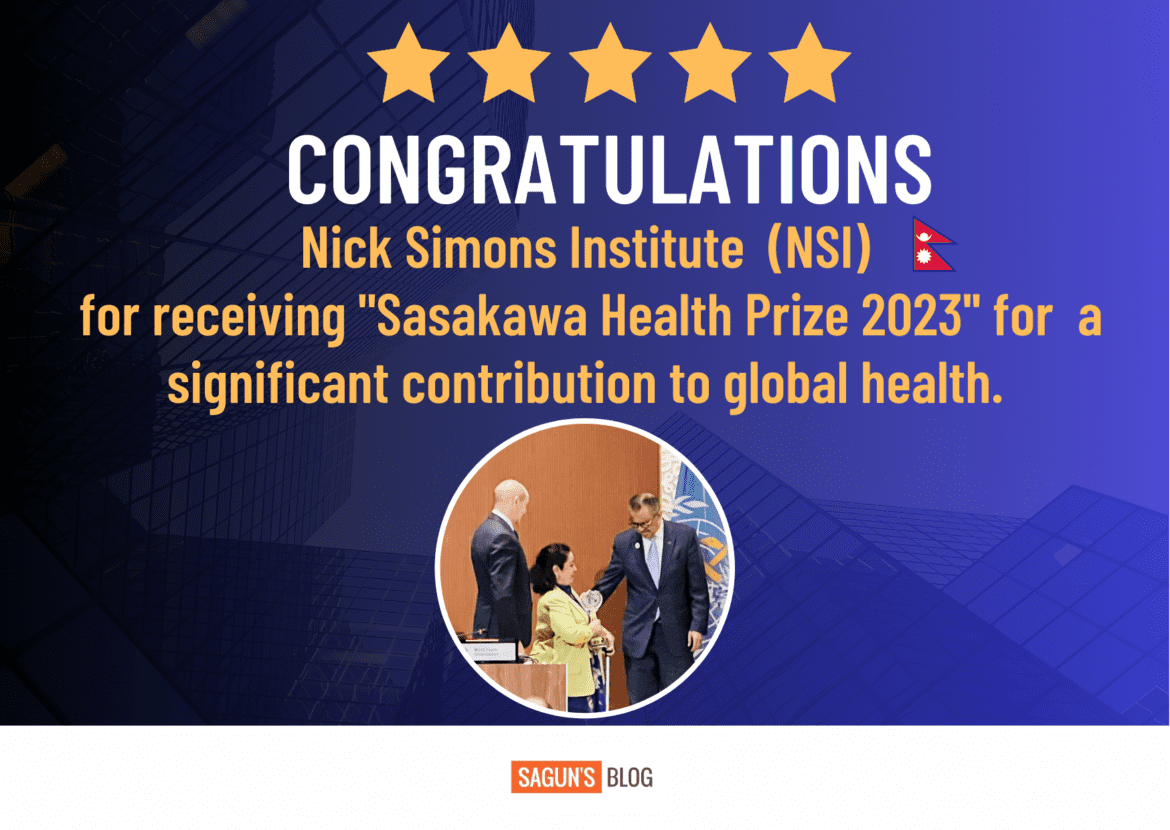
Sasakawa Health Prize

The 2023 laureates: The Nick Simons Institute from Nepal, and Professor Vichai Tienthavorn from Thailand

The Nick Simons Institute is a nongovernmental organization aiming to improve health care in the rural areas of Nepal. Working closely with the Ministry of Health and Population of Nepal, the Institute has trained 7000 medical professionals (such as midwives and anaesthetic assistants) in rural areas, who now provide most-needed services to local communities in the absence of a sufficient pool of general practitioners and specialists. The Institute has supplied essential equipment and provided additional health personnel to alleviate the lack of medical professionals in 44 hospitals, and supported the design of an action plan for better quality services in more than 100 rural hospitals. The Institute also conducts research and advocacy activities to shape perceptions and influence policies that affect rural health workers in Nepal.

Professor Vichai Tienthavorn is President of the Praboromarajchanok Institute at the Ministry of Public Health of Thailand. One of the nation-wide initiatives he has led is an innovative health promotion policy to help address thalassemia, with his work resulting in the adoption of an effective national policy for thalassemia prevention and control. He also designed an effective communications tool and screening method to help citizens to adapt their behaviours in order to prevent and control diabetes and hypertension. As a result of this work, a national policy was adopted with significant positive impact on the country’s disease burden. Professor Tienthavorn also played an essential role in addressing the challenge of uneven distribution of the health workforce, especially in border and rural areas of Thailand. He led the establishment of partnerships with village schools to recruit high-school students, train them and help them settle back locally after having accomplished an accelerated medical curriculum. 

United Arab Emirates Health Foundation Prize

2023 award laureate: Dr Maria Asuncion Silvestre from the Philippines

In addition to being a renowned clinician and researcher, Dr Maria Asuncion Silvestre is a passionate advocate for exclusive breastfeeding and the founder of Kalusugan ng Mag-Ina (Health of Mother and Child) – a Philippine non-governmental organization. Dr Silvestre has leveraged her experience as a community practitioner to conduct research and design a protocol to help improve the health of mothers and newborns. The pioneering protocol she created describes a simple set of actions to be undertaken by health workers attending a mother during delivery and her newborn after birth. This protocol, which is applicable in all resource settings, helps to bridge the health equity gap in mother-and-child care. In partnership with the national government of the Philippines as well as 17 countries in the WHO Western Pacific Region, she has played a key role in scaling up the First Embrace campaign for Early Essential Newborn Care – a set of simple WHO-recommended and cost-effective interventions.

His Highness Sheikh Sabah Al-Ahmad Al-Jaber Al-Sabah Prize for Research in Health Care for the Elderly and in Health Promotion

2023 award laureates: The National Center for Chronic and Noncommunicable Disease Control and Prevention from China; and Dr Abla Mehio Sibai from Lebanon 

The National Center for Chronic and Noncommunicable Disease Control and Prevention, part of the Chinese Center for Disease Control and Prevention (China CDC), has hosted a department focusing on the health of older people since 2013. It delivers a broad range of programmes and activities that advance health promotion for older people, ranging from better understanding the causes of morbidity and mortality through national surveillance for noncommunicable diseases, surveys, death registries and research, to tailored programmes to promote health literacy and evidence-based policies. Initiatives include a dedicated toolkit for older people, capacity‑building of 2000 primary care staff, a health advocacy week dedicated to older people, and an innovative project to improve the mental and cognitive health of more than half a million older persons in both urban and rural areas.

Dr Abla Mehio Sibai is Professor of Epidemiology and Dean of the Faculty of Health Sciences at the American University of Beirut in Lebanon. She has made an outstanding contribution to older people’s health in Lebanon and the region, developing a holistic approach to the promotion of healthy ageing. She led the innovative initiative of enrolling close to 600 older people every year at the University for Seniors at the American University of Beirut, in addition to training public health professionals. She co-led the landmark WHO Global Burden of Disease Study in Lebanon (2000) and conducted the first national survey on noncommunicable diseases and risk factors, informing advocacy, policy-making and programme planning for health promotion. Building on her numerous achievements, Dr Sibai has developed the “National Strategy for Older Persons” in Lebanon (2020–2030). Dr Sibai also created the Arab Ageing Network and the Centre for Studies on Ageing to create links between research and policy at the national, regional and international levels.

Dr LEE Jong-wook Memorial Prize for Public Health

2023 award laureate: Dr Jorge Francisco Meneses from Guatemala

Having promoted community participation in hospital care for over 20 years, Dr Jorge Francisco Meneses set up community-based committees focusing on the safety and satisfaction of patients, their families and the community. Given the positive impact of his work in improving the quality of patient care, the model of ethical and patient-centred care that he designed was scaled up at the national level. Nowadays, as the national supervisor for hospitals of Guatemala, he has designed a programme to improve the quality of services for hospital patients and their families. Dr Meneses has recently coordinated an innovative pilot project in the Guatemala South Health Area to build the first national integrated network of health services, with a priority focus on underserved communities. His work led to the adoption of a national strategy of integrated health services networks, the first in Central America.

Nelson Mandela Award for Health Promotion

2023 award laureate: Dr Mariam Athbi Al Jalahma from Bahrain

In addition to being the Chief Executive Officer of the National Health Regulatory Authority of Bahrain, Dr Mariam Athbi Al Jalahma has held various leadership positions in government and academic institutions in her country. Dr Al Jalahma has played a major role in the development of numerous national and region-wide strategies and plans in the field of primary healthcare, child and adolescent health, chronic diseases and antismoking. In her current role, Dr Al Jalahma has led major successful initiatives, such as the national accreditation system for health institutions, the digital transformation of the National Health Regulatory Authority, and several initiatives leading to increased efficiency and excellence in the health sector. She is also a prominent voice for health promotion across various channels throughout all countries of the Gulf Cooperation Council.


⚡ Looking for expert analysis, policy briefs, and high-level reviews on Nepal's health sector?

We are now offering premium subscription services to deliver timely, evidence-backed policy briefs, comprehensive technical reviews, and strategic analysis straight to your inbox. Tap into specialized consultant expertise and stay ahead on Nepal's emerging health strategies.

👉 [Contact Us]

Do you have a website? Looking for the best hosting provider? Here’s a discount code.

Latest Public Health Jobs

Latest Posts

  • World Atopic Eczema Day 2026: Breaking the Invisible Burden
  • DEVASTATING FLOODS IN NEPAL: PUBLIC HEALTH IMPACT AND A CALL FOR HUMANITARIAN SUPPORT
  • PEN-Plus Orientation Manual for Mid-Level Health Care Workers
  • National Health Training Strategy 2082
  • Simulation Accreditation Manual for Clinical Training Sites

Thanks for visiting us.
Disclaimer: The resources, documents, guidelines, and information on this blog have been collected from various sources and are intended for informational purposes only. Information published on or through this website and affiliated social media channels does not represent the intention, plan, or strategies of an organization that the initiator is associated with in a professional or personal capacity, unless explicitly indicated.
If you have any complaints, information, or suggestions about the content published on Public Health Update, please feel free to contact us at blog.publichealthupdate@gmail.com.
#StayUpdated


  • WordPress
  • Link
  • Facebook
  • Mail
  • Facebook
  • Twitter
  • Twitter
  • LinkedIn
  • Instagram
  • Facebook
May 27, 2023 0 comments
0 FacebookTwitterPinterestLinkedinTumblrVKOdnoklassnikiRedditStumbleuponWhatsappTelegramLINEPocketSkypeViberEmail
DHS Program
CoursesOnline CoursesPublic Health OpportunitiesPublic Health Opportunity

DHS eLearning Survey Sampling Training Course 2023

by Public Health Update May 25, 2023
written by Public Health Update

DHS eLearning Survey Sampling Training Course – Summer 2023, June 19 – July 28, 2023

The USAID-funded The Demographic and Health Surveys (DHS) Program is searching for potential participants to take part in The DHS eLearning Survey Sampling Training Course – Summer 2023 that will be held online from June 19 to July 28, 2023. The purpose of the course is to equip participants with the knowledge, tools, skills, and abilities to design samples for population surveys, such as DHS surveys.

The training will focus on the use of efficient tools to facilitate much of the sampling work done for probability sample surveys. Although the attention will be directed towards DHS surveys, the acquired skills can also be used for other types of surveys. By the end of this training, participants will be able to:

  • Describe the value and methodologies for sample surveys versus other approaches to collecting information from large-scale populations.
  • Determine appropriate sample size and its allocation for nationwide sample surveys or for surveys to be conducted in a program area.
  • Identify a proper sampling frame and select primary sample points.
  • Update the primary sample points and select households for household surveys.
  • Calculate sampling weights based on the given sample design.

Eligibility and Requirements

  • All participants should have demonstrable basic statistical knowledge and MS Excel skills.
  • All participants must be able to understand and communicate in English.
  • Commitment to dedicate 3 to 4 hours every week in order to complete all assignments.
  • Prior knowledge of DHS surveys is preferred, but not essential.
  • Women candidates are encouraged to apply.

Timeline

June 2, 2023:Online application due
June 5-16, 2023:Selected candidates notified
June 19, 2023:Introduction module begins for selected candidates

READ MORE AND APPLY


⚡ Looking for expert analysis, policy briefs, and high-level reviews on Nepal's health sector?

We are now offering premium subscription services to deliver timely, evidence-backed policy briefs, comprehensive technical reviews, and strategic analysis straight to your inbox. Tap into specialized consultant expertise and stay ahead on Nepal's emerging health strategies.

👉 [Contact Us]

Do you have a website? Looking for the best hosting provider? Here’s a discount code.

Latest Public Health Jobs

Latest Posts

  • World Atopic Eczema Day 2026: Breaking the Invisible Burden
  • DEVASTATING FLOODS IN NEPAL: PUBLIC HEALTH IMPACT AND A CALL FOR HUMANITARIAN SUPPORT
  • PEN-Plus Orientation Manual for Mid-Level Health Care Workers
  • National Health Training Strategy 2082
  • Simulation Accreditation Manual for Clinical Training Sites

Thanks for visiting us.
Disclaimer: The resources, documents, guidelines, and information on this blog have been collected from various sources and are intended for informational purposes only. Information published on or through this website and affiliated social media channels does not represent the intention, plan, or strategies of an organization that the initiator is associated with in a professional or personal capacity, unless explicitly indicated.
If you have any complaints, information, or suggestions about the content published on Public Health Update, please feel free to contact us at blog.publichealthupdate@gmail.com.
#StayUpdated


  • WordPress
  • Link
  • Facebook
  • Mail
  • Facebook
  • Twitter
  • Twitter
  • LinkedIn
  • Instagram
  • Facebook
May 25, 2023 0 comments
0 FacebookTwitterPinterestLinkedinTumblrVKOdnoklassnikiRedditStumbleuponWhatsappTelegramLINEPocketSkypeViberEmail
Embracing the Unknown: A Journey of Qualitative Research Among the Chepang Community
Op-Ed ArticleResearch Articles

Embracing the Unknown: A Journey of Qualitative Research Among the Chepang Community

by Public Health Update May 25, 2023
written by Public Health Update

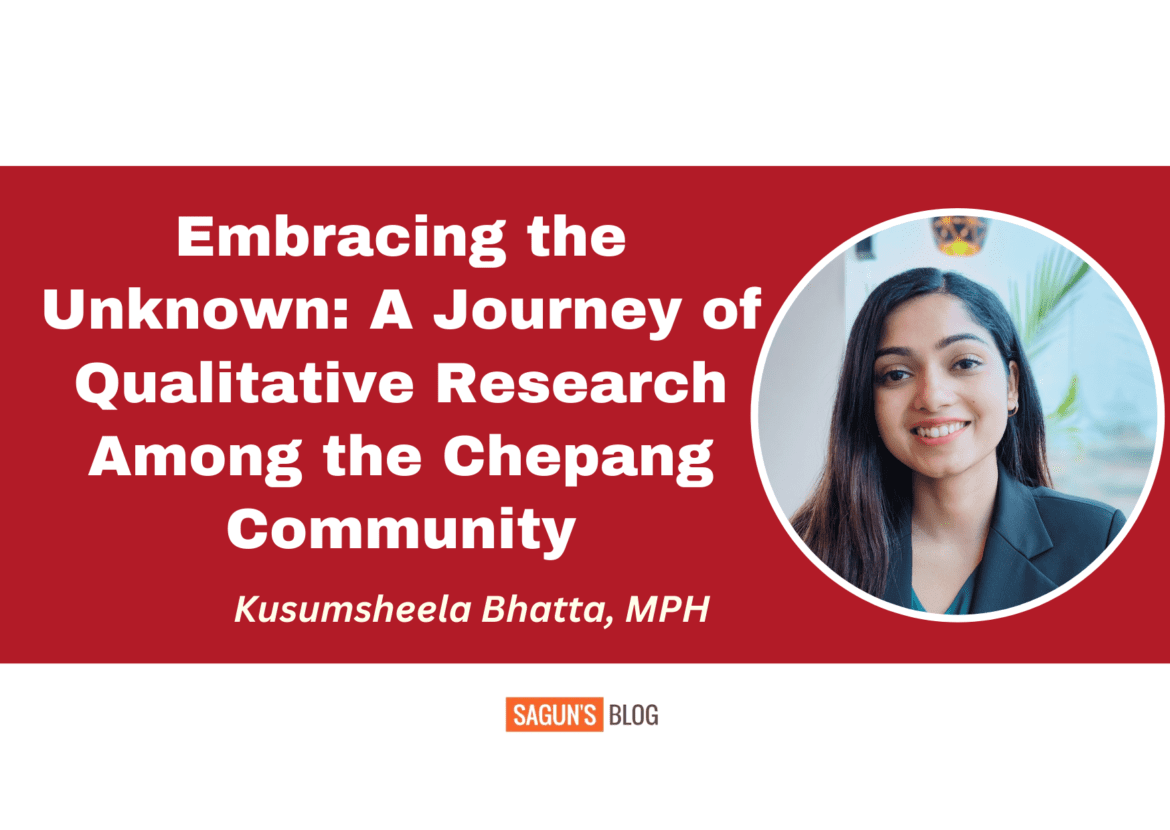
Kusumsheela Bhatta, MPH

Significance of Qualitative Research in Public Health:

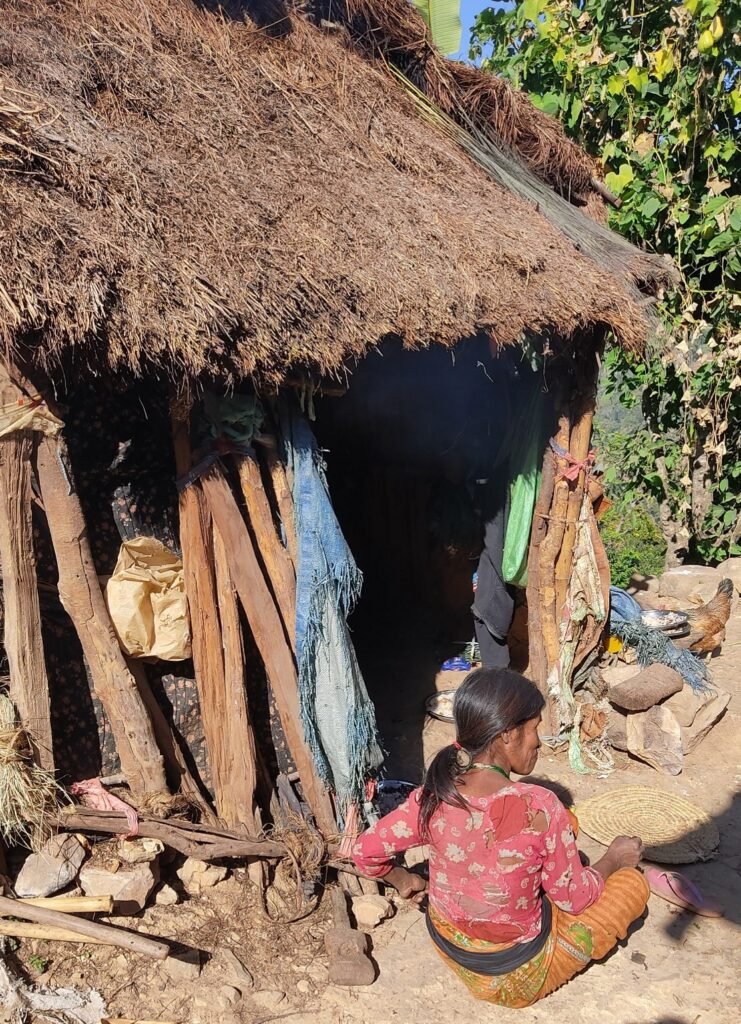
As I was pursuing my Masters of Public Health at Patan Academy of Health Sciences, I was sure of one thing. That is, I wanted to pursue my thesis in an underprivileged and marginalized community, and with this in mind, I decided to conduct my research among the Chepang community of Raksirang Rural Municipality in Makwanpur District. But little did I know that this decision would take me on a transformative journey filled with challenges, learning, and heartfelt connections.

In the field of public health, qualitative research plays a vital role in understanding the lived experiences, perspectives, and health needs of communities.

In the field of public health, qualitative research plays a vital role in understanding the lived experiences, perspectives, and health needs of communities. It provides valuable insights that quantitative data alone cannot capture. Recognizing the significance of qualitative research, I embarked on my journey to delve deep into the world of the Chepang community and shed light on their unique health challenges. My research was particularly focused on assessing the prevalence and factors associated with adolescent pregnancy among Chepang women.

Stepping into the Unknown:

Before I began, I had limited knowledge about the Chepang community—where they were located, how they lived, and what obstacles they faced. Armed with determination, I stepped into the unknown, fully embracing the subjectivity of qualitative research and preparing to reflect upon my experiences. This article serves not only as a personal account but also as a guiding light and a wellspring of inspiration for other early career qualitative researchers who will embark on their own research journey in unfamiliar settings.

Building Relationships and Trust:

As I set foot in the Chepang community, I realized that the path ahead was uncertain. Nevertheless, with the support of local NGOs that had been working in the area, I established early relationships and constructed a sampling frame. Their guidance proved invaluable in navigating the unfamiliar terrain and connecting with the locals.

Recognizing the importance of building trust and acceptance within the local community, I sought the assistance of individuals who were familiar with the customs and traditions of the Chepang community. Two kind-hearted Chepang sisters became my companions throughout the data collection process. Their guidance proved invaluable in establishing a strong rapport with the community members and overcoming language barriers. I learned the customary greeting, “Jay Masi,” which helped me assimilate better into their culture.

The Power of Relatability:

During my time in the field, I quickly realized that my youthful appearance worked in my favor. As my respondents were between 10 to 25 years old, my relatable age allowed them to feel comfortable sharing their personal information, including their reproductive health experiences. This resulted in a deeper level of trust, and I felt more like a friend or big sister who was there to listen and support them in their struggles and joys. Being an outsider in the community was actually beneficial for me during the data collection process. Since I had no previous connection or history with the locals, they felt more at ease sharing information with me, knowing that their confidentiality was assured.

Challenging beliefs and assumptions:

As a public health student, I was initially driven by the notion that adolescent pregnancy had negative health consequences. However, when I entered the field, I realized that this community’s experiences were far from what I had imagined. I challenged my beliefs and tried to understand their perspectives and worldview, asking questions with a neutral mindset. As a result, I became more enthusiastic and eager to learn about their ways of life, thinking, and attitudes toward health. During the interviews, my focus was to listen to their values, without imposing my own. I cherished the moments of living life as they did – enjoying their food, celebrating their festivals (chewar), dancing with them, and attending church on Saturdays. These experiences allowed me to gain a deeper understanding of them than the 20-45 minute interviews could provide, and I found the beauty of being a part of qualitative research.

Ethical considerations and power dynamics:

During my time in the field, I was initially worried that participants might feel pressured to tell me what I wanted to hear or modify their responses based on my education and social standing. However, to my delight, I found that the participants were steadfast in their beliefs and values. Their responses were honest and genuine, and they didn’t seem to be swayed by my background or credentials. I greatly appreciated their sincerity and was impressed by their unwavering commitment to their own belief system.

While conducting qualitative interviews, I always kept in mind the ethical considerations and potential power dynamics involved. I made a conscious effort to build trust and rapport with my participants and create a comfortable environment for them to share their experiences. Sometimes, I even forgot that I was there as a researcher and found myself engaging in heartfelt conversations with them. To ensure their comfort, I refrained from recording these conversations and instead focused on actively listening and being empathetic. It was important to me that they felt heard and understood, and I was grateful for the opportunity to connect with them on a personal level.

Picture1

Beyond Data Collection:

Some of their life stories would even tear me down emotionally. I would feel really low and just start looking for ways to support them in any way I could. One of the respondents asked me for an abortion pill as she had just given birth and didn’t want another child at the age of 16. I suggested to her where she could get one and also taught her about family planning methods after the data collection. Some of the respondents were as young as 15 and planning for home delivery while some of them had no clue about family planning and ANC service. As a part of my ethical duty, I gave them all the information after the data collection was done.

Overcoming Geographical Hurdles:

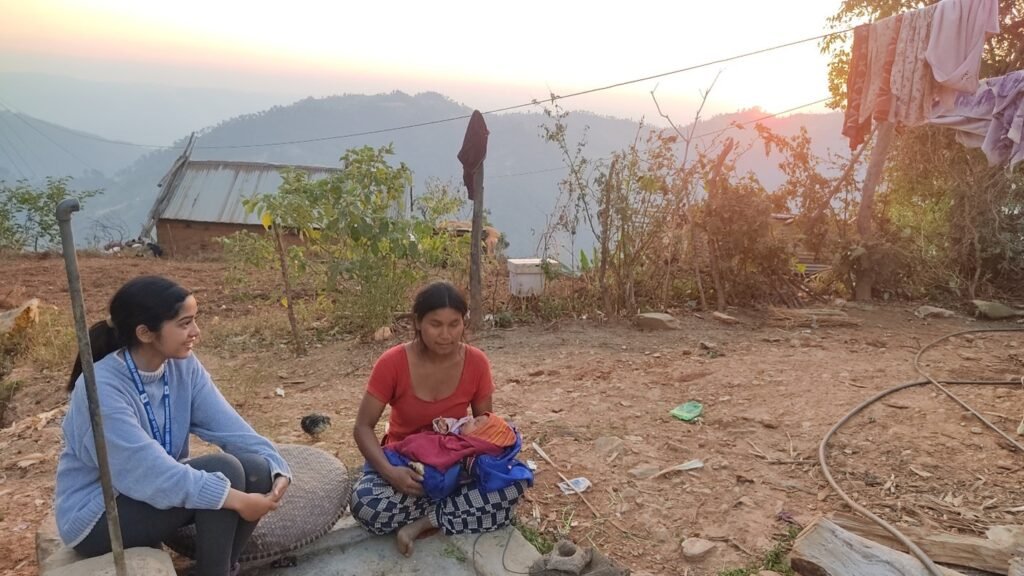
Gathering data from the community was a challenging but fulfilling experience, given the geographical hurdles that had to be overcome. The entire ward was susceptible to landslides, which added to the complexity of the task. Many of the participants were occupied with farming activities, which meant that I had to go looking for them in the fields, sometimes requiring me to climb steep hills and cross rivers multiple times. While it was tiring, my experience with hiking and trekking came in handy, and the stunning views from the top of the hills made it all worthwhile. I developed a deep fondness for the place and the people. Luckily, the favorable weather conditions made traveling and walking more feasible.

Picture2 e1685027605709

It was a strategic decision to start data collection in Ward 5, where access and transport were relatively easier, before moving on to the more challenging terrain of Ward 8. In retrospect, it proved to be a wise decision as it allowed for a smoother transition and adaptation to the new environment.

Navigating Cultural Differences:

It was interesting to observe that many members of the Chepang community had converted from Hinduism to Christianity, and as a result, had given up alcohol. However, given the physical demands of working in the fields, a few individuals still drank alcohol. During data collection, some respondents were under the influence of alcohol, which required me to ask questions more than once to ensure they fully understood. Despite this challenge, I remained respectful and patient throughout the interviews.

As a Hindu researcher working in a community that has been predominantly converted to Christianity, I found myself in a new and unique experience. The pastors in the community often shared their perspectives on Christianity, Jesus, and the benefits of following their religion. While I deeply respected their values and beliefs, I also had to be mindful of any potential influence or manipulation. It was an opportunity for me to broaden my understanding of different religions and cultures and to maintain a neutral perspective during the data collection process.

Communicating Research Benefits: A Unique Challenge

Communicating to the respondents that the research study does not offer immediate benefits posed a significant challenge, as the community was accustomed to receiving assistance and support from outsiders, either individually or through institutions.

Gratitude and Appreciation: A Two-Way Street

Despite the challenges of poverty and limited access to basic necessities, I was warmly welcomed into the community with open arms. The locals went out of their way to provide me with the best food available and made sure that I was safe and comfortable. However, at times, they would converse among themselves in the Chepang language, which I did not understand. This made me feel like an outsider, and I found myself laughing along without fully understanding the context. It was a valuable lesson in the importance of knowing the language of the community one is working with.

In addition, the participants and the entire community were grateful for my presence despite the challenging living conditions such as the difficult terrain, lack of electricity, proper food and accommodation, and even basic necessities. Everyone I encountered on my journey expressed their appreciation for my efforts in traveling to listen to them and conduct a study on their health status. I believe this also gave them a sense of significance and a feeling of being appreciated.

Bittersweet Goodbye:

On the final day of my data collection, I couldn’t help but feel emotional as I knew it was time to leave the community I had grown so close to. Throughout my time there, I interacted with so many people, observed their culture, and developed a deep connection with them. Their warm and welcoming nature, their openness to share their feelings, and their innocent values have left an indelible mark on my heart.

Transformative Journey:

My journey among the Chepang community was not merely a research endeavor; it was a life-altering experience. It exposed me to the complexities and nuances of qualitative research in unfamiliar settings. By sharing my story, I hope to inspire and guide fellow early career qualitative researchers, encouraging them to embrace the unknown, challenge their assumptions, and foster meaningful connections. May this account serve as a beacon of hope and inspiration for those embarking on their own research journey, reminding them that each community holds a treasure trove of knowledge waiting to be discovered through the lens of qualitative inquiry.

Kusumsheela Bhatta
Master of Public Health
Patan Academy of Health Sciences
bhattakusum3@gmail.com


⚡ Looking for expert analysis, policy briefs, and high-level reviews on Nepal's health sector?

We are now offering premium subscription services to deliver timely, evidence-backed policy briefs, comprehensive technical reviews, and strategic analysis straight to your inbox. Tap into specialized consultant expertise and stay ahead on Nepal's emerging health strategies.

👉 [Contact Us]

Do you have a website? Looking for the best hosting provider? Here’s a discount code.

Latest Public Health Jobs

Latest Posts

  • World Atopic Eczema Day 2026: Breaking the Invisible Burden
  • DEVASTATING FLOODS IN NEPAL: PUBLIC HEALTH IMPACT AND A CALL FOR HUMANITARIAN SUPPORT
  • PEN-Plus Orientation Manual for Mid-Level Health Care Workers
  • National Health Training Strategy 2082
  • Simulation Accreditation Manual for Clinical Training Sites

Thanks for visiting us.
Disclaimer: The resources, documents, guidelines, and information on this blog have been collected from various sources and are intended for informational purposes only. Information published on or through this website and affiliated social media channels does not represent the intention, plan, or strategies of an organization that the initiator is associated with in a professional or personal capacity, unless explicitly indicated.
If you have any complaints, information, or suggestions about the content published on Public Health Update, please feel free to contact us at blog.publichealthupdate@gmail.com.
#StayUpdated


  • WordPress
  • Link
  • Facebook
  • Mail
  • Facebook
  • Twitter
  • Twitter
  • LinkedIn
  • Instagram
  • Facebook
May 25, 2023 0 comments
0 FacebookTwitterPinterestLinkedinTumblrVKOdnoklassnikiRedditStumbleuponWhatsappTelegramLINEPocketSkypeViberEmail
Newer Posts
Older Posts

Search

Follow Us

Facebook Twitter Instagram Pinterest Linkedin Youtube

Categories

  • Abstracts (25)
  • Activities (91)
  • Adolescent Sexual and Reproductive Health (ASRH) (25)
  • Advice & Tips (4)
  • African Region (5)
  • AI and Health (1)
  • Annual Meeting (6)
  • Antimicrobial Resistance (AMR) (21)
  • Award (20)
  • Awards (17)
  • Books (9)
  • Call for Proposal, EOI & RFP (103)
  • Call for Research Participants (8)
  • Clinical Doctor Jobs (6)
  • Communicable Diseases (107)
  • Competition (20)
  • Conference (129)
  • Consultant (1)
  • Courses (206)
  • Dashboard (2)
  • Digital Health & Health Informatics (10)
  • Drug and Medicine (18)
  • Eastern Mediterranean Region (3)
  • Education (16)
  • Environment (3)
  • Environmental Health & Climate Change (47)
  • European Region (42)
  • Exchange Program (1)
  • Fact Sheet (118)
  • FCHVs (1)
  • Fellowships, Studentship & Scholarships (168)
  • Financial Aid (13)
  • Form Formats (2)
  • Fully funded (22)
  • Global Health News (440)
  • Grants and Funding Opportunities (193)
  • Guest Post (44)
  • Health Assistant Jobs (1)
  • Health Equity (7)
  • Health Financing and Economics (24)
  • Health in Data (118)
  • Health Insurance (5)
  • Health Jobs (52)
  • Health Literacy, Health Education & Promotion (51)
  • Health Organization Profile (42)
  • Health Systems (85)
  • Human Resource for Health (33)
  • Humanitarian Health & Emergency Response (45)
  • Hypertension (5)
  • Implementation Research (49)
  • International Health (3)
  • International Jobs & Opportunities (374)
  • International Plan, Policy & Guidelines (212)
  • Internships (5)
  • Jobs Vacancies (57)
  • Journals (8)
  • Life Style & Public Health Nutrition (39)
  • Live (10)
  • Master's Degree (48)
  • Maternal, Newborn and Child Health (88)
  • Mentorship Program (2)
  • Miscellaneous (16)
  • National Health News (160)
  • National Plan, Policy & Guidelines (473)
  • Neglected Tropical Diseases (NTDs) (51)
  • Non- Communicable Diseases (NCDs) (123)
  • Notice (103)
  • Nursing Jobs (6)
  • Nutritionist Jobs (1)
  • One Health (18)
  • Online & Distance Learning (22)
  • Online Courses (91)
  • Op-Ed Article (3)
  • Opportunities by Region (83)
  • Outbreak News (213)
  • Partially funded (6)
  • PCL Health Science Jobs (3)
  • PH Important Day (538)
  • Pharmacist Jobs (3)
  • PhD (54)
  • Photos (5)
  • Planetary Health (4)
  • PostDoc (14)
  • Presentation Slides (26)
  • Primary Health Care (25)
  • Provincial Plan, Policies and Guidelines (17)
  • Public Health (1,288)
  • Public Health Epidemiology & Biostatistics (14)
  • Public Health Events (307)
  • Public Health Information (21)
  • Public Health Innovation (9)
  • Public Health Jobs (52)
  • Public Health News (558)
  • Public Health Notes (120)
  • Public Health Opportunities (509)
  • Public Health Opportunity (493)
  • Public Health Programs (108)
  • Public Health Seminar (2)
  • Public Health Tools (2)
  • Public Health Update (574)
  • Quality Improvement & Infection Prevention (20)
  • Region of America (8)
  • Reports (187)
  • Research & Project Grants (39)
  • Research & Project Grants (33)
  • Research & Publication (651)
  • Research Articles (10)
  • Road Traffic Accidents (RTA) (9)
  • School of Public Health (60)
  • Self funded (2)
  • South-East Asia Region (26)
  • Success Stories (17)
  • Summer and Winter Courses (40)
  • Summer Courses (28)
  • Sustainable Development Goals (SDGs) (14)
  • Syllabus (61)
  • Symposium (9)
  • Tobacco Control (35)
  • Training (40)
  • Travel Grants (15)
  • Trick, Technique & Skills (8)
  • Uncategorized (3)
  • Undergraduate Degree (7)
  • Universal Health Coverage (36)
  • Universities (29)
  • Universities & School of Public Health (58)
  • Vacancy Announcement (26)
  • Vaccine Preventable Diseases (40)
  • Vector-Borne Diseases(VBDs) (31)
  • Videos (3)
  • View Points (1)
  • Webinar (4)
  • Western Pacific Region (13)
  • Workshop (18)
  • World News (120)
Post New Jobs: Vacancy Announcement Service

Search Box

Public Health Update (Sagun’s Blog) is a popular public health portal in Nepal. Thousands of health professionals are connected with Public Health Update to get up-to-date public health updates, search for jobs, and explore opportunities.
#1 Public Health Blog for sharing Job opportunities and updates in Nepal

”Public Health Information For All”
– – Sagun Paudel, Founder

  • HOT JOBS
    • Public Health Jobs
    • Medical Doctor Jobs
    • Nursing Jobs
    • Health Assistant Jobs
    • Pharmacist Jobs
    • NGOs Jobs
    • Government Jobs
  • Top Categories
    • National Plan, Policy & Guidelines Top
    • Public Health Calendar
    • Fellowships & Scholarships
    • Health Systems
    • Health Organization Profiles
    • International Jobs & Opportunities
    • Public Health Opportunity

PUBLIC HEALTH INITIATIVE

    • Submit your Vacancies New
    • Partnership Opportunities

Contact: blog.publichealthupdate@gmail.com

https://wa.me/+9779856036932

All Right Reserved. 2011-2026. Contact us. 

Facebook Twitter Instagram Youtube Envelope
Public Health Update
  • Home
  • Public Health
    • Home 1
      • Adolescent Sexual and Reproductive Health (ASRH)
      • Antimicrobial Resistance (AMR)
      • Communicable Diseases
      • Digital Health & Health Informatics
      • Environmental Health & Climate Change
      • Health Financing and Economics
      • Health Equity
    • Home 2
      • Health Literacy, Health Education & Promotion
      • Human Resource for Health
      • Humanitarian Health & Emergency Response
      • Implementation Research
      • International Health
      • Life Style & Public Health Nutrition
      • Maternal, Newborn and Child Health
    • Home 3
      • Neglected Tropical Diseases (NTDs)
      • Non- Communicable Diseases (NCDs)
      • One Health
      • Planetary Health
      • Public Health Epidemiology & Biostatistics
      • Primary Health Care
      • Quality Improvement & Infection Prevention
    • Home 4
      • Road Traffic Accidents (RTA)
      • Sustainable Development Goals (SDGs)
      • Tobacco Control
      • Universal Health Coverage
      • Vaccine Preventable Diseases
      • Vector-Borne Diseases(VBDs)
      • Notices
  • Public Health Update
    • Home 1
      • Public Health News
      • Global Health News
      • Outbreak News
      • National Health News
      • COVID-19
    • Home 2
      • Fact Sheet
      • Health in Data
      • PH Important Day
      • Public Health Events
      • Public Health Programs
    • Home 3
      • Health Systems
      • Health Insurance
      • Health Organization Profile
      • Success Stories
      • Public Health Innovation
  • Public Health Opportunities
    • Fully funded
    • Travel Grants
    • Grants and Funding Opportunities
    • Opportunities by Region
    • International Jobs & Opportunities
    • Research & Project Grants
    • Fellowships, Studentship & Scholarships
    • Conference
  • Jobs
    • Home 1
      • Health Jobs
      • Public Health Jobs
      • Clinical doctor Jobs
      • Health Assistant Jobs
      • Nursing Jobs
      • PCL Health Science Jobs
    • Home 2
      • Dental Jobs
      • Pharmacist Jobs
      • TSLC (Health Jobs)
      • Laboratory Jobs
      • Nutritionist Jobs
  • Downloads
    • International Plan, Policy & Guidelines
    • National Plan, Policy & Guidelines
    • Reports
    • Books
    • Research Articles
  • School of Public Health
    • Home 1
      • Courses
      • Master’s Degree
      • Undergraduate Degree
      • PhD
    • Home 2
      • Universities
      • Syllabus
      • Public Health Notes
      • Mentorship Program
      • Startup Project
    • Home
      • Summer and Winter Courses
      • Summer Courses
      • Online Courses
      • Workshop
      • Training
Public Health Update
  • Home
  • Public Health
    • Home 1
      • Adolescent Sexual and Reproductive Health (ASRH)
      • Antimicrobial Resistance (AMR)
      • Communicable Diseases
      • Digital Health & Health Informatics
      • Environmental Health & Climate Change
      • Health Financing and Economics
      • Health Equity
    • Home 2
      • Health Literacy, Health Education & Promotion
      • Human Resource for Health
      • Humanitarian Health & Emergency Response
      • Implementation Research
      • International Health
      • Life Style & Public Health Nutrition
      • Maternal, Newborn and Child Health
    • Home 3
      • Neglected Tropical Diseases (NTDs)
      • Non- Communicable Diseases (NCDs)
      • One Health
      • Planetary Health
      • Public Health Epidemiology & Biostatistics
      • Primary Health Care
      • Quality Improvement & Infection Prevention
    • Home 4
      • Road Traffic Accidents (RTA)
      • Sustainable Development Goals (SDGs)
      • Tobacco Control
      • Universal Health Coverage
      • Vaccine Preventable Diseases
      • Vector-Borne Diseases(VBDs)
      • Notices
  • Public Health Update
    • Home 1
      • Public Health News
      • Global Health News
      • Outbreak News
      • National Health News
      • COVID-19
    • Home 2
      • Fact Sheet
      • Health in Data
      • PH Important Day
      • Public Health Events
      • Public Health Programs
    • Home 3
      • Health Systems
      • Health Insurance
      • Health Organization Profile
      • Success Stories
      • Public Health Innovation
  • Public Health Opportunities
    • Fully funded
    • Travel Grants
    • Grants and Funding Opportunities
    • Opportunities by Region
    • International Jobs & Opportunities
    • Research & Project Grants
    • Fellowships, Studentship & Scholarships
    • Conference
  • Jobs
    • Home 1
      • Health Jobs
      • Public Health Jobs
      • Clinical doctor Jobs
      • Health Assistant Jobs
      • Nursing Jobs
      • PCL Health Science Jobs
    • Home 2
      • Dental Jobs
      • Pharmacist Jobs
      • TSLC (Health Jobs)
      • Laboratory Jobs
      • Nutritionist Jobs
  • Downloads
    • International Plan, Policy & Guidelines
    • National Plan, Policy & Guidelines
    • Reports
    • Books
    • Research Articles
  • School of Public Health
    • Home 1
      • Courses
      • Master’s Degree
      • Undergraduate Degree
      • PhD
    • Home 2
      • Universities
      • Syllabus
      • Public Health Notes
      • Mentorship Program
      • Startup Project
    • Home
      • Summer and Winter Courses
      • Summer Courses
      • Online Courses
      • Workshop
      • Training
Public Health Initiative, A Registered Non-profit organization – All Right Reserved. 2011-2023