
Public Health Update
  • Home
  • Public Health Update
  • Nepal Health Jobs
    • Public Health Job Board
    • Organization List
  • Opportunities
    • Fellowships, Studentship & Scholarships
    • Grants and Funding Opportunities
    • Fully funded
    • Conference
  • Downloads
    • International Plan, Policy & Guidelines
    • National Plan, Policy & Guidelines
    • Reports
    • Public Health Notes
    • Syllabus
    • Form Formats
  • School of Public Health
    • PhD
    • Master’s Degree
    • Online Courses
  • Notice
  • Home
  • Public Health Update
  • Nepal Health Jobs
    • Public Health Job Board
    • Organization List
  • Opportunities
    • Fellowships, Studentship & Scholarships
    • Grants and Funding Opportunities
    • Fully funded
    • Conference
  • Downloads
    • International Plan, Policy & Guidelines
    • National Plan, Policy & Guidelines
    • Reports
    • Public Health Notes
    • Syllabus
    • Form Formats
  • School of Public Health
    • PhD
    • Master’s Degree
    • Online Courses
  • Notice
LOGIN / REGISTER
Public Health Update
SUBSCRIBE
Public Health Update
  • Home
  • Public Health Update
  • Nepal Health Jobs
    • Public Health Job Board
    • Organization List
  • Opportunities
    • Fellowships, Studentship & Scholarships
    • Grants and Funding Opportunities
    • Fully funded
    • Conference
  • Downloads
    • International Plan, Policy & Guidelines
    • National Plan, Policy & Guidelines
    • Reports
    • Public Health Notes
    • Syllabus
    • Form Formats
  • School of Public Health
    • PhD
    • Master’s Degree
    • Online Courses
  • Notice

All Right Reserved. Designed and Developed by PenciDesign

Non- Communicable Diseases (NCDs)International Plan, Policy & GuidelinesReportsResearch & Publication

Global Status Report on the Public Health Response to Dementia

by Public Health Update September 2, 2021
written by Public Health Update

Summary

Dementia is a leading cause of disability and dependency globally. Lack of awareness and understanding lead to widespread stigmatization and discrimination against people with dementia, which may prevent them from accessing diagnosis and care.

The Global action plan on the public health response to dementia 2017-2025 represents the formal commitment by WHO Member States to develop comprehensive multisectoral responses to address dementia worldwide. It contributes to WHO’s Triple Billion Targets and achieving the United Nations Sustainable Development Goals (SDGs) by improving timely diagnosis, treatment, (long-term) care and rehabilitation for people with dementia; promoting population-wide risk reduction efforts for dementia; and ensuring that the needs of people with dementia and their carers are met within the context of humanitarian crises and emergencies, such as the ongoing COVID-19 pandemic which has had a disproportionate impact on older people and especially people living with dementia.

Halfway into the implementation of the Global dementia action plan, the Global status report on the public health response to dementia aims to provide essential information to assess the global progress. It takes stock of actions driven by Member States, WHO and civil society since the adoption of the Global dementia action plan in 2017, identifies barriers to its implementation especially in light of the COVID-19 pandemic, and highlights areas where urgent, accelerated action is required. It is hoped that the report will lead to increased international and national advocacy efforts and the prioritization of dementia on the global health agenda.

Target audience

This report is written for national and state policy-makers, health-sector planners, academics and researchers, organizations involved in dementia education and service provision, as well as people living with dementia, their carers and families.

Key message

World failing to address dementia challenge

  • At the same time, the number of people living with dementia is growing according to the report: WHO estimates that more than 55 million people (8.1 % of women and 5.4% of men over 65 years) are living with dementia. This number is estimated to rise to 78 million by 2030 and to 139 million by 2050.
  • Dementia is caused by a variety of diseases and injuries that affect the brain, such as Alzheimer’s disease or stroke.
  • It affects memory and other cognitive functions, as well as the ability to perform everyday tasks.
  • The disability associated with dementia is a key driver of costs related to the condition.
  • In 2019, the global cost of dementia was estimated to be US$ 1.3 trillion. The cost is projected to increase to US$ 1.7 trillion by 2030, or US$ 2.8 trillion if corrected for increases in care costs.
  • The report highlights the urgent need to strengthen support at national level, both in terms of care for people with dementia, and in support for the people who provide that care, in both formal and informal settings.

DOWNLOAD REPORT (WHO)


Do you have a website? Looking for the best hosting provider? Here’s a discount code.

Latest Public Health Jobs

Latest Posts

  • International Wellness Day: Promoting Global Wellness for All
  • Summit Declaration: The 12th National Summit of Health and Population Scientists in Nepal
  • Joint political declaration on the reform of the global health architecture
  • World Health Day 2026: Together for Health. Stand with Science.
  • World Water Day 2026 | Water & Gender Equality

Thanks for visiting us.
Disclaimer: The resources, documents, guidelines, and information on this blog have been collected from various sources and are intended for informational purposes only. Information published on or through this website and affiliated social media channels does not represent the intention, plan, or strategies of an organization that the initiator is associated with in a professional or personal capacity, unless explicitly indicated.
If you have any complaints, information, or suggestions about the content published on Public Health Update, please feel free to contact us at blog.publichealthupdate@gmail.com.
#StayUpdated
  • WordPress
  • Link
  • Facebook
  • Mail
  • Facebook
  • Twitter
  • Twitter
  • LinkedIn
  • Instagram
  • Facebook
September 2, 2021 0 comments
0 FacebookTwitterPinterestLinkedinTumblrVKOdnoklassnikiRedditStumbleuponWhatsappTelegramLINEPocketSkypeViberEmail
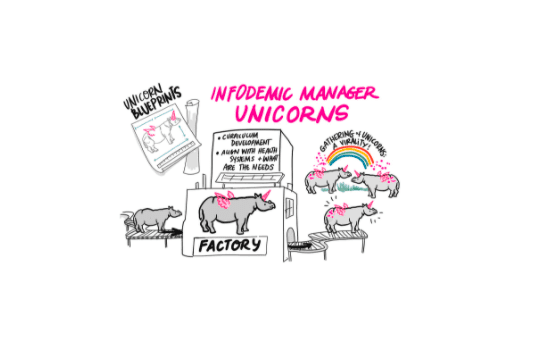
WHO Announces 3rd Global Infodemic Manager Training
Outbreak NewsInternational Jobs & OpportunitiesPublic Health OpportunitiesPublic Health OpportunityTraining

WHO Announces 3rd Global Infodemic Manager Training

by Public Health Update September 2, 2021
written by Public Health Update

Online training over 4 weeks during 15 November – 15 December 2021

WHO is continuing to advance support for country pandemic preparedness and mitigating the COVID-19 pandemic which is accompanied by an infodemic. There continues to be an urgent need to boost capacity for infodemic management globally to help ensure universal access to credible health information. 

Application to the training will be extended through a wide range of partner organisations who will be asked to nominate experts to take part. WHO, US CDC, UNICEF, GAVI, Rockefeller Foundation, IFRC, US CDC, Mercy Corps, USAID, the RCCE Collective Service and partners will nominate experienced professionals from the fields of epidemiology, behavioural science, risk communication, health service delivery/health care workers, digital health, policy making, and other relevant disciplines, who are responding to COVID-19 and the accompanying infodemic at country-level.

Purpose

Objectives of the training:

  • Build a curriculum and apply it in delivering a training of the 3rd cohort of cross-disciplinary infodemic managers that can be deployed to the field for infodemic preparedness and response
  • Build skills of health authority staff and other relevant experts in infodemic management
  • Offer opportunity for UN staff to learn about infodemic management
  • Create a theoretical and practical foundation for future infodemic training modules.

Nominees must meet the following selection criteria to be considered for inclusion in the 3rd cohort of trained infodemic managers that support response in countries. 

Nomination criteria:

  • A laptop/desktop computer and reliable internet connection is required to be able to participate for the entire course. You cannot access this course with only a mobile phone.
  • CV should be shared in this format
  • Letter of Recommendation from a past, current employer or sponsoring organisation is required
  • Commitment to be available for the training sessions as well as the assignments and group work (time estimate: 44 hours spread over four weeks)
  • Previous experience working respectfully in multicultural settings.

Desirable:

  • Video justification explaining why you wish to participate in the training and how you will implement and grow infodemic management in your country — share link to video of 3 minutes maximum duration
  • Ability to use digital tools such as Google sheets, Miro, and social media
  • Familiar with basics of data analysis
  • Previous exposure to implementation science or research, or evaluation of programmes.

After the training: 

  • Trainees will apply their new skills in national preparedness and response to infodemics and support the development of networks for knowledge and resource exchange
  • Those trainees who are freelance consultants can be included in WHO pool of suitably qualified consultants to support national infodemic management through technical assistance assignments in countries.

Scope of the training

The intent is to cover a spectrum of infodemic management skills and topics focused on how to apply infodemic management interventions and practice to promote resilience of individuals and communities to the infodemic, including misinformation, and to promote self-efficacy of individuals for self-protective health behaviours. The training will encompass global and region-specific topics in the infodemic and health misinformation.
 

Target competencies – infodemic managers should be able to:

  • Build infodemic management teams and networks
  • Establish infodemic preparedness and response plans
  • Measure and monitor the impact of infodemics during health emergencies
  • Detect and understand the spread and impact of infodemics
  • Respond and deploy interventions that mitigate the infodemic and its harmful effects
  • Evaluate infodemic interventions and strengthen resilience of individuals and communities to infodemics
  • Promote the development, adaptation and application of tools for the management of infodemics
  • Be aware and supportive of infodemiology research and implementation of best practices for infodemic management.

The nominees will be included in the training by a selection panel based on eligibility criteria and acceptance of WHO Code of Conduct.

Participation in the training is free.

The 3rd infodemic manager training will take place in English so trainees must have working proficiency in this language. Trainees will be placed in one of two cohorts based on their time zone.

Planned time commitment of trainees and achievement of course completion:

  • 48 hours of lectures/discussions/group work/assignments over the course of 15 November – 15 December 2021 (live 8 sessions ~3 hours each plus quizzes/assignments, and group work) 
  • Sessions will take place virtually, in form of lectures and SkillsLabs and breakout working groups/discussions 
  • During the training, trainees will work in groups via chat platform to discuss and deliver recommendations for action for an infodemic case study 

Trainees need to be present at minimum 80% of sessions, demonstrate active uptake of skills and knowledge in evaluations, and actively contribute to the group work in case study in order to receive a certificate of completion.

The training will take place over four weeks starting 15 November 2021, across two time zones. 

Application to the training will be extended through a wide range of partner organizations who will be asked to nominate individuals to take part. Nominations are open until 1 October 2021 at 17:00 CET (Geneva).

Deadline for nomination by sponsoring organization: 1 October 2021 at 17:00 CET (Geneva)


OFFICIAL LINK


Do you have a website? Looking for the best hosting provider? Here’s a discount code.

Latest Public Health Jobs

Latest Posts

  • International Wellness Day: Promoting Global Wellness for All
  • Summit Declaration: The 12th National Summit of Health and Population Scientists in Nepal
  • Joint political declaration on the reform of the global health architecture
  • World Health Day 2026: Together for Health. Stand with Science.
  • World Water Day 2026 | Water & Gender Equality

Thanks for visiting us.
Disclaimer: The resources, documents, guidelines, and information on this blog have been collected from various sources and are intended for informational purposes only. Information published on or through this website and affiliated social media channels does not represent the intention, plan, or strategies of an organization that the initiator is associated with in a professional or personal capacity, unless explicitly indicated.
If you have any complaints, information, or suggestions about the content published on Public Health Update, please feel free to contact us at blog.publichealthupdate@gmail.com.
#StayUpdated


  • WordPress
  • Link
  • Facebook
  • Mail
  • Facebook
  • Twitter
  • Twitter
  • LinkedIn
  • Instagram
  • Facebook
September 2, 2021 0 comments
0 FacebookTwitterPinterestLinkedinTumblrVKOdnoklassnikiRedditStumbleuponWhatsappTelegramLINEPocketSkypeViberEmail
World Field Epidemiology Day
Public Health EventsPH Important DayPublic HealthPublic Health Epidemiology & Biostatistics

World Field Epidemiology Day: Strengthening health surveillance systems to detect public health threats early

by Public Health Update September 2, 2021
written by Public Health Update

World Field Epidemiology Day: Strengthening health surveillance systems to detect public health threats early

The World Field Epidemiology Day (#WorldFieldEpidemiologyDay) is a global movement to recognize and raise awareness of the vital role of field epidemiologists in protecting the health of populations and advancing global health security, and to advocate for increased investment in field epidemiology training, research, and professionals. It is initiated and organized by TEPHINET(the global network of Field Epidemiology Training Programs).

Why September 7?

On this date in 1854, John Snow took his findings from his now-famous investigation of the Broad Street cholera outbreak to local officials, leading them to take action and remove the handle of the offending water pump.

Key Messages

Key Messages on Field Epidemiology

  • As the COVID-19 pandemic has demonstrated, diseases know no borders. Globally, we are more interconnected and mobile than ever before, making a health threat anywhere a health threat everywhere.
  • To safeguard and promote the health of its citizens, every country must have effective field epidemiology capacity.
  • Field epi capacity means we can detect, investigate and control health threats; carry out health surveys; conduct disease surveillance; establish/evaluate surveillance systems; perform applied field research, and evaluate prevention/control efforts.
  • Field epidemiology (AKA applied, interventional, or “shoe leather” epidemiology) is conducted with the aim of taking action to address a public health problem—linked to human, animal or environmental health—to reduce illness, injury or death.
  • Field epidemiology links data to action to design or improve policies and interventions to protect population health, especially in response to unexpected health problems when rapid on-site investigation is necessary.
  • The traditional concept of field epidemiology and the roles of field epidemiologists are expanding. More than ever, field epidemiologists are directly involved in developing innovative solutions to public health problems.
  • The International Health Regulations (IHR) and the Global Health Security Agenda (GHSA) call for at least 1 trained field epidemiologist per 200,000 people in every country to detect, respond to, and contain public health emergencies.
  • Field epidemiology is key to strengthening epidemiologic and surveillance capacity at all levels of the health system, mitigating public health threats, and leading to reduced mortality and case numbers, epidemic duration, and potential for spread.
  • Increased field epidemiology capacity allows for quicker outbreak response, making it possible to break chains of transmission, decrease the number of cases and deaths, and mitigate the socioeconomic consequences.
  • Field epidemiology requires a systematic approach to solving problems, enabling effective outbreak management and emergency response.
  • Increasing investment in field epidemiology training and technology is crucial to ensuring high-quality health information for strong decision-making and the development of evidence-informed policies. 
  • Field epidemiology cuts across public health, environmental health, medicine (human and veterinary), microbiology, laboratory science, anthropology, and communication.
  • Increasing investment in multidisciplinary field epidemiology training can have lasting and positive effects on the structure and coordination of health agencies.
  • Infectious diseases with pandemic potential can spread more easily due to the effects of climate change, deforestation, and urbanization, including increased human-animal contact due to habitat loss of wild animals.
  • Field epidemiology is key to addressing public health problems caused by climate change and the effects of temperature, humidity, and seasonality on infectious disease dynamics and on the multiplication of disease vectors like mosquitoes and ticks.
  • Field epidemiology advances global health security by allowing placement of strategies for improvement at all levels of the health system.

#WorldFieldEpidemiologyDay

  • Field epidemiology is key to strengthening epidemiologic and surveillance capacity at all levels of the health system, mitigating public health threats, and leading to reduced mortality and case numbers, epidemic duration, and potential for spread.
  • Field epidemiology requires a systematic approach to solving problems, enabling effective outbreak management and emergency response.
  • Increased field epidemiology capacity allows for quicker outbreak response, making it possible to break chains of transmission, decrease the number of cases and deaths, and mitigate the socioeconomic consequences.
  • Increasing investment in field epidemiology training and technology is crucial to ensuring high-quality health information for strong decision-making and the development of evidence-informed policies.
  • Field epidemiologists help establish sustainable surveillance systems today to prevent complex health emergencies in the future.
  • Surveys and investigations conducted by field epidemiologists have led to improvements in public health service delivery: for example, improvement of sanitation systems and increased vaccination coverage.
  • Increasing investment in multidisciplinary field epidemiology training can have lasting and positive effects on the structure and coordination of health agencies.
  • To safeguard and promote the health of its citizens, every country must have effective field epidemiology capacity.

Read more: https://www.worldfieldepidemiologyday.org/


Do you have a website? Looking for the best hosting provider? Here’s a discount code.

Latest Public Health Jobs

Latest Posts

  • International Wellness Day: Promoting Global Wellness for All
  • Summit Declaration: The 12th National Summit of Health and Population Scientists in Nepal
  • Joint political declaration on the reform of the global health architecture
  • World Health Day 2026: Together for Health. Stand with Science.
  • World Water Day 2026 | Water & Gender Equality

Thanks for visiting us.
Disclaimer: The resources, documents, guidelines, and information on this blog have been collected from various sources and are intended for informational purposes only. Information published on or through this website and affiliated social media channels does not represent the intention, plan, or strategies of an organization that the initiator is associated with in a professional or personal capacity, unless explicitly indicated.
If you have any complaints, information, or suggestions about the content published on Public Health Update, please feel free to contact us at blog.publichealthupdate@gmail.com.
#StayUpdated


  • WordPress
  • Link
  • Facebook
  • Mail
  • Facebook
  • Twitter
  • Twitter
  • LinkedIn
  • Instagram
  • Facebook
September 2, 2021 1 comment
0 FacebookTwitterPinterestLinkedinTumblrVKOdnoklassnikiRedditStumbleuponWhatsappTelegramLINEPocketSkypeViberEmail
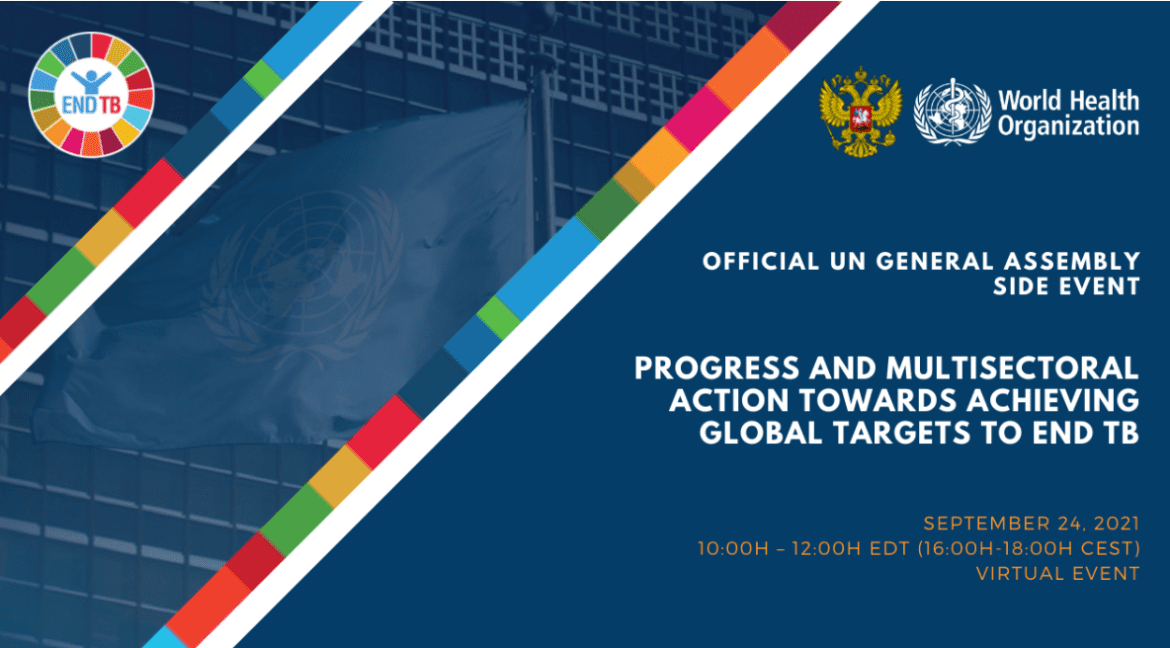
Official UN General Assembly Side Event on progress and multisectoral action towards achieving global targets to End TB
Public Health EventsActivitiesPublic Health OpportunityWebinar

Official UN General Assembly Side Event on progress and multisectoral action towards achieving global targets to End TB

by Public Health Update September 2, 2021
written by Public Health Update

Background:

Despite progress over the last decades, TB remains among the leading infectious killers worldwide, claiming nearly 4000 lives a day. To accelerate action to end TB, Heads of State came together at the first-ever UN high-level meeting on TB in September 2018. The meeting resulted in an action-oriented political declaration that included bold targets to close gaps in prevention and care. In 2020, a progress report of the UN Secretary-General to the General Assembly showed that high-level commitments and targets have galvanized global and national progress towards ending TB, but that urgent and more ambitious investments and actions are required to put the world on track to reach targets, especially in the context of the COVID-19 pandemic. New data from over 90 countries collated by WHO highlights that the progress made in the fight against TB is at risk with COVID-19 disruptions leading to 1.4 million additional people missing out on access to TB care in 2020 alone, and over half a million deaths.

The side event will bring together Heads of State, Ministers of Health and other ministries, WHO leadership, Heads of Agencies, partners and civil society, to review progress towards reaching global TB targets, advance multisectoral action and accountability, and discuss preparations for the 2023 UN High Level Meeting on TB. It will build upon the successes of two high level UNGA side events held in 2019 and 2020 with the support of the Russian Federation, as well as the 2018 UN High Level Meeting on TB and the 2017 Moscow Ministerial Conference on ending TB.

Join for a special UN General Assembly virtual side event to review progress towards reaching global TB targets, advance multisectoral action & accountability, and discuss preparations for the 2023 UN High Level Meeting on TB.

The side event is co-organized by the Permanent Mission of the Russian Federation to the United Nations and the World Health Organization.

Event date: 24 September from 10:00H – 12:00H EDT (16:00H-18:00H CEST). 

Key speakers will include Heads of State, Ministers of Health and other ministries, WHO leadership, Heads of Agencies, partners and civil society representatives.

REGISTER NOW

Recommended readings

  • Global Tuberculosis Report 2019: Latest status of the tuberculosis epidemic
  • Dissemination of Findings and Recommendations of Joint External Monitoring Mission(JEMM) of Nepal National Tuberculosis Program
  • National Tuberculosis Programme Annual Report 2018
  • National Strategic Plan for Tuberculosis Prevention, Care and Control 2016 – 2021
  • NTP, Nepal: New TB Treatment Algorithm & Regimen (Updated)
  • WHO announces landmark changes in MDR-TB treatment regimens
  • TB Vaccine results announce a promising step towards ending the emergency
  • 7 million people receive record levels of lifesaving TB treatment but 3 million still miss out

More

  • The impact of COVID-19 on the TB epidemic: A community perspective
  • Global Tuberculosis Report 2019: Latest status of the tuberculosis epidemic
  • Global Tuberculosis Report 2018
  • New WHO recommendations to prevent tuberculosis aim to save millions of lives
  • South-East Asia Regional Action Plan on the Programmatic Management of Latent TB Infection launched
  • South-East Asia Regional Action Plan on the Programmatic Management of Latent TB Infection launched
  • NTP, Nepal: New TB Treatment Algorithm & Regimen (Updated)
  • World Tuberculosis Day 2019 – It’s time ! ”Find Treat All #EndTB”
  • Global Tuberculosis Report 2018
  • WHO Global Tuberculosis report 2015
  • Dissemination of Findings and Recommendations of Joint External Monitoring Mission(JEMM) of Nepal National Tuberculosis Program
  • National Tuberculosis Programme Annual Report 2018


Do you have a website? Looking for the best hosting provider? Here’s a discount code.

Latest Public Health Jobs

Latest Posts

  • International Wellness Day: Promoting Global Wellness for All
  • Summit Declaration: The 12th National Summit of Health and Population Scientists in Nepal
  • Joint political declaration on the reform of the global health architecture
  • World Health Day 2026: Together for Health. Stand with Science.
  • World Water Day 2026 | Water & Gender Equality

Thanks for visiting us.
Disclaimer: The resources, documents, guidelines, and information on this blog have been collected from various sources and are intended for informational purposes only. Information published on or through this website and affiliated social media channels does not represent the intention, plan, or strategies of an organization that the initiator is associated with in a professional or personal capacity, unless explicitly indicated.
If you have any complaints, information, or suggestions about the content published on Public Health Update, please feel free to contact us at blog.publichealthupdate@gmail.com.
#StayUpdated


  • WordPress
  • Link
  • Facebook
  • Mail
  • Facebook
  • Twitter
  • Twitter
  • LinkedIn
  • Instagram
  • Facebook
September 2, 2021 0 comments
0 FacebookTwitterPinterestLinkedinTumblrVKOdnoklassnikiRedditStumbleuponWhatsappTelegramLINEPocketSkypeViberEmail
WHO, Germany open hub for pandemic and epidemic intelligence in Berlin
Global Health NewsHealth in DataOutbreak NewsPublic Health NewsPublic Health Update

WHO, Germany open hub for pandemic and epidemic intelligence in Berlin

by Public Health Update September 1, 2021
written by Public Health Update

New hub’s mission is to provide the world with better data, analytics and decisions to detect and respond to health emergencies

To better prepare and protect the world from global disease threats, H.E. German Federal Chancellor Dr Angela Merkel and Dr Tedros Adhanom Ghebreyesus, World Health Organization Director-General, will today inaugurate the new WHO Hub for Pandemic and Epidemic Intelligence, based in Berlin. 

“The world needs to be able to detect new events with pandemic potential and to monitor disease control measures on a real-time basis to create effective pandemic and epidemic risk management,” said Dr Tedros. “This Hub will be key to that effort, leveraging innovations in data science for public health surveillance and response, and creating systems whereby we can share and expand expertise in this area globally.” 

The WHO Hub, which is receiving an initial investment of US$ 100 million from the Federal Republic of Germany, will harness broad and diverse partnerships across many professional disciplines, and the latest technology, to link the data, tools and communities of practice so that actionable data and intelligence are shared for the common good.

The  WHO Hub is part of WHO’s Health Emergencies Programme and will be a new collaboration of countries and partners worldwide, driving innovations to increase availability of key data; develop state of the art analytic tools and predictive models for risk analysis; and link communities of practice around the world. Critically, the WHO Hub will support the work of public health experts and policy-makers in all countries with the tools needed to forecast, detect and assess epidemic and pandemic risks so they can take rapid decisions to prevent and respond to future public health emergencies.

“Despite decades of investment, COVID-19 has revealed the great gaps that exist in the world’s ability to forecast, detect, assess and respond to outbreaks that threaten people worldwide,” said Dr Michael Ryan, Executive Director of WHO’s Health Emergency Programme. “The WHO Hub for Pandemic and Epidemic Intelligence is designed to develop the data access, analytic tools and communities of practice to fill these very gaps, promote collaboration and sharing, and protect the world from such crises in the future.” 

The Hub will work to:

  • Enhance methods for access to multiple data sources vital to generating signals and insights on disease emergence, evolution and impact;
  • Develop state of the art tools to process, analyze and model data for detection, assessment and response;
  • Provide WHO, our Member States, and partners with these tools to underpin better, faster decisions on how to address outbreak signals and events; and
  • Connect and catalyze institutions and networks developing disease outbreak solutions for the present and future.

Dr Chikwe Ihekweazu, currently Director-General of the Nigeria Centre for Disease Control, has been appointed to lead the WHO Hub. WHO would like to acknowledge the Nigerian government for its support, which ensures strong leadership for this important initiative.

The WHO Hub is currently operating from a centre provided by the Charité – Universitätsmedizin Berlin. It will soon move to a permanent campus at the heart of Berlin in Kreuzberg that will provide a collaborative work environment for the Hub’s staff, who will represent a wide range of disciplines.

“All the work that goes into pandemic and epidemic preparedness must occur before an outbreak starts,” said Dr Tedros. “Data linkage and analysis, and the ability to better detect and assess risks of disease events in their earliest stages before they amplify and cause death and societal disruption, is what the WHO Hub will focus on. WHO is grateful that partners like Germany and Chancellor Merkel are joining the world on this necessary path.”

Source of info: WHO 1 September 2021 News release Berlin

WHO HUB WEBSITE: https://www.who.int/initiatives/who-hub-for-pandemic-and-epidemic-intelligence


Do you have a website? Looking for the best hosting provider? Here’s a discount code.

Latest Public Health Jobs

Latest Posts

  • International Wellness Day: Promoting Global Wellness for All
  • Summit Declaration: The 12th National Summit of Health and Population Scientists in Nepal
  • Joint political declaration on the reform of the global health architecture
  • World Health Day 2026: Together for Health. Stand with Science.
  • World Water Day 2026 | Water & Gender Equality

Thanks for visiting us.
Disclaimer: The resources, documents, guidelines, and information on this blog have been collected from various sources and are intended for informational purposes only. Information published on or through this website and affiliated social media channels does not represent the intention, plan, or strategies of an organization that the initiator is associated with in a professional or personal capacity, unless explicitly indicated.
If you have any complaints, information, or suggestions about the content published on Public Health Update, please feel free to contact us at blog.publichealthupdate@gmail.com.
#StayUpdated


  • WordPress
  • Link
  • Facebook
  • Mail
  • Facebook
  • Twitter
  • Twitter
  • LinkedIn
  • Instagram
  • Facebook
September 1, 2021 0 comments
0 FacebookTwitterPinterestLinkedinTumblrVKOdnoklassnikiRedditStumbleuponWhatsappTelegramLINEPocketSkypeViberEmail
Digital documentation of COVID-19 certificates
Outbreak NewsGlobal Health NewsInternational Plan, Policy & GuidelinesPublic Health NewsResearch & Publication

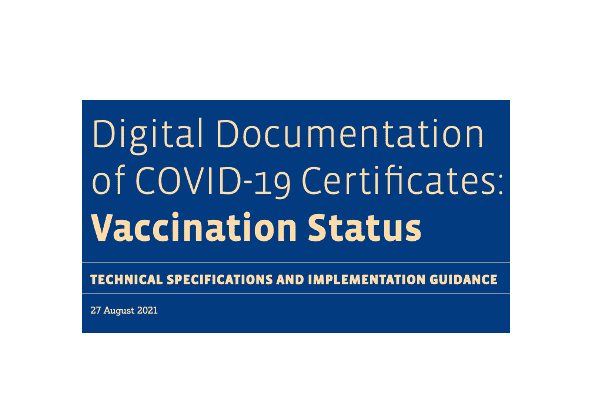
Digital documentation of COVID-19 certificates: vaccination status: technical specifications and implementation guidance

by Public Health Update September 1, 2021
written by Public Health Update

Overview

This is a guidance document for countries and implementing partners on the technical requirements for developing digital information systems for issuing standards-based interoperable digital certificates for COVID-19 vaccination status, and considerations for implementation of such systems, for the purposes of continuity of care, and proof of vaccination. 

Executive summary

In the context of the coronavirus disease (COVID-19) pandemic, the concept of Digital Documentation of COVID-19 Certificates (DDCC) is proposed as a mechanism by which a person’s COVID-19-related health data can be digitally documented via an electronic certificate.

A digital vaccination certificate that documents a person’s current vaccination status to protect against COVID-19 can then be used for continuity of care or as proof of vaccination for purposes other than health care. The resulting artefact of this approach is referred to as the Digital Documentation of COVID-19 Certificates: Vaccination Status (DDCC:VS).

The current document is written for the ongoing global COVID-19 pandemic; thus, the approach is architected to respond to the evolving science and to the immediate needs of countries in this rapidly changing context; for this reason, the document is issued as interim guidance. The approach could eventually be extended to capture vaccination status to protect against other diseases.

The document is part of a series of guidance documents (see Fig. 1) on digital documentation of COVID-19-related data of interest: vaccination status (this document), laboratory test results, and history of SARS-CoV-2 infection.

The World Health Organization (WHO) has developed this guidance and accompanying technical specifications, in collaboration with a multidisciplinary group of partners and experts, in order to support WHO Member States in adopting interoperable standards for recording vaccination status. The audience of this document is therefore Member States and their implementing partners that want to put in place digitally signed vaccination records.


Download: Digital documentation of COVID-19 certificates: vaccination status: technical specifications and implementation guidance, 27 August 2021 (WHO)


Do you have a website? Looking for the best hosting provider? Here’s a discount code.

Latest Public Health Jobs

Latest Posts

  • International Wellness Day: Promoting Global Wellness for All
  • Summit Declaration: The 12th National Summit of Health and Population Scientists in Nepal
  • Joint political declaration on the reform of the global health architecture
  • World Health Day 2026: Together for Health. Stand with Science.
  • World Water Day 2026 | Water & Gender Equality

Thanks for visiting us.
Disclaimer: The resources, documents, guidelines, and information on this blog have been collected from various sources and are intended for informational purposes only. Information published on or through this website and affiliated social media channels does not represent the intention, plan, or strategies of an organization that the initiator is associated with in a professional or personal capacity, unless explicitly indicated.
If you have any complaints, information, or suggestions about the content published on Public Health Update, please feel free to contact us at blog.publichealthupdate@gmail.com.
#StayUpdated


  • WordPress
  • Link
  • Facebook
  • Mail
  • Facebook
  • Twitter
  • Twitter
  • LinkedIn
  • Instagram
  • Facebook
September 1, 2021 1 comment
0 FacebookTwitterPinterestLinkedinTumblrVKOdnoklassnikiRedditStumbleuponWhatsappTelegramLINEPocketSkypeViberEmail
NHPC Licensing Examination
NoticeSyllabus

Important Notice Regarding NHPC Licensing Examination

by Public Health Update August 31, 2021
written by Public Health Update

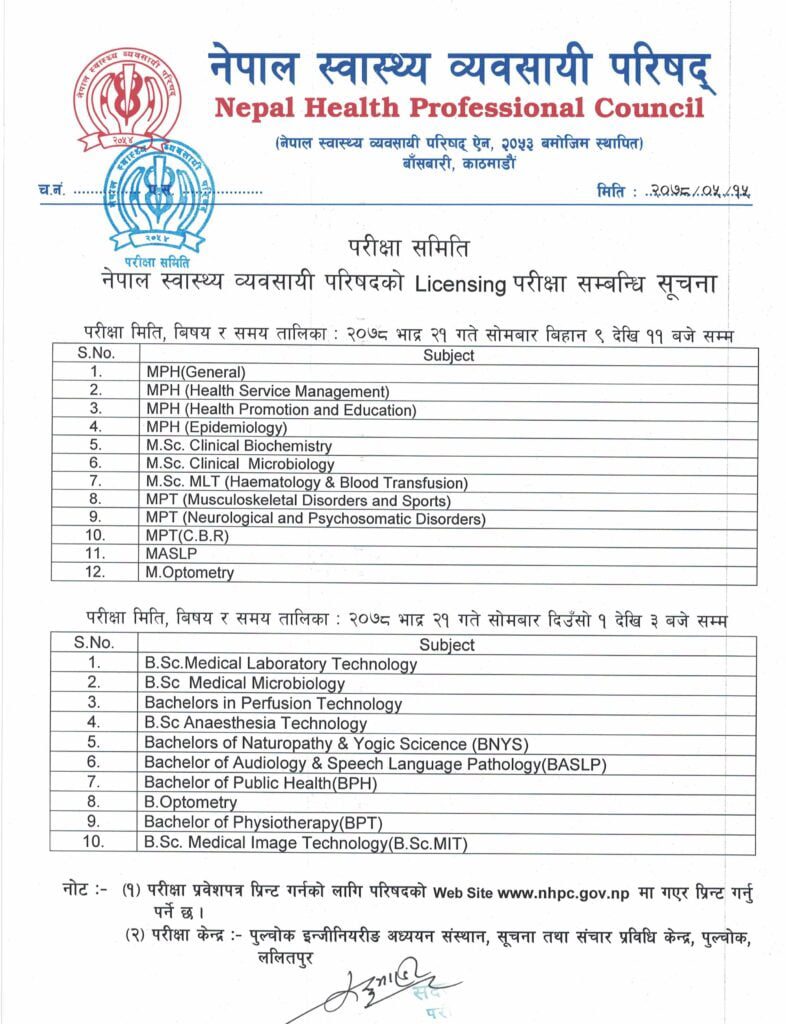
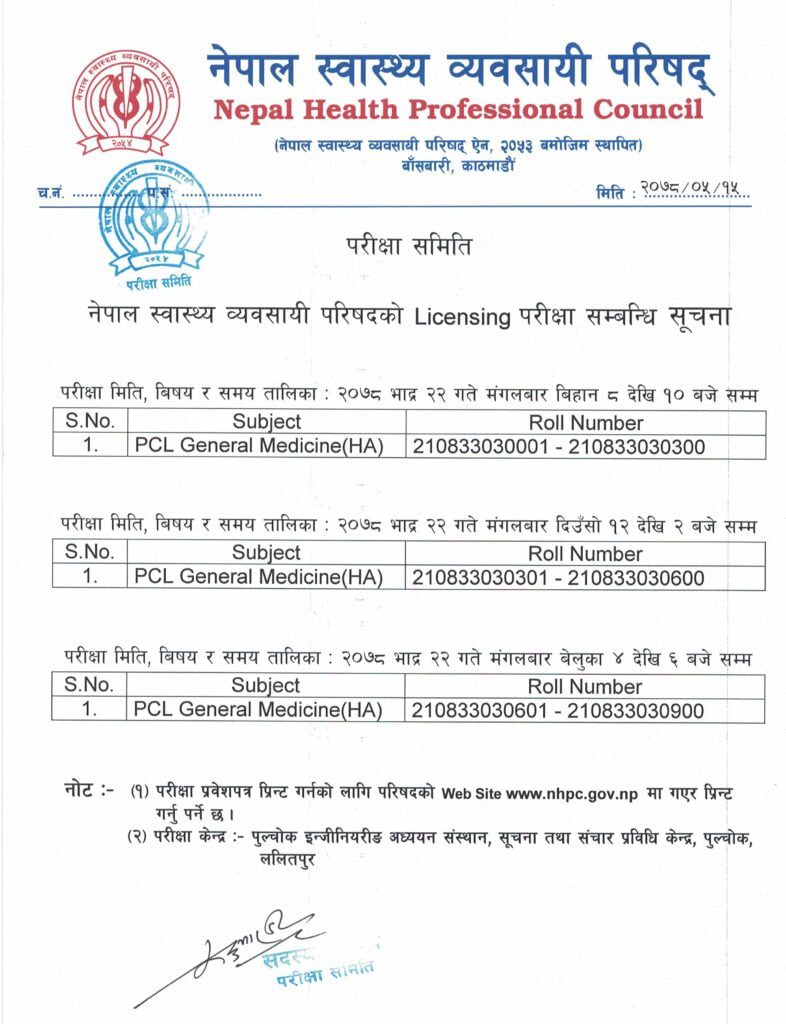
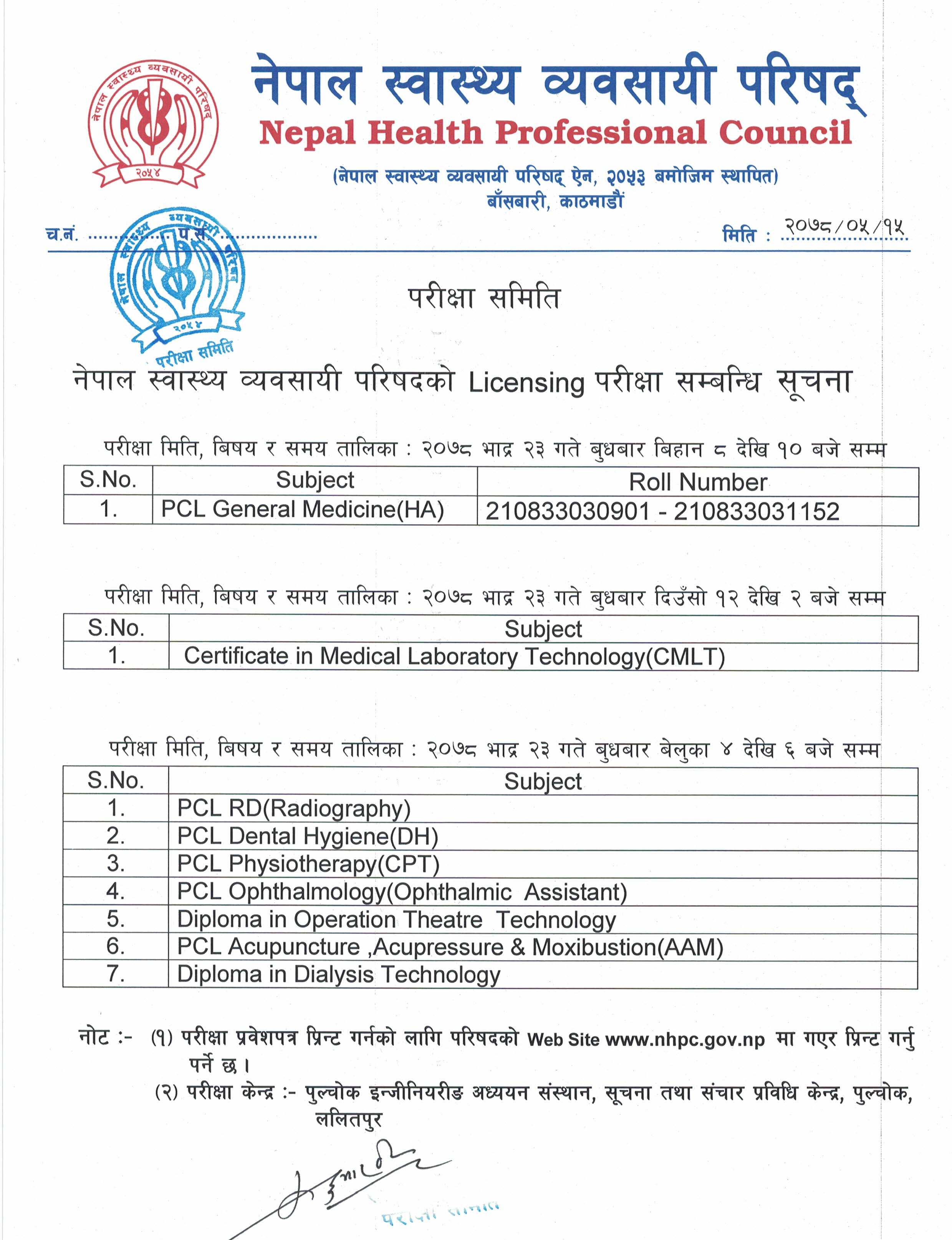
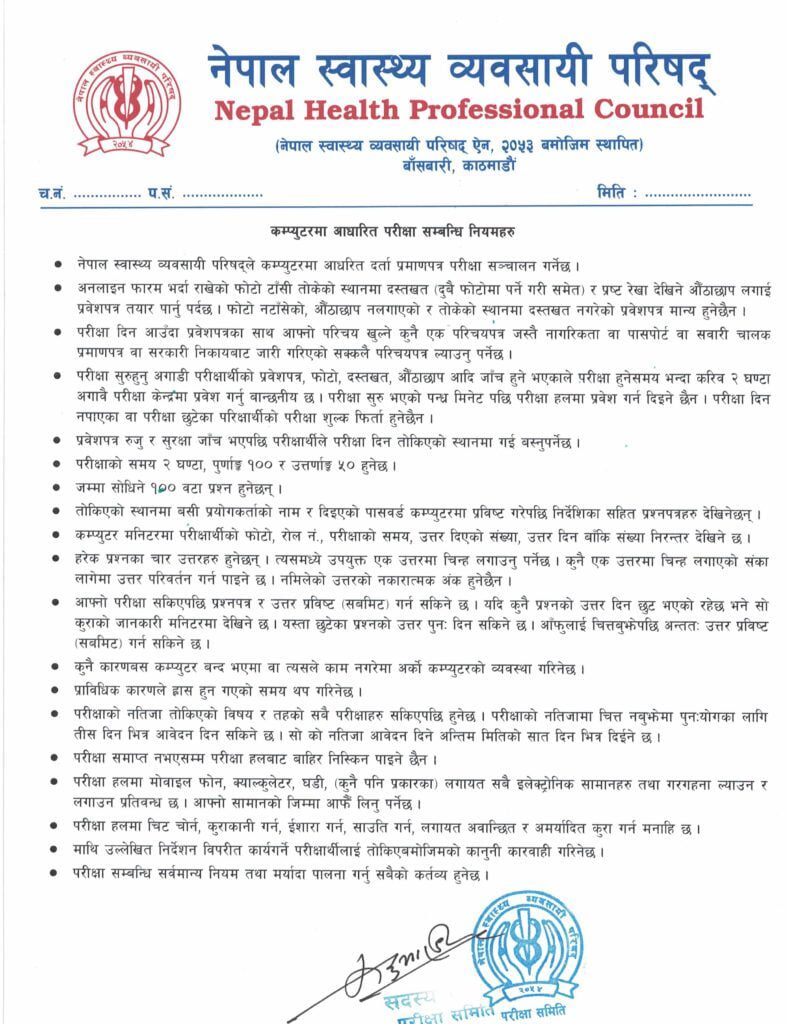
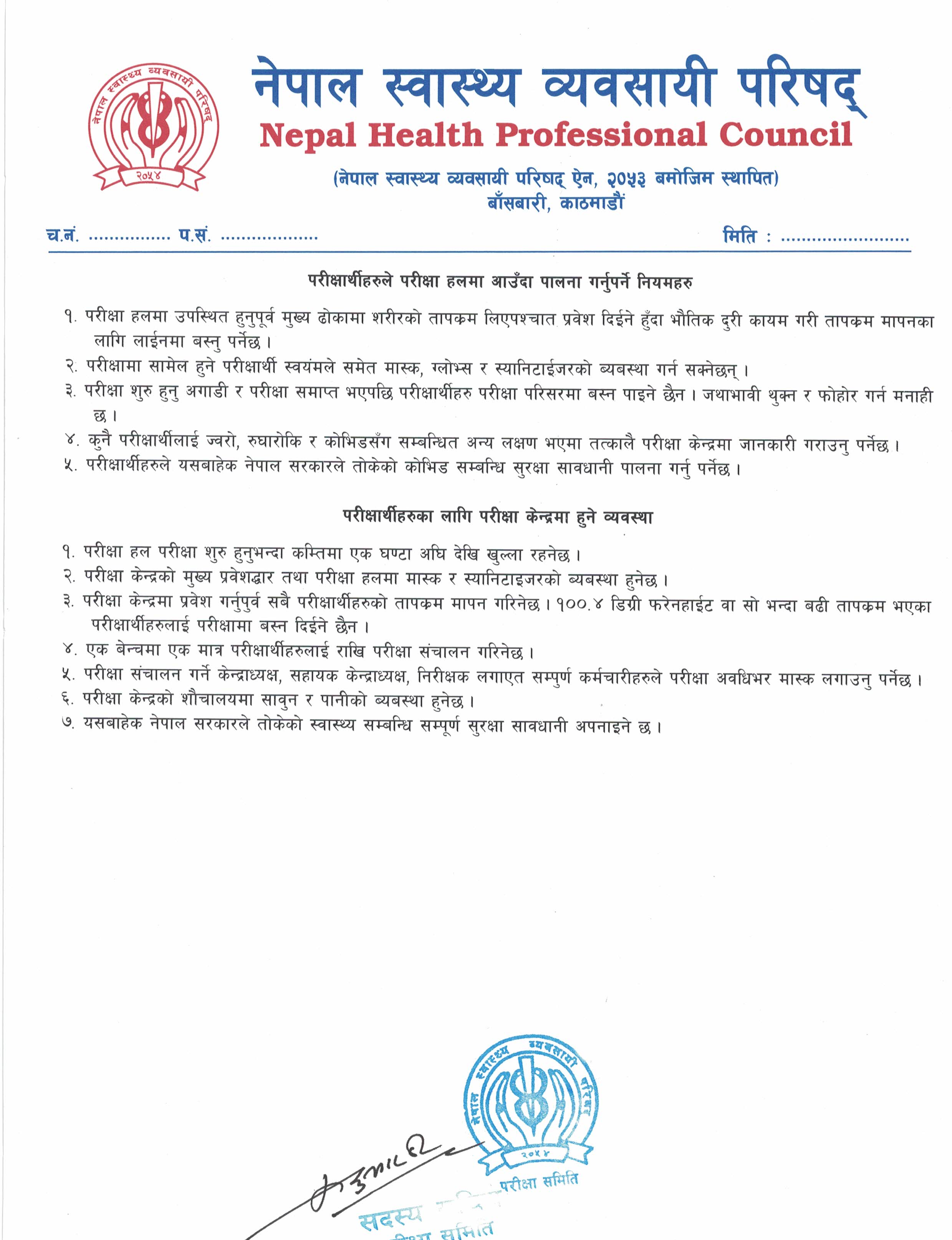
The Nepal Health Professional Council published a schedule for upcoming Licensing examination for different subjects. Here is the examination date and rules for computer-based licensing examination.

1
2
3

123

1234

Recommended readings

  • Syllabus for Bachelor in Public Health (BPH) Common Entrance Examination
  • Syllabus for Licensing Examination of Certificate in Dental Hygiene 2021
  • Syllabus for Licensing Examination of Master in Optometry/ Master of Clinical Optometry/ M.Sc. in Optometry/ M.Phil in Optometry
  • Syllabus for Licensing Examination of Master of Public Health (MPH) 2021
  • Syllabus for Licensing Examination of Certificate in Medical Laboratory Technology 2021
  • Syllabus for Licensing Examination of PCL in Ophthalmic Science
  • Syllabus for Licensing Examination of Certificate Level in General Medicine 2021
  • Syllabus for MBBS/BDS/BSc. Nursing/BASLP/B Perfusion Technology Common Entrance Examination
  • Syllabus for Undergraduate Common Entrance Examination 2020
  • Public Service Commission Syllabus Health Assistant
  • Public Service Commission Syllabus for General Health Services 9th Level
  • Public Service Commission Syllabus for Health Administrator
  • Public Service Commission Syllabus Health Education Teaching Administrator
  • Public Service Commission Syllabus for Health Education Technician
  • Public Service Commission For ANM Syllabus
  • Public Service Commission Syllabus for AHW
  • Sample Questions for MEC Common Entrance Examination
  • Syllabus for Licensing Examination of MD. Clinical Yoga/Yoga and Rehabilitation 2021


Do you have a website? Looking for the best hosting provider? Here’s a discount code.

Latest Public Health Jobs

Latest Posts

  • International Wellness Day: Promoting Global Wellness for All
  • Summit Declaration: The 12th National Summit of Health and Population Scientists in Nepal
  • Joint political declaration on the reform of the global health architecture
  • World Health Day 2026: Together for Health. Stand with Science.
  • World Water Day 2026 | Water & Gender Equality

Thanks for visiting us.
Disclaimer: The resources, documents, guidelines, and information on this blog have been collected from various sources and are intended for informational purposes only. Information published on or through this website and affiliated social media channels does not represent the intention, plan, or strategies of an organization that the initiator is associated with in a professional or personal capacity, unless explicitly indicated.
If you have any complaints, information, or suggestions about the content published on Public Health Update, please feel free to contact us at blog.publichealthupdate@gmail.com.
#StayUpdated


  • WordPress
  • Link
  • Facebook
  • Mail
  • Facebook
  • Twitter
  • Twitter
  • LinkedIn
  • Instagram
  • Facebook
August 31, 2021 1 comment
0 FacebookTwitterPinterestLinkedinTumblrVKOdnoklassnikiRedditStumbleuponWhatsappTelegramLINEPocketSkypeViberEmail
Canadian Public Health Association Public Health 2021 Virtual
ConferencePublic Health EventsPublic Health OpportunitiesPublic Health Opportunity

Canadian Public Health Association Public Health 2021 Virtual

by Public Health Update August 31, 2021
written by Public Health Update

The Canadian Public Health Association (CPHA) announces the launch of the Preliminary Program. CPHA’s annual conference will provide a dynamic virtual environment to facilitate knowledge sharing of provocative content developed exclusively for the public health community. Sessions will be presented October 6-8 from 11:00-16:30 (ET).

Registration offers participants access to over 30 sessions and associated content, the opportunity to connect with speakers and engage with participants. Gain additional learnings with unlimited, on-demand access to the presentation gallery for one year post-conference. Special rates apply to CPHA members, students, community groups, and teams of four (4) or more people.

PLENARY SESSIONS

  • Plenary I: The Future of Public Health after COVID-19
  • Plenary II: Racism in Canada: Disrupting Whiteness in Public Health
  • Plenary III: Risk Communication and Public Health
  • Plenary IV: The Potential of Virtual Care and the Challenge of the Digital Divide
  • Plenary V: Public Health Approaches to Drug Policy in Canada
  • Plenary VI: Retrofitting the Relationship between Public Health and Primacy Care

Registration

Registration is now open

Public Health 2021 will provide a dynamic virtual environment to facilitate knowledge sharing as thought-provoking speakers present content developed exclusively for the public health community. CPHA will embrace technology and present sessions October 6 – 8 from 11:00-16:00 (Eastern Standard Time) daily.

Registration offers participants access to over 30 sessions and associated content, the opportunity to connect with speakers and engage with participants. Gain additional learnings with unlimited, on-demand access to the presentation gallery for one year post-conference.

The virtual conference platform gives participants the opportunity to:

  • Discover new solutions, innovations, and partnerships to apply in your day-to-day setting.
  • Pay reduced registration rates and gain virtual access to 30 sessions including plenary, symposiums and oral abstract presentations.
  • Learn in your personal work environment at your own pace.
  • Connect with speakers via online polls, audience Q&A and the meeting hub.
  • Earn Maintenance of Certification Program credits.
  • Gain additional learnings with unlimited, on-demand access to the presentation gallery for one year.  


Do you have a website? Looking for the best hosting provider? Here’s a discount code.

Latest Public Health Jobs

Latest Posts

  • International Wellness Day: Promoting Global Wellness for All
  • Summit Declaration: The 12th National Summit of Health and Population Scientists in Nepal
  • Joint political declaration on the reform of the global health architecture
  • World Health Day 2026: Together for Health. Stand with Science.
  • World Water Day 2026 | Water & Gender Equality

Thanks for visiting us.
Disclaimer: The resources, documents, guidelines, and information on this blog have been collected from various sources and are intended for informational purposes only. Information published on or through this website and affiliated social media channels does not represent the intention, plan, or strategies of an organization that the initiator is associated with in a professional or personal capacity, unless explicitly indicated.
If you have any complaints, information, or suggestions about the content published on Public Health Update, please feel free to contact us at blog.publichealthupdate@gmail.com.
#StayUpdated


  • WordPress
  • Link
  • Facebook
  • Mail
  • Facebook
  • Twitter
  • Twitter
  • LinkedIn
  • Instagram
  • Facebook
August 31, 2021 0 comments
0 FacebookTwitterPinterestLinkedinTumblrVKOdnoklassnikiRedditStumbleuponWhatsappTelegramLINEPocketSkypeViberEmail
Free Mini Certificate in Health Research Ethics for APRU Students
CoursesOnline CoursesSummer Courses

Free Mini Certificate in Health Research Ethics for APRU Students

by Public Health Update August 31, 2021
written by Public Health Update

The Global Health Program offers the mini certificate for APRU students to develop competencies in health research ethics through lectures, case study discussions and self-paced homework.

Date & Time

September 30 and October 14 & 28 at 5:30 pm (PDT)/
October 1, 15 & 29 at 8:30 am (Hong Kong & Manila time)

Duration: 2 hours per session.

Program

  • 6 hours of discussions and lectures with 6 speakers plus online homework
  • 9 case studies
  • View a tentative program here.

Speakers

  1. Gabriela Arguedas-Ramírez, Universidad de Costa Rica
  2. Mary Ana Cordero Díaz, Tecnologico de Monterrey
  3. Angus Dawson, University of Sydney
  4. Leonardo D de Castro, University of the Philippines
  5. Sharon Kaur, University of Malaya
  6. Vicki Xafis, National University of Singapore

Facilitators

  • Adik Wibowo, Universitas Indonesia
  • Andrés Caicedo, Universidad San Francisco de Quito
  • Catherine Zhou & King L Chow, The Hong Kong University of Science and Technology
  • Leander Penaso Marquez, Leonardo D de Castro & Honey Libertine Achanzar-Labor, University of the Philippines
  • María de Jesús Medina-Arellano & Zaira Janet Gutiérrez Contreras, National Autonomous University of Mexico
  • Nenita Baltazar-Panaligan, Cavite State University
  • Sanjay Rampal, Universiti Malaya

View the speakers’ bios below.

How to Register

  1. Complete a free online informed consent training here (30 mins). You should receive a score of at least 85% to pass.
  2. Fill in an online registration form  here and upload your certificate of completion to complete your application.
  3. Deadline of completion: September 15th. Space is limited and fills up quickly so please register ASAP.
  4. A confirmation of registration zoom links will be sent to you within one week once you apply and upload the certificate.
  5. The applications will be reviewed and selected by the Global Health Program. There is no guarantee that all applications will be accepted.
  6. Updates on the closing registration of certain economies will be posted on this page when the quota is full.

Please note

  • The training is free and exclusive for APRU undergraduate and graduate students. 
  • Due to the high demand, we will use a quota-based system per economy to have a diverse cohort suitable for the program.
  • The Global Health Program reserves the rights of the final decision on application acceptance.
  • The training will be conducted in English via Zoom in three sessions of 2 hours each. Students will also be required to complete some online exercises in between the sessions.
  • Those who successfully complete all 6 live session hours plus the required “homework” will receive a certificate of participation.

Official link


Do you have a website? Looking for the best hosting provider? Here’s a discount code.

Latest Public Health Jobs

Latest Posts

  • International Wellness Day: Promoting Global Wellness for All
  • Summit Declaration: The 12th National Summit of Health and Population Scientists in Nepal
  • Joint political declaration on the reform of the global health architecture
  • World Health Day 2026: Together for Health. Stand with Science.
  • World Water Day 2026 | Water & Gender Equality

Thanks for visiting us.
Disclaimer: The resources, documents, guidelines, and information on this blog have been collected from various sources and are intended for informational purposes only. Information published on or through this website and affiliated social media channels does not represent the intention, plan, or strategies of an organization that the initiator is associated with in a professional or personal capacity, unless explicitly indicated.
If you have any complaints, information, or suggestions about the content published on Public Health Update, please feel free to contact us at blog.publichealthupdate@gmail.com.
#StayUpdated



  • WordPress
  • Link
  • Facebook
  • Mail
  • Facebook
  • Twitter
  • Twitter
  • LinkedIn
  • Instagram
  • Facebook
August 31, 2021 0 comments
0 FacebookTwitterPinterestLinkedinTumblrVKOdnoklassnikiRedditStumbleuponWhatsappTelegramLINEPocketSkypeViberEmail
Public Health Opportunity! Explore world's trending global health opportunities! Visit us for latest public health opportunities.
Call for Proposal, EOI & RFPPublic Health OpportunitiesPublic Health Opportunity

Call for experts to join Scientific Advisory Group for the Origins of Novel Pathogens

by Public Health Update August 31, 2021
written by Public Health Update

The World Health Organization (WHO) today issued an open call for experts to serve as members of the new WHO Scientific Advisory Group for the Origins of Novel Pathogens (SAGO).

The SAGO will advise WHO on technical and scientific considerations regarding the origins of emerging and re-emerging pathogens of epidemic and pandemic potential, and will be composed of a wide range of experts acting in their personal capacity. SAGO will also guide WHO on next steps for understanding the SARS-CoV-2 origins.

There have been an increasing number of high threat pathogens emerging and re-emerging in recent years with, for example, SARS-CoV, MERS-CoV, Lassa, Marburg, Ebola, Nipah, avian influenza, the latest being SARS-CoV-2. There is a clear need for robust surveillance and early actions for rapid detection and mitigation efforts, as well as systematic processes to study the emergence of these pathogens and routes of transmission from their natural reservoirs to humans. This is critical to helping WHO, Member States and partner institutions to prepare for future spillover threats and to minimize the risk of a disease outbreak growing into a pandemic.

From SARS-CoV-2, which continues to wreak havoc around the world, to the next “Disease X”, this global framework to study the emergence of new and known high threat pathogens needs to be comprehensive and coordinated based on a One Health approach. It should also encompass biosafety and biosecurity. And it needs to be scientific, transparent, comprehensive, rapid and inclusive.

Functions of SAGO

In its capacity as an advisory body to WHO, the SAGO will have the following functions:

  1. To advise WHO on the development of a WHO global framework to define and guide studies into the origins of emerging and re-emerging pathogens of epidemic and pandemic potential;
  2. To advise WHO on prioritizing studies and field investigations into the origins of emerging and re-emerging pathogens of epidemic and pandemic potential, in accordance with the WHO global framework described in point (1) above;
  3. To provide information and views to assist the WHO Secretariat in the development of a detailed work plan of the SAGO;
  4. In the context of SARS-CoV-2 origins:
    • To provide the WHO Secretariat with an independent evaluation of all available scientific and technical findings from global studies on the origins of SARS-CoV-2;
    • To advise the WHO Secretariat regarding developing, monitoring and supporting the next series of studies into the origins of SARS-CoV-2, including rapid advice on WHO’s operational plans to implement the next series of global studies into the origins of SARS-CoV-2, as outlined in the ‘Joint WHO-China Global Study of Origins of SARS-CoV-2: China Part’ report published on 30 March 2021 and advise on additional studies as needed; and
  5. To provide additional advice and support to WHO, as requested by the WHO SAGO Secretariat, which may include participation in future WHO-international missions to study the origins of SARS-CoV-2 or for other emerging pathogens.

More information can be found on the Terms of Reference of the SAGO.

Who can express interest?

The SAGO will be multidisciplinary, with members who have a range of technical knowledge, field experience, skills and experience relevant to emerging and re-emerging pathogens. Up to 25 experts may be selected.

WHO welcomes expressions of interest from individuals with significant expertise in one or more technical disciplines outlined in the call for experts in order to ensure a One Health approach.

Official link


Do you have a website? Looking for the best hosting provider? Here’s a discount code.

Latest Public Health Jobs

Latest Posts

  • International Wellness Day: Promoting Global Wellness for All
  • Summit Declaration: The 12th National Summit of Health and Population Scientists in Nepal
  • Joint political declaration on the reform of the global health architecture
  • World Health Day 2026: Together for Health. Stand with Science.
  • World Water Day 2026 | Water & Gender Equality

Thanks for visiting us.
Disclaimer: The resources, documents, guidelines, and information on this blog have been collected from various sources and are intended for informational purposes only. Information published on or through this website and affiliated social media channels does not represent the intention, plan, or strategies of an organization that the initiator is associated with in a professional or personal capacity, unless explicitly indicated.
If you have any complaints, information, or suggestions about the content published on Public Health Update, please feel free to contact us at blog.publichealthupdate@gmail.com.
#StayUpdated


  • WordPress
  • Link
  • Facebook
  • Mail
  • Facebook
  • Twitter
  • Twitter
  • LinkedIn
  • Instagram
  • Facebook
August 31, 2021 0 comments
0 FacebookTwitterPinterestLinkedinTumblrVKOdnoklassnikiRedditStumbleuponWhatsappTelegramLINEPocketSkypeViberEmail
Newer Posts
Older Posts

Search

Follow Us

Facebook Twitter Instagram Pinterest Linkedin Youtube

Categories

  • Abstracts (25)
  • Activities (91)
  • Adolescent Sexual and Reproductive Health (ASRH) (25)
  • Advice & Tips (4)
  • African Region (5)
  • AI and Health (1)
  • Annual Meeting (6)
  • Antimicrobial Resistance (AMR) (21)
  • Award (19)
  • Awards (16)
  • Books (9)
  • Call for Proposal, EOI & RFP (103)
  • Call for Research Participants (8)
  • Clinical Doctor Jobs (6)
  • Communicable Diseases (107)
  • Competition (20)
  • Conference (129)
  • Consultant (1)
  • Courses (205)
  • Dashboard (2)
  • Digital Health & Health Informatics (10)
  • Drug and Medicine (18)
  • Eastern Mediterranean Region (3)
  • Education (15)
  • Environment (3)
  • Environmental Health & Climate Change (47)
  • European Region (42)
  • Exchange Program (1)
  • Fact Sheet (117)
  • FCHVs (1)
  • Fellowships, Studentship & Scholarships (168)
  • Financial Aid (13)
  • Form Formats (2)
  • Fully funded (22)
  • Global Health News (434)
  • Grants and Funding Opportunities (193)
  • Guest Post (44)
  • Health Assistant Jobs (1)
  • Health Equity (7)
  • Health Financing and Economics (24)
  • Health in Data (115)
  • Health Insurance (5)
  • Health Jobs (52)
  • Health Literacy, Health Education & Promotion (50)
  • Health Organization Profile (42)
  • Health Systems (83)
  • Human Resource for Health (33)
  • Humanitarian Health & Emergency Response (44)
  • Hypertension (5)
  • Implementation Research (48)
  • International Health (3)
  • International Jobs & Opportunities (373)
  • International Plan, Policy & Guidelines (210)
  • Internships (4)
  • Jobs Vacancies (56)
  • Journals (8)
  • Life Style & Public Health Nutrition (39)
  • Live (10)
  • Master's Degree (48)
  • Maternal, Newborn and Child Health (88)
  • Mentorship Program (2)
  • Miscellaneous (16)
  • National Health News (158)
  • National Plan, Policy & Guidelines (468)
  • Neglected Tropical Diseases (NTDs) (51)
  • Non- Communicable Diseases (NCDs) (121)
  • Notice (103)
  • Nursing Jobs (6)
  • Nutritionist Jobs (1)
  • One Health (18)
  • Online & Distance Learning (22)
  • Online Courses (90)
  • Op-Ed Article (3)
  • Opportunities by Region (83)
  • Outbreak News (213)
  • Partially funded (6)
  • PCL Health Science Jobs (3)
  • PH Important Day (534)
  • Pharmacist Jobs (3)
  • PhD (54)
  • Photos (5)
  • Planetary Health (4)
  • PostDoc (14)
  • Presentation Slides (26)
  • Primary Health Care (25)
  • Provincial Plan, Policies and Guidelines (14)
  • Public Health (1,283)
  • Public Health Epidemiology & Biostatistics (13)
  • Public Health Events (306)
  • Public Health Information (20)
  • Public Health Innovation (9)
  • Public Health Jobs (52)
  • Public Health News (554)
  • Public Health Notes (120)
  • Public Health Opportunities (507)
  • Public Health Opportunity (491)
  • Public Health Programs (108)
  • Public Health Seminar (2)
  • Public Health Tools (1)
  • Public Health Update (564)
  • Quality Improvement & Infection Prevention (20)
  • Region of America (8)
  • Reports (184)
  • Research & Project Grants (39)
  • Research & Project Grants (32)
  • Research & Publication (647)
  • Research Articles (10)
  • Road Traffic Accidents (RTA) (9)
  • School of Public Health (60)
  • Self funded (2)
  • South-East Asia Region (26)
  • Success Stories (17)
  • Summer and Winter Courses (40)
  • Summer Courses (28)
  • Sustainable Development Goals (SDGs) (14)
  • Syllabus (61)
  • Symposium (9)
  • Tobacco Control (35)
  • Training (40)
  • Travel Grants (15)
  • Trick, Technique & Skills (8)
  • Uncategorized (3)
  • Undergraduate Degree (7)
  • Universal Health Coverage (36)
  • Universities (29)
  • Universities & School of Public Health (58)
  • Vacancy Announcement (26)
  • Vaccine Preventable Diseases (40)
  • Vector-Borne Diseases(VBDs) (30)
  • Videos (3)
  • View Points (1)
  • Webinar (4)
  • Western Pacific Region (13)
  • Workshop (18)
  • World News (117)
Post New Jobs: Vacancy Announcement Service

Public Health Update (Sagun’s Blog) is a popular public health portal in Nepal. Thousands of health professionals are connected with Public Health Update to get up-to-date public health updates, search for jobs, and explore opportunities.
#1 Public Health Blog for sharing Job opportunities and updates in Nepal

”Public Health Information For All”
– – Sagun Paudel, Founder

  • HOT JOBS
    • Public Health Jobs
    • Medical Doctor Jobs
    • Nursing Jobs
    • Health Assistant Jobs
    • Pharmacist Jobs
    • NGOs Jobs
    • Government Jobs
  • Top Categories
    • National Plan, Policy & Guidelines Top
    • Public Health Calendar
    • Fellowships & Scholarships
    • Health Systems
    • Health Organization Profiles
    • International Jobs & Opportunities
    • Public Health Opportunity

PUBLIC HEALTH INITIATIVE

    • Submit your Vacancies New
    • Partnership Opportunities

Contact: blog.publichealthupdate@gmail.com

https://wa.me/+9779856036932

Public Health Initiative, A Registered Non-profit organization – All Right Reserved. 2011-2024. Contact us. 

Facebook Twitter Instagram Youtube Envelope
Public Health Update
  • Home
  • Public Health
    • Home 1
      • Adolescent Sexual and Reproductive Health (ASRH)
      • Antimicrobial Resistance (AMR)
      • Communicable Diseases
      • Digital Health & Health Informatics
      • Environmental Health & Climate Change
      • Health Financing and Economics
      • Health Equity
    • Home 2
      • Health Literacy, Health Education & Promotion
      • Human Resource for Health
      • Humanitarian Health & Emergency Response
      • Implementation Research
      • International Health
      • Life Style & Public Health Nutrition
      • Maternal, Newborn and Child Health
    • Home 3
      • Neglected Tropical Diseases (NTDs)
      • Non- Communicable Diseases (NCDs)
      • One Health
      • Planetary Health
      • Public Health Epidemiology & Biostatistics
      • Primary Health Care
      • Quality Improvement & Infection Prevention
    • Home 4
      • Road Traffic Accidents (RTA)
      • Sustainable Development Goals (SDGs)
      • Tobacco Control
      • Universal Health Coverage
      • Vaccine Preventable Diseases
      • Vector-Borne Diseases(VBDs)
      • Notices
  • Public Health Update
    • Home 1
      • Public Health News
      • Global Health News
      • Outbreak News
      • National Health News
      • COVID-19
    • Home 2
      • Fact Sheet
      • Health in Data
      • PH Important Day
      • Public Health Events
      • Public Health Programs
    • Home 3
      • Health Systems
      • Health Insurance
      • Health Organization Profile
      • Success Stories
      • Public Health Innovation
  • Public Health Opportunities
    • Fully funded
    • Travel Grants
    • Grants and Funding Opportunities
    • Opportunities by Region
    • International Jobs & Opportunities
    • Research & Project Grants
    • Fellowships, Studentship & Scholarships
    • Conference
  • Jobs
    • Home 1
      • Health Jobs
      • Public Health Jobs
      • Clinical doctor Jobs
      • Health Assistant Jobs
      • Nursing Jobs
      • PCL Health Science Jobs
    • Home 2
      • Dental Jobs
      • Pharmacist Jobs
      • TSLC (Health Jobs)
      • Laboratory Jobs
      • Nutritionist Jobs
  • Downloads
    • International Plan, Policy & Guidelines
    • National Plan, Policy & Guidelines
    • Reports
    • Books
    • Research Articles
  • School of Public Health
    • Home 1
      • Courses
      • Master’s Degree
      • Undergraduate Degree
      • PhD
    • Home 2
      • Universities
      • Syllabus
      • Public Health Notes
      • Mentorship Program
      • Startup Project
    • Home
      • Summer and Winter Courses
      • Summer Courses
      • Online Courses
      • Workshop
      • Training
Public Health Update
  • Home
  • Public Health
    • Home 1
      • Adolescent Sexual and Reproductive Health (ASRH)
      • Antimicrobial Resistance (AMR)
      • Communicable Diseases
      • Digital Health & Health Informatics
      • Environmental Health & Climate Change
      • Health Financing and Economics
      • Health Equity
    • Home 2
      • Health Literacy, Health Education & Promotion
      • Human Resource for Health
      • Humanitarian Health & Emergency Response
      • Implementation Research
      • International Health
      • Life Style & Public Health Nutrition
      • Maternal, Newborn and Child Health
    • Home 3
      • Neglected Tropical Diseases (NTDs)
      • Non- Communicable Diseases (NCDs)
      • One Health
      • Planetary Health
      • Public Health Epidemiology & Biostatistics
      • Primary Health Care
      • Quality Improvement & Infection Prevention
    • Home 4
      • Road Traffic Accidents (RTA)
      • Sustainable Development Goals (SDGs)
      • Tobacco Control
      • Universal Health Coverage
      • Vaccine Preventable Diseases
      • Vector-Borne Diseases(VBDs)
      • Notices
  • Public Health Update
    • Home 1
      • Public Health News
      • Global Health News
      • Outbreak News
      • National Health News
      • COVID-19
    • Home 2
      • Fact Sheet
      • Health in Data
      • PH Important Day
      • Public Health Events
      • Public Health Programs
    • Home 3
      • Health Systems
      • Health Insurance
      • Health Organization Profile
      • Success Stories
      • Public Health Innovation
  • Public Health Opportunities
    • Fully funded
    • Travel Grants
    • Grants and Funding Opportunities
    • Opportunities by Region
    • International Jobs & Opportunities
    • Research & Project Grants
    • Fellowships, Studentship & Scholarships
    • Conference
  • Jobs
    • Home 1
      • Health Jobs
      • Public Health Jobs
      • Clinical doctor Jobs
      • Health Assistant Jobs
      • Nursing Jobs
      • PCL Health Science Jobs
    • Home 2
      • Dental Jobs
      • Pharmacist Jobs
      • TSLC (Health Jobs)
      • Laboratory Jobs
      • Nutritionist Jobs
  • Downloads
    • International Plan, Policy & Guidelines
    • National Plan, Policy & Guidelines
    • Reports
    • Books
    • Research Articles
  • School of Public Health
    • Home 1
      • Courses
      • Master’s Degree
      • Undergraduate Degree
      • PhD
    • Home 2
      • Universities
      • Syllabus
      • Public Health Notes
      • Mentorship Program
      • Startup Project
    • Home
      • Summer and Winter Courses
      • Summer Courses
      • Online Courses
      • Workshop
      • Training
Public Health Initiative, A Registered Non-profit organization – All Right Reserved. 2011-2023