Public Health Update
  • Home
  • Public Health Update
  • Nepal Health Jobs
    • Public Health Job Board
    • Organization List
  • Opportunities
    • Fellowships, Studentship & Scholarships
    • Grants and Funding Opportunities
    • Fully funded
    • Conference
  • Downloads
    • International Plan, Policy & Guidelines
    • National Plan, Policy & Guidelines
    • Reports
    • Public Health Notes
    • Syllabus
    • Form Formats
  • School of Public Health
    • PhD
    • Master’s Degree
    • Online Courses
  • Notice
  • Home
  • Public Health Update
  • Nepal Health Jobs
    • Public Health Job Board
    • Organization List
  • Opportunities
    • Fellowships, Studentship & Scholarships
    • Grants and Funding Opportunities
    • Fully funded
    • Conference
  • Downloads
    • International Plan, Policy & Guidelines
    • National Plan, Policy & Guidelines
    • Reports
    • Public Health Notes
    • Syllabus
    • Form Formats
  • School of Public Health
    • PhD
    • Master’s Degree
    • Online Courses
  • Notice
LOGIN / REGISTER
Public Health Update
SUBSCRIBE
Public Health Update
  • Home
  • Public Health Update
  • Nepal Health Jobs
    • Public Health Job Board
    • Organization List
  • Opportunities
    • Fellowships, Studentship & Scholarships
    • Grants and Funding Opportunities
    • Fully funded
    • Conference
  • Downloads
    • International Plan, Policy & Guidelines
    • National Plan, Policy & Guidelines
    • Reports
    • Public Health Notes
    • Syllabus
    • Form Formats
  • School of Public Health
    • PhD
    • Master’s Degree
    • Online Courses
  • Notice

All Right Reserved. Designed and Developed by PenciDesign

The Global status report on physical activity 2022
Public HealthInternational Plan, Policy & GuidelinesLife Style & Public Health NutritionNon- Communicable Diseases (NCDs)Research & Publication

WHO highlights high cost of physical inactivity in first-ever global report

by Public Health Update October 27, 2022
written by Public Health Update

The Global status report on physical activity 2022

19 October 2022 News release Geneva

Almost 500 million people will develop heart disease, obesity, diabetes or other noncommunicable diseases (NCDs) attributable to physical inactivity, between 2020 and 2030, costing US$ 27 billion annually, if governments don’t take urgent action to encourage more physical activity among their populations.

The Global status report on physical activity 2022, published by the World Health Organization, measures the extent to which governments are implementing recommendations to increase physical activity across all ages and abilities.

Data from 194 countries show that overall, progress is slow and that countries need to accelerate the development and implementation of policies to increase levels of physical activity and thereby prevent disease and reduce burden on already overwhelmed health care systems.

  • Less than 50% of countries have a national physical activity policy, of which less than 40% are operational
  • Only 30% of countries have national physical activity guidelines for all age groups
  • While nearly all countries report a system for monitoring physical activity in adults, 75% of countries monitor physical activity among adolescents, and less than 30% monitor physical activity in children under 5 years
  • In policy areas that could encourage active and sustainable transport, only just over 40% of countries have road design standards that make walking and cycling safer.  

“We need more countries to scale up implementation of policies to support people to be more active through walking, cycling, sport, and other physical activity. The benefits are huge, not only for the physical and mental health of individuals, but also for societies, environments, and economies…” said Dr Tedros Adhanom Ghebreyesus, WHO Director-General, “We hope countries and partners will use this report to build more active, healthier, and fairer societies for all.”  

The economic burden of physical inactivity is significant and the cost of treating new cases of preventable non-communicable diseases (NCDs) will reach nearly US$ 300 billion by 2030, around US$ 27 billion annually.

Whilst national policies to tackle NCDs and physical inactivity have increased in recent years, currently 28% of policies are reported to be not funded or implemented. Considered a “best buy” for motivating populations to combat NCDs, the report showed that only just over 50% of countries ran a national communications campaign, or organised mass participation physical activity events in the last two years. The COVID-19 pandemic has not only stalled these initiatives, but it also affected other policy implementation which has widened inequities in access to and, opportunities for, engaging in physical activity for many communities.

To help countries increase physical activity, WHO’s Global action plan on physical activity 2018-2030 (GAPPA) sets out 20 policy recommendations – including policies to create safer roads to encourage more active transport, provide more programmes and opportunities for physical activity in key settings, such as childcare, schools, primary health care and the workplace. Today’s Global Status report assesses country progress against those recommendations, and shows that much more needs to be done.  One critical finding in the Global status report on physical activity is the existence of significant gaps in global data to track progress on important policy actions – such as provision of public open space, provision of walking and cycling infrastructure, provision of sport and physical education in schools. The report also calls for weaknesses in some existing data to also be addressed.   

“We are missing globally approved indicators to measure access to parks, cycle lanes, foot paths – even though we know that data do exist in some countries. Consequently, we cannot report or track the global provision of infrastructure that will facilitate increases in physical activity, “said Fiona Bull, Head of WHO Physical Activity Unit.  “It can be a vicious circle, no indicator and no data leads to no tracking and no accountability, and then too often, to no policy and no investment. What gets measured gets done, and we have some way to go to comprehensively and robustly track national actions on physical activity.”

The report calls for countries to prioritize physical activity as key to improving health and tackling NCDs, integrate physical activity into all relevant policies, and develop tools, guidance and training to improve implementation.

“It is good for public health and makes economic sense to promote more physical activity for everyone,” said Dr Ruediger Krech, Director Department of Health Promotion, WHO. “We need to facilitate inclusive programmes for physical activity for all and ensure people have easier access to them.  This report issues a clear call to all countries for stronger and accelerated action by all relevant stakeholders working better together to achieve the global target of a 15% reduction in the prevalence of physical inactivity by 2030.”

Data for the report are drawn from the WHO Noncommunicable Disease Country Capacity Survey (2019 and 2022) and the WHO Global status report on road safety (2018).

The cost of inaction on physical inactivity to healthcare systems manuscript at Preprints with The Lancet (peer-reviewed version forthcoming in The Lancet Global Health)

Download report

October 27, 2022 0 comments
0 FacebookTwitterPinterestLinkedinTumblrVKOdnoklassnikiRedditStumbleuponWhatsappTelegramLINEPocketSkypeViberEmail
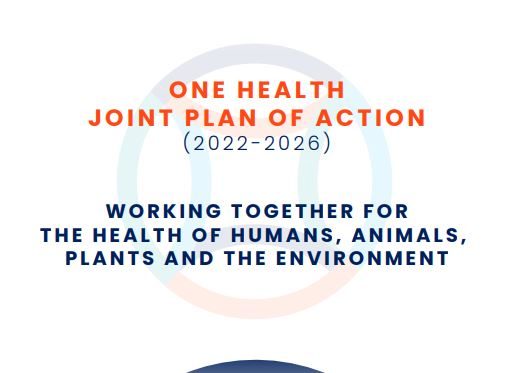
One health joint plan of action (‎2022‒2026)‎: working together for the health of humans, animals, plants and the environment
One HealthGlobal Health NewsNational Health NewsPublic Health NewsPublic Health Update

One Health Joint Plan of Action launched to address health threats to humans, animals, plants and environment

by Public Health Update October 17, 2022
written by Public Health Update

17 October 2022, News release, Geneva, Nairobi, Paris, Rome

Today, a new One Health Joint Plan of Action was launched by the Quadripartite – the Food and Agriculture Organization of the United Nations (FAO), the United Nations Environment Programme (UNEP), the World Health Organization (WHO), and the World Organisation for Animal Health (WOAH, founded as OIE).

This first joint plan on One Health aims to create a framework to integrate systems and capacity so that we can collectively better prevent, predict, detect, and respond to health threats. Ultimately, this initiative seeks to improve the health of humans, animals, plants, and the environment, while contributing to sustainable development.

The One Health Joint Plan of Action, developed through a participatory process, provides a set of activities that aim to strengthen collaboration, communication, capacity building, and coordination equally across all sectors responsible for addressing health concerns at the human-animal-plant-environment interface.

The One Health Joint Plan of Action (OH JPA)      

The five-year plan (2022-2026) focuses on supporting and expanding capacities in six areas: One Health capacities for health systems, emerging and re-emerging zoonotic epidemics, endemic zoonotic, neglected tropical and vector-borne diseases, food safety risks, antimicrobial resistance and the environment. 

This technical document is informed by evidence, best practices, and existing guidance. It covers a set of actions which endeavour to advance One Health at global, regional and national levels. These actions notably include the development of an upcoming implementation guidance for countries, international partners, and non-State actors such as civil society organizations, professional associations, academia and research institutions.

The plan sets out operational objectives, which include: providing a framework for collective and coordinated action to mainstream the One Health approach at all levels; providing upstream policy and legislative advice and technical assistance to help set national targets and priorities; and promoting multinational, multi-sector, multidisciplinary collaboration, learning and exchange of knowledge, solutions and technologies. It also fosters the values of cooperation and shared responsibility, multisectoral action and partnership, gender equity, and inclusiveness.

Why One Health?

One Health is the main approach for addressing the complex health challenges facing our society, such as ecosystem degradation, food system failures, infectious diseases and antimicrobial resistance.

“Using a One Health lens that brings all relevant sectors together is critical to tackle global health threats, like monkeypox, COVID-19 and Ebola.” WOAH Director General Dr Monique Eloit highlights the need for enhanced disease prevention capacity in all sectors. “It all starts with ensuring the health of animals. Animal health is our health, it is everyone’s health.”

FAO Director-General QU Dongyu adds, “One Health should start from proper land management and stopping deforestation, which will help people and their animals in the surrounding environment. We need all sectors working closely together to identify and implement adaptation and mitigation measures.”    

UNEP Executive Director Inger Andersen says that “Everyone has the right to a clean and healthy environment – the foundation of all life on Earth. The current pandemic unequivocally demonstrates that the degradation of nature is driving up health risks across the board.” Efforts by just one sector or specialty cannot prevent or eliminate infectious disease and other complex threats to One Health. She continued: “Vulnerable populations of all species, including the most poor and marginalized humans, bear the heaviest costs. The Joint Plan of Action will drive down health risks through an integrated approach to human, animal and environment health.”

 “It’s clear that a One Health approach must be central to our shared work to strengthen the world’s defences against epidemics and pandemics such as COVID-19. That’s why One Health is one of the guiding principles of the new international agreement for pandemic prevention, preparedness and response, which our Member States are now negotiating.” WHO Director-General Dr Tedros Adhanom Ghebreyesus said.

Building on existing structures and agreements, mechanisms for coordinated financing are under development to support the plan’s implementation. The Quadripartite will join forces to leverage the needed resources in support of the common approach to address critical health threats and promote the health of people, animals, plants and the environment.

Download: One health joint plan of action (‎2022‒2026)‎: working together for the health of humans, animals, plants and the environment

October 17, 2022 0 comments
0 FacebookTwitterPinterestLinkedinTumblrVKOdnoklassnikiRedditStumbleuponWhatsappTelegramLINEPocketSkypeViberEmail
Global Handwashing Day
Public HealthPH Important DayPublic Health Events

Global Handwashing Day 2022: Unite for Universal Hand Hygiene

by Public Health Update October 15, 2022
written by Public Health Update

Overview

October 15 is Global Handwashing Day, a global advocacy day dedicated to increasing awareness and understanding about the importance of handwashing with soap as an effective and affordable way to prevent diseases and save lives. Global handwashing day is an opportunity to design, test, and replicate creative ways to encourage people to wash their hands with soap at critical times.

Global Handwashing Day

Global Handwashing Day 2022: Unite for Universal Hand Hygiene

The 2022 Global Handwashing Day theme is “Unite for Universal Hand Hygiene.” 

Messages

  • Handwashing with soap is an easy, effective, and affordable do-it-yourself protection that prevents infections and saves lives.
  • #UNITEFORUNIVERSALHANDHYGIENE to promote national hand hygiene efforts, including the development of a costed hand hygiene roadmap.
  • #UNITEFORUNIVERSALHANDHYGIENE to increase hand hygiene financing by investing in programs that are hygiene sensitive and lead to lasting hand hygiene habits.
  • #UNITEFORUNIVERSALHANDHYGIENE to support affordable, accessible, and desirable hand hygiene solutions for everyone, everywhere.
  • #UNITEFORUNIVERSALHANDHYGIENE to prioritize hand hygiene in institutional and public settings, including schools, healthcare facilities, workplaces, and other public settings.
  • #UNITEFORUNIVERSALHANDHYGIENE to fill hand hygiene evidence gaps, focusing on hand hygiene costs and return on investment to drive more investment.
  • #UNITEFORUNIVERSALHANDHYGIENE to advocate for hand hygiene as an essential element of health and development.

Source of info: Global Handwashing Partnership


Recommended

  • “Make Handwashing a Habit!” – Global Hand washing Day 2016
  • 5 moments for hand hygiene
  • 6-step hand cleaning technique
  • “Make Handwashing a Habit!” – Global Hand washing Day 2016
  • SAVE LIVES: Clean Your Hands 5 May 2016
  • “Make Handwashing a Habit!” – Global Hand washingDay 2016 
  • 7th annual Global Handwashing Day 2014
  • Global Handwashing Day 
October 15, 2022 0 comments
0 FacebookTwitterPinterestLinkedinTumblrVKOdnoklassnikiRedditStumbleuponWhatsappTelegramLINEPocketSkypeViberEmail
World Sight Day (WSD)
Public HealthActivitiesPH Important DayPublic Health Update

World Sight Day 2022: LoveYourEyes

by Public Health Update October 13, 2022
written by Public Health Update

Overview

The World Sight Day (WSD) is an international day of awareness held every October (on the second Thursday) to focus attention on the global issue of eye health. World Sight Day is coordinated by the The International Agency for the Prevention of Blindness (IAPB) and supported by almost 200 IAPB Member Organisations globally.

WSD is the focal advocacy and PR event for IAPB and its members and partners each year, highlighting the fact that at least 1 billion people have a vision impairment that could have been prevented or has yet to be addressed.

Objective

  • Raise public awareness of blindness and vision impairment as major international public health issues.
  • Influence Governments/Ministers of Health to participate in and designate funds for national blindness prevention
    programmes.
  • Educate target audiences about blindness prevention.

World Sight Day is our opportunity to:

  1. Help everyone understand the magnitude of the problem.
  2. Communicate that avoidable vision loss is a global challenge that we have the solutions for.
  3. Encourage everyone who can, to prioritise their own eye health.

World Sight Day 2022: LoveYourEyes

LoveYourEyes is a campaign that allows us all to promote eye health, the scale of the issue we face and the steps we can take to address it.

Vision Facts

  • Good vision improves health and well-being at all ages.
  • Majority of the eye diseases can be treated or their progression can be slowed significantly, if detected early.
  • Children with a vision impairment are up to five times less likely to be in formal education and often achieve poorer outcomes.
  • It is estimated that 40% of children are blind from eye conditions that could be managed if the child had access or prevented if the child had access to eye care services.
  • Globally, over 90 million children and adolescents have vision impairment or blindness.
  • Of the 1.1 billion people with vision loss, over 50% are female. Women are 40% less likely to utilise eye care services than men.
  • In some parts of the world, if girls are blind or significantly vision impaired it is almost impossible for them to access education.
  • 1.1 billion people experience vision loss primarily because they do not have access to eye health services when they need them, where they need them.
  • Over 90% of those with uncorrected vision loss live in low- and middle-income countries.
  • Unaddressed poor vision results in $411 billion in lost productivity each year.

Source of Info: WHO and IAPB.

Recommended

  • World Sight Day is: Eyecare Everywhere! 
  • Trachoma is a disease of the eye caused by Chlamydia trachomatis
  • Eyes on Diabetes – World Diabetes Day 2016
  • B.Optometry Colleges and Available Seats in Nepal
October 13, 2022 0 comments
0 FacebookTwitterPinterestLinkedinTumblrVKOdnoklassnikiRedditStumbleuponWhatsappTelegramLINEPocketSkypeViberEmail
Action for Equitable Health Systems- Advancing universal comprehensive primary health care in pandemic times
Public HealthCoursesInternational Jobs & OpportunitiesOnline CoursesPublic Health OpportunitiesPublic Health Opportunity

Action for Equitable Health Systems- Advancing universal comprehensive primary health care in pandemic times

by Public Health Update October 12, 2022
written by Public Health Update

The Equitable Health Systems Thematic Circle of People’s Health Movement (PHM) along with PHM South Asia and PHM South East Asia Pacific Region, is organising a capacity building course (International People’s Health University, IPHU) on “Action for Equitable Health Systems- Advancing comprehensive primary health care in pandemic times”. Through this course we plan to build a better understanding among health activists of why health and healthcare is an entitlement of all human beings, and how this can be realized and of current best practices in this area. The course would also build skills for activists to analyse where they are on the road map and mobilize people as well as advocate with the government for an accelerated push towards Health For All.

The course is open to participants from selected countries in South Asia and South-East Asia and will be held in December 2022.  The course is designed as a hybrid program with an online component, an onsite face to face training program in Bangkok, Thailand which includes field visits and a post training mentored six month follow up. The dates for IPHU are-    

Online: Four sessions between November 15th and November 30th–

Session Time & Duration: Two hour session each day from 11:30 am – 2:30 pm (Indian Standard Time) / 2:00 pm – 5:00 pm (Philippines Standard Time).

On-Site Sessions in Bangkok, Thailand:  From December 6th morning to December 11th noon. (9.00 am to 1.00 pm, and 2.00 to 5.00 pm) Participants arrive by December 5th evening or late night to be able to attend in time for the session on December 6th.

Post-Training Follow up- back in home country with the PHM country circle. Two sessions of two hours each three months apart.

Below is the eligibility criteria for the application:

i. Participants must be from one of the following countries-

Bangladesh, Nepal, India, Pakistan,  Sri Lanka,  Thailand,   Indonesia,  Cambodia, Philippines, Malaysia , Myanmar and PNG

ii. Candidates must be available for

a. all pre-workshop online classes (8 hours)     ,      

b. On site in Thailand in the 2nd week of December.

c. Two post-workshop sessions

Participation in online classes along with assignments will help ensure that candidates are ready to make use of the onsite classes. There is a small process of filtering for this reason, at this stage.

iii. Involvement with PHM country circle/ networks will be an advantage.

iv- must have a valid passport or be reasonably sure of securing it in time.

v- must have access to stable internet connection for on-line classes and later follow-up

Selection Process:

Interested candidates can apply via the Google Form . If there is a problem they can send the application by email (hsiphu2022@gmail.com). Applications are due on or before October 25th, 2022.

Applications will go through a screening process by a committee. The committee would go not only by individual’s suitability for the course but it would also ensure that the final set of participants is a balance of gender, nationalities, age, pre-existing engagement with People’s Health Movements and health rights campaigns. Candidates would be informed of selection by November 5th.      

Candidates who are active in PHM country circles or networks and are sponsored by these, will be prioritized / strongly preferred.

We request you to share the announcement widely with your networks in the South East Asia and Pacific and the South Asia region. Please feel free to write to (hsiphu2022@gmail.com) for any queries or difficulty on filling the application form. 

Website link to announcement: https://phmovement.org/call-for-applications-international-peoples-health-university-iphu-course-of-phm/


October 12, 2022 0 comments
0 FacebookTwitterPinterestLinkedinTumblrVKOdnoklassnikiRedditStumbleuponWhatsappTelegramLINEPocketSkypeViberEmail
Guidelines on mental health at work
Public HealthGlobal Health NewsPublic Health NewsPublic Health Update

World failing in ‘our duty of care’ to protect mental health and well-being of HCWs

by Public Health Update October 9, 2022
written by Public Health Update

World failing in ‘our duty of care’ to protect mental health and well-being of health and care workers, finds report on impact of COVID-19

5 October 2022 

Doha– A new report by the Qatar Foundation, World Innovation Summit for Health (WISH), in collaboration with the World Health Organization (WHO) finds that at least a quarter of health and care workers surveyed reported anxiety, depression and burnout symptoms.  Our duty of care: A global call to action to protect the mental health of health and care workers examines the impact of the COVID-19 pandemic on the mental health of the health and care workforce and offers 10 policy actions as a framework for immediate follow-up by employers, organizations and policy-makers.

The report found that 23 to 46 percent of health and care workers reported symptoms of anxiety during the COVID-19 pandemic and 20 to 37 percent experienced depressive symptoms. 

WHO and ILO call for new measures to tackle mental health issues at work (Guidelines on mental health at work)

Burnout among health and care workers during the pandemic ranged from 41 to 52 percent in pooled estimates. Women, young people and parents of dependent children were found to be at greater risk of psychological distress — significant considering that women make up 67 percent of the global health workforce and are subject to inequalities in the sector, such as unequal pay. The higher risk of negative mental health outcomes among younger health workers is also a concern.

“Well into the third year of the COVID-19 pandemic, this report confirms that the levels of anxiety, stress and depression among health and care workers has become a ‘pandemic within a pandemic,’” said Jim Campbell, WHO Director of Health Workforce.

This report follows landmark decisions at the World Health Assembly and International Labour Conference in 2022 that reaffirmed the obligations of governments and employers to protect the workforce, ensure their rights and provide them with decent work in a safe and enabling practice environment that upholds their mental health and well-being. Protecting and safeguarding this workforce is also an investment in the continuity of essential public health services to make progress towards universal health coverage and global health security. 

“The increased pressure experienced during the COVID-19 pandemic has clearly had a detrimental impact on the health and well-being of health and care workers,” said Sultana Afdhal, Chief Executive Officer of WISH. “The pressure isn’t new, but COVID-19 has brought into sharp focus the need for better care for those who care for us. This new report sets out policy actions that promote strengthening health systems and calls for global collaboration across governments and healthcare employers to invest in safeguarding the most valuable asset that our health systems possess, which is the people working within them.”

The report highlights 10 policy actions as a framework for immediate uptake, such as investing in workplace environments and culture that prevent burnout, promote staff well-being, and support quality care. This includes the obligations and roles of governments and employers for occupational safety and health. 

WHO recently published recommendations for the effective interventions and approaches to support mental health at work, including those specifically for the health and care workforce, which call for organizational level changes that address working conditions and ensure confidential mental health care and support as a priority. Relevant to this framework, the WHO Global health and care worker compact provides technical guidance on how to protect health and care workers and safeguard their rights; it highlights that duty of care is a shared responsibility in every country.

WHO News Release


Recommeded

  • World Mental Health Day
  • WHO and ILO call for new measures to tackle mental health issues at work
  • WHO South-East Asia Region commits to universal access to people-centered mental health care and services
  • Nepal Mental Health Website Launched
  • WHO highlights urgent need to transform mental health and mental health care
  • Comprehensive Mental Health Action Plan 2013 – 2030
  • National Mental Health Strategy & Action Plan 2077
  • Standard Treatment Protocol for mental health services into the Primary Health Care System
  • WHO highlights urgent need to transform mental health and mental health care
  • The Mental Health Atlas 2020
  • World Mental Health Day 2021: Mental health care for all: let’s make it a reality!
  • The WHO and Angry Birds Friends team up for World Mental Health Day
  • Mental Health for All! Greater Investment–Greater Access.
  • Mental health status among health workers in Nepal during COVID-19 pandemic (Policy brief)
  • COVID19 & Mental Health: Effects and tips to keep our mind healthy!
  • Mental Health and Coronavirus disease (COVID19)
  • Policy Brief: COVID-19 and the Need for Action on Mental Health
  • Mental health and psychosocial considerations during the COVID-19 outbreak
  • Develop and implement strategies to prevent suicide and promote mental health
  • World Mental Health Day 2019: A day for ”40 seconds of action”
  • Young People and Mental Health in a Changing World #WorldMentalHealthDay
  • Recommendation of International Mental Health Conference Nepal (IMHCN) 2018
  • Informing the World: How to Change Public Attitudes to Mental Health
  • UN Environment and WHO agree to major collaboration on environmental health risks
  • Mental health in the workplace – World Mental Health Day 2017

National Mental Health Survey, Nepal-2020 Fact Sheet

October 9, 2022 0 comments
0 FacebookTwitterPinterestLinkedinTumblrVKOdnoklassnikiRedditStumbleuponWhatsappTelegramLINEPocketSkypeViberEmail
World Mental Health Day 2022
Public HealthActivitiesPH Important DayPublic Health Events

World Mental Health Day 2022: Make mental health & well-being for all a global priority

by Public Health Update October 9, 2022
written by Public Health Update

Overview

World Mental Health Day is observed on 10 October every year. The overall objective of World Mental Health Day is to raise awareness of mental health issues around the world and mobilizing efforts in support of mental health.

World Mental Health Day provides an opportunity for all stakeholders working on mental health issues to talk about their work, and what more needs to be done to make mental health care a reality for people worldwide.

Mental Health Policy, Nepal

World Mental Health Day 2022: Make mental health & well-being for all a global priority

The 2022 World Mental Health Day theme ‘Make Mental Health & Well-Being for All a Global Priority’ provides us with an opportunity to re-kindle our efforts to make the world a better place. This will be an opportunity for people with mental health conditions, advocates, governments, employers, employees and other stakeholders to come together to recognize progress in this field and to be vocal about what we need to do to ensure Mental Health & Well-Being becomes a Global Priority for all.

WHO Key facts

  • Affordable, effective and feasible strategies exist to promote, protect and restore mental health.
  • The need for action on mental health is indisputable and urgent.
  • Mental health has intrinsic and instrumental value and is integral to our well-being.
  • Mental health is determined by a complex interplay of individual, social and structural stresses and vulnerabilities.

Read More: WHO & WMHD 2022

Recommeded

  • World Mental Health Day
  • WHO and ILO call for new measures to tackle mental health issues at work
  • WHO South-East Asia Region commits to universal access to people-centered mental health care and services
  • Nepal Mental Health Website Launched
  • WHO highlights urgent need to transform mental health and mental health care
  • Comprehensive Mental Health Action Plan 2013 – 2030
  • National Mental Health Strategy & Action Plan 2077
  • Standard Treatment Protocol for mental health services into the Primary Health Care System
  • WHO highlights urgent need to transform mental health and mental health care
  • The Mental Health Atlas 2020
  • World Mental Health Day 2021: Mental health care for all: let’s make it a reality!
  • The WHO and Angry Birds Friends team up for World Mental Health Day
  • Mental Health for All! Greater Investment–Greater Access.
  • Mental health status among health workers in Nepal during COVID-19 pandemic (Policy brief)
  • COVID19 & Mental Health: Effects and tips to keep our mind healthy!
  • Mental Health and Coronavirus disease (COVID19)
  • Policy Brief: COVID-19 and the Need for Action on Mental Health
  • Mental health and psychosocial considerations during the COVID-19 outbreak
  • Develop and implement strategies to prevent suicide and promote mental health
  • World Mental Health Day 2019: A day for ”40 seconds of action”
  • Young People and Mental Health in a Changing World #WorldMentalHealthDay
  • Recommendation of International Mental Health Conference Nepal (IMHCN) 2018
  • Informing the World: How to Change Public Attitudes to Mental Health
  • UN Environment and WHO agree to major collaboration on environmental health risks
  • Mental health in the workplace – World Mental Health Day 2017

National Mental Health Survey, Nepal-2020 Fact Sheet

October 9, 2022 0 comments
0 FacebookTwitterPinterestLinkedinTumblrVKOdnoklassnikiRedditStumbleuponWhatsappTelegramLINEPocketSkypeViberEmail
WHO and partners launch world's most extensive freely accessible AI health worker
Public Health NewsDigital Health & Health InformaticsGlobal Health NewsPublic Health Update

WHO and partners launch world’s most extensive freely accessible AI health worker

by Public Health Update October 7, 2022
written by Public Health Update

4 October 2022  Departmental news Doha (WHO)

Meet Florence 2.0, she can give you advice on a healthier lifestyle and mental health

Florence, is a digital health worker, that can help you on your journey to a healthier life. Through a series of interactive questions, Florence will provide guidance on stress management, how to eat right, be more active, quit tobacco and e-cigarettes and COVID-19 vaccines. All of these topics are available in the English version, with all languages to be updated with by the end of 2022

In Arabic, Chinese, French, Russian, Spanish, and Hindi Florence can currently support people to quit tobacco and provide information on COVID-19.

The World Health Organization, with support from the Qatar Ministry of Health, today launched the AI-powered WHO Digital Health Worker, Florence version 2.0, offering an innovative and interactive platform to share a myriad of health topics in seven languages at the World Innovation Summit for Health (WISH) in Qatar.

Florence can share advice on mental health, give tips to destress, provide guidance on how to eat right, be more active, and quit tobacco and e-cigarettes. She can also offer information on COVID-19 vaccines and more. Florence 2.0 is now available in English with Arabic, French, Spanish, Chinese, Hindi and Russian to follow.

Florence has helped fight misinformation around COVID-19 since the beginning of the pandemic. The pandemic has had a significant effect on mental health. It is estimated that 1 in every 8 people in the world lives with a mental disorder. Her topics like tobacco and unhealthy diet kill 16 million people every year, while physical inactivity kills an estimated 830 000. These deaths are due to diseases like cancer, heart disease, lung disease, and diabetes that can be prevented and controlled with the right support.

“Digital technology plays a critical role in helping people worldwide lead healthier lives,” said Andy Pattison, WHO’s Team Lead for Digital Channels. “The AI health worker Florence is a shining example of the potential to harness technology to promote and protect people’s physical and mental health. At WISH, we aim to meet with visionary partners to continue to improve this cutting-edge technology. AI can help fill gaps in health information that exist in many communities around the world.” 

“We are pleased to partner with the WHO for the development of Florence and are very excited about the opportunities this technology can offer to raise awareness of key health issues,” said Dr Yousuf Al Maslamani, Official Healthcare Spokesperson for the FIFA World Cup Qatar 2022, Ministry of Public Health.

“We know that providing advice on Florence’s key health topics, including mental health, nutrition and tobacco cessation is an important tool in our commitment to support people to make healthy lifestyle choices,” added Dr. Al Maslamani. 

At the WISH conference, WHO released the beta version of Florence 2.0 to interact with scientists, public health organizations, entrepreneurs, and policy-makers and plans to continue to develop the digital health worker to help meet major health issues facing the world today.

“We are pleased to have Florence 2.0 launched at the WISH conference. This is a place for global actors to come together to find solutions for public health. WHO is demonstrating incredible innovation leadership by using groundbreaking empathetic AI,” said Nick Bradshaw, Director of Partnerships and Outreach at WISH.

The digital health worker is a prominent feature of the Sport For Health partnership between WHO and the Qatar Ministry of Public Health, which has been established to help make this year’s FIFA World Cup Qatar 2022 a beacon for health and safety.

The project is supported by technology company Soul Machines, which brings avatars to life in the form of autonomously animated Digital People. “Through this collaboration, we have created a personality for the frontline responder that is empathetic, informative, and understanding,” says Greg Cross, CEO and Co-Founder of Soul Machines. “Our Digital People operate and respond in real time, providing users with a unique and emotionally engaging experience. We look forward to continuing our work on Florence as we aim to positively reshape and transform the health-care industry.”

News link


Using AI to lead healthier lifestyle
How Florence can help you
Let Florence help you today


Do you have a website? Looking for the best hosting provider? Here’s a discount code.

Latest Public Health Jobs

Latest Posts

  • International Wellness Day: Promoting Global Wellness for All
  • Summit Declaration: The 12th National Summit of Health and Population Scientists in Nepal
  • Joint political declaration on the reform of the global health architecture
  • World Health Day 2026: Together for Health. Stand with Science.
  • World Water Day 2026 | Water & Gender Equality

Thanks for visiting us.
Disclaimer: The resources, documents, guidelines, and information on this blog have been collected from various sources and are intended for informational purposes only. Information published on or through this website and affiliated social media channels does not represent the intention, plan, or strategies of an organization that the initiator is associated with in a professional or personal capacity, unless explicitly indicated.
If you have any complaints, information, or suggestions about the content published on Public Health Update, please feel free to contact us at blog.publichealthupdate@gmail.com.
#StayUpdated


  • WordPress
  • Link
  • Facebook
  • Mail
  • Facebook
  • Twitter
  • Twitter
  • LinkedIn
  • Instagram
  • Facebook
October 7, 2022 0 comments
0 FacebookTwitterPinterestLinkedinTumblrVKOdnoklassnikiRedditStumbleuponWhatsappTelegramLINEPocketSkypeViberEmail
Guidelines on mental health at work
International Plan, Policy & GuidelinesNon- Communicable Diseases (NCDs)Public Health UpdateResearch & Publication

WHO and ILO call for new measures to tackle mental health issues at work

by Public Health Update October 7, 2022
written by Public Health Update

28 September 2022, Joint News Release, Geneva, Switzerland

The WHO guidelines on mental health at work provide evidence-based recommendations to promote mental health, prevent mental health conditions, and enable people living with mental health conditions to participate and thrive in work. The recommendations cover organizational interventions, manager training and worker training, individual interventions, return to work, and gaining employment. The guidelines on mental health at work aim to improve the implementation of evidence-based interventions for mental health at work.

New global WHO guidelines on mental health at work are reinforced by practical strategies outlined in a joint WHO/ILO policy brief.

WHO and the International Labour Organization (ILO) have called for concrete actions to address mental health concerns in the working population.

An estimated 12 billion workdays are lost annually due to depression and anxiety costing the global economy nearly US$ 1 trillion. Two new publications which aim to address this issue are published today – WHO Guidelines on mental health at work and a derivative WHO/ILO policy brief.

WHO’s global guidelines on mental health at work recommend actions to tackle risks to mental health such as heavy workloads, negative behaviours, and other factors that create distress at work. For the first time WHO recommends manager training, to build their capacity to prevent stressful work environments and respond to workers in distress.

WHO’s World Mental Health Report, published in June 2022, showed that of one billion people living with a mental disorder in 2019, 15% of working-age adults experienced a mental disorder. Work amplifies wider societal issues that negatively affect mental health, including discrimination and inequality. Bullying and psychological violence (also known as “mobbing”) is a key complaint of workplace harassment that has a negative impact on mental health. Yet discussing or disclosing mental health remains a taboo in work settings globally.

The guidelines also recommend better ways to accommodate the needs of workers with mental health conditions, propose interventions that support their return to work and, for those with severe mental health conditions, provide interventions that facilitate entry into paid employment. Importantly, the guidelines call for interventions aimed at the protection of health, humanitarian, and emergency workers.

“It’s time to focus on the detrimental effect work can have on our mental health,” said Dr Tedros Adhanom Ghebreyesus, WHO Director-General. “The well-being of the individual is reason enough to act, but poor mental health can also have a debilitating impact on a person’s performance and productivity. These new guidelines can help prevent negative work situations and cultures and offer much-needed mental health protection and support for working people.”

A separate WHO/ILO policy brief explains the WHO guidelines in terms of practical strategies for governments, employers and workers, and their organizations, in the public and private sectors. The aim is to support the prevention of mental health risks, protect and promote mental health at work, and support those with mental health conditions, so they can participate and thrive in the world of work. Investment and leadership will be critical to the implementation of the strategies.

“As people spend a large proportion of their lives in work – a safe and healthy working environment is critical. We need to invest to build a culture of prevention around mental health at work, reshape the work environment to stop stigma and social exclusion, and ensure employees with mental health conditions feel protected and supported,” said, Guy Ryder, ILO Director-General.

The ILO Occupational Safety and Health Convention (No. 155) and Recommendation (No. 164) provides legal frameworks to protect the health and safety of workers. However, the WHO Mental Health Atlas found that only 35% of countries reported having national programmes for work-related mental health promotion and prevention.

COVID-19 triggered a 25% increase in general anxiety and depression worldwide, exposing how unprepared governments were for its impact on mental health, and revealing a chronic global shortage of mental health resources. In 2020, governments worldwide spent an average of just 2% of health budgets on mental health, with lower-middle income countries investing less than 1%.

28 September 2022, Joint News Release, Geneva, Switzerland

Download: Guidelines on mental health at work


Do you have a website? Looking for the best hosting provider? Here’s a discount code.

Latest Public Health Jobs

Latest Posts

  • International Wellness Day: Promoting Global Wellness for All
  • Summit Declaration: The 12th National Summit of Health and Population Scientists in Nepal
  • Joint political declaration on the reform of the global health architecture
  • World Health Day 2026: Together for Health. Stand with Science.
  • World Water Day 2026 | Water & Gender Equality

Thanks for visiting us.
Disclaimer: The resources, documents, guidelines, and information on this blog have been collected from various sources and are intended for informational purposes only. Information published on or through this website and affiliated social media channels does not represent the intention, plan, or strategies of an organization that the initiator is associated with in a professional or personal capacity, unless explicitly indicated.
If you have any complaints, information, or suggestions about the content published on Public Health Update, please feel free to contact us at blog.publichealthupdate@gmail.com.
#StayUpdated


  • WordPress
  • Link
  • Facebook
  • Mail
  • Facebook
  • Twitter
  • Twitter
  • LinkedIn
  • Instagram
  • Facebook
October 7, 2022 0 comments
0 FacebookTwitterPinterestLinkedinTumblrVKOdnoklassnikiRedditStumbleuponWhatsappTelegramLINEPocketSkypeViberEmail
Health sector readiness for the prevention and control of non-communicable diseases: A multi-method qualitative assessment in Nepal
Public HealthNon- Communicable Diseases (NCDs)Research & PublicationResearch Articles

Health sector readiness for the prevention and control of NCDs: A multi-method qualitative assessment in Nepal

by Public Health Update October 4, 2022
written by Public Health Update

Original Paper: PLOS ONE

Abstract

In Nepal, deaths attributable to NCDs have increased in recent years. Although NCDs constitute a major public health problem, how best to address this has not received much attention.

The objective of this study was to assess the readiness of the Nepalese health sector for the prevention and control of NCDs and their risk factors. The study followed a multi-method qualitative approach, using a review of policy documents, focus group discussions (FGDs), and in-depth interviews (IDIs) conducted between August and December 2020. The policy review was performed across four policy categories. FGDs were undertaken with different cadres of health workers and IDIs with policy makers, program managers and service providers. Researchers performed content analysis using the WHO health system building blocks framework as the main categories. Policy documents were concerned with the growing NCD burden, but neglect the control of risk factors. FGDs and IDIs reveal significant perceived weaknesses in each of the six building blocks. According to study participants, existing services were focused on curative rather than preventive interventions. Poor retention of all health workers in rural locations, and of skilled health workers in urban locations led to the health workers across all levels being overburdened. Inadequate quantity and quality of health commodities for NCDs emerged as an important logistics issue. Monitoring and reporting for NCDs and their risk factors was found to be largely absent. Program decisions regarding NCDs did not use the available evidence.

Original Paper: PLOS ONE

The limited budget dedicated to NCDs is being allocated to curative services. The engagement of non-health sectors with the prevention and control of NCDs remained largely neglected. There is a need to redirect health sector priorities towards NCD risk factors, notably to promote healthy diets and physical activity and to limit tobacco and alcohol consumption, at policy as well as community levels.

Conclusion

This study has revealed important limitations in the readiness of the Nepalese health sector to respond the growing NCD pandemic, pointing to the need for reform. There is a critical gap in the formulation and implementation of NCD-targeted policies and community-based programs–notably with regards to implementing evidence-based interventions to promote healthy diets and physical activity and to strengthen preventive interventions concerned with tobacco and alcohol consumption–across the six building blocks of the health system.

With an increasing life expectancy, a growing elderly population will further exacerbate existing problems and this must be taken into account in advancing the health sector response to NCDs. Moreover, urbanization and changed lifestyles in Nepalese society must be considered, and sectors other than health involved with successful prevention and control of NCD risk factors.

Much of this study’s assessment of health sector readiness is derived from the perceptions of different cadres of health workers and health decision-makers at national, provincial and community levels; future research should follow up with a quantitative assessment of health sector readiness, trying to triangulate qualitative and quantitative insights.

Original Paper: PLOS ONE (Health sector readiness for the prevention and control of non-communicable diseases: A multi-method qualitative assessment in Nepal)

Article Source: Health sector readiness for the prevention and control of non-communicable diseases: A multi-method qualitative assessment in Nepal
Sapkota BP, Baral KP, Berger U, Parhofer KG, Rehfuess EA (2022) Health sector readiness for the prevention and control of non-communicable diseases: A multi-method qualitative assessment in Nepal. PLOS ONE 17(9): e0272361. https://doi.org/10.1371/journal.pone.0272361

Recommended

  • WHO Launches NCDs Data Portal to Strengthen Accountability
  • WHO South-East Asia Region to accelerate progress for NCD prevention and control
  • WHO South-East Asia Region commits to universal access to people-centered mental health care and services
  • Cancer Incidence and Mortality Rate in Selected Districts of Nepal in 2019
  • Nepal Mental Health Website Launched
  • Noncommunicable Diseases (NCDs) Progress Monitor 2022
  • Multi-sectoral Action Plan for Prevention and Control of NCDs 2021-2025

Do you have a website? Looking for the best hosting provider? Here’s a discount code.

Latest Public Health Jobs

Latest Posts

  • International Wellness Day: Promoting Global Wellness for All
  • Summit Declaration: The 12th National Summit of Health and Population Scientists in Nepal
  • Joint political declaration on the reform of the global health architecture
  • World Health Day 2026: Together for Health. Stand with Science.
  • World Water Day 2026 | Water & Gender Equality

Thanks for visiting us.
Disclaimer: The resources, documents, guidelines, and information on this blog have been collected from various sources and are intended for informational purposes only. Information published on or through this website and affiliated social media channels does not represent the intention, plan, or strategies of an organization that the initiator is associated with in a professional or personal capacity, unless explicitly indicated.
If you have any complaints, information, or suggestions about the content published on Public Health Update, please feel free to contact us at blog.publichealthupdate@gmail.com.
#StayUpdated


  • WordPress
  • Link
  • Facebook
  • Mail
  • Facebook
  • Twitter
  • Twitter
  • LinkedIn
  • Instagram
  • Facebook
October 4, 2022 0 comments
0 FacebookTwitterPinterestLinkedinTumblrVKOdnoklassnikiRedditStumbleuponWhatsappTelegramLINEPocketSkypeViberEmail
Newer Posts
Older Posts

Search

Follow Us

Facebook Twitter Instagram Pinterest Linkedin Youtube

Categories

  • Abstracts (25)
  • Activities (91)
  • Adolescent Sexual and Reproductive Health (ASRH) (25)
  • Advice & Tips (4)
  • African Region (5)
  • AI and Health (1)
  • Annual Meeting (6)
  • Antimicrobial Resistance (AMR) (21)
  • Award (19)
  • Awards (16)
  • Books (9)
  • Call for Proposal, EOI & RFP (103)
  • Call for Research Participants (8)
  • Clinical Doctor Jobs (6)
  • Communicable Diseases (107)
  • Competition (20)
  • Conference (129)
  • Consultant (1)
  • Courses (205)
  • Dashboard (2)
  • Digital Health & Health Informatics (10)
  • Drug and Medicine (18)
  • Eastern Mediterranean Region (3)
  • Education (15)
  • Environment (3)
  • Environmental Health & Climate Change (47)
  • European Region (42)
  • Exchange Program (1)
  • Fact Sheet (117)
  • FCHVs (1)
  • Fellowships, Studentship & Scholarships (168)
  • Financial Aid (13)
  • Form Formats (2)
  • Fully funded (22)
  • Global Health News (434)
  • Grants and Funding Opportunities (193)
  • Guest Post (44)
  • Health Assistant Jobs (1)
  • Health Equity (7)
  • Health Financing and Economics (24)
  • Health in Data (115)
  • Health Insurance (5)
  • Health Jobs (52)
  • Health Literacy, Health Education & Promotion (50)
  • Health Organization Profile (42)
  • Health Systems (83)
  • Human Resource for Health (33)
  • Humanitarian Health & Emergency Response (44)
  • Hypertension (5)
  • Implementation Research (48)
  • International Health (3)
  • International Jobs & Opportunities (373)
  • International Plan, Policy & Guidelines (210)
  • Internships (4)
  • Jobs Vacancies (56)
  • Journals (8)
  • Life Style & Public Health Nutrition (39)
  • Live (10)
  • Master's Degree (48)
  • Maternal, Newborn and Child Health (88)
  • Mentorship Program (2)
  • Miscellaneous (16)
  • National Health News (158)
  • National Plan, Policy & Guidelines (468)
  • Neglected Tropical Diseases (NTDs) (51)
  • Non- Communicable Diseases (NCDs) (121)
  • Notice (103)
  • Nursing Jobs (6)
  • Nutritionist Jobs (1)
  • One Health (18)
  • Online & Distance Learning (22)
  • Online Courses (90)
  • Op-Ed Article (3)
  • Opportunities by Region (83)
  • Outbreak News (213)
  • Partially funded (6)
  • PCL Health Science Jobs (3)
  • PH Important Day (534)
  • Pharmacist Jobs (3)
  • PhD (54)
  • Photos (5)
  • Planetary Health (4)
  • PostDoc (14)
  • Presentation Slides (26)
  • Primary Health Care (25)
  • Provincial Plan, Policies and Guidelines (14)
  • Public Health (1,283)
  • Public Health Epidemiology & Biostatistics (13)
  • Public Health Events (306)
  • Public Health Information (20)
  • Public Health Innovation (9)
  • Public Health Jobs (52)
  • Public Health News (554)
  • Public Health Notes (120)
  • Public Health Opportunities (507)
  • Public Health Opportunity (491)
  • Public Health Programs (108)
  • Public Health Seminar (2)
  • Public Health Tools (1)
  • Public Health Update (564)
  • Quality Improvement & Infection Prevention (20)
  • Region of America (8)
  • Reports (184)
  • Research & Project Grants (39)
  • Research & Project Grants (32)
  • Research & Publication (647)
  • Research Articles (10)
  • Road Traffic Accidents (RTA) (9)
  • School of Public Health (60)
  • Self funded (2)
  • South-East Asia Region (26)
  • Success Stories (17)
  • Summer and Winter Courses (40)
  • Summer Courses (28)
  • Sustainable Development Goals (SDGs) (14)
  • Syllabus (61)
  • Symposium (9)
  • Tobacco Control (35)
  • Training (40)
  • Travel Grants (15)
  • Trick, Technique & Skills (8)
  • Uncategorized (3)
  • Undergraduate Degree (7)
  • Universal Health Coverage (36)
  • Universities (29)
  • Universities & School of Public Health (58)
  • Vacancy Announcement (26)
  • Vaccine Preventable Diseases (40)
  • Vector-Borne Diseases(VBDs) (30)
  • Videos (3)
  • View Points (1)
  • Webinar (4)
  • Western Pacific Region (13)
  • Workshop (18)
  • World News (117)
Post New Jobs: Vacancy Announcement Service

Public Health Update (Sagun’s Blog) is a popular public health portal in Nepal. Thousands of health professionals are connected with Public Health Update to get up-to-date public health updates, search for jobs, and explore opportunities.
#1 Public Health Blog for sharing Job opportunities and updates in Nepal

”Public Health Information For All”
– – Sagun Paudel, Founder

  • HOT JOBS
    • Public Health Jobs
    • Medical Doctor Jobs
    • Nursing Jobs
    • Health Assistant Jobs
    • Pharmacist Jobs
    • NGOs Jobs
    • Government Jobs
  • Top Categories
    • National Plan, Policy & Guidelines Top
    • Public Health Calendar
    • Fellowships & Scholarships
    • Health Systems
    • Health Organization Profiles
    • International Jobs & Opportunities
    • Public Health Opportunity

PUBLIC HEALTH INITIATIVE

    • Submit your Vacancies New
    • Partnership Opportunities

Contact: blog.publichealthupdate@gmail.com

https://wa.me/+9779856036932

Public Health Initiative, A Registered Non-profit organization – All Right Reserved. 2011-2024. Contact us. 

Facebook Twitter Instagram Youtube Envelope
Public Health Update
  • Home
  • Public Health
    • Home 1
      • Adolescent Sexual and Reproductive Health (ASRH)
      • Antimicrobial Resistance (AMR)
      • Communicable Diseases
      • Digital Health & Health Informatics
      • Environmental Health & Climate Change
      • Health Financing and Economics
      • Health Equity
    • Home 2
      • Health Literacy, Health Education & Promotion
      • Human Resource for Health
      • Humanitarian Health & Emergency Response
      • Implementation Research
      • International Health
      • Life Style & Public Health Nutrition
      • Maternal, Newborn and Child Health
    • Home 3
      • Neglected Tropical Diseases (NTDs)
      • Non- Communicable Diseases (NCDs)
      • One Health
      • Planetary Health
      • Public Health Epidemiology & Biostatistics
      • Primary Health Care
      • Quality Improvement & Infection Prevention
    • Home 4
      • Road Traffic Accidents (RTA)
      • Sustainable Development Goals (SDGs)
      • Tobacco Control
      • Universal Health Coverage
      • Vaccine Preventable Diseases
      • Vector-Borne Diseases(VBDs)
      • Notices
  • Public Health Update
    • Home 1
      • Public Health News
      • Global Health News
      • Outbreak News
      • National Health News
      • COVID-19
    • Home 2
      • Fact Sheet
      • Health in Data
      • PH Important Day
      • Public Health Events
      • Public Health Programs
    • Home 3
      • Health Systems
      • Health Insurance
      • Health Organization Profile
      • Success Stories
      • Public Health Innovation
  • Public Health Opportunities
    • Fully funded
    • Travel Grants
    • Grants and Funding Opportunities
    • Opportunities by Region
    • International Jobs & Opportunities
    • Research & Project Grants
    • Fellowships, Studentship & Scholarships
    • Conference
  • Jobs
    • Home 1
      • Health Jobs
      • Public Health Jobs
      • Clinical doctor Jobs
      • Health Assistant Jobs
      • Nursing Jobs
      • PCL Health Science Jobs
    • Home 2
      • Dental Jobs
      • Pharmacist Jobs
      • TSLC (Health Jobs)
      • Laboratory Jobs
      • Nutritionist Jobs
  • Downloads
    • International Plan, Policy & Guidelines
    • National Plan, Policy & Guidelines
    • Reports
    • Books
    • Research Articles
  • School of Public Health
    • Home 1
      • Courses
      • Master’s Degree
      • Undergraduate Degree
      • PhD
    • Home 2
      • Universities
      • Syllabus
      • Public Health Notes
      • Mentorship Program
      • Startup Project
    • Home
      • Summer and Winter Courses
      • Summer Courses
      • Online Courses
      • Workshop
      • Training
Public Health Update
  • Home
  • Public Health
    • Home 1
      • Adolescent Sexual and Reproductive Health (ASRH)
      • Antimicrobial Resistance (AMR)
      • Communicable Diseases
      • Digital Health & Health Informatics
      • Environmental Health & Climate Change
      • Health Financing and Economics
      • Health Equity
    • Home 2
      • Health Literacy, Health Education & Promotion
      • Human Resource for Health
      • Humanitarian Health & Emergency Response
      • Implementation Research
      • International Health
      • Life Style & Public Health Nutrition
      • Maternal, Newborn and Child Health
    • Home 3
      • Neglected Tropical Diseases (NTDs)
      • Non- Communicable Diseases (NCDs)
      • One Health
      • Planetary Health
      • Public Health Epidemiology & Biostatistics
      • Primary Health Care
      • Quality Improvement & Infection Prevention
    • Home 4
      • Road Traffic Accidents (RTA)
      • Sustainable Development Goals (SDGs)
      • Tobacco Control
      • Universal Health Coverage
      • Vaccine Preventable Diseases
      • Vector-Borne Diseases(VBDs)
      • Notices
  • Public Health Update
    • Home 1
      • Public Health News
      • Global Health News
      • Outbreak News
      • National Health News
      • COVID-19
    • Home 2
      • Fact Sheet
      • Health in Data
      • PH Important Day
      • Public Health Events
      • Public Health Programs
    • Home 3
      • Health Systems
      • Health Insurance
      • Health Organization Profile
      • Success Stories
      • Public Health Innovation
  • Public Health Opportunities
    • Fully funded
    • Travel Grants
    • Grants and Funding Opportunities
    • Opportunities by Region
    • International Jobs & Opportunities
    • Research & Project Grants
    • Fellowships, Studentship & Scholarships
    • Conference
  • Jobs
    • Home 1
      • Health Jobs
      • Public Health Jobs
      • Clinical doctor Jobs
      • Health Assistant Jobs
      • Nursing Jobs
      • PCL Health Science Jobs
    • Home 2
      • Dental Jobs
      • Pharmacist Jobs
      • TSLC (Health Jobs)
      • Laboratory Jobs
      • Nutritionist Jobs
  • Downloads
    • International Plan, Policy & Guidelines
    • National Plan, Policy & Guidelines
    • Reports
    • Books
    • Research Articles
  • School of Public Health
    • Home 1
      • Courses
      • Master’s Degree
      • Undergraduate Degree
      • PhD
    • Home 2
      • Universities
      • Syllabus
      • Public Health Notes
      • Mentorship Program
      • Startup Project
    • Home
      • Summer and Winter Courses
      • Summer Courses
      • Online Courses
      • Workshop
      • Training
Public Health Initiative, A Registered Non-profit organization – All Right Reserved. 2011-2023