
Public Health Update
  • Home
  • Public Health Update
  • Nepal Health Jobs
    • Public Health Job Board
    • Organization List
  • Opportunities
    • Fellowships, Studentship & Scholarships
    • Grants and Funding Opportunities
    • Fully funded
    • Conference
  • Downloads
    • International Plan, Policy & Guidelines
    • National Plan, Policy & Guidelines
    • Reports
    • Public Health Notes
    • Syllabus
    • Form Formats
  • School of Public Health
    • PhD
    • Master’s Degree
    • Online Courses
  • Notice
  • Home
  • Public Health Update
  • Nepal Health Jobs
    • Public Health Job Board
    • Organization List
  • Opportunities
    • Fellowships, Studentship & Scholarships
    • Grants and Funding Opportunities
    • Fully funded
    • Conference
  • Downloads
    • International Plan, Policy & Guidelines
    • National Plan, Policy & Guidelines
    • Reports
    • Public Health Notes
    • Syllabus
    • Form Formats
  • School of Public Health
    • PhD
    • Master’s Degree
    • Online Courses
  • Notice
LOGIN / REGISTER
Public Health Update
SUBSCRIBE
Public Health Update
  • Home
  • Public Health Update
  • Nepal Health Jobs
    • Public Health Job Board
    • Organization List
  • Opportunities
    • Fellowships, Studentship & Scholarships
    • Grants and Funding Opportunities
    • Fully funded
    • Conference
  • Downloads
    • International Plan, Policy & Guidelines
    • National Plan, Policy & Guidelines
    • Reports
    • Public Health Notes
    • Syllabus
    • Form Formats
  • School of Public Health
    • PhD
    • Master’s Degree
    • Online Courses
  • Notice

All Right Reserved. Designed and Developed by PenciDesign

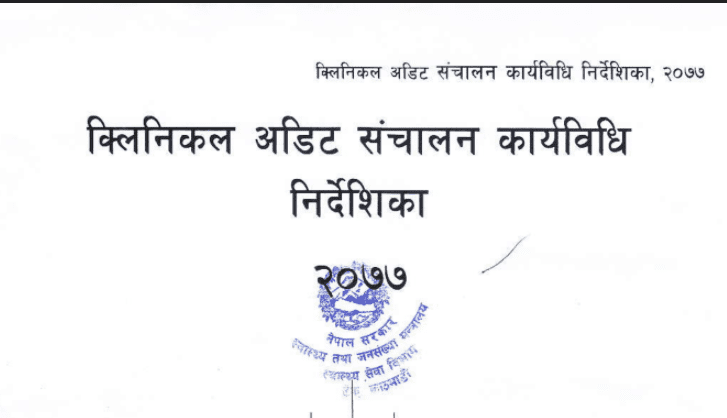
Clinical Audit
National Plan, Policy & GuidelinesPublic Health ProgramsResearch & Publication

Guideline for Clinical Audit | Curative Service Division

by Public Health Update September 7, 2020
written by Public Health Update

Curative Service Division, Department of Health Services published a new program implementation guideline for clinical audit of health facilities.

DOWNLOAD PDF- FILE 1

DOWNLOAD PDF FILE 2

DOWNLOAD PDF- FILE 1

DOWNLOAD PDF FILE 2

Related

  • Minimum Service Standards (MSS) Tool for Health Post
  • Cervical and Breast Cancer Screening Program Implementation Guideline 2077
  • Program Implementation Guideline (Local Level)
  • Program Implementation Guideline (Province Level)
  • Basic Health Service Package 2075, DoHS, MoHP Nepal
  • Department of Health Services (DoHS), Ministry of Health and Population
  • Curative Service Division (CSD)- Department of Health Services


Do you have a website? Looking for the best hosting provider? Here’s a discount code.

Latest Public Health Jobs

Latest Posts

  • Multisectoral Action Plan for the Prevention and Control of NCDs, 2026-2030 (Draft)
  • National Standard Operating Procedure for Early Warning, Alert and Response System (EWARS), 2025
  • Priority Infectious Diseases for Community-Based Surveillance in Nepal
  • Community Based Disease Surveillance Guideline, 2082
  • Political declaration of the fourth high-level meeting of the General Assembly on the prevention and control of NCDs and the promotion of mental health and well-being

Thanks for visiting us.
Disclaimer: The resources, documents, guidelines, and information on this blog have been collected from various sources and are intended for informational purposes only. Information published on or through this website and affiliated social media channels does not represent the intention, plan, or strategies of an organization that the initiator is associated with in a professional or personal capacity, unless explicitly indicated.
If you have any complaints, information, or suggestions about the content published on Public Health Update, please feel free to contact us at blog.publichealthupdate@gmail.com.
#StayUpdated


  • WordPress
  • Link
  • Facebook
  • Mail
  • Facebook
  • Twitter
  • Twitter
  • LinkedIn
  • Instagram
  • Facebook
September 7, 2020 0 comments
0 FacebookTwitterPinterestLinkedinTumblrVKOdnoklassnikiRedditStumbleuponWhatsappTelegramLINEPocketSkypeViberEmail
The First International Day of Clean Air
Public HealthEnvironmental Health & Climate ChangePH Important Day

The First International Day of Clean Air

by Public Health Update September 4, 2020
written by Public Health Update

The United Nations General Assembly has designated 7 September as the International Day of Clean Air for blue skies. This first International Day of Clean Air for blue skies aims to build a global community of action that encourages cooperation at the national, regional, and international levels. It calls on countries to work together to tackle air pollution and provide clean air for all.

Theme

The theme of the first International Day of Clean Air for blue skies is “Clean Air for All”. It invites us all to consider how we can change our everyday lives to reduce the amount of air pollution we produce.

Air pollution is preventable, but we need everyone on board–from individuals to private companies to governments.

What you can do?

The first observance of the International Day of Clean Air for blue skies provides an opportunity for each of us to combat air pollution.

There are so many things that we can do, from cycling to work, to recycling non-organic trash, to pressuring local authorities to improve green spaces in our cities. Here are some other ideas:

  • turn off lights and electronics not in use;
  • check efficiency ratings for home heating systems and cook-stoves, favouring models that save money and protect health; and
  • never burn trash, as this contributes directly to air pollution.

Air pollution is an environmental risk to human health and an avoidable cause of death and disease worldwide. 92% of our world is exposed to polluted air causing an estimated 7 million premature deaths every year. Environmental health is in fact, inextricably linked to human health. Improving our air quality will bring health, development and environmental benefits.

Source of Info: United Nations Environment Programme & WHO

#WorldCleanAirDay     #CleanAir4BlueSkies


Do you have a website? Looking for the best hosting provider? Here’s a discount code.

Latest Public Health Jobs

Latest Posts

  • Multisectoral Action Plan for the Prevention and Control of NCDs, 2026-2030 (Draft)
  • National Standard Operating Procedure for Early Warning, Alert and Response System (EWARS), 2025
  • Priority Infectious Diseases for Community-Based Surveillance in Nepal
  • Community Based Disease Surveillance Guideline, 2082
  • Political declaration of the fourth high-level meeting of the General Assembly on the prevention and control of NCDs and the promotion of mental health and well-being

Thanks for visiting us.
Disclaimer: The resources, documents, guidelines, and information on this blog have been collected from various sources and are intended for informational purposes only. Information published on or through this website and affiliated social media channels does not represent the intention, plan, or strategies of an organization that the initiator is associated with in a professional or personal capacity, unless explicitly indicated.
If you have any complaints, information, or suggestions about the content published on Public Health Update, please feel free to contact us at blog.publichealthupdate@gmail.com.
#StayUpdated


  • WordPress
  • Link
  • Facebook
  • Mail
  • Facebook
  • Twitter
  • Twitter
  • LinkedIn
  • Instagram
  • Facebook
September 4, 2020 0 comments
0 FacebookTwitterPinterestLinkedinTumblrVKOdnoklassnikiRedditStumbleuponWhatsappTelegramLINEPocketSkypeViberEmail
World Suicide Prevention Day
PH Important DayNon- Communicable Diseases (NCDs)Public Health

World Suicide Prevention Day 2020

by Public Health Update September 4, 2020
written by Public Health Update

World Suicide Prevention Day (WSPD) is observed on September 10 each year to promote worldwide action to prevent suicides. WSPD provides the opportunity for people, across the globe, to raise awareness of suicide and suicide prevention. WSPD was initiated by the International Association for Suicide Prevention (IASP). 

Every year, suicide is among the top 20 leading causes of death globally for people of all ages. Suicide was the second leading cause of death among 15-29 year-olds globally in 2016.

Theme: Working Together to Prevent Suicide

The WSPD theme is “Working Together to Prevent Suicide.” Theme highlights the most essential ingredient for effective global suicide prevention- collaboration. We all have a role to play and together we can collectively address the challenges presented by suicidal behaviour in society today.

Recommended: Mental Health Policy, Nepal

Mental Health and Coronavirus disease (COVID19)

#COVID-19

Key facts

  • Close to 800 000 people die due to suicide every year.
  • For every suicide there are many more people who attempt suicide every year. A prior suicide attempt is the single most important risk factor for suicide in the general population.
  • Suicide is the third leading cause of death in 15-19-year-olds.
  • 79% of global suicides occur in low- and middle-income countries.
  • Ingestion of pesticide, hanging and firearms are among the most common methods of suicide globally.

Prevention and control

Suicides are preventable. There are a number of measures that can be taken at population, sub-population and individual levels to prevent suicide and suicide attempts. These include:

  • reducing access to the means of suicide (e.g. pesticides, firearms, certain medications);
  • reporting by media in a responsible way;
  • school-based interventions;
  • introducing alcohol policies to reduce the harmful use of alcohol;
  • early identification, treatment and care of people with mental and substance use disorders, chronic pain and acute emotional distress;
  • training of non-specialized health workers in the assessment and management of suicidal behaviour;
  • follow-up care for people who attempted suicide and provision of community support.

Suicide is a complex issue and therefore suicide prevention efforts require coordination and collaboration among multiple sectors of society, including the health sector and other sectors such as education, labour, agriculture, business, justice, law, defense, politics, and the media. These efforts must be comprehensive and integrated as no single approach alone can make an impact on an issue as complex as suicide.

Source of Info: IASP & WHO

Everyone can make a contribution in preventing suicide.


  • ”Working Together to Prevent Suicide” World Suicide Prevention Day 2018
  • Develop and implement strategies to prevent suicide and promote mental health
  • World Suicide Prevention Day 2019: Working Together to Prevent Suicide!
  • ”Take a minute, change a life”- World Suicide Prevention Day 2017
  • World Suicide Prevention Day – 10 September, 2016
  • Preventing Suicide: Reaching Out and Saving Lives #World_Suicide_Prevention_Day
  • Mental health status among health workers in Nepal during COVID-19 pandemic (Policy brief)
  • WHO mhGAP toolkit for community providers launched

Do you have a website? Looking for the best hosting provider? Here’s a discount code.

Latest Public Health Jobs

Latest Posts

  • Multisectoral Action Plan for the Prevention and Control of NCDs, 2026-2030 (Draft)
  • National Standard Operating Procedure for Early Warning, Alert and Response System (EWARS), 2025
  • Priority Infectious Diseases for Community-Based Surveillance in Nepal
  • Community Based Disease Surveillance Guideline, 2082
  • Political declaration of the fourth high-level meeting of the General Assembly on the prevention and control of NCDs and the promotion of mental health and well-being

Thanks for visiting us.
Disclaimer: The resources, documents, guidelines, and information on this blog have been collected from various sources and are intended for informational purposes only. Information published on or through this website and affiliated social media channels does not represent the intention, plan, or strategies of an organization that the initiator is associated with in a professional or personal capacity, unless explicitly indicated.
If you have any complaints, information, or suggestions about the content published on Public Health Update, please feel free to contact us at blog.publichealthupdate@gmail.com.
#StayUpdated


  • WordPress
  • Link
  • Facebook
  • Mail
  • Facebook
  • Twitter
  • Twitter
  • LinkedIn
  • Instagram
  • Facebook
September 4, 2020 0 comments
0 FacebookTwitterPinterestLinkedinTumblrVKOdnoklassnikiRedditStumbleuponWhatsappTelegramLINEPocketSkypeViberEmail
Chevening Scholarships
CoursesFellowships, Studentship & ScholarshipsSchool of Public HealthUniversities

Public Health Courses in UK (For Chevening Applicants)

by Public Health Update September 4, 2020
written by Public Health Update

The Chevening (The UK Government) Scholarship provides opportunity to pursue one-year master’s degrees in the UK in a fully-funded package. During application process, applicants must list three courses which are eligible for a Chevening Scholarship.

Postgraduate Public Health courses in United Kingdom (UK)

Following are the available public health courses (Random order);

Bangor University, School of Health Sciences

  • MSc. Public Health and Health Promotion

University of Bath, Psychology

  • MSc. Health Psychology

University of Bradford, School of Nursing and Healthcare Leadership

  • Public Health MPH

University of Bristol School for Policy Studies

  • MSc. Nutrition, Physical Activity and Public Health

Brunel University London Clinical Sciences

  • MSc. Public Health and Health Promotion
  • MSc. Specialist Community Public Health Nursing

Birkbeck, University of London, Psychological Sciences

  • MA, MSc Health and Clinical Psychological Sciences

University of Birmingham, School of Biomedical Science- Health

  • MSc. Economics and Health Policy
  • MSc. Health Research Methods

University of Birmingham, School of Geography, Earth and Environmental Sciences 

  • MSc. Public and Environmental Health Sciences

University of Birmingham, School of Nursing

  • MPH- Public Health (Health Technology Assessment)
  • MPH- Public Health (Statement of Extra Accredited Learning)
  • MSc. Occupational Health
  • MSc. Environmental Health
  • MSc. Health, Safety and Environment Management
  • MSc. Public and Environmental Health Sciences
  • MSc. Science of Occupational Health, Safety and the Environment

University of Birmingham, School of Health and Population Sciences

  • MSc. Health Economics and Econometrics

University of Birmingham, School of Social Policy

  • MSc. Health Care Policy and Management

Bournemouth University, Department of Computing and Informatics

  • MSc. Digital Health
  • MSc. Digital Health and Artificial Intelligence

Bournemouth University, Department of Medical Science and Public Health

  • MSc. Public Health
  • MSc. Health Research

Bournemouth University, Department of Psychology

  • MSc. Health Psychology

University of Bradford, School of Allied Health Professions and Midwifery

  • MSc. Leadership in Health & Social Care (International)

University of Bradford, School of Social Sciences

  • MSc. Psychology of Health and Wellbeing

University of Bristol, Computer Science

  • MSc. Digital Health

University of Bristol, School for Policy Studies

  • MSc. Nutrition, Physical Activity and Public Health

University of Bristol, School of Law

  • LLM- Health, Law and Society
  • LLM- Law (Health, Law and Society)

Brunel University London, Life Sciences

  • MSc. Sport, Health and Exercise Sciences

Cardiff University, School of Medicine

  • MSc. Ageing Health and Disease

University of Central Lancashire, School of Community Health and Midwifery

  • MSc. Sexual Health Studies

University of Central Lancashire, School of Medicine

  • MSc. Digital Health

Coventry University, School of Health

  • MSc. Global Health Care Management

Coventry University, School of Psychological, Social and Behavioural Sciences

  • MSc. Health Psychology

University of Dundee, School of Health Sciences

  • MSc. Nursing and Health

University of East Anglia UEA, Norwich Medical School

  • MSc. Health Economics

University of Essex, Life Sciences

  • MSc. Data Analytics in Health Genomics

University of Kent, School of History

  • MA History of Medicine and Health

University of Leeds, School of History

  • MA History of Health, Medicine and Society

University of Leeds, School of Medicine

  • MSc. Health Data Analytics

University of Leeds, School of Psychology

  • MSc. Psychological Approaches to Health

London School of Economics and Political Science, University of London, Health Policy

  • MSc. International Health Policy

London School of Economics and Political Science, University of London, International Development

  • MSc. Health and International Development

London School of Economics and Political Science, University of London, Social Policy

  • MSc. Global Health Policy
  • MSc. Health Policy, Planning and Financing
  • MSc. International Health Policy (Health Economics)

Newcastle University, Faculty of Medical Sciences

  • MSc. Social Science and Health Research

Queen Mary University of London, Geography

  • MA Development and Global Health
  • MA Global Health Geographies

Queen Mary University of London, Institute of Population Health Sciences

  • MSc.Global Health Systems Theory and Policy
  • MSc. Global Health, Law and Governance
  • MSc. Global Public Health and Policy
  • MSc. International Primary Health Care
  • MSc. Migration, Culture and Global Health Policy
  • Master of Science – MSc (PG) Public Mental Health

Queen Mary University of London, William Harvey Research Institute

  • MSc. Health Care Research Methods

Queen Mary University of London, Wolfson Institute of Preventive Medicine

  • MSc. Creative Arts and Mental Health
  • MSc. Forensic Psychology and Mental Health (with ELFT)
  • MSc. Mental Health (Psychological Therapies)
  • MSc. Mental Health: Cultural and Global Perspectives in Mental Health Care
  • MSc. Mental Health: Psychological Therapies

St George’s, University of London, Institute of Medical and Biomedical Education

  • MSc. Global Health
  • MSc. Global Health and Conflict
  • MSc. Global Health and Humanities
  • MSc. Global Health and Mental Health
  • MSc. Global Health, Ethics and Law

St George’s, University of London, Population Health Sciences and Education

  • MSc. Global Health, Infection and Immunity

University of Salford, School of Health and Society

  • MSc. Health and global environment

University of Salford, School of Science, Engineering and Environment

  • MSc. Safety, Health and Environment

University of Southampton, Health Sciences

  • MSc. Leadership and Management in Health and Social Care

University of Southampton, Human Development and Health

  • MSc. Public Health

University of Southampton Psychology

  • MSc. Health Psychology

University of South Wales Engineering

  • MSc. Safety, Health and Environmental Management

University of South Wales, Health, Sport & Professional Practice

  • MSc. Sport, Health and Exercise Science

University of Stirling, Psychology

  • MSc. Health Psychology

Swansea University, Health

  • MSc. Health Care Management

Swansea University Medicine

  • MSc. Health Data Science
  • MSc. Health Informatics

UCL (University College London), Division of Medicine

  • MSc. Clinical and Public Health Nutrition

UCL (University College London), Institute of Health Informatics

  • MSc. Health Data Science
  • MSc. Health Informatics

University of York, Economics and Related Studies

  • MSc. Health Economics

University of Cambridge, Public Health and Primary Care

  • Master of Philosophy – Mphil (Public Health)

Cardiff University, School of Medicine

  • MPH

Coventry University, School of Life Sciences

  • MSc. Public Health Nutrition

University of Glasgow College of Medical, Veterinary and Life Sciences

  • MSc (MedSci)- Public Health Nutrition

University of Glasgow, School of Medicine

  • MPH Public Health
  • MPH Public Health (Data Science)
  • MPH Public Health (Epidemiology)
  • MPH Public Health (Health Economics)
  • MPH Public Health (Health Promotion)

University of Huddersfield, Human and Health Sciences – General (HHAHS)

  • Master of Public Health

University of Leeds, School of Dentistry

•          MSc. Dental Public Health

University of Leeds, School of Medicine

  • MPH Public Health (International)

University of Liverpool, School of Health Sciences

  • Master of Public Health

Newcastle University, School of Medical Education

  • MSc. Global Public Health
  • MPH Public Health
  • MSc Public Health and Health Services Research

University of Nottingham, School of Medicine

  • Master of Public Health MPH/PGCert/PGDip
  • Public Health (Global Health)

University of Southampton, Human Development and Health

  • MSc Public Health

University of South Wales, Care Sciences

  • MSc. Public Health
  • MSc. Specialist Community Public Health Nursing (Health Visiting)
  • MSc. Specialist Community Public Health Nursing (School Nursing)

University of South Wales, School of Humanities and Social Sciences

  • MSc. Health and Public Service Management

Swansea University, Childhood

  • MSc. Child Public Health

Swansea University, College of Human and Health Sciences

  • MSc. Specialist Community Public Health Nursing (Health Visiting)
  • MSc. Specialist Community Public Health Nursing (Health Visiting) with integrated V100
  • MSc. Specialist Community Public Health Nursing (School Nursing)
  • MSc. Specialist Community Public Health Nursing (School Nursing) with integrated V100

Swansea University, Health

  • MSc. Public Health and Health Promotion
  • UCL (University College London), Division of Medicine
  • MSc. Clinical and Public Health Nutrition

UCL (University College London), Institute of Epidemiology and Health Care

  • MSc. Dental Public Health

University of Warwick, Warwick Medical School

  • MPH Public Health

University of Westminster, London, School of Life Sciences

  • MSc. Global Public Health Nutrition

University of York, Health Sciences

  • MPH

Detail information is available on University website or chevening scholarship portal.

Chevening Fully-funded UK Government Scholarships 2020/2021


Do you have a website? Looking for the best hosting provider? Here’s a discount code.

Latest Public Health Jobs

Latest Posts

  • Multisectoral Action Plan for the Prevention and Control of NCDs, 2026-2030 (Draft)
  • National Standard Operating Procedure for Early Warning, Alert and Response System (EWARS), 2025
  • Priority Infectious Diseases for Community-Based Surveillance in Nepal
  • Community Based Disease Surveillance Guideline, 2082
  • Political declaration of the fourth high-level meeting of the General Assembly on the prevention and control of NCDs and the promotion of mental health and well-being

Thanks for visiting us.
Disclaimer: The resources, documents, guidelines, and information on this blog have been collected from various sources and are intended for informational purposes only. Information published on or through this website and affiliated social media channels does not represent the intention, plan, or strategies of an organization that the initiator is associated with in a professional or personal capacity, unless explicitly indicated.
If you have any complaints, information, or suggestions about the content published on Public Health Update, please feel free to contact us at blog.publichealthupdate@gmail.com.
#StayUpdated


  • WordPress
  • Link
  • Facebook
  • Mail
  • Facebook
  • Twitter
  • Twitter
  • LinkedIn
  • Instagram
  • Facebook
September 4, 2020 0 comments
0 FacebookTwitterPinterestLinkedinTumblrVKOdnoklassnikiRedditStumbleuponWhatsappTelegramLINEPocketSkypeViberEmail
Chevening Scholarships
Fellowships, Studentship & ScholarshipsInternational Jobs & OpportunitiesPublic Health OpportunitiesSchool of Public Health

Chevening Fully-funded UK Government Scholarships 2020/2021

by Public Health Update September 3, 2020
written by Public Health Update

The Chevening Scholarship is an international scholarship provided by UK Government which enable future leaders to study in the UK, whilst joining a global community of professionals who are creating positive change around the world. Chevening enables outstanding emerging leaders from all over the world to pursue one-year master’s degrees in the UK. Chevening Scholarships are very competitive.

Eligibility

To be eligible for a Chevening Scholarship you must:

  • Be a citizen of a Chevening-eligible country or territory.
  • Return to your country of citizenship for a minimum of two years after your award has ended.
  • Have completed all components of an undergraduate degree that will enable you to gain entry onto a postgraduate programme at a UK university by the time you submit your application. This is typically equivalent to an upper second-class 2:1 honours degree in the UK but may be different depending on your course and university choice.
  • Have at least two years (equivalent to 2,800 hours) of work experience.
  • Apply to three different eligible UK university courses and have received an unconditional offer from one of these choices by 15 July 2021.

You are not eligible for a Chevening Scholarship if you:

  • Hold British or dual British citizenship (unless you are a citizen of a British Overseas Territory or hold BN(O) and are applying from Hong Kong).
  • Hold refugee status in a non-Chevening eligible country. Applicants who are citizens of a Chevening-eligible country and who hold refugee status in a Chevening-eligible country are eligible for a scholarship.
  • Are an employee, a former employee, or relative of an employee (since July 2017) of Her Majesty’s Government (including British embassies/high commissions; the Department for Business, Energy & Industrial Strategy; Department for International Trade; the Ministry of Defence; and the Home Office), or a staff member of the Association of Commonwealth Universities.
  • Employees, former employees, or relatives* of an employee (since July 2017) of Chevening Partner organisations are eligible to apply, but cannot receive a Chevening Partner Award from the organisation from which they work, previously worked, or are affiliated with through relatives.
  • Have previously studied in the UK with funding from a UK Government-funded scholarship.

Work experience

You must ensure that you meet the minimum work-experience requirement for the scholarship before submitting your Chevening application. Chevening Scholarships require that applicants have at least two years of work experience.

If you do not already have the required level of work experience, you will be unable to submit your application.

Eligible types of work experience

The types of work experience that are eligible for Chevening can include:

  • Full-time employment
  • Part-time employment
  • Voluntary work
  • Paid or unpaid internships

Courses

Your Chevening application must list three courses, and they must be courses that are eligible for a Chevening Scholarship.

English language requirement

The Chevening English language requirement has been removed for applicants applying to study from 2020/2021 onwards.

Candidates will still need to meet all requirements from their chosen university and secure an unconditional offer from one of their three course choices by the Chevening deadline.

Application timeline
  • APPLICATIONS OPEN AT 12:00 BST: 3 SEPTEMBER 2020
  • APPLICATIONS CLOSE AT 12:00 GMT: 3 NOVEMBER 2020
  • APPLICATIONS ARE SIFTED AGAINST ELIGIBILITY CRITERIA: 4 NOVEMBER 2020
  • READING COMMITTEE ASSESSMENTS: MID-NOVEMBER TO DECEMBER 2020
  • APPLICANTS SHORTLISTED FOR INTERVIEWS: EARLY TO MID-FEBRUARY 2021
  • REFERENCES AND EDUCATION DOCUMENTS DEADLINE: 22 FEBRUARY 2021
  • INTERVIEWS TAKE PLACE: 1 MARCH TO 30 APRIL 2021
  • RESULTS: FROM EARLY JUNE 2021
  • OFFER DEADLINE: 15 JULY 2021
  • STUDIES BEGIN IN THE UK: SEPTEMBER/OCTOBER 2021.

Required documents

All Chevening applicants must submit their education documents, references, and one unconditional UK university offer. The deadlines for these required documents are in the application timeline.

If you are eventually conditionally selected for a Chevening Scholarship, it is essential that you have submitted these documents in order to remain in the process.

Value of Scholarship

A full Chevening Scholarship normally comprises:

  • Payment of tuition fees.
  • Economy travel to and from your country of residence by an approved route for you only.
  • An arrival allowance.
  • The cost of an entry clearance (visa) application for you only.
  • A departure allowance.
  • A contribution of up to £75 for TB testing, where this is required.
  • A travel top-up allowance.
  • A monthly personal living allowance (stipend) to cover accommodation and living expenses. The monthly stipend will depend on whether you are studying inside or outside of London. These rates are subject to annual review. Stipend payments will be made to you on or around the 21st of the month for the following full month. Where you arrive in the UK or leave the UK partway through the month, the stipend for that month will be adjusted as appropriate.
Application

Applications for 2021/2022 Chevening Scholarships will open on 3 September 2020 , at 12:00 (GMT).

READ MORE
APPLY NOW
  • Postgraduate Public Health courses in United Kingdom (UK)
  • The Top 25 Online MPH Programs of 2016
  • Call for Application! TDR Postgraduate Scholarship in Implementation Research, BRAC University


Do you have a website? Looking for the best hosting provider? Here’s a discount code.

Latest Public Health Jobs

Latest Posts

  • Multisectoral Action Plan for the Prevention and Control of NCDs, 2026-2030 (Draft)
  • National Standard Operating Procedure for Early Warning, Alert and Response System (EWARS), 2025
  • Priority Infectious Diseases for Community-Based Surveillance in Nepal
  • Community Based Disease Surveillance Guideline, 2082
  • Political declaration of the fourth high-level meeting of the General Assembly on the prevention and control of NCDs and the promotion of mental health and well-being

Thanks for visiting us.
Disclaimer: The resources, documents, guidelines, and information on this blog have been collected from various sources and are intended for informational purposes only. Information published on or through this website and affiliated social media channels does not represent the intention, plan, or strategies of an organization that the initiator is associated with in a professional or personal capacity, unless explicitly indicated.
If you have any complaints, information, or suggestions about the content published on Public Health Update, please feel free to contact us at blog.publichealthupdate@gmail.com.
#StayUpdated


  • WordPress
  • Link
  • Facebook
  • Mail
  • Facebook
  • Twitter
  • Twitter
  • LinkedIn
  • Instagram
  • Facebook

September 3, 2020 0 comments
0 FacebookTwitterPinterestLinkedinTumblrVKOdnoklassnikiRedditStumbleuponWhatsappTelegramLINEPocketSkypeViberEmail
#ActOnNCDs! Keep the Momentum. Go the Extra Mile!
Non- Communicable Diseases (NCDs)PH Important DayPublic HealthPublic Health Events

#ActOnNCDs! Keep the Momentum. Go the Extra Mile!

by Public Health Update September 2, 2020
written by Public Health Update

Global Week for Action on NCDs

Noncommunicable diseases (NCDs) are the #1 cause of death and disability in the world, accounting for 70% of all deaths and more than three out of four years lived with a disability – and many NCDs are preventable and premature. Driven largely by five modifiable risk factors – tobacco use, unhealthy diet, physical inactivity, harmful use of alcohol and air pollution, NCDs are exacerbated by weak healthy systems, under-investment, and lack of accountability, and actions to reduce their impact on people’s lives require a whole of society approach. NCDs are a major cause (and consequence) of poverty, and the largest NCD burden occurs in low- and middle- income countries.

The Global Week for Action on NCDs aims to unite the NCD movement each year under a specific theme, concentrating our combined efforts with the aim of reducing the NCD burden globally and increasing health and equality. 7-13 September 2020 is the 3rd Global Week for Action on NCDs.

Campaign theme

Theme for 2020 is ACCOUNTABILITY. The Global Week for Action on NCDs aims to see those commitments and others become reality by focusing on ACCOUNTABILITY.

Theme aims to put some pressure on decision makers, to ensure that promises become actions. Monitoring also gathers information on what works and why, and what needs improving. This gives decision makers the information necessary to fulfil the health needs and rights of all people at risk of or living with NCDs.

Source of info: Official website of Global Week for Action on NCDs.

More resources
NCDs


Do you have a website? Looking for the best hosting provider? Here’s a discount code.

Latest Public Health Jobs

Latest Posts

  • Multisectoral Action Plan for the Prevention and Control of NCDs, 2026-2030 (Draft)
  • National Standard Operating Procedure for Early Warning, Alert and Response System (EWARS), 2025
  • Priority Infectious Diseases for Community-Based Surveillance in Nepal
  • Community Based Disease Surveillance Guideline, 2082
  • Political declaration of the fourth high-level meeting of the General Assembly on the prevention and control of NCDs and the promotion of mental health and well-being

Thanks for visiting us.
Disclaimer: The resources, documents, guidelines, and information on this blog have been collected from various sources and are intended for informational purposes only. Information published on or through this website and affiliated social media channels does not represent the intention, plan, or strategies of an organization that the initiator is associated with in a professional or personal capacity, unless explicitly indicated.
If you have any complaints, information, or suggestions about the content published on Public Health Update, please feel free to contact us at blog.publichealthupdate@gmail.com.
#StayUpdated



  • WordPress
  • Link
  • Facebook
  • Mail
  • Facebook
  • Twitter
  • Twitter
  • LinkedIn
  • Instagram
  • Facebook
September 2, 2020 0 comments
0 FacebookTwitterPinterestLinkedinTumblrVKOdnoklassnikiRedditStumbleuponWhatsappTelegramLINEPocketSkypeViberEmail
COVID19 Pandemic
Outbreak NewsGlobal Health NewsHealth in DataPublic HealthPublic Health News

Ninety Percent of countries report disruptions to essential health services since COVID-19 pandemic

by Public Health Update September 2, 2020
written by Public Health Update

The survey ‘Rapid assessment of continuity of essential health services during the COVID-19 pandemic’, was conducted in 159 countries (all WHO regions except the Americas). 105 responses were received (66% response rate) from senior ministry of health officials covering the period from March to June 2020. The purpose of the survey was to gain insights and perspectives on both the impact of the COVID-19 pandemic on up to 25 essential health services in countries and how countries are adapting strategies to maintain essential services.

While pulse surveys have some limitations, the strength of this effort is that it is comprehensive, looking at 25 core health services (as opposed to single topic surveys) and representing disruptions to these services in a comparable way across over 100 countries. It reveals that even robust health systems can be rapidly overwhelmed and compromised by a COVID-19 outbreak, reinforcing the need for sustained data collection and strategic adaptations to ensure maintenance of essential care provision.

Data collected from five regions over the period from March to June 2020 illustrate that almost every country (90%) experienced disruption to its health services, with low- and middle-income countries reporting the greatest difficulties.  Most countries reported that many routine and elective services have been suspended, while critical care – such as cancer screening and treatment and HIV therapy – has seen high-risk interruptions in low-income countries.

“The survey shines a light on the cracks in our health systems, but it also serves to inform new strategies to improve healthcare provision during the pandemic and beyond,” said Dr Tedros Adhanom Ghebreyesus, WHO Director-General. “COVID-19 should be a lesson to all countries that health is not an ‘either-or’ equation. We must better prepare for emergencies but also keep investing in health systems that fully respond to people’s needs throughout the life course.”

Services hit across the board: Based on reports from key informants, countries on average experienced disruptions in 50% of a set of 25 tracer services. The most frequently disrupted areas reported included routine immunization – outreach services (70%) and facility-based services (61%), non-communicable diseases diagnosis and treatment (69%), family planning and contraception (68%), treatment for mental health disorders (61%), cancer diagnosis and treatment (55%). 

Countries also reported disruptions in malaria diagnosis and treatment (46%), tuberculosis case detection and treatment (42%) and antiretroviral treatment (32%). While some areas of health care, such as dental care and rehabilitation, may have been deliberately suspended in line with government protocols, the disruption of many of the other services is expected to have harmful effects on population health in the short- medium- and long-term.

Potentially life-saving emergency services were disrupted in almost a quarter of responding countries. Disruptions to 24-hour emergency room services for example were affected in 22% of countries, urgent blood transfusions were disrupted in 23% of countries, emergency surgery was affected in 19% of the countries.  

Disruption due to a mix of supply and demand side factors. 76% of countries reported reductions in outpatient care attendance due to lower demand and other factors such as lockdowns and financial difficulties. The most commonly reported factor on the supply side was cancellation of elective services (66%).  Other factors reported by countries included staff redeployment to provide COVID-19 relief, unavailability of services due to closings, and interruptions in the supply of medical equipment and health products.

Adapting service delivery strategies. Many countries have started to implement some of the WHO recommended strategies to mitigate service disruptions, such as triaging to identify priorities, shifting to on-line patient consultations, changes to prescribing practices and supply chain and public health information strategies. However, only 14% of countries reported removal of user fees, which WHO recommends to offset potential financial difficulties for patients.

The pulse survey also provides an indication of countries’ experiences in adapting strategies to mitigate the impact on service provision.  Despite the limitations of such a survey, it highlights the need to improve real-time monitoring of changes in service delivery and utilization as the outbreak is likely to wax and wane over the next months, and to adapt solutions accordingly.  

To that end, WHO will continue to work with countries and to provide supportive tools to address the fallout from COVID-19. Given countries’ urgent demand for assistance during the pandemic response, WHO is developing the COVID19: Health Services Learning Hub, a web-based platform that will allow sharing of experiences and learning from innovative country practices that can inform the collective global response. WHO is also devising additional surveys at the sub-national level and in health facilities to gauge the longer-term impact of disruptions and help countries weigh the benefits and risks of pursuing different mitigation strategies.

31 August 2020 News release (WHO), This information is available at WHO Official Website.


Do you have a website? Looking for the best hosting provider? Here’s a discount code.

Latest Public Health Jobs

Latest Posts

  • Multisectoral Action Plan for the Prevention and Control of NCDs, 2026-2030 (Draft)
  • National Standard Operating Procedure for Early Warning, Alert and Response System (EWARS), 2025
  • Priority Infectious Diseases for Community-Based Surveillance in Nepal
  • Community Based Disease Surveillance Guideline, 2082
  • Political declaration of the fourth high-level meeting of the General Assembly on the prevention and control of NCDs and the promotion of mental health and well-being

Thanks for visiting us.
Disclaimer: The resources, documents, guidelines, and information on this blog have been collected from various sources and are intended for informational purposes only. Information published on or through this website and affiliated social media channels does not represent the intention, plan, or strategies of an organization that the initiator is associated with in a professional or personal capacity, unless explicitly indicated.
If you have any complaints, information, or suggestions about the content published on Public Health Update, please feel free to contact us at blog.publichealthupdate@gmail.com.
#StayUpdated


  • WordPress
  • Link
  • Facebook
  • Mail
  • Facebook
  • Twitter
  • Twitter
  • LinkedIn
  • Instagram
  • Facebook
September 2, 2020 0 comments
0 FacebookTwitterPinterestLinkedinTumblrVKOdnoklassnikiRedditStumbleuponWhatsappTelegramLINEPocketSkypeViberEmail
MOOC (Massive Open Online Course)
CoursesInternational Jobs & OpportunitiesOnline CoursesPublic Health Opportunities

Research4Life MOOC (Massive Open Online Course)

by Public Health Update September 1, 2020
written by Public Health Update

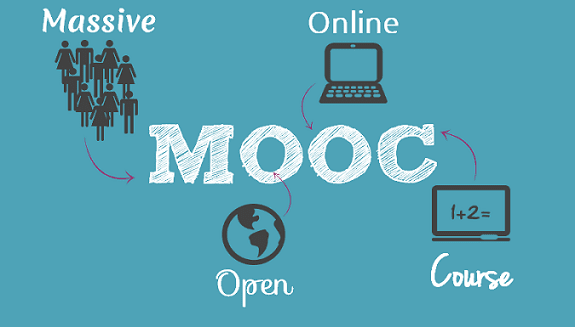
Research4Life announces a MOOC (Massive Open Online Course) that will equip existing and future users of the Research4Life programs with the knowledge and skills required to access and use the information efficiently. Research4Life MOOC help users get the most out of Research4Life and its five programs: Hinari, AGORA, OARE, ARDI and GOALI. The course delivered regularly throughout the year. 

The target audience for this MOOC is aligned with Research4Life’s eligibility criteria. Eligible institutions include: national universities, professional schools (in medicine, agriculture, pharmacy, public health, socio-legal studies, engineering, etc.), research institutes, teaching hospitals and healthcare centers, government offices, national libraries, agricultural extension centers and local non-governmental organizations.

The Research4Life MOOC was developed for librarians, information professionals, IT specialists, researchers, academics, lecturers, educators, students including graduates and post graduates, and professionals, such as doctors, policy makers, extensionists, lawyers, social workers and statisticians in the eligible countries and institutions.

How much time does it take?

Participants are expected to spend on average six to eight hours per week on lessons and activities, such as contributing to discussion forums and webinars.

What do you get from this course?

The MOOC allows participants to study their area of interest throughout a five-week period. The course covers topics such as the scholarly communication landscape, information literacy skills, advocacy and capacity development strategies. Additionally, it provides discipline-specific information for Hinari, AGORA, OARE, ARDI and GOALI.

Participants of the course will be provided with a Certificate of Attendance after completing the exam at the end of the course. Those who pass the exam with a grade of at least 7.0, will receive a Certificate of Achievement.

Course content

Module 1: Scholarly communication and Research4Life: overview on scholarly communication, the publishing landscape, key concepts about Research4Life including the details about the partnership, programmes, eligibility criteria and registration. Lessons included in this module are:

  • Lesson 1.1: Scientific landscape
  • Lesson 1.2: Research assessment and bibliometrics
  • Lesson 1.3: Research4Life

Module 2: Discovery and re-use of scholarly literature explainskey concepts of information literacy skills and competencies, including academic ethics, licensing and academic collaboration tools. Lessons included in this module are:

  • Lesson 2.1: Identifying information sources
  • Lesson 2.2: Using information resources
  • Lesson 2.3: Intellectual property and copyright – Ethics and plagiarism
  • Lesson 2.4: Citing, reference management and collaboration tools

Module 3: Discipline-specific browsing and searching gives anoverview of the five Research4Life programmes (Hinari, AGORA, OARE, ARDI, GOALI), including how to conduct discipline-specific searches, an introduction to Summon to search across programmes and the bibliometric analysis tools Scopus and Dimensions, which are available through Research4Life. Lessons included in this module are:

  • Lesson 3.1: Hinari: Research in Health
  • Lesson 3.2: AGORA: Research in agriculture
  • Lesson 3.3: OARE: Research in the Environment
  • Lesson 3.4: ARDI: Research for Development and Innovation
  • Lesson 3.5: GOALI: Research for Global Justice
  • Lesson 3.6: Search across Research4Life programmes
  • Lesson 3.7: Citation databases

Module 4: Additional discipline-specific resources in the five main disciplines of the Research4Life programmes. Lessons included in this module are:

  • Lesson 4.1: Health
  • Lesson 4.2: Agriculture, forestry, fisheries, climate, food security, related biological and environmental sciences
  • Lesson 4.3: Environment
  • Lesson 4.4. Development and innovation
  • Lesson 4.5. Global justice
  • Lesson 4.6. Interdisciplinary resources

Module 5: Advocate on Research4Life and facilitate capacity development teaches you how to design advocacy strategies to address decision-makers and upper management. It also guides you on how to train local groups on how to use Research4Life. Lessons included in this module are:

  • Lesson 5.1: Research4Life Advocacy Toolkit
  • Lesson 5.2: Training Your Audience on How to Use Research4Life

Certification

At the end of the course, participants do a graded online exam. There are two types of certification for this course:

  • Certificate of Attendance: for those who complete and submit the exam at the end of the course
  • Certificate of Achievement: for those who complete the exam with 7.0 and higher mark.

Application form

This form is to express your interest in participating in Research4Life Massive Open Online Course (MOOC) which will run between 5 October and 8 November 2020.

  • Deadline for applications is 14 September 2020 
  • Applicants will be informed about results of their applications by 17 September 2020.

Before you apply, please check if you are from an eligible country and your institution is eligible for Research4Life.

Application
Apply Now


Do you have a website? Looking for the best hosting provider? Here’s a discount code.

Latest Public Health Jobs

Latest Posts

  • Multisectoral Action Plan for the Prevention and Control of NCDs, 2026-2030 (Draft)
  • National Standard Operating Procedure for Early Warning, Alert and Response System (EWARS), 2025
  • Priority Infectious Diseases for Community-Based Surveillance in Nepal
  • Community Based Disease Surveillance Guideline, 2082
  • Political declaration of the fourth high-level meeting of the General Assembly on the prevention and control of NCDs and the promotion of mental health and well-being

Thanks for visiting us.
Disclaimer: The resources, documents, guidelines, and information on this blog have been collected from various sources and are intended for informational purposes only. Information published on or through this website and affiliated social media channels does not represent the intention, plan, or strategies of an organization that the initiator is associated with in a professional or personal capacity, unless explicitly indicated.
If you have any complaints, information, or suggestions about the content published on Public Health Update, please feel free to contact us at blog.publichealthupdate@gmail.com.
#StayUpdated


  • WordPress
  • Link
  • Facebook
  • Mail
  • Facebook
  • Twitter
  • Twitter
  • LinkedIn
  • Instagram
  • Facebook
September 1, 2020 0 comments
0 FacebookTwitterPinterestLinkedinTumblrVKOdnoklassnikiRedditStumbleuponWhatsappTelegramLINEPocketSkypeViberEmail
Cervical and Breast Cancer Screening Program Implementation Guideline 2077
Adolescent Sexual and Reproductive Health (ASRH)National Plan, Policy & GuidelinesNon- Communicable Diseases (NCDs)Research & Publication

Cervical and Breast Cancer Screening Program Implementation Guideline 2077

by Public Health Update September 1, 2020
written by Public Health Update

Cervical cancer is the most common cancer of women in Nepal, accounting for 21.4 percent of all cancer among 34–64 year old women. The national guidelines on cervical cancer screening and prevention (2010) call for screening at least 50 percent of women aged 30–60 years and for reducing the mortality due to cervical cancer by 10 percent with recommended screening among this group every five years.

Cervical cancer screening is done by visual inspection of the cervix by trained nurses or doctors using acetic acid. This approach is cost-effective as the early detection of lesions and early management by cryotherapy will usually prevent progression to cervical cancer, and the cost of scaling up this activity is relatively low. Budget was allocated in all 753 palika’s to conduct the cervical cancer screening and prevention program and National coverage was achieved in 2074/75. (DoHS Annual report)

Download now
PDF FILE (GUIDELINE)


Do you have a website? Looking for the best hosting provider? Here’s a discount code.

Latest Public Health Jobs

Latest Posts

  • Multisectoral Action Plan for the Prevention and Control of NCDs, 2026-2030 (Draft)
  • National Standard Operating Procedure for Early Warning, Alert and Response System (EWARS), 2025
  • Priority Infectious Diseases for Community-Based Surveillance in Nepal
  • Community Based Disease Surveillance Guideline, 2082
  • Political declaration of the fourth high-level meeting of the General Assembly on the prevention and control of NCDs and the promotion of mental health and well-being

Thanks for visiting us.
Disclaimer: The resources, documents, guidelines, and information on this blog have been collected from various sources and are intended for informational purposes only. Information published on or through this website and affiliated social media channels does not represent the intention, plan, or strategies of an organization that the initiator is associated with in a professional or personal capacity, unless explicitly indicated.
If you have any complaints, information, or suggestions about the content published on Public Health Update, please feel free to contact us at blog.publichealthupdate@gmail.com.
#StayUpdated


  • WordPress
  • Link
  • Facebook
  • Mail
  • Facebook
  • Twitter
  • Twitter
  • LinkedIn
  • Instagram
  • Facebook
September 1, 2020 0 comments
0 FacebookTwitterPinterestLinkedinTumblrVKOdnoklassnikiRedditStumbleuponWhatsappTelegramLINEPocketSkypeViberEmail
Universal Health Coverage
Primary Health CarePublic HealthResearch & PublicationUniversal Health Coverage

New evaluation of universal health coverage shows that the world will likely fall short of WHO goal

by Public Health Update August 29, 2020
written by Public Health Update

The Global Burden of Disease (GBD) study is the largest and most comprehensive effort to quantify health loss across places and over time. It draws on the work of more than 5,500 collaborators from 152 countries and territories. The Institute for Health Metrics and Evaluation coordinates the study. The Institute for Health Metrics and Evaluation (IHME) is an independent global health research organization at the University of Washington School of Medicine that provides rigorous and comparable measurement of the world’s most important health problems and evaluates the strategies used to address them.

A new study projects that 3.1 billion people will still lack effective health service coverage in 2023, with 968 million of those residing in South Asia. This falls short of the World Health Organization (WHO) goal of 1 billion more people benefiting from universal health coverage (UHC) between 2019 and 2023.

Universal health coverage is defined as all people receiving quality health services without incurring financial hardship. The paper, part of the Global Burden of Disease study, was published today in the international medical journal The Lancet. Researchers focused only on measuring service coverage, developing a new framework to capture how well countries align health services with the needs of the population and how well or poorly those services contribute to people’s health.

“Universal health coverage is more than just access to health care,” said Dr. Rafael Lozano, the senior author of the study and Director of Health Systems at the IHME at the University of Washington School of Medicine. “Measuring access is necessary but not sufficient to capture health outcomes. By striving to capture potential health gains, we hope to better diagnose and address challenges that impede the ultimate objective of UHC: improving health for all people and leaving no one behind.”

Using 23 indicators, the researchers assessed effective coverage by country on a scale of 1-100 and measured progress between 1990 and 2019. Globally, UHC effective coverage performance improved by nearly 15 points over that time period, but large variations remained across countries and regions, ranging from over 96 to below 25. Japan had the highest effective coverage score (96.4) in 2019, followed by Iceland, Norway, Switzerland, and San Marino. The Central African Republic, Somalia, Chad, Guinea, and Vanuatu had the lowest performance on UHC effective coverage.

Sub-Saharan Africa had accelerated gains since 2010 compared to other regions, nearly doubling average annual improvement between 2010 and 2019 compared to 1990–2010. Zimbabwe, eSwatini, the Democratic Republic of the Congo, Guinea-Bissau, and South Africa had the fastest growth in effective coverage performance.

The researchers also found that many countries lagged on performance for non-communicable diseases, compared to communicable diseases and reproductive, maternal, and child health. Globally, non-communicable diseases accounted for a greater proportion of potential health gains in 2019.

However, in some countries, like Kenya, Namibia, and Rwanda, causes beyond non-communicable diseases still have a high level of disease burden (e.g., HIV) and are an important area for policymakers and practitioners to prioritize. The different scenarios highlight the value of measuring effective service coverage, which can help inform UHC priorities that align with a country’s health needs and evolve with those needs over time, rather than a one-size-fits-all approach to service coverage.

The study did not measure the financial risk protection component of UHC, but the researchers did look at per capita health spending by country. While they found that increased spending could be important for many countries to improve UHC effective coverage performance, efficiencies in health systems are also an important component.

Health spending and its relationship to universal health effective coverage is also explored in IHME’s recently published report on global health financing. Countries with high performance relative to spending levels included Peru, Rwanda, South Korea, Cyprus, and Costa Rica. The United States, Central African Republic, Turkmenistan, and Saudi Arabia were among those countries with low performance relative to spending levels.

“We are seeing countries with varied performance at the same level of spend – an indicator that money spent on health is not being translated as efficiently as it could into gains in UHC effective coverage,” said Dr. Christopher Murray, IHME Director and a senior author on the study. “For most countries, increased health spending alone is unlikely to deliver on ambitious UHC targets. Improving alignment of health systems with population health needs and bolstering efficiencies, along with more money, will likely result in faster and more sustained gains.”

The study was completed prior to the COVID-19 pandemic but provides an important benchmark for measuring the impact of the pandemic and progress on UHC in years to come. It also highlights the value of effective data systems.

“Whether it’s a rapidly spreading virus or persistent gaps in health service delivery, establishing and maintaining strong data systems are crucial to identifying health needs and effectively responding to them so that all people, within a country and around the world, have the opportunity to live full, healthy lives,” said Nancy Fullman, a PhD student in global health at the University of Washington and one of the study’s lead authors.


News Release: The Institute for Health Metrics and Evaluation (IHME)August 27, 2020


Publication link: Measuring universal health coverage based on an index of effective coverage of health services in 204 countries and territories, 1990–2019: a systematic analysis for the Global Burden of Disease Study 2019


Read more about Universal Health Coverage

  • World Health Statistics 2020: Monitoring health for the SDGs
  • International Universal Health Coverage Day: Keep the Promise!
  • 2019 Monitoring Report: Primary Health Care on the Road to Universal Health Coverage
  • Accelerate health equity for older people and advance universal health coverage
  • Political Declaration of the High-level Meeting on Universal Health Coverage
  • WHO welcomes landmark UN declaration on universal health coverage


Do you have a website? Looking for the best hosting provider? Here’s a discount code.

Latest Public Health Jobs

Latest Posts

  • Multisectoral Action Plan for the Prevention and Control of NCDs, 2026-2030 (Draft)
  • National Standard Operating Procedure for Early Warning, Alert and Response System (EWARS), 2025
  • Priority Infectious Diseases for Community-Based Surveillance in Nepal
  • Community Based Disease Surveillance Guideline, 2082
  • Political declaration of the fourth high-level meeting of the General Assembly on the prevention and control of NCDs and the promotion of mental health and well-being

Thanks for visiting us.
Disclaimer: The resources, documents, guidelines, and information on this blog have been collected from various sources and are intended for informational purposes only. Information published on or through this website and affiliated social media channels does not represent the intention, plan, or strategies of an organization that the initiator is associated with in a professional or personal capacity, unless explicitly indicated.
If you have any complaints, information, or suggestions about the content published on Public Health Update, please feel free to contact us at blog.publichealthupdate@gmail.com.
#StayUpdated


  • WordPress
  • Link
  • Facebook
  • Mail
  • Facebook
  • Twitter
  • Twitter
  • LinkedIn
  • Instagram
  • Facebook
August 29, 2020 0 comments
0 FacebookTwitterPinterestLinkedinTumblrVKOdnoklassnikiRedditStumbleuponWhatsappTelegramLINEPocketSkypeViberEmail
Newer Posts
Older Posts

Search

Follow Us

Facebook Twitter Instagram Pinterest Linkedin Youtube

Categories

  • Abstracts (25)
  • Activities (91)
  • Adolescent Sexual and Reproductive Health (ASRH) (25)
  • Advice & Tips (3)
  • African Region (5)
  • AI and Health (1)
  • Annual Meeting (6)
  • Antimicrobial Resistance (AMR) (20)
  • Award (19)
  • Awards (16)
  • Books (9)
  • Call for Proposal, EOI & RFP (103)
  • Call for Research Participants (8)
  • Clinical Doctor Jobs (6)
  • Communicable Diseases (107)
  • Competition (20)
  • Conference (128)
  • Consultant (1)
  • Courses (204)
  • Dashboard (2)
  • Digital Health & Health Informatics (10)
  • Drug and Medicine (18)
  • Eastern Mediterranean Region (3)
  • Education (15)
  • Environment (3)
  • Environmental Health & Climate Change (47)
  • European Region (42)
  • Exchange Program (1)
  • Fact Sheet (116)
  • FCHVs (1)
  • Fellowships, Studentship & Scholarships (165)
  • Financial Aid (13)
  • Form Formats (2)
  • Fully funded (22)
  • Global Health News (433)
  • Grants and Funding Opportunities (192)
  • Guest Post (44)
  • Health Assistant Jobs (1)
  • Health Equity (7)
  • Health Financing and Economics (24)
  • Health in Data (113)
  • Health Insurance (5)
  • Health Jobs (52)
  • Health Literacy, Health Education & Promotion (49)
  • Health Organization Profile (42)
  • Health Systems (81)
  • Human Resource for Health (32)
  • Humanitarian Health & Emergency Response (44)
  • Hypertension (5)
  • Implementation Research (48)
  • International Health (3)
  • International Jobs & Opportunities (369)
  • International Plan, Policy & Guidelines (208)
  • Internships (4)
  • Jobs Vacancies (56)
  • Journals (8)
  • Life Style & Public Health Nutrition (39)
  • Live (10)
  • Master's Degree (48)
  • Maternal, Newborn and Child Health (87)
  • Mentorship Program (2)
  • Miscellaneous (16)
  • National Health News (157)
  • National Plan, Policy & Guidelines (468)
  • Neglected Tropical Diseases (NTDs) (51)
  • Non- Communicable Diseases (NCDs) (120)
  • Notice (103)
  • Nursing Jobs (6)
  • Nutritionist Jobs (1)
  • One Health (17)
  • Online & Distance Learning (22)
  • Online Courses (90)
  • Op-Ed Article (3)
  • Opportunities by Region (82)
  • Outbreak News (213)
  • Partially funded (6)
  • PCL Health Science Jobs (3)
  • PH Important Day (532)
  • Pharmacist Jobs (3)
  • PhD (53)
  • Photos (5)
  • Planetary Health (4)
  • PostDoc (14)
  • Presentation Slides (26)
  • Primary Health Care (25)
  • Provincial Plan, Policies and Guidelines (14)
  • Public Health (1,278)
  • Public Health Epidemiology & Biostatistics (13)
  • Public Health Events (305)
  • Public Health Information (20)
  • Public Health Innovation (9)
  • Public Health Jobs (52)
  • Public Health News (552)
  • Public Health Notes (120)
  • Public Health Opportunities (502)
  • Public Health Opportunity (486)
  • Public Health Programs (108)
  • Public Health Seminar (2)
  • Public Health Tools (1)
  • Public Health Update (557)
  • Quality Improvement & Infection Prevention (20)
  • Region of America (8)
  • Reports (182)
  • Research & Project Grants (38)
  • Research & Project Grants (31)
  • Research & Publication (647)
  • Research Articles (10)
  • Road Traffic Accidents (RTA) (9)
  • School of Public Health (60)
  • Self funded (2)
  • South-East Asia Region (26)
  • Success Stories (17)
  • Summer and Winter Courses (39)
  • Summer Courses (27)
  • Sustainable Development Goals (SDGs) (14)
  • Syllabus (61)
  • Symposium (9)
  • Tobacco Control (35)
  • Training (40)
  • Travel Grants (15)
  • Trick, Technique & Skills (8)
  • Uncategorized (3)
  • Undergraduate Degree (7)
  • Universal Health Coverage (36)
  • Universities (29)
  • Universities & School of Public Health (57)
  • Vacancy Announcement (26)
  • Vaccine Preventable Diseases (40)
  • Vector-Borne Diseases(VBDs) (30)
  • Videos (3)
  • View Points (1)
  • Webinar (4)
  • Western Pacific Region (13)
  • Workshop (18)
  • World News (116)
Post New Jobs: Vacancy Announcement Service

Public Health Update (Sagun’s Blog) is a popular public health portal in Nepal. Thousands of health professionals are connected with Public Health Update to get up-to-date public health updates, search for jobs, and explore opportunities.
#1 Public Health Blog for sharing Job opportunities and updates in Nepal

”Public Health Information For All”
– – Sagun Paudel, Founder

  • HOT JOBS
    • Public Health Jobs
    • Medical Doctor Jobs
    • Nursing Jobs
    • Health Assistant Jobs
    • Pharmacist Jobs
    • NGOs Jobs
    • Government Jobs
  • Top Categories
    • National Plan, Policy & Guidelines Top
    • Public Health Calendar
    • Fellowships & Scholarships
    • Health Systems
    • Health Organization Profiles
    • International Jobs & Opportunities
    • Public Health Opportunity

PUBLIC HEALTH INITIATIVE

    • Submit your Vacancies New
    • Partnership Opportunities

Contact: blog.publichealthupdate@gmail.com

https://wa.me/+9779856036932

Public Health Initiative, A Registered Non-profit organization – All Right Reserved. 2011-2024. Contact us. 

Facebook Twitter Instagram Youtube Envelope
Public Health Update
  • Home
  • Public Health
    • Home 1
      • Adolescent Sexual and Reproductive Health (ASRH)
      • Antimicrobial Resistance (AMR)
      • Communicable Diseases
      • Digital Health & Health Informatics
      • Environmental Health & Climate Change
      • Health Financing and Economics
      • Health Equity
    • Home 2
      • Health Literacy, Health Education & Promotion
      • Human Resource for Health
      • Humanitarian Health & Emergency Response
      • Implementation Research
      • International Health
      • Life Style & Public Health Nutrition
      • Maternal, Newborn and Child Health
    • Home 3
      • Neglected Tropical Diseases (NTDs)
      • Non- Communicable Diseases (NCDs)
      • One Health
      • Planetary Health
      • Public Health Epidemiology & Biostatistics
      • Primary Health Care
      • Quality Improvement & Infection Prevention
    • Home 4
      • Road Traffic Accidents (RTA)
      • Sustainable Development Goals (SDGs)
      • Tobacco Control
      • Universal Health Coverage
      • Vaccine Preventable Diseases
      • Vector-Borne Diseases(VBDs)
      • Notices
  • Public Health Update
    • Home 1
      • Public Health News
      • Global Health News
      • Outbreak News
      • National Health News
      • COVID-19
    • Home 2
      • Fact Sheet
      • Health in Data
      • PH Important Day
      • Public Health Events
      • Public Health Programs
    • Home 3
      • Health Systems
      • Health Insurance
      • Health Organization Profile
      • Success Stories
      • Public Health Innovation
  • Public Health Opportunities
    • Fully funded
    • Travel Grants
    • Grants and Funding Opportunities
    • Opportunities by Region
    • International Jobs & Opportunities
    • Research & Project Grants
    • Fellowships, Studentship & Scholarships
    • Conference
  • Jobs
    • Home 1
      • Health Jobs
      • Public Health Jobs
      • Clinical doctor Jobs
      • Health Assistant Jobs
      • Nursing Jobs
      • PCL Health Science Jobs
    • Home 2
      • Dental Jobs
      • Pharmacist Jobs
      • TSLC (Health Jobs)
      • Laboratory Jobs
      • Nutritionist Jobs
  • Downloads
    • International Plan, Policy & Guidelines
    • National Plan, Policy & Guidelines
    • Reports
    • Books
    • Research Articles
  • School of Public Health
    • Home 1
      • Courses
      • Master’s Degree
      • Undergraduate Degree
      • PhD
    • Home 2
      • Universities
      • Syllabus
      • Public Health Notes
      • Mentorship Program
      • Startup Project
    • Home
      • Summer and Winter Courses
      • Summer Courses
      • Online Courses
      • Workshop
      • Training
Public Health Update
  • Home
  • Public Health
    • Home 1
      • Adolescent Sexual and Reproductive Health (ASRH)
      • Antimicrobial Resistance (AMR)
      • Communicable Diseases
      • Digital Health & Health Informatics
      • Environmental Health & Climate Change
      • Health Financing and Economics
      • Health Equity
    • Home 2
      • Health Literacy, Health Education & Promotion
      • Human Resource for Health
      • Humanitarian Health & Emergency Response
      • Implementation Research
      • International Health
      • Life Style & Public Health Nutrition
      • Maternal, Newborn and Child Health
    • Home 3
      • Neglected Tropical Diseases (NTDs)
      • Non- Communicable Diseases (NCDs)
      • One Health
      • Planetary Health
      • Public Health Epidemiology & Biostatistics
      • Primary Health Care
      • Quality Improvement & Infection Prevention
    • Home 4
      • Road Traffic Accidents (RTA)
      • Sustainable Development Goals (SDGs)
      • Tobacco Control
      • Universal Health Coverage
      • Vaccine Preventable Diseases
      • Vector-Borne Diseases(VBDs)
      • Notices
  • Public Health Update
    • Home 1
      • Public Health News
      • Global Health News
      • Outbreak News
      • National Health News
      • COVID-19
    • Home 2
      • Fact Sheet
      • Health in Data
      • PH Important Day
      • Public Health Events
      • Public Health Programs
    • Home 3
      • Health Systems
      • Health Insurance
      • Health Organization Profile
      • Success Stories
      • Public Health Innovation
  • Public Health Opportunities
    • Fully funded
    • Travel Grants
    • Grants and Funding Opportunities
    • Opportunities by Region
    • International Jobs & Opportunities
    • Research & Project Grants
    • Fellowships, Studentship & Scholarships
    • Conference
  • Jobs
    • Home 1
      • Health Jobs
      • Public Health Jobs
      • Clinical doctor Jobs
      • Health Assistant Jobs
      • Nursing Jobs
      • PCL Health Science Jobs
    • Home 2
      • Dental Jobs
      • Pharmacist Jobs
      • TSLC (Health Jobs)
      • Laboratory Jobs
      • Nutritionist Jobs
  • Downloads
    • International Plan, Policy & Guidelines
    • National Plan, Policy & Guidelines
    • Reports
    • Books
    • Research Articles
  • School of Public Health
    • Home 1
      • Courses
      • Master’s Degree
      • Undergraduate Degree
      • PhD
    • Home 2
      • Universities
      • Syllabus
      • Public Health Notes
      • Mentorship Program
      • Startup Project
    • Home
      • Summer and Winter Courses
      • Summer Courses
      • Online Courses
      • Workshop
      • Training
Public Health Initiative, A Registered Non-profit organization – All Right Reserved. 2011-2023