
Public Health Update
  • Home
  • Public Health Update
  • Nepal Health Jobs
    • Public Health Job Board
    • Organization List
  • Opportunities
    • Fellowships, Studentship & Scholarships
    • Grants and Funding Opportunities
    • Fully funded
    • Conference
  • Downloads
    • International Plan, Policy & Guidelines
    • National Plan, Policy & Guidelines
    • Reports
    • Public Health Notes
    • Syllabus
    • Form Formats
  • School of Public Health
    • PhD
    • Master’s Degree
    • Online Courses
  • Notice
  • Home
  • Public Health Update
  • Nepal Health Jobs
    • Public Health Job Board
    • Organization List
  • Opportunities
    • Fellowships, Studentship & Scholarships
    • Grants and Funding Opportunities
    • Fully funded
    • Conference
  • Downloads
    • International Plan, Policy & Guidelines
    • National Plan, Policy & Guidelines
    • Reports
    • Public Health Notes
    • Syllabus
    • Form Formats
  • School of Public Health
    • PhD
    • Master’s Degree
    • Online Courses
  • Notice
LOGIN / REGISTER
Public Health Update
SUBSCRIBE
Public Health Update
  • Home
  • Public Health Update
  • Nepal Health Jobs
    • Public Health Job Board
    • Organization List
  • Opportunities
    • Fellowships, Studentship & Scholarships
    • Grants and Funding Opportunities
    • Fully funded
    • Conference
  • Downloads
    • International Plan, Policy & Guidelines
    • National Plan, Policy & Guidelines
    • Reports
    • Public Health Notes
    • Syllabus
    • Form Formats
  • School of Public Health
    • PhD
    • Master’s Degree
    • Online Courses
  • Notice

All Right Reserved. Designed and Developed by PenciDesign

World Patient Safety Day
PH Important DayPublic HealthPublic Health Events

World Patient Safety Day: Speak up for health worker safety!

by Public Health Update September 10, 2020
written by Public Health Update

The World Patient Safety Day is a global campaign to improve patient safety, celebrated each year on on 17th September. Recognizing patient safety as a global health priority, all 194 WHO Member States at The 72nd World Health Assembly in May 2019 endorsed the establishment of World Patient Safety Day (Resolution WHA72.6), to be marked annually on 17 September.

Objective

The campaign aims to mobilize patients, health workers, health leaders, policy-makers, academics, researchers, professional networks, the private sector and health care industry to speak up for health worker safety to improve the safety of health care, and reduce the risk of harm, both to health workers and patients.

The objectives of World Patient Safety Day are to increase public awareness and engagement, enhance global understanding, and spur global solidarity and action to promote patient safety.

World Patient Safety Day 2020

The COVID-19 pandemic has unveiled the huge challenges and risks health workers are facing globally including health care associated infections, violence, stigma, psychological and emotional disturbances, illness and even death. Furthermore, working in stressful environments makes health workers more prone to errors which can lead to patient harm. Therefore, the World Patient Safety Day 2020:

  • Theme: Health Worker Safety: A Priority for Patient Safety
  • Slogan: Safe health workers, Safe patients
  • Call for action: Speak up for health worker safety! 

Key Facts

  • 134 million adverse events occur each year due to unsafe care in hospitals in low- and middle-income countries, contributing to 2.6 million deaths annually.
  • 15% of hospital expenses can be attributed to treating patient safety failures in OECD countries.
  • 4 out of 10 patients are harmed in the primary and ambulatory settings; up to 80% of harm in these settings can be avoided.
  • One in every 10 patients is harmed while receiving hospital care.
  • The occurrence of adverse events due to unsafe care is likely one of the 10 leading causes of death and disability across the world.
  • At least 1 out of every 7 Canadian dollars is spent treating the effects of patient harm in hospital care.
  • Investment in patient safety can lead to significant financial savings.
  • Unsafe medication practices and medication errors harm millions of patients and costs billions of US dollars every year.
  • Inaccurate or delayed diagnosis is one of the most common causes of patient harm and affects millions of patients.
  • Hospital infections affect up to 10 out of every 100 hospitalized patients.
  • More than 1 million patients die annually from complications due to surgery.
  • Medical exposure to radiation is a public health and patient safety concern.
Call for action
Health workers
  • Your own safety starts with you: Take care of your physical and psychological health
  • Protect your safety and that of the people you care for
  • Ensure you are trained and aware of infection prevention and control and implement appropriate measures
  • Proactively contribute to building and strengthening a safety culture at work
  • Improve your knowledge, skills and competencies for safety in health care
  • Know your rights and responsibilities and call for a safe work environment
  • Always report safety risks, violence, harassment or threats to the authorities
  • Promote and implement innovative safety practices within your organization
Policy-makers, regulators, parliamentarians, insurance and legal entities, external evaluation organizations (health, labour, environment and security sectors)
  • Formulate, update and implement policies and legislation to ensure the safety of health workers and patients
  • Develop and promote legislation for the protection of health workers’ and patients’ rights
  • Ensure appropriate and sufficient personal protective equipment and hand hygiene items, as well as the provision of a supportive, safe working environment and sufficient resources to improve the safety of working conditions in health care settings
  • Increase staffing levels and create the means to empower health workers: this will prevent infections, improve the quality of care and ensure a culture of patient safety
  • Co-design safety programmes with professional associations, health workers, patient organizations, civil society organizations, communities and trade unions
  • Implement ethical principles for managers and policy-makers that include the duty to provide safe health care, and the duty to protect health workers’ safety and patients’ safety
  • Enact legal and regulatory provisions which prohibit violence against health workers and patients
Health care leaders, administrators and managers
  • Create an open, equitable and transparent safety culture for health workers and patients which allows the reporting of safety incidents in a timely manner
  • Create a supportive, safe working environment and implement innovative safety practices based on a human factors and ergonomics approach
  • Empower health workers to provide safe and clean care
  • Ensure appropriate training and guidance in infection prevention and control
  • Provide sufficient resources to improve the safety of working conditions in health care settings
  • Engage health workers, patients and their families in continuous safety improvement practices
  • Prioritize and invest in occupational health and safety to improve patient safety
  • Implement activities on promoting role modelling and mental health to alleviate stress in the workplace
  • Ensure that mechanisms for the reward and motivation of health workers are in place and used appropriately
Academic and research institutions
  • Generate evidence in the area of health worker safety and patient safety, including infection prevention and control, to inform policy, regulations and standards of practice
  • Incorporate health worker safety, patient safety and infection prevention and control in educational curricula and continuing professional development, with a focus on human factors and ergonomic design principles
  • Develop e-learning modules to deliver appropriate training for both health workers and patients
  • Prioritize safety research in primary care and in low- and middle-income settings
  • Conduct research to identify strategies for supporting the mental and emotional well-being of health workers
  • Develop indicators to measure progress and improvements in health worker safety, and patient safety, including infection prevention and control
Patients, families, caregivers, communities and the wider public
  • Provide accurate information about your health and medical history
  • Safer care for you, starts with you: be aware and demand appropriate infection prevention and control practices
  • Enhance your knowledge about safety in health care
  • Raise safety concerns with your health providers
  • Advocate for the safety and protection of health workers at facility and community levels
  • Be actively involved in your own care
  • It is good to ask questions: safe health care starts with good communication
Professional associations, international organizations, developmental partners, labour unions
  • Work with governments to develop and promote legislation for the protection of health workers’ and patients’ rights
  • Work with governments to develop and promote legislation for the implementation of infection prevention and control, including access to sufficient and appropriate personal protective equipment
  • Prioritize and invest in health worker safety and patient safety
  • Promote and protect health workers’ safety through capacity-building, advocacy and assisting in implementing safety standards
  • Speak up against unsafe working conditions and violence against health workers
  • Support health workers in their right to have a safe working environment
  • Systematically monitor compliance with the regulations related to the health and safety of health workers
Patient and civil society organizations
  • Engage different stakeholders and advocate for changes in systems, practices and policies for achieving safer health care
  • Promote the voice of patients in their own safety and the safety of health workers
  • Safer care for you, with you: be aware and demand appropriate infection prevention and control
  • Advocate for safety in health care, including safe working conditions for all health workers and in all health care facilities, as a minimum requirement
  • Advocate for infection prevention and control, including personal protective equipment for health workers, as well as hand hygiene
  • Mobilize the local community for providing support to community health workers and protecting their safety
  • Advocate for more research in the area of safety in health care
Industry/private sector (e.g., pharmaceutical industry, medical devices manufacturers, IT, digital developers)
  • Invest in the innovation of cost-effective interventions to improve the safety of patients and health workers
  • Ensure continuous and regular supply chain management to avoid stock-outs of safety commodities
  • Ensure continuous and regular supply chain management for personal protective equipment and alcohol-based handrub for hand hygiene
  • Co-design medical devices with health workers and patients based on a human factors and ergonomics approach, to ensure safety
  • Provide access to data (for instance on the safe use of medical devices) to inform safety interventions.
SOURCE OF INFO.
WHO World Patient Safety Day

  • Multisectoral Action Plan for the Prevention and Control of NCDs, 2026-2030 (Draft)
  • National Standard Operating Procedure for Early Warning, Alert and Response System (EWARS), 2025
  • Priority Infectious Diseases for Community-Based Surveillance in Nepal
  • Community Based Disease Surveillance Guideline, 2082
  • Political declaration of the fourth high-level meeting of the General Assembly on the prevention and control of NCDs and the promotion of mental health and well-being


Do you have a website? Looking for the best hosting provider? Here’s a discount code.

Latest Public Health Jobs

Latest Posts

  • Multisectoral Action Plan for the Prevention and Control of NCDs, 2026-2030 (Draft)
  • National Standard Operating Procedure for Early Warning, Alert and Response System (EWARS), 2025
  • Priority Infectious Diseases for Community-Based Surveillance in Nepal
  • Community Based Disease Surveillance Guideline, 2082
  • Political declaration of the fourth high-level meeting of the General Assembly on the prevention and control of NCDs and the promotion of mental health and well-being

Thanks for visiting us.
Disclaimer: The resources, documents, guidelines, and information on this blog have been collected from various sources and are intended for informational purposes only. Information published on or through this website and affiliated social media channels does not represent the intention, plan, or strategies of an organization that the initiator is associated with in a professional or personal capacity, unless explicitly indicated.
If you have any complaints, information, or suggestions about the content published on Public Health Update, please feel free to contact us at blog.publichealthupdate@gmail.com.
#StayUpdated


  • WordPress
  • Link
  • Facebook
  • Mail
  • Facebook
  • Twitter
  • Twitter
  • LinkedIn
  • Instagram
  • Facebook
September 10, 2020 0 comments
0 FacebookTwitterPinterestLinkedinTumblrVKOdnoklassnikiRedditStumbleuponWhatsappTelegramLINEPocketSkypeViberEmail
Pandemic, essential health services to predominate discussions as Health Ministers of WHO South-East Asia Region meet this week
Public Health UpdateGlobal Health NewsPublic Health News

Health leaders call for greater investments in health; continued efforts and solidarity to combat pandemic in WHO South-East Asia Region

by Public Health Update September 10, 2020
written by Public Health Update
Bangkok, 9 September 2020
The Seventy-third Regional Committee Session of WHO South-East Asia Region began today with health leaders emphasising on greater investments for strengthening health systems and continued efforts and collaboration for combating COVID-19 pandemic.
 
 “The COVID-19 pandemic underscores that the world is a global village where all lives are intertwined. To win we must collaborate and fight as one. The pandemic has also taught us how important it is to protect our precious health gains. In order to protect our health gains, we must continuously invest in health. Our Region needs to invest more and more in public healthcare and build a robust health delivery system,” said Dr Harsh Vardhan, Minister of Health & Family Welfare, India, while opening the proceedings as Chair of the previous year’s Session.
 
Thailand’s Deputy Prime Minister and Minister of Public Health, Mr Anutin Charnvirakul, said the pandemic demonstrates interconnectedness of all Sustainable Development Goals. All sectors, public and private are collaborating. This is really unprecedented. While we fight our common enemy COVID-19, we see so many social innovations and solidarity.  Mr Charnvirakul is chairing the annual governing body meeting of WHO in the Region with Thailand hosting the Session this year. The two-day Session is being held virtually for the first time ever in view of the COVID-19 pandemic.
 
Addressing the Session, WHO Director-General Dr Tedros Adhanom Ghebreyesus said, “COVID-19 is causing so much pain, sorrow and uncertainty. But it is also giving us an opportunity. The whole world can now see that health is an essential investment in safer, healthier, fairer and more sustainable societies.”
 
The Regional Director WHO South-East Asia Region, Dr Poonam Khetrapal Singh, said, “greater investment in public health would help achieve better health outcomes, promote sustainable development and a more equitable and just society.”
 
Dr Khetrapal Singh said, “For over nine months now, countries have acted with speed, scale and solidarity to respond to the COVID-19 crisis that has affected all of humanity and impacted social and economic life like no event in living memory. While determined efforts have helped save countless lives, ongoing commitment is needed to save many more lives.”
 
Emphasising on solidarity and cooperation, the Regional Director said this has defined our work for many years now, and which has been central to the response thus far.   
 
The WHO Director-General said countries now need to focus on four priorities. First, prevent amplifying events. Second, save lives by protecting the vulnerable. Third, empower and educate people and communities to protect themselves and others and fourth, focus on the public health basics – find, isolate, test and care for cases, and trace and quarantine their cases.
 
All speakers commended the selfless efforts being made by millions of health workers across the world in the COVID-19 pandemic.
 
On day two of the Session a ministerial round table will be held to discuss the COVID-19 pandemic and efforts being made to maintain essential health services and accelerate resumption of health-care services disrupted by the pandemic.
Press release 1739


Do you have a website? Looking for the best hosting provider? Here’s a discount code.

Latest Public Health Jobs

Latest Posts

  • Multisectoral Action Plan for the Prevention and Control of NCDs, 2026-2030 (Draft)
  • National Standard Operating Procedure for Early Warning, Alert and Response System (EWARS), 2025
  • Priority Infectious Diseases for Community-Based Surveillance in Nepal
  • Community Based Disease Surveillance Guideline, 2082
  • Political declaration of the fourth high-level meeting of the General Assembly on the prevention and control of NCDs and the promotion of mental health and well-being

Thanks for visiting us.
Disclaimer: The resources, documents, guidelines, and information on this blog have been collected from various sources and are intended for informational purposes only. Information published on or through this website and affiliated social media channels does not represent the intention, plan, or strategies of an organization that the initiator is associated with in a professional or personal capacity, unless explicitly indicated.
If you have any complaints, information, or suggestions about the content published on Public Health Update, please feel free to contact us at blog.publichealthupdate@gmail.com.
#StayUpdated



  • WordPress
  • Link
  • Facebook
  • Mail
  • Facebook
  • Twitter
  • Twitter
  • LinkedIn
  • Instagram
  • Facebook
September 10, 2020 0 comments
0 FacebookTwitterPinterestLinkedinTumblrVKOdnoklassnikiRedditStumbleuponWhatsappTelegramLINEPocketSkypeViberEmail
Pandemic, essential health services to predominate discussions as Health Ministers of WHO South-East Asia Region meet this week
Global Health NewsPublic HealthPublic Health News

Pandemic, essential health services to predominate discussions as Health Ministers of WHO South-East Asia Region meet this week

by Public Health Update September 10, 2020
written by Public Health Update

7 September 2020 News release SEARO/ SEAR/PR/1738

Bangkok – Participating in the Seventy Third Regional Committee Session of WHO South-East Asia on 9 – 10 September, amidst the COVID-19 pandemic, Health Ministers from Member countries of the WHO South East Asia Region will discuss measures to curtail the outbreak, ways to maintain essential health services and transition to the ‘new normal’.

Hosted by Thailand, the Seventy Third Regional Committee Session of WHO South-East Asia, the annual governing body meeting of WHO in the Region, is being held virtually for the first time ever in view of the COVID-19 pandemic.

WHO Director General, Dr Tedros Adhanom, Regional Director for WHO South-East Asia, Dr Poonam Khetrapal Singh, Health Ministers and senior health officials of the 11 Member countries of the Region, UN Agencies, partners, donors and civil society representatives would be among those attending the two-day session.

The pandemic has severely strained health systems across the Region. As part of the COVID-19 response, WHO has been advocating for maintaining essential health services and accelerating resumption of disrupted health-care services. This will be discussed at a Ministerial Round Table with Member countries sharing experiences and lessons learnt.

The mid-term review of progress, challenges, capacities and opportunities for the decade of health workforce strengthening 2015-2024; and annual report on monitoring progress on universal health coverage and health related Sustainable Development Goals, are among the agenda of the session.

The 73rd Regional Committee Session will also take note of the progress in implementation of some of the previous resolutions adopted by the Regional Committee, such as promoting physical activity, the regional action plan to reduce harmful use of alcohol, access to medicines, dengue control and malaria elimination and measles and rubella elimination.

Home to one-fourth of the world’s population, the Region has eight flagship priority programmes – eliminate measles and rubella by 2023; prevent and control noncommunicable diseases through multisectoral policies and plans, with a focus on “best buys”; accelerate reduction of maternal, neonatal and under five mortality; continue progressing towards universal health coverage with a focus on human resources for health and essential medicines; further strengthen national capacity for preventing and combating antimicrobial resistance; scale-up capacity development in emergency risk management in countries; finish the task of eliminating neglected tropical diseases (NTDs) and other diseases on the verge of elimination; accelerate efforts to end TB by 2030.

The Region has been making remarkable progress around the flagships and beyond.  During the Session, some countries will be felicitated for the recent public health achievements. 


7 September 2020 News release SEARO


Do you have a website? Looking for the best hosting provider? Here’s a discount code.

Latest Public Health Jobs

Latest Posts

  • Multisectoral Action Plan for the Prevention and Control of NCDs, 2026-2030 (Draft)
  • National Standard Operating Procedure for Early Warning, Alert and Response System (EWARS), 2025
  • Priority Infectious Diseases for Community-Based Surveillance in Nepal
  • Community Based Disease Surveillance Guideline, 2082
  • Political declaration of the fourth high-level meeting of the General Assembly on the prevention and control of NCDs and the promotion of mental health and well-being

Thanks for visiting us.
Disclaimer: The resources, documents, guidelines, and information on this blog have been collected from various sources and are intended for informational purposes only. Information published on or through this website and affiliated social media channels does not represent the intention, plan, or strategies of an organization that the initiator is associated with in a professional or personal capacity, unless explicitly indicated.
If you have any complaints, information, or suggestions about the content published on Public Health Update, please feel free to contact us at blog.publichealthupdate@gmail.com.
#StayUpdated


  • WordPress
  • Link
  • Facebook
  • Mail
  • Facebook
  • Twitter
  • Twitter
  • LinkedIn
  • Instagram
  • Facebook
September 10, 2020 0 comments
0 FacebookTwitterPinterestLinkedinTumblrVKOdnoklassnikiRedditStumbleuponWhatsappTelegramLINEPocketSkypeViberEmail
Massive open online course on implementation research
Online CoursesCoursesImplementation ResearchInternational Jobs & OpportunitiesPublic Health OpportunitiesSchool of Public Health

Application open! IR-MOOC (Massive open online course on implementation research)

by Public Health Update September 9, 2020
written by Public Health Update

A new session of the TDR Massive Open Online Course on Implementation Research is now organized by TDR and the School of Public Health, University of Ghana, the Regional Training Center supported by TDR in the WHO African Region.

READ MORE: IMPLEMENTATION RESEARCH

This free course is a step-by-step online training for public health researchers and decision-makers, disease control programme managers, academics and others, that focuses on how to design and demonstrate robust IR projects to improve control of infectious diseases of poverty and generate better health outcomes.

Implementation research (IR) is important for designing strategies or solutions to overcome bottlenecks that prevent proven and innovative public health interventions from reaching the people who need them. This ensure that these interventions are used in a manner that results in the outcome for which they were intended.

Such solutions include how to overcome barriers to adoption of drugs, diagnostics or preventive measures that improve health for people at risk of malaria, tuberculosis, NTDs or other infectious diseases. IR can help to ensure that health solutions reach the people who need them and are used in ways that generate intended results.

This Massive Open Online Course (MOOC) is a step-by-step online training that will introduce you to designing robust IR projects. You will have access to leading world experts who will take you through the core concepts of IR, including how to: identify the challenges of various health settings; assess the appropriateness of existing strategies; develop new interventions and strategies by working with communities and stakeholders; specify your IR questions; and design rigorous research projects.

You will learn how to identify IR outcomes, evaluate effectiveness, and make plans to scale up implementation.

No technical or scientific background is required, though a health background will be an advantage.

Features

  • 5 MODULES
  • 6 WEEKS
  • 26 RESEARCH EXPERTS FROM 16 COUNTRIES PROVIDE ADVICE
  • 12 SPEAKERS
  • 26 VIDEOS
  • Free enrollment
  • Certificate of completion available
  • Language: English with subtitles in English, French and Spanish
  • Estimated effort: 2:30 per week
  • Forum discussion available for exchange opinions

Enrollment process

The course is open to everyone and starts on 5 October 2020. Please send us a request at the following e-mail address: artc@ug.edu.gh.

Deadline to register: 25 September 2020.


Implementation Research

Implementation Research (IR) Initiative in Nepal


Do you have a website? Looking for the best hosting provider? Here’s a discount code.

Latest Public Health Jobs

Latest Posts

  • Multisectoral Action Plan for the Prevention and Control of NCDs, 2026-2030 (Draft)
  • National Standard Operating Procedure for Early Warning, Alert and Response System (EWARS), 2025
  • Priority Infectious Diseases for Community-Based Surveillance in Nepal
  • Community Based Disease Surveillance Guideline, 2082
  • Political declaration of the fourth high-level meeting of the General Assembly on the prevention and control of NCDs and the promotion of mental health and well-being

Thanks for visiting us.
Disclaimer: The resources, documents, guidelines, and information on this blog have been collected from various sources and are intended for informational purposes only. Information published on or through this website and affiliated social media channels does not represent the intention, plan, or strategies of an organization that the initiator is associated with in a professional or personal capacity, unless explicitly indicated.
If you have any complaints, information, or suggestions about the content published on Public Health Update, please feel free to contact us at blog.publichealthupdate@gmail.com.
#StayUpdated


  • WordPress
  • Link
  • Facebook
  • Mail
  • Facebook
  • Twitter
  • Twitter
  • LinkedIn
  • Instagram
  • Facebook
September 9, 2020 3 comments
0 FacebookTwitterPinterestLinkedinTumblrVKOdnoklassnikiRedditStumbleuponWhatsappTelegramLINEPocketSkypeViberEmail
Dengue
Vector-Borne Diseases(VBDs)Global Health NewsPublic HealthPublic Health News

Dengue control: three-year Indonesia trial shows promising results

by Public Health Update September 9, 2020
written by Public Health Update

7 September 2020, Geneva

Dengue is a mosquito-borne viral disease that has rapidly spread in all regions of WHO in recent years. The incidence of dengue has grown dramatically worldwide in recent decades. The virus is transmitted by female mosquitoes mainly of the species Ae. aegypti and, to a lesser extent, Ae. albopictus.

The number of dengue cases reported to WHO increased more than 8-fold over the past two decades, and dengue is the only communicable disease that has increased exponentially with rapid urbanization and environmental changes. The vast majority of cases are asymptomatic or mild and self-managed; hence, the actual numbers of dengue cases are under-reported.

The world relies heavily on vector control, and conventional methods have limited impact. Lack of funds for operational research and the paucity of strong evidence for sustained interventions continue to undermine global control efforts. 

A three-year trial in Indonesia has produced encouraging results that show a significant reduction in the number of dengue cases. It involved the release Wolbachia-infected Aedes aegypti mosquitoes in and around the dengue-endemic city of Yogyakarta.

The study found that in the city and surrounding areas where the infected mosquitoes were released the number of cases of dengue decreased significantly compared with parts of the city where they were not.

The trial – conducted by the World Mosquito Program in close collaboration with the Tahija Foundation and the Gadjah Mada University in Indonesia – tested Ae. aegypti mosquitoes carrying Wolbachia for their capacity to inhibit transmission of dengue virus.

The results will be submitted for evaluation during the next meeting of the WHO Vector Control Advisory Group in December for experts to formally assess the impact of the strategy based on the results of the trial and associated studies.

As there are few effective sustainable tools available to combat Aedes-borne diseases, all new tools that demonstrate public health value against dengue and similar viruses will be a welcome addition to the vector control arsenal.

Wolbachia

Wolbachia are intercellular natural symbiotic bacteria in insects that are known to reduce the capacity of Ae. aegypti to transmit dengue virus and related viruses under laboratory conditions. However, epidemiological evidence has been awaited to demonstrate the large‐scale deployment of Wolbachia-infected Ae. aegypti in reducing the overall frequency of transmission of dengue virus within a population; the results of the study from Indonesia are therefore of great interest.

ORIGINAL SOURCE


  • Mosquito sterilization offers new opportunity to control dengue, Zika and chikungunya
  • National Guideline on Prevention,  Management and Control of Dengue in Nepal
  • Key Facts, Prevention & Control of Dengue
  • Mosquito sterilization offers new opportunity to control dengue, Zika and chikungunya


Do you have a website? Looking for the best hosting provider? Here’s a discount code.

Latest Public Health Jobs

Latest Posts

  • Multisectoral Action Plan for the Prevention and Control of NCDs, 2026-2030 (Draft)
  • National Standard Operating Procedure for Early Warning, Alert and Response System (EWARS), 2025
  • Priority Infectious Diseases for Community-Based Surveillance in Nepal
  • Community Based Disease Surveillance Guideline, 2082
  • Political declaration of the fourth high-level meeting of the General Assembly on the prevention and control of NCDs and the promotion of mental health and well-being

Thanks for visiting us.
Disclaimer: The resources, documents, guidelines, and information on this blog have been collected from various sources and are intended for informational purposes only. Information published on or through this website and affiliated social media channels does not represent the intention, plan, or strategies of an organization that the initiator is associated with in a professional or personal capacity, unless explicitly indicated.
If you have any complaints, information, or suggestions about the content published on Public Health Update, please feel free to contact us at blog.publichealthupdate@gmail.com.
#StayUpdated



  • WordPress
  • Link
  • Facebook
  • Mail
  • Facebook
  • Twitter
  • Twitter
  • LinkedIn
  • Instagram
  • Facebook
September 9, 2020 0 comments
0 FacebookTwitterPinterestLinkedinTumblrVKOdnoklassnikiRedditStumbleuponWhatsappTelegramLINEPocketSkypeViberEmail
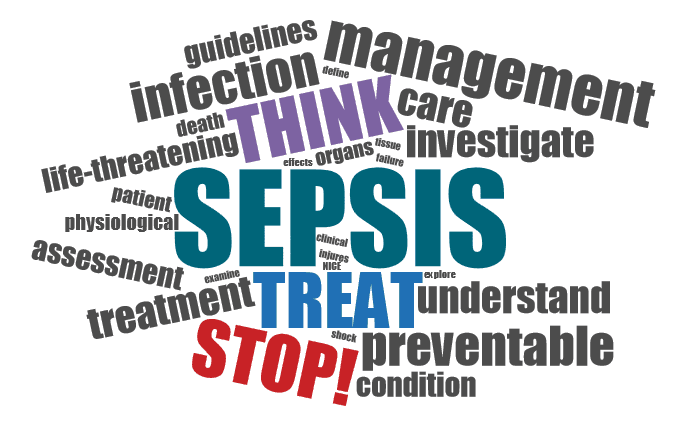
SEPSIS
Maternal, Newborn and Child HealthGlobal Health NewsInternational Plan, Policy & GuidelinesPublic HealthPublic Health News

WHO calls for global action on sepsis – cause of 1 in 5 deaths worldwide

by Public Health Update September 9, 2020
written by Public Health Update

8 September 2020 News release Geneva

The World Health Organization’s first global report on sepsis finds that the effort to tackle millions of deaths and disabilities due to sepsis is hampered by serious gaps in knowledge, particularly in low- and middle-income countries. According to recent studies, sepsis kills 11 million people each year, many of them children. It disables millions more.

But there’s an urgent need for better data. Most published studies on sepsis have been conducted in hospitals and intensive care units in high-income countries, providing little evidence from the rest of the world. Furthermore, the use of different definitions of sepsis, diagnostic criteria and hospital discharge coding makes it difficult to develop a clear understanding of the true global burden of sepsis.

“The world must urgently step up efforts to improve data about sepsis so all countries can detect and treat this terrible condition in time,” says Dr Tedros Adhanom Ghebreyesus, WHO Director-General. “This means strengthening health information systems and ensuring access torapid diagnostic tools, and quality care including safe and affordable medicines and vaccines.”

Sepsis occurs in response to an infection. When sepsis is not recognized early and managed promptly, it can lead to septic shock, multiple organ failure and death. Patients who are critically ill with severe COVID-19 and other infectious diseases are at higher risk of developing and dying from sepsis.

Even sepsis survivors are not out of danger: only half will completely recover, the rest will either die within 1 year or be burdened by long-term disabilities.

A serious complication of infection

Sepsis disproportionately affects vulnerable populations: newborns, pregnant women and people living in low-resource settings. Approximately 85.0% of sepsis cases and sepsis-related deaths occur in these settings.

Almost half of the 49 million cases of sepsis each year occur among children, resulting in 2.9 million deaths, most of which could be prevented through early diagnosis and appropriate clinical management. These deaths are often a consequence of diarrhoeal diseases or lower respiratory infections.

Obstetric infections, including complications following abortion or infections following caesarean section, are the third most common cause of maternal mortality. Globally, it is estimated that for every 1000 women giving birth, 11 women experience infection-related, severe organ dysfunction or death.

The report also finds that sepsis frequently results from infections acquired in health care settings. Around half (49%) of patients with sepsis in intensive care units acquired the infection in the hospital. An estimated 27% of people with sepsis in hospitals and 42% of people in intensive care units will die. 

Antimicrobial resistance is a major challenge in sepsis treatment as it complicates the ability to treat infections, especially in health-care associated infections.

Improving the prevention, diagnosis and treatment of sepsis

Improved sanitation, water quality and availability, and infection prevention and control measures, such as appropriate hand hygiene can prevent sepsis and save lives – but must be coupled with early diagnosis, appropriate clinical management, and access to safe and affordable medicines and vaccines. These interventions could prevent as many as 84% of newborn deaths due to sepsis.

So WHO calls on the global community to:

  • Improve robust study designs and high-quality data collection, especially in low- and middle-income countries.
  • Scale-up global advocacy, funding and the research capacity for epidemiological evidence on the true burden of sepsis. 
  • Improve surveillance systems, starting at the primary care level, including the use of standardized and feasible definitions in accordance with the International Classification of Diseases (ICD-11), and leveraging existing programmes and disease networks. 
  • Develop rapid, affordable and appropriate diagnostic tools, particularly for primary and secondary levels of care, to improve sepsis identification, surveillance, prevention and treatment.
  • Engage and better educate health workers and communities not to underestimate the risk of infections evolving to sepsis, and to seek care promptly in order to avoid clinical complications and the spread of epidemics.

OFFICIAL LINK


  • World Sepsis Day 2019 : Stop Sepsis Save Lives
  • Shining a spotlight on maternal and neonatal sepsis: World Sepsis Day 2017
  • COVID-19 could reverse decades of progress toward eliminating preventable child deaths, agencies warn
  • Clean Your Hands ! ”Clean care for all – it’s in your hands”


Do you have a website? Looking for the best hosting provider? Here’s a discount code.

Latest Public Health Jobs

Latest Posts

  • Multisectoral Action Plan for the Prevention and Control of NCDs, 2026-2030 (Draft)
  • National Standard Operating Procedure for Early Warning, Alert and Response System (EWARS), 2025
  • Priority Infectious Diseases for Community-Based Surveillance in Nepal
  • Community Based Disease Surveillance Guideline, 2082
  • Political declaration of the fourth high-level meeting of the General Assembly on the prevention and control of NCDs and the promotion of mental health and well-being

Thanks for visiting us.
Disclaimer: The resources, documents, guidelines, and information on this blog have been collected from various sources and are intended for informational purposes only. Information published on or through this website and affiliated social media channels does not represent the intention, plan, or strategies of an organization that the initiator is associated with in a professional or personal capacity, unless explicitly indicated.
If you have any complaints, information, or suggestions about the content published on Public Health Update, please feel free to contact us at blog.publichealthupdate@gmail.com.
#StayUpdated


  • WordPress
  • Link
  • Facebook
  • Mail
  • Facebook
  • Twitter
  • Twitter
  • LinkedIn
  • Instagram
  • Facebook
September 9, 2020 0 comments
0 FacebookTwitterPinterestLinkedinTumblrVKOdnoklassnikiRedditStumbleuponWhatsappTelegramLINEPocketSkypeViberEmail
Trans fat free grunge rubber stamp on white background, vector illustration
Life Style & Public Health NutritionGlobal Health NewsPublic HealthPublic Health News

More than 3 billion people protected from harmful trans fat in their food

by Public Health Update September 9, 2020
written by Public Health Update

But, 11 out of 15 countries with the most coronary heart disease deaths due to trans fats have yet to take actions to eliminate the substances

9 September 2020 News release Geneva

Two years into the World Health Organization’s (WHO) ambitious effort to eliminate industrially produced trans fats from the global food supply, the Organization reports that 58 countries so far have introduced laws that will protect 3.2 billion people from the harmful substance by the end of 2021. But more than 100 countries still need to take actions to remove these harmful substances from their food supplies.

WHO recommends that trans fat intake be limited to less than 1% of total energy intake, which translates to less than 2.2 g/day with a 2,000-calorie diet. To achieve a world free of industrially produced trans fats by 2023, WHO recommends that countries:
develop and implement best-practice policies to set mandatory limits for industrially produced trans fats to 2% of oils and fats in all foods or to ban partially hydrogenated oils (PHO);
invest in monitoring mechanisms, e.g. lab capacity to measure and monitor trans fats in foods; and
advocate for regional or sub-regional regulations to expand the benefits of trans fat policies.

Consumption of industrially produced trans fats are estimated to cause around 500,000 deaths per year due to coronary heart disease.

“In a time when the whole world is fighting the COVID-19 pandemic, we must make every effort to protect people’s health. That must include taking all steps possible to prevent noncommunicable diseases that can make them more susceptible to the coronavirus, and cause premature death,” said WHO Director-General Dr Tedros Adhanom Ghebreyesus. “Our goal of eliminating trans fats by 2023 must not be delayed.”

Fifteen countries account for approximately two thirds of the worldwide deaths linked to trans fat intake. Of these, four (Canada, Latvia, Slovenia, United States of America) have implemented WHO-recommended best-practice policies since 2017, either by setting mandatory limits for industrially produced trans fats to 2% of oils and fats in all foods or banning partially hydrogenated oils (PHO).

But the remaining 11 countries (Azerbaijan, Bangladesh, Bhutan, Ecuador, Egypt, India, Iran, Mexico, Nepal, Pakistan, Republic of Korea) still need to take urgent action.

The report highlights two encouraging trends. First, when countries do act, they overwhelmingly adopt best-practice policies rather than less restrictive ones. New policy measures passed and/or introduced in the past year in Brazil, Turkey and Nigeria all meet WHO’s criteria for best-practice policies. Countries, such as India, that have previously implemented less restrictive measures, are now updating policies to align with best practice.

Second, regional regulations that set standards for multiple countries are becoming increasingly popular, emerging as a promising strategy for accelerating progress towards global elimination by 2023. In 2019, the European Union passed a best-practice policy, and all 35 countries that are part of the WHO American Region/Pan American Health Organization unanimously approved a regional plan of action to eliminate industrially produced trans fats by 2025. Together, these two regional initiatives have the potential to protect an additional 1 billion people in more than 50 countries who were not previously protected by trans fat regulations.

“With the global economic downturn, more than ever, countries are looking for best buys in public health,” said Dr Tom Frieden, President and CEO of Resolve to Save Lives. “Making food trans fat-free, saves lives and saves money, and, by preventing heart attacks, reduces the burden on health care facilities.”

Despite the encouraging progress, important disparities persist in policy coverage by region and country income level. Most policy actions to date, including those passed in 2019 and 2020, have been in higher-income countries and in the WHO Regions of the Americas and Europe. Best-practice policies have been adopted by seven upper-middle-income countries and 33 high-income countries; no low-income or lower-middle-income countries have yet done so.

OFFICIAL INFO: SOURCE


Do you have a website? Looking for the best hosting provider? Here’s a discount code.

Latest Public Health Jobs

Latest Posts

  • Multisectoral Action Plan for the Prevention and Control of NCDs, 2026-2030 (Draft)
  • National Standard Operating Procedure for Early Warning, Alert and Response System (EWARS), 2025
  • Priority Infectious Diseases for Community-Based Surveillance in Nepal
  • Community Based Disease Surveillance Guideline, 2082
  • Political declaration of the fourth high-level meeting of the General Assembly on the prevention and control of NCDs and the promotion of mental health and well-being

Thanks for visiting us.
Disclaimer: The resources, documents, guidelines, and information on this blog have been collected from various sources and are intended for informational purposes only. Information published on or through this website and affiliated social media channels does not represent the intention, plan, or strategies of an organization that the initiator is associated with in a professional or personal capacity, unless explicitly indicated.
If you have any complaints, information, or suggestions about the content published on Public Health Update, please feel free to contact us at blog.publichealthupdate@gmail.com.
#StayUpdated


  • WordPress
  • Link
  • Facebook
  • Mail
  • Facebook
  • Twitter
  • Twitter
  • LinkedIn
  • Instagram
  • Facebook
September 9, 2020 0 comments
0 FacebookTwitterPinterestLinkedinTumblrVKOdnoklassnikiRedditStumbleuponWhatsappTelegramLINEPocketSkypeViberEmail
COVID19 Pandemic
Global Health NewsOutbreak NewsPublic HealthPublic Health News

COVID-19 could reverse decades of progress toward eliminating preventable child deaths, agencies warn

by Public Health Update September 9, 2020
written by Public Health Update

9 September 2020 News release New York/Geneva

With the number of under-five deaths at an all-time recorded low of 5.2 million in 2019, disruptions in child and maternal health services due to the COVID-19 pandemic are putting millions of additional lives at stake

The number of global under-five deaths dropped to its lowest point on record in 2019 – down to 5.2 million from 12.5 million in 1990, according to new mortality estimates released by UNICEF, the World Health Organization (WHO), the Population Division of the United Nations Department of Economic and Social Affairs and the World Bank Group.

Since then, however, surveys by UNICEF and WHO reveal that the COVID-19 pandemic has resulted in major disruptions to health services that threaten to undo decades of hard-won progress.

“The global community has come too far towards eliminating preventable child deaths to allow the COVID-19 pandemic to stop us in our tracks,” said Henrietta Fore, UNICEF Executive Director. “When children are denied access to health services because the system is overrun, and when women are afraid to give birth at the hospital for fear of infection, they, too, may become casualties of COVID-19. Without urgent investments to re-start disrupted health systems and services, millions of children under five, especially newborns, could die.”

Over the past 30 years, health services to prevent or treat causes of child death such as preterm, low birthweight, complications during birth, neonatal sepsis, pneumonia, diarrhea and malaria, as well as vaccination, have played a large role in saving millions of lives.

Now countries worldwide are experiencing disruptions in child and maternal health services, such as health checkups, vaccinations and prenatal and post-natal care, due to resource constraints and a general uneasiness with using health services due to a fear of getting COVID-19.

A UNICEF survey conducted over the summer across 77 countries found that almost 68 per cent of countries reported at least some disruption in health checks for children and immunization services. In addition, 63 per cent of countries reported disruptions in antenatal checkups and 59 per cent in post-natal care.

A recent WHO survey based on responses from 105 countries revealed that 52 per cent of countries reported disruptions in health services for sick children and 51 per cent in services for management of malnutrition.

Health interventions such as these are critical for stopping preventable newborn and child deaths. For example, women who receive care by professional midwives trained according  to internationals standards are 16 per cent less likely to lose their baby and 24 per cent less likely to experience pre-term birth, according to WHO.

“The fact that today more children live to see their first birthday than any time in history is a true mark of what can be achieved when the world puts health and well-being at the centre of our response,” said Dr. Tedros Adhanom Ghebreyesus, WHO Director-General. “Now, we must not let the COVID-19 pandemic turn back remarkable progress for our children and future generations. Rather, it’s time to use what we know works to save lives, and keep investing in stronger, resilient health systems.”

Based on the responses from countries that participated in the UNICEF and WHO surveys, the most commonly cited reasons for health service disruptions included parents avoiding health centers for fear of infection; transport restrictions; suspension or closure of services and facilities; fewer healthcare workers due to diversions or fear of infection due to shortages in personal protective equipment such as masks and gloves; and greater financial difficulties. Afghanistan, Bolivia, Cameroon, the Central African Republic, Libya, Madagascar, Pakistan, Sudan and Yemen are among the hardest hit countries.

Seven of the nine countries had high child mortality rates of more than 50 deaths per 1000 live births among children under five in 2019. In Afghanistan, where 1 in 17 children died before reaching age 5 in 2019, the Ministry of Health reported a significant reduction in visits to health facilities. Out of fear of contracting the COVID-19 virus, families are de-prioritizing pre- and post-natal care, adding to the risk faced by pregnant women and newborn babies.

Even before COVID-19, newborns were at highest risk of death. In 2019, a newborn baby died every 13 seconds. Moreover, 47 per cent of all under-five deaths occurred in the neonatal period, up from 40 per cent in 1990. With severe disruptions in essential health services, newborn babies could be at much higher risk of dying. For example, in Cameroon, where 1 out of every 38 newborns died in 2019, the UNICEF survey reported an estimated 75 per cent disruptions in services for essential newborn care, antenatal check-ups, obstetric care and post-natal care.

In May, initial modelling by Johns Hopkins University showed that almost 6,000 additional children could die per day due to disruptions due to COVID-19.

These reports and surveys highlight the need for urgent action to restore and improve childbirth services and antenatal and postnatal care for mothers and babies, including having skilled health workers to care for them at birth. Working with parents to assuage their fears and reassure them is also important.

“The COVID-19 pandemic has put years of global progress to end preventable child deaths in serious jeopardy,” said Muhammad Ali Pate, Global Director for Health, Nutrition and Population at the World Bank. “It is essential to protect life-saving services which have been key to reducing child mortality. We will continue to work with governments and partners to reinforce healthcare systems to ensure mothers and children get the services they need.”

“The new report demonstrates the ongoing progress worldwide in reducing child mortality,” said John Wilmoth, Director of the Population Division of the United Nations Department of Economic and Social Affairs. “While the report highlights the negative effects of the COVID-19 pandemic on interventions that are critical for children’s health, it also draws attention to the need to redress the vast inequities in a child’s prospects for survival and good health.”

######

Download photos, b-roll, the full child mortality estimates report and data files here.  For the UNICEF survey on disruptions due to COVID-19, click here.
Main report landing page: https://data.unicef.org/resources/levels-and-trends-in-child-mortality/
Datasets: https://data.unicef.org/resources/dataset/child-mortality/
Narrative page https://data.unicef.org/topic/child-survival/under-five-mortality/


More information/Official link


Do you have a website? Looking for the best hosting provider? Here’s a discount code.

Latest Public Health Jobs

Latest Posts

  • Multisectoral Action Plan for the Prevention and Control of NCDs, 2026-2030 (Draft)
  • National Standard Operating Procedure for Early Warning, Alert and Response System (EWARS), 2025
  • Priority Infectious Diseases for Community-Based Surveillance in Nepal
  • Community Based Disease Surveillance Guideline, 2082
  • Political declaration of the fourth high-level meeting of the General Assembly on the prevention and control of NCDs and the promotion of mental health and well-being

Thanks for visiting us.
Disclaimer: The resources, documents, guidelines, and information on this blog have been collected from various sources and are intended for informational purposes only. Information published on or through this website and affiliated social media channels does not represent the intention, plan, or strategies of an organization that the initiator is associated with in a professional or personal capacity, unless explicitly indicated.
If you have any complaints, information, or suggestions about the content published on Public Health Update, please feel free to contact us at blog.publichealthupdate@gmail.com.
#StayUpdated


  • WordPress
  • Link
  • Facebook
  • Mail
  • Facebook
  • Twitter
  • Twitter
  • LinkedIn
  • Instagram
  • Facebook
September 9, 2020 0 comments
0 FacebookTwitterPinterestLinkedinTumblrVKOdnoklassnikiRedditStumbleuponWhatsappTelegramLINEPocketSkypeViberEmail
NoticeConferencePublic Health Events

Public Health Conference Logo Competition 2020

by Public Health Update September 8, 2020
written by Public Health Update

Nepal Public Health Association is hosting a logo competition for its 2020 public health conference, and invites submissions of compelling logos that visually represent our conference theme: “Health Sector Reform in Federalism: Lessons from COVID-19 and Thinking Beyond.”

Submission process: Entries must be submitted in electronic format at: conference.nepha@gmail.com

Submission deadline: 18th September 2020.


Public health students and professionals are encouraged to participate.

Public Health Update

First Nepal Public Health Conference 2020


Do you have a website? Looking for the best hosting provider? Here’s a discount code.

Latest Public Health Jobs

Latest Posts

  • Multisectoral Action Plan for the Prevention and Control of NCDs, 2026-2030 (Draft)
  • National Standard Operating Procedure for Early Warning, Alert and Response System (EWARS), 2025
  • Priority Infectious Diseases for Community-Based Surveillance in Nepal
  • Community Based Disease Surveillance Guideline, 2082
  • Political declaration of the fourth high-level meeting of the General Assembly on the prevention and control of NCDs and the promotion of mental health and well-being

Thanks for visiting us.
Disclaimer: The resources, documents, guidelines, and information on this blog have been collected from various sources and are intended for informational purposes only. Information published on or through this website and affiliated social media channels does not represent the intention, plan, or strategies of an organization that the initiator is associated with in a professional or personal capacity, unless explicitly indicated.
If you have any complaints, information, or suggestions about the content published on Public Health Update, please feel free to contact us at blog.publichealthupdate@gmail.com.
#StayUpdated


  • WordPress
  • Link
  • Facebook
  • Mail
  • Facebook
  • Twitter
  • Twitter
  • LinkedIn
  • Instagram
  • Facebook
September 8, 2020 0 comments
0 FacebookTwitterPinterestLinkedinTumblrVKOdnoklassnikiRedditStumbleuponWhatsappTelegramLINEPocketSkypeViberEmail
Call for Health Research Grant Nepal Health Research Council
Call for Proposal, EOI & RFPGrants and Funding OpportunitiesPublic Health OpportunitiesResearch & Project Grants

Call for Health Research Grant Nepal Health Research Council

by Public Health Update September 7, 2020
written by Public Health Update

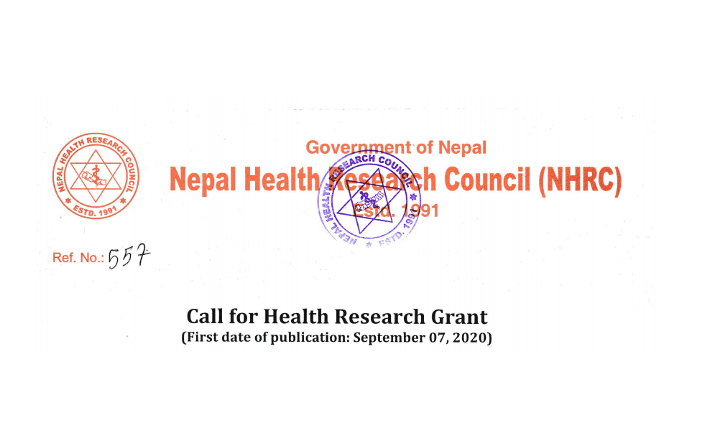
Nepal Health Research Council (NHRC) announces Request for proposals for Provincial Research Grant, Undergraduate and Postgraduate Research Grant for the fiscal year 2077/78 from Nepalese citizens.

Provincial research grant is open for all 7 provinces and UG/PG research grant for UG/PG students enrolled in Nepalese University across the country to support innovative research ideas on health and medical sciences from eligible Nepali citizens.

For more info please visit www.nhrc.gov.np

Call for Health Research Grant
Notice for NHRC Provincial Research Grant
Notice for NHRC Undergraduate and Postgraduate Research Grant

Contact
Capacity Building Section
Nepal Health Research Council (NHRC)
Ramshah path, Kathmandu Nepal
+977 1 4254220 4227460
grant.nhrc@gmail.com

Related information

  • Nepal Health Research Council (NHRC)
  • List of Approved Institutional Review Committee (IRC), NHRC
  • NHRC approval processing fee (Effective from March 7, 2018)
  • NepMed, Nepal MEDLINE (Medical Literature Analysis and Retrieval System Online)


Do you have a website? Looking for the best hosting provider? Here’s a discount code.

Latest Public Health Jobs

Latest Posts

  • Multisectoral Action Plan for the Prevention and Control of NCDs, 2026-2030 (Draft)
  • National Standard Operating Procedure for Early Warning, Alert and Response System (EWARS), 2025
  • Priority Infectious Diseases for Community-Based Surveillance in Nepal
  • Community Based Disease Surveillance Guideline, 2082
  • Political declaration of the fourth high-level meeting of the General Assembly on the prevention and control of NCDs and the promotion of mental health and well-being

Thanks for visiting us.
Disclaimer: The resources, documents, guidelines, and information on this blog have been collected from various sources and are intended for informational purposes only. Information published on or through this website and affiliated social media channels does not represent the intention, plan, or strategies of an organization that the initiator is associated with in a professional or personal capacity, unless explicitly indicated.
If you have any complaints, information, or suggestions about the content published on Public Health Update, please feel free to contact us at blog.publichealthupdate@gmail.com.
#StayUpdated


  • WordPress
  • Link
  • Facebook
  • Mail
  • Facebook
  • Twitter
  • Twitter
  • LinkedIn
  • Instagram
  • Facebook
September 7, 2020 2 comments
0 FacebookTwitterPinterestLinkedinTumblrVKOdnoklassnikiRedditStumbleuponWhatsappTelegramLINEPocketSkypeViberEmail
Newer Posts
Older Posts

Search

Follow Us

Facebook Twitter Instagram Pinterest Linkedin Youtube

Categories

  • Abstracts (25)
  • Activities (91)
  • Adolescent Sexual and Reproductive Health (ASRH) (25)
  • Advice & Tips (3)
  • African Region (5)
  • AI and Health (1)
  • Annual Meeting (6)
  • Antimicrobial Resistance (AMR) (20)
  • Award (19)
  • Awards (16)
  • Books (9)
  • Call for Proposal, EOI & RFP (103)
  • Call for Research Participants (8)
  • Clinical Doctor Jobs (6)
  • Communicable Diseases (107)
  • Competition (20)
  • Conference (128)
  • Consultant (1)
  • Courses (204)
  • Dashboard (2)
  • Digital Health & Health Informatics (10)
  • Drug and Medicine (18)
  • Eastern Mediterranean Region (3)
  • Education (15)
  • Environment (3)
  • Environmental Health & Climate Change (47)
  • European Region (42)
  • Exchange Program (1)
  • Fact Sheet (116)
  • FCHVs (1)
  • Fellowships, Studentship & Scholarships (165)
  • Financial Aid (13)
  • Form Formats (2)
  • Fully funded (22)
  • Global Health News (433)
  • Grants and Funding Opportunities (192)
  • Guest Post (44)
  • Health Assistant Jobs (1)
  • Health Equity (7)
  • Health Financing and Economics (24)
  • Health in Data (113)
  • Health Insurance (5)
  • Health Jobs (52)
  • Health Literacy, Health Education & Promotion (49)
  • Health Organization Profile (42)
  • Health Systems (81)
  • Human Resource for Health (32)
  • Humanitarian Health & Emergency Response (44)
  • Hypertension (5)
  • Implementation Research (48)
  • International Health (3)
  • International Jobs & Opportunities (369)
  • International Plan, Policy & Guidelines (208)
  • Internships (4)
  • Jobs Vacancies (56)
  • Journals (8)
  • Life Style & Public Health Nutrition (39)
  • Live (10)
  • Master's Degree (48)
  • Maternal, Newborn and Child Health (87)
  • Mentorship Program (2)
  • Miscellaneous (16)
  • National Health News (157)
  • National Plan, Policy & Guidelines (468)
  • Neglected Tropical Diseases (NTDs) (51)
  • Non- Communicable Diseases (NCDs) (120)
  • Notice (103)
  • Nursing Jobs (6)
  • Nutritionist Jobs (1)
  • One Health (17)
  • Online & Distance Learning (22)
  • Online Courses (90)
  • Op-Ed Article (3)
  • Opportunities by Region (82)
  • Outbreak News (213)
  • Partially funded (6)
  • PCL Health Science Jobs (3)
  • PH Important Day (532)
  • Pharmacist Jobs (3)
  • PhD (53)
  • Photos (5)
  • Planetary Health (4)
  • PostDoc (14)
  • Presentation Slides (26)
  • Primary Health Care (25)
  • Provincial Plan, Policies and Guidelines (14)
  • Public Health (1,278)
  • Public Health Epidemiology & Biostatistics (13)
  • Public Health Events (305)
  • Public Health Information (20)
  • Public Health Innovation (9)
  • Public Health Jobs (52)
  • Public Health News (552)
  • Public Health Notes (120)
  • Public Health Opportunities (502)
  • Public Health Opportunity (486)
  • Public Health Programs (108)
  • Public Health Seminar (2)
  • Public Health Tools (1)
  • Public Health Update (557)
  • Quality Improvement & Infection Prevention (20)
  • Region of America (8)
  • Reports (182)
  • Research & Project Grants (38)
  • Research & Project Grants (31)
  • Research & Publication (647)
  • Research Articles (10)
  • Road Traffic Accidents (RTA) (9)
  • School of Public Health (60)
  • Self funded (2)
  • South-East Asia Region (26)
  • Success Stories (17)
  • Summer and Winter Courses (39)
  • Summer Courses (27)
  • Sustainable Development Goals (SDGs) (14)
  • Syllabus (61)
  • Symposium (9)
  • Tobacco Control (35)
  • Training (40)
  • Travel Grants (15)
  • Trick, Technique & Skills (8)
  • Uncategorized (3)
  • Undergraduate Degree (7)
  • Universal Health Coverage (36)
  • Universities (29)
  • Universities & School of Public Health (57)
  • Vacancy Announcement (26)
  • Vaccine Preventable Diseases (40)
  • Vector-Borne Diseases(VBDs) (30)
  • Videos (3)
  • View Points (1)
  • Webinar (4)
  • Western Pacific Region (13)
  • Workshop (18)
  • World News (116)
Post New Jobs: Vacancy Announcement Service

Public Health Update (Sagun’s Blog) is a popular public health portal in Nepal. Thousands of health professionals are connected with Public Health Update to get up-to-date public health updates, search for jobs, and explore opportunities.
#1 Public Health Blog for sharing Job opportunities and updates in Nepal

”Public Health Information For All”
– – Sagun Paudel, Founder

  • HOT JOBS
    • Public Health Jobs
    • Medical Doctor Jobs
    • Nursing Jobs
    • Health Assistant Jobs
    • Pharmacist Jobs
    • NGOs Jobs
    • Government Jobs
  • Top Categories
    • National Plan, Policy & Guidelines Top
    • Public Health Calendar
    • Fellowships & Scholarships
    • Health Systems
    • Health Organization Profiles
    • International Jobs & Opportunities
    • Public Health Opportunity

PUBLIC HEALTH INITIATIVE

    • Submit your Vacancies New
    • Partnership Opportunities

Contact: blog.publichealthupdate@gmail.com

https://wa.me/+9779856036932

Public Health Initiative, A Registered Non-profit organization – All Right Reserved. 2011-2024. Contact us. 

Facebook Twitter Instagram Youtube Envelope
Public Health Update
  • Home
  • Public Health
    • Home 1
      • Adolescent Sexual and Reproductive Health (ASRH)
      • Antimicrobial Resistance (AMR)
      • Communicable Diseases
      • Digital Health & Health Informatics
      • Environmental Health & Climate Change
      • Health Financing and Economics
      • Health Equity
    • Home 2
      • Health Literacy, Health Education & Promotion
      • Human Resource for Health
      • Humanitarian Health & Emergency Response
      • Implementation Research
      • International Health
      • Life Style & Public Health Nutrition
      • Maternal, Newborn and Child Health
    • Home 3
      • Neglected Tropical Diseases (NTDs)
      • Non- Communicable Diseases (NCDs)
      • One Health
      • Planetary Health
      • Public Health Epidemiology & Biostatistics
      • Primary Health Care
      • Quality Improvement & Infection Prevention
    • Home 4
      • Road Traffic Accidents (RTA)
      • Sustainable Development Goals (SDGs)
      • Tobacco Control
      • Universal Health Coverage
      • Vaccine Preventable Diseases
      • Vector-Borne Diseases(VBDs)
      • Notices
  • Public Health Update
    • Home 1
      • Public Health News
      • Global Health News
      • Outbreak News
      • National Health News
      • COVID-19
    • Home 2
      • Fact Sheet
      • Health in Data
      • PH Important Day
      • Public Health Events
      • Public Health Programs
    • Home 3
      • Health Systems
      • Health Insurance
      • Health Organization Profile
      • Success Stories
      • Public Health Innovation
  • Public Health Opportunities
    • Fully funded
    • Travel Grants
    • Grants and Funding Opportunities
    • Opportunities by Region
    • International Jobs & Opportunities
    • Research & Project Grants
    • Fellowships, Studentship & Scholarships
    • Conference
  • Jobs
    • Home 1
      • Health Jobs
      • Public Health Jobs
      • Clinical doctor Jobs
      • Health Assistant Jobs
      • Nursing Jobs
      • PCL Health Science Jobs
    • Home 2
      • Dental Jobs
      • Pharmacist Jobs
      • TSLC (Health Jobs)
      • Laboratory Jobs
      • Nutritionist Jobs
  • Downloads
    • International Plan, Policy & Guidelines
    • National Plan, Policy & Guidelines
    • Reports
    • Books
    • Research Articles
  • School of Public Health
    • Home 1
      • Courses
      • Master’s Degree
      • Undergraduate Degree
      • PhD
    • Home 2
      • Universities
      • Syllabus
      • Public Health Notes
      • Mentorship Program
      • Startup Project
    • Home
      • Summer and Winter Courses
      • Summer Courses
      • Online Courses
      • Workshop
      • Training
Public Health Update
  • Home
  • Public Health
    • Home 1
      • Adolescent Sexual and Reproductive Health (ASRH)
      • Antimicrobial Resistance (AMR)
      • Communicable Diseases
      • Digital Health & Health Informatics
      • Environmental Health & Climate Change
      • Health Financing and Economics
      • Health Equity
    • Home 2
      • Health Literacy, Health Education & Promotion
      • Human Resource for Health
      • Humanitarian Health & Emergency Response
      • Implementation Research
      • International Health
      • Life Style & Public Health Nutrition
      • Maternal, Newborn and Child Health
    • Home 3
      • Neglected Tropical Diseases (NTDs)
      • Non- Communicable Diseases (NCDs)
      • One Health
      • Planetary Health
      • Public Health Epidemiology & Biostatistics
      • Primary Health Care
      • Quality Improvement & Infection Prevention
    • Home 4
      • Road Traffic Accidents (RTA)
      • Sustainable Development Goals (SDGs)
      • Tobacco Control
      • Universal Health Coverage
      • Vaccine Preventable Diseases
      • Vector-Borne Diseases(VBDs)
      • Notices
  • Public Health Update
    • Home 1
      • Public Health News
      • Global Health News
      • Outbreak News
      • National Health News
      • COVID-19
    • Home 2
      • Fact Sheet
      • Health in Data
      • PH Important Day
      • Public Health Events
      • Public Health Programs
    • Home 3
      • Health Systems
      • Health Insurance
      • Health Organization Profile
      • Success Stories
      • Public Health Innovation
  • Public Health Opportunities
    • Fully funded
    • Travel Grants
    • Grants and Funding Opportunities
    • Opportunities by Region
    • International Jobs & Opportunities
    • Research & Project Grants
    • Fellowships, Studentship & Scholarships
    • Conference
  • Jobs
    • Home 1
      • Health Jobs
      • Public Health Jobs
      • Clinical doctor Jobs
      • Health Assistant Jobs
      • Nursing Jobs
      • PCL Health Science Jobs
    • Home 2
      • Dental Jobs
      • Pharmacist Jobs
      • TSLC (Health Jobs)
      • Laboratory Jobs
      • Nutritionist Jobs
  • Downloads
    • International Plan, Policy & Guidelines
    • National Plan, Policy & Guidelines
    • Reports
    • Books
    • Research Articles
  • School of Public Health
    • Home 1
      • Courses
      • Master’s Degree
      • Undergraduate Degree
      • PhD
    • Home 2
      • Universities
      • Syllabus
      • Public Health Notes
      • Mentorship Program
      • Startup Project
    • Home
      • Summer and Winter Courses
      • Summer Courses
      • Online Courses
      • Workshop
      • Training
Public Health Initiative, A Registered Non-profit organization – All Right Reserved. 2011-2023