
Public Health Update
  • Home
  • Public Health Update
  • Nepal Health Jobs
    • Public Health Job Board
    • Organization List
  • Opportunities
    • Fellowships, Studentship & Scholarships
    • Grants and Funding Opportunities
    • Fully funded
    • Conference
  • Downloads
    • International Plan, Policy & Guidelines
    • National Plan, Policy & Guidelines
    • Reports
    • Public Health Notes
    • Syllabus
    • Form Formats
  • School of Public Health
    • PhD
    • Master’s Degree
    • Online Courses
  • Notice
  • Home
  • Public Health Update
  • Nepal Health Jobs
    • Public Health Job Board
    • Organization List
  • Opportunities
    • Fellowships, Studentship & Scholarships
    • Grants and Funding Opportunities
    • Fully funded
    • Conference
  • Downloads
    • International Plan, Policy & Guidelines
    • National Plan, Policy & Guidelines
    • Reports
    • Public Health Notes
    • Syllabus
    • Form Formats
  • School of Public Health
    • PhD
    • Master’s Degree
    • Online Courses
  • Notice
LOGIN / REGISTER
Public Health Update
SUBSCRIBE
Public Health Update
  • Home
  • Public Health Update
  • Nepal Health Jobs
    • Public Health Job Board
    • Organization List
  • Opportunities
    • Fellowships, Studentship & Scholarships
    • Grants and Funding Opportunities
    • Fully funded
    • Conference
  • Downloads
    • International Plan, Policy & Guidelines
    • National Plan, Policy & Guidelines
    • Reports
    • Public Health Notes
    • Syllabus
    • Form Formats
  • School of Public Health
    • PhD
    • Master’s Degree
    • Online Courses
  • Notice

All Right Reserved. Designed and Developed by PenciDesign

Central Department of Public Health (CDPH)
Public HealthCoursesSyllabusUndergraduate DegreeUniversitiesUniversities & School of Public Health

Bachelor in Public Health (BPH) Programme- IOM, Tribhuvan University

by Public Health Update March 17, 2021
written by Public Health Update

Overview

The bachelor degree program in public health is designed for individuals seeking academic professional training in public health. The program equips students with the specific knowledge and skills of public health and its promotion necessary for a career in settings ranging from government health institutions, national and international non-governmental organizations, voluntary and for-profit agencies to community-based agencies.

Related courses

  • Bachelor of Public Health Program- Karnali Academy of Health Sciences
  • Bachelor in Public Health (BPH) Programme- IOM, Tribhuvan University
  • Bachelor of Public Health (BPH) colleges in Nepal
  • Bachelor of Public Health (BPH) – Faculty of Medical and Allied Science, Purbanchal University
  • Bachelor of Public Health (BPH) Program, Pokhara University

The program familiarizes students with fundamental knowledge and skills of public health and application in managing public health programs. The course aims to produce professionals with degree of bachelor of public health (BPH) in order to achieve better management of quality public health services to maintain a healthy life to contribute in the socio-economic development of the country.

Objectives of BPH programme

General Objective

The overall objective of BPH program is to prepare competent and responsible public health graduates needed for the country to respond to the health needs of people.

Specific Objectives

The specific objectives of the program is to enable the graduates with Bachelor in Public Health degree to-

  • Explain relevance of basic health sciences in public health
  • Appreciate behavioral, socio-cultural, economic and other dimension of health and diseases
  • Analyze health systems from public health perspective – effectiveness, efficiency, equity and justice
  • Manage – plan, implement, monitor and evaluate – health  systems, programs and services
  • Train and manage human resources for health
  • Conduct health research for evidence based decision making process in public health
  • Demonstrate leadership to organize and mobilize community to address health problems

Related courses

  • Bachelor of Public Health Program- Karnali Academy of Health Sciences
  • Bachelor in Public Health (BPH) Programme- IOM, Tribhuvan University
  • Bachelor of Public Health (BPH) colleges in Nepal
  • Bachelor of Public Health (BPH) – Faculty of Medical and Allied Science, Purbanchal University
  • Bachelor of Public Health (BPH) Program, Pokhara University

Scope of degree of Bachelor in Public Health

Public health graduates will have a wide range of working scope in public and private sectors, as well as in service and academic sectors. The graduates with BPH degree can serve as public health officer or other position at the national, regional, district and community level in the government; in national and international non government organizations. With their competency in academic area, public health graduates can work in the training and research institutions. As further career opportunity, public health graduates are eligible for Master in Public Health (MPH) programme and other relevant master programmes.

Duration of the programme

Bachelor in Public Health is a four academic year programme which includes 6 months practicum in the final years.

The course outline
There will be a total of 2,800 marks in the course. These marks are equally distributed over four years of the programme – 700 each year. There are 24 papers with 100 marks each, and the practicum in the final year will carry 400 marks.

The course outline

Year 1

  • Basic Science I
  • Basic Science II
  • Biostatistics
  • Population studies and Informatics
  • Food and Nutrition
  • Environmental Health I
  • Public Health and Primary Health Care

Year 2

  • Family Health I
  • Health Promotion and Education I
  • Epidemiology I
  • Environmental Health and Occupational Health II
  • Medical Sociology and Anthropology
  • Public Health Administration and Management I

Community Health Diagnosis

Year 3

  • Family Health II
  • Health Promotion and Education II
  • Epidemiology II
  • Health Economics and Health Financing
  • School and Community Health
  • Public Health Administration and Management II

District Health Field Practice

Year 4

  • Public Health Research methodology And Public Health Project Planning and Development
  • Health System Management and International Health

Individual Health Research

Comprehensive Public Health Practicum

Mandatory research paper in the Fourth Year

Teaching learning approaches

  • Class room based didactic lecture
  • Self–directed learning
    • Seminar
    • Assignments presentations
    • Group work
    • Library study
  • Demonstration
    • Public health lab
    • Basic health science
  • Observation visit
    • Health Institutions
    • Public health related institutions/organizations
  • Community and health institutional based education
    • Community Health Diagnosis – 30 days residential field
    • District Health system management – 60 days residential field
    • Practicum in district – Organizational experience in the management of health programs

Download Full Syllabus
PDF FILE

Recommended Readings

  • Syllabus for Bachelor in Public Health (BPH) Common Entrance Examination
  • Sample Questions for MEC Common Entrance Examination
  • 100 MCQs for Master of Public Health
  • Primary Health Care & Nutrition MCQs, Master of Public Health
  • Sociology MCQs, Master of Public Health
  • Health Management and Health Economics MCQs, Master of Public Health
  • Health Education MCQs, Master of Public Health
  • Epidemiology MCQs, Master of Public Health
  • Environmental & Occupational Health MCQs, Master of Public Health
  • Demography MCQs, Master of Public Health
  • Research Methodology & Bio-stat MCQs, Master of Public Health

Related courses

  • Bachelor of Public Health Program- Karnali Academy of Health Sciences
  • Bachelor in Public Health (BPH) Programme- IOM, Tribhuvan University
  • Bachelor of Public Health (BPH) colleges in Nepal
  • Bachelor of Public Health (BPH) – Faculty of Medical and Allied Science, Purbanchal University
  • Bachelor of Public Health (BPH) Program, Pokhara University

Syllabus, Eligibility and Entrance Model for Bachelor in Public Health (BPH)

March 17, 2021 0 comments
0 FacebookTwitterPinterestLinkedinTumblrVKOdnoklassnikiRedditStumbleuponWhatsappTelegramLINEPocketSkypeViberEmail
Bachelor of Public Health (BPH) - Faculty of Medical and Allied Science, Purbanchal University
Public HealthCoursesSyllabusUndergraduate DegreeUniversitiesUniversities & School of Public Health

Bachelor of Public Health (BPH) – Faculty of Medical and Allied Science, Purbanchal University

by Public Health Update March 17, 2021
written by Public Health Update

Purpose of the Program

Purbanchal University has initiated bachelor programs in health sciences with the goal of contributing to the improvement of public health service of the country through the production of quality human resources in health sciences needed by the country.

The bachelor of public health program (BPH) aims to prepare professional public health specialists with the highest technical and managerial competence in district level health programs including problem identification, planning, implementing, training, health education and research. Such specialists can serve in various types of positions at national, regional, zonal, district or local levels. They will be needed in various kinds of Governmental or non-Governmental health agencies, hospital, schools and institutions. Other possible area of absorption may involve special responsibilities, e.g. working primarily with school teachers administering health education services, and preparing health workers in public health fields. In general, the graduates of BPH program should be able to carry out the responsibilities designed for the district public health officer.

Syllabus, Eligibility and Entrance Model for Bachelor in Public Health (BPH)

Career Opportunity

There is growing concern for improvement of health status from all stakeholders within Nepal or in the foreign countries. Provision of equitable access to health care for attainment of an acceptable level of health and better quality of life of the people by creating more equitable distribution of resources is the dominant concern of Nepal today. In many parts of the world scientists are investing themselves in introducing public health interventions that can deal with the lifestyle. However, Nepal is facing threefold burdens of diseases (communicable, lifestyle related and poverty). In order to cope with this complex situation, development of public health graduates has become inescapable. Very few numbers of public health workers are working within Nepal or in the other countries. In general, a BPH graduates can choose following area to build the career:

  • University (Education and Research)
  • Health Organization
  • Nepal Government- Public Health Sector
  • Private Health Sector
  • Health Center
  • Research sector
  • Different NGOs & INGOs.
  • Local development sector

Objectives of the program

The objective of bachelor of public health [BPH] program is to produce competent graduates with advanced knowledge and practical skill necessary to deliver high quality health services needed for the country. Specifically, the program entails the following objectives;

  • Provide advanced knowledge and practical skill to health sciences graduates and with biology.
  • Develop required skill in designing, analyzing and evaluating applied public health science research and management.
  • Equip public health specialists with communication and group organization skill for promoting community participation in health and development activities ultimately leading to the individual and community self-reliance in health service and improvement in health status of people.
  • Enable public health professionals to deal with existing realities in district public health management issues, concern and problems.
  • Foster positives attitudes in health professionals and encourage them to provide more accessible and equitable primary health care services for disadvantage groups and communities.
  • Develop the leadership capabilities of public health professionals in the management of primary health care and district level public health programs.
  • Enhance vocational competence of public health professionals through advanced education in health strategies. Health promotion and health programming.
Competencies to be achieved by the Public Health Graduates

It is envisaged that the professional public health specialists graduated from Purbanchal University should acquire knowledge, skill and attitudes. which will enable them to carry out the following activities.

  • View primary Health care in its totality with respect to biological. environmental, socio-economic and cultural factors .and
  • Be able to identify and implement promotional, preventive and curative components of public health programs.
  • Determine existing community health problems by use of epidemiological investigation and prioritize the problems.
  • Apply problem-solving and community participation approach in planning, managing and evaluating programs designed to deal with priority public health problems in appropriate ways to achieve optimum impact from public health programs
  • Demonstrate attitudes, which reflect acceptance of, and respect for the important roles of colleagues, sub-ordinate staff and community members such attitudes is expected to enable them to;
    – Provide direction for smooth functioning of a public health team
    – Train, supervise and support existing public health staff.
    – Arrange for intersect oral co-ordination and cooperation
    – Raise awareness among community citizens concerning the existing public health problems.
    – Organize health actions which will address these problems especially bearing in mind the needs of disadvantaged groups and communities.

In view of the above considerations, it is quite evident that a tremendous responsibility has to be borne by a professional public health specialist in order to provide; leadership to the community, to middle level and grass roots health workers in order to bring about health for all.

Duration of the program

The course has been designed for four academic years (Eight Semester) concentrating in general public health courses. There will be concurrent and residential fieldwork during the academic years.

Course Structure:

The program follows the credit system. Each course is assigned a certain number of credits depending generally upon its lecture, tutorial and practical work hours in a week. In theory subjects, one lecture per week is assigned one credit as a general rule. One credit hours of theory is equivalent to 16 hours lecture and one credit hour of practical is equivalent to 32 hours practical.
Total Credit hours: 168 Credit (One Hundred Sixty Eight Credits).

Curriculum Structure

First Year
First Semester

  • Anatomy and Physiology
  • Pathophysiology, First Aid and Safety
  • Biochemistry and Immunology
  • Microbiology, Parasitology, Bacteriology & Virology
  • Medical Entomology and Rodentology
  • Professional English
  • Practical Skill Development (Anatomy and Physiology)
  • Practical Skill Development (Pathophysiology, First Aid and Safety)
  • Practical Skill Development (Biochemistry and Immunology)
  • Practical Skill Development (Microbiology, Parasitology, Bacteriology & Virology)
  • Practical Skill Development (Medical Entomology and Rodentology)

Second Semester

  • Introduction to Public Health
  • Basic Epidemiology
  • Basic Food and Nutrition
  • Biostatistics and Computer Application
  • Pharmacy, Pharmacology and Toxicology
  • Term Paper Presentation (Introduction to Public Health)
  • Practical Skill Development (Basic Epidemiology)
  • Term Paper Presentation (Pharmacy, Pharmacology and Toxicology)
  • Practical Skill Development (Basic Food and Nutrition)
  • Practical Skill Development (Biostatistics and Computer Application)

Second Year
Third Semester

  • Environmental Health and Ecosystem
  • Family Health, Maternal and Child Health
  • Population Studies and Family Planning
  • Fundamentals of Health Education
  • Primary Health Care and International Health
  • Community Health Organization and Development
  • Practical Skill Development (Environmental Health and Ecosystem)
  • Family Health Exercise (Family Health, Maternal and Child Health)
  • Term Paper Preparation (Population Studies and Family Planning)
  • Term Paper Preparation (Primary Health Care and International Health)
  • Term Paper (Community Health Organization and Development)

Fourth Semester

  • Medical Sociology and Anthropology Theory
  • Applied Environmental and Occupational Health Theory
  • Applied Epidemiology Theory
  • Applied Biostatistics Theory
  • Applied Public Health Nutrition Theory
  • School Health and Oral Health Theory
  • Term Paper Preparation (Medical Sociology and Anthropology)
  • Practical Skill Development (Applied Environmental and Occupational Health)
  • Term Paper Preparation (Applied Epidemiology)
  • Term Paper Preparation (Applied Public Health Nutrition)
  • Practical Skill development (School Health and Oral Health)

Third year
Fifth semester

  • Reproductive Health and Gender Theory
  • Clinical Epidemiology Theory
  • Applied Health Education Theory
  • Mental Health and Behavioral Science Theory
  • Community Health Diagnosis Theory
  • Term Paper Preparation (Reproductive Health and Gender)
  • Practical Skill Development (Applied Health Education)
  • Practical Skill Development (Community Health Diagnosis)

Sixth semester

  • Health Service Management in Nepal Theory
  • Public Health Administration and Management
  • Biodiversity, Climate Change and Health Theory
  • Training & Curriculum Development Theory
  • Health Economics and Health Financing Theory
  • Practical Skill Development (Health Service Management in Nepal)
  • Term Paper Preparation (Public Health Administration and Management)
  • Practical Skill Development (Training & Curriculum Development)
  • Term Paper Preparation (Health Economics and Health Financing)

Fourth year
Seventh semester

  • Public Health Research Theory
  • Urban Health, Public Health Engineering and Disaster Management
  • Logistic Management and Software Application
  • Public Health Ethics, Social Health and Professionalism
  • Practical Skill Development (Public Health Research)
  • Term Paper Preparation (Urban Health, Public Health Engineering and Disaster Management)
  • Term Paper Preparation (Public Health Ethics, Social Health and Professionalism)
  • Practical Skill Development (Comprehensive Public Health Management Field Practice)

Eighth semester

  • National Health Policy and Plan Theory
  • Human Resource for Health Theory
  • Project Management Theory
  • Term Paper Preparation (National Health Policy and Plan)
  • Term Paper Preparation (Human Resource for Health)
  • Practical Skill Development (Project Management)
  • Practical Skill Development (Public Health Research Report)

Download Full Syllabus
PDF File
Download Full Syllabus
PDF File

Recommended Readings

  • Syllabus for Bachelor in Public Health (BPH) Common Entrance Examination
  • Sample Questions for MEC Common Entrance Examination
  • 100 MCQs for Master of Public Health
  • Primary Health Care & Nutrition MCQs, Master of Public Health
  • Sociology MCQs, Master of Public Health
  • Health Management and Health Economics MCQs, Master of Public Health
  • Health Education MCQs, Master of Public Health
  • Epidemiology MCQs, Master of Public Health
  • Environmental & Occupational Health MCQs, Master of Public Health
  • Demography MCQs, Master of Public Health
  • Research Methodology & Bio-stat MCQs, Master of Public Health

Related courses

  • Bachelor of Public Health Program- Karnali Academy of Health Sciences
  • Bachelor in Public Health (BPH) Programme- IOM, Tribhuvan University
  • Bachelor of Public Health (BPH) colleges in Nepal
  • Bachelor of Public Health (BPH) – Faculty of Medical and Allied Science, Purbanchal University
  • Bachelor of Public Health (BPH) Program, Pokhara University
March 17, 2021 0 comments
0 FacebookTwitterPinterestLinkedinTumblrVKOdnoklassnikiRedditStumbleuponWhatsappTelegramLINEPocketSkypeViberEmail
The 52nd Union World Conference on Lung Health
AbstractsConferencePublic Health EventsPublic Health OpportunitiesPublic Health Opportunity

The 52nd Union World Conference on Lung Health

by Public Health Update March 16, 2021
written by Public Health Update

The Union World Conference, taking place virtually from 19 – 22 October 2021, will focus on the theme Lung Health for All: Solutions for a New Era, by exploring the challenges facing global health. With the world still in the grip of a lung health pandemic, it is also confronting questions about systemic race relations and how the same vulnerable communities that bear the brunt of TB and HIV have now been hit the hardest by COVID-19.

Call for Submission

The 52nd Union World Conference on Lung Health is now accepting submissions to the conference programme. Conference welcomes submission on issues including tuberculosis (TB) and TB co-infections, tobacco control, lung health and air pollution, as well as civil society initiatives, community engagement, human rights and other related topics. 

Submissions of abstracts, symposia, post-graduate courses and workshops are now open and will close on 4 May at 23:59 Central European Summer Time (CEST).

All abstracts must present original research and at least preliminary results; abstracts reporting data pending will not be accepted. Submission implies that the material has not previously been presented or published elsewhere before presentation at the 52nd Union World Conference on Lung Health. Abstracts are placed under embargo until they are presented at the conference.

List of tracks

TRACK A: BASIC AND TRANSLATIONAL RESEARCH

Scope for this track includes basic sciences, pre-clinical and product development for TB and other lung health conditions
A1. Immunology
A2. Drug and vaccine development, including for COVID-19
A3. TB diagnostics, including drug-resistance determination
A4. COVID-19: molecular and immuno diagnostics

TRACK B: CLINICAL AND OPERATIONAL RESEARCH

Scope for this track includes clinical trials, pragmatic trials, operational research on prevention, diagnosis and treatment of TB and other lung health conditions, including post-TB lung disease. Targeted populations may include children or any other age group, vulnerable sub-populations or people living with other co-morbidities.

B1. TB diagnostics
B2. Clinical trials and operational research for new treatments for drug sensitive-TB and drug resistant-TB in adults
B3. Clinical trials and operational research for COPD, pneumonia, asthma and other lung health in adults
B4. Clinical trials and operational research for new treatments for drug sensitive-TB and drug resistant-TB in children
B5. Clinical trials and operational research for COPD, pneumonia, asthma and other lung health in children
B6. Active case finding and contact investigation for TB
B7. Identification and management of TB infection
B8. TB and co-infections: including HIV and diabetes
B9. Lung health (other than TB) and co-morbidities
B10. Tobacco and co-morbidities: including NCDs, TB and HIV
B11. COVID-19: clinical and operational research

TRACK C: POLICIES AND CLINICAL & PROGRAMMATIC IMPLEMENTATION

Scope for this track includes the review and evaluation of global and local policies, clinical practices and programmatic implementation across the spectrum of prevention, diagnosis and treatment of TB and other lung health conditions, including post-TB lung disease; including research on improvement of current policies and practices

C1. TB infection (LTBI)
C2. TB care and treatment in drug sensitive-TB
C3. TB care and treatment in drug resistant-TB
C4. Paediatric TB treatment and care
C5. Paediatric lung disease, excluding TB
C6. Maternal and child health: TB and lung disease
C7. Post-TB lung health
C8. Person-centered care
C9. Access to quality TB care and services
C10. Global and local policies and politics, including funding and accountability
C11. TB laboratory service implementation and operations
C12. TB education and training
C13. Tobacco control and tobacco industry interference
C14. MPOWER for tobacco control
C15. COVID-19: policies and clinical implementation

TRACK D: EPIDEMIOLOGY

Scope for this track includes all aspects of epidemiology relating to TB, lung disease, tobacco control and co-morbidities such as HIV.

D1. TB epidemiology in adults
D2. TB epidemiology in children
D3. Epidemiology of COPD, pneumonia, asthma and other lung health conditions in adults
D4. Epidemiology of COPD, pneumonia, asthma and other lung health conditions in children
D5. Air pollution
D6. Epidemiology of transmission and TB infection
D7. TB infection control
D8. Post-TB lung health
D9. HIV-TB and other HIV-related lung health
D10. Modelling, including modelling of COVID-19: the effect of social controls, preparedness and lessons for other infectious diseases.
D11. Health economics
D12. Tobacco-related epidemiology
D13. E-cigarettes and non-combustible tobacco products
D14. COVID-19

TRACK E: POLITICS, CIVIL SOCIETY AND HUMAN RIGHTS

Scope includes research on and assessment of social, political, legal and human rights factors, stigma and discrimination influencing prevention, treatment, care and support for persons impacted by lung health issues, as well as communication of these issues to relevant stakeholders.

E1. Civil society, advocacy and community engagement
E2. Key affected populations: behavioural, social, and cultural issues and contexts
E3. Human rights
E4. Ethics
E5. Communication/social media

TRACK F: ZOONOTIC TB

Scope for this track includes studies on the epidemiology, prevention, diagnosis, and treatment challenges posed by zoonotic tuberculosis caused primarily by Mycobacterium bovis; to assist animal and public health agencies in more effectively controlling this disease and collaborating on field and laboratory research.

F1. Basic science and zoonotic diagnostics
F2. Zoonotic treatment
F3. Zoonotic epidemiology
F4. One Health

Read more and Submit
Official Website


Do you have a website? Looking for the best hosting provider? Here’s a discount code.

Latest Public Health Jobs

Latest Posts

  • Multisectoral Action Plan for the Prevention and Control of NCDs, 2026-2030 (Draft)
  • National Standard Operating Procedure for Early Warning, Alert and Response System (EWARS), 2025
  • Priority Infectious Diseases for Community-Based Surveillance in Nepal
  • Community Based Disease Surveillance Guideline, 2082
  • Political declaration of the fourth high-level meeting of the General Assembly on the prevention and control of NCDs and the promotion of mental health and well-being

Thanks for visiting us.
Disclaimer: The resources, documents, guidelines, and information on this blog have been collected from various sources and are intended for informational purposes only. Information published on or through this website and affiliated social media channels does not represent the intention, plan, or strategies of an organization that the initiator is associated with in a professional or personal capacity, unless explicitly indicated.
If you have any complaints, information, or suggestions about the content published on Public Health Update, please feel free to contact us at blog.publichealthupdate@gmail.com.
#StayUpdated

  • WordPress
  • Link
  • Facebook
  • Mail
  • Facebook
  • Twitter
  • Twitter
  • LinkedIn
  • Instagram
  • Facebook
March 16, 2021 0 comments
0 FacebookTwitterPinterestLinkedinTumblrVKOdnoklassnikiRedditStumbleuponWhatsappTelegramLINEPocketSkypeViberEmail
Medical Education Commission
SyllabusCoursesPublic Health Notes

Sample Questions for MEC Common Entrance Examination

by Public Health Update March 16, 2021
written by Public Health Update

Structure

For the test, there will be a single set of 200 multiple choice questions (MCQs) each worth one mark for a total of 200 full marks. Each question will have four possible options, with a single correct response. A single answer sheet will be provided to the candidate to response the correct answers. The answer sheet consists of four bubbles as shown below:

Which one of the following drugs is approved by FDA for treatment of COVID-19? (Key-A)
A. Remdesivir
B. Chloroquine
C. Azithromycin
D. Amoxicillin

Screen Shot 2021 03 16 at 08.19.46
Example of correct answer

Note: All candidates should use the Black Gel Ink Pen (provided at the examination centre) to mark their answers. They should fill the correct bubble in the answer sheet using the black gel pen.

Sample question for MAT (Mental Agility Test):
Verbal Reasoning :

Rita goes 30 km towards North from a fixed point, then after turning to her right she goes 20 km. After this she goes 30 km after turning to her right. How far and in what direction is she from her starting point? (Key-C)
A. 10 km west
B. 15 km east
C. 20 km east
D. 30 km west

Numerical Reasoning:

The length and breadth are increased by 15% and 25% respectively. What is the percentage increase in the area of rectangle? (Key-D)
A. 20%
B. 30%
C. 40%
D. 44%

Logical Sequencing:

Look at this series: 53, 53, 40, 40, 27, 27, …… Which pair of number should come next? (Key-B)
A. 12
B. 14
C. 27
D. 53

Screen Shot 2021 03 16 at 08.21.48 1

Syllabus

Syllabus for Undergraduate Common Entrance Examination 2020

  • Syllabus for Bachelor in Public Health (BPH) Common Entrance Examination
  • Syllabus for MBBS/BDS/BSc Nursing/BASLP/B Perfusion Technology Common Entrance Examination
  • Syllabus for Bachelor in Nursing Science (BNS) Common Entrance Examination
  • Syllabus for BAMS/BSc MLT/BSc MIT/BPT/B Pharm/B Optometry Common Entrance Examination

Recommended readings


  • Syllabus for Bachelor in Public Health (BPH) Common Entrance Examination
  • Sample Questions for MEC Common Entrance Examination
  • 100 MCQs for Master of Public Health
  • Primary Health Care & Nutrition MCQs, Master of Public Health
  • Sociology MCQs, Master of Public Health
  • Health Management and Health Economics MCQs, Master of Public Health
  • Health Education MCQs, Master of Public Health
  • Epidemiology MCQs, Master of Public Health
  • Environmental & Occupational Health MCQs, Master of Public Health
  • Demography MCQs, Master of Public Health
  • Research Methodology & Bio-stat MCQs, Master of Public Health

Related courses

  • Bachelor of Public Health Program- Karnali Academy of Health Sciences
  • Bachelor in Public Health (BPH) Programme- IOM, Tribhuvan University
  • Bachelor of Public Health (BPH) colleges in Nepal
  • Bachelor of Public Health (BPH) – Faculty of Medical and Allied Science, Purbanchal University
  • Bachelor of Public Health (BPH) Program, Pokhara University
March 16, 2021 0 comments
0 FacebookTwitterPinterestLinkedinTumblrVKOdnoklassnikiRedditStumbleuponWhatsappTelegramLINEPocketSkypeViberEmail
The Medical Education Commission (MEC)
NoticeCoursesUniversitiesUniversities & School of Public Health

MEC Notice for Undergraduate Common Entrance Examination

by Public Health Update March 16, 2021
written by Public Health Update

The Medical Education Commission (MEC) Nepal invites online application form for the Bachelor Level Health Professional Education (Undergraduate) courses.

Courses

  • MBBS
  • BDS
  • BSc. Nursing
  • BASLP
  • B Perfusion Technology
  • BAMS
  • BNS
  • Bsc. MLT
  • BSc MIT
  • B Pharm
  • B Optometry
  • BPT
  • BPH
Screen Shot 2021 03 16 at 07.34.34
MEC
DETAIL Notice
ONLINE FORM


Syllabus

Syllabus for Undergraduate Common Entrance Examination 2020

  • Syllabus for Bachelor in Public Health (BPH) Common Entrance Examination
  • Syllabus for MBBS/BDS/BSc Nursing/BASLP/B Perfusion Technology Common Entrance Examination
  • Syllabus for Bachelor in Nursing Science (BNS) Common Entrance Examination
  • Syllabus for BAMS/BSc MLT/BSc MIT/BPT/B Pharm/B Optometry Common Entrance Examination

March 16, 2021 0 comments
0 FacebookTwitterPinterestLinkedinTumblrVKOdnoklassnikiRedditStumbleuponWhatsappTelegramLINEPocketSkypeViberEmail
Call for Abstracts: 2021 FETP International Nights
ConferenceAbstractsPublic Health OpportunitiesPublic Health Opportunity

Call for Abstracts: 2021 FETP International Nights

by Public Health Update March 15, 2021
written by Public Health Update

Overview

The Centers for Disease Control and Prevention (CDC) and TEPHINET are co-sponsoring the 2021 FETP International Nights, continuing, in a virtual format this year, the annual event that has become a highly anticipated fixture of the global Field Epidemiology Training Program (FETP) community since the year 2000.

The FETP International Nights traditionally take place during the annual Epidemic Intelligence Service (EIS) Conference; however, because the 2021 EIS Conference was canceled, this year’s FETP International Nights will be a standalone online event.

The 2021 FETP International Nights will take place on Wednesday, July 14 and Thursday, July 15, 2021. We will announce the exact times of the event at a later date.

Current trainees/fellows and those graduating after January 1, 2020 from Field Epidemiology Training Programs are invited to submit abstracts (in English only) through their program directors for consideration (see details below). Priority will be given to current trainees/fellows.

Abstracts should cover investigations or projects undertaken and completed during training and within the past two years (i.e., no earlier than December 2018). We are interested in abstracts describing outbreak investigations, implementation and evaluation of public health programs or surveillance activities, non-communicable diseases, and other areas in applied epidemiology. In particular, abstracts and presentations should emphasize how the results of the investigation or an analysis were used to direct public health actions, and also describe or estimate the public health impact.

Abstracts submitted for consideration should be original. In particular, the abstract should not represent work already published in peer-reviewed journals or previously accepted and presented to a conference. However, exceptions will be made for abstracts accepted for the 2020 International Nights, because the 2020 event was canceled. Authors who were selected to present in 2020 will be contacted and invited to re-submit for the 2021 conference, provided they have not presented these abstracts somewhere else. Abstracts that were submitted but not selected for the 2020 conference will not be considered for the 2021 conference. Please do not re-submit these abstracts for this year’s conference.

Refer to the attachments at this link for guidance on abstract format, suggestions, and evaluation criteria.

Submission of Abstracts

  • Deadline for final abstracts: The deadline for abstracts to be received via Ex Ordo, a platform managed by TEPHINET, is Thursday, April 15, 2021 at 11:59 pm Eastern Daylight Time. There will be NO extension to this deadline. NOTE: Please do not send abstracts for FETP International Night consideration to the EIS office.
  • Submission of abstracts: Individuals need to coordinate submissions with their program directors. All abstracts must be submitted by a program director or his/her delegate. Each program is allowed to submit up to four (4) abstracts. Abstracts will be collected at https://fetpintlnights2021.exordo.com. The site will be open to receive submissions in mid-March. Once the site is active, directors will be prompted to create an account and log in. This method is the only submission method acceptable for an abstract to be considered. For questions about using the platform, please contact Elena Atkinson at eatkinson@tephinet.org. NOTE: Any abstract submitted by someone who is not a program director or his/her delegate will NOT be considered for the conference.
  • Program Rankings: Because of limited space for presentations and a desire to maintain a broad representation of programs, a maximum of four (4) abstracts can be submitted from any single program and one (1) abstract per person (first authors). The program director (or his/her delegate) must rank abstracts in order of preference from 1-4, with “1” signifying the most preferred abstract and “4” signifying the least preferred abstract. Abstracts submitted without a ranking will NOT be considered. Although the results of the independent peer-review will take precedence, the scientific committee is ultimately responsible for considering all factors, including ranking, to determine abstract acceptance.
  • Evaluation: All abstracts submitted for International Night will be reviewed by three independent scientific reviewers.
  • Acceptance: Applicants will be notified of abstract(s) acceptances by early May.
  • Conflict of interest and biographical information: Authors of selected abstracts will be asked to submit a conflict of interest form. Biographical information will also be collected for event communications.

Additional information: Please see attachments at this link for detailed instructions and suggestions for abstract preparation to share with FETP and FELTP trainees/fellows and graduates.

More Info
Conferences


Do you have a website? Looking for the best hosting provider? Here’s a discount code.

Latest Public Health Jobs

Latest Posts

  • Multisectoral Action Plan for the Prevention and Control of NCDs, 2026-2030 (Draft)
  • National Standard Operating Procedure for Early Warning, Alert and Response System (EWARS), 2025
  • Priority Infectious Diseases for Community-Based Surveillance in Nepal
  • Community Based Disease Surveillance Guideline, 2082
  • Political declaration of the fourth high-level meeting of the General Assembly on the prevention and control of NCDs and the promotion of mental health and well-being

Thanks for visiting us.
Disclaimer: The resources, documents, guidelines, and information on this blog have been collected from various sources and are intended for informational purposes only. Information published on or through this website and affiliated social media channels does not represent the intention, plan, or strategies of an organization that the initiator is associated with in a professional or personal capacity, unless explicitly indicated.
If you have any complaints, information, or suggestions about the content published on Public Health Update, please feel free to contact us at blog.publichealthupdate@gmail.com.
#StayUpdated


  • WordPress
  • Link
  • Facebook
  • Mail
  • Facebook
  • Twitter
  • Twitter
  • LinkedIn
  • Instagram
  • Facebook
March 15, 2021 0 comments
0 FacebookTwitterPinterestLinkedinTumblrVKOdnoklassnikiRedditStumbleuponWhatsappTelegramLINEPocketSkypeViberEmail
Central Department of Public Health (CDPH)
Public Health NotesHealth Organization ProfileUniversitiesUniversities & School of Public Health

Central Department of Public Health (CDPH)

by Public Health Update March 15, 2021
written by Public Health Update

Background

Tribhuvan University, Institute of Medicine started undergraduate education in Public Health in 1986 and postgraduate education in 1991 for the first time in Nepal. Until 2018, the public health programs at bachelor and master level were conducted by the Maharajgunj Medical Campus.

Further realizing the necessity of providing excellency in public health education in the country and need for expanding and upgrading the public health academic infrastructure, Central Department of Public Health (CDPH) was established in August 2018 with the decision of TU executive council. CDPH is the autonomous entity of public health education under the aegis of Tribhuvan University (TU), Institute of Medicine (IOM). With the establishment of CDPH, the students’ admission and teaching-learning arrangement of Bachelor of public Health (BPH), Master of Public Health (MPH), Master in Health Promotion and Education (MHPE) and Master in Public Health Nutrition (MPHN) and PhD in Public Health are implemented by the CDPH. The CDPH is planning to introduce new programs in public health discipline as per the need of the country.

Overview of the Central Department

The Central Department of Public Health is a leading central department of the Tribhuvan University devoted to excellence in teaching, learning, and research, and to developing leaders in many disciplines of public health who make a difference in professional practice, health systems, and ultimately human lives both locally and globally. It contributes to community medicine, public health methods and research to other clinical, nursing and allied health science programs as well. The department largely contributes to produce competent and socially responsible public health professionals through community-based learning approaches and focus on research in the fields of public health importance.

The Department, which is based in the premises of IoM, Maharajgunj, Kathmandu, has an annual enrollment of close to a hundred candidates, including bachelors, masters and doctoral students of public health, health promotion and education, and public health nutrition. CDPH has more than 1500 alumni around the world (but mostly in Nepal) working to improve health outcomes for all through the many professional settings such as government offices, civil society, academics, international organizations (bilateral, multilateral, including United Nations agencies, funds, programs and entities and private corporations.

Vision

The overarching vision of Central Department of Public Health is to support to ensure national and international populations’ fundamental rights to stay healthy, through excellence in education and research.

Mission

Create and sustain holistic development of public health education through multisectoral co-operation and collaboration, and advocacy to improve public health leadership locally and globally.

Goal

Develop competent and responsible public health workforce through evidence based educational practice, which provides leadership to protect and improve health of the public.

Objectives

  1. Produce socially responsible public health workforce
  2. Develop public health discipline towards academic specialization and super specialization
  3. Advance public health discipline and service through research and innovation
  4. Foster public health researches locally, nationally, and globally
  5. Develop service oriented academic and research activities.
  6. Supports various level governments to develop public health policies and programs
  7. Enhance linkage of public health education to public health practices.
Academic Programs
  • PhD in Public Health
  • Master in Public Health
  • Master in Health Promotion and Education
  • Master in Public Health Nutrition
  • Bachelor in Public Health

Resources

Faculties

Currently faculties of CDPH are working under following areas of expertise:

  1. Epidemiology and Biostatistics  
  2. Demography and Population Health
  3. Family Health and Nutrition
  4. Health Promotion and Education
  5. Medical Sociology and Medical Anthropology
  6. Health Policy, Management and Economics
  7. Environmental Health and Occupational Health
  8. International Health, Primary Health Care and Global Health

Management of teaching learning programs in CDPH

Public health education and research activities are managed by various units under CDPH.

Program Units
  • Epidemiology, Biostatistics and Health Informatics
  • Public Health Nutrition
  • Health Promotion and Behavioral Sciences
  • Family and reproductive health
  • Health Management and Health Economics
  • Public Health, Global Health and Primary Health Care
  • Environmental and Occupational Health
  • Basic Public Health Sciences
  • Community Based Education (CBE)

Course leader 

Each unit will be led by a course leader selected by the CDPH Head based on subject expertise and relevant contribution in teaching learning and research activities on the subject. Members of each unit are faculties who are engaged in specific subjects for teaching learning and research activities.

Program coordinator

BPH, MPH, MPHE, MPHN and PhD coordinators are identified to coordinate specific program.  Year-wise coordinators are nominated as per need. The program coordinators are nominated by the CDPH Head from the pool of faculties of the CDPH.

Program support committees

There are various support committees for management and operation of programs. Each committee and unit has specific terms of reference.

  • Subject Committee
  • Central Departmental Research Committee (CDRC)
  • Institutional Review Committee (IRC)
  • Management Committee
  • Thesis Committee
  • Community Based Education (CBE) Unit

Contact Info

  • Maharajgunj, Kathmandu, Nepal
  • cdph@iom.edu.np, head@cdph.tu.edu.np
  • +977-1-4435033

Source of Info: https://cdphtu.edu.np

Read more
Official Website

Related readings

Ministry of Health & Population

Divisions:

  1. Policy, Planning & Monitoring Division
  2. Health Coordination Division 
  3. Quality Assurance & Regulation Division
  4. Population Management Division
  5. Administration Division

Unit

  • Health Emergency and Disaster Management Unit (Health Emergency Operation Center -HEOC)

Councils

  1. Nepal Medical Council
  2. Nepal Nursing Council
  3. Nepal Ayurvedic Medical Council
  4. Nepal Health Professional Council
  5. Nepal Pharmacy Council and
  6. Nepal Health Research Council

Central Hospitals

Departments

  • Department of Health Services (DoHS)
  • Department of Drug Administration (DDA)
  • Department of Ayurveda and Alternative Medicine (DoAA)

Vector Borne Disease Research and Training Center (VBDRTC)

Department of Health Services (DoHS)
Centres

  • National Health Education, Information and Communication Centre (NHEICC)
  • National Health Training Centre (NHTC)
  • National Centre for AIDS and STD Control (NCASC)
  • National Tuberculosis Control Centre (NTC)
  • National Public Health Laboratory (NPHL)

Divisions

  • Management Division
  • Family Welfare Division
  • Curative Service Division
  • Nursing and Social Security Division
  • Epidemiology and Diseases Control Division (EDCD)

Sections

  • Administration Section
  • Finance Administration Section

Department of Drug Administration (DDA)

  1. Drug Evaluation and Registration Division
  2. Planning, Coordination and Management Division
  3. Inspection, Evaluation and Law Enforcement DivisionNational Medicines Laboratory (NML)
Department of Ayurveda and Alternative Medicine (DoAA)
  1. Herbs, Medicine and Research Division
  2. Ayurveda Medicine Division
  3. Alternative Medicine Division
  4. Administration Section

Ministry of Social Development (MoSD)

  • Hospital Development and Medical Service Division
  • Policy, Law, Standard, Planning and Public Health Division

Offices 

  • Health Directorate
  • PHEOC
  • Health Offices
  • Provincial Health Logistic Management Center
  • Health Training Center
  • Provincial Reference Laboratory
  • Metropolitan Health System (Division/ Section)
  • Sub-Metropolitan Health Section
  • Rural Municipality Health Section
  • Municipality Health Section
  • Primary Hospitals
  • Primary Health Care Center
  • Health Post
  • Urban Health Promotion Center
  • Urban Health Center
  • Community Health Unit
  • Female Community Health Volunteers
  • Expanded Program on Immunization Clinics
  • Primary Health Care Outreach Clinics

Related readings: Health Insurance Board (HIB)


Do you have a website? Looking for the best hosting provider? Here’s a discount code.

Latest Public Health Jobs

Latest Posts

  • Multisectoral Action Plan for the Prevention and Control of NCDs, 2026-2030 (Draft)
  • National Standard Operating Procedure for Early Warning, Alert and Response System (EWARS), 2025
  • Priority Infectious Diseases for Community-Based Surveillance in Nepal
  • Community Based Disease Surveillance Guideline, 2082
  • Political declaration of the fourth high-level meeting of the General Assembly on the prevention and control of NCDs and the promotion of mental health and well-being

Thanks for visiting us.
Disclaimer: The resources, documents, guidelines, and information on this blog have been collected from various sources and are intended for informational purposes only. Information published on or through this website and affiliated social media channels does not represent the intention, plan, or strategies of an organization that the initiator is associated with in a professional or personal capacity, unless explicitly indicated.
If you have any complaints, information, or suggestions about the content published on Public Health Update, please feel free to contact us at blog.publichealthupdate@gmail.com.
#StayUpdated


  • WordPress
  • Link
  • Facebook
  • Mail
  • Facebook
  • Twitter
  • Twitter
  • LinkedIn
  • Instagram
  • Facebook

March 15, 2021 0 comments
0 FacebookTwitterPinterestLinkedinTumblrVKOdnoklassnikiRedditStumbleuponWhatsappTelegramLINEPocketSkypeViberEmail
Call for Application for "Family Planning Champion"
Public Health OpportunitiesNoticePublic Health Opportunity

Call for Application for “Family Planning Champion”

by Public Health Update March 15, 2021
written by Public Health Update

Overview

Visible Impact is looking for three young people from each of the seven provinces in Nepal (21 young people in total) to advocate for the effective implementation of the commitments made by the government on Family Planning beyond FP2020.

The selected young people will work as a “Family Planning Champion” and will have opportunities to capacitate themselves on family planning and its advocacy while also being able to design and implement advocacy activities at the provincial level as well as national level.

Responsibility


Over the period of April 2021 to November 2021, the Family Planning champions will have the following responsibilities;

  • Participate in the advocacy boot-camp for two days on SRHR and Family Planning conducted by Visible Impact.
  • Develop an action plan for conducting advocacy activities on family planning at the national and provincial levels.
  • Plan and conduct community/peer sessions and lobby meetings with the concerned government body in each province on family planning after receiving training.
  • Assist Visible Impact in conducting social media campaigns and live sessions.
  • Support in conduction of provincial consultations to be conducted by Visible Impact.
  • Participate in the national level sharing event (consultation outcomes) of Visible Impact.
  • Collect and document all required, relevant and important data regarding the activities conducted.
  • Regularly communicate with the Program team at Visible Impact regarding the progress and challenges of the activities being conducted.
  • Submit an activity-wise report to the Program team at Visible Impact.
  • Ensure Visible Impact’s visibility, profiling, and representation at all relevant forums at the local and provincial levels.

Application process

Interested applicants are to fill up the google form with the provided application link. The selected candidates will be notified via email. In case of any queries please kindly e-mail us at mail.visim@gmail.com or drop us your query on our social media platforms.

APPLY BEFORE MARCH 24, 2021, 5 PM .

Application link: http://bit.ly/applicationformFP

APPLY NOW
ONLINE FORM

Recommended readings

  • Family Welfare Division (FWD), Department of Health Services
  • National Family Planning Day 2077
  • COVID-19 and Family Planning in Nepal
  • Family Planning ” Opportunities, challenges & Priorities in Nepal
  • National Family Planning Program, Nepal | Public Health Update
  • Family Planning Fact Sheet – 2019, Nepal | Public Health Update
  • National Family Planning Costed Implementation Plan (2015-2020)
  • National Family Planning Day sep 18th 2014 | Public Health Update
  • National Family Planning Day 2017
  • Family Planning 2020 (FP2020) Commitment, Nepal
  • World Contraception Day #WCD2017
  • The 2015 Nepal Health Facility Survey: Further Analysis Reports
  • World Contraception Day 2019- It’s your life, It’s your responsibility
  • Interim Guidance for RMNCH services in COVID 19 Pandemic
  • National Plan Policy Guidelines Archives | Public Health Update


Do you have a website? Looking for the best hosting provider? Here’s a discount code.

Latest Public Health Jobs

Latest Posts

  • Multisectoral Action Plan for the Prevention and Control of NCDs, 2026-2030 (Draft)
  • National Standard Operating Procedure for Early Warning, Alert and Response System (EWARS), 2025
  • Priority Infectious Diseases for Community-Based Surveillance in Nepal
  • Community Based Disease Surveillance Guideline, 2082
  • Political declaration of the fourth high-level meeting of the General Assembly on the prevention and control of NCDs and the promotion of mental health and well-being

Thanks for visiting us.
Disclaimer: The resources, documents, guidelines, and information on this blog have been collected from various sources and are intended for informational purposes only. Information published on or through this website and affiliated social media channels does not represent the intention, plan, or strategies of an organization that the initiator is associated with in a professional or personal capacity, unless explicitly indicated.
If you have any complaints, information, or suggestions about the content published on Public Health Update, please feel free to contact us at blog.publichealthupdate@gmail.com.
#StayUpdated


  • WordPress
  • Link
  • Facebook
  • Mail
  • Facebook
  • Twitter
  • Twitter
  • LinkedIn
  • Instagram
  • Facebook
March 15, 2021 0 comments
0 FacebookTwitterPinterestLinkedinTumblrVKOdnoklassnikiRedditStumbleuponWhatsappTelegramLINEPocketSkypeViberEmail
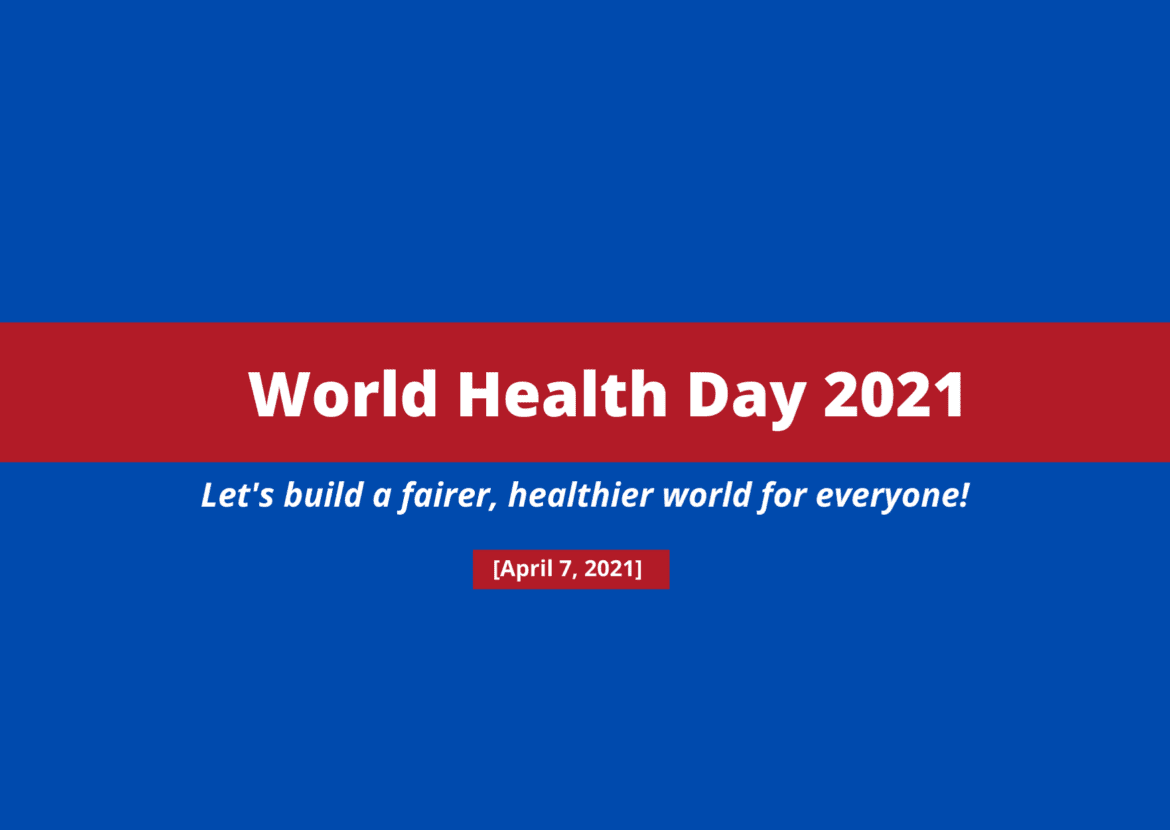
World Oral Health Day 2021: Be Proud Of Your Mouth
PH Important DayActivitiesPublic Health EventsPublic Health Update

World Oral Health Day 2021: Be Proud Of Your Mouth

by Public Health Update March 14, 2021
written by Public Health Update

Background

World Oral Health Day is an initiative of FDI World Dental Federation aims to achieve optimal oral health  for everyone. It was first declared in 2007 and was originally celebrated on 12 September – the birth date of FDI founder Dr Charles Godon. However, the campaign was not fully activated until 2013, after the date was changed to 20 March to avoid conflict with the FDI World Dental Congress taking place in September.

  • Recommended Reading: National Oral Health Policy-2070, NEPAL

The growing burden of oral disease demands action on every level: individual, family and community. FDI is confident that simple, targeted action has the power to curb the prevalence of oral diseases and make oral health a personal priority for all.

Objective

The WOHD campaign provides an ideal platform to raise awareness and encourage commitments and action to promote good oral health. By leveraging thoughtfully coordinated efforts at the local, national, and global levels, the voice of the oral health community can be amplified in the lead-up to WOHD every year. World Oral Health Day aims to empower people with the knowledge, tools and confidence to secure good oral health.

Recommended Reading: National Oral Health Policy-2070, NEPAL

Theme

The theme for the next three years sends out a simple but powerful message: Be Proud Of Your Mouth. In other words, value and take care of it.  This year, this day aims to inspire change by focusing on the importance of oral health for overall health, because good oral health can help live a longer, healthier life. And that is something worth taking action for. 

Message & facts

  • LOOK AFTER ORAL HEALTH FOR OVERALL HEALTH

Fact: Just like other major diseases, prevention, early detection and treatment of oral diseases is important to stop any negative effects on the rest of your body.

  • PROTECT YOUR MOUTH WHILE YOU’RE ON THE GO

Fact: Chewing sugar-free gum is proven to benefit dental health as it helps neutralize plaque acids.

  • LEARN GOOD ORAL HEALTH HABITS FROM TOOTHIE (for children)

Fact: It is important to look after your teeth and mouth because germs can cause toothache, tooth decay (dental caries) and holes in your teeth.

  • TAKE CHARGE OF YOUR ORAL HEALTH

Fact: Tooth decay (dental caries) is the most common health condition in the world, caused by unhealthy diets high in sugar as well as exposure to other risk factors.

  • EAT A BALANCED, LOW-SUGAR DIET

Fact: Eating excessive amounts of sugar from drinks, snacks, and processed foods not only causes tooth decay (dental caries), but also contributes to obesity and increases the risk of diabetes.

  • PRACTICE A GOOD ORAL HYGIENE ROUTINE

Fact: Oral diseases, such as tooth decay (dental caries) and gum disease, can impact every aspect of life, from relationships and self-confidence through to school, work and the ability to interact with others. Oral diseases are preventable, though, so it’s important to practice a good oral hygiene routine every day.

  • VISIT THE DENTIST REGULARLY

Fact: Oral diseases affect nearly 3.5 billion people and are often linked to other serious health issues. These diseases often lead to pain, discomfort, social isolation, loss of self-confidence, and lost hours at work or school, too.


Source of Info: World Oral Health Day

World Oral Health Day
Read More about Days


Do you have a website? Looking for the best hosting provider? Here’s a discount code.

Latest Public Health Jobs

Latest Posts

  • Multisectoral Action Plan for the Prevention and Control of NCDs, 2026-2030 (Draft)
  • National Standard Operating Procedure for Early Warning, Alert and Response System (EWARS), 2025
  • Priority Infectious Diseases for Community-Based Surveillance in Nepal
  • Community Based Disease Surveillance Guideline, 2082
  • Political declaration of the fourth high-level meeting of the General Assembly on the prevention and control of NCDs and the promotion of mental health and well-being

Thanks for visiting us.
Disclaimer: The resources, documents, guidelines, and information on this blog have been collected from various sources and are intended for informational purposes only. Information published on or through this website and affiliated social media channels does not represent the intention, plan, or strategies of an organization that the initiator is associated with in a professional or personal capacity, unless explicitly indicated.
If you have any complaints, information, or suggestions about the content published on Public Health Update, please feel free to contact us at blog.publichealthupdate@gmail.com.
#StayUpdated


  • WordPress
  • Link
  • Facebook
  • Mail
  • Facebook
  • Twitter
  • Twitter
  • LinkedIn
  • Instagram
  • Facebook
March 14, 2021 0 comments
0 FacebookTwitterPinterestLinkedinTumblrVKOdnoklassnikiRedditStumbleuponWhatsappTelegramLINEPocketSkypeViberEmail
World Tuberculosis Day 2021: The Clock Is Ticking
PH Important DayCommunicable DiseasesPublic Health EventsPublic Health Update

World Tuberculosis Day 2021: The Clock Is Ticking

by Public Health Update March 14, 2021
written by Public Health Update

Introduction

World TB Day, falling on March 24th each year, is designed to build public awareness that tuberculosis today remains an epidemic in much of the world, causing the deaths of nearly one-and-a-half million people each year, mostly in developing countries.

Recommended: National TB Prevalence Survey, 2018-19 Key findings

It commemorates the day in 1882 when Dr Robert Koch astounded the scientific community by announcing that he had discovered the cause of tuberculosis, the TB bacillus. At the time of Koch’s announcement in Berlin, TB was raging through Europe and the Americas, causing the death of one out of every seven people. Koch’s discovery opened the way towards diagnosing and curing TB.

Theme

The theme of this year’s World TB Day is: The Clock Is Ticking

The theme of World TB Day 2021 – ‘The Clock is Ticking’ –conveys the sense that the world is running out of time to act on the commitments to end TB made by global leaders. This is especially critical in the context of the COVID-19 pandemic that has put End TB progress at risk, and to ensure equitable access to prevention and care in line with WHO’s drive towards achieving Universal Health Coverage.

Recommended: National Tuberculosis Control Centre (NTCC)

This year marks the moment when the world and its leaders have just over one year left to fulfill the United Nations Political Declaration on Tuberculosis by the agreed December 2022 deadline. Time is passing quickly, and world leaders are at risk of running out the clock. COVID-19 has reversed our gains and slowed down our progress. That is why the theme for World TB Day 2021 is “The Clock is Ticking”, highlighting the urgency with which the international community must step up and redouble its efforts to fulfill their commitments.

Facts

  • 63,000,000 lives saved since 2000 by global efforts to end TB
  • 10,000,000 people fell ill with TB in 2019
  • 1,400,000 people died of TB in 2019
  • 465,000 people fell ill with drug-resistant TB in 2019

Source of Info: WHO & STOP TB Partnership

Recommended readings
  • Global Tuberculosis Report 2020
  • National Tuberculosis Program Update in Nepal #WorldTBDay #EndTB
  • National TB Prevalence Survey, 2018-19 Key findings
  • World Tuberculosis Day 2020! It’s time to End TB!
  • National Guideline on Drug Resistant TB Management 2019, Nepal
  • National Tuberculosis Management Guideline 2019, Nepal
  • Global Tuberculosis Report 2019: Latest status of the tuberculosis epidemic
  • National TB Prevalence Survey, 2018-19 Key findings
  • New WHO recommendations to prevent tuberculosis aim to save millions of lives
  • World Health Organization (WHO) Information Note Tuberculosis and COVID-19
  • World Tuberculosis Day 2020! It’s time to End TB!
  • People-centred framework for tuberculosis programme planning and prioritization, User guide
  • Global Tuberculosis Report 2019: Latest status of the tuberculosis epidemic
  • Dissemination of Findings and Recommendations of Joint External Monitoring Mission(JEMM) of Nepal National Tuberculosis Program
  • National Tuberculosis Programme Annual Report 2018
  • National Strategic Plan for Tuberculosis Prevention, Care and Control 2016 – 2021
  • NTP, Nepal: New TB Treatment Algorithm & Regimen (Updated)
  • WHO announces landmark changes in MDR-TB treatment regimens
  • TB Vaccine results announce a promising step towards ending the emergency
  • 7 million people receive record levels of lifesaving TB treatment but 3 million still miss out

Recommended organizational profile
  • Organogram and Reporting Mechanism of Nepalese Health System in Federal Context
  • Province Health Directorate (HD)
  • The Nursing and Social Security Division (NSSD)
  • Clinical Trial Registration Process in Nepal
  • NepMed, Nepal MEDLINE (Medical Literature Analysis and Retrieval System Online)
  • Nepal Health Research Council (NHRC)
  • The Ministry of Health and Population (MoHP), Nepal
  • Epidemiology and Disease Control Division, Department of Health Services
  • Department of Drug Administration (DDA), Ministry of Health and Population
  • Department of Health Services (DoHS), Ministry of Health and Population
  • Department of Ayurveda and Alternative Medicine (DoAA)
  • Management Division, Department of Health Services
  • Epidemiology and Disease Control Division, Department of Health Services
  • Family Welfare Division (FWD), Department of Health Services
  • National Public Health Laboratory (NPHL)
  • Province Health Directorate, Ministry of Social Development (MoSD)
  • List of Approved Institutional Review Committee (IRC), NHRC
  • National Health Training Center (NHTC)
  • Nepal Ayurvedic Medical Council (NAMC)
  • The Nursing and Social Security Division (NSSD)
World TB Day
International days, weeks and years of Public Health Concern

March 14, 2021 0 comments
0 FacebookTwitterPinterestLinkedinTumblrVKOdnoklassnikiRedditStumbleuponWhatsappTelegramLINEPocketSkypeViberEmail
Newer Posts
Older Posts

Search

Follow Us

Facebook Twitter Instagram Pinterest Linkedin Youtube

Categories

  • Abstracts (25)
  • Activities (91)
  • Adolescent Sexual and Reproductive Health (ASRH) (25)
  • Advice & Tips (3)
  • African Region (5)
  • AI and Health (1)
  • Annual Meeting (6)
  • Antimicrobial Resistance (AMR) (20)
  • Award (19)
  • Awards (16)
  • Books (9)
  • Call for Proposal, EOI & RFP (103)
  • Call for Research Participants (8)
  • Clinical Doctor Jobs (6)
  • Communicable Diseases (107)
  • Competition (20)
  • Conference (128)
  • Consultant (1)
  • Courses (204)
  • Dashboard (2)
  • Digital Health & Health Informatics (10)
  • Drug and Medicine (18)
  • Eastern Mediterranean Region (3)
  • Education (15)
  • Environment (3)
  • Environmental Health & Climate Change (47)
  • European Region (42)
  • Exchange Program (1)
  • Fact Sheet (116)
  • FCHVs (1)
  • Fellowships, Studentship & Scholarships (165)
  • Financial Aid (13)
  • Form Formats (2)
  • Fully funded (22)
  • Global Health News (433)
  • Grants and Funding Opportunities (192)
  • Guest Post (44)
  • Health Assistant Jobs (1)
  • Health Equity (7)
  • Health Financing and Economics (24)
  • Health in Data (113)
  • Health Insurance (5)
  • Health Jobs (52)
  • Health Literacy, Health Education & Promotion (49)
  • Health Organization Profile (42)
  • Health Systems (81)
  • Human Resource for Health (32)
  • Humanitarian Health & Emergency Response (44)
  • Hypertension (5)
  • Implementation Research (48)
  • International Health (3)
  • International Jobs & Opportunities (369)
  • International Plan, Policy & Guidelines (208)
  • Internships (4)
  • Jobs Vacancies (56)
  • Journals (8)
  • Life Style & Public Health Nutrition (39)
  • Live (10)
  • Master's Degree (48)
  • Maternal, Newborn and Child Health (87)
  • Mentorship Program (2)
  • Miscellaneous (16)
  • National Health News (157)
  • National Plan, Policy & Guidelines (468)
  • Neglected Tropical Diseases (NTDs) (51)
  • Non- Communicable Diseases (NCDs) (120)
  • Notice (103)
  • Nursing Jobs (6)
  • Nutritionist Jobs (1)
  • One Health (17)
  • Online & Distance Learning (22)
  • Online Courses (90)
  • Op-Ed Article (3)
  • Opportunities by Region (82)
  • Outbreak News (213)
  • Partially funded (6)
  • PCL Health Science Jobs (3)
  • PH Important Day (532)
  • Pharmacist Jobs (3)
  • PhD (53)
  • Photos (5)
  • Planetary Health (4)
  • PostDoc (14)
  • Presentation Slides (26)
  • Primary Health Care (25)
  • Provincial Plan, Policies and Guidelines (14)
  • Public Health (1,278)
  • Public Health Epidemiology & Biostatistics (13)
  • Public Health Events (305)
  • Public Health Information (20)
  • Public Health Innovation (9)
  • Public Health Jobs (52)
  • Public Health News (552)
  • Public Health Notes (120)
  • Public Health Opportunities (502)
  • Public Health Opportunity (486)
  • Public Health Programs (108)
  • Public Health Seminar (2)
  • Public Health Tools (1)
  • Public Health Update (557)
  • Quality Improvement & Infection Prevention (20)
  • Region of America (8)
  • Reports (182)
  • Research & Project Grants (38)
  • Research & Project Grants (31)
  • Research & Publication (647)
  • Research Articles (10)
  • Road Traffic Accidents (RTA) (9)
  • School of Public Health (60)
  • Self funded (2)
  • South-East Asia Region (26)
  • Success Stories (17)
  • Summer and Winter Courses (39)
  • Summer Courses (27)
  • Sustainable Development Goals (SDGs) (14)
  • Syllabus (61)
  • Symposium (9)
  • Tobacco Control (35)
  • Training (40)
  • Travel Grants (15)
  • Trick, Technique & Skills (8)
  • Uncategorized (3)
  • Undergraduate Degree (7)
  • Universal Health Coverage (36)
  • Universities (29)
  • Universities & School of Public Health (57)
  • Vacancy Announcement (26)
  • Vaccine Preventable Diseases (40)
  • Vector-Borne Diseases(VBDs) (30)
  • Videos (3)
  • View Points (1)
  • Webinar (4)
  • Western Pacific Region (13)
  • Workshop (18)
  • World News (116)
Post New Jobs: Vacancy Announcement Service

Public Health Update (Sagun’s Blog) is a popular public health portal in Nepal. Thousands of health professionals are connected with Public Health Update to get up-to-date public health updates, search for jobs, and explore opportunities.
#1 Public Health Blog for sharing Job opportunities and updates in Nepal

”Public Health Information For All”
– – Sagun Paudel, Founder

  • HOT JOBS
    • Public Health Jobs
    • Medical Doctor Jobs
    • Nursing Jobs
    • Health Assistant Jobs
    • Pharmacist Jobs
    • NGOs Jobs
    • Government Jobs
  • Top Categories
    • National Plan, Policy & Guidelines Top
    • Public Health Calendar
    • Fellowships & Scholarships
    • Health Systems
    • Health Organization Profiles
    • International Jobs & Opportunities
    • Public Health Opportunity

PUBLIC HEALTH INITIATIVE

    • Submit your Vacancies New
    • Partnership Opportunities

Contact: blog.publichealthupdate@gmail.com

https://wa.me/+9779856036932

Public Health Initiative, A Registered Non-profit organization – All Right Reserved. 2011-2024. Contact us. 

Facebook Twitter Instagram Youtube Envelope
Public Health Update
  • Home
  • Public Health
    • Home 1
      • Adolescent Sexual and Reproductive Health (ASRH)
      • Antimicrobial Resistance (AMR)
      • Communicable Diseases
      • Digital Health & Health Informatics
      • Environmental Health & Climate Change
      • Health Financing and Economics
      • Health Equity
    • Home 2
      • Health Literacy, Health Education & Promotion
      • Human Resource for Health
      • Humanitarian Health & Emergency Response
      • Implementation Research
      • International Health
      • Life Style & Public Health Nutrition
      • Maternal, Newborn and Child Health
    • Home 3
      • Neglected Tropical Diseases (NTDs)
      • Non- Communicable Diseases (NCDs)
      • One Health
      • Planetary Health
      • Public Health Epidemiology & Biostatistics
      • Primary Health Care
      • Quality Improvement & Infection Prevention
    • Home 4
      • Road Traffic Accidents (RTA)
      • Sustainable Development Goals (SDGs)
      • Tobacco Control
      • Universal Health Coverage
      • Vaccine Preventable Diseases
      • Vector-Borne Diseases(VBDs)
      • Notices
  • Public Health Update
    • Home 1
      • Public Health News
      • Global Health News
      • Outbreak News
      • National Health News
      • COVID-19
    • Home 2
      • Fact Sheet
      • Health in Data
      • PH Important Day
      • Public Health Events
      • Public Health Programs
    • Home 3
      • Health Systems
      • Health Insurance
      • Health Organization Profile
      • Success Stories
      • Public Health Innovation
  • Public Health Opportunities
    • Fully funded
    • Travel Grants
    • Grants and Funding Opportunities
    • Opportunities by Region
    • International Jobs & Opportunities
    • Research & Project Grants
    • Fellowships, Studentship & Scholarships
    • Conference
  • Jobs
    • Home 1
      • Health Jobs
      • Public Health Jobs
      • Clinical doctor Jobs
      • Health Assistant Jobs
      • Nursing Jobs
      • PCL Health Science Jobs
    • Home 2
      • Dental Jobs
      • Pharmacist Jobs
      • TSLC (Health Jobs)
      • Laboratory Jobs
      • Nutritionist Jobs
  • Downloads
    • International Plan, Policy & Guidelines
    • National Plan, Policy & Guidelines
    • Reports
    • Books
    • Research Articles
  • School of Public Health
    • Home 1
      • Courses
      • Master’s Degree
      • Undergraduate Degree
      • PhD
    • Home 2
      • Universities
      • Syllabus
      • Public Health Notes
      • Mentorship Program
      • Startup Project
    • Home
      • Summer and Winter Courses
      • Summer Courses
      • Online Courses
      • Workshop
      • Training
Public Health Update
  • Home
  • Public Health
    • Home 1
      • Adolescent Sexual and Reproductive Health (ASRH)
      • Antimicrobial Resistance (AMR)
      • Communicable Diseases
      • Digital Health & Health Informatics
      • Environmental Health & Climate Change
      • Health Financing and Economics
      • Health Equity
    • Home 2
      • Health Literacy, Health Education & Promotion
      • Human Resource for Health
      • Humanitarian Health & Emergency Response
      • Implementation Research
      • International Health
      • Life Style & Public Health Nutrition
      • Maternal, Newborn and Child Health
    • Home 3
      • Neglected Tropical Diseases (NTDs)
      • Non- Communicable Diseases (NCDs)
      • One Health
      • Planetary Health
      • Public Health Epidemiology & Biostatistics
      • Primary Health Care
      • Quality Improvement & Infection Prevention
    • Home 4
      • Road Traffic Accidents (RTA)
      • Sustainable Development Goals (SDGs)
      • Tobacco Control
      • Universal Health Coverage
      • Vaccine Preventable Diseases
      • Vector-Borne Diseases(VBDs)
      • Notices
  • Public Health Update
    • Home 1
      • Public Health News
      • Global Health News
      • Outbreak News
      • National Health News
      • COVID-19
    • Home 2
      • Fact Sheet
      • Health in Data
      • PH Important Day
      • Public Health Events
      • Public Health Programs
    • Home 3
      • Health Systems
      • Health Insurance
      • Health Organization Profile
      • Success Stories
      • Public Health Innovation
  • Public Health Opportunities
    • Fully funded
    • Travel Grants
    • Grants and Funding Opportunities
    • Opportunities by Region
    • International Jobs & Opportunities
    • Research & Project Grants
    • Fellowships, Studentship & Scholarships
    • Conference
  • Jobs
    • Home 1
      • Health Jobs
      • Public Health Jobs
      • Clinical doctor Jobs
      • Health Assistant Jobs
      • Nursing Jobs
      • PCL Health Science Jobs
    • Home 2
      • Dental Jobs
      • Pharmacist Jobs
      • TSLC (Health Jobs)
      • Laboratory Jobs
      • Nutritionist Jobs
  • Downloads
    • International Plan, Policy & Guidelines
    • National Plan, Policy & Guidelines
    • Reports
    • Books
    • Research Articles
  • School of Public Health
    • Home 1
      • Courses
      • Master’s Degree
      • Undergraduate Degree
      • PhD
    • Home 2
      • Universities
      • Syllabus
      • Public Health Notes
      • Mentorship Program
      • Startup Project
    • Home
      • Summer and Winter Courses
      • Summer Courses
      • Online Courses
      • Workshop
      • Training
Public Health Initiative, A Registered Non-profit organization – All Right Reserved. 2011-2023