Public Health Update
  • Home
  • Public Health Update
  • Nepal Health Jobs
    • Public Health Job Board
    • Organization List
  • Opportunities
    • Fellowships, Studentship & Scholarships
    • Grants and Funding Opportunities
    • Fully funded
    • Conference
  • Downloads
    • International Plan, Policy & Guidelines
    • National Plan, Policy & Guidelines
    • Reports
    • Public Health Notes
    • Syllabus
    • Form Formats
  • School of Public Health
    • PhD
    • Master’s Degree
    • Online Courses
  • Notice
  • Home
  • Public Health Update
  • Nepal Health Jobs
    • Public Health Job Board
    • Organization List
  • Opportunities
    • Fellowships, Studentship & Scholarships
    • Grants and Funding Opportunities
    • Fully funded
    • Conference
  • Downloads
    • International Plan, Policy & Guidelines
    • National Plan, Policy & Guidelines
    • Reports
    • Public Health Notes
    • Syllabus
    • Form Formats
  • School of Public Health
    • PhD
    • Master’s Degree
    • Online Courses
  • Notice
LOGIN / REGISTER
Public Health Update
SUBSCRIBE
Public Health Update
  • Home
  • Public Health Update
  • Nepal Health Jobs
    • Public Health Job Board
    • Organization List
  • Opportunities
    • Fellowships, Studentship & Scholarships
    • Grants and Funding Opportunities
    • Fully funded
    • Conference
  • Downloads
    • International Plan, Policy & Guidelines
    • National Plan, Policy & Guidelines
    • Reports
    • Public Health Notes
    • Syllabus
    • Form Formats
  • School of Public Health
    • PhD
    • Master’s Degree
    • Online Courses
  • Notice

All Right Reserved. Designed and Developed by PenciDesign

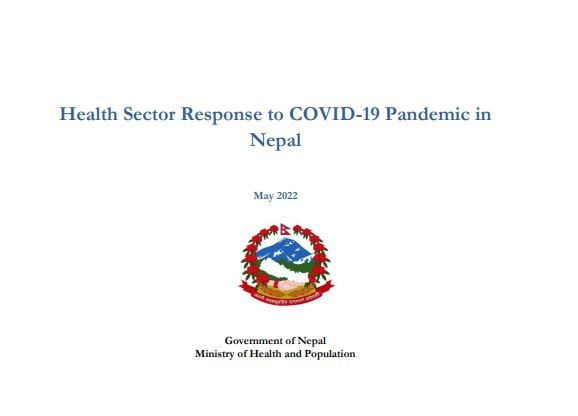
Health Sector Response to COVID-19 Pandemic in Nepal
Public HealthNational Plan, Policy & GuidelinesReportsResearch & Publication

Health Sector Response to COVID-19 Pandemic in Nepal

by Public Health Update May 24, 2022
written by Public Health Update

Executive summary

This report was commissioned by the Ministry of Health and Population (MoHP) to provide an overview of the epidemiology of COVID-19 and the health sector response to the COVID-19 pandemic which posed an unprecedented challenge to the health system in Nepal, as in many other countries worldwide. This report is expected to be a useful resource for improving pandemic responses in both the short- and long-run, and contribute to better preparedness and planning for
future epidemics.

As of 31 December 2021, epidemiological trend data show two large case waves in Nepal, the first wave from 23 January 2020-14 March 2021 and the second wave from 15 March 2021 onwards. Similarly on that date, the cumulative number of RT PCR/Antigen positive cases had reached 922, 942 with the recovery rate of 98% and Fatality Rate of 1.26%. The highest numbers of RT-PCR positive cases were reported on 22 October 2020 (5,713 cases) during the first wave and 11 May 2021 (9,317 cases) during the second wave. Nepal had its highest test positivity rates on 26 October 2020 during the first wave (34.8%) and 10 May 2021 during the second wave (51.8%). There have been important variations in the distribution of disease across populations and geographies in Nepal. In particular, Bagmati Province has seen the largest number of cases, with a majority of cases concentrated in the three districts of the Kathmandu valley.

The Health Emergency Operation Center (HEOC) under the Health Emergency and Disaster Management Unit (HEDMU) of the MoHP steered the response during the early pandemic phase, and remained as a core body for the COVID-19 response within the MoHP. The Incident Command System accelerated the evidence-informed decision-making process within the MoHP and helped to improve the overall effectiveness of the COVID-19 response. As a technology intervention a software was developed by the Information Management Unit (IMU) under the MoHP secretary. The IMU had six sub-groups: data/information collection team, data quality assurance team, data analysis team, IT management team, report preparation team, and COVID 19 vaccine related support team (after vaccination start) aiming to capture and provide the right data to the right persons on the right time through a one-door policy as per a Secretary-level decision. Daily data analysis was continuously done and shared to higher authorities by members of Information, Statistics and Monitoring under the ICS for decision making in the planning process.

The MoHP was able to align the support from partners in priority areas identified in the early phase of the pandemic which were regularly updated, reviewed, and shared in cluster meetings. There were some challenges in engaging the private sector in testing and service delivery during the early phase of the response. However, in later stages, the role of the private sector remained crucial in expanding the health system capacity for testing and delivery of COVID-19 and non-COVID-19 services.

The MoHP, in collaboration with other partners, rolled out a series of communication activities to spread awareness of COVID-19 and help increase adherence to preventive measures. These included radio and television placements, SMS messaging, and use of web-based tools. More than 500 radio stations and 22 television channels throughout the country disseminated COVID-19 related information in multiple languages.

Delivery of laboratory testing was a success story for the response in Nepal, given resource constraints. At the beginning of the pandemic, the National Public Health Laboratory (NPHL) was the only COVID-19 RT-PCR capable laboratory, but over the course of pandemic the capacity was rapidly expanded in all seven provinces with a total 101 laboratories performing COVID-19 RT-PCR testing as of December 2021. Although antibody-based rapid testing was introduced as case numbers rose,
exceeding the RT-PCR testing capacity particularly during the first wave, the MoHP shifted its focus on expansion of RT-PCR testing capacity due to the limited sensitivity of antibody-based testing. In the second wave, the introduction of antigen-based rapid testing helped to expand the testing capacity throughout the country. These efforts in expansion of testing capacity were supported by a series of guidance documents to help ensure adherence to proper laboratory and testing procedures. As the testing capacity rapidly expanded during the pandemic, there is an opportunity to ensure the sustainability of laboratory capacity by diversifying the activities of these laboratories to include testing for other common pathogens which could be useful for future outbreak response.

The MoHP placed high emphasis on contact tracing and community isolation systems in Nepal over the course of the pandemic. However, the performance was constrained by some operational challenges such as the lack of human resources at local level.
Remarkable improvements in the clinical management of COVID-19 patients were made over the course of the first and second waves as familiarity with the disease improved, evidence on effectiveness of therapeutics became clearer, and pathways for care became more established. Particular improvements were noted in triage and referral especially in the second wave, and the availability and use of ambulance services. There is now an important opportunity to take stock of best practices from clinical teams working across the country, documenting the best practices, and disseminating them widely ahead of potential future waves.
Shortages of oxygen became more pronounced during the second wave and prevented hospitals from operating to their full capacity. The recent period with receding numbers of cases could be used as an opportunity for the country to prepare and bolster the supply of essential equipment and commodities including oxygen supply so as to be better positioned for future waves (if any).

Essential health services (especially reproductive, maternal, newborn child and adolescent health and routine immunization delivery) in Nepal, for the most part, have shown signs of resilience and weathered the COVID-19 storm reasonably well, with attendance rates showing rapid recoveries even during the lockdown period. However, evidence is lacking on how NCDs (including mental health) and other essential services were impacted by COVID-19 pandemic and if they have recovered to normal levels now that second wave case numbers have declined.

Despite initial challenges, Nepal has been able to roll out vaccines quite efficiently with more than half of the population ≥18 years of age being fully vaccinated as of 31 December 2021. As health workers were vaccinated as the first priority, restoring service delivery became relatively easy in the second phase. However, with high demand and acceptance of COVID-19 vaccines from public, maintaining preventive measures like social distancing in vaccination sites emerged as an issue in some facilities.

Strengthening situational awareness systems that provides better understanding of the disease situation and bolstering modelling/forecasting capabilities within the country based on real time collected IMU data could be priority areas for action.

This could be achieved through capacity development of the researchers in country and close collaboration of the MoHP, NHRC, academia, and other partners. Strengthening and sustaining the Knowledge Café initiatives under Policy, Planning and Monitoring Division of MoHP could help further in evidence-informed decision making in the future.

Lessons and future directions

  • There is a need for periodically updating the priority list for research considering the evidence generated within and outside the country. Furthermore, having a system or mechanism in place to track the ongoing and completed research could facilitate evidence-informed decision making and also help in preventing duplication of resources.
  • A primary route for uptake of new evidence appears to have been through Knowledge Cafes organised through the PPMD which was particularly helpful in evidence-informed decision making during the first wave of the pandemic. Sustaining the Knowledge Café initiative could improve the evidence informed decision making in future during normal circumstances or during the time of pandemic. NHRC role in sustaining the Knowledge Café initiative could be crucial as one the mandate of NHRC by an Act is promoting use of evidence.
  • To strengthen the pandemic response, there is a need for establishing a mechanism to develop and synthesise a pool of research results conducted within Nepal, so that policy makers can have access to locally-contextualised evidence.

Conclusion

The list given below is non-exhaustive, focusing instead on high priority actions from the response domains covered in this report (fuller lists of suggested future directions are given at the end of each chapter in the main report).

  • Clearer alignment of institutional structures governing the response should be a top priority for action. This report has documented evidence of overlapping remits between newly established bodies at various levels of the health response and potential duplication. To improve governance effectiveness in the near term, there should be sufficient support and space to the ICS to enable it to continue overseeing the health response. In the longer term, it will be necessary to further strengthen the role and capacity of HEOC, which coordinated pandemic response in multiple ways during the course of the pandemic.
  • Strengthening situational awareness systems should be a priority for both the near-term COVID19 response to better inform the actions of the ICS, and longer-term preparedness for future outbreaks. There are several components to this, including (i) improvements to routine surveillance systems to improve data capture; (ii) strengthening epidemic modelling capacity available to the MoHP, NHRC, and academia within country; and (iii) strengthening the mortality surveillance system.
  • The health system encountered challenges in ensuring adequate supply of oxygen particularly during the second wave. There is a need to bolster pre-positioned supplies of oxygen as a part of preparation for potential future waves, working with other ministries, development partners and health facilities. Initiatives taken for installation of oxygen plants should be supported and sustained in the future.
  • While health workforce shortages cannot reasonably be solved in the short term, there are opportunities to strengthen training for current staff – which has been somewhat ad hoc during the pandemic – and to support lesson learning in terms of best practices for clinical care of COVID-19 based on learning from the first and second waves. There is need for additional attempts in documenting and disseminating the best practices and exchanging skills through practitioners’ exchange programmes.
  • While the MoHP was successful in aligning development partners’ support in priority areas identified, the engagement with the private sector in early phase of pandemic was limited. To support preparedness and particularly surge capacity for future epidemic response, consideration should be given as what incentives could encourage greater and earlier private sector involvement in both clinical care and provision of testing.
  • In this report, we have identified a number of cross-cutting areas where further research may be helpful to address knowledge gaps. The NHRC could play an important coordinating role in this area. Examples of priority areas include (i) detailed evaluation of RCCE approaches deployed during the pandemic so far to understand what worked in changing behaviours, why, and how interventions could be improved; and (ii) building academic capacity in Nepal (and through partner institutions overseas) to generate timely research outputs through, for example, infectious disease modelling to better inform scenario planning.
  • Regular meeting of the Knowledge Café initiative will be crucial for timely communication of research findings for evidence informed decision making for addressing the pandemic such as COVID-19.

DOWNLOAD FULL REPORT


Do you have a website? Looking for the best hosting provider? Here’s a discount code.

Latest Public Health Jobs

Latest Posts

  • International Wellness Day: Promoting Global Wellness for All
  • Summit Declaration: The 12th National Summit of Health and Population Scientists in Nepal
  • Joint political declaration on the reform of the global health architecture
  • World Health Day 2026: Together for Health. Stand with Science.
  • World Water Day 2026 | Water & Gender Equality

Thanks for visiting us.
Disclaimer: The resources, documents, guidelines, and information on this blog have been collected from various sources and are intended for informational purposes only. Information published on or through this website and affiliated social media channels does not represent the intention, plan, or strategies of an organization that the initiator is associated with in a professional or personal capacity, unless explicitly indicated.
If you have any complaints, information, or suggestions about the content published on Public Health Update, please feel free to contact us at blog.publichealthupdate@gmail.com.
#StayUpdated


  • WordPress
  • Link
  • Facebook
  • Mail
  • Facebook
  • Twitter
  • Twitter
  • LinkedIn
  • Instagram
  • Facebook
May 24, 2022 0 comments
0 FacebookTwitterPinterestLinkedinTumblrVKOdnoklassnikiRedditStumbleuponWhatsappTelegramLINEPocketSkypeViberEmail
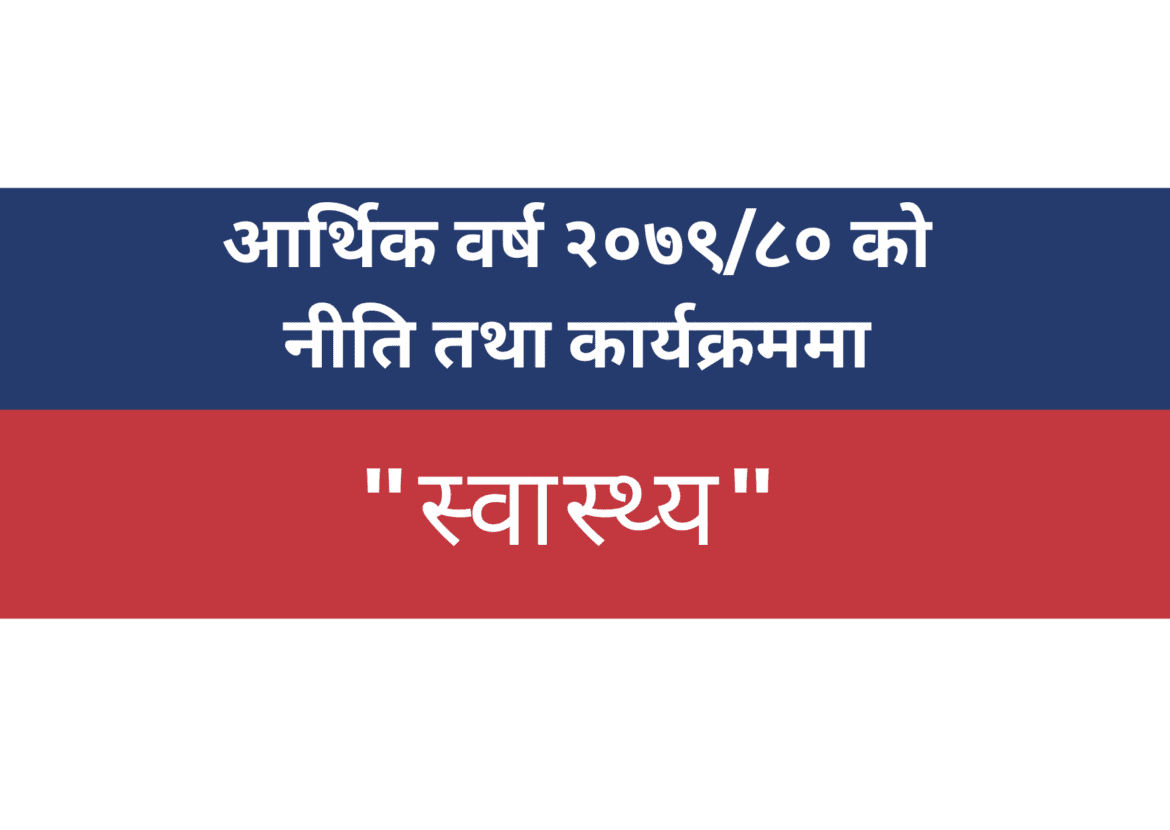
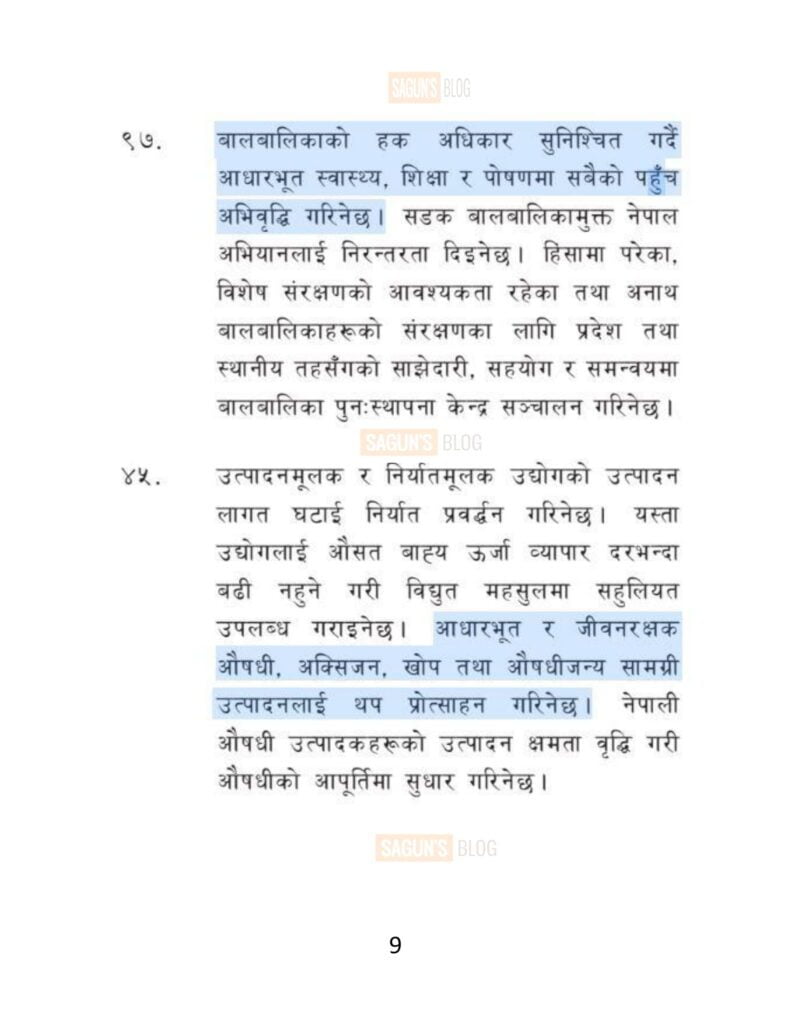
The Policies and Programmes of the Government of Nepal for FY 2079/80
Public HealthNational Health NewsNational Plan, Policy & GuidelinesPublic Health News

The Policies and Programmes of the Government of Nepal for FY 2079/80 (Health)

by Public Health Update May 24, 2022
written by Public Health Update

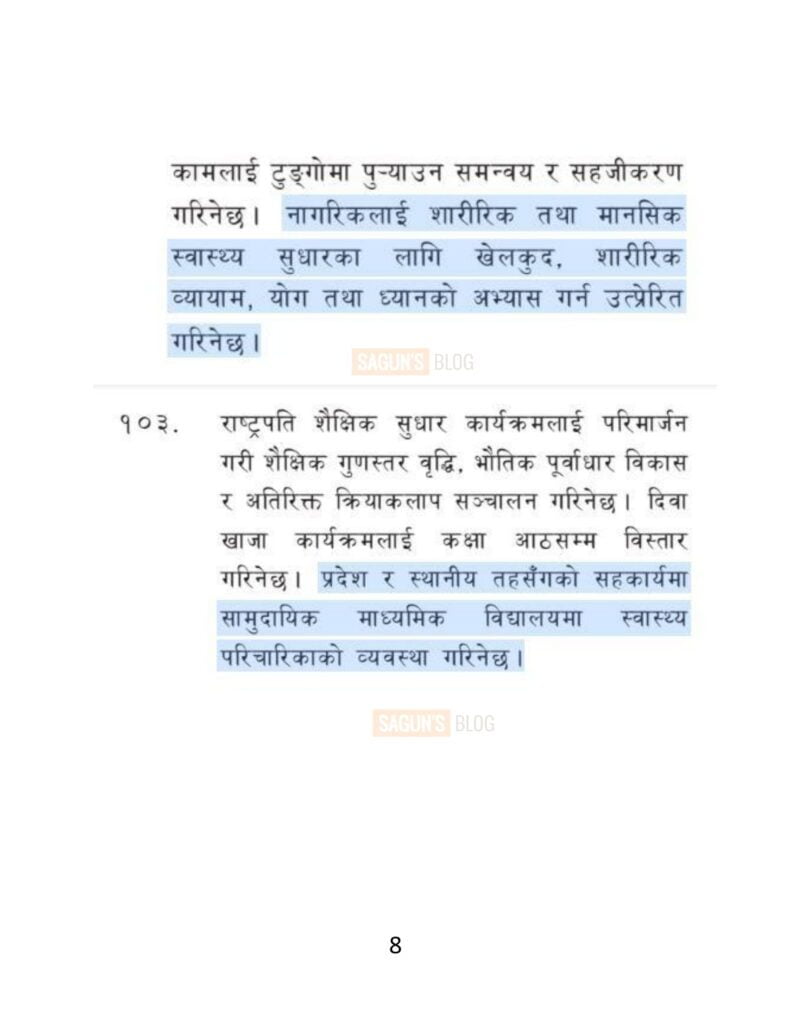
President Bidya Devi Bhandari has presented the government’s policy and programmes in the joint meeting of the House of Representatives and National Assembly in Nepal. The policy and programme on healh sectors are listed here;

#Policyprogrammes #NepalBudget

Download PDF File


  • Health related Policy and Program for Fiscal Year 2076/77
  • The Policies and Programmes of the Government of Nepal for FY 2079/80 (Health)
  • Multi-sectoral Action Plan for Prevention and Control of NCDs 2021-2025
May 24, 2022 0 comments
0 FacebookTwitterPinterestLinkedinTumblrVKOdnoklassnikiRedditStumbleuponWhatsappTelegramLINEPocketSkypeViberEmail
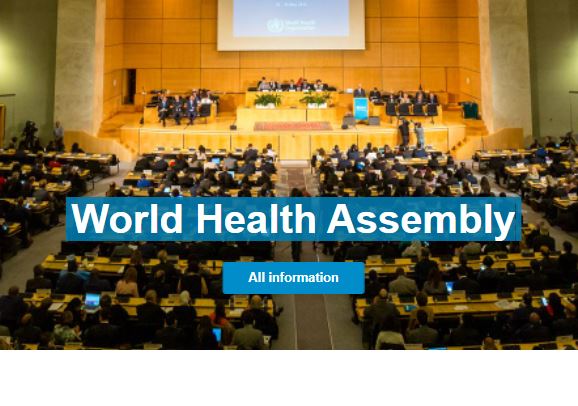
World Health Assembly
Public Health NewsGlobal Health NewsHealth Systems

Seventy-fifth World Health Assembly to focus on “Health for Peace, Peace for Health” for recovery and renewal

by Public Health Update May 23, 2022
written by Public Health Update

17 May 2022 News release (WHO)

In a world threatened by conflict, inequities, the climate crisis and pandemics, the Seventy-fifth session of the World Health Assembly will stress the importance of building a healthy and peaceful planet by harnessing science, data, technology and innovation.

This year’s session of the Health Assembly will focus on the theme of “Health for Peace, Peace for Health” and will run from the 22-28 May at the Palais des Nations in Geneva. It will include the  appointment of the next WHO Director-General.

“The pandemic has undermined progress towards the health-related targets in Sustainable Development Goals and laid bare inequities within and between countries,” said Dr Tedros Adhanom Ghebreyesus, WHO Director-General. “Sustained recovery will require more than ‘getting back on track’ and reinvesting in existing services and systems. We need a new approach, which means shifting priorities and focusing on the highest-impact interventions.”

The Seventy-fifth World Health Assembly will kick off with a high-level segment on 22 May with speeches from the elected Health Assembly President, Heads of State, special guests, an address by the WHO Director-General and the presentation of the Director-General’s Health Awards. The Director-General’s speech will set out WHO’s five priorities going forward, expanding from the  vision delivered at the Executive Board meeting held in January 2022.

Ahead of the Health Assembly, on 20 May, WHO will publish the latest set of World Health Statistics, its annual compilation of health statistics for WHO’s 194 Member States. The latest edition summarizes trends in life expectancy and causes of death and reports on progress towards global health/development goals for 2020.

The 2020-2021 Results Report, also published before WHA, summarizes the Organization’s achievements and challenges in implementing the programme budget.

Key issues

The Health Assembly will discuss global strategies on food safety, oral health, and tuberculosis research and innovation. It will also discuss the report of the Working Group on WHO Sustainable financing.

Other key topics under discussion include:

  • strengthening WHO preparedness for and response to health emergencies;
  • an implementation road map 2023–2030 for the global action plan for the prevention and control of noncommunicable diseases;
  • an Intersectoral Global Action Plan on epilepsy and other neurological disorders 2022-2031;
  • prevention of sexual exploitation, abuse and harassment;
  • poliomyelitis; and
  • the Global Health for Peace Initiative.

Agenda items will be discussed in Committee A, which deals with predominantly programme and budget matters, and Committee B, which deals mainly with administrative, financial and legal matters. Details can be found in the provisional agenda. The venues at the Palais des Nations are: Plenary — room XIX; Committee A — room XX; and Committee B — room XVII.

Assembly delegates, partner agencies, representatives of civil society and WHO experts will also discuss priorities for public health in a series of strategic roundtables. Discussions can be followed online here.  

The Health Assembly is WHO’s highest decision-making body, setting out the Organization’s policy and approving its budget. WHA is attended by delegations from all WHO 194 Member States. The Health Assembly’s agenda is prepared by the Programme, Budget and Administration Committee of the Executive Board, which will meet on 18-20 May, 2022.

The Health Assembly is open to Member States, Associate Members, Observers, invited representatives of the UN and other participating inter-governmental organizations and non-State actors.

The Assembly will be webcast live from the WHO website. The provisional agenda and Assembly documents can be accessed here.

A preliminary timetable is available here: Preliminary daily timetable for the Seventy-fifth World Health Assembly. 

17 May 2022 News release (WHO) 

May 23, 2022 0 comments
0 FacebookTwitterPinterestLinkedinTumblrVKOdnoklassnikiRedditStumbleuponWhatsappTelegramLINEPocketSkypeViberEmail
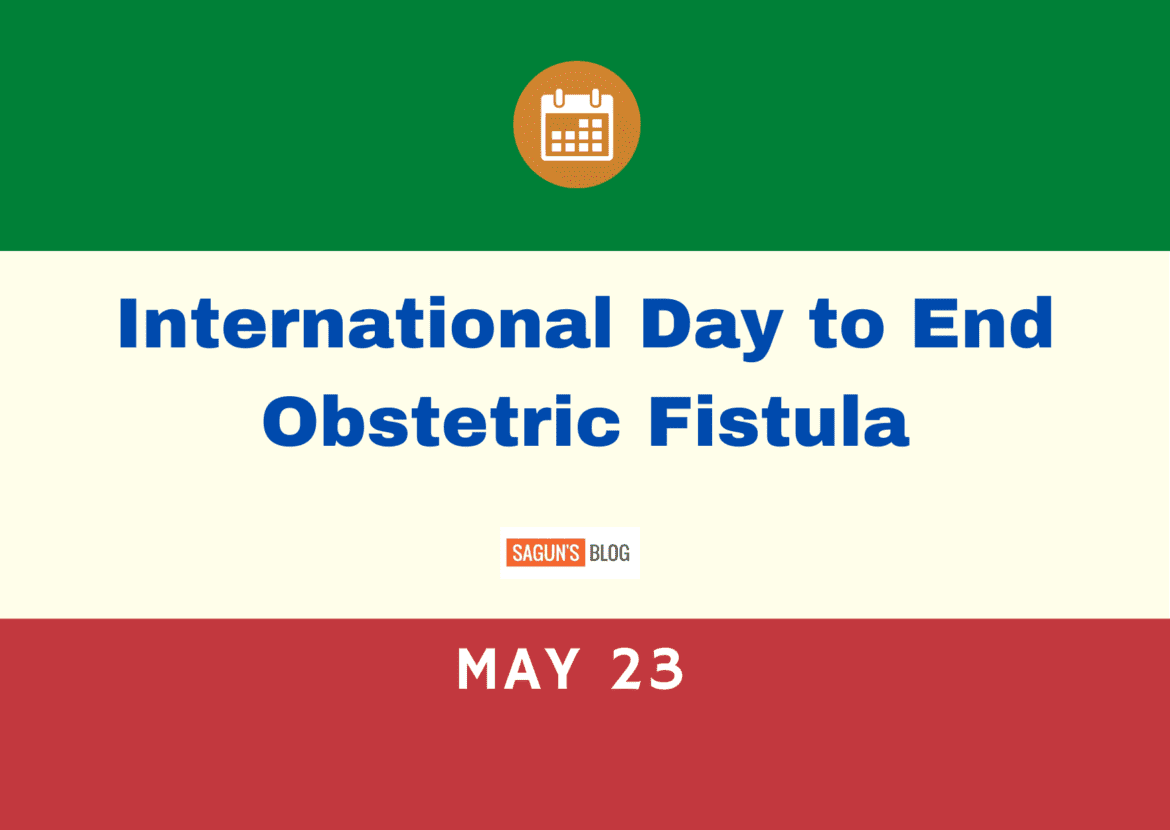
International Day to End Obstetric Fistula
PH Important DayPublic Health

International Day to End Obstetric Fistula

by Public Health Update May 23, 2022
written by Public Health Update

Overview

May 23 is the United Nations (UN) International Day to End Obstetric Fistula, which promotes action toward the treatment and prevention of obstetric fistula—a condition that affects many girls and women in developing countries. In its resolution A/RES/67/147, the General Assembly calls on the international community to use this day to significantly raise awareness and intensify efforts to end obstetric fistula.

Obstetric fistula is one of the most serious and tragic injuries that can occur during childbirth. It is a hole between the birth canal and the bladder or rectum caused by prolonged, obstructed labour without treatment.

Did you know?

  • Obstetric fistula is one of the most serious and tragic childbirth injuries. 
  • Obstetric fistula is preventable; it can largely be avoided by delaying the age of first pregnancy; the cessation of harmful traditional practices; and timely access to obstetric care.
  • Hundreds of thousands of women and girls in sub-Saharan Africa, Asia, the Arab region, and Latin America and the Caribbean are living with this injury.
  • Women who experience this preventable condition suffer constant urinary incontinence, which often leads to social isolation, skin infections, kidney disorders and even death if left untreated.
  • A surgery can repair the injury with success rates as high as 90% for less complex cases.
  • The average cost of this treatment, which includes surgery, post-operative, care and rehabilitation support, is $600 per patient.

Women’s rights are human rights! End fistula now!

More Info: https://www.un.org/en/observances/end-fistula-day

  • International Wellness Day: Promoting Global Wellness for All
  • Summit Declaration: The 12th National Summit of Health and Population Scientists in Nepal
  • Joint political declaration on the reform of the global health architecture
  • World Health Day 2026: Together for Health. Stand with Science.
  • World Water Day 2026 | Water & Gender Equality
May 23, 2022 0 comments
0 FacebookTwitterPinterestLinkedinTumblrVKOdnoklassnikiRedditStumbleuponWhatsappTelegramLINEPocketSkypeViberEmail
WHO Director-General announces Global Health Leaders Awards
Public Health NewsAwardAwardsGlobal Health News

WHO Director-General announces Global Health Leaders Awards

by Public Health Update May 23, 2022
written by Public Health Update

22 May 2022 News release Geneva, Switzerland (WHO)

The WHO Director-General Dr Tedros Adhanom Ghebreyesus has announced six awards today to recognize outstanding contributions to advancing global health, demonstrated leadership and commitment to regional health issues. Dr Tedros himself decides on the awardees for the World Health Organization Director-General’s Global Health Leaders Awards.

The ceremony for the awards, which were established in 2019, was part of the live-streamed high-level opening session of the 75th World Health Assembly. 

“At a time when the world is facing an unprecedented convergence of inequity, conflict, food insecurity, the climate crisis and a pandemic, this award recognizes those who have made an outstanding contribution to protecting and promoting health around the world,” said Dr Tedros. “These awardees embody lifelong dedication, relentless advocacy, a commitment to equity, and selfless service of humanity.” 

Honorees of the Global Health Leaders Awards

Dr Paul Farmer

Dr Farmer, who passed away in his sleep in February, 2022 in Rwanda, was Chair of the Department of Global Health and Social Medicine at Harvard Medical School and co-founder of Partners in Health.  He was co-founder and chief strategist of Partners In Health, an international non-governmental organization established in 1987 to provide direct health care services, research and advocacy for those who are sick and living in poverty.

Dr. Farmer has written extensively on health, human rights, and the consequences of social inequality. Wingdie “Didi” Bertrand, co-­founder and President of Women and Girls Initiative, accepted the award on behalf of her late husband. 

Dr Ahmed Hankir

A British-Lebanese psychiatrist, Dr Ahmed Hankir is Senior Research fellow at the Centre for Mental Health Research in association with Cambridge University and Academic Clinical Fellow in Psychiatry at the King’s College London in the United Kingdom. He also works in frontline psychiatry for the NHS at South London and Maudsley NHS Foundation Trust and serves as Visiting Professor of Academic Psychiatry at the Carrick Institute for Graduate Studies in Cape Canaveral, in the United States of America. 

While in medical school in the UK, he developed a debilitating episode of psychological distress, triggered by the traumatic events when living in Lebanon. He is author of The Wounded Healer, an anti-stigma program that blends the power of the performing arts and storytelling with psychiatry, which has been integrated into the medical school curriculum of four UK universities. He is also known for his work on Muslim mental health, islamophobia and violent extremism.

Ms Ludmila Sofia Oliveira Varela

A youth sports advocate from Cabo Verde and player of the Cabo Verde national volleyball team, Ms Oliviera Varela’s  work to facilitate access to sports for all provides a healthy alternative to risky behaviors among young people, and tackles the growing threat of non-communicable diseases. She holds weekly training sessions for youths in Praia City.

In 2021 she was one of the finalists of the UNESCO global competition on the ‘Power of Sport in a time of crisis’ and she has received awards in several sports competitions in the African Region.

Polio workers in Afghanistan

Also honored were eight volunteer polio workers who were shot and killed by armed gunmen in Takhar and Kunduz provinces in Afghanistan on 24 February 2022. Four of these polio workers were women. The eight volunteers were reaching thousands of children through house-to-house campaigns in north-eastern Afghanistan.

Their work was crucial in a country where wild polio virus type 1 is still circulating. Their names were Mr. Mohamamd Zubair Khalazai, Mr Najibullah Kosha, Mr Shadab Yosufi, Mr Shareefullah Hemati, Mrs Haseeba Omari, Ms Khadija Attaee, Ms Munira Hakimi and Ms Robina Yosufi and her brother Shadab.

ASHA (Accredited Social Health Activist Workers)

ASHA (which means hope in Hindi) are the more than 1 million female volunteers in India, honored for their crucial role in linking the community with the health system, to ensure those living in rural poverty can access primary health care services, as shown throughout the COVID-19 pandemic.

ASHAs worked to provide maternal care and immunization for children against vaccine-preventable diseases; community health care; treatment for hypertension and tuberculosis; and core areas of health promotion for nutrition, sanitation, and healthy living.

Mr Yōhei Sasakawa
Mr Yōhei Sasakawa is the WHO Goodwill Ambassador for Leprosy Elimination, and Japan’s Ambassador for the Human Rights of People Affected by leprosy. For more than 40 years, he has continued his global fight against leprosy as well as its stigma and social discrimination.

As chairman of The Nippon Foundation, Japan’s largest charitable foundation, Mr Sasakawa has been a pioneer in guiding public-interest activities by the private sector in modern Japan.

22 May 2022 News release Geneva, Switzerland (WHO)

May 23, 2022 0 comments
0 FacebookTwitterPinterestLinkedinTumblrVKOdnoklassnikiRedditStumbleuponWhatsappTelegramLINEPocketSkypeViberEmail
Strengthening Rural Health Care Delivery System: An Approach for Karnali Province
CoursesPublic Health OpportunitiesPublic Health OpportunitySummer and Winter Courses

Call for Applications: Course on Strengthening Rural Health Care Delivery System: An Approach for Karnali Province

by Public Health Update May 21, 2022
written by Public Health Update

Karnali Academy of Health Sciences, together with the USAID’s Strengthening Systems for Better Health Activity is organizing a short course for public health practitioners as below:

Course: Strengthening Rural Health Care Delivery System: An Approach for Karnali Province

Dates and time: June 6 -10, 2022 | Jestha 23-27, 2079, 10:00 AM – 5:00 PM

Venue: Karnali Academy of Health Sciences, Jumla
Expected participants:
Mid-level health professionals, program managers, health administrators, hospital managers, researchers from government and private organizations, development partners, academic institutions, graduate-level health and medical students.

Maximum number of participants: 20 (10 invited participants and 10 open participants)

Course covers All course materials, course fee, and meals during the course period
Travel & Accommodation to be covered individually by selected participants. KAHS and SSBH will book for hotel rooms in Jumla on a negotiated basis.

Program schedule:

  • Day 1 : Rural health care system in federal context, disease burden and health care needs, Academic activities and learning approaches, Role and support of development partners
  • Day 2: Health policies and provisions of federal, provincial and local level, Potential approaches to strengthen rural health systems
  • Day 3: Health care data sources and use for program planning, Monitoring health systems, understanding and promoting evidence based public health
  • Day 4: Review of appraisal of hospital services, review and appraisal of public health services, and Field trips and group work
  • Day 5: Health systems solutions for rural health systems, Collaboration and synergy between government, academia and international organization.

Application procedure, deadline and notification: To apply for the course, please fill-up the application form here by May25th, 2022. Selected candidates will be notified by through email by May 30th, 2022.

Application Form

Certification Certificate of Attendance will be issued by KAHS&SSBH to the participants who fully attends all sessions and fulfills the post-course requirement of submitting a paper of 1000 words in English or Nepali.


May 21, 2022 0 comments
0 FacebookTwitterPinterestLinkedinTumblrVKOdnoklassnikiRedditStumbleuponWhatsappTelegramLINEPocketSkypeViberEmail
Public Health NewsGlobal Health NewsOutbreak NewsPublic Health

Monkeypox Endemic News: What is monkeypox?, Symptoms and Preventive Measures

by Public Health Update May 21, 2022
written by Public Health Update

WHO working closely with countries responding to monkeypox

20 May 2022 Statement Geneva 

WHO and partners are working to better understand the extent and cause of an outbreak of monkeypox. The virus is endemic in some animal populations in a number of countries, leading to occasional outbreaks among local people and travelers. The recent outbreaks reported across 11 countries so far are atypical, as they are occurring in non-endemic countries.

Monkeypox is a disease caused by the monkeypox virus. It is a viral zoonotic disease, meaning that it can spread from animals to humans. It can also spread between people. The disease is called monkeypox because it was first identified in colonies of monkeys kept for research in 1958. It was only later detected in humans in 1970.

World Health Organization

There are about 80 confirmed cases so far, and 50 pending investigations. More cases are likely to be reported as surveillance expands.

Monkeypox
Monkeypox

WHO is working with the affected countries and others to expand disease surveillance to find and support people who may be affected, and to provide guidance on how to manage the disease. We continue to convene meetings of experts and technical advisory groups (such as the meeting today of the Strategic & Technical Advisory Group on Infectious Hazards with Pandemic and Epidemic Potential [STAG-IH]) to share information on the disease and response strategies.

WHO continues to receive updates on the status of ongoing outbreaks in endemic countries.

Monkeypox spreads differently from COVID-19. WHO encourages people to stay informed from reliable sources, such as national health authorities, on the extent of the outbreak in their community (if any), symptoms and prevention.

As monkeypox spreads through close contact, the response should focus on the people affected and their close contacts. People who closely interact with someone who is infectious are at greater risk for infection: this includes health workers, household members and sexual partners.

Monkeypox
Monkeypox

Stigmatizing groups of people because of a disease is never acceptable. It can be a barrier to ending an outbreak as it may prevent people from seeking care, and lead to undetected spread. 

As the situation is evolving, WHO will continue to provide updates we learn more.

20 May 2022 Statement Geneva 

Monkeypox
Monkeypox
Monkeypox
Monkeypox
Monkeypox
Monkeypox
May 21, 2022 0 comments
0 FacebookTwitterPinterestLinkedinTumblrVKOdnoklassnikiRedditStumbleuponWhatsappTelegramLINEPocketSkypeViberEmail
World Health Statistics Report 2022
ReportsHealth in DataInternational Plan, Policy & GuidelinesResearch & Publication

World Health Statistics Report 2022

by Public Health Update May 21, 2022
written by Public Health Update

Overview

The World health statistics report is the World Health Organization’s (WHO) annual compilation of health and health-related indicators for its 194 Member States, which has been published since 2005. The Division of Data, Analytics and Delivery for Impact produces this report, in collaboration with WHO technical departments and Regional Offices. The 2022 edition reviews more than 50 health-related indicators from the Sustainable Development Goals (SDGs) and WHO’s Triple Billion targets, with a focus on the impact of the coronavirus disease 2019 (COVID-19) pandemic.

This report summarizes the impact of COVID-19 on SDG indicators using currently available data. Chapter 1 presents the most recent data on COVID-19 cases, deaths, excess mortality, vaccinations and the pandemic’s impact on essential health services.

It also describes key patterns and disparities in the distribution of COVID-19 cases, deaths and vaccine access. Chapter 2 summarizes global and regional trends in life expectancy and healthy life expectancy, together with the global burden of diseases and injuries. Chapter 3 presents the latest available data for a wide range of behavioural, environmental and metabolic risk factors that constitute important determinants of health. Chapter 4 focuses on universal health coverage (UHC) and describes recent trends in service coverage and financial protection, as well as key aspects of health systems. The information presented in World health statistics 2022 is based on data available from global monitoring as of late April 2022. These data have been compiled primarily from databases managed by WHO or United Nations partner entities and supplemented with data and analyses from peer-reviewed publications.

Key information

  • COVID-19 has disproportionately affected vulnerable populations, including those who are economically disadvantaged, the elderly and people with existing underlying health conditions, and the unvaccinated.
  • Higherrisk populations need better protection against severe illness, more transmissible variants of coronavirus and death due to COVID-19 infection. Yet, they remain critically underserved by vaccination programmes in many countries.
  • People continue to live longer and live more years in good health. Global life expectancy at birth increased from 66.8 years in 2000 to 73.3 years in 2019, and healthy life expectancy (HALE) increased from 58.3 years to 63.7 years.
  • The global share of deaths attributable to noncommunicable diseases (NCDs) increased from almost 61% in 2000 to almost 74% in 2019.
  • The total number of children affected by stunting was 27% lower in 2020 than in 2000 and the prevalence rate of stunting also declined. Meanwhile, obesity has increased globally across all ages since 2000.
  • The average level of alcohol consumption worldwide declined slightly between 2010 and 2019, with men continuing to consume about three times more alcohol than women.
  • Tobacco use declined more steeply: about 22% of the global population aged 15 years and older were using tobacco in 2020, down from almost 33% in 2000.
  • The number of adults aged 30–79 years with raised blood pressure (hypertension) is estimated to have almost doubled to 1.28 billion between 1990 and 2019, mainly due to population growth and ageing.
  • Safely managed drinking water services were accessible to about three quarters (74%) of the global population in 2020.
  • The latest global monitoring reports on universal health coverage (UHC) and financial protection in health, published by WHO and the World Bank, identified mixed trends prior to the COVID-19 pandemic.
  • Service coverage improved steadily from an index of 45 in 2000 to 67 in 2019, while the proportion of the population with out-of-pocket health spending exceeding 10% of their household budget grew from 9.4% in 2000 to 13.2% in 2017.
  • On average, countries reported that about 56% of 28 tracer essential services had been disrupted in the third quarter of 2020 and 41% were still being disrupted in early 2021.
  • Global spending on health more than doubled in real terms between 2000 and 2019, reaching 9.8% of the global gross domestic product.
  • Approximately 80% of that spending occurred in HICs, with the bulk of it (about 70%) coming from government budgets. In LICs, out-of-pocket spending was the main source of health expenditure (44%), followed by external aid (29%).

Read more: Download Report (WHO)


Related readings

  • World Health Statistics 2021: Monitoring health for the SDGs
  • World Health Statistics 2020: Monitoring health for the SDGs
  • World Health Statistics 2019: Monitoring health for the SDGs
  • World Health Statistics 2018: Monitoring health for the SDGs
  • World health statistics 2017: Monitoring health for the SDGs, Sustainable Development Goals – WHO
May 21, 2022 0 comments
0 FacebookTwitterPinterestLinkedinTumblrVKOdnoklassnikiRedditStumbleuponWhatsappTelegramLINEPocketSkypeViberEmail
Public Health Opportunity! Explore world's trending global health opportunities! Visit us for latest public health opportunities.
Public Health OpportunitiesAwardAwardsCall for Proposal, EOI & RFPInternational Jobs & OpportunitiesPublic Health Opportunity

Call for Nominations: 2022 HPSR Societal Awards

by Public Health Update May 19, 2022
written by Public Health Update
Background

Health Systems Global (HSG) and the Alliance for Health Policy and Systems Research (the Alliance) are pleased to announce the call for nominations for the 2022 HPSR Societal Awards.

The HPSR Societal Awards were established in 2016 by the Board of HSG in close cooperation with the Alliance to recognize and celebrate high standards of professional performance and exceptional contributions of individuals or organizations to the field of health policy and systems research and health systems strengthening.

Nominations are invited for three different awards to be submitted on or before the deadline – 17:00 EDT on 14 July 2022:

The HPSR Lifetime Service Award

Presented to an individual or organization in recognition of extraordinary lifetime achievement in the field of health policy and systems research; notable original research and/or conceptual and theoretical contributions in the field of HPSR and/or; for leadership in the promotion, utilization or mainstreaming of HPSR and/or; outstanding leadership as an educator and/or mentor in the field of HPSR.

*Nominees need a minimum 15 years of service in HPSR

The Sam Adjei Distinguished Public Service Award

Presented to an individual who demonstrates leadership in evidence-based policy formulation for health systems strengthening; demonstrated leadership of initiatives to strengthen health policy or systems in their particular context; application of health policy or systems research evidence to health systems strengthening or policy reforms; encouragement of linkages between the research, and policy or practice communities; and the significance of their work for population health.

*Nominees have to be individuals currently or previously in an elected or appointed position in government, an international agency or other non-profit organization engaged in public service.

Award: Plaque and two-year HSG membership

Young Professional Award

Presented to an individual involved for their outstanding promotion of HPSR knowledge generation and use or advocacy of the field.  Nominees need to be in the 21-35 age group.

Award: Plaque and two-year HSG membership

For more information about the award nomination process and evaluation criteria, please see the full call for nominations, as well as the award nomination form.


The 2022 awards will be announced during a ceremony held at the 7th Global Symposium on Health Systems Research (HSR2022) in Bogota, Colombia from October 31 to November 4, 2022, as well as on the HSG and the Alliance websites.

Timeline
Call for Nominations for HPSR Societal Awards17 May 2022
Deadline for nominations14 July 2022
Candidate confirmations for each award category19 August 2022
Awards Committee to review nominations and verify the competition outcome30 September 2022
Awards announced during the Symposium and posted on HSG and The Alliance websites3 November 2022

May 19, 2022 0 comments
0 FacebookTwitterPinterestLinkedinTumblrVKOdnoklassnikiRedditStumbleuponWhatsappTelegramLINEPocketSkypeViberEmail
Public Health Opportunity! Explore world's trending global health opportunities! Visit us for latest public health opportunities.
Public Health OpportunitiesInternational Jobs & OpportunitiesPublic Health Opportunity

UGHE’s Mentorship Program 2022

by Public Health Update May 19, 2022
written by Public Health Update

Background 

The Center for Gender Equity is now accepting applications for the third cohort of the University of Global Health Equity (UGHE)’s Mentorship Program.  

The two-year mentorship program is one of the activities to came out of the 2019 Women Leaders in Global Health Conference (WLGH19) hosted by UGHE. During a leadership training that took place alongside the conference, 100 young participants received training on career management and people and leadership skills, and expressed the need for a program that provides vital guidance beyond that of a short-term training.   

As such, UGHE launched its Mentorship Program in May 2020, which uses 1-on-1, formal and/or informal mentoring approaches to connect mentors that are looking to share their time, knowledge, skills and resources  with the next generation of global health  leaders. The program aims to empower mentees towards their leadership goals, with the hope that they will in time develop into mentors themselves and pay it back in kind to other early career global health professionals. For a look at the first two cohorts’ impressive mentors and mentees, click here. 

Eligibility  

  • Commitment to formally partake in the program for two years, 
  • Mentees must have a background or strong interest in global health, and/or gender equity in Africa or elsewhere, 
  • Mentors must have a minimum of 5 years leadership experience in global health and/or gender equity in Africa or elsewhere 
  • Candidates who have implemented innovative leadership projects, at any level, will be strongly considered 

Roles & Responsibilities 

Mentees 

  • Take ownership of process and set goals for desired career growth, 
  • Drive communication and subsequent meetings: establish meeting agenda and next steps, share notes from the meetings …  
  • Open to, and willingness to implement, feedback, 
  • Promote global health and gender equity to help improve the professional and family lives of vulnerable women where they live. 

Mentors 

  • Willingness to share from wealth of knowledge and experience,  
  • Availability to meet and communicate with mentee on a mutually pre-agreed basis, 
  • Provide candid feedback on identified professional goals, projects…  
  • Share resources and opportunities, 
  • Promote equitable values and approaches to mentoring and career development. 

Application Process 

Mentees 

Applicants interested in participating as mentees should e-mail their CV and a motivation letter (no more than 350 words) to genderequity@ughe.org by June 10th, 2022. The letter should answer the following questions: 

  1. How do you think you will benefit from this mentorship program? 
  2. Have you led, implemented, or been part of an innovative leadership initiative within your community? Please describe your involvement, role and experience.  

Mentors 

Applicants in the global health field, interested in participating in this mentorship as mentors should e-mail their expression of interest and CV to genderequity@ughe.org by June 10th, 2022.  

Shortlisted candidates will be contacted by the Center for Gender Equity to collect areas of interest and expertise for mentor-mentee matching.  

For any inquiries, please send your questions to genderequity@ughe.org. 

May 19, 2022 0 comments
0 FacebookTwitterPinterestLinkedinTumblrVKOdnoklassnikiRedditStumbleuponWhatsappTelegramLINEPocketSkypeViberEmail
Newer Posts
Older Posts

Search

Follow Us

Facebook Twitter Instagram Pinterest Linkedin Youtube

Categories

  • Abstracts (25)
  • Activities (91)
  • Adolescent Sexual and Reproductive Health (ASRH) (25)
  • Advice & Tips (4)
  • African Region (5)
  • AI and Health (1)
  • Annual Meeting (6)
  • Antimicrobial Resistance (AMR) (21)
  • Award (19)
  • Awards (16)
  • Books (9)
  • Call for Proposal, EOI & RFP (103)
  • Call for Research Participants (8)
  • Clinical Doctor Jobs (6)
  • Communicable Diseases (107)
  • Competition (20)
  • Conference (129)
  • Consultant (1)
  • Courses (205)
  • Dashboard (2)
  • Digital Health & Health Informatics (10)
  • Drug and Medicine (18)
  • Eastern Mediterranean Region (3)
  • Education (15)
  • Environment (3)
  • Environmental Health & Climate Change (47)
  • European Region (42)
  • Exchange Program (1)
  • Fact Sheet (117)
  • FCHVs (1)
  • Fellowships, Studentship & Scholarships (168)
  • Financial Aid (13)
  • Form Formats (2)
  • Fully funded (22)
  • Global Health News (434)
  • Grants and Funding Opportunities (193)
  • Guest Post (44)
  • Health Assistant Jobs (1)
  • Health Equity (7)
  • Health Financing and Economics (24)
  • Health in Data (115)
  • Health Insurance (5)
  • Health Jobs (52)
  • Health Literacy, Health Education & Promotion (50)
  • Health Organization Profile (42)
  • Health Systems (83)
  • Human Resource for Health (33)
  • Humanitarian Health & Emergency Response (44)
  • Hypertension (5)
  • Implementation Research (48)
  • International Health (3)
  • International Jobs & Opportunities (373)
  • International Plan, Policy & Guidelines (210)
  • Internships (4)
  • Jobs Vacancies (56)
  • Journals (8)
  • Life Style & Public Health Nutrition (39)
  • Live (10)
  • Master's Degree (48)
  • Maternal, Newborn and Child Health (88)
  • Mentorship Program (2)
  • Miscellaneous (16)
  • National Health News (158)
  • National Plan, Policy & Guidelines (468)
  • Neglected Tropical Diseases (NTDs) (51)
  • Non- Communicable Diseases (NCDs) (121)
  • Notice (103)
  • Nursing Jobs (6)
  • Nutritionist Jobs (1)
  • One Health (18)
  • Online & Distance Learning (22)
  • Online Courses (90)
  • Op-Ed Article (3)
  • Opportunities by Region (83)
  • Outbreak News (213)
  • Partially funded (6)
  • PCL Health Science Jobs (3)
  • PH Important Day (534)
  • Pharmacist Jobs (3)
  • PhD (54)
  • Photos (5)
  • Planetary Health (4)
  • PostDoc (14)
  • Presentation Slides (26)
  • Primary Health Care (25)
  • Provincial Plan, Policies and Guidelines (14)
  • Public Health (1,283)
  • Public Health Epidemiology & Biostatistics (13)
  • Public Health Events (306)
  • Public Health Information (20)
  • Public Health Innovation (9)
  • Public Health Jobs (52)
  • Public Health News (554)
  • Public Health Notes (120)
  • Public Health Opportunities (507)
  • Public Health Opportunity (491)
  • Public Health Programs (108)
  • Public Health Seminar (2)
  • Public Health Tools (1)
  • Public Health Update (564)
  • Quality Improvement & Infection Prevention (20)
  • Region of America (8)
  • Reports (184)
  • Research & Project Grants (39)
  • Research & Project Grants (32)
  • Research & Publication (647)
  • Research Articles (10)
  • Road Traffic Accidents (RTA) (9)
  • School of Public Health (60)
  • Self funded (2)
  • South-East Asia Region (26)
  • Success Stories (17)
  • Summer and Winter Courses (40)
  • Summer Courses (28)
  • Sustainable Development Goals (SDGs) (14)
  • Syllabus (61)
  • Symposium (9)
  • Tobacco Control (35)
  • Training (40)
  • Travel Grants (15)
  • Trick, Technique & Skills (8)
  • Uncategorized (3)
  • Undergraduate Degree (7)
  • Universal Health Coverage (36)
  • Universities (29)
  • Universities & School of Public Health (58)
  • Vacancy Announcement (26)
  • Vaccine Preventable Diseases (40)
  • Vector-Borne Diseases(VBDs) (30)
  • Videos (3)
  • View Points (1)
  • Webinar (4)
  • Western Pacific Region (13)
  • Workshop (18)
  • World News (117)
Post New Jobs: Vacancy Announcement Service

Public Health Update (Sagun’s Blog) is a popular public health portal in Nepal. Thousands of health professionals are connected with Public Health Update to get up-to-date public health updates, search for jobs, and explore opportunities.
#1 Public Health Blog for sharing Job opportunities and updates in Nepal

”Public Health Information For All”
– – Sagun Paudel, Founder

  • HOT JOBS
    • Public Health Jobs
    • Medical Doctor Jobs
    • Nursing Jobs
    • Health Assistant Jobs
    • Pharmacist Jobs
    • NGOs Jobs
    • Government Jobs
  • Top Categories
    • National Plan, Policy & Guidelines Top
    • Public Health Calendar
    • Fellowships & Scholarships
    • Health Systems
    • Health Organization Profiles
    • International Jobs & Opportunities
    • Public Health Opportunity

PUBLIC HEALTH INITIATIVE

    • Submit your Vacancies New
    • Partnership Opportunities

Contact: blog.publichealthupdate@gmail.com

https://wa.me/+9779856036932

Public Health Initiative, A Registered Non-profit organization – All Right Reserved. 2011-2024. Contact us. 

Facebook Twitter Instagram Youtube Envelope
Public Health Update
  • Home
  • Public Health
    • Home 1
      • Adolescent Sexual and Reproductive Health (ASRH)
      • Antimicrobial Resistance (AMR)
      • Communicable Diseases
      • Digital Health & Health Informatics
      • Environmental Health & Climate Change
      • Health Financing and Economics
      • Health Equity
    • Home 2
      • Health Literacy, Health Education & Promotion
      • Human Resource for Health
      • Humanitarian Health & Emergency Response
      • Implementation Research
      • International Health
      • Life Style & Public Health Nutrition
      • Maternal, Newborn and Child Health
    • Home 3
      • Neglected Tropical Diseases (NTDs)
      • Non- Communicable Diseases (NCDs)
      • One Health
      • Planetary Health
      • Public Health Epidemiology & Biostatistics
      • Primary Health Care
      • Quality Improvement & Infection Prevention
    • Home 4
      • Road Traffic Accidents (RTA)
      • Sustainable Development Goals (SDGs)
      • Tobacco Control
      • Universal Health Coverage
      • Vaccine Preventable Diseases
      • Vector-Borne Diseases(VBDs)
      • Notices
  • Public Health Update
    • Home 1
      • Public Health News
      • Global Health News
      • Outbreak News
      • National Health News
      • COVID-19
    • Home 2
      • Fact Sheet
      • Health in Data
      • PH Important Day
      • Public Health Events
      • Public Health Programs
    • Home 3
      • Health Systems
      • Health Insurance
      • Health Organization Profile
      • Success Stories
      • Public Health Innovation
  • Public Health Opportunities
    • Fully funded
    • Travel Grants
    • Grants and Funding Opportunities
    • Opportunities by Region
    • International Jobs & Opportunities
    • Research & Project Grants
    • Fellowships, Studentship & Scholarships
    • Conference
  • Jobs
    • Home 1
      • Health Jobs
      • Public Health Jobs
      • Clinical doctor Jobs
      • Health Assistant Jobs
      • Nursing Jobs
      • PCL Health Science Jobs
    • Home 2
      • Dental Jobs
      • Pharmacist Jobs
      • TSLC (Health Jobs)
      • Laboratory Jobs
      • Nutritionist Jobs
  • Downloads
    • International Plan, Policy & Guidelines
    • National Plan, Policy & Guidelines
    • Reports
    • Books
    • Research Articles
  • School of Public Health
    • Home 1
      • Courses
      • Master’s Degree
      • Undergraduate Degree
      • PhD
    • Home 2
      • Universities
      • Syllabus
      • Public Health Notes
      • Mentorship Program
      • Startup Project
    • Home
      • Summer and Winter Courses
      • Summer Courses
      • Online Courses
      • Workshop
      • Training
Public Health Update
  • Home
  • Public Health
    • Home 1
      • Adolescent Sexual and Reproductive Health (ASRH)
      • Antimicrobial Resistance (AMR)
      • Communicable Diseases
      • Digital Health & Health Informatics
      • Environmental Health & Climate Change
      • Health Financing and Economics
      • Health Equity
    • Home 2
      • Health Literacy, Health Education & Promotion
      • Human Resource for Health
      • Humanitarian Health & Emergency Response
      • Implementation Research
      • International Health
      • Life Style & Public Health Nutrition
      • Maternal, Newborn and Child Health
    • Home 3
      • Neglected Tropical Diseases (NTDs)
      • Non- Communicable Diseases (NCDs)
      • One Health
      • Planetary Health
      • Public Health Epidemiology & Biostatistics
      • Primary Health Care
      • Quality Improvement & Infection Prevention
    • Home 4
      • Road Traffic Accidents (RTA)
      • Sustainable Development Goals (SDGs)
      • Tobacco Control
      • Universal Health Coverage
      • Vaccine Preventable Diseases
      • Vector-Borne Diseases(VBDs)
      • Notices
  • Public Health Update
    • Home 1
      • Public Health News
      • Global Health News
      • Outbreak News
      • National Health News
      • COVID-19
    • Home 2
      • Fact Sheet
      • Health in Data
      • PH Important Day
      • Public Health Events
      • Public Health Programs
    • Home 3
      • Health Systems
      • Health Insurance
      • Health Organization Profile
      • Success Stories
      • Public Health Innovation
  • Public Health Opportunities
    • Fully funded
    • Travel Grants
    • Grants and Funding Opportunities
    • Opportunities by Region
    • International Jobs & Opportunities
    • Research & Project Grants
    • Fellowships, Studentship & Scholarships
    • Conference
  • Jobs
    • Home 1
      • Health Jobs
      • Public Health Jobs
      • Clinical doctor Jobs
      • Health Assistant Jobs
      • Nursing Jobs
      • PCL Health Science Jobs
    • Home 2
      • Dental Jobs
      • Pharmacist Jobs
      • TSLC (Health Jobs)
      • Laboratory Jobs
      • Nutritionist Jobs
  • Downloads
    • International Plan, Policy & Guidelines
    • National Plan, Policy & Guidelines
    • Reports
    • Books
    • Research Articles
  • School of Public Health
    • Home 1
      • Courses
      • Master’s Degree
      • Undergraduate Degree
      • PhD
    • Home 2
      • Universities
      • Syllabus
      • Public Health Notes
      • Mentorship Program
      • Startup Project
    • Home
      • Summer and Winter Courses
      • Summer Courses
      • Online Courses
      • Workshop
      • Training
Public Health Initiative, A Registered Non-profit organization – All Right Reserved. 2011-2023