Public Health Update
  • Home
  • Public Health Update
  • Nepal Health Jobs
    • Public Health Job Board
    • Organization List
  • Opportunities
    • Fellowships, Studentship & Scholarships
    • Grants and Funding Opportunities
    • Fully funded
    • Conference
  • Downloads
    • International Plan, Policy & Guidelines
    • National Plan, Policy & Guidelines
    • Reports
    • Public Health Notes
    • Syllabus
    • Form Formats
  • School of Public Health
    • PhD
    • Master’s Degree
    • Online Courses
  • Notice
  • Home
  • Public Health Update
  • Nepal Health Jobs
    • Public Health Job Board
    • Organization List
  • Opportunities
    • Fellowships, Studentship & Scholarships
    • Grants and Funding Opportunities
    • Fully funded
    • Conference
  • Downloads
    • International Plan, Policy & Guidelines
    • National Plan, Policy & Guidelines
    • Reports
    • Public Health Notes
    • Syllabus
    • Form Formats
  • School of Public Health
    • PhD
    • Master’s Degree
    • Online Courses
  • Notice
LOGIN / REGISTER
Public Health Update
SUBSCRIBE
Public Health Update
  • Home
  • Public Health Update
  • Nepal Health Jobs
    • Public Health Job Board
    • Organization List
  • Opportunities
    • Fellowships, Studentship & Scholarships
    • Grants and Funding Opportunities
    • Fully funded
    • Conference
  • Downloads
    • International Plan, Policy & Guidelines
    • National Plan, Policy & Guidelines
    • Reports
    • Public Health Notes
    • Syllabus
    • Form Formats
  • School of Public Health
    • PhD
    • Master’s Degree
    • Online Courses
  • Notice

All Right Reserved. Designed and Developed by PenciDesign

Nepal Health Research Council
Health Organization ProfileHealth SystemsJournalsNational Plan, Policy & GuidelinesPublic Health UpdateResearch & Publication

Nepal Health Research Council (NHRC)

by Public Health Update July 5, 2020
written by Public Health Update

Nepal Health Research Council (NHRC)

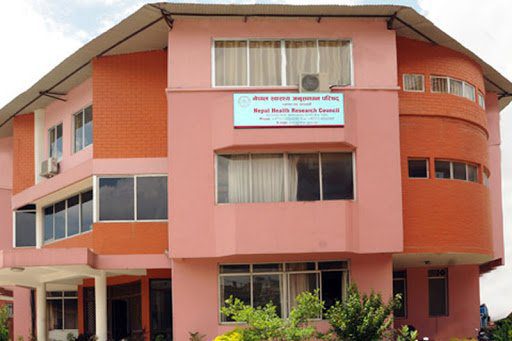
Nepal Health Research Council (NHRC) is the national apical body for promoting health research across the country. NHRC was established in 1991 by an Act of Parliament and was given the responsibility to promote and coordinate health research for improvement of the health status of people of Nepal. The major focus of NHRC is on research regulation, evidence generation, translation of evidence into policy and practice, and capacity building of national scientists in the areas of health research and evidences.

NHRC serves as the main national institution responsible for technical and ethical review of proposals submitted by individual health researchers, national authorities, NGOs, INGOs and universities. After appropriate review, Ethical Review Board (ERB) of NHRC approves these proposals. In its role of generating evidences, NHRC carries out research on its own on national health issues aligning with the national health priorities.

NepMed, Nepal MEDLINE (Medical Literature Analysis and Retrieval System Online)

List of Approved Institutional Review Committee (IRC), NHRC

The capacity building roles of NHRC encompasses providing education, organizing trainings on various aspects of health system research to national scientists with special emphasis on promoting the research competency of young researchers. NHRC has been providing health research grants to the researchers in order to enhance the research activities throughout the country.

NHRC also conducts workshops and dissemination programs to facilitate uptake of research findings by the policymakers into health system policies and practices. Similarly, NHRC facilitates access to research finding from different research reports, journals, books, magazines etc. through the library digital database and the NHRC Journal.

Objectives

  • To do or cause to do study and research on health problems and issues being encountered or likely to be encountered in future.
  • To conduct programs relating to consultancy service and information to make the study and activities relating to health research more useful.
  • To acquire global and national level evidence on health related problems, and inform the Government of Nepal for evidence-based policy making and planning.

Functions

  • Conduct research in the various fields relating to health within the Nepal aligning with the health priorities identified in the National Health Policy of the Government of Nepal.
  • Provide a specific policy direction for the regulation, promotion, implementation, management and utilization of health research in Nepal.
  • Define health research need and set research priorities for the national health system.
  • Monitor and evaluate research works related to health and make appropriate recommendations.
  • Publish and publicize the research experiences and the results of research relating at the national and international levels.
  • Coordinate with foreign researchers and research institution to carry out some part of the research in a foreign country if there is no facility to carry out such research within the Nepal.
  • To obtain information as to the study and research or works done on health-related various problems appearing in the world and give information to the Government of Nepal.

Special Rights of the Council:

  • The council may issue necessary directives terms and conditions to the person or organization involved in research work relating to health under section 11 of NHRC Act No. 29 of the year 1991 (Research means research involving examination).
  • In case any person or organization carries out research works without obtaining permission under Section 11 or does not abide by the terms and conditions as prescribed by the Council while carrying out research work, the Council may warn such person or organization or prohibit carrying out the research work for a specified period.
Major activities
  • Screening, reviewing and approval of research proposals.
  • Providing technical guidance and possible support including services for scientists, researchers.
  • Conducting training workshops in Health Systems Research Methodology, Research Management and other fields of research.
  • Providing e-mail, photocopying and Med-line search facilities and other information for researchers for a free.
  • Monitoring and evaluation of all the researches conducted at the field level.
  • Providing various kind of Research Grants to the most deserving researchers.
  • Compiling research related books, research reports, national and international scientific journals and Bulletins.
  • Publishing and archiving research related materials including publication of Research Journals, Bulletins and Reports.
  • Networking of health researchers and research institutions / agencies / organizations involved in health research Serving as a repository for research related information and resources.
  • Disseminating activities for research based information.
  • Development of research proposals on health related sciences.
  • Developing and conducting collaborative research with research institutions / agencies / organizations within and outside Nepal.
  • Making collaborative work with WHO, bilateral, multilateral and other funding agencies / organizations.
  • Developing the research units in the five development regions of Nepal and coordinating the overall aspects of health research in these regions.

Initiations 

  • NHRC Digital Library
  • Nepal Clinical Trial Registry
  • NepMed, Nepal MEDLINE (Medical Literature Analysis and Retrieval System Online)
  • National Summit of Health and Population Scientists in Nepal
  • Ethical Review Online System
  • The Journal of the Nepal Health Research Council (JNHRC)

Related: Nepal Journals OnLine (NepJOL)

Research priority areas

  • Priority Area 1: Health Care Delivery System
  • Priority Area 2: Communicable/Infectious Diseases
  • Priority Area 3: Non Communicable Diseases
  • Priority Area 4: Neonatal And Child Health
  • Priority Area 5: Reproductive Health
  • Priority Area 6: Mental Health And Substance Abuse
  • Priority Area 7: Injuries, Accidents And Violence
  • Priority Area 8: Nutrition And Food Safety
  • Priority Area 9: Environmental And Occupational Health
  • Priority Area 10: Traditional Medicine
  • Priority Area 11: Geriatric Health
  • Priority Area 12: Miscellaneous

Recent publications

  • NHRC CPD Guidelines for Providing Credit Hours to Participants of Research Trainings and Conferences
  • List of Approved Institutional Review Committee (IRC), NHRC
  • Comparative Evaluation of Commercially available Rapid Diagnostic Test Kits for the use of Screening of Suspected Cases of Novel Coronavirus infection in Nepal
  • Preparedness and Readiness of Government of Nepal Designated COVID Hospitals
  • Preparedness and Readiness of Government of Nepal Designated Hospital running COVID Clinics
  • Nepal STEPS Survey 2019- Province wise Fact Sheets

MORE Publications:NATIONAL PLAN, POLICY & GUIDELINES

Information was collected from various documents, official website, reports and government publications. 

Recommended Citation: Public Health Update. Nepal Health Research Council (NHRC) [Internet]. [cited 2020 Jul 5]. Pokhara. Nepal. Available from: https://www.publichealthupdate.com/nepal-health-research-council-nhrc/ 

Related 

  • List of Approved Institutional Review Committee (IRC), NHRC
  • NHRC approval processing fee (Effective from March 7, 2018)
Contact

Government of Nepal
Nepal Health Research Council
Ramshah Path, Kathmandu, Nepal
Call : 977-1-4254220 / 977-1-4254220
Fax : 977-1-4262469 / 977-1-4268284
Email : nhrc@nhrc.gov.np
July 5, 2020 0 comments
0 FacebookTwitterPinterestLinkedinTumblrVKOdnoklassnikiRedditStumbleuponWhatsappTelegramLINEPocketSkypeViberEmail
Curative Service Division (CSD)- Department of Health Services
Fact SheetHealth Organization ProfileHealth SystemsPublic Health Notes

Curative Service Division (CSD)- Department of Health Services

by Public Health Update July 5, 2020
written by Public Health Update

Curative Service Division (CSD)- Department of Health Services

Curative Service Division (CSD) is one of five divisions under Department of Health Services (DoHS). After the restructuring and institutional reform of Ministry of Health and Population supporting institutionalizing federal system with in ministry, It has developed Terms of Reference (ToR) of different Institution to facilitate the process. In this context since the beginning of fiscal year 2074/75 Curative Service Division was established within Department of Health Services.

Previously, Curative Service Division was under Ministry, but now in the changed context that dissolved and established as CSD under DoHS. Although the functions and responsibilities are not same as previous CSD of Ministry. According to the institutional framework of the DoHS and MoHP, the health post (from an institutional perspective) is the first contact point for curative services. Each level above the HP is a referral point in a network from HP to PHCC, on to District, provincial hospitals and finally to specialized tertiary hospitals. This referral hierarchy has been designed to ensure that the majority of population will receive minor to specialized treatment in places accessible to them and at a price they can afford. Inversely, the system works as a supporting mechanism for lower levels by providing logistic, financial, supervisory and technical support from the center to the periphery.


Purpose

The overall purpose of this Division is to look after Curative Health Services activities through its three different sections, namely Hospital Services Monitoring and Strengthening Section, Basic Health and Emergency Management Section and Eye, ENT and oral Health Section . The major responsibility of CSD is to provide the basic health service free of cost guaranteed by Constitution of Nepal (article 35). CSD regulate and coordinate to establish, operate and upgrade of specialized tertiary hospitals. CSD also coordinate and provide eye, ENT and oral health services.

Sections

  • Hospital Service Monitoring and Strengthening Section
  • Basic Health and Emergency Management Section
  • Eye, ENT and Oral Health Section


Roles and major functions

Hospital Service Monitoring and Strengthening Section

  • To assist MoHP by law, policy, guidance, quality standard, protocol formulation regarding hospital strengthening.
  • To assist MoHP for Development of co-operation between private and public health institution for effective health care service by formulating law, policy, strategy and criteria.
  • To facilitate the registration, renewal and regulation of the specialized and tertiary level hospitals.
  • To assist MoHP for development of national policy, strategies and guidelines regarding registration upgrade and monitoring of private and non-governmental hospitals, nursing homes, clinics, polyclinics.
  • Continuous supervision and monitoring of the hospitals for optimum quality service.
  • Management of radiation used in healthcare sector as per national and international standard.
  • To facilitate for the development and institutionalization of the telemedicine service system.
  • To assist MoHP for the development of health tourism by formulating law, policy, strategies, criteria, protocols.
  • To coordinate for development and management of national level study, research and training center.
  • Formulate standard treatment protocol (STP).
  • Develop a drug list and revise according to need.
  • Studying and monitoring of drugs used in different hospital pharmacy and health facilities.
  • Formulation of standard on antimicrobial resistance and
  • Preparation of training materials of Rational use of drug and conduct training for health workers of various level.

Basic Health and Emergency Management Section

  • Define and effective management of Basic Health Services according to constitutional system and provide it at free of cost.
  • Determining the scope and criteria of basic health services.
  • Supervision, monitoring and evaluation of the quality of basic health services.
  • Evaluation of the effectiveness of basic health services and co-ordinate to all levels of federal structure for continuous improvement by providing feedback.
  • Modification and extension of basic health care services based on the emergence of diseases, availability of financial resources and local needs.
  • Conduct study and research about basic health service.
  • To facilitate for formation of laws, policy, rules, criteria, protocols and guidelines to make emergency health care service effective.
  • To facilitate for formation of laws, policy, rules, criteria, protocols and guidelines regarding referral system and
  • To assist MoHP for the implementation, monitoring and regulation of emergency service and referral service.

Eye, ENT and Oral Health Section

  • To facilitate for formulation of national policy, rules, standard, protocols and guidelines related to Eye health.
  • To facilitate for formulation of national policy, rules, standard, protocols and guidelines related to ENT services.
  • To facilitate for formulation of national policy, rules, standard, protocols and guidelines related to oral health services.
  • Evaluation of the effectiveness of Eye, ENT and oral health and coordinate to all levels of federal structure for continuous improvement by providing feedback.
  • Facilitation and Coordination for integration with eye health, ENT and oral health services to national health service system and
  • Study, research related to eye, ENT and oral health services.

Minimum Service Standards for Hospitals: Minimum Service Standards (MSS) for hospitals was previously lead by Curative Service Division, Ministry of Health and Population. Now in changing context, as per ToR of Division the programme is run by Curative Service Division, DoHS. 

Recent Publications
  • Minimum Service Standards (MSS) Tool for Health Post
  • Basic Health Service Package 2075, DoHS, MoHP Nepal
  • Guideline for Basic Health Service Centre Construction and Operation (Revised)

MORE Publications:NATIONAL PLAN, POLICY & GUIDELINES

Information was collected from various documents, reports and government publications. 

Recommended Citation: Public Health Update. Curative Service Division (CSD)- Department of Health Services [Internet]. [cited 2020 Jul 2]. Pokhara. Nepal. Available from: https://www.publichealthupdate.com/curative-service-division-csd-department-of-health-services/ 


Recommended organizational profile
  • The Ministry of Health and Population (MoHP), Nepal
  • Epidemiology and Disease Control Division, Department of Health Services
  • Department of Drug Administration (DDA), Ministry of Health and Population
  • Department of Health Services (DoHS), Ministry of Health and Population
  • Department of Ayurveda and Alternative Medicine (DoAA)
  • Epidemiology and Disease Control Division, Department of Health Services
  • Family Welfare Division (FWD), Department of Health Services
  • National Public Health Laboratory (NPHL)
  • Province Health Directorate, Ministry of Social Development (MoSD)
Recommended organizational profile
  • Organogram and Reporting Mechanism of Nepalese Health System in Federal Context
  • Province Health Directorate (HD)
  • The Nursing and Social Security Division (NSSD)
  • Clinical Trial Registration Process in Nepal
  • NepMed, Nepal MEDLINE (Medical Literature Analysis and Retrieval System Online)
  • Nepal Health Research Council (NHRC)
  • The Ministry of Health and Population (MoHP), Nepal
  • Epidemiology and Disease Control Division, Department of Health Services
  • Department of Drug Administration (DDA), Ministry of Health and Population
  • Department of Health Services (DoHS), Ministry of Health and Population
  • Department of Ayurveda and Alternative Medicine (DoAA)
  • Management Division, Department of Health Services
  • Epidemiology and Disease Control Division, Department of Health Services
  • Family Welfare Division (FWD), Department of Health Services
  • National Public Health Laboratory (NPHL)
  • Province Health Directorate, Ministry of Social Development (MoSD)
  • List of Approved Institutional Review Committee (IRC), NHRC

  • National Health Training Center (NHTC)
  • The Nursing and Social Security Division (NSSD)
  • National Medical Standard for Maternal and Newborn Care Volume III
  • Nepal Safe Motherhood and Newborn Health Road Map 2030
  • COVAX Advance Market Commitment (AMC)-Eligible economies

Do you have a website? Looking for the best hosting provider? Here’s a discount code.

Latest Public Health Jobs

Latest Posts

  • Multisectoral Action Plan for the Prevention and Control of NCDs, 2026-2030 (Draft)
  • National Standard Operating Procedure for Early Warning, Alert and Response System (EWARS), 2025
  • Priority Infectious Diseases for Community-Based Surveillance in Nepal
  • Community Based Disease Surveillance Guideline, 2082
  • Political declaration of the fourth high-level meeting of the General Assembly on the prevention and control of NCDs and the promotion of mental health and well-being

Thanks for visiting us.
Disclaimer: The resources, documents, guidelines, and information on this blog have been collected from various sources and are intended for informational purposes only. Information published on or through this website and affiliated social media channels does not represent the intention, plan, or strategies of an organization that the initiator is associated with in a professional or personal capacity, unless explicitly indicated.
If you have any complaints, information, or suggestions about the content published on Public Health Update, please feel free to contact us at blog.publichealthupdate@gmail.com.
#StayUpdated


  • WordPress
  • Link
  • Facebook
  • Mail
  • Facebook
  • Twitter
  • Twitter
  • LinkedIn
  • Instagram
  • Facebook
July 5, 2020 0 comments
0 FacebookTwitterPinterestLinkedinTumblrVKOdnoklassnikiRedditStumbleuponWhatsappTelegramLINEPocketSkypeViberEmail
Global Health NewsOutbreak NewsPublic HealthPublic Health NewsPublic Health Update

WHO discontinues hydroxychloroquine and lopinavir/ritonavir treatment arms for COVID-19

by Public Health Update July 5, 2020
written by Public Health Update

WHO discontinues hydroxychloroquine and lopinavir/ritonavir treatment arms for COVID-19

4 July 2020 

News release

The World Health Organization (WHO) accepted the recommendation from the Solidarity Trial’s International Steering Committee to discontinue the trial’s hydroxychloroquine and lopinavir/ritonavir arms. The Solidarity Trial was established by WHO to find an effective COVID-19 treatment for hospitalized patients.

The International Steering Committee formulated the recommendation in light of the evidence for hydroxychloroquine vs standard-of-care and for lopinavir/ritonavir vs standard-of-care from the Solidarity trial interim results, and from a review of the evidence from all trials presented at the 1-2 July WHO Summit on COVID-19 research and innovation. 

These interim trial results show that hydroxychloroquine and lopinavir/ritonavir produce little or no reduction in the mortality of hospitalized COVID-19 patients when compared to standard of care. Solidarity trial investigators will interrupt the trials with immediate effect. 

For each of the drugs, the interim results do not provide solid evidence of increased mortality. There were, however, some associated safety signals in the clinical laboratory findings of the add-on Discovery trial, a participant in the Solidarity trial. These will also be reported in the peer-reviewed publication. 

This decision applies only to the conduct of the Solidarity trial in hospitalized patients and does not affect the possible evaluation in other studies of hydroxychloroquine or lopinavir/ritonavir in non-hospitalized patients or as pre- or post-exposure prophylaxis for COVID-19. The interim Solidarity results are now being readied for peer-reviewed publication.

4 July 2020  News release WHO

  • Clinical Guideline for Physiotherapy treatment in patients with COVID 19 in acute hospital settings

  • WHO welcomes preliminary results about dexamethasone use in treating critically ill COVID-19 patients
  • WHO Launches, WHO Academy and the WHO Info mobile applications
July 5, 2020 0 comments
0 FacebookTwitterPinterestLinkedinTumblrVKOdnoklassnikiRedditStumbleuponWhatsappTelegramLINEPocketSkypeViberEmail
National Vitamin A
National Plan, Policy & GuidelinesNoticeOutbreak NewsPublic Health EventsPublic Health ProgramsResearch & Publication

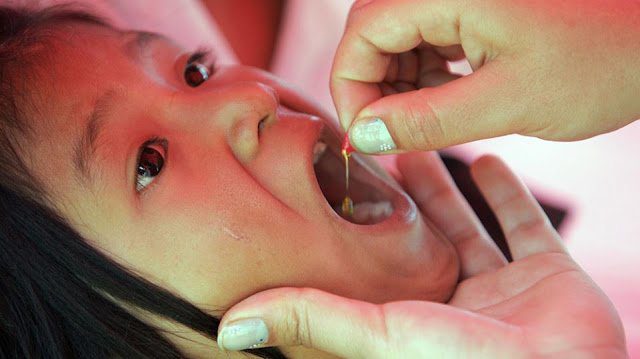
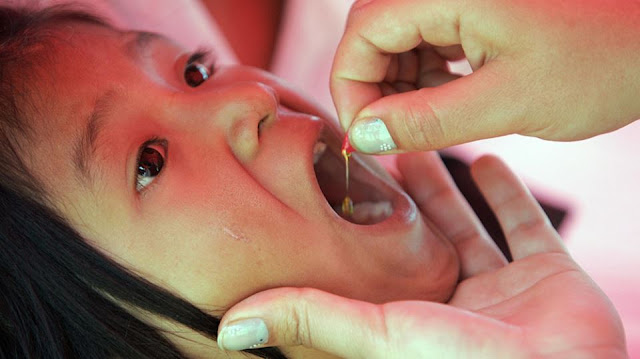
Vitamin A Supplementation, Deworming Tablet & Baal Vita Distribution Campaign

by Public Health Update July 3, 2020
written by Public Health Update

Vitamin A Supplementation, Deworming Tablet & Baal Vita Distribution Campaign


Guideline for Vitamin A Supplementation, Deworming Tablet & Baal Vita Distribution Campaign 2077


Program Overview

Vitamin A Program: Nepal Government has initiated National Vitamin A Program (NVAP) in 1993 to improve Vitamin A status of the children aged 6‐59 months and reduce child mortality. This program has been recognized as a global success story of public health interventions with consistent coverage over 85 percents. It initially covered 8 districts and was scaled up nationwide by 2002. FCHVs distribute the capsules to the targeted children twice a year through a campaign-style activity.Biannual deworming tablets distribution: Family Welfare Division, DoHS has been implemented biannual deworming tablets distribution to the children aged 12-59 months aiming to reduce childhood anaemia with control or parasitic infestation through public health measures. This activity is integrated with biannual Vitamin A supplementation to the children aged 6-59 months, which takes place nationally in every ward on first week of Baisakh and Kartik each year. Deworming to the target children was initiated in few districts during the year 2000 integrating with biannual Vitamin A supplementation and with gradual scaling-up, the program was successfully implemented nationwide by the year 2010. 


Rotavirus Vaccine (Information for Parents and Public)


Micronutrient powder (Baal Vita) distribution program: Infant and young child feeding program is linked with the distribution of micronutrient powder (Baal Vita) in 42 districts to reduce the chronic malnutrition and stunting among for children aged 6-23 months in Nepal. 

Government’s initiations to control of vitamin A deficiency in Nepal

  • The biannual supplementation of high dose vitamin A capsules to 6-59 month olds.
  • Postpartum vitamin A supplementation for mothers within 42 days of delivery.
  • Strengthen implementation of vitamin A treatment protocol for severe malnutrition, persistent diarrhoea, measles and xerophthalmia.
  • Nutrition education to promote dietary diversification and consumption of vitamin A rich foods.
  • Ensuring the availability of vitamin A capsules at health facilities.
  • Increase awareness of importance of vitamin A supplementation.
  • The biannual distribution of vitamin A capsules to 6 to 59-month olds through FCHVs.
  • Advocate for increased home production, consumption and preservation of vitamin A rich foods.
  • Strengthen the use of the vitamin A Treatment protocol.

Nutrition programmes implemented by FWD Nutrition Section (1993–2018)

Nationwide programmes

  • Growth monitoring and counselling
  • Prevention and control of iron deficiency anaemia (IDA)
  • Prevention, control and treatment of vitamin A deficiency (VAD)
  • Prevention of iodine deficiency disorders (IDD)
  • Control of parasitic infestation by deworming
  • Mandatory flour fortification in large roller mills.
  • Maternal, Infant, and Young Children Nutrition (MIYCN) programme
Scale-up programmes:
  • Comprehensive Nutrition Specific Interventions
  • Integrated Management of Acute Malnutrition (IMAM)
  • Micronutrient Powder (MNP) distribution linked with infant and young child feeding(IYCF)
  • School Health and Nutrition Programme
  • Vitamin A supplementation to address the low coverage in 6–11 months olds
  • Multi-sector Nutrition Plan (MSNP)

SOURCE OF INFO: DOHS ANNUAL REPORT

Vitamin A Supplementation and Deworming Tablet Distribution Campaign 2077

Vitamin A Supplementation and Deworming Tablet Distribution Campaign 2077


Information was collected from various documents, reports and government publications. 

Recommended Citation: Public Health Update.Vitamin A Supplementation, Deworming Tablet & Baal Vita Distribution Campaign [Internet]. [cited 2020 Jul 3]. Pokhara. Nepal. Available from: https://www.publichealthupdate.com/vitamin-a-supplementation-deworming-tablet-baal-vita-distribution-campaign/ 

Health Organization Profiles

  • The Ministry of Health and Population (MoHP), Nepal
  • Department of Drug Administration (DDA), Ministry of Health and Population
  • Department of Health Services (DoHS), Ministry of Health and Population
  • Department of Ayurveda and Alternative Medicine (DoAA)
  • Epidemiology and Disease Control Division, Department of Health Services
  • Family Welfare Division (FWD), Department of Health Services
  • National Public Health Laboratory (NPHL)
  • Management Division, Department of Health Services
  • Province Health Directorate, Ministry of Social Development (MoSD)
July 3, 2020 0 comments
0 FacebookTwitterPinterestLinkedinTumblrVKOdnoklassnikiRedditStumbleuponWhatsappTelegramLINEPocketSkypeViberEmail
Health Organization ProfileHealth SystemsPublic Health NotesPublic Health ProgramsResearch & Publication

Management Division, Department of Health Services

by Public Health Update July 2, 2020
written by Public Health Update

Management Division, Department of Health Services

General management of Department of Health Services is assigned to Management Division (MD). Management Division is responsible for planning, integrated supervision, monitor programme implementation status and carry out periodic performance reviews. Information management, building construction and maintenance of public health institutions, monitoring and evaluation of health programmes and quality assurance of health services. These functions are carried out in close coordination with each of the respective programme divisions within the DoHS.

Management Division aims to establish of a functional linkage among different information systems through appropriate use of technology to foster better use of information for monitoring and planning.

This Division is also responsible for the management of environmental health and health related waste. This division functions with its four sections namely Logistics Management Section, Environmental Health and health waste management Section, Infrastructure Development Section and Integrated Health Information Management Section. Operating Manual (Procedure), 2068 (third edition) for Department of Health Services describes the responsibility of this division in information management, planning, coordination, supervision, monitoring and evaluation of the health programs.

The division is also responsible for monitoring the delivery of quality health services through all types of health institutions. Furthermore, it monitors the building construction and maintenance of public health institutions and provides supports for maintenance of medical equipment. More activities are assigned to this division as directed by NHSP, policies and plans that include mental health, oral health, health care waste management,health facility upgrading and renewals and nursing related programs.

Areas of responsibility

Health Information Management, Infrastructure development, Environmental health and Logistics management

Objectives

The Management Division has major objective to support health programs and DoHS in overall to accomplish their service delivery functions which include in major to;

  • Facilitate and coordinate among concerned divisions and centres to prepare annual plans, programmes and to make necessary arrangements to get approval from the National Planning Commission (NPC) and MoF.
  • Make arrangements for the preparation and compilation of annual budgets and programmes of regional health directorates, HD and HOs.
  • Support quality improvements in the health sector.
  • Manage the HMIS
  • Manage and coordinate the construction and maintenance of buildings and other public health infrastructure including the maintenance of biomedical equipment.
  • Process for approval the establishment of private and non-government health institutions.
  • Process for approval new public health institutions and their upgrades.
  • Make arrangements for capacity building of human resources in public health
  • Support information technology related to health information, dissemination and management.

Section

  • Integrated Health Information Management Section
  • Infrastructure Development Section
  • Environment Health and Health Care Waste Management Section
  • Logistic Management Section
Functions and responsibilities of Management Division

Integrated Health Information Management Section

  • To facilitate the Ministry of Health and Population to build policy, rules, directories, criteria and protocols related to the national level health management information system.
  • Making timely updates and techniques for effective management of health information.
  • To developed, expand, information systems like HMIS,LMIS,HIIS, in integrated system
  • Determine and modify the level indicators for national level health information
  • To prepare and publicly report the annual and periodic reports by disseminating related information related to health.
  • To empower the Integrated Health Information System for the ability to institutionalize different levels.
  • Coordinating and collaborating with the regional and local level for health care related information management and implementation.
  • Coordinating and facilitating the preparation of plans for the supermarkets under the department.
  • Updating the monthly, quarterly, annually report of the division and preparing the final report.
  • The necessary assistance will be made to formulate the overall plan of the ministry from the department

Infrastructure Development Section

  • To facilitate the Ministry of Health and Population to build national policy, rules and criteria related to the physical structure and equipment of health institutions.
  • Storing and maintaining physical infrastructure and equipment of health institutions.
  • To facilitate the establishment of a national plan of essential infrastructure development to the health institutions.
  • Coordinating with stakeholders for the management of necessary infrastructure of health institutions.
  • To cooperate for the development, updating and regulation of the Hospital Building.
  • To facilitate monitoring, monitoring and quality of health care and equipment.
Environment Health and Health Care Waste Management Section
  • It has been established to handle the work as per the responsibility of monitoring the quality of drinking water, waste materials and air quality and determining criteria for quality and quality in the work of association of the Union, State and local government. The work of this branch is as follows:
  • To facilitate and facilitate environmental health policy, directories, guidance, criteria and construction of documents.
  • To facilitate monitoring, study, research and regulation regarding the impact of health by drinking water, air and overall environment.
  • Helping Ministry of Health and Population to prepare national laws, policies, rules, criteria, protocols regarding healthcare, waste management.
  • To facilitate management of fossil scientists, emerging from the health institutions of the Union, Territory and local level.
  • Monitoring and regulating the management of the fossil scientists coming out of the organization’s health institutions.

Logistic Management Section

  • To support the Ministry of Health and Population to construct national laws, policies, directories, quality criteria, protocols regarding purchases and supplies.
  • Support the Ministry of Health and Population to prepare and update national standards, health and equipment criteria and specification banks at national level.
  • Purchase of essential health materials such as vaccinations and family planning equipment and supply at the state level.
  • Purchase and supply of essential tools, equipment and medicines at the state and local level
  • Coordinated and co-coordinating institutionalizing national level supply management information systems.
  • Managing essential materials in the departments of departments.

Contact: 

977-1-4257765 +977-1-4257765 Teku, Kathmandu, Nepal https://www.mddohs.gov.np/eng


Related publications and documents

  • Procurement Handbook 2074, Logistic Management Division, DoHS
  • Health Care Waste Management Guideline- 2014
  • 1st National Workshop on Integrated Healthcare Waste Management and WASH in Healthcare Facilities
  • National Oral Health Policy-2070, NEPAL

MORE Publications:NATIONAL PLAN, POLICY & GUIDELINES


Information was collected from various documents, reports and government publications. 

Recommended Citation: Public Health Update. Management Division, Department of Health Services [Internet]. [cited 2020 Jul 2]. Pokhara. Nepal. Available from: https://www.publichealthupdate.com/management-division-department-of-health-services/ 

Health Organization Profiles

  • The Ministry of Health and Population (MoHP), Nepal
  • Department of Drug Administration (DDA), Ministry of Health and Population
  • Department of Health Services (DoHS), Ministry of Health and Population
  • Department of Ayurveda and Alternative Medicine (DoAA)
  • Epidemiology and Disease Control Division, Department of Health Services
  • Family Welfare Division (FWD), Department of Health Services
  • National Public Health Laboratory (NPHL)
  • Management Division, Department of Health Services
July 2, 2020 0 comments
0 FacebookTwitterPinterestLinkedinTumblrVKOdnoklassnikiRedditStumbleuponWhatsappTelegramLINEPocketSkypeViberEmail
National Plan, Policy & GuidelinesPublic HealthPublic Health NotesPublic Health ProgramsResearch & PublicationVaccine Preventable Diseases

Rotavirus Vaccine (Information for Parents and Public)

by Public Health Update July 2, 2020
written by Public Health Update

Rotavirus Vaccine (Information for Parents and Public)

Rotavirus disease

  • Rotavirus disease is a diarrheal disease caused by a virus called rotavirus.
  • Rotavirus is a virus that infects the intestines.
  • Rotavirus is the most common cause of severe diarrheal disease in infants and young children worldwide.
  • Rotavirus is not the only cause of diarrhea, several other agents may also cause diarrhea.
  • Rotavirus infection is highly contagious.
  • Rotavirus spread by fecal-oral route – The primary mode of transmission of rotavirus is the passage of the virus in stool to the mouth of another child.

Immunization Schedule Nepal

Immunization Schedule Nepal

Immunization Schedule Nepal


Rotavirus Vaccine Guideline 2075, CHD, Department of Health Services


Signs and symptoms of rotavirus infection

  • Three main symptoms of rotavirus infection: – Fever – Vomiting – Watery diarrhea
  • Abdominal pain may also occur
  • Diarrhea usually stops after 3 to 7 days
  • Young children can become dehydrated, requiring urgent treatment.

Risk Population

  • Infants after the age of 3 months
    – Low to no immunity
    – Vulnerable to dehydration
  • Older children if they are immunocompromised
Rotavirus vaccine
  • Vaccine type: RV1 (monovalent human rotavirus vaccine)
  • Rotavirus vaccine is a ready-to-use, oral vaccine in a liquid formulation
    – Specially designed tube for direct oral administration
    – 1 tube = 1 dose
    – Tube has 1.5mL liquid
Rotavirus vaccine schedule
  • Rotavirus vaccine is given in a 2-dose schedule at 6 and 10 weeks of age
  • Rotavirus vaccine should be given at the same time as first and second dose of DTP-HepB-Hib (i.e. Penta1 & Penta2)
  • Maintain an interval of 4 weeks between doses.

Rotavirus Vaccine

Rotavirus Vaccine

Rota Brochure 2018 draft 2

Rotavirus Vaccine


Rotavirus Vaccine 2075, CHD, Department of Health Services


Health Organization Profiles

  • The Ministry of Health and Population (MoHP), Nepal
  • Department of Drug Administration (DDA), Ministry of Health and Population
  • Department of Health Services (DoHS), Ministry of Health and Population
  • Department of Ayurveda and Alternative Medicine (DoAA)
  • Epidemiology and Disease Control Division, Department of Health Services
  • Family Welfare Division (FWD), Department of Health Services
  • National Public Health Laboratory (NPHL)
July 2, 2020 0 comments
0 FacebookTwitterPinterestLinkedinTumblrVKOdnoklassnikiRedditStumbleuponWhatsappTelegramLINEPocketSkypeViberEmail
Fact SheetNational Plan, Policy & GuidelinesPublic HealthPublic Health ProgramsPublic Health UpdateResearch & PublicationVaccine Preventable Diseases

Rotavirus Vaccine Guideline 2075, CHD, Department of Health Services

by Public Health Update July 2, 2020
written by Public Health Update

Rotavirus Vaccine Guideline 2075, CHD, Department of Health Services

Rotavirus Vaccine 2075 was formulated by Child Health Division (CHD), Department of Health Services in 2075.

Related: Family Welfare Division (FWD), Department of Health Services


Rotavirus Vaccine (Information for Parents and Public)


  • National Immunization Schedule, Nepal (Revised)
  • The National Immunization Programme (National Immunization Schedule), Nepal
  • World Immunization Week 2020 #VaccinesWork for All

Health Organization Profiles

  • The Ministry of Health and Population (MoHP), Nepal
  • Department of Drug Administration (DDA), Ministry of Health and Population
  • Department of Health Services (DoHS), Ministry of Health and Population
  • Department of Ayurveda and Alternative Medicine (DoAA)
  • Epidemiology and Disease Control Division, Department of Health Services
  • Family Welfare Division (FWD), Department of Health Services
  • National Public Health Laboratory (NPHL)
July 2, 2020 0 comments
0 FacebookTwitterPinterestLinkedinTumblrVKOdnoklassnikiRedditStumbleuponWhatsappTelegramLINEPocketSkypeViberEmail
Health Organization ProfileHealth SystemsNational Plan, Policy & GuidelinesPublic Health NotesPublic Health UpdateResearch & Publication

National Public Health Laboratory (NPHL)

by Public Health Update July 2, 2020
written by Public Health Update

National Public Health Laboratory (NPHL) is the government national reference laboratory under the Department of health services (DoHS) and Ministry of Health and Population (MoHP). It is directly linked with different levels of 277 government laboratories in the country. It was established in 1968 as Central Health Laboratory. The name was changed to National Public Health Laboratory in 1991 with the mandate for organizational and administration responsibilities for the health laboratory services (public health and clinical diagnostic) in both public and private sectors throughout the country.  Networking, Licensing, monitoring, supervision, capacity, strengthening and conducting research activities and NEQAS of the laboratories are the major functions of NPHL. Currently, NPHL has facility of biosafety level (BSL) II lab with real time PCR (RT-PCR) which is in use for testing viral load & Avian Influenza including Swine flu.

NPHL is able to diagnose influenza A (H1N3, H1N1, H5, H7), Influenza B, and other viruses including Respiratory Syncytial Virus (RSV), Hanta, Ebola, Crimean-Congo haemorrhagic fever (CCHF) dengue, chikungunya, zika, leptospira, and scrub typhus and many others if kits available. It is also measuring HIV viral load, Hepatitis B & C viral load and planning to carry out genotyping.

Vision

To develop National Public Health Laboratory as centre of excellence in diagnosis.

Mission

To provide quality laboratory services (diagnostic and public health related) to the people of Nepal through central, Regional, Sub-regional, Zonal, District and PHC based laboratories.

Goal

Extend laboratory services in all hospital and health case institution  upto PHC level.

  • To develop NPHL as national reference laboratory for diagnostic and public health services.
  • To address the diagnostic needs due to emerging and re-emerging diseases.

Objectives

  • To upgrade and introduce new facilities at NPHL.
  • To introduce new technology for specified test not available at other laboratories
  • To strengthen overall capacity of health laboratory services through NEQAS and supervision and monitoring.
  • To procure quality equipment and reagents according to the need.
  • To practice Good Laboratory practice (GLP) by all the laboratories in the country.
  • To assist the laboratory in introducing specialized tests by NPHL.

Organizational Structure (Organogram) of National Public health Laboratory (NPHL)


Organizational Structure (Organogram) of National Public health Laboratory (NPHL)

Organizational Structure (Organogram) of National Public health Laboratory (NPHL)

NPHL Units and Department

  • The National Influenza Centre
  • National External Quality Assurance Scheme (NEQAS)
  • Serology
  • National Bureau for Blood Transfusion Services (NBBTS)
  • Biomedical Engineering and maintenance
  • Quality Control and Training Section
  • Biochemistry
  •  Japanese Encephalitis, Measles and Rubella Laboratory (JE/Measles Polio Department)
  • Endocrinology
  • Hematology
  • National Reference laboratory for AIDS and STD Control (HIV Reference Laboratory)
  • Oncopathology
  • Immunology
  • Microbiology
  • Non-Communicable Disease Department (Four sections (Haematology, Biochemistry, Endocrinology and Histo-Cytopathology)

Major Routine Activities:

  • Routine and specialized diagnostic services including services of referral laboratory.
  • Public health related activities (laboratory based surveillance [AES/Japanese encephalitis, measles/rubella, polio, antimicrobial resistance (AMR), influenza)], HIV reference unit, National Influenza Centre, BSL-3 laboratory and outbreak investigation).
  • Training and workshops.
  • Logistics procurement and supply and laboratory refurbishment.
  • Supervision and monitoring, licensing lab & BTSCS.
  • National External Quality Assurance Scheme (haematology, biochemistry, gram stain, microbiology, AMR on selected bacterial pathogens and TTIs).
  • Polio containment and its accreditation.
  • Assisting MoHP for preparing medical laboratory related, policy, legislation and guidelines.
  • Procurement of especial types of kits and reagents and equipments for provincial and local level government laboratories.
  • General administration functions.
  • AMR (Antimicrobial Resistance) Surveillance activities

Contact

National Public Health Laboratory

  • Teku, Kathmandu, Nepal
  • +977-1-4252421
  • nphl@nphl.gov.np

Help Desk

  • Sample Collection time:
    8 AM – 2 PM (Friday: 8 AM – 12:30 PM) From Magh 16th to Kartik 14th
    8 AM – 1 PM (Friday: 8 AM – 12:30 PM) From Kartik 15th to Magh 15th
  • Report Distribution time:
    9:30 AM- 4 PM (Friday: 9:30 AM – 2 PM) From Magh 16th to Kartik 14th
    9:30 AM- 3 PM (Friday: 9:30 AM – 2 PM) From Kartik 15th to Magh 15th
  • The office will be closed on public holidays.

Recent Publications 

  • Comparative Evaluation of Commercially available Rapid Diagnostic Test Kits for the use of Screening of Suspected Cases of Novel Coronavirus infection in Nepal
  • National Testing Guidelines for COVID-19

MORE Publications:NATIONAL PLAN, POLICY & GUIDELINES

Information was collected from various documents, reports and government publications. 

Recommended Citation: Public Health Update. National Public Health Laboratory (NPHL) [Internet]. [cited 2020 Jul 2]. Pokhara. Nepal. Available from: https://www.publichealthupdate.com/national-public-health-laboratory-nphl/ 


Health Organization Profiles

  • The Ministry of Health and Population (MoHP), Nepal
  • Epidemiology and Disease Control Division, Department of Health Services
  • Department of Drug Administration (DDA), Ministry of Health and Population
  • Department of Health Services (DoHS), Ministry of Health and Population
  • Department of Ayurveda and Alternative Medicine (DoAA)
  • Epidemiology and Disease Control Division, Department of Health Services
  • Family Welfare Division (FWD), Department of Health Services
  • National Public Health Laboratory (NPHL)
July 2, 2020 0 comments
0 FacebookTwitterPinterestLinkedinTumblrVKOdnoklassnikiRedditStumbleuponWhatsappTelegramLINEPocketSkypeViberEmail
Health Organization ProfileHealth SystemsNational Plan, Policy & GuidelinesPublic HealthPublic Health NotesResearch & Publication

Epidemiology and Disease Control Division, Department of Health Services

by Public Health Update July 2, 2020
written by Public Health Update

Epidemiology and Disease Control Division, Department of Health Services

Epidemiology and Disease Control Division (EDCD) was established as a Division of Statistics in 2030 BS and reorganized as Epidemiology and Statistical Division in 2035. According to new organizational structure 2050 BS, this Division is named as Epidemiology and Disease Control Division. EDCD is one of the division of Department of Health Services. 


Areas of responsibilities

Outbreak management, control of epidemics, pandemic and endemic diseases, Neglected tropical diseases, vector borne diseases, zoonotic and other communicable diseases, Non Communicable Diseases (NCD), mental health, leprosy control, disability prevention, surveillance, Early Warning and Reporting System (EWARS), water quality and research activities.

Sections

  • NTD & Vector Borne Disease Control Section
    •  Malaria Control Program
    •  Kala-Azar Elimination Program
    •  Dengue Control Program
    •  Lymphatic Filariasis Program
    •  Zoonoses Control Program
  • Zoonotic & Other Communicable Disease Control Section
  • Disease Surveillance & Research Section
    •  Surveillance of Communicable Disease Program
    •  Communicable Disease Research Program
  • Epidemiology & Outbreak Management Section
  • Non-Communicable Disease & Mental Health Section
  • Leprosy Control & Disability Management Section

Related: Early Warning Reporting System (EWARS), Nepal

Organizational Structure

EDCD New Structure Updated

Function and responsibilities of Epidemiology and Diseases Control Division 

NTD & Vector Borne Disease Control Section

  • To provide national law, policy, strategy, guide to Aero, dengue, scrub typhus, chicken guinea and other pathogenic, control, prevention and management.
  • To coordinate and cooperate for the development of technological manpower necessary for diagnostic diagnosis, treatment, including disease-related diseases.
  • Necessary assistance and coordination to the state and local level of kinetic diseases prevention, control, prevention and management.
  • Supporting and implementing the annual work plan of the federal level related to diagnosis of kinetic diseases.
  • Study on diagnosis of kinetic diseases, necessary assistance and coordination for research work.
  • To facilitate and control equipment and tools for prevention, control, prevention and management regarding kinetic diagnostics diagnosis.
  • Coordinating and collaborating with activities related to kinetic diseases management and activities.
  • Support for monitoring and evaluation, surveys, surveillance and research related activities at national level related to kinetic diseases.
  • National law, policy, strategy, guide to guide, prevention, control, prevention and management of Neglected Tropical Diseases (NTD) including Hathapalai, Kala-zar.
  • NTD required for diagnosis, treatment, and disease management
  • To coordinate and cooperate for the development of technological manpower.
  • Necessary assistance and coordination to the state and local level of NTD pathogenic, control, prevention and management.
  • Supporting and executing the annual work plan for the NTD disease level.
  • NTD disease study, necessary assistance and coordination for research work.
  • To facilitate the provision and control of equipment and tools for prevention, control, prevention and management of NTD disease, support for the management and management of NTD.
  • Coordinating and collaborating with NTD disease management and in other tasks.
  • Monitoring and evaluation at the national level of NTD disease, surveillance and assistance for Surveillance related work.

Zoonotic & Other Infectious Disease Control Section

  • National law, policy, strategy, guide to guide guide, prevention, control, prevention and management of zoonotic diseases including rabies, serpentis
  • Support for the development of potential related to prevention, control and management of zoonotic diseases.
  • Necessary for diagnosis, treatment and disease management, including genetic diseases
  • To coordinate and cooperate for the development of technological manpower.
  •  Necessary assistance and coordination to the state and local level of jurisdiction, control, prevention and management of zoonotic diseases.
  • Supporting and implementing the annual work plan for the federal level related to zoonotic diseases.
  •  Study related to genetic diseases, necessary assistance and coordination for research work.
  • Coordinating and cooperating for supply of all the necessary materials for prevention, control and management of anti-rabies vaccine and anti-snake venom serum, including zoonotic diseases.
  • Coordinating and collaborating with activities like management of zoonotic diseases including management management.
  • Monitoring and evaluation at the national level related to infectious diseases of genetic diseases, surveys and assistance for Surveillance related work.

Disease Surveillance and Research Section

  • To support the Ministry of Health and Population to provide necessary national laws, policy and strategies related to disease monitoring and research.
  • Preparing criteria, protocols and directories regarding disease monitoring and research.
  • Necessary support and coordination for disease monitoring and research in the state and local level.
  • To coordinate and implement the annual work plan for the disease monitoring and research union level.
  • Coordinating and collaborating with bodies related to federal level for disease monitoring and research.
  • Coordinating and collaborating with information management training in federal activities including disease monitoring.
  • Establish and manage a central hospital in coordination with the state and local level, according to the need for prostitution of epidemiologists through the Early warning reporting system.
  • Monitoring and evaluation, surveying, surveillance and research at national level of disease control and management of emergency situations.
  • Monitoring coordination with the state monitoring and monitoring of activity activity, to remedy the bodies related to supervision.

Epidemiology & Epidemic Management Section

  • Epidemiologists will support the Ministry of Health and Population to develop national laws, policies and strategies necessary for childbirth.
  • Helping Ministry of Health and Population to provide necessary national law, policy and strategies related to health and social disaster, epidemic and other health management of emergency situations.
  •  Prepare criteria, protocols and directories regarding epidemiology and epidemiological management.
  • Epidemiology and health care in the state and local level, necessary assistance and coordination for the management.
  • Epidemiologists to support and execute the annual action plans of the federal level regarding childbirth.
  • Epidemiologists to coordinate and cooperate with the bodies related to the federal level.
  • To coordinate and assist in federal programs including information management management of epidemiology, epidemic and emergency management system.
  • Reduction of the impact of health sector from natural disaster and repression and multilateral coordination for controlling epidemic.
  • After the natural disasters, cooperatives and co-ordinates for the remedial and remedial service flow through the state and local level, to avoid disease in displaced communities.
  • Monitoring natural disaster prioritization and monitoring of activity activities in coordination with the state, to address the supervisory bodies with supervision.
  • Management and management of a copy through operation of a team of teams for controlling epidemiology.
  • Bureaucratic management of funds and materials needed for disease and hygiene, as well as cooperative and coordinating for sleep.
  •  Monitoring of diseases, diseases, prevention and prevention of diseases, supervision of superintendents.

NCD and Mental Health Section

  • To support the National Law, Policy and the Ministry of Health and Population to support the necessary diseases for the management of diseases, cancer, and diseases.
  •  To determine the criteria, protocols and directories and quality standards for prevention and management of diseases, diabetes, diseases, and various diseases from different level health institutions.
  • Necessary assistance and coordination for prevention and management of neurological diseases in the state and local level.
  •  Cooperative and implementing plans for the annual work plan for the disease control sector.
  •  Coordinating for planning and implementation of health lifestyle promotion and behavioral change for prevention of disease prevention.
  • To make available necessary medicines, equipment and tools for medical disorders related to cancer, diabetes, cure, and other diseases related to diseases.
  •  To coordinate and cooperate in federal work including training related information management of cancer, diabetes, diseases, diseases and diseases.
  • To assist in national level monitoring and evaluation, surveillance, surveillance and research related work related to diseases related to cancer, diabetes, malnutrition, and other diseases.
  • To help the Ministry of Health and Population to support the necessary national law, policy and mental health related to mental health.
  • Various level health institutions to provide necessary criteria, protocols, directories and quality of mental health consultancy and treatment services.
  •  Necessary assistance and coordination for prevention, disease treatment and management of mental health issues in the state and local level.
  • Cooperative and implementing plans for the annual work plan for mental health.
  • Necessary cooperation and coordination for mental health training and research work.
  •  To make available necessary medicines, equipment and tools for mental health related to mental health and management necessary.
  •  Coordinating and cooperating in federal work including mental health services flow management and information management training.
  • Support and coordinate for social rehabilitation and management of victims from mental health problems.
  •  Support for monitoring and evaluation, surveys, surveillance and research related activities at national level national health.

Leprosy Control and Disability Management Section

  • To help the Ministry of Health and Population to support national laws, policies and strategies necessary for skin disease and bacterial control.
  • Determine the criteria, protocols, guidelines prepared and quality for remedial services related to skin diseases and cardiovascular diseases provided by different level health institutions.
  • To coordinate and cooperate for the development of technological manpower related to skin disease and cardiovascular disease.
  • Necessary assistance and coordination to the state and local level for disease control and leprosy affected people.
  • Cooperative and implementing plans for the annual work plan for the disease control sector.
  • Support for leprosy-affected people for social rehabilitation and management.
  • Necessary assistance and coordination for skin disease and cardiovascular disease and research work.
  • Sourcing and management of medicines, equipment and equipment for skin diseases and cardiovascular control, management and management.
  •  Coordinating and cooperating in federal activities including training management of skin disease and leprosy control.
  • Support for monitoring and evaluation, surveillance, surveillance and research work at national level related to skin disease and cardiovascular diseases.
  • To assist the Ministry of Health and Population to develop the necessary national laws related to the injury and accident injuries and the necessary national laws related to disability management.
  • Determining the criteria and protocols required for the treatment of injured and accident injuries from various levels of health institutions and disability management.
  • Necessary assistance and coordination for treatment and disability management of injured and injured injured in the state and local level.
  • Support and implement implementation of annual work plans for treatment of injured and injured injured and disabled level management.
  • To facilitate the procurement and management of special types of medicines, equipment and tools for treatment and treatment of injured and accidental injured persons.
  • Coordinating and co-operation with bodies related to injuries and accidents and disabilities in federal level.
  • Coordinating and supporting federal services including training services of injuries and accident injuries and informational management services flow management and information management, training.
  • Help and coordinate for the rehabilitation and management of treatment services and disabilities of injured and injured injured.
  • Monitoring and monitoring, monitoring, surveillance, research and regulation of treatment services of injured and accidental injured and at national level of disability.
  • To assist and cooperate in the work and cooperation of disabled and disabled persons in connection with coordination with other government or non-governmental organizations.

Contact

Epidemiology and Disease Control Division, Teku, Kathmandu, Nepal, Phone : 014255796 / 014100266 http://edcd.gov.np


Related Publications and documents 

  • A Guide to Early Warning and Reporting System (EWARS)
  • National Guideline for Snake bite Management in Nepal 2019
  • National Malaria Treatment Protocol 2019, Nepal – EDCD
  • Information for International Travellers – EDCD
  • Interim guideline on use of Oseltamivir (Tamiflu) – EDCD
  • Coronavirus disease (COVID-19) Resources: Guidelines, Recording and Reporting Formats
  • Malaria Micro Stratification Report 2018
  • National Testing Guidelines for COVID-19
  • National Guideline on Prevention,  Management and Control of Dengue in Nepal
  • Early Warning Reporting System (EWARS), Nepal
  • Memorandum of Understanding to collaborate in the elimination of kala-azar
  • Evolution and milestones of leprosy control programme in Nepal
  • Leprosy Control Programme in Nepal

MORE Publications:NATIONAL PLAN, POLICY & GUIDELINES

Information was collected from various documents, reports and government publications. 

Recommended Citation: Public Health Update. Epidemiology and Disease Control Division, Department of Health Services [Internet]. [cited 2020 Jul 2]. Pokhara. Nepal. Available from: https://www.publichealthupdate.com/edcd/ 


Health Organization Profiles

    • The Ministry of Health and Population (MoHP), Nepal
    • Epidemiology and Disease Control Division, Department of Health Services
    • Department of Drug Administration (DDA), Ministry of Health and Population
    • Department of Health Services (DoHS), Ministry of Health and Population
    • Department of Ayurveda and Alternative Medicine (DoAA)
    • Epidemiology and Disease Control Division, Department of Health Services
    • Family Welfare Division (FWD), Department of Health Services
    • National Public Health Laboratory (NPHL)
July 2, 2020 0 comments
0 FacebookTwitterPinterestLinkedinTumblrVKOdnoklassnikiRedditStumbleuponWhatsappTelegramLINEPocketSkypeViberEmail
Health Organization ProfileHealth SystemsNational Plan, Policy & GuidelinesPublic Health UpdateResearch & Publication

Family Welfare Division (FWD), Department of Health Services

by Public Health Update July 2, 2020
written by Public Health Update

Family Welfare Division (FWD), Department of Health Services

Family welfare Division (FWD) is responsible to implement reproductive health and population related activities. These activities aim to reduce maternal and neonatal mortality and morbidity so as to improve health status and quality of life of population with special focus on poor, marginalized and vulnerable population. Family welfare Division primarily responsible for Expanded Programme on Immunization (EPI), Nutrition and Integrated Management of Childhood Illness programme (CBIMCI) and newborn care, Reproductive health care (including safe motherhood and neonatal health) and family planning.

Functions and major responsibilities 

  • Safe Motherhood and Newborn Health (SMNH): Improve maternal and newborn health and manage RH morbidity.
  • Safe Abortion Services (SAS): Ensure availability of SAS to terminate unwanted pregnancies through safe techniques with effective pain management and post-procedure family planning information and services.
  • Family Planning (FP): Expand and sustain adequate quality FP services to communities through the public and private health service network with an aim to reduce fertility, enhance maternal and neonatal health, child survival, and contribute to bringing about a balance in population growth and socio-economic development and quality of life.
  • Adolescent and sexual reproductive health (ASRH): Create a conducive environment in public health facilities for adolescents to access adolescent reproductive health services.
  • Female Community Health Volunteers (FCHV): Support the achievement of national health goals through community involvement in public health activities.
  • Primary health Care Outreach Clinics (PHCORC): Improve access to basic health services, including family planning and safe motherhood, for rural households and other primary health care.
  • Demography and RH research: Estimate annual targets for FHD programmes, conduct and monitor the researches and studies on SMNH, FP, ASRH, SAS, FCHV and PHC-ORC and monitor the service coverage and quality.

Sections

Child Health and Immunization Section

  • Support the Ministry of Health and Population to prepare national policies, strategies, directories, quality standards, and protocols regarding vaccinations and child health.
  • To prepare vaccine and vaccine supplies supply and distribution plan at national level.
  • Necessary assistance in new vaccinations involving regular vaccinations program.
  • Analyzing the vaccine and child health, and to provide technical assistance to national level policy.
  •  National level work on child health according to national policy and strategy.

Maternal and Newborn Health Section

  • To support the Ministry of Health and Population to prepare national policy, strategy, directories, criteria, protocols regarding maternal and Newborn health.
  • To assist in survey / research related to maternal and Newborn Health.
  • To provide technical assistance to the national and regional policy by analyzing maternal and newborn health conditions.
  • Based on national policy, international guidance and territorial needs, to facilitate new programs related to maternal and newborn health
  • To coordinate and implement technological issues with the state, local level and stakeholders.
  • Coordinated and cooperative for implementing national priority programs of Maternal and Newborn.
  • Necessary support to the regional and local level to enhance the quality of services through the expansion of emergency 24-hour service.

Family Planning and Reproductive Health Section

  • To support the Ministry of Health and Population to prepare national policy related policies, strategies, directories, quality standards and protocols.
  •  Helping survey / research related to family planning.
  •  To prepare family planning materials supply and distribution plan at national level.
  • Technical assistance in policy building by analyzing the situation of family planning service at national and regional level.
  • Coordinating and co-ordinating technologies with the state, local level and stakeholders.
  • To coordinate and implement technological issues with the state, local level and stakeholders.

Nutrition Section

  • Helping the Ministry of Health and Population to prepare national policy related to nutrition, strategy, guidelines, criteria, and protocols.
  • Helping nutrition related survey / research work.
  • Multi-regional coordinating for nutrition promotion.
  • Analyzing nutritional status and technical assistance in national and regional policy building.
  • To facilitate the construction and implementation of national level programs related to nutrition.
  • Coordinate and work on technological issues with the state, local level and stakeholders.

Programs

  • Safe Motherhood
  • RH Morbidity 
  • Family Planning 
  • PHC Outreach 
  • ASHR
  • Research and Demography

Maternal and Perinatal Death Surveillance and Response (MPDSR)


Organization structure 

Contact
Family Welfare Division, Teku, Kathmandu
977-1-4261712
info@fwd.gov.np

Recent Publications

  • National Immunization Schedule, Nepal (Revised)
  • COVID-19 and Maternal Health: Tips for Pregnant Women need to do during Lockdown

MORE Publications:NATIONAL PLAN, POLICY & GUIDELINES

Information was collected from various documents, reports and government publications. 

Recommended Citation: Public Health Update. Family Welfare Division (FWD), Department of Health Services [Internet]. [cited 2020 Jul 2]. Pokhara. Nepal. Available from: https://www.publichealthupdate.com/family-welfare-division-fwd-department-of-health-services/ 


Health Organization Profiles

  • The Ministry of Health and Population (MoHP), Nepal
  • Department of Drug Administration (DDA), Ministry of Health and Population
  • Department of Health Services (DoHS), Ministry of Health and Population
  • Department of Ayurveda and Alternative Medicine (DoAA)
  • Epidemiology and Disease Control Division, Department of Health Services
  • Family Welfare Division (FWD), Department of Health Services
  • National Public Health Laboratory (NPHL)
July 2, 2020 0 comments
0 FacebookTwitterPinterestLinkedinTumblrVKOdnoklassnikiRedditStumbleuponWhatsappTelegramLINEPocketSkypeViberEmail
Newer Posts
Older Posts

Search

Follow Us

Facebook Twitter Instagram Pinterest Linkedin Youtube

Categories

  • Abstracts (25)
  • Activities (91)
  • Adolescent Sexual and Reproductive Health (ASRH) (25)
  • Advice & Tips (3)
  • African Region (5)
  • AI and Health (1)
  • Annual Meeting (6)
  • Antimicrobial Resistance (AMR) (20)
  • Award (19)
  • Awards (16)
  • Books (9)
  • Call for Proposal, EOI & RFP (103)
  • Call for Research Participants (8)
  • Clinical Doctor Jobs (6)
  • Communicable Diseases (107)
  • Competition (20)
  • Conference (128)
  • Consultant (1)
  • Courses (204)
  • Dashboard (2)
  • Digital Health & Health Informatics (10)
  • Drug and Medicine (18)
  • Eastern Mediterranean Region (3)
  • Education (15)
  • Environment (3)
  • Environmental Health & Climate Change (47)
  • European Region (42)
  • Exchange Program (1)
  • Fact Sheet (116)
  • FCHVs (1)
  • Fellowships, Studentship & Scholarships (165)
  • Financial Aid (13)
  • Form Formats (2)
  • Fully funded (22)
  • Global Health News (433)
  • Grants and Funding Opportunities (192)
  • Guest Post (44)
  • Health Assistant Jobs (1)
  • Health Equity (7)
  • Health Financing and Economics (24)
  • Health in Data (113)
  • Health Insurance (5)
  • Health Jobs (52)
  • Health Literacy, Health Education & Promotion (49)
  • Health Organization Profile (42)
  • Health Systems (81)
  • Human Resource for Health (32)
  • Humanitarian Health & Emergency Response (44)
  • Hypertension (5)
  • Implementation Research (48)
  • International Health (3)
  • International Jobs & Opportunities (369)
  • International Plan, Policy & Guidelines (208)
  • Internships (4)
  • Jobs Vacancies (56)
  • Journals (8)
  • Life Style & Public Health Nutrition (39)
  • Live (10)
  • Master's Degree (48)
  • Maternal, Newborn and Child Health (87)
  • Mentorship Program (2)
  • Miscellaneous (16)
  • National Health News (157)
  • National Plan, Policy & Guidelines (468)
  • Neglected Tropical Diseases (NTDs) (51)
  • Non- Communicable Diseases (NCDs) (120)
  • Notice (103)
  • Nursing Jobs (6)
  • Nutritionist Jobs (1)
  • One Health (17)
  • Online & Distance Learning (22)
  • Online Courses (90)
  • Op-Ed Article (3)
  • Opportunities by Region (82)
  • Outbreak News (213)
  • Partially funded (6)
  • PCL Health Science Jobs (3)
  • PH Important Day (532)
  • Pharmacist Jobs (3)
  • PhD (53)
  • Photos (5)
  • Planetary Health (4)
  • PostDoc (14)
  • Presentation Slides (26)
  • Primary Health Care (25)
  • Provincial Plan, Policies and Guidelines (14)
  • Public Health (1,278)
  • Public Health Epidemiology & Biostatistics (13)
  • Public Health Events (305)
  • Public Health Information (20)
  • Public Health Innovation (9)
  • Public Health Jobs (52)
  • Public Health News (552)
  • Public Health Notes (120)
  • Public Health Opportunities (502)
  • Public Health Opportunity (486)
  • Public Health Programs (108)
  • Public Health Seminar (2)
  • Public Health Tools (1)
  • Public Health Update (557)
  • Quality Improvement & Infection Prevention (20)
  • Region of America (8)
  • Reports (182)
  • Research & Project Grants (38)
  • Research & Project Grants (31)
  • Research & Publication (647)
  • Research Articles (10)
  • Road Traffic Accidents (RTA) (9)
  • School of Public Health (60)
  • Self funded (2)
  • South-East Asia Region (26)
  • Success Stories (17)
  • Summer and Winter Courses (39)
  • Summer Courses (27)
  • Sustainable Development Goals (SDGs) (14)
  • Syllabus (61)
  • Symposium (9)
  • Tobacco Control (35)
  • Training (40)
  • Travel Grants (15)
  • Trick, Technique & Skills (8)
  • Uncategorized (3)
  • Undergraduate Degree (7)
  • Universal Health Coverage (36)
  • Universities (29)
  • Universities & School of Public Health (57)
  • Vacancy Announcement (26)
  • Vaccine Preventable Diseases (40)
  • Vector-Borne Diseases(VBDs) (30)
  • Videos (3)
  • View Points (1)
  • Webinar (4)
  • Western Pacific Region (13)
  • Workshop (18)
  • World News (116)
Post New Jobs: Vacancy Announcement Service

Public Health Update (Sagun’s Blog) is a popular public health portal in Nepal. Thousands of health professionals are connected with Public Health Update to get up-to-date public health updates, search for jobs, and explore opportunities.
#1 Public Health Blog for sharing Job opportunities and updates in Nepal

”Public Health Information For All”
– – Sagun Paudel, Founder

  • HOT JOBS
    • Public Health Jobs
    • Medical Doctor Jobs
    • Nursing Jobs
    • Health Assistant Jobs
    • Pharmacist Jobs
    • NGOs Jobs
    • Government Jobs
  • Top Categories
    • National Plan, Policy & Guidelines Top
    • Public Health Calendar
    • Fellowships & Scholarships
    • Health Systems
    • Health Organization Profiles
    • International Jobs & Opportunities
    • Public Health Opportunity

PUBLIC HEALTH INITIATIVE

    • Submit your Vacancies New
    • Partnership Opportunities

Contact: blog.publichealthupdate@gmail.com

https://wa.me/+9779856036932

Public Health Initiative, A Registered Non-profit organization – All Right Reserved. 2011-2024. Contact us. 

Facebook Twitter Instagram Youtube Envelope
Public Health Update
  • Home
  • Public Health
    • Home 1
      • Adolescent Sexual and Reproductive Health (ASRH)
      • Antimicrobial Resistance (AMR)
      • Communicable Diseases
      • Digital Health & Health Informatics
      • Environmental Health & Climate Change
      • Health Financing and Economics
      • Health Equity
    • Home 2
      • Health Literacy, Health Education & Promotion
      • Human Resource for Health
      • Humanitarian Health & Emergency Response
      • Implementation Research
      • International Health
      • Life Style & Public Health Nutrition
      • Maternal, Newborn and Child Health
    • Home 3
      • Neglected Tropical Diseases (NTDs)
      • Non- Communicable Diseases (NCDs)
      • One Health
      • Planetary Health
      • Public Health Epidemiology & Biostatistics
      • Primary Health Care
      • Quality Improvement & Infection Prevention
    • Home 4
      • Road Traffic Accidents (RTA)
      • Sustainable Development Goals (SDGs)
      • Tobacco Control
      • Universal Health Coverage
      • Vaccine Preventable Diseases
      • Vector-Borne Diseases(VBDs)
      • Notices
  • Public Health Update
    • Home 1
      • Public Health News
      • Global Health News
      • Outbreak News
      • National Health News
      • COVID-19
    • Home 2
      • Fact Sheet
      • Health in Data
      • PH Important Day
      • Public Health Events
      • Public Health Programs
    • Home 3
      • Health Systems
      • Health Insurance
      • Health Organization Profile
      • Success Stories
      • Public Health Innovation
  • Public Health Opportunities
    • Fully funded
    • Travel Grants
    • Grants and Funding Opportunities
    • Opportunities by Region
    • International Jobs & Opportunities
    • Research & Project Grants
    • Fellowships, Studentship & Scholarships
    • Conference
  • Jobs
    • Home 1
      • Health Jobs
      • Public Health Jobs
      • Clinical doctor Jobs
      • Health Assistant Jobs
      • Nursing Jobs
      • PCL Health Science Jobs
    • Home 2
      • Dental Jobs
      • Pharmacist Jobs
      • TSLC (Health Jobs)
      • Laboratory Jobs
      • Nutritionist Jobs
  • Downloads
    • International Plan, Policy & Guidelines
    • National Plan, Policy & Guidelines
    • Reports
    • Books
    • Research Articles
  • School of Public Health
    • Home 1
      • Courses
      • Master’s Degree
      • Undergraduate Degree
      • PhD
    • Home 2
      • Universities
      • Syllabus
      • Public Health Notes
      • Mentorship Program
      • Startup Project
    • Home
      • Summer and Winter Courses
      • Summer Courses
      • Online Courses
      • Workshop
      • Training
Public Health Update
  • Home
  • Public Health
    • Home 1
      • Adolescent Sexual and Reproductive Health (ASRH)
      • Antimicrobial Resistance (AMR)
      • Communicable Diseases
      • Digital Health & Health Informatics
      • Environmental Health & Climate Change
      • Health Financing and Economics
      • Health Equity
    • Home 2
      • Health Literacy, Health Education & Promotion
      • Human Resource for Health
      • Humanitarian Health & Emergency Response
      • Implementation Research
      • International Health
      • Life Style & Public Health Nutrition
      • Maternal, Newborn and Child Health
    • Home 3
      • Neglected Tropical Diseases (NTDs)
      • Non- Communicable Diseases (NCDs)
      • One Health
      • Planetary Health
      • Public Health Epidemiology & Biostatistics
      • Primary Health Care
      • Quality Improvement & Infection Prevention
    • Home 4
      • Road Traffic Accidents (RTA)
      • Sustainable Development Goals (SDGs)
      • Tobacco Control
      • Universal Health Coverage
      • Vaccine Preventable Diseases
      • Vector-Borne Diseases(VBDs)
      • Notices
  • Public Health Update
    • Home 1
      • Public Health News
      • Global Health News
      • Outbreak News
      • National Health News
      • COVID-19
    • Home 2
      • Fact Sheet
      • Health in Data
      • PH Important Day
      • Public Health Events
      • Public Health Programs
    • Home 3
      • Health Systems
      • Health Insurance
      • Health Organization Profile
      • Success Stories
      • Public Health Innovation
  • Public Health Opportunities
    • Fully funded
    • Travel Grants
    • Grants and Funding Opportunities
    • Opportunities by Region
    • International Jobs & Opportunities
    • Research & Project Grants
    • Fellowships, Studentship & Scholarships
    • Conference
  • Jobs
    • Home 1
      • Health Jobs
      • Public Health Jobs
      • Clinical doctor Jobs
      • Health Assistant Jobs
      • Nursing Jobs
      • PCL Health Science Jobs
    • Home 2
      • Dental Jobs
      • Pharmacist Jobs
      • TSLC (Health Jobs)
      • Laboratory Jobs
      • Nutritionist Jobs
  • Downloads
    • International Plan, Policy & Guidelines
    • National Plan, Policy & Guidelines
    • Reports
    • Books
    • Research Articles
  • School of Public Health
    • Home 1
      • Courses
      • Master’s Degree
      • Undergraduate Degree
      • PhD
    • Home 2
      • Universities
      • Syllabus
      • Public Health Notes
      • Mentorship Program
      • Startup Project
    • Home
      • Summer and Winter Courses
      • Summer Courses
      • Online Courses
      • Workshop
      • Training
Public Health Initiative, A Registered Non-profit organization – All Right Reserved. 2011-2023