Public Health Update
  • Home
  • Public Health Update
  • Nepal Health Jobs
    • Public Health Job Board
    • Organization List
  • Opportunities
    • Fellowships, Studentship & Scholarships
    • Grants and Funding Opportunities
    • Fully funded
    • Conference
  • Downloads
    • International Plan, Policy & Guidelines
    • National Plan, Policy & Guidelines
    • Reports
    • Public Health Notes
    • Syllabus
    • Form Formats
  • School of Public Health
    • PhD
    • Master’s Degree
    • Online Courses
  • Notice
  • Home
  • Public Health Update
  • Nepal Health Jobs
    • Public Health Job Board
    • Organization List
  • Opportunities
    • Fellowships, Studentship & Scholarships
    • Grants and Funding Opportunities
    • Fully funded
    • Conference
  • Downloads
    • International Plan, Policy & Guidelines
    • National Plan, Policy & Guidelines
    • Reports
    • Public Health Notes
    • Syllabus
    • Form Formats
  • School of Public Health
    • PhD
    • Master’s Degree
    • Online Courses
  • Notice
LOGIN / REGISTER
Public Health Update
SUBSCRIBE
Public Health Update
  • Home
  • Public Health Update
  • Nepal Health Jobs
    • Public Health Job Board
    • Organization List
  • Opportunities
    • Fellowships, Studentship & Scholarships
    • Grants and Funding Opportunities
    • Fully funded
    • Conference
  • Downloads
    • International Plan, Policy & Guidelines
    • National Plan, Policy & Guidelines
    • Reports
    • Public Health Notes
    • Syllabus
    • Form Formats
  • School of Public Health
    • PhD
    • Master’s Degree
    • Online Courses
  • Notice

All Right Reserved. Designed and Developed by PenciDesign

WHO Guidelines on Physical Activity and Sedentary behaviour
International Plan, Policy & GuidelinesLife Style & Public Health NutritionNon- Communicable Diseases (NCDs)Research & Publication

WHO Guidelines on Physical Activity and Sedentary behaviour

by Public Health Update November 26, 2020
written by Public Health Update

The WHO Guidelines on physical activity and sedentary behaviour provide evidence-based public health recommendations for children, adolescents, adults and older adults on the amount of physical activity (frequency, intensity and duration) required to offer significant health benefits and mitigate health risks.

For the first time, recommendations are provided on the associations between sedentary behaviour and health outcomes, as well as for subpopulations, such as pregnant and postpartum women, and people living with chronic conditions or disability. 

Highlights

  • The new guidelines recommend at least 150 to 300 minutes of moderate to vigorous aerobic activity per week for all adults, including people living with chronic conditions or disability, and an average of 60 minutes per day for children and adolescents.
  • The guidelines encourage women to maintain regular physical activity throughout pregnancy and post-delivery. They also highlight the valuable health benefits of physical activity for people living with disabilities.
  • Older adults (aged 65 years or older) are advised to add activities which emphasize balance and coordination, as well as muscle strengthening, to help prevent falls and improve health.
  • Regular physical activity is key to preventing and helping to manage heart disease, type-2 diabetes, and cancer, as well as reducing symptoms of depression and anxiety, reducing cognitive decline, improving memory and boosting brain health.
Download now
PDF FILE (WHO Website)


Do you have a website? Looking for the best hosting provider? Here’s a discount code.

Latest Public Health Jobs

Latest Posts

  • Multisectoral Action Plan for the Prevention and Control of NCDs, 2026-2030 (Draft)
  • National Standard Operating Procedure for Early Warning, Alert and Response System (EWARS), 2025
  • Priority Infectious Diseases for Community-Based Surveillance in Nepal
  • Community Based Disease Surveillance Guideline, 2082
  • Political declaration of the fourth high-level meeting of the General Assembly on the prevention and control of NCDs and the promotion of mental health and well-being

Thanks for visiting us.
Disclaimer: The resources, documents, guidelines, and information on this blog have been collected from various sources and are intended for informational purposes only. Information published on or through this website and affiliated social media channels does not represent the intention, plan, or strategies of an organization that the initiator is associated with in a professional or personal capacity, unless explicitly indicated.
If you have any complaints, information, or suggestions about the content published on Public Health Update, please feel free to contact us at blog.publichealthupdate@gmail.com.
#StayUpdated

  • WordPress
  • Link
  • Facebook
  • Mail
  • Facebook
  • Twitter
  • Twitter
  • LinkedIn
  • Instagram
  • Facebook
November 26, 2020 0 comments
0 FacebookTwitterPinterestLinkedinTumblrVKOdnoklassnikiRedditStumbleuponWhatsappTelegramLINEPocketSkypeViberEmail
International Day to End Violence against Women
PH Important DayAdolescent Sexual and Reproductive Health (ASRH)Public Health

Act now to address the shadow pandemic of violence against women

by Public Health Update November 26, 2020
written by Public Health Update

25 November 2020 Statement SEARO

By Dr Poonam Khetrapal Singh, WHO Regional Director for South-East Asia

Urgent action is needed across the WHO South-East Asia Region to strengthen efforts to protect women and girls from violence and to support their health needs amid the ongoing COVID-19 pandemic. Globally, one in three women experiences physical and/or sexual violence in her lifetime, mostly in the form of intimate partner violence. In the Region, that figure is estimated to rise to two in five women, or around 40%. Violence against women has serious health impacts, encompassing injuries, as well as physical, mental, sexual and reproductive health problems, including sexually transmitted infections, HIV and unplanned pregnancies, and mental health problems.

EnpTIq0VkAA9RfV
International Day to End Violence against Women


The emergence and spread of COVID-19 has made women and girls especially vulnerable to increased violence and abuse. Limitations on movement can keep women isolated from support services and friends and in close proximity with their perpetrators, often in situations of increased economic and psychological stress. Women have been disproportionately affected by loss of livelihoods, increasing their economic vulnerability and dependence. The risk to women and girls comes at a time when social protection services to respond to violence such as hotlines, shelters and legal aid have in many areas been disrupted. It is imperative that these and other support services are not only revived and maintained, but also expanded.

On the International Day for Elimination of Violence against Women, which marks the beginning of the UN’s annual campaign, the 16 Days of Activism against Violence against Women, WHO calls on all health sector stakeholders in the Region to take a leading role in addressing this serious public health issue. WHO commends Member States for introducing new or upscaled gender-sensitive measures during the COVID-19 response and urges ongoing action across several key areas.    

First, policy-makers must continue to ensure that services for survivors are adequately resourced and included within their package of essential health services, the maintenance of which the Region continues to prioritize. Specific attention should be paid to adapting support services in areas where physical distancing measures are applied, for example by providing them online. All efforts must continue to be made to protect health workers, around 70% of whom are women, not only from infection and stress, but also from stigma and violence. 

Second, health facility administrators must take concerted action to identify and stay up to date on information about locally available services for survivors, including opening hours, contact details and whether these can be offered remotely, and establish referral links. Health providers, once aware of the issue and its implications, should offer medical treatment as well as first line support, such as empathetic listening, asking about needs, and connecting survivors to support.

Third, trusted community members must continue to increase awareness and stay in touch with survivors in safe ways, while discreetly offering information and support. Both formal and informal networks of solidarity and support are essential to ensuring that women can access the post-violence care they need, and which must be available at all levels of care.

The shadow pandemic of violence against women shows how COVID-19 is exposing, exploiting and exacerbating pre-existing inequalities, including gender inequalities. The 16 Days campaign lasts until 10 December, which is observed every year as Human Rights Day, underscoring the fact that women’s rights are human rights. WHO will continue to support Member States in the Region to respect, protect and fulfil these rights and achieve our shared vision of a gender-equal Region that is free of violence against women and girls.


Do you have a website? Looking for the best hosting provider? Here’s a discount code.

Latest Public Health Jobs

Latest Posts

  • Multisectoral Action Plan for the Prevention and Control of NCDs, 2026-2030 (Draft)
  • National Standard Operating Procedure for Early Warning, Alert and Response System (EWARS), 2025
  • Priority Infectious Diseases for Community-Based Surveillance in Nepal
  • Community Based Disease Surveillance Guideline, 2082
  • Political declaration of the fourth high-level meeting of the General Assembly on the prevention and control of NCDs and the promotion of mental health and well-being

Thanks for visiting us.
Disclaimer: The resources, documents, guidelines, and information on this blog have been collected from various sources and are intended for informational purposes only. Information published on or through this website and affiliated social media channels does not represent the intention, plan, or strategies of an organization that the initiator is associated with in a professional or personal capacity, unless explicitly indicated.
If you have any complaints, information, or suggestions about the content published on Public Health Update, please feel free to contact us at blog.publichealthupdate@gmail.com.
#StayUpdated


  • WordPress
  • Link
  • Facebook
  • Mail
  • Facebook
  • Twitter
  • Twitter
  • LinkedIn
  • Instagram
  • Facebook
November 26, 2020 0 comments
0 FacebookTwitterPinterestLinkedinTumblrVKOdnoklassnikiRedditStumbleuponWhatsappTelegramLINEPocketSkypeViberEmail
CoursesEuropean RegionFellowships, Studentship & ScholarshipsGrants and Funding OpportunitiesPhDUniversities & School of Public Health

DPhil in Population Health- Nuffield Department of Population Health

by Public Health Update November 26, 2020
written by Public Health Update

Overview

The Nuffield Department of Population Health (NDPH) offers the opportunity to work closely with world-leading researchers including researchers from HERC. The DPhil in Population Health is intended to provide students with training in research, to develop in-depth knowledge and understanding of their chosen population health research project, and to prepare them for a career in academia.  DPhil students come from many backgrounds including medical practice, epidemiology, statistics, health services research, public health, economics, and ethics.

The Nuffield Department of Population Health (NDPH) offers the opportunity to work closely with world-leading researchers.  In addition to regular supervision meetings,students are invited to attend a range of events, planned both by the Research Student Group and the wider department.  These include seminars, masterclasses, social and networking events, and the annual Department Symposium.

DPHIL PROJECTS

  • Valuing the outcomes associated with genome sequencing in economic evaluations
  • Measuring global health inequalities 
  • Cardiovascular disease incidence and progression in middle age: what can machine learning and AI techniques add?
  • Self-management in people with multi-morbidity
  • The impact of parental psychological distress on child and adolescent mental health, cognitive development, and educational achievements: a UK-based longitudinal study

APPLICATION DEADLINE

Applications for entry in October 2021 are now open. All applications received before Friday 8 January 2021 will be automatically considered for University funding. Applications received after the January deadline may be considered for a place, but will not be considered for University funding.

2021 – 22 APPLICATION DEADLINE

Applications for entry in October 2021 are now open. All applications received before Friday 8 January 2021 will be automatically considered for University funding. Applications received after the January deadline may be considered for a place, but will not be considered for University funding.

ENTRY REQUIREMENTS FOR ADMISSION

Full details of the entry requirements for admission to the DPhil in Population Health are available on the DPhil in Population Health Graduate Admissions webpage.

APPLYING TO THE UNIVERSITY

To apply for a DPhil based on one of the advertised research projects offered by the department:

  1. Review our list of research projects for 2021 entry.
  2. Choose the one that most interests you.
  3. Contact one supervisor associated with the project to discuss developing a brief research proposal based on the project. Your proposal will be part of your formal application. You should secure the supervisor’s agreement in principle to act as supervisor before submitting your formal application.
  4. Apply to the programme via the University’s DPhil in Population Health Graduate Admissions page 

To apply for a DPhil based on your own research proposal: 

  1. Review the department’s research.
  2. Identify a suitable supervisor.
  3. Contact the supervisor to discuss developing a brief research proposal based on the project. Your proposal will be part of the formal application. You should secure the supervisor’s agreement in principle to act as supervisor before submitting your formal application.
  4. Apply to the programme via the University’s DPhil in Population Health Graduate Admissions page

All applications for graduate study are processed on the University’s Student System. See Applying for graduate study for full details.

Candidates are advised to refer to the Application Guide before making an application. An application fee of £75 per programme is required prior to uploading your complete application. An application fee waiver will automatically be applied to applicants who reside in a World Bank low-income country.

2021-22 UNIVERSITY AND DEPARTMENTAL SCHOLARSHIPS  

The University offers a variety of scholarship programmes based on academic excellence, to give the brightest students from around the world the opportunity to pursue graduate study.

All applications completed by 12 noon on Friday 8 January 2021 will automatically be considered for all relevant competitive University funding opportunities, including scholarships from NDPH, the MRC, the Clarendon Fund, Oxford Colleges and other charitable sources. 

All applications submitted before 8 January 2021 will be shortlisted for funding using these criteria.  

The Nuffield Department of Population Health offers a number of competitive scholarships each year to the brightest and most capable DPhil students of any nationality. These scholarships fund the DPhil fees and provide a stipend of not less than £18,000 per year for three years for full-time study and not less than £9,000 per year for six years for part-time study.

EXTERNAL SCHOLARSHIPS

DPhil candidates are encouraged to apply for other independent funding sources for which they may be eligible (for example Wellcome Trust, British Heart Foundation, National Institute for Health Research, Commonwealth). A list of potential external scholarships can be found on this page of the University website.

Those who are successful in achieving partial funding for their DPhil studies may also apply for matched funding from the Department of Population Health. Please contact the Graduate Studies Office for more details.

Most fully funded opportunities are only available to students who are about to start a new course. Once you are registered as a student, there are very few substantive scholarships available, so it is vital to explore your options early.


November 26, 2020 0 comments
0 FacebookTwitterPinterestLinkedinTumblrVKOdnoklassnikiRedditStumbleuponWhatsappTelegramLINEPocketSkypeViberEmail
CoursesEuropean RegionFellowships, Studentship & ScholarshipsGrants and Funding OpportunitiesMaster's Degree

The Swedish Institute Scholarship for Global Professionals

by Public Health Update November 26, 2020
written by Public Health Update

The SI Scholarship for Global Professionals aims to develop future global leaders that will contribute to the United Nations 2030 Agenda for Sustainable Development and contribute to a positive and sustainable development in their home countries and region.

Overview

The programme is funded by the Ministry of Foreign Affairs. It offers you a unique opportunity to develop both professionally and academically, experience Swedish society and culture, and build a long-lasting relationship with Sweden and other scholarship holders. Usually 4-6% of the applicants are awarded a Global Professionals scholarship.

The scholarship is intended for full-time one-year or two-year master’s programmes. The scholarship period cannot be changed or extended beyond the awarded scholarship period, nor can it be transferred to a study programme other than the awarded master’s programme.

Scholarship includes

  • SI fully covers your tuition fees to the Swedish university you are attending. This is paid directly by SI at the beginning of each semester.
  • You will receive a regular payment of SEK 10,000 to cover your living expenses throughout the scholarship. This payment is given monthly throughout the scholarship period.
  • Insurance against illness and accident.
  • Membership of the SI Network for Future Global Leaders(NFGL) – a platform to help you grow professionally and build your network while in Sweden.
  • After your scholarship period has ended, you gain membership to the SI Alumni Network. As a member, you get a unique opportunity for continued networking and to further develop yourself professionally. The local networks exist worldwide and currently consist of over 15,000 talented alumni from over 140 countries.
  • For Bangladesh; Bolivia; Brazil; Cambodia; Cameroon; Colombia; Ecuador; Egypt; Ethiopia; Gambia; Ghana; Guatemala; Honduras; Indonesia; Jordan; Kenya; Liberia; Malawi; Morocco; Myanmar (Burma); Nepal; Nigeria; Pakistan; Peru; Philippines; Rwanda; Sri Lanka; Sudan; Tanzania; Tunisia; Uganda; Vietnam; Zambia; Zimbabwe the scholarship also includes a travel grant of SEK 15,000 for the entire study period. This is a one-time payment and does not apply for students already living in Sweden.
  • For Armenia, Azerbaijan, Belarus, Georgia, Moldova, Russian Federation, Turkey or Ukraine. The scholarship also includes a travel grant of SEK 10,000 for the entire study period.This is a one-time payment and does not apply for students already living in Sweden.

Criteria

Country of citizenship

You must be a citizen of a country that is eligible for the scholarship programme. Citizens of the following countries are eligible to apply to SI Global Professionals:

Armenia; Azerbaijan; Bangladesh; Bolivia; Belarus; Brazil; Cambodia; Cameroon; Colombia; Ecuador; Egypt; Ethiopia; Gambia; Georgia; Ghana; Guatemala; Honduras; Indonesia; Jordan; Kenya; Liberia; Malawi; Moldova; Morocco; Myanmar (Burma); Nepal; Nigeria; Pakistan; Peru; Philippines; Russian Federation; Rwanda; Sri Lanka; Sudan; Tanzania; Tunisia; Turkey; Uganda; Ukraine; Vietnam; Zambia; Zimbabwe.

University admissions

You must be liable to pay tuition fees to Swedish universities, have followed the steps of university admission, and be admitted to one of the eligible master’s programmes by the 9th of April 2021.

Other eligibility criteria

There are also other conditions regarding dual citizenship, previous residence and studies in Sweden, and more.

Note: Some criteria for priority SI scholarships differ depending on the home region of the applicant.

Work experience

You must have a minimum of 3,000 hours of demonstrated work experience.

Leadership experience

You must have demonstrated leadership experience from your current or previous employment or civil society.

Master’s programmes

The master’s studies must be eligible for SI scholarships. We give the highest priority to specific subject areas.

Who can apply for Global Professionals?

We are looking for ambitious professionals who want to make a difference by working with issues that contribute to a just and sustainable development in their home country and region; and also have a clear idea of how a study programme in Sweden would benefit their country and region. Priority will be given to applicants with a strong and relevant professional background and demonstrated leadership experience.

Required documents

Note! Documents for the scholarship application (2021/2022) will be made available here in December 2020/January 2021. 

You should only submit the required documents listed below in your online scholarship application. We will not consider any other documents than the required ones. You must complete your application in English. Use our forms and templates provided below and complete them according to the instructions both below and in the forms, or else your applications will be disqualified. Kindly note the length limitation for your answers and the documents.

A complete application consists of:

  • Motivation letter
  • CV
  • Letters of reference
  • Valid and completed proof of work and leadership experience
  • Copy of your valid passport
Read more and Apply
Official Link

November 26, 2020 0 comments
0 FacebookTwitterPinterestLinkedinTumblrVKOdnoklassnikiRedditStumbleuponWhatsappTelegramLINEPocketSkypeViberEmail
HIV AIDS
Communicable DiseasesGlobal Health NewsPublic Health News

UNAIDS calls on countries to step up global action and proposes bold new HIV targets for 2025

by Public Health Update November 26, 2020
written by Public Health Update

As COVID-19 pushes the AIDS response even further off track and the 2020 targets are missed, UNAIDS is urging countries to learn from the lessons of underinvesting in health and to step up global action to end AIDS and other pandemics.

  • World AIDS Day 2020: Global solidarity, shared responsibility!

GENEVA, 26 November 2020—In a new report, Prevailing against pandemics by putting people at the centre, UNAIDS is calling on countries to make far greater investments in global pandemic responses and adopt a new set of bold, ambitious but achievable HIV targets. If those targets are met, the world will be back on track to ending AIDS as a public health threat by 2030.

The global AIDS response was off track before the COVID-19 pandemic hit, but the rapid spread of the coronavirus has created additional setbacks. Modelling of the pandemic’s long-term impact on the HIV response shows that there could be an estimated 123 000 to 293 000 additional new HIV infections and 69 000 to 148 000 additional AIDS-related deaths between 2020 and 2022.

“The collective failure to invest sufficiently in comprehensive, rights-based, people-centred HIV responses has come at a terrible price,” said Winnie Byanyima, Executive Director of UNAIDS. “Implementing just the most politically palatable programmes will not turn the tide against COVID-19 or end AIDS. To get the global response back on track will require putting people first and tackling the inequalities on which epidemics thrive.”

New targets for getting back on track

Although some countries in sub-Saharan Africa, such as Botswana and Eswatini, have done remarkably well and have achieved or even exceeded the targets set for 2020, many more countries are falling way behind. The high-performing countries have created a path for others to follow. UNAIDS has worked with its partners to distil those lessons into a set of proposed targets for 2025 that take a people-centred approach.

The targets focus on a high coverage of HIV and reproductive and sexual health services together with the removal of punitive laws and policies and on reducing stigma and discrimination. They put people at the centre, especially the people most at risk and the marginalized—young women and girls, adolescents, sex workers, transgender people, people who inject drugs and gay men and other men who have sex with men.

New HIV service delivery targets aim at achieving a 95% coverage for each sub-population of people living with and at increased risk of HIV. By taking a person-centred approach and focusing on the hotspots, countries will be better placed to control their epidemics.

The 2025 targets also require ensuring a conducive environment for an effective HIV response and include ambitious antidiscrimination targets so that less than 10% of countries have punitive laws and policies, less than 10% of people living with and affected by HIV experience stigma and discrimination and less than 10% experience gender inequality and violence.

Prevailing against pandemics

Insufficient investment and action on HIV and other pandemics left the world exposed to COVID-19. Had health systems and social safety nets been even stronger, the world would have been better positioned to slow the spread of COVID-19 and withstand its impact. COVID-19 has shown that investments in health save lives but also provide a foundation for strong economies. Health and HIV programmes must be fully funded, both in times of plenty and in times of economic crisis.

“No country can defeat these pandemics on its own,” said Ms Byanyima. “A challenge of this magnitude can only be defeated by forging global solidarity, accepting a shared responsibility and mobilizing a response that leaves no one behind. We can do this by sharing the load and working together.”

There are bright spots: the leadership, infrastructure and lessons of the HIV response are being leveraged to fight COVID-19. The HIV response has helped to ensure the continuity of services in the face of extraordinary challenges. The response by communities against COVID-19 has shown what can be achieved by working together.

In addition, the world must learn from the mistakes of the HIV response, when millions in developing countries died waiting for treatment. Even today, more than 12 million people still do not have access to HIV treatment and 1.7 million people became infected with HIV in 2019 because they did not have access to essential HIV services.

Everyone has a right to health, which is why UNAIDS has been a leading advocate for a People’s Vaccine against COVID-19. Promising COVID-19 vaccines are emerging, but we must ensure that they are not the privilege of the rich. Therefore, UNAIDS and partners are calling on pharmaceutical companies to openly share their technology and know-how and to wave their intellectual property rights so that the world can produce successful vaccines at the huge scale and speed required to protect everyone.


UNAIDS PRESS RELEASE


Do you have a website? Looking for the best hosting provider? Here’s a discount code.

Latest Public Health Jobs

Latest Posts

  • Multisectoral Action Plan for the Prevention and Control of NCDs, 2026-2030 (Draft)
  • National Standard Operating Procedure for Early Warning, Alert and Response System (EWARS), 2025
  • Priority Infectious Diseases for Community-Based Surveillance in Nepal
  • Community Based Disease Surveillance Guideline, 2082
  • Political declaration of the fourth high-level meeting of the General Assembly on the prevention and control of NCDs and the promotion of mental health and well-being

Thanks for visiting us.
Disclaimer: The resources, documents, guidelines, and information on this blog have been collected from various sources and are intended for informational purposes only. Information published on or through this website and affiliated social media channels does not represent the intention, plan, or strategies of an organization that the initiator is associated with in a professional or personal capacity, unless explicitly indicated.
If you have any complaints, information, or suggestions about the content published on Public Health Update, please feel free to contact us at blog.publichealthupdate@gmail.com.
#StayUpdated


  • WordPress
  • Link
  • Facebook
  • Mail
  • Facebook
  • Twitter
  • Twitter
  • LinkedIn
  • Instagram
  • Facebook
November 26, 2020 1 comment
0 FacebookTwitterPinterestLinkedinTumblrVKOdnoklassnikiRedditStumbleuponWhatsappTelegramLINEPocketSkypeViberEmail
LET’S TALK ABOUT-RAPE!
Guest PostAdolescent Sexual and Reproductive Health (ASRH)

LET’S TALK ABOUT-RAPE!

by Public Health Update November 26, 2020
written by Public Health Update

Aahana Sapkota

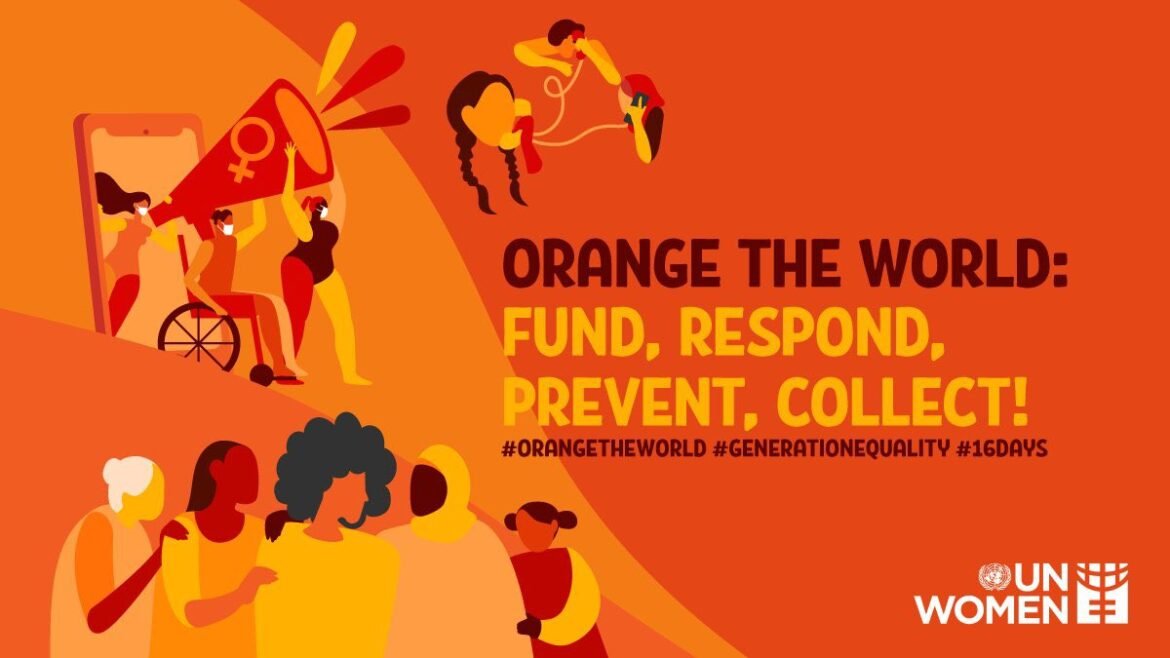
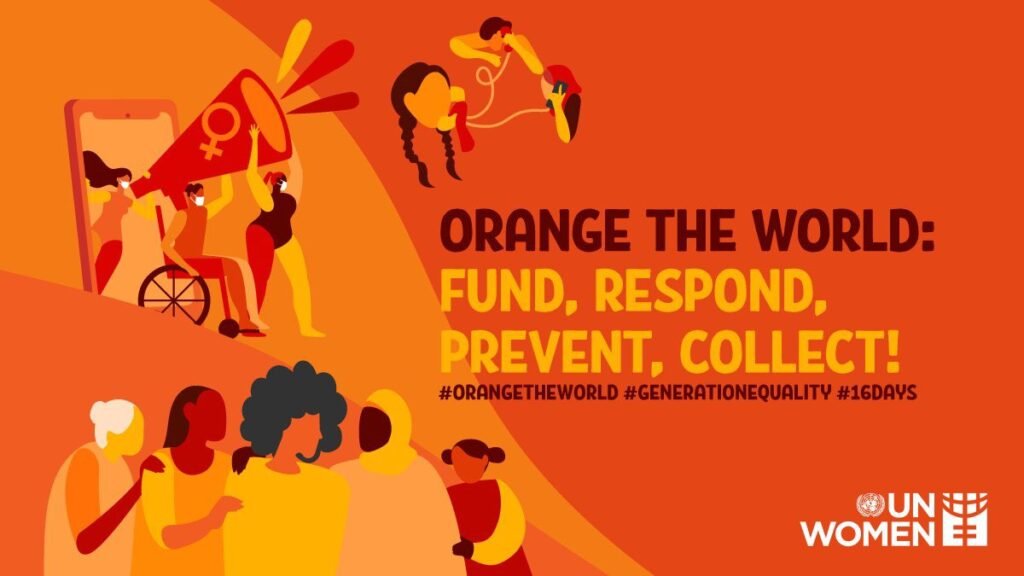
The 16 Days of Activism against Gender-Based Violence is observed each year from 25 November to 10 December. This year the global theme is “Orange the World: Fund, Respond, Prevent, Collect!” Rape is the top incident of Violence Against Women (VAW) in Nepal.

Rape, unlawful sexual activity, involving sexual intercourse, against the will of the victim through force or the threat of force or with an individual who is incapable of giving legal consent because of mental illness, mental deficiency, a person who is beneath a certain age, intoxication, unconsciousness, or deception.

The definition of rape, according to the Rape, Abuse and Incest National Network is:

“….. forced sexual intercourse, including vaginal, anal, or oral penetration.”

Rape is often known as “sexual abuse” or “sexual assault”, particularly in the law.

It is important to know that either gender can be the victim of rape. Additionally, both heterosexual and homosexual rapes takes place both inside and outside of relationships, It’s critical to understand that rape is never okay and that no matter the circumstance, rape is never the victim’s fault.

STATISTICS

Rape is one of the crimes frequently reported to the Nepal Women Commission (NWC). According to authorities, rape was enlisted as one of the top 10 incidents of violence against women in the NWC report.

According to the police, cases of rape and sexual violence have increased not only in the valley, but also in other parts of the country. The number of reported rape cases continues to rise despite strict laws in Nepal, the latest data from Nepal Police said.

A total of 1137 rape cases were registered in the fiscal year 2016/17 and 1480 were recorded across the country in fiscal year 2017/18. The Nepal Police data suggests that 1623 rape cases were registered across the country in the first eight months of the fiscal year 2018/19. Likewise, approximately per day six and per month 185 rape cases were registered in the Nepal Police.

Each year, the data shows that rape cases have been increasing rapidly. A majority of the rape victim were girls from the age group of 11-16 years, according to the data from the Nepal Police.

TYPE OF RAPE

Rape can be categorized in different ways: for example, by reference to the situation in which it occurs, by the identity or characteristics of the victim, and by the identity or characteristics of the perpetrator.

The most common types of rape:-

  1. Date Rape: It is unlawful sexual intercourse accomplished by force or fear with a person known to the victim but not related by blood or marriage that can be a classmate, friend, neighbor, date or boyfriend.
  2. Gang Rape: It occurs when a group of people (involving 2 or more is widely reported in many parts of the world) participate in the rape of a single victim.
  3. Spousal Rape/ Marital Rape: It is unwanted sexual act between a married couples or ex-spouse without consent or against a person’s will. Marital rape is considered as a form of domestic violence and sexual abuse.
  4. Rape of a child: It is a form of child sexual abuse when committed by another child, adolescent, parents, close relatives, caregiver, teacher, coaches or those person on whom child is dependent and can result in serious and long-term psychological trauma.
  5. Statutory Rape: It is commonly used name for the criminal offense that occurs when a person has sexual relations with another person who is not old enough to legally consent to having sexual relations.
  6. Serial Rape: It is rape committed by a person over a relatively long period of time and committed on a number of victims by following a specific and predictable pattern of targeting and assaulting victims.
  7. Prison Rape: Rape of prisoners by fellow prisoners or prison guards. Prison rape is mistakenly associated with homosexuality; however it is not but sex, but the exertion of power.
  8. Payback Rape: Rape of a female by group of males, as a revenge for acts committed by her family member with an aim to humiliate her family as a punishment for their prior behavior towards perpetrators.
  9. War Rape: Rapes committed by soldiers or civilians during armed conflict or war. It also covers the situation where girls and women are forced into prostitution or sexual slavery.
  10. Corrective Rape: It is targeted rape against non-heterosexuals as a punishment for violating gender roles. It is a form of hate crime against LGBT individuals, where rapist justifies the act as an acceptable response to the victim’s perceived sexual or gender orientation.
  11. Drug Related Rape: Rape when the perpetrator uses immense amount of drug or alcohol in order to dismiss the survivor’s capacity to provide consent for a sexual assault.

AFTERMATH OF RAPE

Psychological Impact

  1. Self-blame
  2. Anxiety
  3. Depression
  4. Suicidal tendency
  5. Hyper sexuality
  6. Post-traumatic stress disorder
  7. Sleeping disorder
  8. Substance abuse

Physical Impact

  1. Painful intercourse
  2. Urinary infection
  3. Pregnancy
  4. Sexually transmitted disease

Social Impact

  1. Secondary victimization
  2. Isolation
  3. Victim blaming

PREVENT POTENTIAL RAPE

Be Alert

  1. Avoid dangerous situation
  2. Avoid isolated areas
  3. Walk with a purpose
  4. Trust your instincts

Be Assertive

  1. State what you want
  2. Remember “No” means “No”
  3. Use confident voice and body posture
  4. Match your body language with words

Be Prepared

  1. Travel with friends
  2. Plan your outing and avoid getting into a bad situation
  3. Stay sober
  4. Take self-defense course
  5. Carry defensive items only if you know to use it

RAPE RECOVERY AND THERAPY

Recovery

  • First step of recovery is to provide with medical treatment.
  • Family and friends support
  • Counseling
  • Meditation
  • Proper diet, exercise and sleep

Therapy

  • Stress inoculation therapy
  • Cognitive processing therapy
  • Supportive counseling
  • Prolonged exposure therapy

RAPE VICTIM SUPPORT

  • Counseling and support groups
  • Crisis intervention
  • Information about  medical issues
  • Information for family and friends of victims
  • Explanation of criminal justice system
  • Educational materials and courses
  • Legal information and advocacy
  • Medical information, service and advocacy

MYTHS AND REALITY

There are many misguided beliefs or misunderstandings held by people in this world which hamper victims to cope and try to recover.

MythsReality
A woman who gets raped usually deserves it, especially if she has agreed to go out with man.No one deserves to be raped. Going out with man doesn’t mean man has right for rape.  
Women who say “No” really mean “Yes”.Remember that saying “No” always means “No”.
If a woman agrees to allow a man to pay for food, drinks, etc., then it means she owes him sex.Sex is not an implied payback for food or drink no matter how expensive it was.
Women who don’t fight back haven’t been raped.Rape occurs when one is forced to have sex against their will, whether they have decided to fight back or not.
Certain behaviors such as drinking or wearing short dresses make rape a women’s responsibility.Drinking and wearing short dresses are not invitations for sex.  
MYTHS AND REALITY

Written by: Aahana Sapkota, Public Health student, CiST College

Read more articles from Aahana Sapkota: DEPRESSION AND SUICIDE: THE HIDDEN CRISIS


Want to submit an article?

Send us your articles via ONLINE FORM with your name and photo. Public Health Update encourages public health students and professionals to submit views and voices.


Do you have a website? Looking for the best hosting provider? Here’s a discount code.

Latest Public Health Jobs

Latest Posts

  • Multisectoral Action Plan for the Prevention and Control of NCDs, 2026-2030 (Draft)
  • National Standard Operating Procedure for Early Warning, Alert and Response System (EWARS), 2025
  • Priority Infectious Diseases for Community-Based Surveillance in Nepal
  • Community Based Disease Surveillance Guideline, 2082
  • Political declaration of the fourth high-level meeting of the General Assembly on the prevention and control of NCDs and the promotion of mental health and well-being

Thanks for visiting us.
Disclaimer: The resources, documents, guidelines, and information on this blog have been collected from various sources and are intended for informational purposes only. Information published on or through this website and affiliated social media channels does not represent the intention, plan, or strategies of an organization that the initiator is associated with in a professional or personal capacity, unless explicitly indicated.
If you have any complaints, information, or suggestions about the content published on Public Health Update, please feel free to contact us at blog.publichealthupdate@gmail.com.
#StayUpdated


  • WordPress
  • Link
  • Facebook
  • Mail
  • Facebook
  • Twitter
  • Twitter
  • LinkedIn
  • Instagram
  • Facebook
November 26, 2020 0 comments
0 FacebookTwitterPinterestLinkedinTumblrVKOdnoklassnikiRedditStumbleuponWhatsappTelegramLINEPocketSkypeViberEmail
Guideline for COVID19 Facilitation Group Mobilization
National Plan, Policy & GuidelinesOutbreak News

Guideline for COVID19 Facilitation Group Mobilization

by Public Health Update November 25, 2020
written by Public Health Update

The Ministry of Health & Population endorsed a guideline for Guideline for COVID19 Facilitation Group Mobilization.

Download now
PDF FILE
Download now
PDF FILE


Do you have a website? Looking for the best hosting provider? Here’s a discount code.

Latest Public Health Jobs

Latest Posts

  • Multisectoral Action Plan for the Prevention and Control of NCDs, 2026-2030 (Draft)
  • National Standard Operating Procedure for Early Warning, Alert and Response System (EWARS), 2025
  • Priority Infectious Diseases for Community-Based Surveillance in Nepal
  • Community Based Disease Surveillance Guideline, 2082
  • Political declaration of the fourth high-level meeting of the General Assembly on the prevention and control of NCDs and the promotion of mental health and well-being

Thanks for visiting us.
Disclaimer: The resources, documents, guidelines, and information on this blog have been collected from various sources and are intended for informational purposes only. Information published on or through this website and affiliated social media channels does not represent the intention, plan, or strategies of an organization that the initiator is associated with in a professional or personal capacity, unless explicitly indicated.
If you have any complaints, information, or suggestions about the content published on Public Health Update, please feel free to contact us at blog.publichealthupdate@gmail.com.
#StayUpdated


  • WordPress
  • Link
  • Facebook
  • Mail
  • Facebook
  • Twitter
  • Twitter
  • LinkedIn
  • Instagram
  • Facebook
November 25, 2020 0 comments
0 FacebookTwitterPinterestLinkedinTumblrVKOdnoklassnikiRedditStumbleuponWhatsappTelegramLINEPocketSkypeViberEmail
Outbreak NewsNational Plan, Policy & GuidelinesResearch & Publication

Guideline for Isolation Kit Distribution

by Public Health Update November 25, 2020
written by Public Health Update

The Ministry of Health & Population endorsed a guideline for Isolation Kit distribution. This guideline provides a guidance to local government to reduce the risk at home isolation.

Download now
PDF FILE
Download now
PDF FILE


Do you have a website? Looking for the best hosting provider? Here’s a discount code.

Latest Public Health Jobs

Latest Posts

  • Multisectoral Action Plan for the Prevention and Control of NCDs, 2026-2030 (Draft)
  • National Standard Operating Procedure for Early Warning, Alert and Response System (EWARS), 2025
  • Priority Infectious Diseases for Community-Based Surveillance in Nepal
  • Community Based Disease Surveillance Guideline, 2082
  • Political declaration of the fourth high-level meeting of the General Assembly on the prevention and control of NCDs and the promotion of mental health and well-being

Thanks for visiting us.
Disclaimer: The resources, documents, guidelines, and information on this blog have been collected from various sources and are intended for informational purposes only. Information published on or through this website and affiliated social media channels does not represent the intention, plan, or strategies of an organization that the initiator is associated with in a professional or personal capacity, unless explicitly indicated.
If you have any complaints, information, or suggestions about the content published on Public Health Update, please feel free to contact us at blog.publichealthupdate@gmail.com.
#StayUpdated


  • WordPress
  • Link
  • Facebook
  • Mail
  • Facebook
  • Twitter
  • Twitter
  • LinkedIn
  • Instagram
  • Facebook
November 25, 2020 0 comments
0 FacebookTwitterPinterestLinkedinTumblrVKOdnoklassnikiRedditStumbleuponWhatsappTelegramLINEPocketSkypeViberEmail
World AIDS Day let us demand global solidarity and shared responsibility.
PH Important DayCommunicable DiseasesPublic HealthPublic Health Events

World AIDS Day 2020: Global solidarity, shared responsibility!

by Public Health Update November 24, 2020
written by Public Health Update

World AIDS Day observed each year on 1 December to show support for people living with HIV and to remember those who have died from AIDS-related illnesses. It was initiated in 1988. World AIDS Day was the first ever international day for global health.

Key facts

  • 38,000,000 estimated number of people living with HIV in 2019
  • 1,700,000 people were newly infected with HIV in 2019
  • 690,000 people died of HIV-related causes in 2019
  • 68 % of adults living with HIV received lifelong antiretroviral therapy (ART) in 2019.
  • HIV Epidemic Update of Nepal (Fact sheet 2020)

Theme 2020

The theme of World AIDS Day 2020 is “Global solidarity, shared responsibility”. Global solidarity and shared responsibility requires us to view global health responses, including the AIDS response, in a new way. It requires the world to come together to ensure that:
– Health is fully financed.
– Health systems are strengthened.
– Access is ensured.
– Human rights are respected.
– The rights of women and girls, and gender equality, are at the centre.

Key messages

1. Renew our fight to end AIDS: It’s time to invest, innovate and integrate HIV services with broader health care and the pandemic response, to help us get back on track to end HIV by 2030. We are missing the global targets for 2020. On 1 December, we renew our call to do better.

2. Use innovative HIV services to ensure continued HIV care: There are many new approaches countries are adopting to ensure HIV care during the pandemic – for example providing multi-month prescriptions of HIV medicines to protect the health of people on HIV treatment and to reduce the burden on a stretched health service.

3. Engage and protect nurses, midwives and community health workers: Nurses and midwives are on the frontline of HIV care, treatment and prevention. In this year of the Nurse and the Midwife, we urge policymakers to ensure that frontline health workers, nurses, midwives and community health workers are engaged, supported and protected when delivering services for HIV and COVID-19.

4. Prioritize the vulnerable – youth and key populations: We need to ensure continued provision of HIV services for children, adolescents and key populations during COVID-19. Key populations include people who use drugs, men who have sex with men, sex workers, transgender people and people in prisons that are disproportionately affected by HIV.

Call to action

Health workers

  • Advocate for maintaining high quality essential HIV services during the COVID pandemic;
  • Incorporate HIV into routine health interventions;
  • Deliver care that is kind, respectful of human rights and without stigma;
  • Ensure you are trained and aware of infection prevention and control and that you use appropriate measures;
  • Protect your safety and that of the people you care for. 

Ministries of Health, National AIDS Commissions and other public health leaders

  • Take decisive action to revive and maintain essential HIV services during the COVID-19 pandemic;
  • Allocate sufficient resources improve the quality of HIV services and make them more resilient and sustainable;
  • Support and empower frontline health workers (nurses, midwives and community health workers) to deliver high-quality HIV services, while recognizing their critical contributions in providing HIV services;
  • Ensure appropriate and sufficient personal protective equipment and hand hygiene items, as well as the provision of a supportive, safe working environment to improve the safety of working conditions in health care settings;
  • Focus efforts to reach populations that are vulnerable or that are key to the HIV response, including, pregnant women and infants;
  • Expand high quality HIV services for children and adolescents in a flexible and sustainable manner;
  • Empower communities to combat stigma and discrimination.

Community leaders

  • Ensure essential HIV services are maintained in the community;
  • Support community health workers, including nurses and midwives, to provide HIV services to everyone in the community;
  • Combat stigma and discrimination to ensure that everyone feels safe to access HIV services;
  • Reach out to key and vulnerable populations and assist them to access HIV services when needed;
  • Ensure that children, pregnant women and infants receive adequate care that incorporates HIV. 

HIV program managers 

  • Support and empower frontline health workers to deliver high quality HIV services to everyone who needs them;
  • Recognize the essential contributions of nurses and midwives to providing HIV services;
  • Ensure adequate training in HIV services for frontline health workers;
  • Focus on key and vulnerable populations for delivery of HIV services.

Development partners

  • Ensure uninterrupted supply of essential commodities, supplies and HIV services;
  • Invest in building the capacity of frontline health workers, including nurses and midwives, to deliver quality HIV services;
  • Increase efforts to ensure that frontline health workers are able to protect themselves from infection and illness in the workplace;
  • Support people-centred care including Differentiated Service Delivery (DSD) and multi-month dispending (MMD) for all populations

Source of information: WHO, UNAIDS, World AIDS Day


  • World AIDS Day 2019: Communities make the difference!
  • ”Know your status” – World AIDS Day 2018
  • World AIDS Day 2017 (WAD2017), Pokhara
  • Right to health- World AIDS Day 2017
  • More people suffering from HIV/AIDS in the country are receiving antiretroviral drugs
  • Getting to Zero #World AIDS Day 2015
  • World AIDS Day 2016: HANDS UP FOR #HIVPREVENTION


Do you have a website? Looking for the best hosting provider? Here’s a discount code.

Latest Public Health Jobs

Latest Posts

  • Multisectoral Action Plan for the Prevention and Control of NCDs, 2026-2030 (Draft)
  • National Standard Operating Procedure for Early Warning, Alert and Response System (EWARS), 2025
  • Priority Infectious Diseases for Community-Based Surveillance in Nepal
  • Community Based Disease Surveillance Guideline, 2082
  • Political declaration of the fourth high-level meeting of the General Assembly on the prevention and control of NCDs and the promotion of mental health and well-being

Thanks for visiting us.
Disclaimer: The resources, documents, guidelines, and information on this blog have been collected from various sources and are intended for informational purposes only. Information published on or through this website and affiliated social media channels does not represent the intention, plan, or strategies of an organization that the initiator is associated with in a professional or personal capacity, unless explicitly indicated.
If you have any complaints, information, or suggestions about the content published on Public Health Update, please feel free to contact us at blog.publichealthupdate@gmail.com.
#StayUpdated



  • WordPress
  • Link
  • Facebook
  • Mail
  • Facebook
  • Twitter
  • Twitter
  • LinkedIn
  • Instagram
  • Facebook
November 24, 2020 4 comments
0 FacebookTwitterPinterestLinkedinTumblrVKOdnoklassnikiRedditStumbleuponWhatsappTelegramLINEPocketSkypeViberEmail
Syllabus for AHW, ANM & Laboratory Assistant- Bagmati PSC
SyllabusPublic Health NotesResearch & Publication

Syllabus for AHW, ANM & Laboratory Assistant- Bagmati PSC

by Public Health Update November 23, 2020
written by Public Health Update

Syllabus for AHW, ANM & Laboratory Assistant- Bagmati PSC

Advertisement for AHW, ANM & Laboratory Assistant- Bagmati PSC

DOWNLOAD PDF FILE: AHW

DOWNLOAD PDF FILE: ANM

DOWNLOAD PDF FILE: Laboratory Assistant


Reference materials for preparation

  • Department of Health Services (DoHS) Annual Report 2074/75 (2017/18)
  • Key Indicators: The Nepal Demographic and Health Survey (1996 NDHS- 2016 NDHS)
  • The 2016 Nepal Demographic and Health Survey (2016 NDHS)
  • Nepal Multiple Indicator Cluster Survey 2019 (NMICS 2019): Key findings
  • National Tuberculosis Programme Annual Report 2018
  • Organogram and Reporting Mechanism of Nepalese Health System in Federal Context
  • The Ministry of Health and Population (MoHP), Nepal
  • Department of Health Services (DoHS), Ministry of Health and Population
  • Department of Ayurveda and Alternative Medicine (DoAA)
  • Curative Service Division (CSD)- Department of Health Services
  • Department of Drug Administration (DDA), Ministry of Health and Population
  • National Immunization Schedule, Nepal (Revised)
  • What is Public Health Emergency of International Concern (PHEIC)?
  • Epidemiology and Disease Control Division, Department of Health Services

Recommended readings

  • Syllabus for Undergraduate Common Entrance Examination 2020
  • List of Registered Postgraduate Medical (Health Professionals) Programs in Nepal
  • Medical Education Commission Syllabus for Postgraduate Entrance Examination (2020)
  • Syllabus for Postgraduate Integrated Entrance Examination
  • Syllabus for Bachelor in Public Health (BPH) Common Entrance Examination
  • Syllabus for MBBS/BDS/BSc Nursing/BASLP/B Perfusion Technology Common Entrance Examination
  • Syllabus for Bachelor in Nursing Science (BNS) Common Entrance Examination
  • Syllabus for BAMS/BSc MLT/BSc MIT/BPT/B Pharm/B Optometry Common Entrance Examination

Do you have a website? Looking for the best hosting provider? Here’s a discount code.

Latest Public Health Jobs

Latest Posts

  • Multisectoral Action Plan for the Prevention and Control of NCDs, 2026-2030 (Draft)
  • National Standard Operating Procedure for Early Warning, Alert and Response System (EWARS), 2025
  • Priority Infectious Diseases for Community-Based Surveillance in Nepal
  • Community Based Disease Surveillance Guideline, 2082
  • Political declaration of the fourth high-level meeting of the General Assembly on the prevention and control of NCDs and the promotion of mental health and well-being

Thanks for visiting us.
Disclaimer: The resources, documents, guidelines, and information on this blog have been collected from various sources and are intended for informational purposes only. Information published on or through this website and affiliated social media channels does not represent the intention, plan, or strategies of an organization that the initiator is associated with in a professional or personal capacity, unless explicitly indicated.
If you have any complaints, information, or suggestions about the content published on Public Health Update, please feel free to contact us at blog.publichealthupdate@gmail.com.
#StayUpdated


  • WordPress
  • Link
  • Facebook
  • Mail
  • Facebook
  • Twitter
  • Twitter
  • LinkedIn
  • Instagram
  • Facebook
November 23, 2020 0 comments
0 FacebookTwitterPinterestLinkedinTumblrVKOdnoklassnikiRedditStumbleuponWhatsappTelegramLINEPocketSkypeViberEmail
Newer Posts
Older Posts

Search

Follow Us

Facebook Twitter Instagram Pinterest Linkedin Youtube

Categories

  • Abstracts (25)
  • Activities (91)
  • Adolescent Sexual and Reproductive Health (ASRH) (25)
  • Advice & Tips (3)
  • African Region (5)
  • AI and Health (1)
  • Annual Meeting (6)
  • Antimicrobial Resistance (AMR) (20)
  • Award (19)
  • Awards (16)
  • Books (9)
  • Call for Proposal, EOI & RFP (103)
  • Call for Research Participants (8)
  • Clinical Doctor Jobs (6)
  • Communicable Diseases (107)
  • Competition (20)
  • Conference (128)
  • Consultant (1)
  • Courses (204)
  • Dashboard (2)
  • Digital Health & Health Informatics (10)
  • Drug and Medicine (18)
  • Eastern Mediterranean Region (3)
  • Education (15)
  • Environment (3)
  • Environmental Health & Climate Change (47)
  • European Region (42)
  • Exchange Program (1)
  • Fact Sheet (116)
  • FCHVs (1)
  • Fellowships, Studentship & Scholarships (165)
  • Financial Aid (13)
  • Form Formats (2)
  • Fully funded (22)
  • Global Health News (433)
  • Grants and Funding Opportunities (192)
  • Guest Post (44)
  • Health Assistant Jobs (1)
  • Health Equity (7)
  • Health Financing and Economics (24)
  • Health in Data (113)
  • Health Insurance (5)
  • Health Jobs (52)
  • Health Literacy, Health Education & Promotion (49)
  • Health Organization Profile (42)
  • Health Systems (81)
  • Human Resource for Health (32)
  • Humanitarian Health & Emergency Response (44)
  • Hypertension (5)
  • Implementation Research (48)
  • International Health (3)
  • International Jobs & Opportunities (369)
  • International Plan, Policy & Guidelines (208)
  • Internships (4)
  • Jobs Vacancies (56)
  • Journals (8)
  • Life Style & Public Health Nutrition (39)
  • Live (10)
  • Master's Degree (48)
  • Maternal, Newborn and Child Health (87)
  • Mentorship Program (2)
  • Miscellaneous (16)
  • National Health News (157)
  • National Plan, Policy & Guidelines (468)
  • Neglected Tropical Diseases (NTDs) (51)
  • Non- Communicable Diseases (NCDs) (120)
  • Notice (103)
  • Nursing Jobs (6)
  • Nutritionist Jobs (1)
  • One Health (17)
  • Online & Distance Learning (22)
  • Online Courses (90)
  • Op-Ed Article (3)
  • Opportunities by Region (82)
  • Outbreak News (213)
  • Partially funded (6)
  • PCL Health Science Jobs (3)
  • PH Important Day (532)
  • Pharmacist Jobs (3)
  • PhD (53)
  • Photos (5)
  • Planetary Health (4)
  • PostDoc (14)
  • Presentation Slides (26)
  • Primary Health Care (25)
  • Provincial Plan, Policies and Guidelines (14)
  • Public Health (1,278)
  • Public Health Epidemiology & Biostatistics (13)
  • Public Health Events (305)
  • Public Health Information (20)
  • Public Health Innovation (9)
  • Public Health Jobs (52)
  • Public Health News (552)
  • Public Health Notes (120)
  • Public Health Opportunities (502)
  • Public Health Opportunity (486)
  • Public Health Programs (108)
  • Public Health Seminar (2)
  • Public Health Tools (1)
  • Public Health Update (557)
  • Quality Improvement & Infection Prevention (20)
  • Region of America (8)
  • Reports (182)
  • Research & Project Grants (38)
  • Research & Project Grants (31)
  • Research & Publication (647)
  • Research Articles (10)
  • Road Traffic Accidents (RTA) (9)
  • School of Public Health (60)
  • Self funded (2)
  • South-East Asia Region (26)
  • Success Stories (17)
  • Summer and Winter Courses (39)
  • Summer Courses (27)
  • Sustainable Development Goals (SDGs) (14)
  • Syllabus (61)
  • Symposium (9)
  • Tobacco Control (35)
  • Training (40)
  • Travel Grants (15)
  • Trick, Technique & Skills (8)
  • Uncategorized (3)
  • Undergraduate Degree (7)
  • Universal Health Coverage (36)
  • Universities (29)
  • Universities & School of Public Health (57)
  • Vacancy Announcement (26)
  • Vaccine Preventable Diseases (40)
  • Vector-Borne Diseases(VBDs) (30)
  • Videos (3)
  • View Points (1)
  • Webinar (4)
  • Western Pacific Region (13)
  • Workshop (18)
  • World News (116)
Post New Jobs: Vacancy Announcement Service

Public Health Update (Sagun’s Blog) is a popular public health portal in Nepal. Thousands of health professionals are connected with Public Health Update to get up-to-date public health updates, search for jobs, and explore opportunities.
#1 Public Health Blog for sharing Job opportunities and updates in Nepal

”Public Health Information For All”
– – Sagun Paudel, Founder

  • HOT JOBS
    • Public Health Jobs
    • Medical Doctor Jobs
    • Nursing Jobs
    • Health Assistant Jobs
    • Pharmacist Jobs
    • NGOs Jobs
    • Government Jobs
  • Top Categories
    • National Plan, Policy & Guidelines Top
    • Public Health Calendar
    • Fellowships & Scholarships
    • Health Systems
    • Health Organization Profiles
    • International Jobs & Opportunities
    • Public Health Opportunity

PUBLIC HEALTH INITIATIVE

    • Submit your Vacancies New
    • Partnership Opportunities

Contact: blog.publichealthupdate@gmail.com

https://wa.me/+9779856036932

Public Health Initiative, A Registered Non-profit organization – All Right Reserved. 2011-2024. Contact us. 

Facebook Twitter Instagram Youtube Envelope
Public Health Update
  • Home
  • Public Health
    • Home 1
      • Adolescent Sexual and Reproductive Health (ASRH)
      • Antimicrobial Resistance (AMR)
      • Communicable Diseases
      • Digital Health & Health Informatics
      • Environmental Health & Climate Change
      • Health Financing and Economics
      • Health Equity
    • Home 2
      • Health Literacy, Health Education & Promotion
      • Human Resource for Health
      • Humanitarian Health & Emergency Response
      • Implementation Research
      • International Health
      • Life Style & Public Health Nutrition
      • Maternal, Newborn and Child Health
    • Home 3
      • Neglected Tropical Diseases (NTDs)
      • Non- Communicable Diseases (NCDs)
      • One Health
      • Planetary Health
      • Public Health Epidemiology & Biostatistics
      • Primary Health Care
      • Quality Improvement & Infection Prevention
    • Home 4
      • Road Traffic Accidents (RTA)
      • Sustainable Development Goals (SDGs)
      • Tobacco Control
      • Universal Health Coverage
      • Vaccine Preventable Diseases
      • Vector-Borne Diseases(VBDs)
      • Notices
  • Public Health Update
    • Home 1
      • Public Health News
      • Global Health News
      • Outbreak News
      • National Health News
      • COVID-19
    • Home 2
      • Fact Sheet
      • Health in Data
      • PH Important Day
      • Public Health Events
      • Public Health Programs
    • Home 3
      • Health Systems
      • Health Insurance
      • Health Organization Profile
      • Success Stories
      • Public Health Innovation
  • Public Health Opportunities
    • Fully funded
    • Travel Grants
    • Grants and Funding Opportunities
    • Opportunities by Region
    • International Jobs & Opportunities
    • Research & Project Grants
    • Fellowships, Studentship & Scholarships
    • Conference
  • Jobs
    • Home 1
      • Health Jobs
      • Public Health Jobs
      • Clinical doctor Jobs
      • Health Assistant Jobs
      • Nursing Jobs
      • PCL Health Science Jobs
    • Home 2
      • Dental Jobs
      • Pharmacist Jobs
      • TSLC (Health Jobs)
      • Laboratory Jobs
      • Nutritionist Jobs
  • Downloads
    • International Plan, Policy & Guidelines
    • National Plan, Policy & Guidelines
    • Reports
    • Books
    • Research Articles
  • School of Public Health
    • Home 1
      • Courses
      • Master’s Degree
      • Undergraduate Degree
      • PhD
    • Home 2
      • Universities
      • Syllabus
      • Public Health Notes
      • Mentorship Program
      • Startup Project
    • Home
      • Summer and Winter Courses
      • Summer Courses
      • Online Courses
      • Workshop
      • Training
Public Health Update
  • Home
  • Public Health
    • Home 1
      • Adolescent Sexual and Reproductive Health (ASRH)
      • Antimicrobial Resistance (AMR)
      • Communicable Diseases
      • Digital Health & Health Informatics
      • Environmental Health & Climate Change
      • Health Financing and Economics
      • Health Equity
    • Home 2
      • Health Literacy, Health Education & Promotion
      • Human Resource for Health
      • Humanitarian Health & Emergency Response
      • Implementation Research
      • International Health
      • Life Style & Public Health Nutrition
      • Maternal, Newborn and Child Health
    • Home 3
      • Neglected Tropical Diseases (NTDs)
      • Non- Communicable Diseases (NCDs)
      • One Health
      • Planetary Health
      • Public Health Epidemiology & Biostatistics
      • Primary Health Care
      • Quality Improvement & Infection Prevention
    • Home 4
      • Road Traffic Accidents (RTA)
      • Sustainable Development Goals (SDGs)
      • Tobacco Control
      • Universal Health Coverage
      • Vaccine Preventable Diseases
      • Vector-Borne Diseases(VBDs)
      • Notices
  • Public Health Update
    • Home 1
      • Public Health News
      • Global Health News
      • Outbreak News
      • National Health News
      • COVID-19
    • Home 2
      • Fact Sheet
      • Health in Data
      • PH Important Day
      • Public Health Events
      • Public Health Programs
    • Home 3
      • Health Systems
      • Health Insurance
      • Health Organization Profile
      • Success Stories
      • Public Health Innovation
  • Public Health Opportunities
    • Fully funded
    • Travel Grants
    • Grants and Funding Opportunities
    • Opportunities by Region
    • International Jobs & Opportunities
    • Research & Project Grants
    • Fellowships, Studentship & Scholarships
    • Conference
  • Jobs
    • Home 1
      • Health Jobs
      • Public Health Jobs
      • Clinical doctor Jobs
      • Health Assistant Jobs
      • Nursing Jobs
      • PCL Health Science Jobs
    • Home 2
      • Dental Jobs
      • Pharmacist Jobs
      • TSLC (Health Jobs)
      • Laboratory Jobs
      • Nutritionist Jobs
  • Downloads
    • International Plan, Policy & Guidelines
    • National Plan, Policy & Guidelines
    • Reports
    • Books
    • Research Articles
  • School of Public Health
    • Home 1
      • Courses
      • Master’s Degree
      • Undergraduate Degree
      • PhD
    • Home 2
      • Universities
      • Syllabus
      • Public Health Notes
      • Mentorship Program
      • Startup Project
    • Home
      • Summer and Winter Courses
      • Summer Courses
      • Online Courses
      • Workshop
      • Training
Public Health Initiative, A Registered Non-profit organization – All Right Reserved. 2011-2023