Public Health Update
  • Home
  • Public Health Update
  • Nepal Health Jobs
    • Public Health Job Board
    • Organization List
  • Opportunities
    • Fellowships, Studentship & Scholarships
    • Grants and Funding Opportunities
    • Fully funded
    • Conference
  • Downloads
    • International Plan, Policy & Guidelines
    • National Plan, Policy & Guidelines
    • Reports
    • Public Health Notes
    • Syllabus
    • Form Formats
  • School of Public Health
    • PhD
    • Master’s Degree
    • Online Courses
  • Notice
  • Home
  • Public Health Update
  • Nepal Health Jobs
    • Public Health Job Board
    • Organization List
  • Opportunities
    • Fellowships, Studentship & Scholarships
    • Grants and Funding Opportunities
    • Fully funded
    • Conference
  • Downloads
    • International Plan, Policy & Guidelines
    • National Plan, Policy & Guidelines
    • Reports
    • Public Health Notes
    • Syllabus
    • Form Formats
  • School of Public Health
    • PhD
    • Master’s Degree
    • Online Courses
  • Notice
LOGIN / REGISTER
Public Health Update
SUBSCRIBE
Public Health Update
  • Home
  • Public Health Update
  • Nepal Health Jobs
    • Public Health Job Board
    • Organization List
  • Opportunities
    • Fellowships, Studentship & Scholarships
    • Grants and Funding Opportunities
    • Fully funded
    • Conference
  • Downloads
    • International Plan, Policy & Guidelines
    • National Plan, Policy & Guidelines
    • Reports
    • Public Health Notes
    • Syllabus
    • Form Formats
  • School of Public Health
    • PhD
    • Master’s Degree
    • Online Courses
  • Notice

All Right Reserved. Designed and Developed by PenciDesign

Call for Abstract: 3rd Global Nepali Health Conference
Call for Proposal, EOI & RFPActivitiesConferencePublic Health Events

Call for Abstract: 3rd Global Nepali Health Conference

by Public Health Update July 5, 2021
written by Public Health Update

Overview

The 3rd Global Nepali Health Conference September 17-19, 2021 London, United Kingdom Organized by Health Committee non-Resident Nepali Association. We invite scholars and practitioners from all disciplines as well as the curious general public to participate in the 3rd Global Nepali Health Conference. We welcome abstracts for contributions that share research findings related to Nepali society or the broader global health issues. Research from all disciplines will be considered, including work relating to the Nepali Diaspora.

Theme

The theme of this year conference is “Holistic Health in the Era of Pandemic and Beyond”. We particularly invite submissions for scientific presentation, symposium/panel discussion and skills building workshops.

Sub-themes:
  – Holistic healthcare and Covid-19
  – Epidemiology of Covid-19
  – Covid-19 prevention
  – Treatment and care of Covid-19 patients
  – Covid-19 and mental health
  – Covid-19 Vaccine
  – Impacts of Covid-19 on treatment and care of other health problems or diseases.

Call for abstract or proposal

Conference organizing committee invites an abstract or proposal for following headings

Abstract for Scientific Session

The oral paper presentation or poster presentation may be authored by an individual or by a group. The abstract should be in line with the main theme of the conference and linked to the conference’s sub-themes. The oral presentations will be grouped in parallel sessions based on the sub-themes. Similarly, the poster presentation may be created by an individual or by a group and is to be e-displayed during the conference. At times, the author(s) of the poster will accompany it, to answer questions that people have. The abstract submitted should be 300 words or less. 

Abstract For Symposium And Panel Discussion

When applying for a symposium, one person (Symposium Coordinator) is responsible for submitting the following: 

The symposium presentation is a self-organized seminar/webinar of three (or more) speakers on a common topic which are presented within the same session and are in line with the conference’s main theme, as well as one or more of the sub-themes. 

  • 1. An abstract (maximum 300 words) that describes the theme of the symposium and which argues for the importance of it within the framework of the conference. 
  • 2. Short biography (Maximum 100 words per person) of panel members 
  • 3. Photos of Panel members 

Proposal for Skills Building Workshops

A self-organized skills building workshop of one or more presentations relevant to the conference theme/sub-themes. Workshops are intended to be thoroughly interactive with considerable participation and discussion from those attending. Workshops may have an explicit agenda of training participants on a given topic or of generating an interest group or a network for future collaboration. If applying for a workshop, please submit an abstract of 300 words or less including a description of the content and how it will be delivered (pedagogical methods, etc.)

Deadlines:
Abstract submission: 15th July 2021
Notification of acceptance: 1st August 2021
Conference registration by: 15th August 2021

Please send your abstract or proposal in this email address: abstract@nrna.org

More info: Official website


Do you have a website? Looking for the best hosting provider? Here’s a discount code.

Latest Public Health Jobs

Latest Posts

  • World Water Day 2026 | Water & Gender Equality
  • Nepal Antimicrobial Resistance (AMR) Bulletin FY 2081/82
  • Call for applications! Short Course on Qualitative Research Methods in Public Health, 2026
  • World Obesity Day 2026 | 8 Billion Reasons to Act on Obesity
  • Salim Yusuf Emerging Leaders Programme 2026

Thanks for visiting us.
Disclaimer: The resources, documents, guidelines, and information on this blog have been collected from various sources and are intended for informational purposes only. Information published on or through this website and affiliated social media channels does not represent the intention, plan, or strategies of an organization that the initiator is associated with in a professional or personal capacity, unless explicitly indicated.
If you have any complaints, information, or suggestions about the content published on Public Health Update, please feel free to contact us at blog.publichealthupdate@gmail.com.
#StayUpdated


  • WordPress
  • Link
  • Facebook
  • Mail
  • Facebook
  • Twitter
  • Twitter
  • LinkedIn
  • Instagram
  • Facebook
July 5, 2021 0 comments
0 FacebookTwitterPinterestLinkedinTumblrVKOdnoklassnikiRedditStumbleuponWhatsappTelegramLINEPocketSkypeViberEmail
Call for Application: Workshop on Introduction to Clinical Research and GCP
WorkshopImplementation ResearchPublic Health OpportunitiesPublic Health OpportunityTraining

Call for Application: Workshop on Introduction to Clinical Research and GCP

by Public Health Update July 4, 2021
written by Public Health Update

Call for application for Workshop on Introduction to Clinical Research and Good Clinical Practices in Kathmandu.

Training date: 31st July- August 2021
Registration deadline: 7th July 2021
Venue: Park Village Resort


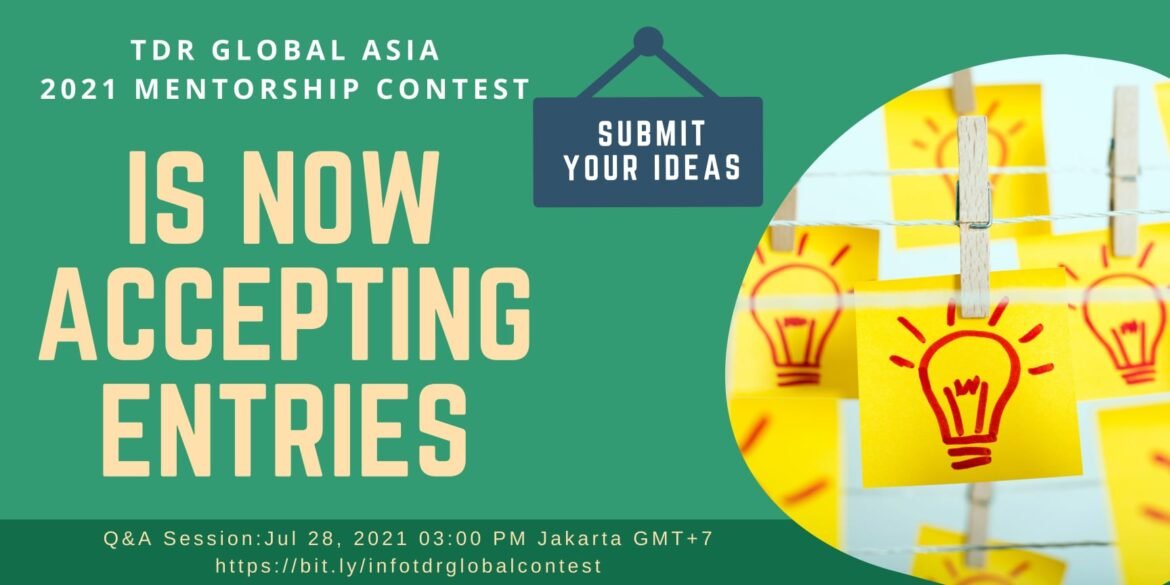
WHO TDR


Do you have a website? Looking for the best hosting provider? Here’s a discount code.

Latest Public Health Jobs

Latest Posts

  • World Water Day 2026 | Water & Gender Equality
  • Nepal Antimicrobial Resistance (AMR) Bulletin FY 2081/82
  • Call for applications! Short Course on Qualitative Research Methods in Public Health, 2026
  • World Obesity Day 2026 | 8 Billion Reasons to Act on Obesity
  • Salim Yusuf Emerging Leaders Programme 2026

Thanks for visiting us.
Disclaimer: The resources, documents, guidelines, and information on this blog have been collected from various sources and are intended for informational purposes only. Information published on or through this website and affiliated social media channels does not represent the intention, plan, or strategies of an organization that the initiator is associated with in a professional or personal capacity, unless explicitly indicated.
If you have any complaints, information, or suggestions about the content published on Public Health Update, please feel free to contact us at blog.publichealthupdate@gmail.com.
#StayUpdated


  • WordPress
  • Link
  • Facebook
  • Mail
  • Facebook
  • Twitter
  • Twitter
  • LinkedIn
  • Instagram
  • Facebook
July 4, 2021 0 comments
0 FacebookTwitterPinterestLinkedinTumblrVKOdnoklassnikiRedditStumbleuponWhatsappTelegramLINEPocketSkypeViberEmail
Request for Application: Implementation Science Research (Hypertension and Cervical Cancer)
Public HealthGrants and Funding OpportunitiesImplementation ResearchPublic Health OpportunitiesPublic Health OpportunityResearch & Project GrantsResearch & Project Grants

Request for Application: Implementation Science Research (Hypertension and Cervical Cancer)

by Public Health Update July 4, 2021
written by Public Health Update

Institute for implementation science and health (IISH) invites research grant applications for the prevention or management of Hypertension OR Cervical Cancer in Nepal from Nepali early career investigators and graduate students.

Purpose

The purpose of the grant award is two-fold: first, to promote implementation research methods to translate evidence-based interventions into real-life for prevention and management of hypertension and cervical cancer in Nepal (one application can address either hypertension or cervical cancer) And second, to build the capacity of local Nepali researchers to grant writing, implementation research administration and manuscript publication.

Scope

The overarching objective of this funding opportunity is to improve hypertension and cervical cancer prevention and management in local context. This can include either formative research to design/ modify interventions, stakeholder engagement, intervention studies to measure process outcomes, evaluation of ongoing interventions or hybrid designs to include classical health science studies along with implementation science outcomes.

Anticipated number of awards and amount: Three awards – each up to NRs 100,000 – will be granted to early career investigators. Four awards – each up to NRs 50,000 – will be granted to current graduate students.

Eligibility

(a) Early career investigators should have at least Master’s degree in health science and should be within 5 years after completion of Master’s degree.(b) Graduate students should be currently enrolled in a Masters degree program in health science in a Nepali university.
(c) Only Nepali citizens’ applications will be considered.
(d) In collaborative applications, Principal investigators should fulfill all of the criteria.

  • Females are highly encouraged to apply.
  • Applications in collaboration with the Nepal government are highly encouraged.

Submission guideline

Submission: Interested persons/ groups should submit in a single document : (a) Technical proposal; (b) Financial proposal; and (c) CV, passport size photo, citizenship certificate copy of all investigators no later than submission deadline to implementationscienceinstitute@gmail.com.

Key Dates

  • Announcement: June 1, 2021
  • Submission deadline: July 15, 2021
  • Result Announcement: August 15 , 2021
  • Start date : September 1, 2021
  • End date: August 30, 2022

READ MORE ABOUT REQUEST FOR APPLICATION


Do you have a website? Looking for the best hosting provider? Here’s a discount code.

Latest Public Health Jobs

Latest Posts

  • World Water Day 2026 | Water & Gender Equality
  • Nepal Antimicrobial Resistance (AMR) Bulletin FY 2081/82
  • Call for applications! Short Course on Qualitative Research Methods in Public Health, 2026
  • World Obesity Day 2026 | 8 Billion Reasons to Act on Obesity
  • Salim Yusuf Emerging Leaders Programme 2026

Thanks for visiting us.
Disclaimer: The resources, documents, guidelines, and information on this blog have been collected from various sources and are intended for informational purposes only. Information published on or through this website and affiliated social media channels does not represent the intention, plan, or strategies of an organization that the initiator is associated with in a professional or personal capacity, unless explicitly indicated.
If you have any complaints, information, or suggestions about the content published on Public Health Update, please feel free to contact us at blog.publichealthupdate@gmail.com.
#StayUpdated


  • WordPress
  • Link
  • Facebook
  • Mail
  • Facebook
  • Twitter
  • Twitter
  • LinkedIn
  • Instagram
  • Facebook
July 4, 2021 0 comments
0 FacebookTwitterPinterestLinkedinTumblrVKOdnoklassnikiRedditStumbleuponWhatsappTelegramLINEPocketSkypeViberEmail
Call for ICASA 2021 Scholarship Application
ConferenceFellowships, Studentship & ScholarshipsInternational Jobs & OpportunitiesPublic Health OpportunitiesPublic Health Opportunity

Call for ICASA 2021 Scholarship Application

by Public Health Update July 3, 2021
written by Public Health Update

The International Conference on AIDs and Sexually Transmitted Infections in Africa (ICASA) is a Major Bilingual International Aids Conference Which Takes Place in Africa. It Is a Biennial Event That Alternates Between Anglophone and Francophone African Countries. The 21st Edition of ICASA (2021) Will Be Held in December 2021.

Theme for ICASA 2021

  • Africa’s AIDS response: The race to 2030 – Evidence. Scale Up. Accelerate

Objectives

  • To strengthen health systems to integrate high impact interventions on comorbidities, emerging infections and NCDs.
  • To build, strengthen and invest in Africa’s scientific capacity and manufacturing of vaccines, diagnostics and therapeutics.
  • To Identify in Africa, resource tailored interventions for populations most affected including women, children, adolescents, men and Key Populations.
  • To evaluate the impact of COVID-19 on the HIV/AIDS response and share lessons learned in overcoming barriers in maintaining continuity of care for people living with and at risk for HIV infection.
  • To amplify national, regional, continental and global integration to reach epidemic control in Africa: Contributions from Africans in the Diaspora.

Call for scholarship applications

One of the main initiatives of the conference is to make the conference as accessible and beneficial as possible to delegates from all regions of the globe, especially those in resource-limited communities and settings.

The Scholarship Programme of ICASA 2021 empower those least able, but most in need, to attend.

OPEN: 2ND JULY 2021.

CLOSE: 30TH JULY 2021.

If it were not for the support of sponsors and donors, attending the International Conference on AIDS and Sexually Transmitted Infections in Africa, ICASA 2021 would be limited to those who have the economic means to do so. One of the main initiatives of the conference is to make the conference as accessible and beneficial as possible to delegates from all regions of the globe, especially those in resource-limited communities and settings. The Scholarship Programme of ICASA 2021 empowers those least able, but most in need, to attend.

Scholarship will be open on 2nd July, 2021 and close on the 30th July 2021.

ICASA 2021 is planning to provide 500 scholarships across the 3 Programmes; Scientific, Leadership and Community.

Applicants can apply for either full or partial scholarship:

  • Full Scholarship: (includes air travel, accommodation, and a Per-diem)
  • Partial Scholarship: (includes Accommodation and Per-diem or Accommodation only).

Partner may select how many recipients they would like to support; recognition of the partner would depend on the amount of support.

For more information, please contact: enquiries@saafrica.org

The International Conference on AIDS and Sexually Transmitted Infections in Africa offers conference supporters various possibilities to enhance their visibility and association with the event. Selected “partnership” opportunities allow each partner unique ways of associating brands or messages with different aspects of the conference. For more information, please contact scholarship@saafrica.org


Do you have a website? Looking for the best hosting provider? Here’s a discount code.

Latest Public Health Jobs

Latest Posts

  • World Water Day 2026 | Water & Gender Equality
  • Nepal Antimicrobial Resistance (AMR) Bulletin FY 2081/82
  • Call for applications! Short Course on Qualitative Research Methods in Public Health, 2026
  • World Obesity Day 2026 | 8 Billion Reasons to Act on Obesity
  • Salim Yusuf Emerging Leaders Programme 2026

Thanks for visiting us.
Disclaimer: The resources, documents, guidelines, and information on this blog have been collected from various sources and are intended for informational purposes only. Information published on or through this website and affiliated social media channels does not represent the intention, plan, or strategies of an organization that the initiator is associated with in a professional or personal capacity, unless explicitly indicated.
If you have any complaints, information, or suggestions about the content published on Public Health Update, please feel free to contact us at blog.publichealthupdate@gmail.com.
#StayUpdated


  • WordPress
  • Link
  • Facebook
  • Mail
  • Facebook
  • Twitter
  • Twitter
  • LinkedIn
  • Instagram
  • Facebook
July 3, 2021 0 comments
0 FacebookTwitterPinterestLinkedinTumblrVKOdnoklassnikiRedditStumbleuponWhatsappTelegramLINEPocketSkypeViberEmail
The Danish Cardiovascular Academy
PostDocEuropean RegionGrants and Funding OpportunitiesInternational Jobs & OpportunitiesPublic Health OpportunitiesPublic Health Opportunity

Danish Cardiovascular Academy Postdoctoral Fellowships

by Public Health Update July 3, 2021
written by Public Health Update

The Danish Cardiovascular Academy invites applications for Postdoctoral Fellowships within the DCAcademy Postdoctoral Programme. The Academy will award a total of eight Postdoctoral Fellowships. The Academy offers two types of Fellowships.

  • Four 2-year full Postdoctoral Fellowship of 1,150,000 DKK over a period of two years covering salary; please note that the Danish Cardiovascular Academy does not cover overhead.
  • Four 5-year 20 % clinical Fellowship supported by the Danish Heart Foundation amounting to 575,000 DKK over a period of five years covering salary; please note that the Danish Cardiovascular Academy does not cover overhead.
  • Applications can be within any fields of cardiovascular research.

Purpose

The Danish Cardiovascular Academy wishes to strengthen the Danish cardiovascular research environment through excellent interdisciplinary education and training of young researchers. The goal is to improve understanding of disease prevention, mechanisms of disease, diagnosis, treatment and rehabilitation of cardiovascular disease.

Eligibility

Due to the collaborative purpose of the grants, the postdoctoral project should bring researchers from different disciplines and/or sectors together. This can be accomplished by having mentors (up to three complementary research leaders) and/or collaborators from different research groups, preferably from other disciplines and sectors.

Candidate

The candidate must be within 4 years of their PhD degree (excluding periods of sick and parental leave).

The DCAcademy strongly emphasizes mobility and will prioritize applications where the applicant carries out his/her postdoctoral studies in another research environment than the one where the applicant carried out her/his PhD studies and/or applications where the applicant plans to stay in a research institution abroad or work in another sector (i.e. industry, university, hospital) during her/his postdoctoral studies.


Read more: Programme, eligibility and application process

Application deadline: Friday 10th of September 2021 12:00

Application: Send in your application in English through efond: www.efond.dk/dca


Do you have a website? Looking for the best hosting provider? Here’s a discount code.

Latest Public Health Jobs

Latest Posts

  • World Water Day 2026 | Water & Gender Equality
  • Nepal Antimicrobial Resistance (AMR) Bulletin FY 2081/82
  • Call for applications! Short Course on Qualitative Research Methods in Public Health, 2026
  • World Obesity Day 2026 | 8 Billion Reasons to Act on Obesity
  • Salim Yusuf Emerging Leaders Programme 2026

Thanks for visiting us.
Disclaimer: The resources, documents, guidelines, and information on this blog have been collected from various sources and are intended for informational purposes only. Information published on or through this website and affiliated social media channels does not represent the intention, plan, or strategies of an organization that the initiator is associated with in a professional or personal capacity, unless explicitly indicated.
If you have any complaints, information, or suggestions about the content published on Public Health Update, please feel free to contact us at blog.publichealthupdate@gmail.com.
#StayUpdated


  • WordPress
  • Link
  • Facebook
  • Mail
  • Facebook
  • Twitter
  • Twitter
  • LinkedIn
  • Instagram
  • Facebook
July 3, 2021 0 comments
0 FacebookTwitterPinterestLinkedinTumblrVKOdnoklassnikiRedditStumbleuponWhatsappTelegramLINEPocketSkypeViberEmail
The Danish Cardiovascular Academy
PhDEuropean RegionGrants and Funding OpportunitiesInternational Jobs & Opportunities

Danish Cardiovascular Academy 12 PhD scholarships

by Public Health Update July 3, 2021
written by Public Health Update

The Danish Cardiovascular Academy will be granting 12 PhD Scholarships. Six projects will be co-funded by the Danish Heart Foundation and receive a full PhD scholarship. The grant covers salary and tuition fee but no overhead.

  • 6 scholarships will provide a 1/3 or 2/3 funding and amounts to 550,000 DKK and 1,000,000 DKK respectively covering one or two years of a PhD
  • 6 scholarships will provide full funding and amounts to 1,650,000 DKK over a period of three years primarily to clinical research, prevention and public health.

Purpose

The Danish Cardiovascular Academy wishes to strengthen the Danish cardiovascular research environment through excellent interdisciplinary education and training of young researchers. The goal is to improve understanding of mechanisms of disease and improve disease prevention, diagnostics, treatment and rehabilitation of cardiovascular disease. With the DCAcademy PhD Programme, we further aim to:
• Promote interdisciplinarity and cross-sectoral cardiovascular research
• Position Denmark at an international level within cardiovascular research
• Create viable networks and collaborations across disciplines and sectors within cardiovascular research.

Eligibility

Due to the collaborative purpose of the grants, the PhD-projects should bring researchers from different disciplines and/or sectors together. This can be accomplished by dual-mentorship where the scholar has supervisors and/or collaborators from different research groups, preferably from different disciplines and sectors. Longer research stays at the research environment of both mentors are highly recommended.

The candidate

The candidate must meet the educational criteria for admission to a Danish PhD School. The candidate must have research experience and be no more than 5 years from candidate/master’s degree. An education as MSc. (cand. scient.) can be considered as having research experience from the thesis. An MD is expected to have research experience beyond the medical training (e.g. publications, submitted manuscripts, pre-graduate research year).

Read more: Programme, eligibility and application process

Application deadline: Friday 10th of September 2021 12:00

Application: Send in your application in English through efond: www.efond.dk/dca

July 3, 2021 0 comments
0 FacebookTwitterPinterestLinkedinTumblrVKOdnoklassnikiRedditStumbleuponWhatsappTelegramLINEPocketSkypeViberEmail
From 30 million cases to zero: China is certified malaria-free by WHO
Vector-Borne Diseases(VBDs)Global Health NewsPublic HealthPublic Health News

From 30 million cases to zero: China is certified malaria-free by WHO

by Public Health Update June 30, 2021
written by Public Health Update

Following a 70-year effort, China has been awarded a malaria-free certification from WHO – a notable feat for a country that reported 30 million cases of the disease annually in the 1940s.

“Today we congratulate the people of China on ridding the country of malaria,” said Dr Tedros Adhanom Ghebreyesus, WHO Director-General. “Their success was hard-earned and came only after decades of targeted and sustained action. With this announcement, China joins the growing number of countries that are showing the world that a malaria-free future is a viable goal.”

China is the first country in the WHO Western Pacific Region to be awarded a malaria-free certification in more than 3 decades. Other countries in the region that have achieved this status include Australia (1981), Singapore (1982) and Brunei Darussalam (1987).

“Congratulations to China on eliminating malaria,” said Dr Takeshi Kasai, Regional Director, WHO Western Pacific Regional Office. “China’s tireless effort to achieve this important milestone demonstrates how strong political commitment and strengthening national health systems can result in eliminating a disease that once was a major public health problem. China’s achievement takes us one step closer towards the vision of a malaria-free Western Pacific Region.”

Globally, 40 countries and territories have been granted a malaria-free certification from WHO – including, most recently, El Salvador (2021), Algeria (2019), Argentina (2019), Paraguay (2018) and Uzbekistan (2018).

China’s elimination journey

Beginning in the 1950s, health authorities in China worked to locate and stop the spread of malaria by providing preventive antimalarial medicines for people at risk of the disease as well as treatment for those who had fallen ill. The country also made a major effort to reduce mosquito breeding grounds and stepped up the use of insecticide spraying in homes in some areas.

In 1967, the Chinese Government launched the “523 Project” – a nation-wide research programme aimed at finding new treatments for malaria. This effort, involving more than 500 scientists from 60 institutions, led to the discovery in the 1970s of artemisinin – the core compound of artemisinin-based combination therapies (ACTs), the most effective antimalarial drugs available today.

“Over many decades, China’s ability to think outside the box served the country well in its own response to malaria, and also had a significant ripple effect globally,” notes Dr Pedro Alonso, Director of the WHO Global Malaria Programme. “The Government and its people were always searching for new and innovative ways to accelerate the pace of progress towards elimination.”

In the 1980s, China was one of the first countries in the world to extensively test the use of insecticide-treated nets (ITNs) for the prevention of malaria, well before nets were recommended by WHO for malaria control. By 1988, more than 2.4 million nets had been distributed nation-wide. The use of such nets led to substantial reductions in malaria incidence in the areas where they were deployed.   

By the end of 1990, the number of malaria cases in China had plummeted to 117 000, and deaths were reduced by 95%. With support from the Global Fund to Fight AIDS, Tuberculosis and Malaria, beginning in 2003, China stepped up training, staffing, laboratory equipment, medicines and mosquito control, an effort that led to a further reduction in cases; within 10 years, the number of cases had fallen to about 5000 annually.

In 2020, after reporting 4 consecutive years of zero indigenous cases, China applied for an official WHO certification of malaria elimination. Members of the independent Malaria Elimination Certification Panel travelled to China in May 2021 to verify the country’s malaria-free status as well as its programme to prevent re-establishment of the disease.

Keys to success

China provides a basic public health service package for its residents free of charge. As part of this package, all people in China have access to affordable services for the diagnosis and treatment of malaria, regardless of legal or financial status.

Effective multi-sector collaboration was also key to success. In 2010, 13 ministries in China – including those representing health, education, finance, research and science, development, public security, the army, police, commerce, industry, information technology, media and tourism – joined forces to end malaria nationwide.

In recent years, the country further reduced its malaria caseload through a strict adherence to the timelines of the “1-3-7” strategy. The “1” signifies the one-day deadline for health facilities to report a malaria diagnosis; by the end of day 3, health authorities are required to confirm a case and determine the risk of spread; and, within 7 days, appropriate measures must be taken to prevent further spread of the disease.

Keeping malaria at bay

The risk of imported cases of malaria remains a key concern, particularly in southern Yunnan Province, which borders 3 malaria-endemic countries: Lao People’s Democratic Republic, Myanmar and Viet Nam. China also faces the challenge of imported cases among Chinese nationals returning from sub-Saharan Africa and other malaria-endemic regions.

To prevent re-establishment of the disease, the country has stepped up its malaria surveillance in at-risk zones and has engaged actively in regional malaria control initiatives. Throughout the COVID-19 pandemic, China has maintained trainings for health providers through an online platform and held virtual meetings for the exchange of information on malaria case investigations, among other topics.

OFFICIAL INFO
WHO

Interim Guideline for Malaria Program During COVID-19 in Nepal (Updated)

WHO launches effort to stamp out malaria in 25 more countries by 2025

World Malaria Day 2021: Reaching the zero malaria target

El Salvador certified as malaria-free by WHO

WHO Guidelines for Malaria (Consolidated Guidelines for Malaria)

Malaria Risk Areas Micro-stratification 2020

World Malaria Report 2020


Do you have a website? Looking for the best hosting provider? Here’s a discount code.

Latest Public Health Jobs

Latest Posts

  • World Water Day 2026 | Water & Gender Equality
  • Nepal Antimicrobial Resistance (AMR) Bulletin FY 2081/82
  • Call for applications! Short Course on Qualitative Research Methods in Public Health, 2026
  • World Obesity Day 2026 | 8 Billion Reasons to Act on Obesity
  • Salim Yusuf Emerging Leaders Programme 2026

Thanks for visiting us.
Disclaimer: The resources, documents, guidelines, and information on this blog have been collected from various sources and are intended for informational purposes only. Information published on or through this website and affiliated social media channels does not represent the intention, plan, or strategies of an organization that the initiator is associated with in a professional or personal capacity, unless explicitly indicated.
If you have any complaints, information, or suggestions about the content published on Public Health Update, please feel free to contact us at blog.publichealthupdate@gmail.com.
#StayUpdated


  • WordPress
  • Link
  • Facebook
  • Mail
  • Facebook
  • Twitter
  • Twitter
  • LinkedIn
  • Instagram
  • Facebook
June 30, 2021 0 comments
0 FacebookTwitterPinterestLinkedinTumblrVKOdnoklassnikiRedditStumbleuponWhatsappTelegramLINEPocketSkypeViberEmail
Public Health Inspector (PHI) Mobilization Guideline 2078 (Revised)
Public HealthNational Plan, Policy & GuidelinesResearch & Publication

Public Health Inspector (PHI) Mobilization Guideline 2078 (Revised)

by Public Health Update June 29, 2021
written by Public Health Update

The Ministry of Health and Population (MoHP) has endorsed a guideline for Public Health Inspector (PHI) Mobilization. 2078.

Related document: Ordinance for COVID-19 Crisis Management, 2078 (Nepal)

DOWNLOAD REVISED GUIDELINE

DOWNLOAD PDF (HEOC)
FILE


Do you have a website? Looking for the best hosting provider? Here’s a discount code.

Latest Public Health Jobs

Latest Posts

  • World Water Day 2026 | Water & Gender Equality
  • Nepal Antimicrobial Resistance (AMR) Bulletin FY 2081/82
  • Call for applications! Short Course on Qualitative Research Methods in Public Health, 2026
  • World Obesity Day 2026 | 8 Billion Reasons to Act on Obesity
  • Salim Yusuf Emerging Leaders Programme 2026

Thanks for visiting us.
Disclaimer: The resources, documents, guidelines, and information on this blog have been collected from various sources and are intended for informational purposes only. Information published on or through this website and affiliated social media channels does not represent the intention, plan, or strategies of an organization that the initiator is associated with in a professional or personal capacity, unless explicitly indicated.
If you have any complaints, information, or suggestions about the content published on Public Health Update, please feel free to contact us at blog.publichealthupdate@gmail.com.
#StayUpdated


  • WordPress
  • Link
  • Facebook
  • Mail
  • Facebook
  • Twitter
  • Twitter
  • LinkedIn
  • Instagram
  • Facebook
June 29, 2021 0 comments
0 FacebookTwitterPinterestLinkedinTumblrVKOdnoklassnikiRedditStumbleuponWhatsappTelegramLINEPocketSkypeViberEmail
Ethics and governance of artificial intelligence for health
Digital Health & Health InformaticsInternational Plan, Policy & GuidelinesPublic HealthReports

Six principles to ensure AI works for the public interest in all countries

by Public Health Update June 29, 2021
written by Public Health Update

Overview

The World Health Organization issues first global report on Artificial Intelligence (AI) in health and six guiding principles for its design and use. This report points out that opportunities are linked to challenges and risks, including unethical collection and use of health data; biases encoded in algorithms, and risks of AI to patient safety, cybersecurity, and the environment.   

The WHO guidance on Ethics & Governance of Artificial Intelligence for Health is the product of eighteen months of deliberation amongst leading experts in ethics, digital technology, law, human rights, as well as experts from Ministries of Health.  While new technologies that use artificial intelligence hold great promise to improve diagnosis, treatment, health research and drug development and to support governments carrying out public health functions, including surveillance and outbreak response, such technologies, according to the report, must put ethics and human rights at the heart of its design, deployment, and use.

The report identifies the ethical challenges and risks with the use of artificial intelligence of health, six consensus principles to ensure AI works to the public benefit of all countries. It also contains a set of recommendations that can ensure the governance of artificial intelligence for health maximizes the promise of the technology and holds all stakeholders – in the public and private sector – accountable and responsive to the healthcare workers who will rely on these technologies and the communities and individuals whose health will be affected by its use.


Six principles to ensure AI works for the public interest in all countries 

To limit the risks and maximize the opportunities intrinsic to the use of AI for health, WHO provides the following principles as the basis for AI regulation and governance:

Protecting human autonomy: In the context of health care, this means that humans should remain in control of health-care systems and medical decisions; privacy and confidentiality should be protected, and patients must give valid informed consent through appropriate legal frameworks for data protection.

Promoting human well-being and safety and the public interest. The designers of AI technologies should satisfy regulatory requirements for safety, accuracy and efficacy for well-defined use cases or indications. Measures of quality control in practice and quality improvement in the use of AI must be available.

Ensuring transparency, explainability and intelligibility. Transparency requires that sufficient information be published or documented before the design or deployment of an AI technology. Such information must be easily accessible and facilitate meaningful public consultation and debate on how the technology is designed and how it should or should not be used.

Fostering responsibility and accountability. Although AI technologies perform specific tasks, it is the responsibility of stakeholders to ensure that they are used under appropriate conditions and by appropriately trained people. Effective mechanisms should be available for questioning and for redress for individuals and groups that are adversely affected by decisions based on algorithms.

Ensuring inclusiveness and equity. Inclusiveness requires that AI for health be designed to encourage the widest possible equitable use and access, irrespective of age, sex, gender, income, race, ethnicity, sexual orientation, ability or other characteristics protected under human rights codes.

Promoting AI that is responsive and sustainable. Designers, developers and users should continuously and transparently assess AI applications during actual use to determine whether AI responds adequately and appropriately to expectations and requirements. AI systems should also be designed to minimize their environmental consequences and increase energy efficiency. Governments and companies should address anticipated disruptions in the workplace, including training for health-care workers to adapt to the use of AI systems, and potential job losses due to use of automated systems.         

These principles will guide future WHO work to support efforts to ensure that the full potential of AI for healthcare and public health will be used for the benefits of all.

DOWNLOAD
REPORT


Do you have a website? Looking for the best hosting provider? Here’s a discount code.

Latest Public Health Jobs

Latest Posts

  • World Water Day 2026 | Water & Gender Equality
  • Nepal Antimicrobial Resistance (AMR) Bulletin FY 2081/82
  • Call for applications! Short Course on Qualitative Research Methods in Public Health, 2026
  • World Obesity Day 2026 | 8 Billion Reasons to Act on Obesity
  • Salim Yusuf Emerging Leaders Programme 2026

Thanks for visiting us.
Disclaimer: The resources, documents, guidelines, and information on this blog have been collected from various sources and are intended for informational purposes only. Information published on or through this website and affiliated social media channels does not represent the intention, plan, or strategies of an organization that the initiator is associated with in a professional or personal capacity, unless explicitly indicated.
If you have any complaints, information, or suggestions about the content published on Public Health Update, please feel free to contact us at blog.publichealthupdate@gmail.com.
#StayUpdated


  • WordPress
  • Link
  • Facebook
  • Mail
  • Facebook
  • Twitter
  • Twitter
  • LinkedIn
  • Instagram
  • Facebook
June 29, 2021 0 comments
0 FacebookTwitterPinterestLinkedinTumblrVKOdnoklassnikiRedditStumbleuponWhatsappTelegramLINEPocketSkypeViberEmail
Procedures for Establishment and Operation of Oxygen Concentrator Bank, 2078
National Plan, Policy & GuidelinesOutbreak NewsResearch & Publication

Procedures for Establishment and Operation of Oxygen Concentrator Bank, 2078

by Public Health Update June 28, 2021
written by Public Health Update

The Ministry of Health and Population has endorsed a new guideline for the establishment and Operation of Oxygen Concentrator Bank at central, province and district level. This document will provide necessary guidance to the health authorities to maintain the demand and supply of Oxygen Concentrator at province, district and sub-district levels.

Download PDF
PDF FILE
Download PDF
PDF FILE


Do you have a website? Looking for the best hosting provider? Here’s a discount code.

Latest Public Health Jobs

Latest Posts

  • World Water Day 2026 | Water & Gender Equality
  • Nepal Antimicrobial Resistance (AMR) Bulletin FY 2081/82
  • Call for applications! Short Course on Qualitative Research Methods in Public Health, 2026
  • World Obesity Day 2026 | 8 Billion Reasons to Act on Obesity
  • Salim Yusuf Emerging Leaders Programme 2026

Thanks for visiting us.
Disclaimer: The resources, documents, guidelines, and information on this blog have been collected from various sources and are intended for informational purposes only. Information published on or through this website and affiliated social media channels does not represent the intention, plan, or strategies of an organization that the initiator is associated with in a professional or personal capacity, unless explicitly indicated.
If you have any complaints, information, or suggestions about the content published on Public Health Update, please feel free to contact us at blog.publichealthupdate@gmail.com.
#StayUpdated


  • WordPress
  • Link
  • Facebook
  • Mail
  • Facebook
  • Twitter
  • Twitter
  • LinkedIn
  • Instagram
  • Facebook
June 28, 2021 0 comments
0 FacebookTwitterPinterestLinkedinTumblrVKOdnoklassnikiRedditStumbleuponWhatsappTelegramLINEPocketSkypeViberEmail
Newer Posts
Older Posts

Search

Follow Us

Facebook Twitter Instagram Pinterest Linkedin Youtube

Categories

  • Abstracts (25)
  • Activities (91)
  • Adolescent Sexual and Reproductive Health (ASRH) (25)
  • Advice & Tips (3)
  • African Region (5)
  • AI and Health (1)
  • Annual Meeting (6)
  • Antimicrobial Resistance (AMR) (21)
  • Award (19)
  • Awards (16)
  • Books (9)
  • Call for Proposal, EOI & RFP (103)
  • Call for Research Participants (8)
  • Clinical Doctor Jobs (6)
  • Communicable Diseases (107)
  • Competition (20)
  • Conference (128)
  • Consultant (1)
  • Courses (205)
  • Dashboard (2)
  • Digital Health & Health Informatics (10)
  • Drug and Medicine (18)
  • Eastern Mediterranean Region (3)
  • Education (15)
  • Environment (3)
  • Environmental Health & Climate Change (47)
  • European Region (42)
  • Exchange Program (1)
  • Fact Sheet (117)
  • FCHVs (1)
  • Fellowships, Studentship & Scholarships (168)
  • Financial Aid (13)
  • Form Formats (2)
  • Fully funded (22)
  • Global Health News (433)
  • Grants and Funding Opportunities (193)
  • Guest Post (44)
  • Health Assistant Jobs (1)
  • Health Equity (7)
  • Health Financing and Economics (24)
  • Health in Data (115)
  • Health Insurance (5)
  • Health Jobs (52)
  • Health Literacy, Health Education & Promotion (49)
  • Health Organization Profile (42)
  • Health Systems (83)
  • Human Resource for Health (33)
  • Humanitarian Health & Emergency Response (44)
  • Hypertension (5)
  • Implementation Research (48)
  • International Health (3)
  • International Jobs & Opportunities (373)
  • International Plan, Policy & Guidelines (210)
  • Internships (4)
  • Jobs Vacancies (56)
  • Journals (8)
  • Life Style & Public Health Nutrition (39)
  • Live (10)
  • Master's Degree (48)
  • Maternal, Newborn and Child Health (88)
  • Mentorship Program (2)
  • Miscellaneous (16)
  • National Health News (157)
  • National Plan, Policy & Guidelines (468)
  • Neglected Tropical Diseases (NTDs) (51)
  • Non- Communicable Diseases (NCDs) (120)
  • Notice (103)
  • Nursing Jobs (6)
  • Nutritionist Jobs (1)
  • One Health (17)
  • Online & Distance Learning (22)
  • Online Courses (90)
  • Op-Ed Article (3)
  • Opportunities by Region (83)
  • Outbreak News (213)
  • Partially funded (6)
  • PCL Health Science Jobs (3)
  • PH Important Day (533)
  • Pharmacist Jobs (3)
  • PhD (54)
  • Photos (5)
  • Planetary Health (4)
  • PostDoc (14)
  • Presentation Slides (26)
  • Primary Health Care (25)
  • Provincial Plan, Policies and Guidelines (14)
  • Public Health (1,281)
  • Public Health Epidemiology & Biostatistics (13)
  • Public Health Events (306)
  • Public Health Information (20)
  • Public Health Innovation (9)
  • Public Health Jobs (52)
  • Public Health News (552)
  • Public Health Notes (120)
  • Public Health Opportunities (507)
  • Public Health Opportunity (491)
  • Public Health Programs (108)
  • Public Health Seminar (2)
  • Public Health Tools (1)
  • Public Health Update (561)
  • Quality Improvement & Infection Prevention (20)
  • Region of America (8)
  • Reports (184)
  • Research & Project Grants (39)
  • Research & Project Grants (32)
  • Research & Publication (647)
  • Research Articles (10)
  • Road Traffic Accidents (RTA) (9)
  • School of Public Health (60)
  • Self funded (2)
  • South-East Asia Region (26)
  • Success Stories (17)
  • Summer and Winter Courses (40)
  • Summer Courses (28)
  • Sustainable Development Goals (SDGs) (14)
  • Syllabus (61)
  • Symposium (9)
  • Tobacco Control (35)
  • Training (40)
  • Travel Grants (15)
  • Trick, Technique & Skills (8)
  • Uncategorized (3)
  • Undergraduate Degree (7)
  • Universal Health Coverage (36)
  • Universities (29)
  • Universities & School of Public Health (58)
  • Vacancy Announcement (26)
  • Vaccine Preventable Diseases (40)
  • Vector-Borne Diseases(VBDs) (30)
  • Videos (3)
  • View Points (1)
  • Webinar (4)
  • Western Pacific Region (13)
  • Workshop (18)
  • World News (116)
Post New Jobs: Vacancy Announcement Service

Public Health Update (Sagun’s Blog) is a popular public health portal in Nepal. Thousands of health professionals are connected with Public Health Update to get up-to-date public health updates, search for jobs, and explore opportunities.
#1 Public Health Blog for sharing Job opportunities and updates in Nepal

”Public Health Information For All”
– – Sagun Paudel, Founder

  • HOT JOBS
    • Public Health Jobs
    • Medical Doctor Jobs
    • Nursing Jobs
    • Health Assistant Jobs
    • Pharmacist Jobs
    • NGOs Jobs
    • Government Jobs
  • Top Categories
    • National Plan, Policy & Guidelines Top
    • Public Health Calendar
    • Fellowships & Scholarships
    • Health Systems
    • Health Organization Profiles
    • International Jobs & Opportunities
    • Public Health Opportunity

PUBLIC HEALTH INITIATIVE

    • Submit your Vacancies New
    • Partnership Opportunities

Contact: blog.publichealthupdate@gmail.com

https://wa.me/+9779856036932

Public Health Initiative, A Registered Non-profit organization – All Right Reserved. 2011-2024. Contact us. 

Facebook Twitter Instagram Youtube Envelope
Public Health Update
  • Home
  • Public Health
    • Home 1
      • Adolescent Sexual and Reproductive Health (ASRH)
      • Antimicrobial Resistance (AMR)
      • Communicable Diseases
      • Digital Health & Health Informatics
      • Environmental Health & Climate Change
      • Health Financing and Economics
      • Health Equity
    • Home 2
      • Health Literacy, Health Education & Promotion
      • Human Resource for Health
      • Humanitarian Health & Emergency Response
      • Implementation Research
      • International Health
      • Life Style & Public Health Nutrition
      • Maternal, Newborn and Child Health
    • Home 3
      • Neglected Tropical Diseases (NTDs)
      • Non- Communicable Diseases (NCDs)
      • One Health
      • Planetary Health
      • Public Health Epidemiology & Biostatistics
      • Primary Health Care
      • Quality Improvement & Infection Prevention
    • Home 4
      • Road Traffic Accidents (RTA)
      • Sustainable Development Goals (SDGs)
      • Tobacco Control
      • Universal Health Coverage
      • Vaccine Preventable Diseases
      • Vector-Borne Diseases(VBDs)
      • Notices
  • Public Health Update
    • Home 1
      • Public Health News
      • Global Health News
      • Outbreak News
      • National Health News
      • COVID-19
    • Home 2
      • Fact Sheet
      • Health in Data
      • PH Important Day
      • Public Health Events
      • Public Health Programs
    • Home 3
      • Health Systems
      • Health Insurance
      • Health Organization Profile
      • Success Stories
      • Public Health Innovation
  • Public Health Opportunities
    • Fully funded
    • Travel Grants
    • Grants and Funding Opportunities
    • Opportunities by Region
    • International Jobs & Opportunities
    • Research & Project Grants
    • Fellowships, Studentship & Scholarships
    • Conference
  • Jobs
    • Home 1
      • Health Jobs
      • Public Health Jobs
      • Clinical doctor Jobs
      • Health Assistant Jobs
      • Nursing Jobs
      • PCL Health Science Jobs
    • Home 2
      • Dental Jobs
      • Pharmacist Jobs
      • TSLC (Health Jobs)
      • Laboratory Jobs
      • Nutritionist Jobs
  • Downloads
    • International Plan, Policy & Guidelines
    • National Plan, Policy & Guidelines
    • Reports
    • Books
    • Research Articles
  • School of Public Health
    • Home 1
      • Courses
      • Master’s Degree
      • Undergraduate Degree
      • PhD
    • Home 2
      • Universities
      • Syllabus
      • Public Health Notes
      • Mentorship Program
      • Startup Project
    • Home
      • Summer and Winter Courses
      • Summer Courses
      • Online Courses
      • Workshop
      • Training
Public Health Update
  • Home
  • Public Health
    • Home 1
      • Adolescent Sexual and Reproductive Health (ASRH)
      • Antimicrobial Resistance (AMR)
      • Communicable Diseases
      • Digital Health & Health Informatics
      • Environmental Health & Climate Change
      • Health Financing and Economics
      • Health Equity
    • Home 2
      • Health Literacy, Health Education & Promotion
      • Human Resource for Health
      • Humanitarian Health & Emergency Response
      • Implementation Research
      • International Health
      • Life Style & Public Health Nutrition
      • Maternal, Newborn and Child Health
    • Home 3
      • Neglected Tropical Diseases (NTDs)
      • Non- Communicable Diseases (NCDs)
      • One Health
      • Planetary Health
      • Public Health Epidemiology & Biostatistics
      • Primary Health Care
      • Quality Improvement & Infection Prevention
    • Home 4
      • Road Traffic Accidents (RTA)
      • Sustainable Development Goals (SDGs)
      • Tobacco Control
      • Universal Health Coverage
      • Vaccine Preventable Diseases
      • Vector-Borne Diseases(VBDs)
      • Notices
  • Public Health Update
    • Home 1
      • Public Health News
      • Global Health News
      • Outbreak News
      • National Health News
      • COVID-19
    • Home 2
      • Fact Sheet
      • Health in Data
      • PH Important Day
      • Public Health Events
      • Public Health Programs
    • Home 3
      • Health Systems
      • Health Insurance
      • Health Organization Profile
      • Success Stories
      • Public Health Innovation
  • Public Health Opportunities
    • Fully funded
    • Travel Grants
    • Grants and Funding Opportunities
    • Opportunities by Region
    • International Jobs & Opportunities
    • Research & Project Grants
    • Fellowships, Studentship & Scholarships
    • Conference
  • Jobs
    • Home 1
      • Health Jobs
      • Public Health Jobs
      • Clinical doctor Jobs
      • Health Assistant Jobs
      • Nursing Jobs
      • PCL Health Science Jobs
    • Home 2
      • Dental Jobs
      • Pharmacist Jobs
      • TSLC (Health Jobs)
      • Laboratory Jobs
      • Nutritionist Jobs
  • Downloads
    • International Plan, Policy & Guidelines
    • National Plan, Policy & Guidelines
    • Reports
    • Books
    • Research Articles
  • School of Public Health
    • Home 1
      • Courses
      • Master’s Degree
      • Undergraduate Degree
      • PhD
    • Home 2
      • Universities
      • Syllabus
      • Public Health Notes
      • Mentorship Program
      • Startup Project
    • Home
      • Summer and Winter Courses
      • Summer Courses
      • Online Courses
      • Workshop
      • Training
Public Health Initiative, A Registered Non-profit organization – All Right Reserved. 2011-2023