September 14, 2026
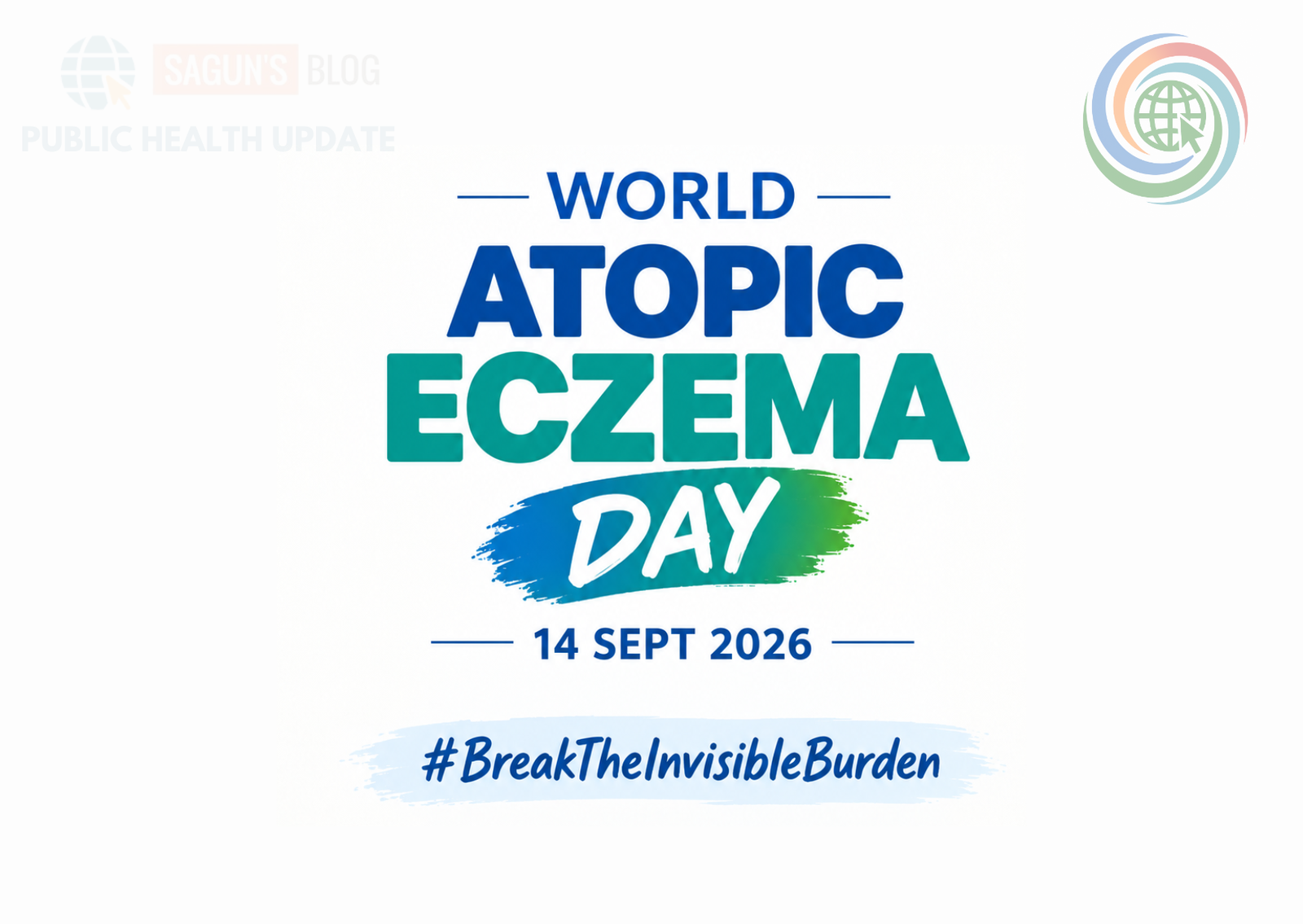
Today, September 14, marks World Atopic Eczema Day 2026—a global opportunity to raise awareness of atopic eczema (atopic dermatitis) and the often overlooked burden it places on individuals, families and communities.
This year’s global campaign theme, #BreakTheInvisibleBurden, reminds us that atopic eczema is much more than a visible skin condition. The rash and itching that appear on the skin are only one part of the experience. Behind the visible symptoms can be significant impacts on sleep, emotional wellbeing, education, work, relationships, family life and financial security.
Atopic eczema: more than “just a rash”
Atopic eczema is a common chronic inflammatory skin condition characterised by itchy, dry and inflamed skin. It can affect people of all ages, although it is particularly common among young children.
Symptoms may include:
- Itchy and dry skin
- Redness and inflammation
- Cracked, scaly or thickened skin
- Blistering or oozing in some cases
- Bleeding associated with severe scratching
Symptoms can occur on different parts of the body, including the hands, elbows and knees. The face and scalp may also be affected, particularly among babies and young children.
Atopic eczema often follows a cycle of flare-ups and periods of improvement. Although there is currently no cure, appropriate treatment and ongoing care can help control symptoms, prevent complications and improve quality of life.
But the impact of the condition extends far beyond what can be seen.
The invisible burden
Living with atopic eczema can affect almost every aspect of everyday life.
Persistent itching and discomfort can make it difficult to sleep, concentrate at school or work, participate in social activities and maintain normal routines.
People living with eczema may also experience:
- Anxiety and emotional distress
- Embarrassment or self-consciousness
- Stigma and misunderstanding
- Sleep disruption and fatigue
- Difficulties concentrating
- Reduced participation in social activities
- Challenges at school or work
- Financial pressures associated with treatment and care
For parents and caregivers, the burden can also be substantial. Managing treatment routines, disrupted sleep, medical appointments and flare-ups can place significant physical, emotional and financial pressure on families.
When eczema affects highly visible areas such as the face, head or neck, the impact on confidence, social interaction and quality of life can be particularly significant.
This is why conversations about atopic eczema should go beyond the appearance of the skin.
Listen to what matters to patients
People living with atopic eczema should feel empowered to have open conversations with dermatologists and other healthcare professionals.
These conversations should not focus only on the severity or appearance of skin lesions. Healthcare professionals should also ask how the condition affects:
- Sleep
- Mental and emotional wellbeing
- Daily activities
- Family relationships
- Education and employment
- Social participation
- Financial wellbeing
- Overall quality of life
Treatment goals should reflect what matters most to each patient.
A patient-centred approach means recognising that two people with apparently similar skin symptoms may experience very different levels of burden.
A global health and health-equity issue
The global burden of atopic dermatitis is substantial, with an estimated 129 million people affected worldwide.
Despite this significant burden, awareness and understanding remain inadequate in many settings. Access to diagnosis, specialist care and appropriate treatment also varies considerably between countries and communities.
Barriers may include:
- Limited access to healthcare
- Shortages of dermatology specialists
- Availability of appropriate medicines
- Treatment costs and affordability
- Insurance coverage
- Limited public awareness
- Stigma and misconceptions
- Geographic and socioeconomic inequalities
These challenges mean that atopic eczema should not be viewed solely as a dermatological concern. It is also an issue of public health and health equity.
Effective care should not be a privilege
Everyone living with atopic eczema should have access to safe, effective and affordable care.
This includes appropriate basic skincare and moisturisers, as well as medicines and specialist care when required for adequate disease control.
The recent inclusion of low-cost emollients for atopic dermatitis in the WHO Essential Medicines List represents an important step towards improving access to essential care.
However, equitable access to the full spectrum of effective treatment must remain the goal.
No one should experience unnecessary suffering or reduced quality of life simply because appropriate care is unavailable or unaffordable.
From awareness to action
World Atopic Eczema Day should be more than an awareness event.
It provides an opportunity for patients, healthcare professionals, policymakers, researchers, civil society organisations and communities to consider what needs to change.
We need to:
- Recognise the full burden of atopic eczema—medical, social, emotional and economic.
- Listen to patients and meaningfully incorporate lived experiences into care and policy.
- Promote patient-centred and holistic care that considers quality of life alongside clinical symptoms.
- Improve equitable access to safe, effective and affordable treatment.
- Strengthen awareness among communities, healthcare professionals and policymakers.
- Reduce stigma and misconceptions surrounding atopic eczema.
- Strengthen skin health within public health agendas at national, regional and global levels.
- Translate global commitments into action through policies, financing, services and community-level interventions.
Skin health is public health
The adoption of the Skin Diseases Resolution at the 78th World Health Assembly provides an important opportunity to strengthen recognition of skin diseases within global health policy.
This is particularly important because skin conditions can affect people throughout their lives and can interact with broader determinants of health, poverty, mental wellbeing, education and social participation.
Recognising skin health as part of public health means ensuring that people affected by chronic skin conditions are not overlooked within health systems.
Breaking the invisible burden
The visible symptoms of atopic eczema tell only part of the story.
Behind the rash may be a child struggling to sleep, a parent managing demanding treatment routines, an adult coping with persistent itching at work, or a family facing financial and emotional pressures.
These experiences matter.
On World Atopic Eczema Day 2026, let us move beyond seeing atopic eczema as “just a rash” and recognise it as a chronic, life-impacting condition that deserves attention, understanding and action.
129 million people. Millions of individual experiences. One message: the burden should no longer remain invisible.
Let’s listen.
Let’s understand.
Let’s act.
💙 #BreakTheInvisibleBurden
#AskMeAnythingEczema #ExpertAdvice #EczemaAwareness #PatientCommunity #WorldAtopicEczemaDay #AtopicEczemaDay #AtopicDermatitis
- World Atopic Eczema Day 2026: Breaking the Invisible Burden
- DEVASTATING FLOODS IN NEPAL: PUBLIC HEALTH IMPACT AND A CALL FOR HUMANITARIAN SUPPORT
- PEN-Plus Orientation Manual for Mid-Level Health Care Workers
- National Health Training Strategy 2082
- Simulation Accreditation Manual for Clinical Training Sites