
Public Health Update
  • Home
  • Public Health Update
  • Nepal Health Jobs
    • Public Health Job Board
    • Organization List
  • Opportunities
    • Fellowships, Studentship & Scholarships
    • Grants and Funding Opportunities
    • Fully funded
    • Conference
  • Downloads
    • International Plan, Policy & Guidelines
    • National Plan, Policy & Guidelines
    • Reports
    • Public Health Notes
    • Syllabus
    • Form Formats
  • School of Public Health
    • PhD
    • Master’s Degree
    • Online Courses
  • Notice
  • Home
  • Public Health Update
  • Nepal Health Jobs
    • Public Health Job Board
    • Organization List
  • Opportunities
    • Fellowships, Studentship & Scholarships
    • Grants and Funding Opportunities
    • Fully funded
    • Conference
  • Downloads
    • International Plan, Policy & Guidelines
    • National Plan, Policy & Guidelines
    • Reports
    • Public Health Notes
    • Syllabus
    • Form Formats
  • School of Public Health
    • PhD
    • Master’s Degree
    • Online Courses
  • Notice
LOGIN / REGISTER
Public Health Update
SUBSCRIBE
Public Health Update
  • Home
  • Public Health Update
  • Nepal Health Jobs
    • Public Health Job Board
    • Organization List
  • Opportunities
    • Fellowships, Studentship & Scholarships
    • Grants and Funding Opportunities
    • Fully funded
    • Conference
  • Downloads
    • International Plan, Policy & Guidelines
    • National Plan, Policy & Guidelines
    • Reports
    • Public Health Notes
    • Syllabus
    • Form Formats
  • School of Public Health
    • PhD
    • Master’s Degree
    • Online Courses
  • Notice

All Right Reserved. Designed and Developed by PenciDesign

World Hepatitis Day
PH Important DayPublic Health NewsPublic Health UpdateWorld News

World Hepatitis Day: Accelerate hepatitis testing and treatment

by Public Health Update July 28, 2023
written by Public Health Update

By Dr Poonam Khetrapal Singh, WHO Regional Director for South-East Asia

To mark World Hepatitis Day, WHO is urging policy makers, health care providers and political and civil society leaders in the South-East Asia Region and globally to accelerate hepatitis testing and treatment, recognizing that everyone, everywhere has just ‘One life’ and ‘one liver’ – the theme of this year’s event.

WHO launches “One life, one liver” campaign on World Hepatitis Day

Globally, an estimated 354 million people live with chronic hepatitis B and C and nearly 1.1 million die annually from hepatitis-related complications such as liver cirrhosis and cancer. Hundreds of millions of people with hepatitis remain unaware of their status, which is why for decades it has been referred to as the ‘silent killer’. Safe and effective vaccines can prevent hepatitis B and antiviral drugs can manage chronic hepatitis B and cure most cases of hepatitis C. However, to achieve these outcomes and eliminate hepatitis as a public health threat by 2030 – the Sustainable Development Goal target – access to prompt and accurate testing is required.

World Hepatitis Day

The South-East Asia Region accounts for around 20% of the global hepatitis mortality burden. An estimated 81% of all hepatitis deaths in the Region are attributable to hepatitis B and C. An estimated 60 million people live with chronic hepatitis B and about 10.5 million live with chronic hepatitis C. Every year, the Region sees almost half a million new hepatitis B and C infections – about one every minute.

Nine countries of the Region have achieved coverage of more than 90% of the third dose of hepatitis B vaccine. Eight countries now also provide the hepatitis B vaccine birth dose. To date, four countries have controlled hepatitis B through vaccination. However, timely access to testing and treatment for hepatitis B and C continues to lag. Just 10.5% of people who are eligible for treatment of hepatitis B know their status, and just 4.5% are on treatment. For hepatitis C, just 6.9% of people eligible for treatment know their status, and of them, just 23% have access to treatment.

To accelerate Region-wide access to hepatitis testing and treatment, WHO is calling for action in several key areas. First, policy makers should incorporate hepatitis testing and treatment into packages of essential primary health care services, recognizing that testing and treatment must be accessible within the community, close to where people live and work, and included as part of universal health coverage.

Second, health and community leaders should reach out to, empower and engage vulnerable and high-risk communities specifically, and people from all walks of life generally, building on the immense success of similar initiatives for HIV, as well as the Region’s ‘Nothing for us, without us’ approach.

Third, policy makers and health care providers – including in the private sector – should actively integrate services for hepatitis, HIV and sexually transmitted infections (STIs), in alignment with the Region’s integrated Action Plan for Viral Hepatitis, HIV and STIs 2022–2030, and with a focus on increasing efficiency and reducing gaps and fragmentation.

Fourth, countries should realign – as appropriate – the funding allocated to each of the three diseases, with a focus on delivering maximum impact, based on current disease burdens.

Our targets are ambitious but achievable. By 2030, we must achieve a 90% reduction in new chronic hepatitis infections and a 65% reduction in hepatitis mortality. We must eliminate hepatitis as a public health threat. On World Hepatitis Day, WHO reiterates its support to all countries of the Region to accelerate rapid, strategic and equitable progress, for healthier livers and healthier lives.

28 July 2022  Statement [WHO SEARO]


Do you have a website? Looking for the best hosting provider? Here’s a discount code.

Latest Public Health Jobs

Latest Posts

  • World Water Day 2026 | Water & Gender Equality
  • Nepal Antimicrobial Resistance (AMR) Bulletin FY 2081/82
  • Call for applications! Short Course on Qualitative Research Methods in Public Health, 2026
  • World Obesity Day 2026 | 8 Billion Reasons to Act on Obesity
  • Salim Yusuf Emerging Leaders Programme 2026

Thanks for visiting us.
Disclaimer: The resources, documents, guidelines, and information on this blog have been collected from various sources and are intended for informational purposes only. Information published on or through this website and affiliated social media channels does not represent the intention, plan, or strategies of an organization that the initiator is associated with in a professional or personal capacity, unless explicitly indicated.
If you have any complaints, information, or suggestions about the content published on Public Health Update, please feel free to contact us at blog.publichealthupdate@gmail.com.
#StayUpdated


  • WordPress
  • Link
  • Facebook
  • Mail
  • Facebook
  • Twitter
  • Twitter
  • LinkedIn
  • Instagram
  • Facebook
July 28, 2023 0 comments
0 FacebookTwitterPinterestLinkedinTumblrVKOdnoklassnikiRedditStumbleuponWhatsappTelegramLINEPocketSkypeViberEmail
World Hepatitis Day
Global Health NewsPublic Health NewsPublic Health UpdateWorld News

WHO launches “One life, one liver” campaign on World Hepatitis Day

by Public Health Update July 28, 2023
written by Public Health Update

Geneva, 28 July: To mark World Hepatitis Day, WHO is calling for scaling up testing and treatment for viral hepatitis, warning that the disease could kill more people than malaria, tuberculosis, and HIV combined by 2040, if current infection trends continue.

Hepatitis causes liver damage and cancer and kills over a million people annually. Of the 5 types of hepatitis infections, hepatitis B and C cause most of the disease and deaths. Hepatitis C can be cured; however, only 21% of people living with hepatitis C infection are diagnosed and only 13% have received curative treatment. Just 10% of people living with chronic hepatitis B are diagnosed, and only 2% of those infected are receiving the lifesaving medicine.

Under the theme of “One life, one liver”, WHO’s World Hepatitis Day campaign highlights the importance of protecting the liver against hepatitis for living a long, healthy life. Good liver health also benefits other vital organs – including the heart, brain and kidneys – that rely on the liver to function.

“Millions of people are living with undiagnosed and untreated hepatitis worldwide, even though we have better tools than ever to prevent, diagnose and treat it,” said Dr Tedros Adhanom Ghebreyesus, WHO Director-General. “WHO remains committed to supporting countries to expand the use of those tools, including increasingly cost-effective curative medication, to save lives and end hepatitis.”

WHO will share new guidance to track countries’ progress on the path to the elimination of hepatitis by 2030. To reduce new infections and deaths from hepatitis B and C, countries must: ensure access to treatment for all pregnant women living with hepatitis B, provide hepatitis B vaccines for their babies at birth, diagnose 90% of people living with hepatitis B and/or hepatitis C, and provide treatment to 80% of all people diagnosed with hepatitis. They must also act to ensure optimal blood transfusion, safe injections and harm reduction. 

Vaccination, testing and treatment – vital opportunities to protect your liver from hepatitis

The reduction of hepatitis B infections in children through vaccination is a key intervention to limit viral hepatitis infections overall. The target for hepatitis B incidence is the only Sustainable Development Goals’ (SDG) health target that was met in 2020 and is on track for 2030. However, many countries in Africa do not have access to the birth dose hepatitis B vaccines. Gavi’s recent restart of its Vaccine Investment Strategy 2018 – which includes the birth dose hepatitis B vaccine – will jumpstart newborn vaccination programmes in west and central Africa, where mother-to-child hepatitis B transmission rates remain very high.

To help eliminate mother-to-child transmission, WHO recommends that all pregnant women should be tested for hepatitis B during their pregnancy. If positive, they should receive treatment and vaccines should be provided to their newborns. However, a new WHO report shows that of the 64 countries with a policy, only 32 countries reported implementing activities to screen for and manage hepatitis B in antenatal clinics.

The report also shows that of the 103 countries that reported, 80% have policies to screen and manage hepatitis B in HIV clinics, with 65% doing the same for hepatitis C. Increasing hepatitis testing and treatment within HIV programmes will protect people living with HIV from developing liver cirrhosis and liver cancer.

After years of increasing treatment rates, the rise in the number of people accessing hepatitis C curative treatment is slowing. WHO advocates for taking advantage of price reductions in medication to reaccelerate progress in expanding treatment. A 12-week course of medication to cure hepatitis C now costs 60 US dollars for low-income countries, down from the original costs of more than 90 000 US dollars when first introduced in high-income countries. Treatment for hepatitis B costs less than 30 US dollars per year ($2.4 US dollars per month).

For people who want to maintain liver health, WHO recommends hepatitis testing, treatment if diagnosed, and vaccination against hepatitis B. Reducing alcohol consumption, achieving a healthy weight, and managing diabetes or hypertension also benefit liver health.

https://www.who.int/news/item/28-07-2023-who-launches–one-life–one-liver–campaign-on-world-hepatitis-day


  • Embracing the Unknown: A Journey of Qualitative Research Among the Chepang Community
  • National Strategy for Viral Hepatitis B and C (NSVH), 2023-2030
  • World Hepatitis Day
  • World Hepatitis Day 2021: Hepatitis Can’t Wait
July 28, 2023 0 comments
0 FacebookTwitterPinterestLinkedinTumblrVKOdnoklassnikiRedditStumbleuponWhatsappTelegramLINEPocketSkypeViberEmail
Public Health Opportunity! Explore world's trending global health opportunities! Visit us for latest public health opportunities.
Call for Proposal, EOI & RFPMaternal, Newborn and Child HealthPublic Health OpportunitiesPublic Health Opportunity

Call for experts: Technical Advisory Group on Maternal Mortality and Maternal Cause of Death Estimation

by Public Health Update July 27, 2023
written by Public Health Update

The World Health Organization (WHO) is seeking experts to serve as members of the Technical Advisory Group on Maternal Mortality and Maternal Cause of Death Estimation. This “Call for experts” provides information about the advisory group in question, the expert profiles being sought, the process to express interest, and the process of selection.
Background

WHO is the leading agency of the United Nations (UN) Maternal Mortality Estimation Inter-Agency Group (MMEIG), a UN initiative comprising WHO, UNICEF, UNFPA, the World Bank Group and the UNDESA/Population Division. The MMEIG has the function to update the inter-agency estimates of maternal mortality. The MMEIG contributes to monitoring progress towards the achievement of Sustainable Development Goal 3 – “Ensure healthy lives and promote well-being for all at all ages” by producing estimates of the maternal mortality ratio (MMR) (target 3.1.1).

To support WHO’s role in the MMEIG and, ultimately, the MMEIG’s work, WHO hereby establishes a Technical Advisory Group on Maternal Mortality and Maternal Cause of Death Estimation (the “TAG”) that will act as an advisory body to WHO in the field of maternal mortality measurement and maternal cause of death measurement. The TAG will provide guidance in relation to on-going methodological improvements and strategies for reporting and enhancing country level reporting.

Functions of the TAG on Maternal Mortality and Maternal Cause of Death Estimation

In its capacity as an advisory body to WHO, the TAG shall have the following functions:

  1. To provide independent evaluation of the scientific, technical and strategic aspects relating to maternal mortality and maternal cause of death measurement and estimation methods.
  2. To recommend priorities relating to the development of a research agenda to address maternal mortality measurement challenges required for global monitoring purposes.
  3. To advise on linkages with related advisory groups, including those working on the measurement and estimation of perinatal, neonatal, and infant mortality.
  4. To advise on strategies to promote linkages to broader strategies to strengthen national statistics systems as relates to maternal mortality measurement, including civil registration and vital statistics, standardized coding and classification according to the rules of the International Classification of Diseases (ICD) framework.
  5. To advise on strategies in relation to the effective dissemination and use of the maternal mortality estimates and related products.

Operations of the TAG on Maternal Mortality and Maternal Cause of Death Estimation

The TAG shall normally be expected meet at least once per year, either in-person or virtually at WHO Headquarters in Geneva, Switzerland, usually for 2-3 days each time. Meetings may be convened in other locations if determined by WHO. Additional meetings and/or interim teleconferences may be required of members where input is requested on specific issues.

Active participation is expected from all TAG members, including in working subgroups, teleconferences and interaction via e-mail. TAG members may be requested to review meeting documentation in advance of TAG meetings.

The working language of the TAG will be English.

Who can express interest?

The TAG on Maternal Mortality and Maternal Cause of Death Estimation will be multidisciplinary, with members who have a range of technical knowledge, skills and experience relevant to maternal mortality and morbidity measurement.

WHO welcomes expressions of interest from:

  • Expert scientists, healthcare professionals, health management information systems and data specialists with expertise in the following areas:
    • Epidemiology, biostatistics, data science, modelling of health estimatesMaternal health, obstetrics and gynecology, midwifery, reproductive healthMonitoring and measurement within health systemsCensuses, civil registration and vital statistics, health and demographic surveillance systems, maternal death review, verbal autopsy, other surveillance systems, as relates to mortality and cause of death data
    Submitting your expression of interestTo register your interest in being considered for the TAG on Maternal Mortality and Maternal Cause of Death Estimation, please submit the following documents by 1st September 2023, 23h59 Central European Summer Time (UTC + 2 hours) to maternalestimates@who.int using the subject line “Expression of interest for the TAG on Maternal Mortality and Maternal Cause of Death Estimation”.
    • A cover letter, indicating your motivation to apply and how your expertise meets the criteria above. Please note that, if selected, membership will be in a personal capacity. Therefore, do not use the letterhead or other identification of your employer);Your curriculum vitae;One example of a work product or report in the relevant area; andA signed and completed Declaration of Interests (DOI) form for WHO Experts, available HERE. 
    After submission, your expression of interest will be reviewed by WHO. Due to an expected high volume of interest, only selected individuals will be informed.Important  information  about  the  selection  processes  and  conditions  of appointmentMembers of WHO advisory groups (AGs) must be free of any real, potential or apparent conflicts of interest.
  • To this end, applicants are required to complete the WHO Declaration of Interests for WHO Experts, and the selection as a member of an AG is, amongst other things, dependent on WHO determining that there is no conflict of interest or that any identified conflicts could be appropriately managed (in addition to WHO’s evaluation of an applicant’s experience, expertise and motivation and other criteria).All  AG members will serve in their individual expert capacity and shall not represent any governments, any commercial industries or entities, any research, academic or civil society organizations, or any other bodies, entities, institutions or organizations. They are expected to fully comply with the Code of Conduct for WHO Experts. AG members will be expected to sign and return a completed confidentiality undertaking prior to the beginning of the first meeting.The selection of members of the AGs will be made by WHO in its sole discretion, taking into account the following (non-exclusive) criteria: relevant technical expertise; experience in international and country policy work; communication skills; and ability to work constructively with people from different cultural backgrounds and orientations .The selection of AG members will also take account of the need for diverse perspectives from different regions, especially from low and middle-income countries, and for gender balance.If selected by WHO, proposed members will be sent an invitation letter and a Memorandum of Agreement. Appointment as a member of an AG will be subject to the proposed member returning to WHO the countersigned copy of these two documents.
  • WHO reserves the right to accept or reject any expression of interest, to annul the open call process and reject all expressions of interest at any time without incurring any liability to the affected applicant or applicants and without any obligation to inform the affected applicant or applicants of the grounds for WHO’s action.
  • WHO may also decide, at any time, not to proceed with the establishment of the AG, disband an existing AG or modify the work of the AG.WHO shall not in any way be obliged to reveal, or discuss with any applicant, how an expression of interest was assessed, or to provide any other information relating to the evaluation/selection process or to state the reasons for not choosing a member.
  • WHO may publish the names and a short biography of the selected individuals on the WHO internet. AG members will not be remunerated for their services in relation to the AG or otherwise.
  • Travel and accommodation expenses of AG members to participate in AG meetings will be covered by WHO in accordance with its applicable policies, rules and procedures.The appointment will be limited in time as indicated in the letter of appointment, typically for 2 years.If you have any questions about this “Call for experts”, please write to maternalestimates@who.int well before the applicable deadline.
July 27, 2023 0 comments
0 FacebookTwitterPinterestLinkedinTumblrVKOdnoklassnikiRedditStumbleuponWhatsappTelegramLINEPocketSkypeViberEmail
WHO Model Lists of Essential Medicines(EML) 2023
Drug and MedicinePublic Health NewsPublic Health Update

WHO Model Lists of Essential Medicines(EML) 2023

by Public Health Update July 26, 2023
written by Public Health Update

WHO Model Lists of Essential Medicines

The WHO Model Lists of Essential Medicines are updated every two years by the Expert Committee on Selection and Use of Essential Medicines. The first Essential Medicines List was published in 1977, and the first Essential Medicines List for Children was published in 2007. The current versions, updated in July 2023, are the 23rd Essential Medicines List (EML) and the 9th Essential Medicines List for Children (EMLc).

List of Essential Medicines for Basic Health Services in Nepal

Essential medicines are those that satisfy the priority health care needs of a population. They are selected with due regard to disease prevalence and public health relevance, evidence of efficacy and safety and comparative cost-effectiveness. They are intended to be available in functioning health systems at all times, in appropriate dosage forms, of assured quality and at prices individuals and health systems can afford.

Selection of a limited number of essential medicines as essential, taking into consideration national disease burden and clinical need can lead to improved access through streamlined procurement and distribution of quality-assured medicines, support more rational or appropriate prescribing and use and lower costs for both health care systems and for patients (WHO).

DOWNLOAD UPDATED (WHO Model List of Essential Medicines – 23rd list, 2023)

Model List of Essential Medicines (WHO Electronic EML)
The eEML is a comprehensive, freely accessible, online database containing information on essential medicines.

Lists of Essential Medicines

  • BCG vaccine
  • Japanese encephalitis vaccine
  • Abacavir
  • Abacavir + lamivudine
  • Abacavir + lamivudine + lopinavir + ritonavir
  • Abiraterone
  • Acetazolamide
  • Acetic acid
  • Acetylcysteine
  • Acetylsalicylic acid
  • Aciclovir
  • Aclidinium
  • Activated charcoal
  • Adalimumab
  • Afatinib
  • Albendazole
  • Alcohol based hand rub
  • Alcuronium
  • All-trans retinoic acid
  • Allopurinol
  • Alteplase
  • Amidotrizoate
  • Amikacin
  • Amiloride
  • Amiodarone
  • Amitriptyline
  • Amlodipine
  • Amodiaquine
  • Amodiaquine + sulfadoxine + pyrimethamine
  • Amoxicillin
  • Amoxicillin + clavulanic acid
  • Amphotericin B
  • Ampicillin
  • Anakinra
  • Anastrozole
  • Anidulafungin
  • Anti-d immunoglobulin
  • Anti-rabies immunoglobulin
  • Anti-rabies virus monoclonal antibodies
  • Anti-tetanus immunoglobulin
  • Antirabies hyperimmune serum
  • Antivenom immunoglobulin
  • Antivenom sera
  • Apixaban
  • Aprepitant
  • Arsenic trioxide
  • Artemether
  • Artemether + lumefantrine
  • Artesunate
  • Artesunate + amodiaquine
  • Artesunate + mefloquine
  • Artesunate + pyronaridine tetraphosphate
  • Ascorbic acid
  • Asparaginase
  • Atazanavir
  • Atazanavir + ritonavir
  • Atenolol
  • Atezolizumab
  • Atorvastatin
  • Atracurium
  • Atropine
  • Azacitidine
  • Azathioprine
  • Azithromycin
  • Aztreonam
  • Barium sulfate
  • Beclometasone
  • Beclometasone + formoterol
  • Bedaquiline
  • Bendamustine
  • Benzathine benzylpenicillin
  • Benznidazole
  • Benzoic acid + salicylic acid
  • Benzoyl peroxide
  • Benzyl benzoate
  • Benzylpenicillin
  • Betamethasone
  • Bevacizumab
  • Bicalutamide
  • Binimetinib
  • Biperiden
  • Bisacodyl
  • Bisoprolol
  • Bleomycin
  • Bortezomib
  • Bromocriptine
  • Budesonide
  • Budesonide + formoterol
  • Budesonide + salmeterol
  • Bupivacaine
  • Buprenorphine
  • Bupropion
  • C1 esterase inhibitor
  • Cabergoline
  • Caffeine citrate
  • Calamine
  • Calcipotriol
  • Calcitriol
  • Calcium
  • Calcium folinate (leucovorin calcium)
  • Calcium gluconate
  • Canagliflozin
  • Capecitabine
  • Capreomycin
  • Captopril
  • Carbachol
  • Carbamazepine
  • Carbetocin
  • Carbimazole
  • Carboplatin
  • Carvedilol
  • Caspofungin
  • Cefalexin
  • Cefazolin
  • Cefepime
  • Cefiderocol
  • Cefixime
  • Cefotaxime
  • Ceftaroline
  • Ceftazidime
  • Ceftazidime + avibactam
  • Ceftolozane + tazobactam
  • Ceftriaxone
  • Cefuroxime
  • Cetirizine
  • Chlorambucil
  • Chloramphenicol
  • Chlorhexidine
  • Chlorine base compound
  • Chloroquine
  • Chlorothiazide
  • Chloroxylenol
  • Chlorpromazine
  • Chlortalidone
  • Chlortetracycline
  • Cholera vaccine
  • Ciclesonide
  • Ciclosporin
  • Cimetidine
  • Ciprofloxacin
  • Cisplatin
  • Clarithromycin
  • Clindamycin
  • Clofazimine
  • Clomifene
  • Clomipramine
  • Clonazepam
  • Clopidogrel
  • Clotrimazole
  • Cloxacillin
  • Clozapine
  • Coagulation factor IX
  • Coagulation factor VIII
  • Coal tar
  • Cobicistat + elvitegravir + emtricitabine + tenofovir disoproxil fumarate
  • Cobicistat + elvitegravir + emtricitabine+ tenofovir alafenamide
  • Cobimetinib
  • Codeine
  • Colchicine
  • Colecalciferol
  • Colistin (injection)
  • Compound sodium lactate solution
  • Condoms
  • Copper-containing intrauterine device
  • Crizotinib
  • Cyanocobalamin
  • Cyclizine
  • Cyclopentolate
  • Cyclophosphamide
  • Cycloserine
  • Cytarabine
  • Dabigatran
  • Dabrafenib
  • Dacarbazine
  • Daclatasvir
  • Daclatasvir + sofosbuvir
  • Dactinomycin
  • Dalteparin
  • Dapagliflozin
  • Dapsone
  • Daptomycin
  • Daratumumab
  • Darbepoetin alfa
  • Darunavir
  • Dasabuvir
  • Dasatinib
  • Daunorubicin
  • Deferoxamine
  • Delafloxacin
  • Delamanid
  • Dengue vaccine
  • Desmopressin
  • Dexamethasone
  • Dextran 40
  • Dextran 70
  • Diaphragms
  • Diazepam
  • Diazoxide
  • Didanosine
  • Diethylcarbamazine
  • Digitoxin
  • Digoxin
  • Dihydroartemisinin + piperaquine phosphate
  • Dihydroergocryptine mesylate
  • Diloxanide
  • Dimercaprol
  • Diphtheria antitoxin
  • Diphtheria vaccine
  • Diphtheria-pertussis-tetanus vaccine
  • Diphtheria-tetanus vaccine
  • Docetaxel
  • Docusate sodium
  • Dolasetron
  • Dolutegravir
  • Dolutegravir + lamivudine + tenofovir
  • Dopamine
  • Doxorubicin
  • Doxycycline
  • Durvalumab
  • Edoxaban
  • Efavirenz
  • Efavirenz + emtricitabine + tenofovir
  • Efavirenz + lamivudine + tenofovir
  • Eflornithine
  • Elbasvir + grazoprevir
  • Empagliflozin
  • Emtricitabine
  • Emtricitabine + rilpivirine + tenofovir alafenamide
  • Emtricitabine + rilpivirine + tenofovir disoproxil fumarate
  • Emtricitabine + tenofovir
  • Emtricitabine + tenofovir alafenamide
  • Enalapril
  • Encorafenib
  • Enoxaparin
  • Entecavir
  • Enzalutamide
  • Ephedrine
  • Epinephrine
  • Epoetin alfa
  • Epoetin beta
  • Epoetin theta
  • Equine rabies immunoglobulin
  • Eravacycline
  • Ergocalciferol
  • Ergometrine
  • Erlotinib
  • Erythromycin
  • Erythropoiesis-stimulating agents
  • Estradiol cypionate + medroxyprogesterone acetate
  • Ethambutol
  • Ethambutol + isoniazid
  • Ethambutol + isoniazid + pyrazinamide + rifampicin
  • Ethambutol + isoniazid + rifampicin
  • Ethanol
  • Ether
  • Ethinylestradiol + etonogestrel
  • Ethinylestradiol + levonorgestrel
  • Ethinylestradiol + norethisterone
  • Ethionamide
  • Ethosuximide
  • Etonogestrel-releasing implant
  • Etoposide
  • Everolimus
  • Fentanyl
  • Ferrous salt
  • Ferrous salt + folic acid
  • Fexinidazole
  • Fexofenadine
  • Fifth generation cephalosporins
  • Filgrastim
  • Fingolimod
  • Fluconazole
  • Flucytosine
  • Fludarabine
  • Fludrocortisone
  • Flunisolide
  • Fluorescein
  • Fluoride
  • Fluorouracil
  • Fluoxetine
  • Fluphenazine
  • Flutamide
  • Fluticasone
  • Fluticasone + formoterol
  • Fluticasone furoate + vilanterol
  • Fluvastatin
  • Folic acid
  • Fomepizole
  • Fosfomycin (injection)
  • Fourth generation cephalosporins
  • Fresh-frozen plasma
  • Fulvestrant
  • Furosemide
  • Gabapentin
  • Gallamine
  • Gatifloxacin
  • Gefitinib
  • Gemcitabine
  • Gentamicin
  • Glass ionomer cement
  • Glatiramer acetate
  • Glecaprevir + pibrentasvir
  • Glibenclamide
  • Gliclazide
  • Glucagon
  • Glucose
  • Glucose + sodium chloride
  • Glutaral
  • Glyceryl trinitrate
  • Glycopyrronium
  • Goserelin
  • Granisetron
  • Griseofulvin
  • Haemophilus influenzae type b vaccine
  • Haloperidol
  • Halothane
  • Heparin sodium
  • Hepatitis a vaccine
  • Hepatitis b vaccine
  • Homatropine
  • Human papilloma virus (HPV) vaccine
  • Hydralazine
  • Hydrochlorothiazide
  • Hydrocortisone
  • Hydromorphone
  • Hydroxocobalamin
  • Hydroxycarbamide (hydroxyurea)
  • Hydroxychloroquine
  • Hyoscine butylbromide
  • Hyoscine hydrobromide
  • Hypochlorous acid
  • Ibrutinib
  • Ibuprofen
  • Idoxuridine
  • Ifosfamide
  • Imatinib
  • Imipenem + cilastatin
  • Indapamide
  • Indinavir
  • Indometacin
  • Influenza vaccine (seasonal)
  • Insulin
  • Insulin analogues
  • Insulin degludec
  • Insulin detemir
  • Insulin glargine
  • Intermediate-acting insulin
  • Intraperitoneal dialysis solution
  • Iodine
  • Iohexol
  • Ipecacuanha
  • Ipratropium bromide
  • Irinotecan
  • Isoflurane
  • Isoniazid
  • Isoniazid + pyrazinamide + rifampicin
  • Isoniazid + pyridoxine + sulfamethoxazole + trimethoprim
  • Isoniazid + rifampicin
  • Isoniazid + rifapentine
  • Isoprenaline
  • Isosorbide dinitrate
  • Itraconazole
  • Ivermectin
  • Kanamycin
  • Kanamycin (injection)
  • Ketamine
  • Lactulose
  • Lamivudine
  • Lamivudine + nevirapine + zidovudine
  • Lamivudine + tenofovir
  • Lamivudine + zidovudine
  • Lamotrigine
  • Latanoprost
  • Ledipasvir + sofosbuvir
  • Lenalidomide
  • Leuprorelin
  • Levamisole
  • Levodopa
  • Levodopa + benserazide
  • Levodopa + carbidopa
  • Levofloxacin
  • Levonorgestrel
  • Levonorgestrel-releasing implant
  • Levothyroxine
  • Lidocaine
  • Lidocaine + epinephrine
  • Lindane
  • Linezolid
  • Lisinopril + amlodipine
  • Lisinopril + hydrochlorothiazide
  • Lithium carbonate
  • Long-acting insulin analogues
  • Loperamide
  • Lopinavir + ritonavir
  • Loratadine
  • Lorazepam
  • Losartan
  • Lovastatin
  • Lugol’s solution
  • Magnesium sulfate
  • Mannitol
  • Measles vaccine
  • Mebendazole
  • Medroxyprogesterone acetate
  • Mefloquine
  • Meglumine antimoniate
  • Meglumine iotroxate
  • Melarsoprol
  • Melphalan
  • Meningococcal meningitis vaccine
  • Mercaptopurine
  • Meropenem
  • Meropenem + vaborbactam
  • Mesalazine
  • Mesna
  • Metformin
  • Methadone
  • Methimazole
  • Methionine
  • Methotrexate
  • Methoxy polyethylene glycol-epoetin beta
  • Methyldopa
  • Methylergometrine
  • Methylphenidate
  • Methylprednisolone
  • Methylthioninium chloride
  • Metoclopramide
  • Metoprolol
  • Metronidazole
  • Micafungin
  • Miconazole
  • Midazolam
  • Mifepristone – misoprostol
  • Miltefosine
  • Misoprostol
  • Mometasone
  • Mometasone + formoterol
  • Morphine
  • Moxifloxacin
  • Multiple micronutrient powder
  • Multiple micronutrient supplement
  • Mumps vaccine
  • Mupirocin
  • Nadroparin
  • Nalidixic acid
  • Naloxone
  • Natamycin
  • Nelfinavir
  • Neostigmine
  • Netilmicin
  • Nevirapine
  • Niclosamide
  • Nicotinamide
  • Nicotine replacement therapy
  • Nifedipine
  • Nifurtimox
  • Nilotinib
  • Nilutamide
  • Nitrofurantoin
  • Nitrous oxide
  • Nivolumab
  • Norethisterone
  • Norethisterone enantate
  • Normal immunoglobulin
  • Nystatin
  • Ocrelizumab
  • Ofloxacin
  • Omadacycline
  • Ombitasvir + paritaprevir + ritonavir
  • Omeprazole
  • Ondansetron
  • Oral rehydration salts
  • Oral rehydration salts – zinc sulfate
  • Oseltamivir
  • Osimertinib
  • Oxaliplatin
  • Oxamniquine
  • Oxazolindinones
  • Oxycodone
  • Oxygen
  • Oxytetracycline
  • Oxytocin
  • P-aminosalicylic acid
  • Paclitaxel
  • Palbociclib
  • Paliperidone
  • Palonosetron
  • Pancreatic enzymes
  • Paracetamol (acetaminophen)
  • Paromomycin
  • Pegaspargase
  • Pegylated interferon alfa (2a)
  • Pegylated interferon alfa (2b)
  • Pembrolizumab
  • Penicillamine
  • Pentamidine
  • Permethrin
  • Pertussis vaccine
  • Pertuzumab
  • Phenobarbital
  • Phenoxymethylpenicillin
  • Phenytoin
  • Phytomenadione
  • Pilocarpine
  • Piperacillin + tazobactam
  • Platelets
  • Plazomicin
  • Pneumococcal vaccine
  • Podophyllotoxin
  • Podophyllum resin
  • Poliomyelitis vaccine
  • Polygeline
  • Polymyxin B (injection)
  • Polymyxins
  • Potassium chloride
  • Potassium ferric hexacyanoferrate
  • Potassium iodide
  • Potassium permanganate
  • Povidone iodine
  • Pralidoxime
  • Pramipexole
  • Pravastatin
  • Praziquantel
  • Precipitated sulfur
  • Prednisolone
  • Prednisone
  • Primaquine
  • Probenecid
  • Procainamide
  • Procaine benzylpenicillin
  • Procarbazine
  • Progesterone vaginal ring
  • Proguanil
  • Promethazine
  • Propanol
  • Propofol
  • Propranolol
  • Propylthiouracil
  • Prostaglandin E1
  • Prostaglandin E2
  • Protamine sulfate
  • Pyrantel
  • Pyrazinamide
  • Pyridostigmine
  • Pyridoxine
  • Pyrimethamine
  • Quinidine
  • Quinine
  • Rabies vaccine
  • Raltegravir
  • Ranibizumab
  • Ranitidine
  • Rasburicase
  • Ready to use therapeutic food
  • Realgar-indigo naturalis formulation
  • Red blood cells
  • Retinol
  • Ribavirin
  • Riboflavin
  • Rifabutin
  • Rifampicin
  • Rifapentine
  • Risperidone
  • Ritonavir
  • Rituximab
  • Rivaroxaban
  • Ropinirole
  • Rotavirus vaccine
  • Rubella vaccine
  • Salbutamol
  • Salicylic acid
  • Saquinavir
  • Selenium sulfide
  • Senna
  • Silver diamine fluoride
  • Silver nitrate
  • Silver sulfadiazine
  • Simeprevir
  • Simvastatin
  • Smallpox vaccine
  • Snake antivenom
  • Sodium calcium edetate
  • Sodium chloride
  • Sodium hydrogen carbonate
  • Sodium nitrite
  • Sodium nitroprusside
  • Sodium stibogluconate
  • Sodium thiosulfate
  • Sofosbuvir
  • Sofosbuvir + velpatasvir
  • Spectinomycin
  • Spironolactone
  • Stavudine
  • Streptokinase
  • Streptomycin (injection)
  • Succimer
  • Sulfacetamide
  • Sulfadiazine
  • Sulfadoxine + pyrimethamine
  • Sulfamethoxazole + trimethoprim
  • Sulfasalazine
  • Sumatriptan
  • Suramin sodium
  • Surfactant
  • Suxamethonium
  • Tacalcitol
  • Tacrolimus
  • Tamoxifen
  • Telmisartan + amlodipine
  • Telmisartan + hydrochlorothiazide
  • Tenofovir alafenamide
  • Tenofovir disoproxil fumarate
  • Terbinafine
  • Terbutaline
  • Terizidone
  • Testosterone
  • Tetanus antitoxin
  • Tetanus vaccine
  • Tetracaine
  • Tetracycline
  • Thalidomide
  • Thiamine
  • Thiopental
  • Tick-borne encephalitis vaccine
  • Tigecycline
  • Timolol
  • Tioguanine
  • Tiotropium bromide
  • Tislelizumab
  • Tobramycin
  • Tocilizumab
  • Tolbutamide
  • Tramadol
  • Trametinib
  • Tranexamic acid
  • Trastuzumab
  • Trastuzumab emtansine
  • Triamcinolone hexacetonide
  • Triclabendazole
  • Trihexyphenidyl
  • Trimethoprim
  • Triptorelin
  • Tropicamide
  • Tropisetron
  • Tuberculin, purified protein derivative
  • Tubocurarine
  • Typhoid vaccine
  • Ulipristal
  • Umeclidinium
  • Urea
  • Valaciclovir
  • Valganciclovir
  • Valproic acid (sodium valproate)
  • Vancomycin
  • Varenicline
  • Varicella vaccine
  • Vecuronium
  • Vemurafenib
  • Verapamil
  • Vinblastine
  • Vincristine
  • Vinorelbine
  • Voriconazole
  • Warfarin
  • Water for injection
  • Whole blood
  • Xylometazoline
  • Yellow fever vaccine
  • Zanubrutinib
  • Zidovudine
  • Zinc sulfate
  • Zoledronic acid


Do you have a website? Looking for the best hosting provider? Here’s a discount code.

Latest Public Health Jobs

Latest Posts

  • World Water Day 2026 | Water & Gender Equality
  • Nepal Antimicrobial Resistance (AMR) Bulletin FY 2081/82
  • Call for applications! Short Course on Qualitative Research Methods in Public Health, 2026
  • World Obesity Day 2026 | 8 Billion Reasons to Act on Obesity
  • Salim Yusuf Emerging Leaders Programme 2026

Thanks for visiting us.
Disclaimer: The resources, documents, guidelines, and information on this blog have been collected from various sources and are intended for informational purposes only. Information published on or through this website and affiliated social media channels does not represent the intention, plan, or strategies of an organization that the initiator is associated with in a professional or personal capacity, unless explicitly indicated.
If you have any complaints, information, or suggestions about the content published on Public Health Update, please feel free to contact us at blog.publichealthupdate@gmail.com.
#StayUpdated


  • WordPress
  • Link
  • Facebook
  • Mail
  • Facebook
  • Twitter
  • Twitter
  • LinkedIn
  • Instagram
  • Facebook
July 26, 2023 0 comments
0 FacebookTwitterPinterestLinkedinTumblrVKOdnoklassnikiRedditStumbleuponWhatsappTelegramLINEPocketSkypeViberEmail
Fulbright Foreign Student (Master’s) Program
Fellowships, Studentship & ScholarshipsInternational Jobs & OpportunitiesOpportunities by RegionPublic Health OpportunitiesPublic Health Opportunity

Hubert H. Humphrey Fellowship Program 2024-2025

by Public Health Update July 26, 2023
written by Public Health Update

Overview

The Commission for Educational Exchange between the United States and Nepal (also known as “the Fulbright Commission” or “USEF/Nepal“) announces the annual competition for the Hubert H. Humphrey Fellowship Program for the 2024-2025 academic year.

The Humphrey Fellowship Program was initiated in 1978 to honor the memory and accomplishments of the late Senator and Vice-President, Hubert H. Humphrey. Fellows are selected through a competitive process based on their potential for leadership and commitment to public service in the public or private sector. Over 6,450 Fellows representing 163 countries have participated in the program since its inception. Approximately 150 Humphrey Fellowships will be awarded for program year 2023- 2024.

Study Fields

These priority fields align with U.S. foreign policy and Mission goals and advance the development of a network of international leaders with experience in the U.S. who serve as key interlocutors for posts. 

 Human and Institutional Capacity: 
  • Economic Development
  • Finance & Banking
  • Public Policy Analysis and Public Administration
  • Technology Policy and Management
Rights and Freedoms: 
  • Communications/ Journalism
  • Law and Human Rights
Sustainable Lands: 
  • Agricultural and Rural Development
  • Natural Resources, Environmental Policy, and Climate Change
  • Urban and Regional Planning
Thriving Communities: 
  • Public Health Policy and Management
  • Substance Abuse Education, Treatment and Prevention
  • Educational Administration, Planning, and Policy

Program Timeline

 DateMilestone
June 16, 2023Humphrey Fellowship Information Session
11:59 PM (NPT), July 31, 2023Application deadline
August, 2023Interviews
Selected candidates informed
September, 2023Selected candidates sit for TOEFL test
February, 2024ECA reports final selection results
August, 2024Humphrey Fellowship Program start
June, 2025End of Fellowship year

Eligibility Requirements

Candidates must be policymakers, managers, or administrators in leadership positions with a commitment to public service from the public or private sectors including non-governmental organizations. Fellowships are competitive and will be awarded on the basis of excellence in professional and personal qualifications as well as leadership potential.

All applicants must 
  • Possess Nepali citizenship;
  • Be employed at a mid-career, policy level with progressively more responsible working experience in the government, NGO or private sector;
  • Have at least 5 years of progressively more responsible professional experience in Nepal as of the application submission deadline. Volunteer jobs, internships, and work done as a requirement for an academic degree shall not be counted towards the required duration of work experience;
  • The professional experience should be in the relevant field, after the completion of a university degree i.e. a 4-year bachelor’s degree, or if the bachelor’s degree is of 2-year/3-year duration, then a master’s degree is also required. Candidates who have two or more 2-year/3-year bachelor’s degrees in different fields but who do not have a master’s degree are ineligible to apply;
  • Be proficient in speaking, reading and writing English (See the supplemental English program);
  • Have a demonstrable commitment to public service and potential for national leadership;
  • Have a wish to develop problem-solving capacities, enhance capabilities to assume greater career responsibilities, and return to a significant public service role upon completion of the Humphrey Program.
The Humphrey competition is not open to: 
  • Recent university graduates (even if they have significant positions);
  • University teachers with no management or policy responsibilities, except for teachers of English as a foreign language, and specialists in substance abuse prevention and treatment;
  • Individuals who have spent substantial time in the U.S. (more than 3 years) and have not been back in Nepal and employed at a level of professional responsibility for at least four years since returning;
  • Individuals who have attended a graduate school in the U.S. for one academic year or more during the seven years prior to August 2024;
  • Individuals with more than six months of U.S. experience during the five years prior to August 2024;
  • Individuals who have participated in any State Department exchange program within the last three years;
  • Individuals with, or in the process of obtaining, dual U.S. citizenship or U.S. permanent resident status are ineligible for a J visa, and
  • Local employees of the U.S. Mission in Nepal who work for the Department of State, or the U.S. Agency for International Development, including temporary employees and contractors, and their spouses and dependent children (they are ineligible for grants during the period of their employment and for one year following the termination of employment).
Visa sponsorship 

All selected Humphrey Fellows receive an exchange visitor (J-1) visa which requires that the individuals return to Nepal upon completion of their fellowship. They are not eligible for an immigrant visa, for permanent residence, or for a non-immigrant visa as a temporary worker (“H” visa) or trainee, or as an intra-company transferee (“L” visa) to re-enter the U.S. until they have accumulated two years’ residence in Nepal after returning from the U.S. on an exchange visitor visa. This does not preclude the individual from going to the U.S. on other visas during the two-year period.

Application Link: https://apply.iie.org/huberthhumphrey  

Application deadline- 11:59 PM, July 31, 2023 

Official Notice (Nepal)


Do you have a website? Looking for the best hosting provider? Here’s a discount code.

Latest Public Health Jobs

Latest Posts

  • World Water Day 2026 | Water & Gender Equality
  • Nepal Antimicrobial Resistance (AMR) Bulletin FY 2081/82
  • Call for applications! Short Course on Qualitative Research Methods in Public Health, 2026
  • World Obesity Day 2026 | 8 Billion Reasons to Act on Obesity
  • Salim Yusuf Emerging Leaders Programme 2026

Thanks for visiting us.
Disclaimer: The resources, documents, guidelines, and information on this blog have been collected from various sources and are intended for informational purposes only. Information published on or through this website and affiliated social media channels does not represent the intention, plan, or strategies of an organization that the initiator is associated with in a professional or personal capacity, unless explicitly indicated.
If you have any complaints, information, or suggestions about the content published on Public Health Update, please feel free to contact us at blog.publichealthupdate@gmail.com.
#StayUpdated


  • WordPress
  • Link
  • Facebook
  • Mail
  • Facebook
  • Twitter
  • Twitter
  • LinkedIn
  • Instagram
  • Facebook
July 26, 2023 0 comments
0 FacebookTwitterPinterestLinkedinTumblrVKOdnoklassnikiRedditStumbleuponWhatsappTelegramLINEPocketSkypeViberEmail
World Drowning Prevention Day
Global Health NewsNational Health NewsPH Important DayPublic Health NewsPublic Health UpdateWorld News

WHO urges countries to invest in drowning prevention to protect children

by Public Health Update July 25, 2023
written by Public Health Update

On World Drowning Prevention Day this year, WHO is releasing an investment case on drowning prevention showing how just two actions – investing in day care for pre-school aged children and teaching basic swim skills to school-age children – could protect millions of lives. Each dollar invested in these actions can yield benefits up to nine times the original value.

Drowning is an under appreciated but lethal public health issue. It has caused over 2.5 million deaths in the last decade, with an alarming 90% of these fatalities occurring in low- and middle-income countries. Across all age groups, children aged 1–4 years and 5–9 years experience the highest drowning rates, highlighting the need for immediate action to protect future generations.

Yet effective solutions exist. The new investment case shows that by 2050, increased global investment in just two measures could save the lives of over 774 000 children, prevent close to 1 million non-fatal child drownings, and avert severe and life-limiting injuries for 178 000 drowning victims.

It could also prevent potential economic losses of over US$400 billion in low- and middle-income countries with high burden, and provide cumulative benefits valued at around US$ 9 for each US$ 1 invested. Countries such as Bangladesh, South Africa, Thailand and Viet Nam have already invested in these cost-effective interventions, benefitting children and their families by reducing their risk of drowning, while simultaneously providing new opportunities for improved health, development and wellbeing.

 “By implementing effective preventive measures, increasing investments, and promoting awareness, we can save countless lives,” said WHO Director-General Dr Tedros Adhanom Ghebreyesus. «As we observe World Drowning Prevention Day today, we ask countries and partners to join hands to make drowning prevention a global priority.”

In May 2023, the World Health Assembly (WHA) adopted its first-ever resolution on drowning prevention. This resolution invites WHO to lead efforts within the United Nations system to prevent drowning and facilitate the observance of World Drowning Prevention Day on July 25th each year.

As requested in the WHA resolution, WHO is launching the Global Alliance for Drowning Prevention. The Alliance is a network of partners who will work together to coordinate, strengthen, enhance, and expand efforts to prevent drowning deaths, aligned with WHO’s priorities. The Alliance operates under the principles of alignment and coordination, agility and responsiveness, driving country-level action, transparency, evidence-based approaches, and coordination among interested parties.

“Over the past decade, drowning has killed more than 2.5 million people,” said Michael R. Bloomberg, founder of Bloomberg LP and Bloomberg Philanthropies and World Health Organization Global Ambassador for Noncommunicable Diseases and Injuries. “Bloomberg Philanthropies has been working with our partners to implement proven life-saving solutions, like teaching basic swimming survival skills and providing child care. Now, by bringing together governments and partners from around the world, we can help spread this work and save many more lives.”
WHO is also preparing a global status report on drowning prevention to better understand the impact of drowning and analyze government actions worldwide. The global status report will provide critical information for policy-makers and programme managers to catalyze more action to  implement low-cost, scalable and effective drowning prevention interventions recommended by WHO, with all 194 Member States invited to participate. 

25 July 2023 News release 


Do you have a website? Looking for the best hosting provider? Here’s a discount code.

Latest Public Health Jobs

Latest Posts

  • World Water Day 2026 | Water & Gender Equality
  • Nepal Antimicrobial Resistance (AMR) Bulletin FY 2081/82
  • Call for applications! Short Course on Qualitative Research Methods in Public Health, 2026
  • World Obesity Day 2026 | 8 Billion Reasons to Act on Obesity
  • Salim Yusuf Emerging Leaders Programme 2026

Thanks for visiting us.
Disclaimer: The resources, documents, guidelines, and information on this blog have been collected from various sources and are intended for informational purposes only. Information published on or through this website and affiliated social media channels does not represent the intention, plan, or strategies of an organization that the initiator is associated with in a professional or personal capacity, unless explicitly indicated.
If you have any complaints, information, or suggestions about the content published on Public Health Update, please feel free to contact us at blog.publichealthupdate@gmail.com.
#StayUpdated


  • WordPress
  • Link
  • Facebook
  • Mail
  • Facebook
  • Twitter
  • Twitter
  • LinkedIn
  • Instagram
  • Facebook
July 25, 2023 0 comments
0 FacebookTwitterPinterestLinkedinTumblrVKOdnoklassnikiRedditStumbleuponWhatsappTelegramLINEPocketSkypeViberEmail
Post Doctoral Fellow
Grants and Funding OpportunitiesInternational Jobs & OpportunitiesOpportunities by RegionPostDocPublic Health OpportunitiesPublic Health Opportunity

UNU-International Institute for Global Health Post Doctoral Fellow

by Public Health Update July 25, 2023
written by Public Health Update

The United Nations University (UNU) is an international community of scholars engaged in policy-oriented research, capacity development and dissemination of knowledge, furthering the purposes and principles of the Charter of the United Nations. UNU’s mission is to contribute, through research and capacity building, to efforts to resolve the pressing global problems that are the concern of the United Nations and its Member States.

For the past four decades, United Nations University (UNU) has been a go-to think tank for impartial research on human survival, conflict prevention, sustainable development and welfare. With more than 400 researchers in 12 countries, UNU’s work spans the 17 Sustainable Development Goals, generating policy-relevant knowledge to effect positive global change. UNU maintains more than 200 collaborations with UN agencies and leading universities and research institutions across the globe.

About Institute (UNU-IIGH)

UNU-International Institute for Global Health is one of 13 research and training Institutes that comprise the think tanks in the UNU system. UNU-IIGH was established in 2005 with the mission to advance evidence-based policy on key issues related to sustainable development and global health. UNU-IIGH aims to build knowledge and capacity for decision making by UN agencies, UN programmes and Member States towards the achievement of the Sustainable Development Goals. 

Leveraging its position within the UN, UNU-IIGH works with a network of academic, policy and civil society experts to serve as a platform for critical thinking and exchange of knowledge and tools for policy influence and consensus-building.

This post-doctoral fellow position is open for a candidate with an interest in global health policy and governance and the interface between global health institutions and country-level actors. The successful candidate will contribute to a programme of work within UNU-IIGH aimed at addressing accountability deficits within the global health system and enabling initiatives directed towards a decolonisation of global health.

Generic Responsibilities of a Post-doctoral Fellow

1. Conducting research in support of the Institute’s programme of work focusing on:

This may include the production of relevant analysis and guidance, conducting literature searches and reviews; designing research studies; and collecting and analyzing primary data.

2. Drafting and helping to finalise research outputs of various kinds

This may include policy briefs, blogs, academic journal papers and internal briefing papers.

3. Helping to convene multi-stakeholder meetings and discussions focusing on the achievement of the following results

This may include the design and management of logistical arrangements, handling communication with external stakeholders, writing up minutes of meetings and conversations, and facilitating collaborative partnership work amongst participating actors

4. Contributing to information, education and communication activities

This may include developing teaching slides and other types of educational material, contributing to IIGH’s website, and enhancing IIGH’s social media profile

5. Contributing to the routine management and administrative tasks of the Institute

This may include contributing to IIGH’s internal reporting obligations, preparing and chairing internal management meetings, and organizing internal seminars. 

Key performance indicators

  • Timely production of high-quality research and research outputs
  • Demonstrable improvements in project management competencies
  • Successful organization of meetings with external stakeholders
  • Development of improved working relationships with research partners, member state governments, donors, and civil society organizations

Competencies

Values:

  • Inclusion — take action to create an environment of dignity and respect for all, regardless of age, culture, disability, ethnicity, gender, gender identity, gender expression, geography, grade, language, nationality, racial identity, religion, sex, sex characteristics, sexual orientation, social origin or any other aspect of identity
  • Integrity — act ethically, demonstrating the standards of conduct of the United Nations and taking prompt action in case of witnessing unprofessional or unethical behaviour, or any other breach of UN standards
  • Humility — demonstrate self-awareness and willingness to learn from others
  • Humanity — act according to the purposes of the United Nations: peace, dignity and equality on a healthy planet

Behaviours:

  • Connect and collaborate — build positive relationships with others to advance the work of the United Nations and work coherently as One UN
  • Analyse and plan — seek out and use data from a wide range of sources to understand problems, inform decision-making, propose evidence-based solutions and plan action
  • Deliver results with positive impact — hold oneself and others accountable for delivering results and making a positive difference to the people and causes that the United Nations serves
  • Learn and develop — pursue own learning and development and contribute to the learning and development of others
  • Adapt and innovate — demonstrate flexibility, agility and the ability to think and act in novel ways

Qualifications

Education and certification

Required

  • PhD in public health or relevant field (completed within the last five years), or an MD with a relevant Masters’ degree. Applicants who have submitted their PhD but have not yet been awarded their degree may also be eligible to apply.

Experience

Required

  • At least one year of professional experience in public health research, policy, or programming
  • Familiarity with systematic approaches to searching and evaluating scientific literature
  • Masters level competencies in both quantitative and qualitative research
  • Experience in policy research and writing policy briefs
  • Excellent oral and written communication skills in English
  • Excellent time management skills

Desired

• Experience in working on interdisciplinary research projects

• Experience in writing peer-reviewed manuscripts

• Knowledge of global health governance structures and processes

• Experience of work in a low and middle income country setting

• Interest in gender-responsive research and/or programming

• Ability to work independently

Language Requirements

  • Oral and written fluency in English is required
  • Knowledge of another UN official working language is an asset.

Remuneration

The successful candidate will be employed under a PSA contract and no allowances apply. UNU offers an attractive compensation package, including a monthly salary of US$3,028.92, commensurate with the candidate’s experience and qualifications. Benefits include 30 days of annual leave and a health insurance scheme.

UNU will cover the cost of travel of the individual to the duty station and their return to their home upon completion of their services. Travel costs are covered only if the function is undertaken physically in the duty station and excludes working-from-home arrangements. 

UNU is not liable for any taxes that may be levied on the remuneration you receive under this contract. Payment of any such taxes remains the sole responsibility of PSA holders.

Duration of contract

This is full-time employment. The duration of the initial contract is 1 year, which can be extended for an additional 12-month period. 

Expected start date: 1 January 2024

How to Apply:

To apply to UNU, you will not need an account. Instead, we ask that you:

  • Apply via the apply link;
  • fill out the UNU P11 form (please avoid using similar forms provided by other United Nations organisations);
  • provide a motivation statement (in the P11 form); and
  • answer a few questions that are tailored to the position.

You may wish to refer to the UN Values and Behaviours Framework for more information.

Application Deadline:  20 August 2023

Assessment

Evaluation of qualified candidates may include an assessment exercise which may be followed by a competency-based interview, background checks and references.

Special Notice

PSA holders do not hold international civil servant status, nor are they considered a “staff member” as defined in the UN Staff Rules and Regulations.

UNU is committed to diversity and inclusion within its workforce and encourages all candidates, irrespective of gender, nationality, religious and ethnic backgrounds, including persons living with disabilities, to apply and become part of the organization. Applications from developing countries and from women are strongly encouraged. Eligible internal applicants are also encouraged to apply.

UNU has a zero-tolerance policy on conduct that is incompatible with the aims and objectives of the United Nations and UNU, including sexual exploitation and abuse, sexual harassment, abuse of authority and discrimination.

Information about UNU rosters

UNU reserves the right to select one or more candidates from this vacancy announcement. We may also retain applications and consider candidates applying to this post for other similar positions with UNU.

Scam warning

UNU does not charge any application, processing, training, interviewing, testing or other fee in connection with the application or recruitment process. Should you receive a solicitation for the payment of a fee, please disregard it. Furthermore, please note that emblems, logos, names and addresses are easily copied and reproduced. Therefore, you are advised to apply particular care when submitting personal information on the web.

APPLY NOW


Do you have a website? Looking for the best hosting provider? Here’s a discount code.

Latest Public Health Jobs

Latest Posts

  • World Water Day 2026 | Water & Gender Equality
  • Nepal Antimicrobial Resistance (AMR) Bulletin FY 2081/82
  • Call for applications! Short Course on Qualitative Research Methods in Public Health, 2026
  • World Obesity Day 2026 | 8 Billion Reasons to Act on Obesity
  • Salim Yusuf Emerging Leaders Programme 2026

Thanks for visiting us.
Disclaimer: The resources, documents, guidelines, and information on this blog have been collected from various sources and are intended for informational purposes only. Information published on or through this website and affiliated social media channels does not represent the intention, plan, or strategies of an organization that the initiator is associated with in a professional or personal capacity, unless explicitly indicated.
If you have any complaints, information, or suggestions about the content published on Public Health Update, please feel free to contact us at blog.publichealthupdate@gmail.com.
#StayUpdated


  • WordPress
  • Link
  • Facebook
  • Mail
  • Facebook
  • Twitter
  • Twitter
  • LinkedIn
  • Instagram
  • Facebook
July 25, 2023 0 comments
0 FacebookTwitterPinterestLinkedinTumblrVKOdnoklassnikiRedditStumbleuponWhatsappTelegramLINEPocketSkypeViberEmail
International PhD Scholarship for Neonatal Health Research in Nepal
Fellowships, Studentship & ScholarshipsGrants and Funding OpportunitiesInternational Jobs & OpportunitiesPhDPublic Health OpportunitiesPublic Health Opportunity

International PhD Scholarship for Neonatal Health Research in Nepal

by Public Health Update July 25, 2023
written by Public Health Update

Charles Sturt University Rural Health Research Institute – International PhD Scholarship for Neonatal Health Research in Nepal

Charles Sturt University Rural Health Research Institute invites application from eligible candidates for the International PhD Scholarship for Neonatal Health Research in Nepal.

The project will employ a cluster-randomized trial design, involving 1,000 households and targeting pregnant women (approximately 1,000) for the study. The interventions to be tested include homecare, macronutrient supplementation, water, sanitation, and hygiene practices, and micro-enterprise initiatives. We will collect baseline data in the first year, gathering information through a comprehensive questionnaire. The clinical trial phase will commence in the second year, implementing the interventions among the selected households.

Eligibility

  • As per Charles Sturt University’s standard eligibility requirements for entry to a PhD.
  • Master’s degree (or equivalent) in public health, medicine, nursing, or epidemiology, with a strong emphasis on quantitative components such as epidemiology and biostatistics.
  • Proficiency in quantitative research skills, including design, analysis, and writing, along with a strong motivation to further enhance these skills.
  • Demonstrated track record of scientific publications in areas related to epidemiology and public health.
  • Working knowledge and understanding of neonatal health or women’s health.
  • Previous experience in conducting community-based studies in rural and remote areas.
  • Candidates who can demonstrate excellent written and spoken English proficiency will be given preference (Internationally accredited English tests taken within the last two years).
  • Candidates with a good command of the local Nepali language will be given preference.

Award value

The scholarship provides the following benefits:

Stipend: This scholarship is valued at $29,863 per annum (2023 rate) payable in fortnightly instalments.

Tuition Fees:
Fee exemption for a period equivalent to 3.5 years (seven sessions) for PhD at full-time study.

Operating Funds: Scholarship candidates are allocated an overall allowance of $6,000 to assist with the reimbursement of costs associated with a candidate’s research

Relocation Allowance: Scholarship recipients may be eligible to receive a relocation allowance for the cost of relocating themselves, their spouse, and dependants, to a maximum of AUD $5,000.

Overseas Health Cover: An International scholarship holder may be entitled to have the University pay the premium for their Overseas Student Health Cover.

Scholarship duration

The scholarship is tenable for 3.5 years for Research Doctorate studies subject to satisfactory progress.

Scholarship candidates are entitled to 20 paid annual leave working days per year and 10 paid sick leave days per year, however, are not eligible for paid primary parental care leave or additional personal leave.

How to apply

Applicants will need to apply for enrolment.

Prospective Higher Degree by Research candidates can apply for a Rural Health Research Institute Scholarship when completing their Charles Sturt course admission application. When given the option to apply for a scholarship select ‘Other’ and enter RHRI Scholarship – Neonatal Health Research in Nepal. (For more info: Dr. Subash Thapa, Senior Research Fellow, Rural Health Research Institute at suthapa@csu.edu.au). Applications close Monday 31 August 2023.

OFFICIAL LINK


Do you have a website? Looking for the best hosting provider? Here’s a discount code.

Latest Public Health Jobs

Latest Posts

  • World Water Day 2026 | Water & Gender Equality
  • Nepal Antimicrobial Resistance (AMR) Bulletin FY 2081/82
  • Call for applications! Short Course on Qualitative Research Methods in Public Health, 2026
  • World Obesity Day 2026 | 8 Billion Reasons to Act on Obesity
  • Salim Yusuf Emerging Leaders Programme 2026

Thanks for visiting us.
Disclaimer: The resources, documents, guidelines, and information on this blog have been collected from various sources and are intended for informational purposes only. Information published on or through this website and affiliated social media channels does not represent the intention, plan, or strategies of an organization that the initiator is associated with in a professional or personal capacity, unless explicitly indicated.
If you have any complaints, information, or suggestions about the content published on Public Health Update, please feel free to contact us at blog.publichealthupdate@gmail.com.
#StayUpdated


  • WordPress
  • Link
  • Facebook
  • Mail
  • Facebook
  • Twitter
  • Twitter
  • LinkedIn
  • Instagram
  • Facebook
July 25, 2023 0 comments
0 FacebookTwitterPinterestLinkedinTumblrVKOdnoklassnikiRedditStumbleuponWhatsappTelegramLINEPocketSkypeViberEmail
DoHS Annual report
Fact SheetHealth in DataPublic HealthPublic Health UpdateReportsResearch & Publication

Department Health Services (DoHS) Annual Report 2078/79 (2021/22)

by Public Health Update July 24, 2023
written by Public Health Update

The Department Health Services (DoHS) Annual Report 2078/79 has released it’s annual report for the fiscal year 2078/79 (2021/22. The annual report of the Department of Health Services (DoHS) for fiscal year 2078/79 (2021/2022) is the twenty-eight consecutive report of its kind. This report focuses on the objectives, targets and strategies adopted by Nepal’s health programs and analyses their major achievements and highlights trends in service coverage over three fiscal years. This report also identifies issues, problems and constraints and suggests actions to be taken by health institutions for further improvements.

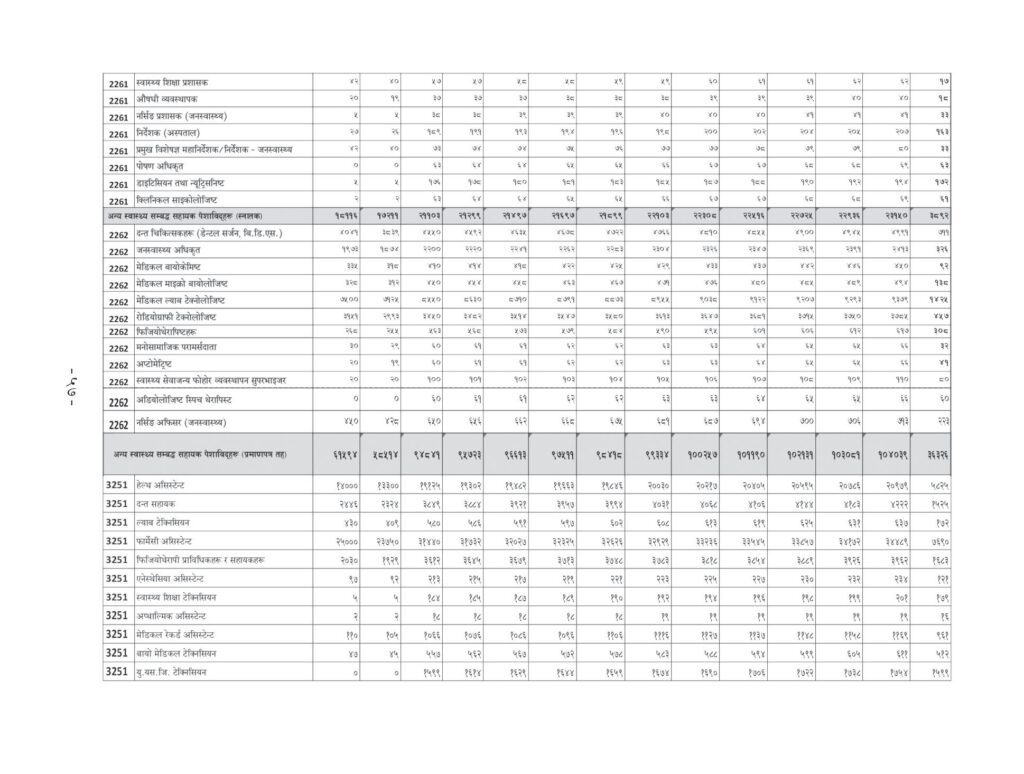
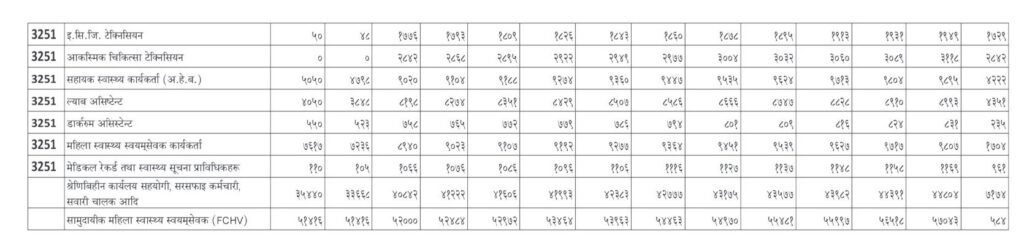
The main institutions that delivered basic health services in 2078/79 were the 192 public hospitals including other ministries, the 2,155 non-public health facilities, the 188 Primary Health Care Centers (PHCCs) and the 3,775 Health Posts (HPs) primary health care services were also provided by Primary Health Care Outreach Clinic (PHC-ORC) sites. A total of 16,950 Expanded Program of Immunization (EPI) clinics provided immunization services. These services were supported by 50,229 Female Community Health Volunteers (FCHV). The information on the achievements of the public health system, NGOs, INGOs and private health facilities were collected by DoHS’s Health Management Information System (HMIS).

Executive summary

National Immunization Program (NIP)

  • In FY 2078/79 compared to FY 2077/78, BCG coverage improved by 13%, whereas DTP-HepB-Hib3 and OPV3 coverage increased by 10% and 13% respectively. The fIPV2 coverage rate has increased to 93% for FY 2078/79. PCV3 coverage has increased to 94%, and PCV1 coverage has reached 98%. Coverage for MR1 and MR2 is now 95% and 93%, respectively.
  • High coverages of both MR1 and MR2 are necessary (> 95%) at all levels to achieve measles eradication. As a result, MR1 and MR2 coverage still has to be increased. The JE vaccination coverage is 96% at national level.

Integrated Management of Neonatal and Childhood Illnesses

  • Among all reported live births, chlorhexidine (CHX) was administered to 82.9% of newborns’ umbilical cord (HF+ FCHV).
  • Use of CHX varied by province, with Sudurpaschim having the highest use (96.9%) and Bagmati Province having the lowest use (64.7%). At the national level, injectable Gentamycin was given to all PSBI cases involving infants under two months old in the fiscal year (FY 2078/79).
  • A total of 702,504 ARI cases were reported at HF and PHC/ORC in FY 2078/79, of which 13.3% were classified as pneumonia and 0.18% as severe pneumonia. At the national level, there were 55.1 cases of pneumonia (both mild and severe) per 1000 children under the age of five.

Nutrition

  • The growth monitoring visit has increased by 25.5 percentage points at the national level from FY 2076/77 (65.2%) to FY 2078/79 (90.7%). A significant reach of Growth Monitoring and Promotion (GMP) among the targeted age group is also demonstrated by the coverage of GMP registration across the seven (7) Provinces, with Provincial values ranging from a low of 78.1% in Province No. 1 to a high of 103.7% in Sudurpaschim Province. In FY 2078/79, the Mother Baby Friendly Hospital Initiative (MBFHI) program was assessed in 10 hospitals, and orientation was done in additional five hospitals.
  • Until FY 2078/79, 15 MBFHI hospitals have been certified. By the end of FY 2078/79, the CNSI training package has been rolled out in 72 districts and five districts of Bagmati province are planned for FY 2079/80.

Safe Motherhood and Newborn Health

  • Maternal and Newborn Health (MNH) is a high-priority program in Nepal. The National Safe Motherhood Programme implemented by Family Welfare Division (FWD) aims to reduce maternal and neonatal morbidity and mortality, improve maternal and neonatal health through preventive and promotive activities, and address avoidable factors that cause death during pregnancy and childbirth and the postpartum period.
  • In FY 2078/79, there was a significant increase in key Maternal and Newborn Health (MNH) indicators.
  • The percentage of pregnant women attending 4 ANC visits as per the protocol increased to 79.4 in FY 2078/79 from 70 in 2077/78. Similarly, institutional deliveries as a percentage of expected live births increased by 14%.
  • Furthermore, the delivery assisted by SBA increased to 75% in FY 2078/79 from 61% in FY 2077/78.
  • The national average for Emergency Obstetric Care (EOC) met needs was 11% in this reporting period, improving from 8.2% in FY 2077/78. The proportion of mothers attending three PNC visits as per the protocol increased from 25% in FY 2077/78 to 40.8% in FY
  • 2078/79.
  • Although there is improvement in key MNH indicators, major gaps in quality of care exist along the continuum of care such as 4 ANC visits and 3 PNC as per the protocol. Similarly, considerable interprovincial gaps were noticed in the quality of care, with around 32% difference in the proportion of women receiving 180 days’
  • supply of Iron Folic Acid (IFA) during pregnancy, with 80.2% of women receiving it in Gandaki Province while only 47.8%
  • in Koshi Province in the year 2078/79.
  • The number of safe abortion service users increased to 90,733 in FY 2078/79 from 79,952 in FY 2077/7 and 87,869 women in FY 2076/77.
  • Among these, 69% were medical abortions, and 31% were surgical abortions in FY 2078/79. 14.2% of the total pregnancies were terminated by induced procedures at health facilities, and 4.4% were induced using the surgical method. Although the safe abortion service users increased in FY 2078/79, the post-abortion contraception has slightly decreased to 74.7% in FY 2078/79 from 76.7% in FY 2077/78.
  • Among the safe abortion users, approx. 7% of the women were aged below 20 years.
  • In FY 2078/79, FWD implemented the MPDSR program in 32 districts and 94 hospitals.
  • In FY 2078/79, a high percentage of maternal deaths were reported in the antepartum period (34%) followed by the postpartum period after 48 hours of delivery (31%).
  • FWD also implemented various activities in FY 2078/79 to improve maternal and child health, such as expansion and quality improvement of BEONC and CEONC sites, onsite clinical coaching and mentoring, MNH readiness assessment and emergency referral funds. In this reporting period, 753 municipalities of 77 districts implemented onsite clinical coaching and mentoring programs, and a quality improvement process programme expanded in 65 hospitals.

Family Planning and Reproductive Health

  • National family planning programme (FP) in 2078/79 has been successful to improve the service access and utilization.
  • The modern contraceptive prevalence rate (unadjusted mCPR) for modern FP at national level is 41% compared to 39% in FY 2077/78.
  • Sudurpaschim Province has the highest mCPR of 48% while Bagmati Province has the lowest (35%). The number of districts with mCPR below 30% is in a decreasing trend.
  • In FY 2078/79, there are 5 districts with CPR less than 30 compared to 9 in FY 2077/78.
  • This indicates performance improvement among the low mCPR districts. Depo (38%) occupies the greatest part of the contraceptive method mix for all method new acceptors, followed by condom (23%), pills (19%), implant (14%), IUCD (2%), female sterilization (FS- 3 %) and lastly male sterilization (MS-1%) in FY 2078/79.
  • Immediate postpartum family planning uptake as proportion of total facility delivery is in increasing trend.
  • Postpartum IUCD uptake as proportion of total facility delivery is also in decreasing trend, while that of contraceptive
  • uptake among total reported abortion services is 71%, but only 15% have used LARCs indicating women after abortion are relying on less effective methods.

Adolescent sexual and reproductive health

  • Adolescent Sexual and Reproductive Health (ASRH) is one of the priority programs of FWD guided by The National Adolescent Health and Development Strategy, 2018. The National ASRH program has been scaled up to all 77 districts by Fiscal Year 2078/79. So far, about 1,355 health facilities have been listed and 116 health facilities have been certified as adolescent friendly service sites.
  • The number of adolescents receiving temporary contraceptive methods (excluding condom) is in decreasing trend.
  • Among four temporary contraceptive methods, Depo is the most preferred contraceptive method accounting for 58% of the contraceptive method mix. Compared to FY 2077/78, the share of implants in method mix has decreased.
  • Similarly, utilization of abortion services is also in decreasing trend. This data needs to be cautiously interpreted as adolescents prefer to utilize the sexual and reproductive health (SRH) services from the private sector due to several reasons. It is interesting to note that the share of medical abortion services is decreasing. Almost two-thirds of adolescents (61%) who terminated the pregnancy opted for medical abortion.
  • In FY 2078/79, Madhesh Province had the highest number of adolescents who received first ANC services and first ANC visit as per protocol. Whereas Gandaki Province has the lowest number of adolescents receiving ANC services.
  • At the national level, the dropout rate between ANC 1st and ANC 4th visits is around 33% in FY 2078/79 which is lower than the previous year.
  • Primary Health Care Outreach Clinics
  • Primary health care outreach clinics (PHC/ORC) extend basic health care services to the community level. In FY 2078/79, 2,289,178 people were served from outreach clinics. Out of planned clinics, 86% were conducted.
  • There has been a slight increase in the conduction of PHC-ORC Clinics and clients served compared to previous year.
  • Malaria
  • Nepal has surpassed the Millennium Development Goal 6 by reducing malaria morbidity and mortality rates by more than 50% in 2010 as compared to 2000. Therefore, the Government of Nepal has set a vision of Malaria free Nepal by Current National Malaria Strategic Plan (NMSP) 2014-2025 was developed based on the epidemiology of malaria derived from 2012 micro-stratification. The aim of NMSP is to attain “Malaria Free Nepal by 2025”.
  • For assessing the risk areas, the program has been conducting micro-stratification on an annual basis. Total positive cases of malaria increased from 377 in FY 2077/78 to 491 in FY 2078/79 to, where 38 cases are indigenous cases and 453 are imported.
  • The trend of indigenous is decreasing, however, the number of imported cases is increasing.
  • As compared to the previous year, the proportion of P. falciparum infections has increased from 13.53% in FY 2077/78 to 23.2% in 2078/79. This proportion is high which is due to the high number of imported P. falciparum cases mostly from India and the Central Africa Region (CAR).
  • The trend of indigenous Pf malaria cases is decreasing. In FY 2078/79, all PF cases were imported. The trend of clinically malaria cases is slightly increasing and major indicators for malaria program; Test positivity rate (TPR), and Annual Blood Examination Rate (ABER) are in positive trend, however, Annual Parasite Incidence Rate (API) has slightly increased.

Kala-azar

  • Kala-azar is one of the high priority public health problems of Nepal. Most of the districts have been continuously reported new cases of Kala-azar in recent years. Therefore, to eliminate Kala-azar from Nepal, strategies to improve health status of vulnerable and at-risk populations have been made focusing on endemic areas of Nepal, which leads to elimination of Kala-azar, and it no longer becomes a public health problem. The incidence of kala-azar at national level has
  • been less than 1/10,000 population since FY 2073/74. However, the trend of Kala-azar cases has been increasing in a few
  • years. In FY 2078/79, two districts, Okhaldhunga and Kalikot, crossed the elimination threshold with 1.62 per 10,000 in Okhaldhunga and 4.14 per 10,000 in Kalikot.

Lymphatic filariasis (LF)

  • Lymphatic Filariasis (LF) is one of the mosquitoes borne parasitic diseases with a public health problem in Nepal.
  • Nepal is among the countries who have started LF MDA in all endemic districts and is on track to achieve elimination status by The goal of the Lymphatic Filariasis Elimination Program is to eliminate LF as a public health problem by reducing the level of the disease in the population to a point where transmission no longer occurs.
  • As of Poush 2079, MDA has been stopped and post MDA surveillance is ongoing in 48 of 64 endemic districts.
  • All endemic districts completed 6 rounds of MDA in 2075 other than Rasuwa which has recently been considered endemic from a confirmatory mapping survey.
  • Triple Drug Regimen (IDA: Ivermectin, Diethylcarbamazine and Albendazole) has been introduced in 5 districts from 2078 and EDCD has planned to expand it in all 15 districts that will implement MDA in 2079.
  • Since 2060 more than 115 million doses of lymphatic filariasis drugs have been administered to at-risk populations.
  • A total number of 10,477 hydrocele surgeries have been performed since FY 2073/74 to FY 2078/79.
  • The morbidity results by community mapping from 44 districts revealed that 30,925 cases of LF have been confirmed of which 21,105 cases of hydrocele, 9,574 cases of lymphoedema and 246 cases of both conditions.

Dengue

  • Dengue, a mosquito-borne disease, emerged in Nepal in 2062. The goal of the national Dengue control program is to DoHS, Annual Report 2078/79 (2021/22) reduce the morbidity and mortality due to dengue fever, dengue hemorrhagic fever (DHF) and dengue shock syndrome (DSS).
  • The number of reported dengue cases has decreased significantly since 2066 but cases of dengue have increased in recent years. During FY 2078/79, a total of 733 dengue cases were reported from 62 districts.
  • The majority of cases have been reported from Sankhuwasabha (79), Kathmandu (65), Dhading (55), and Rupandehi (44).

Scrub Typhus

  • After the devastating earthquake in 2072, outbreak of scrub typhus has been reported from across the country causing several morbidities and mortalities. Although the surveillance system for scrub typhus is not very well established, the scrub typhus cases were reported through the early warning and reporting system (EWARS) from 2073.
  • During FY 2078/79, a total of 2,474 dengue cases were reported from 71 districts. The majority of the cases have been reported from Doti (288), Darchula (222), Palpa (205), Kailali (160), Gulmi (133), Baitadi (124) and Sankhuwasabha (101).

Leprosy

  • During FY 2078/79 (2021/22), 2285 new leprosy cases were detected and put under Multi Drug Therapy (MDT) from 64 districts. Among total new cases, 3.19 % were child cases under 15 years, 7.44 % diagnosed with Grade 2 Disabilities and 43.3% were female cases, 2373 cases were under treatment and receiving MDT at the end of the fiscal year, marking a registered prevalence rate of 0.81 cases per 10,000 populations at the national level.
  • There is a slight increase in prevalence rate of leprosy might be due to loosening of restrictions due to COVID 19 and continuation of field level activities such as active case detection, IEC/BCC campaigns etc.
  • Madhesh province reported the highest PR of 1.43/10,000 population followed by Lumbini province (1.12). 16 districts have reported PR>1 per 10,000 population. 561 foreign cases from India were provided treatment in Nepal during FY 2078/79.

Disability inclusive health, rehabilitation, assistive technology and injury prevention

  • EDCD/ LCDMS has aimed for a disability inclusive health system and population access to rehabilitation services and assistive technology. During FY 2078/79 (2021/22), we developed a Disability management and rehabilitation training
  • package for primary health care providers and was piloted in Banke and Kaski. Post-COVID rehabilitation protocol, National standard on assistive technology and Operational guideline on priority assistive product list has been developed.
  • Furthermore, the Systematic Assessment of Rehabilitation Situation (STARS) report was finalized and the Rapid Assistive
  • Technology Assessment (rATA) was conducted in coordination with the National Health Research Center. Likewise, preliminary data was collected to evaluate the rehabilitation workforce using WHO standardized tools.
  • Altogether 54,670 new cli- ents were reported in DHIS-2 have received rehabilitation service from 42 different hospitals and rehabilitation centers which shows an increment in data reporting compared to last fiscal year which was 29,814 clients.
  • This is due to the fact that EDCD has initiated training to private rehabilitation service centers.
  • Situation assessment and prioritization of strategic intersectoral actions in road safety and the National Policy Dialogue on road safety was organized highlighting the components of the safer system approach.

Zoonoses

  • Nepal has a dual burden of disease and zoonotic diseases of epidemics; endemic and pandemic potentials are the major public health concerns. Globally more than 300 zoonotic diseases are identified among which about 60 have been identified in Nepal as emerging and re-emerging diseases.
  • No people die of rabies or poisonous snake bites due to unavailability of anti-rabies vaccine (ARV) or anti-snake venom serum or timely health care services and to prevent, control and manage epidemic and outbreak of zoonosis is the goal of the zoonosis program.
  • Around 75,000 cases in pets and more than human rabies cases occur each year with highest risk are in the terai.
  • During FY 2078/79, a total of 85,483 dog and other animal bites cases have been reported throughout Nepal and a total of 9,346 snake-bites cases have been reported. Among cases 8,420 were non-poisonous and 926 were poisonous.

Tuberculosis

  • Tuberculosis (TB) remains a major public problem in Nepal.
  • During this FY 2077/78, a total of 37,861 cases of TB were notified and registered at NTP.
  • Among these, 98.5% (37,287) were incident TB cases (New and Relapse). Among all forms of TB cases 72.1 %were pulmonary TB, and out of them, 57.1% were pulmonary bacteriologically confirmed.
  • Madhesh Province holds the highest proportion of TB cases (23.7%) followed by Bagmati province (23.3%). Kathmandu district alone holds around 42% (3,672 TB cases) of the TB cases notified from the Bagmati Province while its contribution is around 9.7% in the national total.
  • In terms of eco-terrain distribution, Terai belt reported more than half of cases (22,904; 60.5%). Most cases were reported in the middle age group with the highest of 45.1% in 15 44 years of age.
  • The childhood TB is around 8.7%. Out of total registered TB cases, there were 14,539 (38.4%) females and 23,322 (61.6%) males.
  • The burden of TB can be measured in terms of incidence (defined as the number of new and relapse cases), prevalence and mortality. WHO estimates the current prevalence of all types of TB cases for Nepal at 117,000 (416/100,000) while the number of all forms of incidence cases (newly notified cases) is estimated at 69,000 (235/100,000).
  • Case notification rate (CNR) of all forms of TB is 129/100,000 population whereas CNR for incident TB cases (new and relapse) is 72/100,000 population.
  • Among drugs sensitive TB cases registered in FY 2077/78, 91.5% were treated successfully.
  • There are estimated to be around 2,200 cases of DR-TB annually. However, 942 MDR TB cases are notified annually.
  • In FY 2077/78, 659 RR/MDR-TB cases were registered for treatment. Among them, Lumbini Province is found to have higher burden followed by Madesh Province, Koshi Province, Bagmati Province, Sudurpaschim province, Gandaki Province, and Karnali Province respectively. Similarly, the burden of Pre-XDR and XDR TB patients was found more at Lumbini Province
  • followed by Bagmati, Koshi, Madhesh, Sudurpaschim, Gandaki and Karnali provinces respectively.
  • TB services were provided through 5,971 treatment centers. Regarding diagnostic services, there are 896 Microscopic
  • centers and 93 GeneXpert centers throughout the country.
  • DR-TB services were provided through 22 treatment centers and 81 Treatment Sub-centers.
  • Though the DR-TB services are ambulatory, facility-based services were also provided through 2 TB treatment and referral management center 6 hostels and 1 DR home.

HIV/AIDS AND STI

  • HIV/AIDS is a priority public health program of the Ministry of Health & Population (MoHP). Nepal remained as concentrated epidemic with prevalence rate 0.12% among adult population (15-49 years) and >5 % among key population i.e. MSM/ TG and PWID.
  • The total estimated people living with HIV (PLHIV) is 30,300 in Nepal by 2021/22 (FY 2077/78), out of total estimated 4% are children (1,140) aged up to 14 years who are living with HIV in Nepal, while the adults aged 15 years and above account for 96%.
  • Almost 65% of total estimated infections (19,460) among the population aged 15-49 years. By sex, males account for 55% of the total infections and the remaining infections are in females. Total 22,125 PLHIV are on ART treatment by the end of FY 2078/79.

Non-Communicable Diseases

  • Non-communicable Diseases (NCDs) are emerging as the leading cause of deaths in Nepal due to changes in social determinants like unhealthy lifestyles, urbanization, demographic and economic transitions.
  • The deaths due to NCDs (cardiovascular, diabetes, cancer and respiratory disease) have increased from 60% of all deaths in 2014 to 66% in 2018 (WHO Nepal Country Profile 2018).
  • They are already killing more people than communicable diseases. Thus, Nepal has adapted and contextualized the PEN intervention for primary care in a low resource setting developed by WHO.
  • The epidemic of non-communicable disease is recognized by UN and addressed in Sustainable Development Goal 3 i.e. “ensure healthy life and promote well-being for all at all ages” of this goal 3.4 targeted to “reduce by one third premature mortality from NCDs through prevention and treatment and promote mental health and well-being”. PEN Implementation Plan (2016-2020) has been developed in line with the Multi-sectoral Action Plan for prevention and control of NCDs (2014-2020).

Mental Health

  • Mental health and substance abuse are recognized as one of the health priorities and also addressed in Sustainable Development Goals (SDG). Within the health goal, two targets are directly related to mental health and substance abuse.
  • Target 3.4 requests that countries: “By 2030, reduce by one third premature mortality from non-communicable diseases through prevention and treatment and promote mental health and well-being”. Target 3.5 requests that countries: “Strengthen the prevention and treatment of substance abuse and harmful use of alcohol”. Nepal has a high burden of mental illness but there are limited interventions to address the epidemic of mental diseases.

Epidemiology and Outbreak Management

  • Epidemiology and Outbreak Management involves working in the area of preparedness and response to outbreaks, epidemics and other health emergencies occurring in different parts of the country. It aligns with the organizational objective to reduce the burden of communicable diseases and unwanted health events through preparedness and responses during outbreak and epidemic situations by using the existing health care system and provides support to the Ministry of Health and Population (MoHP) for drafting national laws, policies, and strategies related to epidemiology and outbreak management. It provides subnational support for outbreak management and capacity building.
  • Continuation of COVID-19 pandemic was seen in FY 2078/79. In the FY, a total of 318,724 PCR and 94,040 Antigen positive cases were registered.
  • FY 2078/79 witnessed two cholera outbreaks, in Kapilvastu and Kathmandu Valley. A total of 1,914 Acute Diarrheal Disease (ADD) cases occurred in the outbreak in Kapilvastu district. Out of 21 stool samples tested for stool culture four stool samples tested positive for Vibrio Cholerae O1 Ogawa. Reactive Oral Cholera Vaccination (OCV) campaign was conduct- ed by Kapilvastu district in 10 municipalities.
  • In Kathmandu valley, until Asar 32,2079, a total of 30 cases of cholera were reported of which 24, 4 and 2 cases were reported from Kathmandu, Lalitpur and Bhaktapur districts respectively.

Surveillance and Research

  • Early Warning and Reporting System (EWARS) is a hospital-based sentinel surveillance system, established in 1997 – for early detection of six priority outbreak potential vector borne, water and food borne diseases/syndromes.
  • Currently, 18 hospitals from all provinces and districts in the country have been selected as sentinel sites. Among 118, 13 sentinel
  • sites reported consistently throughout the 52 epidemiological weeks in 2021 (FY 2077/78).
  • Being the secretariat of National Drinking Water Quality Surveillance, EDCD conducts drinking water quality surveillance
  • activities on a regular basis at national and sub-national level. In FY 2078/79 formation of provincial drinking water quality surveillance committee has been completed in the three provinces in this fiscal year and the rest four are planned in the next year.
  • Monitoring of drinking water quality surveillance and water sample testing for microbiological parameters at sub-national and local level was performed with co-ordination through provincial health ministers/ directorates and associated offices.
  • A single batch MTOT on water safety plan, drinking water quality surveillance and N-WASH (digita; tool for water supply and quality management) was conducted in this FY to strengthen and capacitate water quality surveillance at provincial and local level.
  • In FY 2078/79, the call center received 132,687 calls, out of which 122,016 calls were answered and 17,939 times the Interactive Voice Response (IVR) were recorded.
  • Alert and response System, pandemic response, general response and SMS service on epidemic and outbreak are the major scope of work of call center.

Health sector response to COVID-19 Pandemic

  • The Government of Nepal intends to gradually immunize its citizens when vaccines become available, starting with the groups most at risk, in order to lower morbidity and mortality associated with COVID-19.
  • A total of 47,838,854 doses of COVID-19 vaccinations, including 6,873,016 additional doses, have been safely administered.
  • There are now 108 RTPCR laboratories operating throughout all provinces (45.4% are private and 54.6% are public). Nepal recorded a total of 1,122,201 COVID-19 positive (including RT-PCR and Antigen test).
  • The total case fatality rate is 1.2%, and the rate for people 60 and older is 6.3%. A total of 695,144 individuals have completed the QR certification.

Curative Services

  • Minimum Service Standard (MSS) of health facilities is the service readiness tool designed to identify existing gaps towards the quality improvement of hospital services through self and joint assessment and developing an action plan scientifically.
  • MSS has been implemented in 118 different levels of hospitals all over the country.
  • There has been significant improvement in the service readiness status of the government hospitals since the implementation of MSS program and in the last two fiscal years the program has been expanded to health posts throughout the country.

Nursing and Social Security

Nursing Capacity Development

  • The main responsibility of the nursing capacity development section is to facilitate in the process of development of plans, policies, strategies and programs for strengthening various specialties of nursing and midwives’ services.
  • The major activities and achievements in FY 2078/079 were the school health and nursing program, development of five CPD modules and three clinical protocols, implementation of training on infection prevention and control based on a blended learning approach. In the FY 2078/079 community health nursing program was started in Bhaktapur and Bardibas Municipality.
  • Similarly, in the FY 2078/079 onsite coaching and mentoring program was started.

Geriatric and Gender Based Violence Management

  • The constitution of Nepal has ensured the right of the public to free basic health care service and emergency services.
  • It has also ensured that the elderly people will be entitled to special protection from the nation and are entitled to the right to social security. So, to ensure the accessibility and utilization of health services by older people, the Ministry of Health and Population is extending the geriatric health care services to hospitals with more than 50 beds in this fiscal year.
  • The geriatric services along with establishment of separate geriatric ward and outdoor services has been extended to 49 hospitals across the country in this fiscal year. Geriatric care center implementation guidelines and standards have been developed in which senior citizens with the many chronic health problems who need nursing care are the major service consumers.
  • National policy dialogue program related to geriatric health was conducted. This section trained 80 Primary Health Care Professionals (Health assistants and staff nurses) related to Integrated care for elderly people and 14 medical officers for geriatric health care.
  • Geriatric Review has been conducted among 24 geriatric service available hospitals.
  • Gender-based Violence (GBV) is a grave human rights issue and public health concern which impacts the physical and mental health of the individual survivor and his/her children, and carries a social and economic cost to society.
  • The Office of the Prime Minister and Council of Ministers developed a multi sectoral action plan to address the GBV issues in 2010 with celebration of international GBV years.
  • In line with the action plan and to address needs of GBV survivors in an effective and efficient way MoHP established a hospital based One Stop Crisis Management Center(OCMC).
  • In FY 2078/79, 88 OCMCs had been established in 77 districts. Orientation of the GBV program was conducted at three local levels. OCMC review was conducted in all provinces in FY 2078/79.

Deprived Citizen Treatment Support Program (Bipanna Nagarik Aushadhi Upchar Program)

  • The Impoverished Citizens Service Scheme of Social Health Security Section provides the funding for impoverished Nepalese citizens to treat serious health conditions.
  • Free treatment up to NPR 100,000 per patient via listed hospitals for severe diseases including cancer, heart disease, traumatic head injuries, traumatic spinal injuries, Alzheimer disease, Parkinson’s and sickle cell anemia diseases once in lifetime. Pre-transplant (HLA & cross match) test support up to NPR 50,000; renal transplantation costs up to NPR 400,000 per patient; medication costs up to NPR 100,000 for post-renal transplant cases; Free haemodialysis and peritoneal dialysis services; and free medical treatment for acute kidney infections up to NPR 100,000.
  • Till FY 2078/79 125,825 patients have received free treatment under impoverished citizens’ services scheme.

Female Community Health Volunteer (FCHV)

  • The Government of Nepal initiated the Female Community Health Volunteer (FCHV) Program in 2045/46 (1988/1989) in 27 districts and expanded it to all 77 districts thereafter. 51,423 FCHVs recruited a total of 49,605 (as reported in HMIS) FCHVs are actively working in Nepal. In the fiscal year 2077/078 biannual FCHV review meeting was held at local and FCHV day was celebrated.
  • The major role of FCHVs is to advocate healthy behavior among mothers and community people to promote safe motherhood, child health, for family planning and other community-based health issues and service delivery.
  • FCHVs distribute condoms and pills, ORS packets and vitamin A capsules, treat pneumonia cases (only in the selected remote area where referral is not possible), refer serious cases to health facilities and motivate and educate local people on healthy behavior related activities. They also distribute iron tablets to pregnant women.

Reimbursement program for free treatment of Janayudhha, Jana-andolan ghaite, Madhesh terai ghaite, Bhukampa pidit.

  • The program provides reimbursement to the government and community hospitals that claim an amount equal to the free services they have provided to the casualties of various peoples movement and earthquake affected peoples based recommendation by the government authorities stating their casualty status.
  • In FY 2078/79 a total of 2,500,000 rupees budget was allocated for the program and reimbursement were given to three hospitals that claimed the amount.

Reimbursement to the hospitals for free treatment of Acid Attack Victims

  • The program provides reimbursement to the four dedicated hospitals that provide free treatment to the acid attack victims. The program covers ambulance expenses, food expenses of the victim and care-taker, in-patient charges, medical and procedure expenses as well as long term medications that must be used by the patients. In FY 2078/79 total budget of 700,000 was provided to the hospitals for treatment of three victims.

Trainings conducted regarding hemodialysis

  • In FY 2078/79 two categories of training were conducted under hemodialysis specialty. Hemodialysis training for nurses was conducted in two batches with 20 participants in each batch yielding 40 hemodialysis specialist nurses.
  • Same-way users training for hemodialysis equipment maintenance was conducted in one batch with 10 participants.

Inpatients/OPD services

  • For the fiscal year, 2078/79 inpatient and outpatient services were provided by all types and levels of hospitals. A total of 1,548,336 patients were admitted to the hospitals. The highest admissions were due to pregnancy, childbirth and
  • puerperium which accounted for more than 20% of discharged cases. The inpatient hospital death rate was 1.08%. In
  • addition, the number of emergency visits was also increasing as 2,938,849 patients received emergency care. Outpatient morbidity has been reported in 19 different sections that cover 232 diseases including communicable diseases,
  • non-communicable diseases, injuries, organ-specific diseases, and mental health problems. Although the majority of tertiary hospitals and private hospitals had not reported outpatient morbidity throughout the year, the maximum OPD cases were related to headaches followed by upper respiratory tract infection (URTI).

Human Organ Transplant Services

  • Shahid Dharma Bhakta National Transplant Center (SDBNTC) was established in 2012 by the Ministry of Health and Population to strengthen and expand organ transplantation services in the country. This center started its services merely with the OPD services, but within a few years of its establishment it has extended its services beyond organ transplantation.
  • The number of patients in all these aspects has increased remarkably in FY 2078/79. There were 47,047 patients served in the outpatient department, while the number of admission and discharge were almost similar with 2,106 and 2,099 respectively.
  • There were 972 minor surgeries and 827 major surgeries in FY 2078/79. The number of kidney transplantations escalated from 49 to 160 in FY 2078/79. The number of sessions of paid dialysis decreased from 2,940 in FY 7078/79 to 2,526 in fiscal year 2077/78.
  • There has been a slight increase in free dialysis sessions in FY 2078/79. The number of lab tests done in FY 2078/79 was 160,537.

Pashupati Homoeopathic services

  • Pashupati Homoeopathic Hospital is the only hospital providing homeopathic services to the people of Nepal in the public sector. The homeopathic system is economical, easy and has no adverse effects. The hospital provides OPD service only.
  • The number of patients receiving homoepptathic services is increasing. Many referred cases are also treated here like allergic rhinitis, urticaria, laryngeal papilloma, PCOD and other skin diseases. People of Kathmandu valley and nearby districts can take free and convenient service at the hospital.
  • However, People far from Kathmandu valley are not able to take benefits provided by this hospital. It is essential to provide service in all seven provinces of Nepal with utmost priority.

National Health Training

  • The training network includes seven provincial health training centers and 60 clinical training sites.
  • It is also responsible for accrediting clinical training sites and Clinical and public health related training courses to maintain the standard of the health training so as to strengthen the capacity of health service providers across the country.

Vector Borne Disease Research & Training

  • In the FY 2078/79 Vector Borne Diseases Trainings (VBDs) for VBDs focal persons/health workers, malaria microscopic basic and refresher trainings for lab technicians and lab assistants were conducted to enhance their level of knowledge and skills related with prevalent vector borne diseases. Studies conducted during this fiscal year include monitoring of insecticide resistance in malaria vectors and transmission assessment survey of Lymphatic Filariasis.
  • During the FY 2078/79 VBDRTC conducted Re Pre TAS in Morang, Kailali, Banke, Kapilvastu and Dang districts, TAS-I in Bardiya and Dhankuta districts, and TAS-II in Darchula, Baitadi, Bajhang, Doti, Dadeldhura, Achham, Bajura, Dailekh, Surkhet, Jajarkot, Sunsari, Terhathum, Bhojpur and Udayapur districts.

Health, Education, Information and Communication

  • NHEICC has been taking a leading role in the SAFER initiative.
  • In the fiscal year 2078/79 major programme conducted by NHEICC was Tobacco control programme under which advocacy for Tobacco control and regulation with local leaders, journalist interaction and health tax fund programme activities were conducted. NHEICC launched the SAFER initiative for alcohol control and intensive RCCE activities were conducted.
  • It conducted national level campaigns like mask campaign, mental health wellbeing campaign, and COVID-19 vaccination campaign.
  • Likewise, advocacy and awareness programmes of health promotion for Samriddha Nepal, FP, RH morbidity, Safe motherhood and newborn care, nutrition child health, immunization, communicable disease, eye health, oral health, environmental health, RTI, mental health andNCDs through mass media and community engagement was carried out.
  • Similarly, NHEICC used a digital platform to disseminate health related messages and information.

Health Laboratory Services

  • In FY 2078/79, major public health related activities carried out through NPHL were laboratory-based surveillance of Japanese encephalitis, measles/rubella, polio, antimicrobial resistance (AMR) of selected bacteria, influenza etc.
  • Apart from public health related activities, it has provided results of thousands of routine and specialized tests from various
  • departments. NPHL is highly dedicated to quality service. For this it has implemented a two-way LIS system integrating collection, testing machine and reporting, which has dramatically minimized the human errors and effectiveness can be Felt in reports provided by NPHL.
  • National External Quality Assessment Scheme (NEQAS), one of the oldest programs related to quality service, has been running through NPHL since 1987.
  • In this program, NPHL prepares various proficiency test panels and dispatches to participating laboratories throughout the country and analyzes their quality based on the received results from them.
  • Currently more than 600 labs have enrolled in this program. Among them around 400 are private labs and the remaining are government labs. On the other hand, to monitor the service quality of its own, NPHL has participated in various
  • international External Quality Assessment Scheme (IEQAS) run by renowned institution of the glove like: CMC Vellore,
  • Birmingham IEQAS, Mahidol university hospital, Sriraaj hospital etc. The blood bank bureau of NPHL supports and regulates the blood banks throughout the country as well as organizes various workshops on planning and managing blood
  • transfusion service. It also supports blood banks for their capacity building.
  • In order to provide super specialized service, a flow cytometry lab has been established in NPHL. It provides the diagnosis of various cancers with its modern equipment and cutting-edge technologies.
  • HLA typing lab is also in full operation which has helped many patients by providing diagnostic requirements for organ transplant at a very reasonable price.
  • Similarly, an immunohistochemistry lab has been installed and is about to provide service soon. Triple marker and quadruple marker tests are also performed on a regular basis which has helped for screening of genetic abnormalities in fetuses.

Health Service Management:

  • Procuring, and distributing health commodities for the health facilities and the monitoring and evaluation of health programs. The division is also responsible for monitoring the quality of air, environmental health, health care waste management, water and sanitation.

Logistics Management

  • The major activities conducted by the IHIMS section in FY 2078/79 are approval of IHIMS’s Roadmap (2022-2030), comprehensive revision of HMIS tools (73 tools), orientation on the revised HMIS tools (M-ToT:89 participants, D-ToT: 168, local level Training: 1,522), DHIS2 dashboard program expanded to 33 LLGs, implementation and training on ICD 11, estimation of target population up to ward level, assessment of routine data quality (RDQA) in five districts (Morang, Dhanusha, Dhading, Tanahu, Pyuthan), preparation and publication of DoHS annual report, initiation of national data warehouse, initiation of DHIS 2 Upgrade from version 2.30 to 2.38, Health Infrastructure Information System (HIIS) integration process. Online self-reporting has been increased from 2,517 to 3,779 from previous FY 2077/78 to this FY 2078/79.
  • The major activities conducted for the FY 2078/79 were the revision of the LMIS form and Basic Logistics Training Manual, data quality assessment, review and optimization of information flow for the LMIS report, conduction of eLMIS training, implementation/ expansion of eLMIS sites, support through help desk, development and implementation of standard operating procedures (SOPs) for the functionality of the eLMIS along with eLMIS monitoring and data utility for decision making.

Personnel Administration

  • The Personnel Administration Section (PAS) is responsible for routine and program administrative function. Its major functions include upgrading health institutions (O&M), the transfer of health workers, level upgrading of health workers up to 7th level, capacity building as well as internal management of human resources of personnel.

Financial Management

  • The preparation of annual budgets, the timely disbursement of funds, accounting, reporting, and auditing are the main.
  • Out of the total National Budget of Rs. 1,647,576,700,000.00 a sum of Rs. 90,754,500,000 (5.50%) was allocated for the health sector during the fiscal year 2078/79. Of the total health sector budget, Rs. 43,276,927,000.00 (47.68%) was allocated for the execution of programs under the Department of Health Services with COVID-19 control and management.

Medico-legal Services

  • it is high time for the Nepal Government to facilitate the environment to utilize those experts in the medico-legal field for providing their specialist service to Nepali people.
  • During the last FY, a number of activities related to medico-legal services were conducted by DoHS and the Ministry of Social Development (Karnali Province).
  • Around 200 doctors working at the periphery were benefited by these orientation and skill enhancing training.

Monitoring and Evaluation

  • The Nepal Health Sector Strategy (NHSS) 2015-2022 focuses on better access to and use of information with ICT. It also emphasizes improved and interoperable routine information systems and prioritizes surveys and research for informed decision-making and better policy and planning processes. The strategy promotes upgraded and integrated health sector reviews at various levels that feed into the planning and budgeting process.

Health Councils

  • The six professional health councils (Nepal Medical Council, Nepal Nursing Council, NepalAyurvedic Medical Council, Nepal Health Professional Council, Nepal Pharmacy Council and Nepal Health Research Council) accredited more effectively the health services, training, research and regulated care providers managed in a scientific manner.

Health Insurance

  • Health Insurance is a social health security program from the Government of Nepal which aims at enabling its citizens with the access of quality health care services without placing a financial burden on them. In the beginning of FY 2072/73, it was run under the Social Health Development Committee, however since FY 2074/75, it has been running under the Health Insurance Board (HIB) guided by Health Insurance Act and Regulation. The Health Insurance program.
  • in FY 2073/74. At the end of FY 2076/77, the program was implemented in 58 districts of the country. Till the end of
  • FY 2078/79, the program was implemented in all 77 districts and 746 Local levels of the country.
  • The total cumulative numbers of enrolled people are 6,045,192 and total renewed insures are 3,451,951 at the end of FY 2078/79. During this
  • FY, the total population coverage of the health insurance program is 22.52%. Among the total insured, about 4,248,606
  • people were active in the health insurance program in FY 2078/79. The leading top five districts based on the number of new enrollments are Jhapa, Sunsari, Morang, Chitwan and Kailali.

Development Partners Support in Health Programs

  • The outcomes discussed in the previous chapters are the results of combined efforts of the Ministry of Health and Population (MoHP), various development partners (multilateral, bilateral) and other supporting organizations including international organizations and national NGOs and private sectors. The Department of Health Services acknowledges its partnership with these organizations and their large contributions to Nepal’s health sector. This chapter lists the focus of these organizations’ various programs. Partners have also provided technical assistance in their areas of expertise.
  • In the current sector programme, the World Bank has allocated all its commitment through a Program-for-Results, a tool which disburses funds against a verifiable set of results, called Disbursement Linked Results (DLRs). UKAid and GAVI are also disbursing part of their commitments against some DLRs identified and agreed with the MoHP. In addition, in the Fiscal Year 2021/2022, Development Partners continued to provide additional funding, in-kind and technical support to the MoHP for the preparedness and response to COVID-19 pandemic.
Annual Report 1 019
DoHS Annual report
DoHS Annual report
DoHS Annual report
DoHS Annual report
DoHS Annual report
DoHS Annual report
DoHS Annual report
DoHS Annual report
DoHS Annual Report

Download PDF FILE

Related documents

  • Nepal Health Sector Strategic Plan 2023-2030
  • Annual Report of the Department of Health Services (DoHS) 2077/78
  • Glimpse of Annual Report Department of Health Services 2073/74 (2016/17)
  • Annual report of the Department of Health Services (DoHS) 2073/74 (2016/2017)
  • Annual Report Department of Health Services 2072/73 (2015/2016)
  • Annual Report of the Department of Health Services (DoHS) – 2071/72 (2014/2015)
  • Annual Report of DOHS 2070/71 (2013/2014)
  • Annual Report of DoHS 2069/2070 (2012-2013)
  • National Annual Review, MoHP – 2017/18 (Presentation Slides)
  • Health Sector Progress Report 2018, Ministry of Health & Population
  • Glimpse of Annual Report Department of Health Services 2073/74 (2016/17)
  • Key Findings (Nepali & English) – The 2016 Nepal Demographic and Health Survey (2016 NDHS)
  • Nepal Health Sector Strategy(NHSS) Implementation Plan 2016-21
July 24, 2023 0 comments
0 FacebookTwitterPinterestLinkedinTumblrVKOdnoklassnikiRedditStumbleuponWhatsappTelegramLINEPocketSkypeViberEmail
New WHO guidance on HIV viral suppression and scientific updates released at IAS 2023
Communicable DiseasesGlobal Health NewsPublic HealthPublic Health NewsPublic Health UpdateWorld News

New WHO guidance on HIV viral suppression and scientific updates released at IAS 2023

by Public Health Update July 23, 2023
written by Public Health Update

The World Health Organization (WHO) is releasing new scientific and normative guidance on HIV at the 12th International IAS (the International AIDS Society) Conference on HIV Science.

New WHO guidance and an accompanying Lancet systematic review released today describe the role of HIV viral suppression and undetectable levels of virus in both improving individual health and halting onward HIV transmission. The guidance describes key HIV viral load thresholds and the approaches to measure levels of virus against these thresholds; for example, people living with HIV who achieve an undetectable level of virus by consistent use of antiretroviral therapy, do not transmit HIV to their sexual partner(s) and are at low risk of transmitting HIV vertically to their children. The evidence also indicates that there is negligible, or almost zero, risk of transmitting HIV when a person has a HIV viral load measurement of less than or equal to 1000 copies per mL, also commonly referred to as having a suppressed viral load.

Antiretroviral therapy continues to transform the lives of people living with HIV. People living with HIV who are diagnosed and treated early, and take their medication as prescribed, can expect to have the same health and life expectancy as their HIV-negative counterparts.

“For more than 20 years, countries all over the world have relied on WHO’s evidence-based guidelines to prevent, test for and treat HIV infection,” said Dr Tedros Adhanom Ghebreyesus, WHO Director-General. “The new guidelines we are publishing today will help countries to use powerful tools have the potential to transform the lives of millions of people living with or at risk of HIV.”

At the end of 2022, 29.8 million of the 39 million people living with HIV were taking antiretroviral treatment (which means 76% of all people living with HIV) with almost three-quarters of them (71%) living with suppressed HIV. This means that for those virally suppressed their health is well protected and they are not at risk of transmitting HIV to other people. While this is a very positive progress for adults living with HIV, viral load suppression in children living with HIV is only 46% – a reality that needs urgent attention.

Here is an overview of other key scientific and normative updates being released by WHO at IAS 2023 conference:

HIV and mpox

An analysis of global surveillance data reported to WHO during the multi-country outbreak of mpox, identified that among more than 82 000 mpox cases, around 32 000 cases had information on HIV status. Among those, 52% were living with HIV, most being men who have sex with men (MSM); and more than 80% reported sex as the most probable route of getting infected with mpox.

Among 16 000 people diagnosed with mpox and living with HIV, around one quarter (25%) had advanced HIV disease or immunosuppression – leading to an increased risk of hospitalization and death. People living with HIV who were taking HIV treatment and with good immunity had similar hospitalization and death outcomes as those who were HIV negative.

In the light of these findings, WHO recommends countries integrate mpox detection, prevention, and care with existing and innovative HIV and sexually transmitted infection prevention and control programmes.

To understand how to better prepare for and respond to future increases in mpox transmission, WHO led a rapid electronic survey in May 2023 to assess community experiences of the 2022-2023 mpox outbreak in Europe and the Americas.

More than 24 000 people participated in the survey which focused on men who have sex with men, and trans and gender-diverse people, with 16 875 eligible individuals completing the survey. Almost 51% changed their sexual behaviour (such as reducing the number of sexual partners), and 35% had maintained these changes one year later. Findings from this survey provide valuable insights into the experiences and needs of affected communities and emphasize the importance of increasing access to mpox vaccination and diagnostics globally.

HIV and COVID-19

An updated analysis from WHO global clinical platform for COVID-19 up through May 2023 revealed a persistent high risk of death in people living with HIV hospitalized for COVID-19 across pre-Delta, Delta and Omicron variant waves, with an overall in-hospital mortality rate of 20%-24%. For people without HIV, the risk of death fell during the Omicron variant wave by 53%—55% compared to pre-Delta and Delta variant waves; but for people living with HIV, the percentage decline in mortality during the Omicron wave period compared to the other waves was modest (16%-19%). This difference resulted in a 142 times increased risk of death among people living with HIV when compared with people without HIV during the Omicron wave period. 

Risk factors for in-hospital death that were common across all variant waves of the pandemic were low CD4 count (less than 200 cells per m3), and severe or critical COVID-19 illness at hospital admission.

“Uncontrolled HIV remains a risk factor for poor outcomes and death in the mpox outbreak and COVID-19 pandemic”, said Dr Meg Doherty, Director of WHO’s Global HIV, Hepatitis and Sexually Transmitted Infections Programmes. “We must ensure the integration of HIV considerations in pandemic preparedness and response. Protecting people living with HIV from future pandemics is vital and reinforces the need to ensure access to HIV testing and treatment and preventive vaccines for mpox and COVID-19 to save lives; community-led responses that work for HIV will also be beneficial for addressing future pandemics.”

Optimizing HIV testing services through expanded testing options and simplified service delivery

With new recommendations on HIV testing, WHO is calling on countries to expand use of HIV self-testing and promote testing through sexual and social networks to increase testing coverage and strengthen uptake of HIV prevention and treatment services in high-burden settings and in regions with the greatest gaps in testing coverage.

The recommendation comes at a pivotal time, where self-care and self-testing are increasingly being recognized as ways to increase access, efficiency, effectiveness and acceptability of health care across many different disease areas, including HIV.

Primary health care and HIV

A new policy framework on primary health care (PHC) and HIV will help decision-makers optimize work and collaboration underway to advance primary health care and disease-specific responses, including HIV. In the second year of implementation, the Global Health Sector Strategies on HIV, viral hepatitis and sexually transmitted infections for 2022-2030 actively advocate for synergies within the framework of universal health coverage and primary health care.

“Ending AIDS is impossible without optimizing opportunities across and within health systems, including with communities and in the context of primary health care”, said Dr Jérôme Salomon, WHO Assistant Director-General, Universal Health Coverage, Communicable and Noncommunicable Diseases.

This latest research and guidance are being presented at a time when progress towards ending the global AIDS epidemic has lagged, after the COVID-19 pandemic; but the response is rapidly catching up, with some countries now charting a path to end AIDS, including Australia, Botswana, Eswatini, Rwanda, United Republic of Tanzania, and Zimbabwe and 16 other countries that are close to reaching the 95-95-95 global targets, which aim for 95% of people living with HIV knowing their status, 95% of those diagnosed receiving ART and 95% of those on treatment having suppressed viral loads.
WHO

Recommended

  • The State of Food Security and Nutrition in the World 2023
  • Call for experts – WHO-UNICEF Technical Expert Advisory group on nutrition Monitoring (TEAM)
  • Nepal Demographic and Health Survey 2022 [Key Findings]
  • Health Sector Budget for Fiscal Year 2023/24 (Red book)

  • World Water Day 2026 | Water & Gender Equality
  • Nepal Antimicrobial Resistance (AMR) Bulletin FY 2081/82
  • Call for applications! Short Course on Qualitative Research Methods in Public Health, 2026
  • World Obesity Day 2026 | 8 Billion Reasons to Act on Obesity
  • Salim Yusuf Emerging Leaders Programme 2026
July 23, 2023 0 comments
0 FacebookTwitterPinterestLinkedinTumblrVKOdnoklassnikiRedditStumbleuponWhatsappTelegramLINEPocketSkypeViberEmail
Newer Posts
Older Posts

Search

Follow Us

Facebook Twitter Instagram Pinterest Linkedin Youtube

Categories

  • Abstracts (25)
  • Activities (91)
  • Adolescent Sexual and Reproductive Health (ASRH) (25)
  • Advice & Tips (3)
  • African Region (5)
  • AI and Health (1)
  • Annual Meeting (6)
  • Antimicrobial Resistance (AMR) (21)
  • Award (19)
  • Awards (16)
  • Books (9)
  • Call for Proposal, EOI & RFP (103)
  • Call for Research Participants (8)
  • Clinical Doctor Jobs (6)
  • Communicable Diseases (107)
  • Competition (20)
  • Conference (128)
  • Consultant (1)
  • Courses (205)
  • Dashboard (2)
  • Digital Health & Health Informatics (10)
  • Drug and Medicine (18)
  • Eastern Mediterranean Region (3)
  • Education (15)
  • Environment (3)
  • Environmental Health & Climate Change (47)
  • European Region (42)
  • Exchange Program (1)
  • Fact Sheet (117)
  • FCHVs (1)
  • Fellowships, Studentship & Scholarships (168)
  • Financial Aid (13)
  • Form Formats (2)
  • Fully funded (22)
  • Global Health News (433)
  • Grants and Funding Opportunities (193)
  • Guest Post (44)
  • Health Assistant Jobs (1)
  • Health Equity (7)
  • Health Financing and Economics (24)
  • Health in Data (115)
  • Health Insurance (5)
  • Health Jobs (52)
  • Health Literacy, Health Education & Promotion (49)
  • Health Organization Profile (42)
  • Health Systems (83)
  • Human Resource for Health (33)
  • Humanitarian Health & Emergency Response (44)
  • Hypertension (5)
  • Implementation Research (48)
  • International Health (3)
  • International Jobs & Opportunities (373)
  • International Plan, Policy & Guidelines (210)
  • Internships (4)
  • Jobs Vacancies (56)
  • Journals (8)
  • Life Style & Public Health Nutrition (39)
  • Live (10)
  • Master's Degree (48)
  • Maternal, Newborn and Child Health (88)
  • Mentorship Program (2)
  • Miscellaneous (16)
  • National Health News (157)
  • National Plan, Policy & Guidelines (468)
  • Neglected Tropical Diseases (NTDs) (51)
  • Non- Communicable Diseases (NCDs) (120)
  • Notice (103)
  • Nursing Jobs (6)
  • Nutritionist Jobs (1)
  • One Health (17)
  • Online & Distance Learning (22)
  • Online Courses (90)
  • Op-Ed Article (3)
  • Opportunities by Region (83)
  • Outbreak News (213)
  • Partially funded (6)
  • PCL Health Science Jobs (3)
  • PH Important Day (533)
  • Pharmacist Jobs (3)
  • PhD (54)
  • Photos (5)
  • Planetary Health (4)
  • PostDoc (14)
  • Presentation Slides (26)
  • Primary Health Care (25)
  • Provincial Plan, Policies and Guidelines (14)
  • Public Health (1,281)
  • Public Health Epidemiology & Biostatistics (13)
  • Public Health Events (306)
  • Public Health Information (20)
  • Public Health Innovation (9)
  • Public Health Jobs (52)
  • Public Health News (552)
  • Public Health Notes (120)
  • Public Health Opportunities (507)
  • Public Health Opportunity (491)
  • Public Health Programs (108)
  • Public Health Seminar (2)
  • Public Health Tools (1)
  • Public Health Update (561)
  • Quality Improvement & Infection Prevention (20)
  • Region of America (8)
  • Reports (184)
  • Research & Project Grants (39)
  • Research & Project Grants (32)
  • Research & Publication (647)
  • Research Articles (10)
  • Road Traffic Accidents (RTA) (9)
  • School of Public Health (60)
  • Self funded (2)
  • South-East Asia Region (26)
  • Success Stories (17)
  • Summer and Winter Courses (40)
  • Summer Courses (28)
  • Sustainable Development Goals (SDGs) (14)
  • Syllabus (61)
  • Symposium (9)
  • Tobacco Control (35)
  • Training (40)
  • Travel Grants (15)
  • Trick, Technique & Skills (8)
  • Uncategorized (3)
  • Undergraduate Degree (7)
  • Universal Health Coverage (36)
  • Universities (29)
  • Universities & School of Public Health (58)
  • Vacancy Announcement (26)
  • Vaccine Preventable Diseases (40)
  • Vector-Borne Diseases(VBDs) (30)
  • Videos (3)
  • View Points (1)
  • Webinar (4)
  • Western Pacific Region (13)
  • Workshop (18)
  • World News (116)
Post New Jobs: Vacancy Announcement Service

Public Health Update (Sagun’s Blog) is a popular public health portal in Nepal. Thousands of health professionals are connected with Public Health Update to get up-to-date public health updates, search for jobs, and explore opportunities.
#1 Public Health Blog for sharing Job opportunities and updates in Nepal

”Public Health Information For All”
– – Sagun Paudel, Founder

  • HOT JOBS
    • Public Health Jobs
    • Medical Doctor Jobs
    • Nursing Jobs
    • Health Assistant Jobs
    • Pharmacist Jobs
    • NGOs Jobs
    • Government Jobs
  • Top Categories
    • National Plan, Policy & Guidelines Top
    • Public Health Calendar
    • Fellowships & Scholarships
    • Health Systems
    • Health Organization Profiles
    • International Jobs & Opportunities
    • Public Health Opportunity

PUBLIC HEALTH INITIATIVE

    • Submit your Vacancies New
    • Partnership Opportunities

Contact: blog.publichealthupdate@gmail.com

https://wa.me/+9779856036932

Public Health Initiative, A Registered Non-profit organization – All Right Reserved. 2011-2024. Contact us. 

Facebook Twitter Instagram Youtube Envelope
Public Health Update
  • Home
  • Public Health
    • Home 1
      • Adolescent Sexual and Reproductive Health (ASRH)
      • Antimicrobial Resistance (AMR)
      • Communicable Diseases
      • Digital Health & Health Informatics
      • Environmental Health & Climate Change
      • Health Financing and Economics
      • Health Equity
    • Home 2
      • Health Literacy, Health Education & Promotion
      • Human Resource for Health
      • Humanitarian Health & Emergency Response
      • Implementation Research
      • International Health
      • Life Style & Public Health Nutrition
      • Maternal, Newborn and Child Health
    • Home 3
      • Neglected Tropical Diseases (NTDs)
      • Non- Communicable Diseases (NCDs)
      • One Health
      • Planetary Health
      • Public Health Epidemiology & Biostatistics
      • Primary Health Care
      • Quality Improvement & Infection Prevention
    • Home 4
      • Road Traffic Accidents (RTA)
      • Sustainable Development Goals (SDGs)
      • Tobacco Control
      • Universal Health Coverage
      • Vaccine Preventable Diseases
      • Vector-Borne Diseases(VBDs)
      • Notices
  • Public Health Update
    • Home 1
      • Public Health News
      • Global Health News
      • Outbreak News
      • National Health News
      • COVID-19
    • Home 2
      • Fact Sheet
      • Health in Data
      • PH Important Day
      • Public Health Events
      • Public Health Programs
    • Home 3
      • Health Systems
      • Health Insurance
      • Health Organization Profile
      • Success Stories
      • Public Health Innovation
  • Public Health Opportunities
    • Fully funded
    • Travel Grants
    • Grants and Funding Opportunities
    • Opportunities by Region
    • International Jobs & Opportunities
    • Research & Project Grants
    • Fellowships, Studentship & Scholarships
    • Conference
  • Jobs
    • Home 1
      • Health Jobs
      • Public Health Jobs
      • Clinical doctor Jobs
      • Health Assistant Jobs
      • Nursing Jobs
      • PCL Health Science Jobs
    • Home 2
      • Dental Jobs
      • Pharmacist Jobs
      • TSLC (Health Jobs)
      • Laboratory Jobs
      • Nutritionist Jobs
  • Downloads
    • International Plan, Policy & Guidelines
    • National Plan, Policy & Guidelines
    • Reports
    • Books
    • Research Articles
  • School of Public Health
    • Home 1
      • Courses
      • Master’s Degree
      • Undergraduate Degree
      • PhD
    • Home 2
      • Universities
      • Syllabus
      • Public Health Notes
      • Mentorship Program
      • Startup Project
    • Home
      • Summer and Winter Courses
      • Summer Courses
      • Online Courses
      • Workshop
      • Training
Public Health Update
  • Home
  • Public Health
    • Home 1
      • Adolescent Sexual and Reproductive Health (ASRH)
      • Antimicrobial Resistance (AMR)
      • Communicable Diseases
      • Digital Health & Health Informatics
      • Environmental Health & Climate Change
      • Health Financing and Economics
      • Health Equity
    • Home 2
      • Health Literacy, Health Education & Promotion
      • Human Resource for Health
      • Humanitarian Health & Emergency Response
      • Implementation Research
      • International Health
      • Life Style & Public Health Nutrition
      • Maternal, Newborn and Child Health
    • Home 3
      • Neglected Tropical Diseases (NTDs)
      • Non- Communicable Diseases (NCDs)
      • One Health
      • Planetary Health
      • Public Health Epidemiology & Biostatistics
      • Primary Health Care
      • Quality Improvement & Infection Prevention
    • Home 4
      • Road Traffic Accidents (RTA)
      • Sustainable Development Goals (SDGs)
      • Tobacco Control
      • Universal Health Coverage
      • Vaccine Preventable Diseases
      • Vector-Borne Diseases(VBDs)
      • Notices
  • Public Health Update
    • Home 1
      • Public Health News
      • Global Health News
      • Outbreak News
      • National Health News
      • COVID-19
    • Home 2
      • Fact Sheet
      • Health in Data
      • PH Important Day
      • Public Health Events
      • Public Health Programs
    • Home 3
      • Health Systems
      • Health Insurance
      • Health Organization Profile
      • Success Stories
      • Public Health Innovation
  • Public Health Opportunities
    • Fully funded
    • Travel Grants
    • Grants and Funding Opportunities
    • Opportunities by Region
    • International Jobs & Opportunities
    • Research & Project Grants
    • Fellowships, Studentship & Scholarships
    • Conference
  • Jobs
    • Home 1
      • Health Jobs
      • Public Health Jobs
      • Clinical doctor Jobs
      • Health Assistant Jobs
      • Nursing Jobs
      • PCL Health Science Jobs
    • Home 2
      • Dental Jobs
      • Pharmacist Jobs
      • TSLC (Health Jobs)
      • Laboratory Jobs
      • Nutritionist Jobs
  • Downloads
    • International Plan, Policy & Guidelines
    • National Plan, Policy & Guidelines
    • Reports
    • Books
    • Research Articles
  • School of Public Health
    • Home 1
      • Courses
      • Master’s Degree
      • Undergraduate Degree
      • PhD
    • Home 2
      • Universities
      • Syllabus
      • Public Health Notes
      • Mentorship Program
      • Startup Project
    • Home
      • Summer and Winter Courses
      • Summer Courses
      • Online Courses
      • Workshop
      • Training
Public Health Initiative, A Registered Non-profit organization – All Right Reserved. 2011-2023