Public Health Update
  • Home
  • Public Health Update
  • Nepal Health Jobs
    • Public Health Job Board
    • Organization List
  • Opportunities
    • Fellowships, Studentship & Scholarships
    • Grants and Funding Opportunities
    • Fully funded
    • Conference
  • Downloads
    • International Plan, Policy & Guidelines
    • National Plan, Policy & Guidelines
    • Reports
    • Public Health Notes
    • Syllabus
    • Form Formats
  • School of Public Health
    • PhD
    • Master’s Degree
    • Online Courses
  • Notice
LOGIN / REGISTER
Public Health Update
SUBSCRIBE
Public Health Update
  • Home
  • Public Health Update
  • Nepal Health Jobs
    • Public Health Job Board
    • Organization List
  • Opportunities
    • Fellowships, Studentship & Scholarships
    • Grants and Funding Opportunities
    • Fully funded
    • Conference
  • Downloads
    • International Plan, Policy & Guidelines
    • National Plan, Policy & Guidelines
    • Reports
    • Public Health Notes
    • Syllabus
    • Form Formats
  • School of Public Health
    • PhD
    • Master’s Degree
    • Online Courses
  • Notice

All Right Reserved. Designed and Developed by PenciDesign

International Plan, Policy & GuidelinesPublic Health

World health statistics 2017: Monitoring health for the SDGs, Sustainable Development Goals – WHO

by Public Health Update May 17, 2017
written by Public Health Update
The World Health Statistics series is WHO’s annual compilation of health statistics for its 194 Member States.
wORLD%2BhEALTH1

The series is produced by the WHO Department of Information, Evidence and Research, of the Health Systems and Innovation Cluster, in collaboration with all relevant WHO technical departments.
who

World Health Statistics 2017 focuses on the health and health-related Sustainable Development Goals (SDGs) and associated targets by bringing together data on a wide range of relevant SDG indicators. In some cases, as indicator definitions are being refined and baseline data are being collected, proxy indicators are presented. In addition, in the current absence of official goal-level indicators, summary measures of health such as (healthy) life expectancy are used to provide a general assessment of the situation.


Progress towards the health-related SDG targets;
SDG 3: ENSURE HEALTHY LIVES AND PROMOTE WELL-BEING FOR ALL AT ALL AGES
Target 3.1 By 2030, reduce the global maternal mortality ratio to less than 70 per 100,000 live births. 
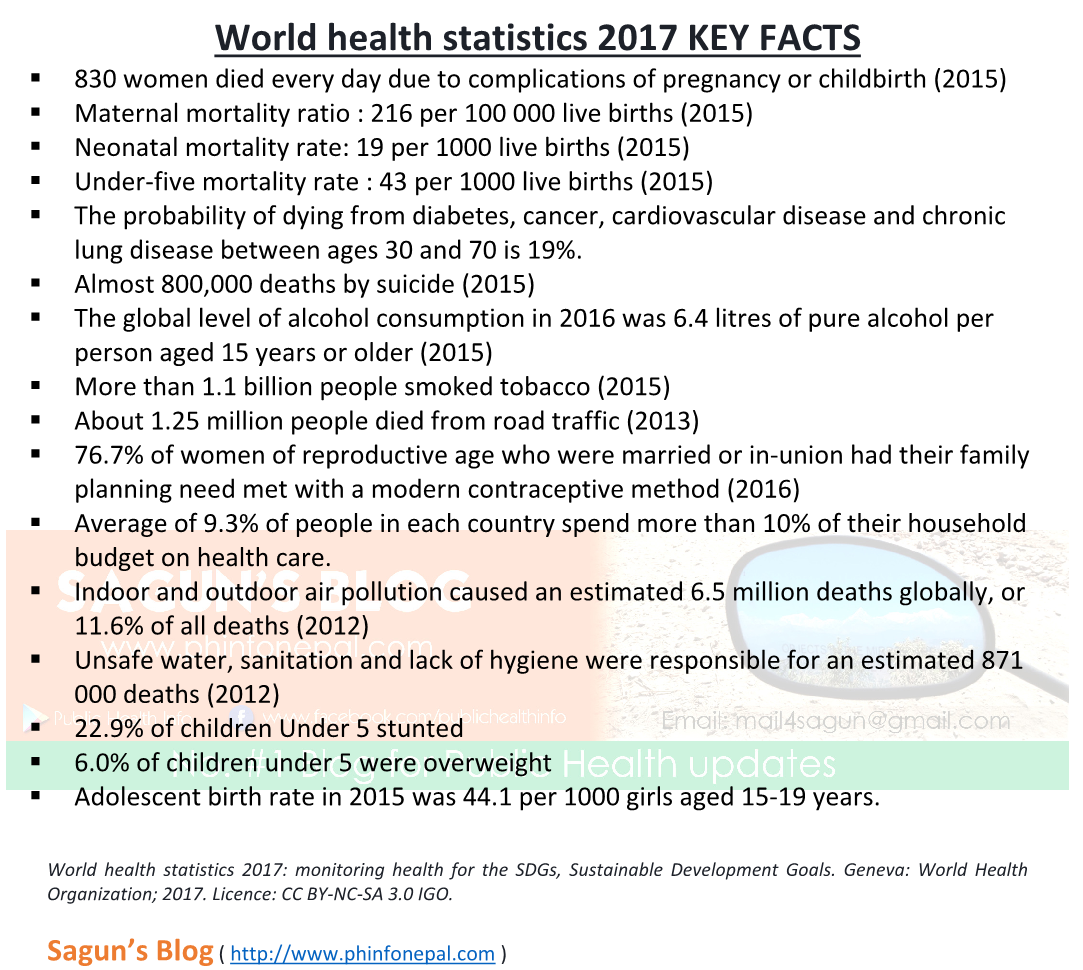
  • About 830 women died every day due to complications of pregnancy or childbirth in 2015. Reducing the maternal mortality ratio from 216 per 100 000 live births in 2015 to less than 70 per 100 000 by 2030 will require more than tripling the average annual rate of decline between 1990 and 2015.

Target 3.2: By 2030, end preventable deaths of newborns and children under 5 years of age, with all countries aiming to reduce neonatal mortality to at least as low as 12 per 1000 live births and under-5 mortality to at least as low as 25 per 1000 live births
  • In 2015, the global neonatal mortality rate was 19 per 1000 live births and the under-five mortality rate in 2015 was 43 per 1000 live births, representing declines of 37% and 44% respectively from 2000.
Target 3.3: By 2030, end the epidemics of AIDS, tuberculosis, malaria and neglected tropical diseases and combat hepatitis, water-borne diseases and other communicable diseases
  • An estimated 2.1 million people were newly infected with HIV in 2015, 35% lower than the number newly infected in 2000 (about 3.2 million).
  • There were an estimated 212 million malaria cases globally in 2015. About 60% of the population at risk had access to an insecticide-treated net 2015, compared to 34% in 2010.
Target 3.4: By 2030, reduce by one third premature mortality from noncommunicable diseases through prevention and treatment and promote mental health and well-being.
  • The probability of dying from diabetes, cancer, cardiovascular disease and chronic lung disease between ages 30 and 70 is 19%, a 17% decline from 2000. Still, the total number of deaths from noncommunicable diseases is increasing due to population growth and ageing.
  • Almost 800 000 deaths by suicide occurred in 2015, with the highest rate in the WHO European Region (14.1 per 100 000 population) and the lowest rate in the WHO Eastern Mediterranean Region (3.8 per 100 000).
Target 3.5: Strengthen prevention and treatment of substance abuse, including narcotic drug abuse and harmful use of alcohol
  • The global level of alcohol consumption in 2016 was 6.4 litres of pure alcohol per person aged 15 years or older. In 2015, more than 1.1 billion people smoked tobacco.

Target 3.6: By 2020, halve the number of global deaths and injuries from road traffic accidents

  • About 1.25 million people died from road traffic injuries in 2013, a 13% increase from 2000. Road traffic injuries are the main cause of death for people aged 15-29 years.
Target 3.7: By
2030, ensure universal access to sexual and reproductive health-care services, including for family planning, information and education, and the integration of reproductive health into national strategies and programmes.
  • In 2016, 76.7% of women of reproductive age who were married or in-union had their family planning need met with a modern contraceptive method. This fell to 50% in the WHO African Region.
  • The adolescent birth rate in 2015 was 44.1 per 1000 girls aged 15-19 years.
Target 3.8: Achieve universal health coverage, including financial risk protection, access to quality essential health-care services and access to safe, effective, quality and affordable essential medicines and vaccines for all.
  • Ten measures of essential health service coverage have improved since 2000. For example, 49% of people with TB are now detected and treated, compared with 23% in 2000, and 86% of children receive three doses of diphtheria-tetanus-pertussis vaccine, up from 72% in 2000.
  • Recent data from 117 countries show that an average of 9.3% of people in each country spend more than 10% of their household budget on health care.
Target 3.9: By 2030, substantially reduce the number of deaths and illnesses from hazardous chemicals and air, water and soil pollution and contamination
  • In 2012, indoor and outdoor air pollution caused an estimated 6.5 million deaths globally, or 11.6% of all deaths. The Western Pacific region bore the largest burden of these deaths.
  • Unsafe water, sanitation and lack of hygiene were responsible for an estimated 871 000 deaths in 2012. Most of these deaths were in the African region and the South-East Asia region.


SELECTED HEALTH-RELATED TARGETS OUTSIDE GOAL 3
Target 1.2: By 2030, reduce at least by half the proportion of men, women and children of all ages living in poverty in all its dimensions according to national definitions
  • In 2014, average government health expenditure as a proportion of the total government expenditure was 11.7%, ranging from 8.8% in the Eastern Mediterranean region to 13.6% in the region of the Americas.
Target 2.2: By 2030, end all forms of malnutrition, including achieving, by 2025, the internationally agreed targets on stunting and wasting in children under 5 years of age, and address the nutritional needs of adolescent girls, pregnant and lactating women and older persons
  • 22.9% of children under 5 stunted (too short for their age), ranging from 6.1% in the European region to 33.8% in the Southeast Asian region.
  • 6.0% of children under 5 were overweight, ranging from 4.1% in the African region to 12.8% in the European region.
Target 7.1: By 2030, ensure universal access to affordable, reliable and modern energy services
  • In 2014, 57% of the world’s population were reliant primarily on clean fuels, ranging from 16% in the African Region to more than 95% in the European Region
Target 16.1: Significantly reduce all forms of violence and related death rates everywhere
  • In 2015 there were an estimated 468,000 murders, ranging from 1.7 per 100 000 in the Western Pacific region to 18.6 per 100 000 in the Region of the Americas.
Target 17.19: By 2030, build on existing initiatives to develop measurements of progress on sustainable development that complement gross domestic product, and support statistical capacity-building in developing countries
  • In 2015 48% of deaths were registered with a cause of death, ranging from 5% of deaths in the African region to 95% in the European region.
  • Only half of WHO Member States register at least 80% of deaths with information on the cause of death.

World health statistics 2017: monitoring health for the SDGs, Sustainable Development Goals. Geneva: World Health Organization; 2017. Licence: CC BY-NC-SA 3.0 IGO.
DOWNLOAD FULL REPORT (World health statistics 2017: Monitoring health for the SDGs, Sustainable Development Goals)

May 17, 2017 0 comments
0 FacebookTwitterPinterestLinkedinTumblrVKOdnoklassnikiRedditStumbleuponWhatsappTelegramLINEPocketSkypeViberEmail
PH Important DayPublic Health

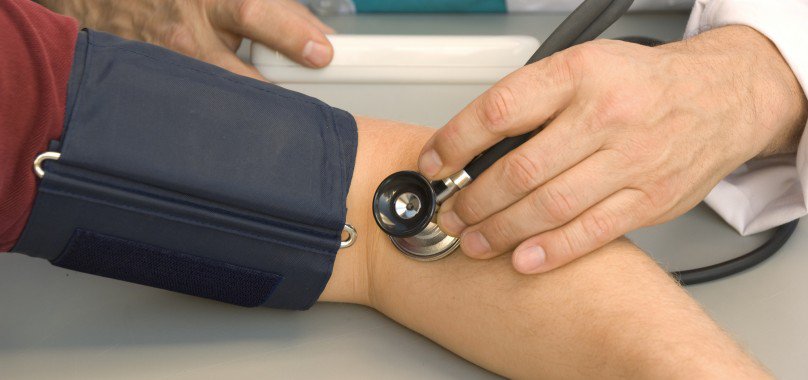
Know Your Numbers!!! World Hypertension Day 2017

by Public Health Update May 17, 2017
written by Public Health Update
Every year, 17 May is dedicated to World Hypertension Day (WHD). The WHD was first inaugurated in May 2005 and has become an annual event ever since. The purpose of the WHD is to promote public awareness of hypertension and to encourage citizens of all countries to prevent and control this silent killer, the modern epidemic. 
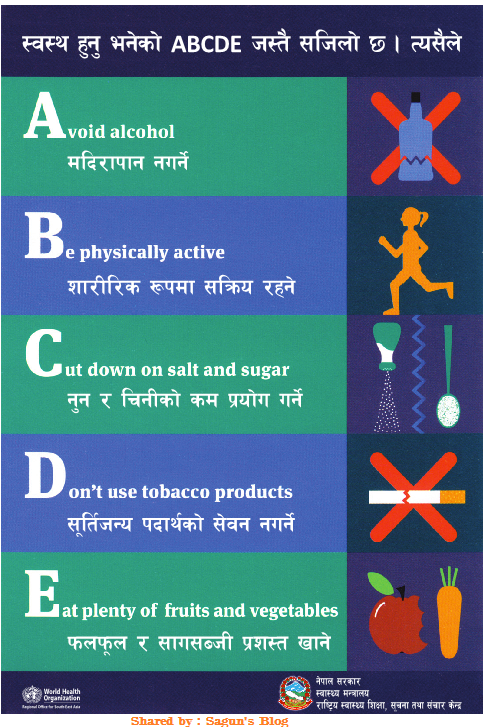
NCD Booklet nepali version with GoN logo6


The theme for World Hypertension Day is Know Your Numbers with a goal of increasing high blood pressure (BP) awareness in all populations around the world.

International Society of Hypertension

world hypertension day e1447856212948


Infographic


Hypertension, also known as high or raised blood pressure, is a condition in which the blood vessels have persistently raised pressure. Blood is carried from the heart to all parts of the body in the vessels. Each time the heart beats, it pumps blood into the vessels. Blood pressure is created by the force of blood pushing against the walls of blood vessels (arteries) as it is pumped by the heart. The higher the pressure the harder the heart has to pump. 


WHO

Normal blood pressure: generally less than 120/80 mmHg (i.e. systolic blood pressure less than 120 and diastolic blood pressure less than 80 mmHg). Normalto high blood pressure: between 120/80 and 140/90 mmHg. High blood pressure: 140/90 mmHg or higher. 

Medicinenet.com 


Preventing High Blood Pressure: Healthy Living Habits

  • A healthy lifestyle includes:
  • Eating a healthy diet.
  • Maintaining a healthy weight.
  • Getting enough physical activity.
  • Not smoking.
  • Limiting alcohol use.

Preventing High Blood Pressure: Other Medical Conditions

CDC


READ MORE:

  • Lowering Your Blood Pressure With DASH (Dietary Approaches to Stop Hypertension) 
  • A global brief on hypertension Silent killer, global public health crisis
  • JOIN MAY MEASUREMENT MONTH 2017


May 17, 2017 0 comments
0 FacebookTwitterPinterestLinkedinTumblrVKOdnoklassnikiRedditStumbleuponWhatsappTelegramLINEPocketSkypeViberEmail
Global Health NewsPublic HealthPublic Health News

Top 5 causes of death in adolescents aged 10-19 years

by Public Health Update May 16, 2017
written by Public Health Update
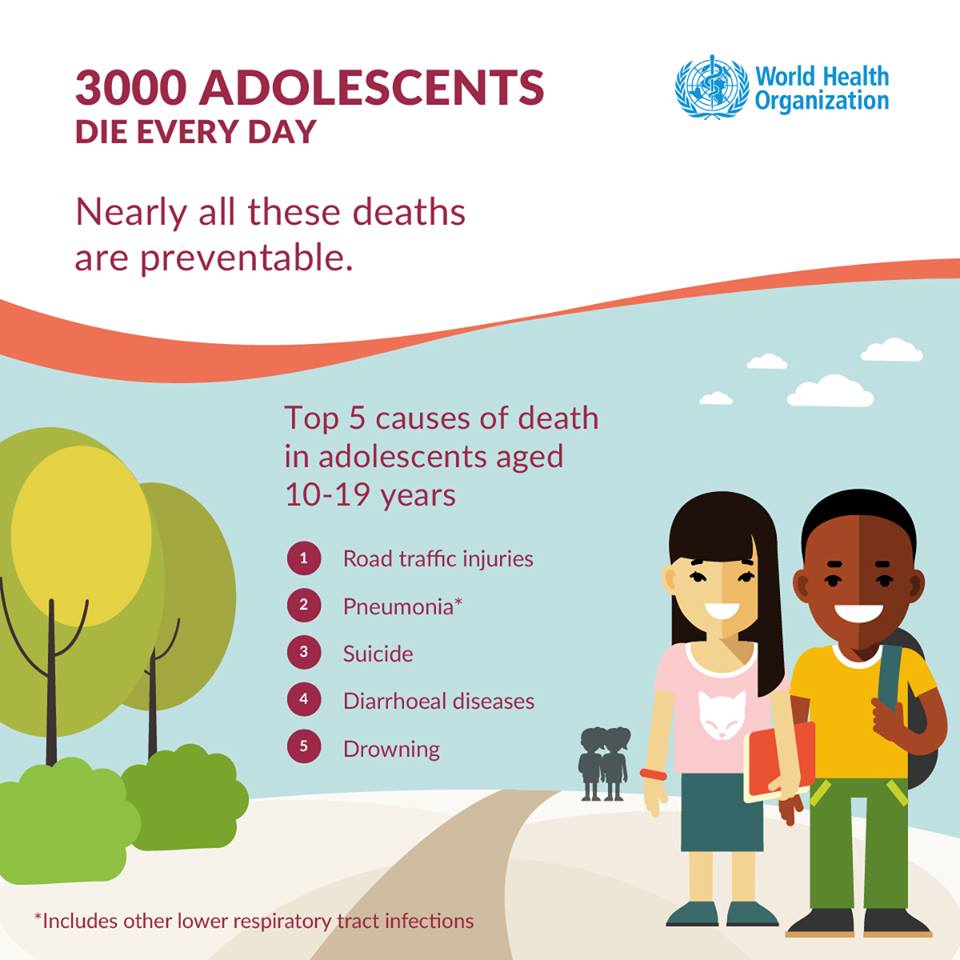
3000 adolescents die every day – 1.2 million every year – from largely preventable causes. More than two-thirds of these occurred in low- and middle-income countries in Africa and South-East Asia.


The top 5 causes of death in adolescents aged 10-19 years are:
1- Road traffic injuries
2- Pneumonia
3- Suicide
4- Diarrhoeal diseases
5- Drowning
18519590 1027590954038211 2896789768731884992 n

World Health Organization South-East Asia Region – WHO SEARO


May 16, 2017 0 comments
0 FacebookTwitterPinterestLinkedinTumblrVKOdnoklassnikiRedditStumbleuponWhatsappTelegramLINEPocketSkypeViberEmail
Notice

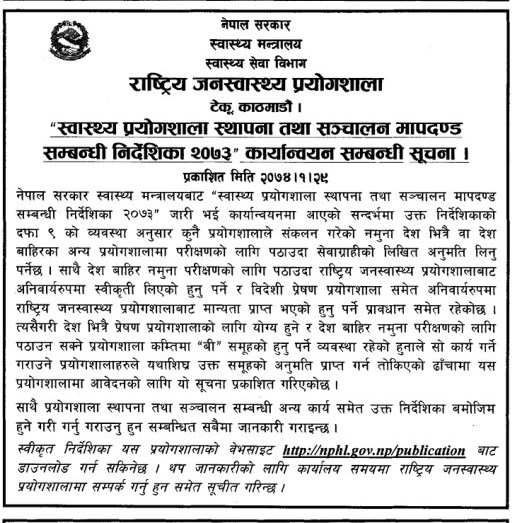
Guideline on Health Laboratory Establishment and Operation, 2073 – National Public Health Laboratory

by Public Health Update May 12, 2017
written by Public Health Update
Guideline on Health Laboratory Establishment and Operation – National Public Health Laboratory


Guideline on Health Laboratory Establishment and Operation – National Public Health Laboratory
d2612e472033ae2d9ffc4969bc52d248


May 12, 2017 0 comments
0 FacebookTwitterPinterestLinkedinTumblrVKOdnoklassnikiRedditStumbleuponWhatsappTelegramLINEPocketSkypeViberEmail
PH Important Day

Nursing: A voice to lead – Achieving the Sustainable Development Goals – International Nurses Day #VoiceToLead #IND2017

by Public Health Update May 12, 2017
written by Public Health Update
12 May 2017
International Nurses Day

International Nurses Day is celebrated around the world every May 12, the anniversary of Florence Nightingale’s birth. The theme for 2017 is Nursing: A voice to lead – Achieving the Sustainable Development Goals.


happy international nurses day 2015


#VoiceToLead  #IND2017
Nursing encompasses autonomous and collaborative care of individuals of all ages, families, groups and communities, sick or well and in all settings. It includes the promotion of health, the prevention of illness, and the care of ill, disabled and dying people.
World Health Organization


May 12, 2017 0 comments
0 FacebookTwitterPinterestLinkedinTumblrVKOdnoklassnikiRedditStumbleuponWhatsappTelegramLINEPocketSkypeViberEmail
PH Important DayPublic Health

Fourth UN Global Road Safety Week 2017 8-14 May 2017 Save Lives: #SlowDown

by Public Health Update May 8, 2017
written by Public Health Update
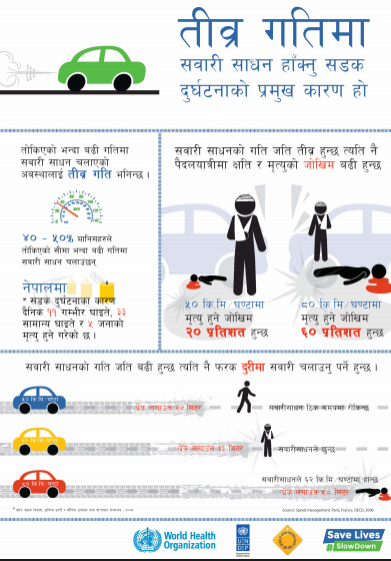
The UN Road Safety Collaboration is pleased to announce that the Fourth UN Global Road Safety Week held from 8-14 May 2017. The Week will focus on speed and what can be done to address this key risk factor for road traffic deaths and injuries. Speed contributes to around one-third of all fatal road traffic crashes in high-income countries, and up to half in low- and middle-income countries.


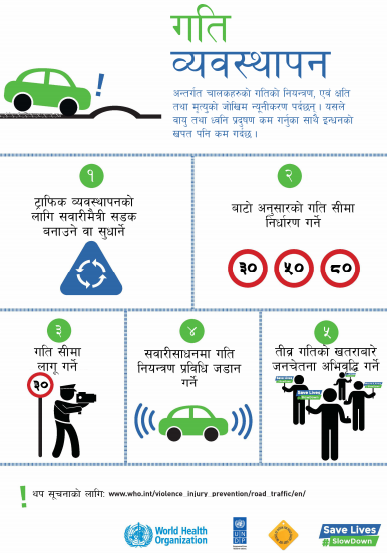
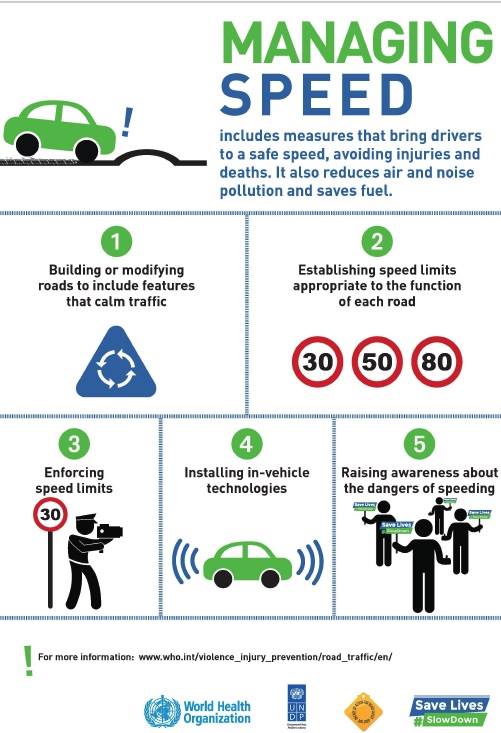
Countries successfully reducing road traffic deaths have done so by prioritizing safety when managing speed. Among the proven strategies to address speed include:
  • Building or modifying roads to include features that calm traffic
  • Establishing speed limits to the function of each road
  • Enforcing speed limits
  • Installing in-vehicle technologies
  • Raising awareness about the dangers of speeding.
The Fourth UN Global Road Safety Week seeks to increase understanding of the dangers of speed and generate action on measures to address speed, thereby saving lives on the roads.
3,400 people die on the road every day.

18301857 1388314544595096 687659548202289673 n%2B%25281%2529


18275072 1388314491261768 3400551990779297652 n

18423958 1388312424595308 2918452984663445087 n
18342184 1022661631197810 7600906373270942269 n

Research shows that a 5% cut in average speed can result in a 30% reduction in the number of fatal road traffic crashes.


May 8, 2017 0 comments
0 FacebookTwitterPinterestLinkedinTumblrVKOdnoklassnikiRedditStumbleuponWhatsappTelegramLINEPocketSkypeViberEmail
PH Important DayPublic Health Events

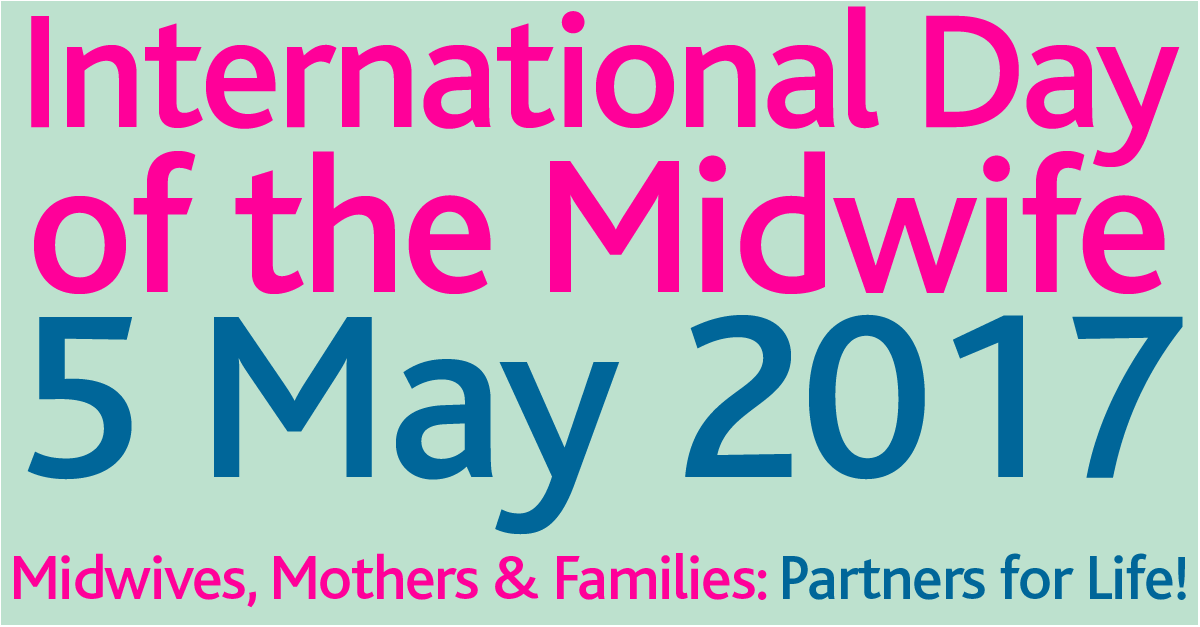
"Midwives, Mothers and Families: Partners for Life!" International Day of the Midwife 2017

by Public Health Update May 6, 2017
written by Public Health Update
International Day of the Midwife 2017

5 May is celebrated globally as International Day of the Midwife
The theme for this year celebration is “Midwives, Mothers and Families: Partners for Life!” Midwives everywhere understand that by working in partnership with women and their families they can support them to make better decisions about what they need to have a safe and fulfilling birth. The best partnership for a pregnant woman is with a qualified midwife!
World Health Organization

READ MORE: CLICK HERE

May 6, 2017 0 comments
0 FacebookTwitterPinterestLinkedinTumblrVKOdnoklassnikiRedditStumbleuponWhatsappTelegramLINEPocketSkypeViberEmail
PH Important DayPublic Health

World Hand Hygiene Day!! SAVE LIVES: Clean Your Hands 5 May 2017 : 'Fight antibiotic resistance – it's in your hands'

by Public Health Update May 6, 2017
written by Public Health Update
5 May

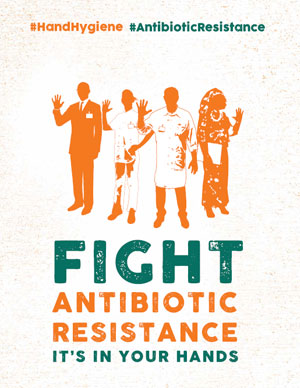
SAVE LIVES: Clean Your Hands 5 May 2017 : ‘Fight antibiotic resistance – it’s in your hands’

World Hand Hygiene Day, marked globally on 5 May, highlights the importance of hand hygiene in health care. The slogan of this year’s campaign is “Fight antibiotic resistance … it’s in your hands”, illustrating the important relationship between good infection prevention and control practices like washing your hands and preventing antibiotic resistance. 

fight antbiotic resistance en
World Hand Hygiene Day plays an important role in highlighting good infection prevention and control practices to change behaviours to reduce the spread of infections and therefore save the lives of millions. Without behaviour change, antibiotic resistance will remain a major threat.


Through this year’s campaign, the World Health Organization (WHO) is calling on countries and health care facilities to strengthen infection prevention and control programmes based on WHO guidelines on core components of infection prevention and control programmes. A key component of which is adequate hand hygiene, which plays a critical role in combating antimicrobial resistance.

World Health Organization 
Related Links
  • 5 moments for hand hygiene 
  • SAVE LIVES: Clean Your Hands 5 May 2016
  • “Make Handwashing a Habit!” – Global Hand washingDay 2016 
  • 7th annual Global Handwashing Day 2014
  • Global Handwashing Day 


May 6, 2017 0 comments
0 FacebookTwitterPinterestLinkedinTumblrVKOdnoklassnikiRedditStumbleuponWhatsappTelegramLINEPocketSkypeViberEmail
PhotosPublic Health Events

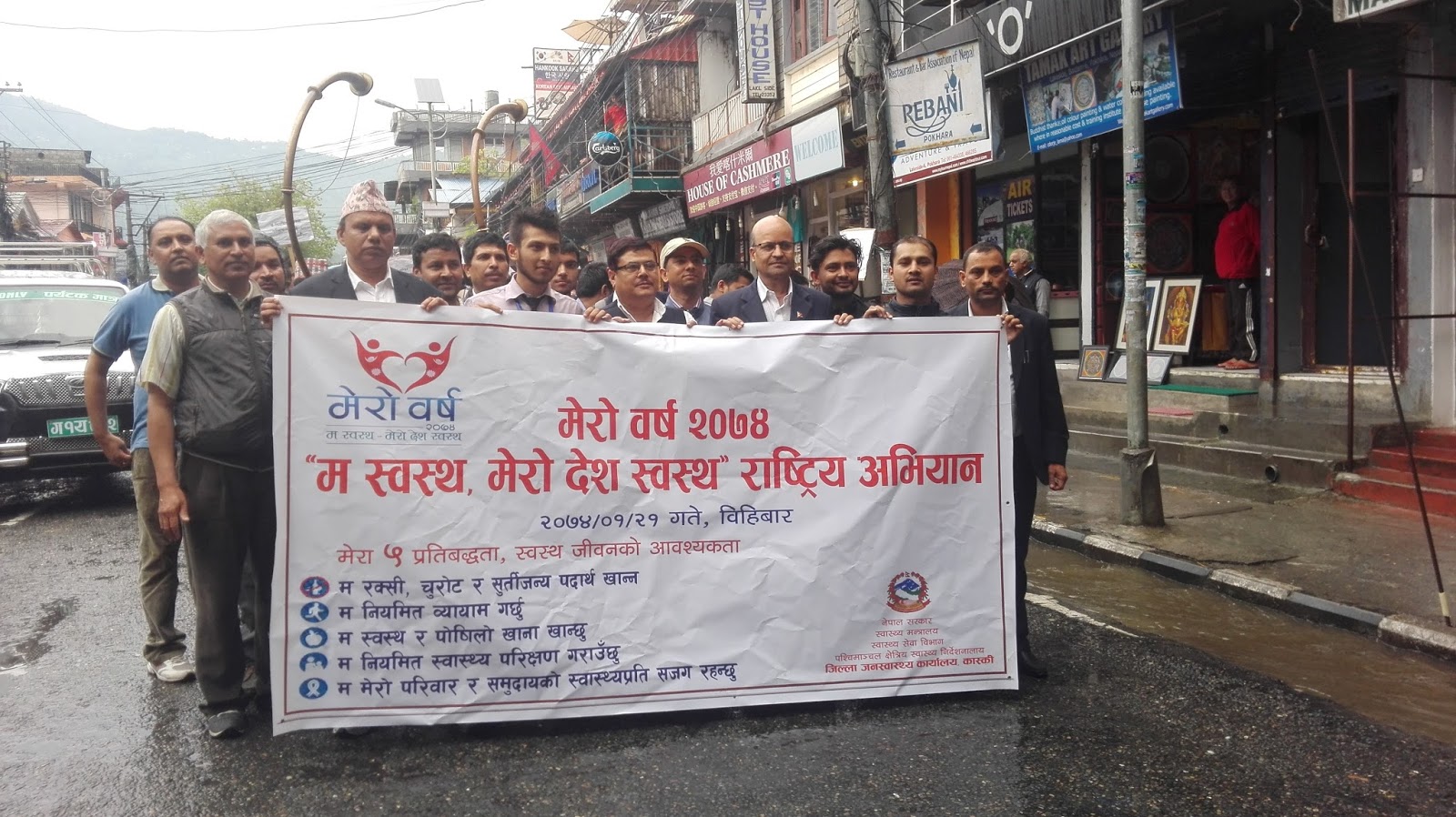
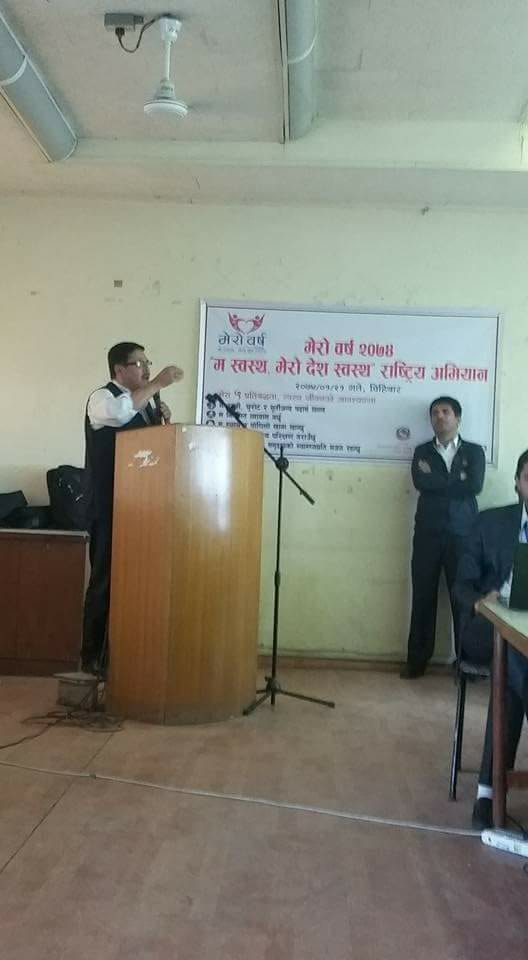
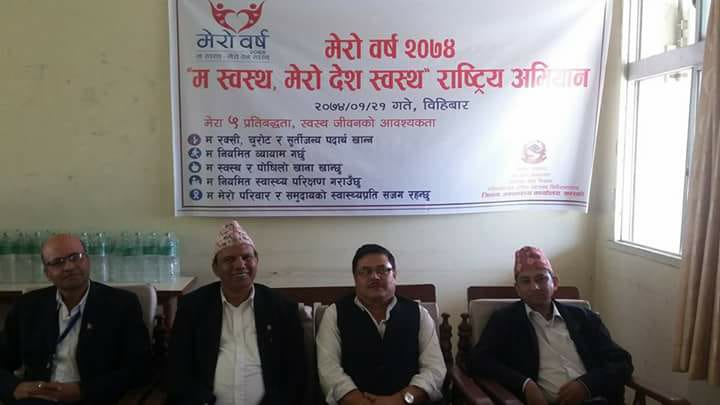
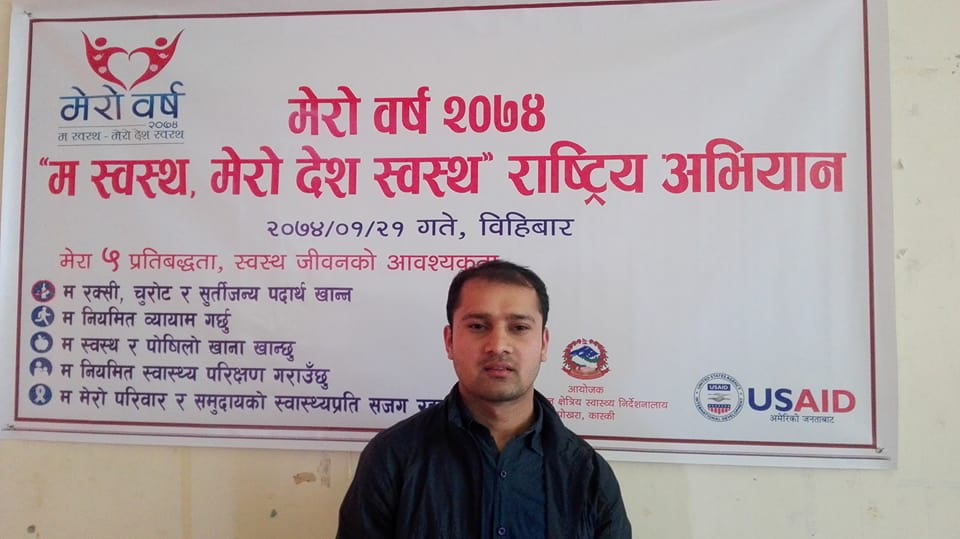
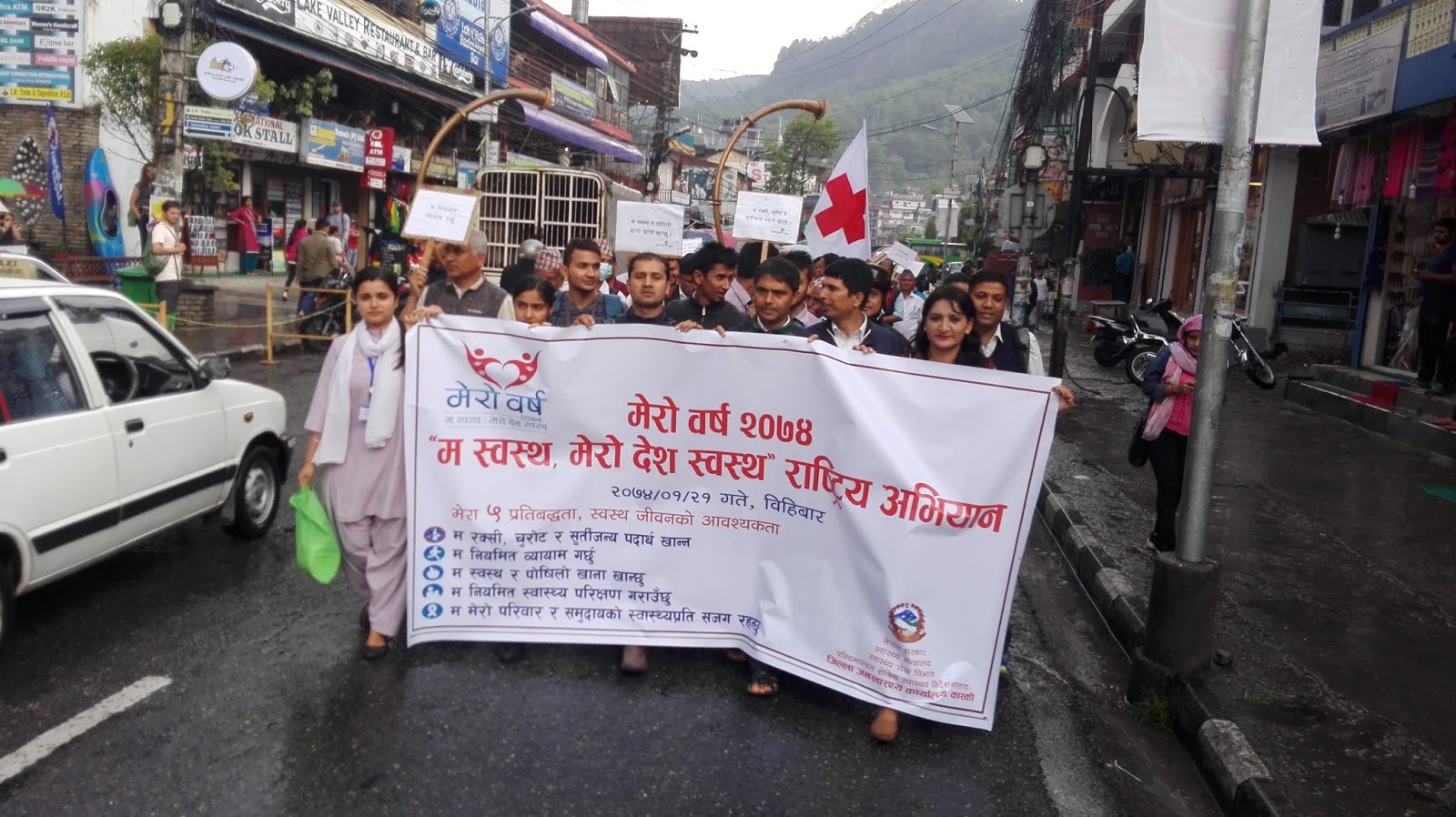
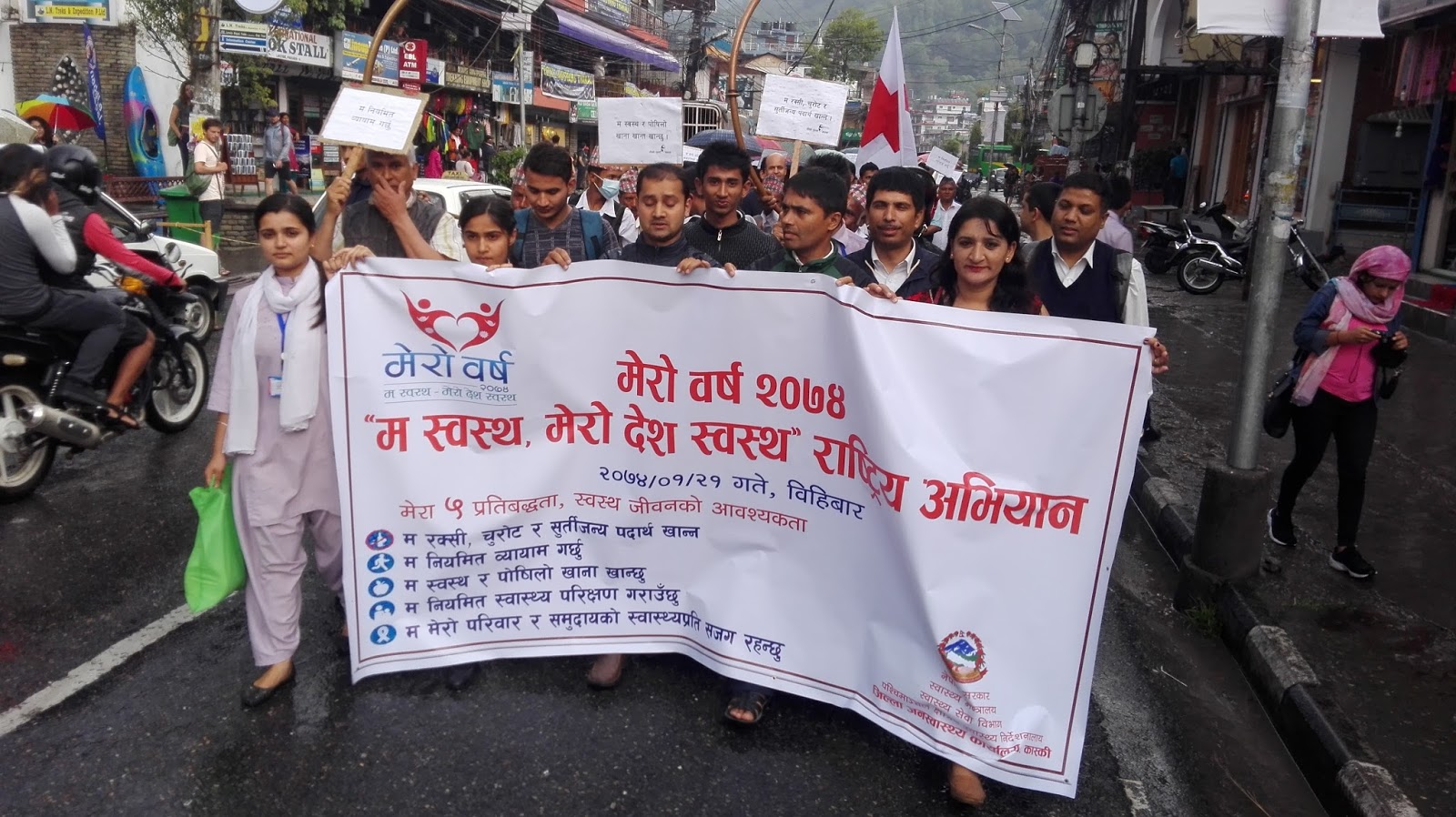
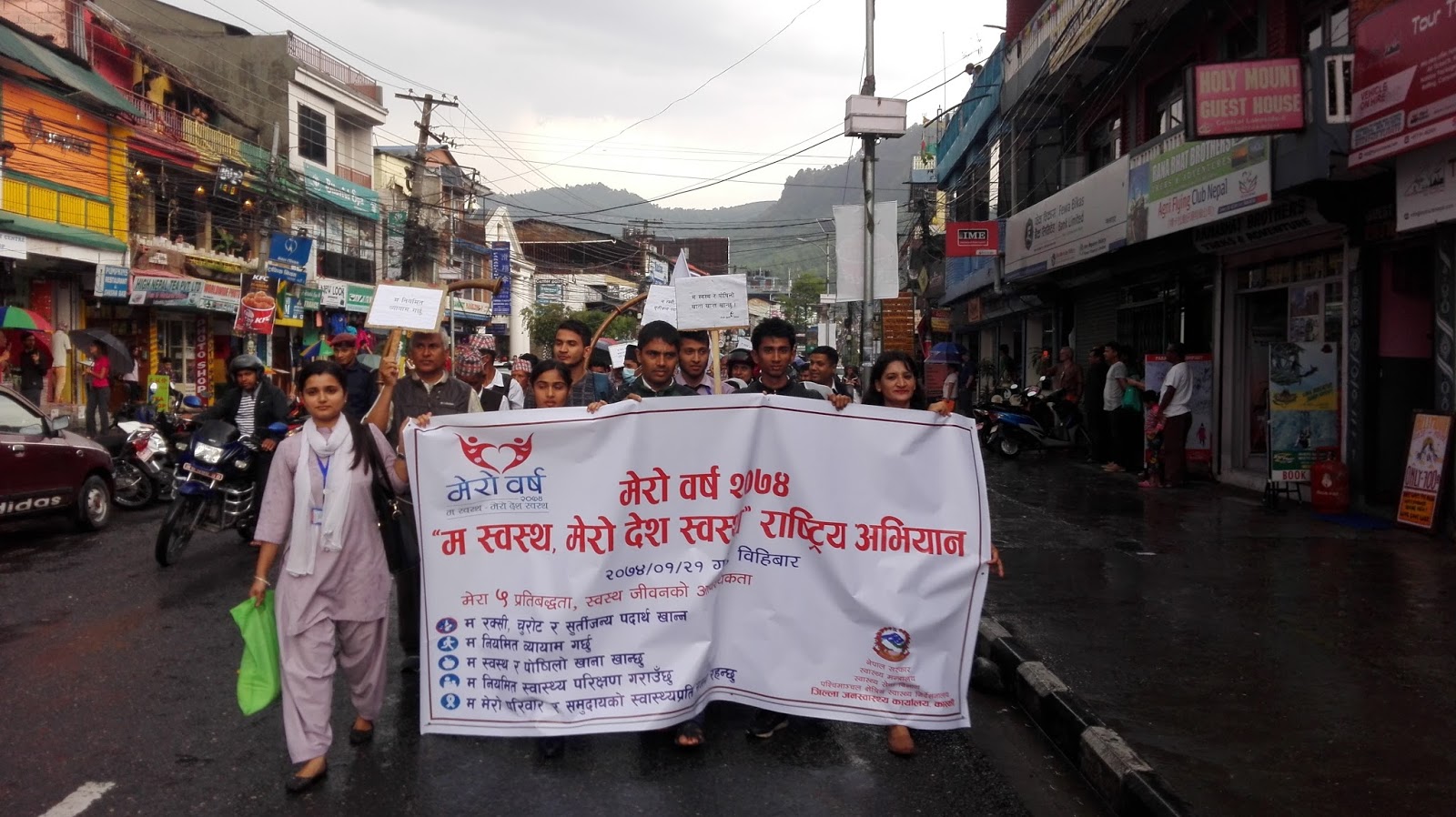
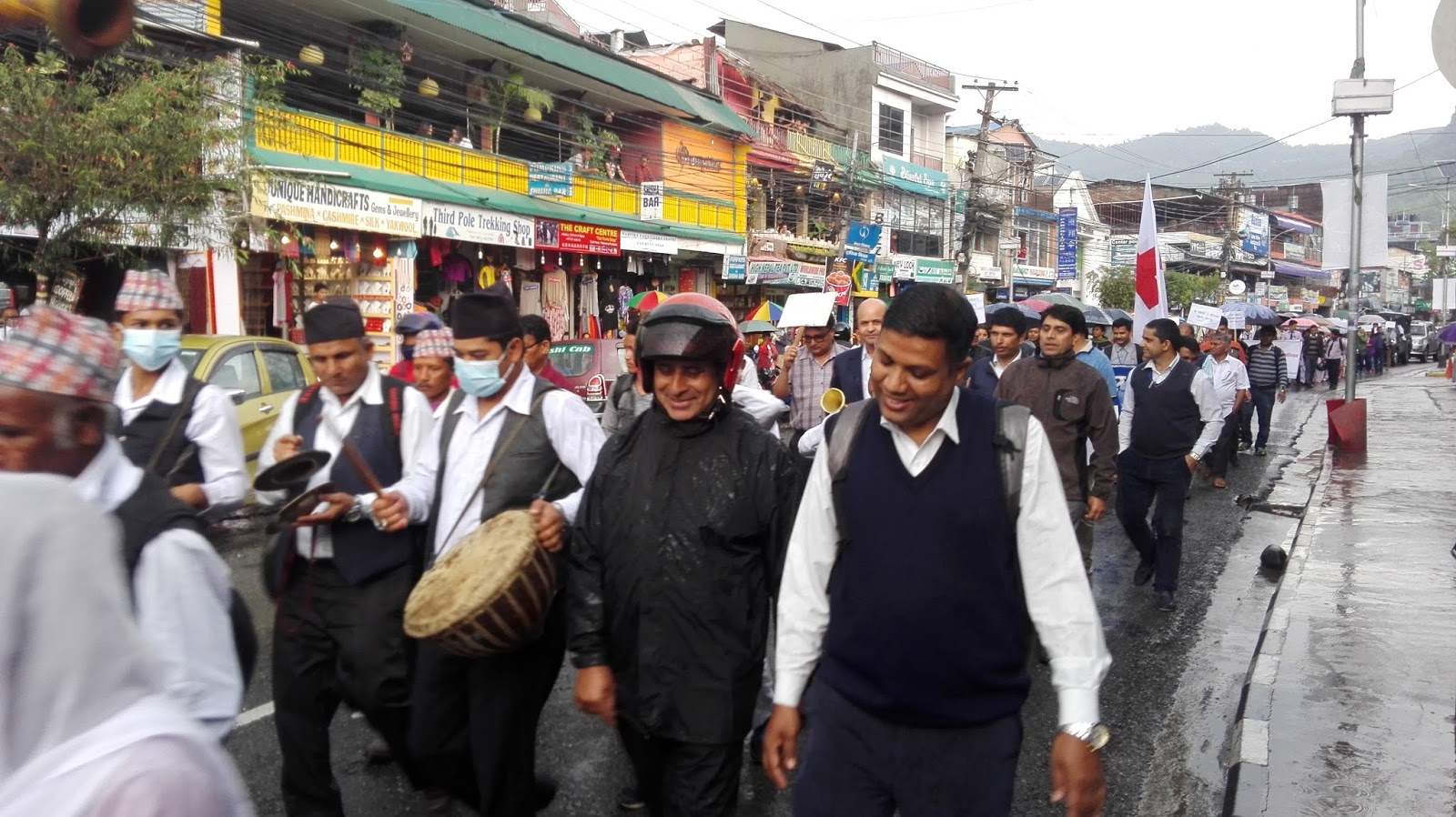
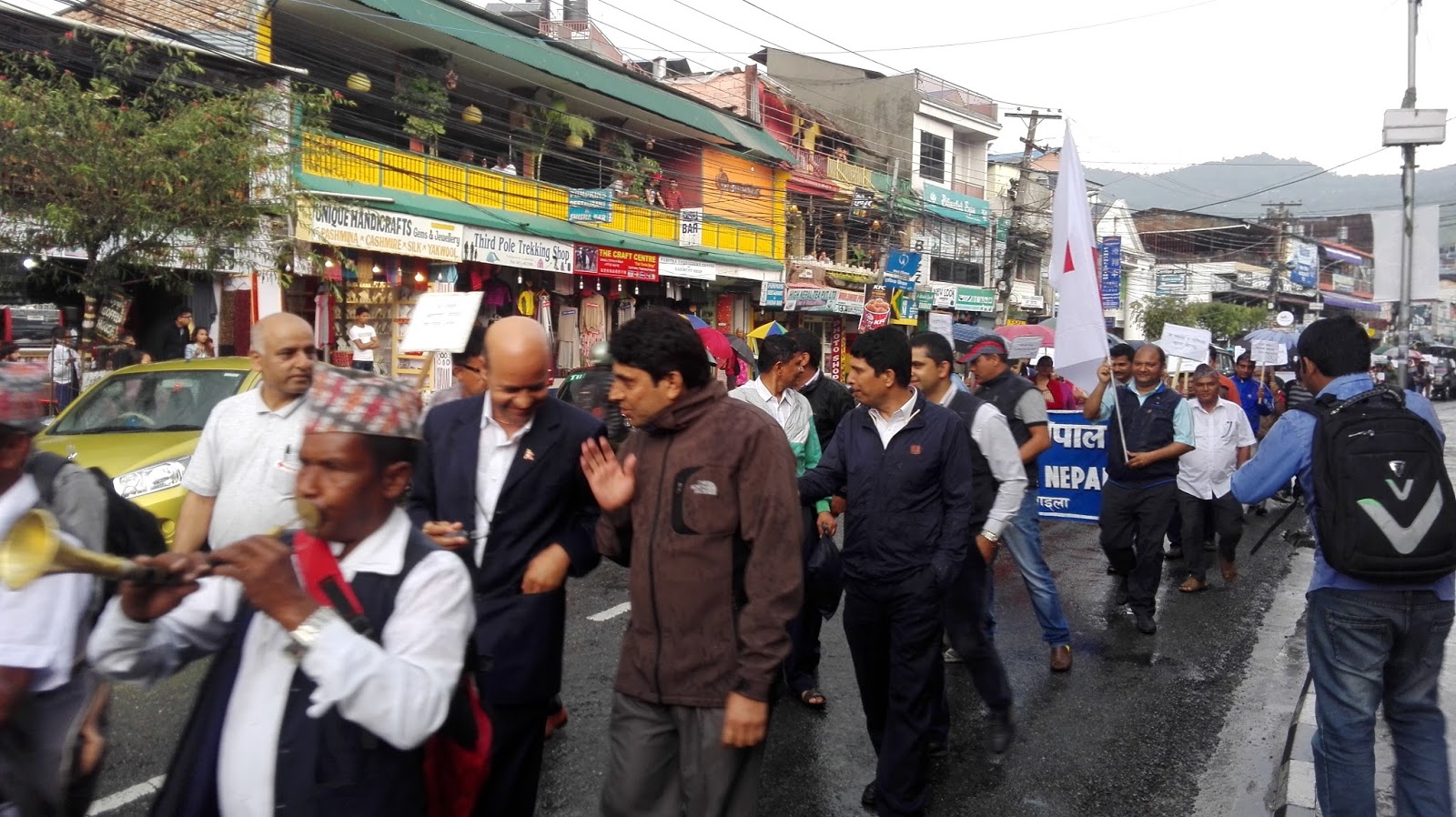
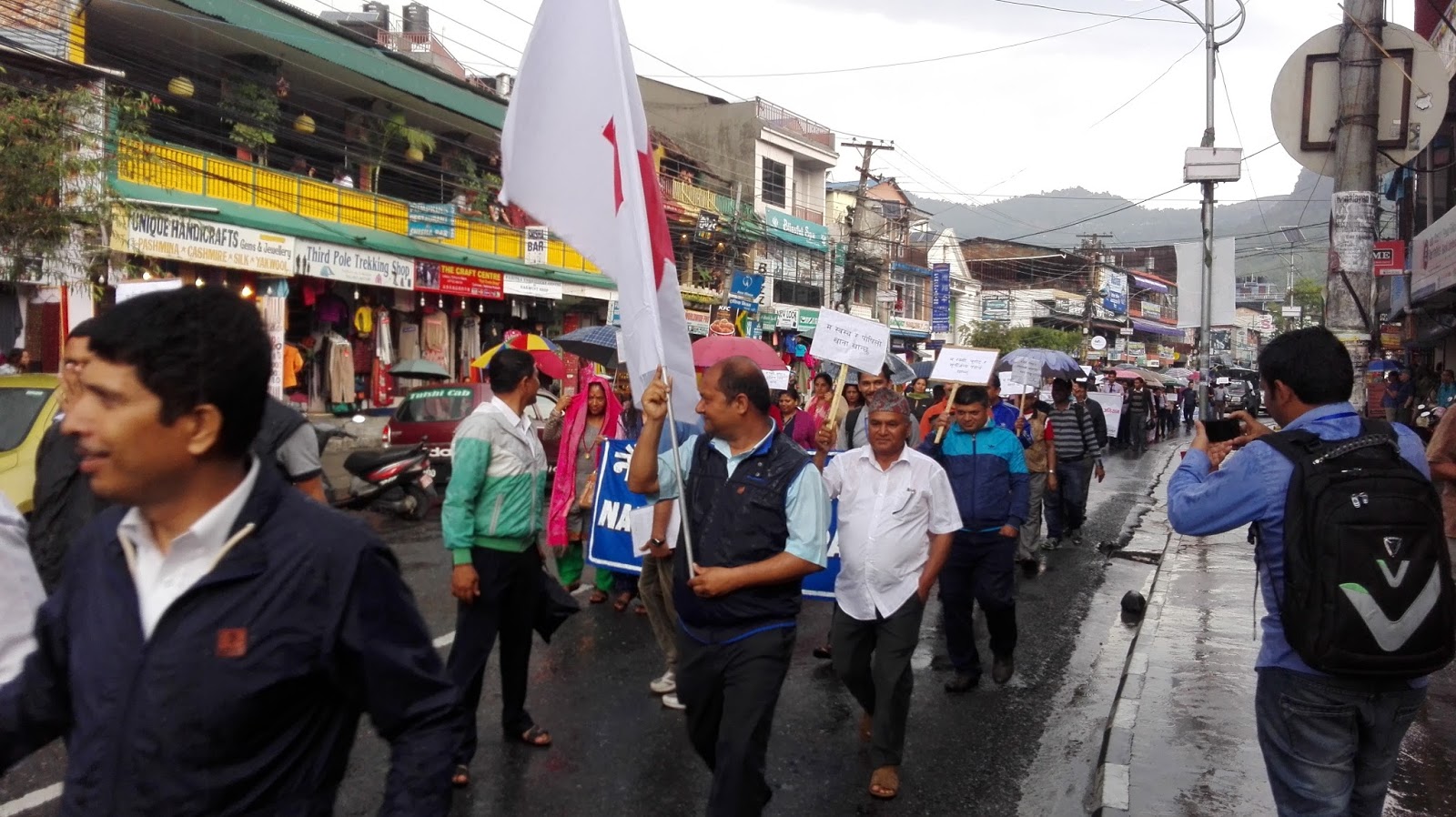
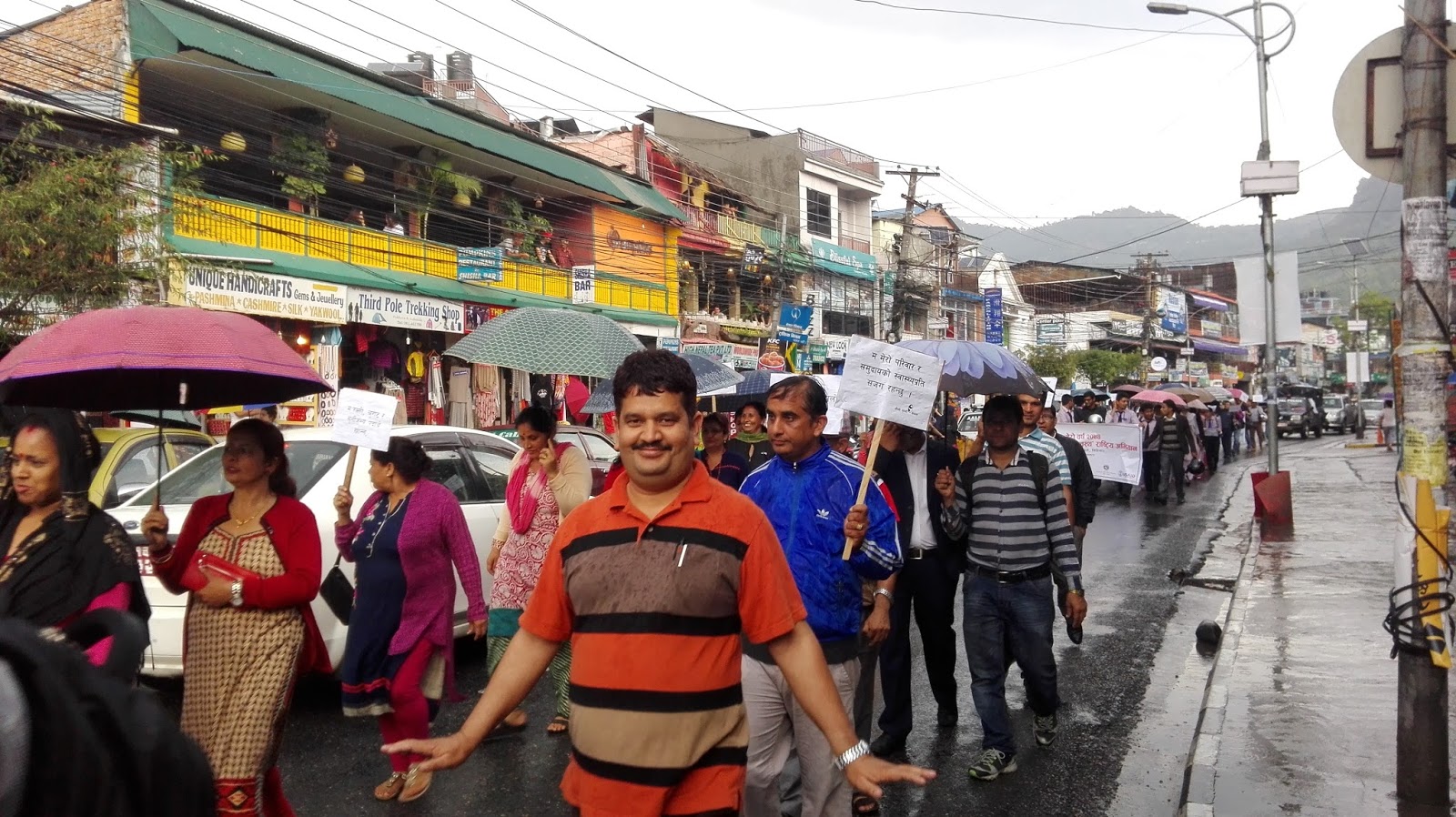
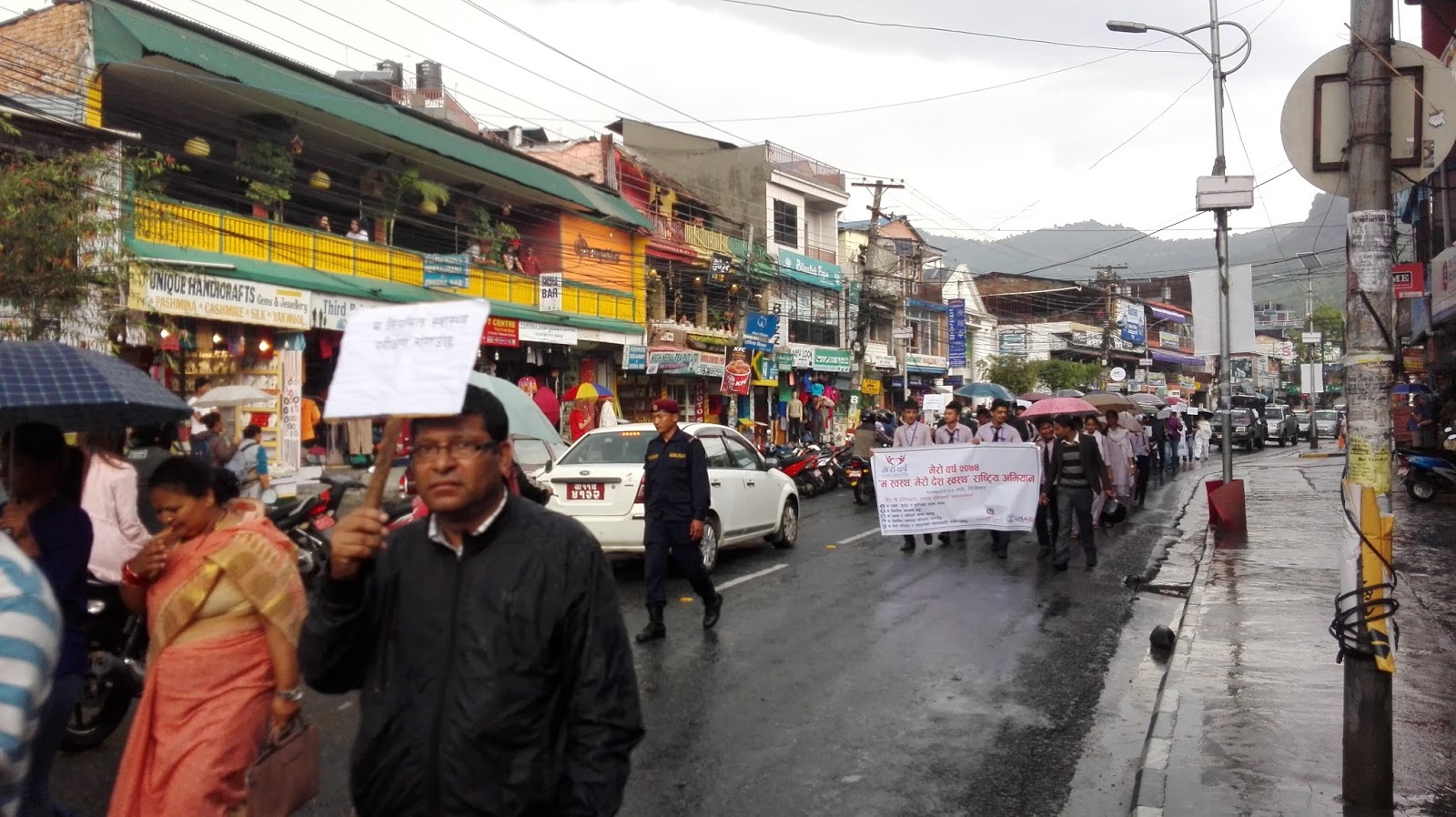
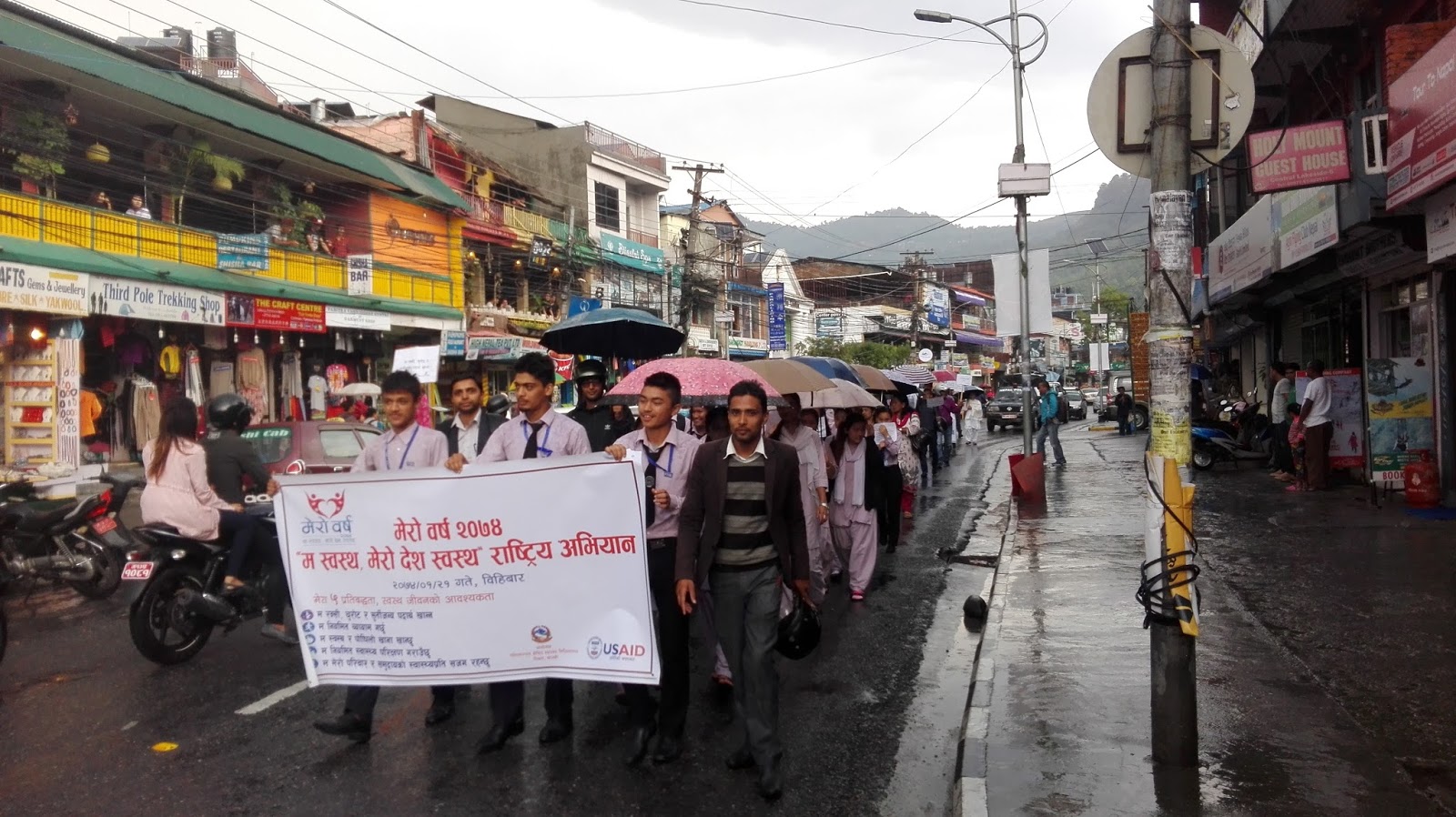
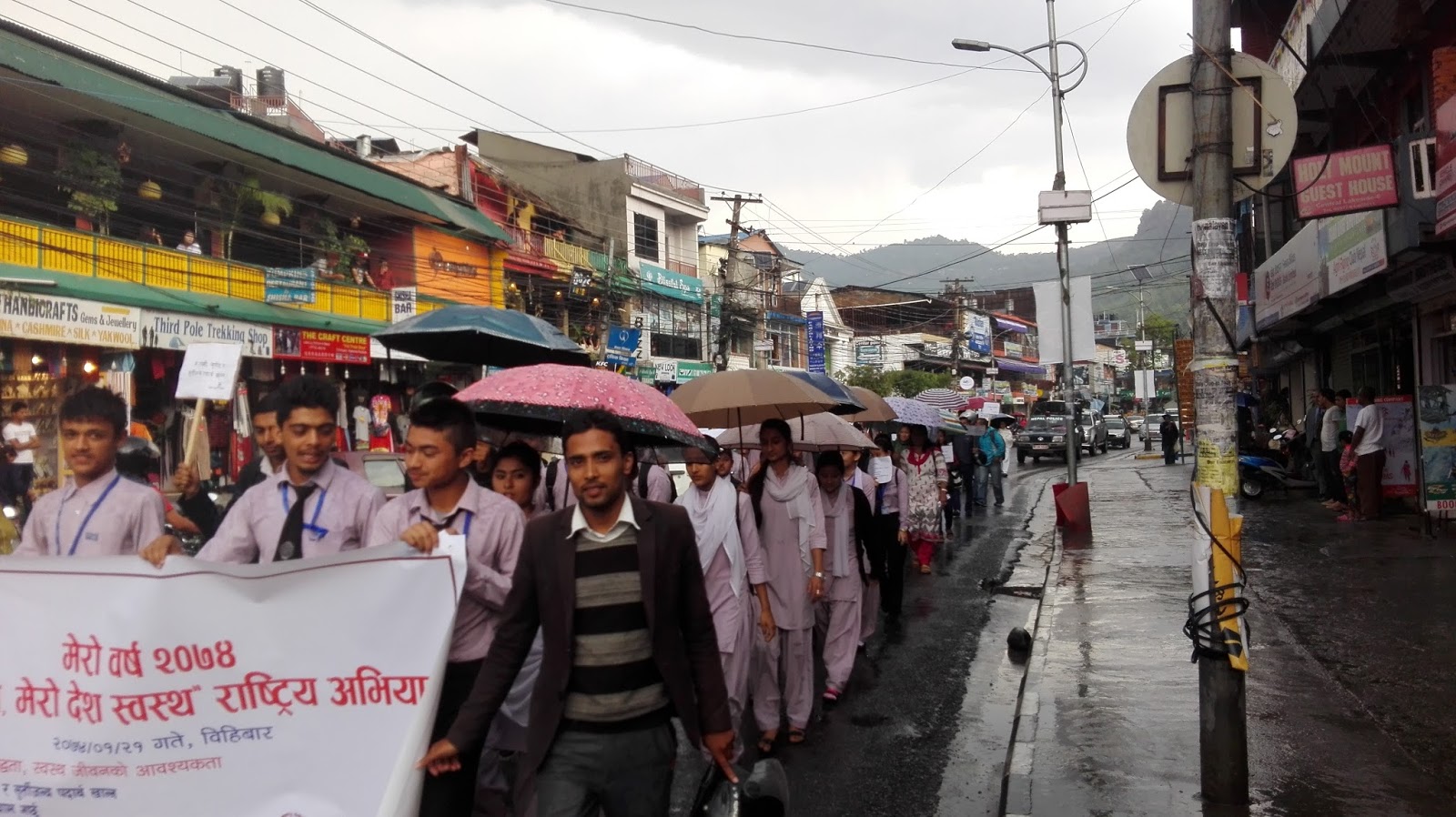
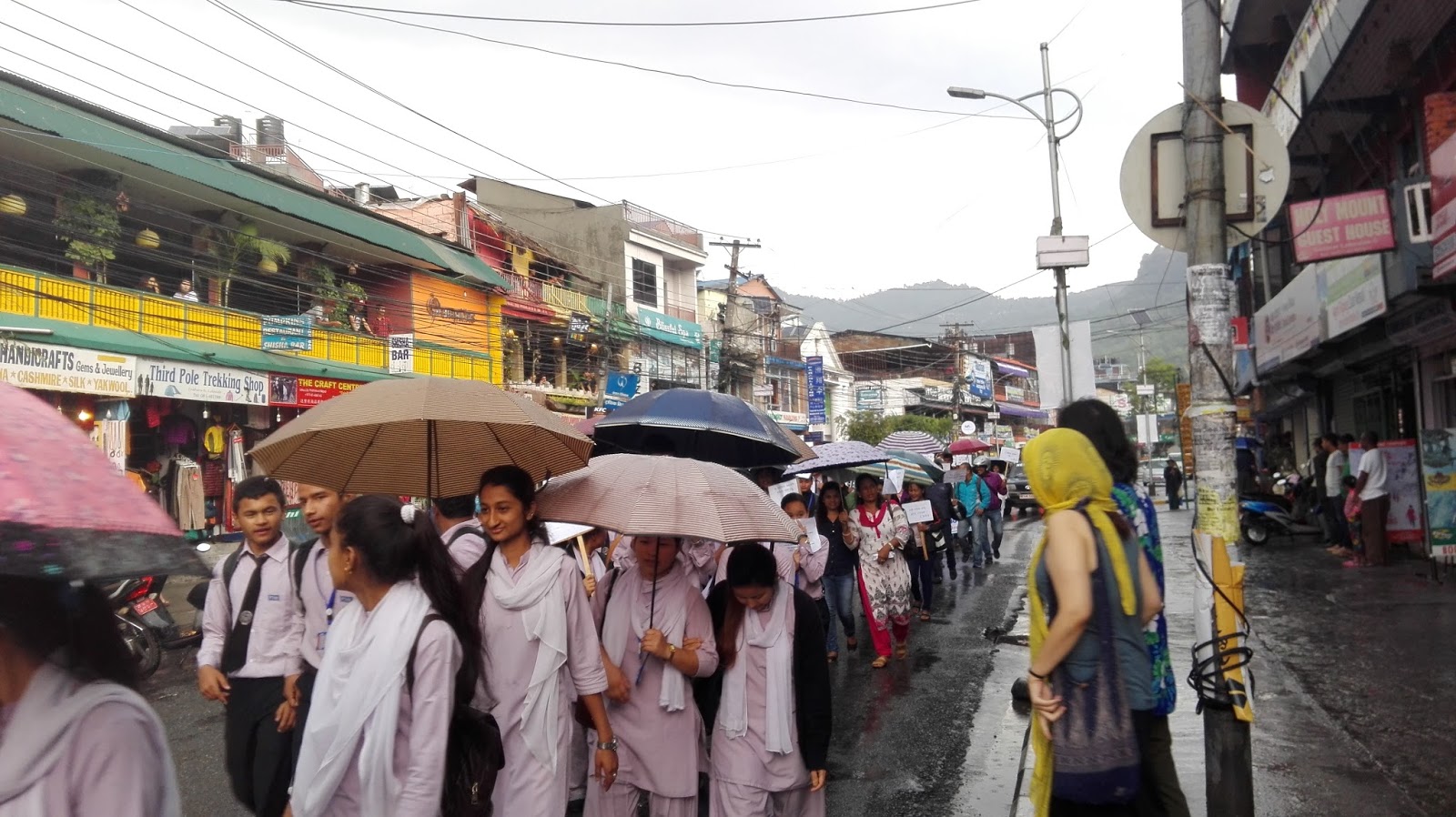
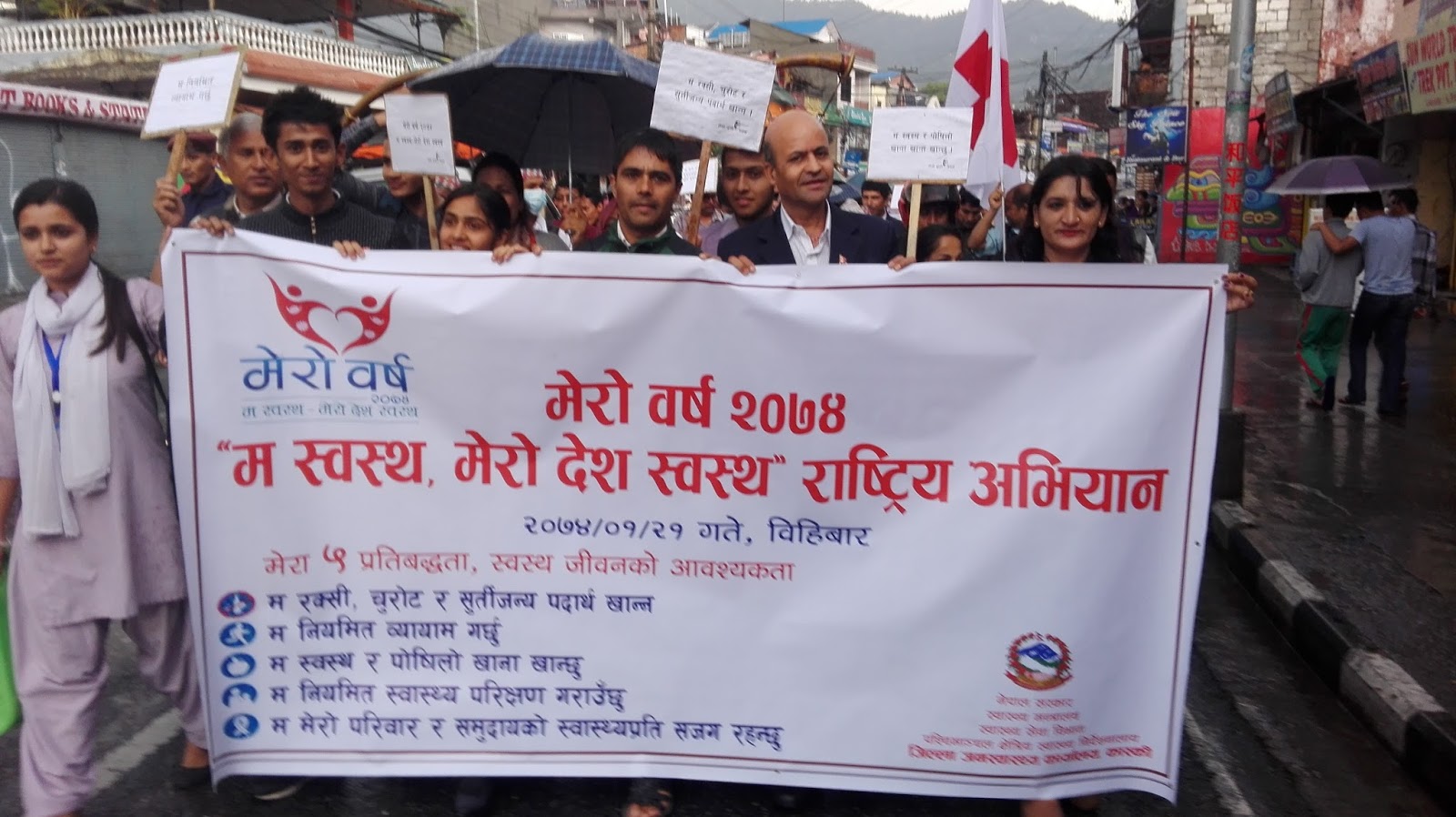
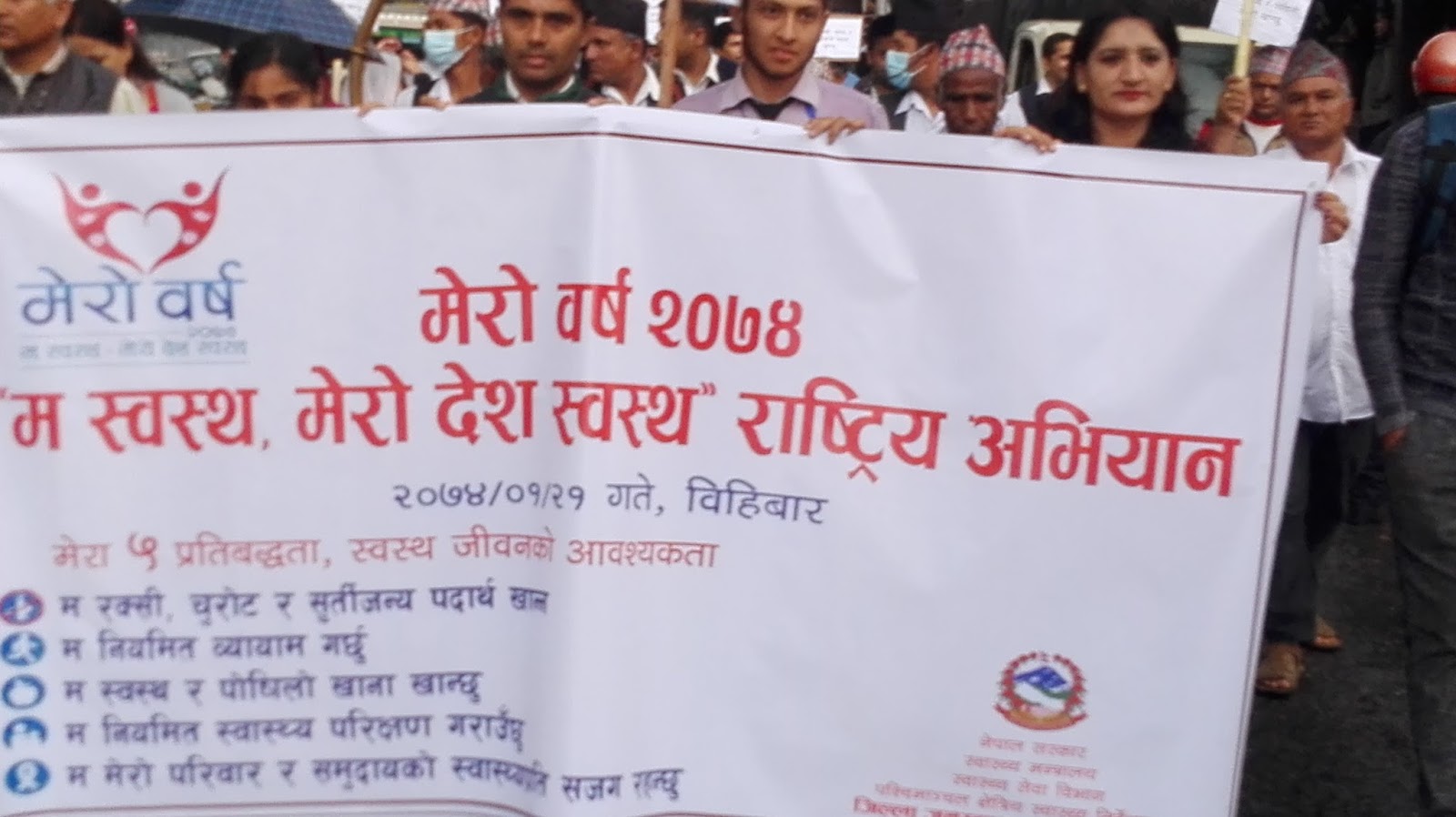
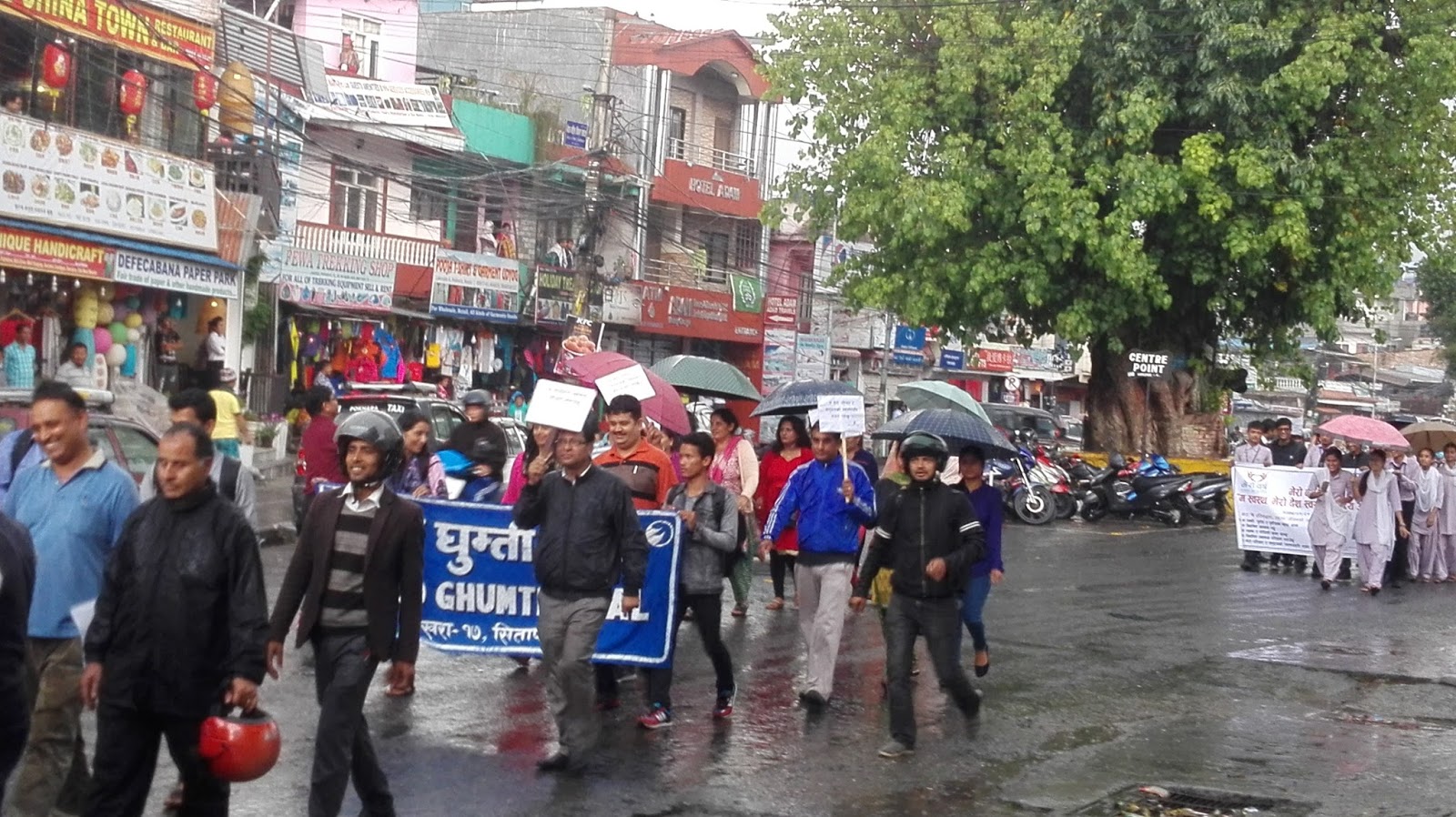
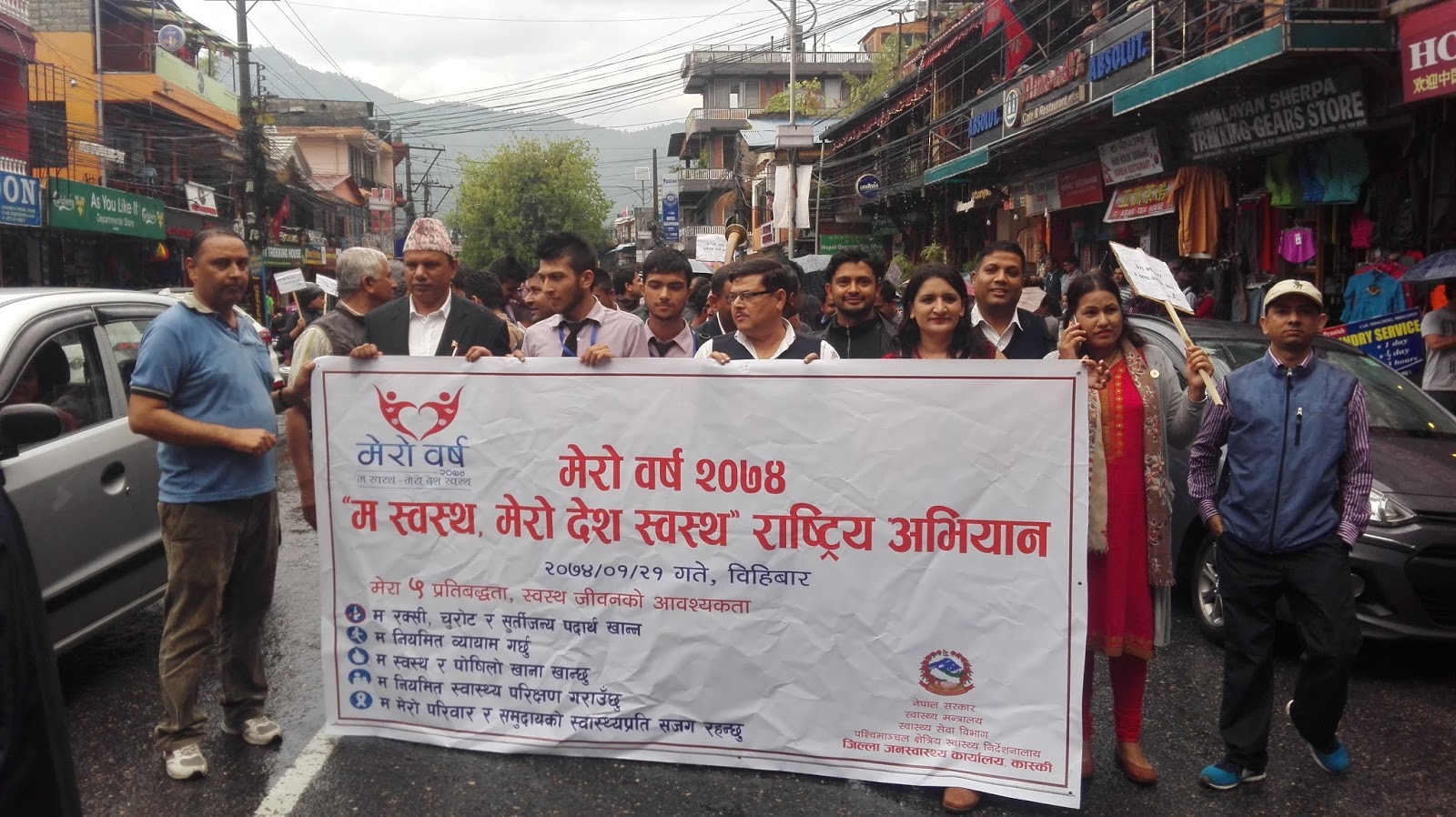
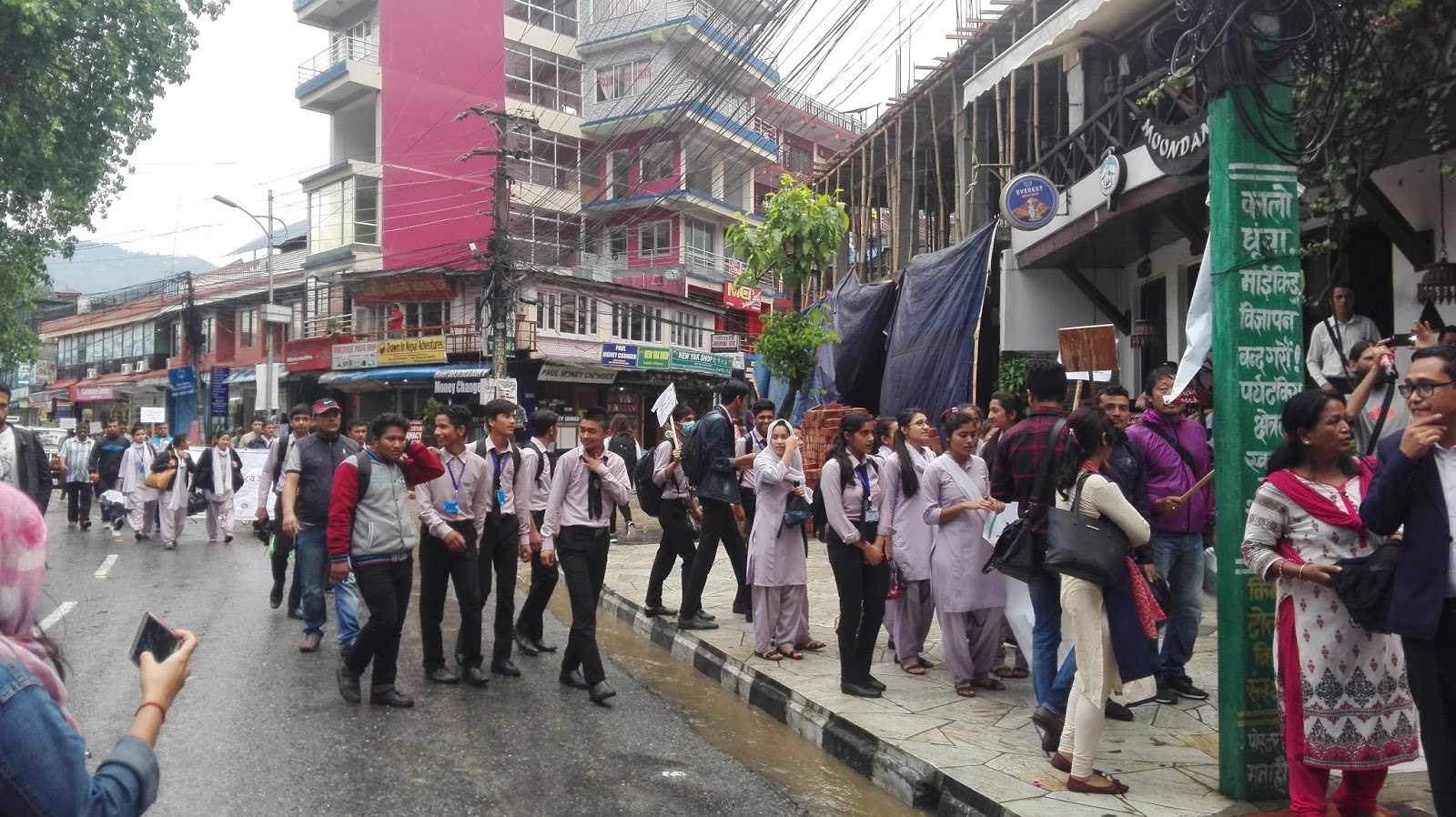
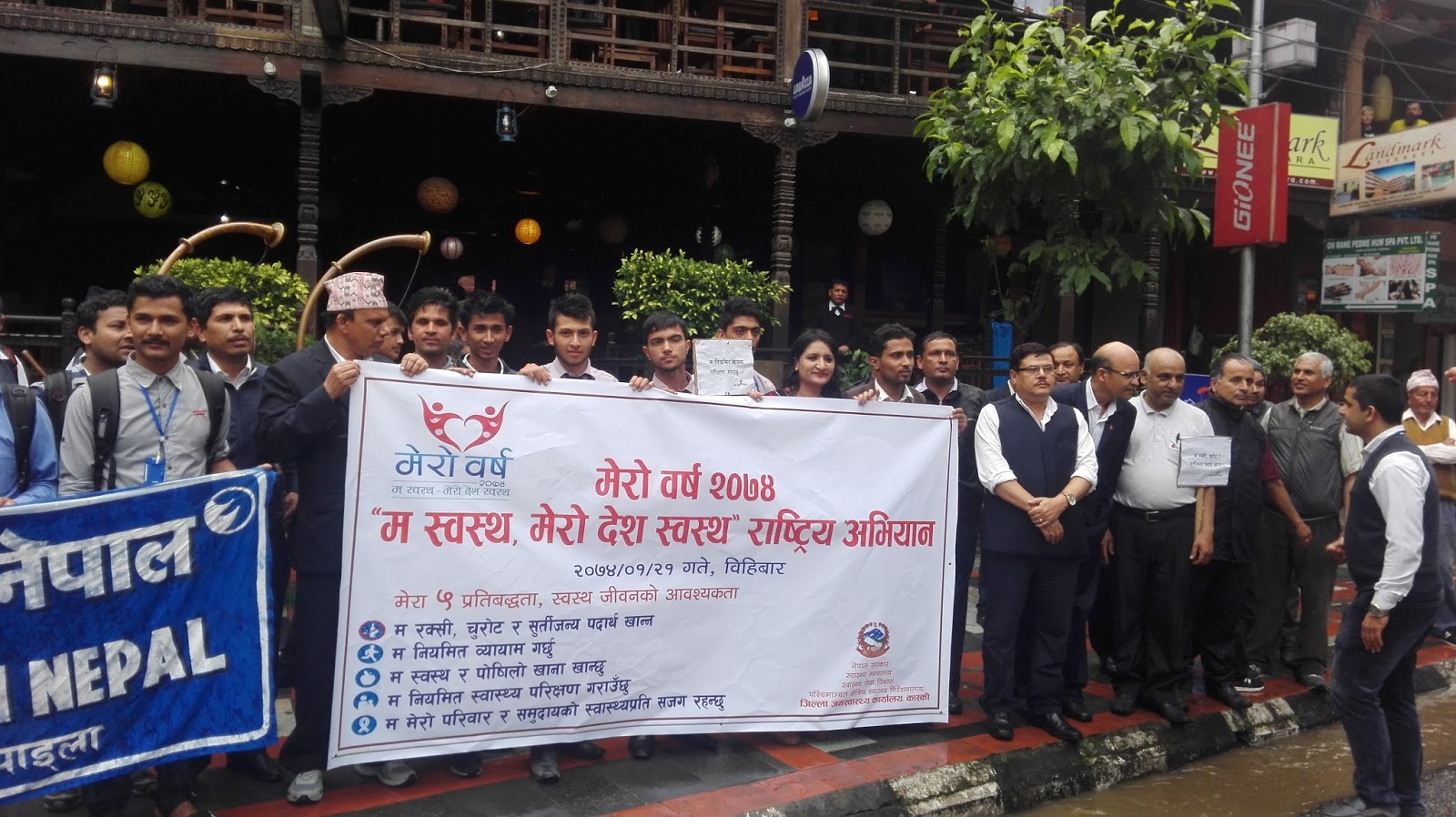
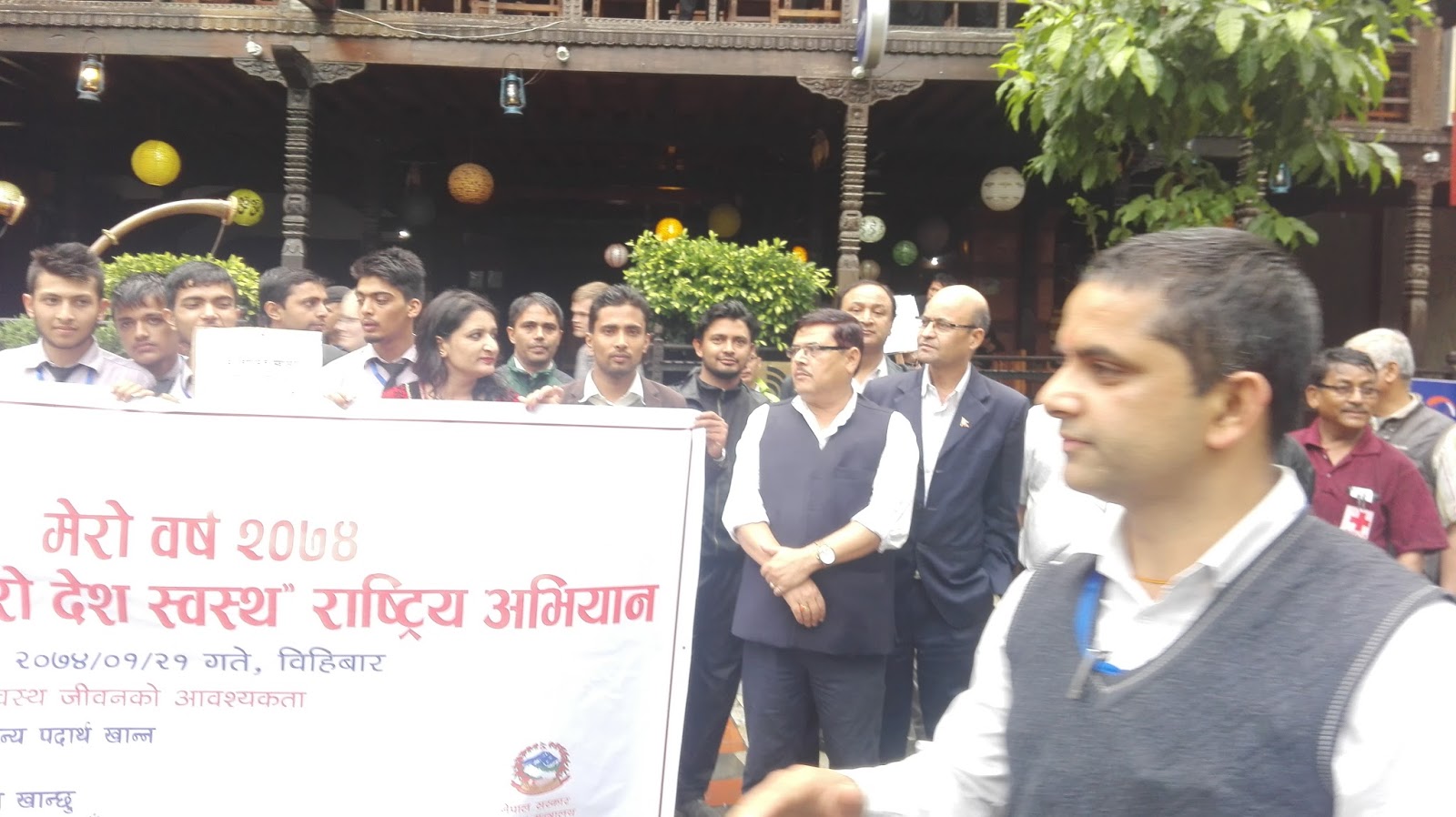
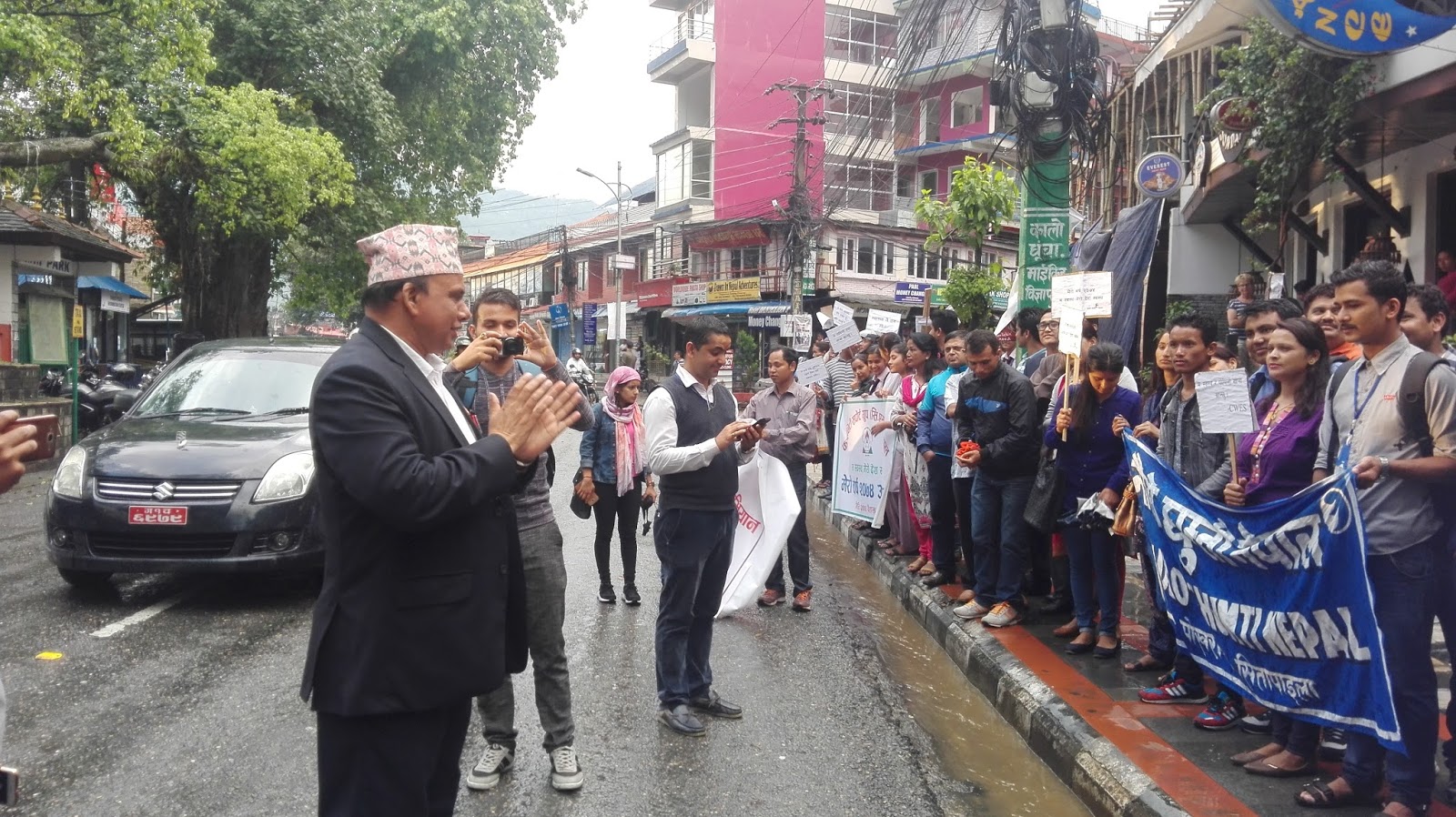
‘My Year 2074: Healthy Me, Healthy Country’ campaign photos, Pokhara 2073

by Public Health Update May 4, 2017
written by Public Health Update
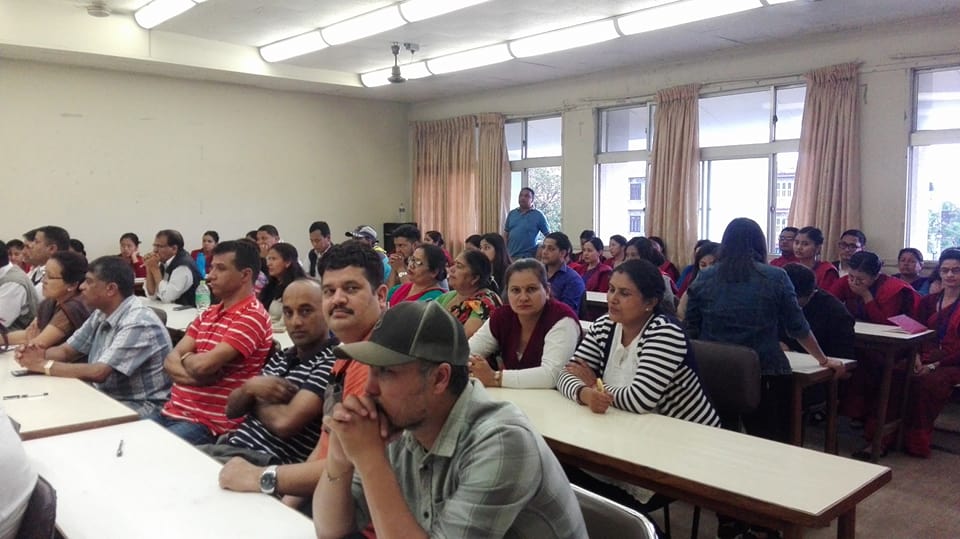
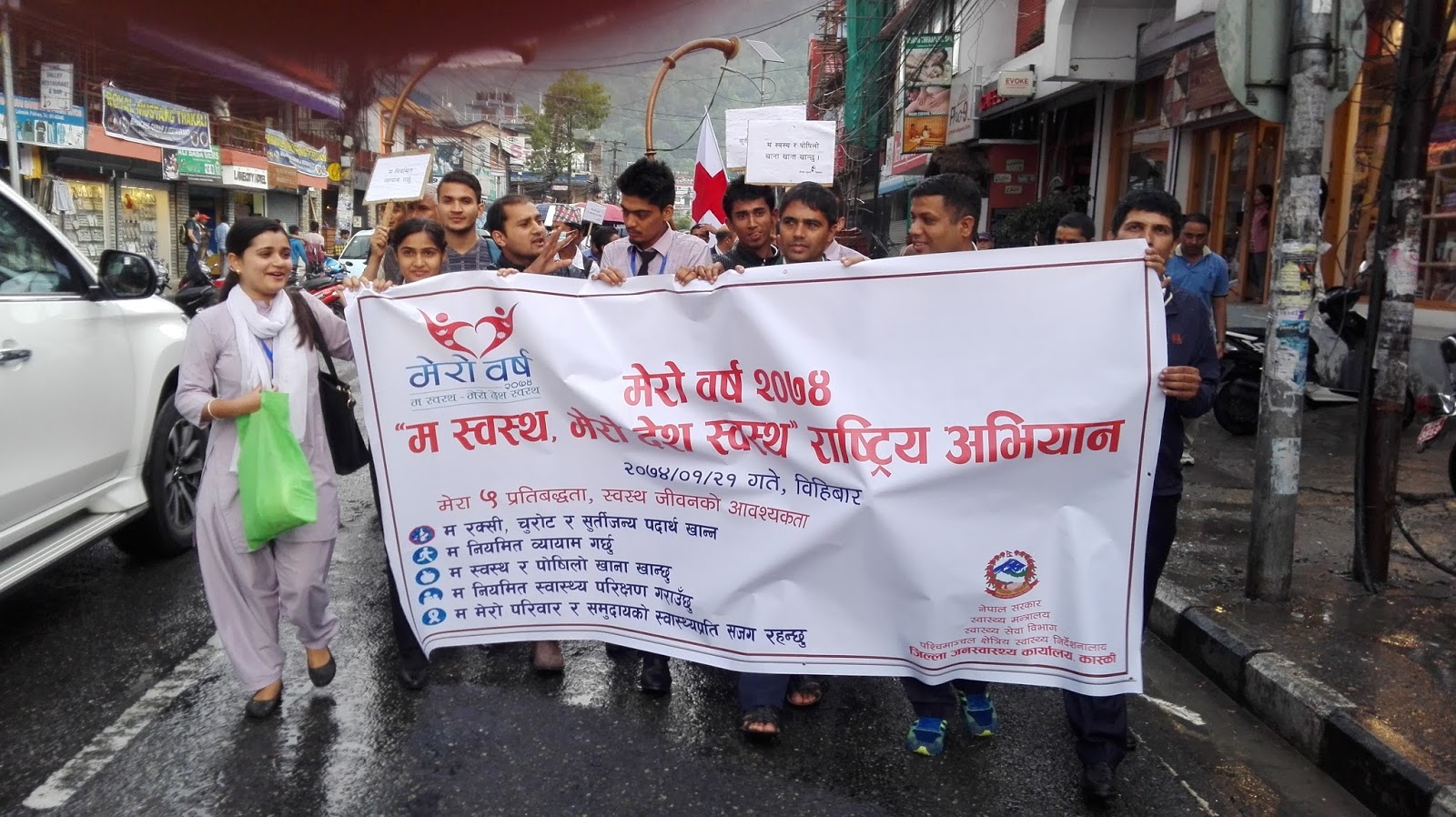
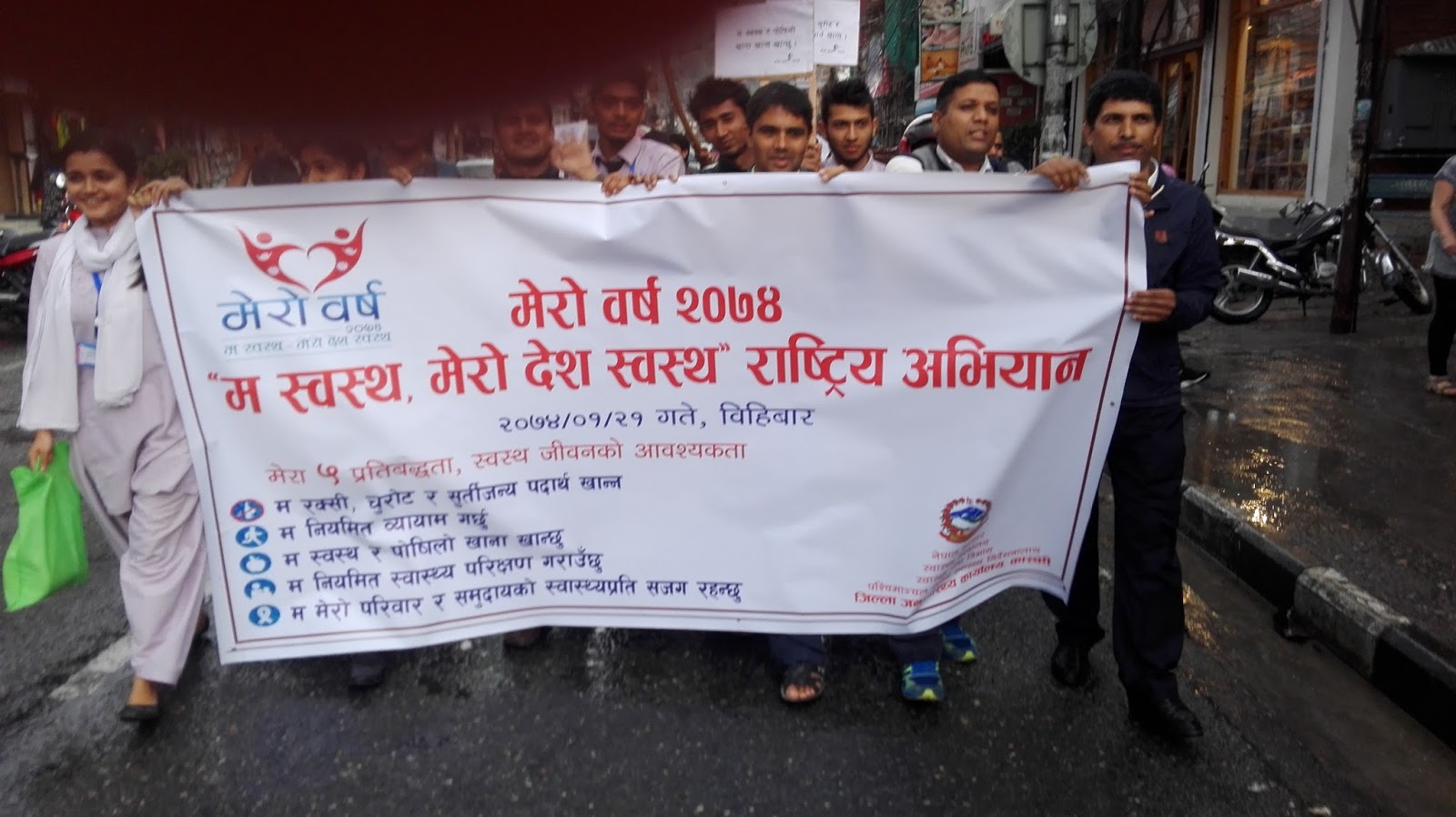
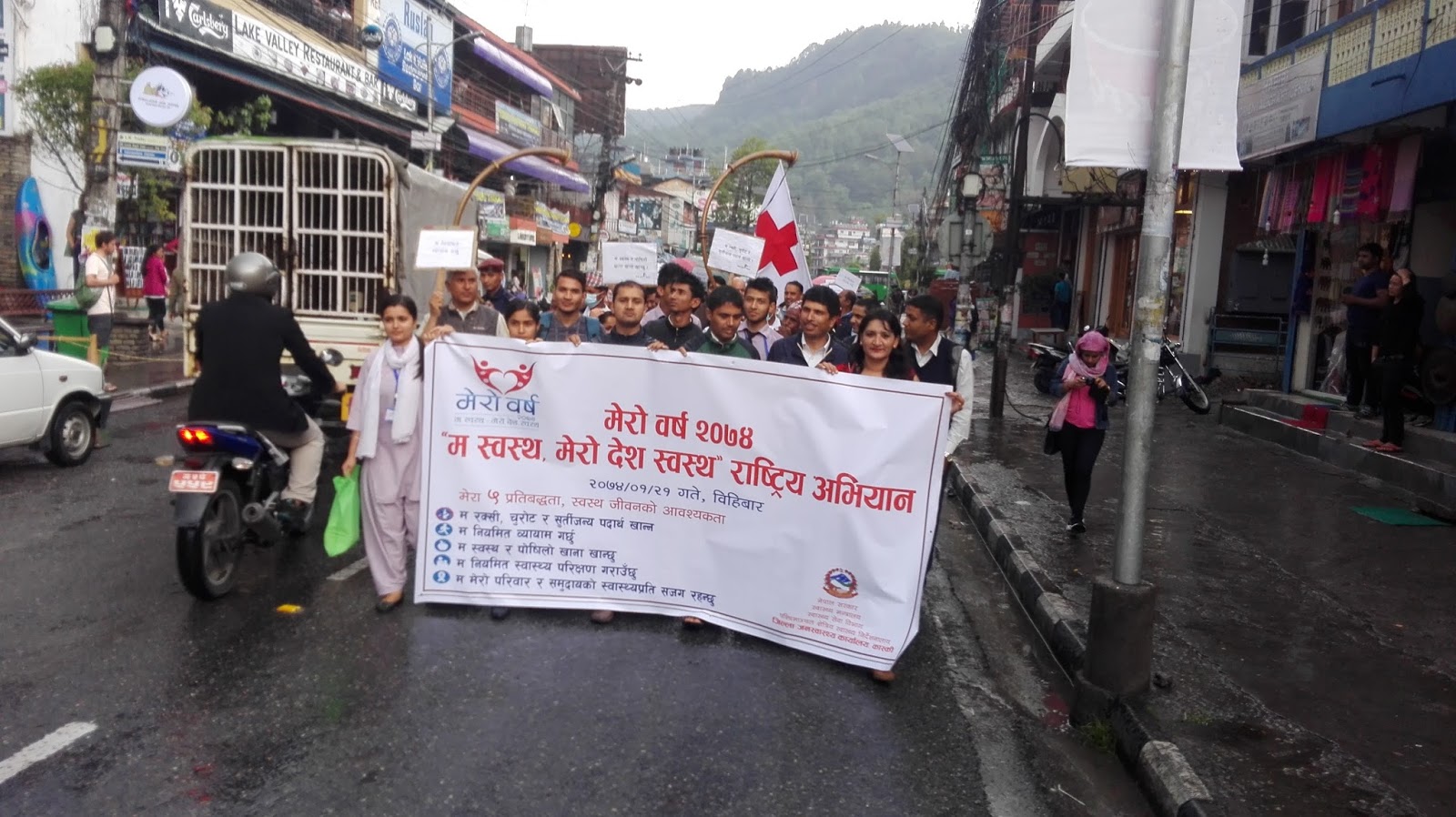
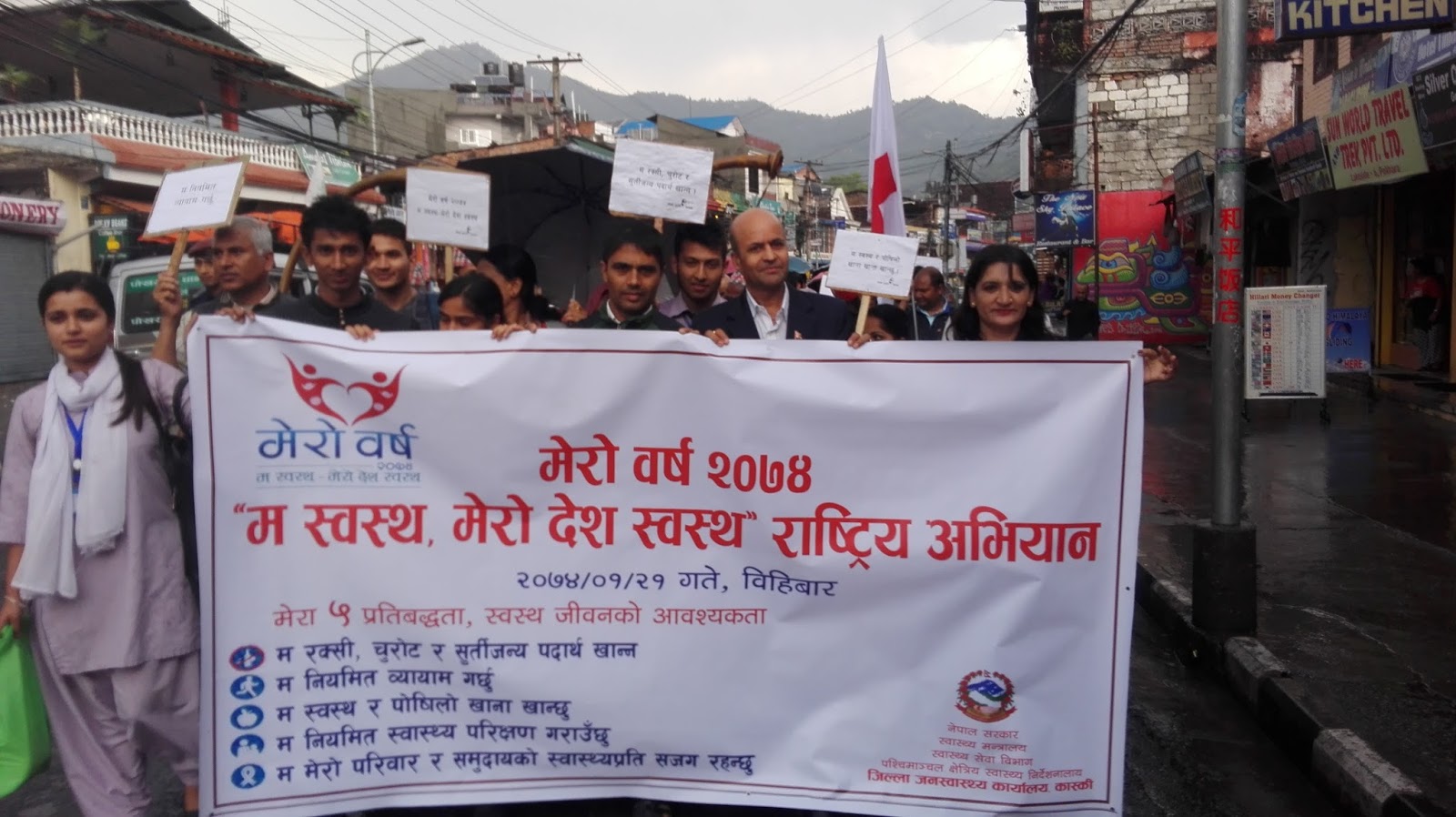
‘My Year 2074: Healthy Me, Healthy Country’ campaign photos, Pokhara 2073

‘My Year 2074 BS: Healthy Me, Healthy Country’, a yearlong health campaign aims to create awareness of health among public initiated by the Ministry of Health (MoH), has launched at Pokhara with various activities. Some photos of Interaction program and mass rally were posted here; 

IMG 20170504 175726
18198980 1538370056195373 4934044585062564331 n
Objectives of Campaign by Dinesh Kumar Chapagain (Chief PHA, Kaski) 

18199051 1538370259528686 1969821529551351590 n
Chief Guest remarks ( Dr Rajendra pant, DG,DoHS)

18199313 1538369976195381 609633511459487448 n%2B%25281%2529

18222246 1538369949528717 3080649345132454796 n

18222383 1538370119528700 4161510858450566882 n
IMG 20170504 172504

IMG 20170504 172512

IMG 20170504 172521

IMG 20170504 172524

IMG 20170504 172526

IMG 20170504 172628

IMG 20170504 172634


IMG 20170504 172646

IMG 20170504 172648

IMG 20170504 172650

IMG 20170504 172653

IMG 20170504 172658

IMG 20170504 172700

IMG 20170504 172702

IMG 20170504 172706

IMG 20170504 172715

IMG 20170504 172717

IMG 20170504 172720

IMG 20170504 172723

IMG 20170504 172726

IMG 20170504 172736

IMG 20170504 172738 


IMG 20170504 173017

IMG 20170504 173058

IMG 20170504 175633

IMG 20170504 175723

IMG 20170504 175730
IMG 20170504 180352

IMG 20170504 180358

IMG 20170504 180410


IMG 20170504 180427

IMG 20170504 180631
Closing remarks RHD Taranath Poudel

May 4, 2017 0 comments
0 FacebookTwitterPinterestLinkedinTumblrVKOdnoklassnikiRedditStumbleuponWhatsappTelegramLINEPocketSkypeViberEmail
PH Important DayPublic Health

Asthma:Better Air, Better Breathing #WorldAsthmaDay.

by Public Health Update May 2, 2017
written by Public Health Update
World Asthma Day is an annual event organized by the Global Initiative for Asthma (GINA) to improve asthma awareness and care around the world.

World Asthma Day takes place each year on the first Tuesday in May. The aim is to improve asthma care and awareness of asthma around the world.

WAD 2017 Logo Final e1489435763756


Key facts

  • Asthma is one of the major noncommunicable diseases. It is a chronic disease of the the air passages of the lungs which inflames and narrows them.
  • Some 235 million people currently suffer from asthma. It is a common disease among children.
  • Most asthma-related deaths occur in low- and lower-middle income countries.
  • According to the latest WHO estimates, released in December 2016, there were 383 000 deaths due to asthma in 2015.
  • The strongest risk factors for developing asthma are inhaled substances and particles that may provoke allergic reactions or irritate the airways.
  • Medication can control asthma. Avoiding asthma triggers can also reduce the severity of asthma.
  • Appropriate management of asthma can enable people to enjoy a good quality of life.
WHO FACT SHEET

18157481 1018884344908872 9033781999701955393 n


The causes
The fundamental causes of asthma are not completely understood. The strongest risk factors for developing asthma are a combination of genetic predisposition with environmental exposure to inhaled substances and particles that may provoke allergic reactions or irritate the airways, such as:
  • indoor allergens (for example, house dust mites in bedding, carpets and stuffed furniture, pollution and pet dander)
  • outdoor allergens (such as pollens and moulds)
  • tobacco smoke
  • chemical irritants in the workplace
  • air pollution.
Other triggers can include cold air, extreme emotional arousal such as anger or fear, and physical exercise. Even certain medications can trigger asthma: aspirin and other non-steroid anti-inflammatory drugs, and beta-blockers (which are used to treat high blood pressure, heart conditions and migraine).
Urbanization has been associated with an increase in asthma. But the exact nature of this relationship is unclear.
Reducing the asthma burden
Although asthma cannot be cured, appropriate management can control the disease and enable people to enjoy a good quality of life. Short-term medications are used to relieve symptoms. Medications such as inhaled corticosteroids are needed to control the progression of severe asthma and reduce asthma exacerbation and deaths.
People with persistent symptoms must take long-term medication daily to control the underlying inflammation and prevent symptoms and exacerbations. Inadequate access to medicines and health services is one of the important reasons for the poor control of asthma in many settings.
Medication is not the only way to control asthma. It is also important to avoid asthma triggers – stimuli that irritate and inflame the airways. With medical support, each asthma patient must learn what triggers he or she should avoid.
Although asthma does not kill on the scale of chronic obstructive pulmonary disease (COPD) or other chronic diseases, failure to use appropriate medications or to adhere to treatment can lead to death.
World Health Organization

May 2, 2017 0 comments
0 FacebookTwitterPinterestLinkedinTumblrVKOdnoklassnikiRedditStumbleuponWhatsappTelegramLINEPocketSkypeViberEmail
Newer Posts
Older Posts

Search

Follow Us

Facebook Twitter Instagram Pinterest Linkedin Youtube

Categories

  • Abstracts (26)
  • Activities (91)
  • Adolescent Sexual and Reproductive Health (ASRH) (25)
  • Advice & Tips (4)
  • African Region (5)
  • AI and Health (1)
  • Annual Meeting (6)
  • Antimicrobial Resistance (AMR) (21)
  • Award (20)
  • Awards (17)
  • Books (9)
  • Call for Proposal, EOI & RFP (103)
  • Call for Research Participants (9)
  • Clinical Doctor Jobs (6)
  • Communicable Diseases (107)
  • Competition (20)
  • Conference (130)
  • Consultant (1)
  • Courses (206)
  • Dashboard (2)
  • Digital Health & Health Informatics (10)
  • Drug and Medicine (18)
  • Eastern Mediterranean Region (3)
  • Education (16)
  • Environment (3)
  • Environmental Health & Climate Change (47)
  • European Region (42)
  • Exchange Program (1)
  • Fact Sheet (118)
  • FCHVs (1)
  • Fellowships, Studentship & Scholarships (168)
  • Financial Aid (13)
  • Form Formats (2)
  • Fully funded (22)
  • Global Health News (440)
  • Grants and Funding Opportunities (193)
  • Guest Post (44)
  • Health Assistant Jobs (1)
  • Health Equity (7)
  • Health Financing and Economics (24)
  • Health in Data (118)
  • Health Insurance (5)
  • Health Jobs (52)
  • Health Literacy, Health Education & Promotion (51)
  • Health Organization Profile (42)
  • Health Systems (85)
  • Human Resource for Health (33)
  • Humanitarian Health & Emergency Response (45)
  • Hypertension (5)
  • Implementation Research (49)
  • International Health (3)
  • International Jobs & Opportunities (374)
  • International Plan, Policy & Guidelines (212)
  • Internships (5)
  • Jobs Vacancies (57)
  • Journals (8)
  • Life Style & Public Health Nutrition (39)
  • Live (10)
  • Master's Degree (48)
  • Maternal, Newborn and Child Health (88)
  • Mentorship Program (2)
  • Miscellaneous (16)
  • National Health News (160)
  • National Plan, Policy & Guidelines (473)
  • Neglected Tropical Diseases (NTDs) (51)
  • Non- Communicable Diseases (NCDs) (123)
  • Notice (103)
  • Nursing Jobs (6)
  • Nutritionist Jobs (1)
  • One Health (18)
  • Online & Distance Learning (22)
  • Online Courses (91)
  • Op-Ed Article (3)
  • Opportunities by Region (83)
  • Outbreak News (213)
  • Partially funded (6)
  • PCL Health Science Jobs (3)
  • PH Important Day (538)
  • Pharmacist Jobs (3)
  • PhD (54)
  • Photos (5)
  • Planetary Health (4)
  • PostDoc (14)
  • Presentation Slides (26)
  • Primary Health Care (25)
  • Provincial Plan, Policies and Guidelines (17)
  • Public Health (1,288)
  • Public Health Epidemiology & Biostatistics (14)
  • Public Health Events (307)
  • Public Health Information (21)
  • Public Health Innovation (9)
  • Public Health Jobs (52)
  • Public Health News (558)
  • Public Health Notes (120)
  • Public Health Opportunities (510)
  • Public Health Opportunity (493)
  • Public Health Programs (108)
  • Public Health Seminar (2)
  • Public Health Tools (2)
  • Public Health Update (574)
  • Quality Improvement & Infection Prevention (20)
  • Region of America (8)
  • Reports (187)
  • Research & Project Grants (39)
  • Research & Project Grants (33)
  • Research & Publication (651)
  • Research Articles (10)
  • Road Traffic Accidents (RTA) (9)
  • School of Public Health (60)
  • Self funded (2)
  • South-East Asia Region (26)
  • Success Stories (17)
  • Summer and Winter Courses (40)
  • Summer Courses (28)
  • Sustainable Development Goals (SDGs) (14)
  • Syllabus (61)
  • Symposium (9)
  • Tobacco Control (35)
  • Training (40)
  • Travel Grants (15)
  • Trick, Technique & Skills (8)
  • Uncategorized (3)
  • Undergraduate Degree (7)
  • Universal Health Coverage (36)
  • Universities (29)
  • Universities & School of Public Health (58)
  • Vacancy Announcement (26)
  • Vaccine Preventable Diseases (40)
  • Vector-Borne Diseases(VBDs) (31)
  • Videos (3)
  • View Points (1)
  • Webinar (4)
  • Western Pacific Region (13)
  • Workshop (18)
  • World News (120)
Post New Jobs: Vacancy Announcement Service

Search Box

Public Health Update (Sagun’s Blog) is a popular public health portal in Nepal. Thousands of health professionals are connected with Public Health Update to get up-to-date public health updates, search for jobs, and explore opportunities.
#1 Public Health Blog for sharing Job opportunities and updates in Nepal

”Public Health Information For All”
– – Sagun Paudel, Founder

  • HOT JOBS
    • Public Health Jobs
    • Medical Doctor Jobs
    • Nursing Jobs
    • Health Assistant Jobs
    • Pharmacist Jobs
    • NGOs Jobs
    • Government Jobs
  • Top Categories
    • National Plan, Policy & Guidelines Top
    • Public Health Calendar
    • Fellowships & Scholarships
    • Health Systems
    • Health Organization Profiles
    • International Jobs & Opportunities
    • Public Health Opportunity

PUBLIC HEALTH INITIATIVE

    • Submit your Vacancies New
    • Partnership Opportunities

Contact: blog.publichealthupdate@gmail.com

https://wa.me/+9779856036932

All Right Reserved. 2011-2026. Contact us. 

Facebook Twitter Instagram Youtube Envelope
Public Health Update
  • Home
  • Public Health
    • Home 1
      • Adolescent Sexual and Reproductive Health (ASRH)
      • Antimicrobial Resistance (AMR)
      • Communicable Diseases
      • Digital Health & Health Informatics
      • Environmental Health & Climate Change
      • Health Financing and Economics
      • Health Equity
    • Home 2
      • Health Literacy, Health Education & Promotion
      • Human Resource for Health
      • Humanitarian Health & Emergency Response
      • Implementation Research
      • International Health
      • Life Style & Public Health Nutrition
      • Maternal, Newborn and Child Health
    • Home 3
      • Neglected Tropical Diseases (NTDs)
      • Non- Communicable Diseases (NCDs)
      • One Health
      • Planetary Health
      • Public Health Epidemiology & Biostatistics
      • Primary Health Care
      • Quality Improvement & Infection Prevention
    • Home 4
      • Road Traffic Accidents (RTA)
      • Sustainable Development Goals (SDGs)
      • Tobacco Control
      • Universal Health Coverage
      • Vaccine Preventable Diseases
      • Vector-Borne Diseases(VBDs)
      • Notices
  • Public Health Update
    • Home 1
      • Public Health News
      • Global Health News
      • Outbreak News
      • National Health News
      • COVID-19
    • Home 2
      • Fact Sheet
      • Health in Data
      • PH Important Day
      • Public Health Events
      • Public Health Programs
    • Home 3
      • Health Systems
      • Health Insurance
      • Health Organization Profile
      • Success Stories
      • Public Health Innovation
  • Public Health Opportunities
    • Fully funded
    • Travel Grants
    • Grants and Funding Opportunities
    • Opportunities by Region
    • International Jobs & Opportunities
    • Research & Project Grants
    • Fellowships, Studentship & Scholarships
    • Conference
  • Jobs
    • Home 1
      • Health Jobs
      • Public Health Jobs
      • Clinical doctor Jobs
      • Health Assistant Jobs
      • Nursing Jobs
      • PCL Health Science Jobs
    • Home 2
      • Dental Jobs
      • Pharmacist Jobs
      • TSLC (Health Jobs)
      • Laboratory Jobs
      • Nutritionist Jobs
  • Downloads
    • International Plan, Policy & Guidelines
    • National Plan, Policy & Guidelines
    • Reports
    • Books
    • Research Articles
  • School of Public Health
    • Home 1
      • Courses
      • Master’s Degree
      • Undergraduate Degree
      • PhD
    • Home 2
      • Universities
      • Syllabus
      • Public Health Notes
      • Mentorship Program
      • Startup Project
    • Home
      • Summer and Winter Courses
      • Summer Courses
      • Online Courses
      • Workshop
      • Training
Public Health Initiative, A Registered Non-profit organization – All Right Reserved. 2011-2023