Public Health Update
  • Home
  • Public Health Update
  • Nepal Health Jobs
    • Public Health Job Board
    • Organization List
  • Opportunities
    • Fellowships, Studentship & Scholarships
    • Grants and Funding Opportunities
    • Fully funded
    • Conference
  • Downloads
    • International Plan, Policy & Guidelines
    • National Plan, Policy & Guidelines
    • Reports
    • Public Health Notes
    • Syllabus
    • Form Formats
  • School of Public Health
    • PhD
    • Master’s Degree
    • Online Courses
  • Notice
  • Home
  • Public Health Update
  • Nepal Health Jobs
    • Public Health Job Board
    • Organization List
  • Opportunities
    • Fellowships, Studentship & Scholarships
    • Grants and Funding Opportunities
    • Fully funded
    • Conference
  • Downloads
    • International Plan, Policy & Guidelines
    • National Plan, Policy & Guidelines
    • Reports
    • Public Health Notes
    • Syllabus
    • Form Formats
  • School of Public Health
    • PhD
    • Master’s Degree
    • Online Courses
  • Notice
LOGIN / REGISTER
Public Health Update
SUBSCRIBE
Public Health Update
  • Home
  • Public Health Update
  • Nepal Health Jobs
    • Public Health Job Board
    • Organization List
  • Opportunities
    • Fellowships, Studentship & Scholarships
    • Grants and Funding Opportunities
    • Fully funded
    • Conference
  • Downloads
    • International Plan, Policy & Guidelines
    • National Plan, Policy & Guidelines
    • Reports
    • Public Health Notes
    • Syllabus
    • Form Formats
  • School of Public Health
    • PhD
    • Master’s Degree
    • Online Courses
  • Notice

All Right Reserved. Designed and Developed by PenciDesign

National Plan, Policy & GuidelinesPublic Health ProgramsResearch & Publication

National Annual Performance Review Workshop FY 2072/73 (2015/16) – Presentations

by Public Health Update November 18, 2016
written by Public Health Update
National Annual Performance Review Workshop FY 2072/73 (2015/16) – Presentations
download

Objectives

  • Review the status of achievement against target with respect to budget released and expenditure. 
  • Analyze the service coverage, continuity and quality.
  • Assess the implementation status of recommendations made during previous.
  • Identify problems, constraints and management issues in implementing the health programs.
  • Recommend specific strategies and action plan to address the health issues.
  • Generate specific strategies for low coverage region & districts to boost-up coverage
  • Interaction between RHDs/Department of Health Services/Hospitals/Ministry of Health and Partners.
DOWNLOAD : Annual Review Presentation 2072/73 (1st Day Presentation)

November 18, 2016 0 comments
0 FacebookTwitterPinterestLinkedinTumblrVKOdnoklassnikiRedditStumbleuponWhatsappTelegramLINEPocketSkypeViberEmail
PH Important Day

World Prematurity Day

by Public Health Update November 17, 2016
written by Public Health Update
World Prematurity Day is observed on November 17 each year. It aims to raise awareness about the issues associated with preterm birth.

download


Preterm is defined as babies born alive before 37 weeks of pregnancy are completed. There are sub-categories of preterm birth, based on gestational age:

  • extremely preterm (<28 weeks)
  • very preterm (28 to <32 weeks)
  • moderate to late preterm (32 to <37 weeks).
Induction or caesarean birth should not be planned before 39 completed weeks unless medically indicated.

World Prematurity Day


Key facts
  • Every year, an estimated 15 million babies are born preterm (before 37 completed weeks of gestation), and this number is rising.
  • Preterm birth complications are the leading cause of death among children under 5 years of age, responsible for nearly 1 million deaths in 2015.
  • Three-quarters of them could be saved with current, cost-effective interventions.
  • Across 184 countries, the rate of preterm birth ranges from 5% to 18% of babies born.
  • Up to 75% of deaths of preterm babies are preventable.
  • Inequalities in survival rates around the world are stark. In low-income settings, half of the babies born at or below 32 weeks (2 months early) die due to a lack of feasible, cost-effective care, such as warmth, breastfeeding support, and basic care for infections and breathing difficulties. 
READ MORE: WORLD HEALTH ORGANIZATION

November 17, 2016 0 comments
0 FacebookTwitterPinterestLinkedinTumblrVKOdnoklassnikiRedditStumbleuponWhatsappTelegramLINEPocketSkypeViberEmail
PH Important DayPublic Health Events

Antibiotics: Handle with care – World Antibiotic Awareness Week 2016 (14-20 November 2016)

by Public Health Update November 14, 2016
written by Public Health Update
World Antibiotic Awareness Week 2016 (14-20 November 2016)
World Antibiotic Awareness Week aims to increase awareness of global antibiotic resistance and to encourage best practices among the general public, health workers and policy makers to avoid the further emergence and spread of antibiotic resistance.


A global action plan to tackle the growing problem of resistance to antibiotics and other antimicrobial medicines was endorsed at the Sixty-eighth World Health Assembly in May 2015. One of the key objectives of the plan is to improve awareness and understanding of antimicrobial resistance through effective communication, education and training.

The theme of the campaign, Antibiotics: Handle with Care, reflects the overarching message that antibiotics are a precious resource and should be preserved. They should be used to treat bacterial infections, only when prescribed by a certified human or animal health professional. Antibiotics should never be shared or saved for the future.


Antibiotics are medicines used to prevent and treat bacterial infections. Antibiotic resistance occurs when bacteria change in response to the use of these medicines.
Bacteria, not humans or animals, become antibiotic-resistant. These bacteria may infect humans and animals, and the infections they cause are harder to treat than those caused by non-resistant bacteria. 
Antibiotic resistance is rising to dangerously high levels in all parts of the world. New resistance mechanisms are emerging and spreading globally, threatening our ability to treat common infectious diseases. A growing list of infections – such as pneumonia, tuberculosis, blood poisoning and gonorrhoea – are becoming harder, and sometimes impossible, to treat as antibiotics become less effective.

Prevention and control
Antibiotic resistance is accelerated by the misuse and overuse of antibiotics, as well as poor infection prevention and control. Steps can be taken at all levels of society to reduce the impact and limit the spread of resistance.

Individuals
  • To prevent and control the spread of antibiotic resistance, individuals can:
  • Only use antibiotics when prescribed by a certified health professional.
  • Never demand antibiotics if your health worker says you don’t need them.
  • Always follow your health worker’s advice when using antibiotics.
  • Never share or use leftover antibiotics.
  • Prevent infections by regularly by washing hands, preparing food hygienically, avoiding close contact with sick people, practising safer sex, and keeping vaccinations up to date.
Policy makers
  • To prevent and control the spread of antibiotic resistance, policy makers can:
  • Ensure a robust national action plan to tackle antibiotic resistance is in place.
  • Improve surveillance of antibiotic-resistant infections.
  • Strengthen policies, programmes, and implementation of infection prevention and control measures.
  • Regulate and promote the appropriate use and disposal of quality medicines.
  • Make information available on the impact of antibiotic resistance.


Health professionals
  • To prevent and control the spread of antibiotic resistance, health professionals can:
  • Prevent infections by ensuring your hands, instruments, and environment are clean.
  • Only prescribe and dispense antibiotics when they are needed, according to current guidelines.
  • Report antibiotic-resistant infections to surveillance teams.
  • Talk to your patients about how to take antibiotics correctly, antibiotic resistance and the dangers of misuse.
  • Talk to your patients about preventing infections (for example, vaccination, hand washing, safer sex, and covering nose and mouth when sneezing).
READ MORE: WORLD HEALTH ORGANIZATION


logo
Download Now

Download Mobile Application : ”Public Health Info” : Click

November 14, 2016 0 comments
0 FacebookTwitterPinterestLinkedinTumblrVKOdnoklassnikiRedditStumbleuponWhatsappTelegramLINEPocketSkypeViberEmail
PH Important Day

Eyes on Diabetes – World Diabetes Day 2016

by Public Health Update November 13, 2016
written by Public Health Update
World Diabetes Day (WDD) is celebrated annually on November 14. Led by the International Diabetes Federation (IDF), World Diabetes Day was created in 1991 by IDF and the World Health Organization in response to growing concerns about the escalating health threat posed by diabetes. World Diabetes Day became an official United Nations Day in 2006 with the passage of United Nation Resolution 61/225.

The World Diabetes Day campaign aims to:
  • Be the platform to promote IDF advocacy efforts throughout the year
  • Be the global driver to promote the importance of taking coordinated and concerted actions to confront diabetes as a critical global health issue. 

The theme of World Diabetes Day 2016 is Eyes on Diabetes. The year’s activities and materials will focus on promoting the importance of screening to ensure early diagnosis of type 2 diabetes and treatment to reduce the risk of serious complications.

Diabetes

Diabetes is a chronic disease, which occurs when the pancreas does not produce enough insulin, or when the body cannot effectively use the insulin it produces. This leads to an increased concentration of glucose in the blood (hyperglycaemia).
Type 1 diabetes 

(previously known as insulin-dependent or childhood-onset diabetes) is characterized by a lack of insulin production. 


Type 2 diabetes 


(formerly called non-insulin-dependent or adult-onset diabetes) is caused by the body’s ineffective use of insulin. It often results from excess body weight and physical inactivity.
Gestational diabetes 

is hyperglycaemia that is first recognized during pregnancy.

Sign and Symptoms
Individuals can experience different signs and symptoms of diabetes, and sometimes there may be no signs. Some of the signs commonly experienced include:

  • Frequent urination
  • Excessive thirst
  • Increased hunger
  • Weight loss
  • Tiredness
  • Lack of interest and concentration
  • A tingling sensation or numbness in the hands or feet
  • Blurred vision
  • Frequent infections
  • Slow-healing wounds
  • Vomiting and stomach pain (often mistaken as the flu)
  • The development of type 1 diabetes is usually sudden and dramatic while the symptoms can often be mild or absent in people with type 2 diabetes, making this type of diabetes hard to detect.

Risk Factors

  • Several risk factors have been associated with type 2 diabetes and include:
  • Family history of diabetes
  • Overweight
  • Unhealthy diet
  • Physical inactivity
  • Increasing age
  • High blood pressure
  • Ethnicity
  • History of gestational diabetes
  • Poor nutrition during pregnancy 

Prevention
Simple lifestyle measures have been shown to be effective in preventing or delaying the onset of type 2 diabetes. To help prevent type 2 diabetes and its complications, people should:

  • achieve and maintain healthy body weight;
  • be physically active – at least 30 minutes of regular, moderate-intensity activity on most days. More activity is required for weight control;
  • eat a healthy diet, avoiding sugar and saturated fats intake; and
  • avoid tobacco use – smoking increases the risk of diabetes and cardiovascular diseases.
The IDF Diabetes Atlas, Seventh Edition 2015 provides the latest figures, information and projections on the current and future magnitude of the diabetes epidemic. 
  • Approximately 415 million adults have diabetes; by 2040 this will rise to 642 million 
  • The proportion of people with type 2 diabetes is increasing in most countries 
  • 75% of adults with diabetes live in low- and middle-income countries 
  • The greatest number of people with diabetes are between 40 and 59 years of age&nb
    sp;
  • 1 in 2 (46%) people with diabetes are undiagnosed 
  • Diabetes caused 5 million deaths in 2015; every six seconds a person dies from diabetes 
  • Diabetes caused at least USD 673 billion dollars in health expenditure in 2015 –12% of total spending on adults 
  • More than 542,000 children live with type 1 diabetes in 2015 
  • More than 20.9 million live births were affected by diabetes during pregnancy in 2015 – 1 in 7 births 

EYe on Diabetes:

  • Diabetic eye disease comprises a group of eye conditions that affect people with diabetes. These conditions include diabetic retinopathy, diabetic macular edema (DME), cataract, and glaucoma. 
  • All forms of diabetic eye disease have the potential to cause severe vision loss and blindness.  
    IDF infographics EN%2B1
  • Diabetic retinopathy involves changes to retinal blood vessels that can cause them to bleed or leak fluid, distorting vision. 
  • Diabetic retinopathy is the most common cause of vision loss among people with diabetes and a leading cause of blindness among working-age adults. 
  • DME is a consequence of diabetic retinopathy that causes swelling in the area of the retina called the macula. 
  • Controlling diabetes—by taking medications as prescribed, staying physically active, and maintaining a healthy diet—can prevent or delay vision loss. 
  • Because diabetic retinopathy often goes unnoticed until vision loss occurs, people with diabetes should get a comprehensive dilated eye exam at least once a year. 
  • Early detection, timely treatment, and appropriate follow-up care of diabetic eye disease can protect against vision loss. 
  • Diabetic retinopathy can be treated with several therapies, used alone or in combination.  
SOURCE OF INFORMATION

  1. https://www.idf.org/wdd-index/about.html
  2. http://www.who.int/mediacentre/factsheets/fs312/en/
  3. http://www.idf.org/wdd-index/wdd2016.html
  4. https://nei.nih.gov/health/diabetic/retinopathy


logo
Download Now

Download Mobile Application : ”Public Health Info” : Click

November 13, 2016 0 comments
0 FacebookTwitterPinterestLinkedinTumblrVKOdnoklassnikiRedditStumbleuponWhatsappTelegramLINEPocketSkypeViberEmail
PH Important DayPublic Health

Keep the Promise, Stop Pneumonia Now !! – World Pneumonia Day 2016: #StopPneumonia

by Public Health Update November 11, 2016
written by Public Health Update
November 12, 2016

“Keep the Promise, Stop Pneumonia Now”

The World Pneumonia Day seeks to raise awareness of pneumonia as a public health issue and help prevent the millions of avoidable child deaths from pneumonia that occur each year. It is organized by the Global Coalition against Child Pneumonia (a network of international, government, non-governmental and community-based organizations, research and academic institutions, foundations, and individuals) to bring much-needed attention to pneumonia among donors, policy makers, health care professionals, and the general public.(1)

World Pneumonia Day, marked every year on November 12, was established in 2009 to raise awareness about the toll of pneumonia—a leading killer of children around the world—and to advocate for global action to protect against, help prevent, and effectively treat this deadly illness. (2)

Objectives:

  • Raise awareness about pneumonia, the world’s leading killer of children under the age of five;
  • Promote interventions to protect against, prevent and treat pneumonia; and
  • Generate action to combat pneumonia.
WND 2014

Pneumonia is one of the most solvable problems in global health and yet a child dies from the infection every 20 seconds. Together we can ensure the fight against pneumonia is won.

Pneumonia is a leading cause of death for children under the age of five years around the world. The evidence shows that we need to work with integrated approaches to protect, prevent and treat pneumonia in children.
The WHO integrated Global Action Plan for Pneumonia and Diarrhoea (GAPPD) aims to:
(i) reduce preventable childhood deaths; 
(ii) improve coverage; and 
(iii) implement essential policies in 139 countries.(3)

Stopping pneumonia isn’t about luck. It’s about action 

Pneumonia is preventable and treatable, yet remains a leading cause of death in children under 5 years old worldwide.

“In 2013 alone, more than 900,000 children died from this preventable and treatable illness, accounting for 15% of under-five child mortality worldwide, 2% of which are newborns” – UNICEF

Update your Facebook, Twitter & other social media;

We can prevent pneumonia

Let’s #StopPneumonia from taking the lives of infants around the world with proven interventions: exclusive breastfeeding, adequate nutrition, reduced household air pollution, clean water and sanitation, vaccines, and antibiotics.
Did you know?

Pneumonia is the leading infectious killer of children under five worldwide. With safe and effective interventions to prevent and treat the disease, together we can work to ensure that all children reach their 5th birthdays. #StopPneumonia
Timely diagnosis is key

Effective, integrated case management strategies ensure that children receive proper and timely diagnosis of and treatment for pneumonia. Improving access to services and increasing awareness and demand for them within communities is crucial to #StopPneumonia.

http://stoppneumonia.org/advocate-resources/

Pneumonia
  • Pneumonia is a form of acute respiratory infection that affects the lungs. The lungs are made up of small sacs called alveoli, which fill with air when a healthy person breathes. When an individual has pneumonia, the alveoli are filled with pus and fluid, which makes breathing painful and limits oxygen intake.

  • Pneumonia is the single largest infectious cause of death in children worldwide. Pneumonia killed 920136 children under the age of 5 in 2015, accounting for 16% of all deaths of children under five years old. Pneumonia affects children and families everywhere, but is most prevalent in South Asia and sub-Saharan Africa. Children can be protected from pneumonia, it can be prevented with simple interventions, and treated with low-cost, low-tech medication and care.
Causes
Pneumonia is caused by a number of infectious agents, including viruses, bacteria and fungi. The most common are:

  • Streptococcus pneumoniae – the most common cause of bacterial pneumonia in children;
  • Haemophilus influenzae type b (Hib) – the second most common cause of bacterial pneumonia;
  • respiratory syncytial virus is the most common viral cause of pneumonia;
  • In infants infected with HIV, Pneumocystis jiroveci is one of the most common causes of pneumonia, responsible for at least one quarter of all pneumonia deaths in HIV-infected infants.
Transmission
  • Pneumonia can be spread in a number of ways. The viruses and bacteria that are commonly found in a child’s nose or throat, can infect the lungs if they are inhaled. They may also spread via air-borne droplets from a cough or sneeze. In addition, pneumonia may spread through blood, especially during and shortly after birth. More research needs to be done on the different pathogens causing pneumonia and the ways they are transmitted, as this is of critical importance for treatment and prevention.

Presenting features
  • The presenting features of viral and bacterial pneumonia are similar. However, the symptoms of viral pneumonia may be more numerous than the symptoms of bacterial pneumonia. In children under 5 years of age, who have cough and/or difficult breathing, with or without fever, pneumonia is diagnosed by the presence of either fast breathing or lower chest wall indrawing where their chest moves in or retracts during inhalation (in a healthy person, the chest expands during inhalation). Wheezing is more common in viral infections.
  • Very severely ill infants may be unable to feed or drink and may also experience unconsciousness, hypothermia and convulsions.
Risk factors
  • While most healthy children can fight the infection with their natural defenses, children whose immune systems are compromised are at higher risk of developing pneumonia. A child’s immune system may be weakened by malnutrition or undernourishment, especially in infants who are not exclusively breastfed.
  • Pre-existing illnesses, such as symptomatic HIV infections and measles, also increase a child’s risk of contracting pneumonia.
  • The following environmental factors also increase a child’s susceptibility to pneumonia:
  • indoor air pollution caused by cooking and heating with biomass fuels (such as wood or dung)
  • living in crowded homes
  • parental smoking.
  • Treatment
Pneumonia should be treated with antibiotics. The antibiotic of choice is Amoxicillin dispersable tablets. Most cases of pneumonia require oral antibiotics, which are often prescribed at a health centre. These cases can also be diagnosed and treated with inexpensive oral antibiotics at the community level by trained community health workers. Hospitalization is recommended only for severe cases of pneumonia.

Prevention
  • Preventing pneumonia in children is an essential component of a strategy to reduce child mortality. Immunization against Hib, pneumococcus, measles and whooping cough (pertussis) is the most effective way to prevent pneumonia.
  • Adequate nutrition is key to improving children’s natural defences, starting with exclusive breastfeeding for the first 6 months of life. In addition to being effective in preventing pneumonia, it also helps to reduce the length of the illness if a child does become ill.
  • Addressing environmental factors such as indoor air pollution (by providing affordable clean indoor stoves, for example) and encouraging good hygiene in crowded homes also reduces the number of children who fall ill with pneumonia.
  • In children infected with HIV, the antibiotic cotrimoxazole is given daily to decrease the risk of contracting pneumonia.
WORLD HEALTH ORGANIZATION
  1. https://www.pharmacy.com.mt/health-awareness/november/world-pneumonia-day/
  2. http://www.who.int/life-course/news/events/world-pneumonia-day-2016/en/
  3. http://stoppneumonia.org/

November 11, 2016 0 comments
0 FacebookTwitterPinterestLinkedinTumblrVKOdnoklassnikiRedditStumbleuponWhatsappTelegramLINEPocketSkypeViberEmail
PH Important DayPublic Health

Stroke is treatable – World Stroke Day 2016

by Public Health Update October 29, 2016
written by Public Health Update
World Stroke Day – October 29th 2016

Stroke is the leading cause of disability and the second leading cause of death globally. Stroke can happen to anyone at any age. Stroke affects everyone: survivors, family and friends, workplaces and communities.

17M – Strokes 6M – deaths 5M – Permanently Disabled
Stroke is treatable.
Stroke is a complex medical issue. But there are ways to significantly reduce its impact. Recognizing the signs of stroke early, treating it as a medical emergency with admission to a specialized stroke unit, and access to the best professional care can substantially improve outcomes.

http://www.worldstrokecampaign.org/


Prevent brain stroke

A ‘brain stroke’ or a ‘brain attack’ is an event and condition that many of us know little about, but each one of us has the capacity to prevent and detect.
When the brain is deprived of blood and the oxygen it carries, or when bleeding inundates surrounding tissue and causes the brain to swell, its effective operation becomes compromised. Both incidents can cause lasting vision problems, seizures, fatigue, loss of speech, memory loss, and paralysis among other adverse effects. If severe enough, they can also cause death.
In low-and middle-income countries, which include those of the WHO South-East Asia Region, over 11 million strokes occur every year. This causes 4 million deaths annually, and leaves approximately 30% of survivors seriously disabled. For the 70% of survivors who recover, the likelihood of suffering further strokes is greatly increased.
People with high blood pressure, high cholesterol, heart disease, diabetes or a high blood-sugar level are vulnerable to brain stroke. So are people that are obese, smoke or consume alcohol in large volumes and are physically inactive. In addition, the risk of stroke increases with age, while males are more likely to suffer a stroke than females.
Most of the lifestyle-related risks can be reduced to prevent brain stroke. People who smoke should quit, and those who drink heavily should cease. These two factors alone significantly multiply the likelihood of stroke.
A diet high in vegetables and fruit and low in salt should be consumed. Doing so will decrease fatty deposits in the arteries that can cause blockages, as well as diminish the prospect of burst vessels that high blood pressure brings.
Regular exercise should be undertaken – at least 30 minutes of moderate-intensity aerobic activity at least five times a week.
Blood pressure, blood-sugar and cholesterol levels should be checked regularly, with associated conditions managed in consultation with a health care provider.


These simple but effective habits can help prevent brain stroke and other noncommunicable diseases such as heart disease and diabetes.
Identifying stroke’s early warning signs is equally important to prevent disability or death. There are three key signs to watch out for – Is the face drooping on one side? Is there weakness in one arm? Is the speech slurred? If the answer is yes to one or all of the above, the person may be having a stroke and needs urgent medical care. 
Out health systems must be in a position to act decisively.
On World Stroke Day, we need to spread awareness on stroke prevention, understand the symptoms and when to seek immediate care, and have a well-prepared health system to save lives and prevent lifelong disability.

Dr Poonam Khetrapal Singh, WHO Regional Director for South-East Asia


October 29, 2016 0 comments
0 FacebookTwitterPinterestLinkedinTumblrVKOdnoklassnikiRedditStumbleuponWhatsappTelegramLINEPocketSkypeViberEmail
PH Important DayPublic HealthPublic Health Events

International lead Poisoning Prevention week of action – Ban lead paint !!

by Public Health Update October 28, 2016
written by Public Health Update
The International lead Poisoning Prevention week of action is observed From 23 to 29 October 2016, with a particular focus on eliminating lead paint. 

campaign image

The International Lead Poisoning Prevention week of action is an initiative of the Lead Paint Alliance.


The major objectives of this campaigns are;

  • Raise awareness about lead poisoning;
  • Highlight countries and partners’ efforts to prevent childhood lead poisoning; and
  • Urge further action to eliminate lead paint.
Lead is a naturally occurring toxic metal found in the Earth’s crust. It has many uses, including in the manufacture of lead-acid batteries for motor vehicles, in pigments and paints, solder, ammunition, ceramic glazes, jewellery, toys and also in some cosmetics and traditional medicines. It also continues to be used in gasoline in a small number of countries. The processing, use and disposal of lead can result in environmental contamination and human exposure. As lead is an element, once released into the environment it is persistent. 

14639869 1263339187044795 7896211273373291376 n


Lead poisoning refers to excessive human exposure to lead. The most common route of exposure is ingestion. Exposure may occur over a short space of time (acute poisoning) or over a prolonged period (chronic poisoning). No safe level of exposure to lead has so far been identified. As a consequence some health authorities define excessive exposure as having a blood lead concentration above the reference value for the population as a whole. This reference value is usually the geometric mean blood lead concentration found in the highest 2.5% or 5% of the population, i.e. the 97.5th or 95th percentile respectively. 
Health effects of lead exposure
Lead accumulates in the body and affects practically all organ systems. Lead exposure can cause chronic and debilitating health impacts in all age groups, but it is particularly harmful to young children. This is because the developing nervous system is vulnerable to the toxic effects of lead, even at levels of exposure that do not cause obvious symptoms and signs. Lead exposure in early childhood can result in reduced cognitive abilities, dyslexia, attention deficit disorder and antisocial behaviour. Lead exposure can also cause hypertension, renal impairment, immunotoxicity and toxicity to the reproductive organs. Absorption of large amounts of lead can cause coma, convulsions and even death. Children who survive severe lead poisoning can be left with permanent neurological injury such as deafness and mental retardation.  

14718799 1261950110517036 5493090231676532825 n
The Institute for Health Metrics and Evaluation (IHME) has estimated that in 2013 lead exposure accounted for 853 000 deaths due to long-term effects on health, with the highest burden in low and middle income countries. IHME also estimated that lead exposure accounted for 9.3% of the global burden of idiopathic intellectual 2 disability (i.e. intellectual disability not due to known causes such as genetic factors), 4% of the global burden of ischaemic heart disease and 6.6% of the global burden of stroke. 
[http://vizhub.healthdata.org/gbd-compare]
Sources of human exposure to lead
Lead has many uses; therefore, there are many potential sources of exposure. Important sources are environmental contamination from the informal recycling of lead acid batteries and from poorly controlled lead mining and smelting operations; the use of lead-containing traditional remedies; lead ceramic glazes used in food containers; and lead paint. Leaded gasoline used to be an important source of exposure but it is no longer used in most countries. 
WORLD HEALTH ORGANIZATION


logo
Download Now

Download Mobile Application : ”Public Health Info” : Click

October 28, 2016 0 comments
0 FacebookTwitterPinterestLinkedinTumblrVKOdnoklassnikiRedditStumbleuponWhatsappTelegramLINEPocketSkypeViberEmail
PH Important DayPublic HealthPublic Health Programs

Promoting health through the life-course [2016 World Polio Day]

by Public Health Update October 25, 2016
written by Public Health Update

[24 October 2016]

World Polio Day was established by Rotary International over a decade ago to commemorate the birth of Jonas Salk, who led the first team to develop a vaccine against poliomyelitis. Use of this inactivated poliovirus vaccine and subsequent widespread use of the oral poliovirus, developed by Albert Sabin, led to the establishment of the Global Polio Eradication Initiative (GPEI) in 1988. As of 2013, GPEI had reduced polio worldwide by 99%.

Polio is a crippling and potentially fatal infectious disease. There is no cure, but there are safe and effective vaccines. Polio can be prevented through immunization. Polio vaccine, given multiple times, almost always protects a child for life. The strategy to eradicate polio is therefore based on preventing infection by immunizing every child until transmission stops and the world is polio-free.

WHO

Nepal has been maintaining certificate standard AFP surveillance since 2001. The surveillance system is sensitive enough to detect polio cases and circulating derived poliovirus. Nepal was declared polio -free by the Regional Certification Commission on 27 March 2014. Nepal adopted the strategies developed by the WHO such as active AFP surveillance, Routine Immunization, SIAs and Mop-up to achieve the goal of Polio eradication. The CHD took lead in planning, delivering and managing the National Immunization Program including polio throughout the country. The community based interventions together with the national and international learning have been accounted for this success in the functional partnership and community based approaches.

NIP%2BSchedule page 001
Key Strategies for polio eradication 
  1. Routine immunization: Routine immunization is the cornerstone of polio eradication. Uniform and 95% OPV3 routine coverage increases the immunity level in community and thus interrupts the circulation of WPV transmission. Hence, the access of routine immunization services should be expanded at grass-root level. 
  2. Supplementary Immunization Activity (SIA) – (National Immunization Days & Sub National Immunization Days)  National Immunization Days aiming to improve universal coverage should be conducted on regular basis. It is an additional national or subnational mass vaccination campaign designed to vaccinate all children under five which helps in interruption of transmission of wild poliovirus. It aims to vaccinate everyone under five, regardless of their previous immunization status. 
  3. Surveillance of acute flaccid paralysis (AFP) – All AFP cases (suspected polio) are detected, reported and investigated. This allows for the identification of any remaining reservoirs of wild polio virus and helps in the decision making for the SIAs need. 
  4. Mop-up campaigns – These are intensive, house to house campaigns that are conducted during the final stage of polio eradication. Mop up is conducted when the polio virus is confined in a limited geographical area, where all children are tracked and vaccinated reaching each house hold, even after successful implementation of NIDs and routine immunization.
  • Introduction Of The Injectable Inactivated Polio Vaccine (IPV) IPV is being introduced in Nepal in order to quickly maximize childhood immunity to polio and maintain the country’s polio-free status. IPV has been proven an extremely safe and effective vaccine and has been used successfully in many developed countries for several decades. It is important to note that IPV is recommended in addition to the oral vaccine and does not replace the oral vaccine.

 (UNICEF)

Related Post: 27th March 2014 : Historical Day in field of Public Health to end Polio in Nepal


October 25, 2016 0 comments
0 FacebookTwitterPinterestLinkedinTumblrVKOdnoklassnikiRedditStumbleuponWhatsappTelegramLINEPocketSkypeViberEmail
PH Important DayPublic HealthPublic Health Events

22nd National Condom Day – 2073

by Public Health Update October 22, 2016
written by Public Health Update
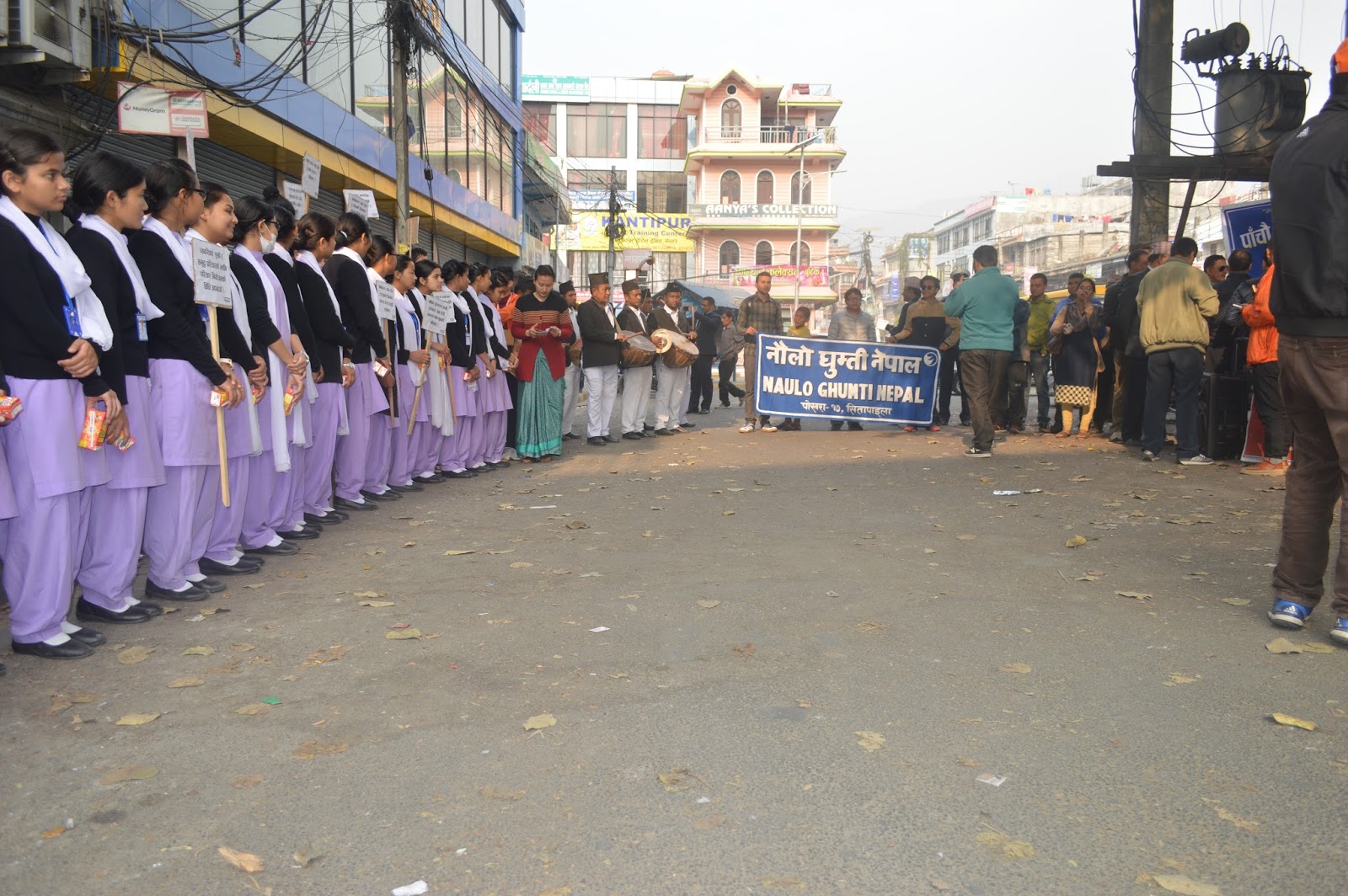
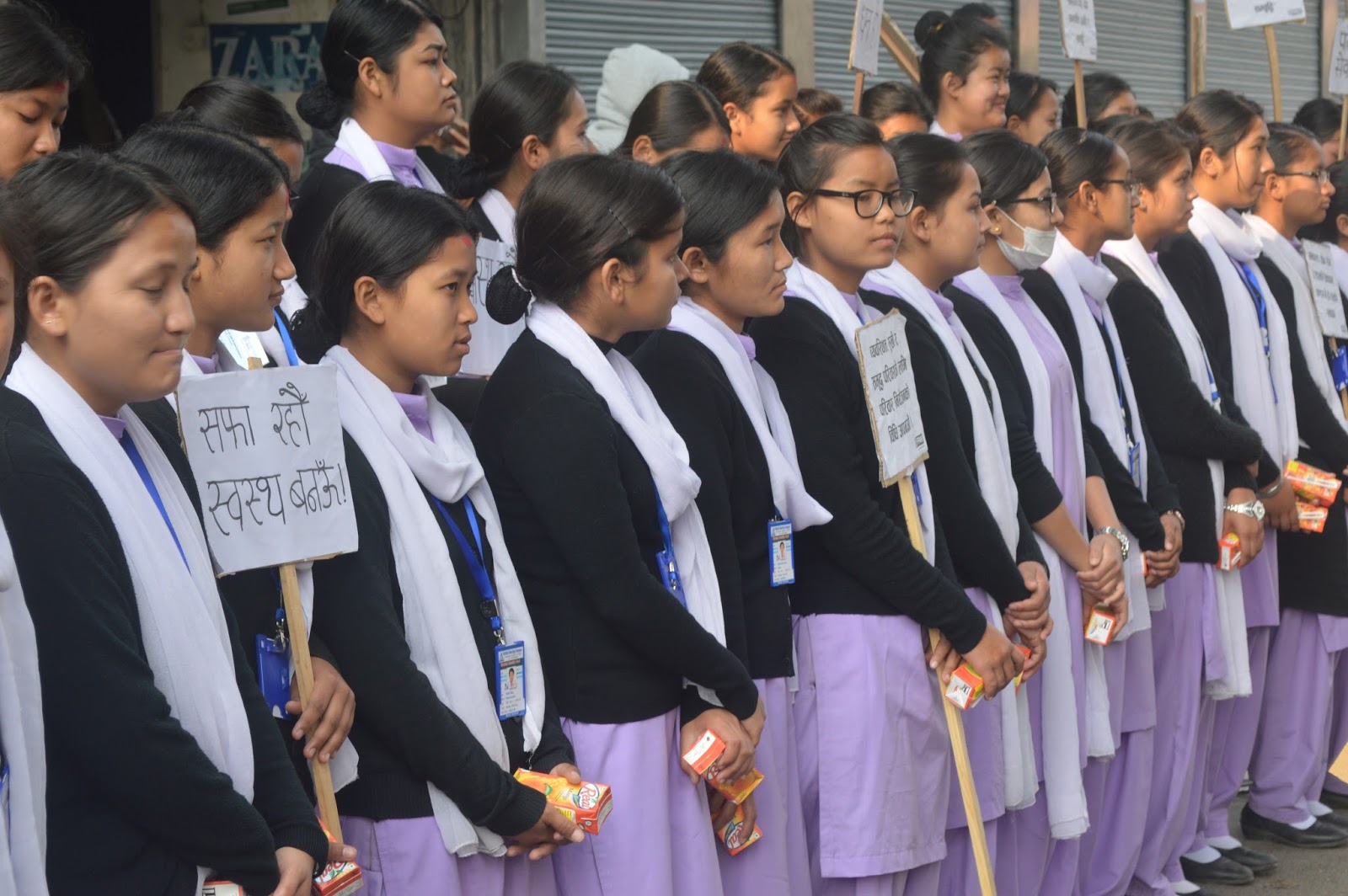
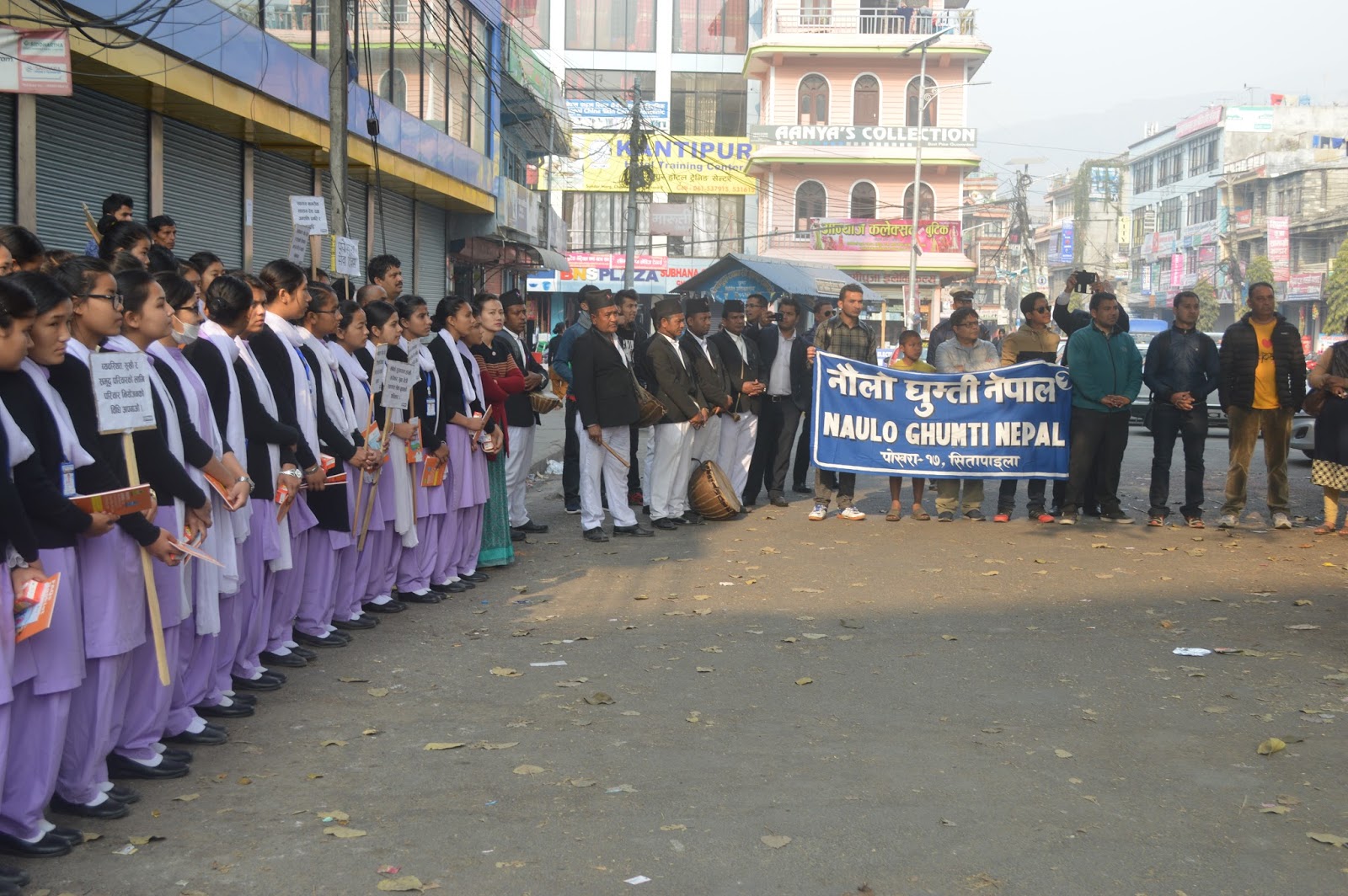
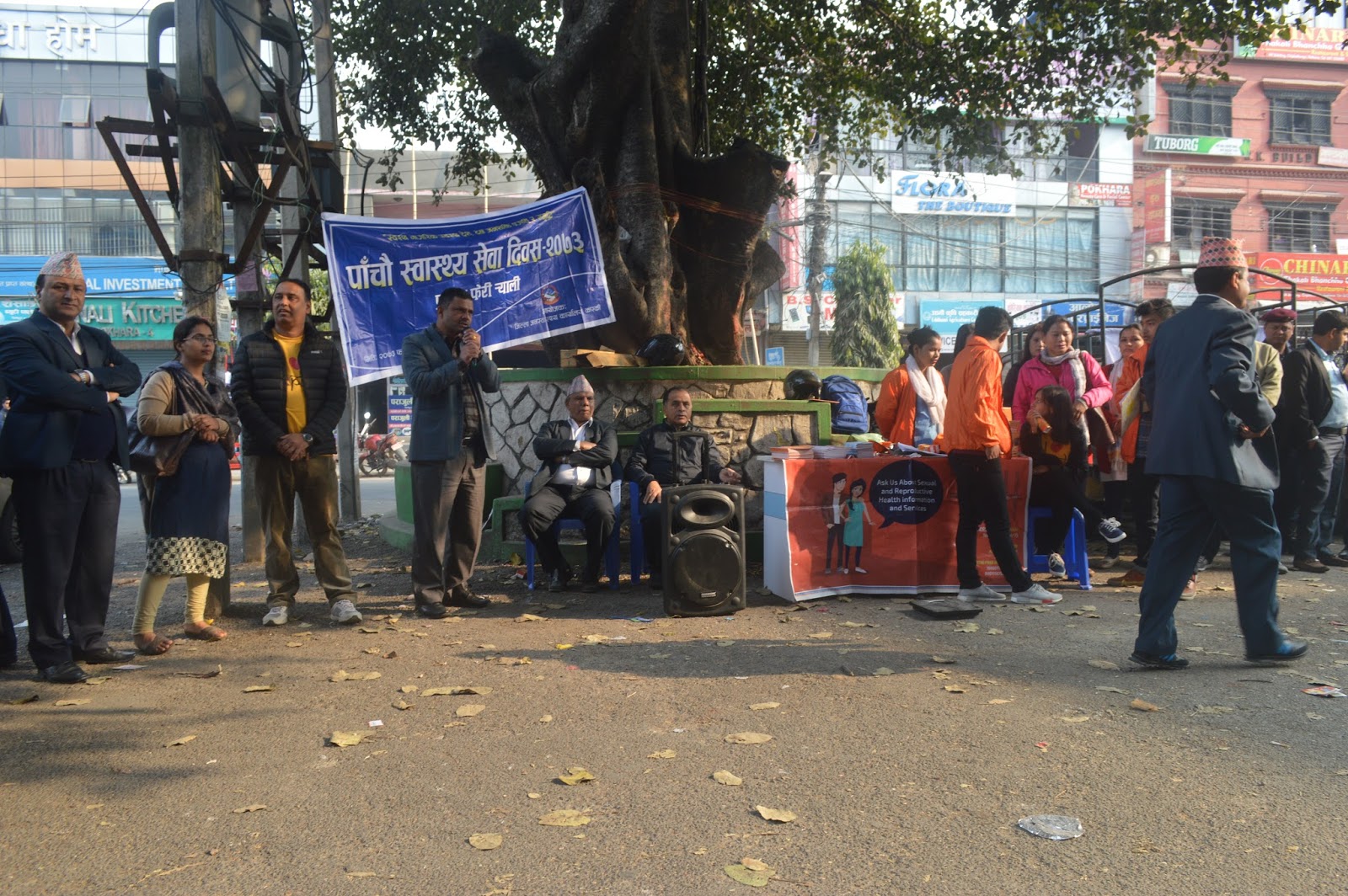
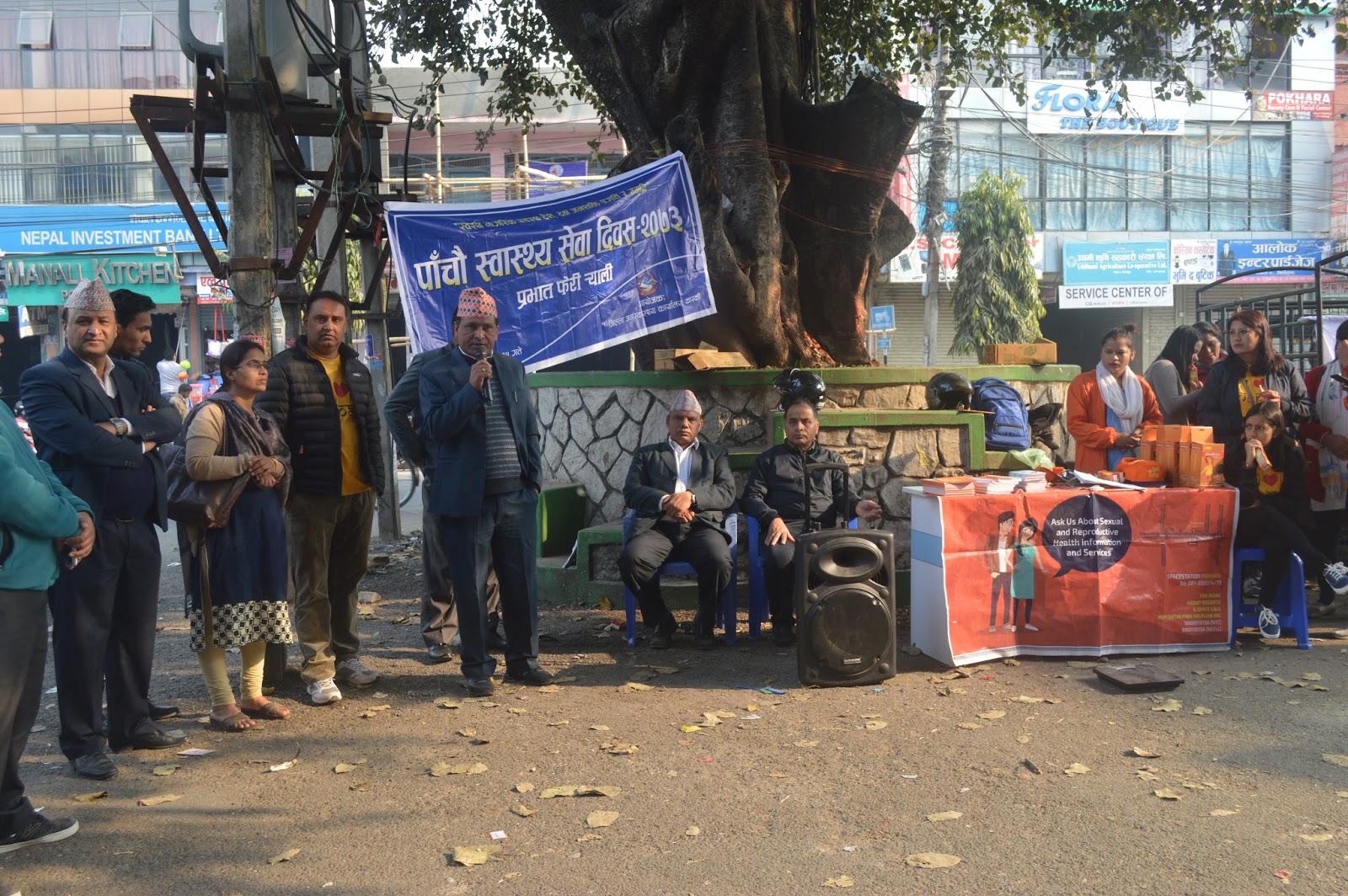
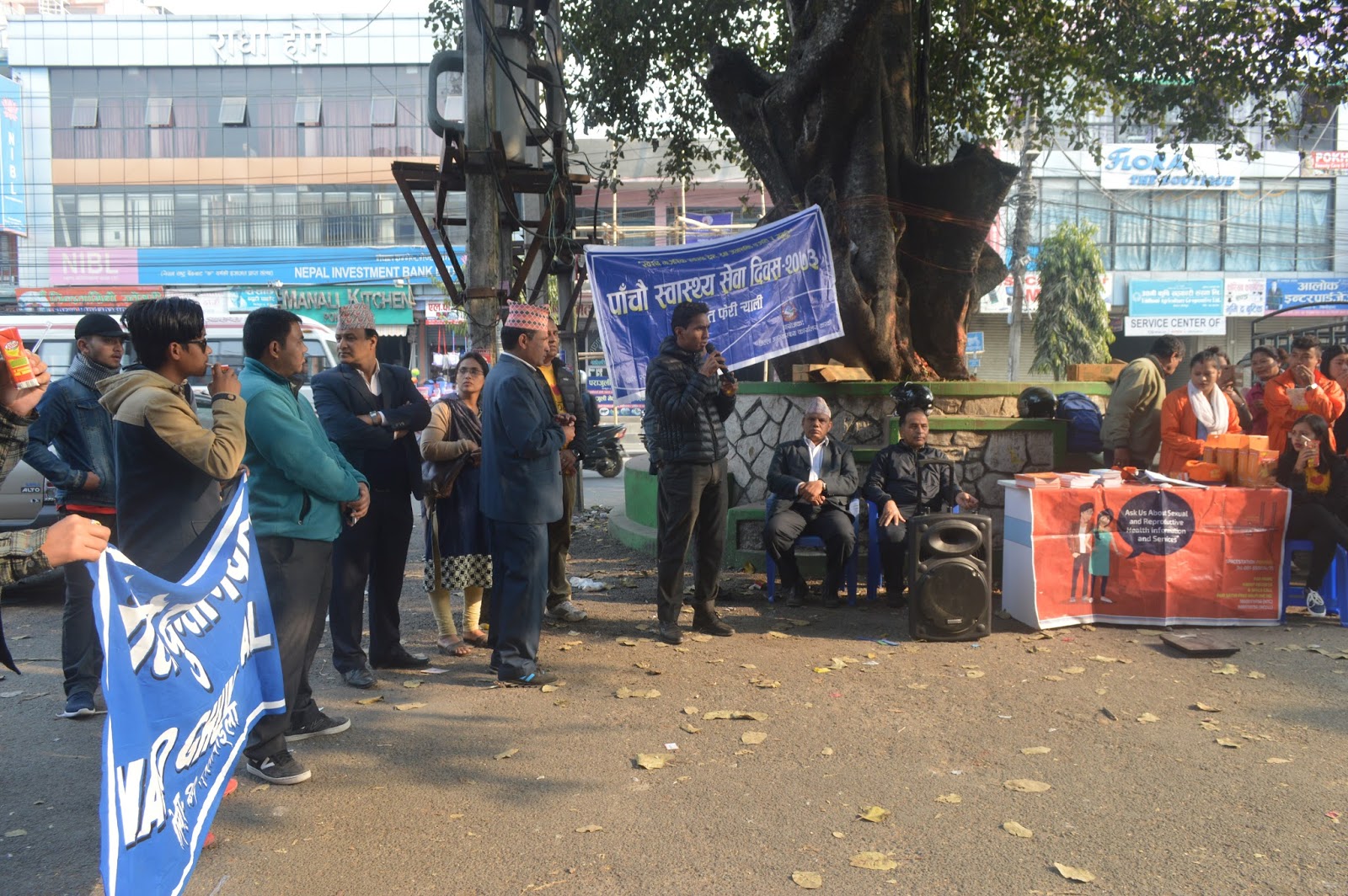
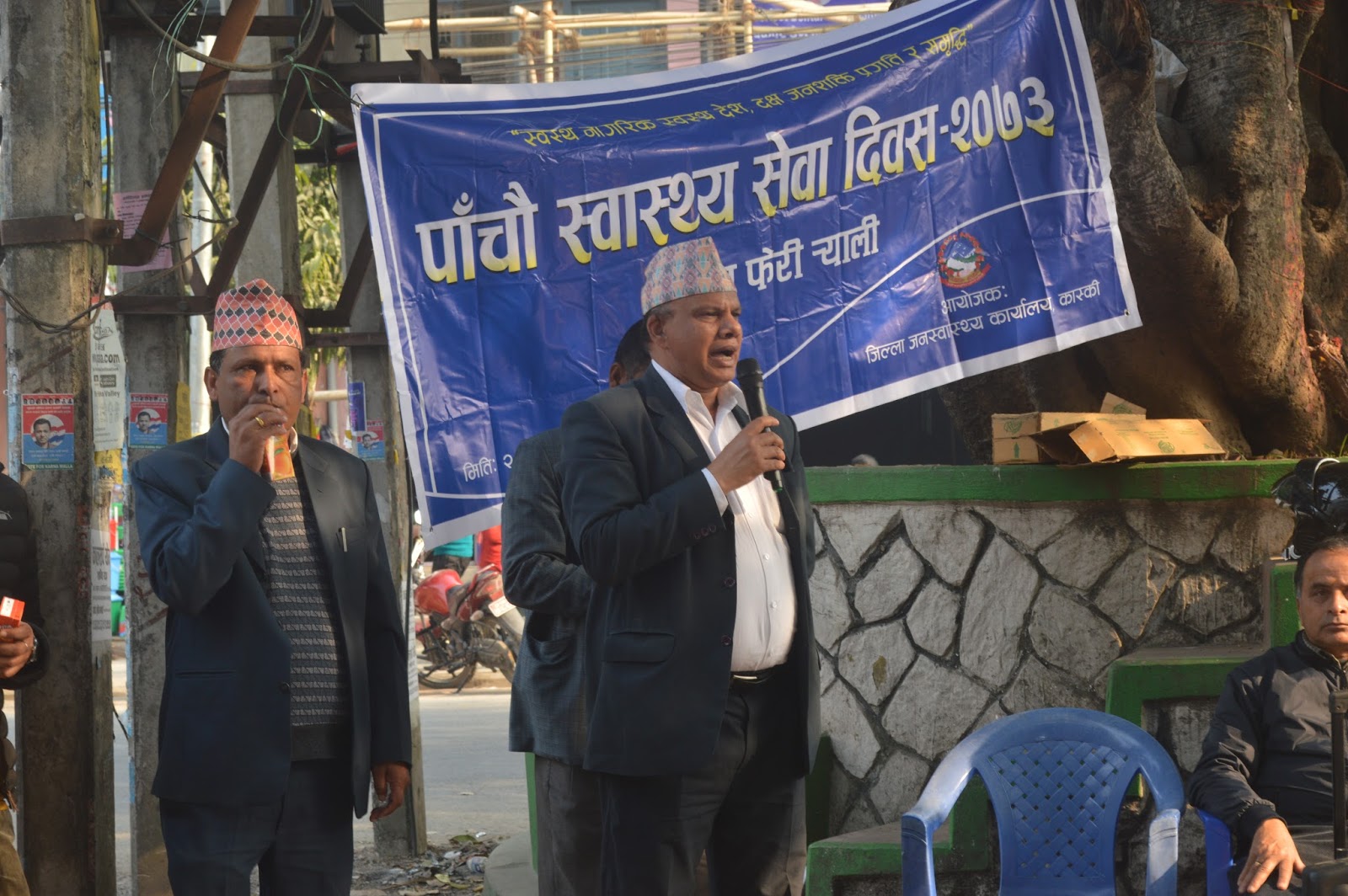
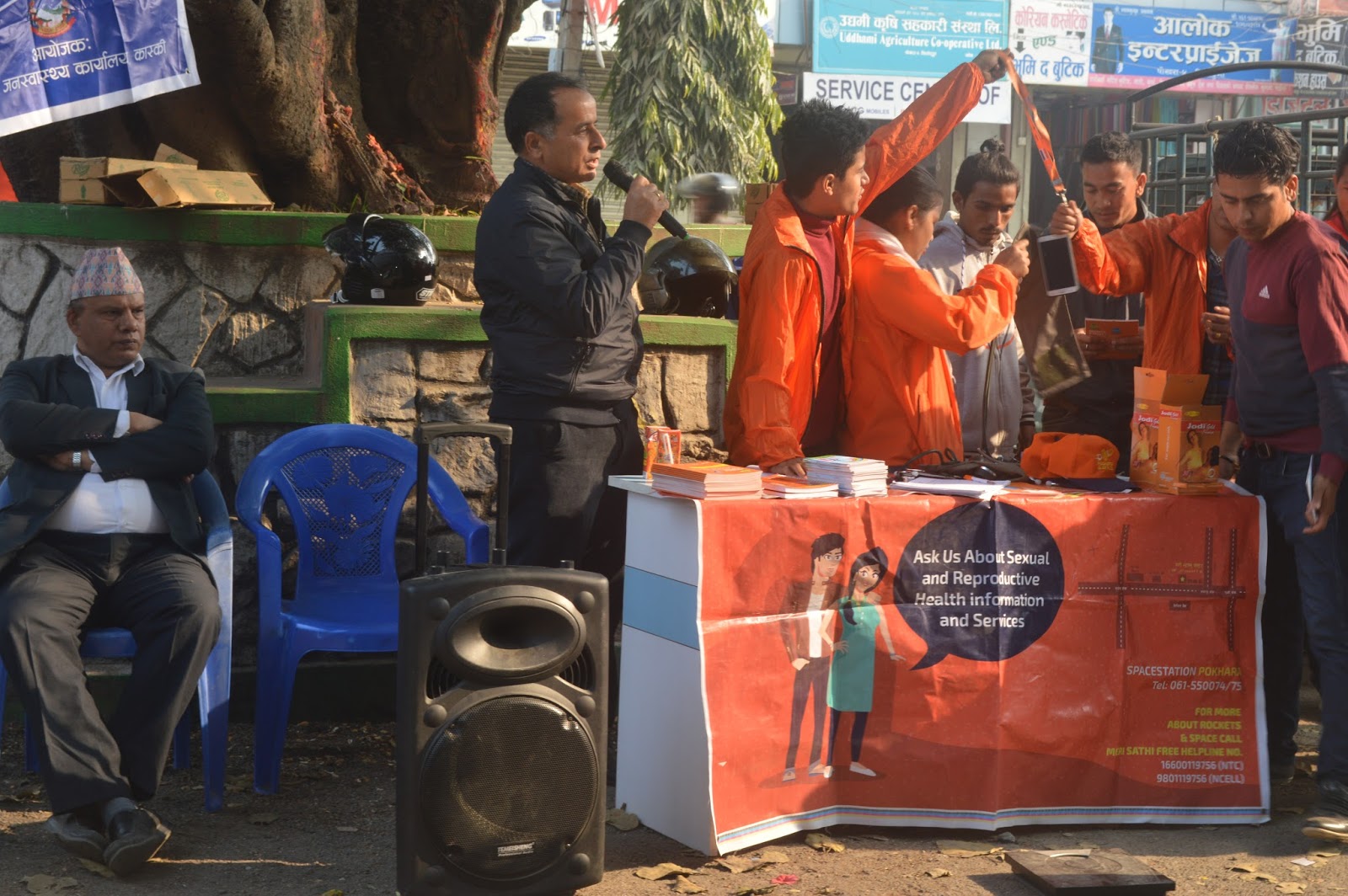
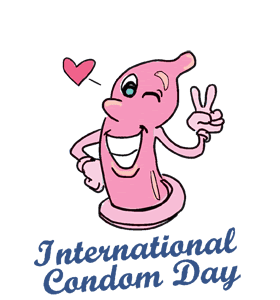
National Condom day is observed on the first Saturday following the Kojagrat Poornima every year. The 22nd National Condom Day was marked today with the slogan ‘Condom use for dual protection’. The Objective of this day is to raise awareness and to promote the use of condom for dual Protection; Prevent HIV and sexually transmitted infections as well as unwanted pregnancies. In coordination with local nongovernmental organizations, DPHO-Kaski organized rally & Info desk in Pokhara.
 

SAM 6359
 

IMG 20161022 082233


Condom Day 2016


IMG 20161022 082237


IMG 20161022 082535


IMG 20161022 083607


IMG 20161022 083614


IMG 20161022 083619


IMG 20161022 083625


IMG 20161022 083859


IMG 20161022 083908


IMG 20161022 084232


IMG 20161022 084235


IMG 20161022 084238


IMG 20161022 084241


IMG 20161022 084243


IMG 20161022 084245
IMG 20161022 091447


IMG 20161022 091500


IMG 20161022 084246


IMG 20161022 084248


IMG 20161022 084251


IMG 20161022 084253


IMG 20161022 084256


IMG 20161022 084300


IMG 20161022 084303


IMG 20161022 084311


IMG 20161022 084356


IMG 20161022 084408


IMG 20161022 090601


IMG 20161022 090608


IMG 20161022 090611


IMG 20161022 090622


IMG 20161022 090653


IMG 20161022 091019


IMG 20161022 091039


IMG 20161022 091059


IMG 20161022 091123


IMG 20161022 091144


IMG 20161022 091557


IMG 20161022 091631


IMG 20161022 091911


IMG 20161022 091914


IMG 20161022 091919


October 22, 2016 0 comments
0 FacebookTwitterPinterestLinkedinTumblrVKOdnoklassnikiRedditStumbleuponWhatsappTelegramLINEPocketSkypeViberEmail
Public HealthPublic Health Events

October: Breast Cancer Awareness Month

by Public Health Update October 17, 2016
written by Public Health Update
October: Breast Cancer Awareness Month

October is Breast Cancer Awareness Month, a worldwide annual campaign involving thousands of organisations, to highlight the importance of breast awareness, education and research.

14570394 888883041242337 5738945405471105560 n
download%2B%25281%2529

download
Breast cancer is a malignant tumor that starts in the cells of the breast. A malignant tumor is a group of cancer cells that can grow into (invade) surrounding tissues or spread (metastasize) to distant areas of the body. The disease occurs almost entirely in women, but men can get it, too.

American Cancer Society

Viral Message #CancerAwarenessMonth

With a broken heart1f494? and tears 1f622? in my eyes, nothing is more painful than trying to smile and remain positive, but after many tests, being poked and prodded, chemo and radiation, the person physically changes and they suffer with sadness. I know many of you do not give a hoot about this message because, of course, the cancer has not affected you. You do not know what it’s like to have fought the fight, or have a loved one who leads or has lead a battle against cancer. 1f49c?For all the men and women I know, I ask you a small favor- I know only some of you will do it. If you know someone who has led a battle against cancer, still struggling, or who passed, please add this to your status for one hour as a mark of support, respect, and remembrance…️?1f496?Copy and paste to support those affected by cancer. Do Not Share. From your phone or tablet, hold your finger on the message to copy and paste.
#CancerAwarenessMonth
 

Lets unite all & passes this message


The Breast Cancer Awareness Month helps to increase attention and support for the awareness, early detection and treatment as well as palliative care of this disease.
Cancer of the breast is among the most common cancers for women in the SEAR Region.

Early detection of the disease remains the cornerstone of breast cancer control. When breast cancer is detected early, and if adequate diagnosis and treatment are available, there is a good chance that breast cancer can be cured.
World Health Organization South-East Asia Region – WHO SEARO

October 17, 2016 0 comments
0 FacebookTwitterPinterestLinkedinTumblrVKOdnoklassnikiRedditStumbleuponWhatsappTelegramLINEPocketSkypeViberEmail
Newer Posts
Older Posts

Search

Follow Us

Facebook Twitter Instagram Pinterest Linkedin Youtube

Categories

  • Abstracts (25)
  • Activities (91)
  • Adolescent Sexual and Reproductive Health (ASRH) (25)
  • Advice & Tips (3)
  • African Region (5)
  • AI and Health (1)
  • Annual Meeting (6)
  • Antimicrobial Resistance (AMR) (20)
  • Award (19)
  • Awards (16)
  • Books (9)
  • Call for Proposal, EOI & RFP (103)
  • Call for Research Participants (8)
  • Clinical Doctor Jobs (6)
  • Communicable Diseases (107)
  • Competition (20)
  • Conference (128)
  • Consultant (1)
  • Courses (204)
  • Dashboard (2)
  • Digital Health & Health Informatics (10)
  • Drug and Medicine (18)
  • Eastern Mediterranean Region (3)
  • Education (15)
  • Environment (3)
  • Environmental Health & Climate Change (47)
  • European Region (42)
  • Exchange Program (1)
  • Fact Sheet (116)
  • FCHVs (1)
  • Fellowships, Studentship & Scholarships (165)
  • Financial Aid (13)
  • Form Formats (2)
  • Fully funded (22)
  • Global Health News (433)
  • Grants and Funding Opportunities (192)
  • Guest Post (44)
  • Health Assistant Jobs (1)
  • Health Equity (7)
  • Health Financing and Economics (24)
  • Health in Data (113)
  • Health Insurance (5)
  • Health Jobs (52)
  • Health Literacy, Health Education & Promotion (49)
  • Health Organization Profile (42)
  • Health Systems (81)
  • Human Resource for Health (32)
  • Humanitarian Health & Emergency Response (44)
  • Hypertension (5)
  • Implementation Research (48)
  • International Health (3)
  • International Jobs & Opportunities (369)
  • International Plan, Policy & Guidelines (208)
  • Internships (4)
  • Jobs Vacancies (56)
  • Journals (8)
  • Life Style & Public Health Nutrition (39)
  • Live (10)
  • Master's Degree (48)
  • Maternal, Newborn and Child Health (87)
  • Mentorship Program (2)
  • Miscellaneous (16)
  • National Health News (157)
  • National Plan, Policy & Guidelines (468)
  • Neglected Tropical Diseases (NTDs) (51)
  • Non- Communicable Diseases (NCDs) (120)
  • Notice (103)
  • Nursing Jobs (6)
  • Nutritionist Jobs (1)
  • One Health (17)
  • Online & Distance Learning (22)
  • Online Courses (90)
  • Op-Ed Article (3)
  • Opportunities by Region (82)
  • Outbreak News (213)
  • Partially funded (6)
  • PCL Health Science Jobs (3)
  • PH Important Day (532)
  • Pharmacist Jobs (3)
  • PhD (53)
  • Photos (5)
  • Planetary Health (4)
  • PostDoc (14)
  • Presentation Slides (26)
  • Primary Health Care (25)
  • Provincial Plan, Policies and Guidelines (14)
  • Public Health (1,278)
  • Public Health Epidemiology & Biostatistics (13)
  • Public Health Events (305)
  • Public Health Information (20)
  • Public Health Innovation (9)
  • Public Health Jobs (52)
  • Public Health News (552)
  • Public Health Notes (120)
  • Public Health Opportunities (502)
  • Public Health Opportunity (486)
  • Public Health Programs (108)
  • Public Health Seminar (2)
  • Public Health Tools (1)
  • Public Health Update (557)
  • Quality Improvement & Infection Prevention (20)
  • Region of America (8)
  • Reports (182)
  • Research & Project Grants (38)
  • Research & Project Grants (31)
  • Research & Publication (647)
  • Research Articles (10)
  • Road Traffic Accidents (RTA) (9)
  • School of Public Health (60)
  • Self funded (2)
  • South-East Asia Region (26)
  • Success Stories (17)
  • Summer and Winter Courses (39)
  • Summer Courses (27)
  • Sustainable Development Goals (SDGs) (14)
  • Syllabus (61)
  • Symposium (9)
  • Tobacco Control (35)
  • Training (40)
  • Travel Grants (15)
  • Trick, Technique & Skills (8)
  • Uncategorized (3)
  • Undergraduate Degree (7)
  • Universal Health Coverage (36)
  • Universities (29)
  • Universities & School of Public Health (57)
  • Vacancy Announcement (26)
  • Vaccine Preventable Diseases (40)
  • Vector-Borne Diseases(VBDs) (30)
  • Videos (3)
  • View Points (1)
  • Webinar (4)
  • Western Pacific Region (13)
  • Workshop (18)
  • World News (116)
Post New Jobs: Vacancy Announcement Service

Public Health Update (Sagun’s Blog) is a popular public health portal in Nepal. Thousands of health professionals are connected with Public Health Update to get up-to-date public health updates, search for jobs, and explore opportunities.
#1 Public Health Blog for sharing Job opportunities and updates in Nepal

”Public Health Information For All”
– – Sagun Paudel, Founder

  • HOT JOBS
    • Public Health Jobs
    • Medical Doctor Jobs
    • Nursing Jobs
    • Health Assistant Jobs
    • Pharmacist Jobs
    • NGOs Jobs
    • Government Jobs
  • Top Categories
    • National Plan, Policy & Guidelines Top
    • Public Health Calendar
    • Fellowships & Scholarships
    • Health Systems
    • Health Organization Profiles
    • International Jobs & Opportunities
    • Public Health Opportunity

PUBLIC HEALTH INITIATIVE

    • Submit your Vacancies New
    • Partnership Opportunities

Contact: blog.publichealthupdate@gmail.com

https://wa.me/+9779856036932

Public Health Initiative, A Registered Non-profit organization – All Right Reserved. 2011-2024. Contact us. 

Facebook Twitter Instagram Youtube Envelope
Public Health Update
  • Home
  • Public Health
    • Home 1
      • Adolescent Sexual and Reproductive Health (ASRH)
      • Antimicrobial Resistance (AMR)
      • Communicable Diseases
      • Digital Health & Health Informatics
      • Environmental Health & Climate Change
      • Health Financing and Economics
      • Health Equity
    • Home 2
      • Health Literacy, Health Education & Promotion
      • Human Resource for Health
      • Humanitarian Health & Emergency Response
      • Implementation Research
      • International Health
      • Life Style & Public Health Nutrition
      • Maternal, Newborn and Child Health
    • Home 3
      • Neglected Tropical Diseases (NTDs)
      • Non- Communicable Diseases (NCDs)
      • One Health
      • Planetary Health
      • Public Health Epidemiology & Biostatistics
      • Primary Health Care
      • Quality Improvement & Infection Prevention
    • Home 4
      • Road Traffic Accidents (RTA)
      • Sustainable Development Goals (SDGs)
      • Tobacco Control
      • Universal Health Coverage
      • Vaccine Preventable Diseases
      • Vector-Borne Diseases(VBDs)
      • Notices
  • Public Health Update
    • Home 1
      • Public Health News
      • Global Health News
      • Outbreak News
      • National Health News
      • COVID-19
    • Home 2
      • Fact Sheet
      • Health in Data
      • PH Important Day
      • Public Health Events
      • Public Health Programs
    • Home 3
      • Health Systems
      • Health Insurance
      • Health Organization Profile
      • Success Stories
      • Public Health Innovation
  • Public Health Opportunities
    • Fully funded
    • Travel Grants
    • Grants and Funding Opportunities
    • Opportunities by Region
    • International Jobs & Opportunities
    • Research & Project Grants
    • Fellowships, Studentship & Scholarships
    • Conference
  • Jobs
    • Home 1
      • Health Jobs
      • Public Health Jobs
      • Clinical doctor Jobs
      • Health Assistant Jobs
      • Nursing Jobs
      • PCL Health Science Jobs
    • Home 2
      • Dental Jobs
      • Pharmacist Jobs
      • TSLC (Health Jobs)
      • Laboratory Jobs
      • Nutritionist Jobs
  • Downloads
    • International Plan, Policy & Guidelines
    • National Plan, Policy & Guidelines
    • Reports
    • Books
    • Research Articles
  • School of Public Health
    • Home 1
      • Courses
      • Master’s Degree
      • Undergraduate Degree
      • PhD
    • Home 2
      • Universities
      • Syllabus
      • Public Health Notes
      • Mentorship Program
      • Startup Project
    • Home
      • Summer and Winter Courses
      • Summer Courses
      • Online Courses
      • Workshop
      • Training
Public Health Update
  • Home
  • Public Health
    • Home 1
      • Adolescent Sexual and Reproductive Health (ASRH)
      • Antimicrobial Resistance (AMR)
      • Communicable Diseases
      • Digital Health & Health Informatics
      • Environmental Health & Climate Change
      • Health Financing and Economics
      • Health Equity
    • Home 2
      • Health Literacy, Health Education & Promotion
      • Human Resource for Health
      • Humanitarian Health & Emergency Response
      • Implementation Research
      • International Health
      • Life Style & Public Health Nutrition
      • Maternal, Newborn and Child Health
    • Home 3
      • Neglected Tropical Diseases (NTDs)
      • Non- Communicable Diseases (NCDs)
      • One Health
      • Planetary Health
      • Public Health Epidemiology & Biostatistics
      • Primary Health Care
      • Quality Improvement & Infection Prevention
    • Home 4
      • Road Traffic Accidents (RTA)
      • Sustainable Development Goals (SDGs)
      • Tobacco Control
      • Universal Health Coverage
      • Vaccine Preventable Diseases
      • Vector-Borne Diseases(VBDs)
      • Notices
  • Public Health Update
    • Home 1
      • Public Health News
      • Global Health News
      • Outbreak News
      • National Health News
      • COVID-19
    • Home 2
      • Fact Sheet
      • Health in Data
      • PH Important Day
      • Public Health Events
      • Public Health Programs
    • Home 3
      • Health Systems
      • Health Insurance
      • Health Organization Profile
      • Success Stories
      • Public Health Innovation
  • Public Health Opportunities
    • Fully funded
    • Travel Grants
    • Grants and Funding Opportunities
    • Opportunities by Region
    • International Jobs & Opportunities
    • Research & Project Grants
    • Fellowships, Studentship & Scholarships
    • Conference
  • Jobs
    • Home 1
      • Health Jobs
      • Public Health Jobs
      • Clinical doctor Jobs
      • Health Assistant Jobs
      • Nursing Jobs
      • PCL Health Science Jobs
    • Home 2
      • Dental Jobs
      • Pharmacist Jobs
      • TSLC (Health Jobs)
      • Laboratory Jobs
      • Nutritionist Jobs
  • Downloads
    • International Plan, Policy & Guidelines
    • National Plan, Policy & Guidelines
    • Reports
    • Books
    • Research Articles
  • School of Public Health
    • Home 1
      • Courses
      • Master’s Degree
      • Undergraduate Degree
      • PhD
    • Home 2
      • Universities
      • Syllabus
      • Public Health Notes
      • Mentorship Program
      • Startup Project
    • Home
      • Summer and Winter Courses
      • Summer Courses
      • Online Courses
      • Workshop
      • Training
Public Health Initiative, A Registered Non-profit organization – All Right Reserved. 2011-2023