Public Health Update
  • Home
  • Public Health Update
  • Nepal Health Jobs
    • Public Health Job Board
    • Organization List
  • Opportunities
    • Fellowships, Studentship & Scholarships
    • Grants and Funding Opportunities
    • Fully funded
    • Conference
  • Downloads
    • International Plan, Policy & Guidelines
    • National Plan, Policy & Guidelines
    • Reports
    • Public Health Notes
    • Syllabus
    • Form Formats
  • School of Public Health
    • PhD
    • Master’s Degree
    • Online Courses
  • Notice
  • Home
  • Public Health Update
  • Nepal Health Jobs
    • Public Health Job Board
    • Organization List
  • Opportunities
    • Fellowships, Studentship & Scholarships
    • Grants and Funding Opportunities
    • Fully funded
    • Conference
  • Downloads
    • International Plan, Policy & Guidelines
    • National Plan, Policy & Guidelines
    • Reports
    • Public Health Notes
    • Syllabus
    • Form Formats
  • School of Public Health
    • PhD
    • Master’s Degree
    • Online Courses
  • Notice
LOGIN / REGISTER
Public Health Update
SUBSCRIBE
Public Health Update
  • Home
  • Public Health Update
  • Nepal Health Jobs
    • Public Health Job Board
    • Organization List
  • Opportunities
    • Fellowships, Studentship & Scholarships
    • Grants and Funding Opportunities
    • Fully funded
    • Conference
  • Downloads
    • International Plan, Policy & Guidelines
    • National Plan, Policy & Guidelines
    • Reports
    • Public Health Notes
    • Syllabus
    • Form Formats
  • School of Public Health
    • PhD
    • Master’s Degree
    • Online Courses
  • Notice

All Right Reserved. Designed and Developed by PenciDesign

Public Health Notes

Best wishes!!! Important 12 Documents for your PSC Examination !!!

by Public Health Update March 3, 2017
written by Public Health Update

Best wishes!!! Important 12 Documents for your PSC Examination !!! 
  1. Second Long Term Health Plan, 1997 – 2017
  2. 2011 Nepal Demographic and Health Survey (NDHS)
  3. Nepal Multiple Indicator Cluster Survey (MICS 2014) Final Report 
    best wishes
  4. SDG 3 Targets and Indicators for Nepal (2014–2030)
  5. National Family Planning Costed Implementation Plan (2015-2020)
  6. National Family Planning Program, Nepal
  7. 2016 Health SDG Profile: Nepal
  8. Key findings – The 2015 Nepal Health Facility Survey (2015 NHFS)
  9. Joint Annual Review Meeting (JAR 2017) Presentations: Ministry of Health (7-8 February, 2017)
  10. Nepal Health Sector Strategy(NHSS) Implementation Plan 2016-21
  11. National Health Policy-2071 (Nepali and English Version)
  12. Annual Report of the Department of Health Services (DoHS) – 2071/72 (2014/2015)
  13. National Document Index


March 3, 2017 1 comment
0 FacebookTwitterPinterestLinkedinTumblrVKOdnoklassnikiRedditStumbleuponWhatsappTelegramLINEPocketSkypeViberEmail
International Plan, Policy & GuidelinesPublic Health

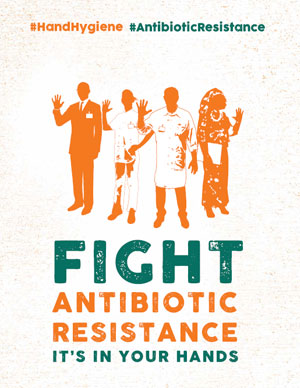
WHO priority pathogens list for research and development (R&D) of new antibiotics

by Public Health Update February 27, 2017
written by Public Health Update
27 FEBRUARY 2017,GENEVA

WHO today published its first ever list of antibiotic-resistant “priority pathogens” – a catalogue of 12 families of bacteria that pose the greatest threat to human health.


The list was drawn up in a bid to guide and promote research and development (R&D) of new antibiotics, as part of WHO’s efforts to address growing global resistance to antimicrobial medicines. 
919505 557
Image
The list highlights in particular the threat of gram-negative bacteria that are resistant to multiple antibiotics. These bacteria have built-in abilities to find new ways to resist treatment and can pass along genetic material that allows other bacteria to become drug-resistant as well.


The WHO list is divided into three categories according to the urgency of need for new antibiotics: critical, high and medium priority.

WHO priority pathogens list for R&D of new antibiotics

Priority 1: CRITICAL

  1. Acinetobacter baumannii, carbapenem-resistant
  2. Pseudomonas aeruginosa, carbapenem-resistant
  3. Enterobacteriaceae, carbapenem-resistant, ESBL-producing

Priority 2: HIGH

  1. Enterococcus faecium, vancomycin-resistant
  2. Staphylococcus aureus, methicillin-resistant, vancomycin-intermediate and resistant
  3. Helicobacter pylori, clarithromycin-resistant
  4. Campylobacter spp., fluoroquinolone-resistant
  5. Salmonellae, fluoroquinolone-resistant
  6. Neisseria gonorrhoeae, cephalosporin-resistant, fluoroquinolone-resistant

Priority 3: MEDIUM

  1. Streptococcus pneumoniae, penicillin-non-susceptible
  2. Haemophilus influenzae, ampicillin-resistant
  3. Shigella spp., fluoroquinolone-resistant
Source of info: WHO MEDIA CENTER

February 27, 2017 0 comments
0 FacebookTwitterPinterestLinkedinTumblrVKOdnoklassnikiRedditStumbleuponWhatsappTelegramLINEPocketSkypeViberEmail
PH Important Day

5th Health Service Day observed

by Public Health Update February 26, 2017
written by Public Health Update
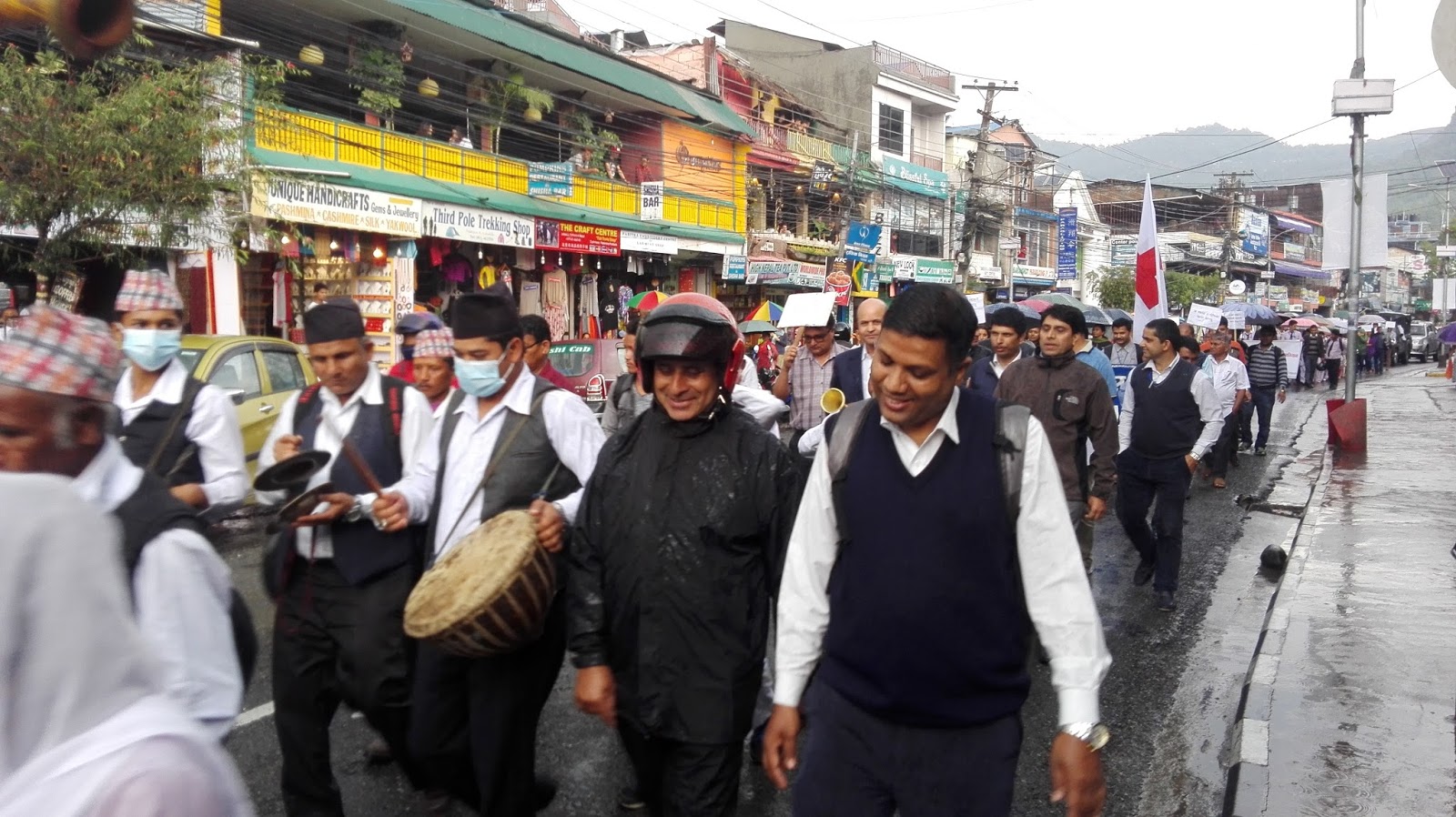
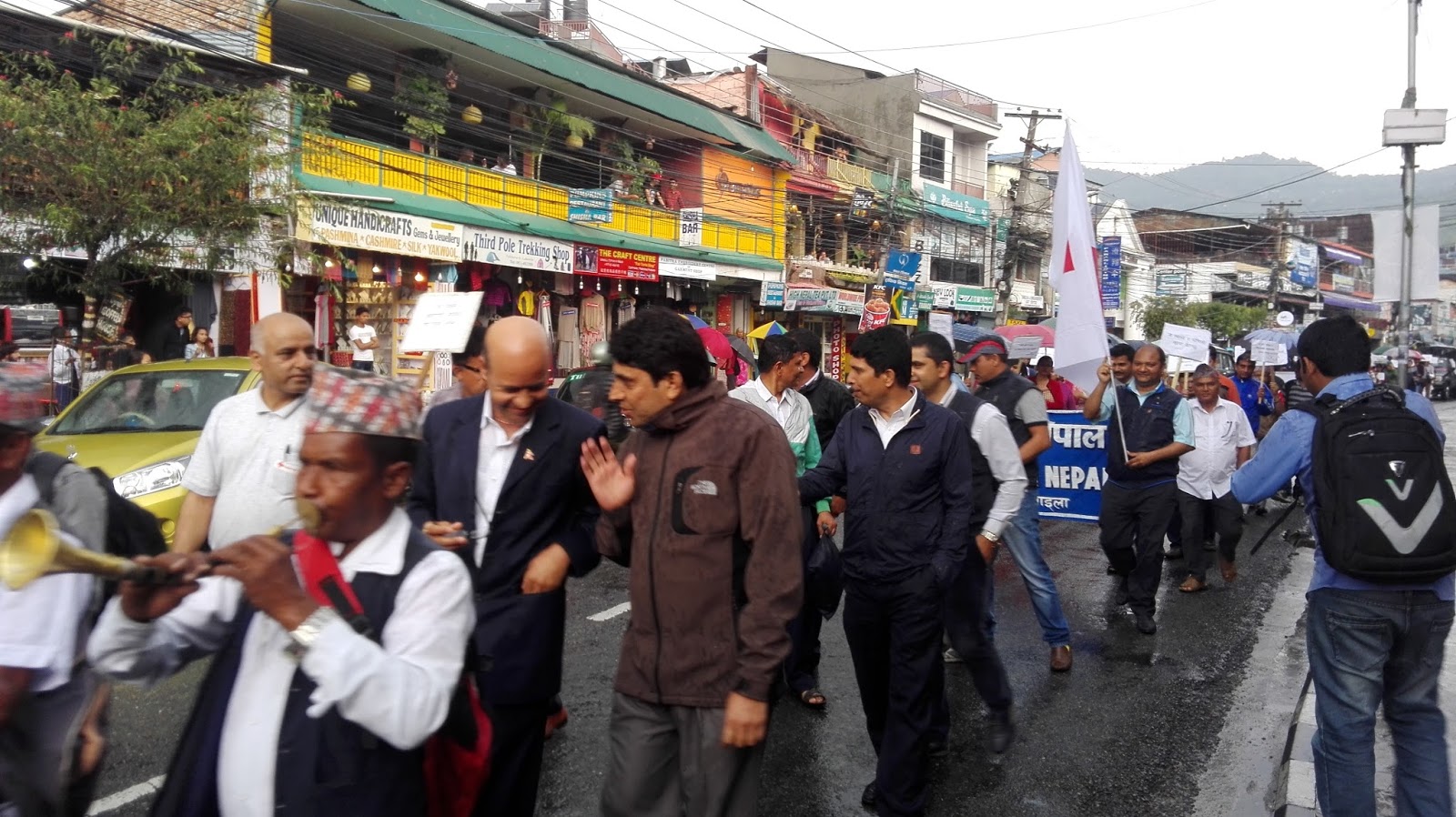
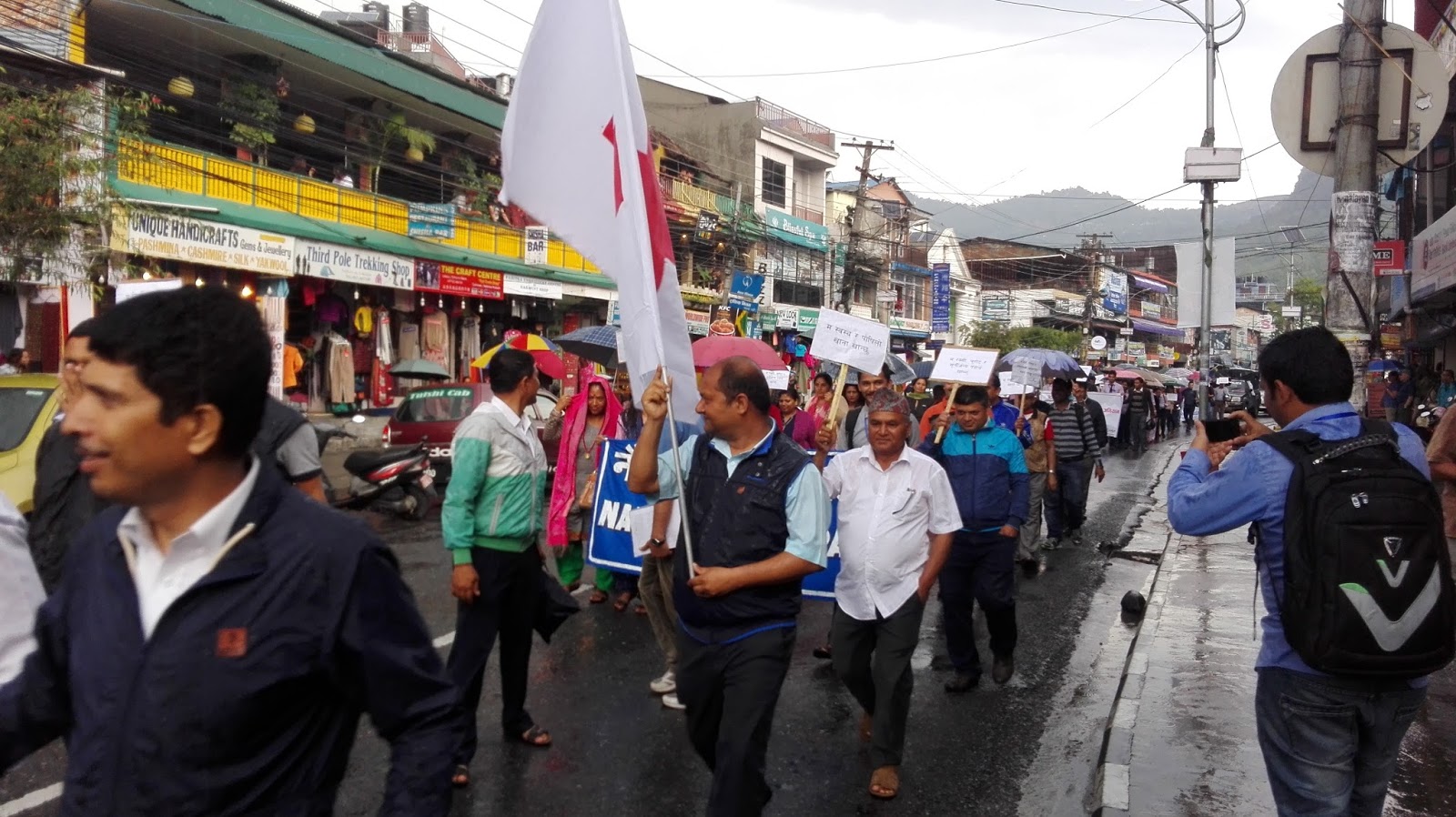
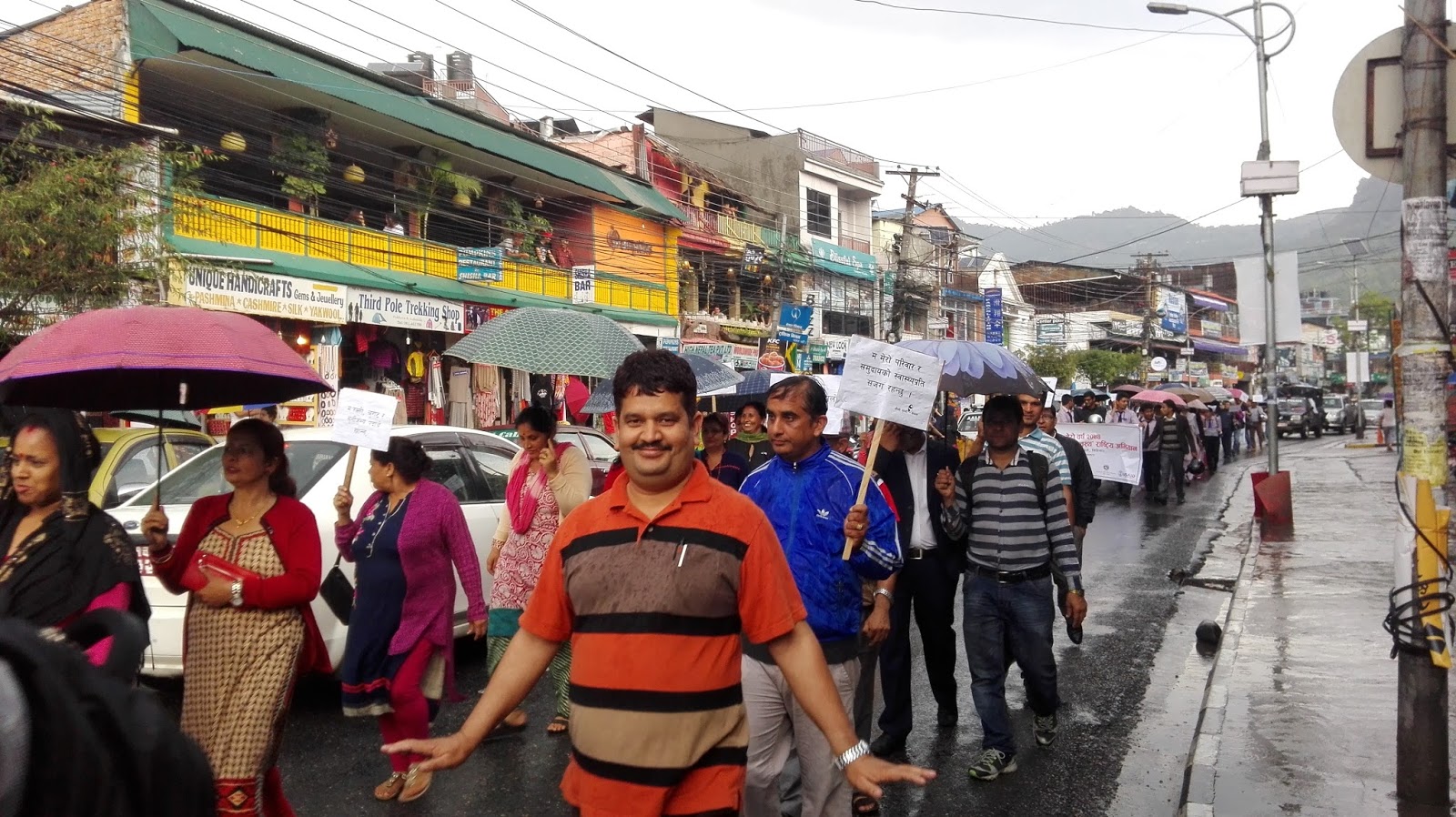
5th Health Service Day observed in Pokhara 
Pokhara


The 5th Health Service Day was observed in Pokhara.The slogan ”Healthy Citizens Healthy Nation : Qualified Manpower Progress & Prosperity”
Health Service Day is celebrated every year on 15th Falgun in the occasion of issuing day of the Health Service Act in Nepal.


1%2B%25282%2529


81f30ff8747e75c9f12fa24c120fe1a1


32c78f70eb6ccbff7059304fbba6c5a9
 
DSC 0013


DSC 0003


DSC 0011


DSC 0017


DSC 0022


DSC 0036


DSC 0038


DSC 0058


DSC 0060


DSC 0062


DSC 0063


DSC 0065


DSC 0068


DSC 0070


DSC 0071


DSC 0074


DSC 0076


DSC 0077


DSC 0082


DSC 0084


DSC 0085


DSC 0088


February 26, 2017 0 comments
0 FacebookTwitterPinterestLinkedinTumblrVKOdnoklassnikiRedditStumbleuponWhatsappTelegramLINEPocketSkypeViberEmail
National Plan, Policy & GuidelinesPublic HealthPublic Health NotesResearch & Publication

Nepal Health Sector Strategy(NHSS) Implementation Plan 2016-21

by Public Health Update February 20, 2017
written by Public Health Update
Nepal Health Sector Strategy(NHSS) Implementation Plan 2016-21

Background of NHSS 
Under the auspices of National Health Policy 2014, Nepal Health Sector Strategy (NHSS) 2016/17-2020/21 is the primary instrument to guide the health sector for the next five years.


  It adopts the vision and mission set forth by the National Health Policy and carries the ethos of Constitutional provision to guarantee universal access to basic health services. NHSS places health at the centre of overall socio-economic development.

nhss

 It guides the health sector’s response in realizing government’s vision to graduate Nepal from ‘Least Developed Country’ to ‘Middle Income Developing Country’ by 2022. Developed within the context of Sector Wide Approach (SWAp), it sees partnership as a cornerstone for health development in Nepal. The strategy was developed jointly by the government and its development partners and commit to align their efforts to NHSS priorities and are jointly accountable to achieve the results. NHSS also harnesses multi sectoral approach to address social determinants of health.

Scope of NHSS Implementation Plan 
The NHSS Implementation Plan (IP) and subsequent Annual Work Plan and Budget (AWPB) will translate the NHSS into action. The MoH will lead the implementation, monitoring and evaluation of this strategy with participation of line ministries, development partners, nongovernmental agencies, civil society, private sector, cooperatives and local communities. The implementation plan is developed to achieve the outputs of NHSS and ultimately its outcome and goals. There are sub-sectoral implementation plans or chapters for each of the three Departments, Centres, Social Health Security Development Committee and National Health Research Council. Seven divisions, under Department of Health Services, and five Centres, each have their own chapter, followed by a results framework to monitor their performance. The NHSS Results Framework will be the basis to monitor its overall performance.


Annual reviews and a Mid Term Review (MTR) will measure progress across the sector and make necessary adjustments. While there were calls for reforms to the ministry’s organogram to effectively implement the NHSS-IP, Ministry of Health has not included such reforms in this document as the country is imminently being re-organised through federal form of governance outlined by the Constitution of Nepal (2015). The ministry felt, however, that proposed new structures should be used to inform the restructuring of the sector and has retained it in the Annex of this document (See Annex 1). The functions of different departments, divisions and centres within the Ministry will be reviewed and realigned as applicable during the restructuring process. As agreed in the Joint Annual Review (2016), this plan will be implemented between the fiscal years 2016/17 to 2020/2021; the MoH will submit the revised NHSS timeframe accordingly to the Council of Ministers. In this NHSS IP, year 1 refers to fiscal year 2073/74 (2016/17) and consecutively year 5 refers to 2077/78 (2020/21). 

indicators
DOWNLOAD : Nepal Health Sector Strategy(NHSS) Implementation Plan 2016-21


February 20, 2017 0 comments
0 FacebookTwitterPinterestLinkedinTumblrVKOdnoklassnikiRedditStumbleuponWhatsappTelegramLINEPocketSkypeViberEmail
Public HealthPublic Health Events

International Condom Day: ‘Always in Fashion’

by Public Health Update February 13, 2017
written by Public Health Update
International Condom Day seeks to promote the use of condoms as a means of preventing unwanted pregnancies and sexually transmitted infections (STIs).

international condom day

Condoms are thin rubber covers that a man wears on his penis during sexual intercourse as a contraceptive or as protection against STIs.


Condoms are made from various materials such as latex, non-latex, lambskin and even female condoms. Condoms, latex and polyurethane versions, are the only method available to prevent transmission of STIs and HIV.  

international condom day


International Condom Day is promoted by the AIDS Healthcare Foundation in an effort to reduce the spread of HIV through safe sex practices. Since its inception in 2009, it has been an informal observance celebrated in conjunction with Valentine’s Day.

http://www.wincalendar.com/International-Condom-Day

International Condom Day (ICD)—a February 13th holiday observed in conjunction with Valentine’s Day—by promoting prevention of STDs, HIV and unwanted pregnancies through free condom distribution and safer sex awareness events and activities.

 READ MORE:AHF

February 13, 2017 0 comments
0 FacebookTwitterPinterestLinkedinTumblrVKOdnoklassnikiRedditStumbleuponWhatsappTelegramLINEPocketSkypeViberEmail
National Plan, Policy & GuidelinesPublic Health NotesPublic Health ProgramsResearch & Publication

Joint Annual Review Meeting (JAR 2017) Presentations: Ministry of Health (7-8 February, 2017)

by Public Health Update February 9, 2017
written by Public Health Update
Joint Annual Review Meeting (JAR 2017) Presentations: Ministry of Health (7-8 February, 2017)

Picture1


Presentation Contents; 
  1. Objective and Progress of JAR 2015-16
  2. Progress against NHSS RF and DLIs
  3.  Sector Priorities and Overview of Nepal Health Sector Strategy Implementation Plan
  4. Progress Made in Public Financial Management (PFM)
  5. Logistic Management Division Procurement and Supply Chain
  6. Local Health Governance _Field experience _decentralization
  7. External Development Partners Working in the Health Sector
  8. AIN PARTNERSHIP WITH MOH, PROSPECT, CHALLENGE AND WAY FORWARD
  9. Director General_Program Implementation and Service Delivery Issues, Challenges and Way Forward
  10. Department of Drug Administration Issues, Challenges and Way forward
  11. Department of Ayurveda presentation JAR-2017
  12. Health Infrastructure Development,Post-Earthquake Reconstruction
  13. Field Observation – Reconstruction and Recovery of Health Services after Earthquake
  14. Social Health Security Program
  15. Priorities for Next Annual Work Plan and Budget
  16. Health Care Delivery System in Federal Context
Download: JAR 2017 Presentations

February 9, 2017 0 comments
0 FacebookTwitterPinterestLinkedinTumblrVKOdnoklassnikiRedditStumbleuponWhatsappTelegramLINEPocketSkypeViberEmail
Online Courses

The Top 25 Online MPH Programs of 2016

by Public Health Update February 4, 2017
written by Public Health Update
Online Masters in Public Health ranks;

Original Source of Info: 


 http://www.onlinemastersinpublichealth.com/online-masters-public-health-programs/

To compile a list of the top 25 schools for a Master’s in Public Health degree many factors were taken into consideration. Of these, the most important things that were looked at were the cost of the school, the reputation and the graduation rate of the school. According to the statistics that were determined using these credentials, the following is a list of the top 25 schools to obtain an online Master’s in Public Health degree in 2016.


Featured Online MPH Programs

  • Capella University
  • George Washington University
  • Grand Canyon University
Online Masters in Public Health ranks its schools according to the following criteria:
document11Tuition and Opportunity Cost (60%) – Direct program costs are estimated using data reported on each school’s website. Opportunity cost is estimated as the average earnings of a Bachelor’s degree holder in the location of the main campus of the school, over the period of time estimated for completion of the degree. For programs that are explicitly designed to be completed part time, opportunity cost is measured as the average earnings over a two year period.
Prestige (20%) – Calculated based on program requirements, average GRE/MCAT scores, and percentage of applicants accepted into program
Employment Statistics (20%) – Based on post-degree outcomes such as opportunity cost of average period prior to employment, average 1st year earnings and average 5th year earnings relative to all degree holders.


Featured Public Health Programs

1. University of North Carolina

images
University of North Carolina’s Masters of Public Health program is heavily focused on preparing students to deal with Global Health issues. They offer two concentrations: Applied Implementation Science and Water and Population Health. The program is designed to be completed in just two and half years, but students have up to five years to complete the program if needed. Tuition and fees for the 42 credit hour program vary based on residency. Currently, North Carolina residents can expect to pay $230.16 per credit hour; nonresidents will need to
budget $1077.16 per credit hour. For more information click here.

2. University of West Florida

uwflogo
In addition to a Masters of Public Health, the University of Florida offers four certificate options. The options include Emergency Management, Environmental Health, Infection Control, and Occupational Safety and Health. The Council on Education of Public Health has accredited the Masters of Public Health degree program at the University of West Florida. Tuition for the program is $17,472 but partial fee waivers are available to those that qualify. Visit the University of West Florida website for more information.

3. Fort Hays State

Fort_Hays_State_University_(emblem)
At Fort Hays State students can expect to earn a Masters of Professional Health with a concentration in Public Health Administration. The program schedule follows the traditional semester format with a summer session starting in June. Students may start the 30 credit hour program at the beginning of any semester as long as they have been accepted. Fort Hays State is a huge bargain financially. Most students are able to complete a master’s program for around $7,600. Follow the link here for more information about Fort Hays State.

4. University of Alabama Birmingham

uab
The University of Alabama Birmingham offers a unique dual degree option combining Public Health with a Masters in Social Work. They also offer three online only Masters of Public Health options that range from 42 to 45 credit hours. Course work can generally be completed in two years if students are enrolled fulltime. In state tuition is only $9,063, one of the least expensive on the list. Even out of state tuition is an inexpensive option, $16,259. Please refer to the University Alabama Birmingham website for further information.

5. University of South Florida

download
University of South Florida is sure to have something for every Public Health professional. They offer six online degree options and ten online certificate options. Their innovative approach to online learning includes the use of many 21st century technology options such as blogs, podcasting, forums, and streaming video. Tuition for the program is $23,865 and discounts are offered to out of state residents completing an online only program.

6. American Public University

FINAL_APUS (2C).LOGO.ai
Students attending American Public can expect to learn from an interdisciplinary team of experts with experience in their field of practice. This helps the school produce developing leaders in the public health field. American Public is currently undergoing the voluntary accreditation process with the Council on Education for Public Health. The three year program offers flexibility for students and provides a great value for the price. Tuition for the program is roughly $16,250. Find more information about American Public at this link.

7. University of Florida

UF-logo-360
University of Florida is a great option for a Masters of Public Health offering maximum flexibility. Their 48 credit hour program can be completed in as little as two years or as long as seven years. Students are even able to take a semester off without being penalized. The program is entirely online and lectures are designed to be played on demand. All students complete an integrative internship and have the opportunity to interact with other students and faculty on campus. Tuition for the program at current rates is $28,100. For more information follow the link.

8. Liberty University

liberty-university_2013-05-28_11-03-40
With specializations in Health Promotion, Global Health, and Nutrition; Liberty University offers something for everyone. The Masters of Public Health program consists of 42 credit hours and can be completed in two years when attending full time. Full time students enrolled in the program are eligible for the Virginia Tuition Assistance Grant. This helps defray a portion of the programs $22,680 tuition and fees. Upon completion students are ready to advance into a variety of positions in both the public and private sector. Complete information from Liberty University can be found here.

9. University of Illinois Springfield

UIS_Logo
The University of Illinois Springfield prides itself in being highly committed to community service. They offer a generalist Masters of Public Health as well as a concentration in Environmental Health that is accredited by the National Environmental Science and Protection Accreditation Council. Both programs encompass 48 credit hours and require roughly two years to complete. In addition to their two masters programs, University of Illinois Springfield offers five certificate options for those wishing to further their career without the full commitment of a Masters of Public Health. The program cost for the degree program is on the lower end at just $18,960. To read all the details on the degree and certificate programs available thru University of Illinois Springfield, please click here.

10. Walden University

download
The Masters of Public Health degree program at Walden University prepares students for a wide variety of employment options. The program consists of 64 quarter credits and is usually completed within two years by taking five to ten quarter credits at a time. Walden University applied for accreditation with the Council on Education for Public Health in September 2014. Tuition and fees are currently calculated at $23,655. Further details can be found on the Walden University website.

11. Nova Southeastern University

nova
The Masters of Public Health program thru Nova Southeastern consists of 27 core credit hours and 15 elective credit hours. Students are given up to five years to complete the program at a cost of $24,100. The program is fully accredited by the Council on Education for Public Health. In addition students can consider a 15 credit hour certificate program that can be transferred to the Masters program as long as they earn a grade of B or better. For more detailed information please follow this link to Nova Southeastern.

12. Kaplan

kaplanlogo
With over 10 satellite campuses Kaplan offers students a range of possibilities. The Masters of Public Health is available entirely online. It includes 44 core credit hours and sixteen hours of electives for a total of 60 credit hours. Kaplan offers students maximum flexibility with multiple start dates and the ability to take classes full or part time. Tuition for the program is on the lower end at just $24,100. Find out everything you need to know by clicking here.

13. Creighton University

Creighton-University-Logo
Creighton University offers operates on an eight week rolling term. This allows students to focus all of their energy on one class at a time for a shorter amount of time. Completion of the 15 course program takes approximately two and a half years. Students can chose from two social oriented concentrations; Health Policy and Ethics or Public Health Services Administration. Creighton University is accredited by the Higher Learning Commission of the North Central Association of Colleges and Schools. Total program fees should are approximately $33,200. For complete details please follow this link.

14. University of Massachusetts

University_of_Massachusetts_logo
The University of Massachusetts accepts students with three to five years of real world job experience in the field of public health. The program consists of 14 three credit courses, 120 field practicum hours and a capstone project. Full time students take three courses at a time. Part time students may take as few as one class per semester. Students who are unsure if they want to enroll in the Masters of Public Health program may take up to four courses prior to enrollment. Tuition for the full program is currently $25,500. More information can be found here.

15. George Washington University

gw_ahz_4cp_pos
George Washington offers the fastest option to a Masters of Public Health with a one year accelerated program. The accelerated program requires students to take 11.5 credits per term. George Washington also offers programs that last a year and half, two years, and three
years. With focus areas in Health Communication, Health Policy, Program Planning and Evaluation, and Global Health students are sure to find something that interests them. Tuition for George Washington is on the higher end at $61,425 per year. For all of the pertinent facts please follow this link.

16. University of Nebraska Medical Center

10482065_10154680645215277_4309949665558674060_n
Providing students the options they need to advance their career around their own schedules is the reason University of Nebraska Medical Center offers all online Masters of Public Health degree options. Students can chose from an 18 credit hour certificate program, or one of three 45 credit hour degree options. Focuses options include Biostatistics, Environmental and Occupational Health, or Public Health Practices. Students can expect to pay $28,305 in tuition and fees over their course of study. The same rate paid by their on campus counterparts. To review all of the pertinent facts please visit the University of Nebraska Medical Centers website here.

17. University of New England

Print
University of New England’s Masters of Public Health is fully accredited by the Council on Education of Public Health. It consists of 46 credit hours. A full time student can complete the program in approximately 18 months with no required campus visits. The University of New England also offers an 18 credit hour Graduate Certificate in Public Health. Students are not required to complete the GRE in order to apply for this program. At $29,210 for program tuition and fees this is in the middle price range. To review all program information please click here.

18. University of Southern California

university-of-southern-california_200x200
University of Southern California’s Masters of Public Health program is accredited by both the Council on Education for Public Health and the Western Association of Schools and Colleges. The program consists of 47 course units and offers four concentration options. Concentrations include Biostatistics and Epidemiology, Health Education and Promotion, Global Health Leadership, and Geohealth. Students have 24/7access to course materials and technical support so they can study on their own schedule. Tuition for the program comes in at $76,000. To find out more click here.

19. Florida A&M University

Florida_A&M_University_logo
Florida A&M University offers graduate valuable employment connections with big organizations and prepares students for quick progression up the career ladder. The Masters of Public Health program consists of 50 credit hours and can be completed in six semesters when attending full time. Requiring just two classes at a time the part-time program was designed with the working professional in mind. Instructors at this top school have virtual office hours to ensure students have a consistent option for asking questions. Prior to applying to this accredited program students should have five years of relevant work experience. Tuition and fees are $32, 500. Find more information here.

20. Capella University

logo-
The Capella University MPH program guides you through topics such as Biostatistics, Health Administrative Systems, and Psychological, Behavioral and Social issues in Public Health. This accredited program teaches its students to manage public health systems and develop solutions to public health issues with all of the facets of the field in mind. It boasts a 91% satisfaction rate among its students, and the faculty consist of professionals that serve on numerous boards including the Healthcare Quality Management Board. Enrolling in this program ensures that you are prepared for a career in the Public Health field across a number of specializations.

Click here to request your free Capella University information

21. Loyola University Chicago

download (1)
Loyola University Chicago offers students the opportunity to take courses completely online or utilize a hybrid program mixing night classes with online instruction. Concentration options include Public Health Policy and Management and Epidemiology. Loyola also offers a certificate program that can be taken entirely online and later transferred to use as credit towards a Masters of Public Health. The certificate program is a great option for someone who cannot currently commit to a complete program. Tuition and fees can run upwards of $45,000 for the Masters of Public Health. For detailed information regarding Loyola University Chicago follow this link.

22. Grand Canyon University

GCU-SEAL
This degree option consists of 48 credit hours designed to help public health professionals advance their careers. Most students complete the program within two years of starting. However additional time is available if needed. In addition to a Masters of Public Health the university offers a Masters in Science in Nursing with an emphasis in Public Health. For a nurse seeking a career in coordination and evaluation of health services this is the perfect option. Grand Canyon University is a fair price with full tuition and fees coming in at $24,310.

23. A.T. Still University

Andrew_Taylor_Still_University_Logo
A.T. Still University offers small class sizes and opportunities for one on one interaction between students and faculty. Curriculum consists of 64 credit hours taught by leaders in the public health field. They also require a background check as part of their admissions process to ensure safety for patients and employers. The program is accredited by the Higher Learning Commission. Tuition and fees for the full program are currently $30,896. To find out more about A.T. Still University please visit their website.

24. Des Moines University

3000f4d
Excellence. Integrity. Diversity. Social Justice. Community. These are the values emphasized by Des Moines University Masters of Public Health. Students complete four tiers of study consisting of 45 credit hours. Tiers can be completed concurrently to allow for greater flexibility when needed. The program is accredited by the Council on Education for Public Health. Tuition and fees total $15,200 for the two and half year program. Students also hav
e the option of completing the program one course at a time. Click here to learn more about the programs available at Des Moines University.

25. Benedictine University

benedictine-university
At Benedictine University students have the opportunity to complete one of four certificate programs in addition to a Masters of Public Health. Students may also chose one of the university’s dual degree options to further advance their career options. At the end of the 66 credit hour program students will be fully equipped to serve in a variety of positions including Emergency Preparedness, Health Management and Policy, Health Education and Promotion, and Epidemiology. Students can expect to pay $40,920 for program tuition and fees at Benedictine University. New students are eligible to apply for the Student Success Award to help offset up to $10,000 of the cost of attendance. Click here to learn about all Benedictine has to offer.
ORIGINAL SOURCE OF INFO : Online Masters in Public Health


logo
Download Now

Download Mobile Application : ”Public Health Info” : Click

February 4, 2017 0 comments
0 FacebookTwitterPinterestLinkedinTumblrVKOdnoklassnikiRedditStumbleuponWhatsappTelegramLINEPocketSkypeViberEmail
PH Important DayPublic HealthPublic Health Events

World Cancer Day 2016 – – We can. I can. #WorldCancerDay#WeCanICan

by Public Health Update February 4, 2017
written by Public Health Update
4th of February

World Cancer Day (The theme of the World Cancer Day 2017 is “We can. I can.”)

World Cancer Day is celebrated every year on 4th of February all over the world to commemorate all the efforts done by the WHO, United Nations, governmental and nongovernmental health organizations towards making the strategy to fight against cancer as well as distributing the real message about this epidemic disease and its treatments including its precautionary measures by uniting all the people a day on global basis.

16406737 10209139852553443 7991082960569871920 n

 It is celebrated to plan some new strategies as well as implement some new programs which help to aware more people about this disease. This event is organized on annual basis under the supervision of Union for International Cancer Control (UICC) and other leading health organizations involved for cancer fighting.


World Cancer Day celebration was planned in the Geneva, Switzerland in 1933 under the direction of UICC (Union for International Cancer Control) and with the support various other well-known cancer societies, research institutes, treatment centers and patient groups. The World Cancer Day event was founded to fulfill all the needs to fight and control this deadly disease.
cancet

The day, 4th of February was established specially for raising the cancer awareness among people, teaching them about healthy diet, regular and proper physical activity and a lesson on how to get prevented from the environmental carcinogens.
Source: http://www.indiacelebrating.com/events/world-cancer-day/


“We must do more to end the many tragedies that cancer inflicts. About one third of cancers can be prevented, while others are curable if diagnosed and treated early. And even when cancer is advanced, patients should benefit from palliative care.”
                                                                                                   Ban Ki-moon

Cancer is a generic term for a large group of diseases that can affect any part of the body. Other terms used are malignant tumours and neoplasms. One defining feature of cancer is the rapid creation of abnormal cells that grow beyond their usual boundaries, and which can then invade adjoining parts of the body and spread to other organs, the latter process is referred to as metastasizing. Metastases are a major cause of death from cancer.

Cancer arises from the transformation of normal cells into tumour cells in a multistage process that generally progresses from a pre-cancerous lesion to a malignant tumour. These changes are the result of the interaction between a person’s genetic factors and 3 categories of external agents, including:

  • physical carcinogens, such as ultraviolet and ionizing radiation;
  • chemical carcinogens, such as asbestos, components of tobacco smoke, aflatoxin (a food contaminant), and arsenic (a drinking water contaminant); and
  • biological carcinogens, such as infections from certain viruses, bacteria, or parasites.

Download: GUIDE TO CANCER EARLY DIAGNOSIS
READ MORE : WHO FACT SHEET


logo
Download Now

Download Mobile Application : ”Public Health Info” : Click

February 4, 2017 0 comments
0 FacebookTwitterPinterestLinkedinTumblrVKOdnoklassnikiRedditStumbleuponWhatsappTelegramLINEPocketSkypeViberEmail
Fact SheetHealth in DataHealth SystemsMaternal, Newborn and Child HealthNational Plan, Policy & GuidelinesPublic HealthPublic Health NotesPublic Health UpdateReportsResearch & Publication

Key findings – The 2015 Nepal Health Facility Survey (2015 NHFS)

by Public Health Update February 2, 2017
written by Public Health Update
The 2015 Nepal Health Facility Survey (2015 NHFS) is the first comprehensive assessment of health facilities in Nepal that harmonizes various health facility among the Ministry of Health and health development partners. It was designed to provide information on the availability of basic and essential health care services and the readiness of health facilities to provide quality services to clients.

SPA241

The NHFS collected information on the general readiness of facilities to provide quality health services. The survey also obtained information on the availability of each of the following services: child health care; maternal and newborn care; family planning; services for sexually transmitted infections (STIs), HIV/AIDS, tuberculosis- and malaria-related conditions; and services for non-communicable diseases (NCDs) (diabetes, cardiovascular diseases, and chronic respiratory diseases). For each of these services, the 2015 NHFS assessed whether components considered essential for quality service delivery were present and functioning. The 2015 NHFS provides representative results for Nepal, for different facility types (public hospitals, primary health care centers [PHCCs], health posts [HPs], urban health centers [UHCs], standalone HIV testing and counseling sites [HTCs], and private hospitals), for different managing authorities (government and private), for each of the three geo-ecological regions in the country, the survey was also designed for representative results for each of the 13 development-ecological zones and for the area affected by the 2015 earthquake (14 districts). 

Key findings of the 2015 NHFS that follow are organized according to the topics of the chapters in this report.

FACILITY-LEVEL INFRASTRUCTURE, RESOURCES, MANAGEMENT, GENERAL SERVICE READINESS, AND QUALITY OF CARE
  • About 8 in 10 facilities have an improved water source and client latrine, half of facilities have regular electricity, and one-fifth of facilities have communication equipment. However, only 1 in 10 facilities have a computer with Internet access. With the exception of an adult weighing scale, a blood pressure apparatus, and a light source, public health facilities are more likely to have basic equipment available than private health facilities.
  • Only about half of facilities have both soap and running water.
  • Nearly all health facilities in Nepal offer child curative care, family planning, antenatal care, malaria diagnosis and/or treatment, and non-communicable disease services. Sexually transmitted infection (STI) diagnosis or treatment services are less commonly available.
  • About two-thirds of Nepal health facilities offer the package of basic client services (outpatient curative care for sick children, child growth monitoring, child vaccinations, any modern method of family planning, antenatal care, and services for STIs).
  • Of 18 tracer medicines, only chloramphenicol capsules/applicap, cotrimoxazole suspension or dispersible pediatric dose tablets, and RHZ (isoniazid + rifampicin + pyrazinamide) are available in less than half of health facilities.
  • Only 37 percent of facilities conduct regular management meetings, and 35 percent involve the community in these meetings.
  • Around two thirds of facilities have both routine staff training and personal supervision. 
CHILD HEALTH SERVICES
  • Outpatient curative care for sick children is available in almost all health facilities in Nepal at least five days per week.
  • Eighty-five percent of facilities offer all three basic child health interventions: outpatient curative care for sick children, routine growth monitoring, and routine childhood vaccination. Ninety-four percent of facilities provide routine vitamin A supplements for children.
  • ORS, zinc tablets, albendazole, vitamin A capsules, and paracetamol syrup/suspension were available in 85 percent or more of the facilities offering child curative care services. Similarly, amoxicillin was available in one-quarter, cotrimoxazole in one-half and gentamycin in about two third of the facilities offering child curative care services.
  • A thermometer, stethoscope, and timer were available in more than 9 in 10 facilities.
  • Fifty-four percent of health facilities providing child curative care had soap and running water or alcohol-based hand disinfectant for hand cleansing.
  • More than 7 of every 10 providers of child health services have received recent supervision, and 3 of every 10 have received recent in-service training related to child health.
  • Providers assessed all three main symptoms (fever, cough/difficult breathing and diarrhea) in one-quarter of ob
    served consultations
    and checked for all three major danger signs (ability to eat or drink anything, vomiting and convulsion) in only 2 percent of consultations.


FAMILY PLANNING SERVICES
  • Almost all (97 percent) health facilities in Nepal offer (that is, provide, prescribe, or counsel clients on) at least three temporary modern family planning methods. Government health facilities are more likely to offer modern family planning methods than private health facilities.
  • Combined oral contraceptive pills, male condoms, and progestin-only injectables (Depo) are the most commonly offered family planning methods. Long-acting reversible contraceptives (implants and intrauterine contraceptive devices [IUCDs]) are offered at half of health facilities where family planning services are available.
  • Virtually all facilities where family planning services are available are able to provide male condoms, oral contraceptives, and injectables to clients at the facility. However, only around one in five facilities where family planning services are available provide IUCDs and implants at the facility.
  • Ninety-five percent of health facilities that provide family planning methods actually had every method they provide available on the day of the visit.
  • Overall, 16 percent of the interviewed family planning service providers reported that they had received in-service training related to family planning in the 24 months before the assessment .
  • Just over 1 in 10 family planning service providers have ever received in-service training on long-acting reversible contraceptive methods.
  • Hand-washing supplies were seen in just over half of health facilities offering family planning services.
  • Overall, the environment for family planning counseling is poor. Visual and auditory privacy and confidentiality were assured in only 6 percent of the family planning consultations observed in the survey.
  • There was almost no discussion of sexually transmitted infections or condoms during observed consultations. Method-specific side effects were discussed in a little more than one in five consultations.

ANTENATAL CARE SERVICES

  • About 98 percent of health facilities in Nepal offer antenatal care (ANC) services. 
  • One in four health facilities offering ANC had at least one staff member who had received inservice training in ANC within the 24 months before the assessment. 
  • Twenty-five percent of facilities had ANC guidelines available on the day of the assessment.
  • More than half of facilities had soap and running water or alcohol-based hand disinfectant for infection prevention available at the service site on the day of the assessment.
  • Ninety percent of health facilities had all essential ANC medicines (combined iron and folic acid tablets, and albendazole tablets) available for ANC clients.
  • Almost half of all observed ANC clients were counseled on nutrition during pregnancy. One third of clients were advised on issues relating to the progress of their pregnancy. Two out of ten clients were counseled on importance of at least four ANC visits and on birth/planning/preparedness measures. 
  • Seven in 10 ANC providers had received personal supervision in the six months preceding the survey.
  • Two of every 10 facilities offering ANC provide at least some services for prevention of mother-to-child transmission (PMTCT) of HIV.
  • Only 6 percent of facilities offering ANC had insecticide-treated nets available to give to ANC clients for malaria prevention. 


DELIVERY AND NEWBORN CARE
  • Around half of health facilities in Nepal provide normal vaginal delivery services. Almost all hospitals and primary health care centers (PHCCs) offer these services.
  • Just over one-third of facilities that offer normal vaginal delivery service had at least one interviewed staff member who had received relevant in-service training in the preceding 24 months.
  • Six out of 10 facilities that offer normal vaginal delivery care have emergency transport available.
  • Around 9 in 10 facilities that offer normal vaginal delivery services had injectable uterotonic (oxytocin) and an intravenous fluid infusion set on the day of assessment, and more than 70 percent had injectable magnesium sulphate.
  • On average, 11 percent of facilities had all medicines regarded as essential for delivery care. Seventy-seven percent of zonal and above hospitals had all essential delivery care medicines on the day of the assessment, as compared with only 5 percent of health posts (HPs).
  • Nearly 4 in 10 health facilities had carried out neonatal resuscitation.
  • More than two-thirds of zonal and above hospitals had carried out all comprehensive emergency obstetric and newborn care (CEmONC) signal functions at least once in the three months preceding the survey, as compared with one-fifth of district hospitals.
  • Only 3 percent of PHCCs had performed all basic emergency obstetric and newborn care (BEmONC) signal functions at least once in the three months preceding the survey.
  • More than 90 percent of facilities routinely carry out a number of essential newborn care functions including keeping the infant warm, starting breastfeeding soon after birth, and putting the baby skin-to-skin on the mother’s abdomen.
HIV/AIDS AND SEXUALLY TRANSMITTED INFECTIONS
  • About 6 percent of health facilities in Nepal have an HIV testing system.
  • Almost one-third of facilities that have HIV testing capacity have adequate hand cleaning supplies—either running water and soap or alcohol-based hand disinfectant—at the HIV testing location.
  • Five percent of all facilities offer HIV care and support services.
  • Twelve percent of facilities offer antiretroviral therapy (ART) services. Among facilities offering these services, 80 percent had the first-line ART regimen available in the facility on the day of the assessment.
  • Three out of every four facilities offer sexually transmitted infection (STI) services. However, less than 1 in 10 facilities have at least one provider with recent training on the diagnosis and treatment of STIs, and only 16 percent of facilities have the capacity to screen for syphilis infection. 
NON-COMMUNICABLE DISEASES 
  • A majority of health facilities in Nepal offer services for the diagnosis and/or management of chronic respiratory diseases, and 73 percent of facilities offer services for cardiovascular diseases.
  • About one in five health facilities offer services for the diagnosis and/or management of diabetes.
  • On average, no more than 5 percent of facilities offering services for diabetes, cardiovascular diseases, or chronic respiratory diseases have providers who received training in these services during the 24 months preceding the survey.
  • The availability of guidelines for provision of non-communicable disease (NCD) services is consistently low.
  • Equipment such as a blood pressure apparatus, weighing scale, and stethoscope is available in a majority of facilities that provide NCD services. Other equipment, such as height boards, peak flow meters, and spacer devices, is less available.
  • The availability of essential medicines for these conditions is low in most facilities other than hospitals. 


TUBERCULOSIS
  • TB diagnostic services were mostly concentrated at the primary health care center (PHCC) level and above.
  • Nationally, TB treatment services were available in 86 percent of health facilities.
  • TB diagnostic and treatment services together were available only in a third (30 percent) of facilities.
  • Only one-third of facilities offering tuberculosis diagnosis and/or treatment services had diagnosis and treatment guidelines available. Facilities in the mountain region were least likely to have guidelines.
  • Only 17 percent of facilities that offer tuberculosis diagnosis and/or treatment services had staff with any recent in-service training related to TB.
  • Only 10 percent of facilities had the capacity to carry out TB smear microscopy or x-ray services for the diagnosis of TB. 
  • Less than 1 percent of facilities had the capacity to carry out culture and rapid diagnostic tests.
  • Only 4 percent of facilities offering tuberculosis diagnosis and/or treatment services also had HIV diagnostic capacity.
  • First-line anti-TB drugs were available in the majority (77 percent) of facilities. 
MALARIA
  • Half of Nepal’s health facilities offer diagnosis and treatment for malaria.
  • About one-fifth of health facilities have at least one staff member recently trained in malaria diagnosis and/or treatment.
  • Sixty percent of facilities that offer malaria diagnosis and/or treatment services had first-line medicines (mainly chloroquine and primaquine) for the treatment of malaria available on the day of the assessment visit.
  • Despite the policy of promoting free distribution of bed nets to antenatal care clients, only 11 percent of health facilities th
    at provide malaria services had long-lasting insecticide-treated mosquito nets (LLINs) in stock for distribution.
DOWNLOAD REPORT (2015 Nepal Health Facility Survey)


logo
Download Now

Download Mobile Application : ”Public Health Info” : Click

February 2, 2017 0 comments
0 FacebookTwitterPinterestLinkedinTumblrVKOdnoklassnikiRedditStumbleuponWhatsappTelegramLINEPocketSkypeViberEmail
Global Health NewsPH Important DayPublic HealthPublic Health News

World Leprosy Day – Accelerating towards a leprosy-free world

by Public Health Update January 29, 2017
written by Public Health Update
World Leprosy Day is annually observed around the world on the last Sunday of January. The day was initiated in 1954 by French philanthropist and writer, Raoul Follereau, as a way to raise global awareness of this deadly ancient disease and call attention to the fact that it can be prevented, treated and cured.
https://www.timeanddate.com/holidays/world/world-leprosy-day

Leprosy is a chronic infectious disease caused by Mycobacterium leprae, an acid-fast, rod-shaped bacillus.The disease mainly affects the skin, the peripheral nerves, mucosa of the upper respiratory tract, and the eyes. Leprosy is curable and treatment provided in the early stages averts disability. Multidrug therapy (MDT) treatment has been made available by WHO free of charge to all patients worldwide since 1995. It provides a simple yet highly effective cure for all types of leprosy. 

LEPP1


Elimination of leprosy as public health problem (with a prevalence less than 1 case per 10 000 persons) was achieved globally in the year 2000. More than 16 million leprosy patients have been treated with MDT over the past 20 years.

WHO response
In order to reinvigorate efforts for leprosy control WHO has developed the “Global Leprosy Strategy 2016‒2020”, which is structured around the following 3 core pillars:
Pillar I: Strengthen government ownership, coordination and partnership
Key activities of Pillar I include:
  • Ensuring political commitment and adequate resources for leprosy programmes.
  • Contributing to universal health coverage with a special focus on children, women and underserved populations including migrants and displaced people.
  • Promoting partnerships with state and non-state actors and promote intersectoral collaboration and partnerships at the international level and within countries.
  • Facilitating and conducting basic and operational research in all aspects of leprosy and maximize the evidence base to inform policies, strategies and activities.
  • Strengthening surveillance and health information systems for programme monitoring and evaluation (including geographical information systems).
Pillar II: Stop leprosy and its complications
Key activities of Pillar II include:
  • Strengthening patient and community awareness of leprosy.
  • Promoting early case detection through active case-finding (such as campaigns) in areas of higher endemicity and contact management.
  • Ensuring prompt start of and adherence to treatment, including working towards improved treatment regimens.
  • Improving prevention and management of disabilities.
  • Strengthening surveillance for antimicrobial resistance including laboratory network.
  • Promoting innovative approaches for training, referrals and sustaining expertise in leprosy, such as e-health.
  • Promoting interventions for the prevention of infection and disease.
Pillar III: Stop discrimination and promote inclusion
Key activities of Pillar III include:
  • Promoting societal inclusion by addressing all forms of discrimination and stigma.
  • Empowering persons affected by leprosy and strengthening their capacity to participate actively in leprosy services.
  • Involving communities in action for improvement of leprosy services.
  • Promoting coalition-building among persons affected by leprosy and encouraging the integration of these coalitions and or their members with other community-based organizations.
  • Promoting access to social and financial support services, for example to facilitate income generation, for persons affected by leprosy and their families.
  • Supporting community-based rehabilitation for people with leprosy-related disabilities.
  • Working towards abolishing discriminatory laws and promoting policies facilitating inclusion of persons affected by leprosy.
16174533 955221014608539 3202564205253501165 n


Targets of the strategy
  • The targets of the new global strategy to be met by 2020 are:
  • Zero disabilities among new paediatric patients.
  • A grade-2 disability rate of less than 1 case per 1 million people.
  • Zero countries with legislation allowing discrimination on basis of leprosy.
WORLD HEALTH ORGANIZATION


January 29, 2017 0 comments
0 FacebookTwitterPinterestLinkedinTumblrVKOdnoklassnikiRedditStumbleuponWhatsappTelegramLINEPocketSkypeViberEmail
Newer Posts
Older Posts

Search

Follow Us

Facebook Twitter Instagram Pinterest Linkedin Youtube

Categories

  • Abstracts (25)
  • Activities (91)
  • Adolescent Sexual and Reproductive Health (ASRH) (25)
  • Advice & Tips (3)
  • African Region (5)
  • AI and Health (1)
  • Annual Meeting (6)
  • Antimicrobial Resistance (AMR) (20)
  • Award (19)
  • Awards (16)
  • Books (9)
  • Call for Proposal, EOI & RFP (103)
  • Call for Research Participants (8)
  • Clinical Doctor Jobs (6)
  • Communicable Diseases (107)
  • Competition (20)
  • Conference (128)
  • Consultant (1)
  • Courses (204)
  • Dashboard (2)
  • Digital Health & Health Informatics (10)
  • Drug and Medicine (18)
  • Eastern Mediterranean Region (3)
  • Education (15)
  • Environment (3)
  • Environmental Health & Climate Change (47)
  • European Region (42)
  • Exchange Program (1)
  • Fact Sheet (116)
  • FCHVs (1)
  • Fellowships, Studentship & Scholarships (165)
  • Financial Aid (13)
  • Form Formats (2)
  • Fully funded (22)
  • Global Health News (433)
  • Grants and Funding Opportunities (192)
  • Guest Post (44)
  • Health Assistant Jobs (1)
  • Health Equity (7)
  • Health Financing and Economics (24)
  • Health in Data (113)
  • Health Insurance (5)
  • Health Jobs (52)
  • Health Literacy, Health Education & Promotion (49)
  • Health Organization Profile (42)
  • Health Systems (81)
  • Human Resource for Health (32)
  • Humanitarian Health & Emergency Response (44)
  • Hypertension (5)
  • Implementation Research (48)
  • International Health (3)
  • International Jobs & Opportunities (369)
  • International Plan, Policy & Guidelines (208)
  • Internships (4)
  • Jobs Vacancies (56)
  • Journals (8)
  • Life Style & Public Health Nutrition (39)
  • Live (10)
  • Master's Degree (48)
  • Maternal, Newborn and Child Health (87)
  • Mentorship Program (2)
  • Miscellaneous (16)
  • National Health News (157)
  • National Plan, Policy & Guidelines (468)
  • Neglected Tropical Diseases (NTDs) (51)
  • Non- Communicable Diseases (NCDs) (120)
  • Notice (103)
  • Nursing Jobs (6)
  • Nutritionist Jobs (1)
  • One Health (17)
  • Online & Distance Learning (22)
  • Online Courses (90)
  • Op-Ed Article (3)
  • Opportunities by Region (82)
  • Outbreak News (213)
  • Partially funded (6)
  • PCL Health Science Jobs (3)
  • PH Important Day (532)
  • Pharmacist Jobs (3)
  • PhD (53)
  • Photos (5)
  • Planetary Health (4)
  • PostDoc (14)
  • Presentation Slides (26)
  • Primary Health Care (25)
  • Provincial Plan, Policies and Guidelines (14)
  • Public Health (1,278)
  • Public Health Epidemiology & Biostatistics (13)
  • Public Health Events (305)
  • Public Health Information (20)
  • Public Health Innovation (9)
  • Public Health Jobs (52)
  • Public Health News (552)
  • Public Health Notes (120)
  • Public Health Opportunities (502)
  • Public Health Opportunity (486)
  • Public Health Programs (108)
  • Public Health Seminar (2)
  • Public Health Tools (1)
  • Public Health Update (557)
  • Quality Improvement & Infection Prevention (20)
  • Region of America (8)
  • Reports (182)
  • Research & Project Grants (38)
  • Research & Project Grants (31)
  • Research & Publication (647)
  • Research Articles (10)
  • Road Traffic Accidents (RTA) (9)
  • School of Public Health (60)
  • Self funded (2)
  • South-East Asia Region (26)
  • Success Stories (17)
  • Summer and Winter Courses (39)
  • Summer Courses (27)
  • Sustainable Development Goals (SDGs) (14)
  • Syllabus (61)
  • Symposium (9)
  • Tobacco Control (35)
  • Training (40)
  • Travel Grants (15)
  • Trick, Technique & Skills (8)
  • Uncategorized (3)
  • Undergraduate Degree (7)
  • Universal Health Coverage (36)
  • Universities (29)
  • Universities & School of Public Health (57)
  • Vacancy Announcement (26)
  • Vaccine Preventable Diseases (40)
  • Vector-Borne Diseases(VBDs) (30)
  • Videos (3)
  • View Points (1)
  • Webinar (4)
  • Western Pacific Region (13)
  • Workshop (18)
  • World News (116)
Post New Jobs: Vacancy Announcement Service

Public Health Update (Sagun’s Blog) is a popular public health portal in Nepal. Thousands of health professionals are connected with Public Health Update to get up-to-date public health updates, search for jobs, and explore opportunities.
#1 Public Health Blog for sharing Job opportunities and updates in Nepal

”Public Health Information For All”
– – Sagun Paudel, Founder

  • HOT JOBS
    • Public Health Jobs
    • Medical Doctor Jobs
    • Nursing Jobs
    • Health Assistant Jobs
    • Pharmacist Jobs
    • NGOs Jobs
    • Government Jobs
  • Top Categories
    • National Plan, Policy & Guidelines Top
    • Public Health Calendar
    • Fellowships & Scholarships
    • Health Systems
    • Health Organization Profiles
    • International Jobs & Opportunities
    • Public Health Opportunity

PUBLIC HEALTH INITIATIVE

    • Submit your Vacancies New
    • Partnership Opportunities

Contact: blog.publichealthupdate@gmail.com

https://wa.me/+9779856036932

Public Health Initiative, A Registered Non-profit organization – All Right Reserved. 2011-2024. Contact us. 

Facebook Twitter Instagram Youtube Envelope
Public Health Update
  • Home
  • Public Health
    • Home 1
      • Adolescent Sexual and Reproductive Health (ASRH)
      • Antimicrobial Resistance (AMR)
      • Communicable Diseases
      • Digital Health & Health Informatics
      • Environmental Health & Climate Change
      • Health Financing and Economics
      • Health Equity
    • Home 2
      • Health Literacy, Health Education & Promotion
      • Human Resource for Health
      • Humanitarian Health & Emergency Response
      • Implementation Research
      • International Health
      • Life Style & Public Health Nutrition
      • Maternal, Newborn and Child Health
    • Home 3
      • Neglected Tropical Diseases (NTDs)
      • Non- Communicable Diseases (NCDs)
      • One Health
      • Planetary Health
      • Public Health Epidemiology & Biostatistics
      • Primary Health Care
      • Quality Improvement & Infection Prevention
    • Home 4
      • Road Traffic Accidents (RTA)
      • Sustainable Development Goals (SDGs)
      • Tobacco Control
      • Universal Health Coverage
      • Vaccine Preventable Diseases
      • Vector-Borne Diseases(VBDs)
      • Notices
  • Public Health Update
    • Home 1
      • Public Health News
      • Global Health News
      • Outbreak News
      • National Health News
      • COVID-19
    • Home 2
      • Fact Sheet
      • Health in Data
      • PH Important Day
      • Public Health Events
      • Public Health Programs
    • Home 3
      • Health Systems
      • Health Insurance
      • Health Organization Profile
      • Success Stories
      • Public Health Innovation
  • Public Health Opportunities
    • Fully funded
    • Travel Grants
    • Grants and Funding Opportunities
    • Opportunities by Region
    • International Jobs & Opportunities
    • Research & Project Grants
    • Fellowships, Studentship & Scholarships
    • Conference
  • Jobs
    • Home 1
      • Health Jobs
      • Public Health Jobs
      • Clinical doctor Jobs
      • Health Assistant Jobs
      • Nursing Jobs
      • PCL Health Science Jobs
    • Home 2
      • Dental Jobs
      • Pharmacist Jobs
      • TSLC (Health Jobs)
      • Laboratory Jobs
      • Nutritionist Jobs
  • Downloads
    • International Plan, Policy & Guidelines
    • National Plan, Policy & Guidelines
    • Reports
    • Books
    • Research Articles
  • School of Public Health
    • Home 1
      • Courses
      • Master’s Degree
      • Undergraduate Degree
      • PhD
    • Home 2
      • Universities
      • Syllabus
      • Public Health Notes
      • Mentorship Program
      • Startup Project
    • Home
      • Summer and Winter Courses
      • Summer Courses
      • Online Courses
      • Workshop
      • Training
Public Health Update
  • Home
  • Public Health
    • Home 1
      • Adolescent Sexual and Reproductive Health (ASRH)
      • Antimicrobial Resistance (AMR)
      • Communicable Diseases
      • Digital Health & Health Informatics
      • Environmental Health & Climate Change
      • Health Financing and Economics
      • Health Equity
    • Home 2
      • Health Literacy, Health Education & Promotion
      • Human Resource for Health
      • Humanitarian Health & Emergency Response
      • Implementation Research
      • International Health
      • Life Style & Public Health Nutrition
      • Maternal, Newborn and Child Health
    • Home 3
      • Neglected Tropical Diseases (NTDs)
      • Non- Communicable Diseases (NCDs)
      • One Health
      • Planetary Health
      • Public Health Epidemiology & Biostatistics
      • Primary Health Care
      • Quality Improvement & Infection Prevention
    • Home 4
      • Road Traffic Accidents (RTA)
      • Sustainable Development Goals (SDGs)
      • Tobacco Control
      • Universal Health Coverage
      • Vaccine Preventable Diseases
      • Vector-Borne Diseases(VBDs)
      • Notices
  • Public Health Update
    • Home 1
      • Public Health News
      • Global Health News
      • Outbreak News
      • National Health News
      • COVID-19
    • Home 2
      • Fact Sheet
      • Health in Data
      • PH Important Day
      • Public Health Events
      • Public Health Programs
    • Home 3
      • Health Systems
      • Health Insurance
      • Health Organization Profile
      • Success Stories
      • Public Health Innovation
  • Public Health Opportunities
    • Fully funded
    • Travel Grants
    • Grants and Funding Opportunities
    • Opportunities by Region
    • International Jobs & Opportunities
    • Research & Project Grants
    • Fellowships, Studentship & Scholarships
    • Conference
  • Jobs
    • Home 1
      • Health Jobs
      • Public Health Jobs
      • Clinical doctor Jobs
      • Health Assistant Jobs
      • Nursing Jobs
      • PCL Health Science Jobs
    • Home 2
      • Dental Jobs
      • Pharmacist Jobs
      • TSLC (Health Jobs)
      • Laboratory Jobs
      • Nutritionist Jobs
  • Downloads
    • International Plan, Policy & Guidelines
    • National Plan, Policy & Guidelines
    • Reports
    • Books
    • Research Articles
  • School of Public Health
    • Home 1
      • Courses
      • Master’s Degree
      • Undergraduate Degree
      • PhD
    • Home 2
      • Universities
      • Syllabus
      • Public Health Notes
      • Mentorship Program
      • Startup Project
    • Home
      • Summer and Winter Courses
      • Summer Courses
      • Online Courses
      • Workshop
      • Training
Public Health Initiative, A Registered Non-profit organization – All Right Reserved. 2011-2023