Public Health Update
  • Home
  • Public Health Update
  • Nepal Health Jobs
    • Public Health Job Board
    • Organization List
  • Opportunities
    • Fellowships, Studentship & Scholarships
    • Grants and Funding Opportunities
    • Fully funded
    • Conference
  • Downloads
    • International Plan, Policy & Guidelines
    • National Plan, Policy & Guidelines
    • Reports
    • Public Health Notes
    • Syllabus
    • Form Formats
  • School of Public Health
    • PhD
    • Master’s Degree
    • Online Courses
  • Notice
  • Home
  • Public Health Update
  • Nepal Health Jobs
    • Public Health Job Board
    • Organization List
  • Opportunities
    • Fellowships, Studentship & Scholarships
    • Grants and Funding Opportunities
    • Fully funded
    • Conference
  • Downloads
    • International Plan, Policy & Guidelines
    • National Plan, Policy & Guidelines
    • Reports
    • Public Health Notes
    • Syllabus
    • Form Formats
  • School of Public Health
    • PhD
    • Master’s Degree
    • Online Courses
  • Notice
LOGIN / REGISTER
Public Health Update
SUBSCRIBE
Public Health Update
  • Home
  • Public Health Update
  • Nepal Health Jobs
    • Public Health Job Board
    • Organization List
  • Opportunities
    • Fellowships, Studentship & Scholarships
    • Grants and Funding Opportunities
    • Fully funded
    • Conference
  • Downloads
    • International Plan, Policy & Guidelines
    • National Plan, Policy & Guidelines
    • Reports
    • Public Health Notes
    • Syllabus
    • Form Formats
  • School of Public Health
    • PhD
    • Master’s Degree
    • Online Courses
  • Notice

All Right Reserved. Designed and Developed by PenciDesign

World Health Day 2026: Together for Health. Stand with Science.
Public Health

World Health Day 2026: Together for Health. Stand with Science.

by Public Health Update April 7, 2026
written by Public Health Update

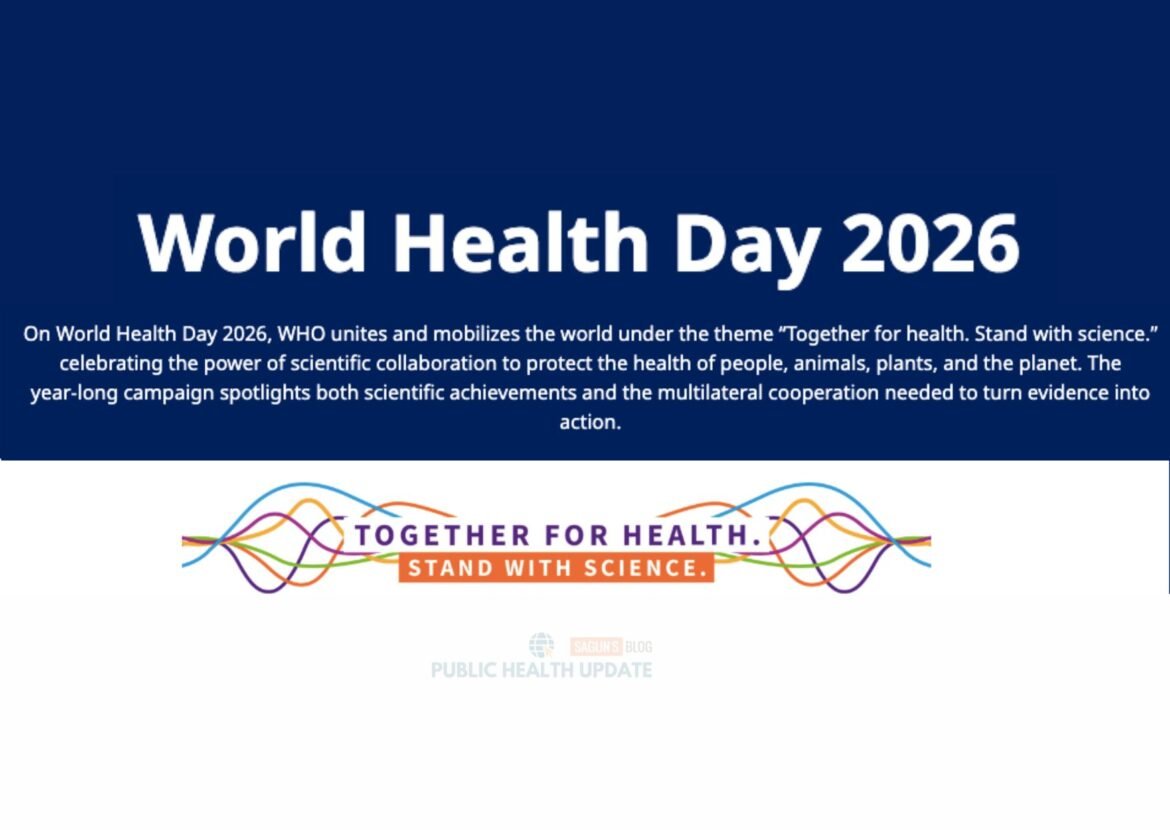
Every year on 7 April, the world marks World Health Day, commemorating the founding of the World Health Organization in 1948. The day serves as a global platform to raise awareness and inspire action on pressing health challenges affecting people everywhere.


Theme 2026: Stand with Science

The 2026 theme, “Together for health. Stand with science.”, underscores the importance of evidence-based decision-making and scientific collaboration in advancing global health. In an era of misinformation and complex health threats, standing with science means choosing facts over fear and evidence over opinion.

This year-long campaign highlights how science when combined with political commitment and community engagement can drive meaningful, lasting change.

Why Science Matters More Than Ever

Scientific advancements have fundamentally reshaped human health over the past century. Key achievements include:

  • A 40% decline in global maternal mortality since 2000
  • A 50% reduction in under-five mortality
  • Life-saving vaccines preventing millions of deaths annually
  • Improved diagnosis and treatment of diseases such as HIV, cancer, and hypertension

Breakthroughs like antibiotics, vaccines, medical imaging, and genomic research have transformed once life-threatening conditions into manageable ones.

Science not only extends life expectancy but also improves the quality of life, enabling healthier and more productive societies.


Science in Action: Real-World Impact

Public health successes are built on the translation of science into practice:

  • Immunization programmes have saved over 150 million children in the past 50 years
  • Infection prevention measures, such as hand hygiene, have reduced hospital-acquired infections
  • Screening technologies like mammography and blood pressure monitoring enable early detection and treatment
  • Global surveillance systems help detect and respond rapidly to disease outbreaks.

Emerging Threats and Global Challenges

Despite remarkable progress, the world faces increasingly complex health challenges:

  • Climate change affecting food systems, air quality, and disease patterns
  • Environmental degradation impacting water and sanitation
  • Pandemic risks from emerging infectious diseases
  • Rising burden of non-communicable diseases such as diabetes and heart disease
  • Health inequities, particularly in low- and middle-income countries

These challenges are interconnected and require coordinated, science-driven responses at local, national, and global levels.


One Health: A Holistic Approach

A central focus of World Health Day 2026 is the One Health approach, which recognizes the link between human, animal, and environmental health.

For example:

  • Zoonotic diseases originate at the human-animal interface
  • Environmental changes influence disease transmission
  • Food systems impact both health and ecosystems.

What Does “Standing with Science” Mean?

For Governments and Policymakers

  • Invest in research and health systems
  • Ensure policies are guided by scientific evidence
  • Strengthen preparedness for health emergencies.

For Scientists and Health Professionals

  • Communicate findings clearly and accessibly
  • Engage with communities and address concerns
  • Promote transparency and integrity in research.

For Individuals and Communities

  • Seek reliable health information
  • Support vaccination and preventive measures
  • Challenge misinformation and promote awareness.

A Call to Collective Action

World Health Day 2026 is a reminder that health is a shared responsibility. Progress is possible when science, policy, and people come together.


Science has been the foundation of the world’s greatest health achievements—and it will continue to shape the future. In a rapidly changing world, standing with science is not optional; it is essential.

On this World Health Day, let us reaffirm our commitment to evidence, collaboration, and innovation. Together, we can build a healthier, more resilient, and more equitable world for all.

#WorldHealthDay #StandWithScience

  • World Health Day
  • World Health Day 2018 (#WorldHealthDay) marked
  • World Health Day 2024 Art Competition
  • World Health Day 2023: 75 years of improving public health
April 7, 2026 0 comments
0 FacebookTwitterPinterestLinkedinTumblrVKOdnoklassnikiRedditStumbleuponWhatsappTelegramLINEPocketSkypeViberEmail
World Water Day 2026 | Water & Gender Equality
PH Important DayPublic HealthPublic Health EventsPublic Health Update

World Water Day 2026 | Water & Gender Equality

by Public Health Update March 22, 2026
written by Public Health Update

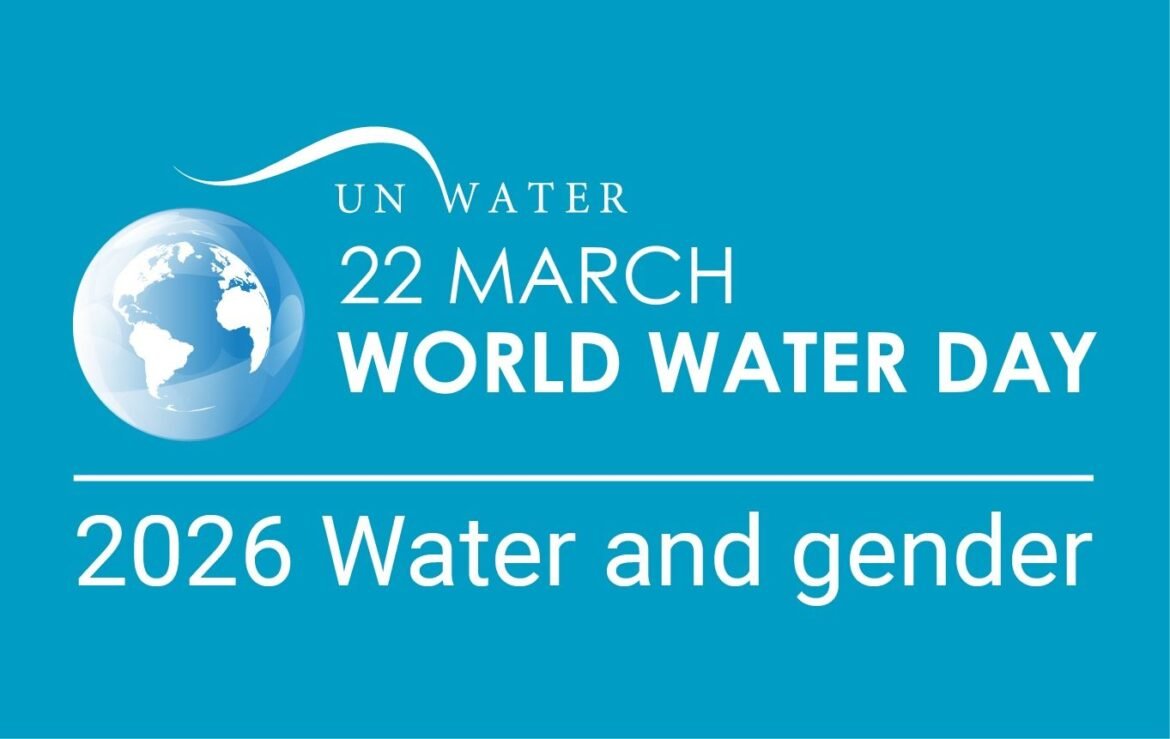
Every year on 22 March, the world marks World Water Day — a reminder that water is a human right and a foundation for health, dignity, and development. Yet, the global water crisis remains urgent — and deeply unequal:

  • 2.1 billion people still lack safely managed drinking water
  • 1 billion+ women and girls do not have reliable access to safe water
  • In 2 out of 3 households, women are responsible for collecting water
  • Women and girls spend 250 million hours every day fetching water.
  • That’s time lost from education, livelihoods, and leadership opportunities.

The consequences are severe:

  • Unsafe water, sanitation, and hygiene contribute to around 1,000 child deaths daily
  • Nearly half of global newborn deaths occur in settings where health facilities lack basic water services.
  • Women are not just water users — they must be decision-makers, leaders, and change agents.
  • This year’s theme — Water & Gender Equality — is a call for transformation.
  • Women are not just water users — they must be decision-makers, leaders, and change agents.
  • This year’s theme — Water & Gender Equality — is a call for transformation.

Yet gaps persist:

  • In 14% of countries, women have no formal role in water decision-making
  • Globally, women make up just over one-fifth of the water workforce
  • Where water flows, equality grows.
  • When women and girls have equal voice and leadership, water systems become more inclusive, sustainable, and effective.

There is progress to build on:

  • 2.2 billion people gained access to safely managed drinking water between 2000 and 2024
  • 961 million people gained access since 2015 alone
  • But achieving SDG 6 (Water and Sanitation for All) by 2030 requires faster, fairer, and more inclusive action.
  • Today, let’s commit to advancing water solutions that center equity, rights, and leadership — especially for women and girls.
  • Because water is life — and equality starts with access.

#WorldWaterDay #WaterForAll #SDG6 #GenderEquality #WASH #GlobalHealth #HealthEquity #ClimateAction #WHOFides

  • DoHS Annual Health Report 2081/82
  • WHA79: Key Takeaways from the 2026 World Health Assembly
  • Seventy-ninth World Health Assembly WHA79
  • World health statistics 2026: monitoring health for the SDGs, sustainable development goals
  • Health Reform Manual: Eight Practical Steps

Do you have a website? Looking for the best hosting provider? Here’s a discount code.

Latest Public Health Jobs

Latest Posts

  • DoHS Annual Health Report 2081/82
  • WHA79: Key Takeaways from the 2026 World Health Assembly
  • Seventy-ninth World Health Assembly WHA79
  • World health statistics 2026: monitoring health for the SDGs, sustainable development goals
  • Health Reform Manual: Eight Practical Steps

Thanks for visiting us.
Disclaimer: The resources, documents, guidelines, and information on this blog have been collected from various sources and are intended for informational purposes only. Information published on or through this website and affiliated social media channels does not represent the intention, plan, or strategies of an organization that the initiator is associated with in a professional or personal capacity, unless explicitly indicated.
If you have any complaints, information, or suggestions about the content published on Public Health Update, please feel free to contact us at blog.publichealthupdate@gmail.com.
#StayUpdated


  • WordPress
  • Link
  • Facebook
  • Mail
  • Facebook
  • Twitter
  • Twitter
  • LinkedIn
  • Instagram
  • Facebook
March 22, 2026 0 comments
0 FacebookTwitterPinterestLinkedinTumblrVKOdnoklassnikiRedditStumbleuponWhatsappTelegramLINEPocketSkypeViberEmail
Antimicrobial Resistance (AMR)Fact SheetHealth in DataPublic HealthReports

Nepal Antimicrobial Resistance (AMR) Bulletin FY 2081/82

by Public Health Update March 15, 2026
written by Public Health Update

Antimicrobial Resistance (AMR) is an increasing public health threat in Nepal. The AMR Bulletin FY 2081/82 highlights Nepal’s multisectoral efforts to tackle this challenge through a One Health approach, integrating human health, animal health, food systems, and environmental sectors.

With an estimated 4,710 deaths directly attributed to AMR in 2021 and nearly 19,600 associated deaths, coordinated action is critical.

Nepal’s National Action Plan on AMR (2080/81–2084/85) focuses on five strategic priorities:

  • Improving awareness through communication and education
  • Strengthening surveillance and research
  • Reducing infections through effective prevention and control (IPC)
  • Optimizing antimicrobial use across sectors
  • Ensuring sustainable resources, innovation, and research

Key progress

Key progress includes expanding laboratory surveillance, restricting misuse of critical antibiotics, banning antibiotics as growth promoters in animal feed, strengthening infection prevention systems, and increasing awareness through national campaigns and professional training.

These integrated actions reflect Nepal’s strong commitment to protecting the effectiveness of antimicrobials and safeguarding public health through collaboration across sectors.

Read more:

Download pdf file

AMR Bulletin 2081_2082Download
March 15, 2026 0 comments
0 FacebookTwitterPinterestLinkedinTumblrVKOdnoklassnikiRedditStumbleuponWhatsappTelegramLINEPocketSkypeViberEmail
Call for applications! Short Course on Qualitative Research Methods in Public Health, 2026
CoursesPublic Health OpportunitiesPublic Health OpportunitySummer and Winter CoursesSummer Courses

Call for applications! Short Course on Qualitative Research Methods in Public Health, 2026

by Public Health Update March 12, 2026
written by Public Health Update

Overview

Kathmandu Medical College Public Limited, in collaboration with the NIHR Global Health Research Centre for Multiple Long-Term Conditions, announces a Short Course on Qualitative Research Methods, to be held from 19–23 April 2026 in Kathmandu, Nepal. This short course is delivered as part of activities supported by the National Institute for Health and Care Research (NIHR).

This 5-day in-person course provides a practical introduction to qualitative research methods in public health. The course will equip participants with the knowledge and skills to design high-quality studies, collect rich data, conduct rigorous analysis and publish results in peer-reviewed journals. The course will include lectures, discussions, and exercises. At the end of the course, participants will be able to develop a qualitative study protocol, conduct in-depth interviews and focus group discussions, analyze data, disseminate findings and critically appraise qualitative studies. 

Learning Outcomes

By the end of the course, the participants should be able to:

  • Develop a robust qualitative research question.
  • Choose appropriate study design and data collection method/s.
  • Collect high-quality data through interviews, focus groups and other commonly used techniques.
  • Manage, code, and analyse qualitative data.
  • Publish findings in a peer-reviewed journal.
  • Understand and apply ethical principles in the design and conduct of qualitative public health research.

Who can apply?

  • Public health researchers
  • Healthcare professionals
  • Academicians

Eligibility and prerequisites:

  • Applicant must be a Nepali Citizen
  • Master’s degree in a health-related, social science, or allied disciplines.
  • Familiarity with qualitative research methods.
  • Prior experience of applying qualitative research methods in public health research projects desirable.

Cost to attend the short course: Participation will be free. Limited bursaries are available for participants from outside of Kathmandu valley.

Applications deadline: 15th March 2026 (5:00 PM)

For any inquiries, please contact us via email at mltc_centre@kmc.edu.np and Cc to ashna.parajuli@kmc.edu.np

This course is funded by the NIHR Global Health Research Centre for Multiple Long-Term Conditions using UK aid from the UK Government to support Global Health Research (NIHR203257). Learn more- https://nihrcentreformltc.org/general-public/

Application form

  • Call for Application: Multiple Long Term conditions, Health Data Science and Economic Evaluation Workshop
    Date
    February 2, 2025
  • Postdoctoral Fellowship
    Date
    November 4, 2025
  • Online Course on: Research Ethics Training Curriculum (RETC)
    Date
    March 29, 2020
March 12, 2026 0 comments
0 FacebookTwitterPinterestLinkedinTumblrVKOdnoklassnikiRedditStumbleuponWhatsappTelegramLINEPocketSkypeViberEmail
World Obesity Day 2026 | 8 Billion Reasons to Act on Obesity
Public Health

World Obesity Day 2026 | 8 Billion Reasons to Act on Obesity

by Public Health Update March 2, 2026
written by Public Health Update

World Obesity Day

World Obesity Day 2026 unites people across the globe to raise awareness and drive meaningful action on obesity.

Convened by the World Obesity Federation in collaboration with its global members, the campaign brings together individuals, organisations, and alliances to highlight the urgent need for improved understanding, prevention, and treatment of obesity.

Previous campaigns have encouraged recognition of the root causes of obesity, challenged weight stigma, increased knowledge of the disease, and shifted attention from individual blame to the broader systems that shape health.

Public Health Calendar 1
World Obesity Day 2026 | 8 Billion Reasons to Act on Obesity

The 2026 Focus: Eight Billion Reasons

This year’s campaign brings together everyone affected by overweight and obesity all 8 billion of us — with particular attention to vulnerable communities, especially children.

Projections suggest that four billion people — half the global population; may be living with overweight and obesity by 2035. At this scale, obesity impacts every community, contributing significantly to non-communicable diseases (NCDs) and widening health inequalities, particularly in low- and middle-income countries.

Obesity is not only a health condition — it is also an indicator of systems that are not working effectively.

The Scale of the Challenge

The global burden of overweight and obesity continues to rise at an alarming rate:

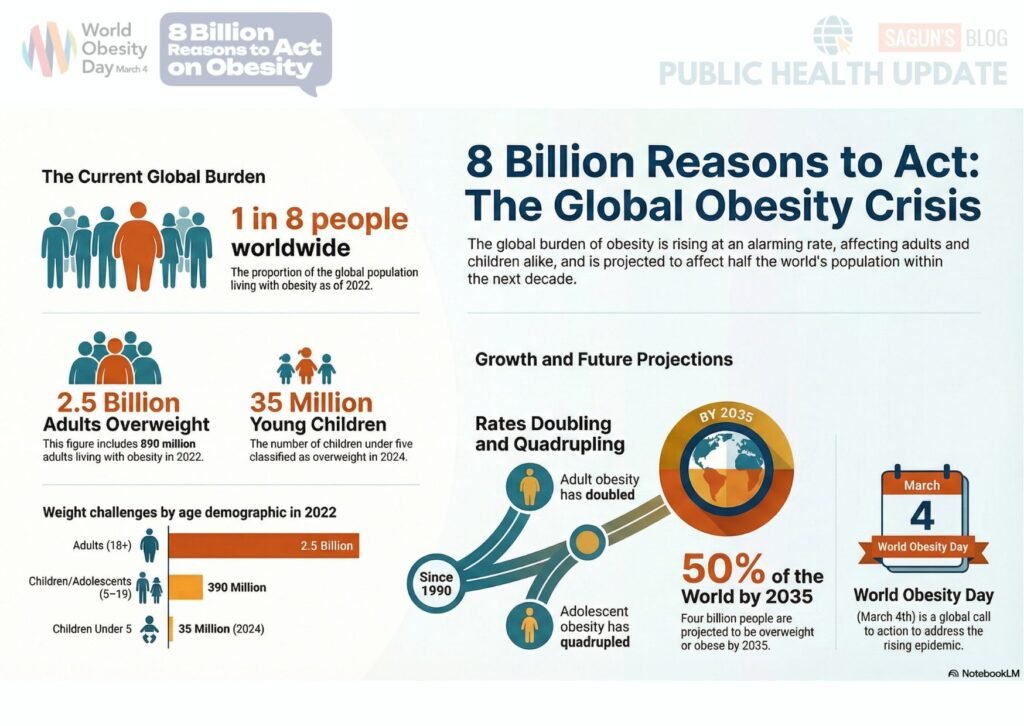
  • In 2022, 1 in 8 people worldwide were living with obesity.
  • Adult obesity has more than doubled since 1990, while adolescent obesity has quadrupled globally.
  • In 2022, 2.5 billion adults (18+) were overweight. Of these, 890 million were living with obesity.
  • 43% of adults were overweight and 16% were living with obesity in 2022.
  • In 2024, 35 million children under five were overweight.
  • More than 390 million children and adolescents aged 5–19 years were overweight in 2022, including 160 million living with obesity.
  • By 2035, four billion people — half of the global population — are projected to be living with overweight and obesity.

Action at Every Level

Personal and Community Level

Each of us can help create a world where obesity is understood rather than stigmatised. We can promote prevention from the earliest years, support people living with obesity with dignity, and foster inclusive, supportive environments for children and families.

Policy Level

Governments and decision-makers play a critical role in shaping food systems, urban design, education, and public health policies that enable healthier choices and equitable access to care.

Health Systems Level

Health systems must be equipped to prevent, diagnose, and manage obesity effectively and compassionately. This includes:

  • Integrating obesity prevention and treatment into primary health care and universal health coverage frameworks
  • Training healthcare providers to deliver person-centred, stigma-free care
  • Ensuring equitable access to evidence-based interventions, including nutrition counselling, behavioural support, pharmacotherapy, and when appropriate, surgical options
  • Strengthening early screening and intervention for children and adolescents
  • Embedding lived experience into service design, evaluation, and policy planning

By strengthening health systems, we move beyond short-term responses toward sustainable, long-term solutions that benefit individuals and societies alike.

Source of Info: WHO, World Obesity Day


  • Obesity
  • World Obesity Day
  • COVID-19 and Obesity
  • Multi-Sector Nutrition Plan
  • Nutrition Friendly Local Level
  • Multi-Sector Nutrition Plan- III
  • Nutrition Friendly Local Level: Implementation Guideline 2078
  • Multi-sector Nutrition Plan II (2018-2022), Nepal

  • #WorldObesityDay 2017 is focusing on tackling the causes of #obesity to avoid #NCDs
    Date
    October 11, 2017
  • World Obesity Day: The Roots of Obesity Run Deep
    Date
    March 4, 2020
  • COVID-19 and Obesity: The 2021 Atlas
    Date
    March 4, 2021

March 2, 2026 0 comments
0 FacebookTwitterPinterestLinkedinTumblrVKOdnoklassnikiRedditStumbleuponWhatsappTelegramLINEPocketSkypeViberEmail
Salim Yusuf Emerging Leaders Programme 2026
Fellowships, Studentship & ScholarshipsInternational Jobs & OpportunitiesOpportunities by RegionPublic Health OpportunitiesPublic Health Opportunity

Salim Yusuf Emerging Leaders Programme 2026

by Public Health Update February 28, 2026
written by Public Health Update

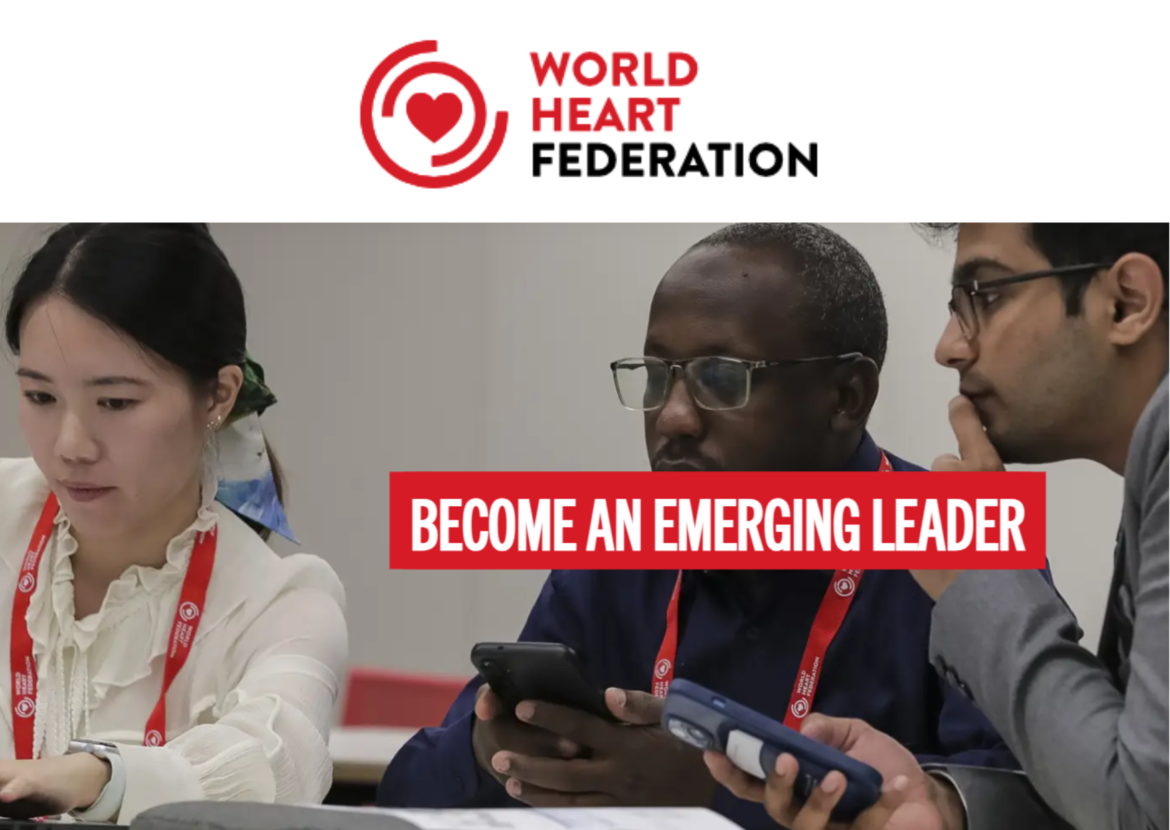
Cardiovascular disease (CVD) remains the leading cause of death globally, and an increasing number of patients are living with multiple long-term conditions (MLTCs). Multimorbidity presents complex challenges for healthcare systems, patients, and communities, highlighting the urgent need for integrated models of care that combine prevention, treatment, and policy innovation.

Launched in 2014 by WHF Past President Professor Salim Yusuf, the programme offers advanced training, mentorship, and networking for healthcare professionals, researchers, and global health advocates dedicated to improving cardiovascular care.

This year, the programme will focus on integrated care for CVD and MLTCs, providing early and mid-career professionals with the tools, mentorship, and global networks to address these challenges.

Dates: 29 November – 3 December 2026
Location: House of Sciences, Menarini Foundation, Fiesole (Florence), Italy

Selected participants will engage in intensive seminars, workshops, and collaborative project development, supported by international experts including Prof Denis Xavier, Prof Clara Chow, Dr Maria Fernandez, and Prof Pablo Perel.

Why apply?
“Fantastic peers, mentors, and networks. Reasons not to? None. Join a growing community of early-career professionals focused on global approaches to CVD prevention.”
— Prof Amitava Banerjee, WHF Board Member 2025-2026 & Emerging Leader 2014

Application Requirements

The selection committee will expect candidates to demonstrate their passion for improving CVD care and making a difference at the grassroots level and beyond.

Applicants are requested to submit the following (in English) by Monday 16 March 2026:

  • Completed online application form
  • Motivation letter
  • 1-minute video
  • A published writing example
  • Letter of support from institution and WHF member organization (if applicable)
  • Request for travel support (if applicable)

Deadline: 16 March 2026
Notifications: By end of June 2026

Read more and Apply (Official Info)


Do you have a website? Looking for the best hosting provider? Here’s a discount code.

Latest Public Health Jobs

Latest Posts

  • DoHS Annual Health Report 2081/82
  • WHA79: Key Takeaways from the 2026 World Health Assembly
  • Seventy-ninth World Health Assembly WHA79
  • World health statistics 2026: monitoring health for the SDGs, sustainable development goals
  • Health Reform Manual: Eight Practical Steps

Thanks for visiting us.
Disclaimer: The resources, documents, guidelines, and information on this blog have been collected from various sources and are intended for informational purposes only. Information published on or through this website and affiliated social media channels does not represent the intention, plan, or strategies of an organization that the initiator is associated with in a professional or personal capacity, unless explicitly indicated.
If you have any complaints, information, or suggestions about the content published on Public Health Update, please feel free to contact us at blog.publichealthupdate@gmail.com.
#StayUpdated


  • WordPress
  • Link
  • Facebook
  • Mail
  • Facebook
  • Twitter
  • Twitter
  • LinkedIn
  • Instagram
  • Facebook

February 28, 2026 0 comments
0 FacebookTwitterPinterestLinkedinTumblrVKOdnoklassnikiRedditStumbleuponWhatsappTelegramLINEPocketSkypeViberEmail
Global curriculum guide for community health workers
Health SystemsHuman Resource for HealthInternational Plan, Policy & GuidelinesPublic Health Update

Global curriculum guide for community health workers

by Public Health Update February 28, 2026
written by Public Health Update

Community health workers (CHWs) are the backbone of primary health care in many countries. They provide essential health services, support disease prevention and health promotion, and help communities navigate health systems. Their contribution is critical to achieving universal health coverage, yet their effectiveness depends on having the right skills, support, and integration into the health system.

Despite their importance, CHW training varies widely across countries and contexts. Differences exist in the scope, duration, methods, and quality of pre-service and in-service education, making it difficult to ensure that all CHWs are fully equipped to meet community needs. To address this, the World Health Organization has developed a Global Competency-Based Curriculum Guide for Community Health Workers.

Why a Competency-Based Curriculum?

The curriculum guide operationalizes key recommendations from the WHO CHW guideline, helping governments and partners design, implement, and evaluate CHW programs effectively. It provides practical guidance on:

  • Determining the appropriate duration of training based on the role, existing knowledge, and expected practice conditions
  • Including comprehensive content, from health promotion and disease prevention to diagnostic and curative services, as well as interpersonal communication and community engagement
  • Balancing theory and practice through a mix of face-to-face and e-learning approaches, supported by qualified faculty and a positive training environment
  • Certifying CHWs through competency-based formal recognition

The WHO Competency Model

At the heart of the curriculum guide is the WHO competency model, which defines competence as the summative learning outcomes of education programs. It emphasizes two complementary dimensions:

  1. Practice Activities and Tasks: Core functions of CHWs, such as household mapping, patient referral, and health promotion. These activities are also essential for workforce planning and classification.
  2. Competencies and Behaviours: The ability to integrate knowledge, skills, and attitudes in performing tasks. This includes collaboration, culturally sensitive care, effective communication, and adaptability in complex contexts.

Competencies are underpinned by foundational knowledge, skills, and attitudes (KSAs). Learning objectives break down each practice activity into the component skills and milestones necessary to develop competence. Education programs aim not only to teach discrete tasks but also to enable CHWs to navigate real-world challenges, make informed decisions, and collaborate with individuals, households, communities, and health systems.

Structure of the Curriculum Guide

The curriculum guide is organized into three sections:

  1. Core Competencies: Skills that all health workers, including CHWs, should possess, with varying levels of proficiency depending on role and education.
  2. Universal Modules: Knowledge and practical skills that every CHW needs to perform essential services.
  3. Role-Specific Modules: Optional modules tailored to service- or population-specific responsibilities in a given context.
Who Can Benefit

The primary audience for this guide includes CHW educators and curriculum developers. Secondary audiences include regulators, accreditation agencies, CHW managers and supervisors, health service managers, and development partners supporting primary health care programs. The guide is adaptable to different countries, health systems, and program contexts, ensuring relevance and practicality.

Moving Towards Stronger Health Systems

A standardized, competency-based CHW curriculum equips workers with the tools, knowledge, and confidence to deliver high-quality care at the community level. By investing in CHWs’ education, countries can strengthen primary health care, improve equity, and accelerate progress toward universal health coverage.

Global curriculum guide for community health workers


  • DoHS Annual Health Report 2081/82
  • WHA79: Key Takeaways from the 2026 World Health Assembly
  • Seventy-ninth World Health Assembly WHA79
  • World health statistics 2026: monitoring health for the SDGs, sustainable development goals
  • Health Reform Manual: Eight Practical Steps
February 28, 2026 0 comments
0 FacebookTwitterPinterestLinkedinTumblrVKOdnoklassnikiRedditStumbleuponWhatsappTelegramLINEPocketSkypeViberEmail
Australia Awards Scholarships 2027
Fellowships, Studentship & ScholarshipsInternational Jobs & OpportunitiesPublic Health OpportunitiesPublic Health OpportunityUniversities & School of Public Health

Australia Awards Scholarships 2027

by Public Health Update February 28, 2026
written by Public Health Update

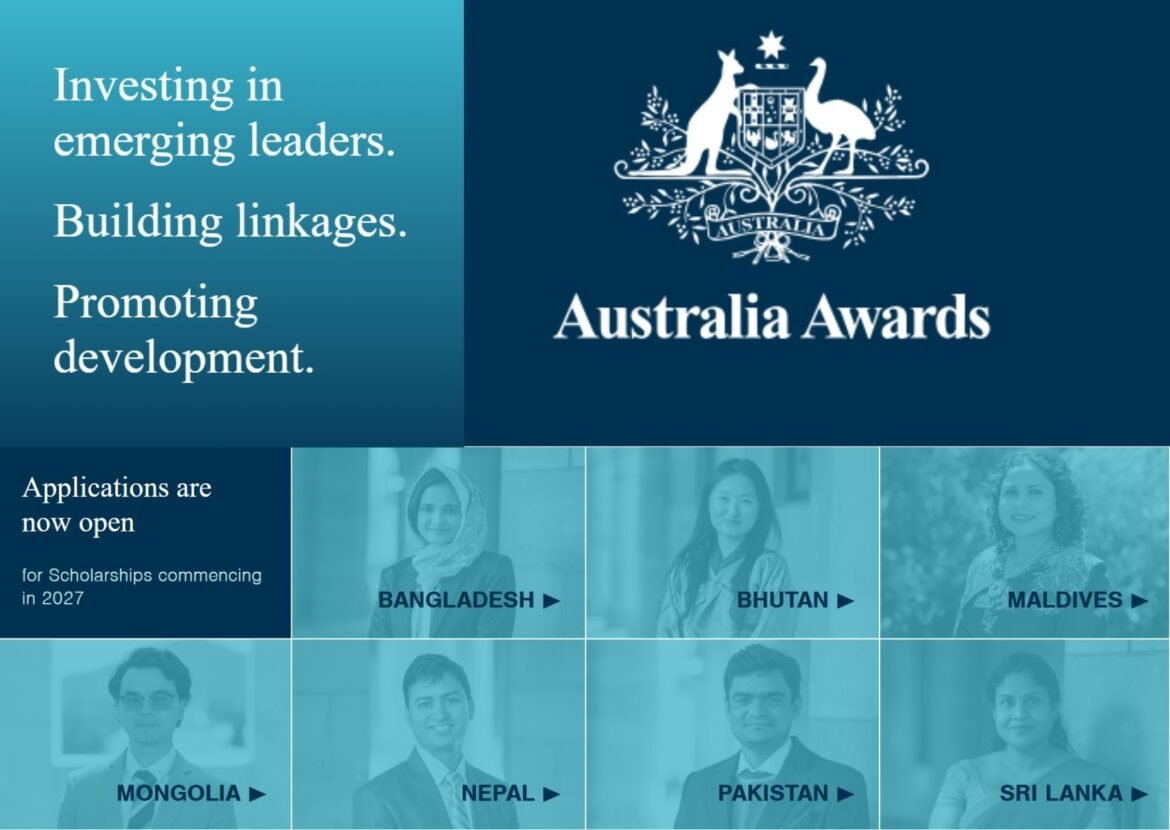
Australia Awards are prestigious international scholarships funded by the Australian Government as part of its long-term commitment to partner countries. The program aims to promote prosperity, reduce poverty, and enhance political stability by supporting education and leadership development. For many years, Australia Awards have supported professionals from Nepal to pursue higher education in Australia and return home with advanced skills, global exposure, and strong professional networks. Alumni of the program are contributing across government, academia, civil society, and the private sector, playing key roles in national development.

What the Scholarship Covers

  • Full tuition fees
  • Return airfares
  • Living expenses
  • Medical insurance
  • Academic and preparatory support
  • Access to a strong global alumni network

Application Deadline

30 April 2026, 14:00 AEST (9:45 AM Nepal time)

Priority Sectors

  • Climate change
  • Disaster risk reduction
  • Economic development
  • Education
  • Gender equality, disability & social inclusion
  • Governance
  • Mental health & rehabilitation therapies
  • Natural resource management
  • Sustainable infrastructure development

Who Can Apply?

Applicants must:

  • Be over 18 years old
  • Be a citizen of Nepal and residing in Nepal
  • Meet academic, work experience, and English language requirements
  • Apply for a Master’s program (maximum two years) within priority sectors

Women, persons with disabilities, members of marginalised groups, and public servants are strongly encouraged to apply.

How to Apply

  1. Review eligibility and guidelines
  2. Research suitable university courses
  3. Prepare required documents
  4. Submit your application through OASIS before the deadline

Start preparing early and take this opportunity to gain global exposure and contribute to Nepal’s social and economic development.

Australia Awards Scholarships 2027

  • DoHS Annual Health Report 2081/82
  • WHA79: Key Takeaways from the 2026 World Health Assembly
  • Seventy-ninth World Health Assembly WHA79
  • World health statistics 2026: monitoring health for the SDGs, sustainable development goals
  • Health Reform Manual: Eight Practical Steps
February 28, 2026 0 comments
0 FacebookTwitterPinterestLinkedinTumblrVKOdnoklassnikiRedditStumbleuponWhatsappTelegramLINEPocketSkypeViberEmail
Health systems reviews template for authors
Health SystemsInternational Plan, Policy & GuidelinesPublic Health Update

APO Health systems reviews template for authors

by Public Health Update February 28, 2026
written by Public Health Update

The Asia Pacific Observatory on Health Systems and Policies (APO) has released an updated template for Health Systems Reviews (HiTs), its flagship publication series supporting evidence-based health policymaking across countries.
The newly updated 2025 template builds upon the previous 2016 version, which was refined through extensive consultations with authors, editors, and health systems experts. The latest revision was led by the APO Secretariat, with contributions from a new team of experts, and was field-tested by current HiT authors to ensure practicality and relevance.

The updated template features more specific questions, definitions, examples and an updated list of data sources for developing the country profile. To ensure cross-country comparison as possible, the 2025 template resembles the same structure as previous one while accommodating emerging health issues such as climate change and gender while specific sections are consolidated to improve clarity for the readers. The template is also designed to be user-friendly for authors, enabling easy navigation of the writing process.
HiTs seek to provide relevant information to support policy-makers and analysts in the development of health systems. This can be used:

  • to learn in detail about different approaches to the organization, financing and delivery of health services, and the role of the main actors in health systems;
  • to describe the institutional framework, the process, content and implementation of health-care reform programmes;
  • to highlight challenges and areas that require more in-depth investigation and/or policy attention;
  • to provide a tool for the dissemination of information on health systems and the exchange of experiences between policy-makers and analysts in different countries implementing reform strategies; and
  • to assist other researchers in more in-depth comparative analysis of health policies.

To ensure cross-country comparison as possible, the 2025 template resembles the same structure as previous one while accommodating emerging health issues such as climate change and gender while specific sections are consolidated to improve clarity for the readers. The template is also designed to be user-friendly for authors, enabling easy navigation of the writing process.

Download: Health systems reviews template for authors


Do you have a website? Looking for the best hosting provider? Here’s a discount code.

Latest Public Health Jobs

Latest Posts

  • DoHS Annual Health Report 2081/82
  • WHA79: Key Takeaways from the 2026 World Health Assembly
  • Seventy-ninth World Health Assembly WHA79
  • World health statistics 2026: monitoring health for the SDGs, sustainable development goals
  • Health Reform Manual: Eight Practical Steps

Thanks for visiting us.
Disclaimer: The resources, documents, guidelines, and information on this blog have been collected from various sources and are intended for informational purposes only. Information published on or through this website and affiliated social media channels does not represent the intention, plan, or strategies of an organization that the initiator is associated with in a professional or personal capacity, unless explicitly indicated.
If you have any complaints, information, or suggestions about the content published on Public Health Update, please feel free to contact us at blog.publichealthupdate@gmail.com.
#StayUpdated


  • WordPress
  • Link
  • Facebook
  • Mail
  • Facebook
  • Twitter
  • Twitter
  • LinkedIn
  • Instagram
  • Facebook
February 28, 2026 0 comments
0 FacebookTwitterPinterestLinkedinTumblrVKOdnoklassnikiRedditStumbleuponWhatsappTelegramLINEPocketSkypeViberEmail
Research Fellowship in Public Health Intelligence – Berlin 2026
Fellowships, Studentship & ScholarshipsInternational Jobs & OpportunitiesPublic Health OpportunitiesPublic Health Opportunity

Research Fellowship in Public Health Intelligence – Berlin 2026

by Public Health Update February 28, 2026
written by Public Health Update

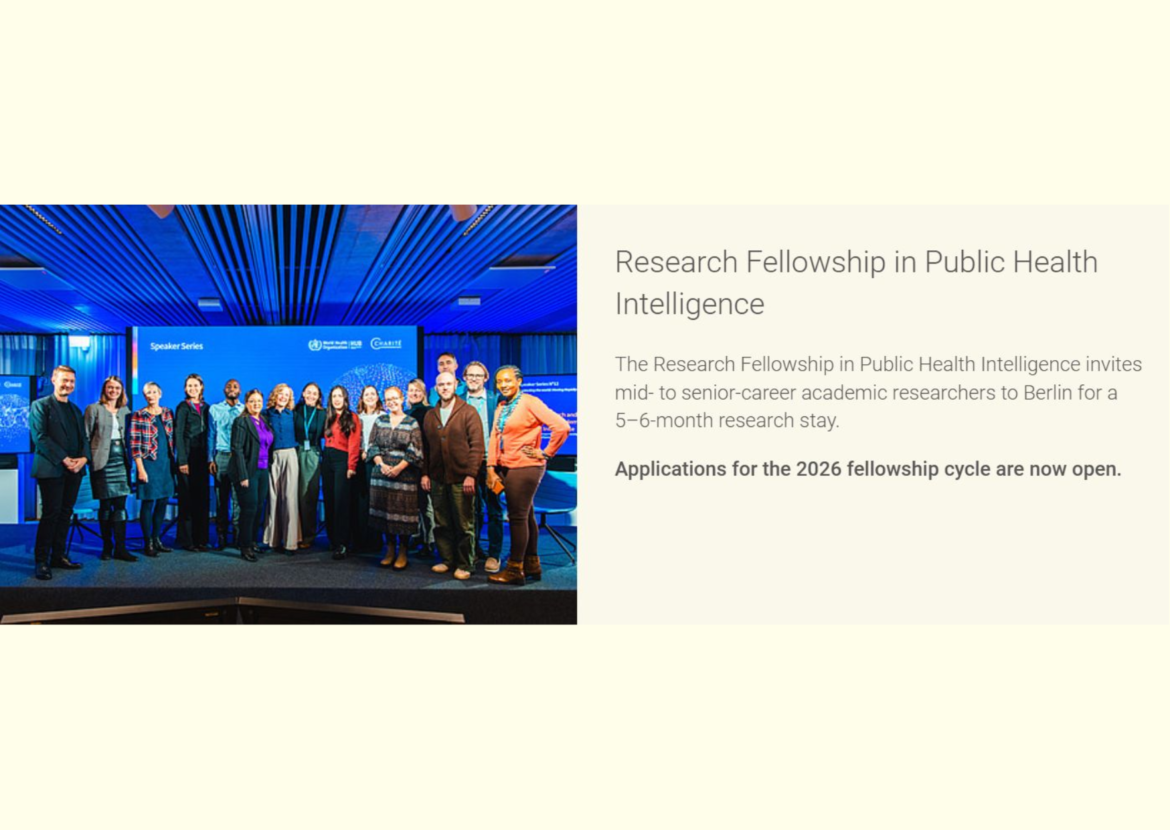
The Charité Center for Global Health, in collaboration with the WHO Hub for Pandemic and Epidemic Intelligence, invites mid- to senior-career researchers to join a 5–6 month research fellowship in Berlin.
This fellowship offers a unique opportunity to contribute to applied global health research, focusing on priority areas such as:

  • AI and Technological Advances
  • Data Preparedness
  • Analytical Frameworks
  • Multisectoral Approaches
  • Other public health intelligence topics aligned with the Pandemic and Epidemic Intelligence Research priorities

Fellowship Highlights:

  • Duration: Mid-May, June, or July – November 2026 (5–6 months)
  • Location: Berlin, Germany (CCGH & WHO Hub)
  • Eligibility: Mid- to senior-career postdoctoral researchers (5+ years of experience); exceptional early-career researchers may also apply
  • Funding: Living allowance, accommodation, health insurance, and travel support

What Fellows Gain

  • Conduct independent research aligned with priority global health themes
  • Collaborate with interdisciplinary teams at the WHO Hub and CCGH
  • Access Berlin’s Global Health ecosystem for networking and mentorship
  • Foster innovation in pandemic and epidemic intelligence research
  • Application Deadline: 3 March 2026.

This is an excellent opportunity for researchers to contribute to global health intelligence, strengthen skills, and build international collaborations. Apply by 3 March 2026 or feel free to reshare with anyone who may be interested.

More info & application: Charité Research Fellowship: https://lnkd.in/gnZ6Af8N


  • DoHS Annual Health Report 2081/82
  • WHA79: Key Takeaways from the 2026 World Health Assembly
  • Seventy-ninth World Health Assembly WHA79
  • World health statistics 2026: monitoring health for the SDGs, sustainable development goals
  • Health Reform Manual: Eight Practical Steps
February 28, 2026 0 comments
0 FacebookTwitterPinterestLinkedinTumblrVKOdnoklassnikiRedditStumbleuponWhatsappTelegramLINEPocketSkypeViberEmail
Newer Posts
Older Posts

Search

Follow Us

Facebook Twitter Instagram Pinterest Linkedin Youtube

Categories

  • Abstracts (25)
  • Activities (91)
  • Adolescent Sexual and Reproductive Health (ASRH) (25)
  • Advice & Tips (4)
  • African Region (5)
  • AI and Health (1)
  • Annual Meeting (6)
  • Antimicrobial Resistance (AMR) (21)
  • Award (19)
  • Awards (16)
  • Books (9)
  • Call for Proposal, EOI & RFP (103)
  • Call for Research Participants (8)
  • Clinical Doctor Jobs (6)
  • Communicable Diseases (107)
  • Competition (20)
  • Conference (129)
  • Consultant (1)
  • Courses (205)
  • Dashboard (2)
  • Digital Health & Health Informatics (10)
  • Drug and Medicine (18)
  • Eastern Mediterranean Region (3)
  • Education (15)
  • Environment (3)
  • Environmental Health & Climate Change (47)
  • European Region (42)
  • Exchange Program (1)
  • Fact Sheet (118)
  • FCHVs (1)
  • Fellowships, Studentship & Scholarships (168)
  • Financial Aid (13)
  • Form Formats (2)
  • Fully funded (22)
  • Global Health News (438)
  • Grants and Funding Opportunities (193)
  • Guest Post (44)
  • Health Assistant Jobs (1)
  • Health Equity (7)
  • Health Financing and Economics (24)
  • Health in Data (118)
  • Health Insurance (5)
  • Health Jobs (52)
  • Health Literacy, Health Education & Promotion (50)
  • Health Organization Profile (42)
  • Health Systems (85)
  • Human Resource for Health (33)
  • Humanitarian Health & Emergency Response (44)
  • Hypertension (5)
  • Implementation Research (48)
  • International Health (3)
  • International Jobs & Opportunities (373)
  • International Plan, Policy & Guidelines (212)
  • Internships (4)
  • Jobs Vacancies (56)
  • Journals (8)
  • Life Style & Public Health Nutrition (39)
  • Live (10)
  • Master's Degree (48)
  • Maternal, Newborn and Child Health (88)
  • Mentorship Program (2)
  • Miscellaneous (16)
  • National Health News (158)
  • National Plan, Policy & Guidelines (469)
  • Neglected Tropical Diseases (NTDs) (51)
  • Non- Communicable Diseases (NCDs) (121)
  • Notice (103)
  • Nursing Jobs (6)
  • Nutritionist Jobs (1)
  • One Health (18)
  • Online & Distance Learning (22)
  • Online Courses (90)
  • Op-Ed Article (3)
  • Opportunities by Region (83)
  • Outbreak News (213)
  • Partially funded (6)
  • PCL Health Science Jobs (3)
  • PH Important Day (535)
  • Pharmacist Jobs (3)
  • PhD (54)
  • Photos (5)
  • Planetary Health (4)
  • PostDoc (14)
  • Presentation Slides (26)
  • Primary Health Care (25)
  • Provincial Plan, Policies and Guidelines (14)
  • Public Health (1,285)
  • Public Health Epidemiology & Biostatistics (14)
  • Public Health Events (306)
  • Public Health Information (20)
  • Public Health Innovation (9)
  • Public Health Jobs (52)
  • Public Health News (556)
  • Public Health Notes (120)
  • Public Health Opportunities (507)
  • Public Health Opportunity (491)
  • Public Health Programs (108)
  • Public Health Seminar (2)
  • Public Health Tools (1)
  • Public Health Update (570)
  • Quality Improvement & Infection Prevention (20)
  • Region of America (8)
  • Reports (187)
  • Research & Project Grants (39)
  • Research & Project Grants (32)
  • Research & Publication (648)
  • Research Articles (10)
  • Road Traffic Accidents (RTA) (9)
  • School of Public Health (60)
  • Self funded (2)
  • South-East Asia Region (26)
  • Success Stories (17)
  • Summer and Winter Courses (40)
  • Summer Courses (28)
  • Sustainable Development Goals (SDGs) (14)
  • Syllabus (61)
  • Symposium (9)
  • Tobacco Control (35)
  • Training (40)
  • Travel Grants (15)
  • Trick, Technique & Skills (8)
  • Uncategorized (3)
  • Undergraduate Degree (7)
  • Universal Health Coverage (36)
  • Universities (29)
  • Universities & School of Public Health (58)
  • Vacancy Announcement (26)
  • Vaccine Preventable Diseases (40)
  • Vector-Borne Diseases(VBDs) (31)
  • Videos (3)
  • View Points (1)
  • Webinar (4)
  • Western Pacific Region (13)
  • Workshop (18)
  • World News (119)
Post New Jobs: Vacancy Announcement Service

Public Health Update (Sagun’s Blog) is a popular public health portal in Nepal. Thousands of health professionals are connected with Public Health Update to get up-to-date public health updates, search for jobs, and explore opportunities.
#1 Public Health Blog for sharing Job opportunities and updates in Nepal

”Public Health Information For All”
– – Sagun Paudel, Founder

  • HOT JOBS
    • Public Health Jobs
    • Medical Doctor Jobs
    • Nursing Jobs
    • Health Assistant Jobs
    • Pharmacist Jobs
    • NGOs Jobs
    • Government Jobs
  • Top Categories
    • National Plan, Policy & Guidelines Top
    • Public Health Calendar
    • Fellowships & Scholarships
    • Health Systems
    • Health Organization Profiles
    • International Jobs & Opportunities
    • Public Health Opportunity

PUBLIC HEALTH INITIATIVE

    • Submit your Vacancies New
    • Partnership Opportunities

Contact: blog.publichealthupdate@gmail.com

https://wa.me/+9779856036932

Public Health Initiative, A Registered Non-profit organization – All Right Reserved. 2011-2024. Contact us. 

Facebook Twitter Instagram Youtube Envelope
Public Health Update
  • Home
  • Public Health
    • Home 1
      • Adolescent Sexual and Reproductive Health (ASRH)
      • Antimicrobial Resistance (AMR)
      • Communicable Diseases
      • Digital Health & Health Informatics
      • Environmental Health & Climate Change
      • Health Financing and Economics
      • Health Equity
    • Home 2
      • Health Literacy, Health Education & Promotion
      • Human Resource for Health
      • Humanitarian Health & Emergency Response
      • Implementation Research
      • International Health
      • Life Style & Public Health Nutrition
      • Maternal, Newborn and Child Health
    • Home 3
      • Neglected Tropical Diseases (NTDs)
      • Non- Communicable Diseases (NCDs)
      • One Health
      • Planetary Health
      • Public Health Epidemiology & Biostatistics
      • Primary Health Care
      • Quality Improvement & Infection Prevention
    • Home 4
      • Road Traffic Accidents (RTA)
      • Sustainable Development Goals (SDGs)
      • Tobacco Control
      • Universal Health Coverage
      • Vaccine Preventable Diseases
      • Vector-Borne Diseases(VBDs)
      • Notices
  • Public Health Update
    • Home 1
      • Public Health News
      • Global Health News
      • Outbreak News
      • National Health News
      • COVID-19
    • Home 2
      • Fact Sheet
      • Health in Data
      • PH Important Day
      • Public Health Events
      • Public Health Programs
    • Home 3
      • Health Systems
      • Health Insurance
      • Health Organization Profile
      • Success Stories
      • Public Health Innovation
  • Public Health Opportunities
    • Fully funded
    • Travel Grants
    • Grants and Funding Opportunities
    • Opportunities by Region
    • International Jobs & Opportunities
    • Research & Project Grants
    • Fellowships, Studentship & Scholarships
    • Conference
  • Jobs
    • Home 1
      • Health Jobs
      • Public Health Jobs
      • Clinical doctor Jobs
      • Health Assistant Jobs
      • Nursing Jobs
      • PCL Health Science Jobs
    • Home 2
      • Dental Jobs
      • Pharmacist Jobs
      • TSLC (Health Jobs)
      • Laboratory Jobs
      • Nutritionist Jobs
  • Downloads
    • International Plan, Policy & Guidelines
    • National Plan, Policy & Guidelines
    • Reports
    • Books
    • Research Articles
  • School of Public Health
    • Home 1
      • Courses
      • Master’s Degree
      • Undergraduate Degree
      • PhD
    • Home 2
      • Universities
      • Syllabus
      • Public Health Notes
      • Mentorship Program
      • Startup Project
    • Home
      • Summer and Winter Courses
      • Summer Courses
      • Online Courses
      • Workshop
      • Training
Public Health Update
  • Home
  • Public Health
    • Home 1
      • Adolescent Sexual and Reproductive Health (ASRH)
      • Antimicrobial Resistance (AMR)
      • Communicable Diseases
      • Digital Health & Health Informatics
      • Environmental Health & Climate Change
      • Health Financing and Economics
      • Health Equity
    • Home 2
      • Health Literacy, Health Education & Promotion
      • Human Resource for Health
      • Humanitarian Health & Emergency Response
      • Implementation Research
      • International Health
      • Life Style & Public Health Nutrition
      • Maternal, Newborn and Child Health
    • Home 3
      • Neglected Tropical Diseases (NTDs)
      • Non- Communicable Diseases (NCDs)
      • One Health
      • Planetary Health
      • Public Health Epidemiology & Biostatistics
      • Primary Health Care
      • Quality Improvement & Infection Prevention
    • Home 4
      • Road Traffic Accidents (RTA)
      • Sustainable Development Goals (SDGs)
      • Tobacco Control
      • Universal Health Coverage
      • Vaccine Preventable Diseases
      • Vector-Borne Diseases(VBDs)
      • Notices
  • Public Health Update
    • Home 1
      • Public Health News
      • Global Health News
      • Outbreak News
      • National Health News
      • COVID-19
    • Home 2
      • Fact Sheet
      • Health in Data
      • PH Important Day
      • Public Health Events
      • Public Health Programs
    • Home 3
      • Health Systems
      • Health Insurance
      • Health Organization Profile
      • Success Stories
      • Public Health Innovation
  • Public Health Opportunities
    • Fully funded
    • Travel Grants
    • Grants and Funding Opportunities
    • Opportunities by Region
    • International Jobs & Opportunities
    • Research & Project Grants
    • Fellowships, Studentship & Scholarships
    • Conference
  • Jobs
    • Home 1
      • Health Jobs
      • Public Health Jobs
      • Clinical doctor Jobs
      • Health Assistant Jobs
      • Nursing Jobs
      • PCL Health Science Jobs
    • Home 2
      • Dental Jobs
      • Pharmacist Jobs
      • TSLC (Health Jobs)
      • Laboratory Jobs
      • Nutritionist Jobs
  • Downloads
    • International Plan, Policy & Guidelines
    • National Plan, Policy & Guidelines
    • Reports
    • Books
    • Research Articles
  • School of Public Health
    • Home 1
      • Courses
      • Master’s Degree
      • Undergraduate Degree
      • PhD
    • Home 2
      • Universities
      • Syllabus
      • Public Health Notes
      • Mentorship Program
      • Startup Project
    • Home
      • Summer and Winter Courses
      • Summer Courses
      • Online Courses
      • Workshop
      • Training
Public Health Initiative, A Registered Non-profit organization – All Right Reserved. 2011-2023