Public Health Update
  • Home
  • Public Health Update
  • Nepal Health Jobs
    • Public Health Job Board
    • Organization List
  • Opportunities
    • Fellowships, Studentship & Scholarships
    • Grants and Funding Opportunities
    • Fully funded
    • Conference
  • Downloads
    • International Plan, Policy & Guidelines
    • National Plan, Policy & Guidelines
    • Reports
    • Public Health Notes
    • Syllabus
    • Form Formats
  • School of Public Health
    • PhD
    • Master’s Degree
    • Online Courses
  • Notice
  • Home
  • Public Health Update
  • Nepal Health Jobs
    • Public Health Job Board
    • Organization List
  • Opportunities
    • Fellowships, Studentship & Scholarships
    • Grants and Funding Opportunities
    • Fully funded
    • Conference
  • Downloads
    • International Plan, Policy & Guidelines
    • National Plan, Policy & Guidelines
    • Reports
    • Public Health Notes
    • Syllabus
    • Form Formats
  • School of Public Health
    • PhD
    • Master’s Degree
    • Online Courses
  • Notice
LOGIN / REGISTER
Public Health Update
SUBSCRIBE
Public Health Update
  • Home
  • Public Health Update
  • Nepal Health Jobs
    • Public Health Job Board
    • Organization List
  • Opportunities
    • Fellowships, Studentship & Scholarships
    • Grants and Funding Opportunities
    • Fully funded
    • Conference
  • Downloads
    • International Plan, Policy & Guidelines
    • National Plan, Policy & Guidelines
    • Reports
    • Public Health Notes
    • Syllabus
    • Form Formats
  • School of Public Health
    • PhD
    • Master’s Degree
    • Online Courses
  • Notice

All Right Reserved. Designed and Developed by PenciDesign

Health SystemsMaternal, Newborn and Child HealthNational Plan, Policy & GuidelinesPublic HealthPublic Health NotesPublic Health ProgramsResearch & Publication

National Female Community Health Volunteers (FCHVs) Program

by Public Health Update December 5, 2015
written by Public Health Update
Background
Recognizing the importance of women’s participation in promoting health of the people, GoN initiated the Female Community Health Volunteer (FCHV) Program in FY 2045/46 (1988/1989) in 27 districts and expanded to all 75 districts of the country in a phased manner. 

fchvssssssssss
Kantipur (5th Dec 2015)

Initially, the approach was to select one FCHV per ward regardless of the population size. Later in 2050 (1993/94) population based approach was introduced in selected (28) districts. All together there are 51,470 FCHVs in the country (47,328 FCHVs at rural/VDC level and 4,142 at urban/municipality level). FCHVs are selected by members of Mothers’ Group for Health (MG‐H) with the help of local health facility staff.


They are provided 18 days basic training in two phases (9+9 days) on selected primary health care components. After completion of basic training, FCHVs are provided with a certificate and medicine kit box consisting of necessary drugs and supplies free of cost.
They are also provided with manuals, flip chart, ward register, IEC materials, FCHV bag, signboard and identity card. Family Planning devices (pills and condoms only to FCHVs) are supplied regularly through local health facility. 
The major role of the FCHV is to promote health and healthy behaviors of mothers and community people to promote safe motherhood, child health, family planning, and other community based health services. FCHVs distribute condoms and pills, ORS packets and vitamin A capsules, treat pneumonia cases and refer more complicated cases to health institution along with motivation and education to community people. Similarly, they also distribute iron tablets to pregnant women. 
Various policies, strategies and guidelines have been developed to strengthen the FCHV program. Numerous factors influence the program including national health sector reform, decentralization and handing over of health facilities to VDCs, experience gained from program implementation, and the recognition to FCHVs in reduction of maternal and child mortality and general fertility through continuous implementation of community‐based health programs in Nepal. 
The FCHV program strategy has been revised in 2067 (2010) which gave strategic directions and critical approaches to ensure a strengthened national program for consistency and continuous support to each FCHV. Government of Nepal is committed to increase the moral & participation of FCHV in community health development. In fiscal year 2064/65 MoHP established FCHVs fund by providing cash support of Rs. 50,000 to each VDC. The mobilization of this fund for income generation activities is expected to benefit the FCHVs and the community at large.

Goal   
The goal of FCHV program is to support national goal of health through involvement of community in public health activities. This includes imparting knowledge and skills for empowerment of women, increasing awareness on health related issues and involvement of local institutions in promoting health care.


Objective 
FCHV program has the following objectives:
  • To prepare a pool of self‐motivated volunteers as a focal person to bridge health programs with community
  • To prepare a pool of volunteers to provide community based health services
  • To activate women to tackle common health problems by imparting relevant knowledge and skills 
  • To increase the community participation in improving health 
  • To develop FCHV as a motivator for health
  • To increase utilization of health care services through demand creation

Summary

The major role of the Female Community Health Volunteers (FCHVs) is promotion of safe motherhood, child health, family planning, and other community based health services to promote health and healthy behavior o
f mothers and community people with support from health workers and health facilities.
At present there are 51,470 FCHVs (47,328 FCHVs at rural/VDC level and 4,142 at urban/municipality level) actively working all over the country. FCHVs contributed significantly in the distribution of oral contraceptive Pills, Condoms and Oral Rehydration Solution (ORS) packets and counseling and referring to mothers in the health facilities for the service utilization.    FCHVs have contributed in distribution of 53 percent oral pills and 47 percent ORS packets at the national level. FCHVs distributed a total of 14,506,525 packets of condoms in the FY 2070/71. Service statistics shows that more than one half of the diarrhoea and ARI cases were treated by FCHVs.  
Source: Annual Report 2070/71 (Department of Health Services)
December 5, 2015 0 comments
0 FacebookTwitterPinterestLinkedinTumblrVKOdnoklassnikiRedditStumbleuponWhatsappTelegramLINEPocketSkypeViberEmail
PH Important DayPublic Health NotesPublic Health Programs

International Volunteer Day & 12th National FCHVs Day

by Public Health Update December 5, 2015
written by Public Health Update

logo eng circles2013
The International Volunteer Day (IVD) mandated by the UN General Assembly, is held each year on 5 December. It is viewed as a unique chance for volunteers and organizations to celebrate their efforts, to share their values, and to promote their work among their communities, non-governmental organizations (NGOs), United Nations agencies, government authorities and the private sector.


The theme of International Volunteer Day 2015 is ”The world is changing. Are you? Volunteer!”
IVD 2015 is challenging every one of us to be part of implementing the newly launched Global Goals, the 2030 Agenda for Sustainable Development.

United Nations

247882 122935774521871 1185457242 n
Add caption

Similarly, The 12th Female Community Health Volunteers’ Day is celebrated across the country on Saturday by organizing various activities in districts, and in community level health institutions across the country.
The slogan for National FCHVs Day is 

”mahila swaasthya sewika ko sewa

swasthya samaaj ko laagi TEWAA’‘

75142 122932284522220 276641214 n
FCHVs Lekhnath 14 and 15

Read also: Female Community Health Volunteers in Nepal

The Female Community Health Volunteer (FCHV) Programme IN Nepal was started in 1988 by the Ministry of Health and Population in order to improve community participation and to enhance the outreach of health services through local women working voluntarily. Initially the strategy proposed one FCHV per ward in rural areas. 

In the mid-1990s a “population based” strategy was adopted in 28 districts whereby additional FCHVs were recruited leading to a current total of nearly 50,000 FCHVs in Nepal and 97 % of them are in are in the rural areas.
FCHVs play an important role in contributing to a variety of key public health programs, including family planning, maternal care, child health, vitamin A supplementation/ de-worming and immunization coverage. They are the foundation of Nepal’s community-based primary health care system and are the key referral link between the health services and communities. Additionally FCHVs have made significant contributions to women’s leadership and empowerment at the Village Development Committee (VDC) level, and several active FCHVs are as VDC members.

Read more


December 5, 2015 0 comments
0 FacebookTwitterPinterestLinkedinTumblrVKOdnoklassnikiRedditStumbleuponWhatsappTelegramLINEPocketSkypeViberEmail
PH Important DayPublic Health

Getting to Zero #World AIDS Day 2015

by Public Health Update December 1, 2015
written by Public Health Update
14111377
The Himalayantimes daily (1st Dec 2015)
aids infographic 310


 Key facts
(Source of Info: World Health Organization)

Fact sheet N°360
Updated November 2015

  • HIV continues to be a major global public health issue, having claimed more than 34 million lives so far. In 2014, 1.2 [980 000–1.6 million] million people died from HIV-related causes globally.
  • There were approximately 36.9 [34.3–41.4] million people living with HIV at the end of 2014 with 2.0 [1.9–2.2] million people becoming newly infected with HIV in 2014 globally.
  • Sub-Saharan Africa is the most affected region, with 25.8 [24.0–28.7] million people living with HIV in 2014. Also sub-Saharan Africa accounts for almost 70% of the global total of new HIV infections.

infogr2 630

  • HIV infection is often diagnosed through rapid diagnostic tests (RDTs), which detect the presence or absence of HIV antibodies. Most often these tests provide same day test results; essential for same day diagnosis and early treatment and care.
  • There is no cure for HIV infection. However, effective antiretroviral (ARV) drugs can control the virus and help prevent transmission so that people with HIV, and those at substantial risk, can enjoy healthy and productive lives.
  • It is estimated that currently only 53% of people with HIV know their status. In 2014, approximately 150 million children and adults in 129 low- and middle-income countries received HIV testing services.

infographic2 small

  • By mid-2015, 15.8 million people living with HIV were receiving antiretroviral therapy (ART) globally.
  • Between 2000 and 2015, new HIV infections have fallen by 35%, AIDS-related deaths have fallen by 24% with some 7.8 million lives saved as a result of international efforts that led the global achievement of the HIV targets of the Millennium Development Goals.
  • Expanding ART to all people living with HIV and expanding prevention choices can help avert 21 million AIDS-related deaths and 28 million new infections by 2030.
infographic3 small


December 1, 2015 0 comments
0 FacebookTwitterPinterestLinkedinTumblrVKOdnoklassnikiRedditStumbleuponWhatsappTelegramLINEPocketSkypeViberEmail
Miscellaneous

WHO launches toolkit to help countries respond to sexual violence

by Public Health Update November 26, 2015
written by Public Health Update
Global Health Issues

25 November 2015 

International Day for the Elimination of Violence against Women

WHO releases a new tool for medical and legal professionals to ensure that proper evidence is collected in cases of sexual violence to help bring justice for victims. The goal is to end impunity for perpetrators of sexual violence and help eliminate violence against women. Globally 1 in 3 women has been a victim of physical/sexual partner violence in her lifetime.
1 in 3 womenAlthough anyone can be a victim of violence, including children and women and men of all ages, recent global figures indicate that one in three women globally have experienced physical and/or sexual violence by an intimate partner or sexual violence by someone other than a partner in their lifetime. Women who experience partner violence are twice as likely to suffer from depression and 1.5 times more likely to have a sexually transmitted infection including HIV, compared to those who have never been exposed to such violence. They are also more likely to have unwanted pregnancies, unsafe abortions and when the violence occurs during pregnancy to suffer miscarriages, stillbirths, premature births and to have low birth weight babies. Situations of conflict, post conflict and displacement may exacerbate existing forms of violence and present additional forms of violence against women. WHO works to address violence against women by helping strengthen the role of the health sector within a multi-sectoral approach to prevention and response.

Download:
Strengthening the medico-legal response to sexual violence

This toolkit is practitioner focused and provides practical guidance to help support service provision and coordination of the medico-legal response in low-resource settings. It contains one-page reference cards on, for example, conducting a forensic examination, taking a statement, ethical issues, to enable quick and easy access to basic and key information. It is part of a World Health Organization and United Nations Office on Drugs and Crime (UNODC) project on Strengthening Medico-Legal Services for Sexual Violence Cases in Conflict-Affected Settings, supported by United Nations Action against Sexual Violence in Conflict (UN Action).


World Health Organization
November 26, 2015 0 comments
0 FacebookTwitterPinterestLinkedinTumblrVKOdnoklassnikiRedditStumbleuponWhatsappTelegramLINEPocketSkypeViberEmail
Miscellaneous

WHO calls for ending violence against women and girls- Himalayan News Service

by Public Health Update November 25, 2015
written by Public Health Update

5502499
the himalayantimes daily (25th Nov2015)


November 25, 2015 0 comments
0 FacebookTwitterPinterestLinkedinTumblrVKOdnoklassnikiRedditStumbleuponWhatsappTelegramLINEPocketSkypeViberEmail
PH Important DayPublic Health

Promoting health through the life-course: World prematurity day 2015

by Public Health Update November 17, 2015
written by Public Health Update

World Prematurity Day is observed on 17 November.

Preterm is defined as babies born alive before 37 weeks of pregnancy are completed. There are sub-categories of preterm birth, based on gestational age:
    Z

  • extremely preterm (<28 weeks)
  • very preterm (28 to <32 weeks)
  • moderate to late preterm (32 to <37 weeks) 

Induction or caesarean birth should not be planned before 39 completed weeks unless medically indicated.

Around 15 million babies are born prematurely each year, that is 1 in 10 babies born worldwide.

Of these, around 1 million babies die from complications due to prematurity. More than three quarters of these babies could be saved through better access to quality care and medicines for both mother and baby.

Complications of preterm births are the leading cause of death among children under 5 years of age. Without appropriate treatment, those who survive often face lifelong disabilities, including learning, visual and hearing problems and their quality of life is greatly affected.


World Health Organization


November 17, 2015 0 comments
0 FacebookTwitterPinterestLinkedinTumblrVKOdnoklassnikiRedditStumbleuponWhatsappTelegramLINEPocketSkypeViberEmail
Public Health

Pokhara filks reeling under medicine crunch0- The Himalayantimes National Daily

by Public Health Update November 5, 2015
written by Public Health Update

155615885
TheHimalayantimes National Daily (5th Nov 2015)


November 5, 2015 0 comments
0 FacebookTwitterPinterestLinkedinTumblrVKOdnoklassnikiRedditStumbleuponWhatsappTelegramLINEPocketSkypeViberEmail
PH Important DayPublic Health Events

“Universal Access to Condom for Dual Protection” 21st Condom Day celebration in Pokhara

by Public Health Update October 31, 2015
written by Public Health Update
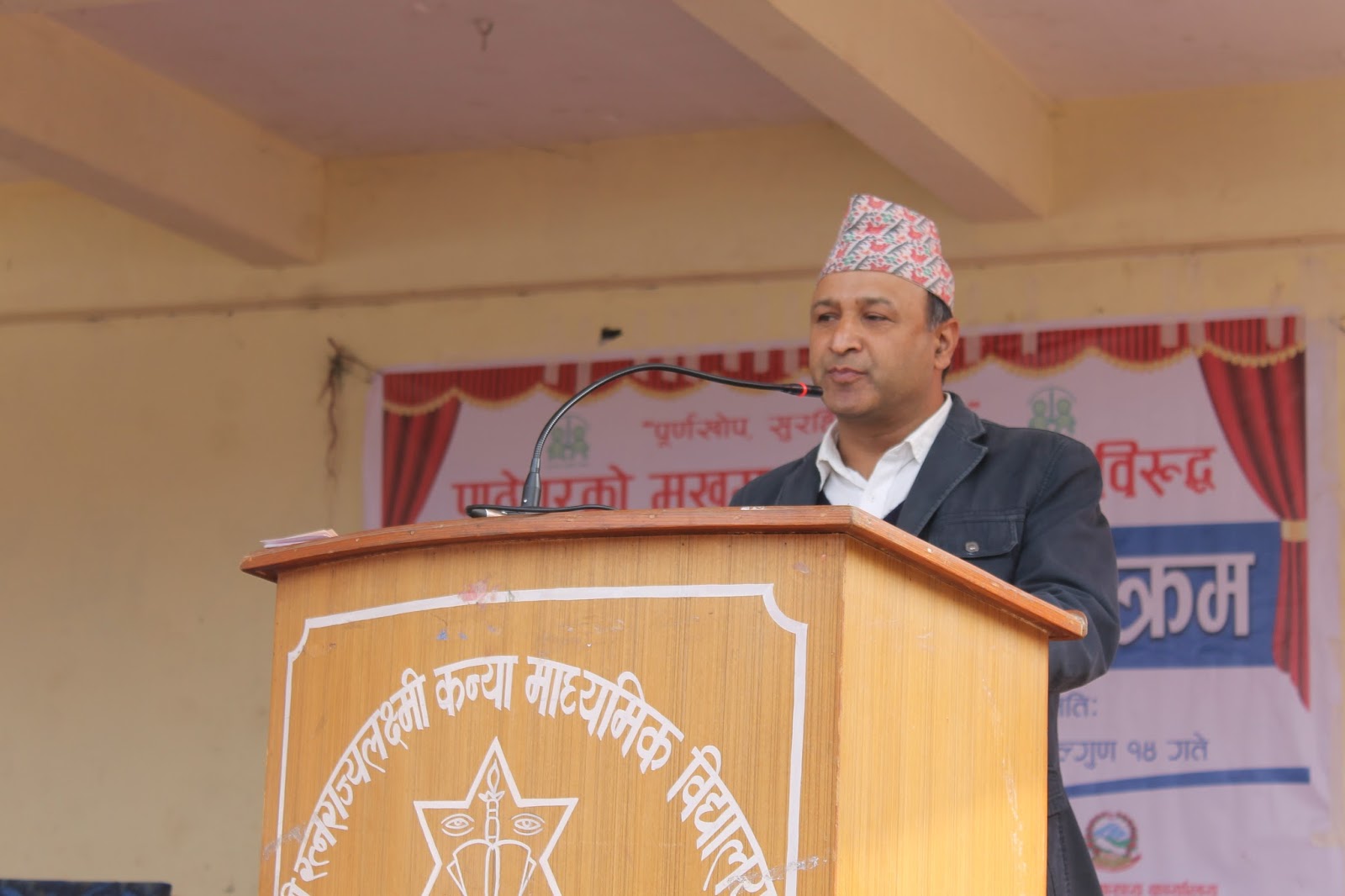
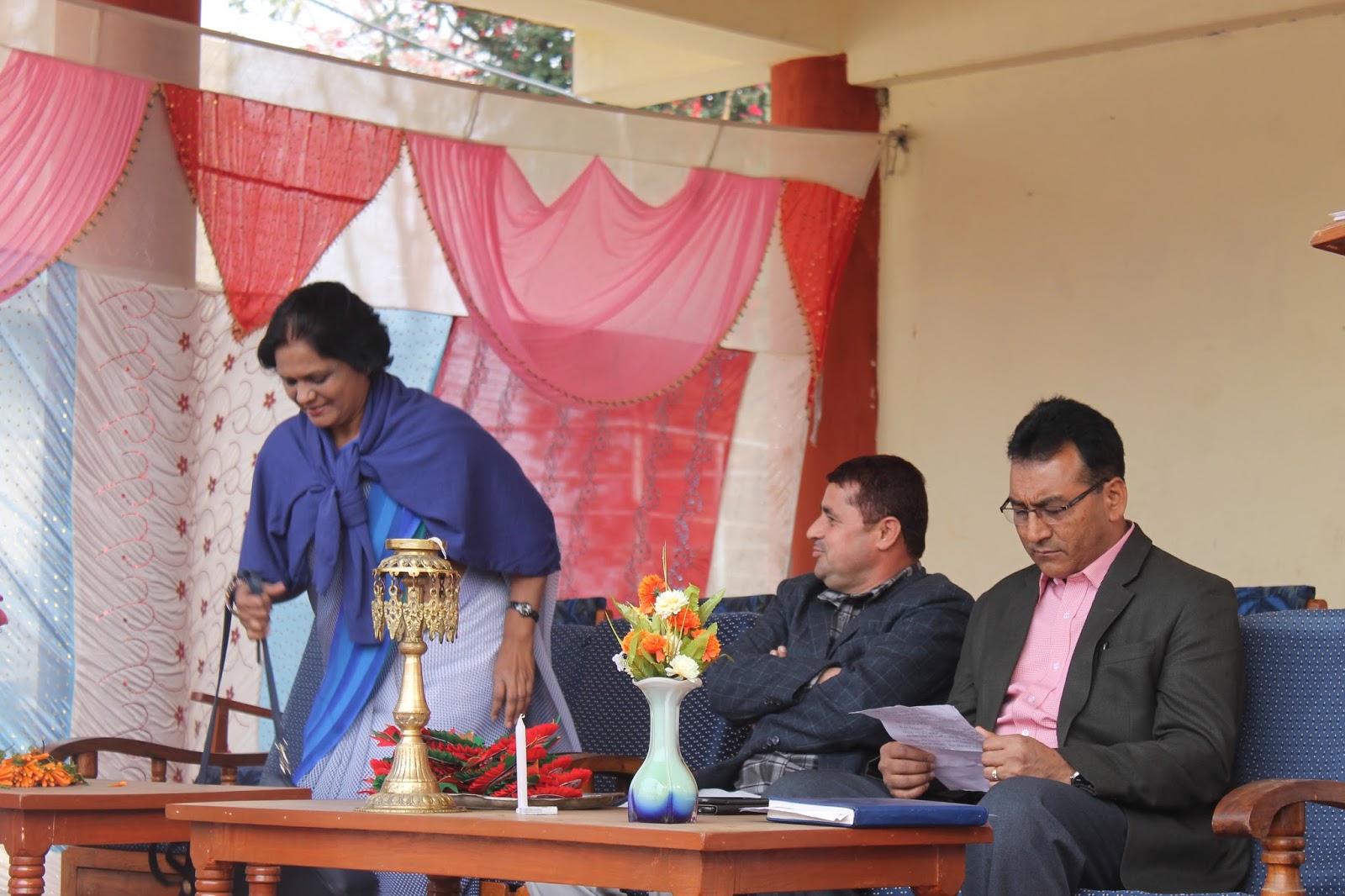
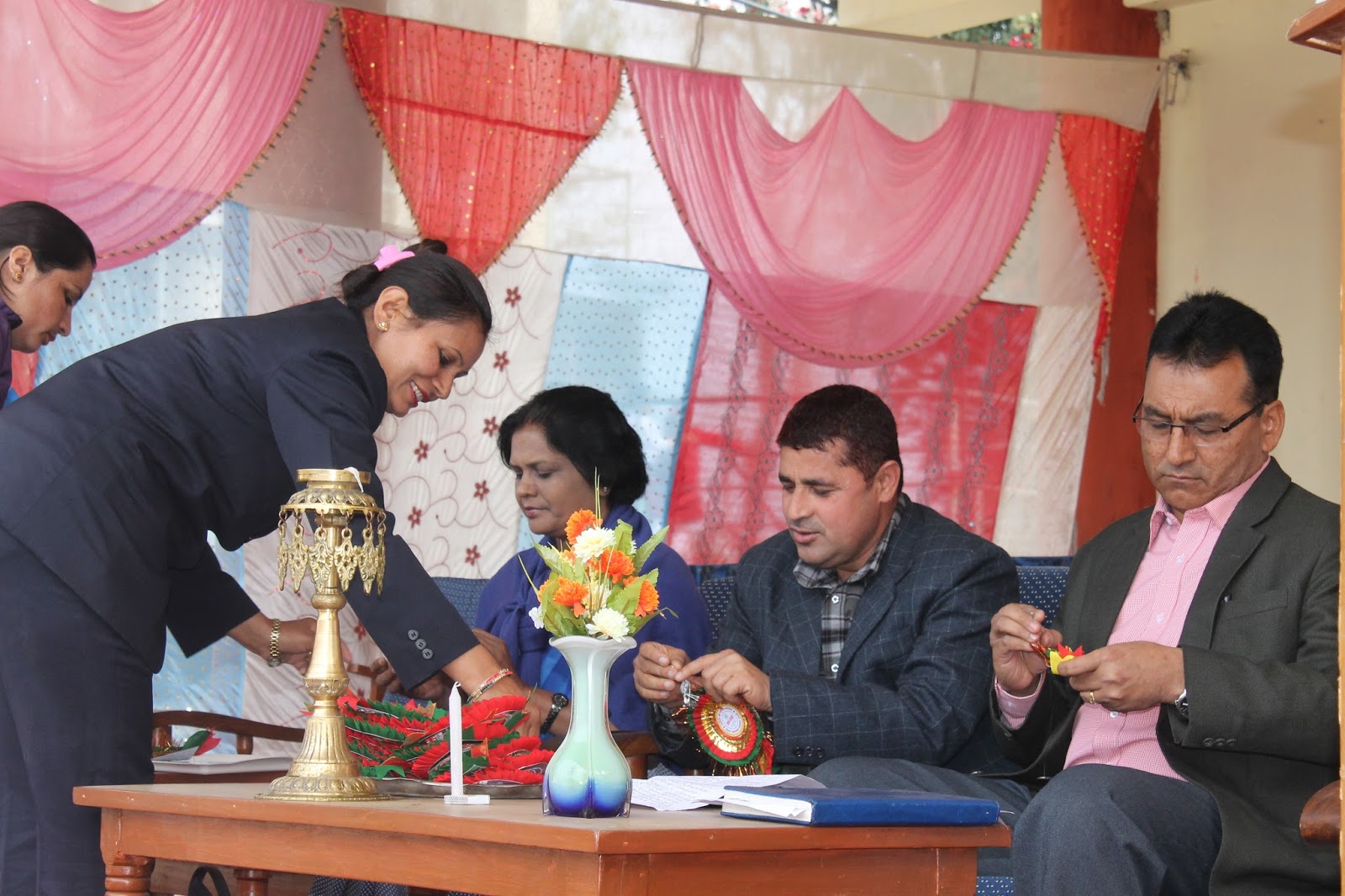
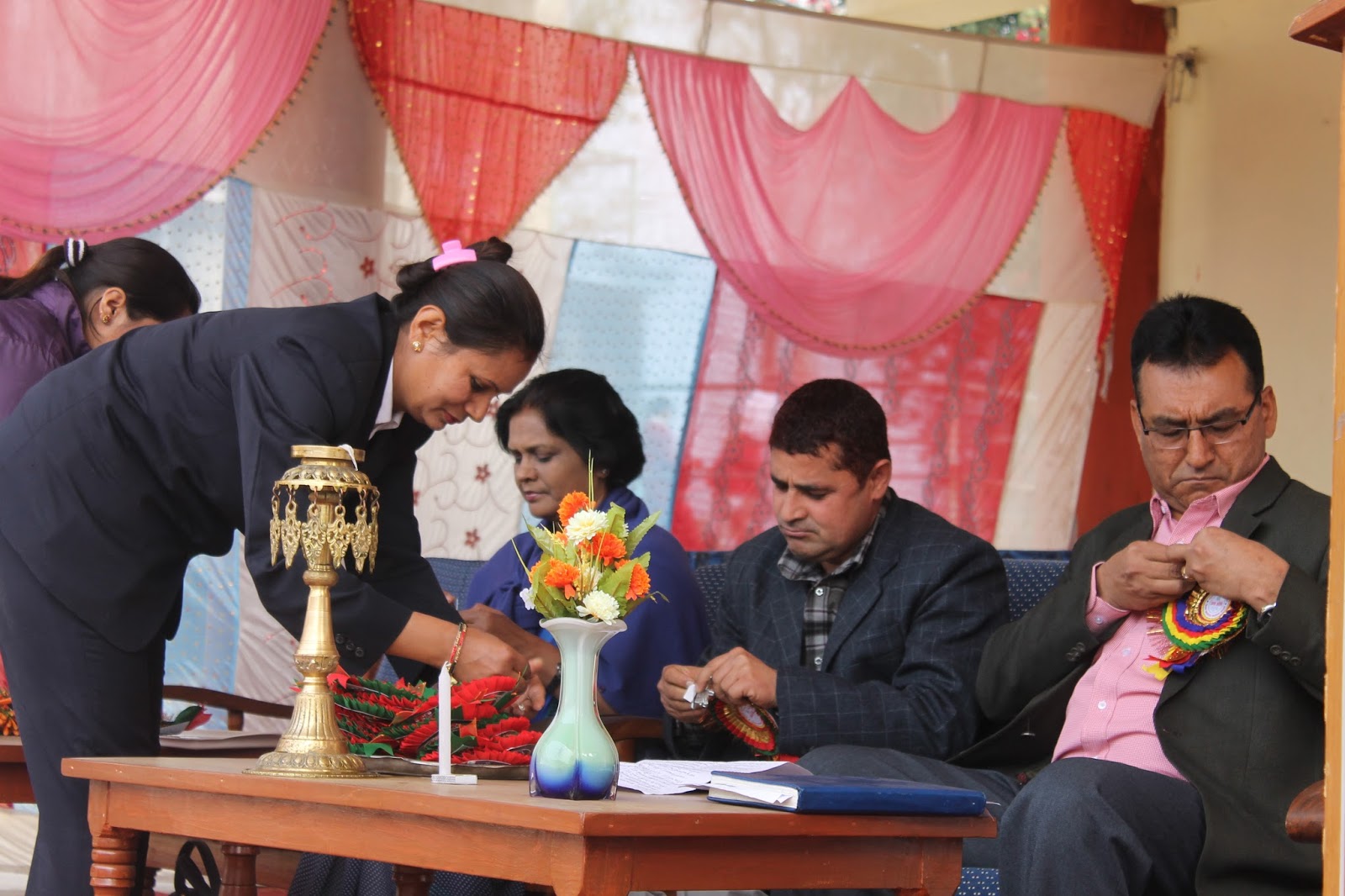
Nepal Government Celebrate National Condom day in Every 1st Saturday after Dashain/Kojagarat Purnima, 21st National condom day was observed nationally with the slogan ”UNIVERSAL ACCESS TO CONDOM FOR DUAL PROTECTION” the major objective of this day is to raise awareness and promotes the use of condom for dual Protection; Prevent HIV and sexually transmitted infections as well as unwanted pregnancies.


IMG 0012
IMG 0004
IMG 0001
IMG 0006


IMG 0014


IMG 0015


IMG 0022


IMG 0023


IMG 0026


IMG 0027


IMG 0028


IMG 0031


IMG 0034


IMG 0040


IMG 0049


IMG 0050


IMG 0051


IMG 0052


IMG 0053


IMG 0054


IMG 0060


IMG 0062


IMG 0067


IMG 0071


IMG 0074


IMG 0078


IMG 0080


IMG 0083


IMG 0087


IMG 0103


IMG 0104


IMG 0111


IMG 0122


IMG 0124
IMG 0005


IMG 0008
IMG 0017


IMG 0020


IMG 0050


IMG 0090


IMG 0101


IMG 0103

Thankyou very much LAL BAHADUR GHALE (CWES) for providing your photography.

October 31, 2015 0 comments
0 FacebookTwitterPinterestLinkedinTumblrVKOdnoklassnikiRedditStumbleuponWhatsappTelegramLINEPocketSkypeViberEmail
International Plan, Policy & Guidelines

WHO Model List of Essential Medicines (April 2015) 19th edition  

by Public Health Update October 29, 2015
written by Public Health Update

The WHO Model Lists of Essential Medicines has been updated every two years since 1977. The current versions are the 19th WHO Essential Medicines List.


WHO%2Bmodel%2Blist%2Bof%2BEssential%2BMedicines

The core list presents a list of minimum medicine needs for a basic health‐care system, listing the most efficacious, safe and cost–effective medicines for priority conditions. Priority conditions are selected on the basis of current and estimated future public health relevance, and potential for safe and cost‐effective treatment. 
The complementary list presents essential medicines for priority diseases, for which specialized diagnostic or monitoring facilities, and/or specialist medical care, and/or specialist training are needed. In case of doubt medicines may also be listed as complementary on the basis of consistent higher costs or less attractive cost‐ effectiveness in a variety of settings.
Download WHO Model Lists of Essential Medicines: Click Here
Source of Info: World Health Organization
Download Lists of Essential Medicines in Nepal: Click Here
October 29, 2015 0 comments
0 FacebookTwitterPinterestLinkedinTumblrVKOdnoklassnikiRedditStumbleuponWhatsappTelegramLINEPocketSkypeViberEmail
International Plan, Policy & GuidelinesPublic HealthReportsResearch & Publication

WHO Global Tuberculosis report 2015

by Public Health Update October 29, 2015
written by Public Health Update

WHO’s Global tuberculosis report 2015 was released on 28 Oct 2015 in Washington. 

Tuberculosis mortality nearly halved since 1990 But TB ranks alongside HIV as a leading cause of death worldwide.

The fight against tuberculosis is paying off, with this year’s death rate nearly half of what it was in 1990. Nevertheless, 1.5 million people died from TB in 2014. Most of these deaths could have been prevented.

Global%2BTB
DOWNLOAD FULL REPORT


Main findings and messages: 

  • The advances are major: TB mortality has fallen 47% since 1990, with nearly all of that improvement taking place since 2000, when the MDGs were set. 
  • In all, effective diagnosis and treatment of TB saved an estimated 43 million lives between 2000 and 2014. 
  • The MDG target to halt and reverse TB incidence has been achieved on a worldwide basis, in each of the six WHO regions and in 16 of the 22 high-burden countries that collectively account for 80% of TB cases. Globally, TB incidence has fallen by an average of 1.5% per year since 2000 and is now 18% lower than the level of 2000. 
  • This year’s report describes higher global totals for new TB cases than in previous years, but these reflect increased and improved national data rather than any increase in the spread of the disease. 
  • Despite these advances and despite the fact that nearly all cases can be cured, TB remains one of the world’s biggest threats. 
  • In 2014, TB killed 1.5 million people (1.1 million HIV-negative and 0.4 million HIV-positive). The toll comprised 890 000 men, 480 000 women and 140 000 children.
  • TB now ranks alongside HIV as a leading cause of death worldwide.
  • To reduce this burden, detection and treatment gaps must be addressed, funding gaps closed and new tools developed. 


READ MORE DOWNLOAD THE REPORTS: 

FULL REPORT:CLICK HERE
EXECUTIVE SUMMARY

SOURCE OF INFO: WORLD HEALTH ORGANIZATION


October 29, 2015 0 comments
0 FacebookTwitterPinterestLinkedinTumblrVKOdnoklassnikiRedditStumbleuponWhatsappTelegramLINEPocketSkypeViberEmail
Newer Posts
Older Posts

Search

Follow Us

Facebook Twitter Instagram Pinterest Linkedin Youtube

Categories

  • Abstracts (25)
  • Activities (91)
  • Adolescent Sexual and Reproductive Health (ASRH) (25)
  • Advice & Tips (3)
  • African Region (5)
  • AI and Health (1)
  • Annual Meeting (6)
  • Antimicrobial Resistance (AMR) (20)
  • Award (19)
  • Awards (16)
  • Books (9)
  • Call for Proposal, EOI & RFP (103)
  • Call for Research Participants (8)
  • Clinical Doctor Jobs (6)
  • Communicable Diseases (107)
  • Competition (20)
  • Conference (128)
  • Consultant (1)
  • Courses (204)
  • Dashboard (2)
  • Digital Health & Health Informatics (10)
  • Drug and Medicine (18)
  • Eastern Mediterranean Region (3)
  • Education (15)
  • Environment (3)
  • Environmental Health & Climate Change (47)
  • European Region (42)
  • Exchange Program (1)
  • Fact Sheet (116)
  • FCHVs (1)
  • Fellowships, Studentship & Scholarships (165)
  • Financial Aid (13)
  • Form Formats (2)
  • Fully funded (22)
  • Global Health News (433)
  • Grants and Funding Opportunities (192)
  • Guest Post (44)
  • Health Assistant Jobs (1)
  • Health Equity (7)
  • Health Financing and Economics (24)
  • Health in Data (113)
  • Health Insurance (5)
  • Health Jobs (52)
  • Health Literacy, Health Education & Promotion (49)
  • Health Organization Profile (42)
  • Health Systems (81)
  • Human Resource for Health (32)
  • Humanitarian Health & Emergency Response (44)
  • Hypertension (5)
  • Implementation Research (48)
  • International Health (3)
  • International Jobs & Opportunities (369)
  • International Plan, Policy & Guidelines (208)
  • Internships (4)
  • Jobs Vacancies (56)
  • Journals (8)
  • Life Style & Public Health Nutrition (39)
  • Live (10)
  • Master's Degree (48)
  • Maternal, Newborn and Child Health (87)
  • Mentorship Program (2)
  • Miscellaneous (16)
  • National Health News (157)
  • National Plan, Policy & Guidelines (468)
  • Neglected Tropical Diseases (NTDs) (51)
  • Non- Communicable Diseases (NCDs) (120)
  • Notice (103)
  • Nursing Jobs (6)
  • Nutritionist Jobs (1)
  • One Health (17)
  • Online & Distance Learning (22)
  • Online Courses (90)
  • Op-Ed Article (3)
  • Opportunities by Region (82)
  • Outbreak News (213)
  • Partially funded (6)
  • PCL Health Science Jobs (3)
  • PH Important Day (532)
  • Pharmacist Jobs (3)
  • PhD (53)
  • Photos (5)
  • Planetary Health (4)
  • PostDoc (14)
  • Presentation Slides (26)
  • Primary Health Care (25)
  • Provincial Plan, Policies and Guidelines (14)
  • Public Health (1,278)
  • Public Health Epidemiology & Biostatistics (13)
  • Public Health Events (305)
  • Public Health Information (20)
  • Public Health Innovation (9)
  • Public Health Jobs (52)
  • Public Health News (552)
  • Public Health Notes (120)
  • Public Health Opportunities (502)
  • Public Health Opportunity (486)
  • Public Health Programs (108)
  • Public Health Seminar (2)
  • Public Health Tools (1)
  • Public Health Update (557)
  • Quality Improvement & Infection Prevention (20)
  • Region of America (8)
  • Reports (182)
  • Research & Project Grants (38)
  • Research & Project Grants (31)
  • Research & Publication (647)
  • Research Articles (10)
  • Road Traffic Accidents (RTA) (9)
  • School of Public Health (60)
  • Self funded (2)
  • South-East Asia Region (26)
  • Success Stories (17)
  • Summer and Winter Courses (39)
  • Summer Courses (27)
  • Sustainable Development Goals (SDGs) (14)
  • Syllabus (61)
  • Symposium (9)
  • Tobacco Control (35)
  • Training (40)
  • Travel Grants (15)
  • Trick, Technique & Skills (8)
  • Uncategorized (3)
  • Undergraduate Degree (7)
  • Universal Health Coverage (36)
  • Universities (29)
  • Universities & School of Public Health (57)
  • Vacancy Announcement (26)
  • Vaccine Preventable Diseases (40)
  • Vector-Borne Diseases(VBDs) (30)
  • Videos (3)
  • View Points (1)
  • Webinar (4)
  • Western Pacific Region (13)
  • Workshop (18)
  • World News (116)
Post New Jobs: Vacancy Announcement Service

Public Health Update (Sagun’s Blog) is a popular public health portal in Nepal. Thousands of health professionals are connected with Public Health Update to get up-to-date public health updates, search for jobs, and explore opportunities.
#1 Public Health Blog for sharing Job opportunities and updates in Nepal

”Public Health Information For All”
– – Sagun Paudel, Founder

  • HOT JOBS
    • Public Health Jobs
    • Medical Doctor Jobs
    • Nursing Jobs
    • Health Assistant Jobs
    • Pharmacist Jobs
    • NGOs Jobs
    • Government Jobs
  • Top Categories
    • National Plan, Policy & Guidelines Top
    • Public Health Calendar
    • Fellowships & Scholarships
    • Health Systems
    • Health Organization Profiles
    • International Jobs & Opportunities
    • Public Health Opportunity

PUBLIC HEALTH INITIATIVE

    • Submit your Vacancies New
    • Partnership Opportunities

Contact: blog.publichealthupdate@gmail.com

https://wa.me/+9779856036932

Public Health Initiative, A Registered Non-profit organization – All Right Reserved. 2011-2024. Contact us. 
Facebook Twitter Instagram Youtube Envelope
Public Health Update
  • Home
  • Public Health
    • Home 1
      • Adolescent Sexual and Reproductive Health (ASRH)
      • Antimicrobial Resistance (AMR)
      • Communicable Diseases
      • Digital Health & Health Informatics
      • Environmental Health & Climate Change
      • Health Financing and Economics
      • Health Equity
    • Home 2
      • Health Literacy, Health Education & Promotion
      • Human Resource for Health
      • Humanitarian Health & Emergency Response
      • Implementation Research
      • International Health
      • Life Style & Public Health Nutrition
      • Maternal, Newborn and Child Health
    • Home 3
      • Neglected Tropical Diseases (NTDs)
      • Non- Communicable Diseases (NCDs)
      • One Health
      • Planetary Health
      • Public Health Epidemiology & Biostatistics
      • Primary Health Care
      • Quality Improvement & Infection Prevention
    • Home 4
      • Road Traffic Accidents (RTA)
      • Sustainable Development Goals (SDGs)
      • Tobacco Control
      • Universal Health Coverage
      • Vaccine Preventable Diseases
      • Vector-Borne Diseases(VBDs)
      • Notices
  • Public Health Update
    • Home 1
      • Public Health News
      • Global Health News
      • Outbreak News
      • National Health News
      • COVID-19
    • Home 2
      • Fact Sheet
      • Health in Data
      • PH Important Day
      • Public Health Events
      • Public Health Programs
    • Home 3
      • Health Systems
      • Health Insurance
      • Health Organization Profile
      • Success Stories
      • Public Health Innovation
  • Public Health Opportunities
    • Fully funded
    • Travel Grants
    • Grants and Funding Opportunities
    • Opportunities by Region
    • International Jobs & Opportunities
    • Research & Project Grants
    • Fellowships, Studentship & Scholarships
    • Conference
  • Jobs
    • Home 1
      • Health Jobs
      • Public Health Jobs
      • Clinical doctor Jobs
      • Health Assistant Jobs
      • Nursing Jobs
      • PCL Health Science Jobs
    • Home 2
      • Dental Jobs
      • Pharmacist Jobs
      • TSLC (Health Jobs)
      • Laboratory Jobs
      • Nutritionist Jobs
  • Downloads
    • International Plan, Policy & Guidelines
    • National Plan, Policy & Guidelines
    • Reports
    • Books
    • Research Articles
  • School of Public Health
    • Home 1
      • Courses
      • Master’s Degree
      • Undergraduate Degree
      • PhD
    • Home 2
      • Universities
      • Syllabus
      • Public Health Notes
      • Mentorship Program
      • Startup Project
    • Home
      • Summer and Winter Courses
      • Summer Courses
      • Online Courses
      • Workshop
      • Training
Public Health Update
  • Home
  • Public Health
    • Home 1
      • Adolescent Sexual and Reproductive Health (ASRH)
      • Antimicrobial Resistance (AMR)
      • Communicable Diseases
      • Digital Health & Health Informatics
      • Environmental Health & Climate Change
      • Health Financing and Economics
      • Health Equity
    • Home 2
      • Health Literacy, Health Education & Promotion
      • Human Resource for Health
      • Humanitarian Health & Emergency Response
      • Implementation Research
      • International Health
      • Life Style & Public Health Nutrition
      • Maternal, Newborn and Child Health
    • Home 3
      • Neglected Tropical Diseases (NTDs)
      • Non- Communicable Diseases (NCDs)
      • One Health
      • Planetary Health
      • Public Health Epidemiology & Biostatistics
      • Primary Health Care
      • Quality Improvement & Infection Prevention
    • Home 4
      • Road Traffic Accidents (RTA)
      • Sustainable Development Goals (SDGs)
      • Tobacco Control
      • Universal Health Coverage
      • Vaccine Preventable Diseases
      • Vector-Borne Diseases(VBDs)
      • Notices
  • Public Health Update
    • Home 1
      • Public Health News
      • Global Health News
      • Outbreak News
      • National Health News
      • COVID-19
    • Home 2
      • Fact Sheet
      • Health in Data
      • PH Important Day
      • Public Health Events
      • Public Health Programs
    • Home 3
      • Health Systems
      • Health Insurance
      • Health Organization Profile
      • Success Stories
      • Public Health Innovation
  • Public Health Opportunities
    • Fully funded
    • Travel Grants
    • Grants and Funding Opportunities
    • Opportunities by Region
    • International Jobs & Opportunities
    • Research & Project Grants
    • Fellowships, Studentship & Scholarships
    • Conference
  • Jobs
    • Home 1
      • Health Jobs
      • Public Health Jobs
      • Clinical doctor Jobs
      • Health Assistant Jobs
      • Nursing Jobs
      • PCL Health Science Jobs
    • Home 2
      • Dental Jobs
      • Pharmacist Jobs
      • TSLC (Health Jobs)
      • Laboratory Jobs
      • Nutritionist Jobs
  • Downloads
    • International Plan, Policy & Guidelines
    • National Plan, Policy & Guidelines
    • Reports
    • Books
    • Research Articles
  • School of Public Health
    • Home 1
      • Courses
      • Master’s Degree
      • Undergraduate Degree
      • PhD
    • Home 2
      • Universities
      • Syllabus
      • Public Health Notes
      • Mentorship Program
      • Startup Project
    • Home
      • Summer and Winter Courses
      • Summer Courses
      • Online Courses
      • Workshop
      • Training
Public Health Initiative, A Registered Non-profit organization – All Right Reserved. 2011-2023