
Public Health Update
  • Home
  • Public Health Update
  • Nepal Health Jobs
    • Public Health Job Board
    • Organization List
  • Opportunities
    • Fellowships, Studentship & Scholarships
    • Grants and Funding Opportunities
    • Fully funded
    • Conference
  • Downloads
    • International Plan, Policy & Guidelines
    • National Plan, Policy & Guidelines
    • Reports
    • Public Health Notes
    • Syllabus
    • Form Formats
  • School of Public Health
    • PhD
    • Master’s Degree
    • Online Courses
  • Notice
LOGIN / REGISTER
Public Health Update
SUBSCRIBE
Public Health Update
  • Home
  • Public Health Update
  • Nepal Health Jobs
    • Public Health Job Board
    • Organization List
  • Opportunities
    • Fellowships, Studentship & Scholarships
    • Grants and Funding Opportunities
    • Fully funded
    • Conference
  • Downloads
    • International Plan, Policy & Guidelines
    • National Plan, Policy & Guidelines
    • Reports
    • Public Health Notes
    • Syllabus
    • Form Formats
  • School of Public Health
    • PhD
    • Master’s Degree
    • Online Courses
  • Notice

All Right Reserved. Designed and Developed by PenciDesign

National Plan, Policy & GuidelinesPH Important DayPublic HealthPublic Health ProgramsResearch & Publication

27th March 2014 : Historical Day in field of Public Health to end Polio in Nepal

by Public Health Update March 28, 2016
written by Public Health Update
Nepal has been maintaining certificate standard AFP surveillance since 2001. The surveillance system is sensitive enough to detect polio cases and circulating derived poliovirus. Nepal was declared polio -free by the Regional Certification Commission on 27 March 2014. Nepal adopted the strategies developed by the WHO such as active AFP surveillance, Routine Immunization, SIAs and Mop-up to achieve the goal of Polio eradication. The CHD took lead in planning, delivering and managing the National Immunization Program including polio throughout the country. The community based interventions together with the national and international learning have been accounted for this success in the functional partnership and community based approaches. 
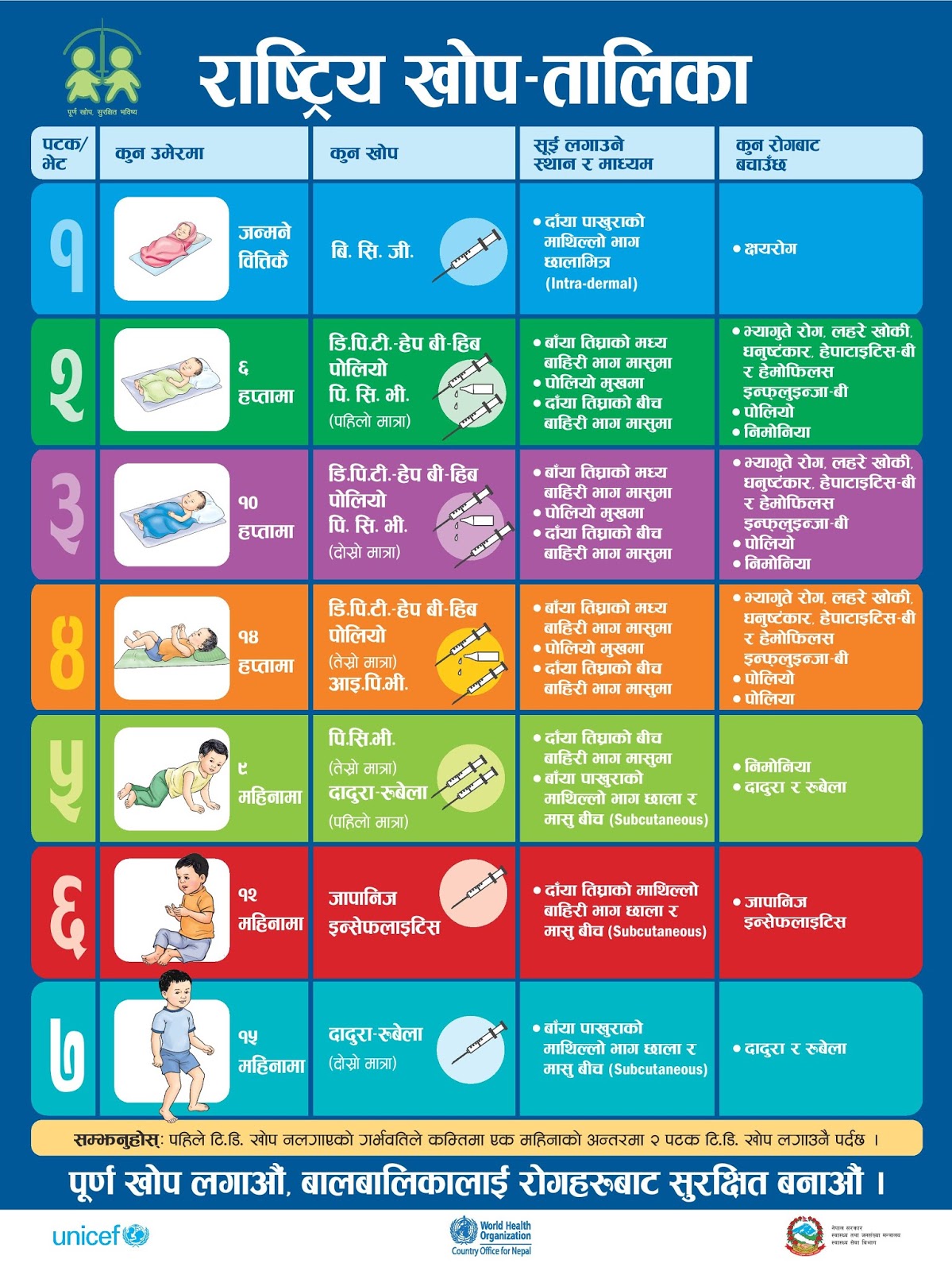
NIP%2BSchedule page 001

Key Strategies for polio eradication 
  1. Routine immunization: Routine immunization is the cornerstone of polio eradication. Uniform and 95% OPV3 routine coverage increases the immunity level in community and thus interrupts the circulation of WPV transmission. Hence, the access of routine immunization services should be expanded at grass-root level. 
  2. Supplementary Immunization Activity (SIA) – (National Immunization Days & Sub National Immunization Days)  National Immunization Days aiming to improve universal coverage should be conducted on regular basis. It is an additional national or subnational mass vaccination campaign designed to vaccinate all children under five which helps in interruption of transmission of wild poliovirus. It aims to vaccinate everyone under five, regardless of their previous immunization status. 
  3. Surveillance of acute flaccid paralysis (AFP) – All AFP cases (suspected polio) are detected, reported and investigated. This allows for the identification of any remaining reservoirs of wild polio virus and helps in the decision making for the SIAs need. 
  4. Mop-up campaigns – These are intensive, house to house campaigns that are conducted during the final stage of polio eradication. Mop up is conducted when the polio virus is confined in a limited geographical area, where all children are tracked and vaccinated reaching each house hold, even after successful implementation of NIDs and routine immunization.
  • Introduction Of The Injectable Inactivated Polio Vaccine (IPV) IPV is being introduced in Nepal in order to quickly maximize childhood immunity to polio and maintain the country’s polio-free status. IPV has been proven an extremely safe and effective vaccine and has been used successfully in many developed countries for several decades. It is important to note that IPV is recommended in addition to the oral vaccine and does not replace the oral vaccine. (UNICEF)
Historical Development in Polio Eradication 
Polio Eradication Initiative in Nepal was begun in 1996 through EWARS and it was part of global efforts of the World Health Organization to achieve the world free of polio. With vigorous attempts backed by appropriate and effective policy measures, Nepal has been able to make the country free from this crippling disease as no new polio cases have been reported in the country for more than three years. The national polio immunization campaign has been carried out so effectively that every child up to five years is successfully administered polio drops. As a result, the country is now proudly able to stand as a polio-free country, which is a matter of satisfaction to all of us. The efforts of the government and support of the donors as well organizations like WHO, UNICEF and the Rotary International have yielded positive results. 
  • In 1980, the government of Nepal included polio vaccination in regular immunization programme
  • In 1996, Nepal initiated polio eradication efforts by holding the first National Immunization Days in all 75 districts. The first NID had been started from Kathmandu.
  • In July 1998, the government established an expanded nationwide Acute Flaccid Paralysis Surveillance. Since then, 32 polio infection cases have been detected. Among them 30 were from Terai region
  • Two cases were reported from hill districts ( Bajura and Dailekh) Nepal borders with the endemic states of India has always been a threat for imported polio virus. Nepal has been continuously observing national immunization days every year in two rounds to stop indigenous or importation of WPV.
  • Nepal set the target of becoming polio free by 2000. No polio virus was detected in 2001, 2002, 2003 and 2004.
  • The virus resurfaced in 2005, 2006, 2007 and 2008 (average 4- 6 cases). 20 cases were reported due to cross-border transmission.
  • No polio case was reported in 2009 but six cases were detected in 2010 (one WPV1 reported from Mahottari district followed by five WPV1 in Rautahat district).The detail investigation revealed that first case of Mahottari was importation from Bihar. 
  • No new polio case has been reported since then (30 August 2010). The last nation-wide polio drop campaign in December 2013 was able to achieve over 90 per cent coverage. Door-to-door polio drop was administered to ensure that no child under five years of age was left out from the drive against polio.

Read More:

PROGRESS OF POLIO ERADICATION IN NEPAL Child Health Division/ Department of Health Services (DoHS) Ministry of Health and Population (MoHP) Kathmandu, Ne
pal

March 28, 2016 0 comments
0 FacebookTwitterPinterestLinkedinTumblrVKOdnoklassnikiRedditStumbleuponWhatsappTelegramLINEPocketSkypeViberEmail
PH Important DayPublic Health

World TB Day – Unite to End TB!!

by Public Health Update March 23, 2016
written by Public Health Update
What is World TB Day?

World TB Day is held each year on March 24th and aims to build public awareness for tuberculosis. A disease which despite being curable, remains a destructive epidemic in much of the world.
On this day, we commemorate Dr Robert Koch’s announcement in 1882 of his discovery of the TB bacillus, the cause of tuberculosis. His groundbreaking research opened the way toward diagnosing and curing this disease.
World TB Day is an opportunity for people everywhere to join this fight by helping to educate others about TB and by urging governments to take action. We believe that together we can End TB for once and for all: Unite to End TB!
The Red Arrow : A Symbol to Unite Us Against TB
The Red Arrow is a symbol for our goal: a world without TB. It represents our unwavering commitment to move forward with this mission until we reach the finish line. Because despite its devastating impact as the world’s leading infectious killer, there is still the troubling fact that most people in the world think of TB as a disease of the past.
The Red Arrow was developed with the input of thousands of partners in the TB community. The symbol belongs to no single organization, person, tagline, or agenda. It represents our unity against TB, and it’s in your hands to shape, mold, and give meaning to.
SOURCE OF INFO STOP TB 

Key facts

  • Tuberculosis (TB) is a top infectious disease killer worldwide.
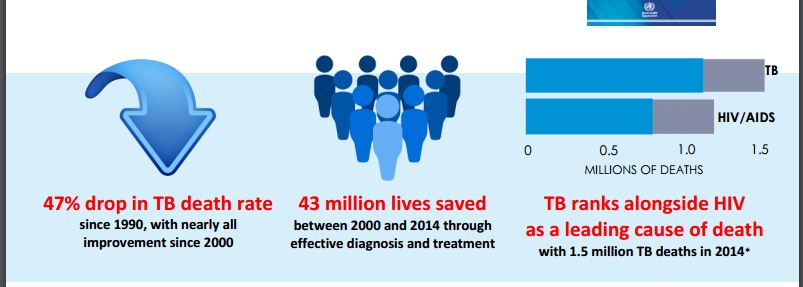
  • In 2014, 9.6 million people fell ill with TB and 1.5 million died from the disease.
  • Over 95% of TB deaths occur in low- and middle-income countries, and it is among the top 5 causes of death for women aged 15 to 44.
  • In 2014, an estimated 1 million children became ill with TB and 140 000 children died of TB.
  • TB is a leading killer of HIV-positive people: in 2015, 1 in 3HIV deaths was due to TB.
  • Globally in 2014, an estimated 480 000 people developed multidrug-resistant TB (MDR-TB).
  • The Millennium Development Goal target of halting and reversing the TB epidemic by 2015 has been met globally. TB incidence has fallen by an average of 1.5% per year since 2000 and is now 18% lower than the level of 2000.
  • The TB death rate dropped 47% between 1990 and 2015.
  • An estimated 43 million lives were saved through TB diagnosis and treatment between 2000 and 2014.
  • Ending the TB epidemic by 2030 is among the health targets of the newly adopted Sustainable Development Goals.

Source of info : WHO Tuberculosis Fact sheet N°104 Reviewed March 2016
Capture
DOWNLOAD  WHO Global TuberculosisReport 2015

March 23, 2016 0 comments
0 FacebookTwitterPinterestLinkedinTumblrVKOdnoklassnikiRedditStumbleuponWhatsappTelegramLINEPocketSkypeViberEmail
Public HealthPublic Health Events

DHAKA DECLARATION- 12th International Congress on AIDS in Asia and the Pacific (ICAAP12)

by Public Health Update March 16, 2016
written by Public Health Update
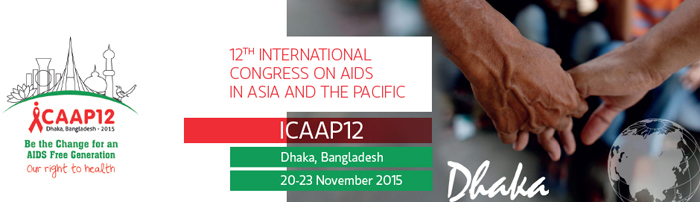
The International Congress on AIDS in Asia and the Pacific (ICAAP) is the largest forum on AIDS held in the Asia and the Pacific region. Since the first ICAAP was held in 1990 – almost 25 years ago – the ICAAP has played a critical role in raising public awareness, building political commitment, strengthening advocacy networks and disseminating knowledge and experiences on HIV issues among stakeholders in the region.​                                                                            ICCAP12

The 12th International Congress on AIDS in Asia and the Pacific (ICAAP12) was held in Dhaka, Bangladesh from 12 to 14 March 2016 in Dhaka, Bangladesh. The Venue is the International Convention City Bashundhara (ICCB), Bangladesh’s premier facility for international meetings and exhibitions. ICCB is conveniently located close to many three, four and five star hotels.​

MISSION/VISION

  • ICAAP12 is an opportunity to firmly entrench communities’ efforts to promote the game changers with respect to AIDS prevention, treatment, care and support in the Asia Pacific region that will lead to shared vision in the post 2015 agenda and end AIDS by 2030.​

GOALS

  • To provide an international forum for communities and especially young people’s voices in the agenda setting for ending AIDS post 2015
  • To promote increased responsibility and accountability for governments and the international community for ending AIDS
  • To provide a platform for country-by-country analysis of innovation, science and social determinants which will lead to the end of AIDS
THEME
  • The theme of Dhaka congress is ‘Be the Change Towards an AIDS Free Generation: Our Right to Health’ which highlights the global and regional needs for achieving an AIDS free generation through science, innovation and community involvement and public private partnership.

HOSTING ARRANGEMENTS

  • The official co-hosts of the 12th International Congress on AIDS in Asia and Pacific (ICAAP) are Partners in Population and Development (PPD) and the Government of Bangladesh.
  • Assisting the co-hosts with the planning for the Congress are the following Civil Society Organizations: Bandhu Social Welfare Society; STI/AIDS Network of Bangladesh; and PLHIV
  • Network (Bangladesh).
In addition, technical assistance to the ICAAP12 co-hosts and planner partners is provided by:
  • International Centre for Diarrheal Disease, Bangladesh (icddr,b)
  • Bangabandhu Sheikh Mujib Medical University (BSMMU)
  • Begum Rokeya University, Rangpur
  • The James P Grant School of Public Health
  • UNICEF
The AIDS Society of Asia and the Pacific (ASAP) is the Convener for ICAAP12 and UNAIDS is the Co-Convener.​​

DHAKA DECLARATION
In the background of scientific presentations, technical deliberations and intense community interactions under the aegis of ICAAP12, this declaration expresses the voice and aspirations of 2500 delegates channeled over 250 sessions and equal number of peripheral sessions and constant dialogue emanating out of the community at AP Village, articulating unanimously and conclusively that the various global and regional calls for action for strengthening AIDS response have largely remained rhetorical and have not elicited corresponding ground actions and has diluted regional HIV responses. With current constraints at the national and regional level, ‘Ending AIDS by 2030’ sounds unrealistic, unless remedial actions are put in place. Without Asia Pacific region, which accounts for 56 countries and 70% of the world’s population, achieving the global goal of Ending AIDS by 2030 will be evasive. Hence, this Dhaka Declaration for ending AIDS by 2030 in the Asia and the Pacific is adopted.

Having met in Dhaka for the 12th International Congress on AIDS in Asia and Pacific (ICAAP 12) from 12 to 14 March 2016 

Recalling the UN General Assembly Resolution 60/262 of 2006 by which the Assembly adopted the Political Declaration on HIV/AIDS and UN Economic and Social Commission on Asia and Pacific (ESCAP) Resolutions 66/10 of 2010 and 67/9 of 2011– both aimed at fighting HIV/AIDS through regional actions; 

Welcoming the global commitment for ending the epidemic of AIDS by 2030 as set out in Goal 3.3 of the Agenda 2030 for Sustainable Development Goals adopted in the 70th UN General Assembly; 
Acknowledging the urgency of the situation as well as the efforts taken and progress made in the Asia and the Pacific region in fighting AIDS – both at the regional as well as national levels through prevention, protection, care and support; 
Recognizing very low prevalence of HIV in certain countries in the region, including Bangladesh, which offers an opportunity towards achieving the sustainable development goal for ending AIDS by 2030 as well as occasions for sharing best practices and replicating prevention strategies in other countries in the region with high prevalence; 
Accepting the magnitude of the scientific and technical programme and the quality of efforts put in by the Bangladesh Local Organizing Committee (LOC) Secretariat, and appreciating the extensive works done through multi-stakeholder consultations that defined the valuable scientific, technical and community deliberations and dialogue on AIDS; 
Recommending that governance and accountability are important factors to keeping the AIDS response steady and focused and the global, regional and national governance architecture should be re-visited to ensure their adequacy, competency and relevance in the face of the roadmap for Ending AIDS by 2030; 
Reaffirming that prevention is the keystone for such regional or national response and that the national governments need to revamp national strategies to integrate HIV response into the Primary Health Care Services, sexual, reproductive and adolescent health care services for ensuring greater access and coverage to the key population groups; 
Recognizing, Bangladesh’ community clinics model’s ability to provide services to reduce maternal mortality as an opportunity to reduce mother to child transmission of HIV as well; 
Recalling the commitments made at earlier ICAAP events towards promoting health, dignity and human rights of key affected populations and the importance of putting the Communities directly involved in focus in designing and implementing the programmes with participation of health departments, local police, faith leaders, parliamentarians, judiciary, colleagues from workplace and society at large; 
Accepting that co—infection/co-morbidity with Tuberculosis has been a major cause of mortality among people living with HIV and need to be addressed on scale;– 
Expressing deep appreciation to the Government of Bangladesh for hosting the ICCAP 12; 
We, the delegates of ICAAP12 recommit ourselves to support and strengthen the Asia – Pacific regional efforts to achieve End AIDS by 2030 goal irrespective of the current levels of HIV infection and prevalence rates and call upon the national governments, regional and global health leaderships to consider the following reformative and transformative agenda to make AIDS response in Asia and the Pacific more combative and timely to conquer the HIV epidemic in the region and decide to undertake following actions: 3 ICAAP12 – Dhaka Declaration Government of Bangladesh 
  1. Call upon our national governments and regional HIV programme leadership to
    • a. Scale up, accelerate and universalize ART coverage and improve access to treatment for those in need and expand the testing coverage. Solicit intensified national efforts towards eliminating new HIV infections among children and substantially reduce AIDS related maternal deaths.
    • b. Improve treatment delivery to PLHAs and reduce inefficiencies and build improved access to available treatment for PLHAs requiring treatment, so that no one is left behind. 
    • c. Improve access to HIV medicines and treatment commodities for PLHAs. Ensure adequate inclusion and supply of Hep-C into essential treatment commodities list for PLHAs. Address trade issues affecting supply of generic drugs; 

  2. Acknowledge that resource generation for AIDS response should not be an exclusive responsibility of developing countries; rather it should be a global shared responsibility for which resources should be allocated based on the relative vulnerability of societies, rather than prevalence rates alone and accordingly cooperate for such resource generation. 
  3. Emphasize the need for greater integration of HIV response with regular health and mainstream development programmes and encourage the national governments to align the national HIV responses with the SDG frameworks; 
  4. Stress that containing HIV would require greater investments and public private partnership and request the donors, governments, bi-lateral and multi-lateral organizations to make adequate investments in a coordinated and complementary manner; 
  5. Note with concern that there exists lack of technical capacities to predict, understand and combat the HIV epidemics in the region and call upon UNAIDS, World Health Organization (WHO) and other International actors at regional and country level to support the national and regional HIV responses, with full participation of other UN agencies for greater impact. 
  6. Take note of the frequent new global slogans and initiatives and recommend the assessment of existing initiatives against their mandate, goals and sustainability before more high level initiatives are announced so that the existing programme architecture and the initiatives as well as the original commitments, goals and purposes are not adversely affected. 
  7. Recognize the great opportunity embedded in South-South Cooperation (SSC) in turning around the AIDS response in Asia-Pacific region, call upon the proponents of 4 ICAAP12 – Dhaka Declaration Government of Bangladesh SSC to optimize regional capacities for health commodity security; and enable crossborder dialogue for joint planning and programming through health diplomacy for addressing frontier based injecting drug use, cross-border malaria and other related health issues . 
  8. Appreciate the potential role of the Inter-governmental agency, Partners in Population Development (PPD) in playing a catalytic role through optimal utilization of the cross-border resources in creating positive impact for AIDS control in the crossborder settings and engage with it at the regional and national level. 

Adopted on this day, the 14th March, at the Closing Session of ICAAP12.

DOWNLOAD PDF
Read More Information: ICAAP12
March 16, 2016 0 comments
0 FacebookTwitterPinterestLinkedinTumblrVKOdnoklassnikiRedditStumbleuponWhatsappTelegramLINEPocketSkypeViberEmail
Public Health Notes

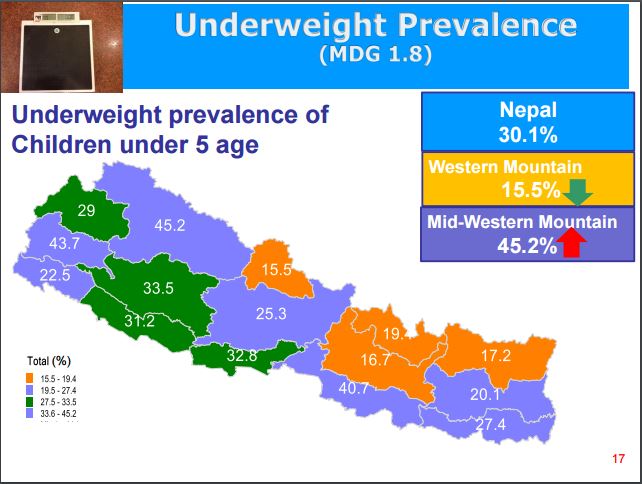
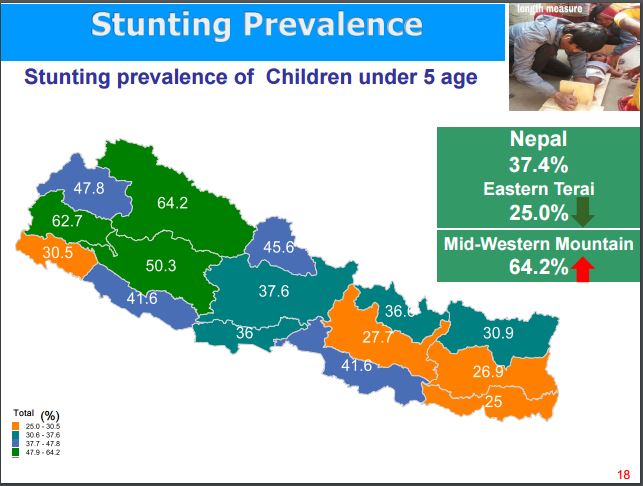
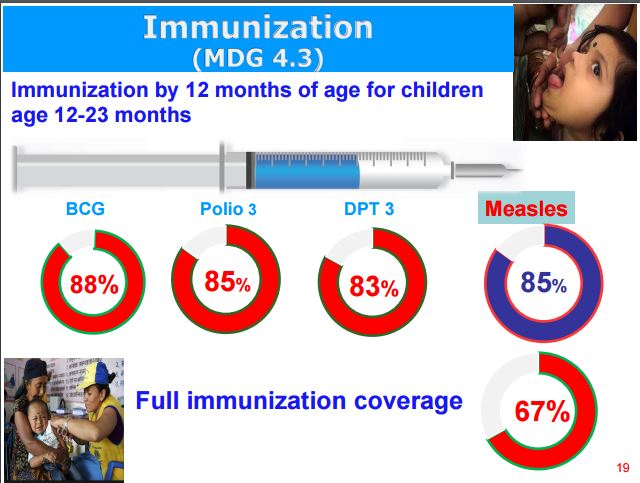
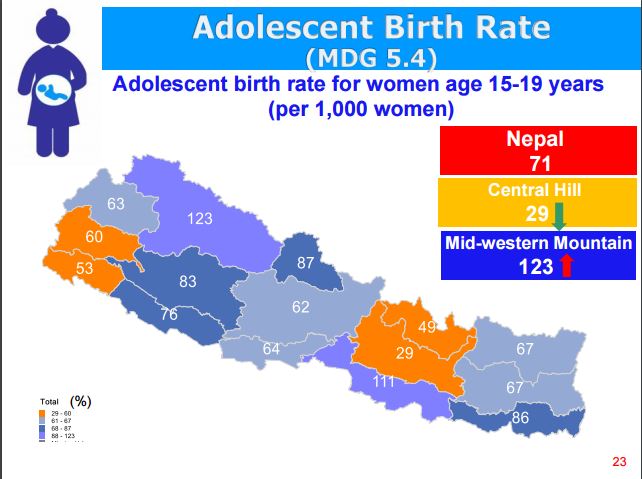
Nepal Multiple Indicator Cluster Survey (MICS 2014) Final Report

by Public Health Update March 5, 2016
written by Public Health Update
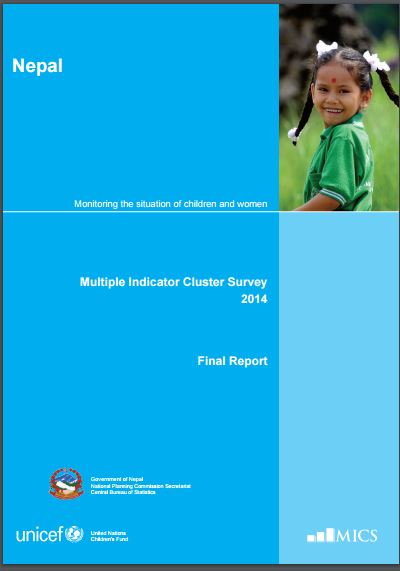
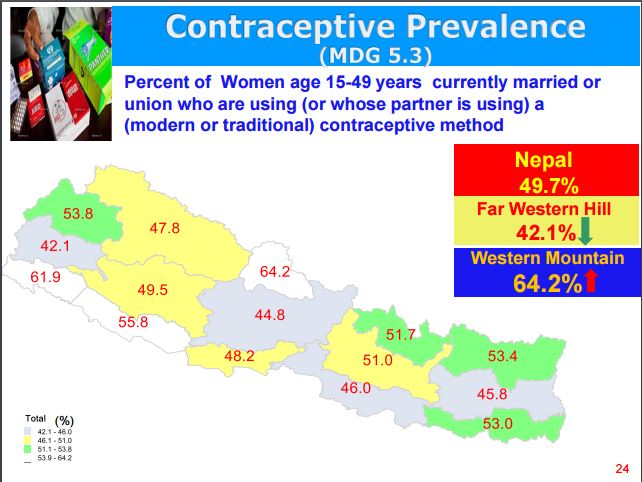
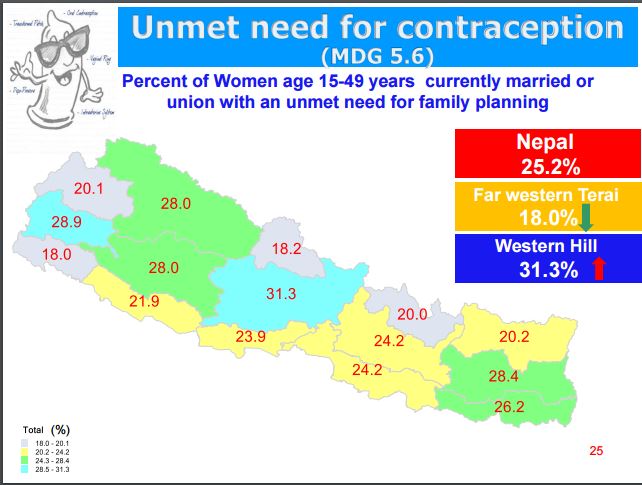
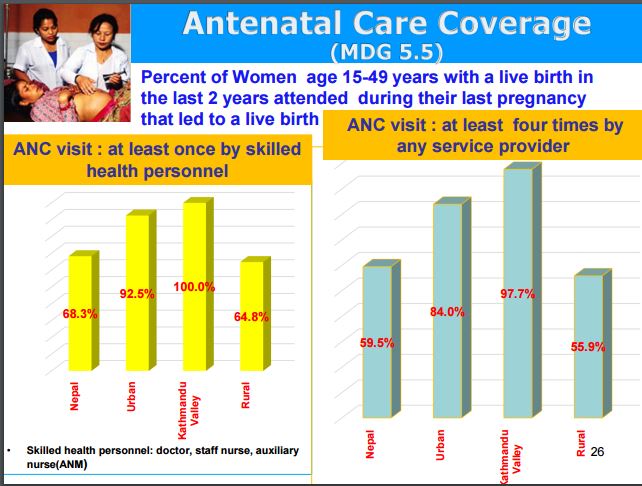
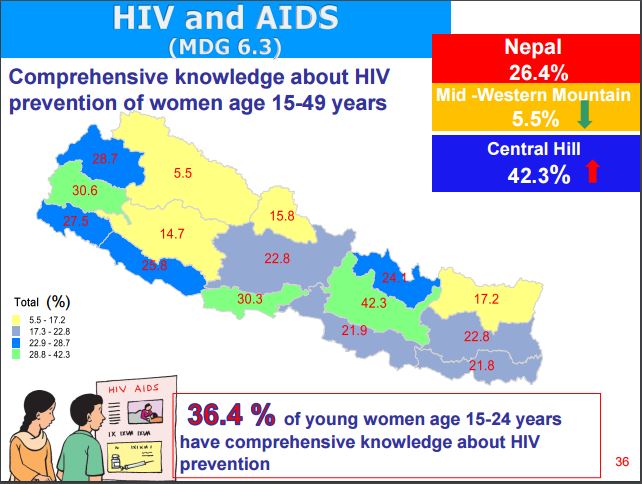
NMISThe Nepal Multiple Indicator Cluster Survey (MICS) was carried out in 2014 by the Central Bureau of Statistics (CBS) as part of the global MICS programme. Technical and financial support was provided by the United Nations Children’s Fund (UNICEF).

Nepal MICS 2014 provides valuable information and the latest evidence on the situation of children and women in Nepal before the country was hit by an earthquake of 7.8 magnitude on 25 April 2015. 

The survey presents data from an equity perspective by indicating disparities by sex, region, area, education, household wealth, and other characteristics. Nepal MICS 2014 is based on a sample of 12,405 households interviewed and provides a comprehensive picture of children and women in the 15 sub-regions of the country.


Download:

  • Nepal Multiple Indicator Cluster Survey (MICS 2014) Final Report
  • Key findings of Nepal Multiple Indicator Cluster Survey (NMICS) 2014, presented by Krishna Tuladhar
Important Findings

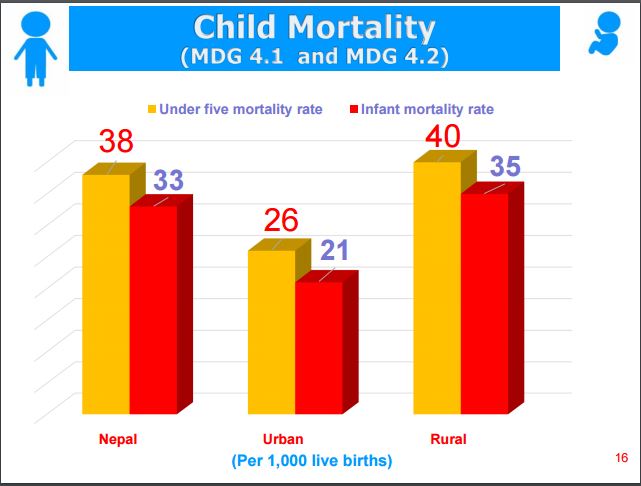
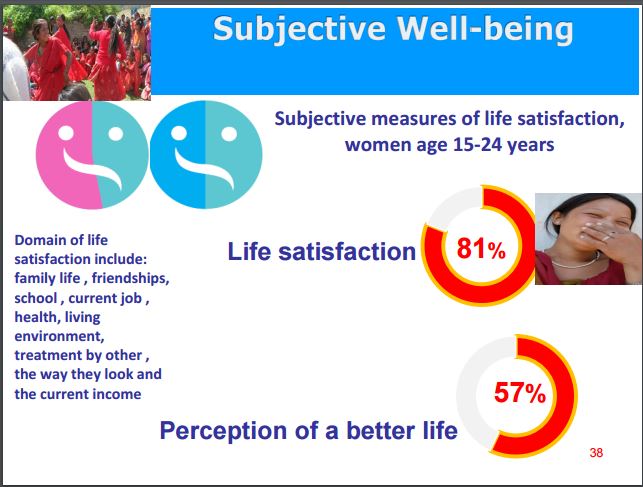
childdddd
Source: PPT of ”Key findings of Nepal Multiple Indicator Cluster Survey (NMICS) 2014, presented by Krishna Tuladhar  Slide no. 16”

2
Source: PPT of ”Key findings of Nepal Multiple Indicator Cluster Survey (NMICS) 2014, presented by Krishna Tuladhar  Slide no. 17”

3
Source: PPT of ”Key findings of Nepal Multiple Indicator Cluster Survey (NMICS) 2014, presented by Krishna Tuladhar  Slide no. 18”


4
Source: PPT of ”Key findings of Nepal Multiple Indicator Cluster Survey (NMICS) 2014, presented by Krishna Tuladhar Slide no. 19”


< tr>

5
Source: PPT of ”Key findings of Nepal Multiple Indicator Cluster Survey (NMICS) 2014, presented by Krishna Tuladhar  Slide no. 23”


6
Source: PPT of ”Key findings of Nepal Multiple Indicator Cluster Survey (NMICS) 2014, presented by Krishna Tuladhar Slide no. 24”


7
Source: PPT of ”Key findings of Nepal Multiple Indicator Cluster Survey (NMICS) 2014, presented by Krishna Tuladhar‘ Slide no. 25”


8
Source: PPT of ”Key findings of Nepal Multiple Indicator Cluster Survey (NMICS) 2014, presented by Krishna Tuladhar Slide no. 26”


10
Source: PPT of ”Key findings of Nepal Multiple Indicator Cluster Survey (NMICS) 2014, presented by Krishna Tuladhar Slide no. 36”


12
Source: PPT of ”Key findings of Nepal Multiple Indicator Cluster Survey (NMICS) 2014, presented by Krishna Tuladhar Slide no. 38”


Source: UNICEF
March 5, 2016 0 comments
0 FacebookTwitterPinterestLinkedinTumblrVKOdnoklassnikiRedditStumbleuponWhatsappTelegramLINEPocketSkypeViberEmail
Public Health

Admission Open !!! & Scholarship Notice for MPH (National & International)

by Public Health Update March 5, 2016
written by Public Health Update

  1. Netherlands Fellowship Programme (NFP) (Master’s program & Short course) (NFP deadline 15 March 2016)
  2. New Zealand Development Scholarships (NZDS) Application deadline: 30 April 2016
  3. OFID SCHOLARSHIP AWARD Deadline is May 1, 2016.
  4. Eira Davies Scholarship Applications: 1st July 2016
  5. Joint Japan World Bank Graduate Scholarships Program (JJ/WBGSP) Deadline: March 10, 2016
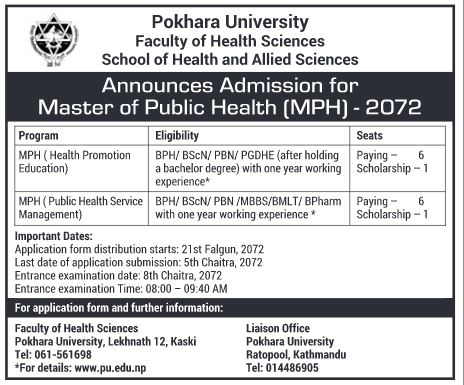
  6. Admission Open!! MPH (Health Promotion Education & Public Health Service Management) – Pokhara University (5th Chitra 2072)
  7. MPH Entrance Examination Notice – IOM (5th Chitra 2072)
68


March 5, 2016 0 comments
0 FacebookTwitterPinterestLinkedinTumblrVKOdnoklassnikiRedditStumbleuponWhatsappTelegramLINEPocketSkypeViberEmail
Public Health

Detail Notice of MPH Entrance Examination – IOM

by Public Health Update March 4, 2016
written by Public Health Update


March 4, 2016 0 comments
0 FacebookTwitterPinterestLinkedinTumblrVKOdnoklassnikiRedditStumbleuponWhatsappTelegramLINEPocketSkypeViberEmail
Public Health

Admission Open!! MPH (Health Promotion Education & Public Health Service Management) – Pokhara University

by Public Health Update March 4, 2016
written by Public Health Update

PUMPH
Kantipur (3/4/1016)


March 4, 2016 0 comments
0 FacebookTwitterPinterestLinkedinTumblrVKOdnoklassnikiRedditStumbleuponWhatsappTelegramLINEPocketSkypeViberEmail
PH Important DayPublic Health

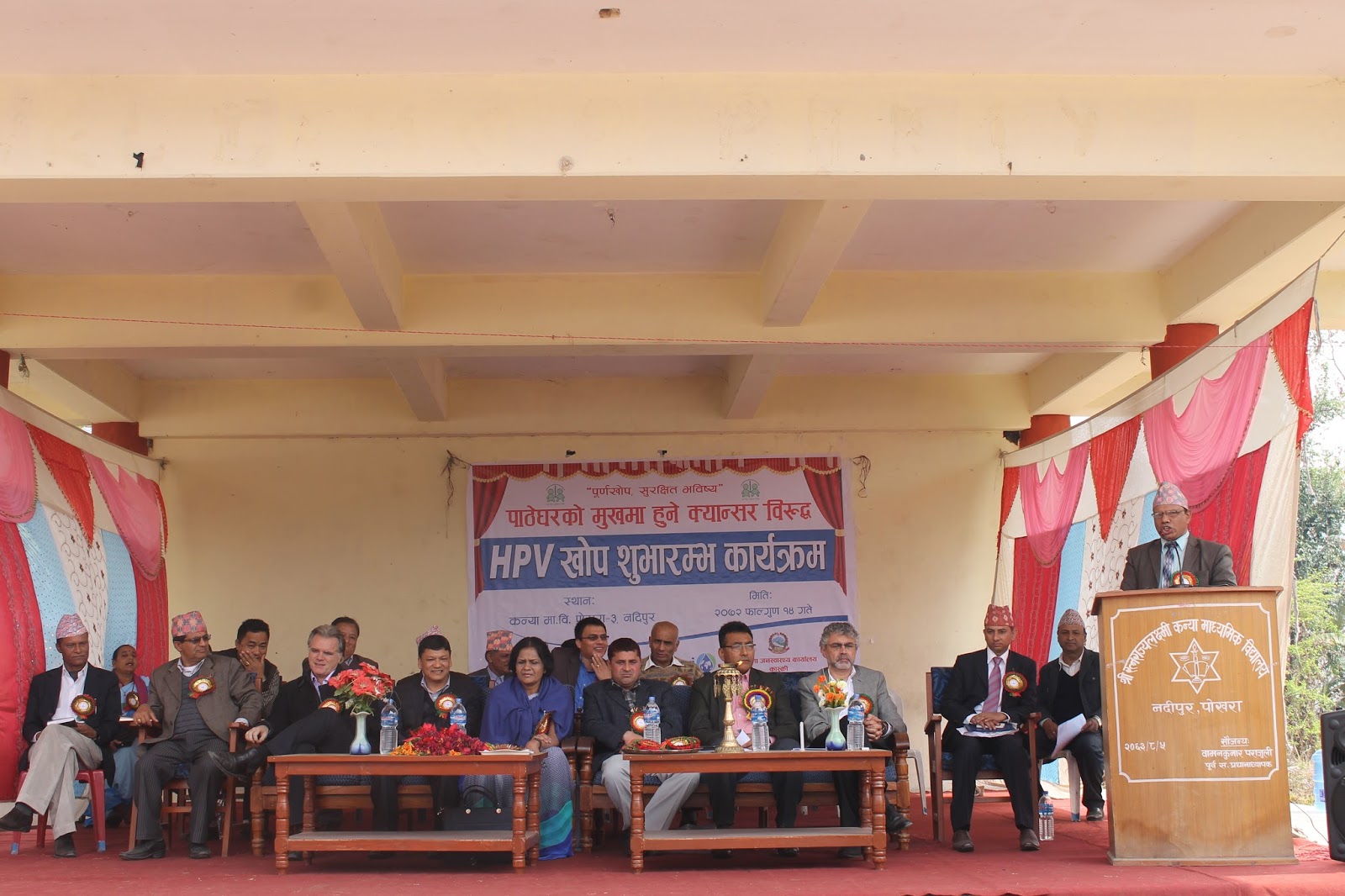
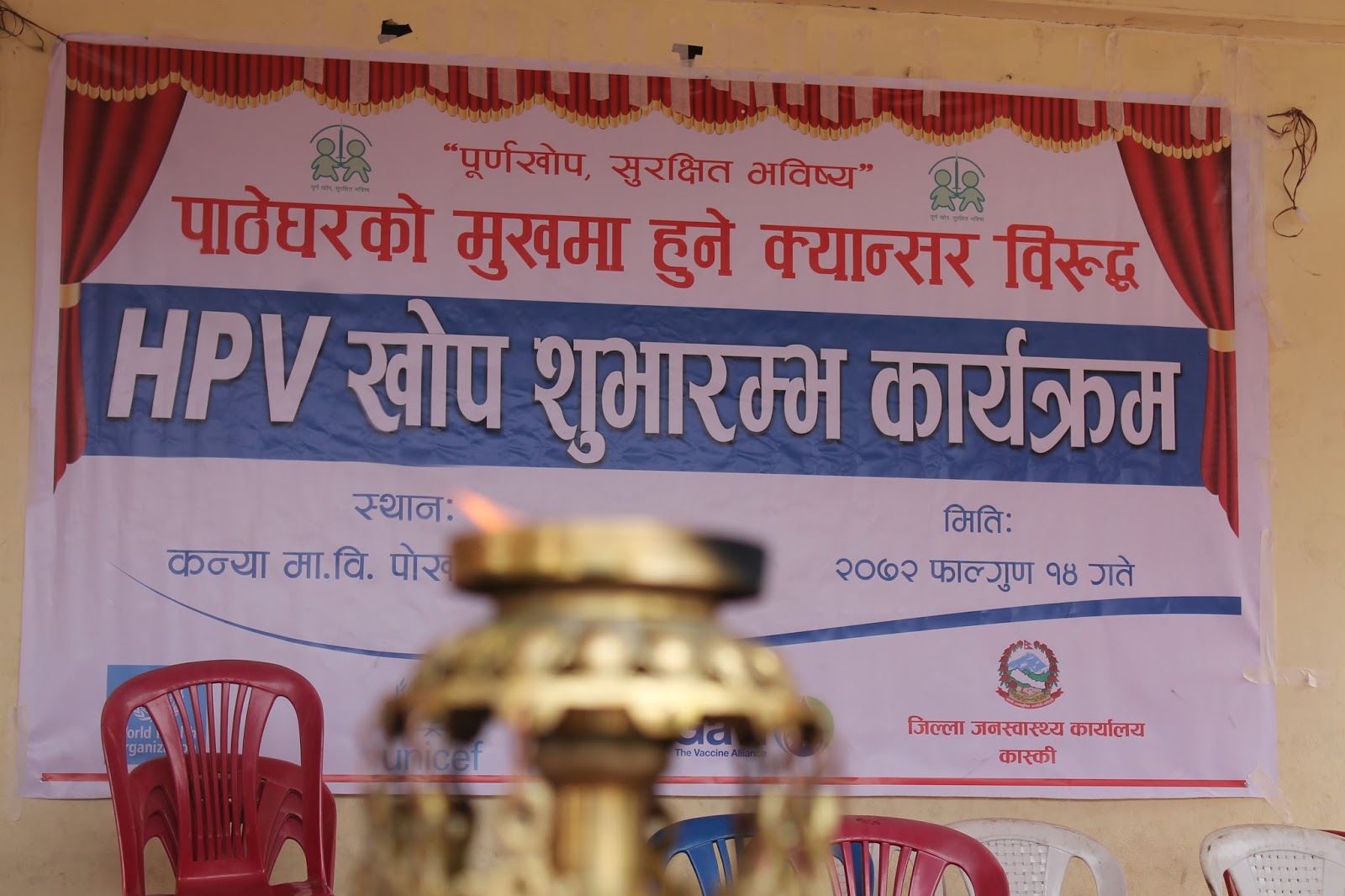
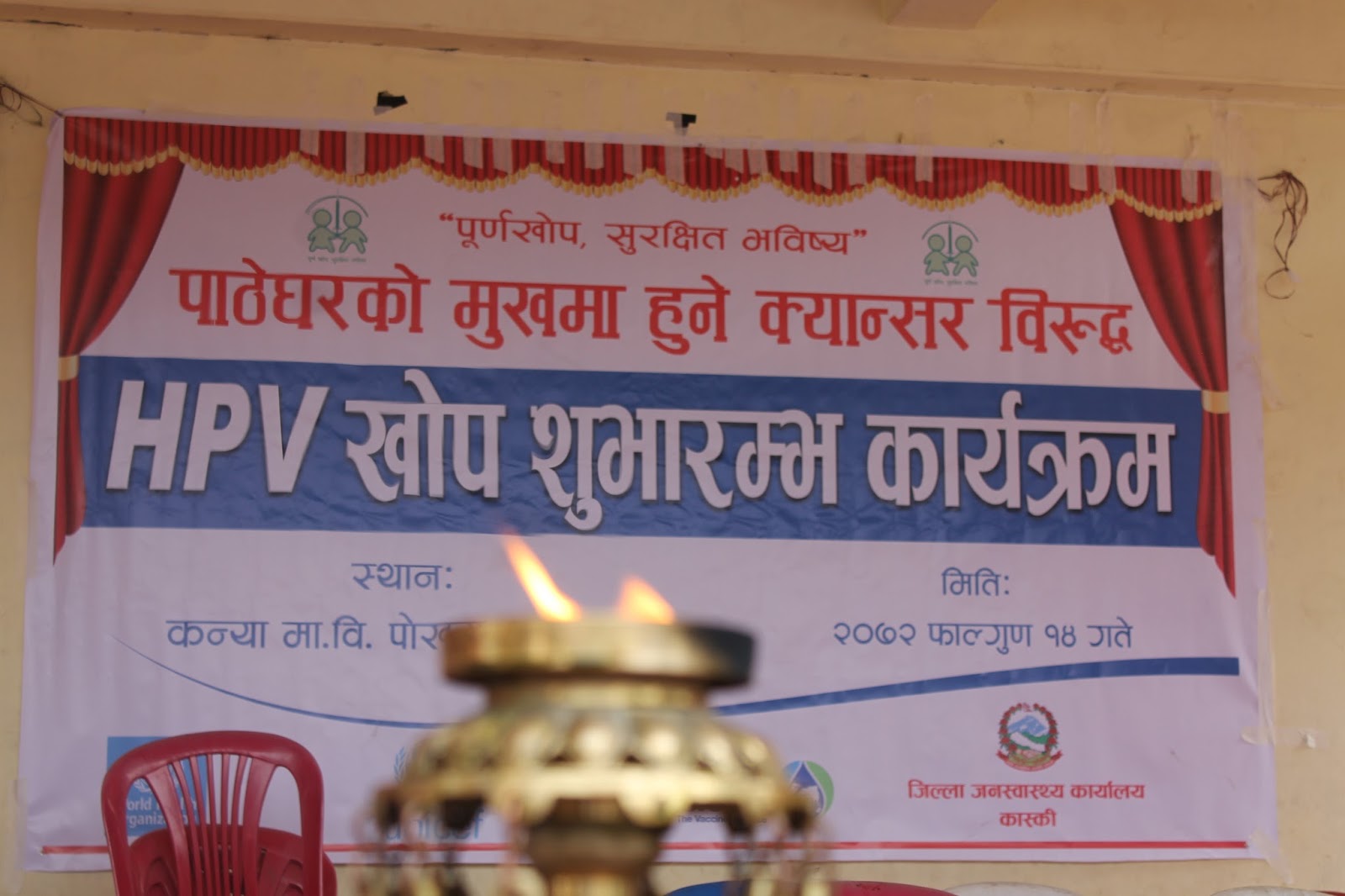
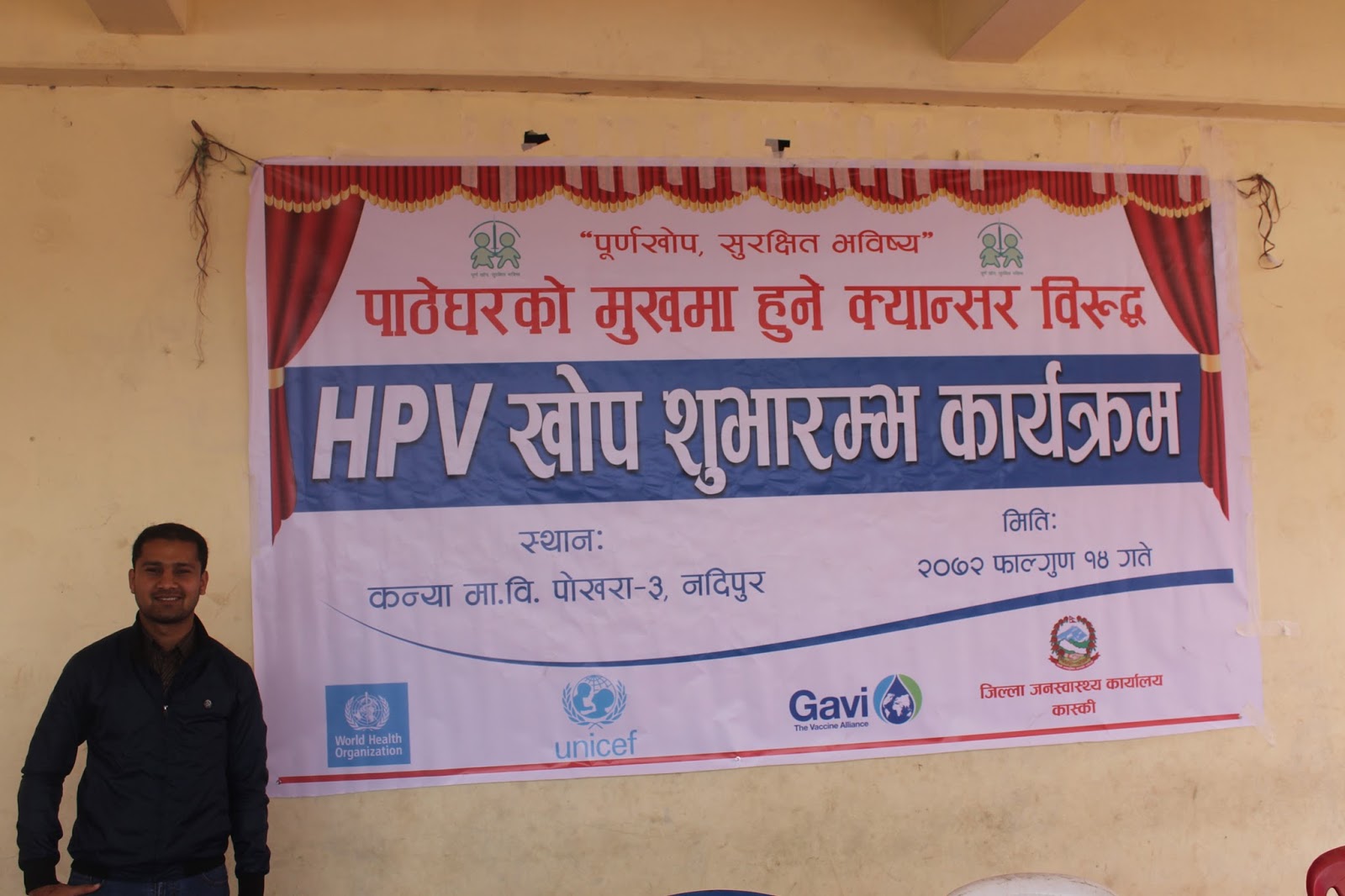
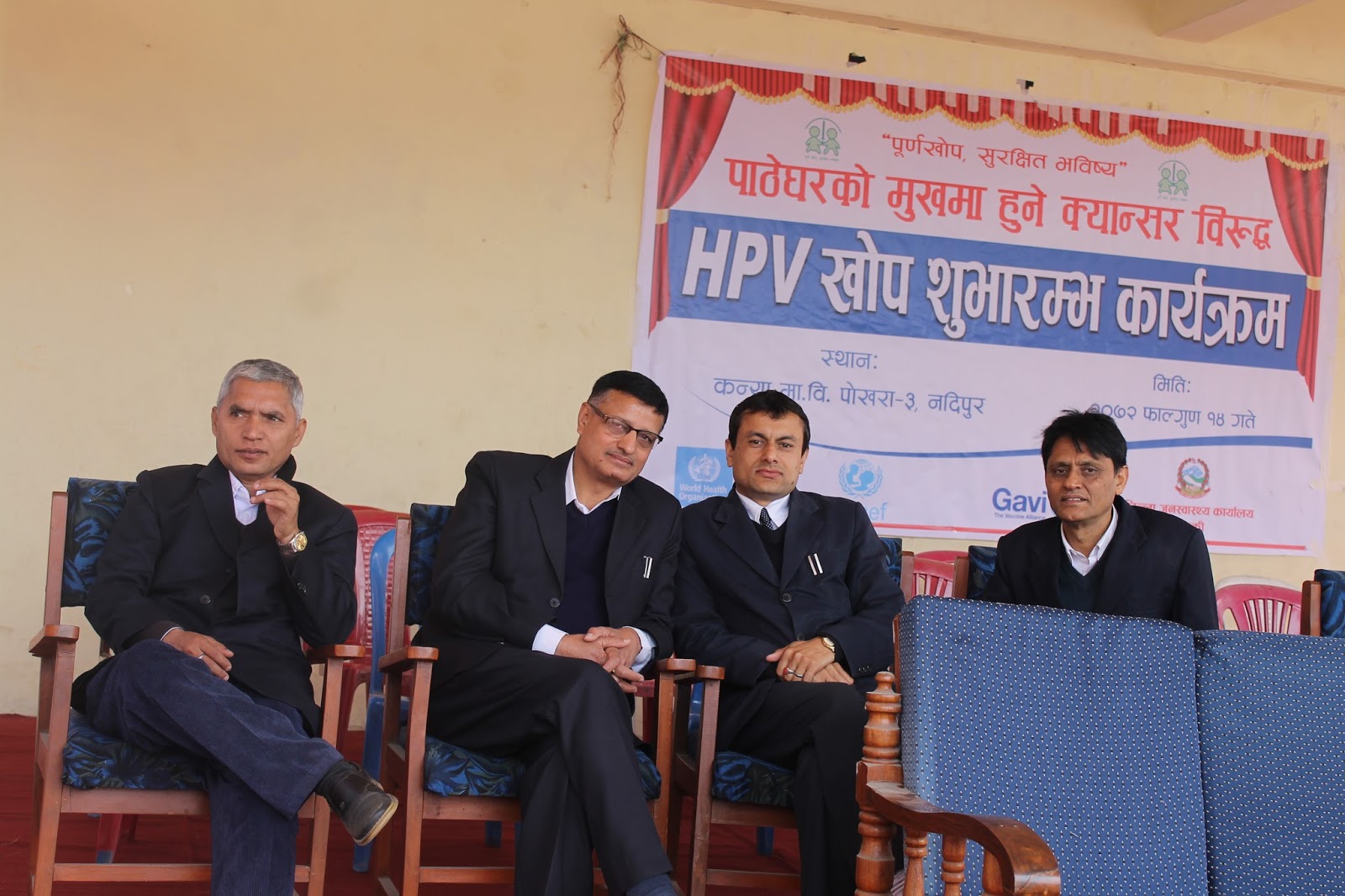
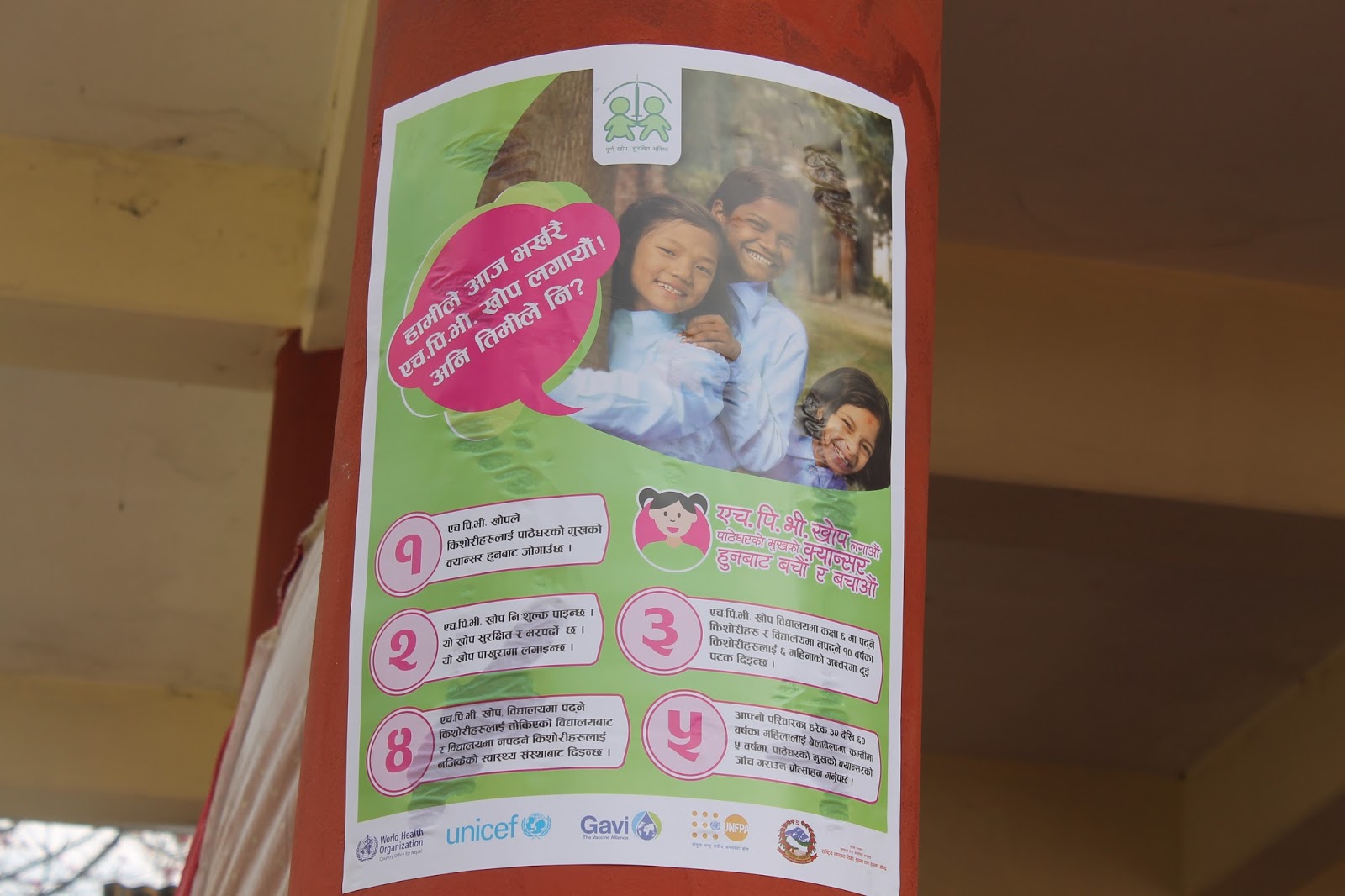
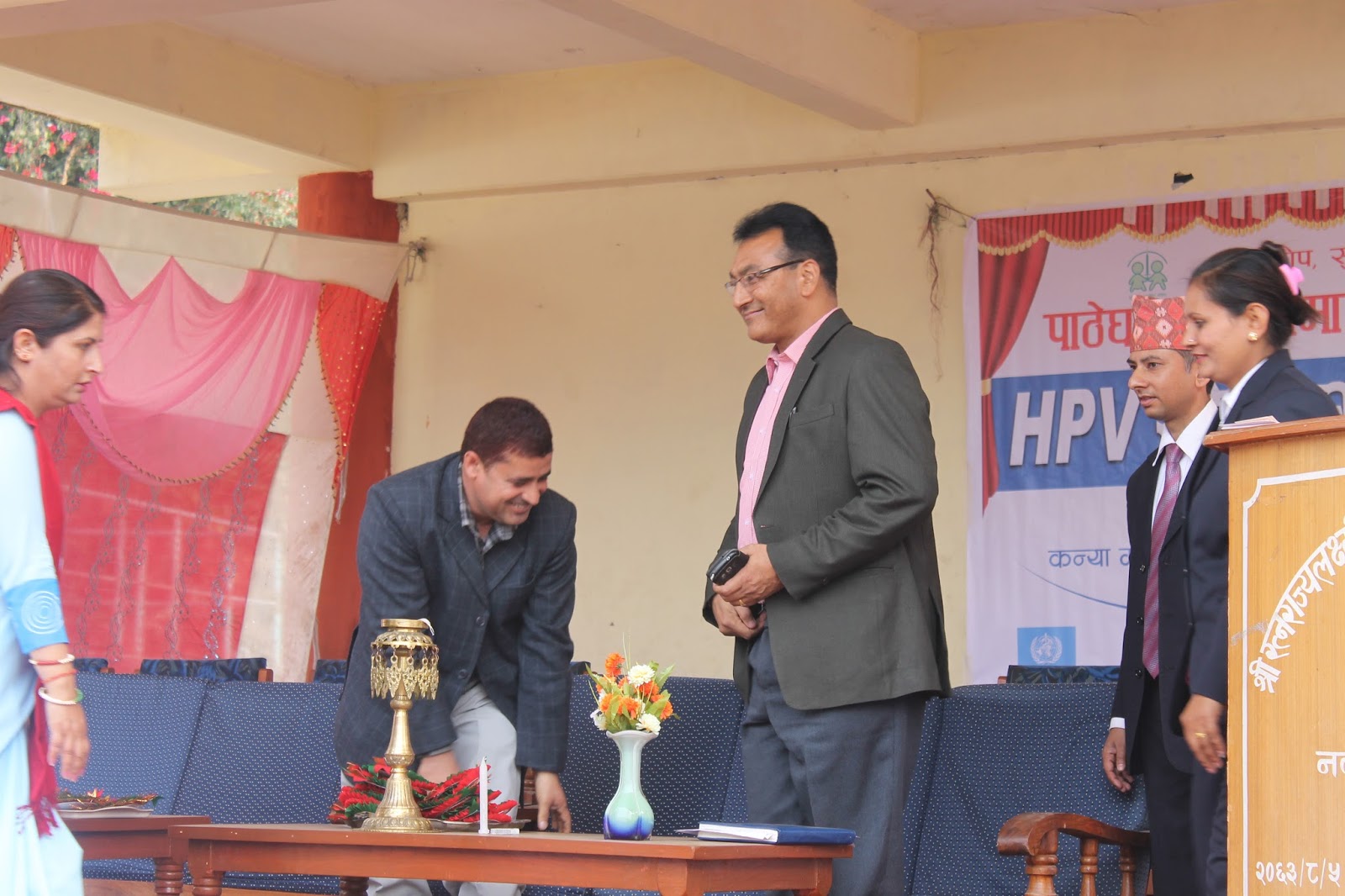
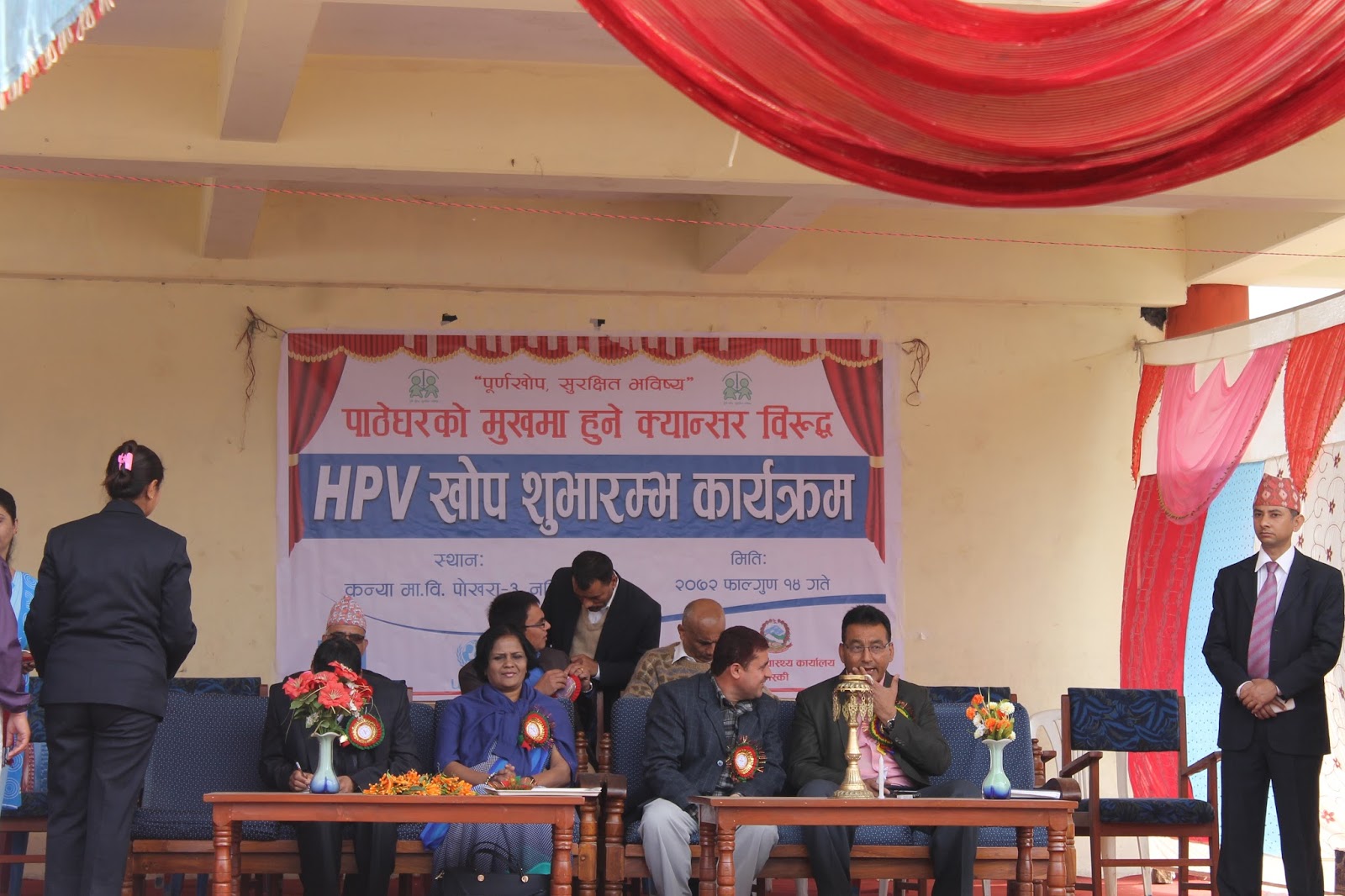
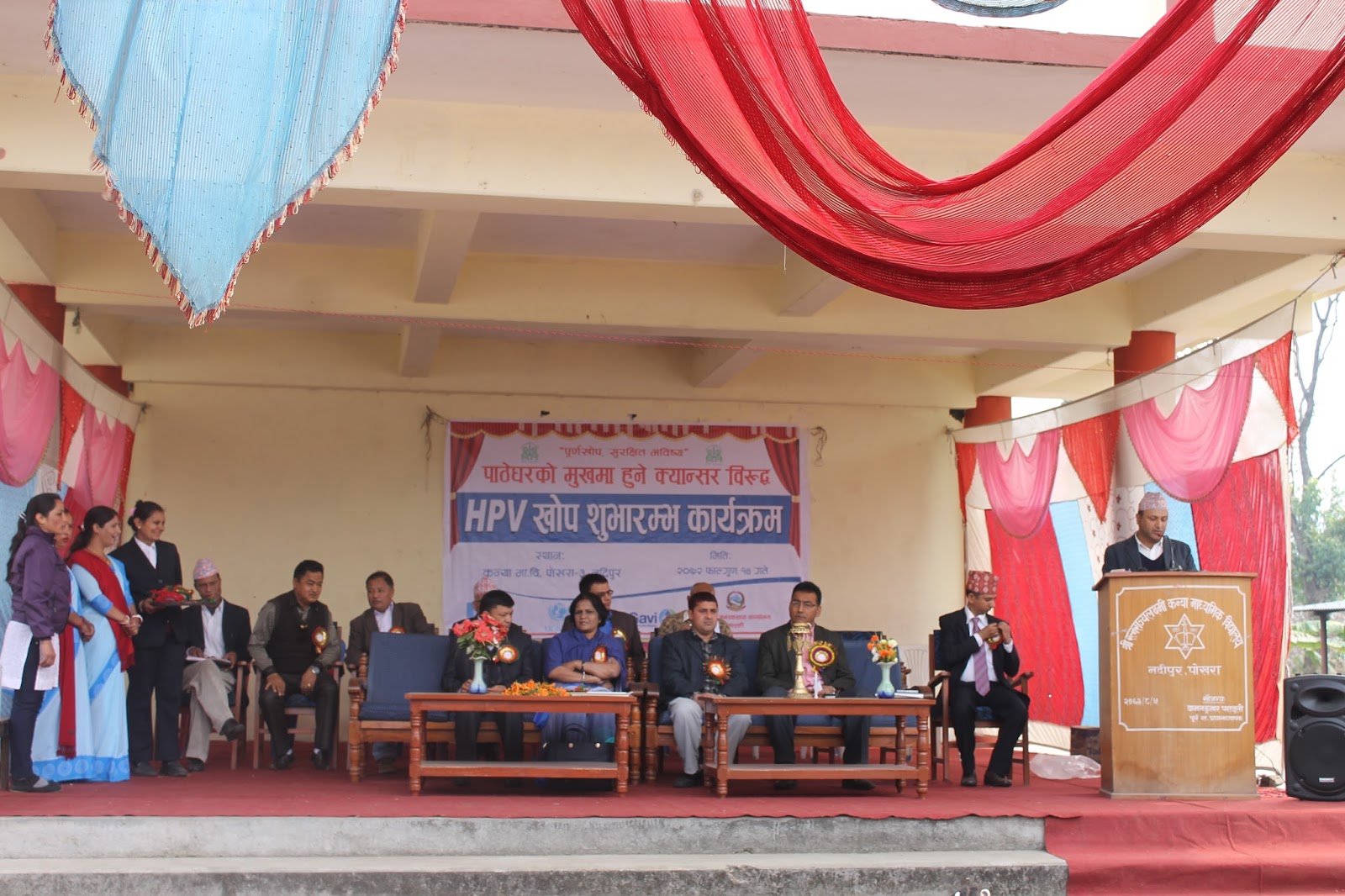
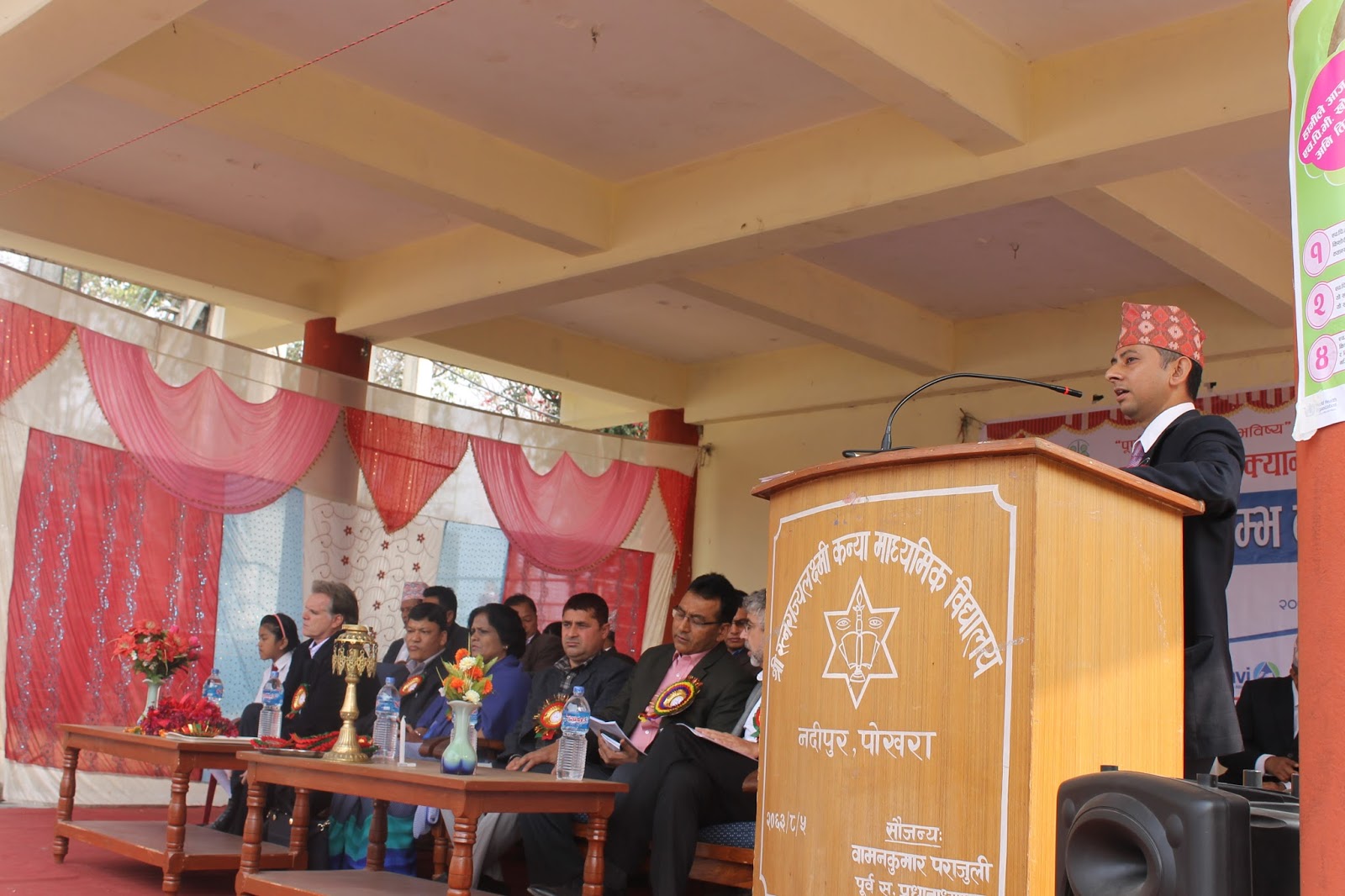
HPV Vaccination program inaugurated from Pokhara, Kaski (Photos)

by Public Health Update February 26, 2016
written by Public Health Update
26th Feb 2016 

Pokhara

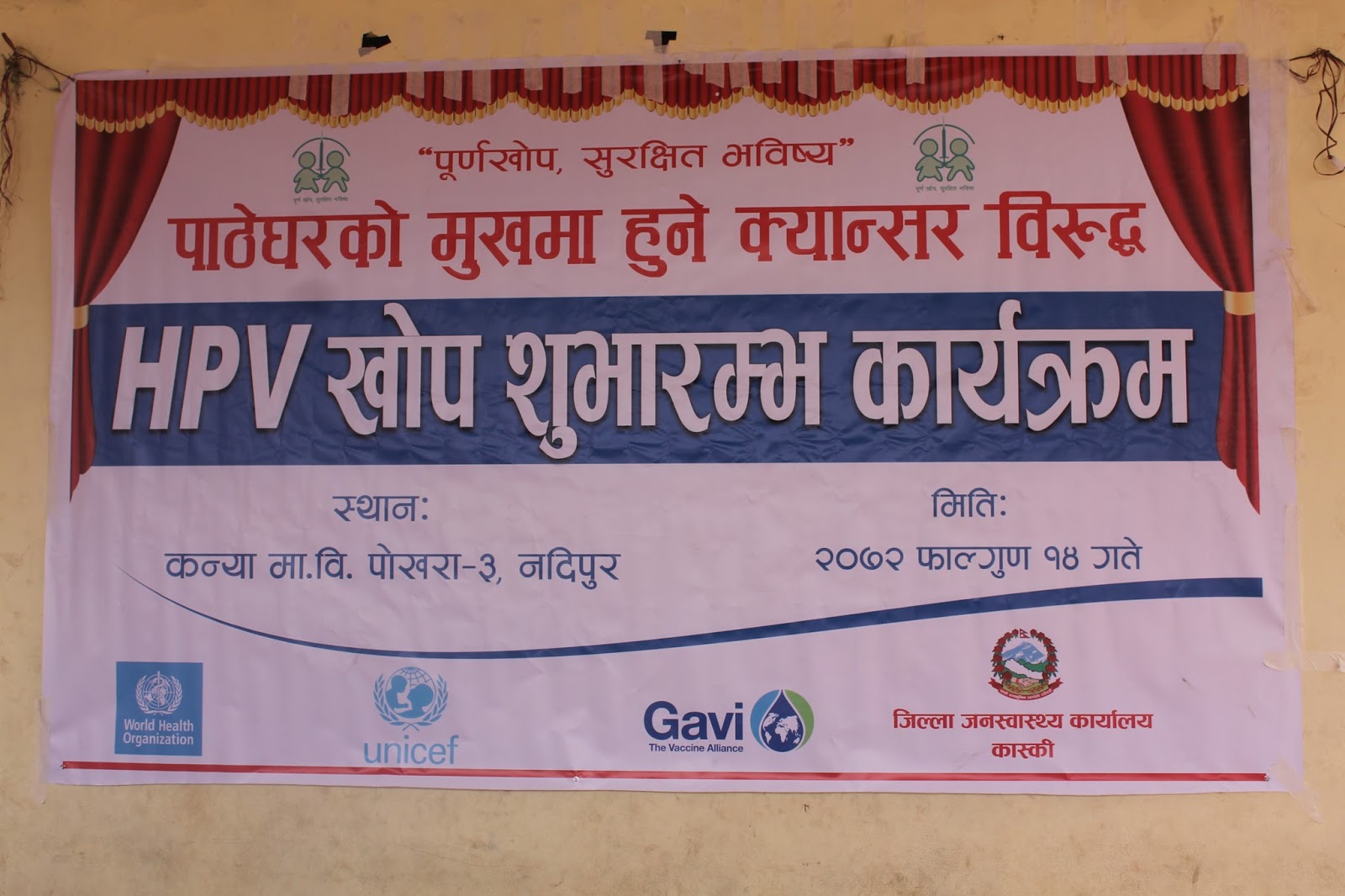
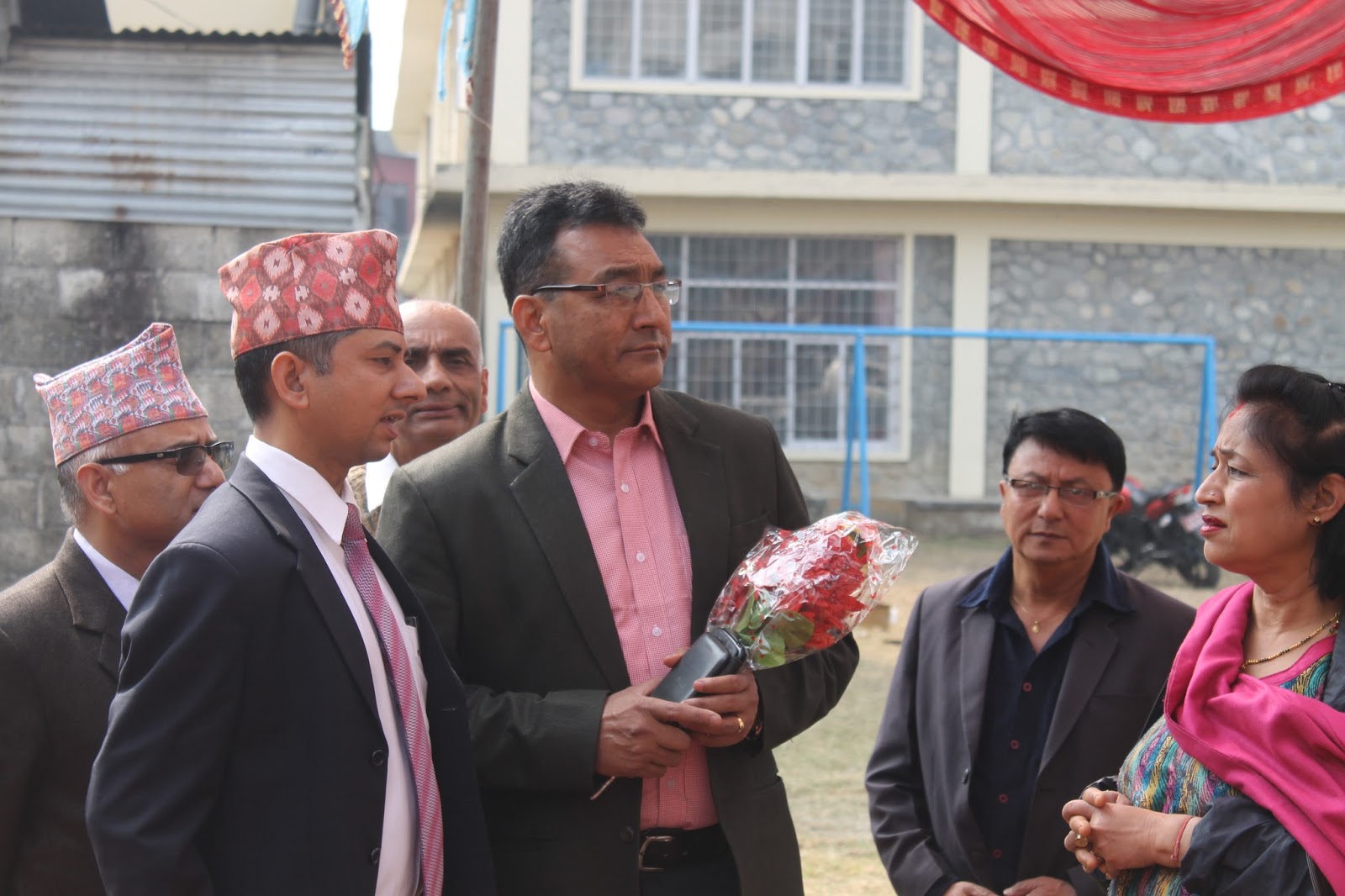
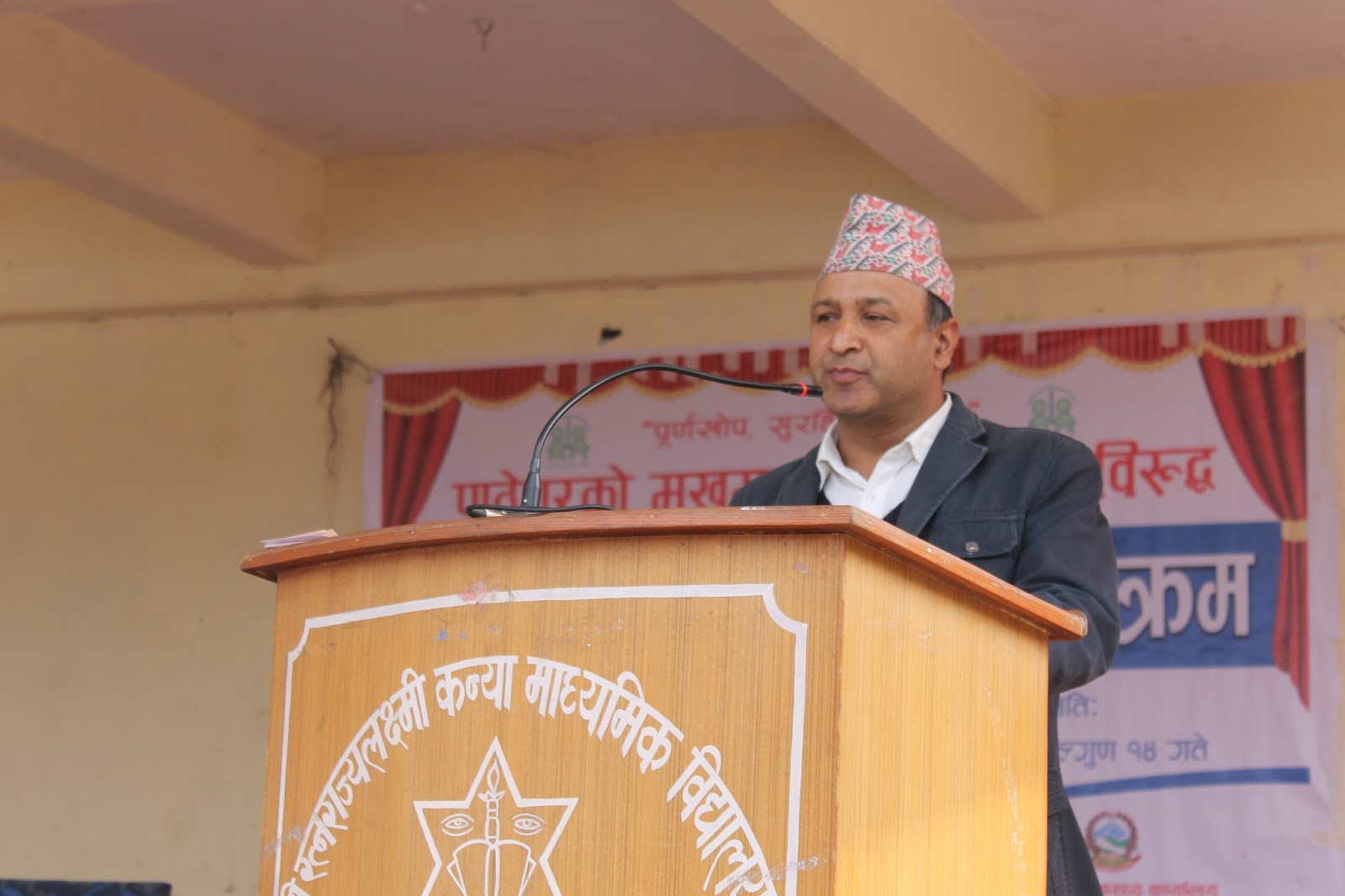
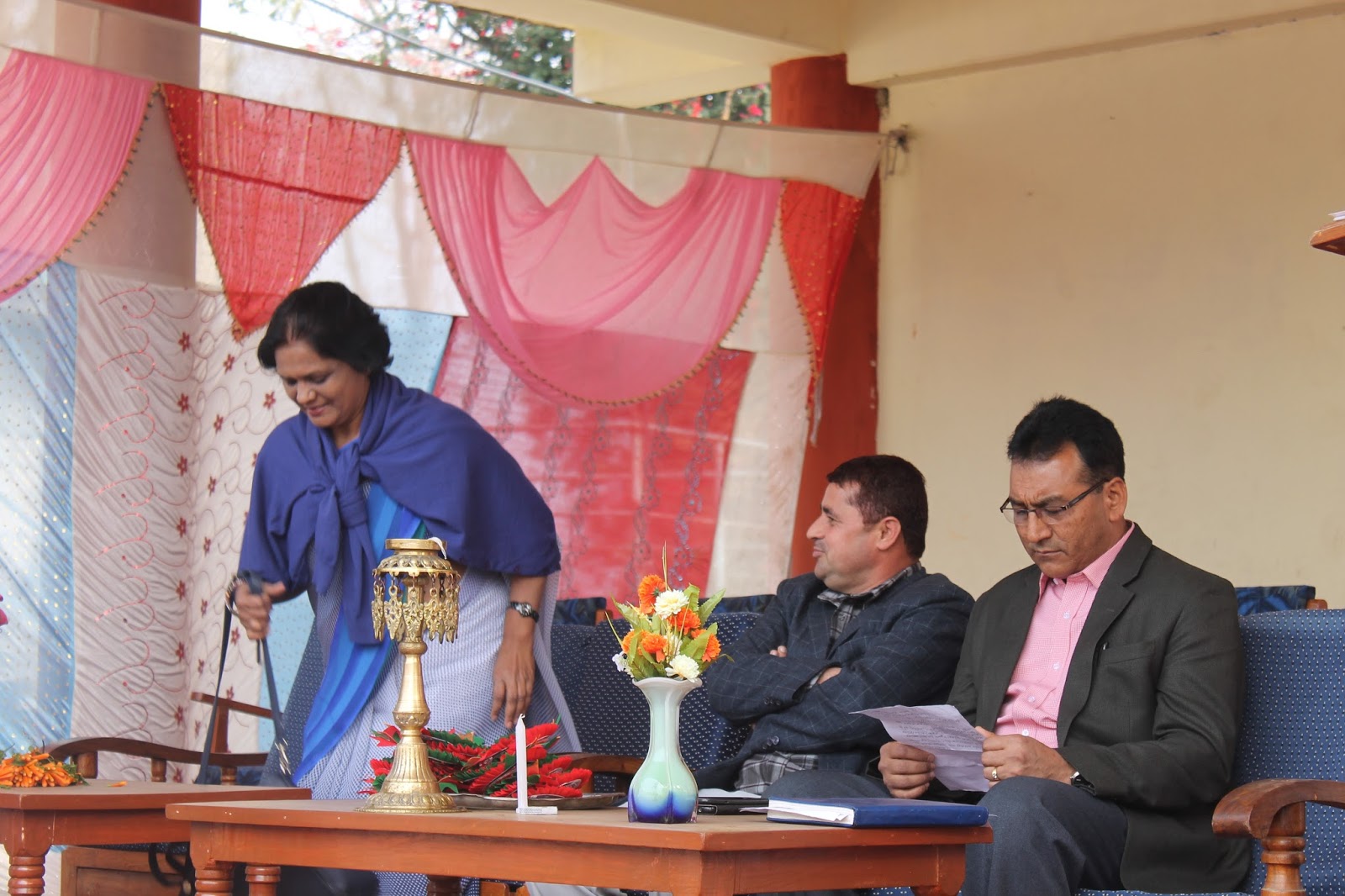
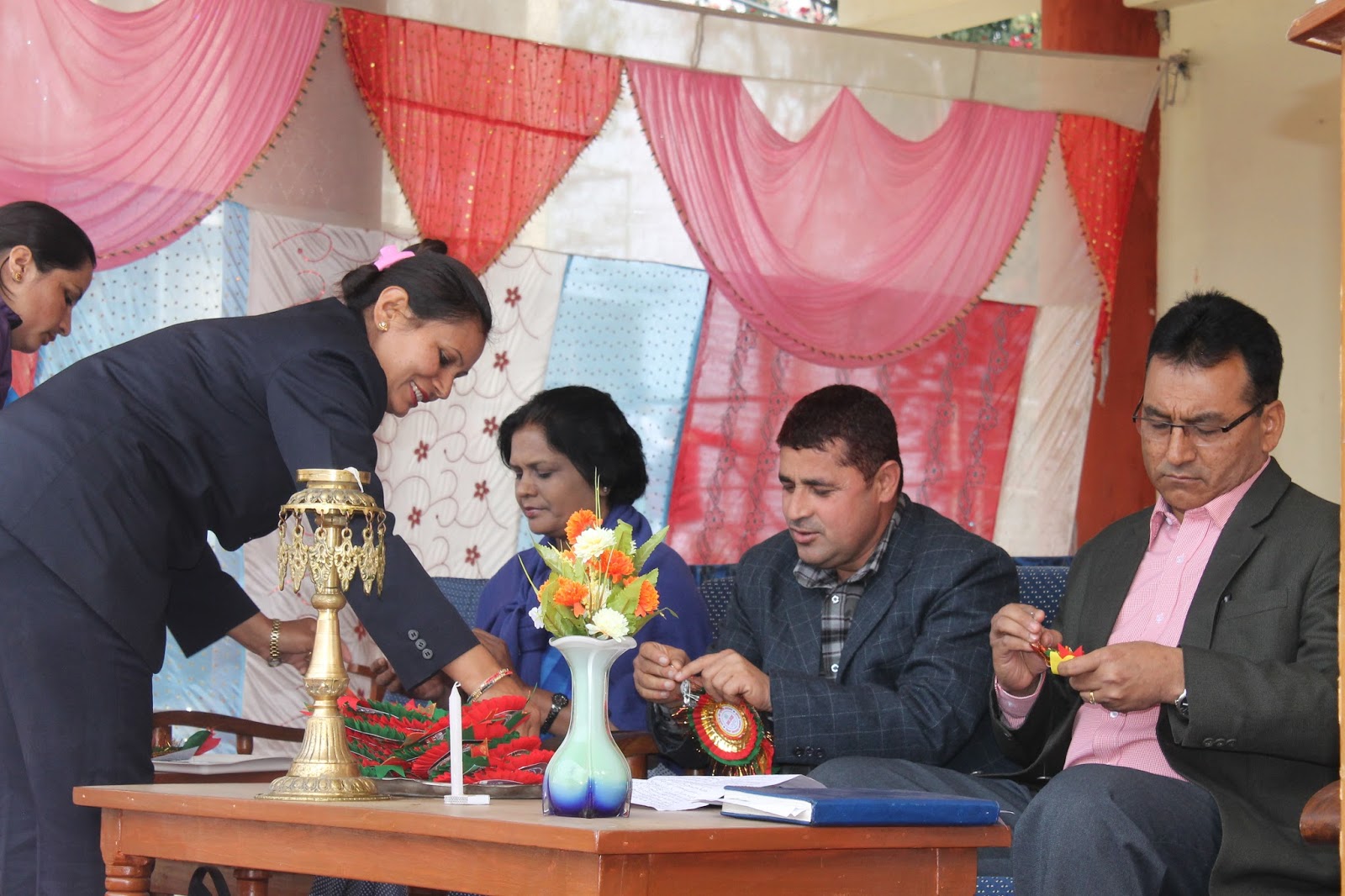
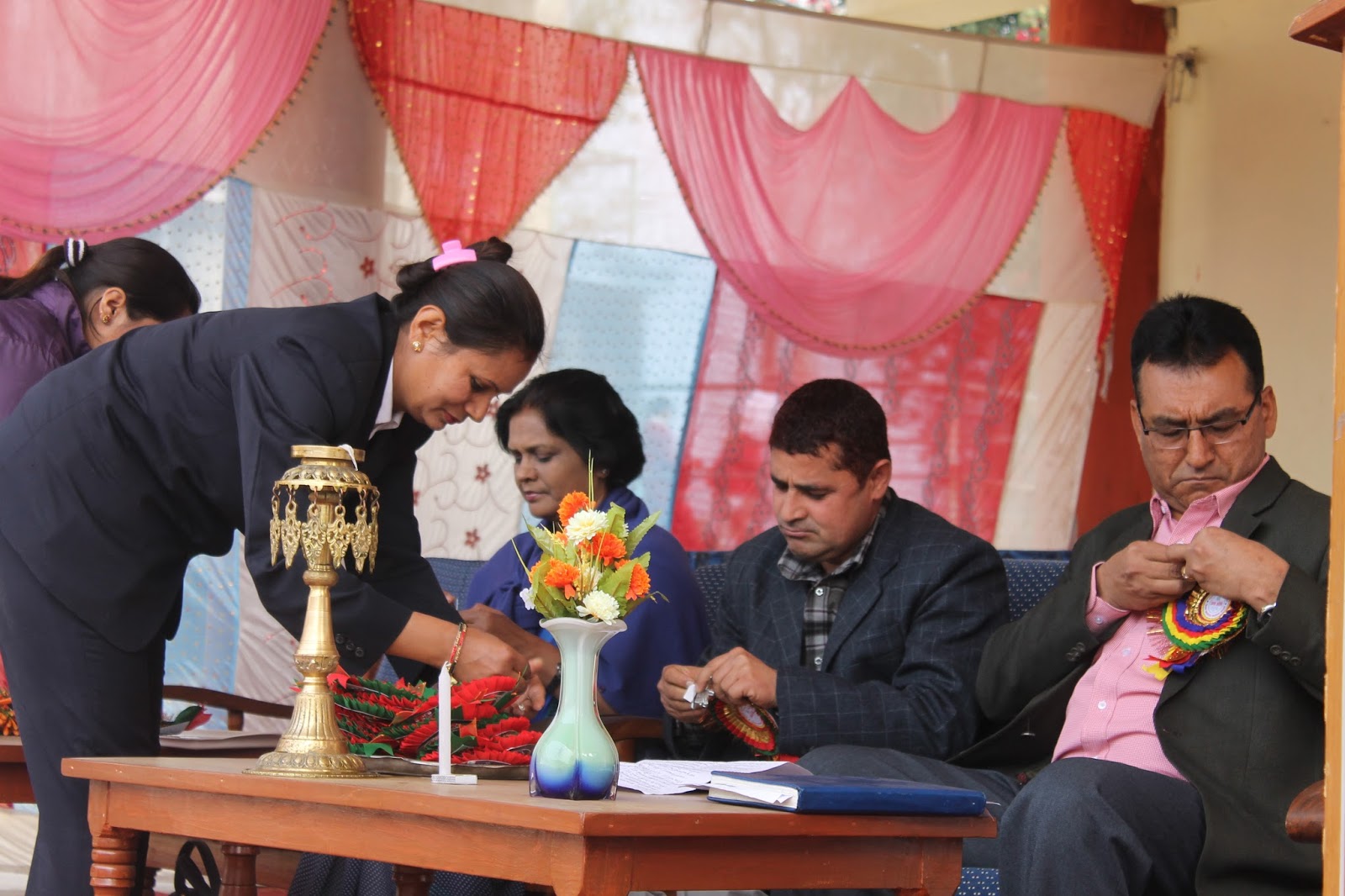
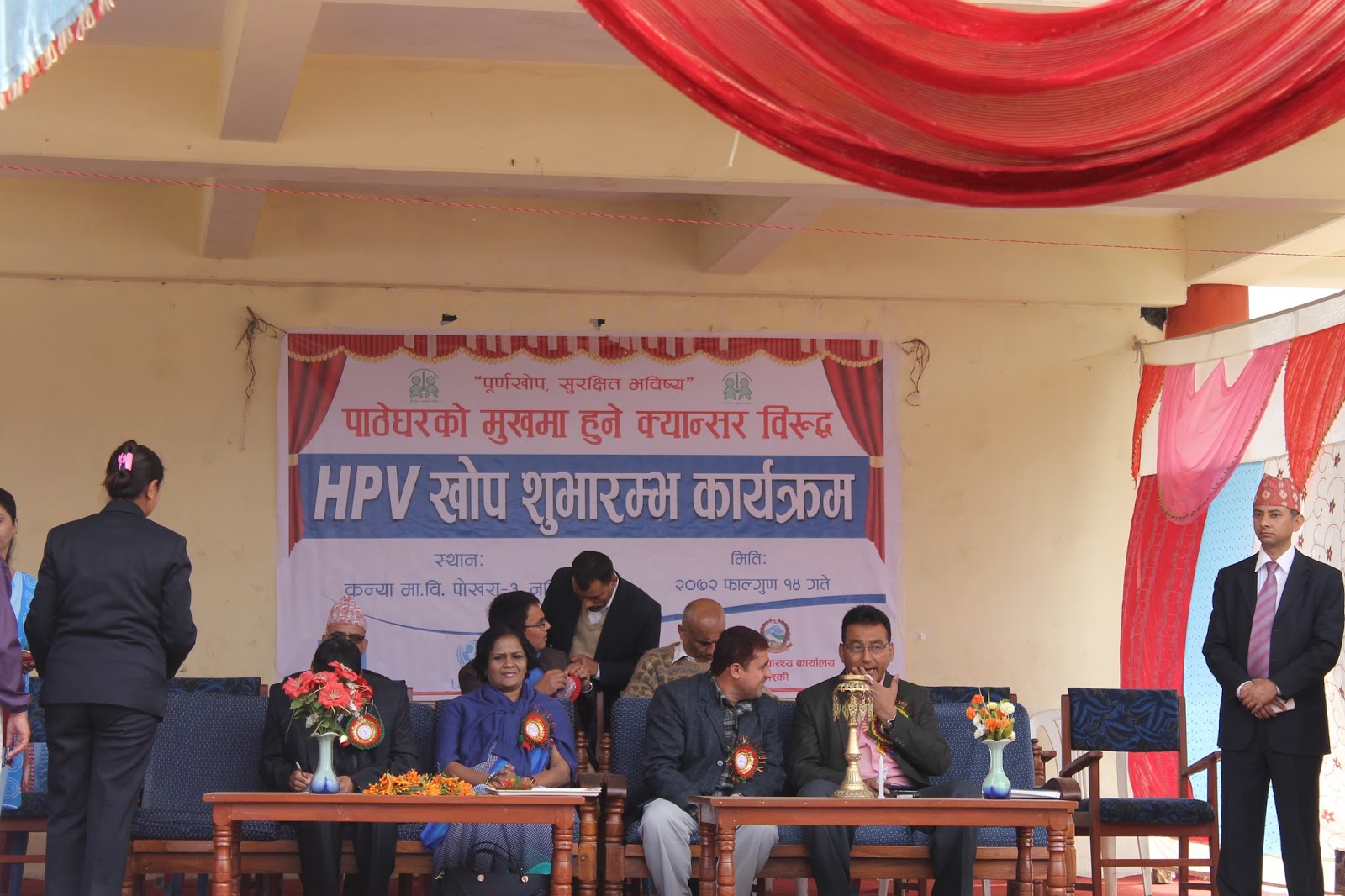
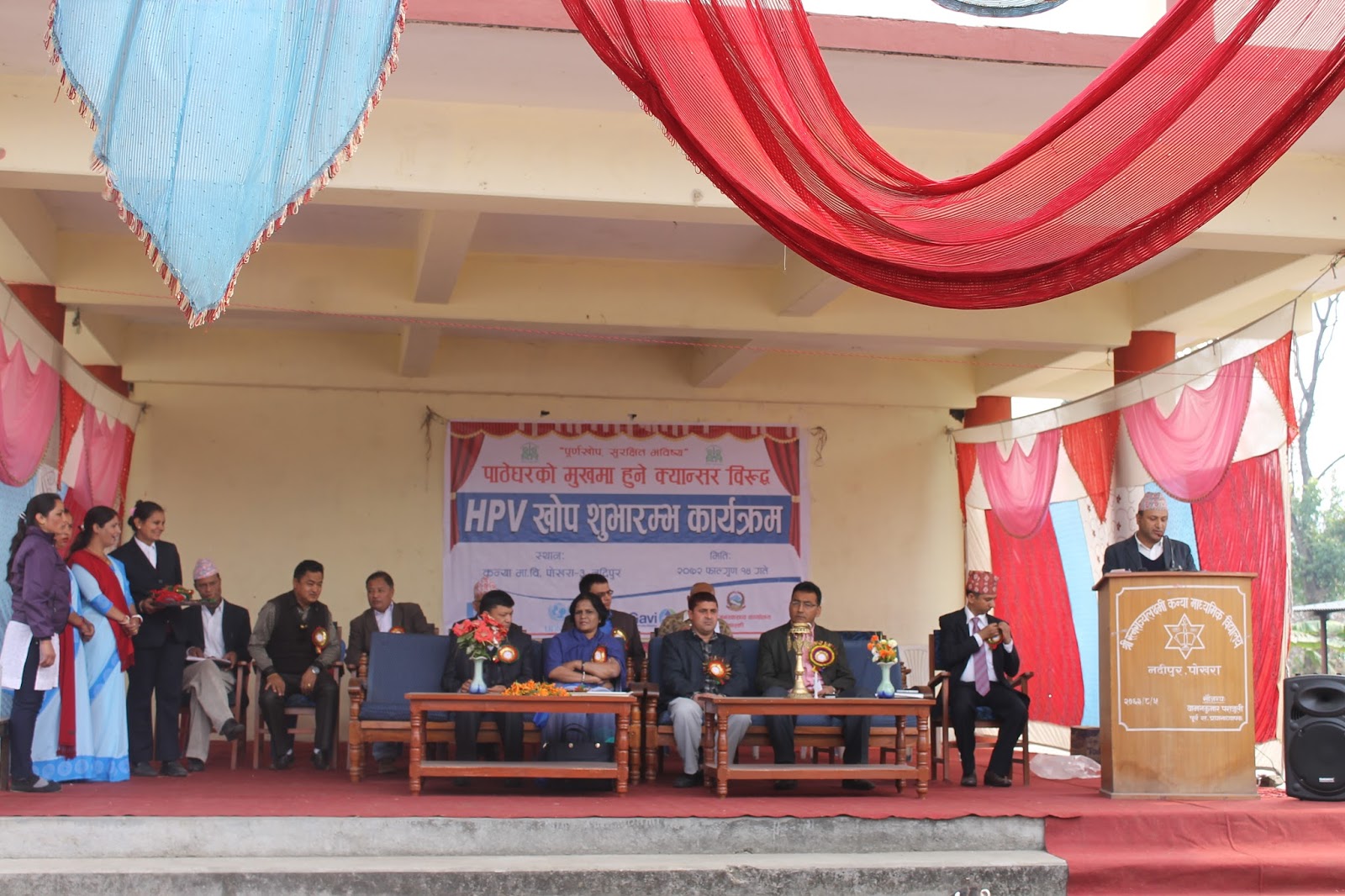
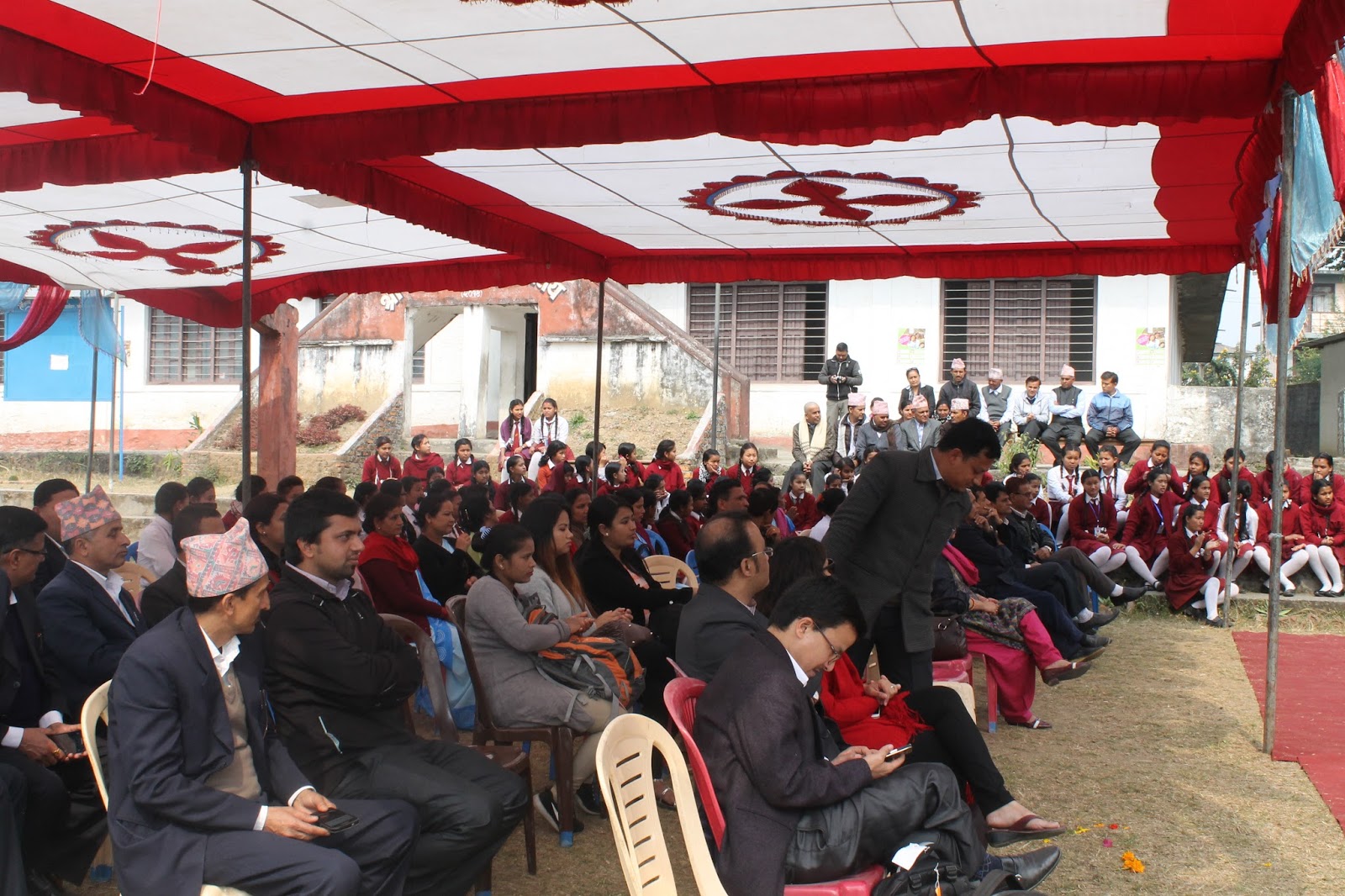
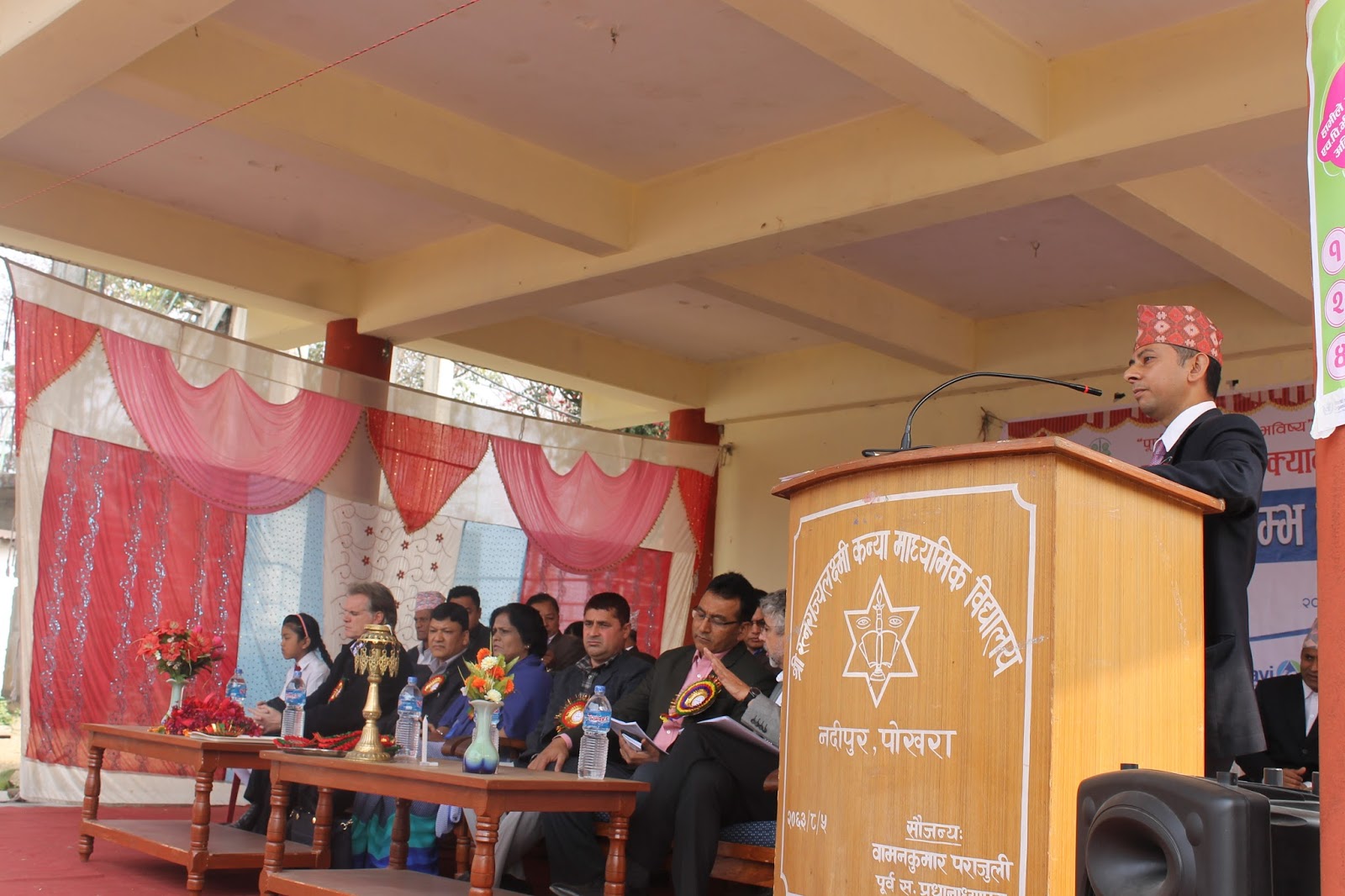
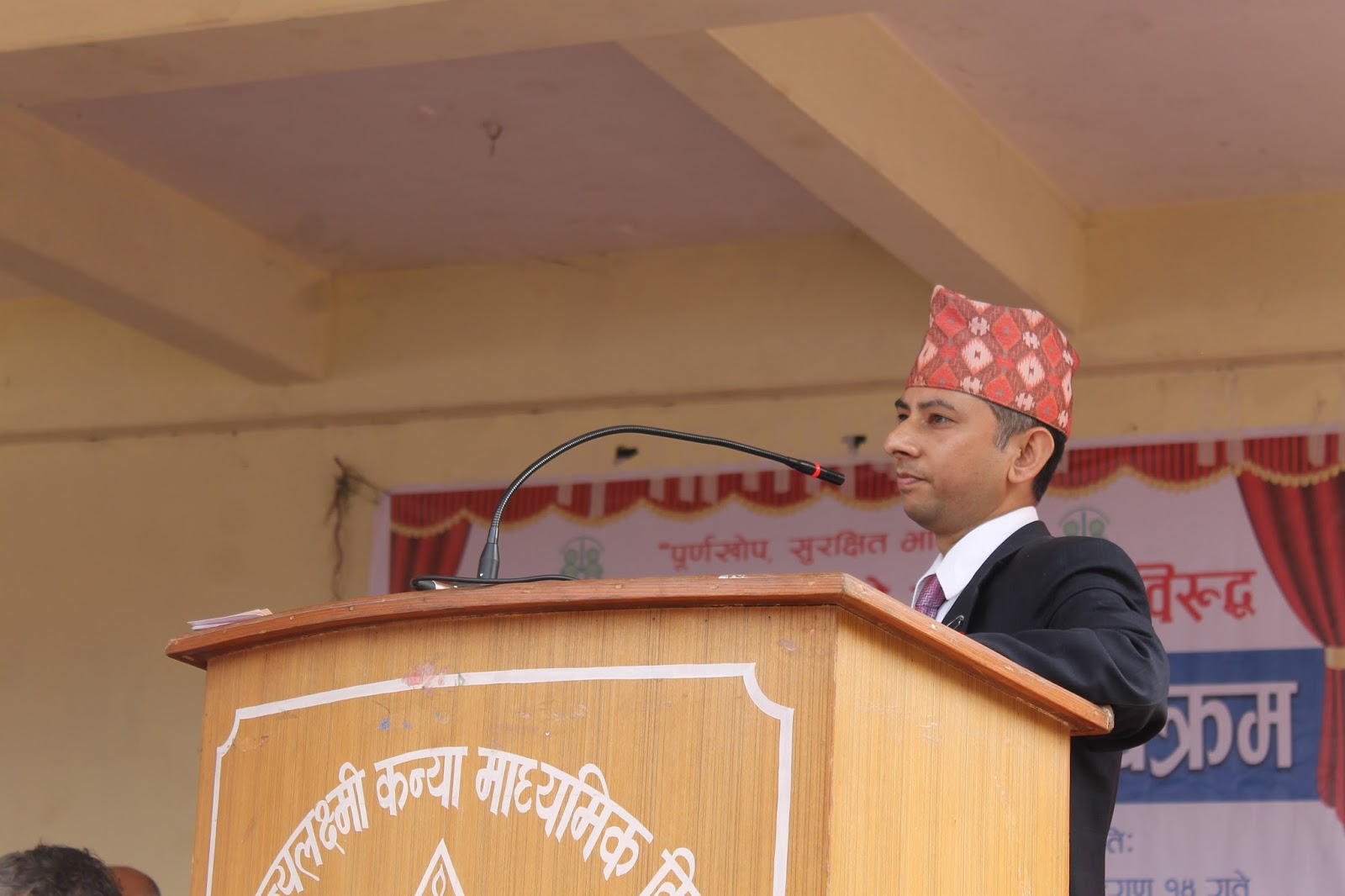
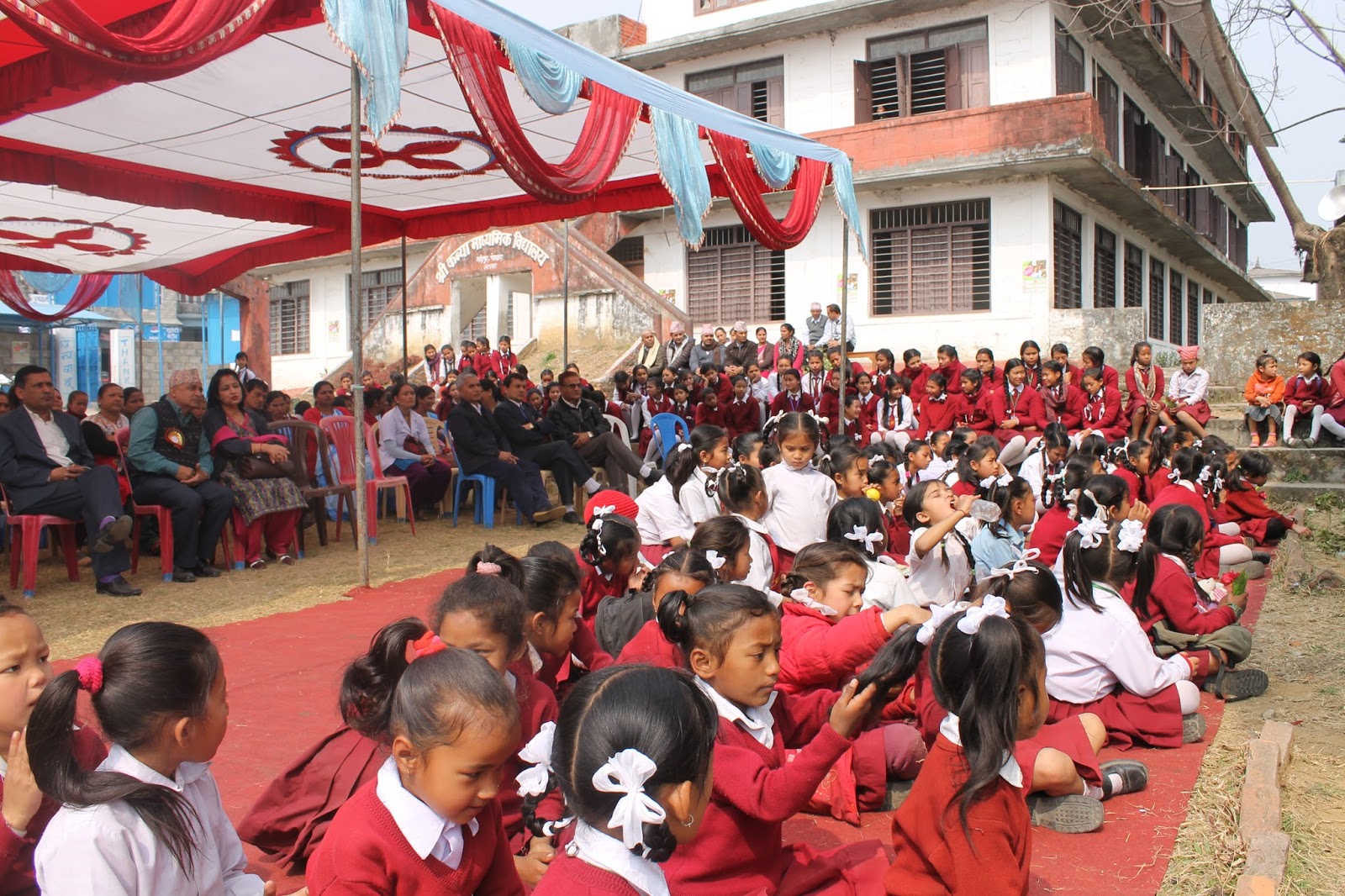
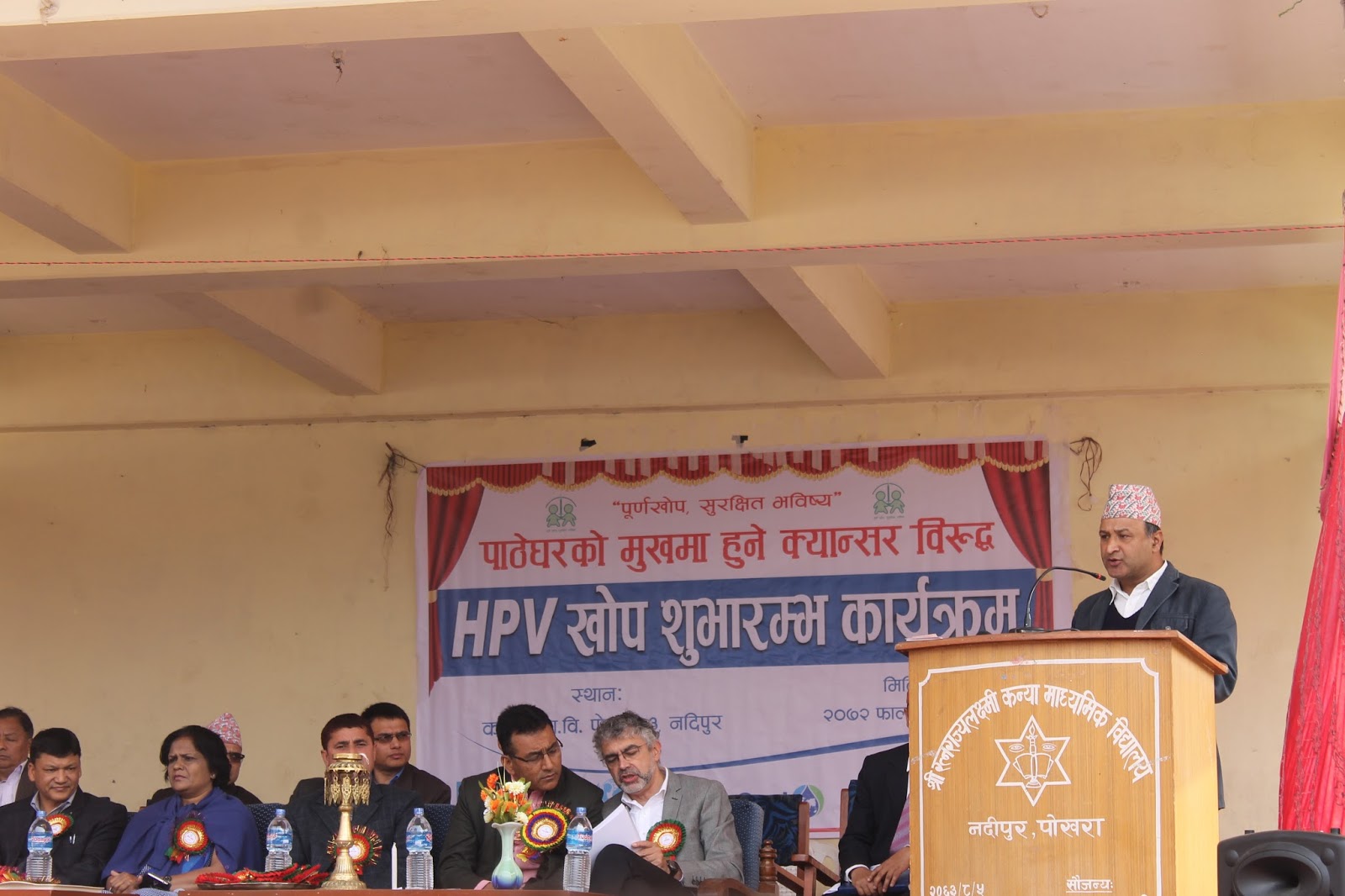
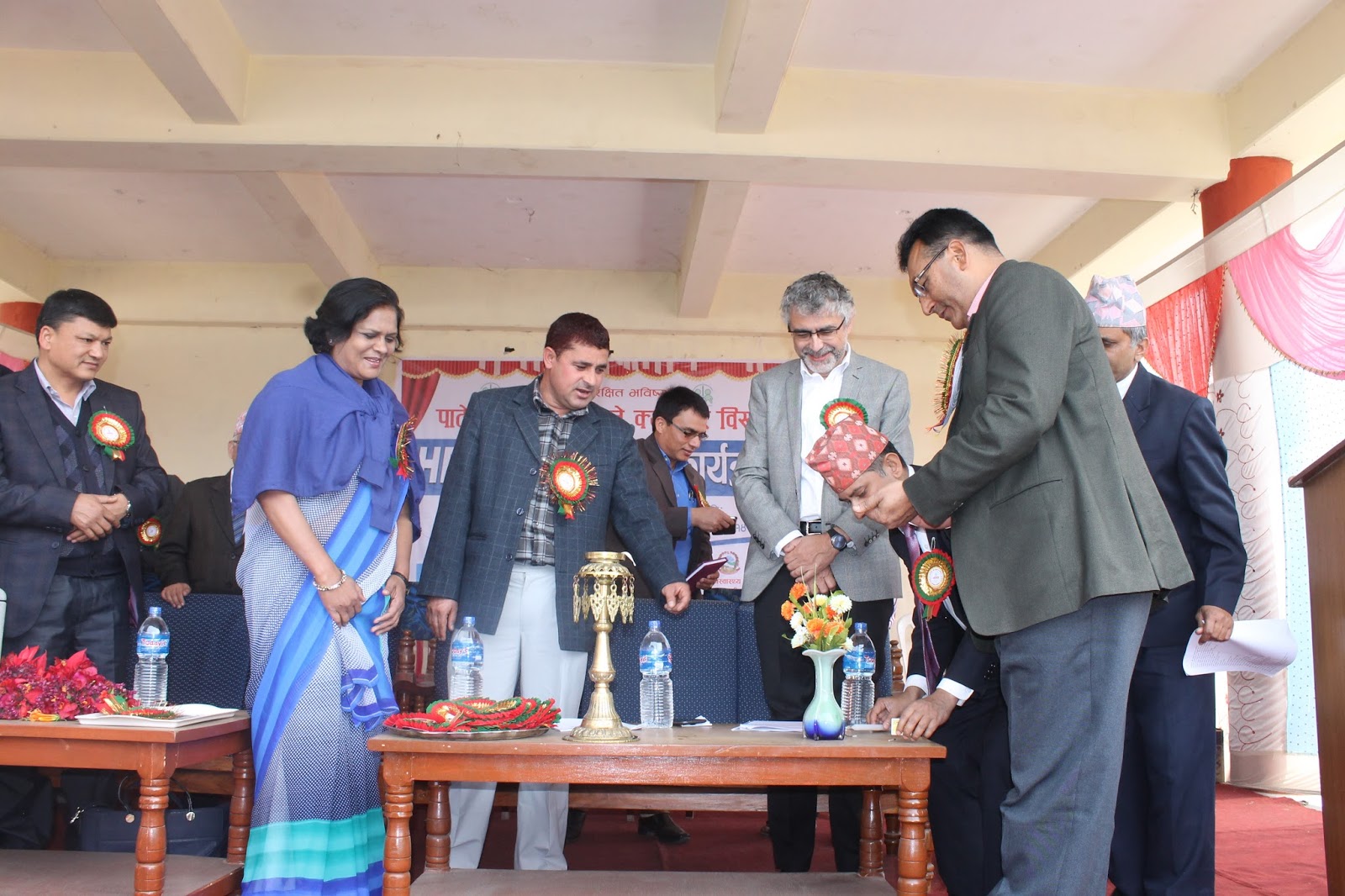
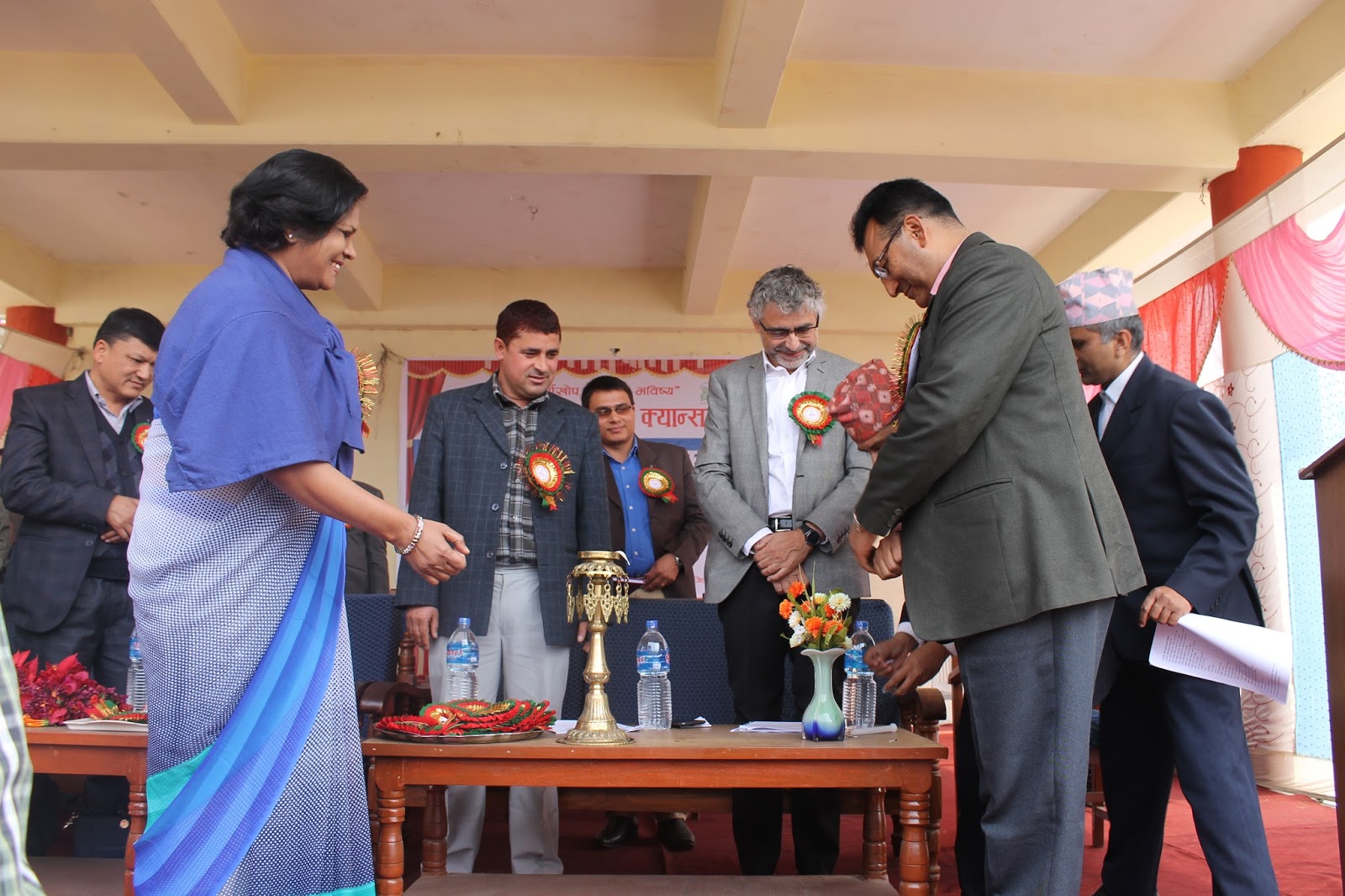
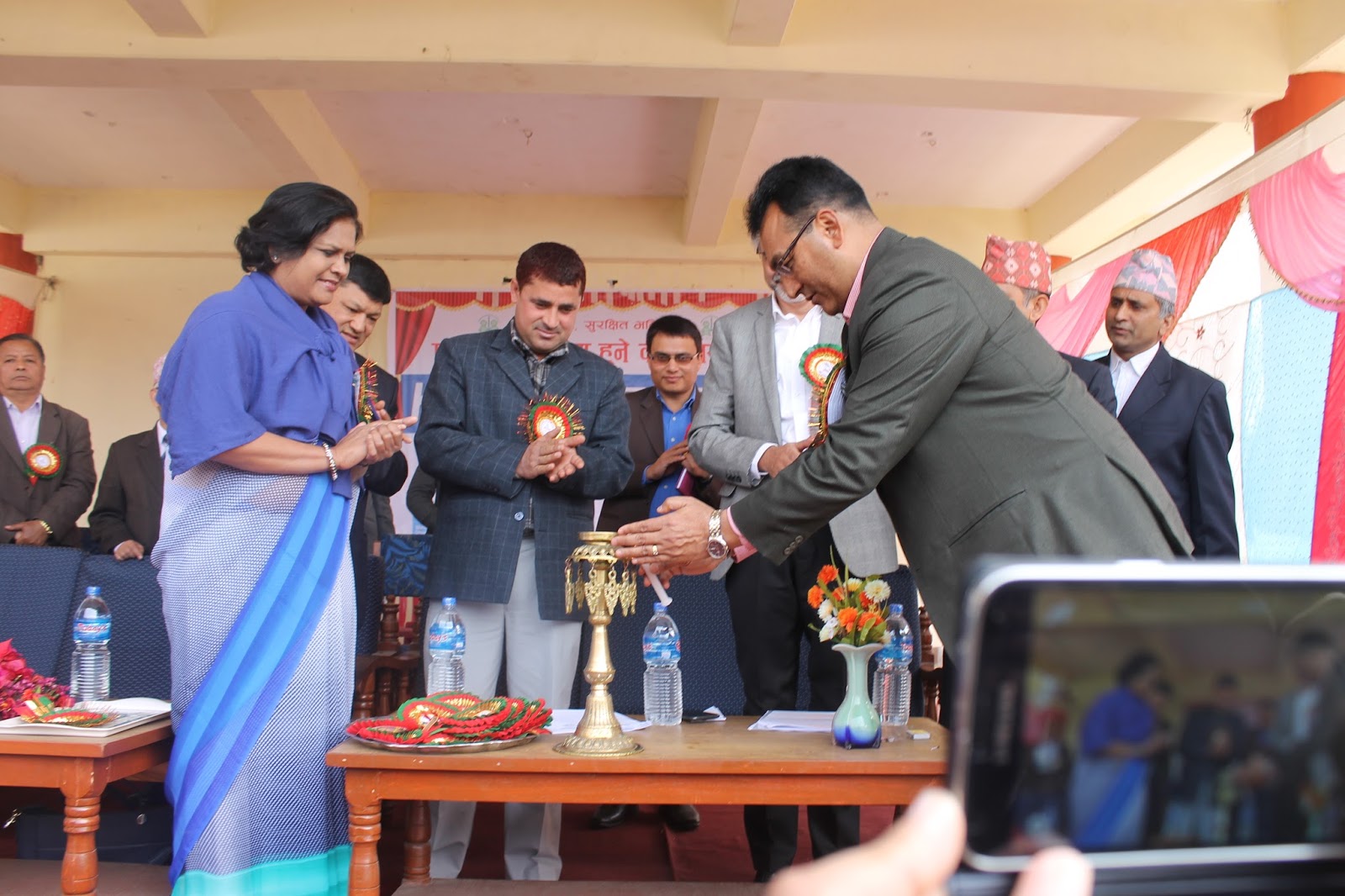
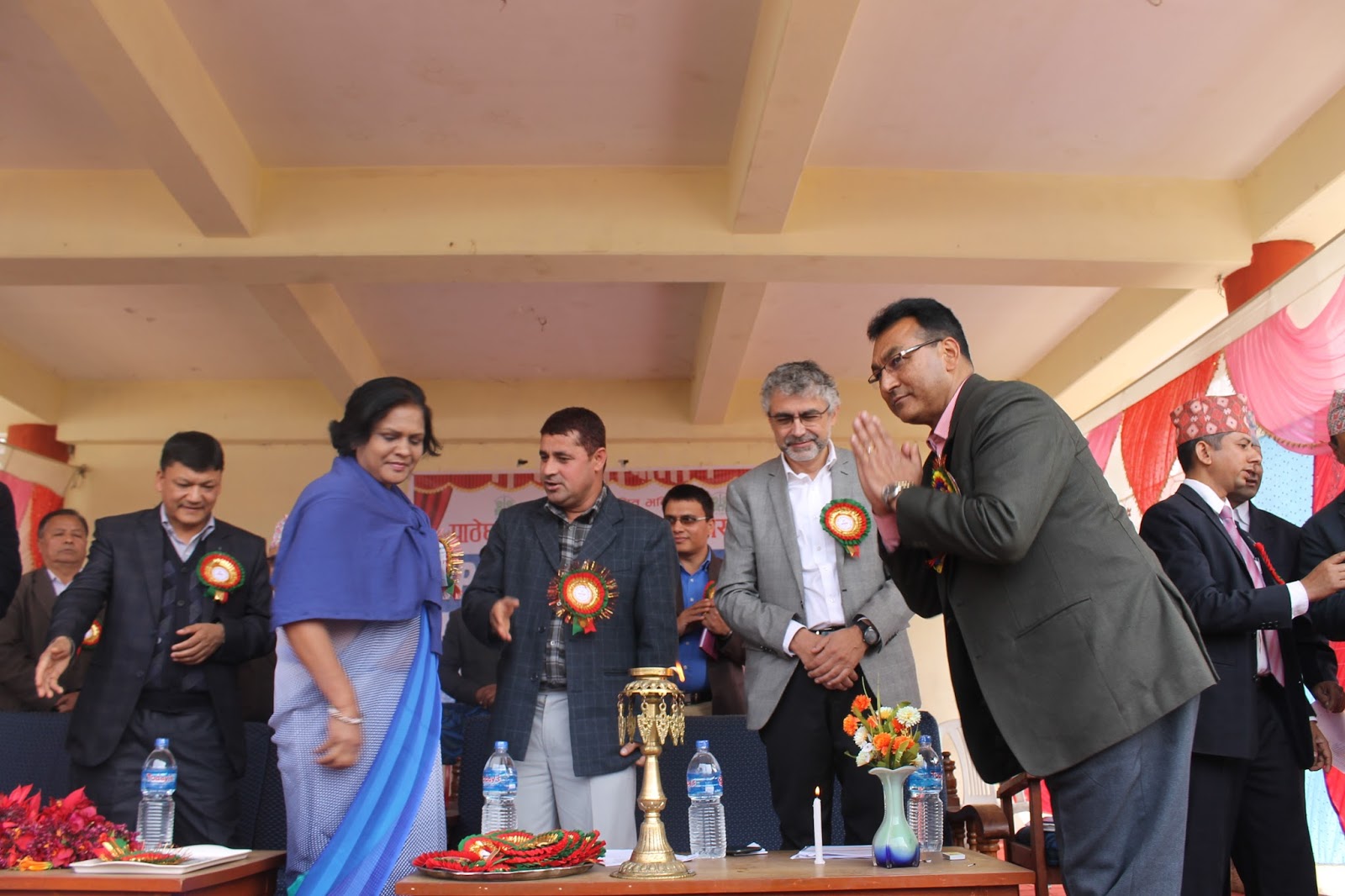
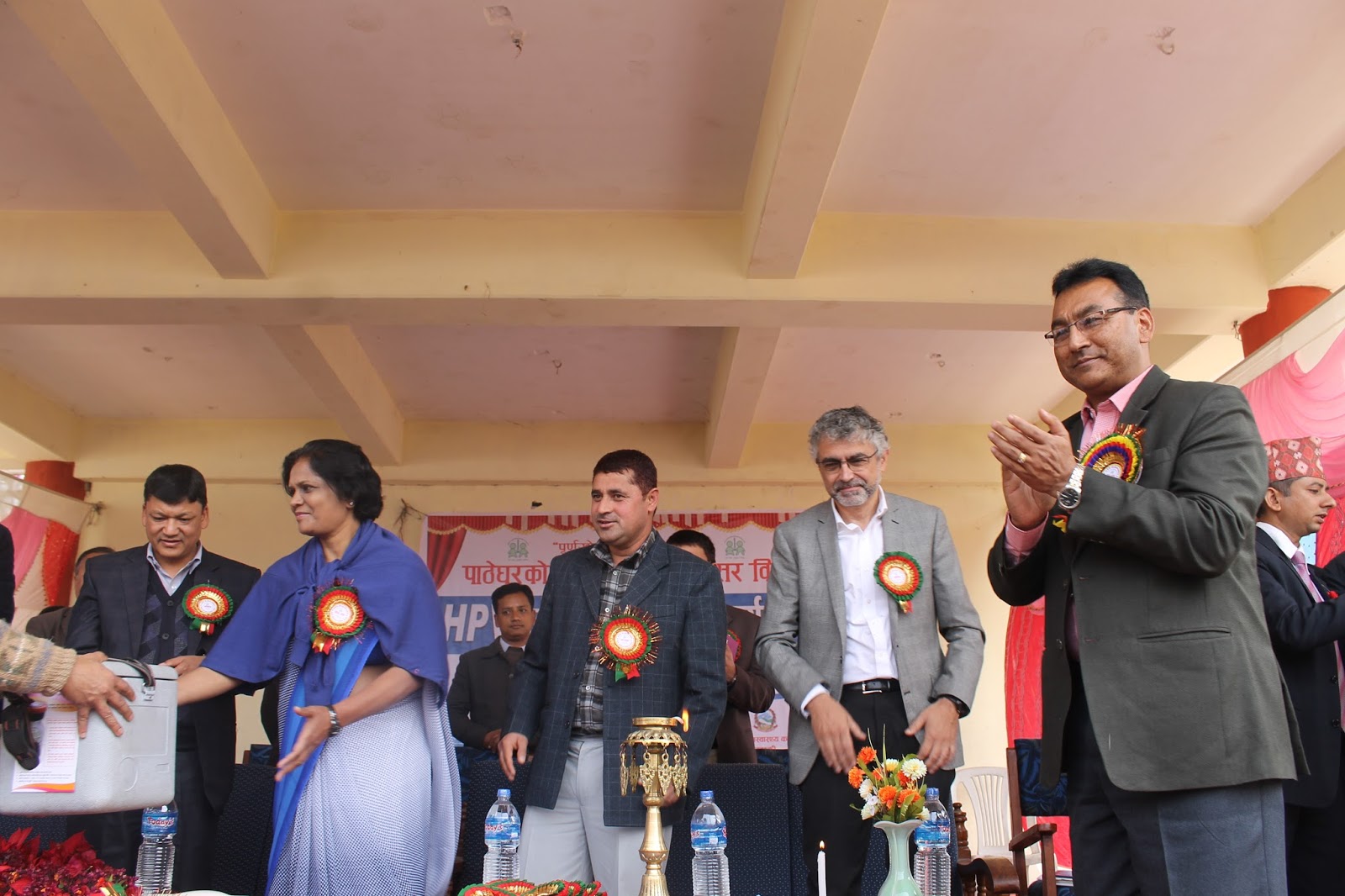
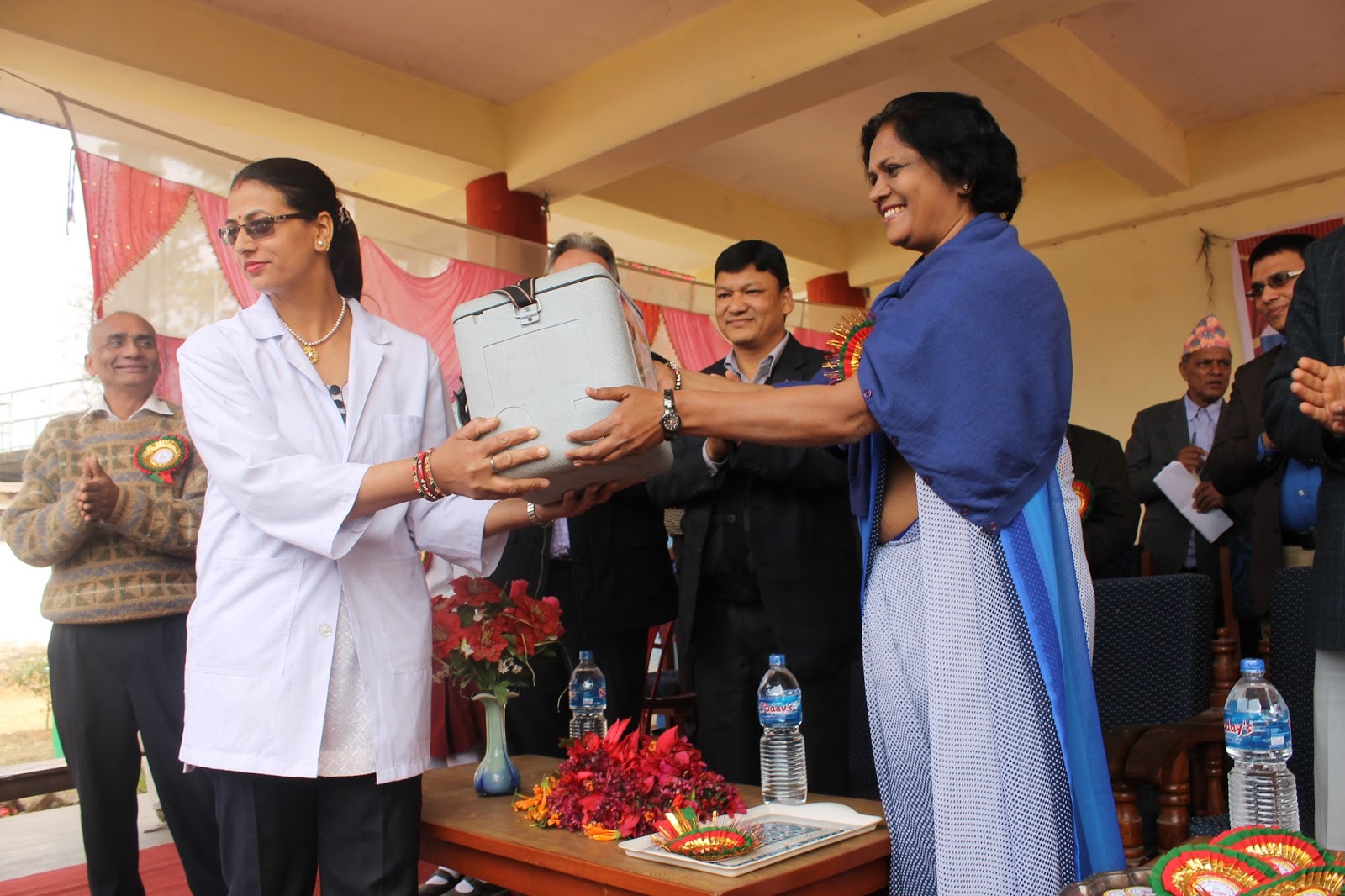
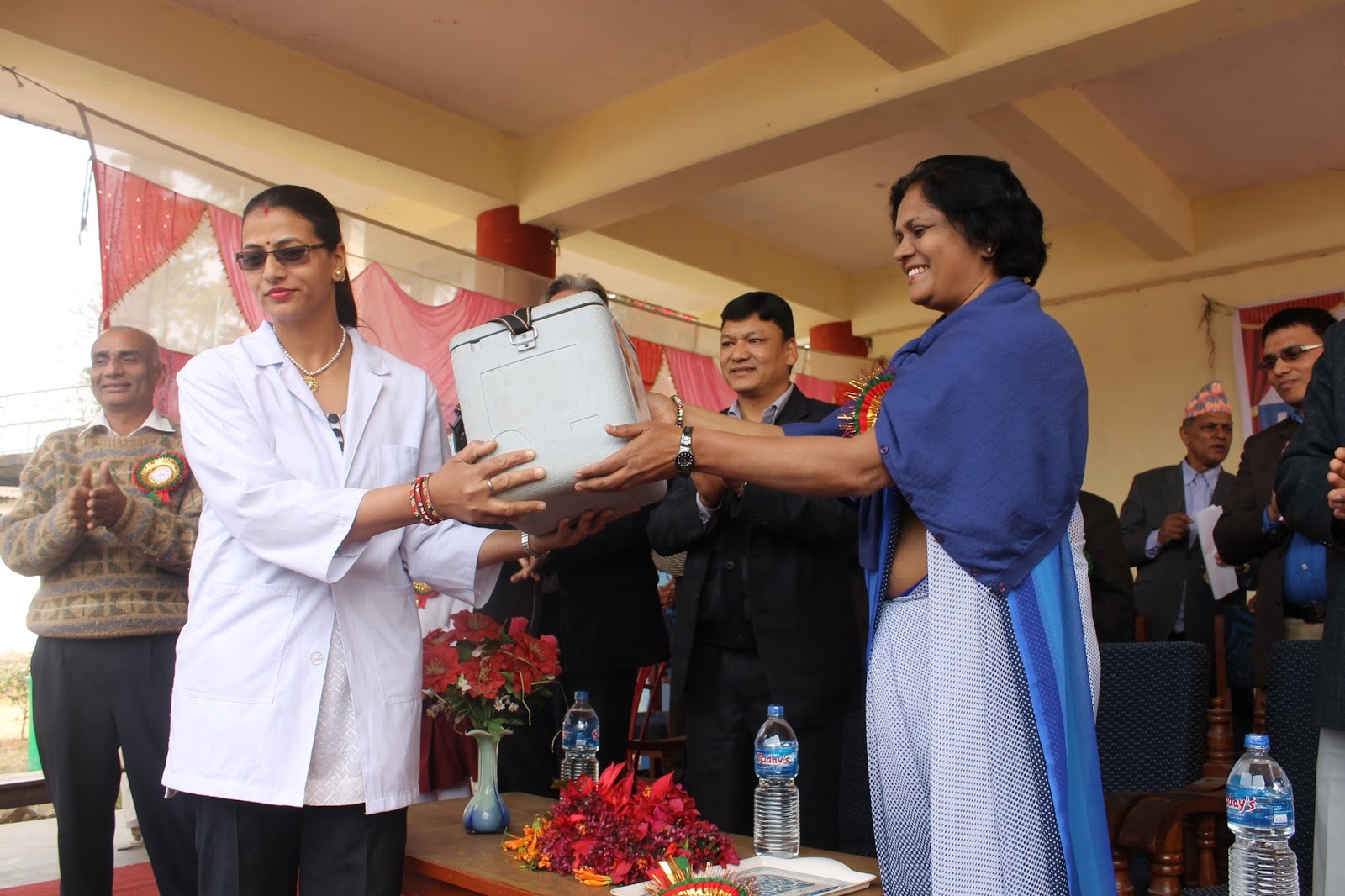
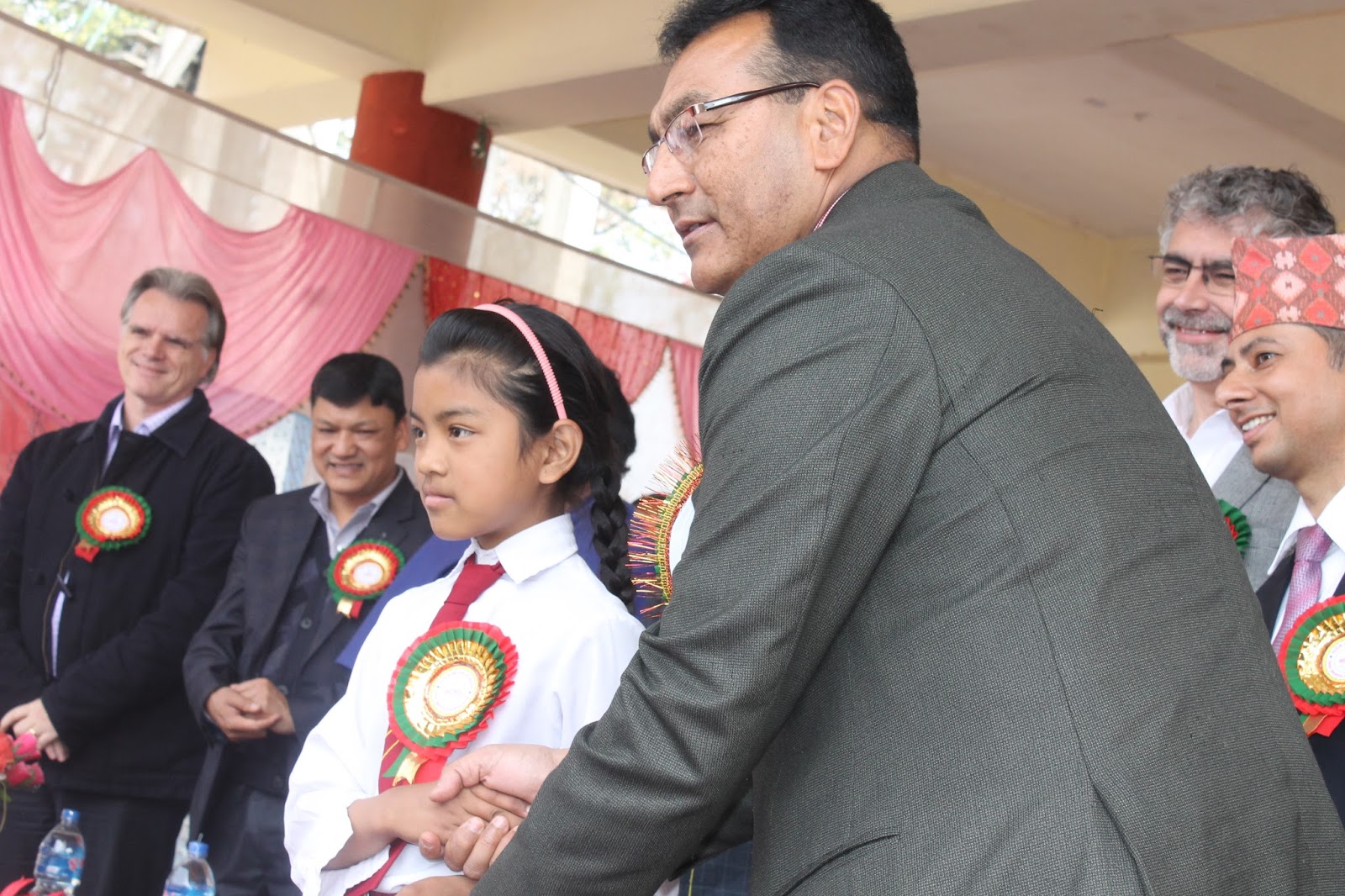
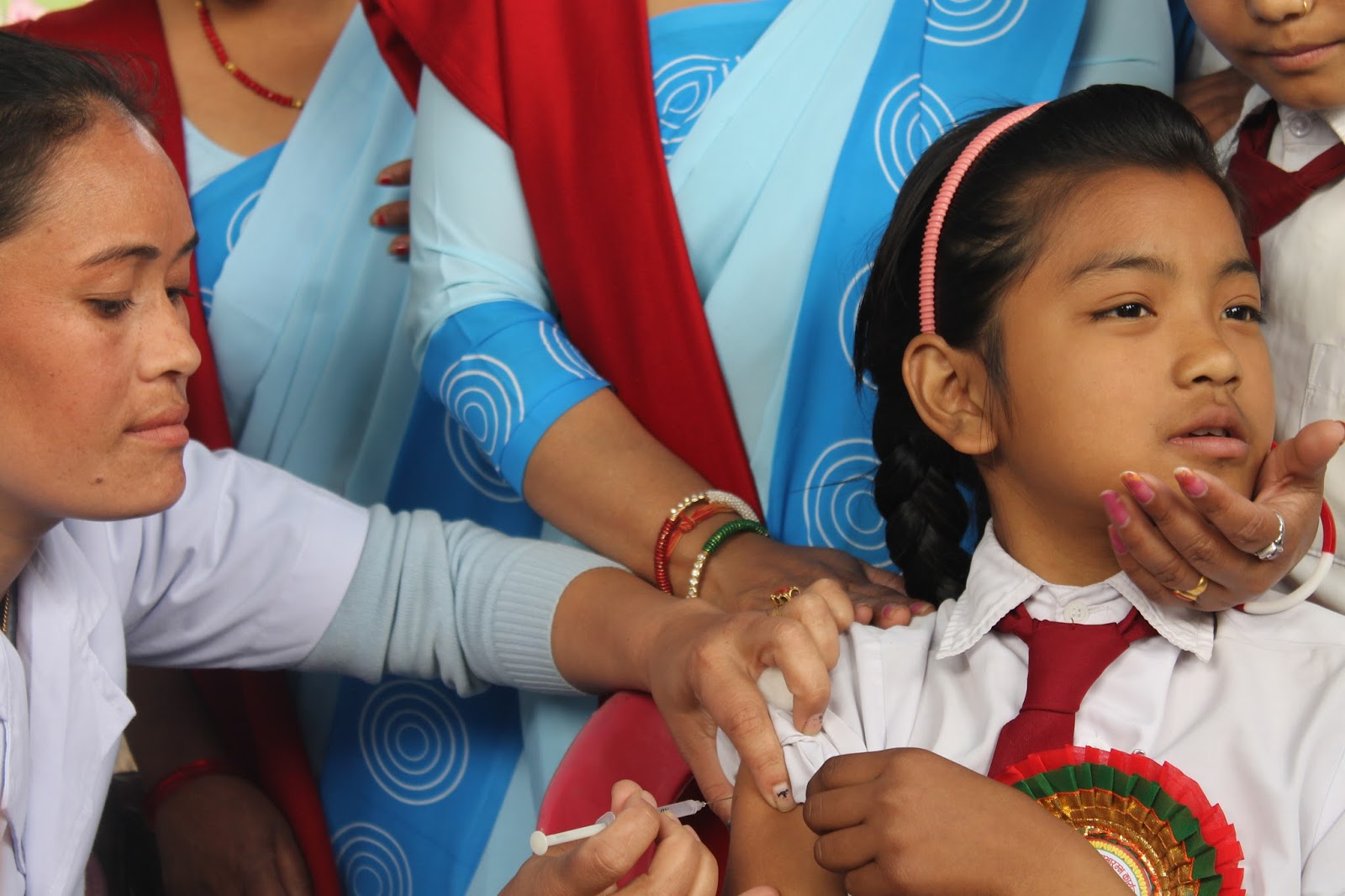
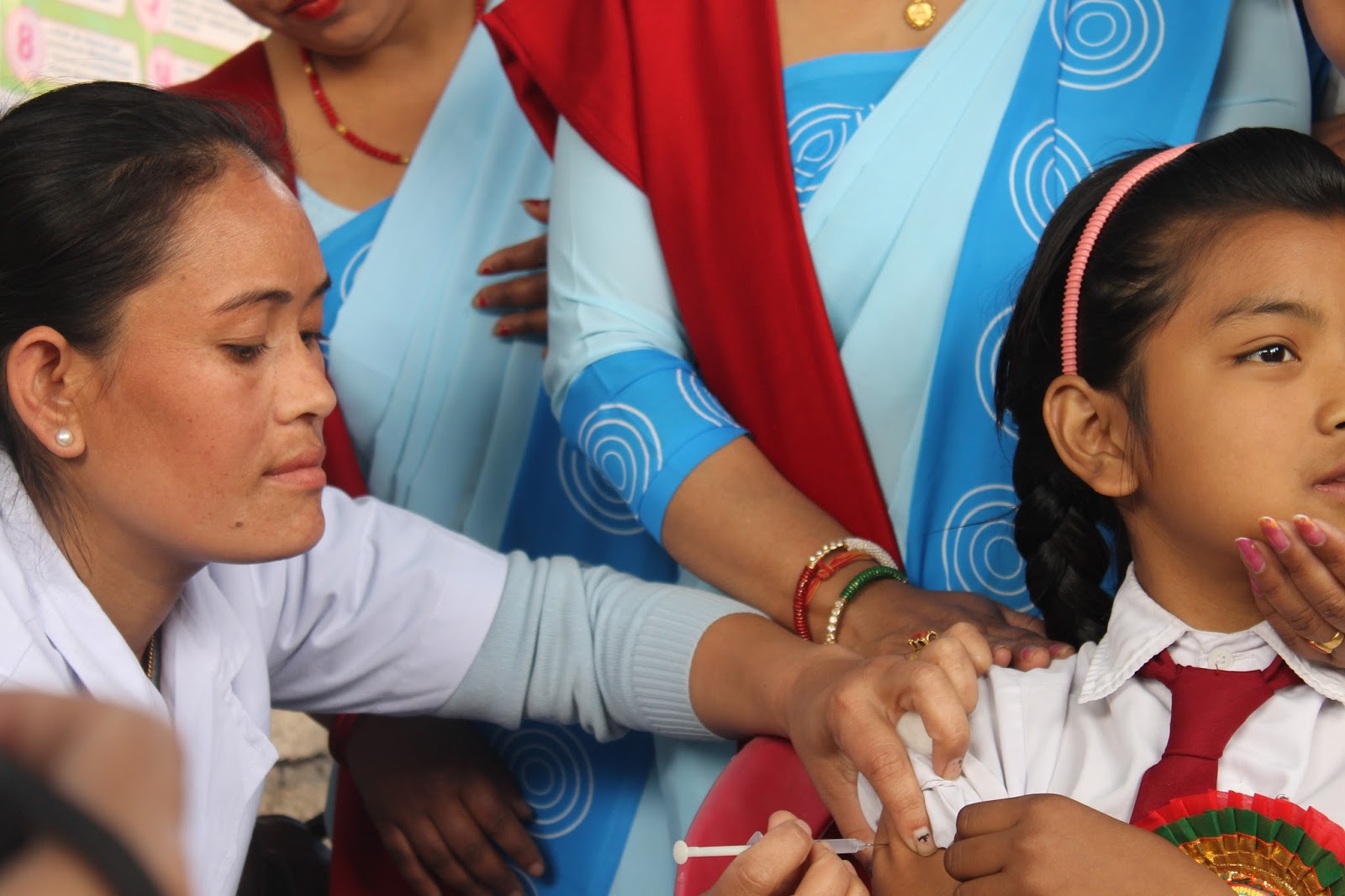
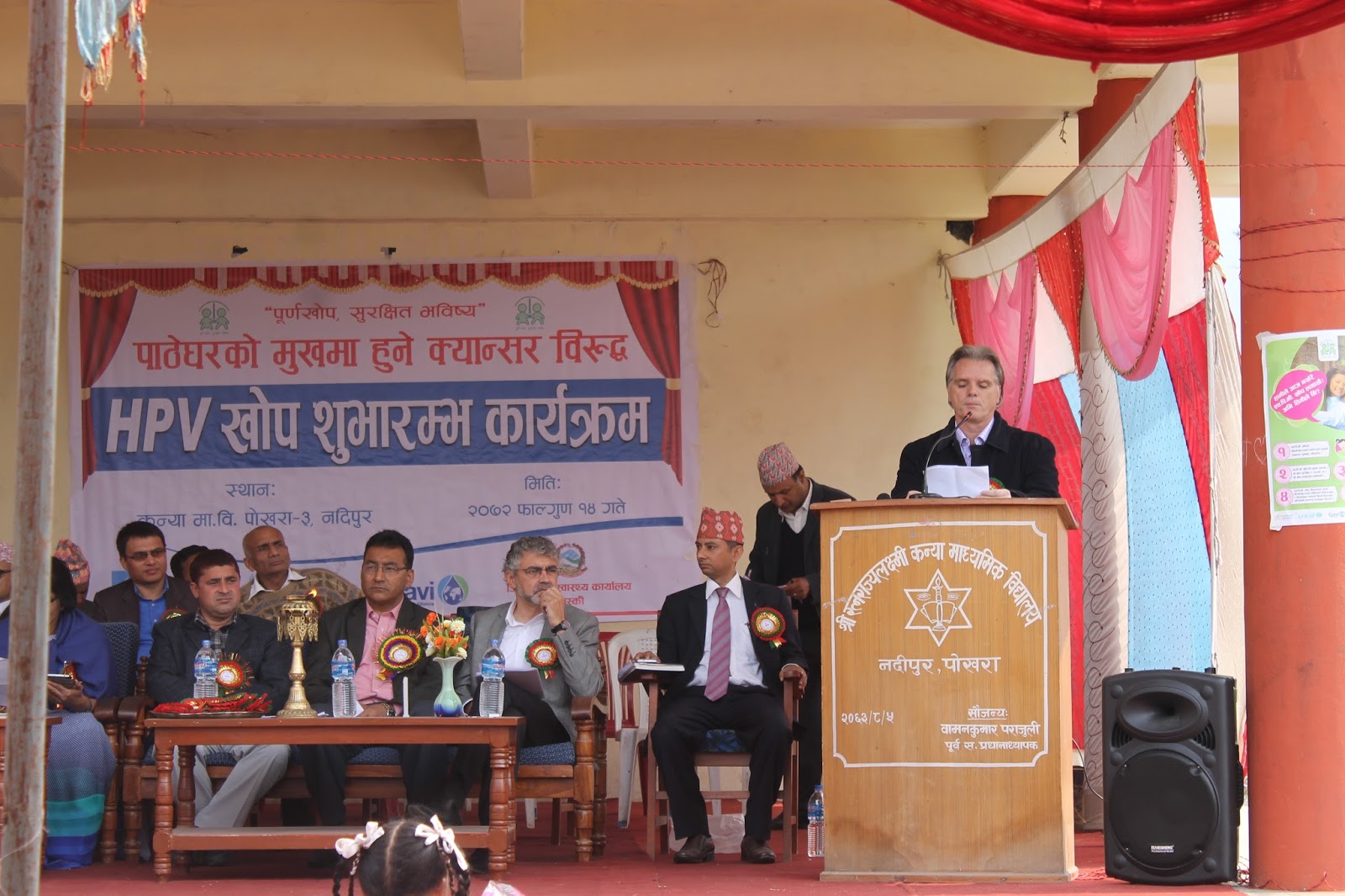
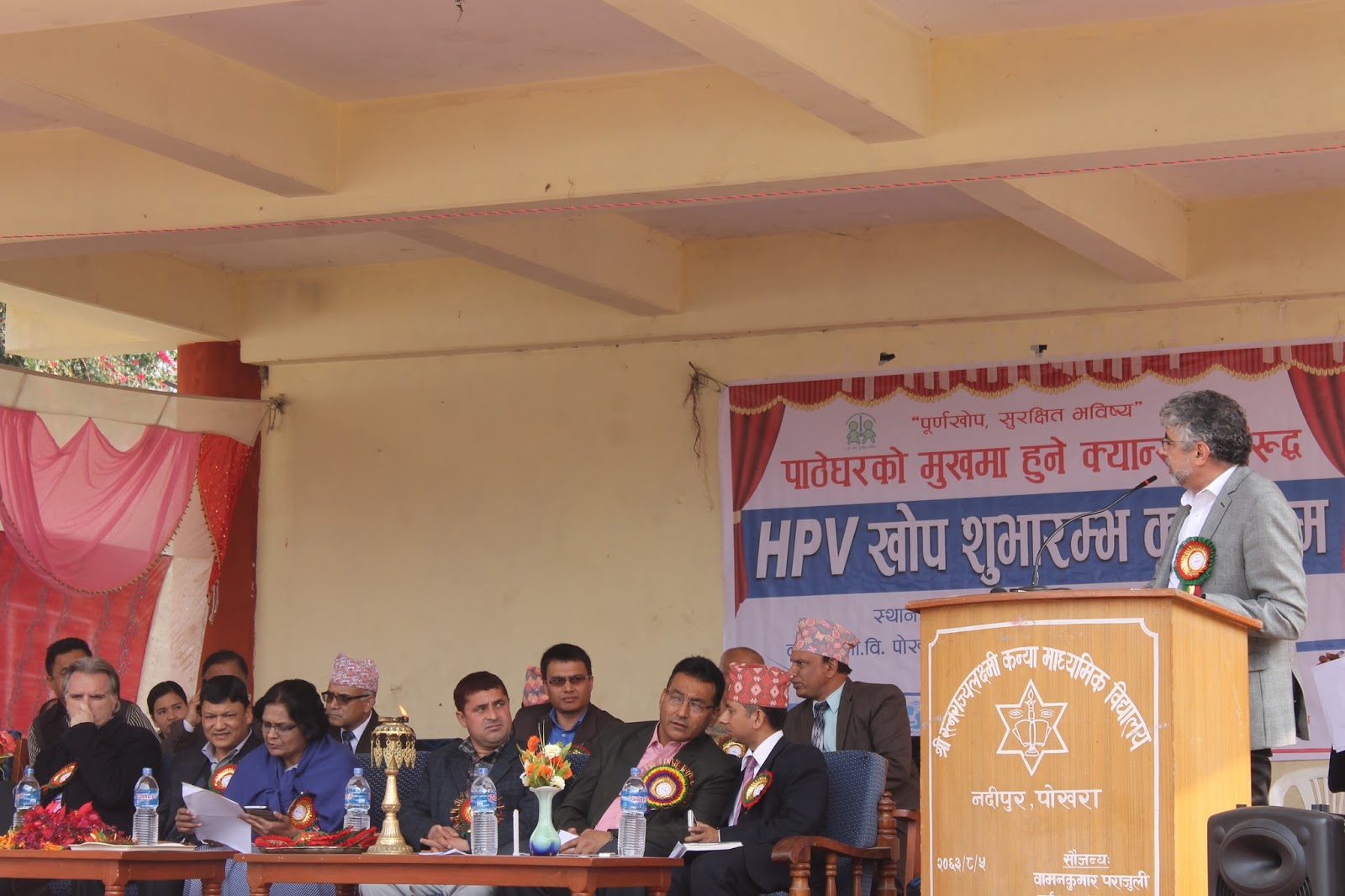
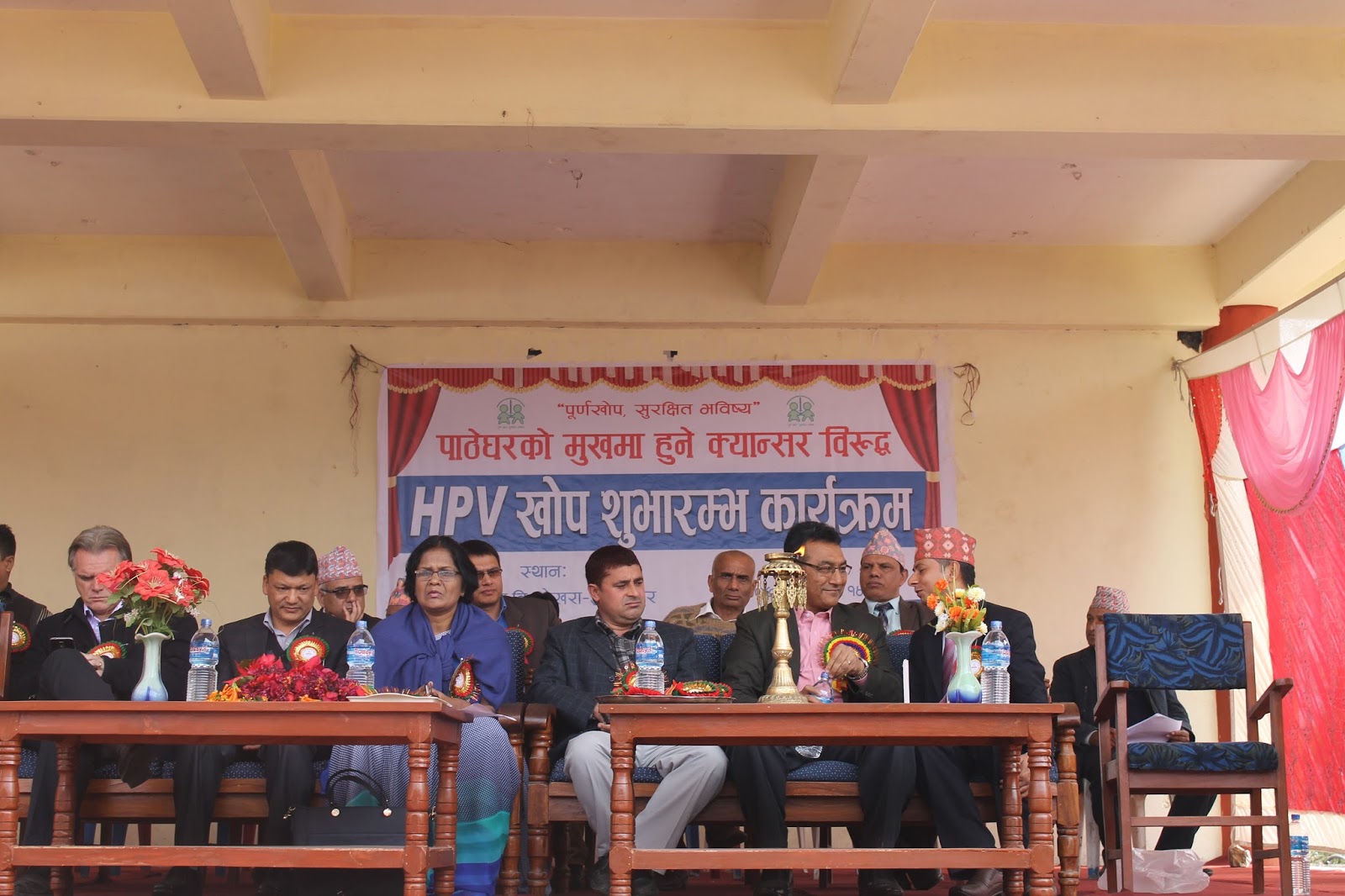
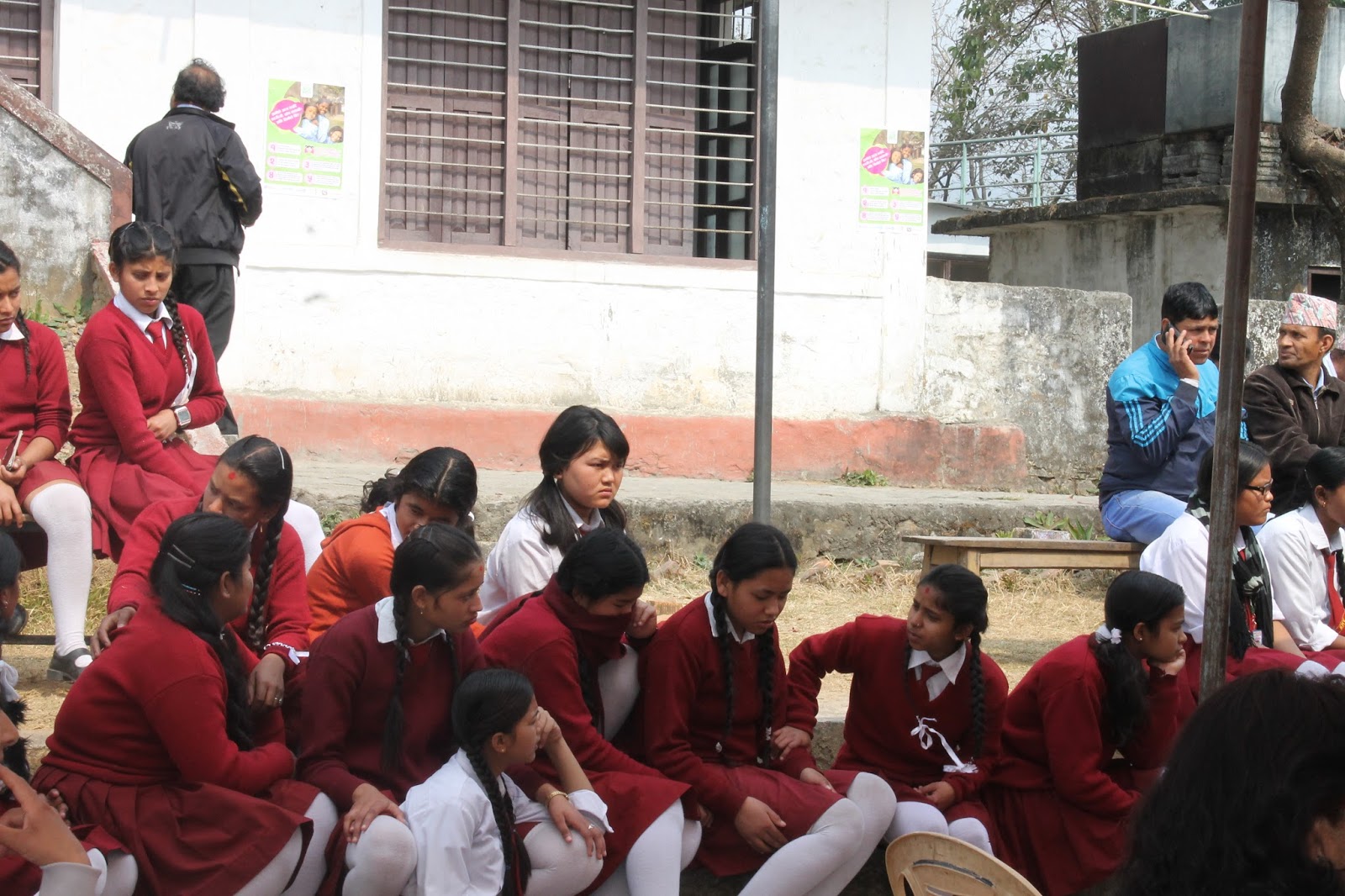
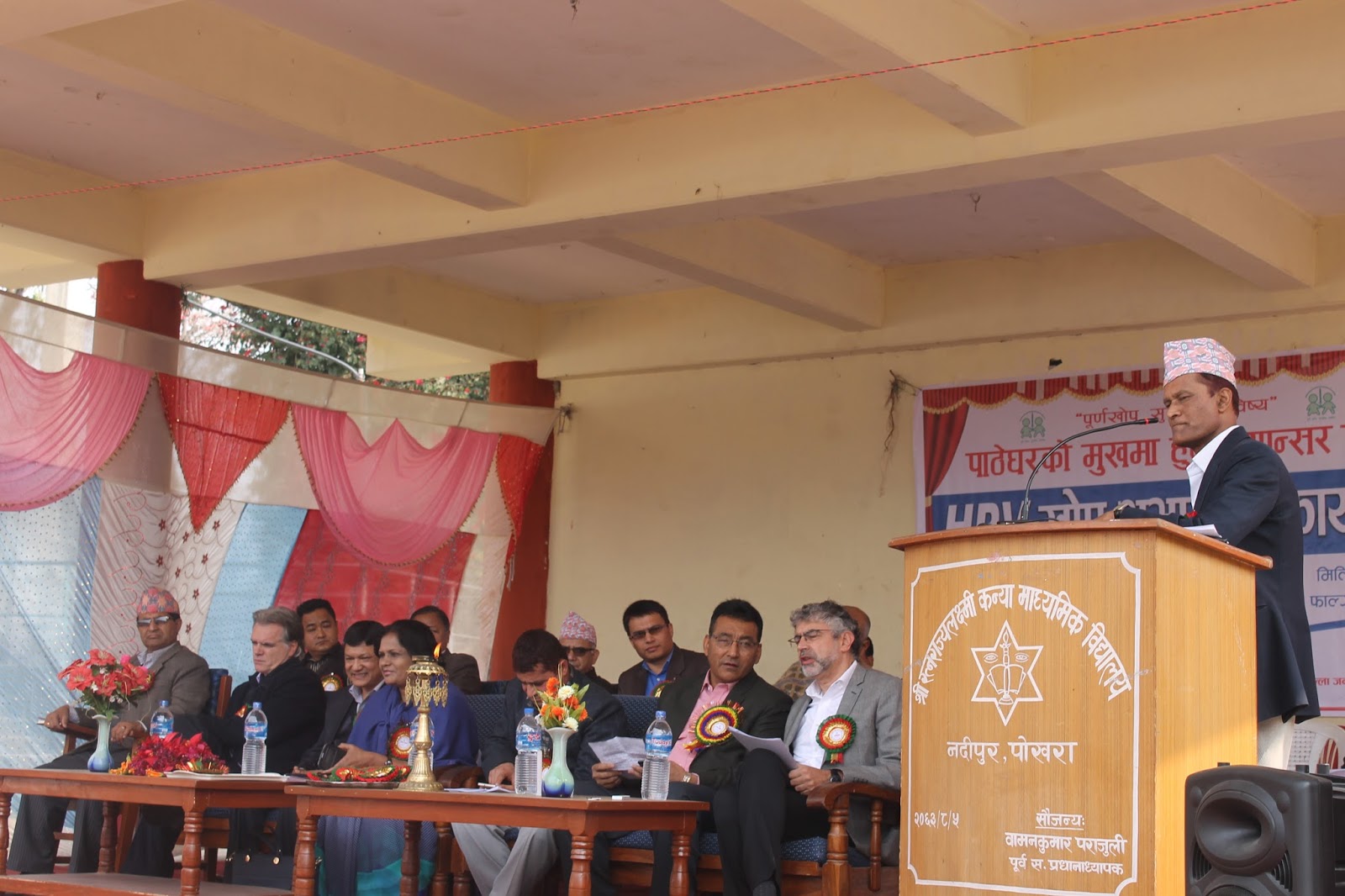
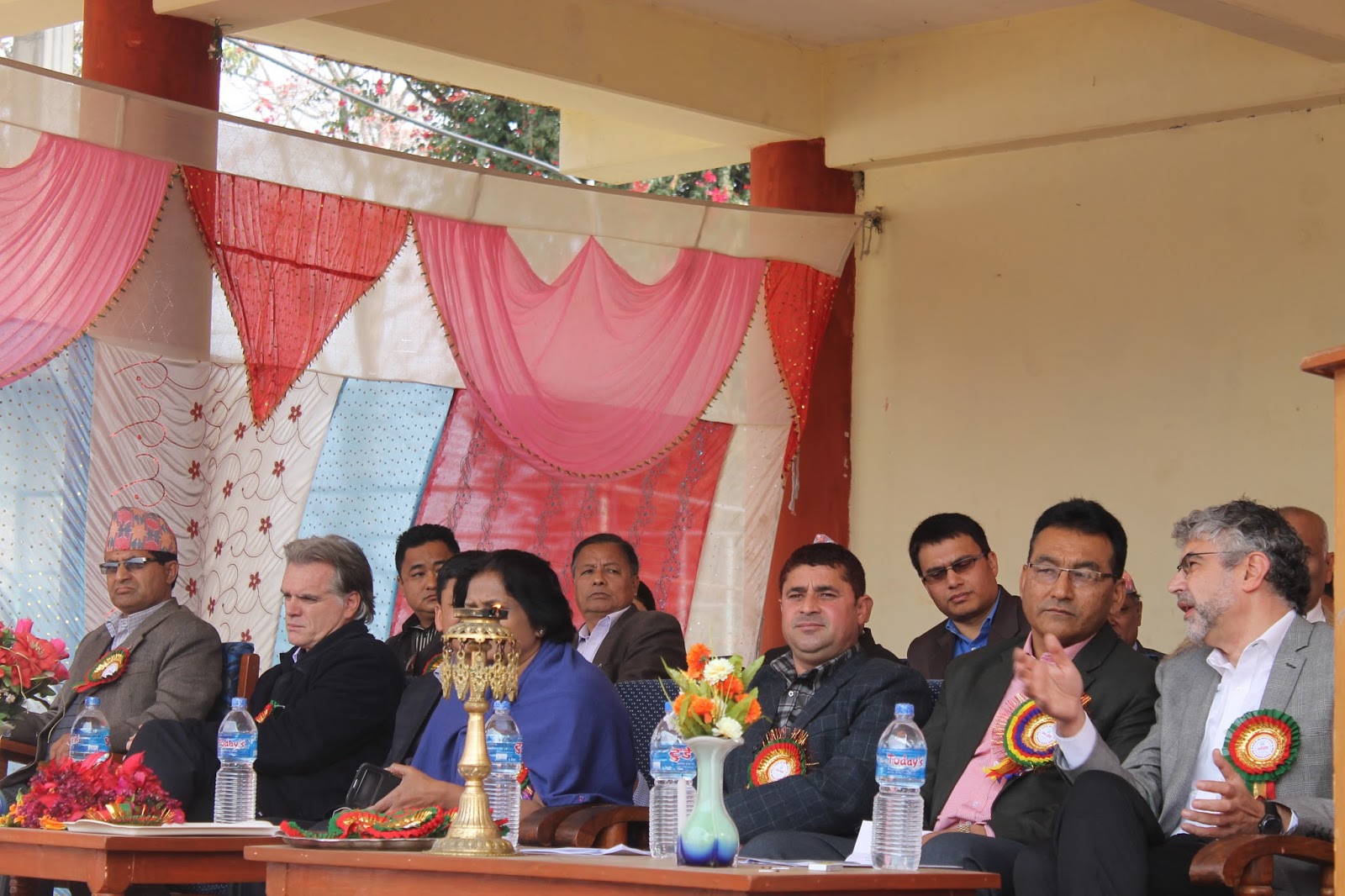
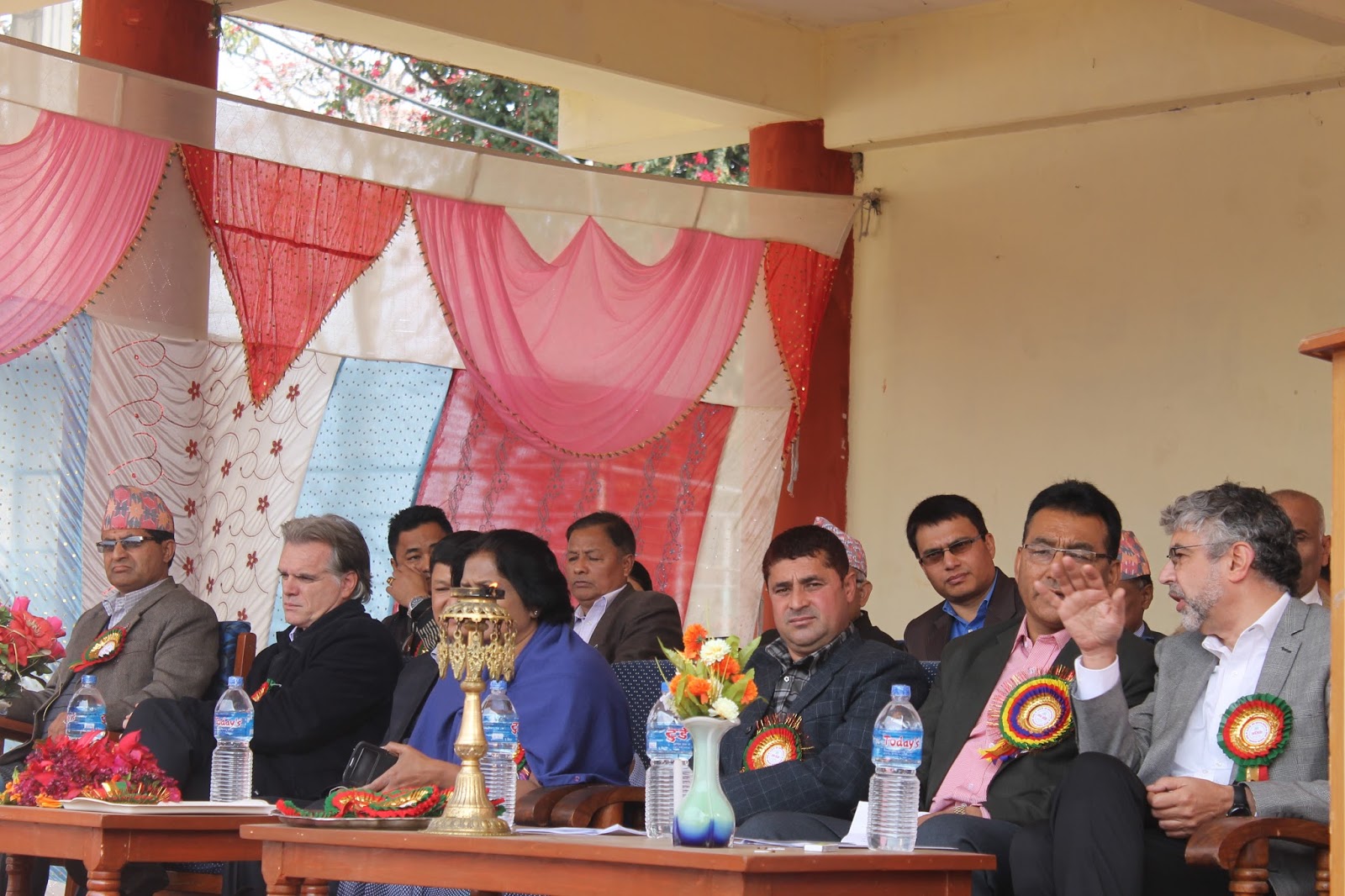
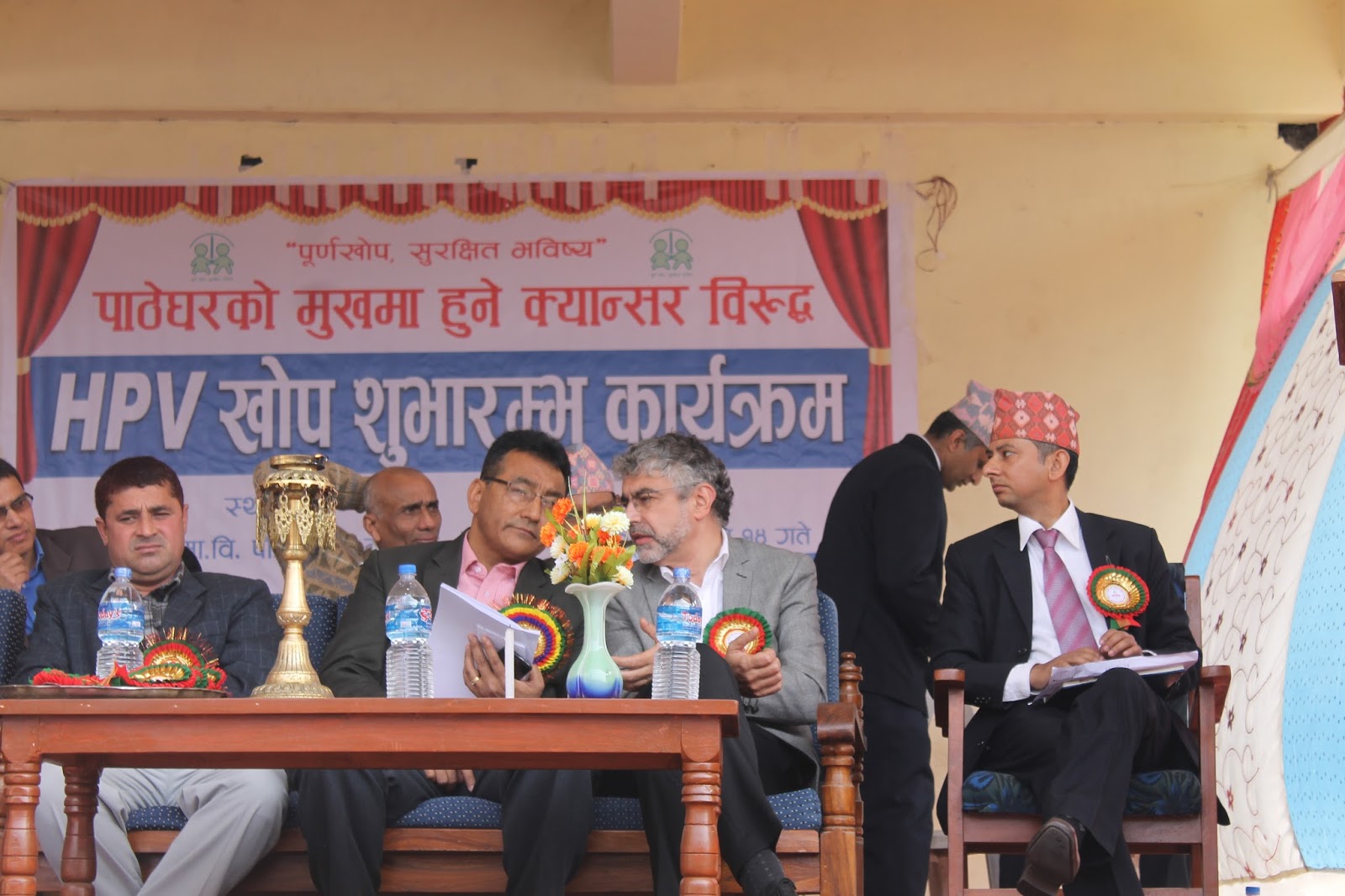
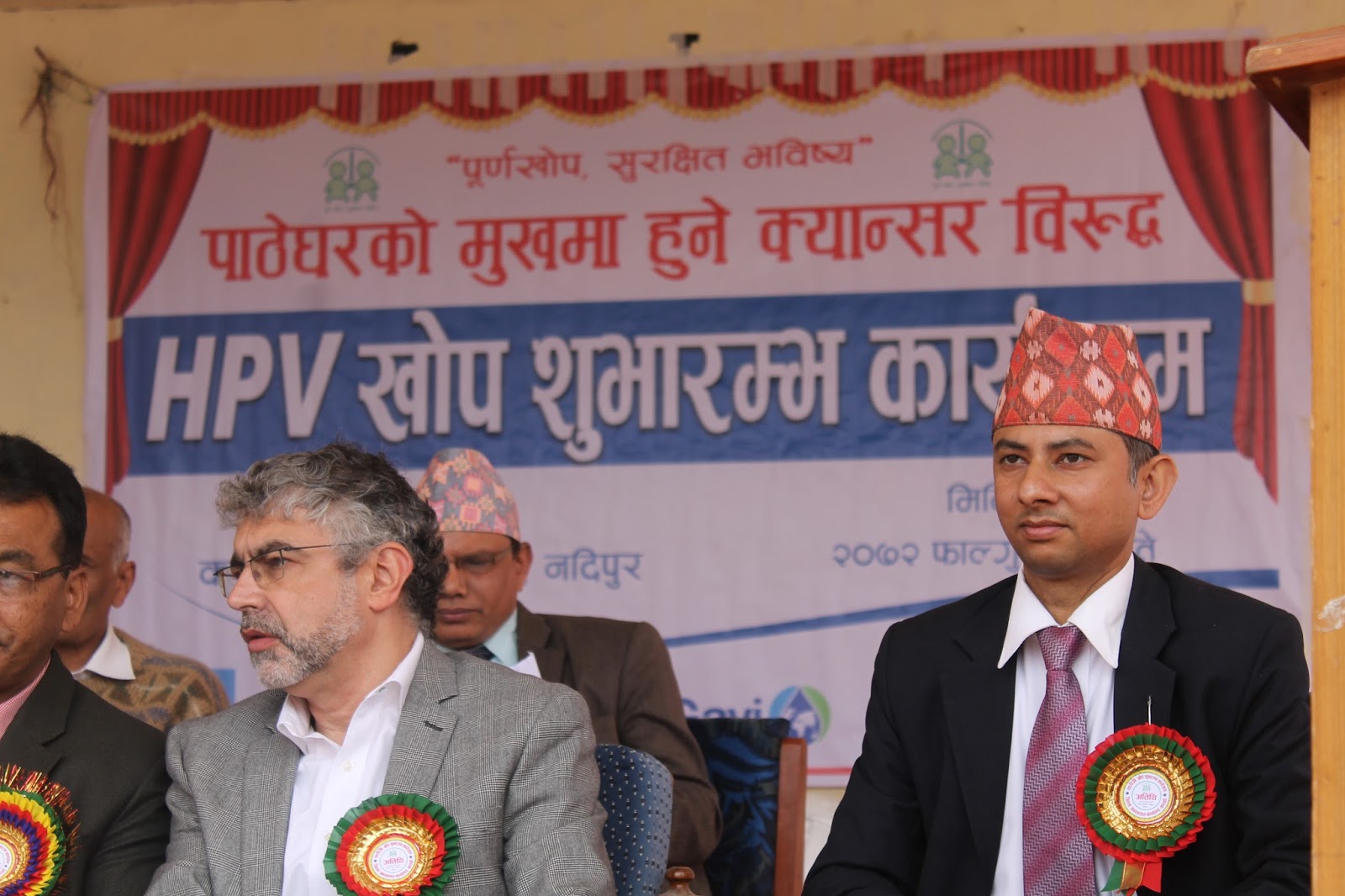
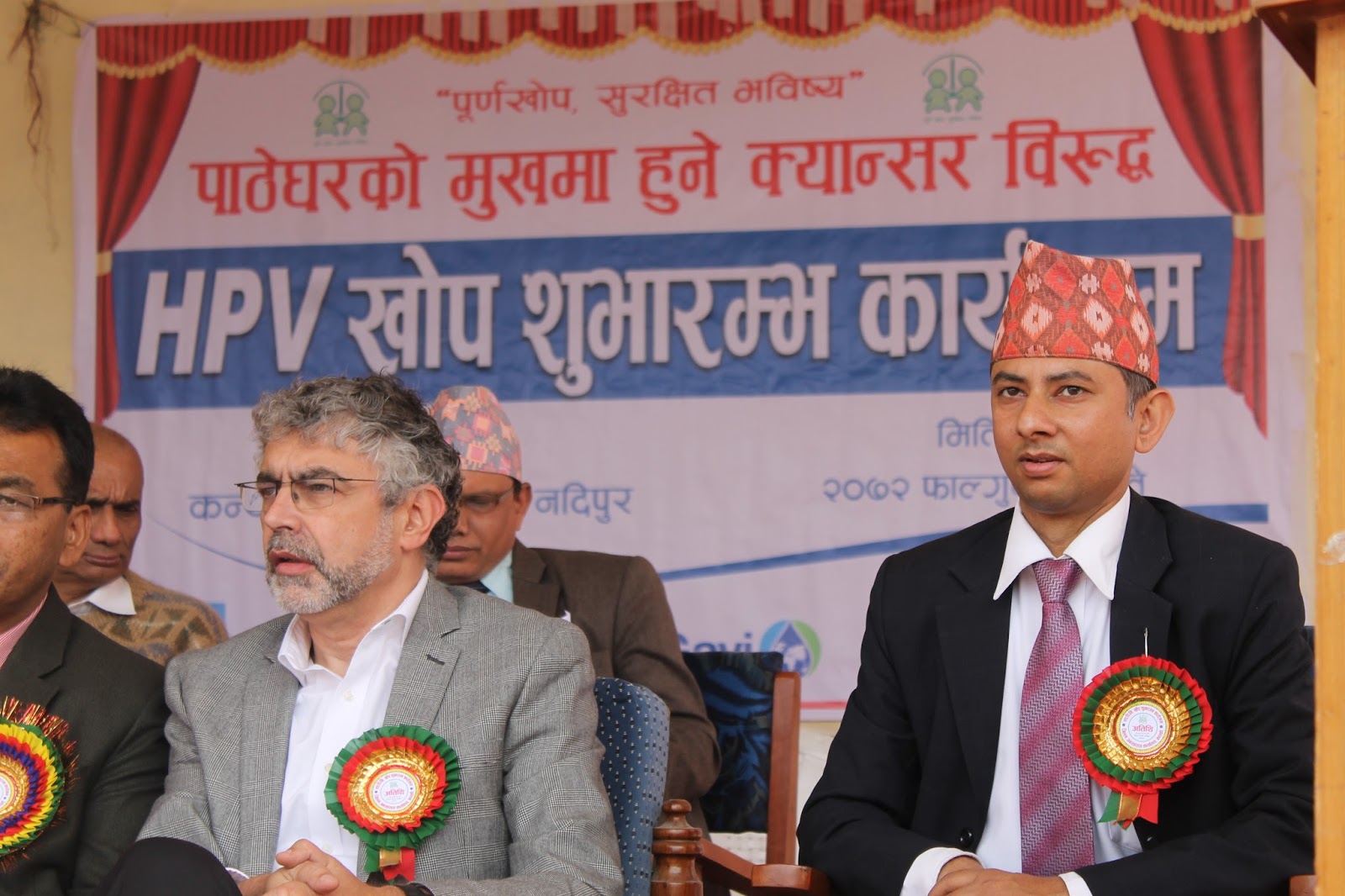
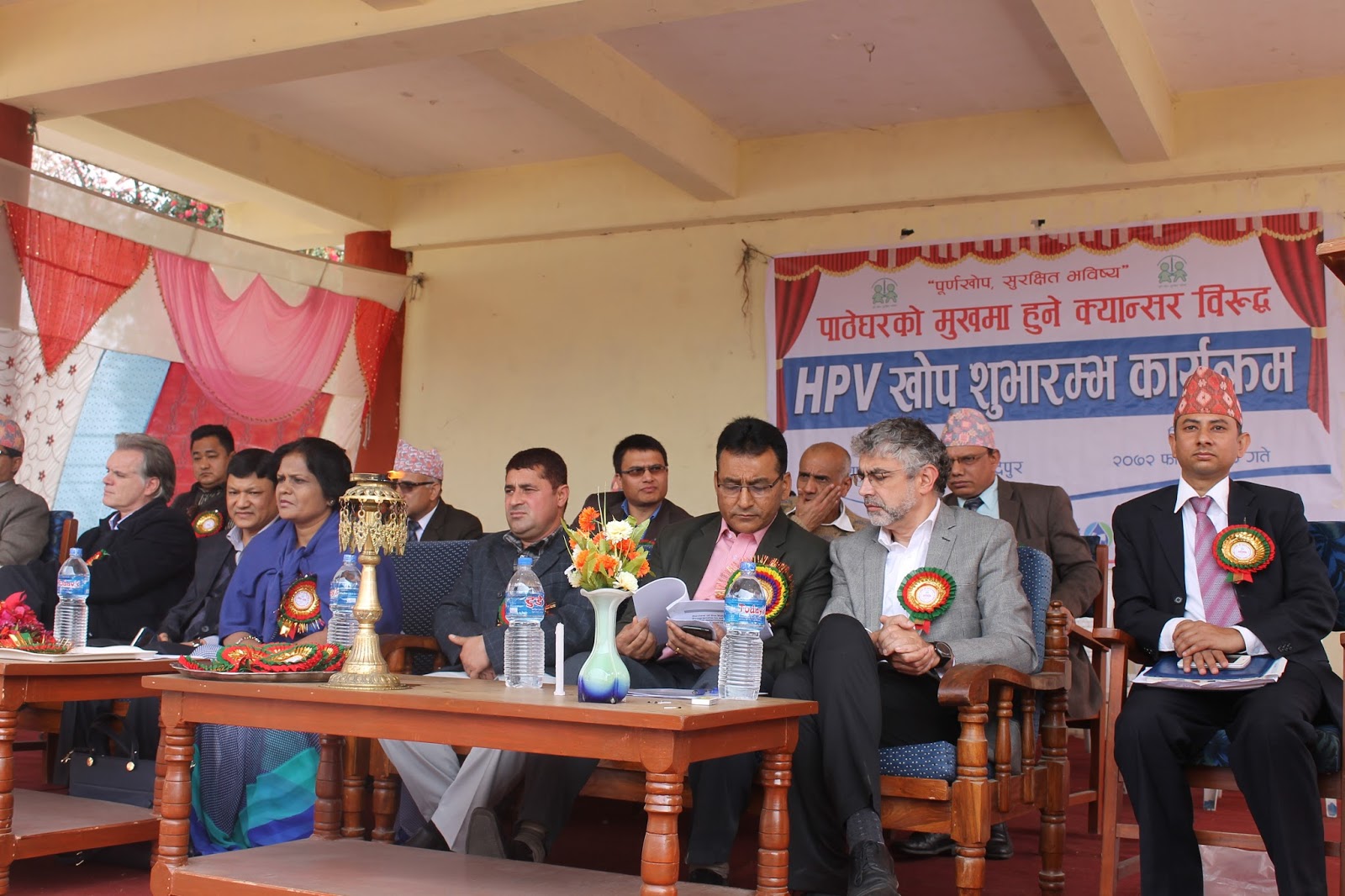
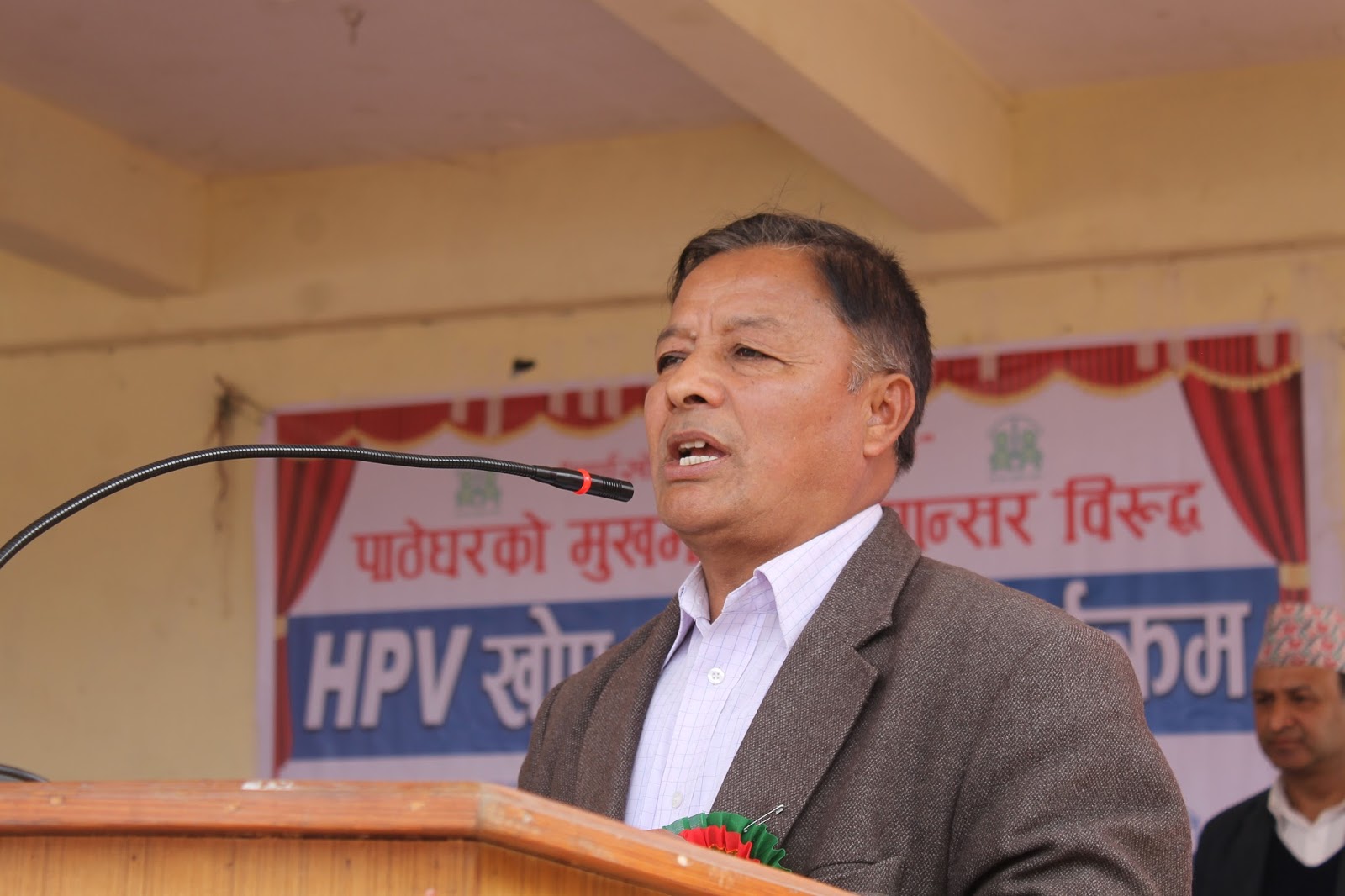
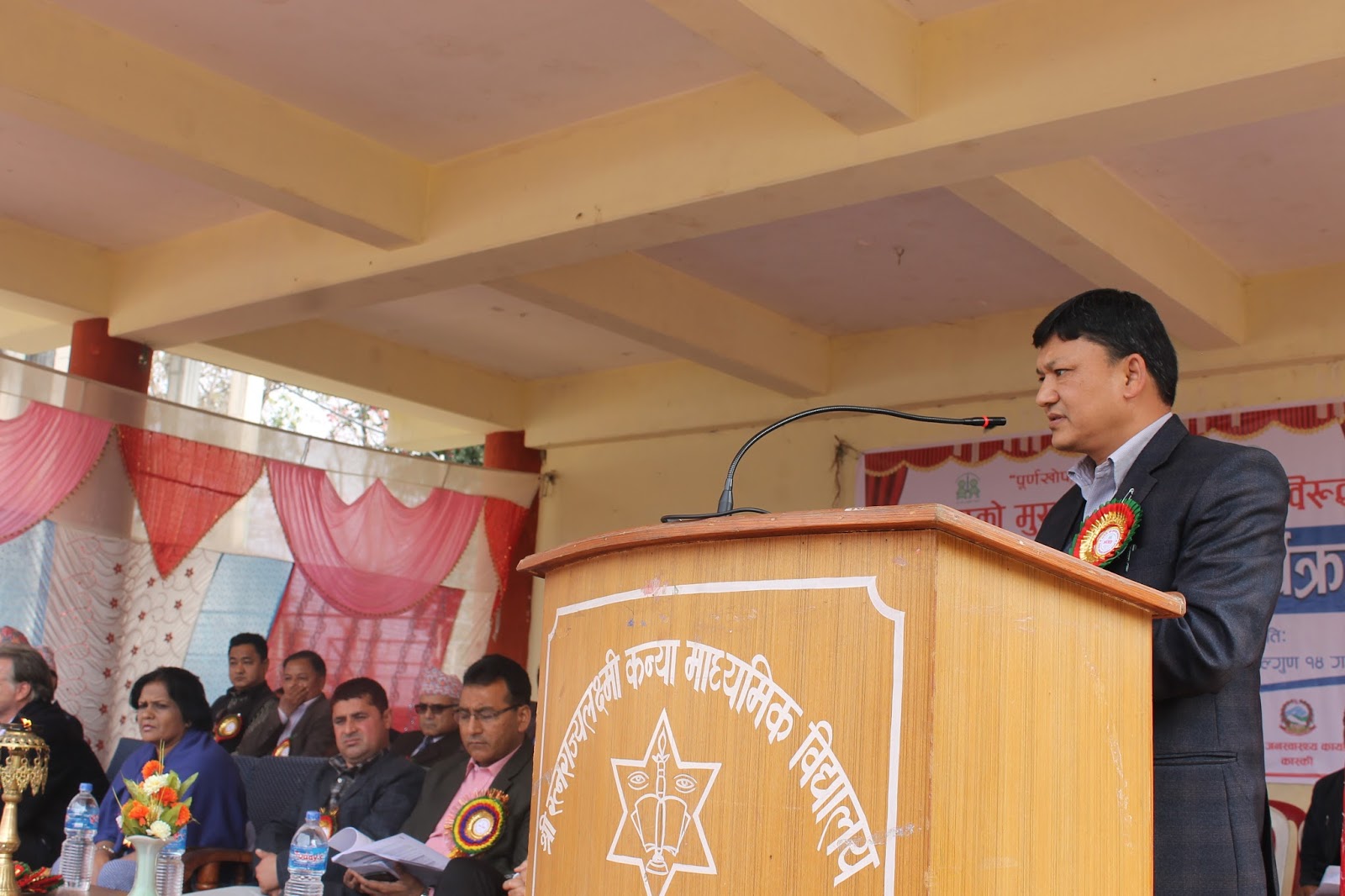
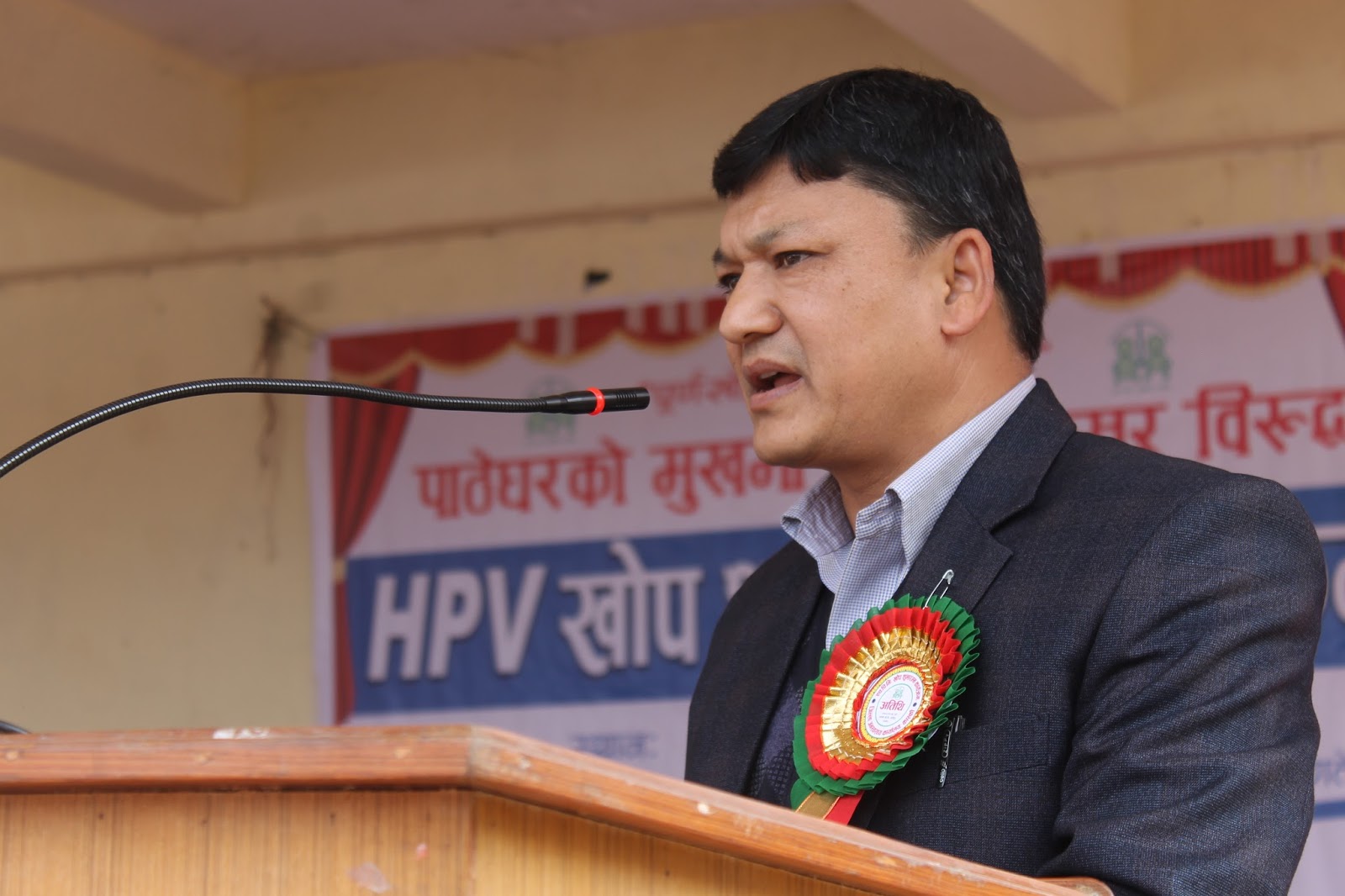
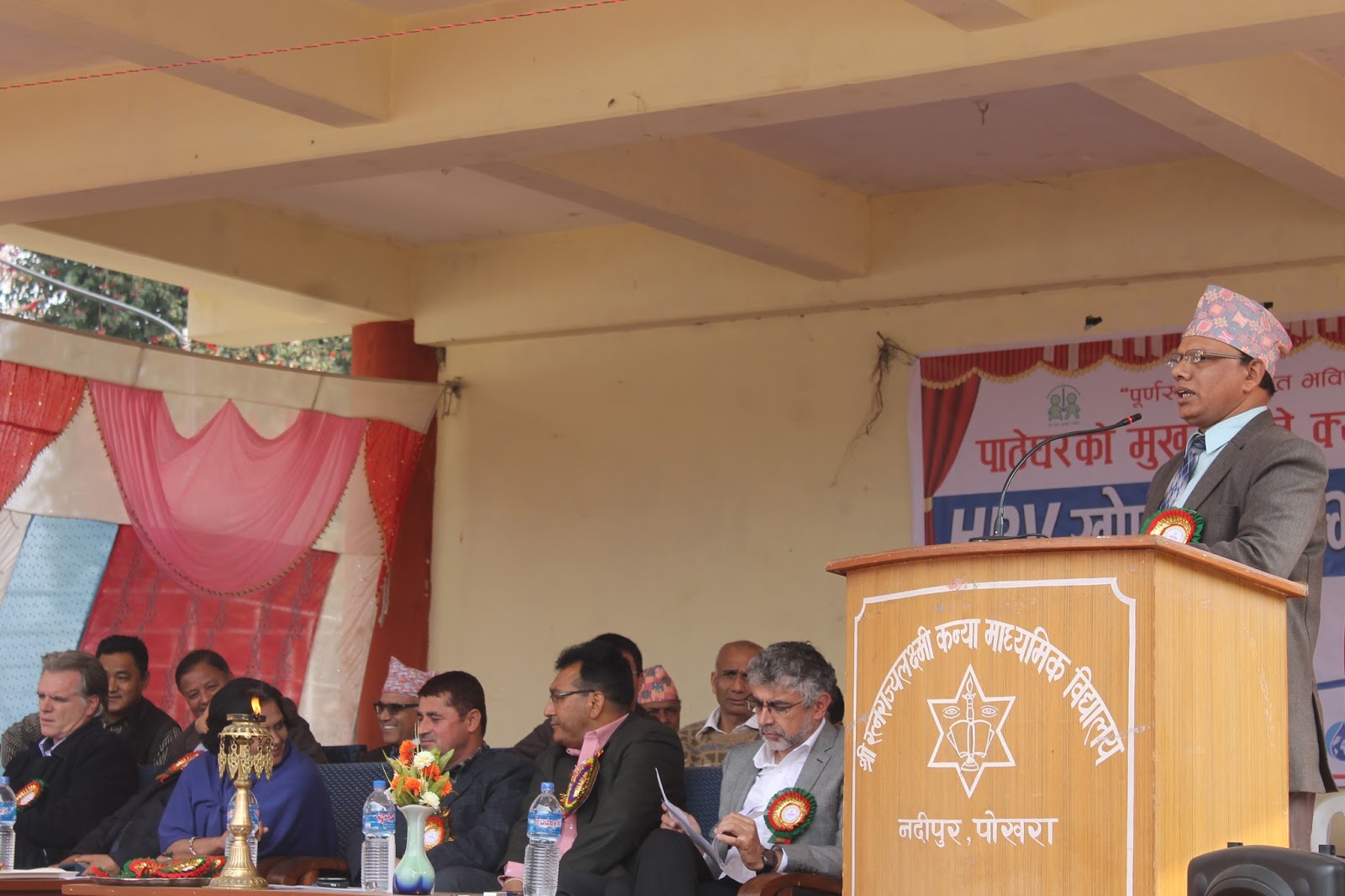
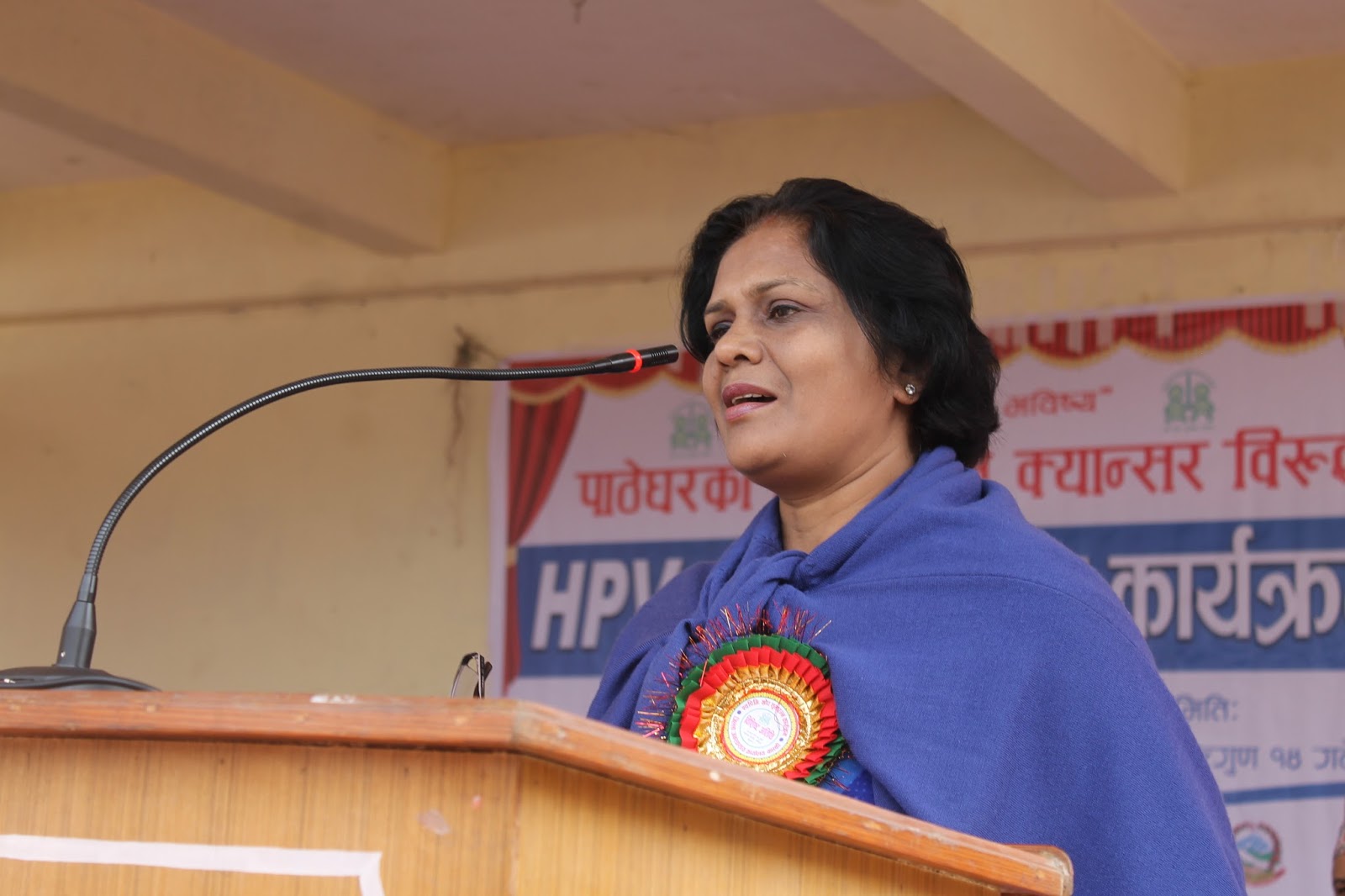
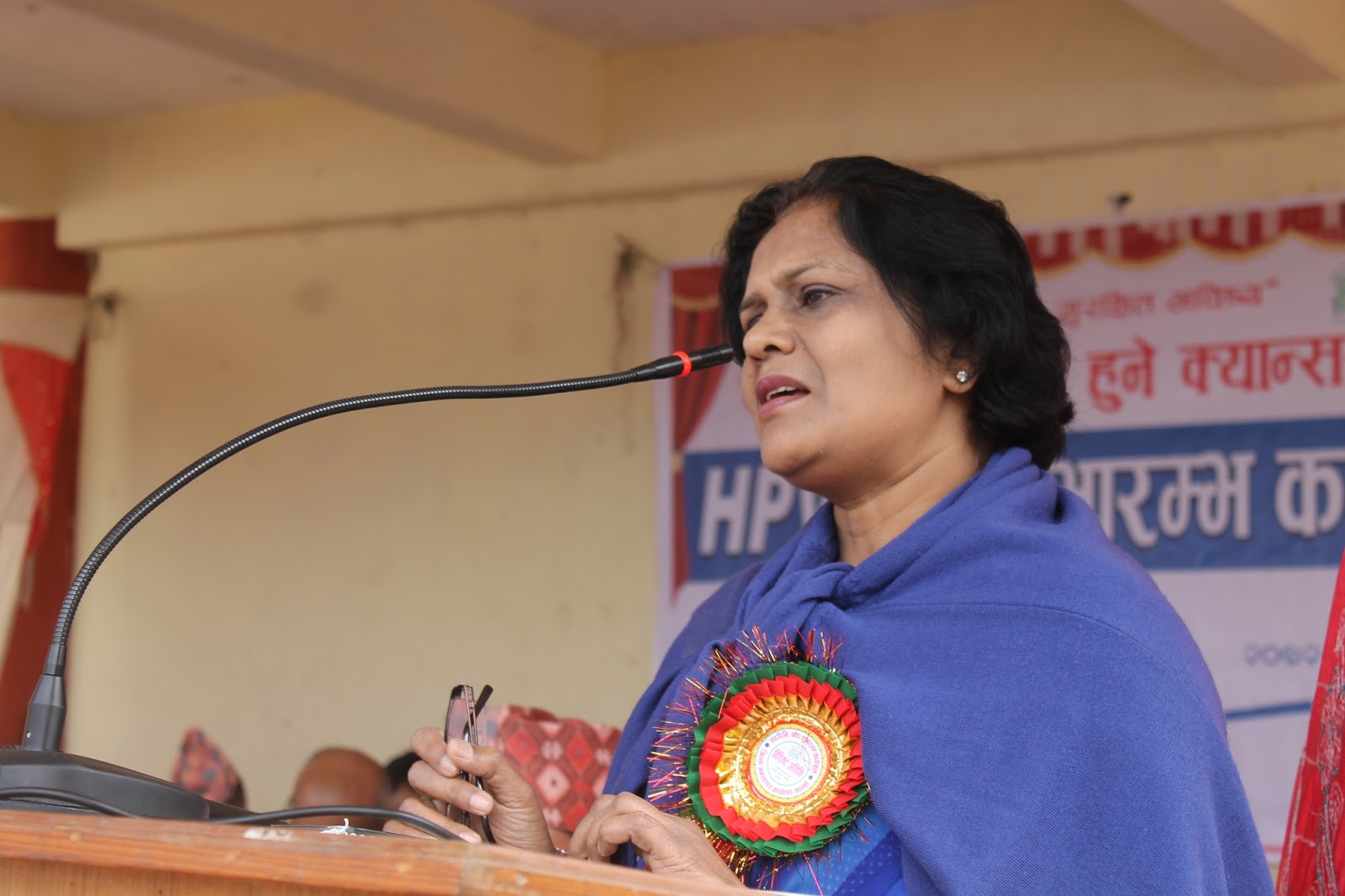
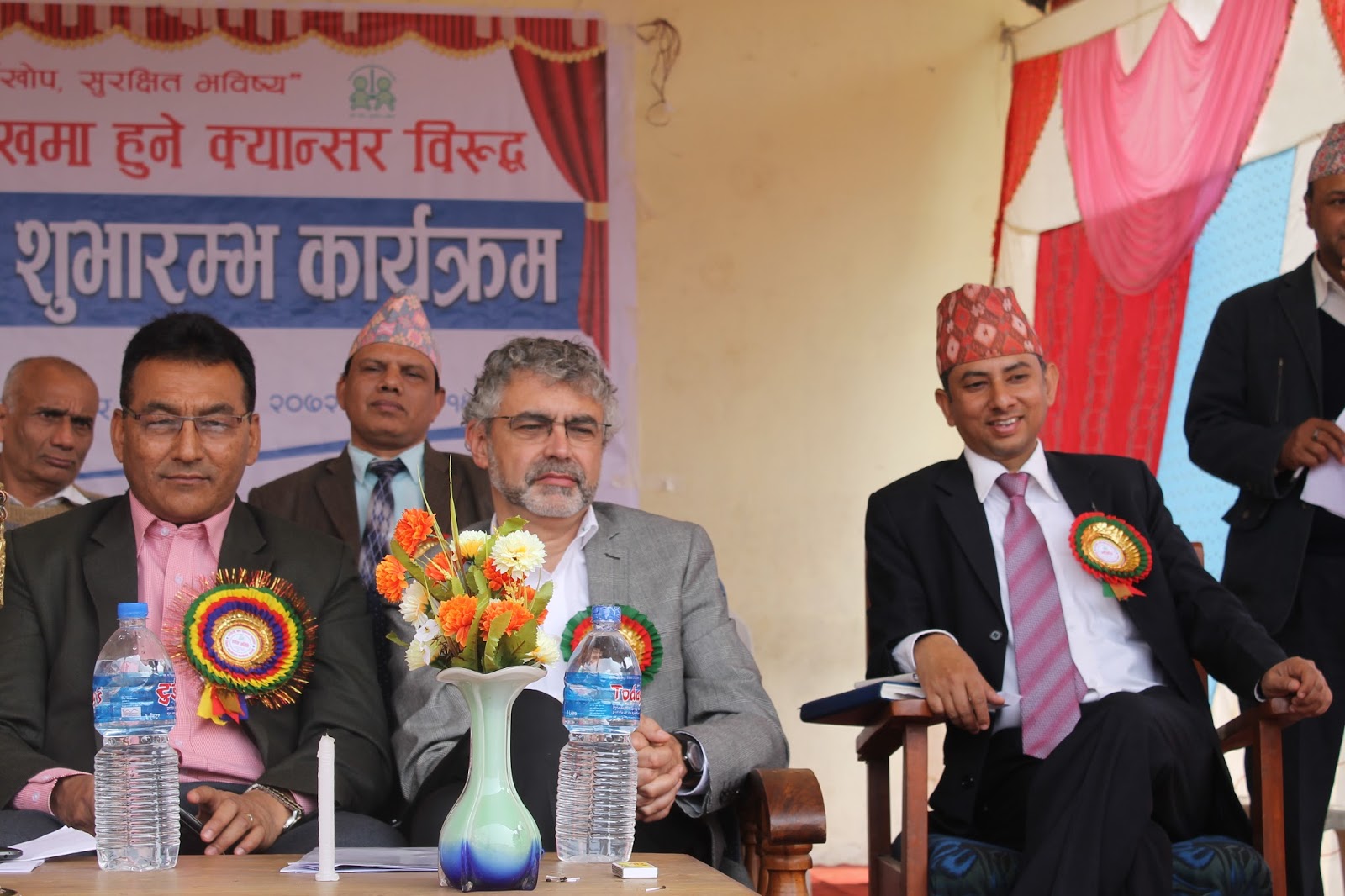
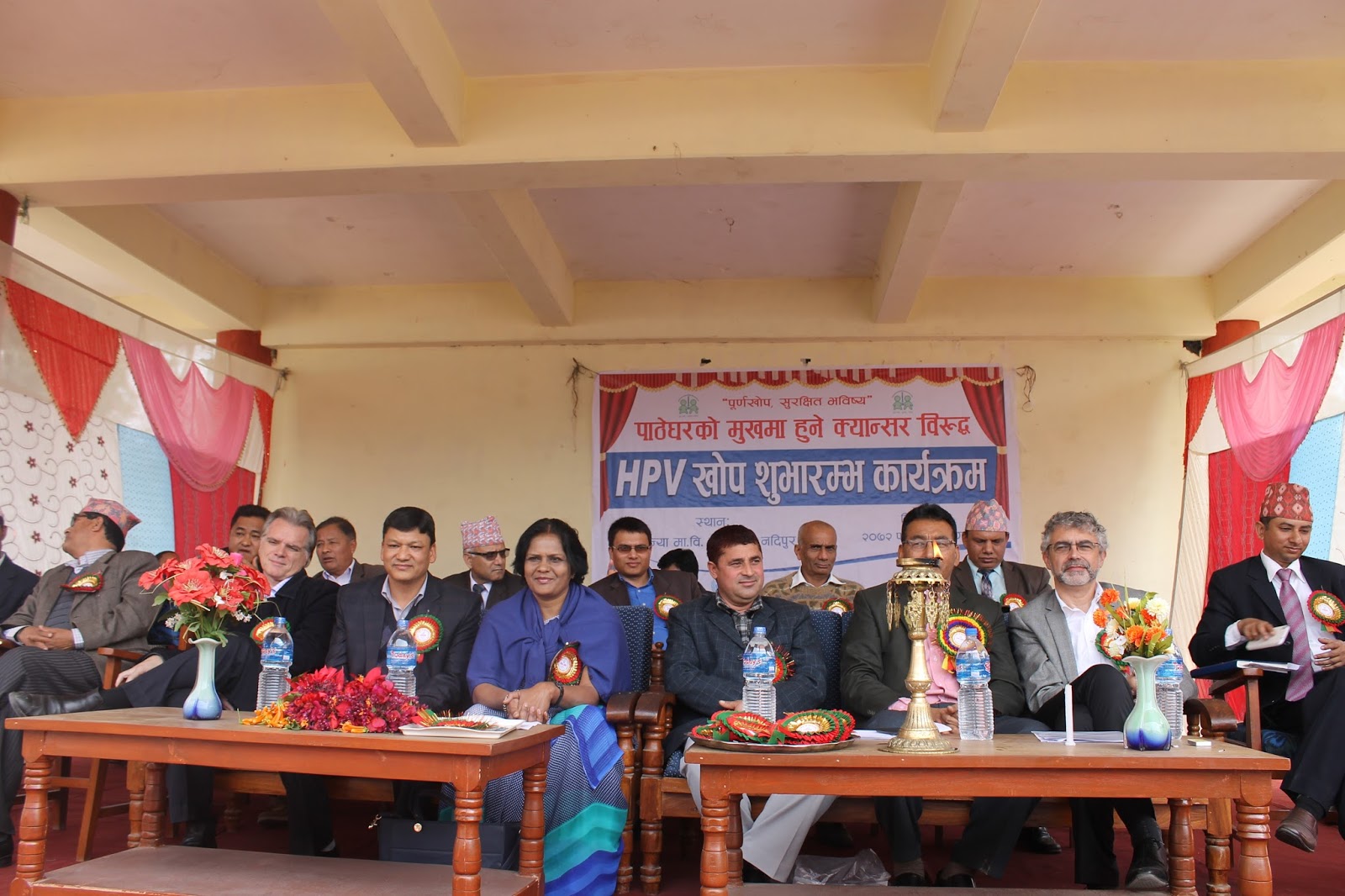
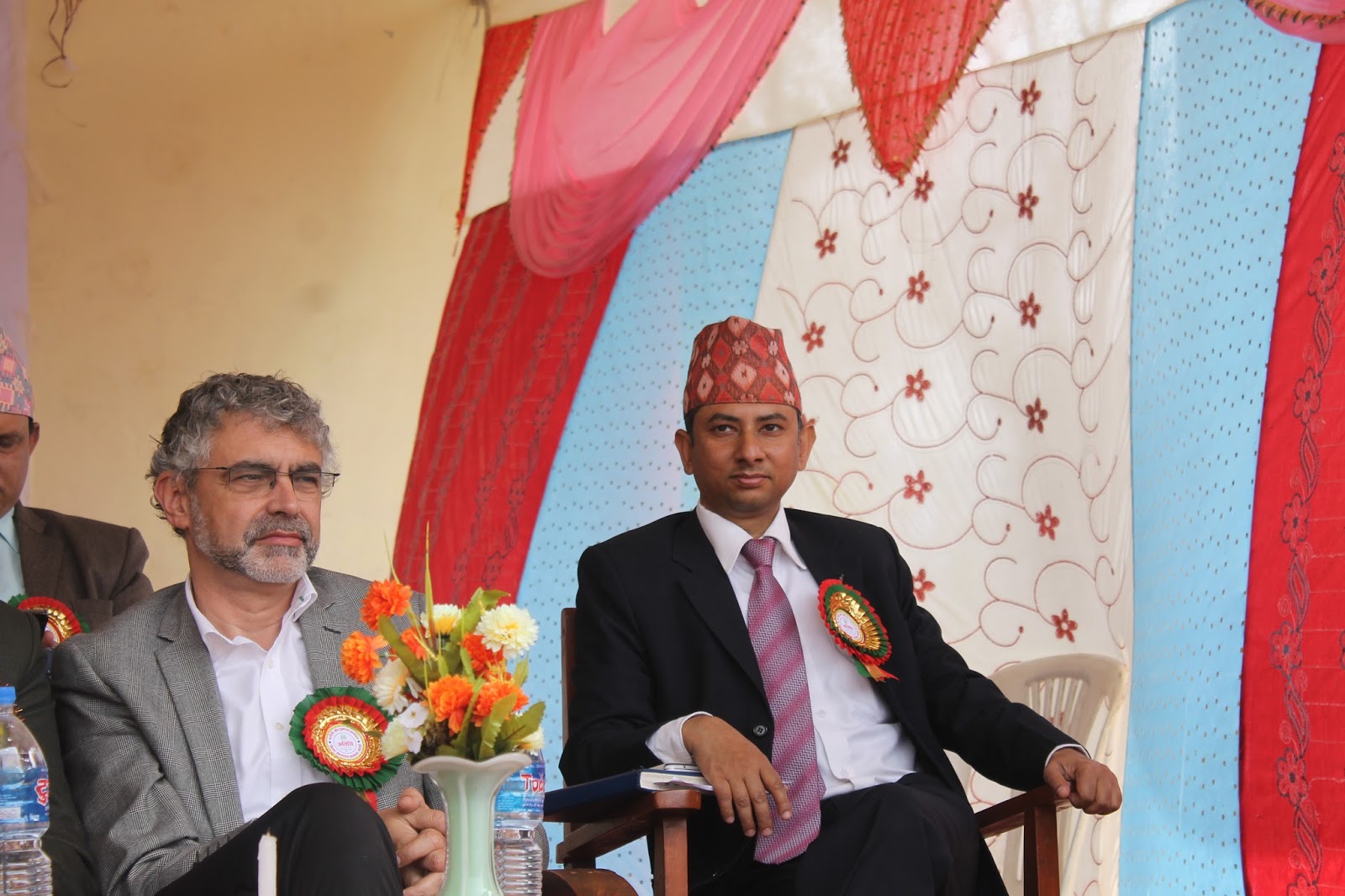
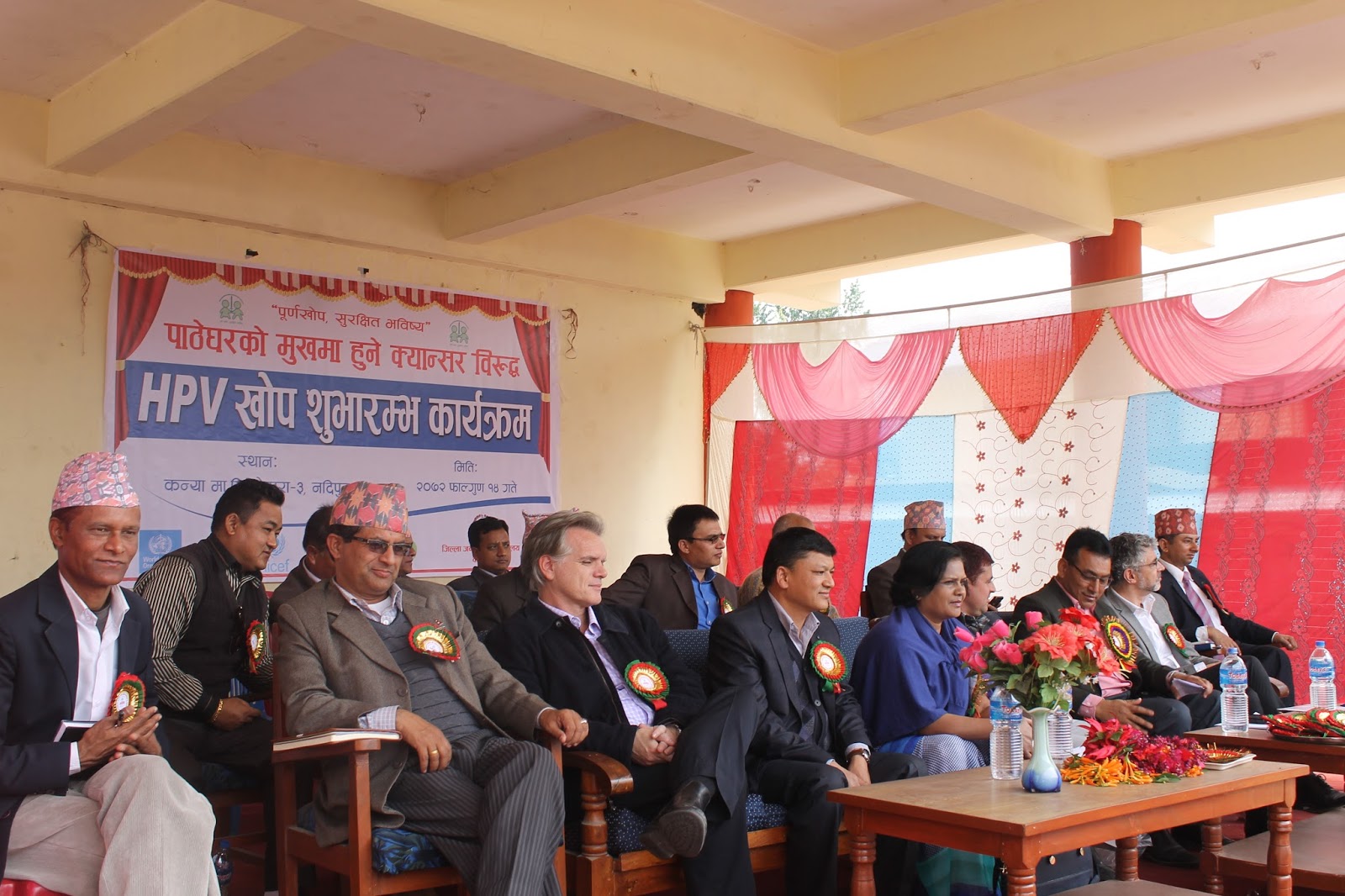
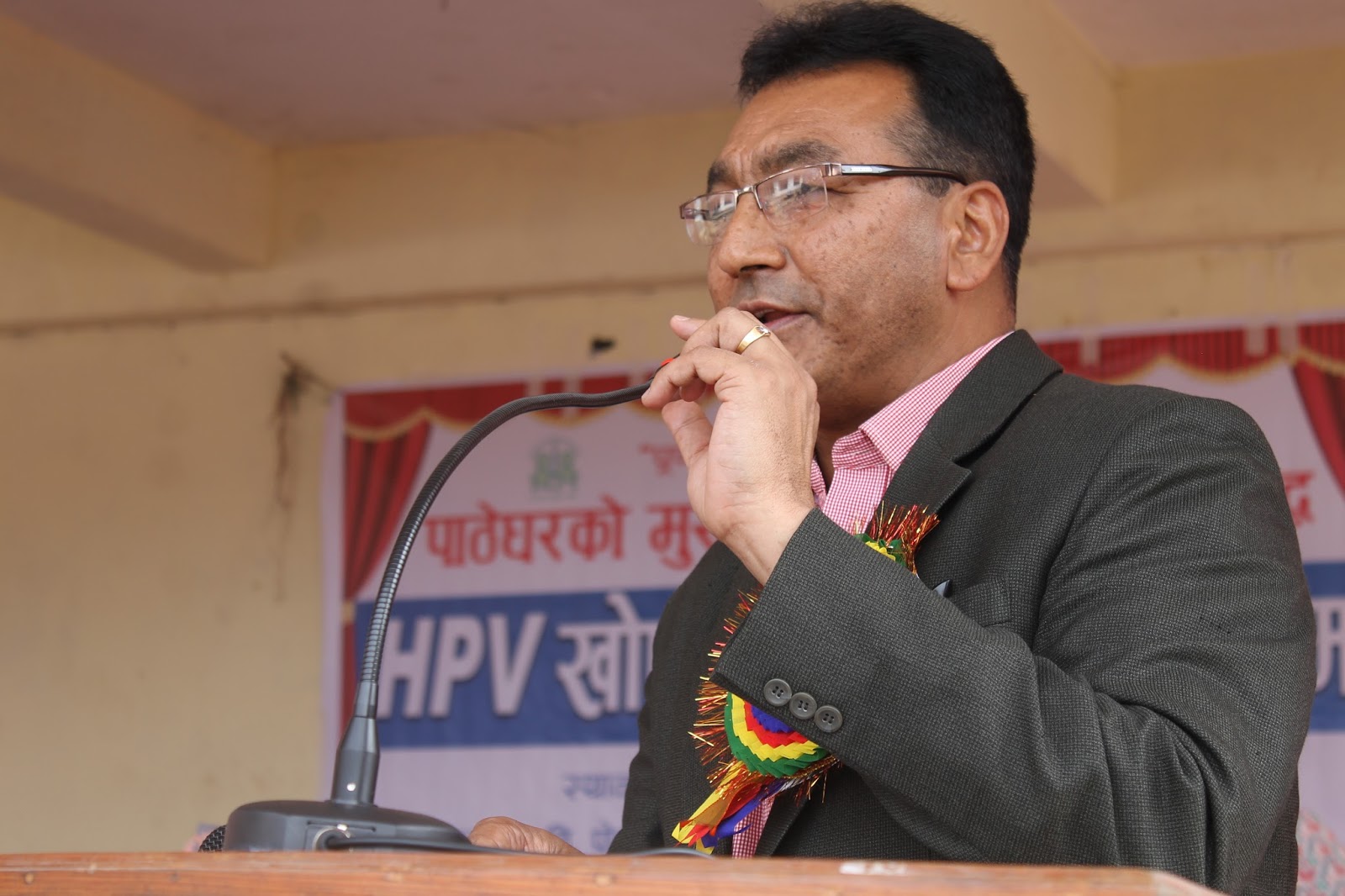
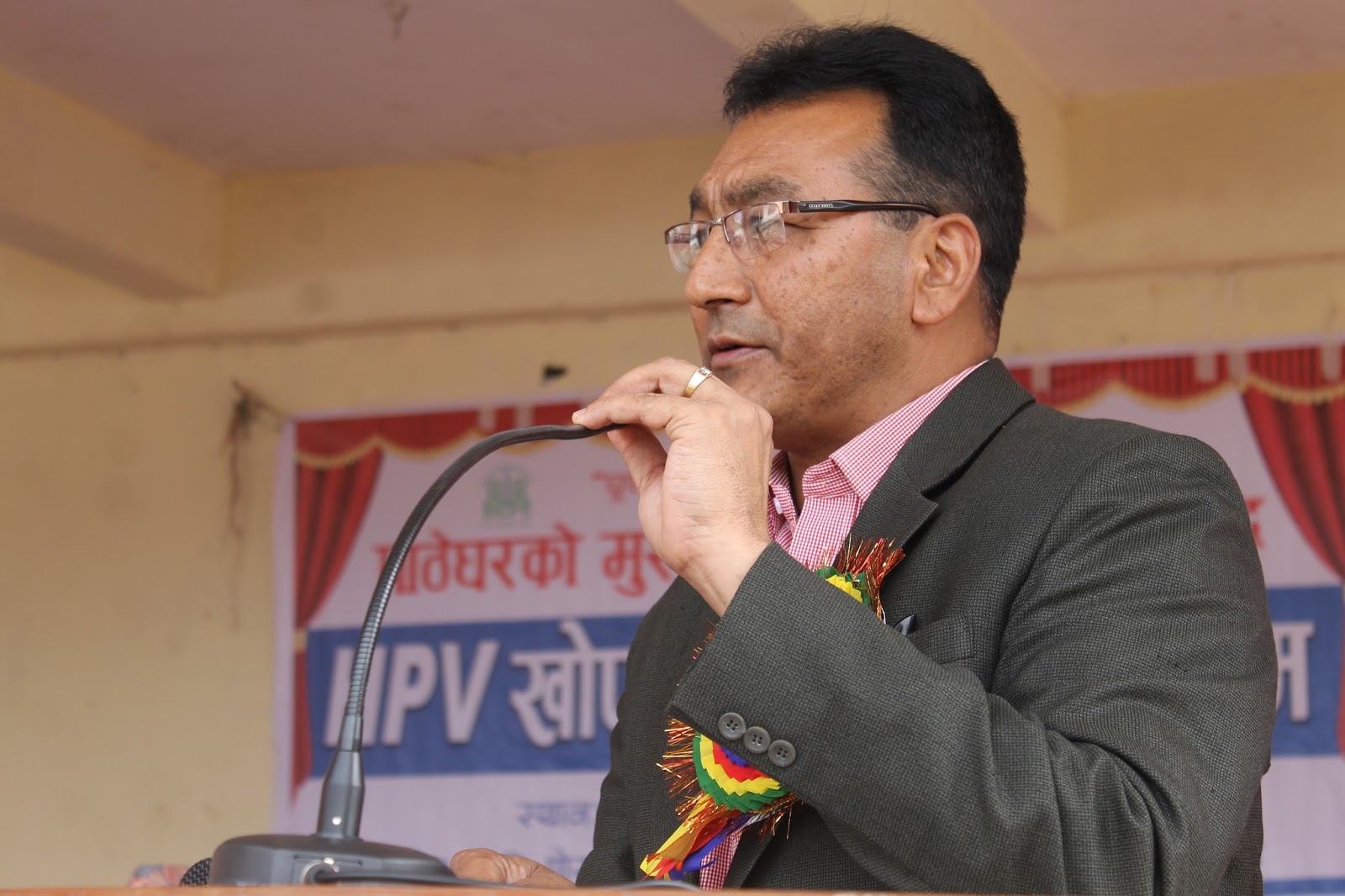
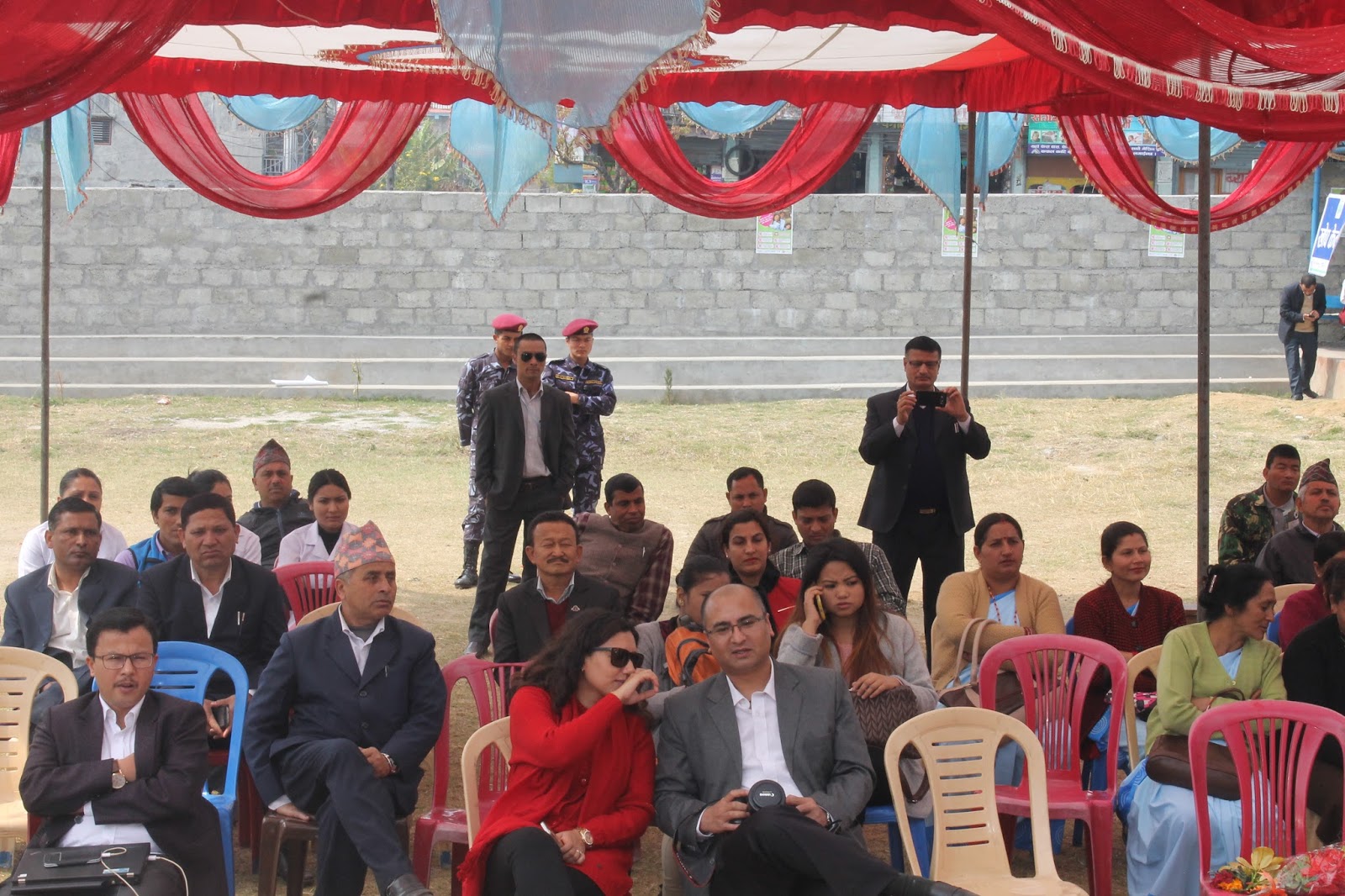
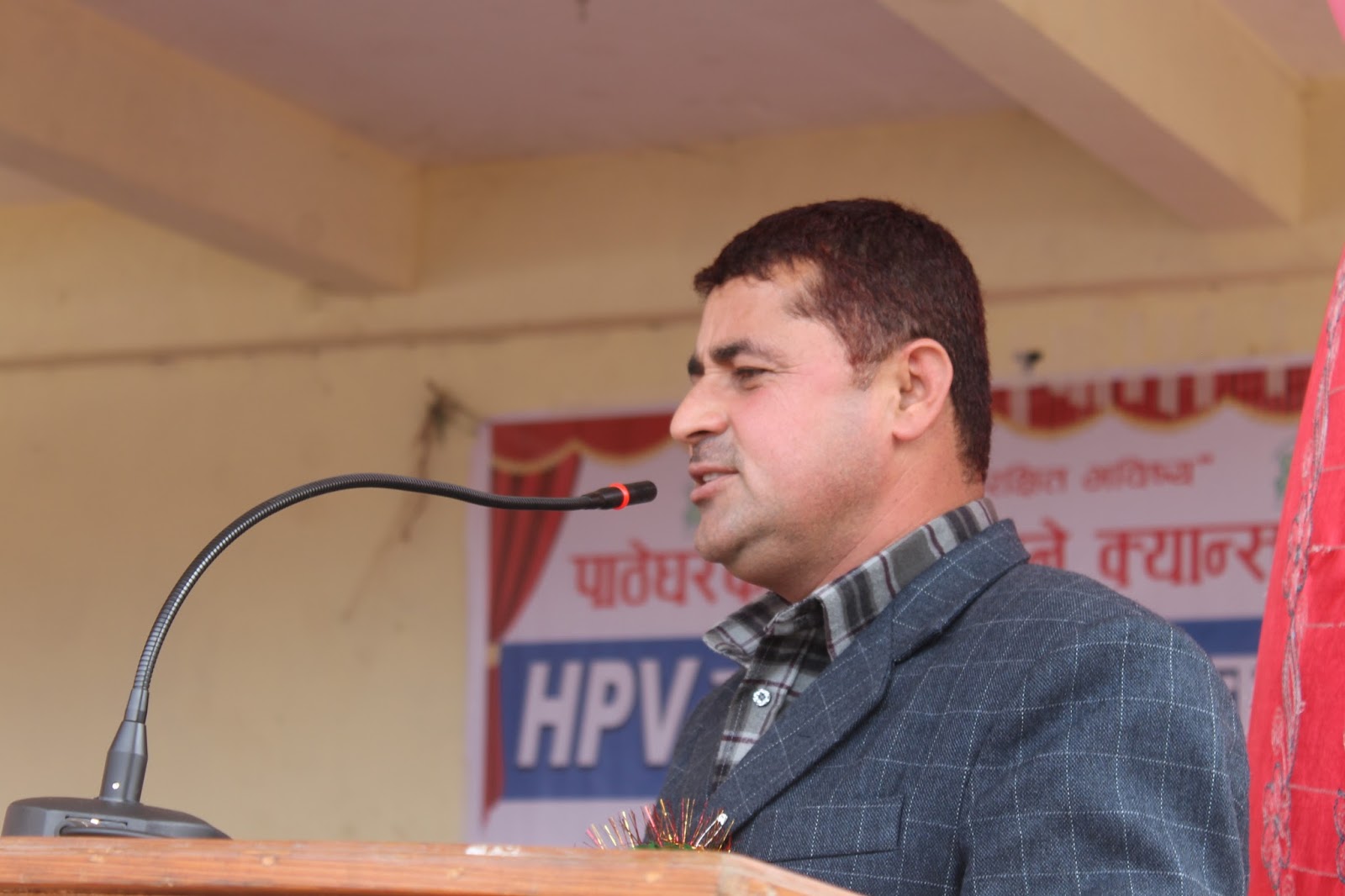
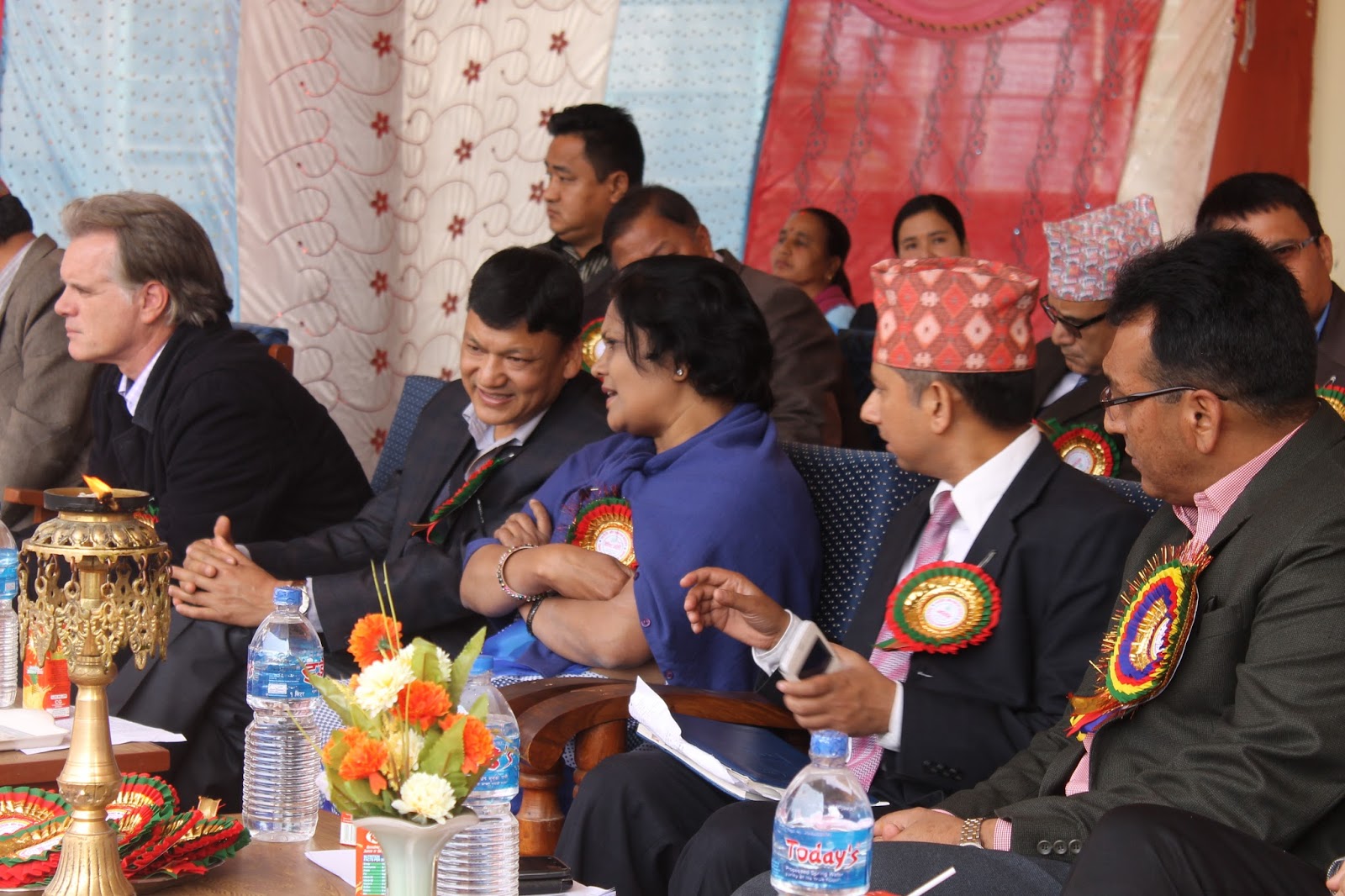
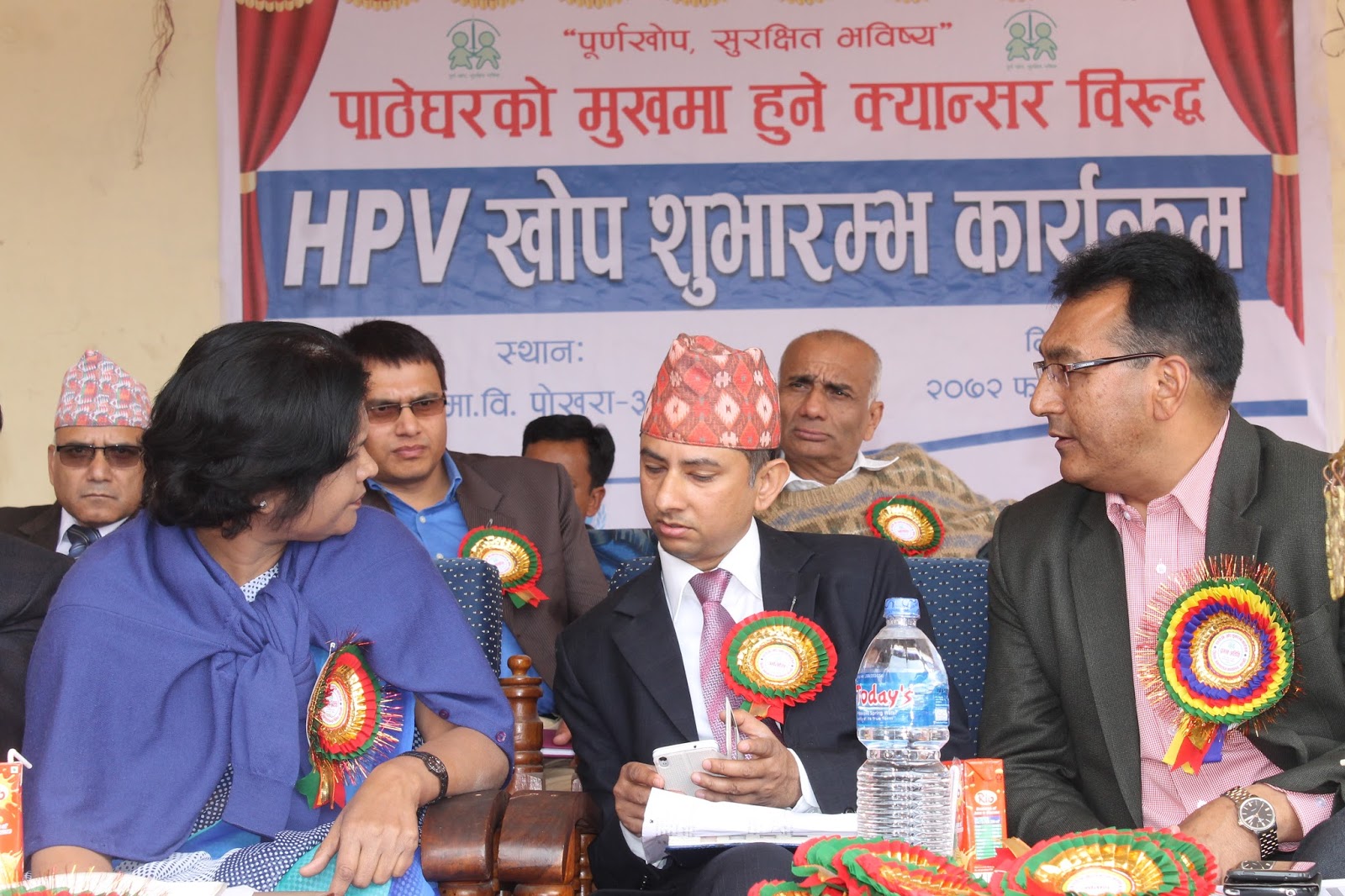
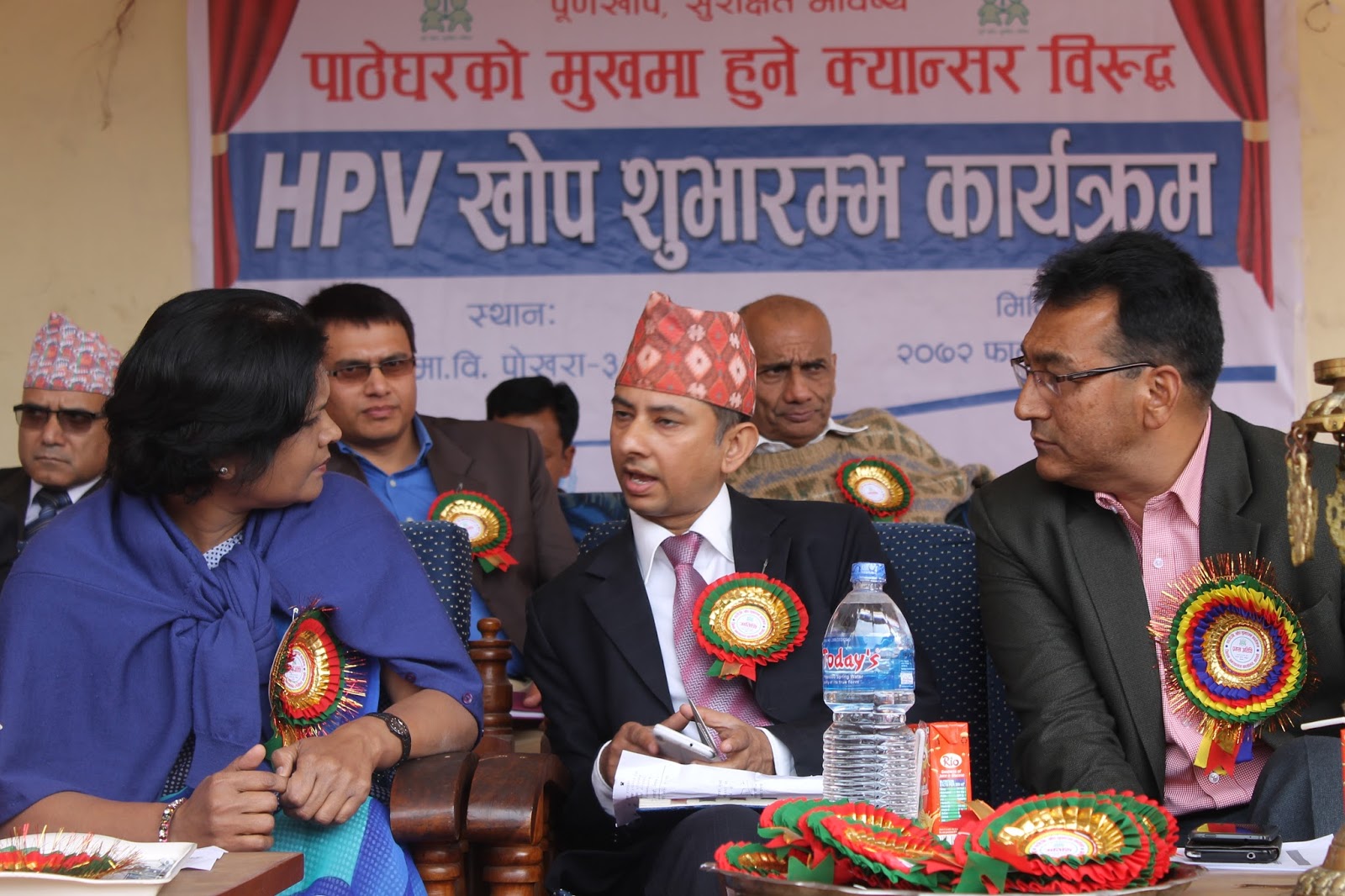
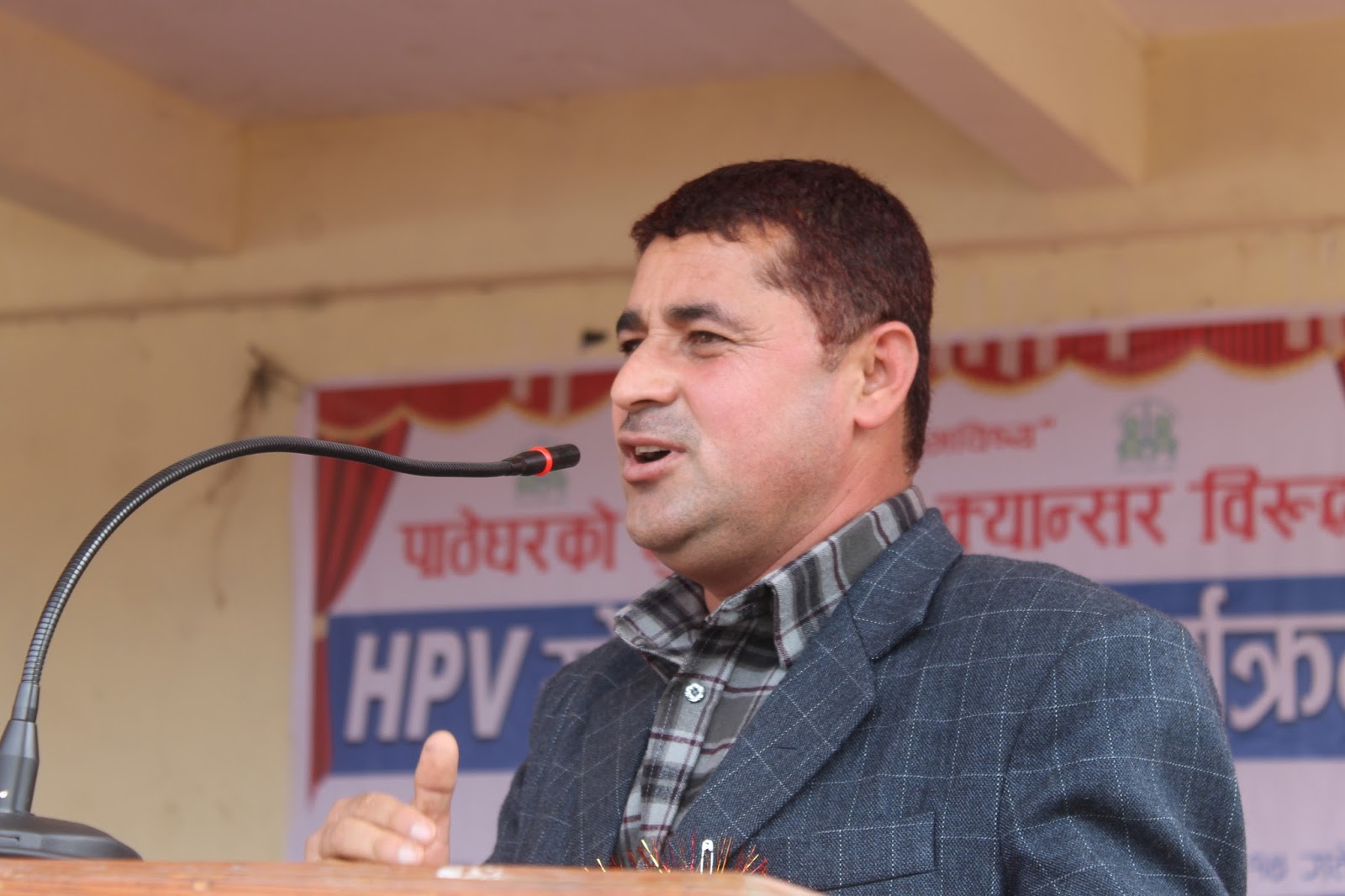
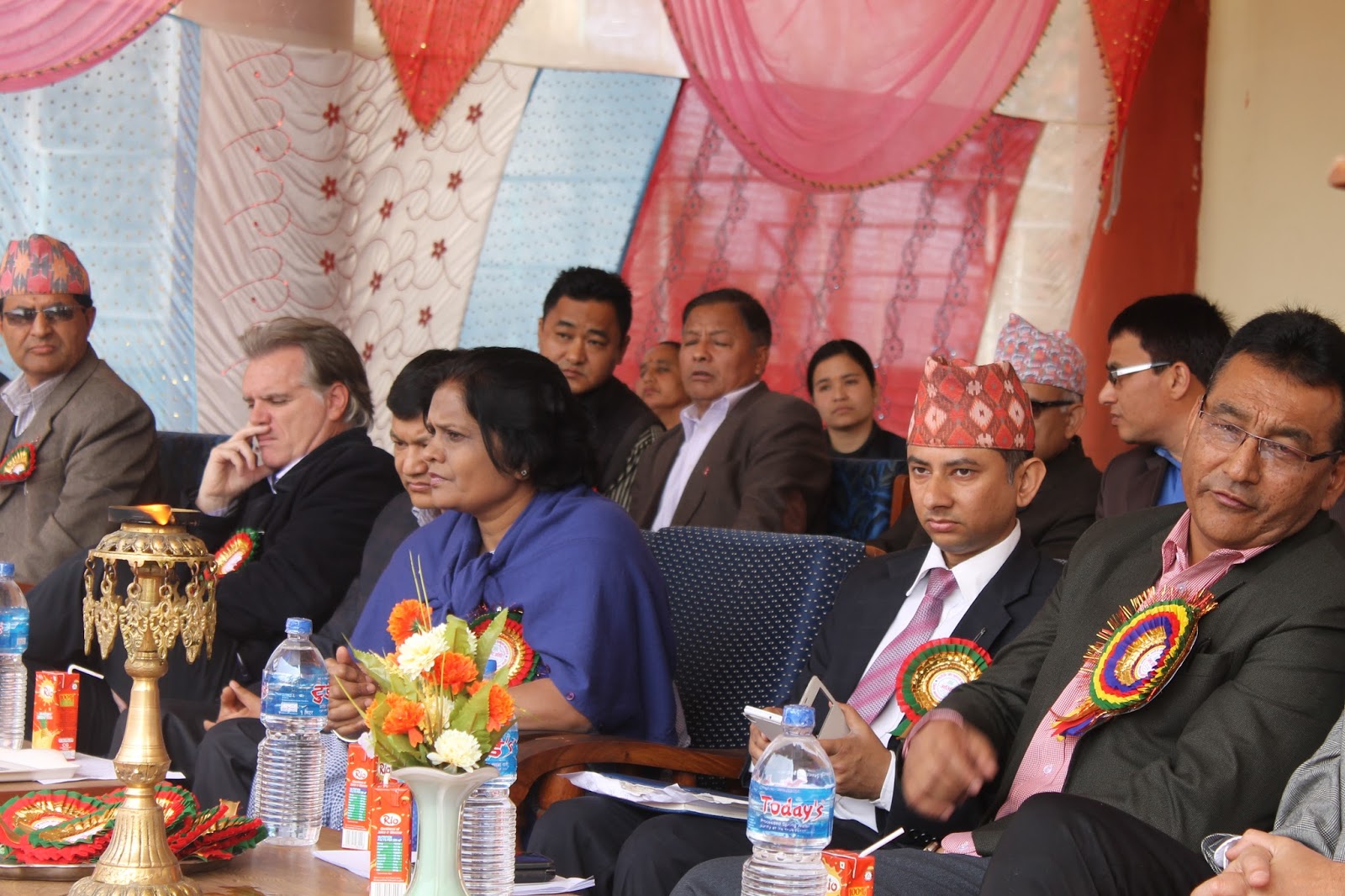
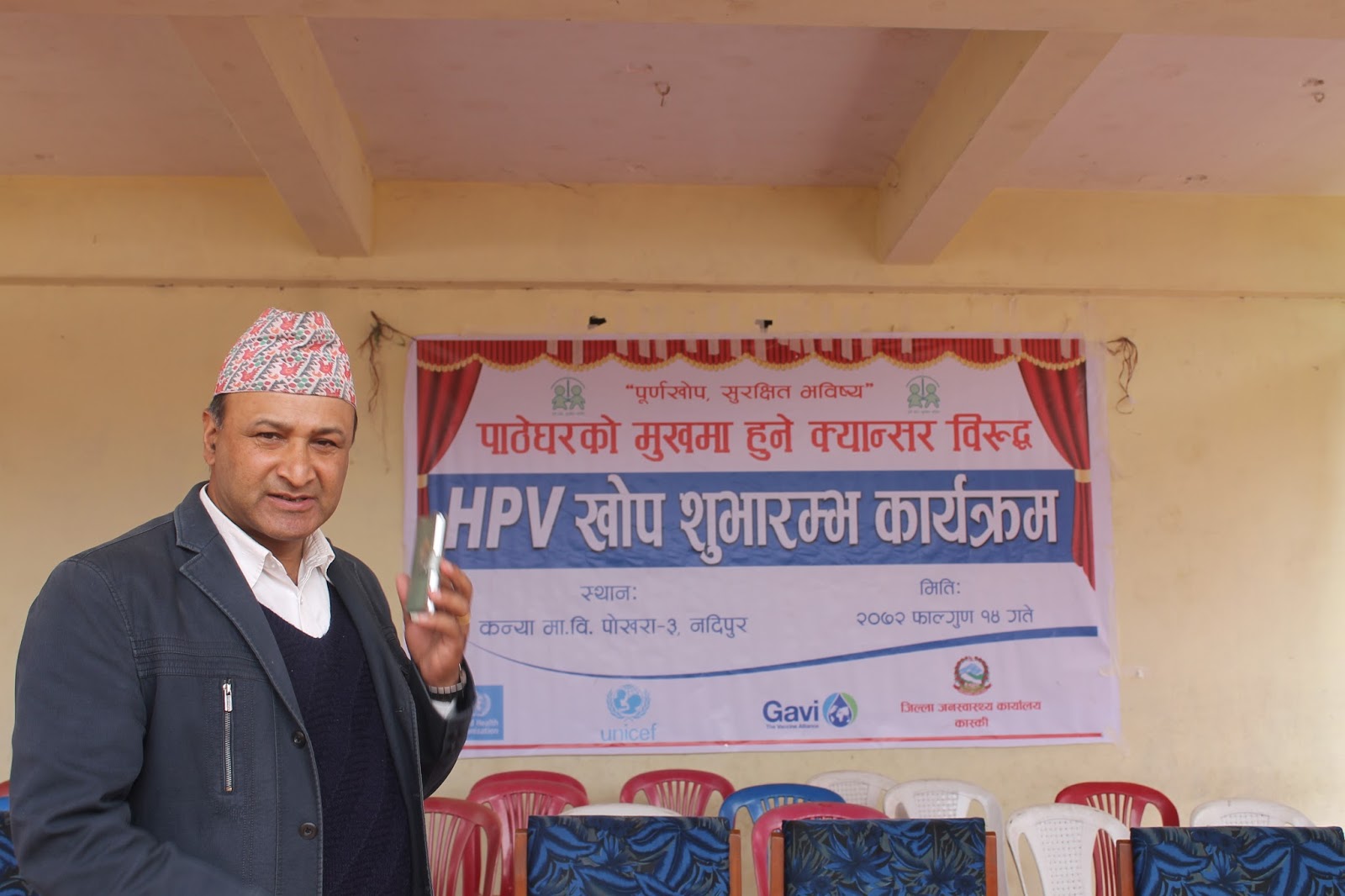
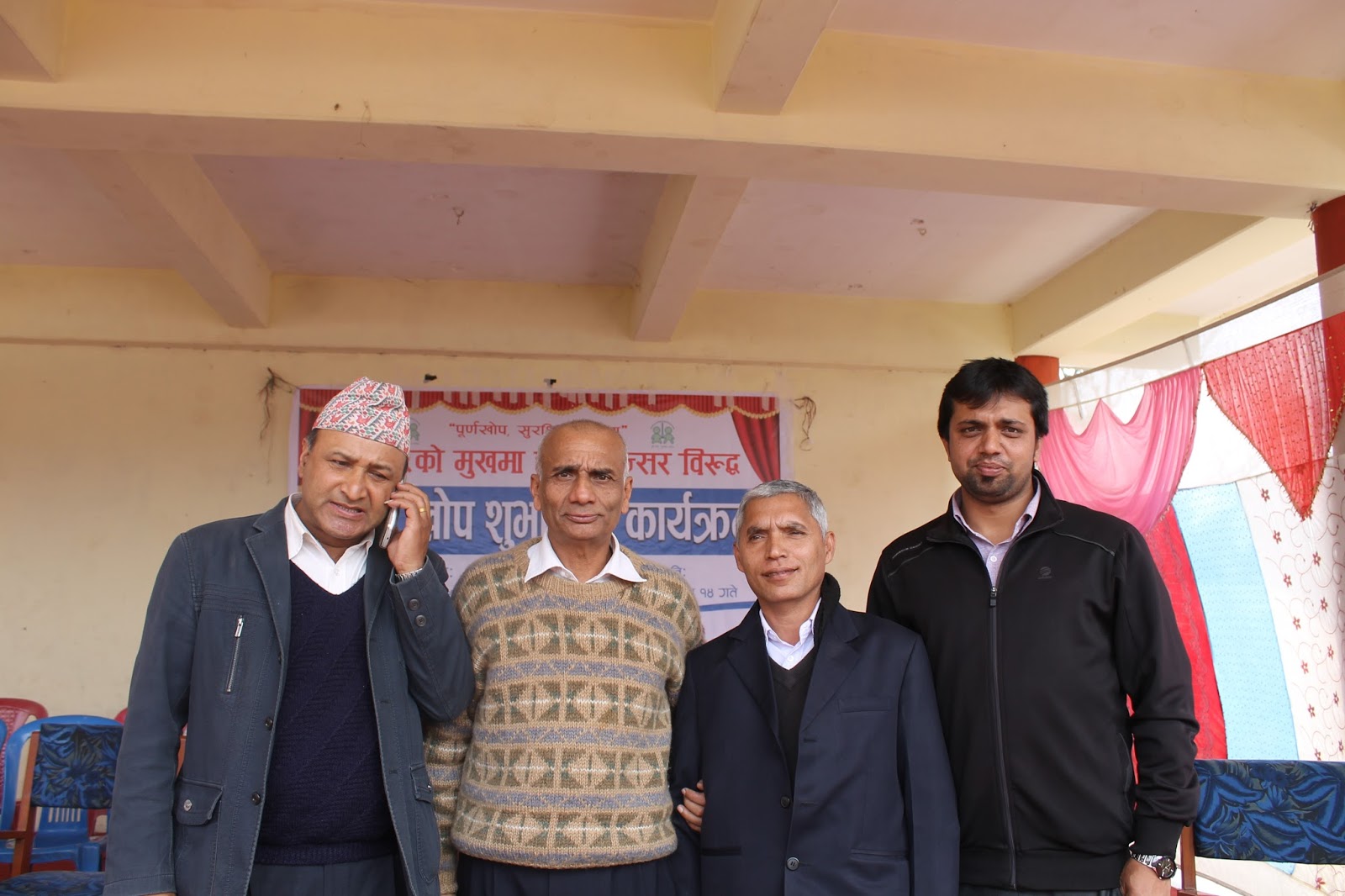
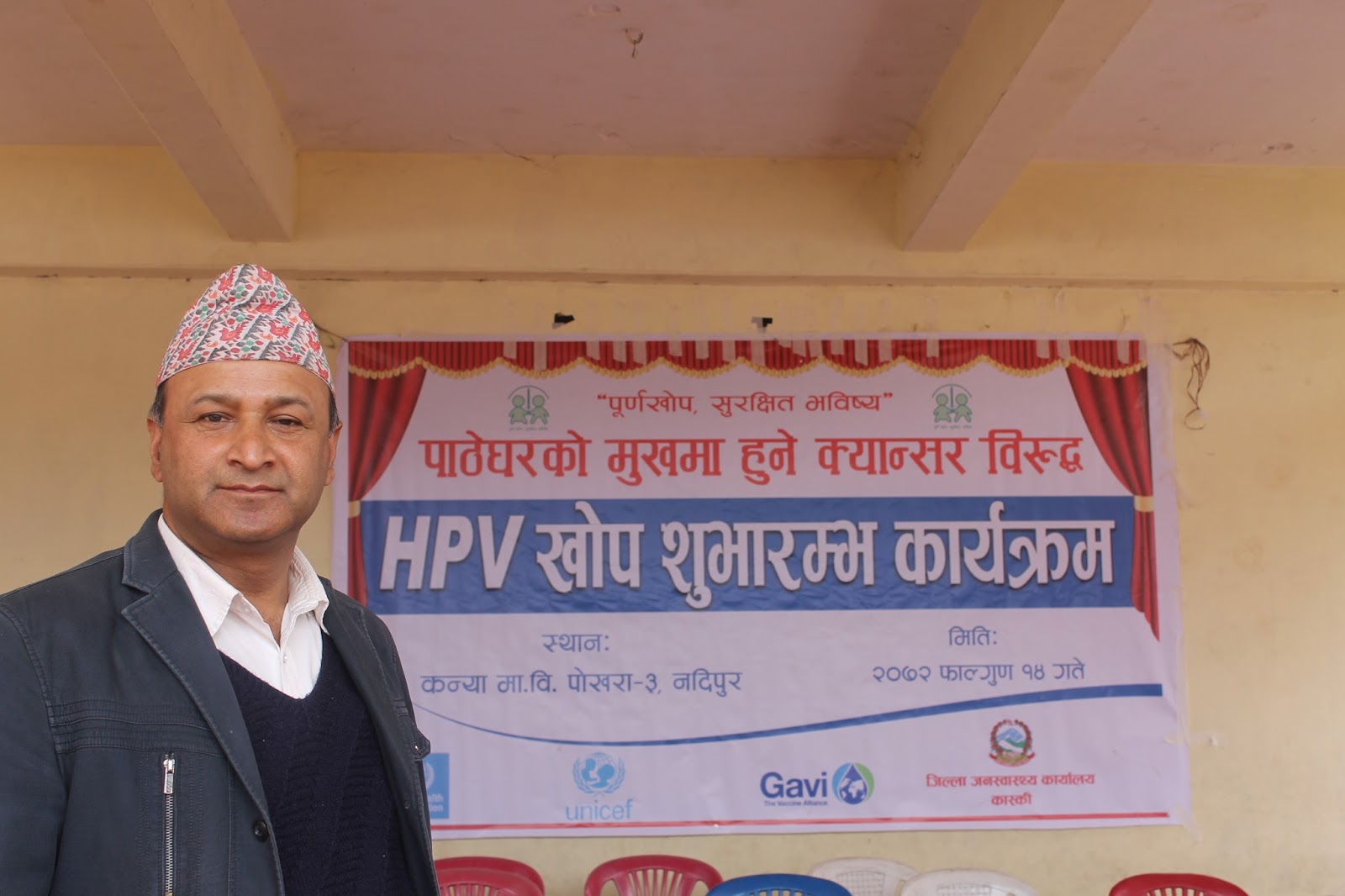
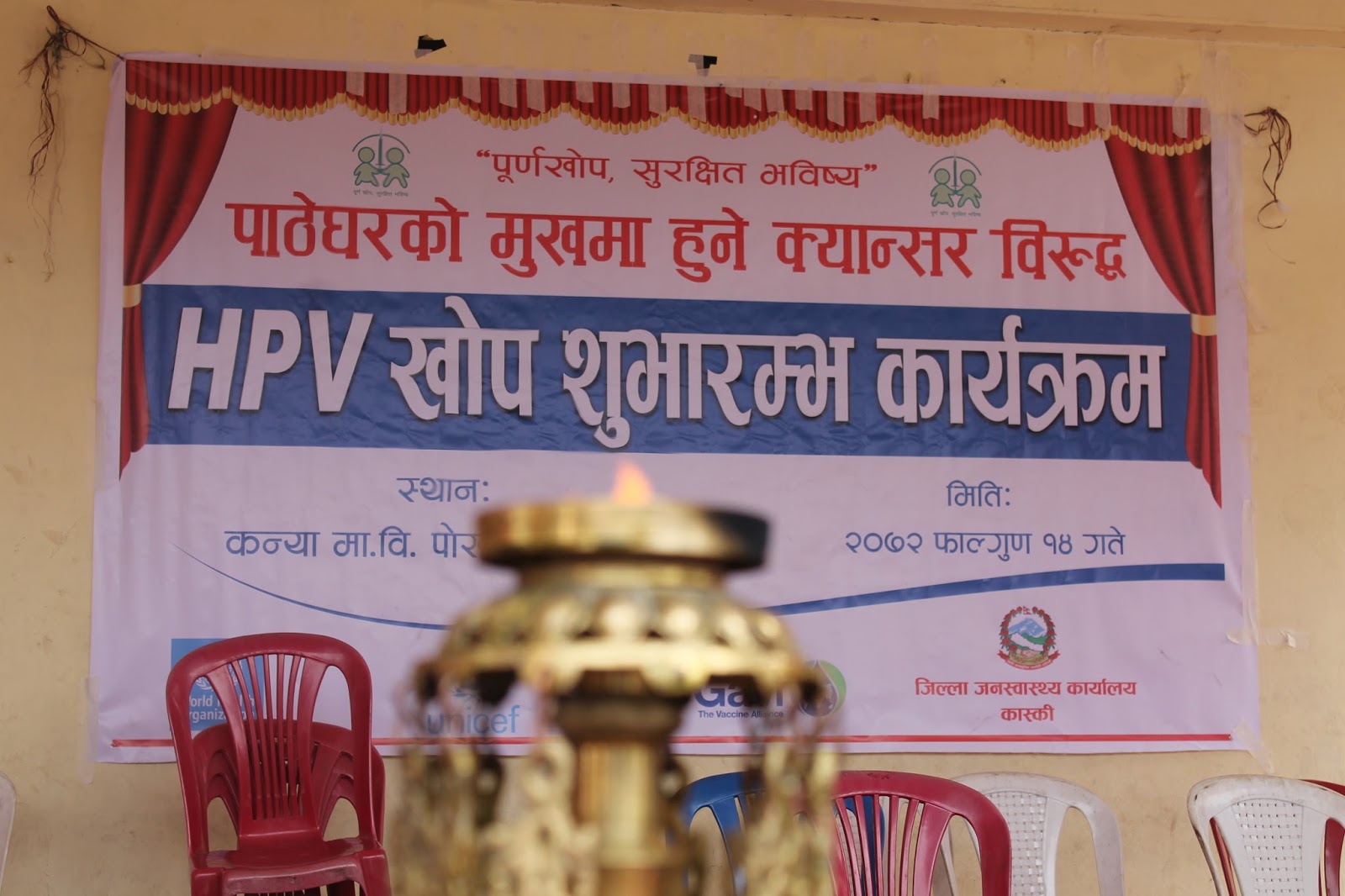
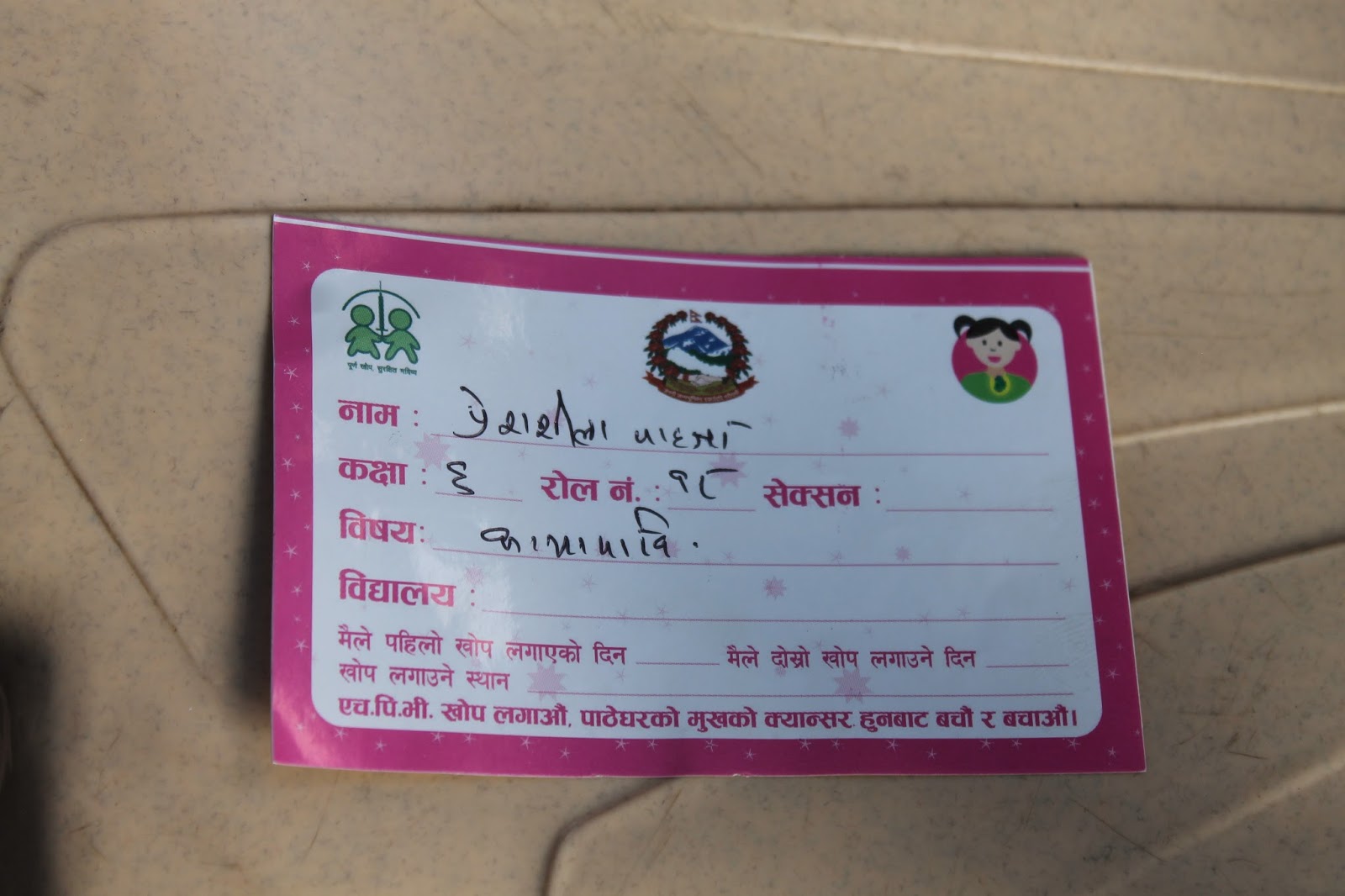
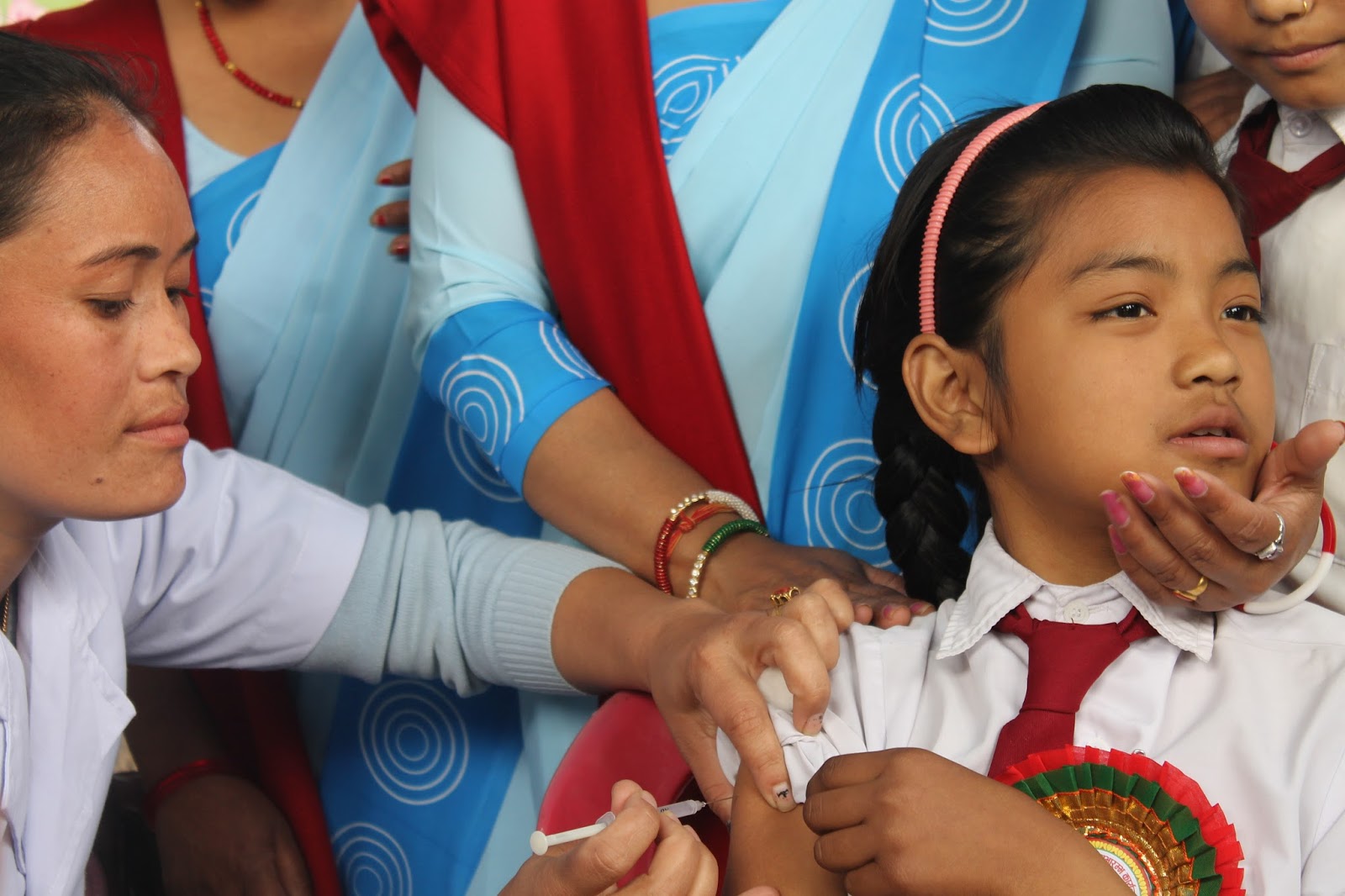
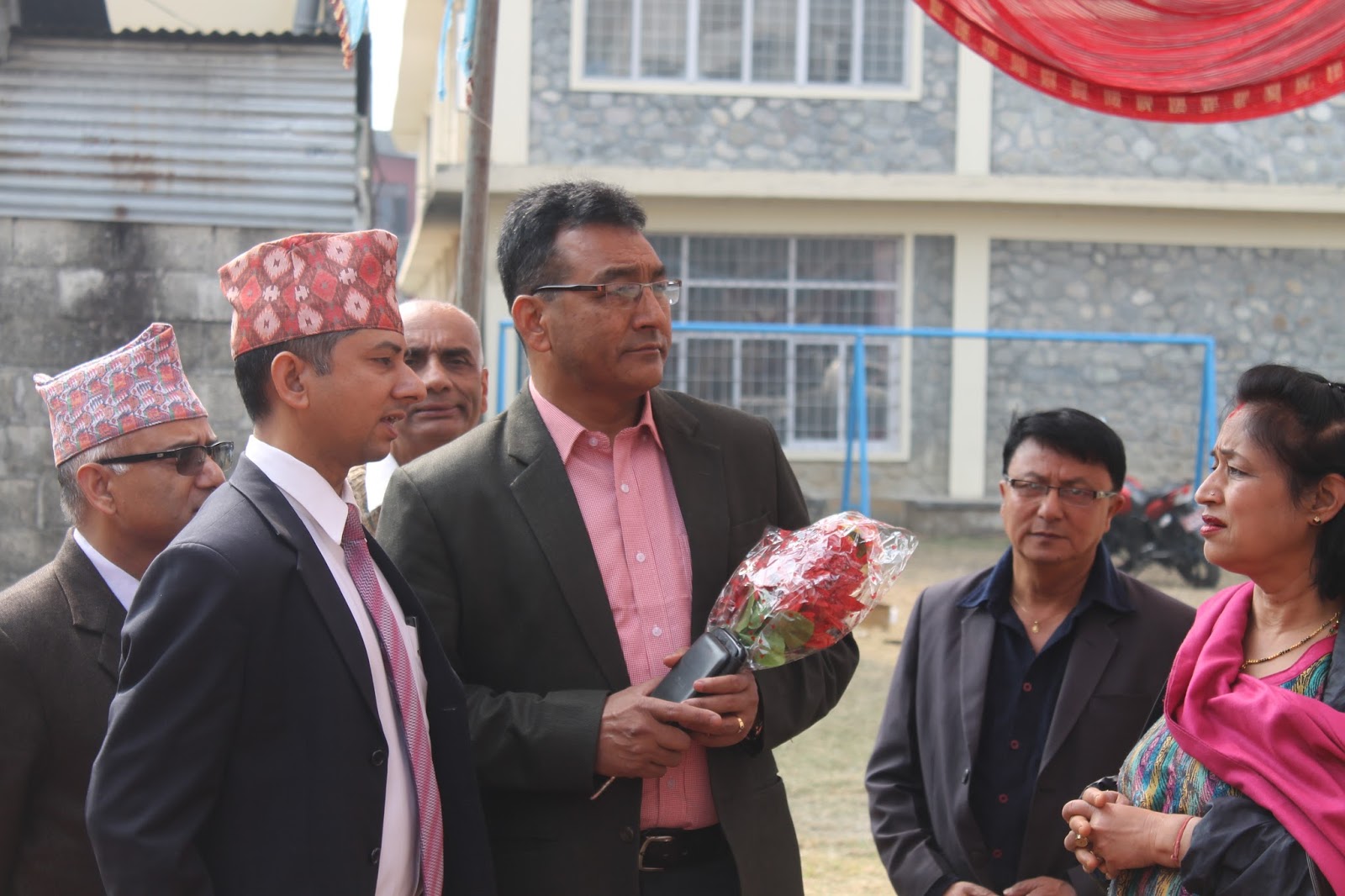
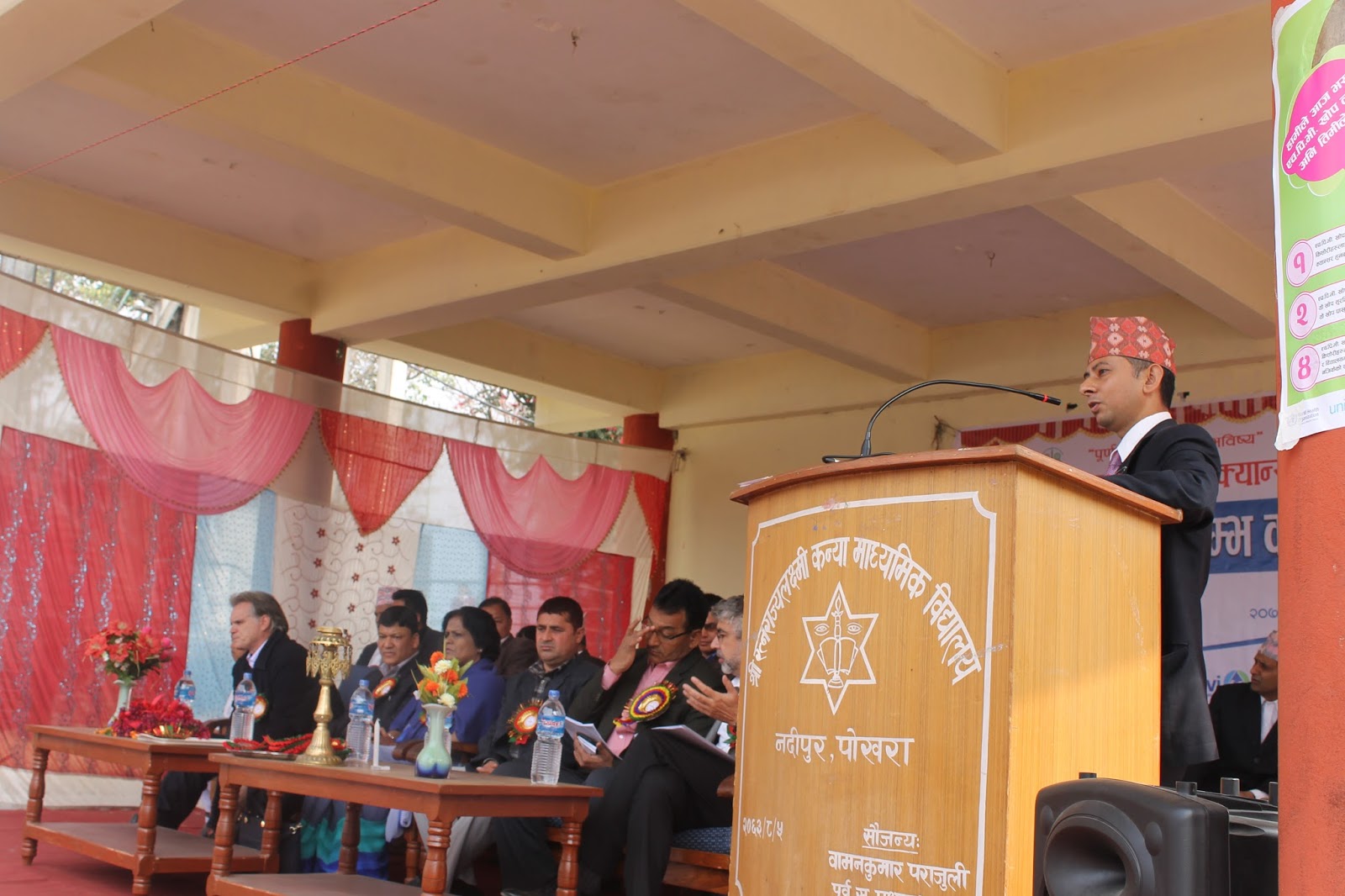
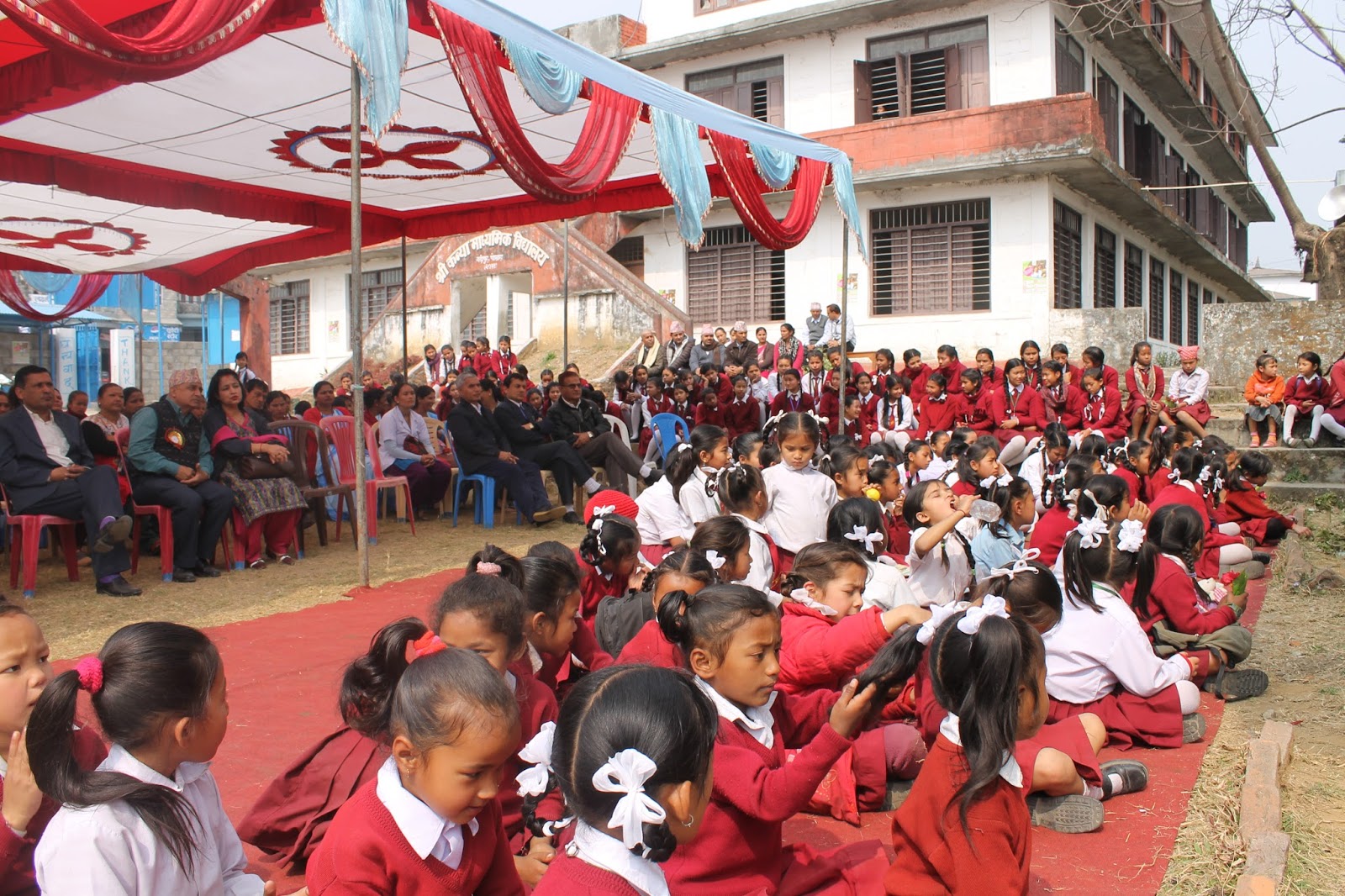
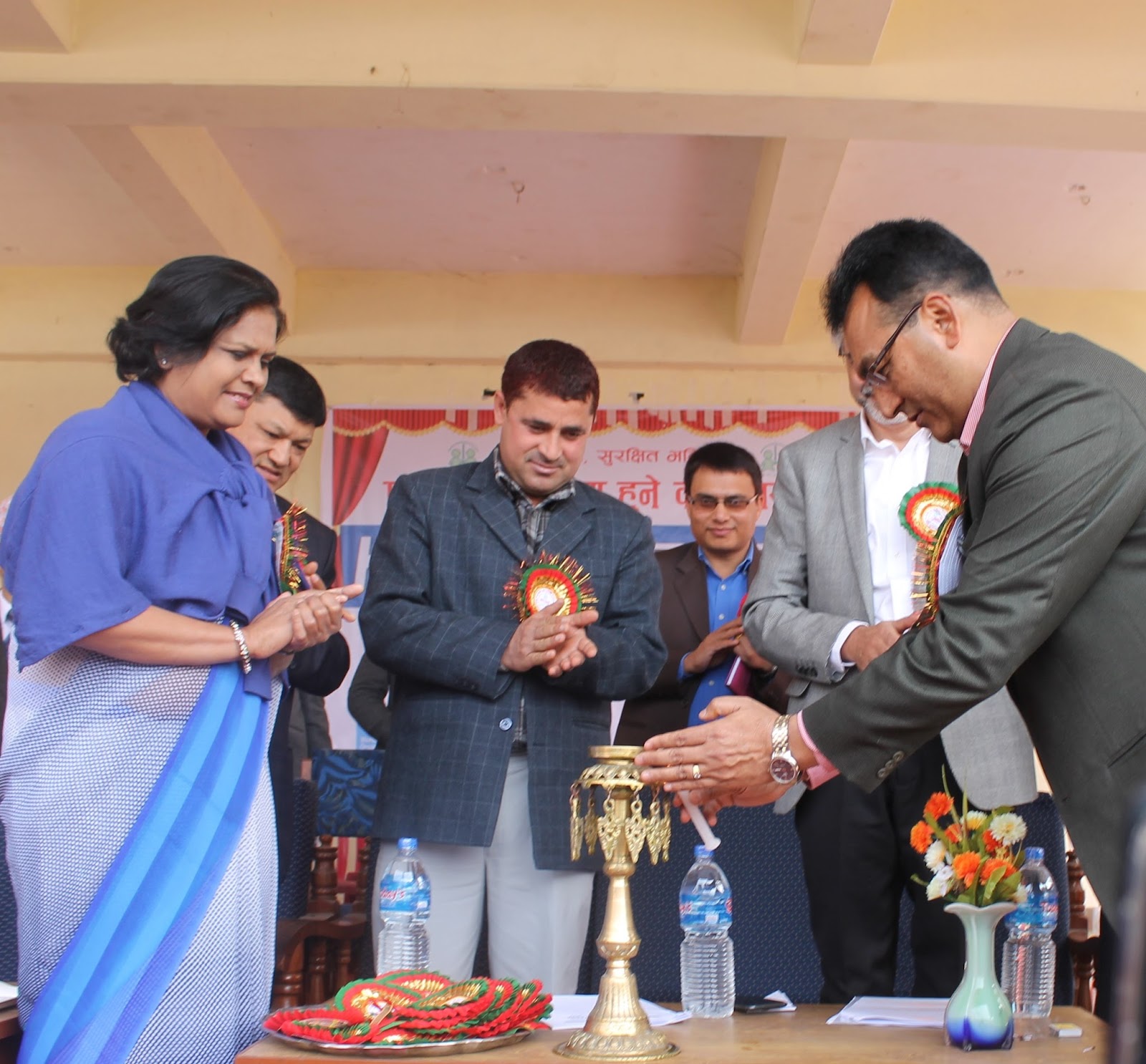
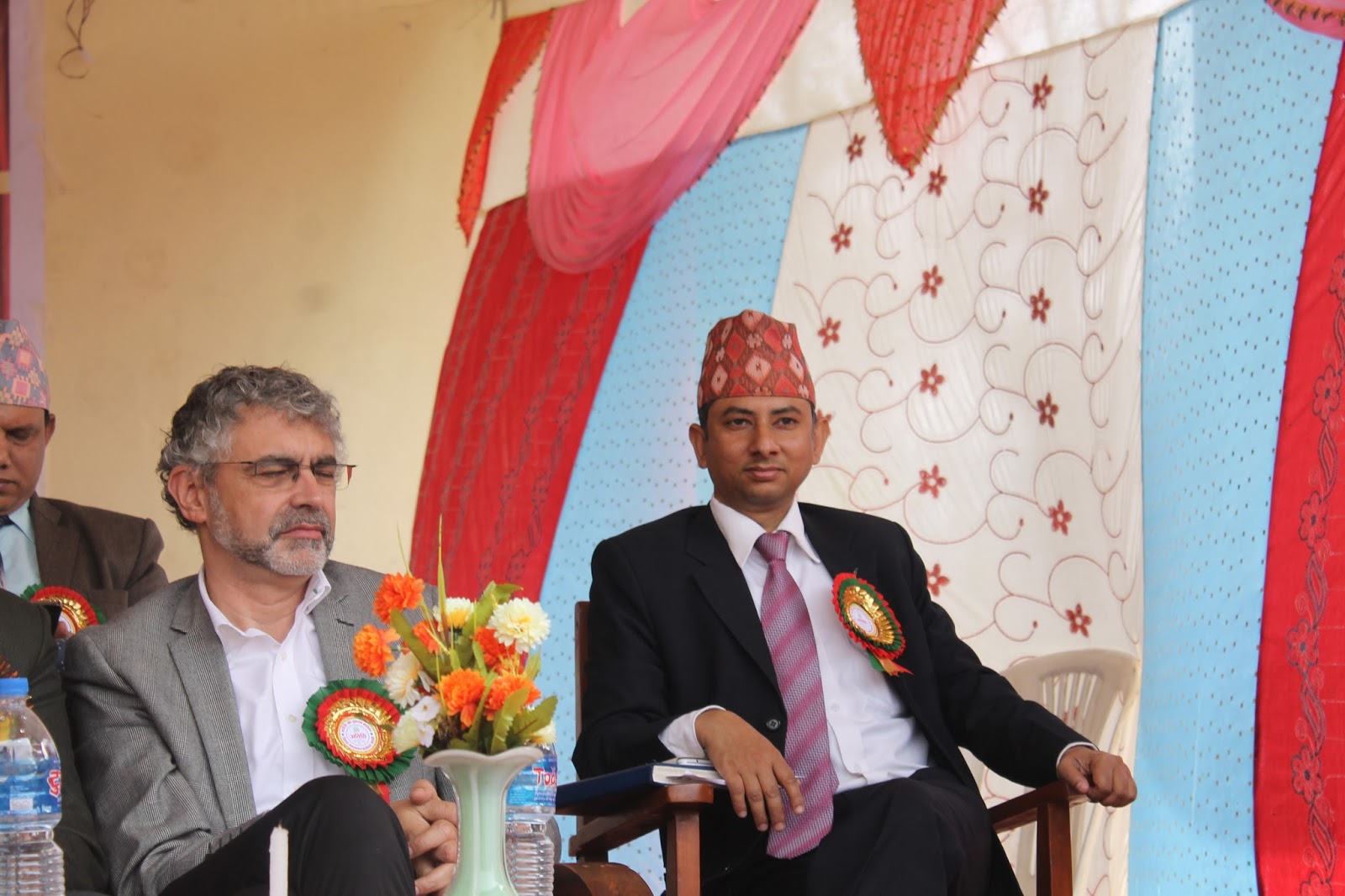
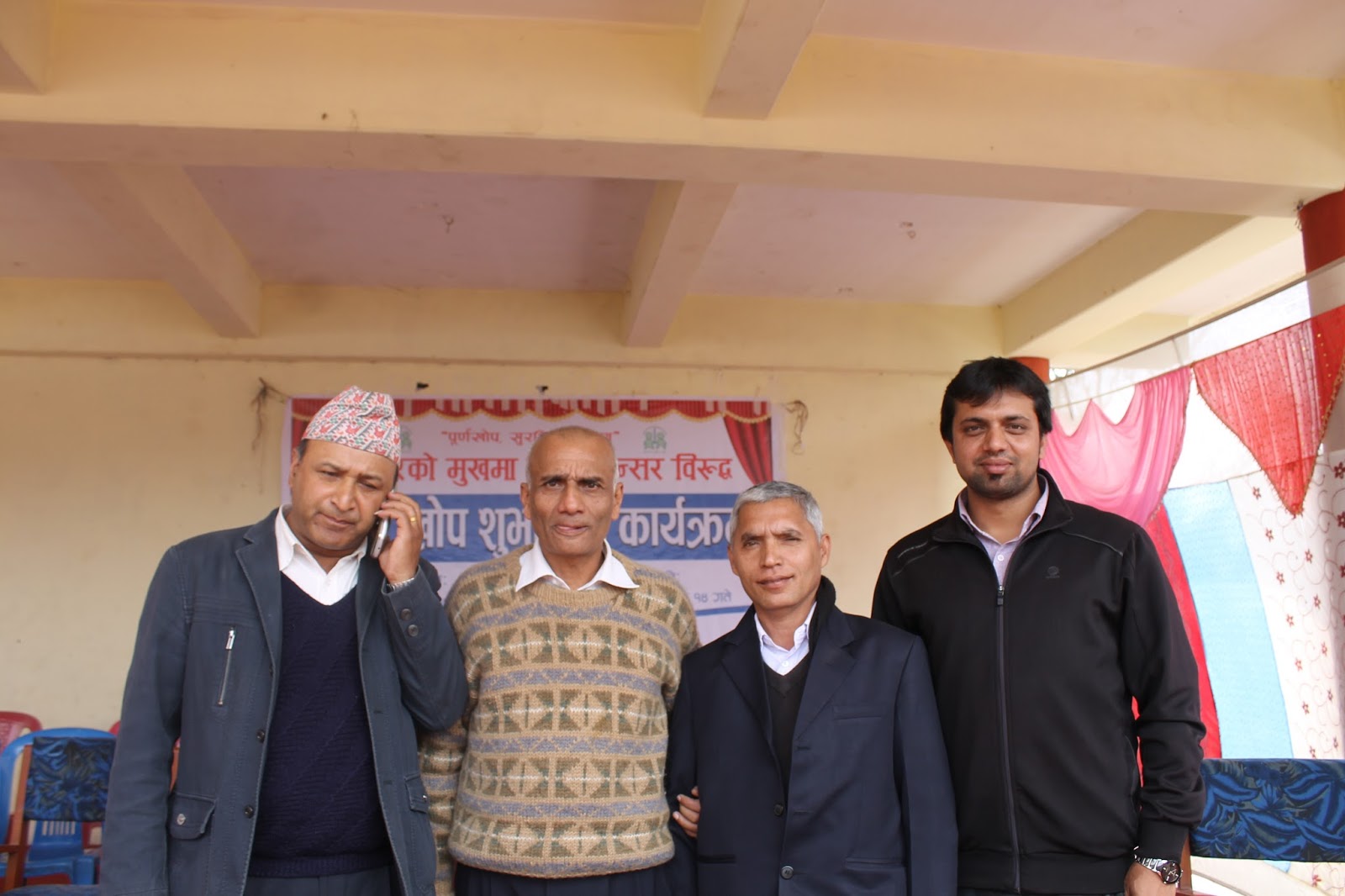
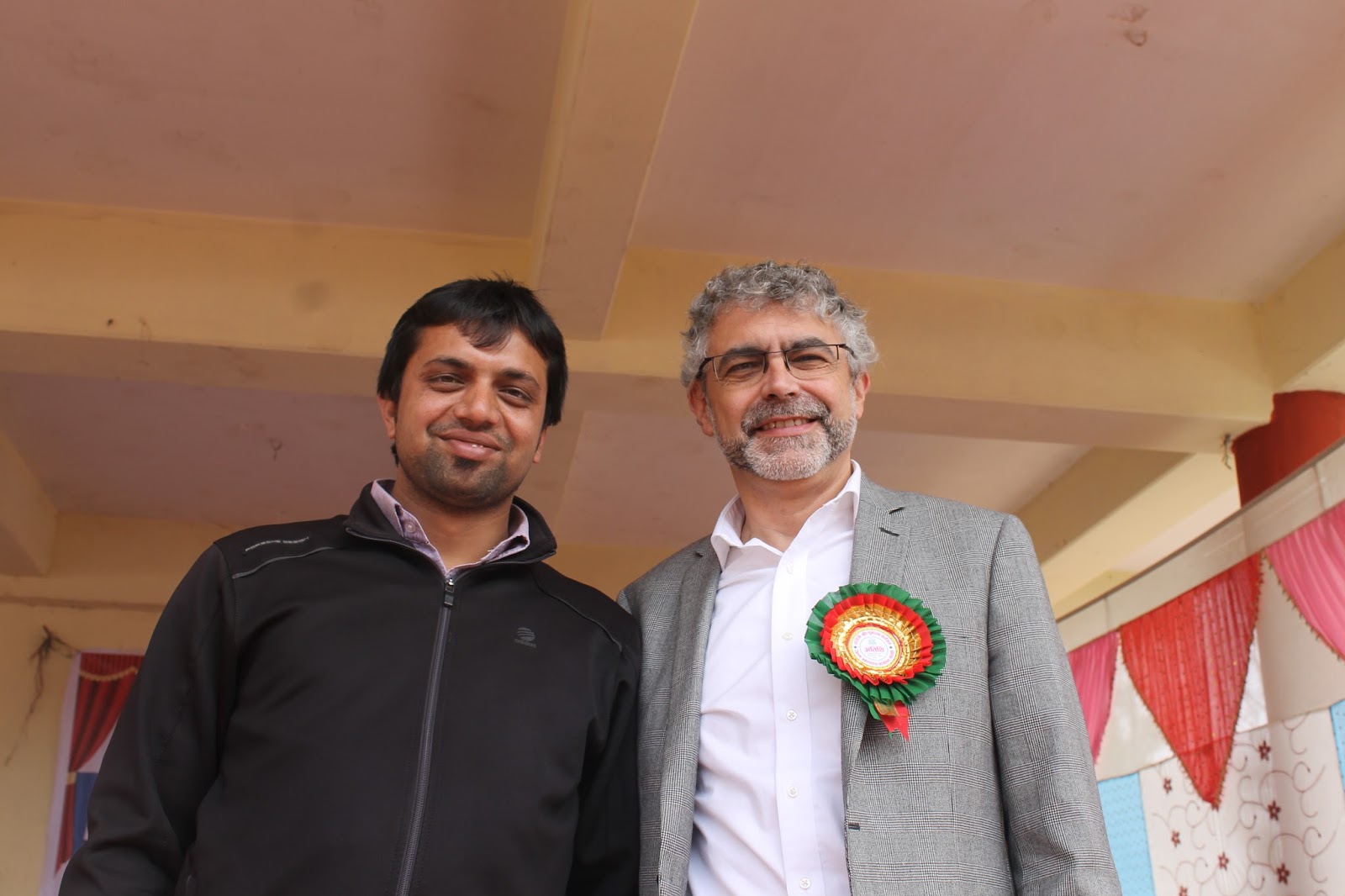
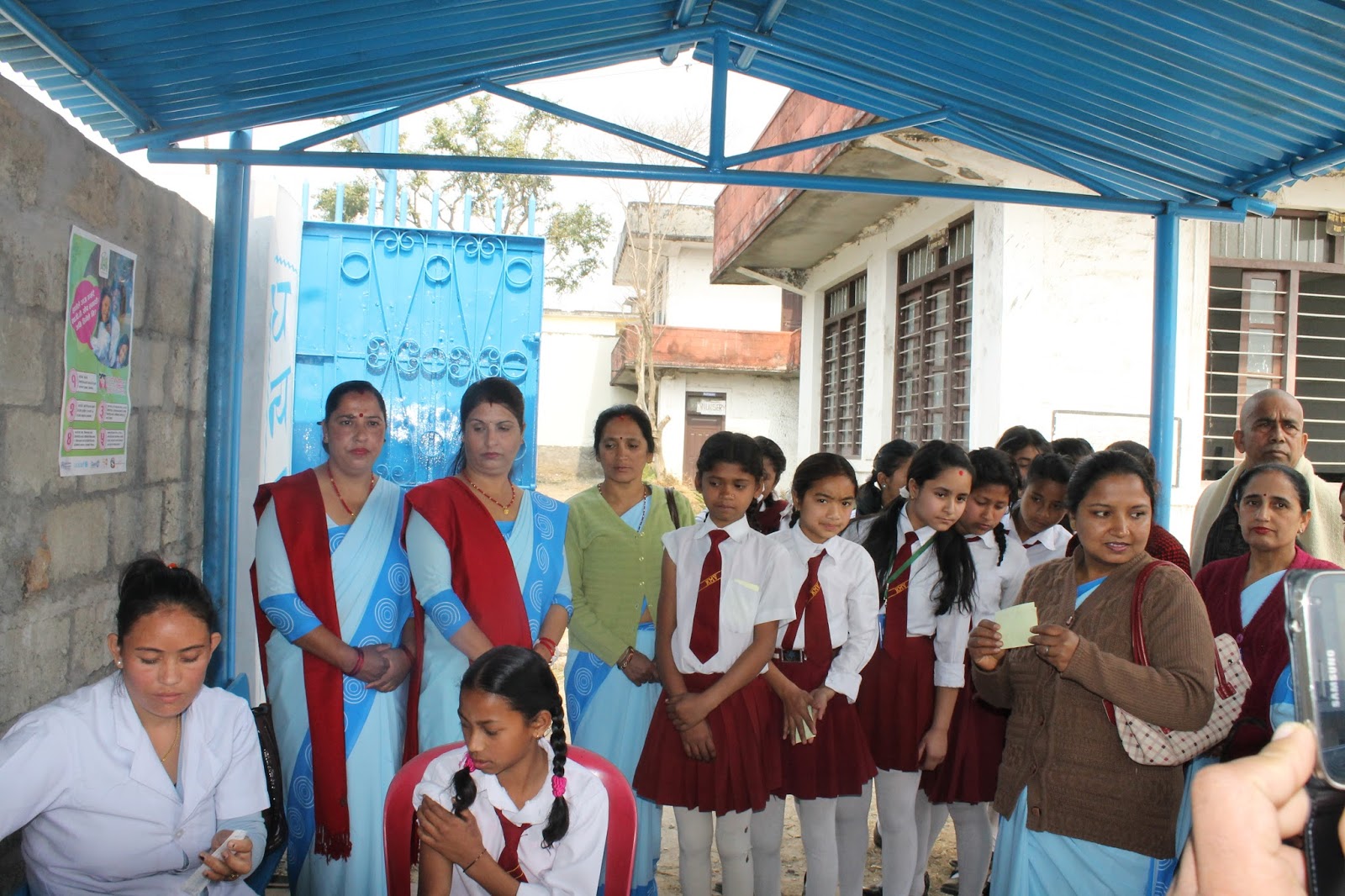
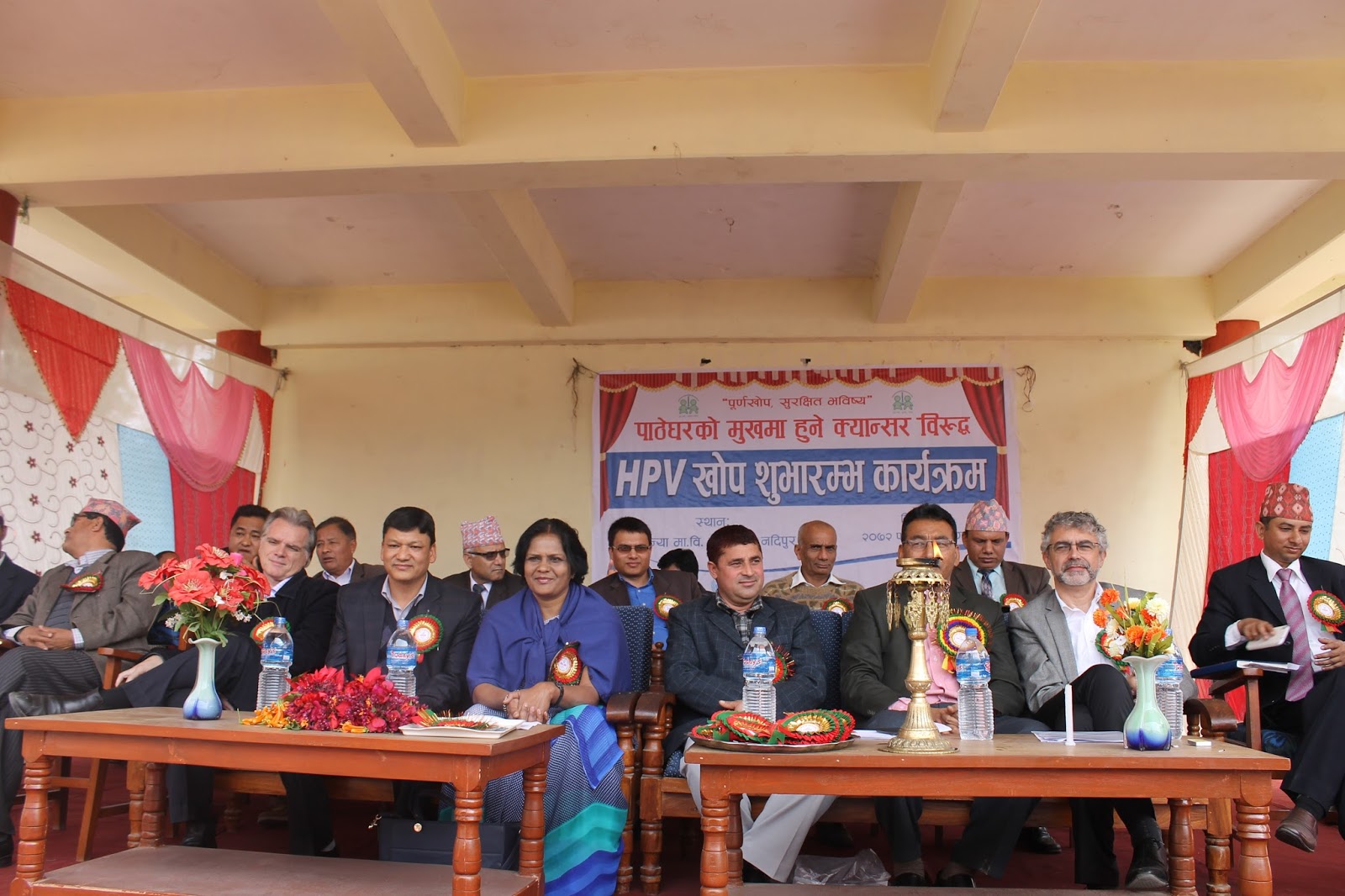
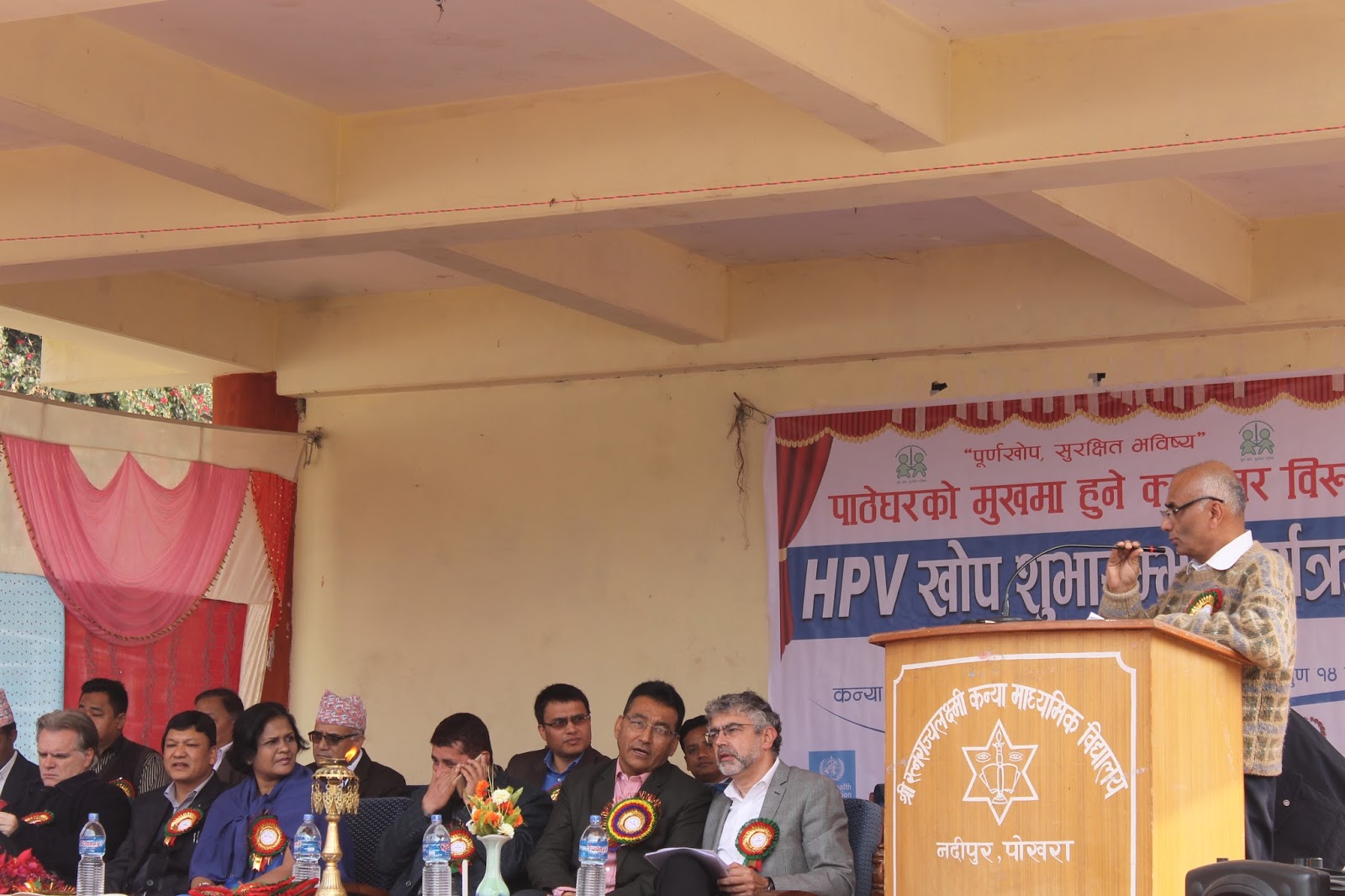
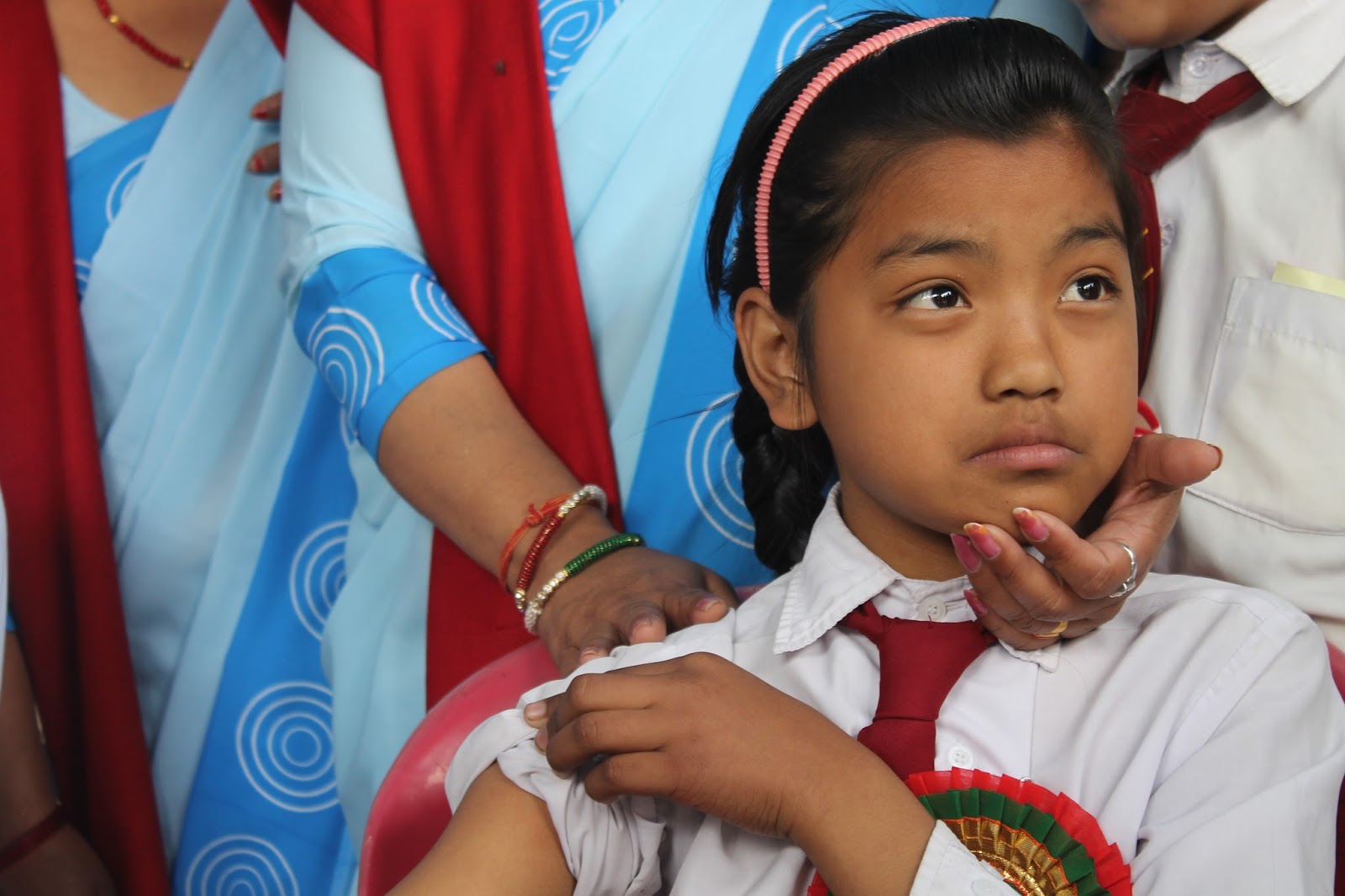
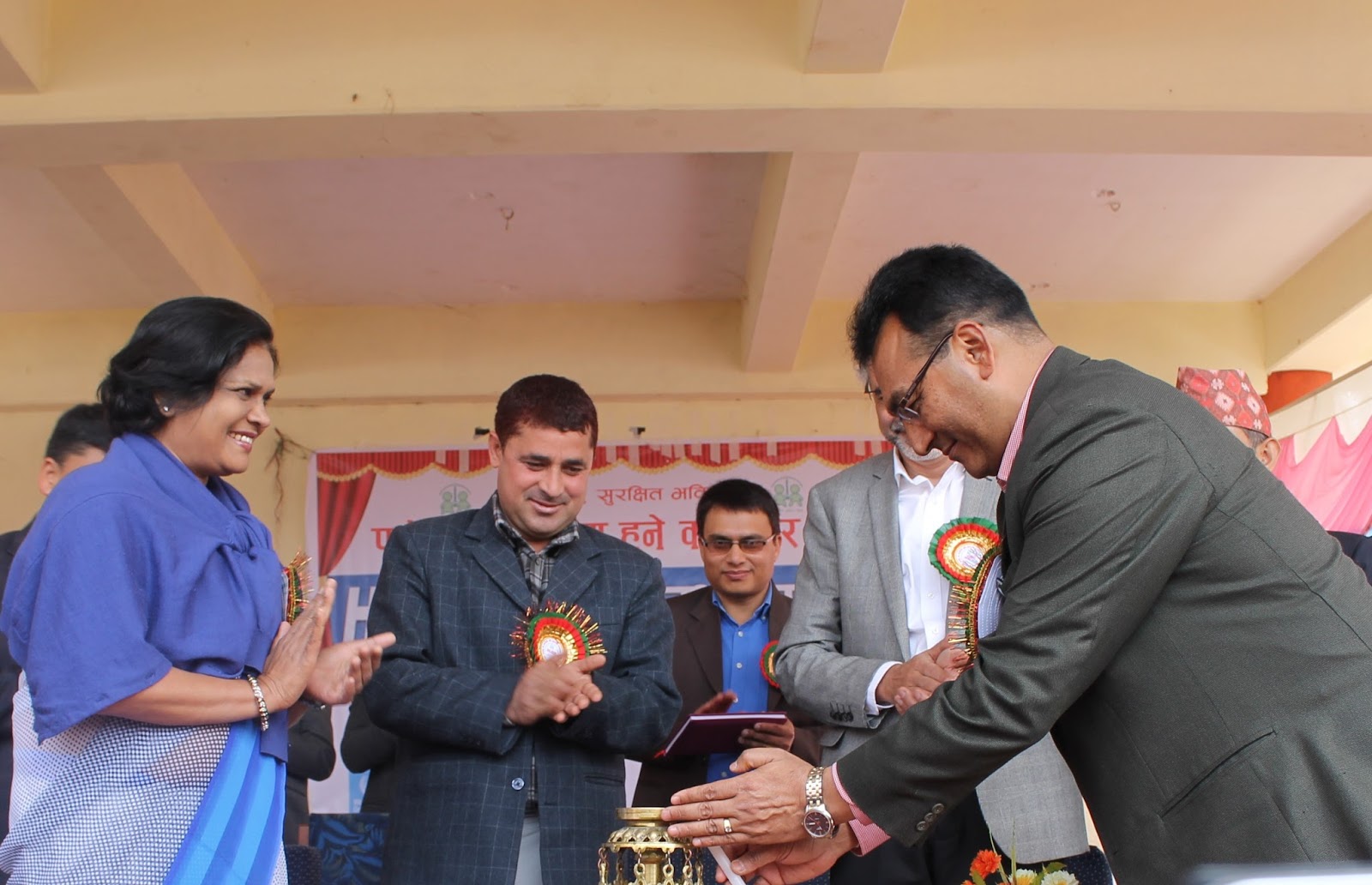
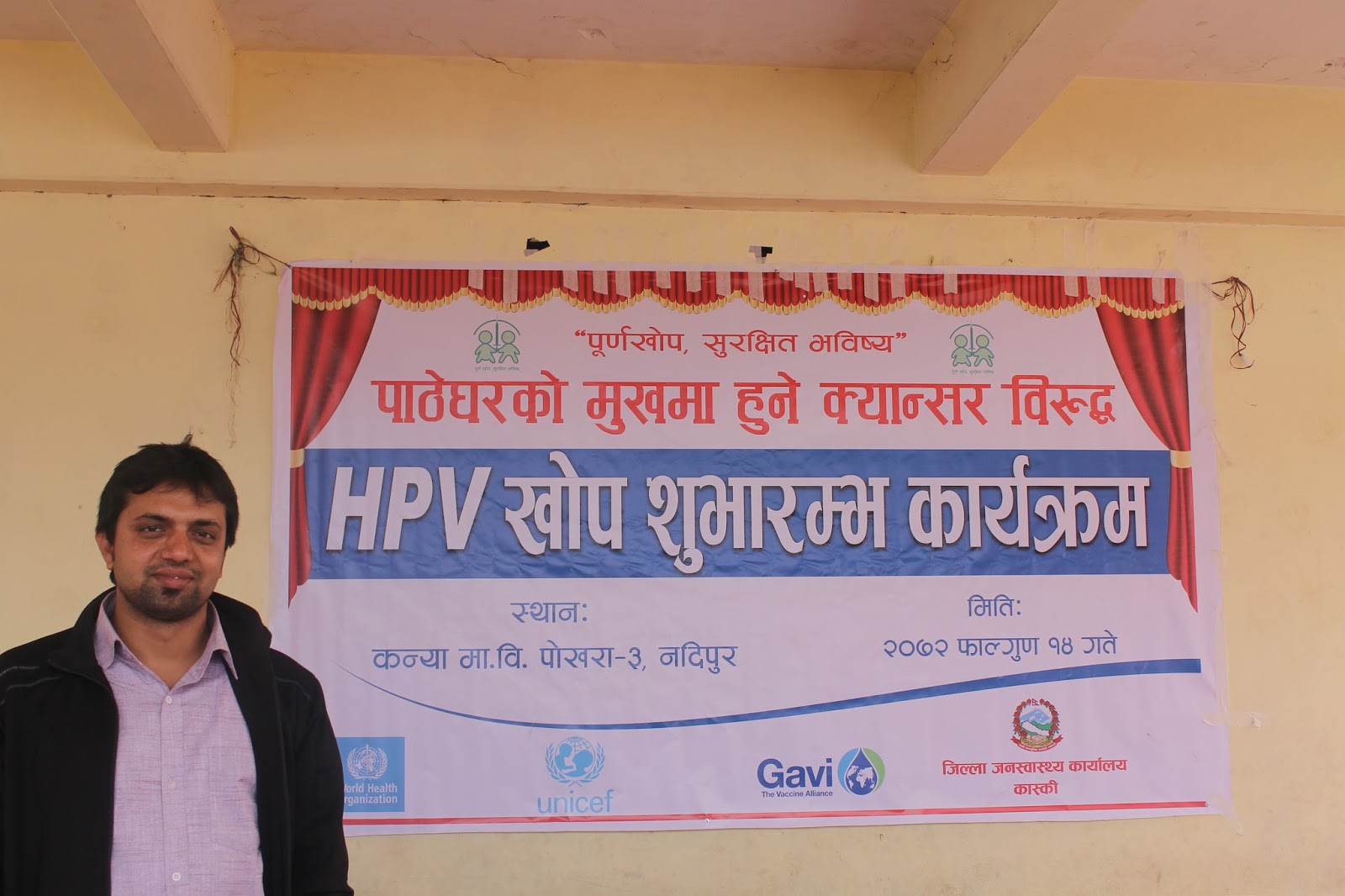
HPV Vaccination program as the latest pilot project (covering Chitwan and Kaski district) to prevent cervical cancer has begun here today from Pokhara, Kaski. This has become possible due to the joint initiative of Child Health Division and Family Health Division under Department of Health Services. Mr. Shanta Bahadur Shrestha, Secretary from MoH  formally inaugurated the program today from Kanya Secondary School, Nadipur, Pokhara. Meanwhile, Director General of DoHS Dr. Pushpa Chaudhary handed over the vaccine carrier with HPV vaccine to health worker for starting the campaign. Preshila Paija, 10 year girl studying in class six at the school was the first one to receive first HPV Vaccine in Nepal. This vaccine completes in two doses administered at the interval of six months. The program has targeted to immunize nearly 15,000 school girls studying in Grade VI or non-school girls of age 10 years from Chitwan and Kaski district.

IMG 5729

IMG 5746

IMG 5758
Anchoring:  Immunization Officer: EkNarayan Lamsal

IMG 5765

IMG 5767
Batch Distribution : Public Health Nurse Officer Samjhana Dhungana

IMG 5768

IMG 5771

IMG 5772

IMG 5777

IMG 5784

IMG 5788

IMG 5790

IMG 5791

IMG 5793

IMG 5794

IMG 5798

IMG 5799

IMG 5800

IMG 5801
DG handover vaccine carrier to Health worker

IMG 5802
Director General of DoHS Dr. Pushpa Chaudhary 

IMG 5806
Secretary of MOH Distribution of Vaccination Invitation Card to girl (Preshshila Paija) who receive 1st HPV Vaccine

IMG 5807

IMG 5815
1st Vaccination

IMG 5816
1st Vaccination

IMG 5817

IMG 5832

IMG 5836

IMG 5842

IMG 5844

IMG 5848

IMG 5849

IMG 5850

IMG 5857

IMG 5859

IMG 5860

IMG 5861

IMG 5864

IMG 5868

IMG 5870

IMG 5872
Medical Superintendent of Western Regional Hospital Dr. Shree Krishna Shrestha

IMG 5873
RHD Dr. Taranath Poudel

IMG 5874

IMG 5876

IMG 5891

IMG 5895
Director General of DoHS Dr. Pushpa Chaudhary 
IMG 5903

IMG 5905

IMG 5907

IMG 5909

IMG 5915

IMG 5916

IMG 5922

IMG 5928

IMG 5931

IMG 5932

IMG 5933

IMG 5938

IMG 5940

IMG 5942

IMG 5943

IMG 5944

IMG 5946

IMG 5952

IMG 5953

IMG 5956

IMG 5959

IMG 5960

IMG 5961
1st%2Blady
First ID card

IMG 5816
First Vaccination

IMG 5735

IMG 5741

IMG 5744

IMG 5746

IMG 5763

IMG 5771

IMG 5772

IMG 5785
Welcome Speech: DPHA Sagar prd. Ghimire

IMG 5786

IMG 5790

NEW%2BPicture
Mr. Shanta Bahadur Shrestha, Secretary from MoH formally inaugurated

IMG 5733

IMG 5908

IMG 5954

IMG 5948

IMG 5830

IMG 5905

February 26, 2016 0 comments
0 FacebookTwitterPinterestLinkedinTumblrVKOdnoklassnikiRedditStumbleuponWhatsappTelegramLINEPocketSkypeViberEmail
PH Important DayPublic Health

International Childhood Cancer Day: 15 February 2016

by Public Health Update February 16, 2016
written by Public Health Update
International Childhood Cancer Day is celebrated annually on 15 February to raise awareness and to express support for children and adolescents with cancer, survivors and their families.

Each year, more than 150,000 children are diagnosed with cancer – a disease that touches all regions of the world and impacts countless families and communities. With access to quality care, more than 80% of children with cancer can survive, living full and healthy lives. However, many children in low-income and middle income countries do not receive or complete care, and, as a result, over 90% of childhood cancer deaths occur in low resource settings.

A global response is needed to give every child the best chance of surviving cancer free – to raise awareness, improve access, better understand why and where children are diagnosed with cancer through cancer registries, and offer the best possible treatment, palliative care and support for children and their families. WHO has expanded the WHO Model Lists of Essential Medicines with additional medicines to treat childhood and adult cancers.
This will help promote access to low cost, high impact treatment. WHO has also provided guidance on caring for children with cancer in WHO guidelines on the pharmacological treatment of persisting pain in children with medical illnesses. These initiatives lay the groundwork for broad stakeholder action.
On International Childhood Cancer Day, we pause to recognize contributions from advocates around the world and call for renewed collaboration to care for children with cancer globally.
World Health Organization

February 16, 2016 0 comments
0 FacebookTwitterPinterestLinkedinTumblrVKOdnoklassnikiRedditStumbleuponWhatsappTelegramLINEPocketSkypeViberEmail
PH Important DayPublic Health

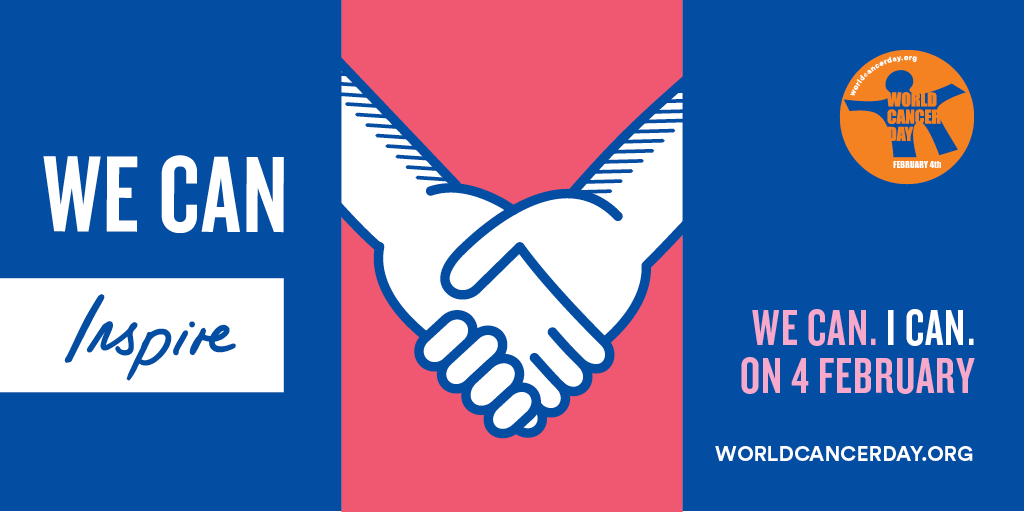
World Cancer Day 2016 : #WorldCancerDay #WeCanICan Prevent many Cancers

by Public Health Update February 4, 2016
written by Public Health Update
World Cancer Day is the one singular initiative under which the entireworld can unite together in the fight against the global cancer epidemic.
WCD2016-2018-threeyearcampaign.png


World Cancer Day
World Cancer Day is part of the World Cancer Campaign, which responds to the Charter of Paris adopted at the World Summit Against Cancer for the New Millennium on February 4, 2000. It called for a strong alliance between researchers, health-care professionals, patients, governments, industry partners and the media to fight cancer.
A truly global event taking place every year on 4 February, World Cancer Day unites the world’s population in the fight against cancer.
AeTKRZUAAAAESURBVLrj1ydYO8GzAAAAAElFTkSuQmCC
It aims to save millions of preventable deaths each year by raising awareness and education about the disease, pressing governments and individuals across the world to take action.

Taking place under the tagline ‘We can. I can.’, World Cancer Day 2016-2018 will explore how everyone – as a collective or as individuals – can do their part to reduce the global burden of cancer.
Just as cancer affects everyone in different ways, all people have the power to take various actions to reduce the impact that cancer has on individuals, families and communities.
World Cancer Day is a chance to reflect on what you can do, make a pledge and take action. Whatever you choose to do ‘We can. I can.’ make a difference to the fight against cancer.

cancerday
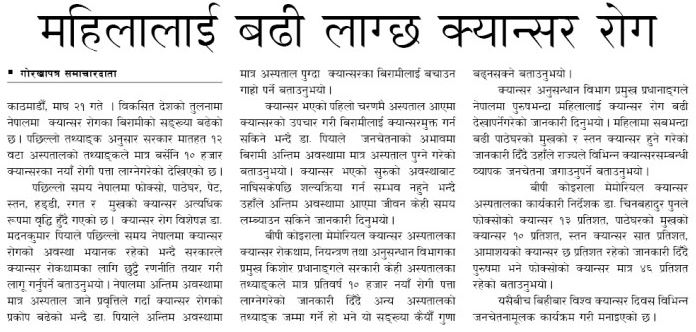
Gorkhapatra

Cancer is a generic term for a large group of diseases that can affect any part of the body. Other terms used are malignant tumours and neoplasms. One defining feature of cancer is the rapid creation of abnormal cells that grow beyond their usual boundaries, and which can then invade adjoining parts of the body and spread to other organs. Cancer is one of the leading causes of death in the world, particularly in developing countries. In the WHO Western Pacific Region, it is estimated that close to 4.07 million new cases occurred in 2008 (2.31 million in men and 1.75 million in women). Almost 2.6 million people in the Region died from cancer that same year.

Key facts (October 2011, WHO)

  • Cancer is a leading cause of death worldwide: it accounted for 7.6 million deaths (around 13% of all deaths) in 2008.
  • Lung, stomach, liver, colon and breast cancer cause the most cancer deaths each year.
  • The most frequent types of cancer differ between men and women.
  • About 30% of cancer deaths are due to the five leading behavioral and dietary risks: high body mass index, low fruit and vegetable intake, physical inactivity, tobacco use, alcohol use. All these cancers are often preventable.
  • Infectious agents are responsible for almost 22% of cancer deaths in the developing world and 6% in industrialized countries.
  • Tobacco use is the single largest preventable cause of cancer in the world causing 22% of cancer deaths. About 70% of the lung cancer burden can be attributed to smoking alone.
  • Cancer arises from a change in one single cell. The change may be started by external agents or inherited genetic factors.
  • About 70% of all cancer deaths in 2008 occurred in low- and middle-income countries.
  • Deaths from cancer worldwide are projected to continue to rise to over 11 million in 2030.


Modifying and avoiding risk factorsMore than 30% of cancer could be prevented by modifying or avoiding key risk factors, including:

  • tobacco use
  • being overweight or obese
  • low fruit and vegetable intake
  • lack of physical activity
  • alcohol use
  • Human papillomavirus and Hepatitis B infection
  • urban air pollution
  • indoor smoke from household use of solid fuels.

READ MORE
  • http://www.worldcancerday.org/about/2016-2018-world-cancer-day-campaign
  • http://www.timeanddate.com/holidays/un/world-cancer-day
  • https://en.wikipedia.org/wiki/World_Cancer_Day
  • http://www.wpro.who.int/mediacentre/factsheets/cancer/en/
February 4, 2016 0 comments
0 FacebookTwitterPinterestLinkedinTumblrVKOdnoklassnikiRedditStumbleuponWhatsappTelegramLINEPocketSkypeViberEmail
Newer Posts
Older Posts

Search

Follow Us

Facebook Twitter Instagram Pinterest Linkedin Youtube

Categories

  • Abstracts (26)
  • Activities (91)
  • Adolescent Sexual and Reproductive Health (ASRH) (25)
  • Advice & Tips (4)
  • African Region (5)
  • AI and Health (1)
  • Annual Meeting (6)
  • Antimicrobial Resistance (AMR) (21)
  • Award (20)
  • Awards (17)
  • Books (9)
  • Call for Proposal, EOI & RFP (103)
  • Call for Research Participants (9)
  • Clinical Doctor Jobs (6)
  • Communicable Diseases (107)
  • Competition (20)
  • Conference (130)
  • Consultant (1)
  • Courses (206)
  • Dashboard (2)
  • Digital Health & Health Informatics (10)
  • Drug and Medicine (18)
  • Eastern Mediterranean Region (3)
  • Education (16)
  • Environment (3)
  • Environmental Health & Climate Change (47)
  • European Region (42)
  • Exchange Program (1)
  • Fact Sheet (118)
  • FCHVs (1)
  • Fellowships, Studentship & Scholarships (168)
  • Financial Aid (13)
  • Form Formats (2)
  • Fully funded (22)
  • Global Health News (440)
  • Grants and Funding Opportunities (193)
  • Guest Post (44)
  • Health Assistant Jobs (1)
  • Health Equity (7)
  • Health Financing and Economics (24)
  • Health in Data (118)
  • Health Insurance (5)
  • Health Jobs (52)
  • Health Literacy, Health Education & Promotion (51)
  • Health Organization Profile (42)
  • Health Systems (85)
  • Human Resource for Health (33)
  • Humanitarian Health & Emergency Response (45)
  • Hypertension (5)
  • Implementation Research (49)
  • International Health (3)
  • International Jobs & Opportunities (374)
  • International Plan, Policy & Guidelines (212)
  • Internships (5)
  • Jobs Vacancies (57)
  • Journals (8)
  • Life Style & Public Health Nutrition (39)
  • Live (10)
  • Master's Degree (48)
  • Maternal, Newborn and Child Health (88)
  • Mentorship Program (2)
  • Miscellaneous (16)
  • National Health News (160)
  • National Plan, Policy & Guidelines (473)
  • Neglected Tropical Diseases (NTDs) (51)
  • Non- Communicable Diseases (NCDs) (123)
  • Notice (103)
  • Nursing Jobs (6)
  • Nutritionist Jobs (1)
  • One Health (18)
  • Online & Distance Learning (22)
  • Online Courses (91)
  • Op-Ed Article (3)
  • Opportunities by Region (83)
  • Outbreak News (213)
  • Partially funded (6)
  • PCL Health Science Jobs (3)
  • PH Important Day (538)
  • Pharmacist Jobs (3)
  • PhD (54)
  • Photos (5)
  • Planetary Health (4)
  • PostDoc (14)
  • Presentation Slides (26)
  • Primary Health Care (25)
  • Provincial Plan, Policies and Guidelines (17)
  • Public Health (1,288)
  • Public Health Epidemiology & Biostatistics (14)
  • Public Health Events (307)
  • Public Health Information (21)
  • Public Health Innovation (9)
  • Public Health Jobs (52)
  • Public Health News (558)
  • Public Health Notes (120)
  • Public Health Opportunities (510)
  • Public Health Opportunity (493)
  • Public Health Programs (108)
  • Public Health Seminar (2)
  • Public Health Tools (2)
  • Public Health Update (574)
  • Quality Improvement & Infection Prevention (20)
  • Region of America (8)
  • Reports (187)
  • Research & Project Grants (39)
  • Research & Project Grants (33)
  • Research & Publication (651)
  • Research Articles (10)
  • Road Traffic Accidents (RTA) (9)
  • School of Public Health (60)
  • Self funded (2)
  • South-East Asia Region (26)
  • Success Stories (17)
  • Summer and Winter Courses (40)
  • Summer Courses (28)
  • Sustainable Development Goals (SDGs) (14)
  • Syllabus (61)
  • Symposium (9)
  • Tobacco Control (35)
  • Training (40)
  • Travel Grants (15)
  • Trick, Technique & Skills (8)
  • Uncategorized (3)
  • Undergraduate Degree (7)
  • Universal Health Coverage (36)
  • Universities (29)
  • Universities & School of Public Health (58)
  • Vacancy Announcement (26)
  • Vaccine Preventable Diseases (40)
  • Vector-Borne Diseases(VBDs) (31)
  • Videos (3)
  • View Points (1)
  • Webinar (4)
  • Western Pacific Region (13)
  • Workshop (18)
  • World News (120)
Post New Jobs: Vacancy Announcement Service

Search Box

Public Health Update (Sagun’s Blog) is a popular public health portal in Nepal. Thousands of health professionals are connected with Public Health Update to get up-to-date public health updates, search for jobs, and explore opportunities.
#1 Public Health Blog for sharing Job opportunities and updates in Nepal

”Public Health Information For All”
– – Sagun Paudel, Founder

  • HOT JOBS
    • Public Health Jobs
    • Medical Doctor Jobs
    • Nursing Jobs
    • Health Assistant Jobs
    • Pharmacist Jobs
    • NGOs Jobs
    • Government Jobs
  • Top Categories
    • National Plan, Policy & Guidelines Top
    • Public Health Calendar
    • Fellowships & Scholarships
    • Health Systems
    • Health Organization Profiles
    • International Jobs & Opportunities
    • Public Health Opportunity

PUBLIC HEALTH INITIATIVE

    • Submit your Vacancies New
    • Partnership Opportunities

Contact: blog.publichealthupdate@gmail.com

https://wa.me/+9779856036932

All Right Reserved. 2011-2026. Contact us. 

Facebook Twitter Instagram Youtube Envelope
Public Health Update
  • Home
  • Public Health
    • Home 1
      • Adolescent Sexual and Reproductive Health (ASRH)
      • Antimicrobial Resistance (AMR)
      • Communicable Diseases
      • Digital Health & Health Informatics
      • Environmental Health & Climate Change
      • Health Financing and Economics
      • Health Equity
    • Home 2
      • Health Literacy, Health Education & Promotion
      • Human Resource for Health
      • Humanitarian Health & Emergency Response
      • Implementation Research
      • International Health
      • Life Style & Public Health Nutrition
      • Maternal, Newborn and Child Health
    • Home 3
      • Neglected Tropical Diseases (NTDs)
      • Non- Communicable Diseases (NCDs)
      • One Health
      • Planetary Health
      • Public Health Epidemiology & Biostatistics
      • Primary Health Care
      • Quality Improvement & Infection Prevention
    • Home 4
      • Road Traffic Accidents (RTA)
      • Sustainable Development Goals (SDGs)
      • Tobacco Control
      • Universal Health Coverage
      • Vaccine Preventable Diseases
      • Vector-Borne Diseases(VBDs)
      • Notices
  • Public Health Update
    • Home 1
      • Public Health News
      • Global Health News
      • Outbreak News
      • National Health News
      • COVID-19
    • Home 2
      • Fact Sheet
      • Health in Data
      • PH Important Day
      • Public Health Events
      • Public Health Programs
    • Home 3
      • Health Systems
      • Health Insurance
      • Health Organization Profile
      • Success Stories
      • Public Health Innovation
  • Public Health Opportunities
    • Fully funded
    • Travel Grants
    • Grants and Funding Opportunities
    • Opportunities by Region
    • International Jobs & Opportunities
    • Research & Project Grants
    • Fellowships, Studentship & Scholarships
    • Conference
  • Jobs
    • Home 1
      • Health Jobs
      • Public Health Jobs
      • Clinical doctor Jobs
      • Health Assistant Jobs
      • Nursing Jobs
      • PCL Health Science Jobs
    • Home 2
      • Dental Jobs
      • Pharmacist Jobs
      • TSLC (Health Jobs)
      • Laboratory Jobs
      • Nutritionist Jobs
  • Downloads
    • International Plan, Policy & Guidelines
    • National Plan, Policy & Guidelines
    • Reports
    • Books
    • Research Articles
  • School of Public Health
    • Home 1
      • Courses
      • Master’s Degree
      • Undergraduate Degree
      • PhD
    • Home 2
      • Universities
      • Syllabus
      • Public Health Notes
      • Mentorship Program
      • Startup Project
    • Home
      • Summer and Winter Courses
      • Summer Courses
      • Online Courses
      • Workshop
      • Training
Public Health Initiative, A Registered Non-profit organization – All Right Reserved. 2011-2023