

Public Health Update
  • Home
  • Public Health Update
  • Nepal Health Jobs
    • Public Health Job Board
    • Organization List
  • Opportunities
    • Fellowships, Studentship & Scholarships
    • Grants and Funding Opportunities
    • Fully funded
    • Conference
  • Downloads
    • International Plan, Policy & Guidelines
    • National Plan, Policy & Guidelines
    • Reports
    • Public Health Notes
    • Syllabus
    • Form Formats
  • School of Public Health
    • PhD
    • Master’s Degree
    • Online Courses
  • Notice
LOGIN / REGISTER
Public Health Update
SUBSCRIBE
Public Health Update
  • Home
  • Public Health Update
  • Nepal Health Jobs
    • Public Health Job Board
    • Organization List
  • Opportunities
    • Fellowships, Studentship & Scholarships
    • Grants and Funding Opportunities
    • Fully funded
    • Conference
  • Downloads
    • International Plan, Policy & Guidelines
    • National Plan, Policy & Guidelines
    • Reports
    • Public Health Notes
    • Syllabus
    • Form Formats
  • School of Public Health
    • PhD
    • Master’s Degree
    • Online Courses
  • Notice

All Right Reserved. Designed and Developed by PenciDesign

National Plan, Policy & GuidelinesOutbreak NewsResearch & Publication

Clinical Guideline for Physiotherapy treatment in patients with COVID 19 in acute hospital settings

by Public Health Update June 27, 2020
written by Public Health Update

Clinical Guideline for Physiotherapy treatment in patients with COVID 19 in acute hospital settings

Nepal Physiotherapy Association (NEPTA) has developed  “Clinical Guideline for Physiotherapy treatment in patients with COVID 19 in acute hospital settings” referring the international guideline of  WHO (World Health Organization) and World Confederation for Physical Therapy(WCPT).

The guideline will provide background knowledge about COVID 19, effective treatment plan and precautions that should be taken by physiotherapists when treating patient with COVID – 19 cases in clinical setting of Nepal.

Scope and purpose

The guideline is intended for physiotherapy interventions for COVID-19 cases in hospital setting. It is developed specifically adopting to the resource level setting of Nepal and it should be taken as a standard for physiotherapy services to be provided for the patients with COVID-19 in wards and in critical care.

Overview

  • Section A: workforce planning and preparation including screening to determine indications for physiotherapy
    Medical management of COVID19
  • Section B: Delivery of physiotherapy interventions including both respiratory and mobilization/ rehabilitation as well as PPE requirement
  • Further recommendations for Rehabilitation

DOWNLOAD PDF FILE

“Clinical Guideline for Physiotherapy treatment in patients with COVID 19 in acute hospital settings”

DOWNLOAD PDF FILE


  • Guidelines for YOGA Practitioners for COVID-19
  • National Testing Guidelines for COVID-19
  • COVID-19 Cases Isolation Management Guidelines
  • Guideline for RDT Test Authorization to Private and Community Hospitals
  • MoHP Staff Mobilization Guideline
  • Case Investigation and Contact Tracing Team (CICTT) Mobilization Guideline 2077
  • COVID19 Resources: Guidelines and Documents- Ministry of Health and Population
NATIONAL PLAN, POLICY & GUIDELINES

June 27, 2020 0 comments
0 FacebookTwitterPinterestLinkedinTumblrVKOdnoklassnikiRedditStumbleuponWhatsappTelegramLINEPocketSkypeViberEmail
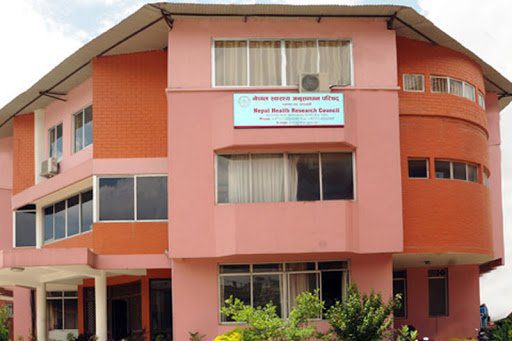
Nepal Health Research Council
Fact SheetHealth in DataHealth Organization ProfilePublic Health Update

List of Approved Institutional Review Committee (IRC), NHRC

by Public Health Update June 21, 2020
written by Public Health Update

List of Approved Institutional Review Committee (IRC), NHRC

Following Institutional Review Committee (IRC) are approved by the Ethical Review Board (ERB), Nepal Health Research Council (NHRC), Ministry of Health and Population (MoHP) to review and monitor health related research in Nepal.


List of approved IRCs

S.NOrganizationAddress
1Annapurna Neurological Institute & Allied ScienceMaitighar , Kathmandu
2B & B HospitalGwarkhu, Lalitpur
3B.P.Koirala Memorial Cancer HospitalBharatpur, Chitwan
4Bharatpur HospitalBharatpur, Chitwan
5Birat Medical College & Teaching HospitalBiratnagar, Morang
6Biratnagar Eye HospitalBiratnagar, Morang
7BP Koirala Institute of Health SciencesDharan, Sunsari
8Central Institute of Science and TechnologyKathmandu
9Chitwan Medical CollegeBharatpur, Chitwan
10Civil Service HospitalNew-Baneshwar
11College of Medical Science and Teaching HospitalBharatpur, Chitwan
12Devdaha Medical College and Research Institute Pvt. Ltd.Rupandehi
13Gandaki Medical College Teaching Hospital and Research CenterKaski
14Grande International HospitalTokha, Kathmandu
15Institute of MedicineMaharajgunj, Kathmandu
16Institute of Science and Technology
17Kanti Children HospitalMaharajgunj, Kathmandu
18Kanti Dental College Teaching Hospital and Research CentreBasundhara, Kathmandu
19Karnali Academy of Health ScienceJumla
20Kathmandu Medical College and Teaching Hospital (KMCTH)Sinamangal, Kathmandu
21Kathmandu University School of Medical Sciences (KUMS)Dhulikhel, Kavre
22KIST Medical College and Teaching HospitalGwarkhu, Kathmandu
23Lumbini Medical College and Teaching HospitalParvas, Palpa
24Manipal Medical College of Medical SciencesPokhara ,Nepal
25Manmohan Memorial Institute of Health Sciences (MMIHS)Nakhkhu, Lalitpur
26National Academy of Medical Sciences (NAMS)Bir Hospital, Kathmandu
27National Ayurveda Research and Training CenterKritipur, Kathmandu
28National Institute of Neurological and Allied Sciences Pvt. Ltd.Bansbari, Kathmandu
29National Medical CollegeBirgunj, Nepal
30Nepal Army Institute of Health Sciences (NAIHS)Sanobharyang, Kathmandu
31Nepal Cancer Hospital & Research Center Pvt. LtdLalitpur
32Nepal Medical CollegeJorpati, Kathmandu
33Nepal Netra Jyoti SangTripureswor, Kathmandu
34Nepalgunj Medical College Teaching Hospital (NMTH)Kohalpur, Banke
35Nobel CollegeSinamangal, Kathmandu
36Nobel Medical College Teaching HospitalBiratnagar, Morang
37Paropakar Maternity and Women’s HospitalThapathali, Kathmandu
38Patan Academy of Health Science (PAHS)Lalitpur
39People’s Dental CollegeNayabazar, Kathmandu
40Pokhara University Research CenterLekhnath Marg, Kaski
41Public Health Concern Trust (Phect-Nepal)Pradarshani Marg, Kathmandu
42Purbanchal University College of Medical and Allied SciencesMorang
43Scheer Memorial Adventist HospitalBanepa, Kavre
44Shahid Gangalal National Heart CentreBansbari, Kathmandu
45Shigan Health FoundationNarayan Gopal Chowk
46Shree Medical and Technical CollegeChitwan
47Shree Ran Ambika Shah Eye Hospital, Lumbini Eye InstituteRupandehi
48Stupa Health Care Center Corporation Ltd (SHCC)Boudha, Tusal
49Tilganga Institute of Ophthalmology (TIO)Gaushala, Kathmandu
50Universal College of Medical SciencesBhairahawa

Please follow, NHRC’s website for more updates. 


  • NHRC approval processing fee (Effective from March 7, 2018)
  • Comparative Evaluation of Commercially available Rapid Diagnostic Test Kits for the use of Screening of Suspected Cases of Novel Coronavirus infection in Nepal
  • Preparedness and Readiness of Government of Nepal Designated COVID Hospitals
  • Preparedness and Readiness of Government of Nepal Designated Hospital running COVID Clinics

Department of Drug Administration (DDA), Ministry of Health and Population

Department of Health Services (DoHS), Ministry of Health and Population

Department of Ayurveda and Alternative Medicine (DoAA)

June 21, 2020 0 comments
0 FacebookTwitterPinterestLinkedinTumblrVKOdnoklassnikiRedditStumbleuponWhatsappTelegramLINEPocketSkypeViberEmail
National Yoga Day
Public HealthHealth Literacy, Health Education & PromotionPublic Health Update

Health benefits of Yoga

by Public Health Update June 21, 2020
written by Public Health Update

Health benefits of Yoga

Yoga brings various health benefits and improves body functions, physical as well as mental health. The benefits of doing yoga are multiple and extend beyond the physical.

Here are few physical and mental health benefits of doing Yoga; 

  • Better body image, Perfects your posture
  • Manage stress
  • Regulates your adrenal glands and body secretions 
  • Relieves stress
  • Improved respiration, energy and vitality
  • maintaining a balanced metabolism.
  • Helps with back pain
  • Increased flexibility.
  • Increased muscle strength and tone.
  • Cardiovascular benefits and circulatory health
  • Weight reduction.
  • Improved athletic performance.

International Day of Yoga: “Yoga for Health – Yoga at Home”


  • International Day of Yoga: “Yoga for Health – Yoga at Home”
  • Guidelines for YOGA Practitioners for COVID-19
  • Yoga is a valuable tool to increase physical activity and decrease NCDs
  • International Day of Yoga: Yoga for Peace


⚡ Looking for expert analysis, policy briefs, and high-level reviews on Nepal's health sector?

We are now offering premium subscription services to deliver timely, evidence-backed policy briefs, comprehensive technical reviews, and strategic analysis straight to your inbox. Tap into specialized consultant expertise and stay ahead on Nepal's emerging health strategies.

👉 [Contact Us]

Do you have a website? Looking for the best hosting provider? Here’s a discount code.

Latest Public Health Jobs

Latest Posts

  • World Atopic Eczema Day 2026: Breaking the Invisible Burden
  • DEVASTATING FLOODS IN NEPAL: PUBLIC HEALTH IMPACT AND A CALL FOR HUMANITARIAN SUPPORT
  • PEN-Plus Orientation Manual for Mid-Level Health Care Workers
  • National Health Training Strategy 2082
  • Simulation Accreditation Manual for Clinical Training Sites

Thanks for visiting us.
Disclaimer: The resources, documents, guidelines, and information on this blog have been collected from various sources and are intended for informational purposes only. Information published on or through this website and affiliated social media channels does not represent the intention, plan, or strategies of an organization that the initiator is associated with in a professional or personal capacity, unless explicitly indicated.
If you have any complaints, information, or suggestions about the content published on Public Health Update, please feel free to contact us at blog.publichealthupdate@gmail.com.
#StayUpdated


  • WordPress
  • Link
  • Facebook
  • Mail
  • Facebook
  • Twitter
  • Twitter
  • LinkedIn
  • Instagram
  • Facebook
June 21, 2020 0 comments
0 FacebookTwitterPinterestLinkedinTumblrVKOdnoklassnikiRedditStumbleuponWhatsappTelegramLINEPocketSkypeViberEmail
Health Literacy, Health Education & PromotionLife Style & Public Health NutritionPH Important DayPublic Health

International Day of Yoga: “Yoga for Health – Yoga at Home”

by Public Health Update June 21, 2020
written by Public Health Update

International Day of Yoga: “Yoga for Health – Yoga at Home”

Yoga

Yoga is an ancient physical, mental and spiritual practice that originated in India. The word ‘yoga’ derives from Sanskrit and means to join or to unite, symbolizing the union of body and consciousness. Today it is practiced in various forms around the world and continues to grow in popularity.

Department of Ayurveda and Alternative Medicine (DoAA)

International Day of Yoga

The United Nations proclaimed 21 June as the International Day of Yoga by resolution 69/131 on 11 December 2014. The draft resolution establishing the International Day of Yoga was proposed by India and endorsed by a record 175 member states. The proposal was first introduced by Prime Minister Narendra Modi in his address during the opening of the 69th session of the General Assembly, in which he said: “Yoga is an invaluable gift from our ancient tradition. Yoga embodies unity of mind and body, thought and action … a holistic approach [that] is valuable to our health and our well-being. Yoga is not just about exercise; it is a way to discover the sense of oneness with yourself, the world and the nature.”

The resolution notes

The resolution notes “the importance of individuals and populations making healthier choices and following lifestyle patterns that foster good health.” In this regard, the World Health Organization has also urged its member states to help their citizens reduce physical inactivity, which is among the top ten leading causes of death worldwide, and a key risk factor for non-communicable diseases, such as cardiovascular diseases, cancer and diabetes.

Aim

The International Day of Yoga aims to raise awareness worldwide of the many benefits of practicing yoga. 

Source of information (Read more): United Nations 


Recommended
  • International Day of Yoga: “Yoga for Health – Yoga at Home”
  • Guidelines for YOGA Practitioners for COVID-19
  • ‘Yoga for Peace and Prosperity’ – National Yoga Day 2075
  • International Day of Yoga: Yoga for Peace
  • Yoga is a valuable tool to increase physical activity and decrease NCDs
  • Department of Ayurveda and Alternative Medicine (DoAA)
June 21, 2020 0 comments
0 FacebookTwitterPinterestLinkedinTumblrVKOdnoklassnikiRedditStumbleuponWhatsappTelegramLINEPocketSkypeViberEmail
International Plan, Policy & GuidelinesOutbreak NewsPH Important DayPublic HealthPublic Health UpdateResearch & Publication

Guidelines for YOGA Practitioners for COVID-19

by Public Health Update June 21, 2020
written by Public Health Update

Guidelines for YOGA Practitioners for COVID-19

Yoga may play significant role in the psycho-social care and rehabilitation of COVID-19 patients in quarantine and isolation. They are particularly useful in allaying their fears and anxiety.

Overview

Guidelines for YOGA Practitioners for COVID-19  provides guidelines for yoga professionals (Certified Yoga teachers/ instructors and therapists etc.) to teach a safe set of Yoga practices based on available scientific evidences, to novices in all walks of society as a service to humanity during this pandemic of COVID -19.

Department of Ayurveda and Alternative Medicine (DoAA)

Objectives

This is complimentary to all measures that have been adopted. Yoga based life style modules which can be used for different sections of the society in the present scenario are presented with the following objectives.

  • To improve general immunity among the population.
  • Prehabilitation of vulnerable populations (children, elderly and those with comorbid conditions such as diabetes and hypertension) and to those patients in isolation/quarantine with or without mild symptoms.
  • To add-on Yoga based interventions and Meditation practices in covid-19 cases in isolation and hospitalization for psychosocial care.

To reduce disease susceptibility in high risk population This guideline recommends evidence based safe and simple yoga practices as mentioned above that promote health of the respiratory, cardiovascular and the immune systems.

Contents

This guideline consists of;

  • Yoga based lifestyle modules for health promotion in healthy population; Yoga Based life style module to improve immune resilience in healthy population of all age groups.
  • Common Yoga Protocol
  • Yogic Diet
  • Abstinence from substance abuse including tobacco,alcohol and other addictive drugs
  • Yoga based life style to hospitalized cases without acute respiratory distress.
  • Yoga Practices for prevention, rehabilitation and to increase immunity. (Do’s/ Dont’s/Benefits)
  • Common Yoga Protocol- 10 minutes
  • Common Yoga Protocol- 20 minutes
  • Common Yoga Protocol- 45 minutes

DOWNLOAD YOGA GUIDE


Recommended:

  • Guidelines for YOGA Practitioners for COVID-19
  • International Day of Yoga: “Yoga for Health – Yoga at Home”
  • ‘Yoga for Peace and Prosperity’ – National Yoga Day 2075
  • International Day of Yoga: Yoga for Peace
  • Yoga is a valuable tool to increase physical activity and decrease NCDs
  • Department of Ayurveda and Alternative Medicine (DoAA)
June 21, 2020 0 comments
0 FacebookTwitterPinterestLinkedinTumblrVKOdnoklassnikiRedditStumbleuponWhatsappTelegramLINEPocketSkypeViberEmail
Fact SheetHealth in DataNational Plan, Policy & GuidelinesOutbreak NewsPublic HealthPublic Health UpdateReportsResearch & Publication

Comparative Evaluation of Commercially available Rapid Diagnostic Test Kits for the use of Screening of Suspected Cases of Novel Coronavirus infection in Nepal

by Public Health Update June 17, 2020
written by Public Health Update

Comparative Evaluation of Commercially available Rapid Diagnostic Test Kits for the use of Screening of Suspected Cases of Novel Coronavirus infection in Nepal

Comparative evaluation study was conducted by Nepal Health Research Council (NHRC), in collaboration with Ministry of Health and Population (MoHP), Epidemiology and Disease Control Division (EDCD), and National Public Health Laboratory (NPHL) in Sudurpashchim Province to evaluate commercially available RDTs for SARS CoV2 (COVID 19) against the most sensitive and WHO/CDC standardized rRT-PCR and to establish the laboratory based confirmation of the COVID19 cases among the clinically suspected referred cases.

Recommended: Preparedness and Readiness of Government of Nepal Designated COVID Hospitals

A hospital based quantitative cross sectional study was conducted during ongoing outbreak of 2020 month of April. A total of 200 cases were enrolled in the study using consecutive sampling. Probable and suspected cases for COVID-19 admitted in hospitals (isolation/ quarantine for covid-19) were recruited for the study.

Sensitivity and Specificity

The result of study shows that the sensitivities of the Wondfo Kits were 50%, and the specificities were 99.5% (Compared to the reference standard (RT-PCR)). Similarly, positive and negative predictive values of the test kit were 66.7% and 99% respectively. Similarly, accuracy was 98.5%. 

  • Sensitivity: TP/ (TP + FN) × 100, 2/4× 100 = 50%
  • Specificity: TN/ (TN+FP) × 100,195/196 × 100=99.5%
  • Positive Predictive Value (PPV): TP/ (TP + FP) × 100, 2/3 × 100 = 66.7%
  • Negative Predictive Value (NPV): TN/ (TN + FN) × 100, 196/197 × 100 = 99%
  • Accuracy: TP+TN/TP+TN+FP+FN× 100, 197/200× 100 = 98.5% 

For more result please download final report (NHRC)

Comparative evaluation of RDTs and RT-PCR

RDTs (Test)

RT-PCR (confirmatory)

PositiveNegativeTotal

Positive

2 (TP)1 (FP)3

Negative

2 (FN)195 (TN)197

Total

4196200

Conclusion of study

Comparative evaluation of RDTs against confirmatory diagnosis of COVID-19 (RT-PCR) showed moderate sensitivity, but high specificity and desirable accuracy. The accurate diagnosis of people infected with the SARS-CoV-2 is essential to control the global spread of COVID-1. The existing clinical accuracy of rapid tests still needs to be stringently evaluated before they are authorized for the mass screening of COVID-19. Hence, RDTS could be used as complementary to the existing RT-PCR assays, which could lead to much better diagnosis of COVID-19 and provide additional information about the immune status of the cases and community as well as for rapid surveillance where there is no amenities of laboratory facilities for RT-PCR test.

For more results please download final report (NHRC)

For additional information, please contact: Nepal Health Research Council (NHRC) Ramshah Path, Kathmandu Phone no: +977-1-4254220 / +977-1-4254220 Email: nhrc@nhrc.gov.np


Recommended posts:
Department of Drug Administration (DDA), Ministry of Health and Population

The Ministry of Health and Population (MoHP), Nepal

Department of Health Services (DoHS), Ministry of Health and Population

Preparedness and Readiness of Government of Nepal Designated COVID Hospitals

Preparedness and Readiness of Government of Nepal Designated Hospital running COVID Clinics

WHO welcomes preliminary results about dexamethasone use in treating critically ill COVID-19 patients

Dexamethasone reduces death in hospitalised patients with severe respiratory complications of COVID-19

Comparative Evaluation of Commercially available Rapid Diagnostic Test Kits for the use of Screening of Suspected Cases of Novel Coronavirus infection in Nepal

June 17, 2020 0 comments
0 FacebookTwitterPinterestLinkedinTumblrVKOdnoklassnikiRedditStumbleuponWhatsappTelegramLINEPocketSkypeViberEmail
National Plan, Policy & GuidelinesOutbreak NewsPublic HealthReportsResearch & Publication

Preparedness and Readiness of Government of Nepal Designated COVID Hospitals

by Public Health Update June 17, 2020
written by Public Health Update

Assessment of Health-related Country Preparedness and Readiness of Nepal for Responding to COVID-19 Pandemic.

Preparedness and Readiness of Government of Nepal Designated COVID Hospitals

A nation-wide study was conducted to assess the preparedness and readiness of Government of Nepal (GoN) designated COVID hospitals to respond to COVID-19 pandemic. A cross-sectional study was conducted among 30 COVID hospitals via face to face and telephonic interviews with focal persons. Among them, telephonic interviews were carried out with focal persons of few unreachable hospitals.

A total of 30 COVID hospitals were included in the study, among which Level 1, Level 2 and Level 3 hospitals were 15 (50%), 12 (40%) and 3 (10%) respectively. The data was collected during the time period of one month (26 April 2020 to 27 May 2020). All the designated COVID hospitals were included in the study and the response rate was 100%.

Recommended: Preparedness and Readiness of Government of Nepal Designated Hospital running COVID Clinics

This fact sheet summarizes the main indicators of designated hospitals related to COVID-19 preparedness and readiness. It will support the GoN/Ministry of Health and Population (MoHP) to assess the current status of the hospitals, find the gaps and align the practices and resources for better preparedness and readiness to respond against COVID-19.

This study gathered data on general information of the hospitals including 12 domains as described below;

1. Health care facility preparedness and planning

  • 25 (83.3%) of 30 designated hospitals were existing functional hospitals and among them 4 (16%) had shifted the non-COVID patients to alternate hospitals.
  • All the hospitals coordinated with the government and had COVID management core team (96.7%); and COVID-19 Preparedness response plan (93.3%), while only 19 (60.3%) had an Infection Prevention Committee (IPC).
  • All designated hospitals had the provision of hand washing (soap water/ alcohol-based hand rub) at the hospital entrance.
  • The provision of Infra-red thermometer was available at the entrance of 93.3% of the hospitals.

2. Infrastructure

  • All the hospitals had adequate space between the beds (at least 1 meter).
  • Provision of 24 hours electricity and water supply were available in all the hospitals.
  • There were a total of 1,926 number of beds allocated for COVID patients.
  • 23 (92%), 22 (88%) and 19 (76%) COVID clinics of the respective hospitals had waiting/holding areas, separate examination areas and triage systems respectively.

3. Clinical services

  • Only 7 (23.3%) hospitals had designated emergency services for COVID patients.
  • 20 hospitals (66.7%) had Intensive Care Unit (ICU) facilities with a total of 235 ICU beds. Among them, very few, 4 (13.3%) hospitals had provision of negative pressure ICU. 7 (23.3%) hospitals had High Dependency Unit (HDU)/ Step down with a total number of 95 functional beds.

Critical equipment in ICU

  • Slightly more than half 17 (56.7%) of the hospitals had functional ICU ventilators, and 18 BiPAP machines were available in 10 (33.3%) hospitals. There were a total of 98 functional ICU ventilators. 19 (63%) of the hospitals had a defibrillator and only 8 (26.7 %) hospitals had the ABG machine.
  • None of the hospitals had availability of Extra-Corporeal Membrane Oxygenator (ECMO).
  • A total of 10 Neonatal Intensive Care Unit (NICU) beds and 21 Pediatric Intensive Care Unit (PICU) beds were available in 3 (10%) and 1 (3.3%) hospitals respectively.
  • 11 (36.7%) hospitals had operation theatres (OT) among which there were 30 OT rooms with 29 functional OT ventilators. Only 10 (33.3%) hospitals had Ante-room attached to the OT facility for PPE donning and doffing.

Laboratory services

  • Out of 29 hospitals who had facilities of special blood test, only 10% conducted D-dimer test, whereas Lactate Dehydrogenase level was conducted by 63.3%, Quantitative C-reactive protein by 53.3%, Troponin by (76.7% and Ferritin by 33.3% respectively.
  • Most of the hospitals conducted tropical disease profile tests like Scrub Typhus (50%), Dengue (66.7%), Leptospirosis (23.3%), Malaria (76.7%), Kala-azar (66.7%), Brucellosis (16.7%), Typhoid (90%), and Tuberculosis (76.7%).

COVID Investigation provision and services

  • More than a quarter (30%) of the COVID hospitals did not have the provision of investigation in the same hospital and 13.3% did not have separate designated areas for sample collection.
  • 17 (56.7%) hospitals had the provision of RDT services whereas, only 10 (33.3%) hospitals had the provision of RT-PCR services.
  • There were 70 trained human resources to conduct RT-PCR in 19 (63.3%) hospitals.

Isolation Facilities

  • 25 (83.3%) hospitals had the provision of isolation facilities with total beds of 729 for the suspected cases until the test results were available. Among them, 88% had ante-room attached for PPE donning and doffing.
  • 25 (83.3%) hospitals had a provision of admitting confirmed cases with a total number of 836 beds. Among them, 70% had an ante-room attached for PPE donning and doffing.

Personal Protective Equipment (PPE)

  • Only 12 (40%) of the designated hospitals had categorized PPE sets according to MoHP and Nepal Medical Council (NMC) guidelines.
  • There were altogether 9,280 N95 masks; 3,796 Goggles or Visor and 3,805 Water resistant OR standard disposable gowns.

4. Support services

  • More than a half (53.3%) of the COVID hospitals had provision of Central Pipeline Oxygen Supply (CPOS). Similarly, in the COVID clinic, less than half (46.7%) were facilitated with CPOS. Altogether, 503 beds were covered with CPOS in hospitals.
  • 73.3% of the hospitals had mechanized laundry facilities.
  • 36.7% of the hospitals had blood banks or storage units.
  • Ambulance services were available in 23 (76.7%) hospitals with a total number of 41 ambulances.

Diagnostic services

  • 76.7% and 73.3% of the hospitals had portable X-ray and portable Ultrasonography (USG) respectively.
  • Very few hospitals 11(36.7%) had provision of CT scan facilities.

5. Human resources

  • 83.3%, 76.7%, 30%, 16.75% and 20% of the hospitals had General Practitioner/Emergency Medicine, Anesthesiologists, Pulmonologists/ Respiratory physicians, Infectious disease specialists and critical care specialists respectively.
  • Almost half (46.7%) and 63.3% of the hospitals had trained Nursing staff for isolation wards and intensive care respectively. Capacity building (Training/ Orientation)
  • Majority 24 (80%) of the COVID hospitals had provided training on COVID-19 testing and sample handling; and use of PPE.
  • Only 13 (43.3%) hospitals had given orientation about handling the dead body to their health care workers.

6. Infection, Prevention and Control (IPC)

  • Almost all the hospitals 28 (93.3%) segregated and transported waste as per Health care waste management guidelines 2014 published by MoHP.
  • Majority of the hospitals used Hypochlorite solution 28 (93.3%) as disinfection modality for PPE followed by autoclave 25 (83.3%) and UV sterilization 3 (10%).

7. Medicine and Consumables

  • Majority 29 (96.7%) of the hospitals had Essential emergency medicines and 28 (93.3%) had recommended drugs for COVID19.
  • Hydroxychloroquine, Chloroquine and Azithromycin were available in almost all the hospitals. However, none of the hospitals had Ramdesivir, Tocilizumab (IL-6 blocker) or provision of convalescent plasma.

8. Referral

  • More than two third (70%) of the facilities had provision of referral to higher level COVID hospitals.

9. Discharge and Follow up

  • Most of the COVID hospitals (90%) had the provision of ambulance service for the patients at the time of discharge.
  • 93.3% hospitals had the provision of contact and follow up of the discharged patients along with counseling provision for home isolation. 10. Safety provisions for staffs
  • 80% and 93.3% of the hospitals had the provision of COVID-19 testing and quarantine provision for their staff respectively.

11. Handling of dead body

  • Very few (20%) COVID hospitals had body bags for dead bodies available in their hospitals.
  • The total number of body bags were 109. 12. Presence of printed copies of Guidelines and Directives published or endorsed by Ministry of Health and Populations
  • All the guidelines and directives published/endorsed by MoHP during the study period had been archived by more than 50% of the hospitals.

DOWNLOAD: FACT-SHEET

For additional information, please contact: Nepal Health Research Council (NHRC) Ramshah Path, Kathmandu Phone no: +977-1-4254220 / +977-1-4254220 Email: nhrc@nhrc.gov.np


Recommended posts:
Department of Drug Administration (DDA), Ministry of Health and Population

The Ministry of Health and Population (MoHP), Nepal

Department of Health Services (DoHS), Ministry of Health and Population

Preparedness and Readiness of Government of Nepal Designated COVID Hospitals

Preparedness and Readiness of Government of Nepal Designated Hospital running COVID Clinics

WHO welcomes preliminary results about dexamethasone use in treating critically ill COVID-19 patients

Dexamethasone reduces death in hospitalised patients with severe respiratory complications of COVID-19

Comparative Evaluation of Commercially available Rapid Diagnostic Test Kits for the use of Screening of Suspected Cases of Novel Coronavirus infection in Nepal

June 17, 2020 0 comments
0 FacebookTwitterPinterestLinkedinTumblrVKOdnoklassnikiRedditStumbleuponWhatsappTelegramLINEPocketSkypeViberEmail
Fact SheetHealth in DataNational Plan, Policy & GuidelinesOutbreak NewsPublic HealthPublic Health UpdateReportsResearch & Publication

Preparedness and Readiness of Government of Nepal Designated Hospital running COVID Clinics

by Public Health Update June 17, 2020
written by Public Health Update

Assessment of Health-related Country Preparedness and Readiness of Nepal for Responding to COVID-19 Pandemic

Preparedness and Readiness of Government of Nepal Designated Hospital-running-COVID Clinics

A nation-wide study was conducted to assess the preparedness and readiness of the Government of Nepal (GoN) designated Hospital running-COVID Clinics to respond to COVID-19 pandemic. A cross-sectional study was conducted among 95 COVID Clinics via face to face and telephonic interviews with focal persons. Among them, telephonic interviews were carried out in few unreachable COVID Clinics due to national lockdown. A total of 95 COVID Clinics were included in the study, among which two of the hospitals were found not to be running COVID Clinics. Hence, a total of 93 hospitals served as COVID Clinics. The data was collected during the time period of one month (26 April 2020 to 27 May 2020).

All the designated COVID Clinics were included in the study and the response rate was 100%. This fact sheet summarizes the main indicators of designated COVID Clinics related to COVID-19 preparedness and readiness. It will support the GoN/ Ministry of Health and Population (MoHP) to assess the current status of the Clinics, find the gaps and align the practices and resources for better preparedness and readiness to respond against COVID-19.

This study gathered data on general information of the Hospitals-running-COVID Clinics including 11 domains as described below;

1. Health care facility preparedness and planning

  • Majority of the COVID Clinics (99%) coordinated with the government and had COVID-19 task force committee (80%), management core team (96.7%), and COVID-19 Preparedness response plan (93.3%) respectively, while only 60.3% had an Infection Prevention Committee (IPC).
  • 95.8% of the COVID Clinics had provision of hand washing, (soap water/ alcohol-based hand rub).
  • The provision of Infra-red thermometer was available at 92.6% of the hospital entrance.

2. Infrastructure
For COVID Clinic

  • 80 (86%) and 83 (89.2%) COVID Clinics had provision of waiting area/holding area and examination area respectively while only half of the Clinics 46 (49.5%) had provision of triage system.
  • Only 52 (55.9%) COVID Clinics provided 24 hours service. 

Recommended: Preparedness and Readiness of Government of Nepal Designated COVID Hospitals

For Whole-Hospital

  • Designated Emergency for non COVID patients were available in all the hospitals.
  • There were a total of 13,724 beds in 93 hospitals.
  • 35 hospitals (37.6%) had Intensive Care Unit (ICU) facilities with a total of 809 ICU beds and 314 functional ICU ventilators. Among them, very few, 10 (28.6%) hospitals had provision for negative pressure ICU. 23 (23.3%) hospitals had High Dependency Unit (HDU)/ Step down with a total number of 279 functional beds.
  • Very few (3.2%) hospitals had availability of Extra- Corporeal Membrane Oxygenator (ECMO)
  • More than a third of the hospitals (29%) had provision for Neonatal ICU (NICU) while only 22.6% of the hospitals had Pediatric ICU (PICU) provision.
  • 93.5% of the hospital had Operation Theatres (OT) with a total of 273 OT rooms and 170 OT ventilators.

3. Clinical services

  • About 7 in 10 COVID Clinics (71%) had provision of investigations (RDT and/or RT-PCR) in the same hospital.
  • 61 (65.6%) Clinics had provision of providing RDT services whereas only 3.2% had RT-PCR facilities.
  • Trained human resources to conduct RT-PCR were available in only one-third (33.3%) of the hospitals.

Laboratory services

  • None of the COVID Clinics had dedicated Laboratory services (Routine Blood tests, Special blood tests, Culture and Tropical Disease Profile Test). However, all of them shared such laboratory facilities with their respective hospital services.
  • Almost 9 in 10 hospitals had the facilities for testing Malaria, Typhoid and Tuberculosis, while about three-fourth (75.3%) of the hospital had the capacity for testing Dengue.

Isolation Facilities

  • About 96% of the COVID Clinics had provision of Isolation for COVID suspected cases till the result was available, among which 68.5% had ante-room attached for PPE donning and doffing.
  • There were a total of 1, 185 beds in isolation for suspected cases.
  • Provision of admitting confirmed COVID patients were only present in 15 (16.1%) COVID Clinics and among them 11 (73.3%) hospitals had ante-room attached for PPE donning and doffing.
  • There were in total 243 beds for the confirmed cases.

Personal Protective Equipment (PPE)

  • Among 93 (33.3%) COVID Clinics, only 42 (45.2%) of them had categorized PPE sets according to MoHP and NMC guidelines.
  • There were altogether 10,761 N95 masks; 5,454 Goggles or Visor; 213,033 Gloves (loose/ Surgical gloves); 5,310 Water resistant or standard disposable gowns; 107,173 Caps, 1,97,360 surgical masks; 1,81,029 non-surgical gloves; 5,331 Gowns, and 2,643 Eye protection.

4. Support services

  • Only 3.2 % of the COVID Clinics had dedicated diagnostics services, while almost 95% reported to share such services with respective hospitals if needed.
  • None of the Clinics had CT scan service. Very few Clinics (3.2%) had designated Portable X-ray and Ultrasonography (USG) facilities.
  • Only few Clinics (19.4%) had facilities of Central Pipeline Oxygen Supply (CPOS).
  • Designated ambulance services were available in 40 (43%) hospitals with a total number of 53 ambulances.

5. Human resources

  • Only 14 % of COVID Clinics had dedicated medical officers whereas, 86% of the Clinics had medical officers pooled from respective hospitals.
  • On an average 3 Health Care Workers (doctors and/or nurses) worked in one shift in the COVID Clinics. They worked for 9 hours on an average in a single shift.

Capacity building (Training/ Orientation)

  • Only 60.2% of the Clinics had orientated their health Care workers on running COVID Clinics.
  • 67 (72%) of the Clinics had provided training on COVID-19 testing and sample handling whereas training on use of PPE was provided by 76.3% of Clinics.
  • Only 25 (26.9%) Clinics had given orientation about handling the dead body to their health care workers.

6. Infection, Prevention and Control (IPC)

  • The practice of segregation and transportation of waste as per Health care waste management guidelines 2014 was present in 80 (86%) of COVID Clinics.
  • There was provision of disinfecting modality for PPE by Hypochlorite solution in 89.2%, UV sterilization in 10.8%, and autoclave in 83.9% Clinics respectively.

7. Medicine and Consumables

  • Majority 90 (96.8%) of the COVID Clinic had essential Emergency medicines and 74 (79.6%) had recommended drugs for COVID-19.
  • Hydroxychloroquine, Chloroquine and Azithromycin were available in almost all COVID Clinics. However, none of the Clinics had Ramdesivir, Tocilizumab (IL-6 blocker) or provision of convalescent plasma.

8. Discharge and Follow up

  • Most of the COVID Clinics (68%) had the provision of ambulance service for the patients at the time of discharge.
  • 78% of Clinics had the provision of contact and follow up of discharged patients and 73% of Clinics had counseling provision for home isolation.

9. Safety provisions for staffs

  • 54.8% and 49.5% of the hospitals had the provision of COVID-19 testing and quarantine facilities for their staffs respectively.

10. Handling of dead body

  • Very few (6.5%) COVID Clinics had availability of body bags.
  • The total number of body bags were 214.

11. Presence of printed copies of Guidelines and Directives published or endorsed by Ministry of Health and Population

  • Except one, all the guidelines and directives published/endorsed by MoHP during the study period had been archived by more than 50% of the hospitals.

DOWNLOAD FACT SHEET FOR MORE INFORMATION: NHRC

For additional information, please contact: Nepal Health Research Council (NHRC) Ramshah Path, Kathmandu Phone no: +977-1-4254220 / +977-1-4254220 Email: nhrc@nhrc.gov.np


Recommended posts:
Department of Drug Administration (DDA), Ministry of Health and Population

The Ministry of Health and Population (MoHP), Nepal

Department of Health Services (DoHS), Ministry of Health and Population

Preparedness and Readiness of Government of Nepal Designated COVID Hospitals

Preparedness and Readiness of Government of Nepal Designated Hospital running COVID Clinics

WHO welcomes preliminary results about dexamethasone use in treating critically ill COVID-19 patients

Dexamethasone reduces death in hospitalised patients with severe respiratory complications of COVID-19

Comparative Evaluation of Commercially available Rapid Diagnostic Test Kits for the use of Screening of Suspected Cases of Novel Coronavirus infection in Nepal

June 17, 2020 0 comments
0 FacebookTwitterPinterestLinkedinTumblrVKOdnoklassnikiRedditStumbleuponWhatsappTelegramLINEPocketSkypeViberEmail
Global Health NewsOutbreak NewsPublic HealthPublic Health InnovationPublic Health NewsPublic Health Update

WHO welcomes preliminary results about dexamethasone use in treating critically ill COVID-19 patients

by Public Health Update June 17, 2020
written by Public Health Update

WHO welcomes preliminary results about dexamethasone use in treating critically ill COVID-19 patients

16 June 2020 

News release
The World Health Organization (WHO) welcomes the initial clinical trial results from the United Kingdom (UK) that show dexamethasone, a corticosteroid, can be lifesaving for patients who are critically ill with COVID-19. For patients on ventilators, the treatment was shown to reduce mortality by about one third, and for patients requiring only oxygen, mortality was cut by about one fifth, according to preliminary findings shared with WHO.
The benefit was only seen in patients seriously ill with COVID-19, and was not observed in patients with milder disease. 

Dexamethasone reduces death in hospitalised patients with severe respiratory complications of COVID-19

“This is the first treatment to be shown to reduce mortality in patients with COVID-19 requiring oxygen or ventilator support,” said Dr Tedros Adhanom Ghebreyesus, WHO Director-General. “This is great news and I congratulate the Government of the UK, the University of Oxford, and the many hospitals and patients in the UK who have contributed to this lifesaving scientific breakthrough.”

Dexamethasone is a steroid that has been used since the 1960s to reduce inflammation in a range of conditions, including inflammatory disorders and certain cancers. It has been listed on the WHO Model List of Essential Medicines since 1977 in multiple formulations, and is currently off-patent and affordably available in most countries.

The researchers shared initial insights about the results of the trial with WHO, and we are looking forward to the full data analysis in the coming days. WHO will coordinate a meta-analysis to increase our overall understanding of this intervention. WHO clinical guidance will be updated to reflect how and when the drug should be used in COVID-19.

Today’s news builds off the WHO Research & Development Blueprint meeting, which took place in Geneva in mid-February to accelerate health technologies for COVID-19, where further research into the use of steroids was highlighted as a priority. The findings reinforce the importance of large randomized control trials that produce actionable evidence. WHO will continue to work together with all partners to further develop lifesaving therapeutics and vaccines to tackle COVID-19 including under the umbrella of the Access to COVID-19 Tools Accelerator. 

WHO 16 June 2020 News release

WHO welcomes preliminary results about dexamethasone use in treating critically ill COVID-19 patients

Dexamethasone reduces death in hospitalised patients with severe respiratory complications of COVID-19

WHO convenes manufacturers, regulatory authorities meet on COVID-19 vaccines

Public statement for collaboration on COVID-19 vaccine development

International community rallies to support open research and science to fight COVID-19


June 17, 2020 0 comments
0 FacebookTwitterPinterestLinkedinTumblrVKOdnoklassnikiRedditStumbleuponWhatsappTelegramLINEPocketSkypeViberEmail
Global Health NewsOutbreak NewsPublic HealthPublic Health InnovationPublic Health NewsPublic Health UpdateResearch & Publication

Dexamethasone reduces death in hospitalised patients with severe respiratory complications of COVID-19

by Public Health Update June 17, 2020
written by Public Health Update

Dexamethasone reduces death in hospitalised patients with severe respiratory complications of COVID-19

In March 2020, the RECOVERY (Randomised Evaluation of COVid-19 thERapY) trial was established as a randomised clinical trial to test a range of potential treatments for COVID-19, including low-dose dexamethasone (a steroid treatment). Over 11,500 patients have been enrolled from over 175 NHS hospitals in the UK.

WHO welcomes preliminary results about dexamethasone use in treating critically ill COVID-19 patients

On 8 June, recruitment to the dexamethasone arm was halted since, in the view of the trial Steering Committee, sufficient patients had been enrolled to establish whether or not the drug had a meaningful benefit.

A total of 2,104 patients were randomised to receive dexamethasone 6 mg once per day (either by mouth or by intravenous injection) for ten days and were compared with 4,321 patients randomised to usual care alone. Among the patients who received usual care alone, 28-day mortality was highest in those who required ventilation (41%), intermediate in those patients who required oxygen only (25%), and lowest among those who did not require any respiratory intervention (13%).

Dexamethasone reduced deaths by one-third in ventilated patients (rate ratio 0.65 [95% confidence interval 0.48 to 0.88]; p=0.0003) and by one fifth in other patients receiving oxygen only (0.80 [0.67 to 0.96]; p=0.0021). There was no benefit among those patients who did not require respiratory support (1.22 [0.86 to 1.75; p=0.14).

Based on these results, 1 death would be prevented by treatment of around 8 ventilated patients or around 25 patients requiring oxygen alone.

Given the public health importance of these results, the researchers are now working to publish the full details as soon as possible.

Peter Horby, Professor of Emerging Infectious Diseases in the Nuffield Department of Medicine, University of Oxford, and one of the Chief Investigators for the trial, said, ‘Dexamethasone is the first drug to be shown to improve survival in COVID-19. This is an extremely welcome result. The survival benefit is clear and large in those patients who are sick enough to require oxygen treatment, so dexamethasone should now become standard of care in these patients. Dexamethasone is inexpensive, on the shelf, and can be used immediately to save lives worldwide.’

Martin Landray, Professor of Medicine and Epidemiology at the Nuffield Department of Population Health, University of Oxford, one of the Chief Investigators, said, ‘Since the appearance of COVID-19 six months ago, the search has been on for treatments that can improve survival, particularly in the sickest patients. These preliminary results from the RECOVERY trial are very clear – dexamethasone reduces the risk of death among patients with severe respiratory complications. COVID-19 is a global disease – it is fantastic that the first treatment demonstrated to reduce mortality is one that is instantly available and affordable worldwide.’

Dexamethasone reduces death in hospitalised patients with severe respiratory complications of COVID-19

Dexamethasone reduces death in hospitalised patients with severe respiratory complications of COVID-19

The UK Government’s Chief Scientific Adviser, Sir Patrick Vallance, said, ‘This is tremendous news today from the Recovery trial showing that dexamethasone is the first drug to reduce mortality from COVID-19. It is particularly exciting as this is an inexpensive widely available medicine. This is a ground-breaking development in our fight against the disease, and the speed at which researchers have progressed finding an effective treatment is truly remarkable. It shows the importance of doing high quality clinical trials and basing decisions on the results of those trials.’

16TH JUNE 2020 News release: RECOVERY trial


WHO welcomes preliminary results about dexamethasone use in treating critically ill COVID-19 patients

Dexamethasone reduces death in hospitalised patients with severe respiratory complications of COVID-19

WHO convenes manufacturers, regulatory authorities meet on COVID-19 vaccines

Public statement for collaboration on COVID-19 vaccine development

International community rallies to support open research and science to fight COVID-19

June 17, 2020 0 comments
0 FacebookTwitterPinterestLinkedinTumblrVKOdnoklassnikiRedditStumbleuponWhatsappTelegramLINEPocketSkypeViberEmail
Newer Posts
Older Posts

Search

Follow Us

Facebook Twitter Instagram Pinterest Linkedin Youtube

Categories

  • Abstracts (25)
  • Activities (91)
  • Adolescent Sexual and Reproductive Health (ASRH) (25)
  • Advice & Tips (4)
  • African Region (5)
  • AI and Health (1)
  • Annual Meeting (6)
  • Antimicrobial Resistance (AMR) (21)
  • Award (20)
  • Awards (17)
  • Books (9)
  • Call for Proposal, EOI & RFP (103)
  • Call for Research Participants (8)
  • Clinical Doctor Jobs (6)
  • Communicable Diseases (107)
  • Competition (20)
  • Conference (129)
  • Consultant (1)
  • Courses (206)
  • Dashboard (2)
  • Digital Health & Health Informatics (10)
  • Drug and Medicine (18)
  • Eastern Mediterranean Region (3)
  • Education (16)
  • Environment (3)
  • Environmental Health & Climate Change (47)
  • European Region (42)
  • Exchange Program (1)
  • Fact Sheet (118)
  • FCHVs (1)
  • Fellowships, Studentship & Scholarships (168)
  • Financial Aid (13)
  • Form Formats (2)
  • Fully funded (22)
  • Global Health News (440)
  • Grants and Funding Opportunities (193)
  • Guest Post (44)
  • Health Assistant Jobs (1)
  • Health Equity (7)
  • Health Financing and Economics (24)
  • Health in Data (118)
  • Health Insurance (5)
  • Health Jobs (52)
  • Health Literacy, Health Education & Promotion (51)
  • Health Organization Profile (42)
  • Health Systems (85)
  • Human Resource for Health (33)
  • Humanitarian Health & Emergency Response (45)
  • Hypertension (5)
  • Implementation Research (49)
  • International Health (3)
  • International Jobs & Opportunities (374)
  • International Plan, Policy & Guidelines (212)
  • Internships (5)
  • Jobs Vacancies (57)
  • Journals (8)
  • Life Style & Public Health Nutrition (39)
  • Live (10)
  • Master's Degree (48)
  • Maternal, Newborn and Child Health (88)
  • Mentorship Program (2)
  • Miscellaneous (16)
  • National Health News (160)
  • National Plan, Policy & Guidelines (473)
  • Neglected Tropical Diseases (NTDs) (51)
  • Non- Communicable Diseases (NCDs) (123)
  • Notice (103)
  • Nursing Jobs (6)
  • Nutritionist Jobs (1)
  • One Health (18)
  • Online & Distance Learning (22)
  • Online Courses (91)
  • Op-Ed Article (3)
  • Opportunities by Region (83)
  • Outbreak News (213)
  • Partially funded (6)
  • PCL Health Science Jobs (3)
  • PH Important Day (538)
  • Pharmacist Jobs (3)
  • PhD (54)
  • Photos (5)
  • Planetary Health (4)
  • PostDoc (14)
  • Presentation Slides (26)
  • Primary Health Care (25)
  • Provincial Plan, Policies and Guidelines (17)
  • Public Health (1,288)
  • Public Health Epidemiology & Biostatistics (14)
  • Public Health Events (307)
  • Public Health Information (21)
  • Public Health Innovation (9)
  • Public Health Jobs (52)
  • Public Health News (558)
  • Public Health Notes (120)
  • Public Health Opportunities (509)
  • Public Health Opportunity (493)
  • Public Health Programs (108)
  • Public Health Seminar (2)
  • Public Health Tools (2)
  • Public Health Update (574)
  • Quality Improvement & Infection Prevention (20)
  • Region of America (8)
  • Reports (187)
  • Research & Project Grants (39)
  • Research & Project Grants (33)
  • Research & Publication (651)
  • Research Articles (10)
  • Road Traffic Accidents (RTA) (9)
  • School of Public Health (60)
  • Self funded (2)
  • South-East Asia Region (26)
  • Success Stories (17)
  • Summer and Winter Courses (40)
  • Summer Courses (28)
  • Sustainable Development Goals (SDGs) (14)
  • Syllabus (61)
  • Symposium (9)
  • Tobacco Control (35)
  • Training (40)
  • Travel Grants (15)
  • Trick, Technique & Skills (8)
  • Uncategorized (3)
  • Undergraduate Degree (7)
  • Universal Health Coverage (36)
  • Universities (29)
  • Universities & School of Public Health (58)
  • Vacancy Announcement (26)
  • Vaccine Preventable Diseases (40)
  • Vector-Borne Diseases(VBDs) (31)
  • Videos (3)
  • View Points (1)
  • Webinar (4)
  • Western Pacific Region (13)
  • Workshop (18)
  • World News (120)
Post New Jobs: Vacancy Announcement Service

Search Box

Public Health Update (Sagun’s Blog) is a popular public health portal in Nepal. Thousands of health professionals are connected with Public Health Update to get up-to-date public health updates, search for jobs, and explore opportunities.
#1 Public Health Blog for sharing Job opportunities and updates in Nepal

”Public Health Information For All”
– – Sagun Paudel, Founder

  • HOT JOBS
    • Public Health Jobs
    • Medical Doctor Jobs
    • Nursing Jobs
    • Health Assistant Jobs
    • Pharmacist Jobs
    • NGOs Jobs
    • Government Jobs
  • Top Categories
    • National Plan, Policy & Guidelines Top
    • Public Health Calendar
    • Fellowships & Scholarships
    • Health Systems
    • Health Organization Profiles
    • International Jobs & Opportunities
    • Public Health Opportunity

PUBLIC HEALTH INITIATIVE

    • Submit your Vacancies New
    • Partnership Opportunities

Contact: blog.publichealthupdate@gmail.com

https://wa.me/+9779856036932

All Right Reserved. 2011-2026. Contact us. 

Facebook Twitter Instagram Youtube Envelope
Public Health Update
  • Home
  • Public Health
    • Home 1
      • Adolescent Sexual and Reproductive Health (ASRH)
      • Antimicrobial Resistance (AMR)
      • Communicable Diseases
      • Digital Health & Health Informatics
      • Environmental Health & Climate Change
      • Health Financing and Economics
      • Health Equity
    • Home 2
      • Health Literacy, Health Education & Promotion
      • Human Resource for Health
      • Humanitarian Health & Emergency Response
      • Implementation Research
      • International Health
      • Life Style & Public Health Nutrition
      • Maternal, Newborn and Child Health
    • Home 3
      • Neglected Tropical Diseases (NTDs)
      • Non- Communicable Diseases (NCDs)
      • One Health
      • Planetary Health
      • Public Health Epidemiology & Biostatistics
      • Primary Health Care
      • Quality Improvement & Infection Prevention
    • Home 4
      • Road Traffic Accidents (RTA)
      • Sustainable Development Goals (SDGs)
      • Tobacco Control
      • Universal Health Coverage
      • Vaccine Preventable Diseases
      • Vector-Borne Diseases(VBDs)
      • Notices
  • Public Health Update
    • Home 1
      • Public Health News
      • Global Health News
      • Outbreak News
      • National Health News
      • COVID-19
    • Home 2
      • Fact Sheet
      • Health in Data
      • PH Important Day
      • Public Health Events
      • Public Health Programs
    • Home 3
      • Health Systems
      • Health Insurance
      • Health Organization Profile
      • Success Stories
      • Public Health Innovation
  • Public Health Opportunities
    • Fully funded
    • Travel Grants
    • Grants and Funding Opportunities
    • Opportunities by Region
    • International Jobs & Opportunities
    • Research & Project Grants
    • Fellowships, Studentship & Scholarships
    • Conference
  • Jobs
    • Home 1
      • Health Jobs
      • Public Health Jobs
      • Clinical doctor Jobs
      • Health Assistant Jobs
      • Nursing Jobs
      • PCL Health Science Jobs
    • Home 2
      • Dental Jobs
      • Pharmacist Jobs
      • TSLC (Health Jobs)
      • Laboratory Jobs
      • Nutritionist Jobs
  • Downloads
    • International Plan, Policy & Guidelines
    • National Plan, Policy & Guidelines
    • Reports
    • Books
    • Research Articles
  • School of Public Health
    • Home 1
      • Courses
      • Master’s Degree
      • Undergraduate Degree
      • PhD
    • Home 2
      • Universities
      • Syllabus
      • Public Health Notes
      • Mentorship Program
      • Startup Project
    • Home
      • Summer and Winter Courses
      • Summer Courses
      • Online Courses
      • Workshop
      • Training
Public Health Initiative, A Registered Non-profit organization – All Right Reserved. 2011-2023