Public Health Update
  • Home
  • Public Health Update
  • Nepal Health Jobs
    • Public Health Job Board
    • Organization List
  • Opportunities
    • Fellowships, Studentship & Scholarships
    • Grants and Funding Opportunities
    • Fully funded
    • Conference
  • Downloads
    • International Plan, Policy & Guidelines
    • National Plan, Policy & Guidelines
    • Reports
    • Public Health Notes
    • Syllabus
    • Form Formats
  • School of Public Health
    • PhD
    • Master’s Degree
    • Online Courses
  • Notice
  • Home
  • Public Health Update
  • Nepal Health Jobs
    • Public Health Job Board
    • Organization List
  • Opportunities
    • Fellowships, Studentship & Scholarships
    • Grants and Funding Opportunities
    • Fully funded
    • Conference
  • Downloads
    • International Plan, Policy & Guidelines
    • National Plan, Policy & Guidelines
    • Reports
    • Public Health Notes
    • Syllabus
    • Form Formats
  • School of Public Health
    • PhD
    • Master’s Degree
    • Online Courses
  • Notice
LOGIN / REGISTER
Public Health Update
SUBSCRIBE
Public Health Update
  • Home
  • Public Health Update
  • Nepal Health Jobs
    • Public Health Job Board
    • Organization List
  • Opportunities
    • Fellowships, Studentship & Scholarships
    • Grants and Funding Opportunities
    • Fully funded
    • Conference
  • Downloads
    • International Plan, Policy & Guidelines
    • National Plan, Policy & Guidelines
    • Reports
    • Public Health Notes
    • Syllabus
    • Form Formats
  • School of Public Health
    • PhD
    • Master’s Degree
    • Online Courses
  • Notice

All Right Reserved. Designed and Developed by PenciDesign

Fact SheetHealth in DataNational Plan, Policy & GuidelinesOutbreak NewsPublic HealthPublic Health UpdateReportsResearch & Publication

Preparedness and Readiness of Government of Nepal Designated Hospital running COVID Clinics

by Public Health Update June 17, 2020
written by Public Health Update

Assessment of Health-related Country Preparedness and Readiness of Nepal for Responding to COVID-19 Pandemic

Preparedness and Readiness of Government of Nepal Designated Hospital-running-COVID Clinics

A nation-wide study was conducted to assess the preparedness and readiness of the Government of Nepal (GoN) designated Hospital running-COVID Clinics to respond to COVID-19 pandemic. A cross-sectional study was conducted among 95 COVID Clinics via face to face and telephonic interviews with focal persons. Among them, telephonic interviews were carried out in few unreachable COVID Clinics due to national lockdown. A total of 95 COVID Clinics were included in the study, among which two of the hospitals were found not to be running COVID Clinics. Hence, a total of 93 hospitals served as COVID Clinics. The data was collected during the time period of one month (26 April 2020 to 27 May 2020).

All the designated COVID Clinics were included in the study and the response rate was 100%. This fact sheet summarizes the main indicators of designated COVID Clinics related to COVID-19 preparedness and readiness. It will support the GoN/ Ministry of Health and Population (MoHP) to assess the current status of the Clinics, find the gaps and align the practices and resources for better preparedness and readiness to respond against COVID-19.

This study gathered data on general information of the Hospitals-running-COVID Clinics including 11 domains as described below;

1. Health care facility preparedness and planning

  • Majority of the COVID Clinics (99%) coordinated with the government and had COVID-19 task force committee (80%), management core team (96.7%), and COVID-19 Preparedness response plan (93.3%) respectively, while only 60.3% had an Infection Prevention Committee (IPC).
  • 95.8% of the COVID Clinics had provision of hand washing, (soap water/ alcohol-based hand rub).
  • The provision of Infra-red thermometer was available at 92.6% of the hospital entrance.

2. Infrastructure
For COVID Clinic

  • 80 (86%) and 83 (89.2%) COVID Clinics had provision of waiting area/holding area and examination area respectively while only half of the Clinics 46 (49.5%) had provision of triage system.
  • Only 52 (55.9%) COVID Clinics provided 24 hours service. 

Recommended: Preparedness and Readiness of Government of Nepal Designated COVID Hospitals

For Whole-Hospital

  • Designated Emergency for non COVID patients were available in all the hospitals.
  • There were a total of 13,724 beds in 93 hospitals.
  • 35 hospitals (37.6%) had Intensive Care Unit (ICU) facilities with a total of 809 ICU beds and 314 functional ICU ventilators. Among them, very few, 10 (28.6%) hospitals had provision for negative pressure ICU. 23 (23.3%) hospitals had High Dependency Unit (HDU)/ Step down with a total number of 279 functional beds.
  • Very few (3.2%) hospitals had availability of Extra- Corporeal Membrane Oxygenator (ECMO)
  • More than a third of the hospitals (29%) had provision for Neonatal ICU (NICU) while only 22.6% of the hospitals had Pediatric ICU (PICU) provision.
  • 93.5% of the hospital had Operation Theatres (OT) with a total of 273 OT rooms and 170 OT ventilators.

3. Clinical services

  • About 7 in 10 COVID Clinics (71%) had provision of investigations (RDT and/or RT-PCR) in the same hospital.
  • 61 (65.6%) Clinics had provision of providing RDT services whereas only 3.2% had RT-PCR facilities.
  • Trained human resources to conduct RT-PCR were available in only one-third (33.3%) of the hospitals.

Laboratory services

  • None of the COVID Clinics had dedicated Laboratory services (Routine Blood tests, Special blood tests, Culture and Tropical Disease Profile Test). However, all of them shared such laboratory facilities with their respective hospital services.
  • Almost 9 in 10 hospitals had the facilities for testing Malaria, Typhoid and Tuberculosis, while about three-fourth (75.3%) of the hospital had the capacity for testing Dengue.

Isolation Facilities

  • About 96% of the COVID Clinics had provision of Isolation for COVID suspected cases till the result was available, among which 68.5% had ante-room attached for PPE donning and doffing.
  • There were a total of 1, 185 beds in isolation for suspected cases.
  • Provision of admitting confirmed COVID patients were only present in 15 (16.1%) COVID Clinics and among them 11 (73.3%) hospitals had ante-room attached for PPE donning and doffing.
  • There were in total 243 beds for the confirmed cases.

Personal Protective Equipment (PPE)

  • Among 93 (33.3%) COVID Clinics, only 42 (45.2%) of them had categorized PPE sets according to MoHP and NMC guidelines.
  • There were altogether 10,761 N95 masks; 5,454 Goggles or Visor; 213,033 Gloves (loose/ Surgical gloves); 5,310 Water resistant or standard disposable gowns; 107,173 Caps, 1,97,360 surgical masks; 1,81,029 non-surgical gloves; 5,331 Gowns, and 2,643 Eye protection.

4. Support services

  • Only 3.2 % of the COVID Clinics had dedicated diagnostics services, while almost 95% reported to share such services with respective hospitals if needed.
  • None of the Clinics had CT scan service. Very few Clinics (3.2%) had designated Portable X-ray and Ultrasonography (USG) facilities.
  • Only few Clinics (19.4%) had facilities of Central Pipeline Oxygen Supply (CPOS).
  • Designated ambulance services were available in 40 (43%) hospitals with a total number of 53 ambulances.

5. Human resources

  • Only 14 % of COVID Clinics had dedicated medical officers whereas, 86% of the Clinics had medical officers pooled from respective hospitals.
  • On an average 3 Health Care Workers (doctors and/or nurses) worked in one shift in the COVID Clinics. They worked for 9 hours on an average in a single shift.

Capacity building (Training/ Orientation)

  • Only 60.2% of the Clinics had orientated their health Care workers on running COVID Clinics.
  • 67 (72%) of the Clinics had provided training on COVID-19 testing and sample handling whereas training on use of PPE was provided by 76.3% of Clinics.
  • Only 25 (26.9%) Clinics had given orientation about handling the dead body to their health care workers.

6. Infection, Prevention and Control (IPC)

  • The practice of segregation and transportation of waste as per Health care waste management guidelines 2014 was present in 80 (86%) of COVID Clinics.
  • There was provision of disinfecting modality for PPE by Hypochlorite solution in 89.2%, UV sterilization in 10.8%, and autoclave in 83.9% Clinics respectively.

7. Medicine and Consumables

  • Majority 90 (96.8%) of the COVID Clinic had essential Emergency medicines and 74 (79.6%) had recommended drugs for COVID-19.
  • Hydroxychloroquine, Chloroquine and Azithromycin were available in almost all COVID Clinics. However, none of the Clinics had Ramdesivir, Tocilizumab (IL-6 blocker) or provision of convalescent plasma.

8. Discharge and Follow up

  • Most of the COVID Clinics (68%) had the provision of ambulance service for the patients at the time of discharge.
  • 78% of Clinics had the provision of contact and follow up of discharged patients and 73% of Clinics had counseling provision for home isolation.

9. Safety provisions for staffs

  • 54.8% and 49.5% of the hospitals had the provision of COVID-19 testing and quarantine facilities for their staffs respectively.

10. Handling of dead body

  • Very few (6.5%) COVID Clinics had availability of body bags.
  • The total number of body bags were 214.

11. Presence of printed copies of Guidelines and Directives published or endorsed by Ministry of Health and Population

  • Except one, all the guidelines and directives published/endorsed by MoHP during the study period had been archived by more than 50% of the hospitals.

DOWNLOAD FACT SHEET FOR MORE INFORMATION: NHRC

For additional information, please contact: Nepal Health Research Council (NHRC) Ramshah Path, Kathmandu Phone no: +977-1-4254220 / +977-1-4254220 Email: nhrc@nhrc.gov.np


Recommended posts:
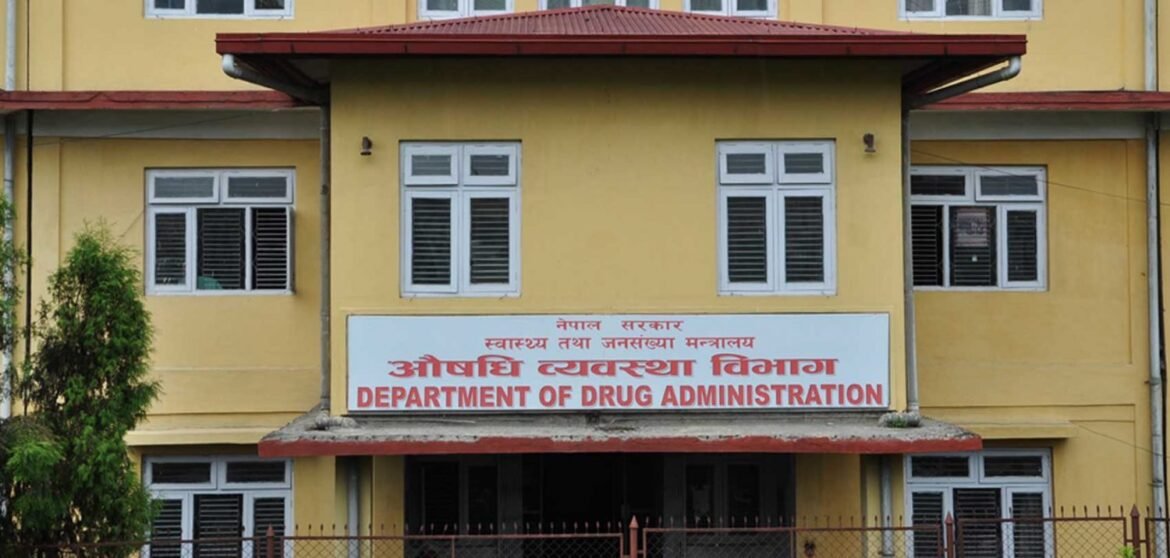
Department of Drug Administration (DDA), Ministry of Health and Population

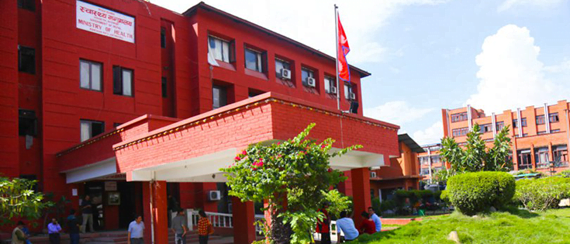
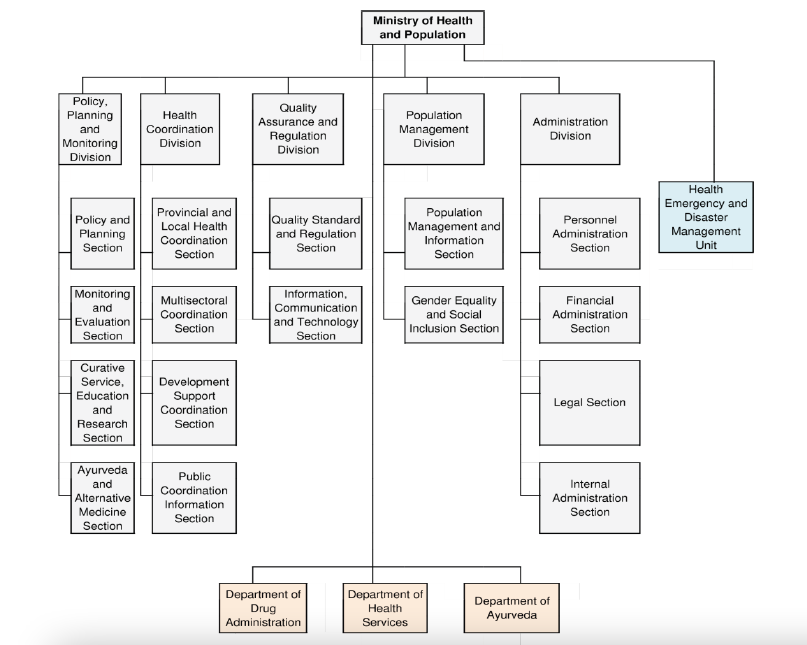
The Ministry of Health and Population (MoHP), Nepal

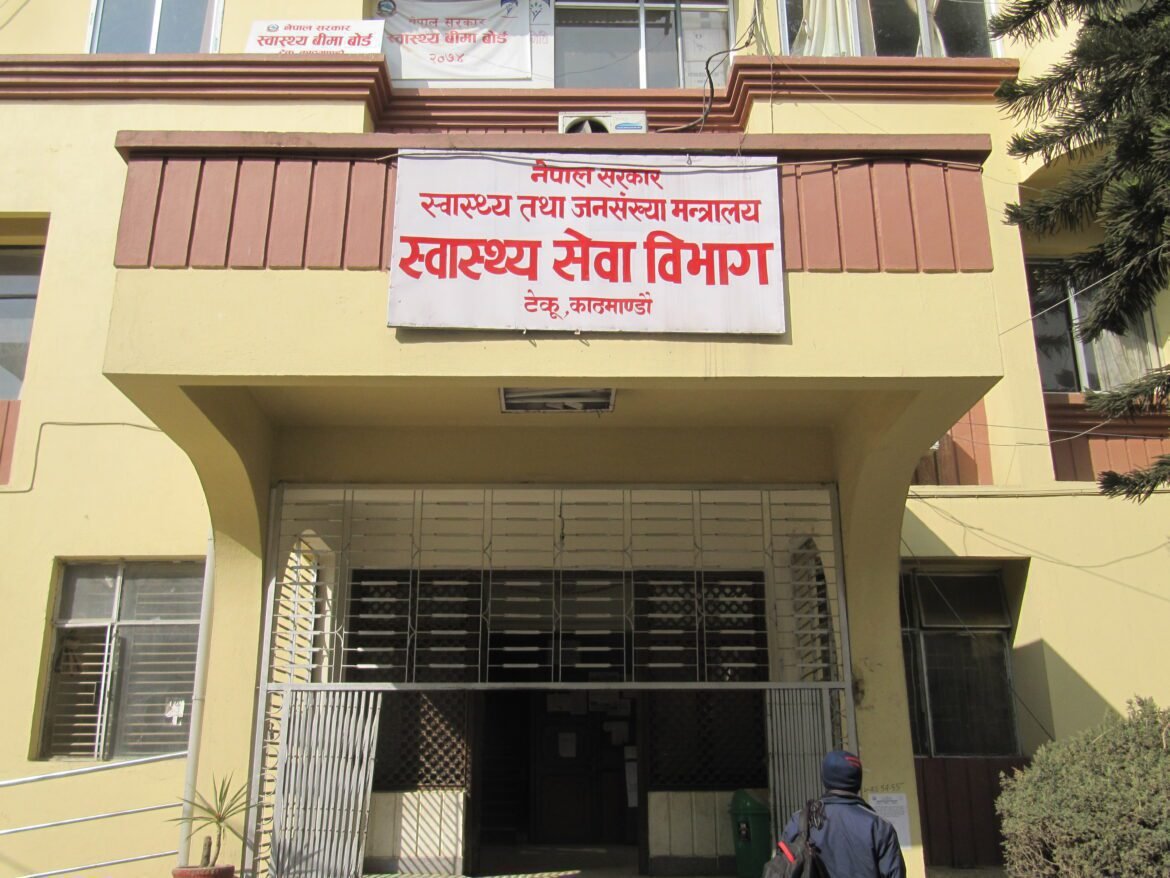
Department of Health Services (DoHS), Ministry of Health and Population

Preparedness and Readiness of Government of Nepal Designated COVID Hospitals

Preparedness and Readiness of Government of Nepal Designated Hospital running COVID Clinics

WHO welcomes preliminary results about dexamethasone use in treating critically ill COVID-19 patients

Dexamethasone reduces death in hospitalised patients with severe respiratory complications of COVID-19

Comparative Evaluation of Commercially available Rapid Diagnostic Test Kits for the use of Screening of Suspected Cases of Novel Coronavirus infection in Nepal

June 17, 2020 0 comments
0 FacebookTwitterPinterestLinkedinTumblrVKOdnoklassnikiRedditStumbleuponWhatsappTelegramLINEPocketSkypeViberEmail
Global Health NewsOutbreak NewsPublic HealthPublic Health InnovationPublic Health NewsPublic Health Update

WHO welcomes preliminary results about dexamethasone use in treating critically ill COVID-19 patients

by Public Health Update June 17, 2020
written by Public Health Update

WHO welcomes preliminary results about dexamethasone use in treating critically ill COVID-19 patients

16 June 2020 

News release
The World Health Organization (WHO) welcomes the initial clinical trial results from the United Kingdom (UK) that show dexamethasone, a corticosteroid, can be lifesaving for patients who are critically ill with COVID-19. For patients on ventilators, the treatment was shown to reduce mortality by about one third, and for patients requiring only oxygen, mortality was cut by about one fifth, according to preliminary findings shared with WHO.
The benefit was only seen in patients seriously ill with COVID-19, and was not observed in patients with milder disease. 

Dexamethasone reduces death in hospitalised patients with severe respiratory complications of COVID-19

“This is the first treatment to be shown to reduce mortality in patients with COVID-19 requiring oxygen or ventilator support,” said Dr Tedros Adhanom Ghebreyesus, WHO Director-General. “This is great news and I congratulate the Government of the UK, the University of Oxford, and the many hospitals and patients in the UK who have contributed to this lifesaving scientific breakthrough.”

Dexamethasone is a steroid that has been used since the 1960s to reduce inflammation in a range of conditions, including inflammatory disorders and certain cancers. It has been listed on the WHO Model List of Essential Medicines since 1977 in multiple formulations, and is currently off-patent and affordably available in most countries.

The researchers shared initial insights about the results of the trial with WHO, and we are looking forward to the full data analysis in the coming days. WHO will coordinate a meta-analysis to increase our overall understanding of this intervention. WHO clinical guidance will be updated to reflect how and when the drug should be used in COVID-19.

Today’s news builds off the WHO Research & Development Blueprint meeting, which took place in Geneva in mid-February to accelerate health technologies for COVID-19, where further research into the use of steroids was highlighted as a priority. The findings reinforce the importance of large randomized control trials that produce actionable evidence. WHO will continue to work together with all partners to further develop lifesaving therapeutics and vaccines to tackle COVID-19 including under the umbrella of the Access to COVID-19 Tools Accelerator. 

WHO 16 June 2020 News release

WHO welcomes preliminary results about dexamethasone use in treating critically ill COVID-19 patients

Dexamethasone reduces death in hospitalised patients with severe respiratory complications of COVID-19

WHO convenes manufacturers, regulatory authorities meet on COVID-19 vaccines

Public statement for collaboration on COVID-19 vaccine development

International community rallies to support open research and science to fight COVID-19


June 17, 2020 0 comments
0 FacebookTwitterPinterestLinkedinTumblrVKOdnoklassnikiRedditStumbleuponWhatsappTelegramLINEPocketSkypeViberEmail
Global Health NewsOutbreak NewsPublic HealthPublic Health InnovationPublic Health NewsPublic Health UpdateResearch & Publication

Dexamethasone reduces death in hospitalised patients with severe respiratory complications of COVID-19

by Public Health Update June 17, 2020
written by Public Health Update

Dexamethasone reduces death in hospitalised patients with severe respiratory complications of COVID-19

In March 2020, the RECOVERY (Randomised Evaluation of COVid-19 thERapY) trial was established as a randomised clinical trial to test a range of potential treatments for COVID-19, including low-dose dexamethasone (a steroid treatment). Over 11,500 patients have been enrolled from over 175 NHS hospitals in the UK.

WHO welcomes preliminary results about dexamethasone use in treating critically ill COVID-19 patients

On 8 June, recruitment to the dexamethasone arm was halted since, in the view of the trial Steering Committee, sufficient patients had been enrolled to establish whether or not the drug had a meaningful benefit.

A total of 2,104 patients were randomised to receive dexamethasone 6 mg once per day (either by mouth or by intravenous injection) for ten days and were compared with 4,321 patients randomised to usual care alone. Among the patients who received usual care alone, 28-day mortality was highest in those who required ventilation (41%), intermediate in those patients who required oxygen only (25%), and lowest among those who did not require any respiratory intervention (13%).

Dexamethasone reduced deaths by one-third in ventilated patients (rate ratio 0.65 [95% confidence interval 0.48 to 0.88]; p=0.0003) and by one fifth in other patients receiving oxygen only (0.80 [0.67 to 0.96]; p=0.0021). There was no benefit among those patients who did not require respiratory support (1.22 [0.86 to 1.75; p=0.14).

Based on these results, 1 death would be prevented by treatment of around 8 ventilated patients or around 25 patients requiring oxygen alone.

Given the public health importance of these results, the researchers are now working to publish the full details as soon as possible.

Peter Horby, Professor of Emerging Infectious Diseases in the Nuffield Department of Medicine, University of Oxford, and one of the Chief Investigators for the trial, said, ‘Dexamethasone is the first drug to be shown to improve survival in COVID-19. This is an extremely welcome result. The survival benefit is clear and large in those patients who are sick enough to require oxygen treatment, so dexamethasone should now become standard of care in these patients. Dexamethasone is inexpensive, on the shelf, and can be used immediately to save lives worldwide.’

Martin Landray, Professor of Medicine and Epidemiology at the Nuffield Department of Population Health, University of Oxford, one of the Chief Investigators, said, ‘Since the appearance of COVID-19 six months ago, the search has been on for treatments that can improve survival, particularly in the sickest patients. These preliminary results from the RECOVERY trial are very clear – dexamethasone reduces the risk of death among patients with severe respiratory complications. COVID-19 is a global disease – it is fantastic that the first treatment demonstrated to reduce mortality is one that is instantly available and affordable worldwide.’

Dexamethasone reduces death in hospitalised patients with severe respiratory complications of COVID-19

Dexamethasone reduces death in hospitalised patients with severe respiratory complications of COVID-19

The UK Government’s Chief Scientific Adviser, Sir Patrick Vallance, said, ‘This is tremendous news today from the Recovery trial showing that dexamethasone is the first drug to reduce mortality from COVID-19. It is particularly exciting as this is an inexpensive widely available medicine. This is a ground-breaking development in our fight against the disease, and the speed at which researchers have progressed finding an effective treatment is truly remarkable. It shows the importance of doing high quality clinical trials and basing decisions on the results of those trials.’

16TH JUNE 2020 News release: RECOVERY trial


WHO welcomes preliminary results about dexamethasone use in treating critically ill COVID-19 patients

Dexamethasone reduces death in hospitalised patients with severe respiratory complications of COVID-19

WHO convenes manufacturers, regulatory authorities meet on COVID-19 vaccines

Public statement for collaboration on COVID-19 vaccine development

International community rallies to support open research and science to fight COVID-19

June 17, 2020 0 comments
0 FacebookTwitterPinterestLinkedinTumblrVKOdnoklassnikiRedditStumbleuponWhatsappTelegramLINEPocketSkypeViberEmail
National Plan, Policy & GuidelinesResearch & Publication

Quick Need Assessment and Recovery Strategy Framework for Local Government

by Public Health Update June 16, 2020
written by Public Health Update

Quick Need Assessment and Recovery Strategy Framework for Local Government

DOWNLOAD PDF FILE 

DOWNLOAD PDF FILE 


COVID-19 AND IT’S PSYCHOLOGICAL IMPACT ON CHILDREN’S AND ADOLESCENT

COVID19 Resources: Guidelines and Documents- Ministry of Health and Population 

COVID-19 Handbook for Health Workers |NHTC (Updated)

Coronavirus (COVID-19) Action plan – Ministry of Federal Affairs & General Administration

National Testing Guidelines for COVID-19

Call for Applications! COVID-19 Surveillance Associates (Roster)- WHO Nepal


[wp-rss-aggregator source=”67394″]

June 16, 2020 0 comments
0 FacebookTwitterPinterestLinkedinTumblrVKOdnoklassnikiRedditStumbleuponWhatsappTelegramLINEPocketSkypeViberEmail
Guest PostNon- Communicable Diseases (NCDs)Outbreak NewsPublic HealthResearch & Publication

COVID-19 AND IT’S PSYCHOLOGICAL IMPACT ON CHILDREN’S AND ADOLESCENT

by Public Health Update June 14, 2020
written by Public Health Update

COVID-19 AND IT’S PSYCHOLOGICAL IMPACT ON CHILDREN’S AND ADOLESCENT

Sanchita Subedi

A Novel Coronavirus (Covid-19) was identified as the cause of an outbreak of Viral Pneumonia in Wuhan, China in December 2019. According to WHO (World Health Organization) Corona Virus is a newly discovered virus which causes Coronavirus disease (Covid-19). This virus affects both humans and animals. Most people infected from the virus experience mild to moderate respiratory illness. The viruses like Severe Acute Respiratory Syndrome (SARS) which was reported in the year 2002 and Middle East Respiratory Syndrome (MERS) which were reported in the year 2012 related to the same family.  According to the information from MOHP (Ministry of Health & Population) there are 5062 confirmed cases and 877 recovered and the reported death cases are 16 till the date of today. During this pandemic Lockdown (mass quarantine) is still done by the Government of Nepal to control the spread of the communicable disease. It is very good action to control the spread of the disease as its vaccine and medicines are still not available.

Today the entire population of the world has been suffering from the pandemic of the Covid-19. Along with the increasing cases everyday but still we don’t know how the mental health of adolescents and children’s are being affected. Since, the last time the children’s and the adolescents in the Nepal are experiencing a prolonged   state of physical isolation from their friends, school, as well as community networks.

All the academic exams are cancelled and schools and colleges are closed in order to control the spread of the virus.

Overall the Social Isolation and Loneliness has increased the risks of Depression and Anxiety among the children and adolescents because of the lack of Social-Interaction. This also suggests that the current social-distancing measures enforced in children and adolescents during Covid-19 pandemic could even lead to the increase mental health problems including post-traumatic stress. Lack of social-interaction with the people’s can also lead to the social anxiety because; the social anxiety is triggered with the lack of the interaction with the community world and loneliness.

There are certain precautions which can be well established that can promote child and adolescent mental health during the Covid-19 pandemic.

  • Listening to the news can provide you the information and knowledge about the conditions but; these days there are many news that are spreading wrong information, myths, in social sites. In general, listening and watching the news for similar time per day would be good.
  • Spending more time with them in indoor activities and providing them supportive environment at home will help them to express and communicate about their feelings and emotional experiences.
  • Schools and colleges are one of the important part in the life of children’s and adolescents lives and changes, and regularly checking update of student life and how they are coping up with the current situation would play a great role.
  • Education related programs on Televisions and Social sites related to hygiene and safety can also play a great role for proper knowledge enhancement.

Sanchita Subedi, Public Health Professional, Email: sanchitasubedi19@gmail.com


Mental health status among health workers in Nepal during COVID-19 pandemic (Policy brief)

COVID19 & Mental Health: Effects and tips to keep our mind healthy!

Mental health and psychosocial considerations during the COVID-19 outbreak

Public Health Standards: SMS [Social Distancing, Mask Use and Sanitize]

Mental Health and Coronavirus disease (COVID19)


READ MORE : GUEST POSTS


Want to submit an article?

Send us your articles to mail4sagun@gmail.com with your name and photo. Public Health Update encourages public health students and professionals to submit views and voices.

June 14, 2020 0 comments
0 FacebookTwitterPinterestLinkedinTumblrVKOdnoklassnikiRedditStumbleuponWhatsappTelegramLINEPocketSkypeViberEmail
World Blood Donor Day
Health Literacy, Health Education & PromotionPH Important DayPublic Health

Who can give blood? Safe blood saves lives!

by Public Health Update June 13, 2020
written by Public Health Update

Who can give blood? Safe blood saves lives!

Most people can give blood if they are in good health. There are some basic requirements one  need to fulfill in order to become a blood donor.  Below are some basic eligibility guidelines:

World Blood Donor Day: Safe blood saves lives! Give blood and make the world a healthier place

Age

You are aged between 18 and 65.

  • In some countries national legislation permits 16–17 year-olds to donate provided that they fulfil the physical and hematological criteria required and that appropriate consent is obtained.
  • In some countries, regular donors over the age of 65 may be accepted at the discretion of the responsible physician. The upper age limit in some countries are 60. 


Weight

You weigh at least 50 kg.    

  • In some countries, donors of whole blood donations should weigh at least 45 kg to donate 350 ml ± 10%.


Health     

You must be in good health at the time you donate.

You cannot donate if you have a cold, flu, sore throat, cold sore, stomach bug or any other infection.

If you have recently had a tattoo or body piercing you cannot donate for 6 months from the date of the procedure.  If the body piercing was performed by a registered health professional and any inflammation has settled completely, you can donate blood after 12 hours.

If you have visited the dentist for a minor procedure you must wait 24 hours before donating; for major work wait a month.

You must not donate blood If you do not meet the minimum haemoglobin level for blood donation:

  • A test will be administered at the donation site. In many countries, a haemoglobin level of not less than 12.0 g/dl for females and not less than 13.0 g/dl for males as the threshold.
Travel

Travel to areas where mosquito-borne infections are endemic, e.g. malaria, dengue and Zika virus infections, may result in a temporary deferral.

Many countries also implemented the policy to defer blood donors with a history of travel or residence for defined cumulative exposure periods in specified countries or areas, as a measure to reduce the risk of transmitting variant Creutzfeldt-Jakob Disease (vCJD) by blood transfusion.

Behaviours

You must not give blood:

  • If you engaged in “at risk” sexual activity in the past 12 months
  • Individuals with behaviours below will be deferred permanently: 
  • Have ever had a positive test for HIV (AIDS virus)
  • Have ever injected recreational drugs.

In the national blood donor selection guidelines, there are more behavior eligibility criteria. Criteria could be different in different countries.

National Blood Transfusion Policy-2071

Pregnancy and breastfeeding

Following pregnancy, the deferral period should last as many months as the duration of the pregnancy. It is not advisable to donate blood while breastfeeding. Following childbirth, the deferral period is at least 9 months (as for pregnancy) and until 3 months after your baby is significantly weaned (i.e. getting most of his/her nutrition from solids or bottle feeding).


SOURCE OF INFO: WORLD HEALTH ORGANIZATION


World Blood Donor Day: Safe blood saves lives! Give blood and make the world a healthier place

World Blood Donor Day 2019: Safe Blood for all!


[wp-rss-aggregator source=”67394″]

June 13, 2020 0 comments
0 FacebookTwitterPinterestLinkedinTumblrVKOdnoklassnikiRedditStumbleuponWhatsappTelegramLINEPocketSkypeViberEmail
PH Important DayPublic Health

World Blood Donor Day: Safe blood saves lives! Give blood and make the world a healthier place

by Public Health Update June 13, 2020
written by Public Health Update

World Blood Donor Day: Safe blood saves lives! Give blood and make the world a healthier place

World Blood Donor Day is an annual event celebrated on 14th June. The first World Blood Donor Day was celebrated in 2004. World Blood Donor Day serves to thank voluntary, unpaid blood donors for their life-saving gifts of blood and also to raise awareness of the need for regular blood donations to ensure that all individuals and communities have access to affordable and timely supplies of safe and quality-assured blood and blood products. 

World Blood Donor Day 2020

The campaign theme for World Blood Donor Day 2020 is “Safe blood saves lives” with the slogan “Give blood and make the world a healthier place”. The idea is to focus on the contribution an individual giver can make to improve health for others in the community. Blood donations are needed all over the world to ensure individuals and communities have access to safe and quality-assured blood and blood products in both normal and emergency situations. Through the campaign, we call on more people all over the world to become life-savers by volunteering to donate blood regularly.

The objectives campaign

  • to celebrate and thank individuals who donate blood and to encourage those who have not yet donated blood to start donating;
  • to highlight the need for committed, year-round blood donation, to maintain adequate supplies and achieve universal and timely access to safe blood transfusion;
  • to focus attention on the contribution donors make to the entire community as a critical factor in improving health;
  • to demonstrate the need for universal access to safe blood transfusion and provide advocacy on its role in the provision of effective health care and in achieving the goal of universal health coverage;
  • to mobilize support at national, regional and global levels among governments and development partners to invest in, strengthen and sustain national blood programmes.

What you can do

Everyone

  • Become a blood donor today and help make the world a healthier place.
  • Commit to being a regular donor and give blood throughout the year.
  • Encourage your friends and family to become regular blood donors.
  • Volunteer with the blood service to reach out to members of your community, provide care to donors, and help manage blood donation sessions/drives.
  • Find out your blood type and register as a blood donor.
  • Participate in World Blood Donor Day with your social networks.

Who can give blood? Safe blood saves lives!

Ministries of Health

  • Organize and participate in virtual activities to celebrate World Blood Donor Day, promoting voluntary unpaid blood donation to the public, across government and to other sectors.
  • Acknowledge the important role of blood donors in achieving the goal of “safe blood saves lives”.
  • Provide resources and infrastructure to facilitate voluntary blood donation.
  • Support the development of nationally coordinated blood transfusion services that provide equitable access to safe and quality assured blood transfusions for the whole population.
  • Put quality assurance systems in place for blood and blood products.
  • Download and distribute WHO’s World Blood Donor Day materials to health centres.
  • Speak to media about the importance of blood donation and the successes and challenges of your country in meeting national needs for blood.

 National blood transfusion services

  • Disseminate information about the importance of giving blood.
  • Distribute campaign materials that you can download from the World Blood Donor Day campaign website.
  • Organize a virtual World Blood Donor Day celebration. This could include:
    • Inviting prominent politicians, celebrities and sporting heroes to make videos or communicate on the importance of giving blood;
    • Producing and disseminating promotional materials through your web site and social channels;
    • setting up virtual visits of blood centres and inviting the public to learn about blood donation and transfusion; and
    • promoting blood donation success stories and heroic blood donors to your media.
  • Improve the infrastructure for blood donation and blood donor care.
  • Focus attention on donor health and care and provide quality service to blood donors.
Key messages
  • The world needs enough safe blood for everyone in need.
  • Every few seconds, someone, somewhere, needs blood.
  • Transfusions of blood and blood products save millions of lives every year.
  • Health is a human right; everyone in the world should have access to safe blood transfusions, when and where they need them.
  • Regular blood donations are needed all over the world to ensure individuals and communities have access to safe and quality-assured blood and blood products.
  • Everyone who can donate blood should consider making regular voluntary, unpaid donations, so that all countries have adequate blood supplies.
  • Ensuring the safety and well-being of blood donors is critical; it helps build commitment to regular donations.
  • Access to safe blood and blood product is essential for universal health coverage and a key component of effective health systems.
  • Blood and blood products are essential to care for:
    • women with pregnancy and childbirth associated bleeding;
    • children with severe anaemia due to malaria and malnutrition;
    • patients with blood and bone marrow disorders, inherited disorders of haemoglobin and immune deficiency conditions;
    • people with traumatic injuries in emergencies, disasters and accidents; and
    • patients undergoing advanced medical and surgical procedures.


  • The need for blood and blood products is universal, but access to safe blood and blood products varies greatly across and within countries.
  • In many countries, it is challenging for blood services to make sufficient blood and blood products available, while also ensuring its quality and safety.
  • Governments, national health authorities and national blood services must work together to:
    • ensure systems and infrastructure are in place to increase collection of blood from voluntary, regular unpaid donors;
    • establish and strengthen quality assurance systems for blood and blood products to ensure safe blood and blood products;
    • provide quality donor care;
    • promote and implement appropriate clinical use of blood; and
    • oversee the whole chain of blood transfusion.

Source of info: WHO


World Blood Donor Day 2019: Safe Blood for all!

Blood Connects us All – World Blood Donor Day

What can you do? Give blood. Give now. Give often – World Blood Donor Day, 14 June 2017

National Blood Transfusion Policy-2071


[wp-rss-aggregator source=”67394″]

June 13, 2020 0 comments
0 FacebookTwitterPinterestLinkedinTumblrVKOdnoklassnikiRedditStumbleuponWhatsappTelegramLINEPocketSkypeViberEmail
Public Health Update | Up to date public health info & Opportunities
National Plan, Policy & GuidelinesOutbreak NewsPublic HealthResearch & Publication

Public Health Standards: SMS [Social Distancing, Mask Use and Sanitize]

by Public Health Update June 12, 2020
written by Public Health Update

Public Health Standards : SMS [Social Distancing, Mask Use and Sanitize]


https://drive.google.com/file/d/1GMBAQLRIXtMMY1-vE3t-f7636yV72cxE


Do you have a website? Looking for the best hosting provider? Here’s a discount code.

Latest Public Health Jobs

Latest Posts

  • Global Hepatitis Report 2026
  • World Malaria Day 2026 | Driven to End Malaria: Now We Can. Now We Must.
  • International Wellness Day: Promoting Global Wellness for All
  • Summit Declaration: The 12th National Summit of Health and Population Scientists in Nepal
  • Joint political declaration on the reform of the global health architecture

Thanks for visiting us.
Disclaimer: The resources, documents, guidelines, and information on this blog have been collected from various sources and are intended for informational purposes only. Information published on or through this website and affiliated social media channels does not represent the intention, plan, or strategies of an organization that the initiator is associated with in a professional or personal capacity, unless explicitly indicated.
If you have any complaints, information, or suggestions about the content published on Public Health Update, please feel free to contact us at blog.publichealthupdate@gmail.com.
#StayUpdated


  • WordPress
  • Link
  • Facebook
  • Mail
  • Facebook
  • Twitter
  • Twitter
  • LinkedIn
  • Instagram
  • Facebook
June 12, 2020 0 comments
0 FacebookTwitterPinterestLinkedinTumblrVKOdnoklassnikiRedditStumbleuponWhatsappTelegramLINEPocketSkypeViberEmail
Life Style & Public Health NutritionPH Important DayPublic Health

World Food Safety Day 2020

by Public Health Update June 6, 2020
written by Public Health Update

World Food Safety Day 2020

On 20 December 2018 the United Nations General Assembly adopted resolution 73/250 proclaiming a World Food Safety Day. Starting in 2019, every 7 June is celebrated as a World Food Safety Day. This year, on the second observance of World Food Safety Day (7 June 2020).

COVID-19 and Health Facts: Immunity boosting foods and right eating pattern

This year World Food Safety Day is promoting awareness and urging action by highlighting what everyone can do to ensure food safety. Whether you grow, process, transport, store, distribute, sell, prepare, serve or consume food, you have a role to play in keeping it safe.

The second World Food Safety Day (WFSD) aims to draw attention and inspire action to help prevent, detect and manage foodborne risks, contributing to food security, human health, economic prosperity, agriculture, market access, tourism and sustainable development.


Calls to action

  1. Ensure it’s safe – Governments must ensure safe and nutritious food for all: National governments are critical in guaranteeing that we all can eat safe and nutritious food. Policy makers can promote sustainable agriculture and food systems, fostering multi-sectoral collaboration among public health, animal health, agriculture and other sectors. Food safety authorities can manage food safety risks along the entire food chain, including during emergencies. Countries can comply with international standards established by the Codex Alimentarius Commission.
  2. Grow it safe – Agriculture and food producers need to adopt good practices: Farming practices must ensure a sufficient supply of safe food at a global level today while at the same time mitigating climate change and minimizing future environmental impacts. As food production systems transform to adapt to changing conditions, farmers must carefully consider optimal ways to address potential risks to ensure that food is safe.
  3. Keep it safe – Business operators must make sure food is safe: Preventive controls can address most food safety problems. Everyone involved in food operations – from processing to retail – must ensure compliance with programmes like HACCP, a system that identifies, evaluates and controls hazards which are significant for food safety from primary production to final consumption. Additionally, good processing, storage and preservation help retain nutritional value and food safety as well as reduce post-harvest losses.
  4. Eat it safe – All consumers have a right to safe, healthy and nutritious food: Consumers have the power to drive change. They need to be empowered to make healthy food choices for themselves and support sustainable food systems for the planet. Given the complexity of food safety, consumers need access to timely, clear and reliable information about the nutritional and disease risks associated with their food choices. Unsafe food and unhealthy dietary choices swell the global burden of disease.
  5. Team up for safety – Food safety is a shared responsibility: The diverse group that share responsibility for food safety – governments, regional economic bodies, UN organizations, development agencies, trade organizations, consumer and producer groups, academic and research institutions and private sector entities – must work together on issues that affect us all, globally, regionally and locally. Collaboration is needed at many levels – across sectors within a government and across borders.

SOURCE OF INFO: FAO


World Food Day 2019! Our actions are our future

The first UN World Food Safety Day: Food safety is everyone’s business

WHO plan to eliminate industrially-produced trans-fatty acids from global food supply

Global Food and Security Strategy launched in Nepal

June 6, 2020 0 comments
0 FacebookTwitterPinterestLinkedinTumblrVKOdnoklassnikiRedditStumbleuponWhatsappTelegramLINEPocketSkypeViberEmail
National Plan, Policy & GuidelinesPH Important DayPublic Health UpdateResearch & Publication

National Testing Guidelines for COVID-19

by Public Health Update June 5, 2020
written by Public Health Update

National Testing Guidelines for COVID-19

Essential readings

  • List of Laboratories for SARS CoV-2 Rapid Antigen Test in Nepal
  • List of Laboratories for COVID19 testing in Nepal (RT-PCR)
  • List of COVID-19 Hospitals (COVID-19 Care Units) in Nepal
  • National Testing-Guidelines for COVID-19 (Version 5), Nepal (Latest)
  • List of Certified COVID-19 Antigen kits in Nepal

Objectives

  •  To standardize laboratory testing criteria for SARS-CoV-2 in Nepal
  • To facilitate and ensure common understanding on COVID-19 laboratory testing throughout the country
  • To ensure rational use of the laboratory resources in order to contain COVID-19 spread

Recommended: NATIONAL PLAN, POLICY & GUIDELINES Department of Drug Administration (DDA), Ministry of Health and Population The Ministry of Health and Population (MoHP), Nepal Department of Health Services (DoHS), Ministry of Health and Population Department of Drug Administration (DDA), Ministry of Health and Population Department of Ayurveda and Alternative Medicine (DoAA)

Priorities for COVID-19 testing

Priority 1: Ensure early detection, isolation, and prevention of the spread
  • All suspected cases with high risk of infection (e.g. highly mobile population, returnees from other countries or high transmission areas)
  • Contacts of the confirmed cases
Priority 2: Ensure optimal care at health facilities, lessen the risk of healthcare-associated infections, and maintain the integrity of the healthcare system
  • Frontline health care workers (e.g. doctors, nurses, laboratory personnel, paramedics) and support staffs (e.g. ambulance driver, health facility support staffs)
  • Staffs working in critical functions (e.g. security force, waste care management workers)
  • Patients requiring urgent medical and surgical attention with high suspicion of COVID-19
  • Patients at higher risk of adverse outcomes (e.g. people with underlying chronic conditions; elderly) with high suspicion of COVID-19
Priority 3: Ensure containment in the community spread as well as health of essential workers
  • Individuals in the surrounding community of rapidly increasing cases
  • Individuals who have symptoms, but do not meet any of the above categories
Non-Priority:
  • Individuals without symptoms AND no contact AND no travel history
  • Individuals with interest in self recommended testing

Testing Methods

  • RT-PCR will be used for diagnostic purpose.
  • All serology tests including the Rapid tests can be used for surveillance and/or research purpose and for screening purpose during discharge from the quarantine.
Criteria For Testing
1. Test the following cases using RT-PCR as follows: a. All suspected cases of COVID-191*: i. A patient with acute respiratory illness (fever and cough OR fever and shortness of breath), AND those coming from COVID-19 transmission areas during the last 14 days prior to onset of symptoms. ii. A patient with any acute respiratory illness (fever and cough or fever and shortness of breath) AND having been in contact with a confirmed or probable COVID-19 case in the last 14 days prior to onset of symptoms. iii. A patient with severe acute respiratory illness-SARI (fever and cough or fever and shortness of breath, AND requiring hospitalization). b. All other cases with following criteria: i. A patient with acute respiratory illness (fever and cough or fever and shortness of breath) AND new loss of smell OR taste. ii. A patient with acute respiratory illness (fever and cough or fever and shortness of breath) AND any two of these (chills, muscle pain, diarrhea, sore throat). iii. A patient with acute respiratory illness (fever and cough or fever and shortness of breath) in the absence of an alternative diagnosis that fully explains the clinical presentation. iv. Any person having been in contact with a confirmed or probable COVID-19 case. v. A patient with acute respiratory illness (fever and cough or fever and shortness of breath) with underlying chronic conditions, immunocompromised conditions, as well as elderly patients. 2. Test the following medical and surgical cases using RT-PCR: a. For life and limb-threatening conditions, do not delay the surgery/procedure, even for patients that meet the criteria outlined under 1a or 1b above. Proceed with appropriate COVID-precautions without waiting COVID-19 tests/results. Do not delay the procedure in order to take a swab. Take a swab – if indicated – either before or after the procedure, as appropriate. b. For elective cases, conduct the test only if there is clear indication (i.e. meeting the criteria stipulated under 1a or 1b above). If negative proceed with surgery/procedure. c. For medical conditions requiring admission including dialysis, test only those meeting the criteria stipulated under (1) and (2) above) coming from COVID-19 high transmission areas. d. Children under 18 years test those with fever (>3 days) AND two of the following: (i) rash, non-purulent conjunctivitis or muco-cutaneous inflammation; (ii) hypotension or shock; (iii) new cardiac abnormalities; (iv) new bleeding disorder; and (v) diarrhoea, vomiting or abdominal pain. 3. Test following Health Care Workers and Support Staff using RT-PCR: a. All asymptomatic frontline healthcare workers and support staff including ambulance driver, laundry cleaners, those involved in caring and transferring of probable or confirmed COVID-19 patients, AND with history of accidental breach of infection prevention and control measures (PPE), test between 5-7 days of such incident/last exposure (Note: the incident must be properly documented). b. All healthcare workers and support staff working in COVID and Non-COVID health facilities having symptoms (fever and cough or fever and shortness of breath). c. All frontline healthcare workers and support staff those involved in caring and transferring of probable or confirmed COVID-19 patients test as per need. 4. Test all frontline staff other than healthcare workers (Security force, waste care management workers) having symptoms (fever and cough or fever and shortness of breath) with RT-PCR. 5. People in holding center and quarantine: a. For all symptomatic cases, test RT-PCR.If negative, rule out other cause of illnesses and treat accordingly. b. For those asymptomatic in quarantine, keep in and release from quarantine as per the quarantine guidelines – no tests required तर हाललाई क्वारेन्टिनमा रहेका व्यक्तिहरुको १४ दिन पछि आर.डी,टि. परिक्षण गरिने । 6. Confirmed cases in isolation: a. For asymptomatic cases who have completed 14 days – no tests required. b. For symptomatic cases who have completed 14 days AND spent at least 3 days without symptoms – no tests required.
Annex I: Definitions of Key Terminologies
  • Confirmed Case: A person with laboratory confirmation of COVID-19 infection, irrespective of clinical signs and symptoms.
  • Probable Case: A suspect case for whom testing for the COVID-19 virus is inconclusive. OR A suspect case for whom testing could not be performed for any reason.
  • Contact*: – Face-to-face contact with a probable or confirmed case within 1 meter and for more than 15 minutes; – Direct physical contact with a probable or confirmed case; OR – Direct care for a patient with probable or confirmed COVID-19 disease without using proper personal protective equipment.
*- World Health Organization. (2020). Global surveillance for COVID-19 caused by human infection with COVID-19 virus:interim guidance, 20 March 2020. World Health Organization. https://apps.who.int/iris/handle/10665/331506.

DOWNLOAD PDF FILE


DOWNLOAD PDF FILE


Recommended: NATIONAL PLAN, POLICY & GUIDELINES Department of Drug Administration (DDA), Ministry of Health and Population The Ministry of Health and Population (MoHP), Nepal Department of Health Services (DoHS), Ministry of Health and Population Department of Drug Administration (DDA), Ministry of Health and Population Department of Ayurveda and Alternative Medicine (DoAA)

June 5, 2020 0 comments
0 FacebookTwitterPinterestLinkedinTumblrVKOdnoklassnikiRedditStumbleuponWhatsappTelegramLINEPocketSkypeViberEmail
Newer Posts
Older Posts

Search

Follow Us

Facebook Twitter Instagram Pinterest Linkedin Youtube

Categories

  • Abstracts (25)
  • Activities (91)
  • Adolescent Sexual and Reproductive Health (ASRH) (25)
  • Advice & Tips (4)
  • African Region (5)
  • AI and Health (1)
  • Annual Meeting (6)
  • Antimicrobial Resistance (AMR) (21)
  • Award (19)
  • Awards (16)
  • Books (9)
  • Call for Proposal, EOI & RFP (103)
  • Call for Research Participants (8)
  • Clinical Doctor Jobs (6)
  • Communicable Diseases (107)
  • Competition (20)
  • Conference (129)
  • Consultant (1)
  • Courses (205)
  • Dashboard (2)
  • Digital Health & Health Informatics (10)
  • Drug and Medicine (18)
  • Eastern Mediterranean Region (3)
  • Education (15)
  • Environment (3)
  • Environmental Health & Climate Change (47)
  • European Region (42)
  • Exchange Program (1)
  • Fact Sheet (117)
  • FCHVs (1)
  • Fellowships, Studentship & Scholarships (168)
  • Financial Aid (13)
  • Form Formats (2)
  • Fully funded (22)
  • Global Health News (435)
  • Grants and Funding Opportunities (193)
  • Guest Post (44)
  • Health Assistant Jobs (1)
  • Health Equity (7)
  • Health Financing and Economics (24)
  • Health in Data (116)
  • Health Insurance (5)
  • Health Jobs (52)
  • Health Literacy, Health Education & Promotion (50)
  • Health Organization Profile (42)
  • Health Systems (83)
  • Human Resource for Health (33)
  • Humanitarian Health & Emergency Response (44)
  • Hypertension (5)
  • Implementation Research (48)
  • International Health (3)
  • International Jobs & Opportunities (373)
  • International Plan, Policy & Guidelines (211)
  • Internships (4)
  • Jobs Vacancies (56)
  • Journals (8)
  • Life Style & Public Health Nutrition (39)
  • Live (10)
  • Master's Degree (48)
  • Maternal, Newborn and Child Health (88)
  • Mentorship Program (2)
  • Miscellaneous (16)
  • National Health News (158)
  • National Plan, Policy & Guidelines (468)
  • Neglected Tropical Diseases (NTDs) (51)
  • Non- Communicable Diseases (NCDs) (121)
  • Notice (103)
  • Nursing Jobs (6)
  • Nutritionist Jobs (1)
  • One Health (18)
  • Online & Distance Learning (22)
  • Online Courses (90)
  • Op-Ed Article (3)
  • Opportunities by Region (83)
  • Outbreak News (213)
  • Partially funded (6)
  • PCL Health Science Jobs (3)
  • PH Important Day (535)
  • Pharmacist Jobs (3)
  • PhD (54)
  • Photos (5)
  • Planetary Health (4)
  • PostDoc (14)
  • Presentation Slides (26)
  • Primary Health Care (25)
  • Provincial Plan, Policies and Guidelines (14)
  • Public Health (1,283)
  • Public Health Epidemiology & Biostatistics (13)
  • Public Health Events (306)
  • Public Health Information (20)
  • Public Health Innovation (9)
  • Public Health Jobs (52)
  • Public Health News (554)
  • Public Health Notes (120)
  • Public Health Opportunities (507)
  • Public Health Opportunity (491)
  • Public Health Programs (108)
  • Public Health Seminar (2)
  • Public Health Tools (1)
  • Public Health Update (565)
  • Quality Improvement & Infection Prevention (20)
  • Region of America (8)
  • Reports (185)
  • Research & Project Grants (39)
  • Research & Project Grants (32)
  • Research & Publication (647)
  • Research Articles (10)
  • Road Traffic Accidents (RTA) (9)
  • School of Public Health (60)
  • Self funded (2)
  • South-East Asia Region (26)
  • Success Stories (17)
  • Summer and Winter Courses (40)
  • Summer Courses (28)
  • Sustainable Development Goals (SDGs) (14)
  • Syllabus (61)
  • Symposium (9)
  • Tobacco Control (35)
  • Training (40)
  • Travel Grants (15)
  • Trick, Technique & Skills (8)
  • Uncategorized (3)
  • Undergraduate Degree (7)
  • Universal Health Coverage (36)
  • Universities (29)
  • Universities & School of Public Health (58)
  • Vacancy Announcement (26)
  • Vaccine Preventable Diseases (40)
  • Vector-Borne Diseases(VBDs) (31)
  • Videos (3)
  • View Points (1)
  • Webinar (4)
  • Western Pacific Region (13)
  • Workshop (18)
  • World News (117)
Post New Jobs: Vacancy Announcement Service

Public Health Update (Sagun’s Blog) is a popular public health portal in Nepal. Thousands of health professionals are connected with Public Health Update to get up-to-date public health updates, search for jobs, and explore opportunities.
#1 Public Health Blog for sharing Job opportunities and updates in Nepal

”Public Health Information For All”
– – Sagun Paudel, Founder

  • HOT JOBS
    • Public Health Jobs
    • Medical Doctor Jobs
    • Nursing Jobs
    • Health Assistant Jobs
    • Pharmacist Jobs
    • NGOs Jobs
    • Government Jobs
  • Top Categories
    • National Plan, Policy & Guidelines Top
    • Public Health Calendar
    • Fellowships & Scholarships
    • Health Systems
    • Health Organization Profiles
    • International Jobs & Opportunities
    • Public Health Opportunity

PUBLIC HEALTH INITIATIVE

    • Submit your Vacancies New
    • Partnership Opportunities

Contact: blog.publichealthupdate@gmail.com

https://wa.me/+9779856036932

Public Health Initiative, A Registered Non-profit organization – All Right Reserved. 2011-2024. Contact us. 

Facebook Twitter Instagram Youtube Envelope
Public Health Update
  • Home
  • Public Health
    • Home 1
      • Adolescent Sexual and Reproductive Health (ASRH)
      • Antimicrobial Resistance (AMR)
      • Communicable Diseases
      • Digital Health & Health Informatics
      • Environmental Health & Climate Change
      • Health Financing and Economics
      • Health Equity
    • Home 2
      • Health Literacy, Health Education & Promotion
      • Human Resource for Health
      • Humanitarian Health & Emergency Response
      • Implementation Research
      • International Health
      • Life Style & Public Health Nutrition
      • Maternal, Newborn and Child Health
    • Home 3
      • Neglected Tropical Diseases (NTDs)
      • Non- Communicable Diseases (NCDs)
      • One Health
      • Planetary Health
      • Public Health Epidemiology & Biostatistics
      • Primary Health Care
      • Quality Improvement & Infection Prevention
    • Home 4
      • Road Traffic Accidents (RTA)
      • Sustainable Development Goals (SDGs)
      • Tobacco Control
      • Universal Health Coverage
      • Vaccine Preventable Diseases
      • Vector-Borne Diseases(VBDs)
      • Notices
  • Public Health Update
    • Home 1
      • Public Health News
      • Global Health News
      • Outbreak News
      • National Health News
      • COVID-19
    • Home 2
      • Fact Sheet
      • Health in Data
      • PH Important Day
      • Public Health Events
      • Public Health Programs
    • Home 3
      • Health Systems
      • Health Insurance
      • Health Organization Profile
      • Success Stories
      • Public Health Innovation
  • Public Health Opportunities
    • Fully funded
    • Travel Grants
    • Grants and Funding Opportunities
    • Opportunities by Region
    • International Jobs & Opportunities
    • Research & Project Grants
    • Fellowships, Studentship & Scholarships
    • Conference
  • Jobs
    • Home 1
      • Health Jobs
      • Public Health Jobs
      • Clinical doctor Jobs
      • Health Assistant Jobs
      • Nursing Jobs
      • PCL Health Science Jobs
    • Home 2
      • Dental Jobs
      • Pharmacist Jobs
      • TSLC (Health Jobs)
      • Laboratory Jobs
      • Nutritionist Jobs
  • Downloads
    • International Plan, Policy & Guidelines
    • National Plan, Policy & Guidelines
    • Reports
    • Books
    • Research Articles
  • School of Public Health
    • Home 1
      • Courses
      • Master’s Degree
      • Undergraduate Degree
      • PhD
    • Home 2
      • Universities
      • Syllabus
      • Public Health Notes
      • Mentorship Program
      • Startup Project
    • Home
      • Summer and Winter Courses
      • Summer Courses
      • Online Courses
      • Workshop
      • Training
Public Health Update
  • Home
  • Public Health
    • Home 1
      • Adolescent Sexual and Reproductive Health (ASRH)
      • Antimicrobial Resistance (AMR)
      • Communicable Diseases
      • Digital Health & Health Informatics
      • Environmental Health & Climate Change
      • Health Financing and Economics
      • Health Equity
    • Home 2
      • Health Literacy, Health Education & Promotion
      • Human Resource for Health
      • Humanitarian Health & Emergency Response
      • Implementation Research
      • International Health
      • Life Style & Public Health Nutrition
      • Maternal, Newborn and Child Health
    • Home 3
      • Neglected Tropical Diseases (NTDs)
      • Non- Communicable Diseases (NCDs)
      • One Health
      • Planetary Health
      • Public Health Epidemiology & Biostatistics
      • Primary Health Care
      • Quality Improvement & Infection Prevention
    • Home 4
      • Road Traffic Accidents (RTA)
      • Sustainable Development Goals (SDGs)
      • Tobacco Control
      • Universal Health Coverage
      • Vaccine Preventable Diseases
      • Vector-Borne Diseases(VBDs)
      • Notices
  • Public Health Update
    • Home 1
      • Public Health News
      • Global Health News
      • Outbreak News
      • National Health News
      • COVID-19
    • Home 2
      • Fact Sheet
      • Health in Data
      • PH Important Day
      • Public Health Events
      • Public Health Programs
    • Home 3
      • Health Systems
      • Health Insurance
      • Health Organization Profile
      • Success Stories
      • Public Health Innovation
  • Public Health Opportunities
    • Fully funded
    • Travel Grants
    • Grants and Funding Opportunities
    • Opportunities by Region
    • International Jobs & Opportunities
    • Research & Project Grants
    • Fellowships, Studentship & Scholarships
    • Conference
  • Jobs
    • Home 1
      • Health Jobs
      • Public Health Jobs
      • Clinical doctor Jobs
      • Health Assistant Jobs
      • Nursing Jobs
      • PCL Health Science Jobs
    • Home 2
      • Dental Jobs
      • Pharmacist Jobs
      • TSLC (Health Jobs)
      • Laboratory Jobs
      • Nutritionist Jobs
  • Downloads
    • International Plan, Policy & Guidelines
    • National Plan, Policy & Guidelines
    • Reports
    • Books
    • Research Articles
  • School of Public Health
    • Home 1
      • Courses
      • Master’s Degree
      • Undergraduate Degree
      • PhD
    • Home 2
      • Universities
      • Syllabus
      • Public Health Notes
      • Mentorship Program
      • Startup Project
    • Home
      • Summer and Winter Courses
      • Summer Courses
      • Online Courses
      • Workshop
      • Training
Public Health Initiative, A Registered Non-profit organization – All Right Reserved. 2011-2023