At the United Nations Sustainable Development Summit on 25 September 2015, world leaders adopted the 2030 Agenda for Sustainable Development, which includes a set of 17 Sustainable Development Goals (SDGs) to end poverty, fight inequality and injustice, and tackle climate change by 2030.
The Sustainable Development Goals, otherwise known as the Global Goals, build on the Millennium Development Goals, eight anti-poverty targets that the world committed to achieving by 2015. The MDGs, adopted in 2000, aimed at an array of issues that included slashing poverty, hunger, disease, gender inequality, and access to water and sanitation. Enormous progress has been made on the MDGs, showing the value of a unifying agenda underpinned by goals and targets. Despite this success, the indignity of poverty has not been ended for all.
SDG 3: Ensure healthy lives and promote well-being for all at all ages
TARGETS
3.1 By 2030, reduce the global maternal mortality ratio to less than 70 per 100,000 live births
3.2 By 2030, end preventable deaths of newborns and children under 5 years of age, with all countries aiming to reduce neonatal mortality to at least as low as 12 per 1,000 live births and under-5 mortality to at least as low as 25 per 1,000 live births
3.3 By 2030, end the epidemics of AIDS, tuberculosis, malaria and neglected tropical diseases and combat hepatitis, water-borne diseases and other communicable diseases
3.4 By 2030, reduce by one third premature mortality from non-communicable diseases through prevention and treatment and promote mental health and well-being
3.5 Strengthen the prevention and treatment of substance abuse, including narcotic drug abuse and harmful use of alcohol
3.6 By 2020, halve the number of global deaths and injuries from road traffic accidents
3.7 By 2030, ensure universal access to sexual and reproductive health-care services, including for family planning, information and education, and the integration of reproductive health into national strategies and programmes
3.8 Achieve universal health coverage, including financial risk protection, access to quality essential health-care services and access to safe, effective, quality and affordable essential medicines and vaccines for all
3.9 By 2030, substantially reduce the number of deaths and illnesses from hazardous chemicals and air, water and soil pollution and contamination
3.a Strengthen the implementation of the World Health Organization Framework Convention on Tobacco Control in all countries, as appropriate
3.b Support the research and development of vaccines and medicines for the communicable and non-communicable diseases that primarily affect developing countries, provide access to affordable essential medicines and vaccines, in accordance with the Doha Declaration on the TRIPS Agreement and Public Health, which affirms the right of developing countries to use to the full the provisions in the Agreement on Trade-Related Aspects of Intellectual Property Rights regarding flexibilities to protect public health, and, in particular, provide access to medicines for all
3.c Substantially increase health financing and the recruitment, development, training and retention of the health workforce in developing countries, especially in least developed countries and small island developing States
3.d Strengthen the capacity of all countries, in particular developing countries, for early warning, risk reduction and management of national and global health risks
The International Day against Drug Abuse and Illicit Trafficking is a United Nations International Day against drug abuse and the illegal drug trade. It is observed annually on 26 June.
By resolution 42/112 of 7 December 1987, the General Assembly decided to observe 26 June as the International Day against Drug Abuse and Illicit Trafficking as an expression of its determination to strengthen action and cooperation to achieve the goal of an international society free of drug abuse. This resolution recommended further action with regard to the report and conclusions of the 1987 International Conference on Drug Abuse and Illicit Trafficking.
2016 Theme — Listen First
‘Listen First’ is an initiative to increase support for prevention of drug use that is based on science and is thus an effective investment in the well-being of children and youth, their families and their communities.
MHD or MH Day is an annual awareness day, on 28 May, that aims to break taboos and raise awareness about the importance of good MHM for women and adolescent girls worldwide. It was initiated by the German-based NGO WASH United in 2014.
Menstrual Hygiene Day (MH Day) is a global platform that brings together non-profits, government agencies, the private sector, the media and individuals to promote Menstrual Hygiene Management.
MH Day raises awareness of the challenges women and girls worldwide face due to their menstruation and highlights solutions that address these challenges, including through media work.
WASH United is the initiator of MH Day and acts as its International Secretariat. As the International Secretariat, WASH United coordinates MH Day and manages the MH Day Alliance of more than 380 partner organizations.
Objectives of MHD
To address the challenges and hardships many women and girls face during their menstruation.
To highlight the positive and innovative solutions being taken to address these challenges.
To catalyze a growing, global movement that recognizes and supports girl’s and women’s rights and build partnerships among those partners on national and local level.
To engage in policy dialogue and actively advocate for the integration of MHM into global, national and local policies, programs and projects.
It creates an occasion for media work, including social media.
Menstruation, also known as a period or monthly is the regular discharge of blood and mucosal tissue from the inner lining of the uterus through the vagina. Menstruation is a phenomenon unique to the females. The onset of menstruation is one of the most important changes occurring among the girls during the adolescent years. Menstruation is a natural part of the reproductive cycle. The first menstruation (menarche) occurs between 11 and 15 (mean of 13) years. The menstrual cycle occurs due to the rise and fall of hormones. This cycle results in the thickening of the lining of the uterus, and the growth of an egg, (which is required for pregnancy).
The egg is released from an ovary around day fourteen in the cycle; the thickened lining of the uterus provides nutrients to an embryo after implantation. If pregnancy does not occur, the lining is released in what is known as menstruation.
Menstrual Hygiene Management (MHM)
An appropriate Menstrual Hygiene Management is defined as:
“Women and adolescent girls use a clean material to absorb or collect menstrual blood, and this material can be changed in privacy as often as necessary for the duration of menstruation.
MHM also includes using soap and water for washing the body as required; and having access to facilities to dispose of used menstrual management materials.
Menstrual Hygiene Management in Nepal
Every day approximately 290000 women and girls in Nepal menstruate!!
82% of Nepali women living in rural Nepal, use of unhygienic, un-healthy and possibly dangerous menstrual hygiene management methods push Nepali women deeper into the crevice of marginalization and reproductive health morbidity.
Young adolescent girls constitute a particularly vulnerable group. Studies have shown that adolescent girls often lack appropriate information about their reproductive health and proper menstrual management which has a direct impact upon adolescent girl’s schooling, with absenteeism of menstruating girls as high as 53% in Nepal.
This frequent absence from school implies an average annual absence of at least six weeks from school directly affecting girl’s academic progress.
Unsatisfactory academic progress coupled with the societal belief that girls who have started menstruating are eligible for marriage, contributes to high dropout rates from school and early marriage, which itself is a risk factor preventing optimum reproductive health, birthing practices, birth spacing and healthy children.
Source of Info : Nepal Fertility Care Center(NFCC)
Why Menstrual Hygiene Matters ?
Educating girls about menstruation helps increase self esteem, raise grades and raise wages.
Learning about menstruation empowers girls to take care of themselves in brand new ways.
Learning and understanding what menstrual hygiene options exist for them gives girls the opportunity to choose what solution is best for them.
It gives girls and women confidence to live their lives normally.
Talking about menstrual hygiene before menarche (the first period) is very important for ensuring that girls know how to handle the often scary first period.
Understanding how tampons, menstrual cups, or other sanitary materials work allows girls to explore their bodies in new and important ways.’
Proper menstrual hygiene keeps girls in school.
Access to menstrual hygiene products keep girls on the same track as their male peers.
It keeps women at work, contributing to economic development.
Educating girls and women about feminine hygiene and biology helps to bust myths and cultural superstitions.
Access to correct information about hygiene and adequate sanitary materials enables women to feel more confident and comfortable with their bodies.
Debunking myths and taboos can keep girls and women safe. (Chaupadi)
It helps women realize that they are not impure.
Educating men and boys about menstruation can help men develop higher levels of understanding of women and girls’ bodies and needs.
Learning about menstrual hygiene management helps ensure cleanliness.
Knowing what product or material to use, how often to change it, and having access to WASH (water, sanitation and hygiene) facilities helps girls and women maintain good hygiene while menstruating.
It helps keep Bacterial Vaginosis (bacterial vaginal infections) away, It can help prevent girls and women from getting toxic shock syndrome (TSS)
It helps reduce the likelihood of getting cervical cancer.
According to the World Health Organization, India accounts for 27 percent of the world’s cervical cancer deaths. The incidence rate there is almost twice the global average and doctors stud ying the disease believe poor menstrual hygiene is partly to blame.
uUsing reusable menstrual hygiene products like menstrual cups and reusable pads can help reduce waste in the environment.
It is estimated that nearly 20 billion pads and tampons are discarded every year in North America alone.
Sustainable Goals and Menstrual Hygiene
Menstrual Hygiene Management Matters to the achievement of several Sustainable Development Goals (SDGs).
There is no specific Goal or Indicator for MHM but Menstruation Matters SGD Goal 3,4,6,8 & 12
Every year Nepal government celebrate ”School Health Education & Nutrition Week” with various school based activities on 1st week of Jestha. Overview of School Health program adopted from National School Health and Nutrition Strategy, Nepal, 2006 was posted here; Global Initiatives in School Health and Nutrition Programme
The history of school health can be traced as early as 1700 AD when John Locke emphasized inculcating health rules among children. In 1832, Horac Mann advocated the need for training the teachers in health education.
The World Health Organization’s Expert Committee on School Health Services, around 1950s, highlighted a connection between health and education that to learn effectively children need good health (WHO, 1950). In the late 1980, definition of school health changed as societies changed.
The following eight areas of SHNP were identified (Allenworth D, Kolbe L. eds, 1987):
School health services;
School health education;
School health environment (physical and psychosocial);
Health promotion for school personnel;
School outreach programme and school-community projects;
TheFocusing Resources on Effective School Health (FRESH) is the most recent approach
of school health, hygiene and nutrition programme. It is a merger of the concept of “Child Friendly School” of UNICEF and “Health promoting school” of WHO. It realizes that health and education go hand in hand in school3: The convergence of health and education categorically represents by four core elements.
Health-related school policies
Healthy, safe and secure learning environments
Life skilled-based health education
School-based health and nutrition services
The FRESH approach gave an impetus to multi-sectoral approaches (e.g. education, health, sanitation and nutrition) in school settings.
Scope of School Health and Nutrition Programme
The school health and nutrition programme encompasses school programmes jointly organized by education and health sectors to enhance health, nutrition and education status of children aged 5-17 years by improving use of school-based health and nutrition services, safe water and sanitation and skills-based health education and community support and policy environment.
According to FRESH approach, the school health and nutrition promotes following sub-areas under each core elements:
1) School-based health and nutrition services
School can effectively deliver health and nutrition services provided the services are simple, safe and familiar, and address problems that are prevalent and recognized as important in the community.
Micronutrient deficiencies: Iodine, iron and Vitamin A
Worm infestations: Round worm, hook worm and whip worm
2) Healthy, safe and secure learning environments
Provision of safe water and sanitation
Reinforce health and hygiene education
Sound construction policies to address issues such as gender access and privacy
3) Skills-based health education (SBHE)
It is an approach to health, hygiene, and nutrition education focuses on developing the knowledge, attitudes, values and life skills that young people need to make and act on the most appropriate and positive health related decision
Beyond physical health to include psychosocial and environmental health
4) Health related school policies
Ensure and secure physical and psychosocial environment; address issues such as:
Abuse of st udents-child labour, girls trafficking, use of children in public activities etc.
Sexual harassment
School violence and bullying
Guaranteeing further education of pregnant school girls and young mothers, and
Reinforce health education for teachers and students.
Promote overall health, hygiene and nutrition
Goals and Strategic Objectives
Goal : Develop physical, mental, emotional and educational status of school children
Sub-goal : Improve health and nutrition status of school children
Strategic Objectives (S.O):
The strategic objectives of School Health and Nutrition Programme will be to:
S.O. 1: Improve use of School Health and Nutrition services by school children
S.O. 2: Improve healthful school environment
S.O. 3: Improve health and nutrition behaviors and habits
S.O. 4: Improve and strengthen community support systems and policy environment.
Clinical Trials Day is celebrated around the world on or near May 20 each year in order to celebrate the day that James Lind started what is often considered the first randomized clinical trial aboard a ship on May 20, 1747.
International Trials Day Competition 2016
The first ever clinical trial was run in 1747 by James Lind, a surgeon on board a ship, who noticed that some sailors were getting scurvy and others weren’t. He randomised his subjects into two groups, and supplemented the diet of half of the sailors with fruit and vegetables, to determine whether this would improve their scurvy.
Clinical Trials are now one of the most important tools in research to determine whether there is evidence for different treatments. We are proud to work in clinical research, and hope you are too. To celebrate the importance of this work, Global Health Trials is launching today an important new competition.
What could we win?
The winner of the competition will win the funding to hold an important one day skills-sharing workshop in their institution. The aim of the competition must be to build local research capacity in some way; other than that the subject is up to you. For example, the topic could be research ethics; introduction to research; how to conduct ethics in research in outbreaks; how to engage the local community for research; how to initiate a new project – anything that will help local groups to conduct research better or more ethically. The requisites are:
The workshop must be open to staff of all levels (investigators, nurses, lab staff, data managers, statisticians, etc)
Preference will be given to topics which are relevant to all
The workshop must be free to attend
The workshop must be open to local institutions and not for your institution alone
The location must be a low/middle income country
Running this workshop will not only help to build local research capacity, but it will also be a great way of promoting the work done at your own site – and fantastic experience for you as well. Materials from the event, including a report, will be shared online, so it’s also excellent experience of publishing a report in your name.
How would it work?
Global Health Trials has worked with individuals in many institutions to run similar workshops previously, and will provide you with support throughout the process of organising the workshop. You will need approval from your institution before applying to run a workshop. We will set up a contract with your institution to transfer the funds and you will be responsible for the organisation of the workshop in terms of organising room bookings, refreshments, etc. We will provide funding up to a maximum of 2,000GBP for this, and will assist you in finding speakers for your chosen topic. During the event you will need to take photographs – or if you like, audio-record the event; you will need to send the presentations and a report of the day after the event to be shared online. We will send merchandise such as pens, lanyards etc. Ultimately the running of the workshop and its success is your responsibility, but Global Health Trials will assist you to make sure that everything runs smoothly.
What do I have to do?
To apply for this opportunity, you should work with your team to come up with an innovative idea for a workshop which will help to build local research capacity. You can download the application form here. Make sure you have clearly read the aims of the competition. You should email the completed form to tamzin@globalhealthtrials.org.
How long do I have to prepare my application?
The competition opens on International Clinical Trials day (20th May) and will be open for one month. You must submit your application by 20th June 2016, 12pm GMT. Late applications will not be accepted.
Applicants must be members of Global Health Trials. Membership is free and open to all, so if you aren’t a member yet then simply register before entering.
The workshop must be in a low/middle income country
ONE first prize winner will win funding up to 2,000GBP maximum total to run a one-day workshop at their site. The funding MUST go to an institution rather than an individual, and will be paid subject to the successful completion of the workshop (i.e. if the workshop is not run, the institution will not get the funding). A contract will be arranged explaining the responsibillities of the groups.
If additional expenses are incurred for unplanned costs, these will need to be covered by the institution organising the workshop; the maximum funds available are 2000 GBP and this is subject to an itemised budget plan which will be agreed in advance by both parties in a contract, and cannot be altered except in writing by approval of both parties.
This funding will be used to cover the expenses for the day, but does not cover expenses, per-diems or daily rates for attendees or speakers.
All applications will be judged by The Global Health Network. A short list will be taken forward to a judging panel of senior researchers and the winners will be announced in mid July 2016.
Applications are to be sent following instructions shown on the competition advertisement and are to be received by 20th June 2016
Applicants are responsible for ensuring that they have permission from their research site or institution to enter the competition, and run the workshop if succesful
The Global Health Network/Global Health Trials may use all material submitted to the competition in future research and for sharing/embedding on The Global Health Network.
No cash alternative is available for competition winners.
Judge’s decision is final.
Applicants must submit photographs of the event, as well as the presentations and a meeting report, which will be shared online via Global Health Trials.
The International AIDS Candlelight Memorial, coordinated by the Global Network of People living with HIV is one of the world’s oldest and largest grassroots mobilization campaigns for HIV awareness in the world. Started in 1983, the International AIDS Candlelight Memorial takes place every third Sunday in May and is led by a coalition of some 1,200 community organizations in 115 countries.
The International AIDS Candlelight Memorial takes place every third Sunday in May.
The International AIDS Candlelight Memorial reminds us of the impact that HIV still has on our lives. The Memorial emphasizes the need for people living with and affected by HIV to join hands and work together in the response to HIV. To engage people, communities, governments and donors in ending the epidemic. To educate the current and next generation about HIV, treatment, prevention and care, and how it affects our lives. To empower people living with HIV in all their diversity to stand up for their right to live a life free of stigma and discrimination. Only when involving people living with HIV can resources be used efficiently to provide a sustainable HIV response for universal access to quality health and social services.
Candlelight Memorial 2016: Engage, Educate, Empower!
The theme ‘Engage, Educate, Empower’ emphasizes the need for people living with and affected by HIV to join hands and work together in the response to HIV. To engage people, communities, governments and donors in ending the epidemic. To educate the current and next generation about HIV, treatment, prevention and care, and how it affects our lives. To empower people living with HIV in all their diversity to stand up for their right to live a life free of stigma and discrimination. Only when involving people living with HIV can resources be used efficiently to provide a sustainable HIV response for universal access to quality health and social services.
Each year since 2006 on May 17th, the World Hypertension League (WHL), in close partnership with the International Society of Hypertension (ISH) and other organizations, has hosted World Hypertension Day (WHD). For the five-year period 2013-2018, the theme of WHD will be ‘Know Your Numbers’ with the goal of increasing high blood pressure awareness in all populations around the world.
Hypertension, also known as high or raised blood pressure, is a condition in which the blood vessels have persistently raised pressure. Blood is carried from the heart to all parts of the body in the vessels. Each time the heart beats, it pumps blood into the vessels. Blood pressure is created by the force of blood pushing against the walls of blood vessels (arteries) as it is pumped by the heart. The higher the pressure the harder the heart has to pump.
WHO
Normal blood pressure: generally less than 120/80 mmHg (i.e. systolic blood pressure less than 120 and diastolic blood pressure less than 80 mmHg). Normalto high blood pressure: between 120/80 and 140/90 mmHg. High blood pressure: 140/90 mmHg or higher.
Preventing High Blood Pressure: Healthy Living HabitsBy living a healthy lifestyle, you can help keep your blood pressure in a healthy range and lower your risk for heart disease and stroke. A healthy lifestyle includes:
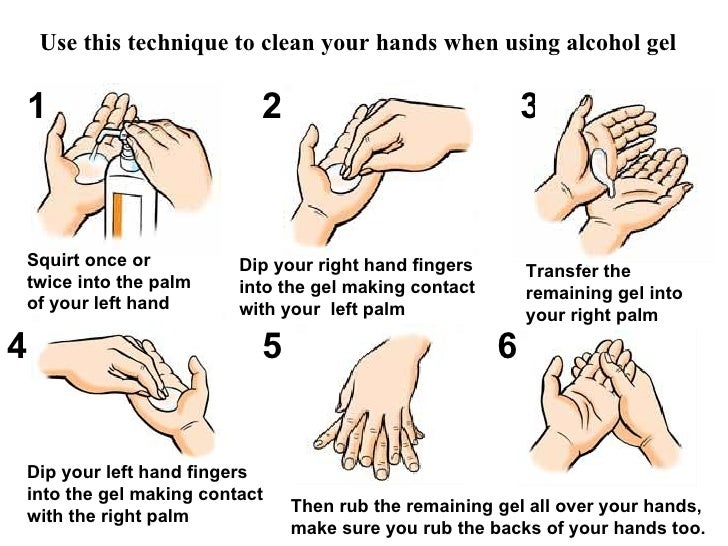
Each year the SAVE LIVES: Clean Your Hands campaign aims to progress the goal of maintaining a global profile on the importance of hand hygiene in health care and to ‘bring people together’ in support of hand hygiene improvement globally.
5 May 2016 focused on;
Hand hygiene as part of an infection prevention and control programme in all settings that support surgery, prevents patient infection and reduces an avoidable burden on health systems.
Improving hand hygiene practices in all surgical services through the continuum of care, from surgical wards to operating theatres, to outpatient surgical services, is the primary focus of this year’s 5 May campaign.
My 5 Moments for Hand Hygiene
The My 5 Moments for Hand Hygiene approach defines the key moments when health-care workers should perform hand hygiene.
This evidence-based, field-tested, user-centred approach is designed to be easy to learn, logical and applicable in a wide range of settings.
This approach recommends health-care workers to clean their hands