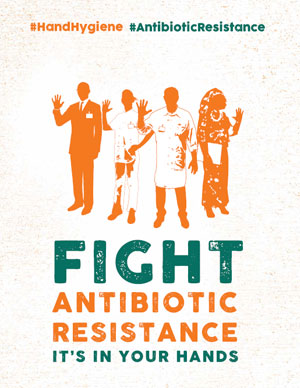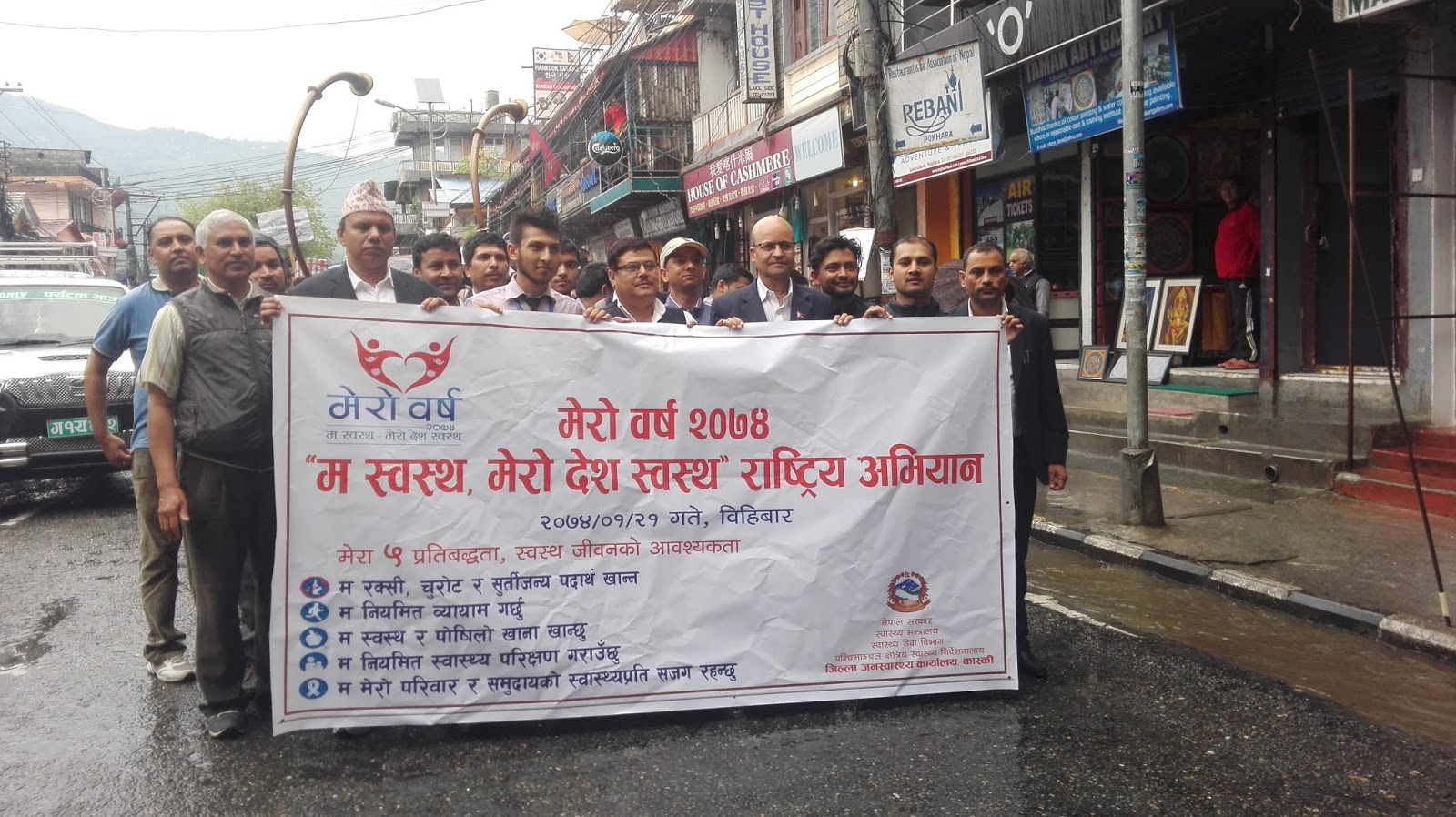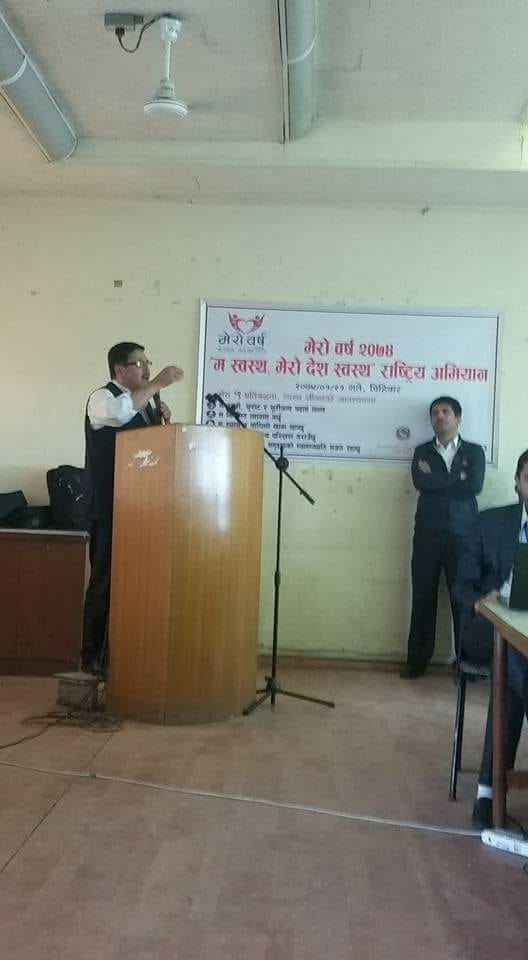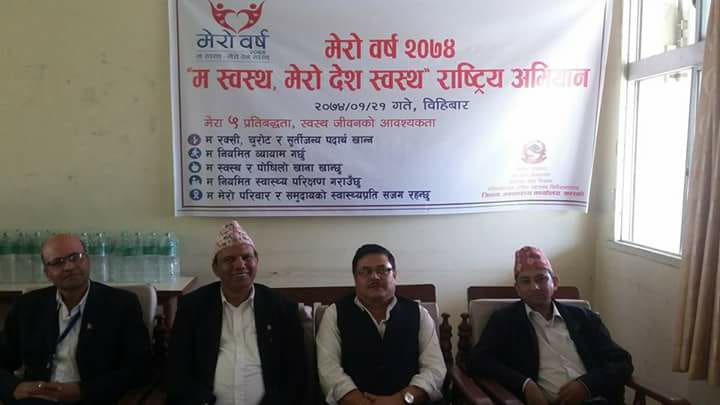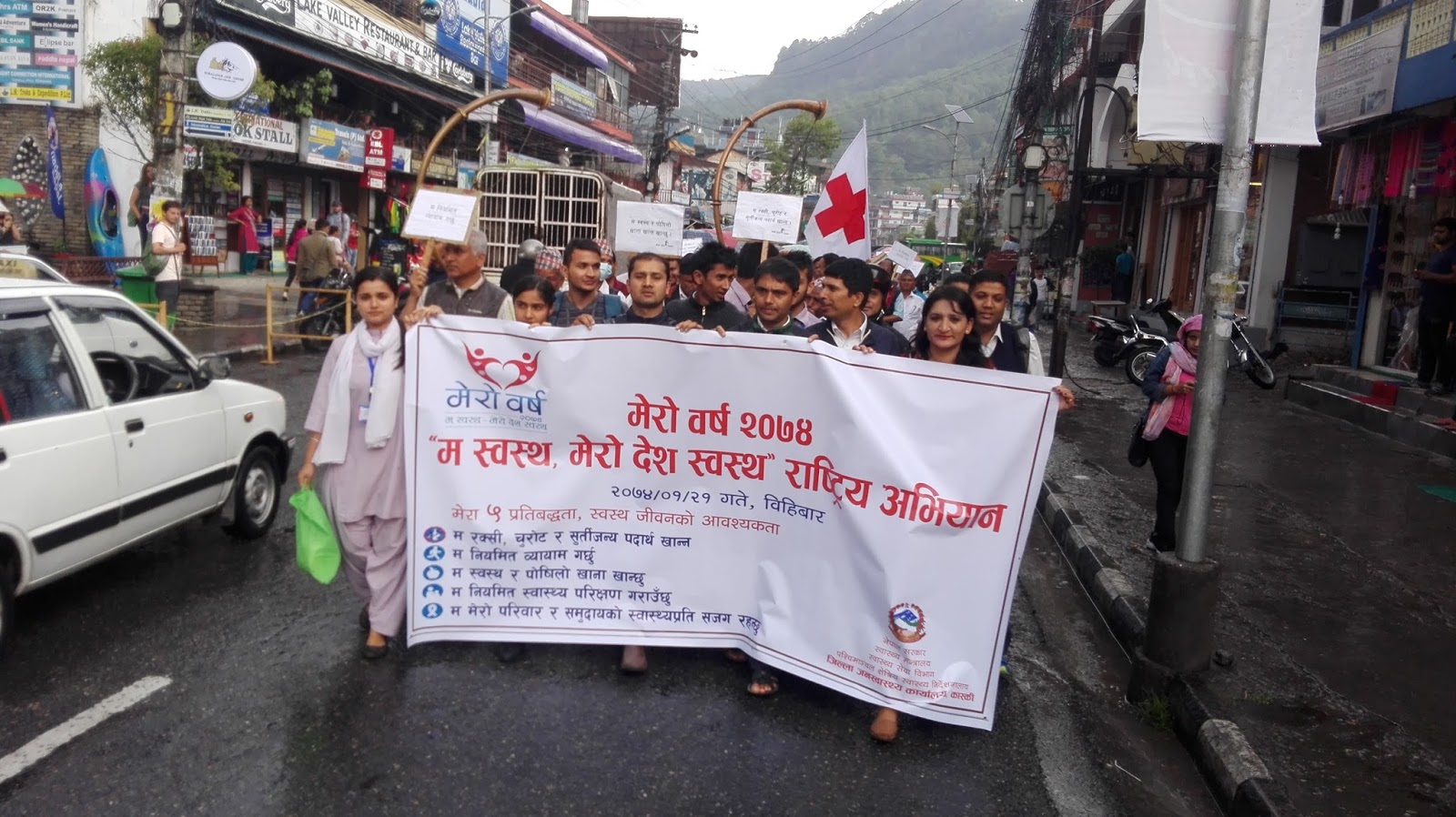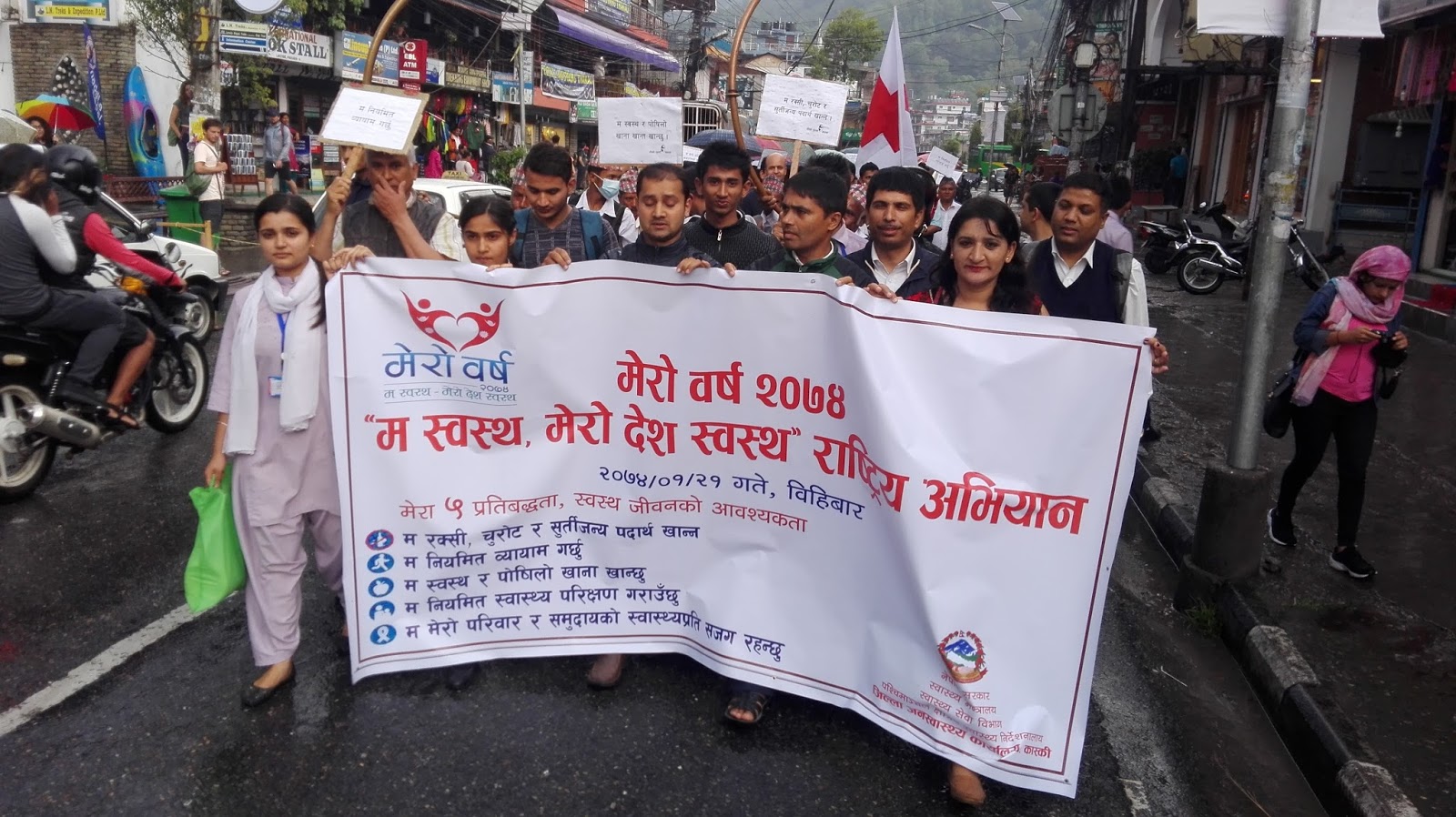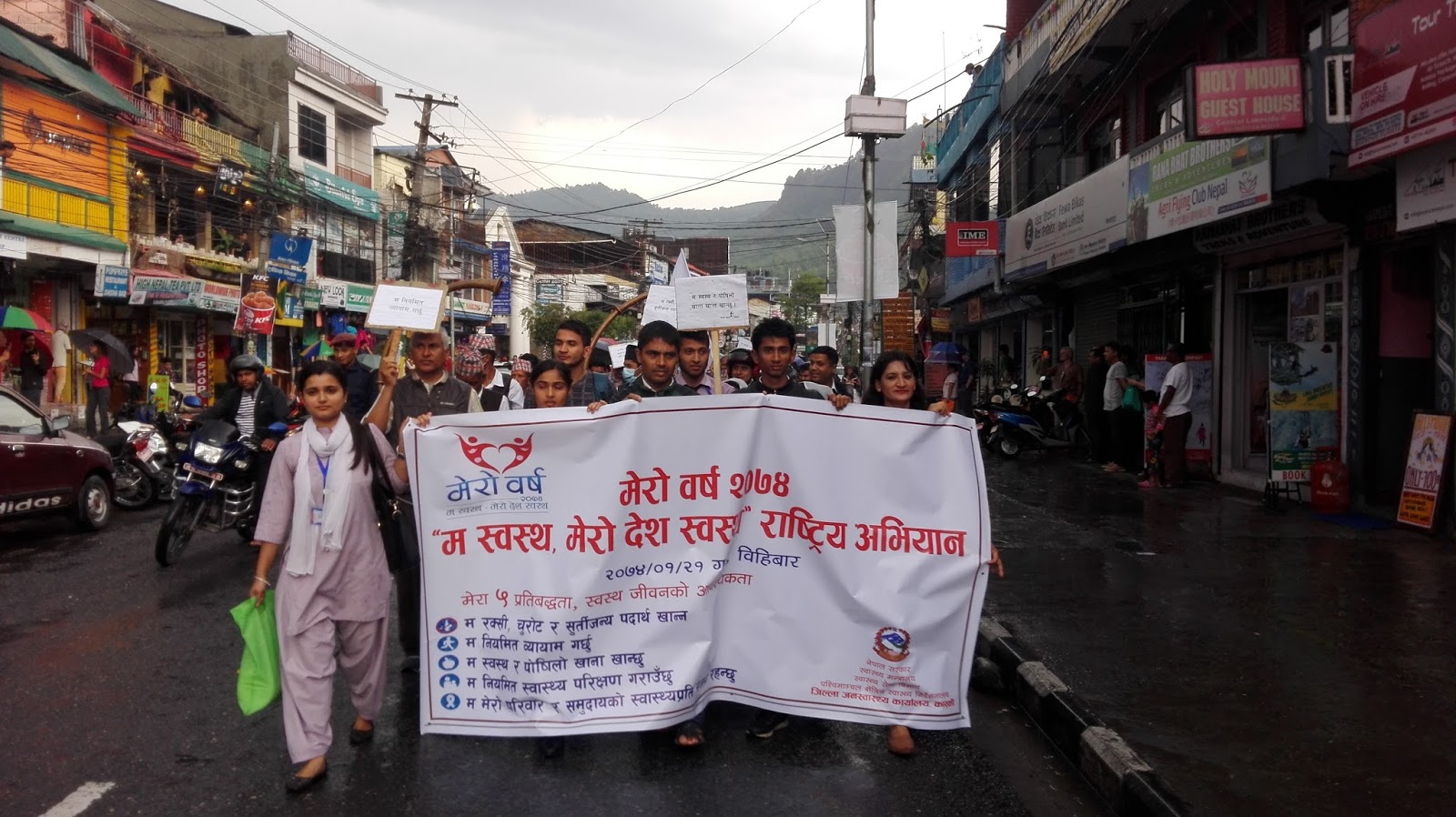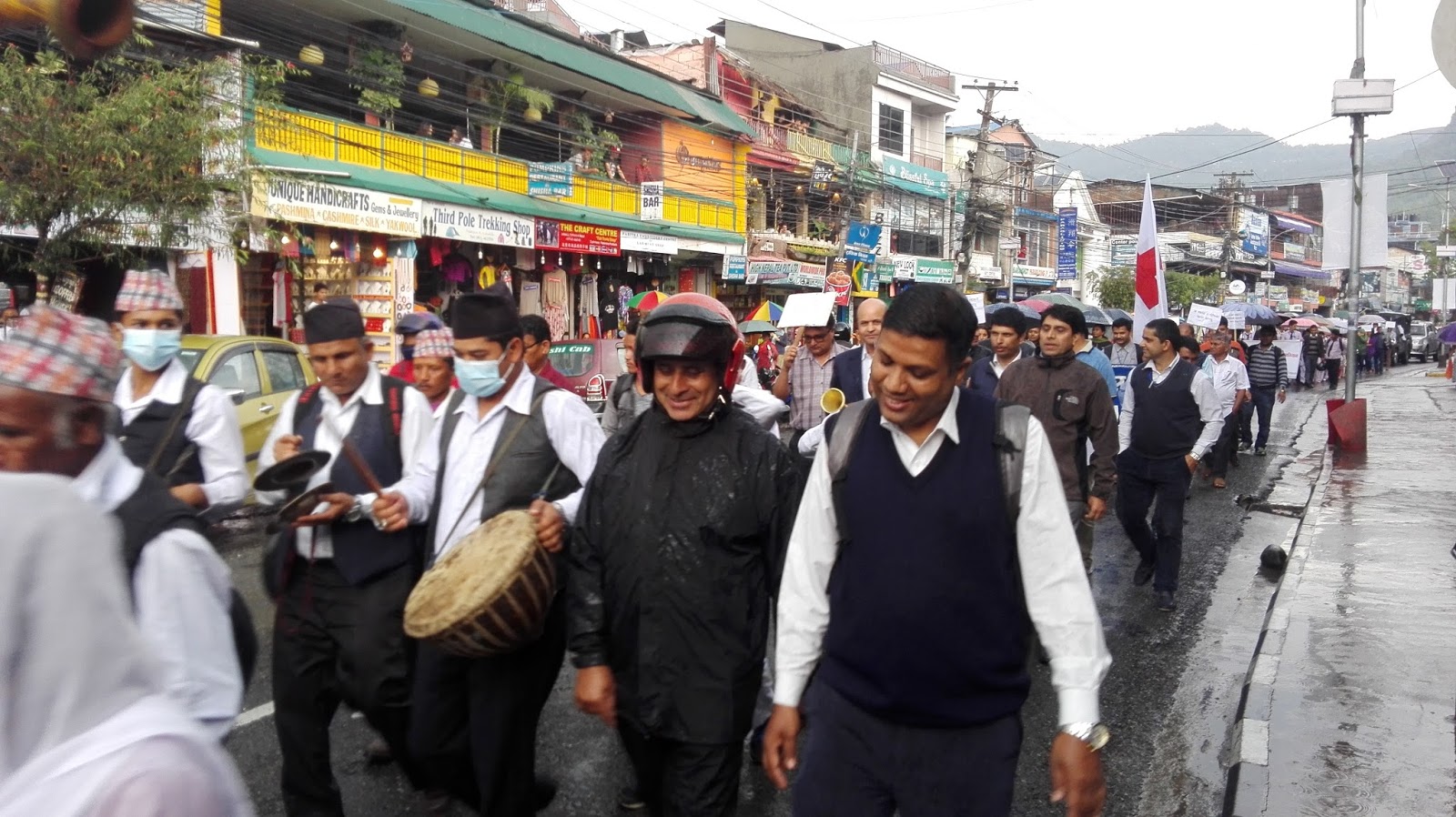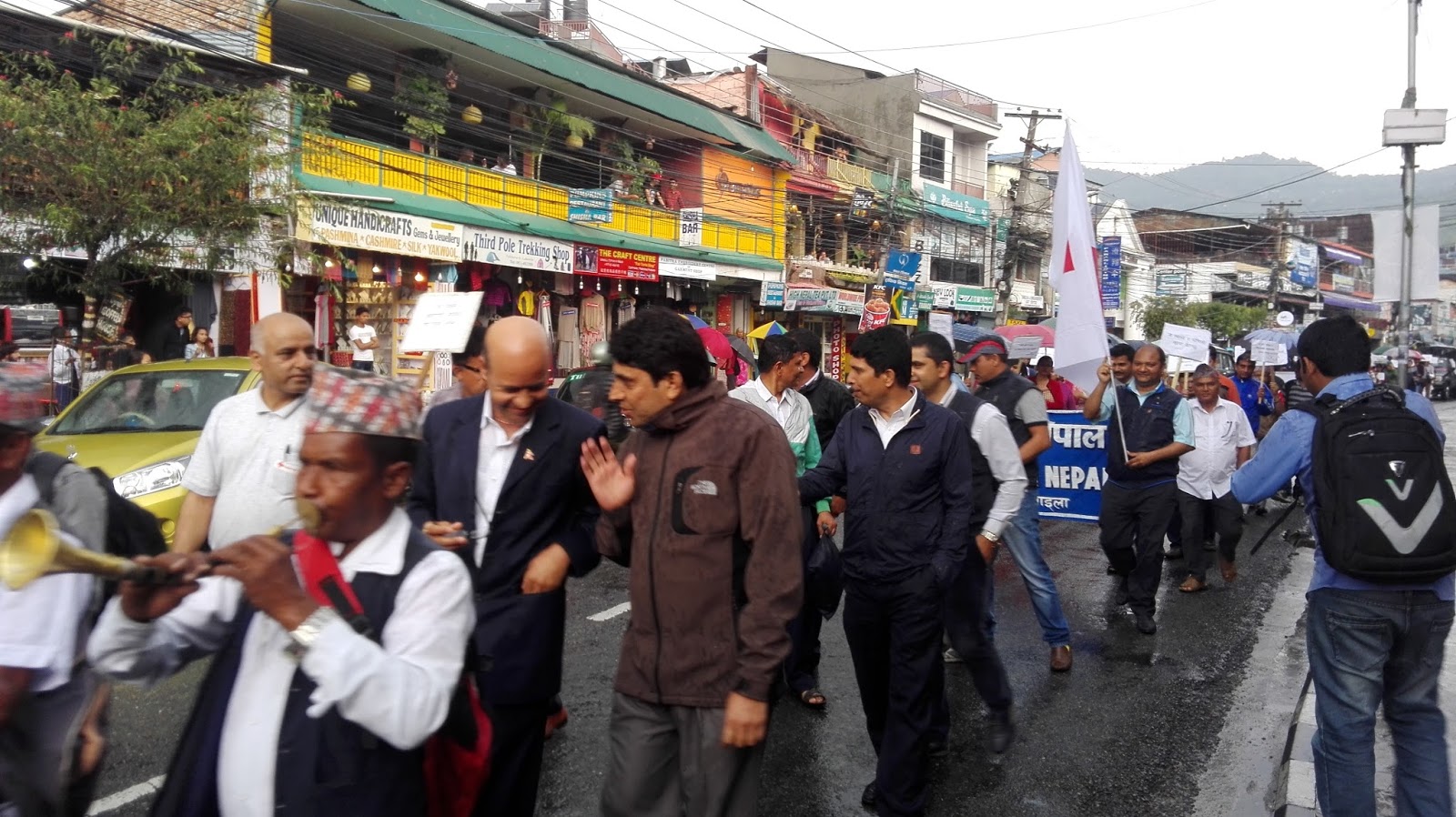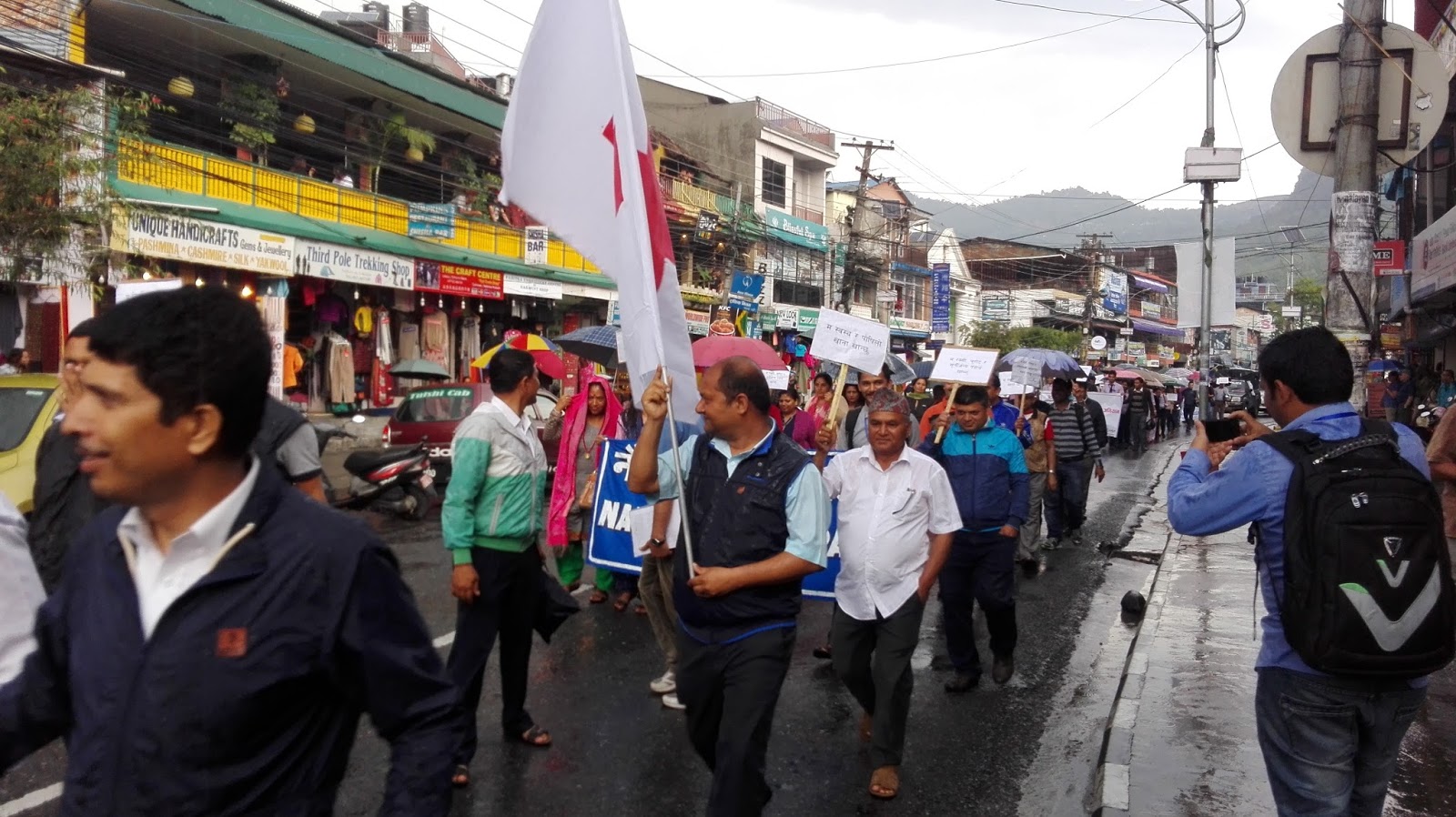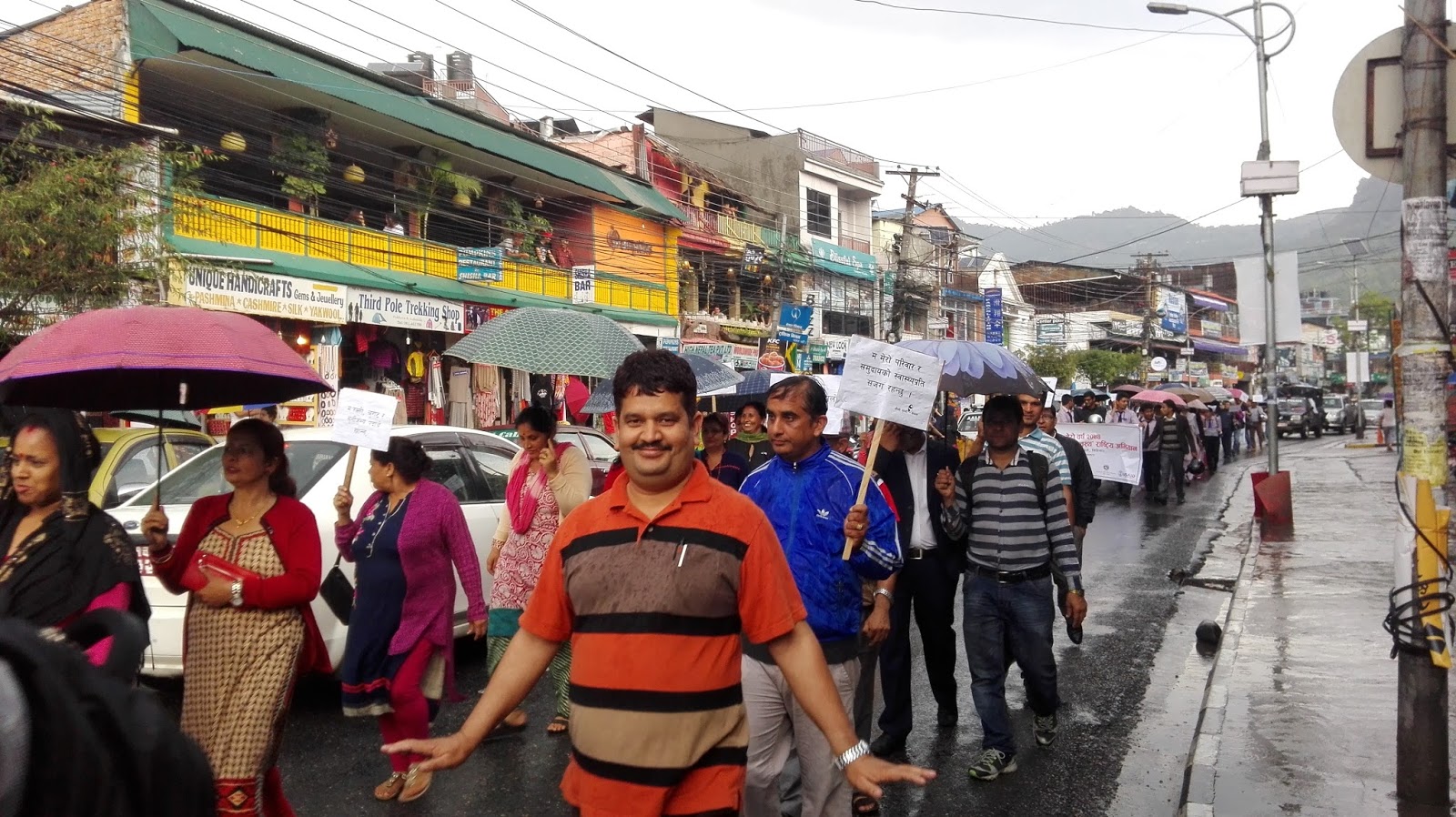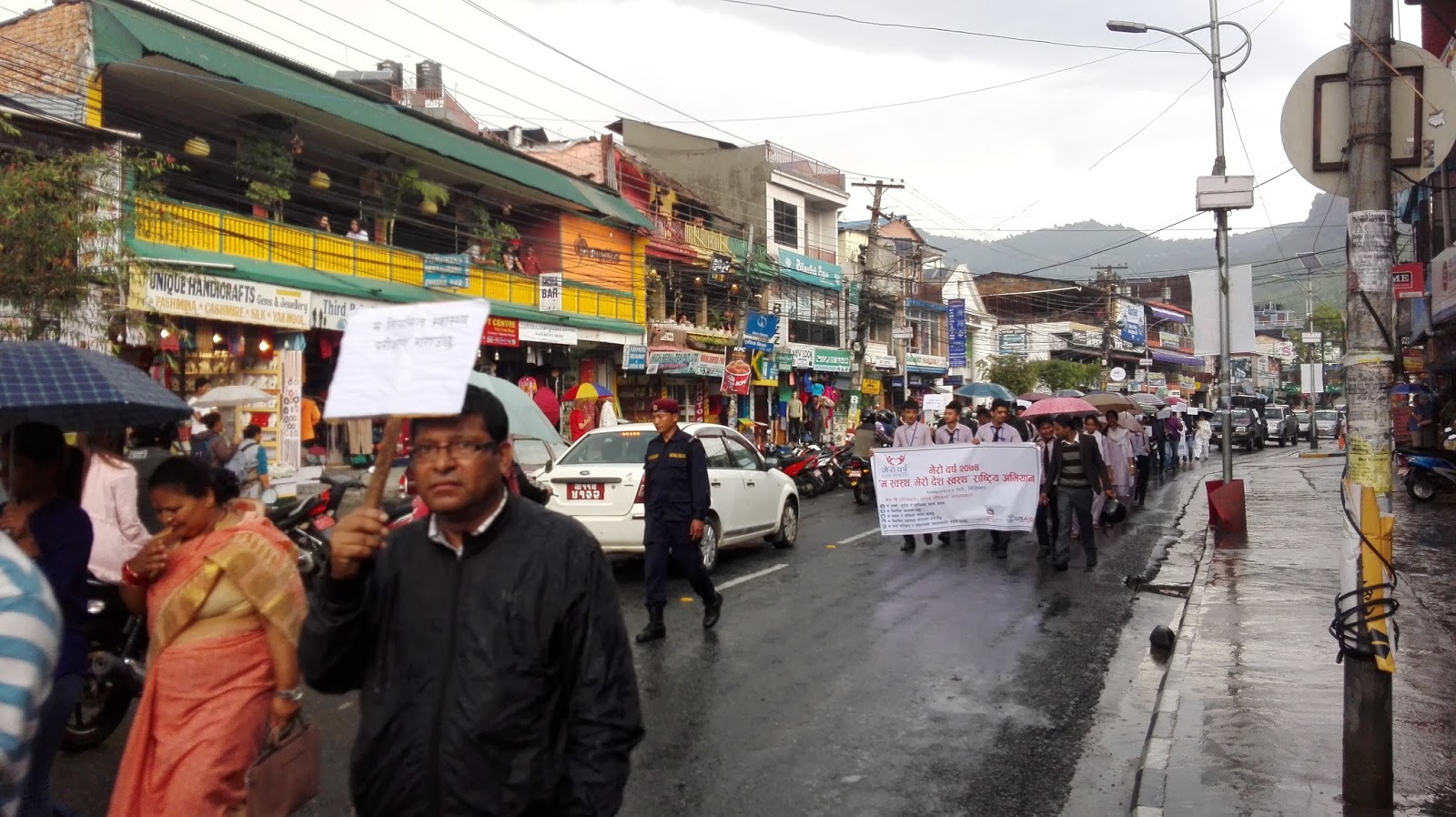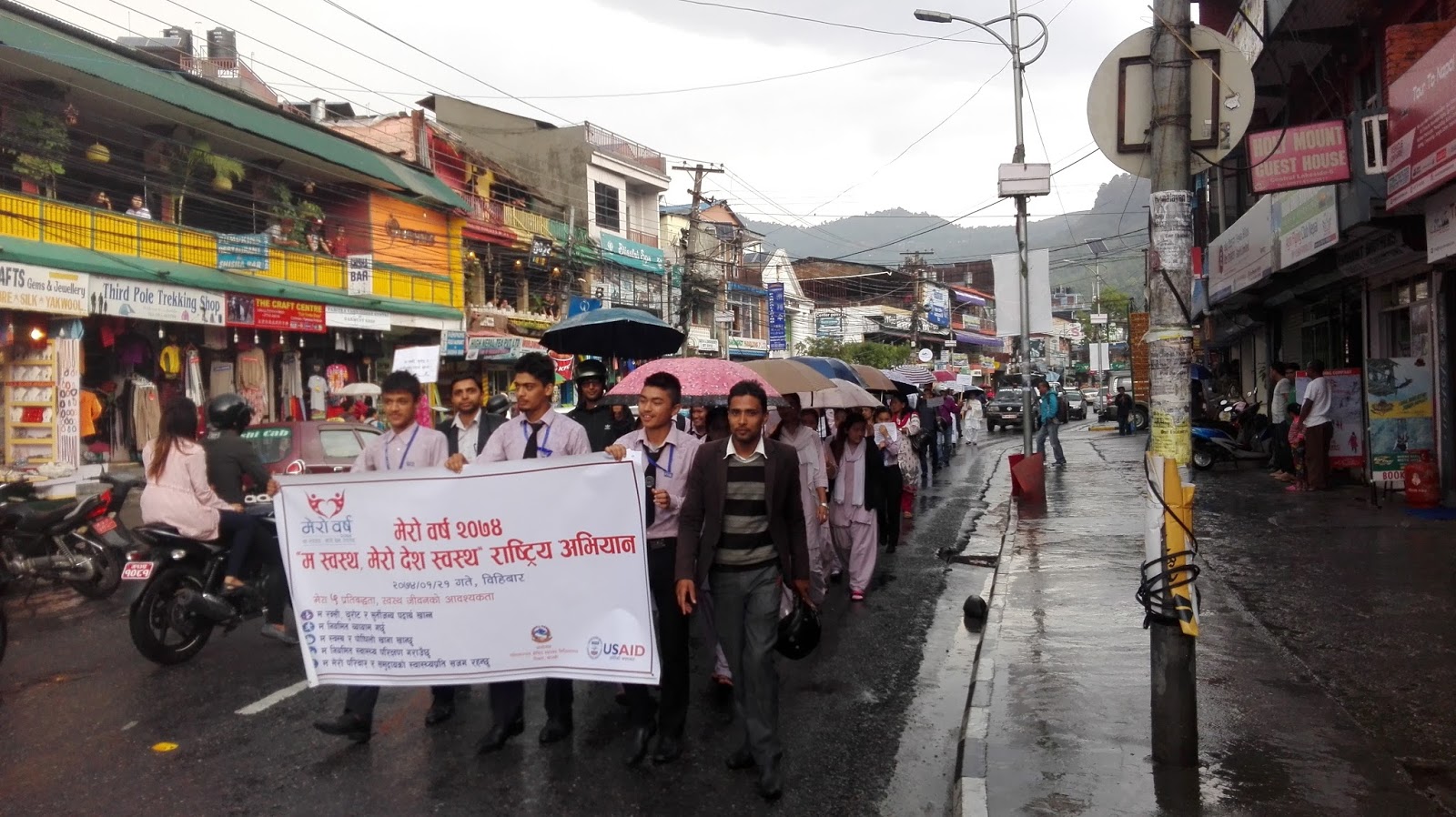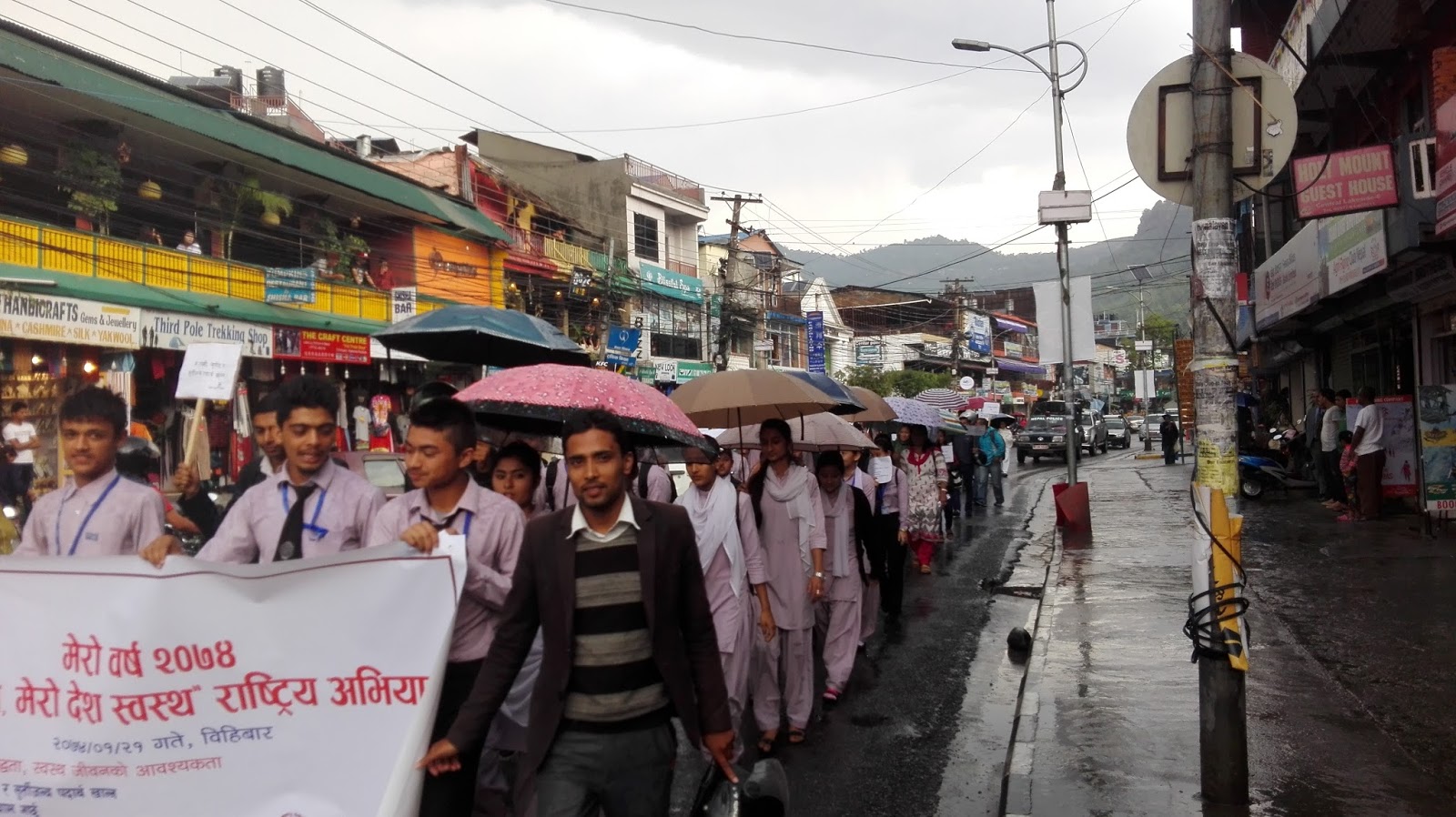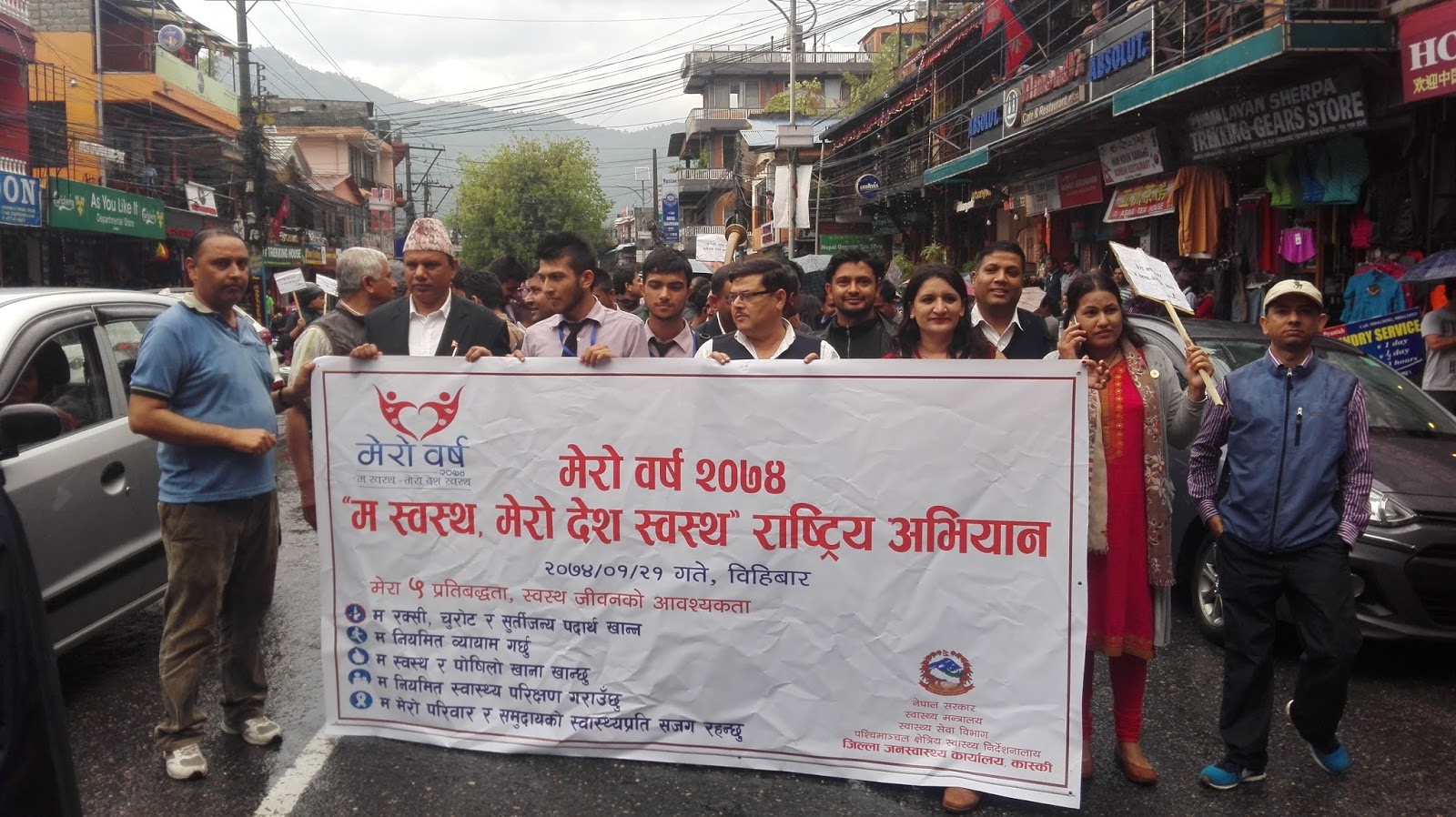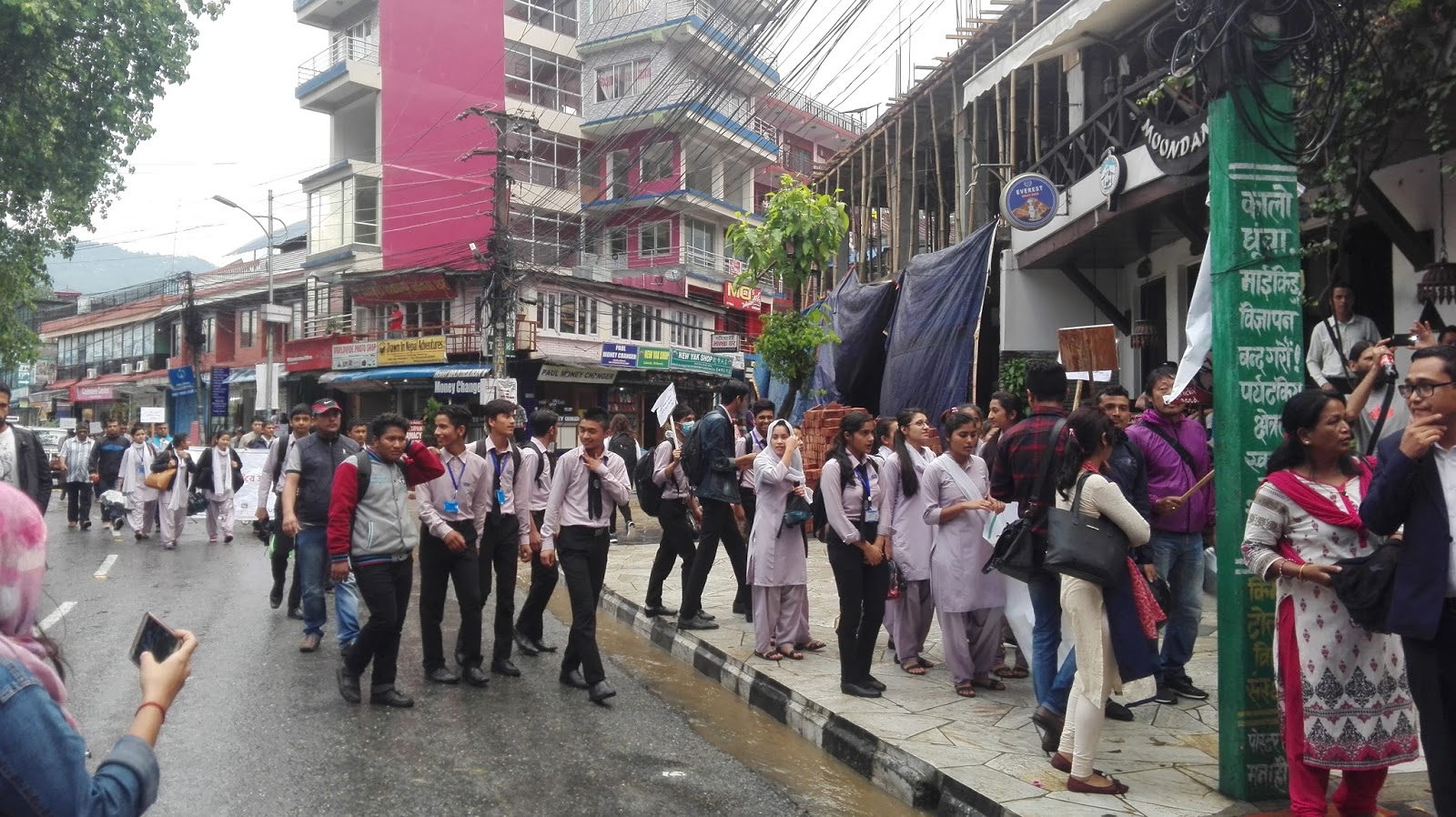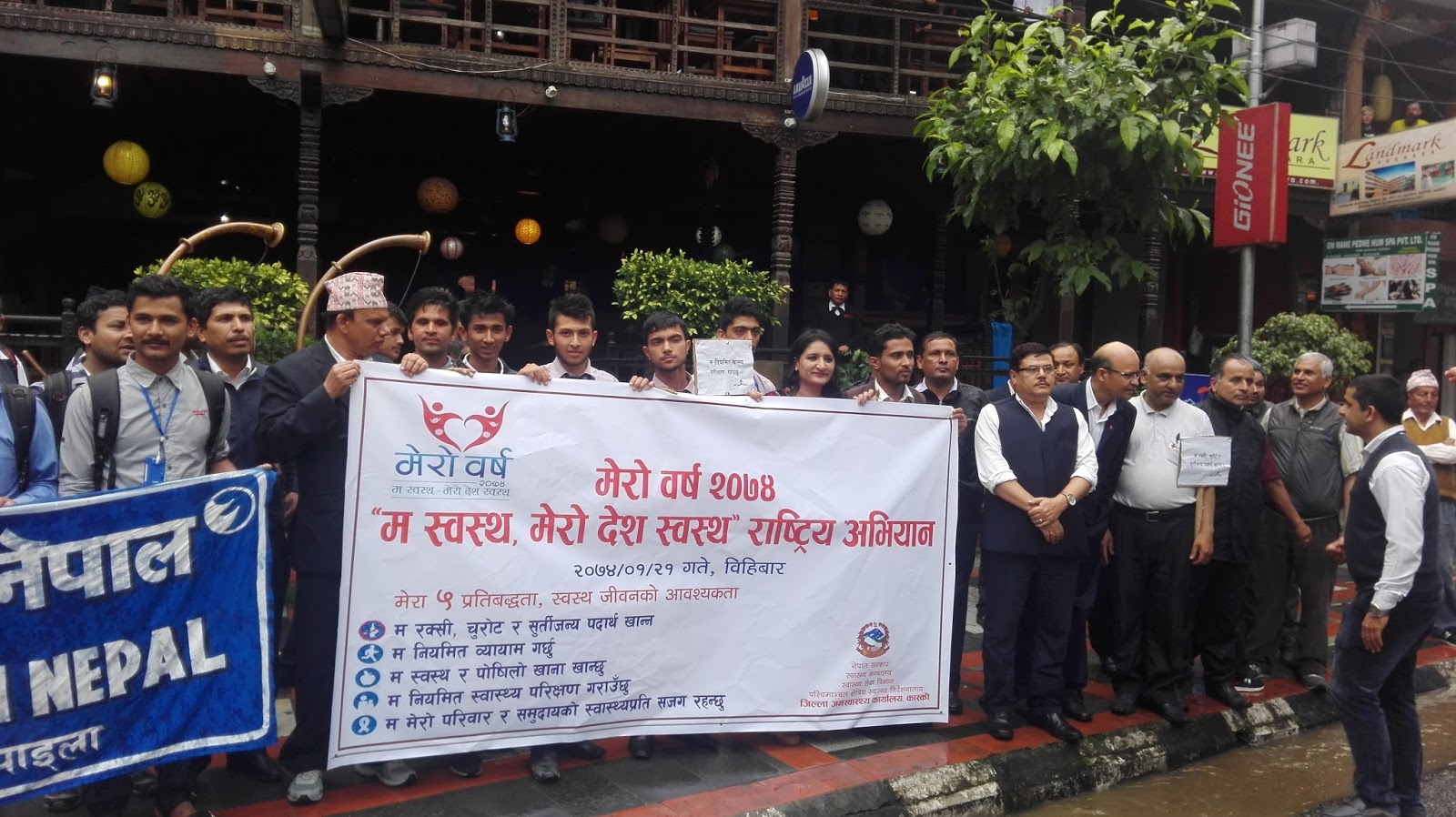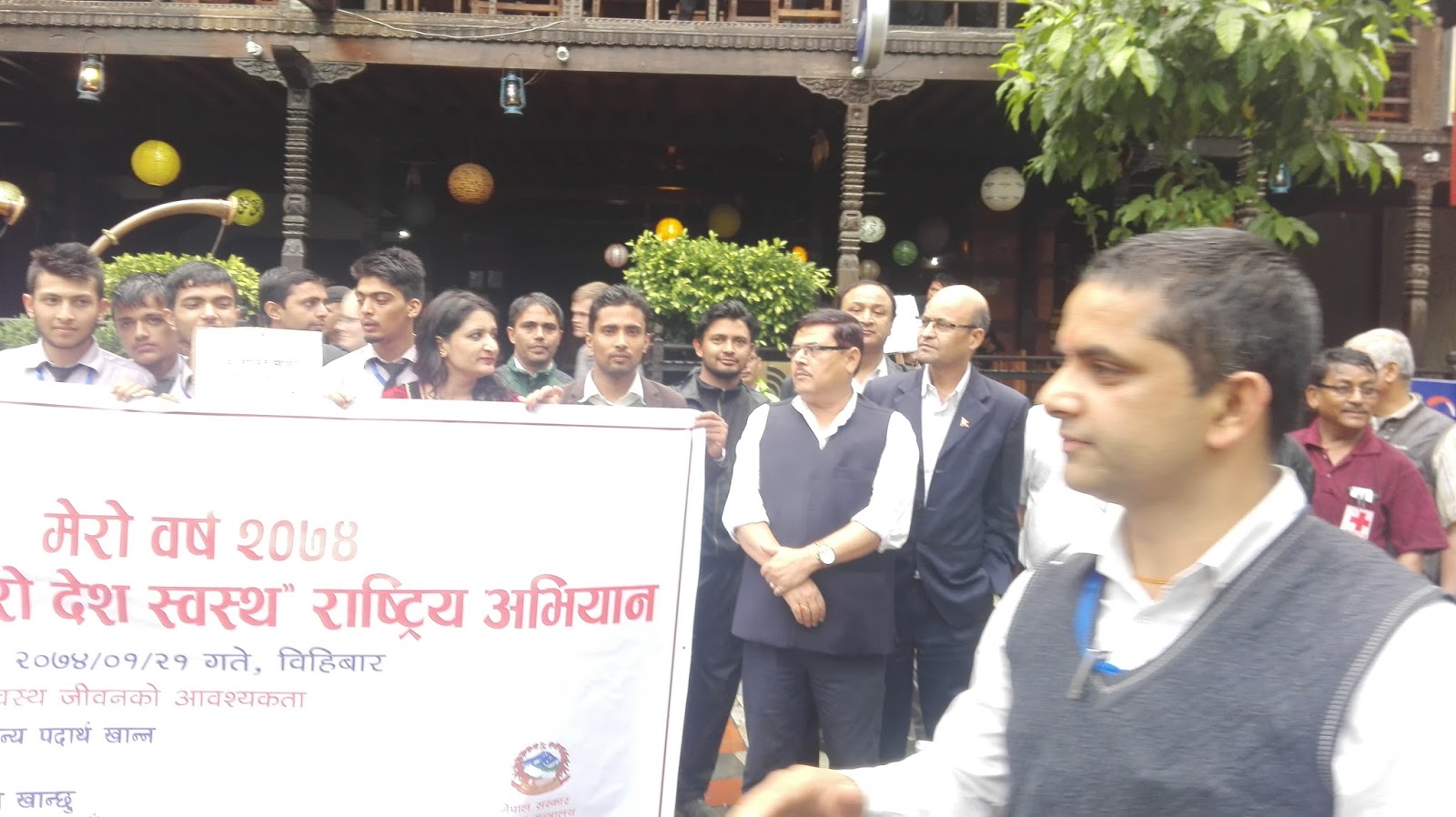
SAVE LIVES: Clean Your Hands 5 May 2017 : ‘Fight antibiotic resistance – it’s in your hands’
Through this year’s campaign, the World Health Organization (WHO) is calling on countries and health care facilities to strengthen infection prevention and control programmes based on WHO guidelines on core components of infection prevention and control programmes. A key component of which is adequate hand hygiene, which plays a critical role in combating antimicrobial resistance.
Key facts
Theme: #VaccinesWork
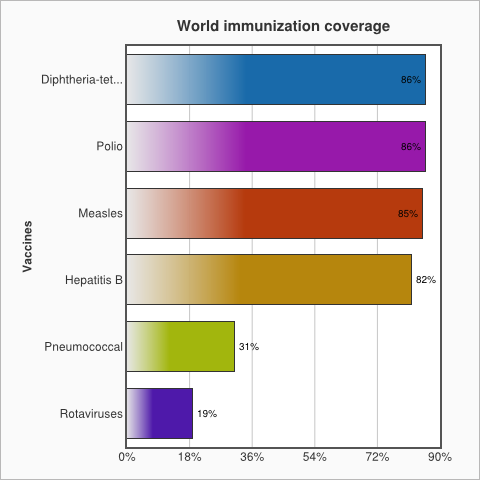
Why immunization matters now more than ever:
Expanding access to immunization is crucial to achieving the Sustainable Development Goals. Routine immunization is a building block of strong primary health care and universal health coverage—it provides a point of contact for health care at the beginning of life and offers every child the chance at a healthy life from the start.
Immunization is also a fundamental strategy in achieving other health priorities, from controlling viral hepatitis, to curbing antimicrobial resistance, to providing a platform for adolescent health and improving antenatal and newborn care.
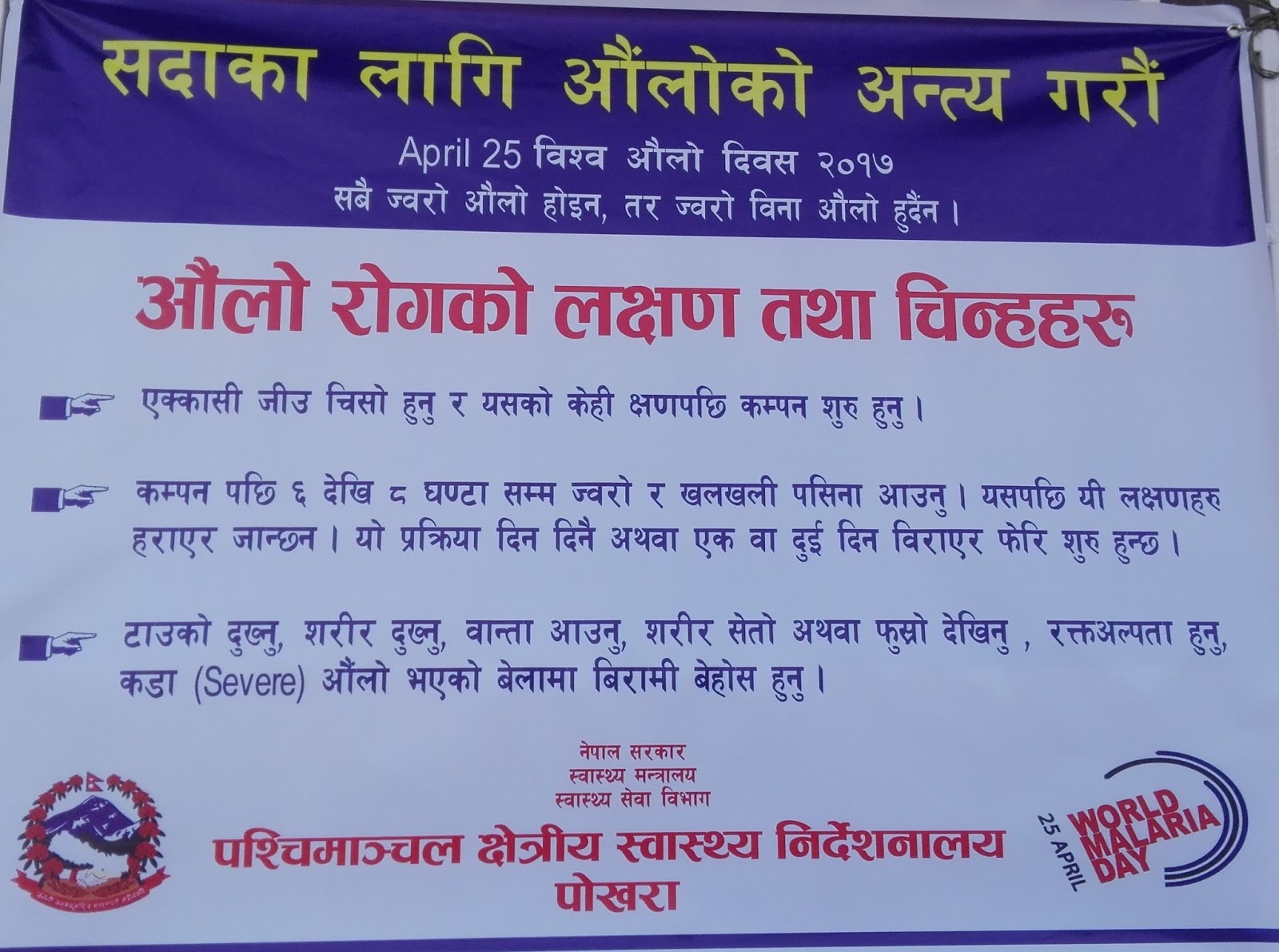
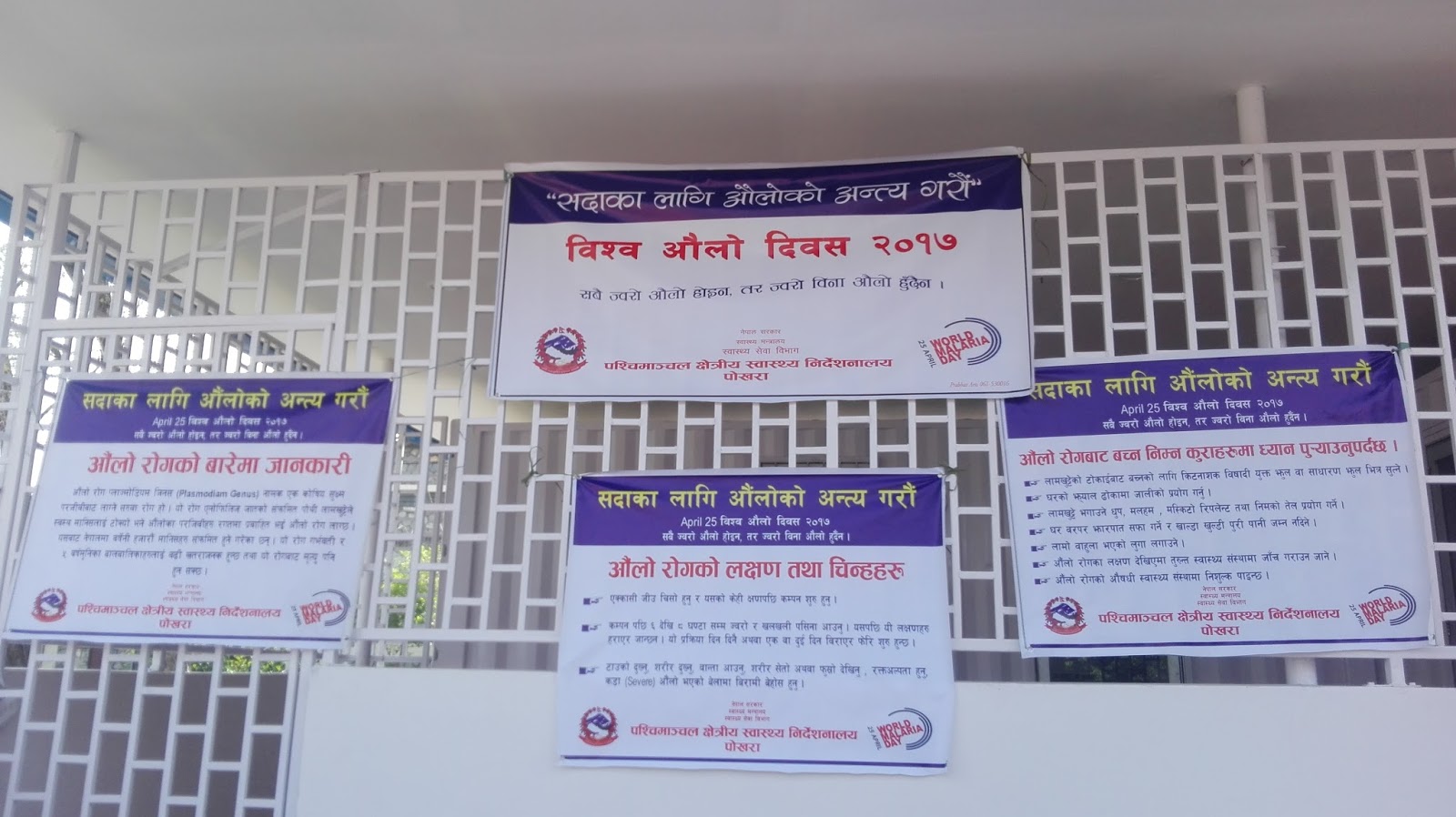
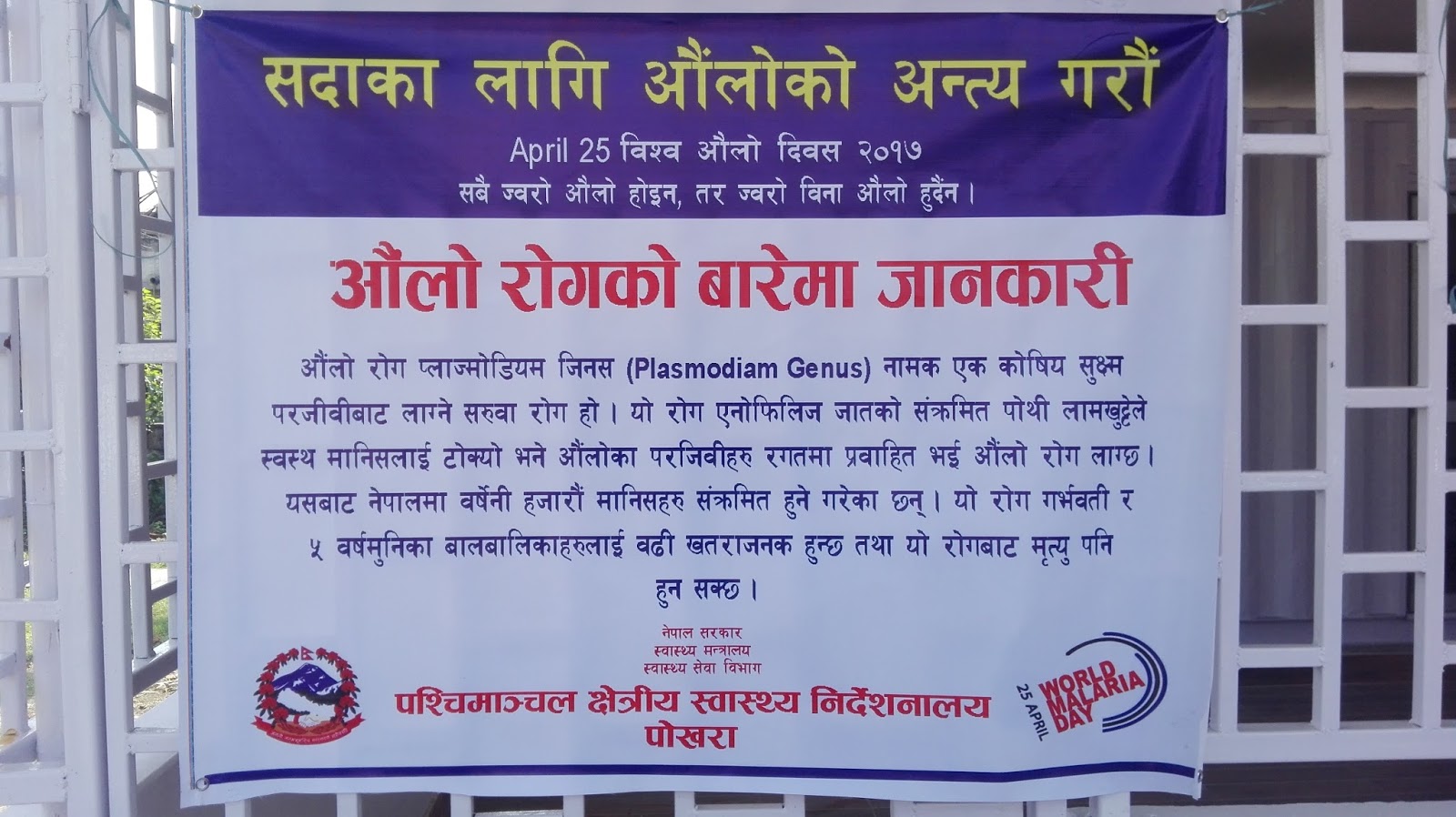
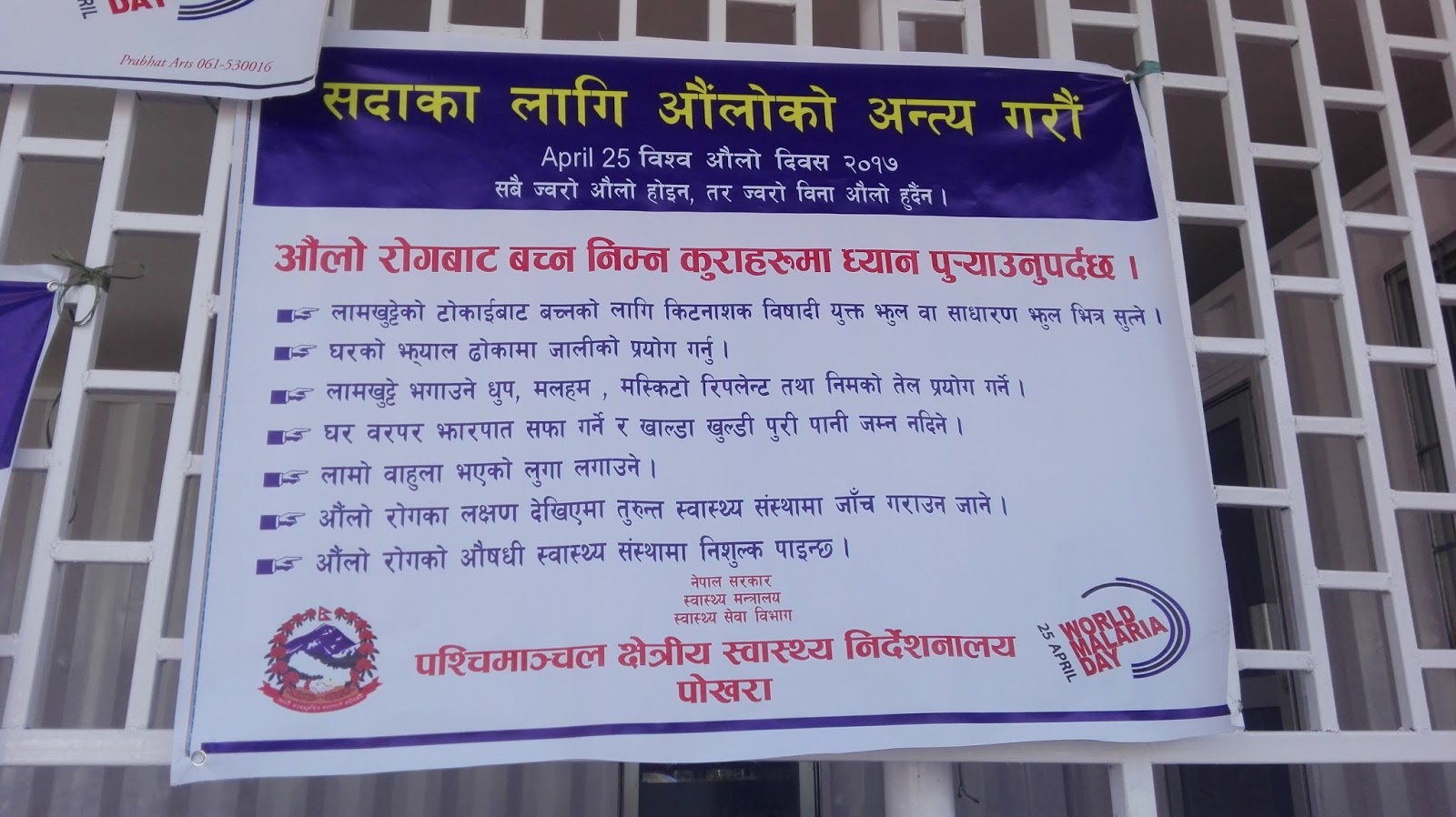
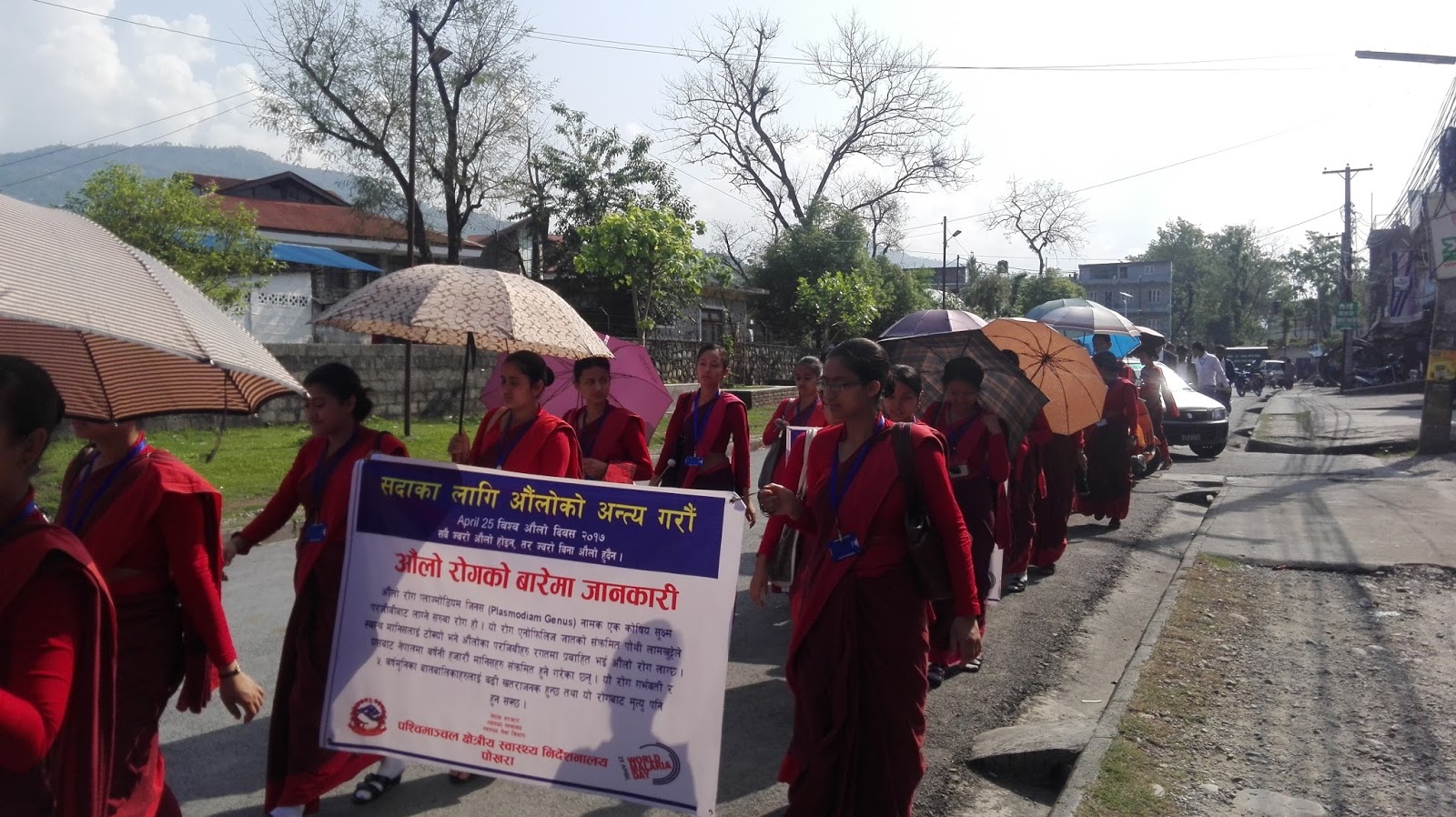
In 1958, national malaria eradication program was launched with the objective of eradicating malaria from the country. Due to various reasons the eradication concept reverted to control program in 1978. Following the call of WHO to revamp the malaria control programs in 1998, Roll Back Malaria (RBM) initiative was launched to control malaria transmission in hard‐core forests, foot‐hills, inner‐Terai and hill river valleys, which accounted for more than 70 % of the total malaria cases in the country. The high risk of acquiring the disease is attributed to the abundance of vector mosquitoes, mobile and vulnerable population, relative inaccessibility of the area, suitable temperature, environmental and socio‐economic factors. The recent micro‐stratification, based on number of malaria cases, geo‐ecology, vector breeding and vulnerability due to migration and population movements, further narrowed down the essentials to VDC level risks as compared to earlier district as units of risks. It has clearly shown that only 54 VDC’s are at high risk, 201 VDC’s at moderate risk and 999 VDC’s at low risk. Based on the micro‐stratification report 2013, approximately 13.02 million population (47.9%) live in malaria endemic areas (VDCS); out of which ~1 million (3.62%) live in high risk VDCs, 2.66 million (9.8%) live in moderate risk VDCs, and 9.38 million(34.52%) live in low risk VDCs. A total population of 14.13 (52.1%) is estimated to live in VDCs where there is no malaria transmission. The high risk areas consist of foothills with river belts, forest fringe areas in terai, hill river valleys, inner terai areas. Low risk VDCs lie in plain cultivated outer Terai, mountain, and valleys in the mountains.
Development and roll over of SMS and web based recording and reporting system for strengthening malaria surveillance, including suspected and confirmed cases reporting.
Quarterly review of the recorded data and plan interventions accordingly
Foci investigation rolled out by the end of 2014
Number of operational research will be carried out generating evidence for policy making.
Expand and improve quality of malaria microscopy service‐continued annually
![]() |
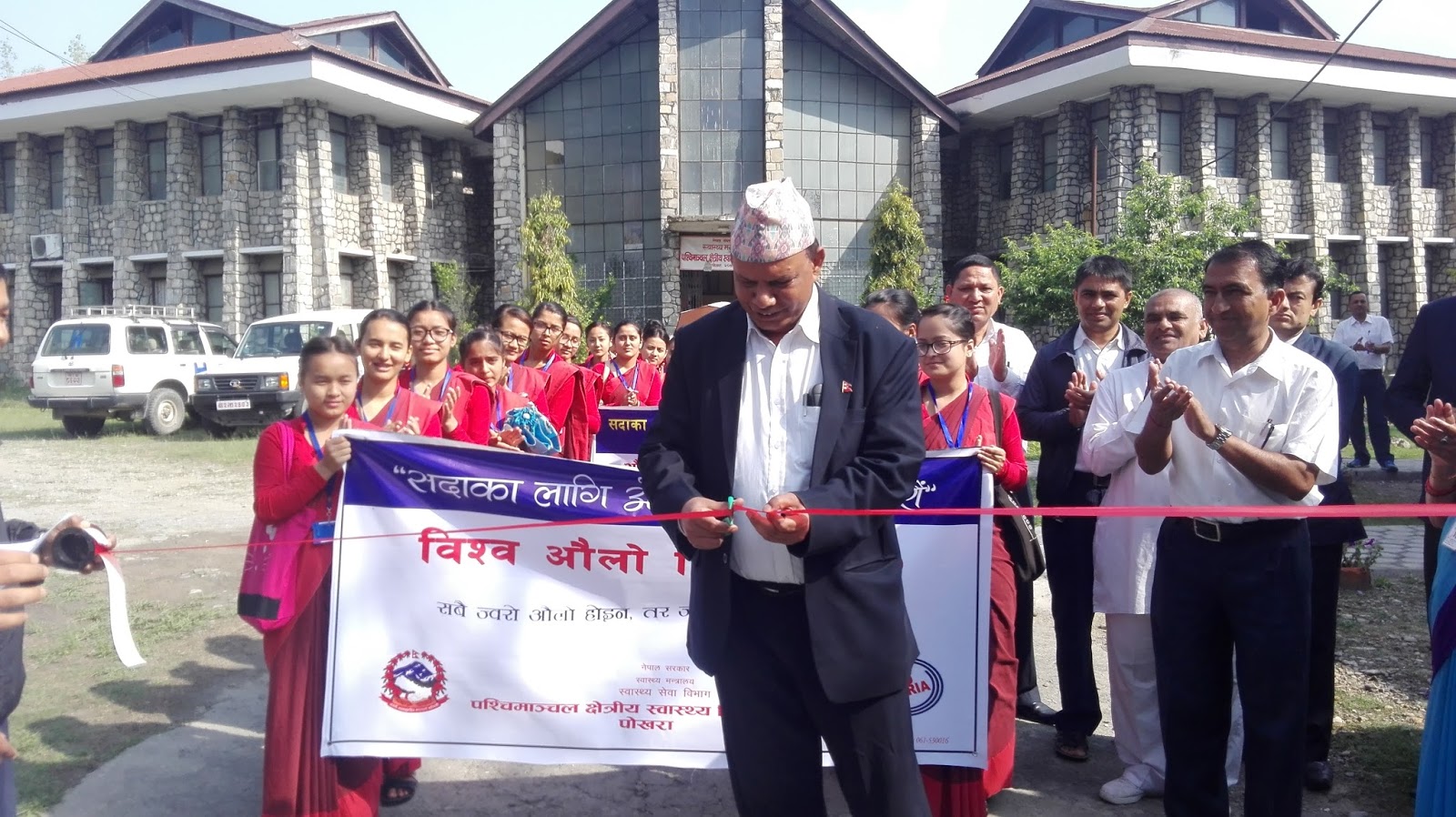
| RHD, Dr. Taranath Poudel, WRHD |
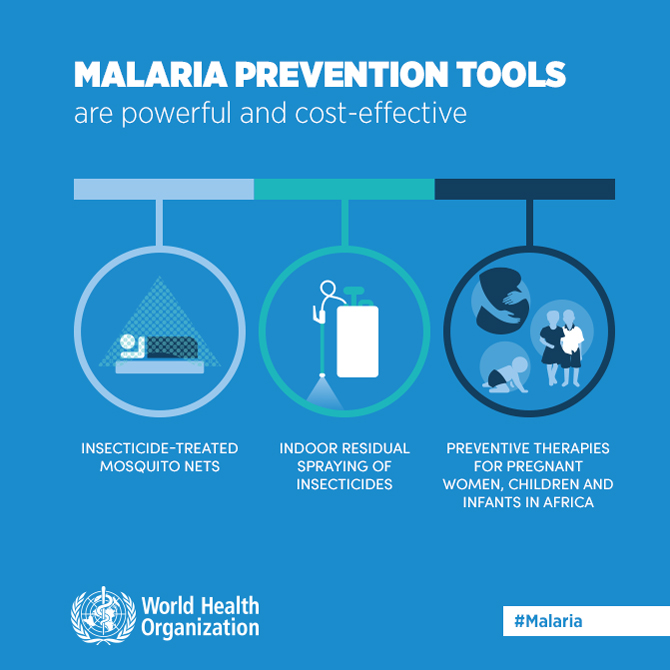
The World Health Organization Regional Office for Africa (WHO/AFRO) announced that Ghana, Kenya, and Malawi will take part in a WHO-coordinated pilot implementation programme that will make the world’s first malaria vaccine available in selected areas, beginning in 2018.
The injectable vaccine, RTS,S, was developed to protect young children from the most deadly form of malaria caused by Plasmodium falciparum. RTS,S will be assessed in the pilot programme as a complementary malaria control tool that could potentially be added to the core package of WHO-recommended measures for malaria prevention. WHO
NEPAL:
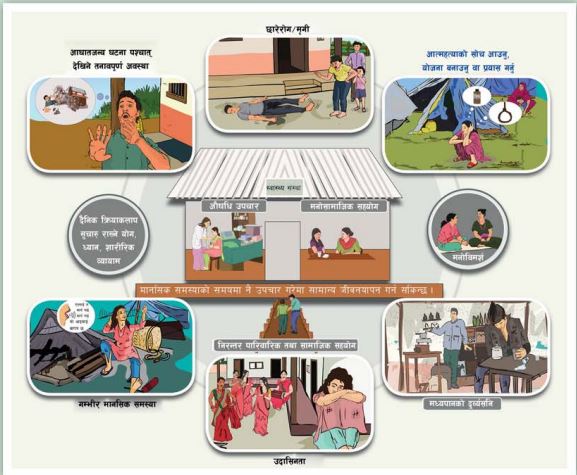
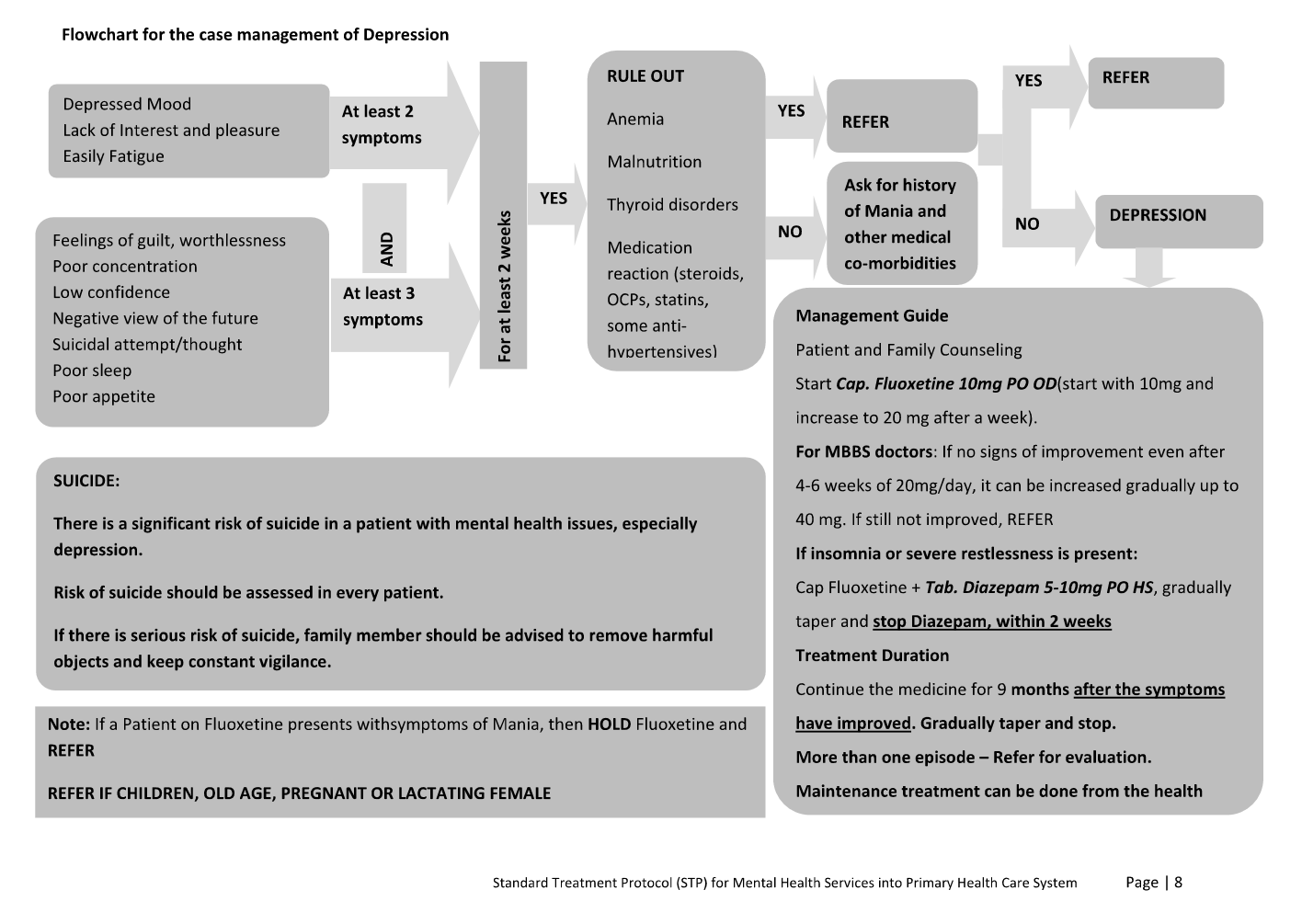
Depression: let’s talk – 7 April 2017 | World Health Day
Public Health Update (Sagun’s Blog) is a popular public health portal in Nepal. Thousands of health professionals are connected with Public Health Update to get up-to-date public health updates, search for jobs, and explore opportunities.
#1 Public Health Blog for sharing Job opportunities and updates in Nepal
”Public Health Information For All”
– – Sagun Paudel, Founder
Contact: blog.publichealthupdate@gmail.com
Public Health Initiative, A Registered Non-profit organization – All Right Reserved. 2011-2024. Contact us.