
Public Health Update
  • Home
  • Public Health Update
  • Nepal Health Jobs
    • Public Health Job Board
    • Organization List
  • Opportunities
    • Fellowships, Studentship & Scholarships
    • Grants and Funding Opportunities
    • Fully funded
    • Conference
  • Downloads
    • International Plan, Policy & Guidelines
    • National Plan, Policy & Guidelines
    • Reports
    • Public Health Notes
    • Syllabus
    • Form Formats
  • School of Public Health
    • PhD
    • Master’s Degree
    • Online Courses
  • Notice
  • Home
  • Public Health Update
  • Nepal Health Jobs
    • Public Health Job Board
    • Organization List
  • Opportunities
    • Fellowships, Studentship & Scholarships
    • Grants and Funding Opportunities
    • Fully funded
    • Conference
  • Downloads
    • International Plan, Policy & Guidelines
    • National Plan, Policy & Guidelines
    • Reports
    • Public Health Notes
    • Syllabus
    • Form Formats
  • School of Public Health
    • PhD
    • Master’s Degree
    • Online Courses
  • Notice
LOGIN / REGISTER
Public Health Update
SUBSCRIBE
Public Health Update
  • Home
  • Public Health Update
  • Nepal Health Jobs
    • Public Health Job Board
    • Organization List
  • Opportunities
    • Fellowships, Studentship & Scholarships
    • Grants and Funding Opportunities
    • Fully funded
    • Conference
  • Downloads
    • International Plan, Policy & Guidelines
    • National Plan, Policy & Guidelines
    • Reports
    • Public Health Notes
    • Syllabus
    • Form Formats
  • School of Public Health
    • PhD
    • Master’s Degree
    • Online Courses
  • Notice

All Right Reserved. Designed and Developed by PenciDesign

PH Important DayPublic Health

WORLD HEART DAY 2014

by Public Health Update September 25, 2014
written by Public Health Update

WORLD HEART DAY 2014(Monday, September 29)-Heart Choices NOT Hard Choices 

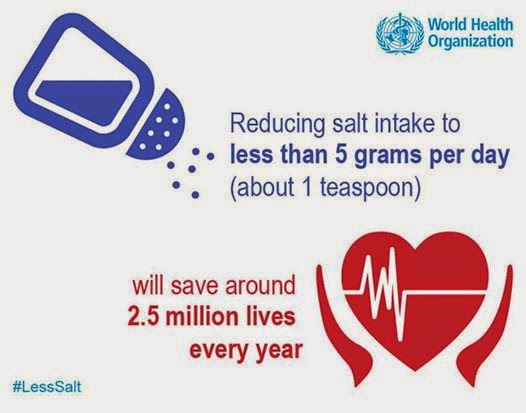
– also looks at the benefits of reducing salt consumption, particularly in terms of improving health and reducing avoidable deaths from heart cardiovascular diseases.

Creating Heart-Healthy Environments.

World Heart Day is the largest global awareness and advocacy campaign on heart disease and stroke, reaching almost 2 billion people in over 120 countries through organised events and media outreach. 


1010876 798867366791884 5133800719580175805 nNow in its 15th year, World Heart Day provides a unique opportunity to position cardiovascular disease (CVD) at the heart of global priorities – in health and beyond. This year’s focus will be centred on heart-healthy environments, enabling individuals to address CVD risk factors such as hypertension, tobacco, physical inactivity, unhealthy diet and other modifiable CVD risk factors.
An objective of World Heart Day 2014 is to empower individuals and communities to call for environments that enable them to make positive choices for their heart health.

This World Heart Day calls on individuals and communities to advocate for heart-healthy environments, and for governments to champion and implement policies in these areas.
10603385 816525871726131 4705594919626735274 n

This launch of a global movement will harness the power of individuals to protect not only their own heart health, but to instigate change at a community and societal level as well. Together, this collective action can contribute towards the goal of at least 25% reduction in premature mortality due to CVD by 2025.
Source: World Heart Federation, World Health Organization

Keep Update : worldheartday2014
September 25, 2014 0 comments
0 FacebookTwitterPinterestLinkedinTumblrVKOdnoklassnikiRedditStumbleuponWhatsappTelegramLINEPocketSkypeViberEmail
PH Important DayPhotosVideos

National Family Planning Day sep 18th 2014

by Public Health Update September 19, 2014
written by Public Health Update
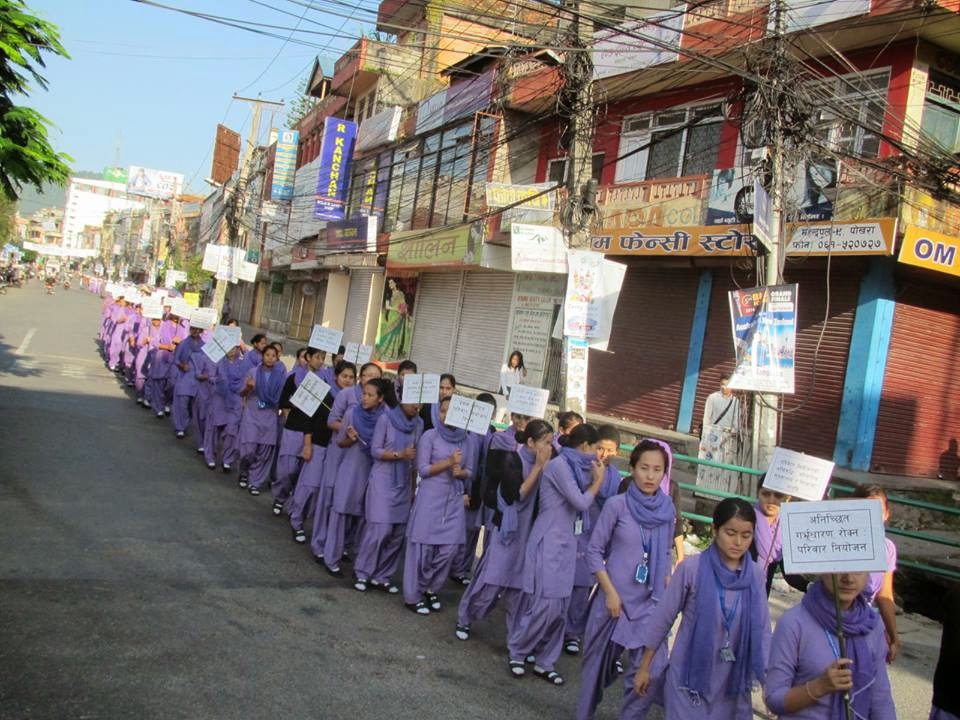
Nepal Government Decide to Celebrate the National Family Planning Day from this year in every September 18th. the first family planning day was celebrated nationally with the theme of ”BABASTIT PARIWAR : SWASTHYA RA BIKASH KO ADHAR”

Some photos are uploaded here from activities of pokhara.
20140918 073207

20140918 073818


IMG 20140918 074002
IMG 20140918 073610
10360696 741771429228620 8646880544034107776 n

10441907 741771022561994 3826302044578962796 n

10590692 741771459228617 6597226454892263954 n

10649898 741771455895284 135623517607385115 n
Closing Session 
IMG 20140918 072737

IMG 20140918 072741
IMG 20140918 073940

IMG 20140918 073945

IMG 20140918 073958

10150560 10202912923526642 1586383693328649192 n
Participants

10358710 10202912924166658 2434156067157306935 n
Participants of closing Session
10402002 10202912924886676 5480448934989061228 n
Closing speech from LDO


September 19, 2014 0 comments
0 FacebookTwitterPinterestLinkedinTumblrVKOdnoklassnikiRedditStumbleuponWhatsappTelegramLINEPocketSkypeViberEmail
Global Health NewsMaternal, Newborn and Child HealthPublic Health News

Child Mortality Rates falling faster than ever

by Public Health Update September 16, 2014
written by Public Health Update

WHO, UNICEF, World Bank Group, UN-DESA Population Division joint news release

16 SEPTEMBER 2014 | NEW YORK

Download Documents : Levels and Trends in Child Mortality 2014

New data released today by the United Nations show that under-five mortality rates have dropped by 49% between 1990 and 2013. The average annual reduction has accelerated – in some countries it has even tripled – but overall progress is still short of meeting the global target of a two-thirds decrease in under-five mortality by 2015.

New estimates in “Levels and Trends in Child Mortality 2014” show that in 2013, 6.3 million children under five died from mostly preventable causes, around 200 000 fewer than in 2012, but still equal to nearly 17 000 child deaths each day.

“There has been dramatic and accelerating progress in reducing mortality among children, and the data prove that success is possible even for poorly resourced countries,” said Mickey Chopra, head UNICEF’s of global health programmes. “There is now a gathering momentum from countries in every part of the world to make sure proven, cost-effective interventions are applied where they will save the most lives.”

In 2013, 2.8 million babies died within the first month of life, which represents about 44% of all under-five deaths. About two-thirds of these deaths occurred in just 10 countries. While the number of neo-natal deaths have declined, progress has been slower than for the overall under-five mortality rate.

In June this year, WHO, UNICEF and partners issued the first-ever global plan to end preventable newborn deaths and stillbirths by 2035. The Every Newborn Action Plan calls for all countries to take steps to provide basic, cost-effective health services – in particular around the time of childbirth, as well as for small and sick babies – and to improve the quality of care.
“The global community is poised to end preventable maternal, newborn and child deaths within a generation,” said Dr Flavia Bustreo, Assistant Director General at WHO. “We know what to do and we know how to do it. The challenge now is to move from plan to action – we are pleased to see countries like India beginning to lead the way.”
Among the report’s other major findings:
Eight of the 60 countries identified as ‘high mortality countries’ – with at least 40 under-five deaths for every 1000 live births – have already reached or surpassed the MDG target (67% reduction). The countries are Malawi (72), Bangladesh (71), Liberia (71), Tanzania (69), Ethiopia (69), Timor-Leste (68), Niger (68) and Eritrea (67).
Eastern Asia, Latin America and the Caribbean and Northern Africa, have already reduced the under-five mortality rate by more than two-thirds since 1990.
Logo UNICEF 150408
Two countries, India (21%) and Nigeria (13%), together account for more than one-third of deaths among children below 5 years of age.
While Sub-Saharan Africa has cut under-five mortality rates by 48% since 1990, it still has the world’s highest rate – 92 deaths per 1000 live births – nearly 15 times the average in high-income countries.
Children born in Angola, which has the highest under-five mortality rate in the world (167 deaths per 1000 live births), are 84 times more likely to die before the age of five than children born in Luxembourg, with the lowest rate (2). Within countries, relative wealth, education, and location are key – a child’s risk of dying increases if she or he is born in a remote rural area, into a poor household or to a mother with no education.

The leading causes of under-five deaths are pre-term birth complications (17%); pneumonia (15%); complications during labour and delivery (11%); diarrhoea (9%); and malaria (7%). Under-nutrition contributes to nearly half of all under-five deaths.
“For continued progress, it is essential to invest more in health systems that deliver high-quality, affordable services to all women and children who need them,” said Olusoji Adeyi, Director of Health, Nutrition and Population at the World Bank Group.
The report notes that major improvements in child survival are in part due to affordable, evidence-based interventions against the leading infectious diseases, such as immunization, insecticide-treated mosquito nets, rehydration treatment for diarrhoea, nutritional supplements and therapeutic foods. The major causes of neonatal mortality – pre-term birth complications (35%) or problems during delivery or birth (24%) – require health interventions closely linked with protecting maternal health.
The Levels and Trends in Child Mortality 2014 report is developed annually by the United Nations Inter-Agency Group for Child Mortality Estimation, which is led by UNICEF and includes the World Health Organization, the World Bank Group and the United Nations Population Division of the Department of Economic and Social Affairs.

WHO MEDIA CENTER

September 16, 2014 0 comments
0 FacebookTwitterPinterestLinkedinTumblrVKOdnoklassnikiRedditStumbleuponWhatsappTelegramLINEPocketSkypeViberEmail
Global Health NewsPublic Health News

CIAA : Tanahun health officials booked for embezzlement

by Public Health Update September 15, 2014
written by Public Health Update
News from: thehimalayantimes

KATHMANDU: The Commission for the Investigation of Abuse of Authority (CIAA) on Monday filed a corruption case at the Special Court against five officials of the District Health Office (DHO), Tanahun. 

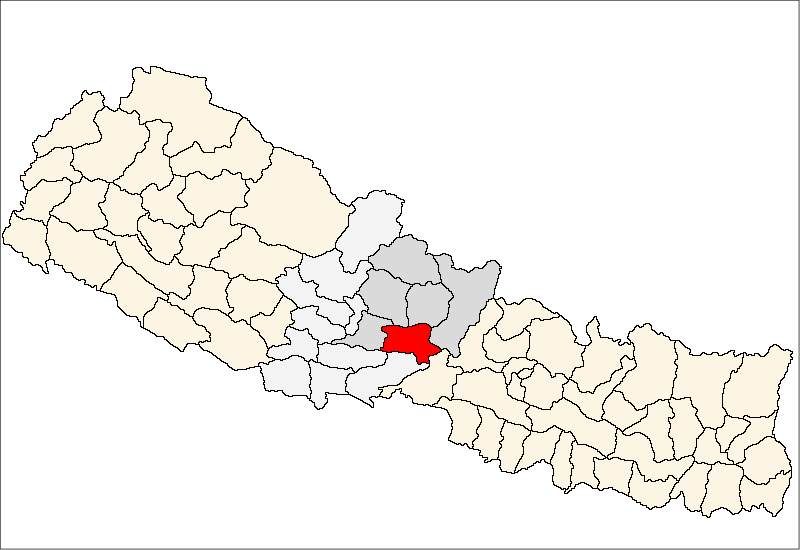
Tanahu district location


According to CIAA, DHO Head Dr. Sushil Nath Pyakurel, Family Planning Supervisor Ajay Kumar Shrivastav, Account Officer Bhoj Bahadur Thapa, Accountant Man Kumar Timla and Focal Person Chandra Mani Adhikari were booked. 


The anti-corruption constitutional body said they misappropriated the budget of Rs 698,130 allocated for various health programmes including Refresher Review Meeting and Female Community Health Volunteer Review Seminar. 


It added that the accused provided fake and forged bills of expenses claiming to be from the programmes that were never held.


Claiming that they abused the authority as per Section 8(1E) of the Anti-Corruption Act, CIAA has demanded a maximum punishment on them as per the Act.

September 15, 2014 0 comments
0 FacebookTwitterPinterestLinkedinTumblrVKOdnoklassnikiRedditStumbleuponWhatsappTelegramLINEPocketSkypeViberEmail
PH Important Day

World Suicide Prevention Day -2014; Suicide Prevention: One World Connected.'

by Public Health Update September 10, 2014
written by Public Health Update
World Suicide Prevention Day (WSPD), on 10 September, is organized by the International Association for Suicide Prevention (IASP). The purpose of this day is to raise awareness around the globe that suicide can be prevented.

In 2014, the theme of World Suicide Prevention Day is ‘Suicide Prevention: One World Connected.’ The theme reflects the fact that connections are important at several levels if we are to combat suicide.

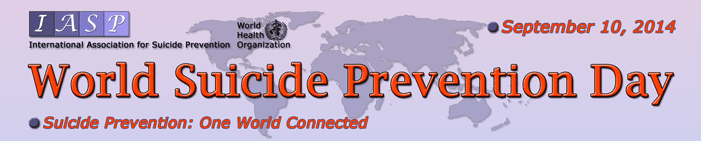
2014 wspd banner english

More than 800 000 people die by suicide every year around one person every 40 seconds, according to WHO’s first global report on suicide prevention, published today. Some 75% of suicides occur in low- and middle-income countries. Suicides occur in all regions of the world and throughout the lifespan. Notably, among young people 15-29 years of age, suicide is the second leading cause of death globally.
Pesticide poisoning, hanging and firearms are among the most common methods of suicide globally. Evidence from Australia, Canada, Japan, New Zealand, the United States and a number of European countries reveals that limiting access to these means can help prevent people dying by suicide. Another key to reducing deaths by suicide is a commitment by national governments to the establishment and implementation of a coordinated plan of action. Currently, only 28 countries are known to have national suicide prevention strategies.

Source:WHO
September 10, 2014 0 comments
0 FacebookTwitterPinterestLinkedinTumblrVKOdnoklassnikiRedditStumbleuponWhatsappTelegramLINEPocketSkypeViberEmail
Public Health

Memorandum of Understanding to collaborate in the elimination of kala-azar

by Public Health Update September 9, 2014
written by Public Health Update
Health Ministers from Nepal, Bangladesh, Bhutan, India and Thailand today signed a Memorandum of Understanding to collaborate in the elimination of Visceral Leishmaniasis (kala-azar) from respective countries. 

Over 147 million people in the South-East Asia Region are at risk of contracting the life-threatening disease, mainly in Bangladesh, India and Nepal, with recent, sporadic cases being reported from Bhutan and Thailand as well, said a statement issued by WHO on Tuesday afternoon.
“As over 50 percent of the cases in the three main affected countries occur in areas close to international borders, besides strong national efforts, countries also need close collaboration to control and eliminate this disease,” the statement read.
According to the statement, areas for collaboration among the five countries will include mutually agreed mechanisms of resource mobilization, exchange of information, inter-sectoral collaboration, research, capacity building and technical support. 
Kala-azar is debilitating and often fatal if left untreated. It is transmitted by sandflies which breed in moist soil, caves, cracks in mud walls and rodent burrows. The poorest of the poor, particularly in communities living in remote, rural areas are most vulnerable to this disease. Associated with malnutrition, poor housing and illiteracy, kala-azar prolongs the cycle of poverty as people cannot afford treatment and therefore cannot work.

images
“Kala-azar elimination is within our reach and WHO is committed to it,” the statement quoted Dr Poonam Khetrapal Singh, WHO Regional Director for South-East Asia. “We now have field-friendly diagnostic tools and effective medicines for its treatment. WHO has negotiated for an assured free supply of the treatment drug to endemic countries till end-2016, with a likelihood of this arrangement being extended for another five years.”
According to WHO, the elimination strategy will include access to early diagnosis and treatment, particularly of the most vulnerable populations together with stronger disease and vector surveillance and integrated vector management with emphasis on improvement of the environment, social mobilization, research and networking.
News from:Himalayantimes

September 9, 2014 0 comments
0 FacebookTwitterPinterestLinkedinTumblrVKOdnoklassnikiRedditStumbleuponWhatsappTelegramLINEPocketSkypeViberEmail
National Health NewsPublic HealthPublic Health NewsPublic Health Programs

New Leprosy Cases 3000+ per year in Nepal

by Public Health Update September 9, 2014
written by Public Health Update
Leprosy, also known as Hansen’s disease (HD), is a chronic infection caused by the bacteria Mycobacterium leprae, Initially infections are without symptoms and typically remain this way for 5 to as long as 20 years.Symptoms that develop include granulomas of the nerves, respiratory tract, skin, and eyes.This may result in a lack of ability to feel pain and thus loss of parts of extremities due to repeated injuries.Weakness and poor eyesight may also be present.

Three thousand new cases of leprosy are found in the country every year despite the World Health Organisation (WHO) has declared Nepal leprosy-free five years ago. 


According to the statistics provided by the Leprosy Division at the Department of Health Services, 3,223 leprosy patients have been found in the country in the last fiscal year. 


Leprosy is a communicable disease.

leprosy
Source:Google
Similarly, in the fiscal year 2012/13, around 3,253 new patients were found. 
The government has been providing free medicines to the people suffering from this ailment. 
Director of the Division, Dr Chudamani Bhandari informed that the government has been providing financial aid and physical infrastructure to the leprosy patients if they ousted from the society.

Earlier, leprosy was considered to be the curse of God. Hence, the patients were kept in the dark fearing the hatred and humiliation from the society. 
Study shows that districts like Sarlahi, Jhapa, Dhanusha, Rautahat, Mahottari, Bardiya, Parsa, Kailali, Bara and Ruphandehi see the highest number of leprosy patients.

References
News:Himalayan Times
Wikepedia

September 9, 2014 0 comments
0 FacebookTwitterPinterestLinkedinTumblrVKOdnoklassnikiRedditStumbleuponWhatsappTelegramLINEPocketSkypeViberEmail
Public Health

Orientation Program on S & D Reduction

by Public Health Update September 2, 2014
written by Public Health Update
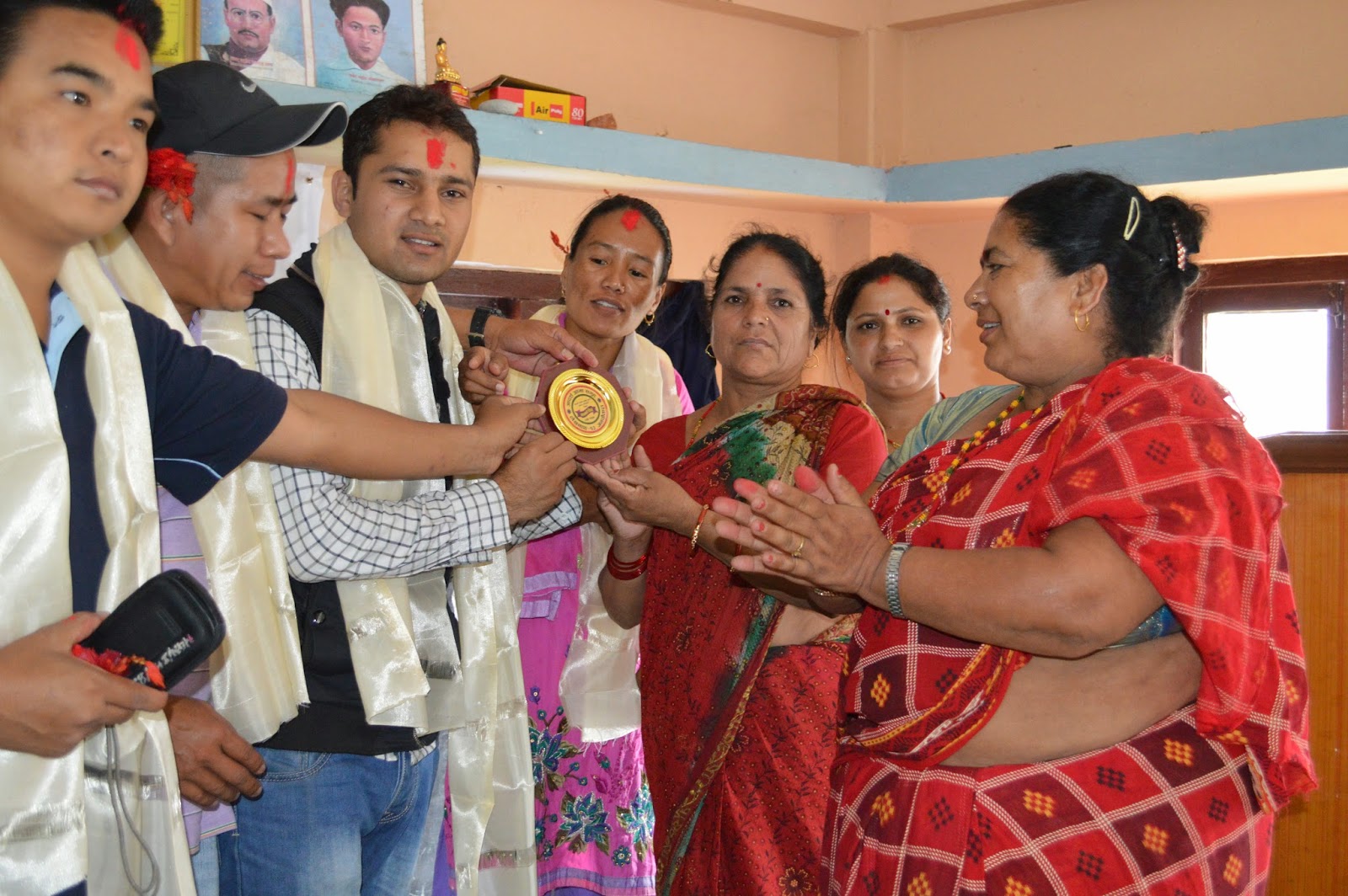
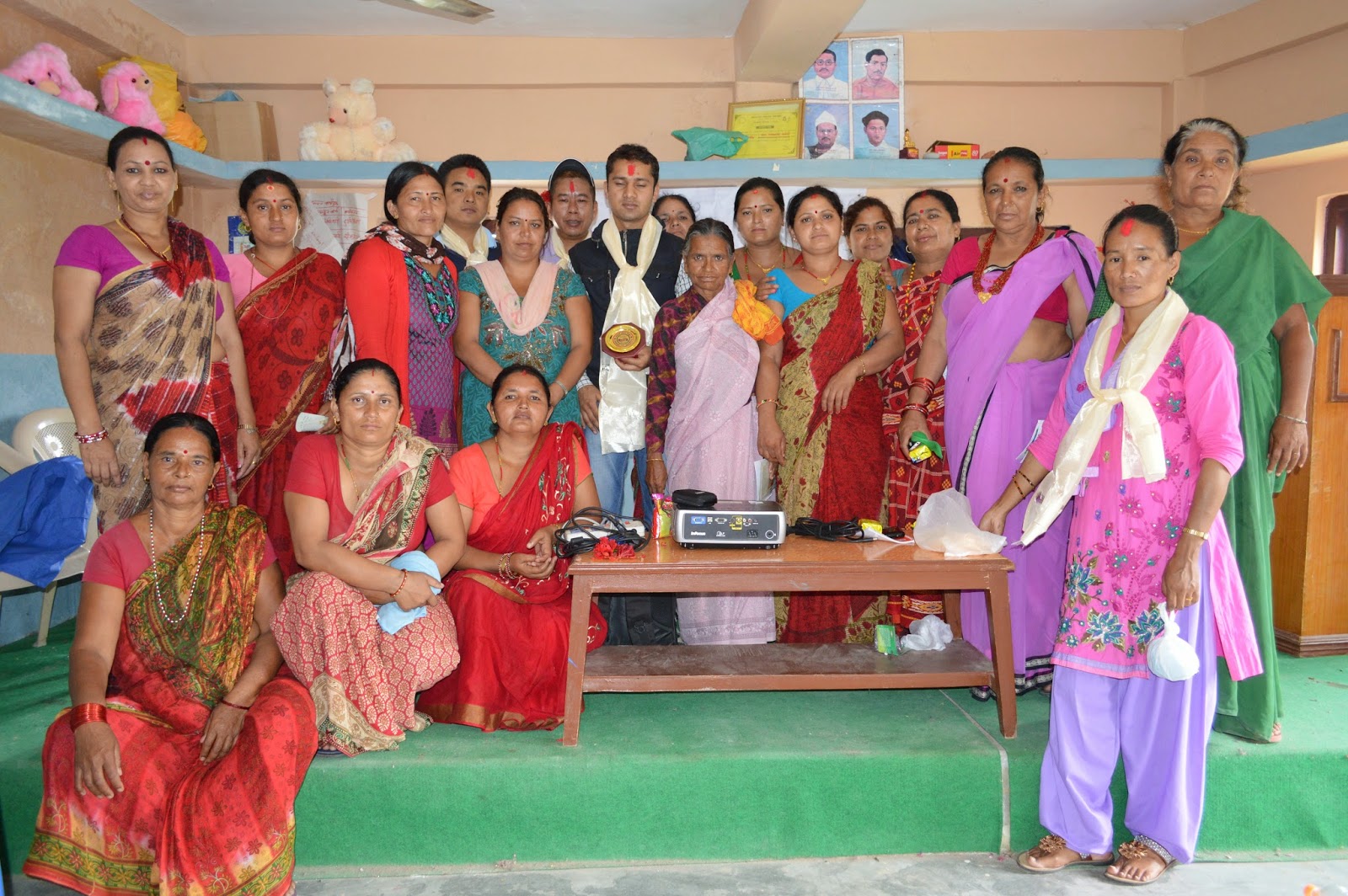
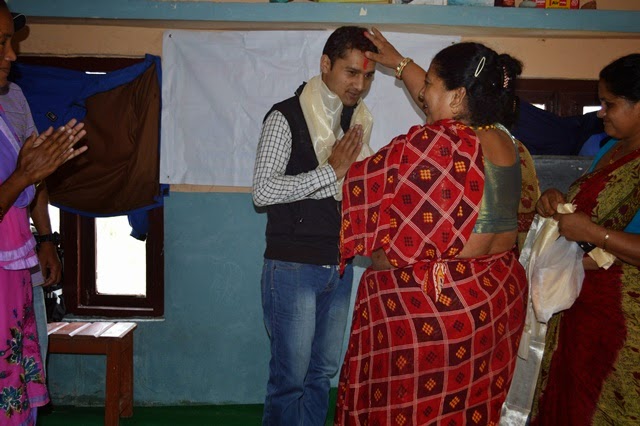
Naulo Ghumti Nepal routinely organize various community based orientation program in  Different subject primarily focus on Prevention of Drug Abuse and Prevention of HIV/AIDS. Under the project Extended Integrated Health Service, Community based Stigma and  Discrimination Reduction (S&D) on HIV and AIDS Training /orientation program was organized among the mother’s Group of Lekhnath Municipality ward No.13 rajchutara. In that Program i also participate as a Trainer. such types of orientation program were conduct to increase the level of knowledge, perception and  behavior change of community people in the issue of HIV/AIDS. this helps to reduction in the Stigma and Discrimination from community and help to fulfill the goal of Getting Towards Zero Discrimination..

(June 23rd, 2014)

DSC 0628
Taking Token of love from ADARSH AMA SAMUHA
DSC 0631
Group photo
DSC09361
my words
DSC 0624
Dol sir receiving respectful Wishes

DSC 0619
September 2, 2014 0 comments
0 FacebookTwitterPinterestLinkedinTumblrVKOdnoklassnikiRedditStumbleuponWhatsappTelegramLINEPocketSkypeViberEmail
PH Important DayTobacco Control

World No Tobacco Day 2014-Raising tax on tobacco

by Public Health Update September 2, 2014
written by Public Health Update
1526874 475134062632728 3089957000095129266 n
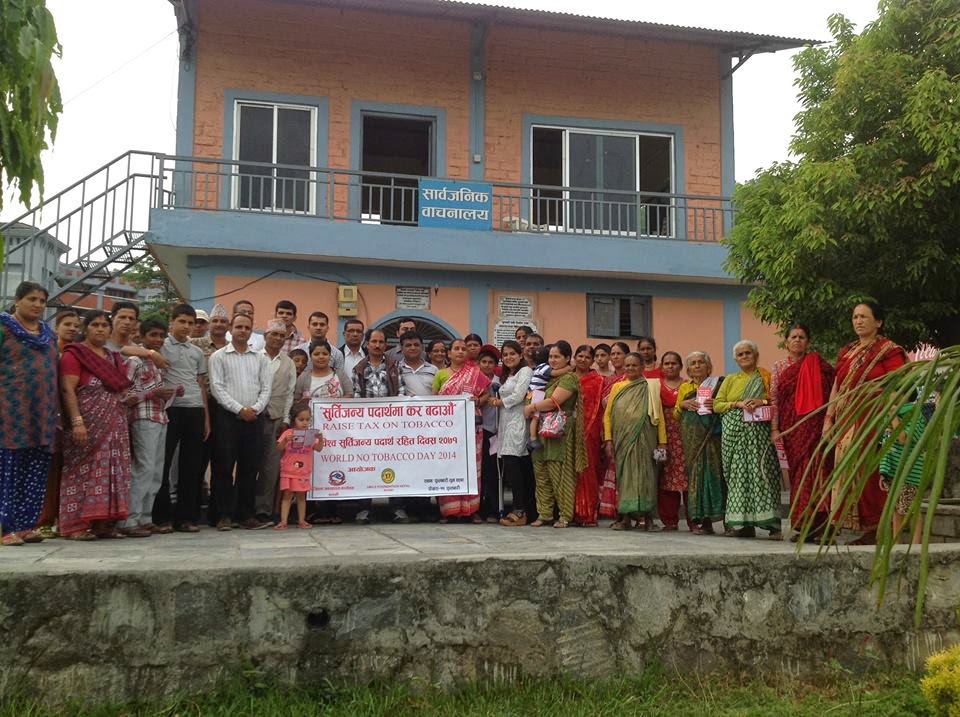
Participants of Program
World Tobacco Day was celebrated by different organizations to aware about the possible consequences of tobacco use. this day celebration helps to reduce the use of tobacco’s by people. 


In this occasion Smile Foundation Nepal also organize a orientation/Awareness program in fulbari, Pokhara with local people and youth of Fulbari in coordination with District Public Health Office kaski.  i  also participate in that program as a Guest representing Naulo Ghumti Nepal. The theme of This World No tobacco Day 2014 was -”Raising tax on tobacco” .Raising taxes on tobacco is the most effective policy to reduce tobacco use. It is also the most cost-effective. 
such types of program will helps to minimize the use  of tobacco and related substances and increase the awareness and helps to reduce the burden  of Tobaco related complication in general people.
(31st May 2014)

September 2, 2014 0 comments
0 FacebookTwitterPinterestLinkedinTumblrVKOdnoklassnikiRedditStumbleuponWhatsappTelegramLINEPocketSkypeViberEmail
National Plan, Policy & GuidelinesPublic HealthPublic Health ProgramsReportsResearch & Publication

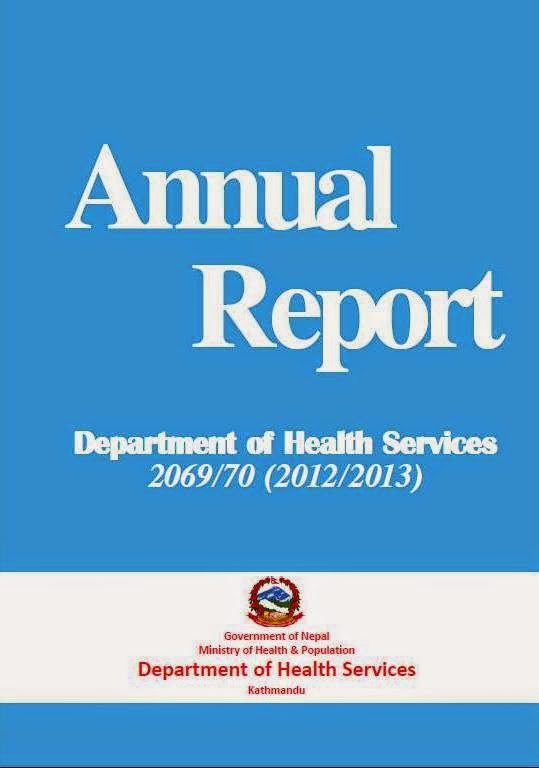
Annual Report of DoHS 2069/2070 (2012-2013)

by Public Health Update August 24, 2014
written by Public Health Update
The Annual Report of the Department of Health Services (DoHS) for fiscal year 2069/70 (2012/2013) is Published. This Report is  the 19th consecutive report of its kind. This report
You can Download this Report Directly from here;


  Annual Report of DoHS 2069/2070 (2012-2013)

annual%2Breport

                 CLICK HERE FOR DOWNLOAD 

August 24, 2014 0 comments
0 FacebookTwitterPinterestLinkedinTumblrVKOdnoklassnikiRedditStumbleuponWhatsappTelegramLINEPocketSkypeViberEmail
Newer Posts
Older Posts

Search

Follow Us

Facebook Twitter Instagram Pinterest Linkedin Youtube

Categories

  • Abstracts (25)
  • Activities (91)
  • Adolescent Sexual and Reproductive Health (ASRH) (25)
  • Advice & Tips (3)
  • African Region (5)
  • AI and Health (1)
  • Annual Meeting (6)
  • Antimicrobial Resistance (AMR) (21)
  • Award (19)
  • Awards (16)
  • Books (9)
  • Call for Proposal, EOI & RFP (103)
  • Call for Research Participants (8)
  • Clinical Doctor Jobs (6)
  • Communicable Diseases (107)
  • Competition (20)
  • Conference (128)
  • Consultant (1)
  • Courses (205)
  • Dashboard (2)
  • Digital Health & Health Informatics (10)
  • Drug and Medicine (18)
  • Eastern Mediterranean Region (3)
  • Education (15)
  • Environment (3)
  • Environmental Health & Climate Change (47)
  • European Region (42)
  • Exchange Program (1)
  • Fact Sheet (117)
  • FCHVs (1)
  • Fellowships, Studentship & Scholarships (168)
  • Financial Aid (13)
  • Form Formats (2)
  • Fully funded (22)
  • Global Health News (434)
  • Grants and Funding Opportunities (193)
  • Guest Post (44)
  • Health Assistant Jobs (1)
  • Health Equity (7)
  • Health Financing and Economics (24)
  • Health in Data (115)
  • Health Insurance (5)
  • Health Jobs (52)
  • Health Literacy, Health Education & Promotion (49)
  • Health Organization Profile (42)
  • Health Systems (83)
  • Human Resource for Health (33)
  • Humanitarian Health & Emergency Response (44)
  • Hypertension (5)
  • Implementation Research (48)
  • International Health (3)
  • International Jobs & Opportunities (373)
  • International Plan, Policy & Guidelines (210)
  • Internships (4)
  • Jobs Vacancies (56)
  • Journals (8)
  • Life Style & Public Health Nutrition (39)
  • Live (10)
  • Master's Degree (48)
  • Maternal, Newborn and Child Health (88)
  • Mentorship Program (2)
  • Miscellaneous (16)
  • National Health News (157)
  • National Plan, Policy & Guidelines (468)
  • Neglected Tropical Diseases (NTDs) (51)
  • Non- Communicable Diseases (NCDs) (120)
  • Notice (103)
  • Nursing Jobs (6)
  • Nutritionist Jobs (1)
  • One Health (18)
  • Online & Distance Learning (22)
  • Online Courses (90)
  • Op-Ed Article (3)
  • Opportunities by Region (83)
  • Outbreak News (213)
  • Partially funded (6)
  • PCL Health Science Jobs (3)
  • PH Important Day (533)
  • Pharmacist Jobs (3)
  • PhD (54)
  • Photos (5)
  • Planetary Health (4)
  • PostDoc (14)
  • Presentation Slides (26)
  • Primary Health Care (25)
  • Provincial Plan, Policies and Guidelines (14)
  • Public Health (1,282)
  • Public Health Epidemiology & Biostatistics (13)
  • Public Health Events (306)
  • Public Health Information (20)
  • Public Health Innovation (9)
  • Public Health Jobs (52)
  • Public Health News (553)
  • Public Health Notes (120)
  • Public Health Opportunities (507)
  • Public Health Opportunity (491)
  • Public Health Programs (108)
  • Public Health Seminar (2)
  • Public Health Tools (1)
  • Public Health Update (562)
  • Quality Improvement & Infection Prevention (20)
  • Region of America (8)
  • Reports (184)
  • Research & Project Grants (39)
  • Research & Project Grants (32)
  • Research & Publication (647)
  • Research Articles (10)
  • Road Traffic Accidents (RTA) (9)
  • School of Public Health (60)
  • Self funded (2)
  • South-East Asia Region (26)
  • Success Stories (17)
  • Summer and Winter Courses (40)
  • Summer Courses (28)
  • Sustainable Development Goals (SDGs) (14)
  • Syllabus (61)
  • Symposium (9)
  • Tobacco Control (35)
  • Training (40)
  • Travel Grants (15)
  • Trick, Technique & Skills (8)
  • Uncategorized (3)
  • Undergraduate Degree (7)
  • Universal Health Coverage (36)
  • Universities (29)
  • Universities & School of Public Health (58)
  • Vacancy Announcement (26)
  • Vaccine Preventable Diseases (40)
  • Vector-Borne Diseases(VBDs) (30)
  • Videos (3)
  • View Points (1)
  • Webinar (4)
  • Western Pacific Region (13)
  • Workshop (18)
  • World News (117)
Post New Jobs: Vacancy Announcement Service

Public Health Update (Sagun’s Blog) is a popular public health portal in Nepal. Thousands of health professionals are connected with Public Health Update to get up-to-date public health updates, search for jobs, and explore opportunities.
#1 Public Health Blog for sharing Job opportunities and updates in Nepal

”Public Health Information For All”
– – Sagun Paudel, Founder

  • HOT JOBS
    • Public Health Jobs
    • Medical Doctor Jobs
    • Nursing Jobs
    • Health Assistant Jobs
    • Pharmacist Jobs
    • NGOs Jobs
    • Government Jobs
  • Top Categories
    • National Plan, Policy & Guidelines Top
    • Public Health Calendar
    • Fellowships & Scholarships
    • Health Systems
    • Health Organization Profiles
    • International Jobs & Opportunities
    • Public Health Opportunity

PUBLIC HEALTH INITIATIVE

    • Submit your Vacancies New
    • Partnership Opportunities

Contact: blog.publichealthupdate@gmail.com

https://wa.me/+9779856036932

Public Health Initiative, A Registered Non-profit organization – All Right Reserved. 2011-2024. Contact us. 

Facebook Twitter Instagram Youtube Envelope
Public Health Update
  • Home
  • Public Health
    • Home 1
      • Adolescent Sexual and Reproductive Health (ASRH)
      • Antimicrobial Resistance (AMR)
      • Communicable Diseases
      • Digital Health & Health Informatics
      • Environmental Health & Climate Change
      • Health Financing and Economics
      • Health Equity
    • Home 2
      • Health Literacy, Health Education & Promotion
      • Human Resource for Health
      • Humanitarian Health & Emergency Response
      • Implementation Research
      • International Health
      • Life Style & Public Health Nutrition
      • Maternal, Newborn and Child Health
    • Home 3
      • Neglected Tropical Diseases (NTDs)
      • Non- Communicable Diseases (NCDs)
      • One Health
      • Planetary Health
      • Public Health Epidemiology & Biostatistics
      • Primary Health Care
      • Quality Improvement & Infection Prevention
    • Home 4
      • Road Traffic Accidents (RTA)
      • Sustainable Development Goals (SDGs)
      • Tobacco Control
      • Universal Health Coverage
      • Vaccine Preventable Diseases
      • Vector-Borne Diseases(VBDs)
      • Notices
  • Public Health Update
    • Home 1
      • Public Health News
      • Global Health News
      • Outbreak News
      • National Health News
      • COVID-19
    • Home 2
      • Fact Sheet
      • Health in Data
      • PH Important Day
      • Public Health Events
      • Public Health Programs
    • Home 3
      • Health Systems
      • Health Insurance
      • Health Organization Profile
      • Success Stories
      • Public Health Innovation
  • Public Health Opportunities
    • Fully funded
    • Travel Grants
    • Grants and Funding Opportunities
    • Opportunities by Region
    • International Jobs & Opportunities
    • Research & Project Grants
    • Fellowships, Studentship & Scholarships
    • Conference
  • Jobs
    • Home 1
      • Health Jobs
      • Public Health Jobs
      • Clinical doctor Jobs
      • Health Assistant Jobs
      • Nursing Jobs
      • PCL Health Science Jobs
    • Home 2
      • Dental Jobs
      • Pharmacist Jobs
      • TSLC (Health Jobs)
      • Laboratory Jobs
      • Nutritionist Jobs
  • Downloads
    • International Plan, Policy & Guidelines
    • National Plan, Policy & Guidelines
    • Reports
    • Books
    • Research Articles
  • School of Public Health
    • Home 1
      • Courses
      • Master’s Degree
      • Undergraduate Degree
      • PhD
    • Home 2
      • Universities
      • Syllabus
      • Public Health Notes
      • Mentorship Program
      • Startup Project
    • Home
      • Summer and Winter Courses
      • Summer Courses
      • Online Courses
      • Workshop
      • Training
Public Health Update
  • Home
  • Public Health
    • Home 1
      • Adolescent Sexual and Reproductive Health (ASRH)
      • Antimicrobial Resistance (AMR)
      • Communicable Diseases
      • Digital Health & Health Informatics
      • Environmental Health & Climate Change
      • Health Financing and Economics
      • Health Equity
    • Home 2
      • Health Literacy, Health Education & Promotion
      • Human Resource for Health
      • Humanitarian Health & Emergency Response
      • Implementation Research
      • International Health
      • Life Style & Public Health Nutrition
      • Maternal, Newborn and Child Health
    • Home 3
      • Neglected Tropical Diseases (NTDs)
      • Non- Communicable Diseases (NCDs)
      • One Health
      • Planetary Health
      • Public Health Epidemiology & Biostatistics
      • Primary Health Care
      • Quality Improvement & Infection Prevention
    • Home 4
      • Road Traffic Accidents (RTA)
      • Sustainable Development Goals (SDGs)
      • Tobacco Control
      • Universal Health Coverage
      • Vaccine Preventable Diseases
      • Vector-Borne Diseases(VBDs)
      • Notices
  • Public Health Update
    • Home 1
      • Public Health News
      • Global Health News
      • Outbreak News
      • National Health News
      • COVID-19
    • Home 2
      • Fact Sheet
      • Health in Data
      • PH Important Day
      • Public Health Events
      • Public Health Programs
    • Home 3
      • Health Systems
      • Health Insurance
      • Health Organization Profile
      • Success Stories
      • Public Health Innovation
  • Public Health Opportunities
    • Fully funded
    • Travel Grants
    • Grants and Funding Opportunities
    • Opportunities by Region
    • International Jobs & Opportunities
    • Research & Project Grants
    • Fellowships, Studentship & Scholarships
    • Conference
  • Jobs
    • Home 1
      • Health Jobs
      • Public Health Jobs
      • Clinical doctor Jobs
      • Health Assistant Jobs
      • Nursing Jobs
      • PCL Health Science Jobs
    • Home 2
      • Dental Jobs
      • Pharmacist Jobs
      • TSLC (Health Jobs)
      • Laboratory Jobs
      • Nutritionist Jobs
  • Downloads
    • International Plan, Policy & Guidelines
    • National Plan, Policy & Guidelines
    • Reports
    • Books
    • Research Articles
  • School of Public Health
    • Home 1
      • Courses
      • Master’s Degree
      • Undergraduate Degree
      • PhD
    • Home 2
      • Universities
      • Syllabus
      • Public Health Notes
      • Mentorship Program
      • Startup Project
    • Home
      • Summer and Winter Courses
      • Summer Courses
      • Online Courses
      • Workshop
      • Training
Public Health Initiative, A Registered Non-profit organization – All Right Reserved. 2011-2023