
Public Health Update
  • Home
  • Public Health Update
  • Nepal Health Jobs
    • Public Health Job Board
    • Organization List
  • Opportunities
    • Fellowships, Studentship & Scholarships
    • Grants and Funding Opportunities
    • Fully funded
    • Conference
  • Downloads
    • International Plan, Policy & Guidelines
    • National Plan, Policy & Guidelines
    • Reports
    • Public Health Notes
    • Syllabus
    • Form Formats
  • School of Public Health
    • PhD
    • Master’s Degree
    • Online Courses
  • Notice
  • Home
  • Public Health Update
  • Nepal Health Jobs
    • Public Health Job Board
    • Organization List
  • Opportunities
    • Fellowships, Studentship & Scholarships
    • Grants and Funding Opportunities
    • Fully funded
    • Conference
  • Downloads
    • International Plan, Policy & Guidelines
    • National Plan, Policy & Guidelines
    • Reports
    • Public Health Notes
    • Syllabus
    • Form Formats
  • School of Public Health
    • PhD
    • Master’s Degree
    • Online Courses
  • Notice
LOGIN / REGISTER
Public Health Update
SUBSCRIBE
Public Health Update
  • Home
  • Public Health Update
  • Nepal Health Jobs
    • Public Health Job Board
    • Organization List
  • Opportunities
    • Fellowships, Studentship & Scholarships
    • Grants and Funding Opportunities
    • Fully funded
    • Conference
  • Downloads
    • International Plan, Policy & Guidelines
    • National Plan, Policy & Guidelines
    • Reports
    • Public Health Notes
    • Syllabus
    • Form Formats
  • School of Public Health
    • PhD
    • Master’s Degree
    • Online Courses
  • Notice

All Right Reserved. Designed and Developed by PenciDesign

PH Important DayPublic HealthPublic Health Events

International Day for the Elimination of Violence Against Women and Girls(1st day in Pokhara)

by Public Health Update November 27, 2014
written by Public Health Update
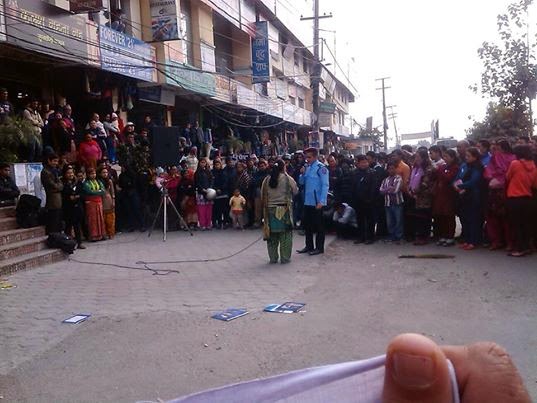
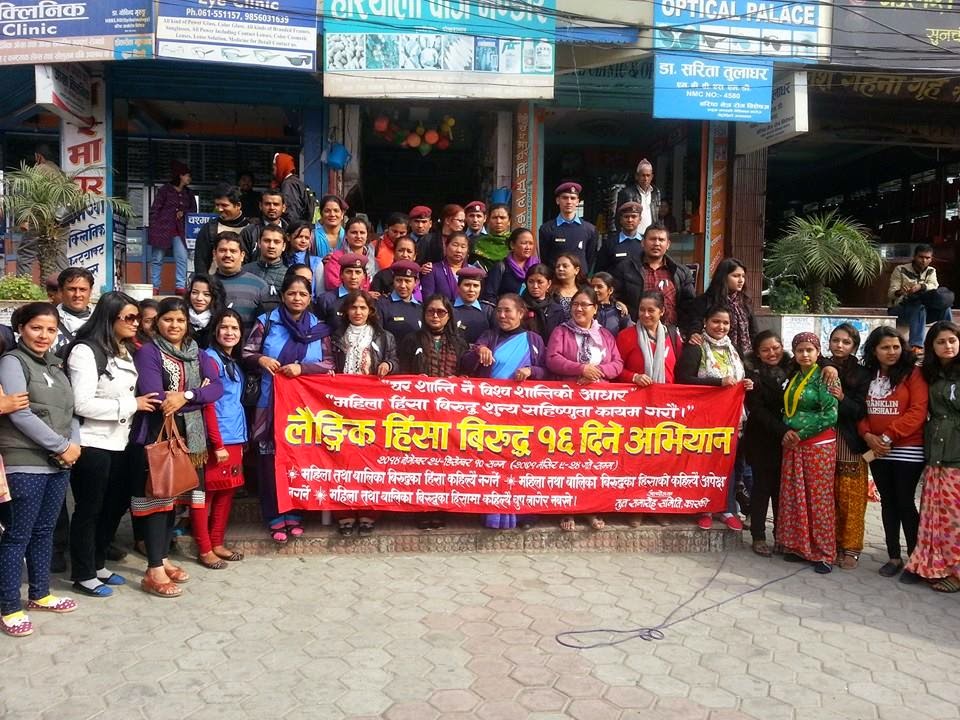
The International Day for the Elimination of Violence against Women, an annual event to raise awareness and accelerate progress towards ending the global scourge of violence against women and girls. Estimates suggest that One in three women globally have experienced either physical or sexual violence from a partner, or sexual violence by a non-partner at some point in their lives, and that levels of violence against women and girls remain extremely high.(WHO). 16 days of activism follow this event, started in 25th Nov and ending on 10 December, Human Rights Day.
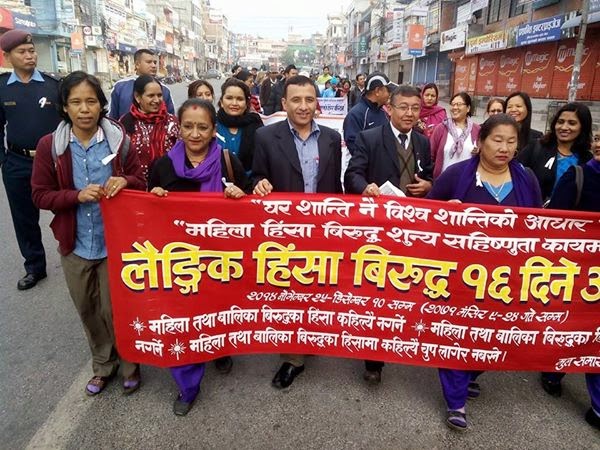
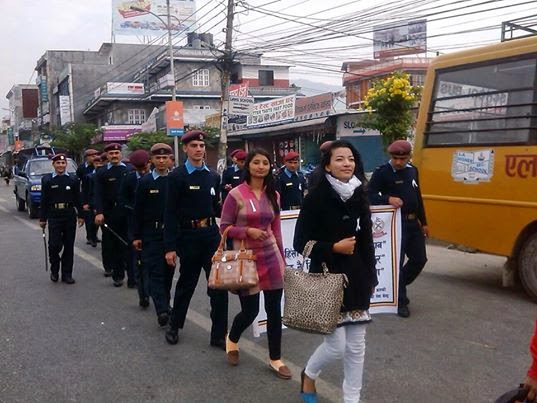
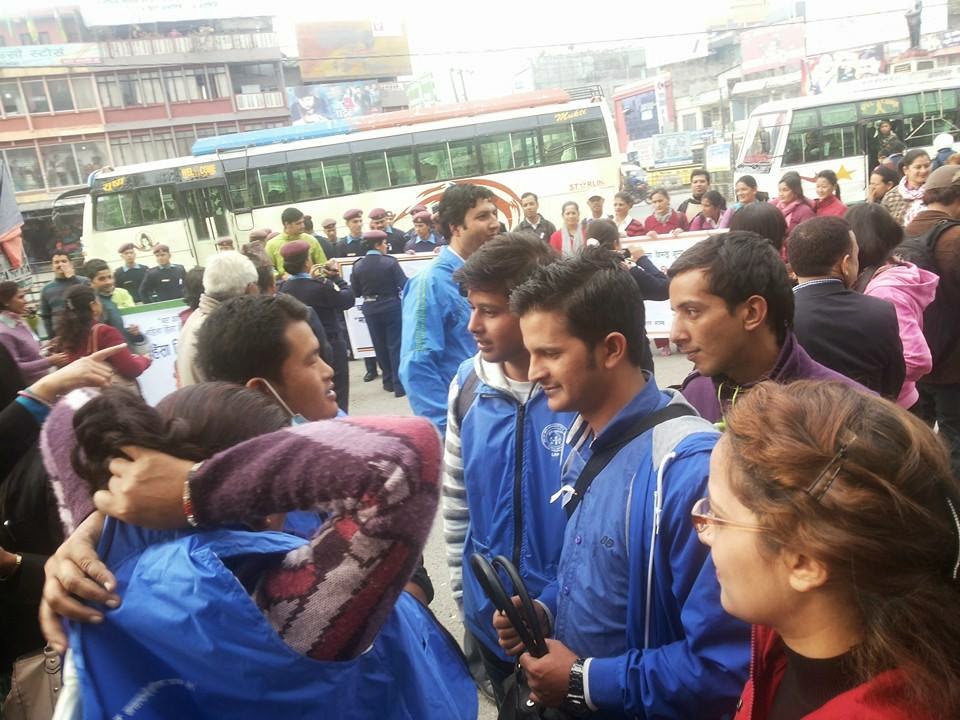
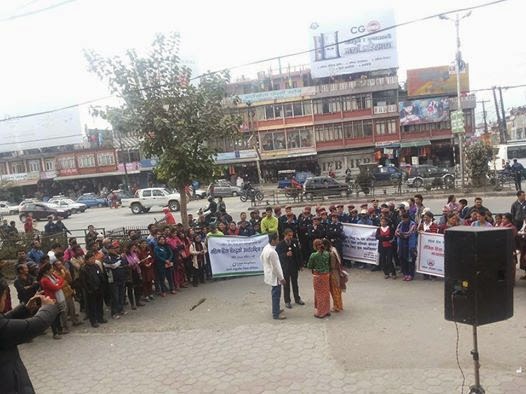
Various programs were designed to conduct for the elimination of violence against women and girls in Pokhara Some photos were collected here to spread the activities conducted in Pokhara in first day.
”GHAR SHANTI NAI BISHWO SHANTI KO ADHAR”
”MAHILA HINSA BIRUDDA SUNYA SAHANSILATA KAYAM GARAU”
JOIN OFFICIAL FACEBOOK ACCOUNT FOR THIS CAMPAIGN FROM KASKI 
10806299 10201954401300740 1154052905274029714 n
Group Photo of Participants

10409070 542311752571687 4759000495466636865 n
Regional Administrator with other participants

10426181 542302342572628 6374589391355994680 n%2B(1)

10348445 900632926654585 1432993900636384509 n
Participants of Naulo Ghumti Nepal

1972514 10152843514037410 3935752648131910106 n

10426181 542302342572628 6374589391355994680 n
snapshot of KACHARI Natak

10675753 900633656654512 6797292997935694257 n
snapshot of KACHARI Natak
10426181 542302342572628 6374589391355994680 n%2B(1)
Kachari Natak
download
10806299 10201954401300740 1154052905274029714 n
Group Photos

Photos were collected via Friend;s Facebook wall, Thankyou All.
If you have more Photos and want to publish here you can email : mail4sagun@gmail.com

Thank You

November 27, 2014 0 comments
0 FacebookTwitterPinterestLinkedinTumblrVKOdnoklassnikiRedditStumbleuponWhatsappTelegramLINEPocketSkypeViberEmail
National Plan, Policy & GuidelinesPresentation SlidesPublic Health

POLICY RELATED TO OCCUPATIONAL HEALTH AND SAFETY IN NEPAL

by Public Health Update November 27, 2014
written by Public Health Update
A Term paper submitted to fulfill the partial requirement of BPH Sixth Semester.


The International Labor Organization (ILO) and the World Health Organization (WHO) have shared a common definition of occupational health. This definition was adopted by the Joint ILO/WHO Committee on Occupational Health at its first session in 1950 and revised at its twelfth session in 1995. The definition reads: “Occupational health should aim at: the promotion and maintenance of the highest degree of physical, mental and social well-being of workers in all occupations; the prevention amongst workers of departures from health caused by their working conditions; the protection of workers in their employment from risks resulting from factors adverse to health; the placing and maintenance of the worker in an occupational environment adapted to his physiological and psychological capabilities; and, to summarize, the adaptation of work to man and of each man to his job.

Policy related to occupational health in Nepal from SAgun PAudel
November 27, 2014 0 comments
0 FacebookTwitterPinterestLinkedinTumblrVKOdnoklassnikiRedditStumbleuponWhatsappTelegramLINEPocketSkypeViberEmail
National Plan, Policy & GuidelinesPresentation SlidesResearch & Publication

National Nutrition Policy, Nepal-2004

by Public Health Update November 27, 2014
written by Public Health Update
Class Presentation about National Nutrition Policy-2004


Adequate nutrition is a fundamental right of every human being. • Improving the nutritional status of people is one of the prime duties of the government and is an essential factor in improving their health status and the quality of life.
In order to reduce/control nutritional problems, the GON needs to take various measures based on the following important principles: • HUMAN RIGHTS: accesses to nutritionally adequate and safe food and services for nutrition education are the rights of each individual.

National nutrition policy, Nepal from SAgun PAudel
November 27, 2014 0 comments
0 FacebookTwitterPinterestLinkedinTumblrVKOdnoklassnikiRedditStumbleuponWhatsappTelegramLINEPocketSkypeViberEmail
Presentation SlidesPublic Health

General Introduction to Health research (Basic)

by Public Health Update November 27, 2014
written by Public Health Update
This is a simple and general presentation about the health research which is prepared to present within staffs of Naulo Ghumti Nepal especially for EIHS staffs, objective if this presentation is to orient staffs about research.


The word research was originated from ‘recherche’ which means to travel through or survey.
  • RE+SEARCH= Search after search and search 
  • Careful search or inquiry into any subject matter.
  • To investigate thoroughly. Research is the process of finding solution to a problem after a through study and analysis of the situational factors.
  • Research as a movement, a movement from unknown to known.
  • Systematic effort to gain of knowledge. Research is systematic collection, analysis and interpretation of data to answer a certain question or solve a problem. Research need to conducted in a systematic fashion,Logical ,Orderly process.

General Introduction to Health research (Basic) from SAgun PAudel
November 27, 2014 0 comments
0 FacebookTwitterPinterestLinkedinTumblrVKOdnoklassnikiRedditStumbleuponWhatsappTelegramLINEPocketSkypeViberEmail
Presentation SlidesPublic Health

Orientation about HIV, AIDS and STIs

by Public Health Update November 27, 2014
written by Public Health Update
A Presentation Presented To orient about HIV, AIDS and STIs for Development of Knowledge, Attitude, and Practice for Prevention of HIV and STIs for College Students. 


AIDS is the most severe form of HIV infection. HIV infection is considered to be AIDS when at least one serious complicating illness develops or the number (count) of CD4+ lymphocytes decreases substantially. CD4 Count: The number of CD4+ lymphocytes in blood (the CD4 count) helps determine how well the immune system can protect the body from infections and how severe the damage done by the HIV is. Healthy people have a CD4 count of about 800 to 1,300 cells per microliter of blood.

Orientation about HIV, AIDS and STIs from SAgun PAudel
November 27, 2014 0 comments
0 FacebookTwitterPinterestLinkedinTumblrVKOdnoklassnikiRedditStumbleuponWhatsappTelegramLINEPocketSkypeViberEmail
Global Health NewsPublic Health News

WHO: An outbreak of plague in Madagascar

by Public Health Update November 22, 2014
written by Public Health Update
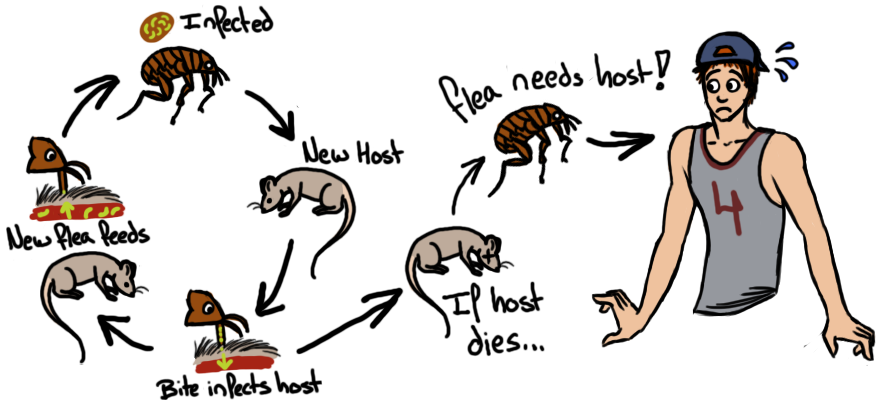
Plague is a bacterial disease caused by Yersinia pestis, which primarily affects wild rodents. It is spread from one rodent to another by fleas. Humans bitten by an infected flea usually develop a bubonic form of plague, which produces the characteristic plague bubo (a swelling of the lymph node).


If the bacteria reach the lungs, the patient develops pneumonia (pneumonic plague), which is then transmissible from person to person through infected droplets spread by coughing. If diagnosed early, bubonic plague can be successfully treated with antibiotics. Pneumonic plague, on the other hand, is one of the most deadly infectious diseases; patients can die 24 hours after infection. The mortality rate depends on how soon treatment is started, but is always very high.

cycle copy

Life-cycle (Source: Google search)


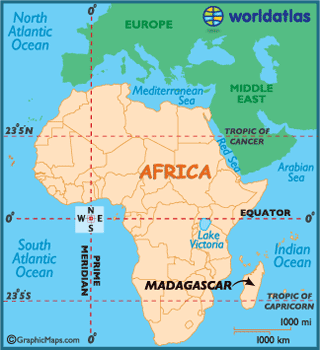
On 4 November 2014, WHO was notified by the Ministry of Health of Madagascar of an outbreak of plague. The first case, a male from Soamahatamana village in the district of Tsiroanomandidy, was identified on 31 August. The patient died on 3 September.
As of 16 November, a total of 119 cases of plague have been confirmed, including 40 deaths. Only 2% of reported cases are of the pneumonic form.
Cases have been reported in 16 districts of seven regions. Antananarivo, the capital and largest city in Madagascar, has also been affected with 2 recorded cases of plague, including 1 death. There is now a risk of a rapid spread of the disease due to the city’s high population density and the weakness of the healthcare system. The situation is further complicated by the high level of resistance to deltamethrin (an insecticide used to control fleas) that has been observed in the country.

mgafrica
Map: Source Google

WHO does not recommend any travel or trade restriction based on the current information available. In urban areas, such as Antananarivo, the surveillance of epidemic risk indicators is highly recommended for the implementation of preventive vector control activities. 

Source: World Health Organization: Global Alert and Response (GAR)

November 22, 2014 0 comments
0 FacebookTwitterPinterestLinkedinTumblrVKOdnoklassnikiRedditStumbleuponWhatsappTelegramLINEPocketSkypeViberEmail
PH Important Day

World Diabetes Day 2014 : ''Diabetes and Healthy Life''

by Public Health Update November 14, 2014
written by Public Health Update
World Diabetes Day 2014 will promote healthy breakfast activity under its theme Go Blue for Breakfast. The 2014 edition aims to highlight the importance of eating healthy to help prevent type 2 diabetes and avoid the serious complications of diabetes. The initiative promotes the benefits of starting the day with a healthy breakfast, which can help individuals manage their weight and, for people living with diabetes, keep blood glucose levels stable.


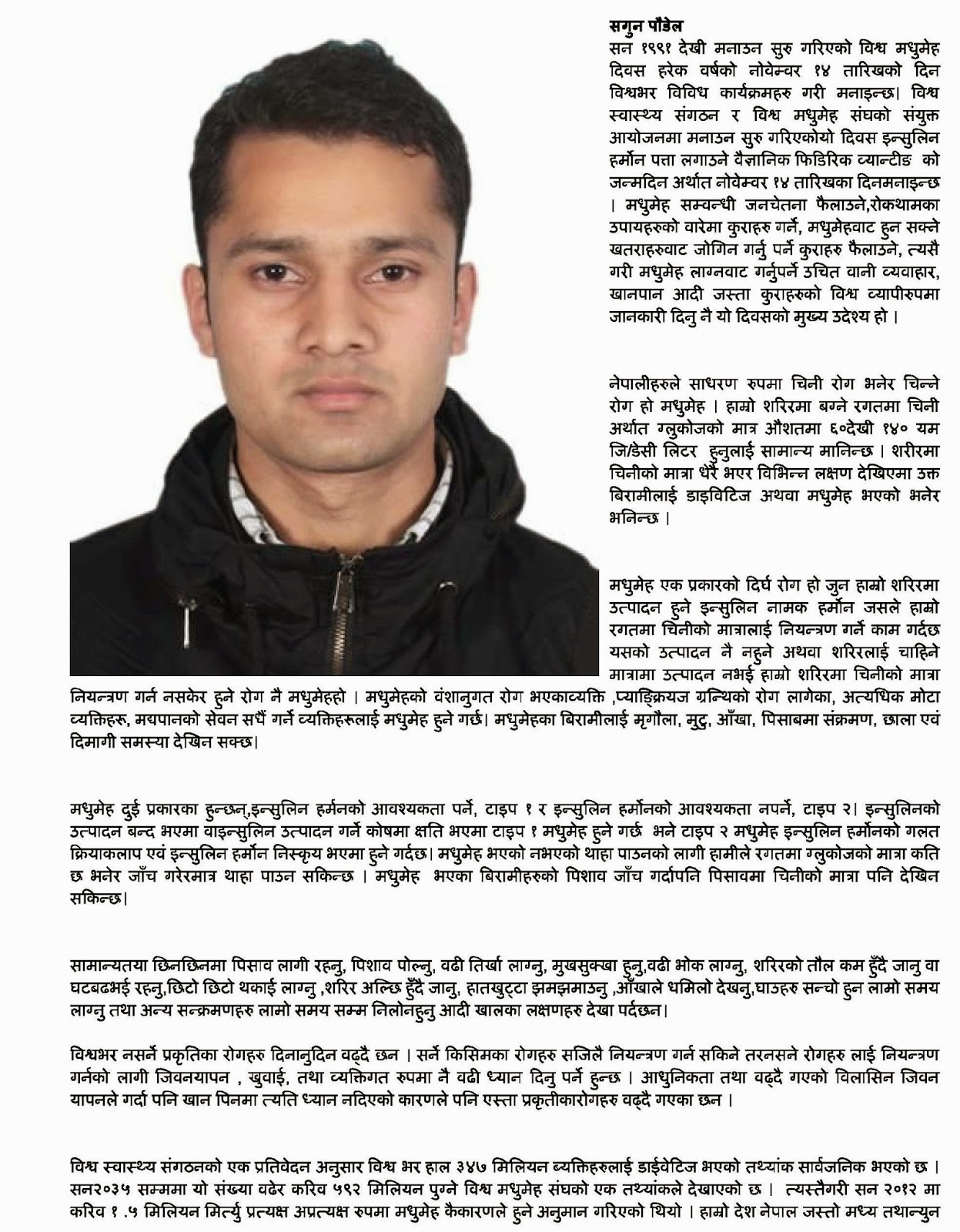
World Diabetes Day (WDD) is celebrated every year on November 14. The World Diabetes Day campaign is led by the International Diabetes Federation (IDF) and its member associations. It engages millions of people worldwide in diabetes advocacy and awareness. World Diabetes Day was created in 1991 by the International Diabetes Federation and the World Health Organization in response to growing concerns about the escalating health threat that diabetes now poses. World Diabetes Day became an official United Nations Day in 2007 with the passage of United Nation Resolution 61/225. The campaign draws attention to issues of paramount importance to the diabetes world and keeps diabetes firmly in the public spotlight.

diabetessssss
www.setoparewa.com

READ MORE FROM SETOPAREWA.COM: CLICK HERE 
World Diabetes Day is a campaign that features a new theme chosen by the International Diabetes Federation each year to address issues facing the global diabetes community. While the themed campaigns last the whole year, the day itself is celebrated on November 14, to mark the birthday of Frederick Banting who, along with Charles Best, first conceived the idea which led to the discovery of insulin in 1921.

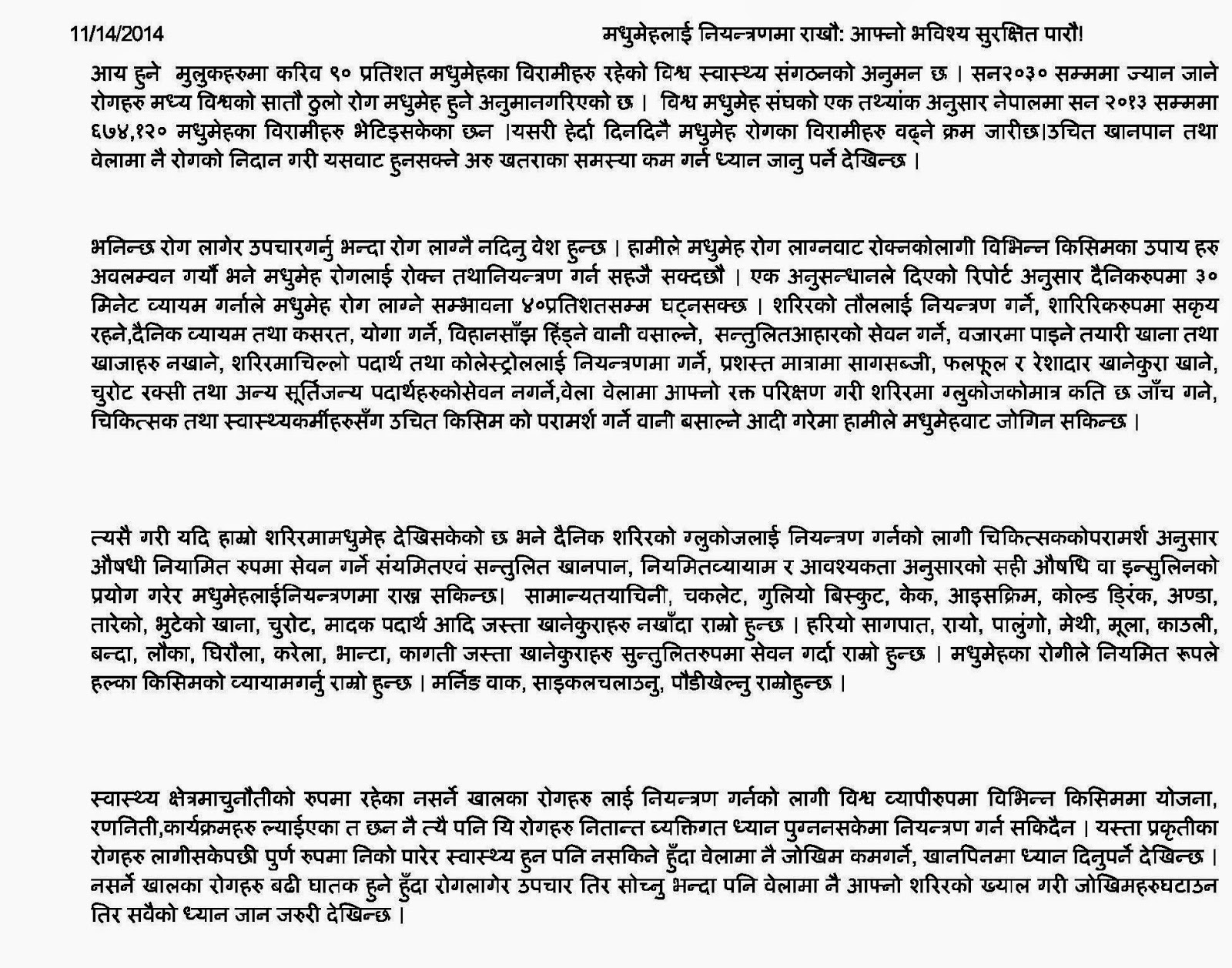
%E0%A4%AE%E0%A4%A7%E0%A5%81%E0%A4%AE%E0%A5%87%E0%A4%B9%E0%A4%B2%E0%A4%BE%E0%A4%88%2B%E0%A4%A8%E0%A4%BF%E0%A4%AF%E0%A4%A8%E0%A5%8D%E0%A4%A4%E0%A5%8D%E0%A4%B0%E0%A4%A3%E0%A4%AE%E0%A4%BE%2B%E0%A4%B0%E0%A4%BE...%E0%A5%8B%2B%E0%A4%AD%E0%A4%B5%E0%A4%BF%E0%A4%B6%E0%A5%8D%E0%A4%AF%2B%E0%A4%B8%E0%A5%81%E0%A4%B0%E0%A4%95%E0%A5%8D%E0%A4%B7%E0%A4%BF%E0%A4%A4%2B%E0%A4%AA%E0%A4%BE%E0%A4%B0%E0%A5%8C! page1
www.imagenepalnews.com

CLICK HERE FOR NEPALI ARTICLE FROM IMAGENEPAL.COM

%E0%A4%AE%E0%A4%A7%E0%A5%81%E0%A4%AE%E0%A5%87%E0%A4%B9%E0%A4%B2%E0%A4%BE%E0%A4%88%2B%E0%A4%A8%E0%A4%BF%E0%A4%AF%E0%A4%A8%E0%A5%8D%E0%A4%A4%E0%A5%8D%E0%A4%B0%E0%A4%A3%E0%A4%AE%E0%A4%BE%2B%E0%A4%B0%E0%A4%BE...%E0%A5%8B%2B%E0%A4%AD%E0%A4%B5%E0%A4%BF%E0%A4%B6%E0%A5%8D%E0%A4%AF%2B%E0%A4%B8%E0%A5%81%E0%A4%B0%E0%A4%95%E0%A5%8D%E0%A4%B7%E0%A4%BF%E0%A4%A4%2B%E0%A4%AA%E0%A4%BE%E0%A4%B0%E0%A5%8C! page2
www.imagenepalnews.com
Diabetes

Diabetes is a chronic disease, which occurs when the pancreas does not produce enough insulin, or when the body cannot effectively use the insulin it produces. This leads to an increased concentration of glucose in the blood (hyperglycaemia).

Type 1 diabetes (previously known as insulin-dependent or childhood-onset diabetes) is characterized by a lack of insulin production.

Type 2 diabetes (formerly called non-insulin-dependent or adult-onset diabetes) is caused by the body’s ineffective use of insulin. It often results from excess body weight and physical inactivity.

Gestational diabetes is hyperglycaemia that is first recognized during pregnancy.
Sign and Symptoms
Individuals can experience different signs and symptoms of diabetes, and sometimes there may be no signs. Some of the signs commonly experienced include:
  • Frequent urination
  • Excessive thirst
  • Increased hunger
  • Weight loss
  • Tiredness
  • Lack of interest and concentration
  • A tingling sensation or numbness in the hands or feet
  • Blurred vision
  • Frequent infections
  • Slow-healing wounds
  • Vomiting and stomach pain (often mistaken as the flu)
The development of type 1 diabetes is usually sudden and dramatic while the symptoms can often be mild or absent in people with type 2 diabetes, making this type of diabetes hard to detect.
Risk Factors
Several risk factors have been associated with type 2 diabetes and include:

  • Family history of diabetes
  • Overweight
  • Unhealthy diet
  • Physical inactivity
  • Increasing age
  • High blood pressure
  • Ethnicity
  • Impaired glucose tolerance (IGT)*
  • History of gestational diabetes
  • Poor nutrition during pregnancy


Key facts

  • · 347 million people worldwide have diabetes.

  • · In 2012, an estimated 1.5 million deaths were directly caused by diabetes .

  • · More than 80% of diabetes deaths occur in low- and middle-income countries.

  • · WHO projects that diabetes will be the 7th leading cause of death in 2030.

  • · Healthy diet, regular physical activity, maintaining a normal body weight and avoiding tobacco use can prevent or delay the onset of type 2 diabetes.
  • 382 million people have diabetes in the world and more than 72.1 million people in the SEA Region; by 2035 this will rise to 123 million.
  • There were 674,120 cases of diabetes in Nepal in 2013.
See more:
  • http://www.idf.org/signs-and-symptoms-diabetes
  • http://www.idf.org/about-diabetes/risk-factors
  • http://www.who.int/mediacentre/factsheets/fs312/en/


November 14, 2014 0 comments
0 FacebookTwitterPinterestLinkedinTumblrVKOdnoklassnikiRedditStumbleuponWhatsappTelegramLINEPocketSkypeViberEmail
PH Important Day

World Pneumonia Day 2014 : "Innovate to End Child Pneumonia".

by Public Health Update November 12, 2014
written by Public Health Update
World Pneumonia Day is celebrated every year on the 12th of November.
”UNIVERSAL ACCESS FOR PNEUMONIA PREVENTION AND CURE”

The aim is:
  • To create public awareness about pneumonia that kills one child under the age of 5, every 20 seconds.
  • To promote interventions for preventing and treating pneumonia
  • To generate an action plan to combat pneumonia.


Pneumonia is a form of acute respiratory infection that affects the lungs. The lungs are made up of small sacs called alveoli, which fill with air when a healthy person breathes. When an individual has pneumonia, the alveoli are filled with pus and fluid, which makes breathing painful and limits oxygen intake.

Key facts

  • Pneumonia is the leading infectious cause of death in children worldwide, accounting for 15% of all deaths of children under 5 years old.
  • Pneumonia killed an estimated 935 000 children under the age of five in 2013.
  • Pneumonia can be caused by viruses, bacteria or fungi.
  • Pneumonia can be prevented by immunization, adequate nutrition and by addressing environmental factors.
  • Pneumonia caused by bacteria can be treated with antibiotics, but only one third of children with pneumonia receive the antibiotics they need.
  • Pneumonia is the leading infectious killer of children under five years old.
  • In 2013 alone, more than 900,000 children died from this preventable and treatable illness, accounting for 15% of under-five child mortality worldwide, 2% of which are newborns.1
  • Children in poor and rural communities are most affected. The top 15 countries with the highest burden of child pneumonia deaths are India, Nigeria, Pakistan, Democratic Republic of Congo, Ethiopia, China, Angola, Indonesia, Afghanistan, Kenya, Bangladesh, Sudan, Uganda, Niger, and Tanzania.
  • In 2008, there were an estimated 203,000 deaths due to Haemophilus influenzae type b (Hib) and 541,000 deaths due to Streptococcus pneumoniae (pneumococcus) in children under five.
  • More than 99 percent of deaths from pneumonia occur in the developing world, where access to health care facilities and treatment is out of reach for many children. 
Prevention
300px Symptoms of pneumonia.svg
  • Preventing pneumonia in children is an essential component of a strategy to reduce child mortality. Immunization against Hib, pneumococcus, measles and whooping cough (pertussis) is the most effective way to prevent pneumonia.
  • Adequate nutrition is key to improving children’s natural defences, starting with exclusive breastfeeding for the first 6 months of life. In addition to being effective in preventing pneumonia, it also helps to reduce the length of the illness if a child does become ill.
  • Addressing environmental factors such as indoor air pollution (by providing affordable clean indoor stoves, for example) and encouraging good hygiene in crowded homes also reduces the number of children who fall ill with pneumonia.
  • In children infected with HIV, the antibiotic cotrimoxazole is given daily to decrease the risk of contracting pneumonia.
Sources:
  • http://worldpneumoniaday.org/learn/
  • http://www.who.int/mediacentre/factsheets/fs331/en/
  • http://www.who.int/pmnch/media/news/2012/2012_world_pneumonia_day/en/

November 12, 2014 0 comments
0 FacebookTwitterPinterestLinkedinTumblrVKOdnoklassnikiRedditStumbleuponWhatsappTelegramLINEPocketSkypeViberEmail
Global Health NewsPublic HealthPublic Health News

Scientists find mechanism for spontaneous HIV cure

by Public Health Update November 5, 2014
written by Public Health Update
French scientists on Tuesday unveiled the genetic mechanism by which they believe two men were spontaneously cured of HIV, and said the discovery may offer a new strategy in the fight against AIDS.


In both asymptomatic men, the AIDS-causing virus was inactivated due to an altered HIV gene coding integrated into human cells, they wrote in the journal Clinical Microbiology and Infection.
This, in turn, was likely due to stimulation of an enzyme that may in future be targeted for drug treatment to induce the same response, they said.

“This finding represents an avenue for a cure,” study co-author Didier Raoult of the French Institute of Health and Medical Research (Inserm) told AFP.
images
Source: Google Image

Neither of the men, one diagnosed HIV positive 30 years ago and the other in 2011, have ever been ill, and the AIDS-causing virus cannot be detected with routine tests of their blood.

In both, the virus was unable to replicate due to DNA coding changes that the researchers proposed were the result of a spontaneous evolution between humans and the virus that is called “endogenisation”.
“We propose that HIV cure may occur through HIV endogenisation in humans,” they wrote. “We believe that the persistence of HIV DNA can lead to cure, and protection, from HIV.”
The approach hitherto has been the opposite: to try and clear all traces of HIV from human cells.
The teams said they did not believe the two patients were unique or that the phenomenon was new.
Source: Health News from: Himalayan times
November 5, 2014 0 comments
0 FacebookTwitterPinterestLinkedinTumblrVKOdnoklassnikiRedditStumbleuponWhatsappTelegramLINEPocketSkypeViberEmail
Global Health NewsInternational Plan, Policy & GuidelinesPublic HealthPublic Health ProgramsResearch & Publication

''DELAMANID'' use in treatment of MDR-TB: WHO interim guidance

by Public Health Update November 4, 2014
written by Public Health Update
A new TB drug with a novel mechanism of action – delamanid – is now available for treatment of adults with multidrug-resistant tuberculosis (MDR-TB), a form of tuberculosis resistant to at least isoniazid and rifampicin, the main first-line drugs. Delamanid was granted conditional approval by the European Medicine Agency in April 2014. Information about this new drug however remains limited, since it has only been through Phase IIb trial and studies for safety and efficacy. WHO is therefore issuing “interim policy guidance” that lists five conditions that must be in place if delamanid is used to treat adults with MDR-TB:
  1. Proper patient inclusion: Special caution is required when delamanid is used in people aged 65 and over, in adults living with HIV, patients with diabetes, hepatic or severe renal impairment, or those who use alcohol or substances. Use in pregnant and breastfeeding women and children is not advised.
  2. Adherence to WHO recommendations when designing MDR-TB treatment regimens: When delamanid is included in treatment, all principles on which WHO-recommended MDR-TB treatment regimens are based must be followed, particularly the inclusion of four effective second-line drugs as well as pyrazinamide. Delamanid should not be introduced alone into a regimen in which the companion drugs are failing to show effectiveness.
  3. Effective treatment and monitoring: Treatment must be closely monitored for effectiveness and safety, using sound treatment and management protocols that have been approved by the relevant national authorities.
  4. Pharmacovigilance and management of adverse events: active pharmacovigilance measures must be in place to ensure early detection and proper management of adverse drug reactions and potential interactions with other drugs.
  5. Informed consent: Patients must be fully aware of the potential benefits and harms of the new drug, and give informed consent before embarking on treatment
WHO strongly recommends the acceleration of Phase III trials to generate a more comprehensive evidence base to inform future policy on delamanid. WHO will review, revise, or update the interim guidance as additional information on efficacy and safety become available. WHO has also developed an operational document to facilitate delamanid implementation and is working with partners to help ensure safe and effective introduction. More information about the practicalities of using delamanid alongside other old and new anti-TB drugs can be found in the updated WHO guidance “Companion handbook to the WHO guidelines for the programmatic management of drug-resistant tuberculosis”.


WHO estimates that about half a million new cases of MDR-TB occur worldwide, each year. Current treatment regimens for MDR-TB present many challenges: treatment lasts 20 months or more, requiring daily administration of drugs that are more toxic, less effective, and far more expensive than those used to treat drug-susceptible TB. Globally, less than half of all patients who start MDR-TB therapy are treated successfully. Wider availability of new drugs and shorter regimens will be essential if treatment outcomes of MDR-TB patients are to improve.
In 2013, another new drug, bedaquiline, was made available for use in the treatment of MDR-TB. Bedaquiline was the first new TB drug with a novel mechanism of action to be made available for more than 40 years and was granted accelerated approval by the United States Food and Drug Administration. It is still in Phase III trials and WHO urges caution in its use and strict adherence to conditions listed in the WHO interim policy guidance issued in June 2013.
28 October 2014
Source: http://who.int/tb/features_archive/delamanid/en/
November 4, 2014 0 comments
0 FacebookTwitterPinterestLinkedinTumblrVKOdnoklassnikiRedditStumbleuponWhatsappTelegramLINEPocketSkypeViberEmail
Newer Posts
Older Posts

Search

Follow Us

Facebook Twitter Instagram Pinterest Linkedin Youtube

Categories

  • Abstracts (25)
  • Activities (91)
  • Adolescent Sexual and Reproductive Health (ASRH) (25)
  • Advice & Tips (3)
  • African Region (5)
  • AI and Health (1)
  • Annual Meeting (6)
  • Antimicrobial Resistance (AMR) (21)
  • Award (19)
  • Awards (16)
  • Books (9)
  • Call for Proposal, EOI & RFP (103)
  • Call for Research Participants (8)
  • Clinical Doctor Jobs (6)
  • Communicable Diseases (107)
  • Competition (20)
  • Conference (128)
  • Consultant (1)
  • Courses (205)
  • Dashboard (2)
  • Digital Health & Health Informatics (10)
  • Drug and Medicine (18)
  • Eastern Mediterranean Region (3)
  • Education (15)
  • Environment (3)
  • Environmental Health & Climate Change (47)
  • European Region (42)
  • Exchange Program (1)
  • Fact Sheet (117)
  • FCHVs (1)
  • Fellowships, Studentship & Scholarships (168)
  • Financial Aid (13)
  • Form Formats (2)
  • Fully funded (22)
  • Global Health News (434)
  • Grants and Funding Opportunities (193)
  • Guest Post (44)
  • Health Assistant Jobs (1)
  • Health Equity (7)
  • Health Financing and Economics (24)
  • Health in Data (115)
  • Health Insurance (5)
  • Health Jobs (52)
  • Health Literacy, Health Education & Promotion (49)
  • Health Organization Profile (42)
  • Health Systems (83)
  • Human Resource for Health (33)
  • Humanitarian Health & Emergency Response (44)
  • Hypertension (5)
  • Implementation Research (48)
  • International Health (3)
  • International Jobs & Opportunities (373)
  • International Plan, Policy & Guidelines (210)
  • Internships (4)
  • Jobs Vacancies (56)
  • Journals (8)
  • Life Style & Public Health Nutrition (39)
  • Live (10)
  • Master's Degree (48)
  • Maternal, Newborn and Child Health (88)
  • Mentorship Program (2)
  • Miscellaneous (16)
  • National Health News (157)
  • National Plan, Policy & Guidelines (468)
  • Neglected Tropical Diseases (NTDs) (51)
  • Non- Communicable Diseases (NCDs) (120)
  • Notice (103)
  • Nursing Jobs (6)
  • Nutritionist Jobs (1)
  • One Health (18)
  • Online & Distance Learning (22)
  • Online Courses (90)
  • Op-Ed Article (3)
  • Opportunities by Region (83)
  • Outbreak News (213)
  • Partially funded (6)
  • PCL Health Science Jobs (3)
  • PH Important Day (533)
  • Pharmacist Jobs (3)
  • PhD (54)
  • Photos (5)
  • Planetary Health (4)
  • PostDoc (14)
  • Presentation Slides (26)
  • Primary Health Care (25)
  • Provincial Plan, Policies and Guidelines (14)
  • Public Health (1,282)
  • Public Health Epidemiology & Biostatistics (13)
  • Public Health Events (306)
  • Public Health Information (20)
  • Public Health Innovation (9)
  • Public Health Jobs (52)
  • Public Health News (553)
  • Public Health Notes (120)
  • Public Health Opportunities (507)
  • Public Health Opportunity (491)
  • Public Health Programs (108)
  • Public Health Seminar (2)
  • Public Health Tools (1)
  • Public Health Update (562)
  • Quality Improvement & Infection Prevention (20)
  • Region of America (8)
  • Reports (184)
  • Research & Project Grants (39)
  • Research & Project Grants (32)
  • Research & Publication (647)
  • Research Articles (10)
  • Road Traffic Accidents (RTA) (9)
  • School of Public Health (60)
  • Self funded (2)
  • South-East Asia Region (26)
  • Success Stories (17)
  • Summer and Winter Courses (40)
  • Summer Courses (28)
  • Sustainable Development Goals (SDGs) (14)
  • Syllabus (61)
  • Symposium (9)
  • Tobacco Control (35)
  • Training (40)
  • Travel Grants (15)
  • Trick, Technique & Skills (8)
  • Uncategorized (3)
  • Undergraduate Degree (7)
  • Universal Health Coverage (36)
  • Universities (29)
  • Universities & School of Public Health (58)
  • Vacancy Announcement (26)
  • Vaccine Preventable Diseases (40)
  • Vector-Borne Diseases(VBDs) (30)
  • Videos (3)
  • View Points (1)
  • Webinar (4)
  • Western Pacific Region (13)
  • Workshop (18)
  • World News (117)
Post New Jobs: Vacancy Announcement Service

Public Health Update (Sagun’s Blog) is a popular public health portal in Nepal. Thousands of health professionals are connected with Public Health Update to get up-to-date public health updates, search for jobs, and explore opportunities.
#1 Public Health Blog for sharing Job opportunities and updates in Nepal

”Public Health Information For All”
– – Sagun Paudel, Founder

  • HOT JOBS
    • Public Health Jobs
    • Medical Doctor Jobs
    • Nursing Jobs
    • Health Assistant Jobs
    • Pharmacist Jobs
    • NGOs Jobs
    • Government Jobs
  • Top Categories
    • National Plan, Policy & Guidelines Top
    • Public Health Calendar
    • Fellowships & Scholarships
    • Health Systems
    • Health Organization Profiles
    • International Jobs & Opportunities
    • Public Health Opportunity

PUBLIC HEALTH INITIATIVE

    • Submit your Vacancies New
    • Partnership Opportunities

Contact: blog.publichealthupdate@gmail.com

https://wa.me/+9779856036932

Public Health Initiative, A Registered Non-profit organization – All Right Reserved. 2011-2024. Contact us. 

Facebook Twitter Instagram Youtube Envelope
Public Health Update
  • Home
  • Public Health
    • Home 1
      • Adolescent Sexual and Reproductive Health (ASRH)
      • Antimicrobial Resistance (AMR)
      • Communicable Diseases
      • Digital Health & Health Informatics
      • Environmental Health & Climate Change
      • Health Financing and Economics
      • Health Equity
    • Home 2
      • Health Literacy, Health Education & Promotion
      • Human Resource for Health
      • Humanitarian Health & Emergency Response
      • Implementation Research
      • International Health
      • Life Style & Public Health Nutrition
      • Maternal, Newborn and Child Health
    • Home 3
      • Neglected Tropical Diseases (NTDs)
      • Non- Communicable Diseases (NCDs)
      • One Health
      • Planetary Health
      • Public Health Epidemiology & Biostatistics
      • Primary Health Care
      • Quality Improvement & Infection Prevention
    • Home 4
      • Road Traffic Accidents (RTA)
      • Sustainable Development Goals (SDGs)
      • Tobacco Control
      • Universal Health Coverage
      • Vaccine Preventable Diseases
      • Vector-Borne Diseases(VBDs)
      • Notices
  • Public Health Update
    • Home 1
      • Public Health News
      • Global Health News
      • Outbreak News
      • National Health News
      • COVID-19
    • Home 2
      • Fact Sheet
      • Health in Data
      • PH Important Day
      • Public Health Events
      • Public Health Programs
    • Home 3
      • Health Systems
      • Health Insurance
      • Health Organization Profile
      • Success Stories
      • Public Health Innovation
  • Public Health Opportunities
    • Fully funded
    • Travel Grants
    • Grants and Funding Opportunities
    • Opportunities by Region
    • International Jobs & Opportunities
    • Research & Project Grants
    • Fellowships, Studentship & Scholarships
    • Conference
  • Jobs
    • Home 1
      • Health Jobs
      • Public Health Jobs
      • Clinical doctor Jobs
      • Health Assistant Jobs
      • Nursing Jobs
      • PCL Health Science Jobs
    • Home 2
      • Dental Jobs
      • Pharmacist Jobs
      • TSLC (Health Jobs)
      • Laboratory Jobs
      • Nutritionist Jobs
  • Downloads
    • International Plan, Policy & Guidelines
    • National Plan, Policy & Guidelines
    • Reports
    • Books
    • Research Articles
  • School of Public Health
    • Home 1
      • Courses
      • Master’s Degree
      • Undergraduate Degree
      • PhD
    • Home 2
      • Universities
      • Syllabus
      • Public Health Notes
      • Mentorship Program
      • Startup Project
    • Home
      • Summer and Winter Courses
      • Summer Courses
      • Online Courses
      • Workshop
      • Training
Public Health Update
  • Home
  • Public Health
    • Home 1
      • Adolescent Sexual and Reproductive Health (ASRH)
      • Antimicrobial Resistance (AMR)
      • Communicable Diseases
      • Digital Health & Health Informatics
      • Environmental Health & Climate Change
      • Health Financing and Economics
      • Health Equity
    • Home 2
      • Health Literacy, Health Education & Promotion
      • Human Resource for Health
      • Humanitarian Health & Emergency Response
      • Implementation Research
      • International Health
      • Life Style & Public Health Nutrition
      • Maternal, Newborn and Child Health
    • Home 3
      • Neglected Tropical Diseases (NTDs)
      • Non- Communicable Diseases (NCDs)
      • One Health
      • Planetary Health
      • Public Health Epidemiology & Biostatistics
      • Primary Health Care
      • Quality Improvement & Infection Prevention
    • Home 4
      • Road Traffic Accidents (RTA)
      • Sustainable Development Goals (SDGs)
      • Tobacco Control
      • Universal Health Coverage
      • Vaccine Preventable Diseases
      • Vector-Borne Diseases(VBDs)
      • Notices
  • Public Health Update
    • Home 1
      • Public Health News
      • Global Health News
      • Outbreak News
      • National Health News
      • COVID-19
    • Home 2
      • Fact Sheet
      • Health in Data
      • PH Important Day
      • Public Health Events
      • Public Health Programs
    • Home 3
      • Health Systems
      • Health Insurance
      • Health Organization Profile
      • Success Stories
      • Public Health Innovation
  • Public Health Opportunities
    • Fully funded
    • Travel Grants
    • Grants and Funding Opportunities
    • Opportunities by Region
    • International Jobs & Opportunities
    • Research & Project Grants
    • Fellowships, Studentship & Scholarships
    • Conference
  • Jobs
    • Home 1
      • Health Jobs
      • Public Health Jobs
      • Clinical doctor Jobs
      • Health Assistant Jobs
      • Nursing Jobs
      • PCL Health Science Jobs
    • Home 2
      • Dental Jobs
      • Pharmacist Jobs
      • TSLC (Health Jobs)
      • Laboratory Jobs
      • Nutritionist Jobs
  • Downloads
    • International Plan, Policy & Guidelines
    • National Plan, Policy & Guidelines
    • Reports
    • Books
    • Research Articles
  • School of Public Health
    • Home 1
      • Courses
      • Master’s Degree
      • Undergraduate Degree
      • PhD
    • Home 2
      • Universities
      • Syllabus
      • Public Health Notes
      • Mentorship Program
      • Startup Project
    • Home
      • Summer and Winter Courses
      • Summer Courses
      • Online Courses
      • Workshop
      • Training
Public Health Initiative, A Registered Non-profit organization – All Right Reserved. 2011-2023