Public Health Update
  • Home
  • Public Health Update
  • Nepal Health Jobs
    • Public Health Job Board
    • Organization List
  • Opportunities
    • Fellowships, Studentship & Scholarships
    • Grants and Funding Opportunities
    • Fully funded
    • Conference
  • Downloads
    • International Plan, Policy & Guidelines
    • National Plan, Policy & Guidelines
    • Reports
    • Public Health Notes
    • Syllabus
    • Form Formats
  • School of Public Health
    • PhD
    • Master’s Degree
    • Online Courses
  • Notice
  • Home
  • Public Health Update
  • Nepal Health Jobs
    • Public Health Job Board
    • Organization List
  • Opportunities
    • Fellowships, Studentship & Scholarships
    • Grants and Funding Opportunities
    • Fully funded
    • Conference
  • Downloads
    • International Plan, Policy & Guidelines
    • National Plan, Policy & Guidelines
    • Reports
    • Public Health Notes
    • Syllabus
    • Form Formats
  • School of Public Health
    • PhD
    • Master’s Degree
    • Online Courses
  • Notice
LOGIN / REGISTER
Public Health Update
SUBSCRIBE
Public Health Update
  • Home
  • Public Health Update
  • Nepal Health Jobs
    • Public Health Job Board
    • Organization List
  • Opportunities
    • Fellowships, Studentship & Scholarships
    • Grants and Funding Opportunities
    • Fully funded
    • Conference
  • Downloads
    • International Plan, Policy & Guidelines
    • National Plan, Policy & Guidelines
    • Reports
    • Public Health Notes
    • Syllabus
    • Form Formats
  • School of Public Health
    • PhD
    • Master’s Degree
    • Online Courses
  • Notice

All Right Reserved. Designed and Developed by PenciDesign

PH Important DayPublic Health

''End Rabies Together'' : World Rabies Day

by Public Health Update September 28, 2015
written by Public Health Update
World Rabies Day is globally observed on Sep 28. This is an international event leaded by Global Alliance for Rabies Control and endorsed by various organizations. this event focus on raising the awareness and help to take action to prevent globally. This year WRD is going to be celebrate with the slogan ”End Rabies Together”
Rabies is an infectious viral disease that is almost always fatal following the onset of clinical signs.                            World Rabies Day

In more than 99% of human cases, the rabies virus is transmitted by domestic dogs. Rabies affects domestic and wild animals, and is spread to people through bites or scratches, usually via saliva.
Rabies is present on all continents with the exception of Antarctica, but more than 95% of human deaths occur in Asia and Africa.

Rabies is a neglected disease of poor and vulnerable populations whose deaths are rarely reported and where human vaccines and immunoglobulin are not readily available or accessible. It occurs mainly in remote rural communities where children between the age of 5–14 years are the most frequent victims.

Rabies kills nearly 25,000 people every year in the WHO South-East Asia Region which accounts for 45% of global deaths caused by the disease. Over 1.5 billion people in the Region are at risk of rabies infection. 

Every year an estimated 4 million people take rabies preventive vaccines, mostly after dog bites. About 40% people exposed to dog bites are children in the age group of 5 to 15 years. As of today, rabies has no cure. Eliminating rabies is an important public health goal.

– Dr Poonam Khetrapal Singh, WHO Regional Director for South-East Asia
Prevention

  • Eliminating rabies in dogs 
  • Preventive immunization in people
  • Pre-exposure immunization is also recommended for people in certain high-risk occupations. 

Key facts (Fact Sheet N°99, Updated September 2015, WHO)

  • Rabies is a vaccine-preventable viral disease which occurs in more than 150 countries and territories.
  • Dogs are the source of the vast majority of human rabies deaths.
  • Rabies elimination is feasible by vaccinating dogs.
  • Infection causes tens of thousands of deaths every year, mostly in Asia and Africa.
  • 40% of people who are bitten by suspect rabid animals are children under 15 years of age.
  • Immediate wound cleansing with soap and water after contact with a suspect rabid animal can be life-saving.
  • Every year, more than 15 million people worldwide receive a post-bite vaccination to prevent the disease; this is estimated to prevent hundreds of thousands of rabies deaths annually.
Source of Information: World Health Organization
September 28, 2015 0 comments
0 FacebookTwitterPinterestLinkedinTumblrVKOdnoklassnikiRedditStumbleuponWhatsappTelegramLINEPocketSkypeViberEmail
PH Important DayPublic Health

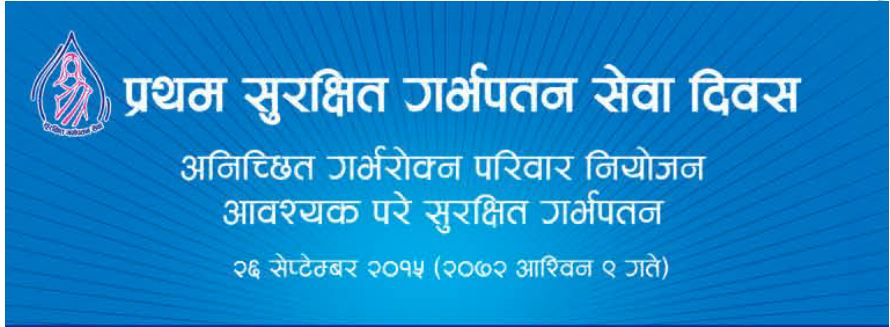
First safe abortion service day marked

by Public Health Update September 26, 2015
written by Public Health Update
Kathmandu, Sept 26: It has been 13 years since Nepal legalized abortion and 751,694 have taken this service during this period.

The 11th amendment to the Civil Code on 26 September 2002 opened the way for legal facility for abortion (up to 12 weeks of pregnancy) and up to 18 weeks in unusual cases like rape and incest. But the consent of woman is needed. 
Nepal marked Friday as the first safe abortion service day under the theme of Family Planning Necessary to prevent unwanted pregnancy: safe abortion in needed’.

Capture
Photo: Capture from Kantipur National Daily
The Family Health Division, the Ministry of Health and Population here Friday organised a programme marking the day where it was shared that only 38 per cent of women entering into reproductive age are aware that abortion is legalized in the country.
Of the total maternal mortality rate, seven percent was due to unsafe measures taken during abortion. The statistics show that of 100 pregnant women, eight underwent abortion and 25 per cent had unwanted pregnancy.
Division Director Prof Dr Pushpa Chaudhary said the safe abortion services are available in all the 75 districts across the country. She urged couples not to take this service as an alternative means to family planning. 


The government in the current budget announced free abortion services in the government health institutes.
Also speaking on the occasion, Minister for Health and Population Khagaraj Adhikari said abortion for determining sex is not allowed and the Ministry has formed a mechanism to control this. 
Source:RSS, Saturday 26th of September 2015
September 26, 2015 0 comments
0 FacebookTwitterPinterestLinkedinTumblrVKOdnoklassnikiRedditStumbleuponWhatsappTelegramLINEPocketSkypeViberEmail
Maternal, Newborn and Child HealthPublic HealthPublic Health NotesSustainable Development Goals (SDGs)

UN Sustainable Development Goals : Health-related Sustainable Development Goals targets

by Public Health Update September 25, 2015
written by Public Health Update

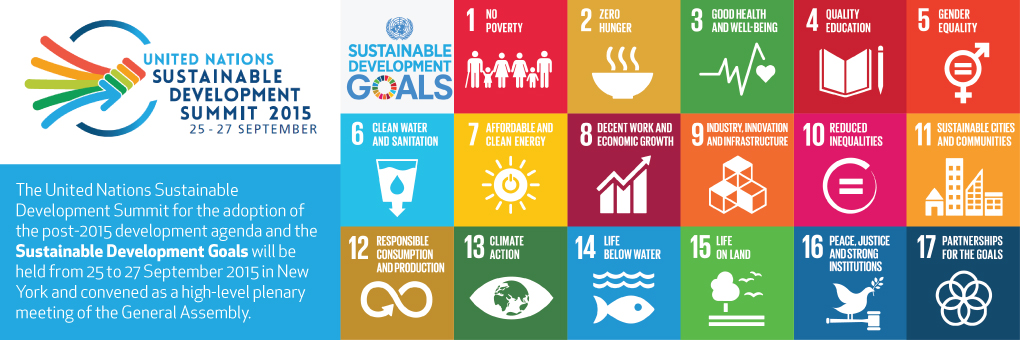
More than 150 world leaders will gather at United Nations Headquarters in New York to formally adopt an ambitious new sustainable development agenda at a 3-day summit beginning Friday 25 September.
2015 presents a historic and unprecedented opportunity to bring the countries and citizens of the world together to decide and embark on new paths to improve the lives of people everywhere. These decisions will determine the global course of action to end poverty, promote prosperity and well-being for all, protect the environment and address climate change.

Agreed by the 193 Member States of the UN, the new agenda, Transforming Our World: 2030 Agenda for Sustainable Development, consists of a Declaration, 17 Sustainable Development Goals and 169 targets.

image18 3606


Goal 1. End poverty in all its forms everywhere
  • 1.3: Implement nationally appropriate social protection systems and measures for all, including floors, and by 2030 achieve substantial coverage of the poor and the vulnerable
  • 1.5: By 2030, build the resilience of the poor and those in vulnerable situations and reduce their exposure and vulnerability to climate-related extreme events and other economic, social and environmental shocks and disasters
Goal 2. End hunger, achieve food security and improved nutrition and promote sustainable agriculture
  • 2.1: By 2030, end hunger and ensure access by all people, in particular the poor and people in vulnerable situations, including infants, to safe, nutritious and sufficient food all year round
  • 2.2: By 2030, end all forms of malnutrition, including achieving, by 2025, the internationally agreed targets on stunting and wasting in children under 5 years of age, and address the nutritional needs of adolescent girls, pregnant and lactating women and older persons
Goal 3. Ensure healthy lives and promote well-being for all at all ages
  • 3.1 By 2030, reduce the global maternal mortality ratio to less than 70 per 100,000 live births 
  • 3.2 By 2030, end preventable deaths of newborns and children under 5 years of age, with all countries aiming to reduce neonatal mortality to at least as low as 12 per 1,000 live births and under-5 mortality to at least as low as 25 per 1,000 live births
  • 3.3 By 2030, end the epidemics of AIDS, tuberculosis, malaria and neglected tropical diseases and combat hepatitis, water-borne diseases and other communicable diseases
  • 3.4 By 2030, reduce by one third premature mortality from non-communicable diseases through prevention and treatment and promote mental health and well-being
  • 3.5 Strengthen the prevention and treatment of substance abuse, including narcotic drug abuse and harmful use of alcohol
  • 3.6 By 2020, halve the number of global deaths and injuries from road traffic accidents
  • 3.7 By 2030, ensure universal access to sexual and reproductive health-care services, including for family planning, information and education, and the integration of reproductive health into national strategies and programmes
  • 3.8 Achieve universal health coverage, including financial risk protection, access to quality essential health-care services and access to safe, effective, quality and affordable essential medicines and vaccines for all
  • 3.9 By 2030, substantially reduce the number of deaths and illnesses from hazardous chemicals and air, water and soil pollution and contamination
  • 3.a Strengthen the implementation of the World Health Organization Framework Convention on Tobacco Control in all countries, as appropriate

  • 3.b Support the research and development of vaccines and medicines for the communicable and noncommunicable diseases that primarily affect developing countries, provide access to affordable essential medicines and vaccines, in accordance with the Doha Declaration on the TRIPS Agreement and Public Health, which affirms the right of developing countries to use to the full the provisions in the Agreement on Trade Related Aspects of Intellectual Property Rights regarding flexibilities to protect public health, and, in particular, provide access to medicines for all
  • 3.c Substantially increase health financing and the recruitment, development, training and retention of the health workforce in developing countries, especially in least developed countries and small island developing States
  • 3.d Strengthen the capacity of all countries, in particular developing countries, for early warning, risk reduction and management of national and global health risks
Goal 4. Ensure inclusive and equitable quality education and promote lifelong learning opportunities for all
  • 4.5 By 2030, eliminate gender disparities in education and ensure equal access to all levels of education and vocational training for the vulnerable, including persons with disabilities, indigenous peoples and children in vulnerable situations
  • 4.a Build and upgrade education facilities that are child, disability and gender sensitive and provide safe, nonviolent, inclusive and effective learning environments for all
Goal 5. Achieve gender equality and empower all women and girls
  • 5.2 Eliminate all forms of violence against all women and girls in the public and private spheres, including trafficking and sexual and other types of exploitation
  • 5.3 Eliminate all harmful practices, such as child, early and forced marriage and female genital mutilation
  • 5.6 Ensure universal access to sexual and reproductive health and reproductive rights as agreed in accordance with the Programme of Action of the International Conference on Population and Development and the Beijing Platform for Action and the outcome documents of their review conferences
Goal 6. Ensure availability and sustainable management of water and sanitation for all
  • 6.1 By 2030, achieve universal and equitable access to safe and affordable drinking water for all
  • 6.2 By 2030, achieve access to adequate and equitable sanitation and hygiene for all and end open defecation, paying special attention to the needs of women and girls and those in vulnerable situations
Goal 7. Ensure access to affordable, reliable, sustainable and modern energy for all
  • 7.1 By 2030, ensure universal access to affordable, reliable and modern energy services
Goal 8. Promote sustained, inclusive and sustainable economic growth, full and productive employment and decent work for all
  • 8.5 By 2030, achieve full and productive employment and decent work for all women and men, including for young people and persons with disabilities, and equal pay for work of equal value
  • 8.7 Take immediate and effective measures to eradicate forced labour, end modern slavery and human trafficking and secure the prohibition and elimination of the worst forms of child labour, including recruitment and use of child soldiers, and by 2025 end child labour in all its forms 
  • 8.8 Protect labour rights and promote safe and secure working environments for all workers, including migrant workers, in particular women migrants, and those in precarious employment


Goal 10. Reduce inequality within and among countries
  • 10.2 By 2030, empower and promote the social, economic and political inclusion of all, irrespective of age, sex, disability, race, ethnicity, origin, religion or economic or other status
  • 10.7 Facilitate orderly, safe, regular and responsible migration and mobility of people, including through the implementation of planned and well-managed migration policies
Goal 11. Make cities and human settlements inclusive, safe, resilient and sustainable
  • 11.1 By 2030, ensure access for all to adequate, safe and affordable housing and basic services and upgrade slums
  • 11.2 By 2030, provide access to safe, affordable, accessible and sustainable transport systems for all, improving road safety, notably by expanding public transport, with special attention to the needs of those in vulnerable situations, women, children, persons with disabilities and older persons
  • 11.5 By 2030, significantly reduce the number of deaths and the number of people affected and substantially decrease the direct economic losses relative to global gross domestic product caused by disasters, including water-related disasters, with a focus on protecting the poor and people in vulnerable situations
  • 11.7 By 2030, provide universal access to safe, inclusive and accessible, green and public spaces, in particular for women and children, older persons and persons with disabilities
  • 11.b By 2020, substantially increase the number of cities and human settlements adopting and implementing integrated policies and plans towards inclusion, resource efficiency, mitigation and adaptation to climate change, resilience to disasters, and develop and implement, in line with the Sendai Framework for Disaster Risk Reduction 2015-2030, holistic disaster risk management at all levels
Goal 12. Ensure sustainable consumption and production patterns
  • 12.4 By 2020, achieve the environmentally sound management of chemicals and all wastes throughout their life cycle, in accordance with agreed international frameworks, and significantly reduce their release to air, water and soil in order to minimize their adverse impacts on human health and the environment
Goal 13. Take urgent action to combat climate change and its impacts
  • 13.3 Improve education, awareness-raising and human and institutional capacity on climate change mitigation, adaptation, impact reduction and early warning
Goal 16. Promote peaceful and inclusive societies for sustainable development, provide access to justice for all and build effective, accountable and inclusive institutions at all levels
  • 16.2 End abuse, exploitation, trafficking and all forms of violence against and torture of children
  • 16.9 By 2030, provide legal identity for all, including birth registration
Goal 17. Strengthen the means of implementation and revitalize the global partnership for sustainable development
  • 17.18 By 2020, enhance capacity-building support to developing countries, including for least developed countries and small island developing States, to increase significantly the availability of high-quality, timely and reliable data disaggregated by income, gender, age, race, ethnicity, migratory status, disability, geographic location and other characteristics relevant in national contexts.
ORIGINAL SOURCE OF INFO


September 25, 2015 0 comments
0 FacebookTwitterPinterestLinkedinTumblrVKOdnoklassnikiRedditStumbleuponWhatsappTelegramLINEPocketSkypeViberEmail
Health SystemsMaternal, Newborn and Child HealthPrimary Health CarePublic HealthSustainable Development Goals (SDGs)

SDG GOAL 3 TARGETS: Ensure healthy lives and promote well-being for all at all ages

by Public Health Update September 25, 2015
written by Public Health Update
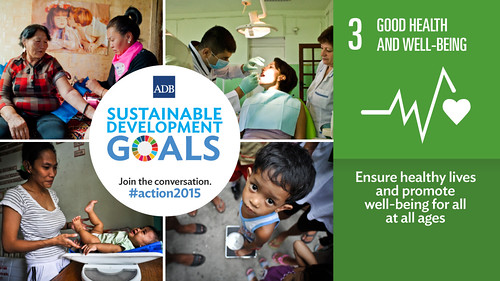
Ensuring healthy lives and promoting the well-being for all at all ages is essential to sustainable development. Significant strides have been made in increasing life expectancy and reducing some of the common killers associated with child and maternal mortality. Major progress has been made on increasing access to clean water and sanitation, reducing malaria, tuberculosis, polio and the spread of HIV/AIDS. However, many more efforts are needed to fully eradicate a wide range of diseases and address many different persistent and emerging health issues.
21592847046 1285823d3c


GOAL 3 TARGETS:

  • By 2030, reduce the global maternal mortality ratio to less than 70 per 100,000 live births
  • By 2030, end preventable deaths of newborns and children under 5 years of age, with all countries aiming to reduce neonatal mortality to at least as low as 12 per 1,000 live births and under-5 mortality to at least as low as 25 per 1,000 live births
  • By 2030, end the epidemics of AIDS, tuberculosis, malaria and neglected tropical diseases and combat hepatitis, water-borne diseases and other communicable diseases
  • By 2030, reduce by one third premature mortality from non-communicable diseases through prevention and treatment and promote mental health and well-being
  • Strengthen the prevention and treatment of substance abuse, including narcotic drug abuse and harmful use of alcohol
  • By 2020, halve the number of global deaths and injuries from road traffic accidents 3.7 By 2030, ensure universal access to sexual and reproductive health-care services, including for family planning, information and education, and the integration of reproductive health into national strategies and programmes
  • Achieve universal health coverage, including financial risk protection, access to quality essential health-care services and access to safe, effective, quality and affordable essential medicines and vaccines for all
  • By 2030, substantially reduce the number of deaths and illnesses from hazardous chemicals and air, water and soil pollution and contamination
  • Strengthen the implementation of the World Health Organization Framework Convention on Tobacco Control in all countries, as appropriate

  • Support the research and development of vaccines and medicines for the communicable and noncommunicable diseases that primarily affect developing countries, provide access to affordable essential medicines and vaccines, in accordance with the Doha Declaration on the TRIPS Agreement and Public Health, which affirms the right of developing countries to use to the full the provisions in the Agreement on Trade Related Aspects of Intellectual Property Rights regarding flexibilities to protect public health, and, in particular, provide access to medicines for all
  • Substantially increase health financing and the recruitment, development, training and retention of the health workforce in developing countries, especially in least developed countries and small island developing States
  • Strengthen the capacity of all countries, in particular developing countries, for early warning, risk reduction and management of national and global health risks.
Original Source: http://www.un.org/sustainabledevelopment/health/


September 25, 2015 0 comments
0 FacebookTwitterPinterestLinkedinTumblrVKOdnoklassnikiRedditStumbleuponWhatsappTelegramLINEPocketSkypeViberEmail
Health SystemsMaternal, Newborn and Child HealthPrimary Health CarePublic HealthSustainable Development Goals (SDGs)Universal Health Coverage

SDG 3: Ensure healthy lives and promote well-being for all at all ages

by Public Health Update September 25, 2015
written by Public Health Update
WHO welcomes the launch of the 2030 Agenda for Sustainable Development, and commits to work with partners around the world to achieve the new Sustainable Development Goals (SDGs).
21592847046 1285823d3c
Building on the Millennium Development Goals (MDGs), the SDG agenda demonstrates unprecedented scope and ambition. Poverty eradication, health, education, and food security and nutrition remain priorities, but the 17 SDGs also encompass a broad range of economic, social and environmental objectives, as well as the promise of more peaceful and inclusive societies.

SDG 3: Ensure healthy lives and promote well-being for all at all ages, profiles health as a desirable outcome in its own right. Importantly, however, health is also presented as an input to other goals, and a reliable measure of how well sustainable development is progressing in general.


The health goal itself includes new targets for key issues on which major progress has been made under the MDGs. The global HIV, TB and malaria epidemics have been turned around. Worldwide, child mortality and maternal mortality have dropped greatly, by 53% and more than 40% respectively since 1990.
But much remains to be done. Reports of global progress have often masked discrepancies in progress between and within countries. There is a recognition of the need to focus not only on ensuring that people survive, but that they thrive as well.

It has also become clear that the world would be a healthier place if there were global targets for a much wider range of issues. Importantly, the new goal includes targets for tackling noncommunicable diseases. It also covers health security; reproductive, maternal, newborn, child and adolescent health; infectious diseases and universal health coverage.
WHO looks forward to collaborating with partners to meet all these targets, and particularly welcomes the inclusion of universal health coverage. Universal health coverage expresses the very spirit of the new development agenda, with its emphasis on equity and social inclusion that leaves no one behind.

WHO statement 

25 September 2015


READ ALSO: GOAL 3 TARGETS

September 25, 2015 0 comments
0 FacebookTwitterPinterestLinkedinTumblrVKOdnoklassnikiRedditStumbleuponWhatsappTelegramLINEPocketSkypeViberEmail
PH Important DayPublic Health

“Pharmacist: Your partner in Health”: World Pharmacists Day 2015

by Public Health Update September 25, 2015
written by Public Health Update


The International Pharmaceutical Federation (FIP) strongly encourages all pharmacists and their associations across the globe to participate in World Pharmacists Day on 25 September. This year’s theme is:


“Pharmacist: Your partner in Health”


Medicines must go hand in hand with pharmaceutical expertise, or in other words, with pharmacists. This is a partnership essential to the responsible use of medicines. But other partnerships are also important. Every day three million pharmacists and pharmaceutical scientists around the world act as partners to patients, other health care professionals and other scientists, throughout the whole supply chain and with the shared vision of better health.

images
Across the globe our profession is clearly demonstrating all the requirements of great partnerships; shared goals, commitment, vital skills and rapport, as well as the ability to have difficult talks and to overcome obstacles.

World Pharmacists Day 2015: celebrate and promote our profession. All over the world, on Friday 25 September, pharmacists will celebrate World Pharmacists Day. This special day, now in its fifth year, was established by the International Pharmaceutical Federation (FIP), the global federation of national associations of pharmacists and pharmaceutical scientists, which is in official relations with the World Health Organization. Through our 132 member organisations, we represent over three million experts in medicines. September 25 was suggested by our Turkish members because it is the date that FIP came into existence in 1912. 

By Dr Carmen Peña, President, International Pharmaceutical Federation (FIP)


September 25, 2015 0 comments
0 FacebookTwitterPinterestLinkedinTumblrVKOdnoklassnikiRedditStumbleuponWhatsappTelegramLINEPocketSkypeViberEmail
Public Health

Malaria MDG target achieved amid sharp drop in cases and mortality, but 3 billion people remain at risk- WHO

by Public Health Update September 23, 2015
written by Public Health Update
17 SEPTEMBER 2015
LONDON
Malaria death rates have plunged by 60% since 2000, translating into 6.2 million lives saved, the vast majority of them children, according to a joint WHO-UNICEF report released.

The report – “Achieving the malaria MDG target” – shows that the malaria MDG target to “have halted and begun to reverse the incidence” of malaria by 2015, has been met “convincingly”, with new malaria cases dropping by 37% in 15 years.

mmmmmmmmmmmmm
Download Report: Achieving the malaria MDG target: reversing the incidence of malaria 2000–2015
September 2015


“Global malaria control is one of the great public health success stories of the past 15 years,” said Dr. Margaret Chan, Director-General of WHO. “It’s a sign that our strategies are on target, and that we can beat this ancient killer, which still claims hundreds of thousands of lives, mostly children, each year.”

An increasing number of countries are on the verge of eliminating malaria. In 2014, 13 countries reported zero cases of the disease and 6 countries reported fewer than 10 cases. The fastest decreases were seen in the Caucasus and Central Asia, which reported zero cases in 2014, and in Eastern Asia.

Download Report: Achieving the malaria MDG target: reversing the incidence of malaria 2000–2015

September 2015
Source:WHO


September 23, 2015 0 comments
0 FacebookTwitterPinterestLinkedinTumblrVKOdnoklassnikiRedditStumbleuponWhatsappTelegramLINEPocketSkypeViberEmail
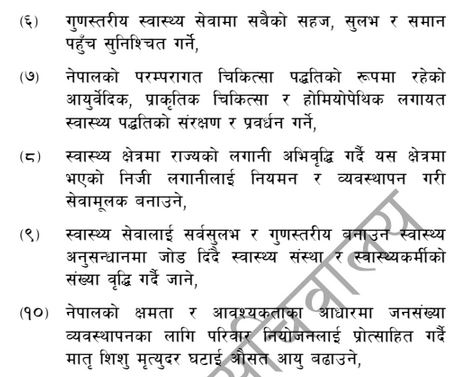
Constitution of Nepal 2072
MiscellaneousNational Plan, Policy & Guidelines

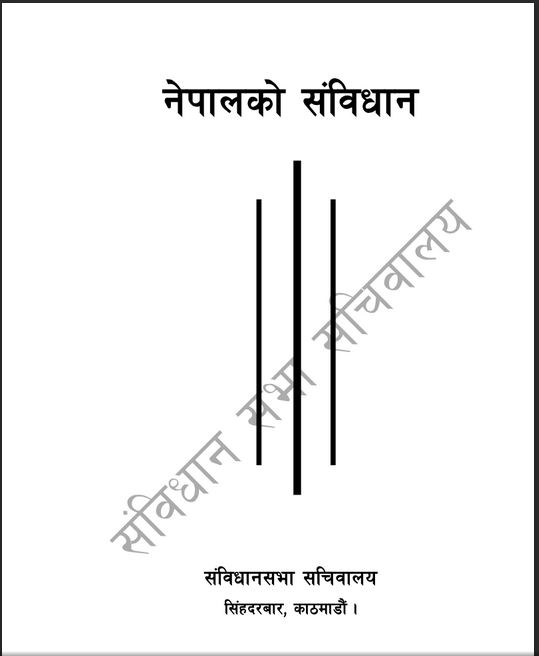
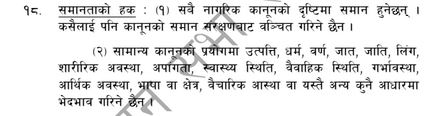
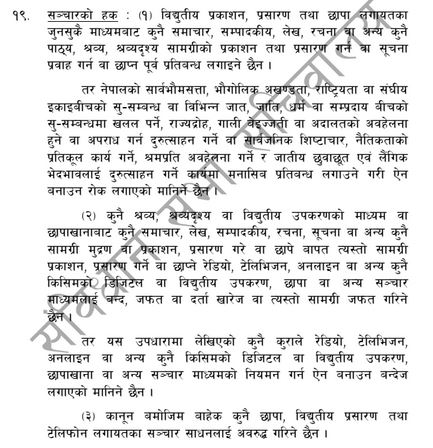
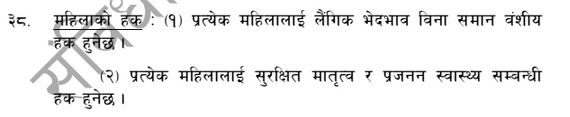
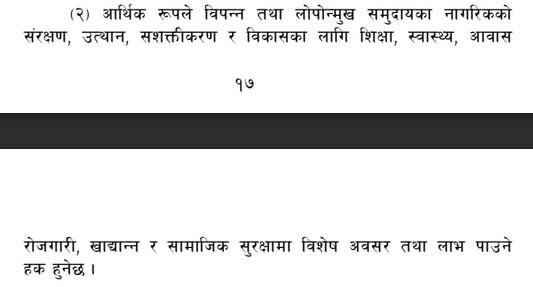
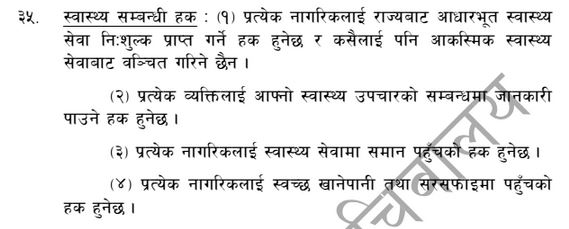
Key Component of Health included in Constitution of Nepal 2072

by Public Health Update September 21, 2015
written by Public Health Update

Constitution of Nepal


Capture
DOWNLOAD: FULL DOCUMENT: CLICK HERE
Capture1
Health and Pregnancy Period 

Capture 3
Research Related 😀 

Capture 6
Health for Female

Capture 66
SM and Rep Right

Capture 6
Health for Disadvantaged Group

Capture health
Health Right


Capturebbbbbbbbbbbbbbb
Investment in PH

Capturebbbbbbbbbbbbbbbbb
Health & Nutrition for Child

Capturebbbbbbbbbbbbbbbbbbbbbbbbbb
Health Insurance

Capturefff
Health: Female Right

Capturemmmmmmmmmmmmm
Other Key Issues
DOWNLOAD: FULL DOCUMENT: CLICK HERE


DOWNLOAD: FULL DOCUMENT: CLICK HERE 


DOWNLOAD: FULL DOCUMENT: CLICK HERE 


September 21, 2015 0 comments
0 FacebookTwitterPinterestLinkedinTumblrVKOdnoklassnikiRedditStumbleuponWhatsappTelegramLINEPocketSkypeViberEmail
PH Important Day

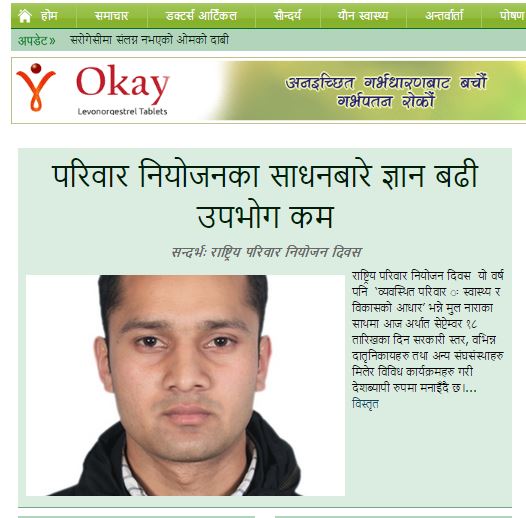
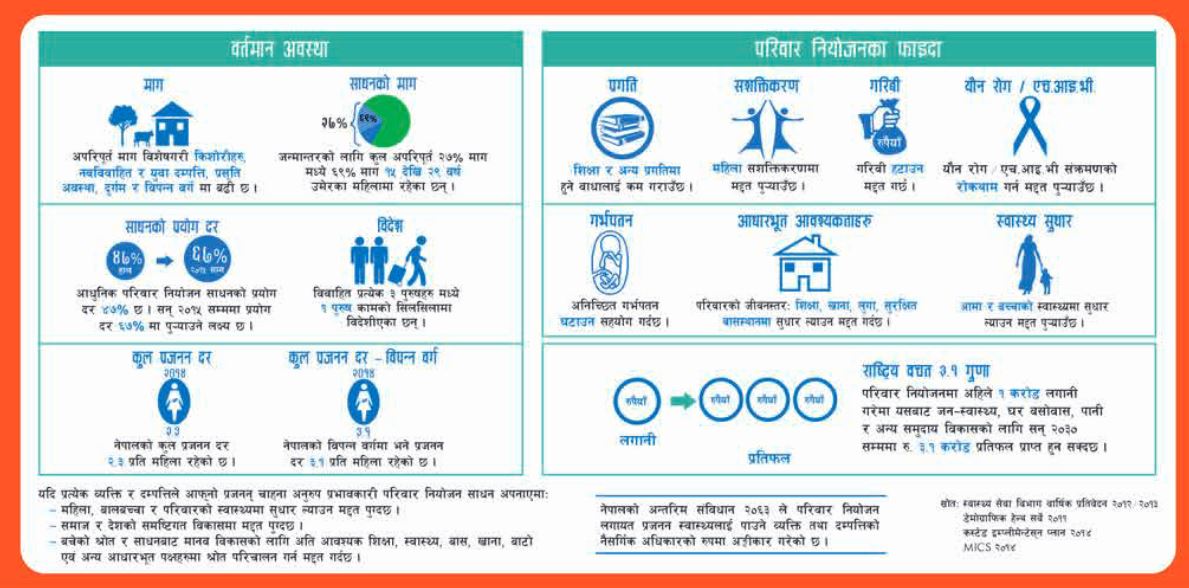
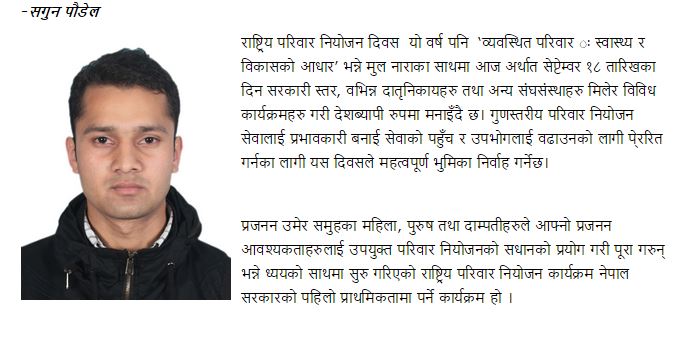
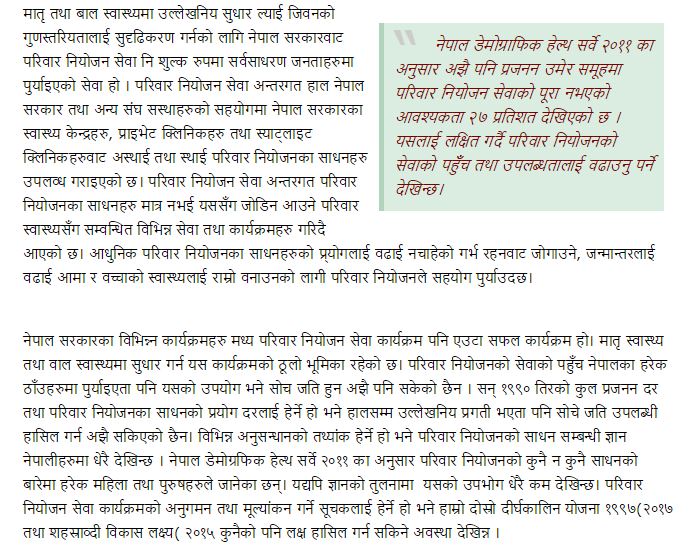
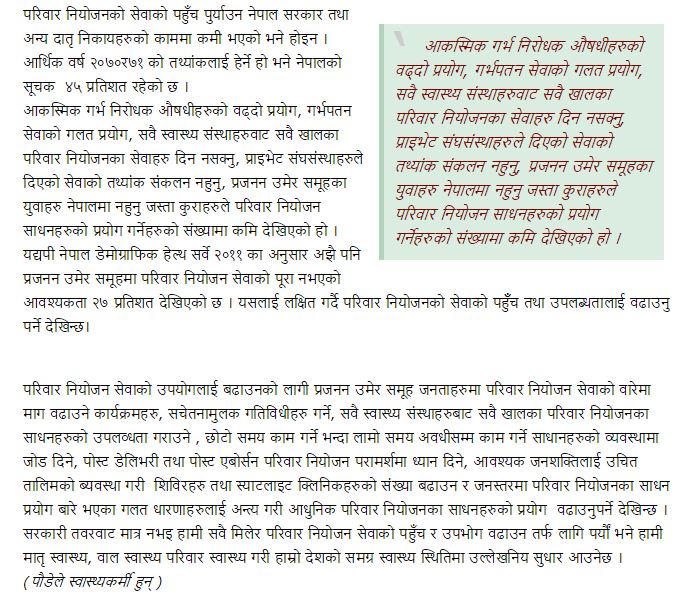
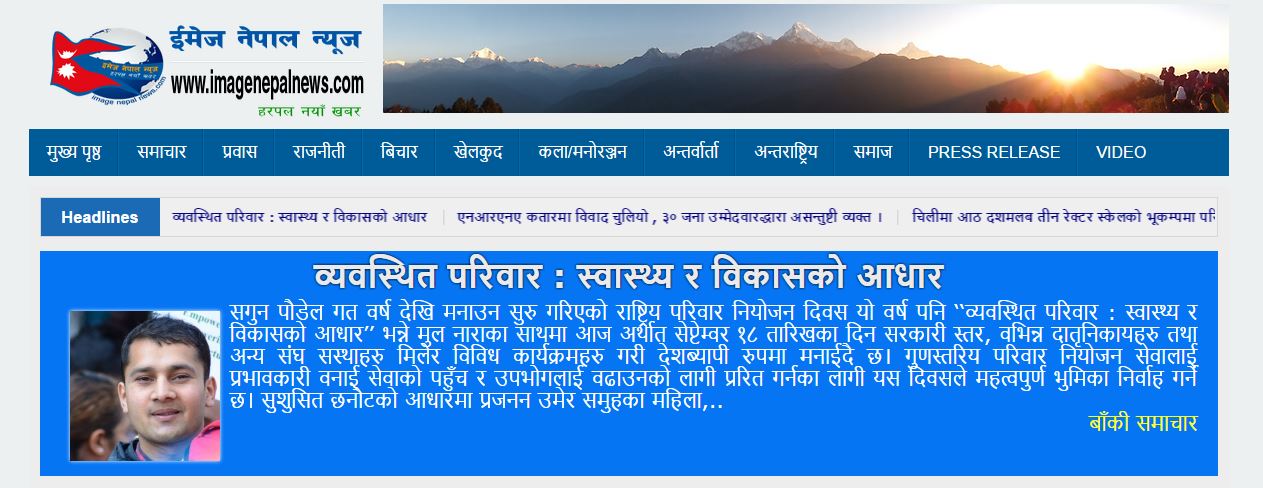
#National Family Planning Day (18th Sep 2015)

by Public Health Update September 20, 2015
written by Public Health Update
Captureswa
Swasthya Khabar Patrika
�


�
fp1
Swasthya Khabar Patrika
fp2
Swasthya Khabar Patrika
fp3
Swasthya Khabar Patrika
PSH


Captureima
IMAGENEPALNEWS.COM
�
�
Capture kantiput
KANTIPUR
September 20, 2015 0 comments
0 FacebookTwitterPinterestLinkedinTumblrVKOdnoklassnikiRedditStumbleuponWhatsappTelegramLINEPocketSkypeViberEmail
International Plan, Policy & GuidelinesPublic Health

“Preventing suicide: a global imperative”- WHO

by Public Health Update September 10, 2015
written by Public Health Update

Every 40 seconds a person dies by suicide somewhere in the world. “Preventing suicide: a global imperative” is the first WHO report of its kind. It aims to increase awareness of the public health significance of suicide and suicide attempts, to make suicide prevention a higher priority on the global public health agenda, and to encourage and support countries to develop or strengthen comprehensive suicide prevention strategies in a multisectoral public health approach.

2014 report publication
DOWNLOAD THIS REPORT:CLICK HERE

The report provides a global knowledge base on suicide and suicide attempts as well as actionable steps for countries based on their current resources and context to move forward in suicide prevention.

DOWNLOAD THIS REPORT:CLICK HERE


Source:World Health Organization

September 10, 2015 0 comments
0 FacebookTwitterPinterestLinkedinTumblrVKOdnoklassnikiRedditStumbleuponWhatsappTelegramLINEPocketSkypeViberEmail
Newer Posts
Older Posts

Search

Follow Us

Facebook Twitter Instagram Pinterest Linkedin Youtube

Categories

  • Abstracts (25)
  • Activities (91)
  • Adolescent Sexual and Reproductive Health (ASRH) (25)
  • Advice & Tips (3)
  • African Region (5)
  • AI and Health (1)
  • Annual Meeting (6)
  • Antimicrobial Resistance (AMR) (21)
  • Award (19)
  • Awards (16)
  • Books (9)
  • Call for Proposal, EOI & RFP (103)
  • Call for Research Participants (8)
  • Clinical Doctor Jobs (6)
  • Communicable Diseases (107)
  • Competition (20)
  • Conference (128)
  • Consultant (1)
  • Courses (205)
  • Dashboard (2)
  • Digital Health & Health Informatics (10)
  • Drug and Medicine (18)
  • Eastern Mediterranean Region (3)
  • Education (15)
  • Environment (3)
  • Environmental Health & Climate Change (47)
  • European Region (42)
  • Exchange Program (1)
  • Fact Sheet (117)
  • FCHVs (1)
  • Fellowships, Studentship & Scholarships (168)
  • Financial Aid (13)
  • Form Formats (2)
  • Fully funded (22)
  • Global Health News (433)
  • Grants and Funding Opportunities (193)
  • Guest Post (44)
  • Health Assistant Jobs (1)
  • Health Equity (7)
  • Health Financing and Economics (24)
  • Health in Data (115)
  • Health Insurance (5)
  • Health Jobs (52)
  • Health Literacy, Health Education & Promotion (49)
  • Health Organization Profile (42)
  • Health Systems (83)
  • Human Resource for Health (33)
  • Humanitarian Health & Emergency Response (44)
  • Hypertension (5)
  • Implementation Research (48)
  • International Health (3)
  • International Jobs & Opportunities (373)
  • International Plan, Policy & Guidelines (210)
  • Internships (4)
  • Jobs Vacancies (56)
  • Journals (8)
  • Life Style & Public Health Nutrition (39)
  • Live (10)
  • Master's Degree (48)
  • Maternal, Newborn and Child Health (88)
  • Mentorship Program (2)
  • Miscellaneous (16)
  • National Health News (157)
  • National Plan, Policy & Guidelines (468)
  • Neglected Tropical Diseases (NTDs) (51)
  • Non- Communicable Diseases (NCDs) (120)
  • Notice (103)
  • Nursing Jobs (6)
  • Nutritionist Jobs (1)
  • One Health (17)
  • Online & Distance Learning (22)
  • Online Courses (90)
  • Op-Ed Article (3)
  • Opportunities by Region (83)
  • Outbreak News (213)
  • Partially funded (6)
  • PCL Health Science Jobs (3)
  • PH Important Day (533)
  • Pharmacist Jobs (3)
  • PhD (54)
  • Photos (5)
  • Planetary Health (4)
  • PostDoc (14)
  • Presentation Slides (26)
  • Primary Health Care (25)
  • Provincial Plan, Policies and Guidelines (14)
  • Public Health (1,282)
  • Public Health Epidemiology & Biostatistics (13)
  • Public Health Events (306)
  • Public Health Information (20)
  • Public Health Innovation (9)
  • Public Health Jobs (52)
  • Public Health News (552)
  • Public Health Notes (120)
  • Public Health Opportunities (507)
  • Public Health Opportunity (491)
  • Public Health Programs (108)
  • Public Health Seminar (2)
  • Public Health Tools (1)
  • Public Health Update (561)
  • Quality Improvement & Infection Prevention (20)
  • Region of America (8)
  • Reports (184)
  • Research & Project Grants (39)
  • Research & Project Grants (32)
  • Research & Publication (647)
  • Research Articles (10)
  • Road Traffic Accidents (RTA) (9)
  • School of Public Health (60)
  • Self funded (2)
  • South-East Asia Region (26)
  • Success Stories (17)
  • Summer and Winter Courses (40)
  • Summer Courses (28)
  • Sustainable Development Goals (SDGs) (14)
  • Syllabus (61)
  • Symposium (9)
  • Tobacco Control (35)
  • Training (40)
  • Travel Grants (15)
  • Trick, Technique & Skills (8)
  • Uncategorized (3)
  • Undergraduate Degree (7)
  • Universal Health Coverage (36)
  • Universities (29)
  • Universities & School of Public Health (58)
  • Vacancy Announcement (26)
  • Vaccine Preventable Diseases (40)
  • Vector-Borne Diseases(VBDs) (30)
  • Videos (3)
  • View Points (1)
  • Webinar (4)
  • Western Pacific Region (13)
  • Workshop (18)
  • World News (116)
Post New Jobs: Vacancy Announcement Service

Public Health Update (Sagun’s Blog) is a popular public health portal in Nepal. Thousands of health professionals are connected with Public Health Update to get up-to-date public health updates, search for jobs, and explore opportunities.
#1 Public Health Blog for sharing Job opportunities and updates in Nepal

”Public Health Information For All”
– – Sagun Paudel, Founder

  • HOT JOBS
    • Public Health Jobs
    • Medical Doctor Jobs
    • Nursing Jobs
    • Health Assistant Jobs
    • Pharmacist Jobs
    • NGOs Jobs
    • Government Jobs
  • Top Categories
    • National Plan, Policy & Guidelines Top
    • Public Health Calendar
    • Fellowships & Scholarships
    • Health Systems
    • Health Organization Profiles
    • International Jobs & Opportunities
    • Public Health Opportunity

PUBLIC HEALTH INITIATIVE

    • Submit your Vacancies New
    • Partnership Opportunities

Contact: blog.publichealthupdate@gmail.com

https://wa.me/+9779856036932

Public Health Initiative, A Registered Non-profit organization – All Right Reserved. 2011-2024. Contact us. 

Facebook Twitter Instagram Youtube Envelope
Public Health Update
  • Home
  • Public Health
    • Home 1
      • Adolescent Sexual and Reproductive Health (ASRH)
      • Antimicrobial Resistance (AMR)
      • Communicable Diseases
      • Digital Health & Health Informatics
      • Environmental Health & Climate Change
      • Health Financing and Economics
      • Health Equity
    • Home 2
      • Health Literacy, Health Education & Promotion
      • Human Resource for Health
      • Humanitarian Health & Emergency Response
      • Implementation Research
      • International Health
      • Life Style & Public Health Nutrition
      • Maternal, Newborn and Child Health
    • Home 3
      • Neglected Tropical Diseases (NTDs)
      • Non- Communicable Diseases (NCDs)
      • One Health
      • Planetary Health
      • Public Health Epidemiology & Biostatistics
      • Primary Health Care
      • Quality Improvement & Infection Prevention
    • Home 4
      • Road Traffic Accidents (RTA)
      • Sustainable Development Goals (SDGs)
      • Tobacco Control
      • Universal Health Coverage
      • Vaccine Preventable Diseases
      • Vector-Borne Diseases(VBDs)
      • Notices
  • Public Health Update
    • Home 1
      • Public Health News
      • Global Health News
      • Outbreak News
      • National Health News
      • COVID-19
    • Home 2
      • Fact Sheet
      • Health in Data
      • PH Important Day
      • Public Health Events
      • Public Health Programs
    • Home 3
      • Health Systems
      • Health Insurance
      • Health Organization Profile
      • Success Stories
      • Public Health Innovation
  • Public Health Opportunities
    • Fully funded
    • Travel Grants
    • Grants and Funding Opportunities
    • Opportunities by Region
    • International Jobs & Opportunities
    • Research & Project Grants
    • Fellowships, Studentship & Scholarships
    • Conference
  • Jobs
    • Home 1
      • Health Jobs
      • Public Health Jobs
      • Clinical doctor Jobs
      • Health Assistant Jobs
      • Nursing Jobs
      • PCL Health Science Jobs
    • Home 2
      • Dental Jobs
      • Pharmacist Jobs
      • TSLC (Health Jobs)
      • Laboratory Jobs
      • Nutritionist Jobs
  • Downloads
    • International Plan, Policy & Guidelines
    • National Plan, Policy & Guidelines
    • Reports
    • Books
    • Research Articles
  • School of Public Health
    • Home 1
      • Courses
      • Master’s Degree
      • Undergraduate Degree
      • PhD
    • Home 2
      • Universities
      • Syllabus
      • Public Health Notes
      • Mentorship Program
      • Startup Project
    • Home
      • Summer and Winter Courses
      • Summer Courses
      • Online Courses
      • Workshop
      • Training
Public Health Update
  • Home
  • Public Health
    • Home 1
      • Adolescent Sexual and Reproductive Health (ASRH)
      • Antimicrobial Resistance (AMR)
      • Communicable Diseases
      • Digital Health & Health Informatics
      • Environmental Health & Climate Change
      • Health Financing and Economics
      • Health Equity
    • Home 2
      • Health Literacy, Health Education & Promotion
      • Human Resource for Health
      • Humanitarian Health & Emergency Response
      • Implementation Research
      • International Health
      • Life Style & Public Health Nutrition
      • Maternal, Newborn and Child Health
    • Home 3
      • Neglected Tropical Diseases (NTDs)
      • Non- Communicable Diseases (NCDs)
      • One Health
      • Planetary Health
      • Public Health Epidemiology & Biostatistics
      • Primary Health Care
      • Quality Improvement & Infection Prevention
    • Home 4
      • Road Traffic Accidents (RTA)
      • Sustainable Development Goals (SDGs)
      • Tobacco Control
      • Universal Health Coverage
      • Vaccine Preventable Diseases
      • Vector-Borne Diseases(VBDs)
      • Notices
  • Public Health Update
    • Home 1
      • Public Health News
      • Global Health News
      • Outbreak News
      • National Health News
      • COVID-19
    • Home 2
      • Fact Sheet
      • Health in Data
      • PH Important Day
      • Public Health Events
      • Public Health Programs
    • Home 3
      • Health Systems
      • Health Insurance
      • Health Organization Profile
      • Success Stories
      • Public Health Innovation
  • Public Health Opportunities
    • Fully funded
    • Travel Grants
    • Grants and Funding Opportunities
    • Opportunities by Region
    • International Jobs & Opportunities
    • Research & Project Grants
    • Fellowships, Studentship & Scholarships
    • Conference
  • Jobs
    • Home 1
      • Health Jobs
      • Public Health Jobs
      • Clinical doctor Jobs
      • Health Assistant Jobs
      • Nursing Jobs
      • PCL Health Science Jobs
    • Home 2
      • Dental Jobs
      • Pharmacist Jobs
      • TSLC (Health Jobs)
      • Laboratory Jobs
      • Nutritionist Jobs
  • Downloads
    • International Plan, Policy & Guidelines
    • National Plan, Policy & Guidelines
    • Reports
    • Books
    • Research Articles
  • School of Public Health
    • Home 1
      • Courses
      • Master’s Degree
      • Undergraduate Degree
      • PhD
    • Home 2
      • Universities
      • Syllabus
      • Public Health Notes
      • Mentorship Program
      • Startup Project
    • Home
      • Summer and Winter Courses
      • Summer Courses
      • Online Courses
      • Workshop
      • Training
Public Health Initiative, A Registered Non-profit organization – All Right Reserved. 2011-2023