Public Health Update
  • Home
  • Public Health Update
  • Nepal Health Jobs
    • Public Health Job Board
    • Organization List
  • Opportunities
    • Fellowships, Studentship & Scholarships
    • Grants and Funding Opportunities
    • Fully funded
    • Conference
  • Downloads
    • International Plan, Policy & Guidelines
    • National Plan, Policy & Guidelines
    • Reports
    • Public Health Notes
    • Syllabus
    • Form Formats
  • School of Public Health
    • PhD
    • Master’s Degree
    • Online Courses
  • Notice
  • Home
  • Public Health Update
  • Nepal Health Jobs
    • Public Health Job Board
    • Organization List
  • Opportunities
    • Fellowships, Studentship & Scholarships
    • Grants and Funding Opportunities
    • Fully funded
    • Conference
  • Downloads
    • International Plan, Policy & Guidelines
    • National Plan, Policy & Guidelines
    • Reports
    • Public Health Notes
    • Syllabus
    • Form Formats
  • School of Public Health
    • PhD
    • Master’s Degree
    • Online Courses
  • Notice
LOGIN / REGISTER
Public Health Update
SUBSCRIBE
Public Health Update
  • Home
  • Public Health Update
  • Nepal Health Jobs
    • Public Health Job Board
    • Organization List
  • Opportunities
    • Fellowships, Studentship & Scholarships
    • Grants and Funding Opportunities
    • Fully funded
    • Conference
  • Downloads
    • International Plan, Policy & Guidelines
    • National Plan, Policy & Guidelines
    • Reports
    • Public Health Notes
    • Syllabus
    • Form Formats
  • School of Public Health
    • PhD
    • Master’s Degree
    • Online Courses
  • Notice

All Right Reserved. Designed and Developed by PenciDesign

Public Health

Zika virus: Emerging mosquito-borne virus in Public Health

by Public Health Update January 29, 2016
written by Public Health Update
Zika virus
Zika virus is an emerging mosquito-borne virus that was first identified in Uganda in 1947 in rhesus monkeys through a monitoring network of sylvatic yellow fever. It was subsequently identified in humans in 1952 in Uganda and the United Republic of Tanzania. Outbreaks of Zika virus disease have been recorded in Africa, the Americas, Asia and the Pacific.
Genre: Flavivirus
Vector: Aedes mosquitoes (which usually bite during the morning and late afternoon/evening hours)
Reservoir: Unknown
Transmission
Zika virus is transmitted to people through the bite of an infected mosquito from the Aedes genus, mainly Aedes aegypti in tropical regions. This is the same mosquito that transmits dengue, chikungunya and yellow fever.
Zika virus disease outbreaks were reported for the first time from the Pacific in 2007 and 2013 (Yap and French Polynesia, respectively), and in 2015 from the Americas (Brazil and Colombia) and Africa (Cape Verde). In addition, more than 13 countries in the Americas have reported sporadic Zika virus infections indicating rapid geographic expansion of Zika virus.


Zika virus disease: Questions and answers


Signs and Symptoms

The incubation period (the time from exposure to symptoms) of Zika virus disease is not clear, but is likely to be a few days. The symptoms are similar to other arbovirus infections such as dengue, and include fever, skin rashes, conjunctivitis, muscle and joint pain, malaise, and headache. These symptoms are usually mild and last for 2-7 days.
Diagnosis
Zika virus is diagnosed through PCR (polymerase chain reaction) and virus isolation from blood samples. Diagnosis by serology can be difficult as the virus can cross-react with other flaviviruses such as dengue, West Nile and yellow fever.

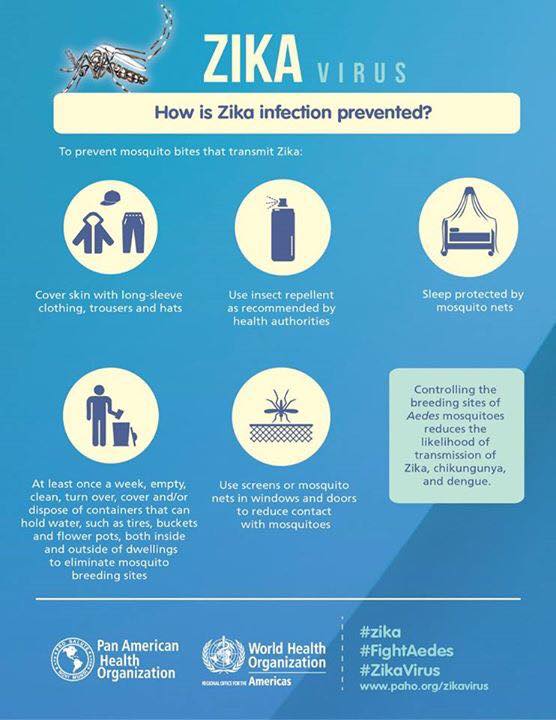
12631467 541487266018761 2664837858511000524 n


Prevention
Mosquitoes and their breeding sites pose a significant risk factor for Zika virus infection. Prevention and control relies on reducing mosquitoes through source reduction (removal and modification of breeding sites) and reducing contact between mosquitoes and people.
This can be done by using insect repellent; wearing clothes (preferably light-coloured) that cover as much of the body as possible; using physical barriers such as screens, closed doors and windows; and sleeping under mosquito nets. It is also important to empty, clean or cover containers that can hold water such as buckets, flower pots or tyres, so that places where mosquitoes can breed are removed.
Special attention and help should be given to those who may not be able to protect themselves adequately, such as young children, the sick or elderly.
During outbreaks, health authorities may advise that spraying of insecticides be carried out. Insecticides recommended by the WHO Pesticide Evaluation Scheme may also be used as larvicides to treat relatively large water containers.
Travellers should take the basic precautions described above to protect themselves from mosquito bites.
Treatment
Zika virus disease is usually relatively mild and requires no specific treatment. People sick with Zika virus should get plenty of rest, drink enough fluids, and treat pain and fever with common medicines. If symptoms worsen, they should seek medical care and advice. There is currently no vaccine available.

Source: WHO
Read more in CDC
January 29, 2016 0 comments
0 FacebookTwitterPinterestLinkedinTumblrVKOdnoklassnikiRedditStumbleuponWhatsappTelegramLINEPocketSkypeViberEmail
Public Health

6 Recommendations of ECHO to reversing the rising trend of childhood obesity and overweight

by Public Health Update January 26, 2016
written by Public Health Update
25 January 2016

World Health Organization

The Commission on Ending Childhood Obesity (ECHO) presented its final report to the WHO Director-General today, culminating a two-year process to address the alarming levels of childhood obesity and overweight globally.


According to the report, many children are growing up today in environments encouraging weight gain and obesity. Driven by globalization and urbanization, exposure to unhealthy (obesogneic) environments is increasing in high-, middle- and low-income countries and across all socioeconomic groups. The marketing of unhealthy foods and non-alcoholic beverages was identified as a major factor in the increase in numbers of children being overweight and obese, particularly in the developing world.

The ECHO report proposes a range of recommendations for governments aimed at reversing the rising trend of children aged under 5 years becoming overweight and obese. 
At least 41 million children in this age group are obese or overweight, with the greatest rise in the number of children being obese or overweight coming from low- and middle-income countries.

echo recommendations
Overweight prevalence among children aged under 5 years has risen between 1990 and 2014, from 4.8% to 6.1%, with numbers of affected children rising from 31 million to 41 million during that time. The number of overweight children in lower middle-income countries has more than doubled over that period, from 7.5 million to 15.5 million.


In 2014, almost half (48%) of all overweight and obese children aged under 5 lived in Asia and one-quarter (25%) in Africa. The number of overweight children aged under 5 in Africa has nearly doubled since 1990 (5.4 million to 10.3 million).
DOWNLOAD FULL REPORT: CLICK HERE

25 January 2016
World Health Organization

January 26, 2016 0 comments
0 FacebookTwitterPinterestLinkedinTumblrVKOdnoklassnikiRedditStumbleuponWhatsappTelegramLINEPocketSkypeViberEmail
Public Health

“GBV Not Only a Societal Problem, a Public Health Problem Too”- WHO

by Public Health Update January 16, 2016
written by Public Health Update
Late Post
At a WHO-sponsored event in Kathmandu organized as a part of ‘16 days of activism against gender based violence’ (GBV) from 25 November to 10 December, WHO Nepal’s Dr Akjemal Magtymova emphasized the public health dimensions of GBV and reiterated WHO’s commitment to help end the problem. 

“Violence against women is not only a societal problem, it is a public health problem too as it can have lasting physical and psychological effects. Strengthening health systems to address GBV is an important part of WHO’s support to its member states,” she said. 


According to Dr Magtymova, the problem of GBV – both at a global and local level – is significant. “While every third woman experiences physical or sexual violence globally, the burden in WHO’s South-East Asia Region is almost 38%, higher than the world average. In Nepal, as per 2011 data, 22% of women of reproductive age had experienced physical violence at least once since the age of 15, and 12% had experienced sexual violence at least once in their lifetime. The majority of victims never sought help,” she said.
While Dr Magtymova stressed the importance of high-level tools to help stem GBV – including World Health Assembly Resolution WHA67.15, which urges states to strengthen the role of the health system in addressing violence, in particular against women, girls and children – she said awareness-raising and advocacy efforts are needed to convert these into systemic and behavioral change. “Advocacy events such as this are crucial in disseminating positive messages to the youth, as well as sensitizing policymakers to the ways in which public health institutions can help end GBV,” she said. “As public health advocates we have a duty to effect change. We take that duty seriously.”


Source: WHO Nepal
January 16, 2016 0 comments
0 FacebookTwitterPinterestLinkedinTumblrVKOdnoklassnikiRedditStumbleuponWhatsappTelegramLINEPocketSkypeViberEmail
Public Health

Latest Ebola outbreak over in Liberia; West Africa is at zero, but new flare-ups are likely to occur -WHO

by Public Health Update January 16, 2016
written by Public Health Update
14 JANUARY 2016 | LIBERIA – Today, WHO declares the end of the most recent outbreak of Ebola virus disease in Liberia and says all known chains of transmission have been stopped in West Africa. But the Organization says the job is not over, more flare-ups are expected and that strong surveillance and response systems will be critical in the months to come.


�
Liberia was first declared free of Ebola transmission in May 2015, but the virus was re-introduced twice since then, with the latest flare-up in November. Today’s announcement comes 42 days (two 21-day incubation cycles of the virus) after the last confirmed patient in Liberia tested negative for the disease 2 times.
All 3 countries at zero
“WHO commends Liberia’s government and people on their effective response to this recent re-emergence of Ebola,” says Dr Alex Gasasira, WHO Representative in Liberia. “The rapid cessation of the flare-up is a concrete demonstration of the government’s strengthened capacity to manage disease outbreaks. WHO will continue to support Liberia in its effort to prevent, detect and respond to suspected cases.”
This date marks the first time since the start of the epidemic 2 years ago that all 3 of the hardest-hit countries—Guinea, Liberia and Sierra Leone—have reported 0 cases for at least 42 days. Sierra Leone was declared free of Ebola transmission on 7 November 2015 and Guinea on 29 December.
9k=
“Detecting and breaking every chain of transmission has been a monumental achievement,” says Dr Margaret Chan, WHO Director-General. “So much was needed and so much was accomplished by national authorities, heroic health workers, civil society, local and international organizations and generous partners. But our work is not done and vigilance is necessary to prevent new outbreaks.”
Vigilance needs to be maintained


�
WHO cautions that the 3 countries remain at high risk of additional small outbreaks of Ebola, like the most recent one in Liberia. To date, 10 such flare-ups have been identified that were not part of the original outbreak, and are likely the result of the virus persisting in survivors even after recovery. Evidence shows that the virus disappears relatively quickly from survivors, but can remain in the semen of a small number of male survivors for as long as 1 year, and in rare instances, be transmitted to intimate partners.
“We are now at a critical period in the Ebola epidemic as we move from managing cases and patients to managing the residual risk of new infections,” says Dr Bruce Aylward, WHO’s Special Representative for the Ebola Response. “The risk of re-introduction of infection is diminishing as the virus gradually clears from the survivor population, but we still anticipate more flare-ups and must be prepared for them. A massive effort is underway to ensure robust prevention, surveillance and response capacity across all three countries by the end of March.”
WHO and partners are working with the Governments of Guinea, Liberia and Sierra Leone to help ensure that survivors have access to medical and psychosocial care and screening for persistent virus, as well as counselling and education to help them reintegrate into family and community life, reduce stigma and minimize the risk of Ebola virus transmission.
The Ebola epidemic claimed the lives of more than 11 300 people and infected over 28 500. The disease wrought devastation to families, communities and the health and economic systems of all 3 countries.

MEDIA CENTER

News release
WHO
January 16, 2016 0 comments
0 FacebookTwitterPinterestLinkedinTumblrVKOdnoklassnikiRedditStumbleuponWhatsappTelegramLINEPocketSkypeViberEmail
National Health NewsPublic HealthPublic Health News

Parliament passes Vaccination Bill

by Public Health Update January 5, 2016
written by Public Health Update


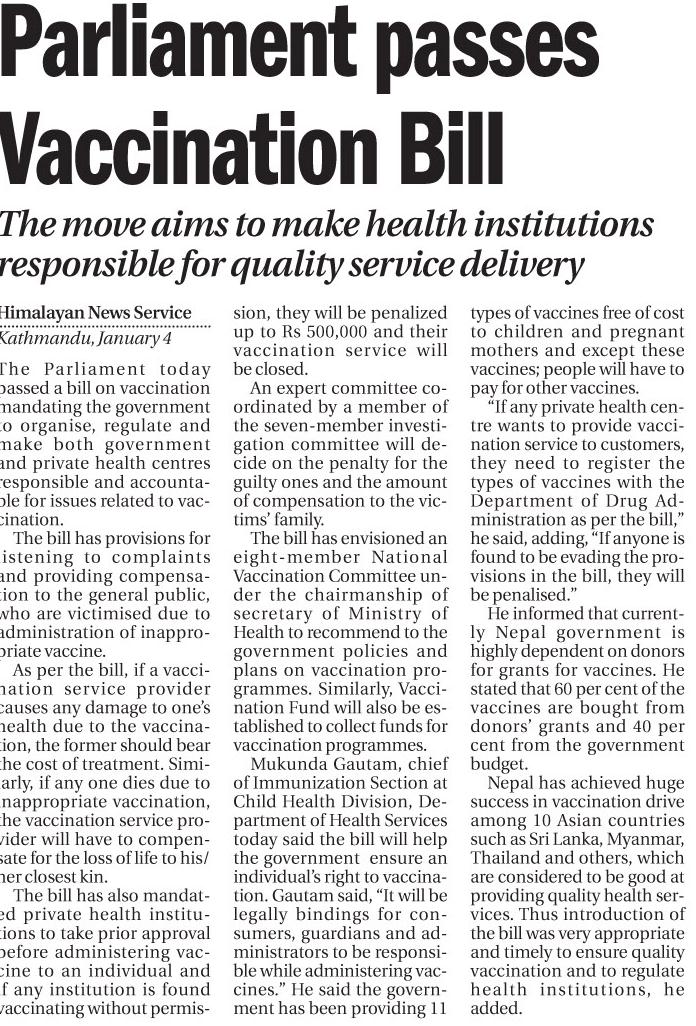
11942493
Thehimalayantimes (1/5/2016)


January 5, 2016 0 comments
0 FacebookTwitterPinterestLinkedinTumblrVKOdnoklassnikiRedditStumbleuponWhatsappTelegramLINEPocketSkypeViberEmail
Public Health

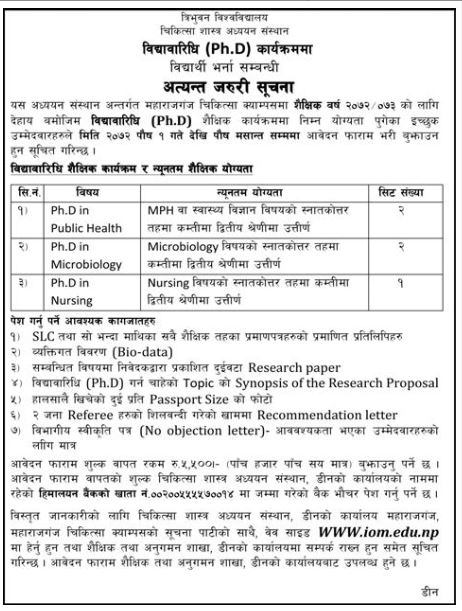
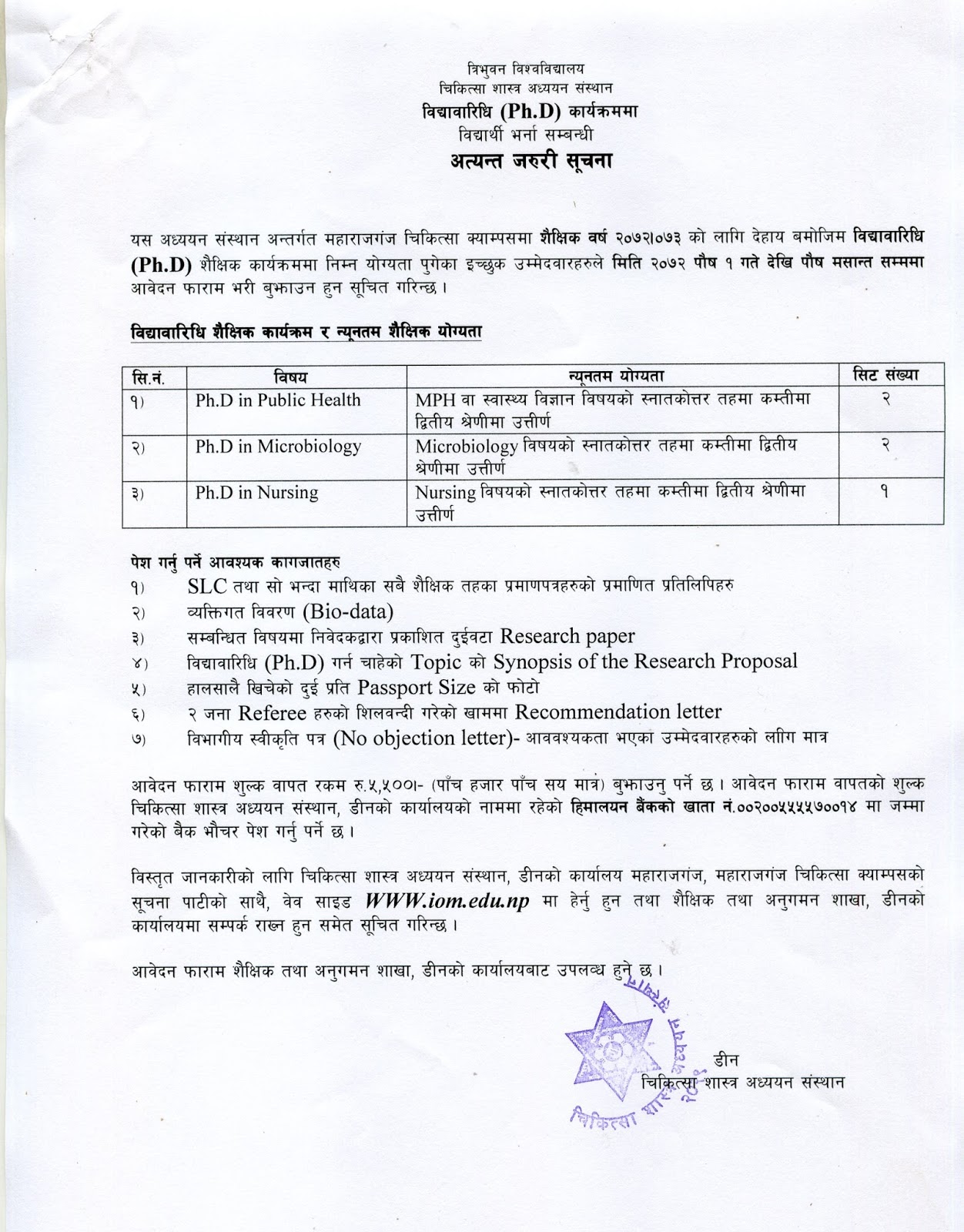
Ph.D in Public Health – IOM

by Public Health Update December 16, 2015
written by Public Health Update

IOM
Kantipur (16th Dec 2015)


Urgent%2Bnotice%2Bregarding%2BPh.D%2BProgram
IOM Notice

December 16, 2015 0 comments
0 FacebookTwitterPinterestLinkedinTumblrVKOdnoklassnikiRedditStumbleuponWhatsappTelegramLINEPocketSkypeViberEmail
MiscellaneousPublic Health Notes

Human Development Report -2015

by Public Health Update December 15, 2015
written by Public Health Update
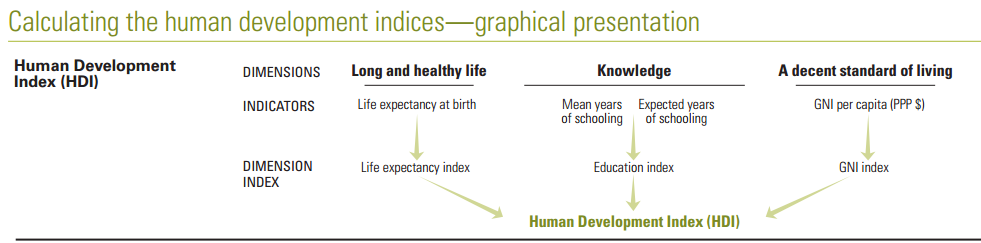
Human Development Index (HDI): A composite index measuring average achievement in three basic dimensions of human development—a long and healthy life, knowledge and a decent standard of living. 
See Technical note 1 at http://hdr.undp.org/sites/default/files/hdr2015_technical_notes.pdf for details on how the HDI is calculated.
HHH

Life expectancy at birth: Number of years a newborn infant could expect to live if prevailing patterns of age-specific mortality rates at the time of birth stay the same throughout the infant’s life.

Expected years of schooling: Number of years of schooling that a child of school entrance age can expect to receive if prevailing patterns of age-specific enrollment rates persist throughout the child’s life.

Mean years of schooling: Average number of years of education received by people ages 25 and older, converted from education attainment levels using official durations of each level.
Gross national income (GNI) per capita: Aggregate income of an economy generated by its production and its ownership of factors of production, less the incomes paid for the use of factors of production owned by the rest of the world, converted to international dollars using PPP rates, divided by midyear population.

HDI RANK OF NEPAL: 145 
Low Human Development
HDI VALUE: 0.548

Very high human development 0.800 and above 

High human development 0.700–0.799 
Medium human development 0.550–0.699 
Low human development Below 0.550

hdi

webhdr banner
READ WEB VERSION HD REPORT:CLICK HERE
DOWNLOAD PDF FILE
December 15, 2015 0 comments
0 FacebookTwitterPinterestLinkedinTumblrVKOdnoklassnikiRedditStumbleuponWhatsappTelegramLINEPocketSkypeViberEmail
PH Important DayPublic Health

Health for All: 12.12.15 : Universal Health Coverage Day

by Public Health Update December 12, 2015
written by Public Health Update
Universal health coverage is defined as ensuring that all people have access to needed promotive, preventive, curative and rehabilitative health services, of sufficient quality to be effective, while also ensuring that people do not suffer financial hardship when paying for these services. Universal health coverage has therefore become a major goal for health reform in many countries and a priority objective of WHO. 

Universal health coverage embodies three related objectives:
  • Equity in access to health services – those who need the services should get them, not only those who can pay for them;
  • that the quality of health services is good enough to improve the health of those receiving services; and
  • financial-risk protection – ensuring that the cost of using care does not put people at risk of financial hardship.

WHO
uhc day badge


The global community has spoken: universal health coverage is right, smart and overdue. But too many people are still waiting to access quality, essential health services without financial hardship.


December 12, 2015 0 comments
0 FacebookTwitterPinterestLinkedinTumblrVKOdnoklassnikiRedditStumbleuponWhatsappTelegramLINEPocketSkypeViberEmail
Public HealthPublic Health Notes

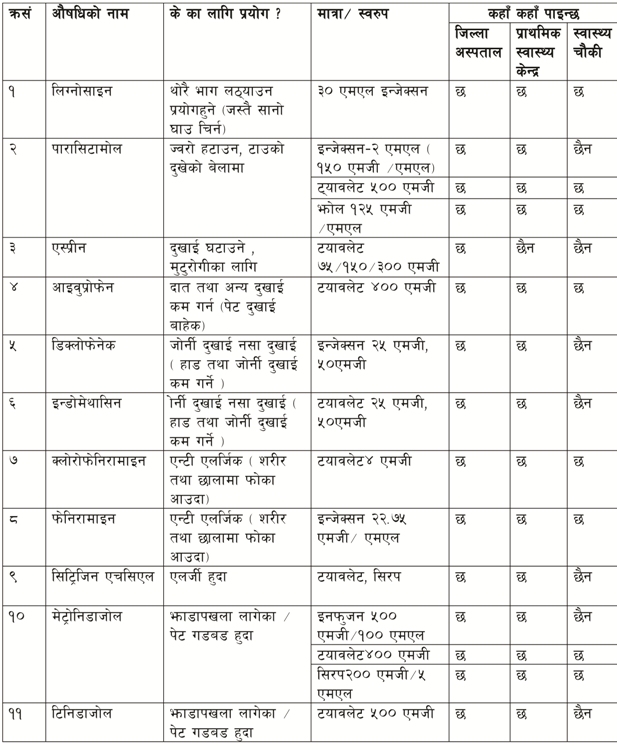
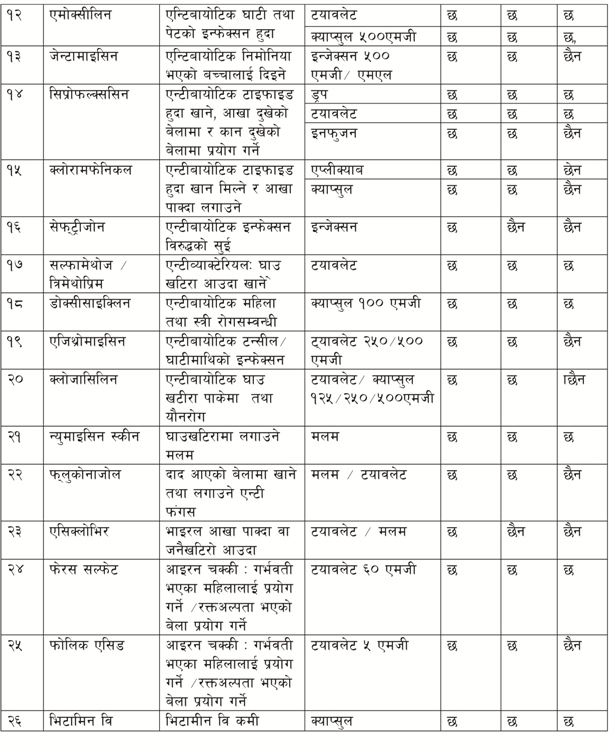
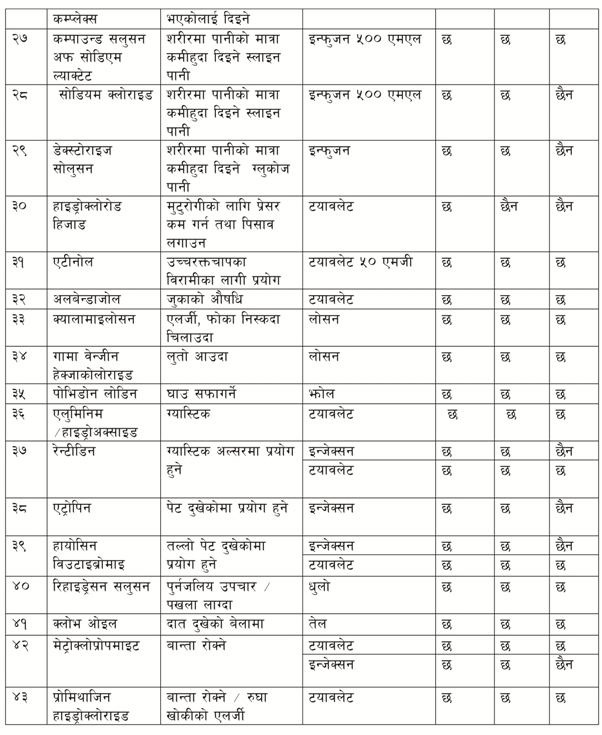
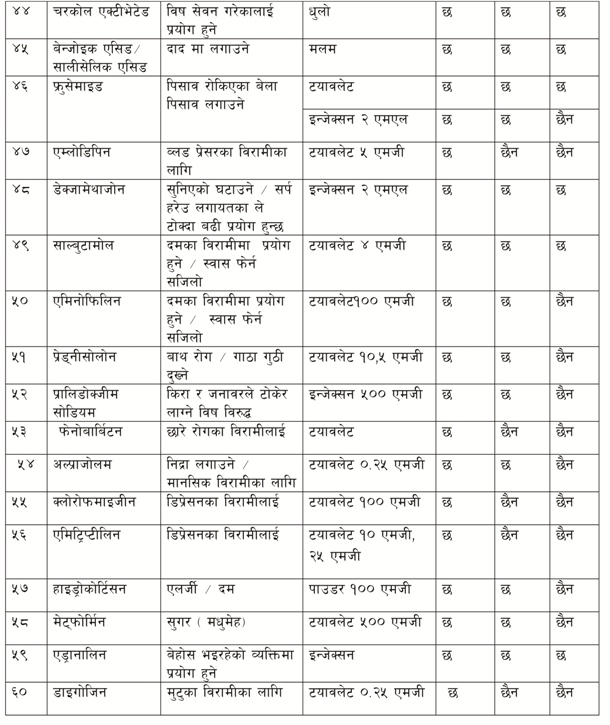
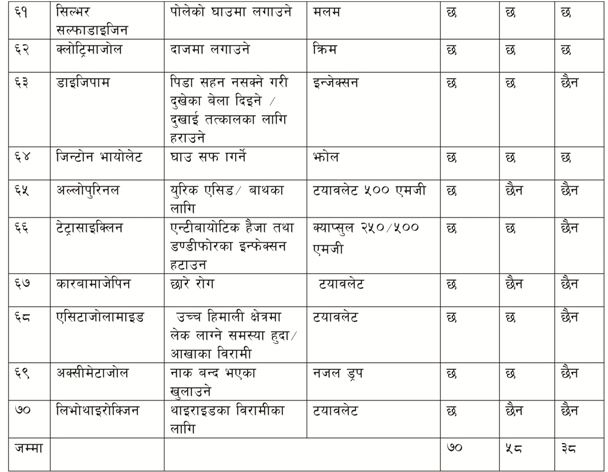
Loksewa Imp: List of Free medicines available in Nepal (Source of Info: www.nepalihealth.com)

by Public Health Update December 12, 2015
written by Public Health Update
tabal1 copy
Original Source of Info : http://www.nepalihealth.com

tabal2 copy
Original Source of Info : http://www.nepalihealth.com

tabal3 copy
Original Source of Info : http://www.nepalihealth.com

tabal4 copy
Original Source of Info : http://www.nepalihealth.com


tabal5 copy
Original Source of Info : http://www.nepalihealth.com


December 12, 2015 0 comments
0 FacebookTwitterPinterestLinkedinTumblrVKOdnoklassnikiRedditStumbleuponWhatsappTelegramLINEPocketSkypeViberEmail
International Plan, Policy & GuidelinesPublic Health

Health in 2015: from MDGs to SDGs – WHO

by Public Health Update December 10, 2015
written by Public Health Update
WHO launched a new comprehensive analysis of global health trends since 2000 and an assessment of the challenges for the next 15 years.

This report aims to describe global health in 2015, looking back 15 years at the trends and positive forces during the Millennium Development Goal (MDG) era and assessing the main challenges for the coming 15 years.

“Health in 2015: from MDGs to SDGs” identifies the key drivers of progress in health under the United Nations Millennium Development Goals (MDGs). It lays out actions that countries and the international community should prioritize to achieve the new Sustainable Development Goals (SDGs), which come into effect on 1 January 2016.
Read more: http://www.who.int/gho/publications/mdgs-sdgs/en/

Download full Report: “Health in 2015: from MDGs to SDGs


December 10, 2015 0 comments
0 FacebookTwitterPinterestLinkedinTumblrVKOdnoklassnikiRedditStumbleuponWhatsappTelegramLINEPocketSkypeViberEmail
Newer Posts
Older Posts

Search

Follow Us

Facebook Twitter Instagram Pinterest Linkedin Youtube

Categories

  • Abstracts (25)
  • Activities (91)
  • Adolescent Sexual and Reproductive Health (ASRH) (25)
  • Advice & Tips (3)
  • African Region (5)
  • AI and Health (1)
  • Annual Meeting (6)
  • Antimicrobial Resistance (AMR) (21)
  • Award (19)
  • Awards (16)
  • Books (9)
  • Call for Proposal, EOI & RFP (103)
  • Call for Research Participants (8)
  • Clinical Doctor Jobs (6)
  • Communicable Diseases (107)
  • Competition (20)
  • Conference (128)
  • Consultant (1)
  • Courses (205)
  • Dashboard (2)
  • Digital Health & Health Informatics (10)
  • Drug and Medicine (18)
  • Eastern Mediterranean Region (3)
  • Education (15)
  • Environment (3)
  • Environmental Health & Climate Change (47)
  • European Region (42)
  • Exchange Program (1)
  • Fact Sheet (117)
  • FCHVs (1)
  • Fellowships, Studentship & Scholarships (168)
  • Financial Aid (13)
  • Form Formats (2)
  • Fully funded (22)
  • Global Health News (433)
  • Grants and Funding Opportunities (193)
  • Guest Post (44)
  • Health Assistant Jobs (1)
  • Health Equity (7)
  • Health Financing and Economics (24)
  • Health in Data (115)
  • Health Insurance (5)
  • Health Jobs (52)
  • Health Literacy, Health Education & Promotion (49)
  • Health Organization Profile (42)
  • Health Systems (83)
  • Human Resource for Health (33)
  • Humanitarian Health & Emergency Response (44)
  • Hypertension (5)
  • Implementation Research (48)
  • International Health (3)
  • International Jobs & Opportunities (373)
  • International Plan, Policy & Guidelines (210)
  • Internships (4)
  • Jobs Vacancies (56)
  • Journals (8)
  • Life Style & Public Health Nutrition (39)
  • Live (10)
  • Master's Degree (48)
  • Maternal, Newborn and Child Health (88)
  • Mentorship Program (2)
  • Miscellaneous (16)
  • National Health News (157)
  • National Plan, Policy & Guidelines (468)
  • Neglected Tropical Diseases (NTDs) (51)
  • Non- Communicable Diseases (NCDs) (120)
  • Notice (103)
  • Nursing Jobs (6)
  • Nutritionist Jobs (1)
  • One Health (17)
  • Online & Distance Learning (22)
  • Online Courses (90)
  • Op-Ed Article (3)
  • Opportunities by Region (83)
  • Outbreak News (213)
  • Partially funded (6)
  • PCL Health Science Jobs (3)
  • PH Important Day (533)
  • Pharmacist Jobs (3)
  • PhD (54)
  • Photos (5)
  • Planetary Health (4)
  • PostDoc (14)
  • Presentation Slides (26)
  • Primary Health Care (25)
  • Provincial Plan, Policies and Guidelines (14)
  • Public Health (1,282)
  • Public Health Epidemiology & Biostatistics (13)
  • Public Health Events (306)
  • Public Health Information (20)
  • Public Health Innovation (9)
  • Public Health Jobs (52)
  • Public Health News (552)
  • Public Health Notes (120)
  • Public Health Opportunities (507)
  • Public Health Opportunity (491)
  • Public Health Programs (108)
  • Public Health Seminar (2)
  • Public Health Tools (1)
  • Public Health Update (561)
  • Quality Improvement & Infection Prevention (20)
  • Region of America (8)
  • Reports (184)
  • Research & Project Grants (39)
  • Research & Project Grants (32)
  • Research & Publication (647)
  • Research Articles (10)
  • Road Traffic Accidents (RTA) (9)
  • School of Public Health (60)
  • Self funded (2)
  • South-East Asia Region (26)
  • Success Stories (17)
  • Summer and Winter Courses (40)
  • Summer Courses (28)
  • Sustainable Development Goals (SDGs) (14)
  • Syllabus (61)
  • Symposium (9)
  • Tobacco Control (35)
  • Training (40)
  • Travel Grants (15)
  • Trick, Technique & Skills (8)
  • Uncategorized (3)
  • Undergraduate Degree (7)
  • Universal Health Coverage (36)
  • Universities (29)
  • Universities & School of Public Health (58)
  • Vacancy Announcement (26)
  • Vaccine Preventable Diseases (40)
  • Vector-Borne Diseases(VBDs) (30)
  • Videos (3)
  • View Points (1)
  • Webinar (4)
  • Western Pacific Region (13)
  • Workshop (18)
  • World News (116)
Post New Jobs: Vacancy Announcement Service

Public Health Update (Sagun’s Blog) is a popular public health portal in Nepal. Thousands of health professionals are connected with Public Health Update to get up-to-date public health updates, search for jobs, and explore opportunities.
#1 Public Health Blog for sharing Job opportunities and updates in Nepal

”Public Health Information For All”
– – Sagun Paudel, Founder

  • HOT JOBS
    • Public Health Jobs
    • Medical Doctor Jobs
    • Nursing Jobs
    • Health Assistant Jobs
    • Pharmacist Jobs
    • NGOs Jobs
    • Government Jobs
  • Top Categories
    • National Plan, Policy & Guidelines Top
    • Public Health Calendar
    • Fellowships & Scholarships
    • Health Systems
    • Health Organization Profiles
    • International Jobs & Opportunities
    • Public Health Opportunity

PUBLIC HEALTH INITIATIVE

    • Submit your Vacancies New
    • Partnership Opportunities

Contact: blog.publichealthupdate@gmail.com

https://wa.me/+9779856036932

Public Health Initiative, A Registered Non-profit organization – All Right Reserved. 2011-2024. Contact us. 

Facebook Twitter Instagram Youtube Envelope
Public Health Update
  • Home
  • Public Health
    • Home 1
      • Adolescent Sexual and Reproductive Health (ASRH)
      • Antimicrobial Resistance (AMR)
      • Communicable Diseases
      • Digital Health & Health Informatics
      • Environmental Health & Climate Change
      • Health Financing and Economics
      • Health Equity
    • Home 2
      • Health Literacy, Health Education & Promotion
      • Human Resource for Health
      • Humanitarian Health & Emergency Response
      • Implementation Research
      • International Health
      • Life Style & Public Health Nutrition
      • Maternal, Newborn and Child Health
    • Home 3
      • Neglected Tropical Diseases (NTDs)
      • Non- Communicable Diseases (NCDs)
      • One Health
      • Planetary Health
      • Public Health Epidemiology & Biostatistics
      • Primary Health Care
      • Quality Improvement & Infection Prevention
    • Home 4
      • Road Traffic Accidents (RTA)
      • Sustainable Development Goals (SDGs)
      • Tobacco Control
      • Universal Health Coverage
      • Vaccine Preventable Diseases
      • Vector-Borne Diseases(VBDs)
      • Notices
  • Public Health Update
    • Home 1
      • Public Health News
      • Global Health News
      • Outbreak News
      • National Health News
      • COVID-19
    • Home 2
      • Fact Sheet
      • Health in Data
      • PH Important Day
      • Public Health Events
      • Public Health Programs
    • Home 3
      • Health Systems
      • Health Insurance
      • Health Organization Profile
      • Success Stories
      • Public Health Innovation
  • Public Health Opportunities
    • Fully funded
    • Travel Grants
    • Grants and Funding Opportunities
    • Opportunities by Region
    • International Jobs & Opportunities
    • Research & Project Grants
    • Fellowships, Studentship & Scholarships
    • Conference
  • Jobs
    • Home 1
      • Health Jobs
      • Public Health Jobs
      • Clinical doctor Jobs
      • Health Assistant Jobs
      • Nursing Jobs
      • PCL Health Science Jobs
    • Home 2
      • Dental Jobs
      • Pharmacist Jobs
      • TSLC (Health Jobs)
      • Laboratory Jobs
      • Nutritionist Jobs
  • Downloads
    • International Plan, Policy & Guidelines
    • National Plan, Policy & Guidelines
    • Reports
    • Books
    • Research Articles
  • School of Public Health
    • Home 1
      • Courses
      • Master’s Degree
      • Undergraduate Degree
      • PhD
    • Home 2
      • Universities
      • Syllabus
      • Public Health Notes
      • Mentorship Program
      • Startup Project
    • Home
      • Summer and Winter Courses
      • Summer Courses
      • Online Courses
      • Workshop
      • Training
Public Health Update
  • Home
  • Public Health
    • Home 1
      • Adolescent Sexual and Reproductive Health (ASRH)
      • Antimicrobial Resistance (AMR)
      • Communicable Diseases
      • Digital Health & Health Informatics
      • Environmental Health & Climate Change
      • Health Financing and Economics
      • Health Equity
    • Home 2
      • Health Literacy, Health Education & Promotion
      • Human Resource for Health
      • Humanitarian Health & Emergency Response
      • Implementation Research
      • International Health
      • Life Style & Public Health Nutrition
      • Maternal, Newborn and Child Health
    • Home 3
      • Neglected Tropical Diseases (NTDs)
      • Non- Communicable Diseases (NCDs)
      • One Health
      • Planetary Health
      • Public Health Epidemiology & Biostatistics
      • Primary Health Care
      • Quality Improvement & Infection Prevention
    • Home 4
      • Road Traffic Accidents (RTA)
      • Sustainable Development Goals (SDGs)
      • Tobacco Control
      • Universal Health Coverage
      • Vaccine Preventable Diseases
      • Vector-Borne Diseases(VBDs)
      • Notices
  • Public Health Update
    • Home 1
      • Public Health News
      • Global Health News
      • Outbreak News
      • National Health News
      • COVID-19
    • Home 2
      • Fact Sheet
      • Health in Data
      • PH Important Day
      • Public Health Events
      • Public Health Programs
    • Home 3
      • Health Systems
      • Health Insurance
      • Health Organization Profile
      • Success Stories
      • Public Health Innovation
  • Public Health Opportunities
    • Fully funded
    • Travel Grants
    • Grants and Funding Opportunities
    • Opportunities by Region
    • International Jobs & Opportunities
    • Research & Project Grants
    • Fellowships, Studentship & Scholarships
    • Conference
  • Jobs
    • Home 1
      • Health Jobs
      • Public Health Jobs
      • Clinical doctor Jobs
      • Health Assistant Jobs
      • Nursing Jobs
      • PCL Health Science Jobs
    • Home 2
      • Dental Jobs
      • Pharmacist Jobs
      • TSLC (Health Jobs)
      • Laboratory Jobs
      • Nutritionist Jobs
  • Downloads
    • International Plan, Policy & Guidelines
    • National Plan, Policy & Guidelines
    • Reports
    • Books
    • Research Articles
  • School of Public Health
    • Home 1
      • Courses
      • Master’s Degree
      • Undergraduate Degree
      • PhD
    • Home 2
      • Universities
      • Syllabus
      • Public Health Notes
      • Mentorship Program
      • Startup Project
    • Home
      • Summer and Winter Courses
      • Summer Courses
      • Online Courses
      • Workshop
      • Training
Public Health Initiative, A Registered Non-profit organization – All Right Reserved. 2011-2023